巴伐利亞山麓農舍的轉化使用與重新詮釋

bakery interior with wooden shelves and rows of artisan bread in warm natural light
巴伐利亞山麓農舍在既有結構中轉用,空間重新改造


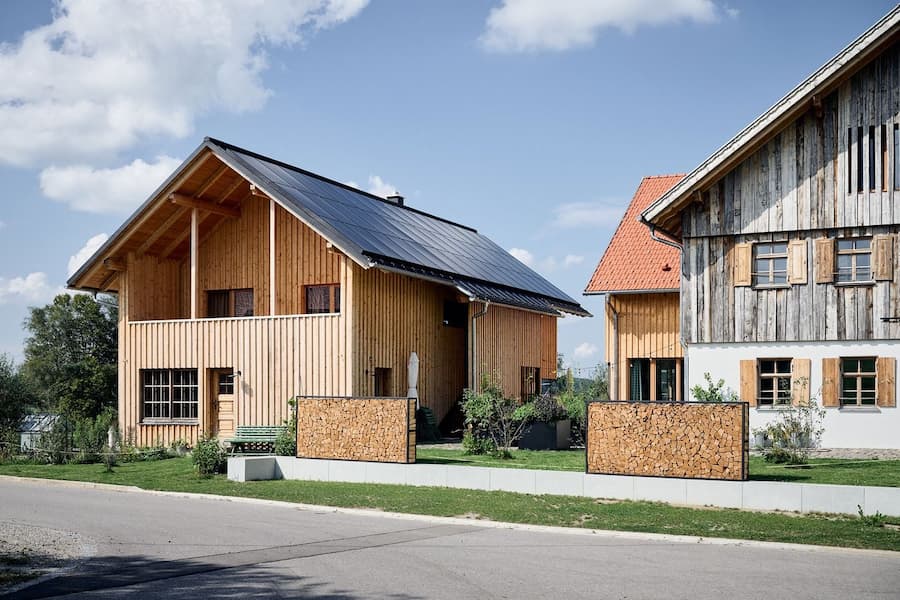
巴伐利亞山麓農舍在既有結構中轉用,穀倉與牛棚沿原有跨距被重新安排,挑高與居住空間被直接分開,色彩與材料進入其中,在不同房間與界面之間逐步展開,讓傳統建築在使用與改造過程中慢慢轉變。
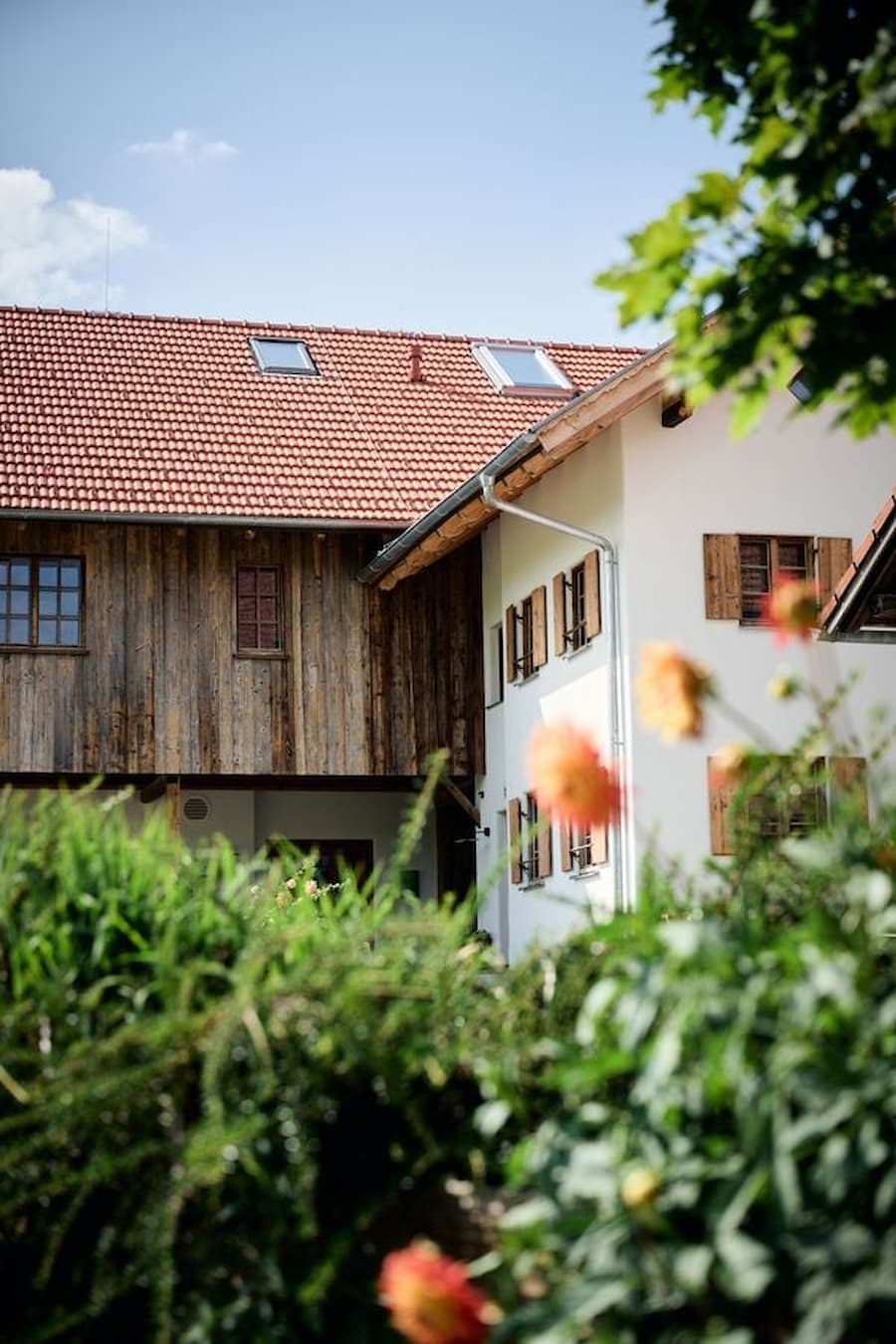
 

bavarian farmhouse set within alpine foothill landscape with barn and main house volumes


坐落在 Bavaria’s Allgäu 地區起伏的山麓,一座擁有200年歷史的農舍經過改造,煥然一新,成為一家設計感十足的賓館。原有建築位於坡地邊緣,其基礎與承重牆體順應地勢展開,改造並未抹平這些條件,而是保留結構的原始受力邏輯 (existing structure) 它既保留了鄉村的質樸風情,也散發著鮮明的現代氣息。新介入的空間並非覆蓋舊構,而是透過插入與減量,使新舊結構之間形成可辨識的層次關係如今,Ebenrieder 賓館擁有五套公寓和四間客房,在保留其傳統建築風格的同時,也融入了 Munich 室內設計師 Stephanie Thatenhorst (斯蒂芬妮﹡塔滕霍斯特) 的巧思,賦予其全新的空間感和美學清晰度。原有房間格局依據農舍的結構跨距被重新調整 (structural span),部分牆體被打開或保留,以維持荷載傳遞的連續性,同時引入新的動線節點 Thatenhorst 的設計方案生動而富有表現力,巧妙地將建築的鄉村特色與現代設計理念融合在一起。設計並未刻意隱藏結構,而是讓梁柱、厚牆與開口關係成為空間閱讀的一部分她從1960年代米蘭的室內設計中汲取靈感,精心打造出色彩、圖案和形式的巧妙互動,在過去與現在之間建立起一種充滿活力的對話色彩與幾何配置並非單純裝飾,而是依附於既有結構節點展開,使視覺秩序與結構分布產生對應。
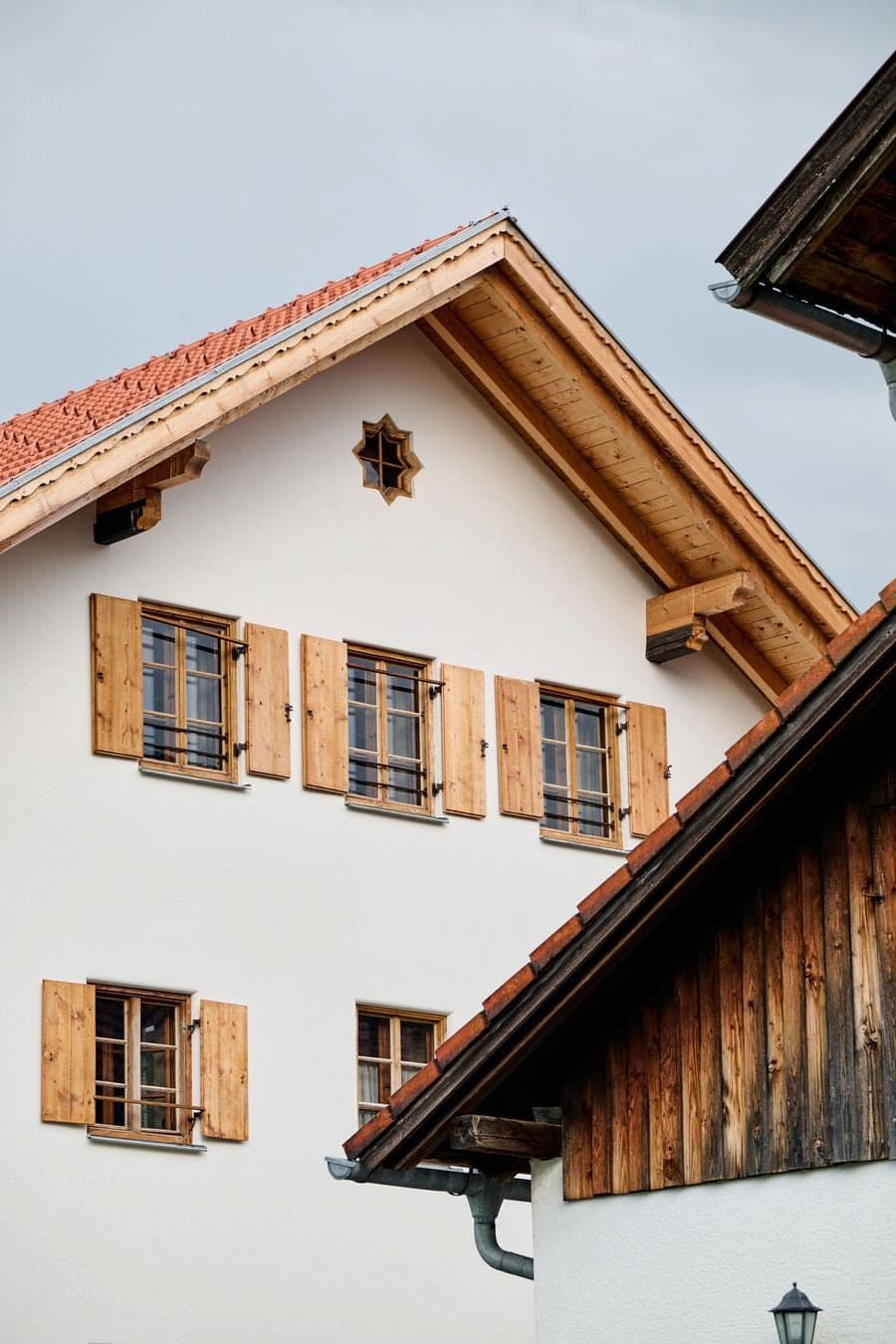
 

traditional farmhouse facade with timber shutters plaster wall and roof eaves detail


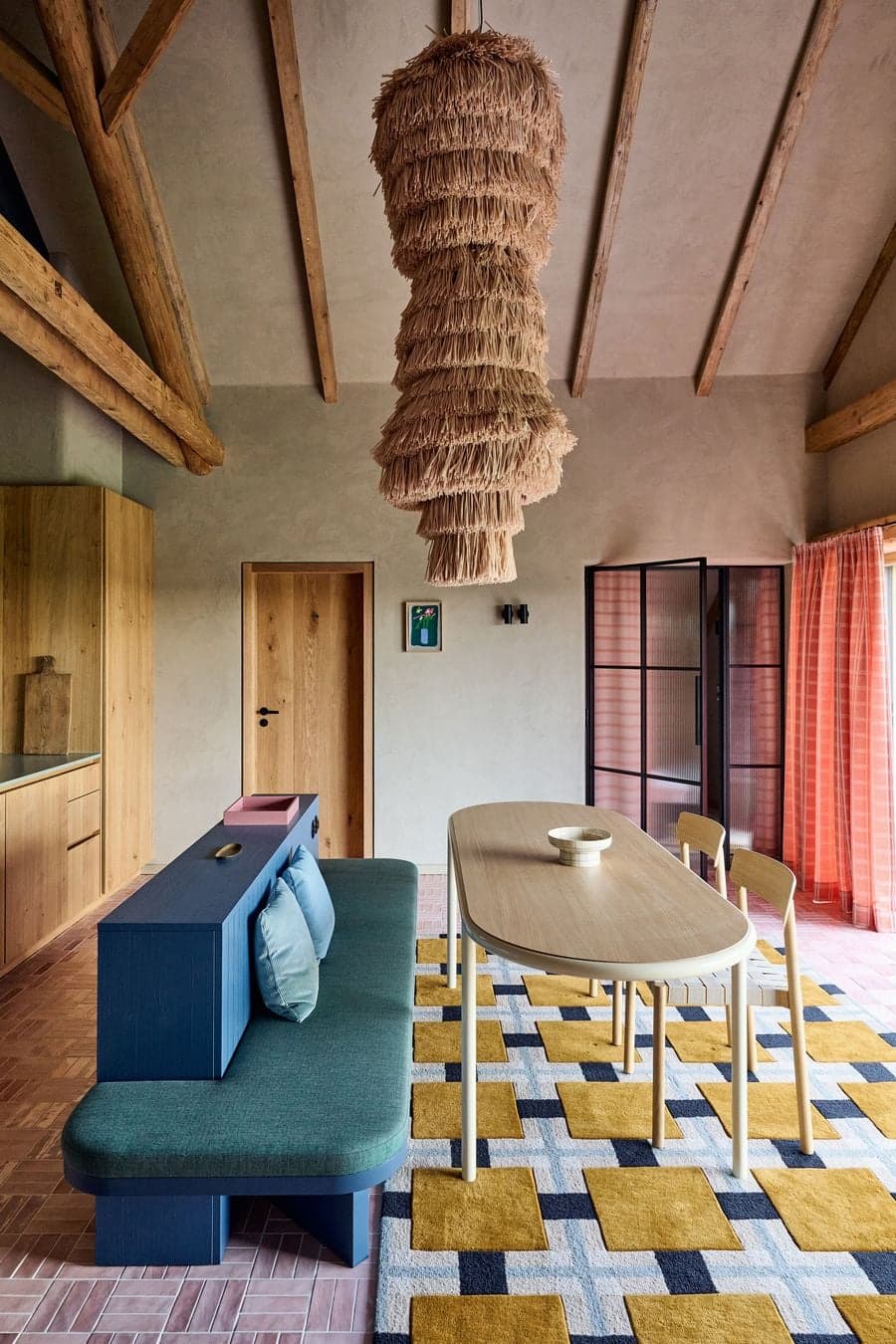
從空間佈局來看,該項目得益於建築寬敞的體積。既有穀倉的結構跨距與屋架高度構成空間生成的基礎,使大尺度內部得以在不新增支撐的情況下被重新利用 (adaptive reuse) 在原先的穀倉中,一個高達七米的雙層挑高公共區域在屋頂結構下展開,屋架系統不僅承載屋面重量,同時界定了垂直尺度,使挑高空間成為結構直接外顯的結果其開闊的空間與相鄰主樓內更為私密的雙臥室公寓和客房形成鮮明對比,不同結構模數之間的轉換,轉化為公共與私密空間的界線 (spatial reconfiguration) 每間公寓和客房都擁有各自獨特的設計風格。內部分隔並未破壞原有承重系統,而是依附於既有牆體與梁架節點進行配置其中,「工作室」公寓的設計理念是為創意人士打造一個不僅可以居住,還可以舉辦工作坊和展覽的場所。其開放平面回應原始結構的跨距條件,使空間具有彈性使用的可能貫穿整個建築的大面積窗戶將周圍山巒的景色盡收眼底,開口位置依附於結構間隙與牆體承載能力配置,避免削弱整體穩定強化了人與自然的聯繫,同時也讓自然光線照亮室內豐富的紋理和色彩。
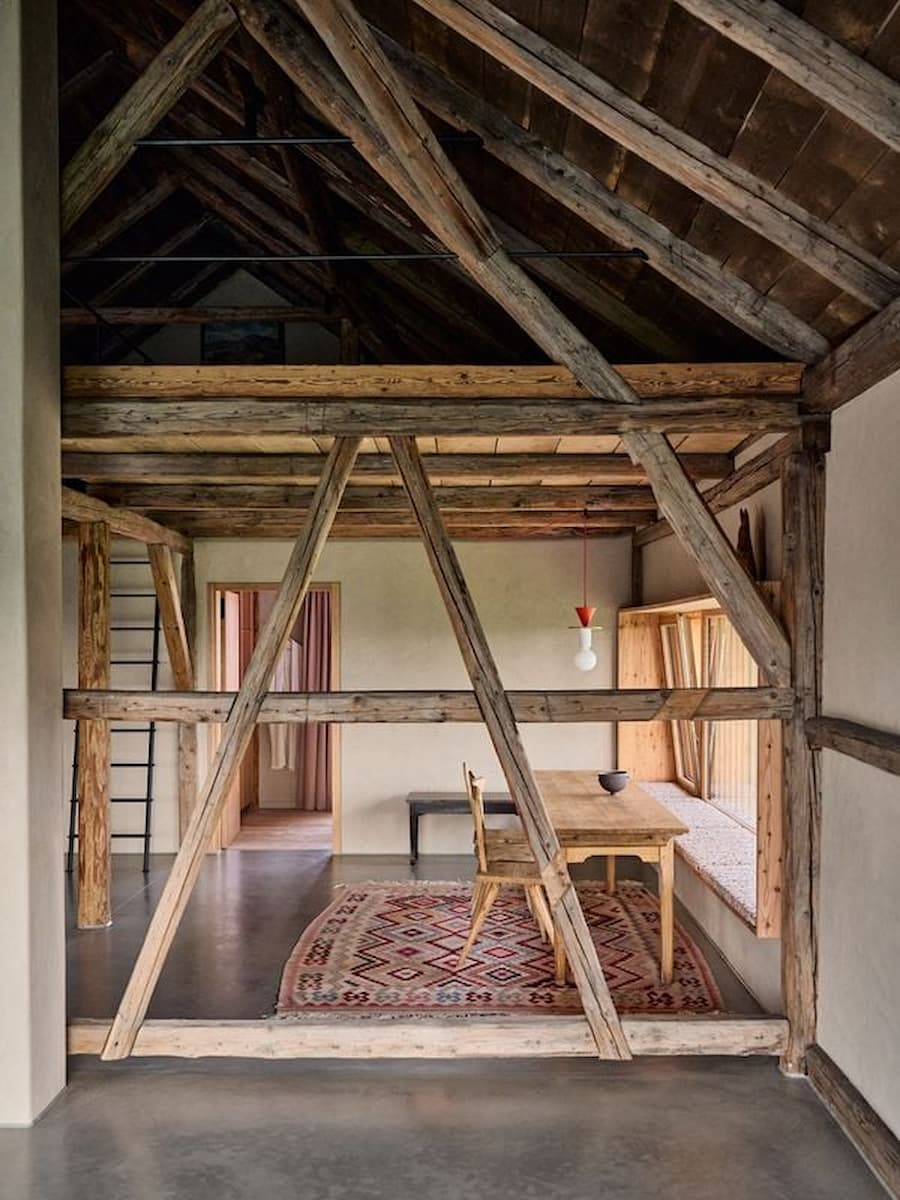
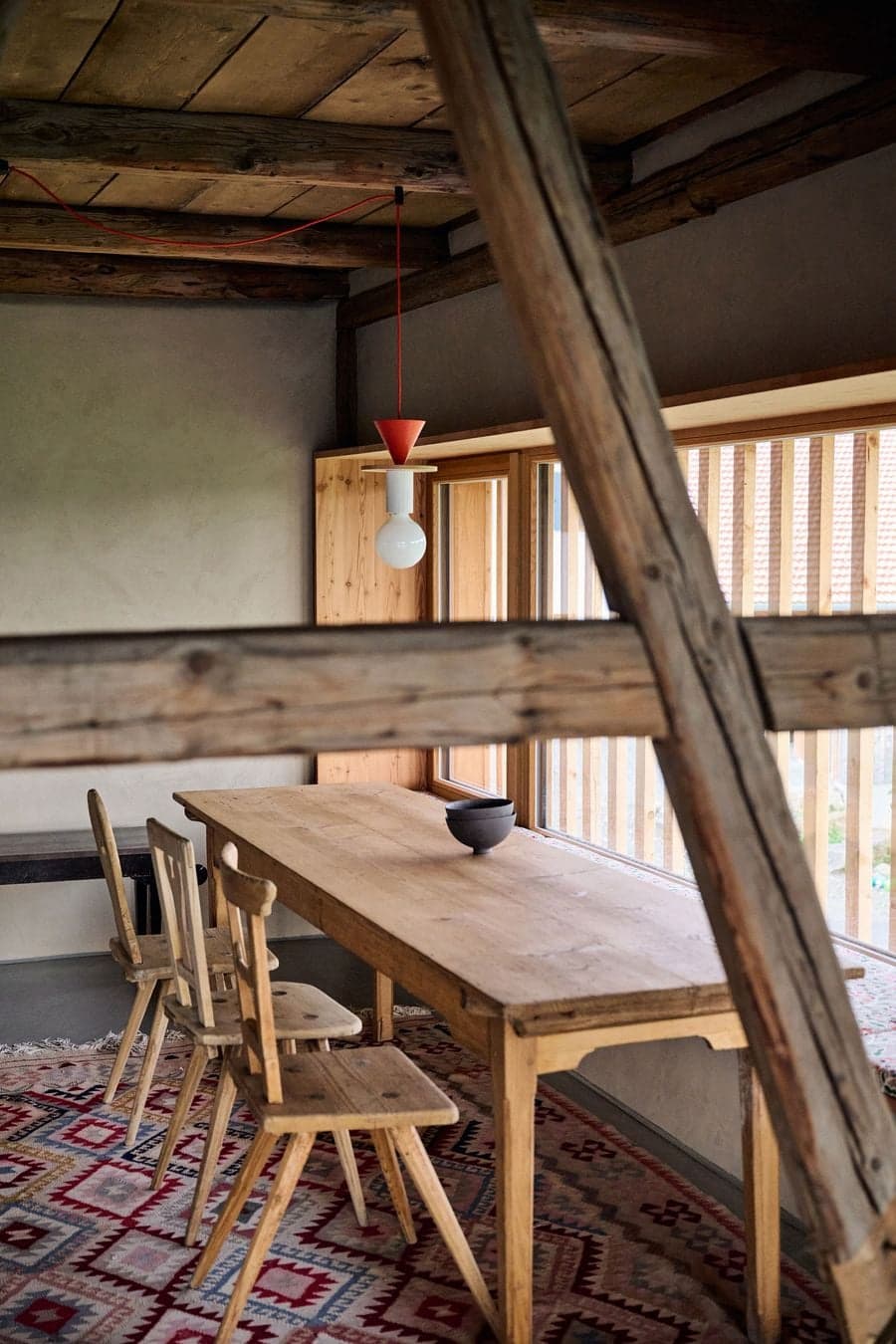
 

double height barn interior with exposed timber frame and open spatial layout


dining area framed by timber structure and large window openings


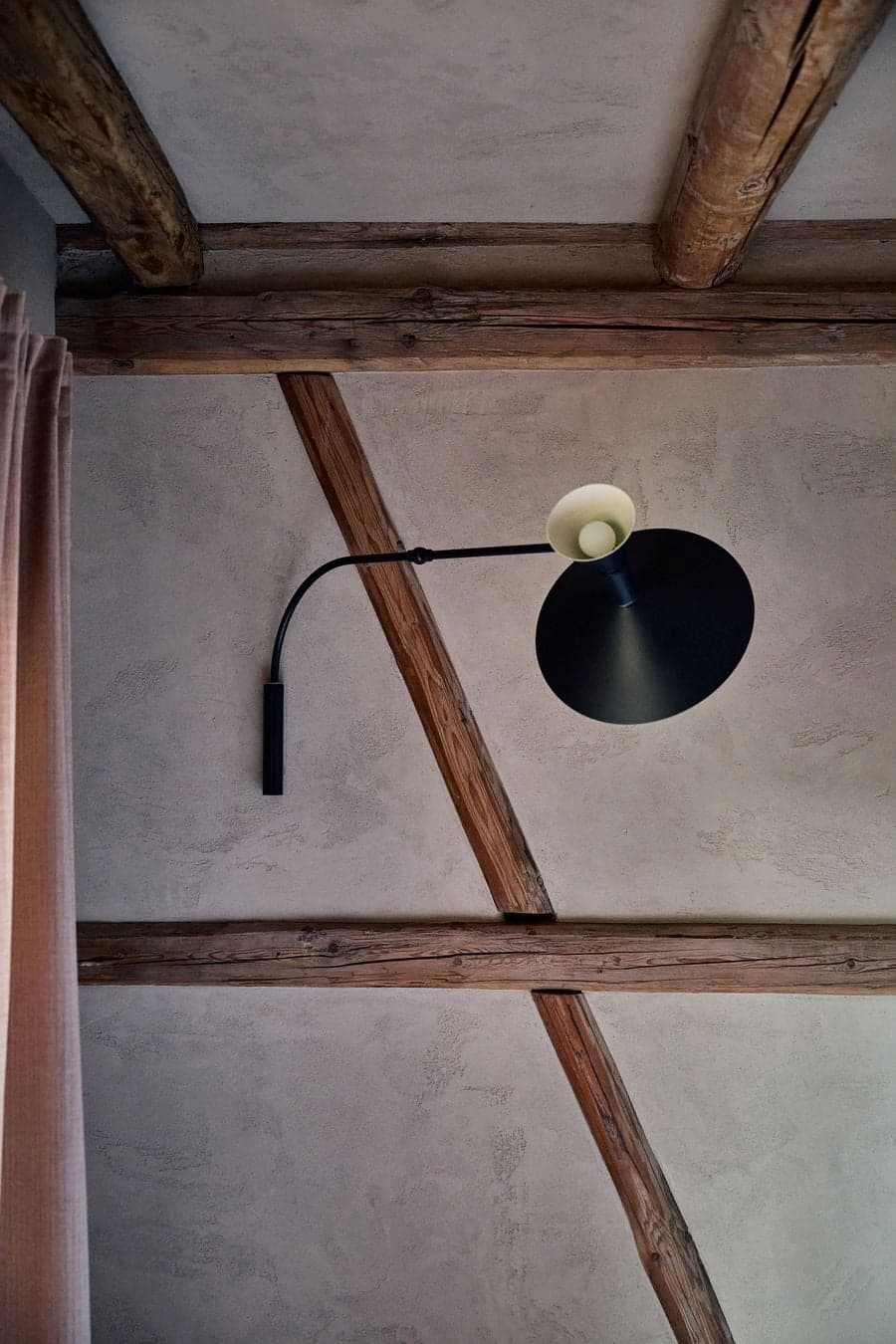
timber beam structure intersecting with plaster wall and integrated lighting


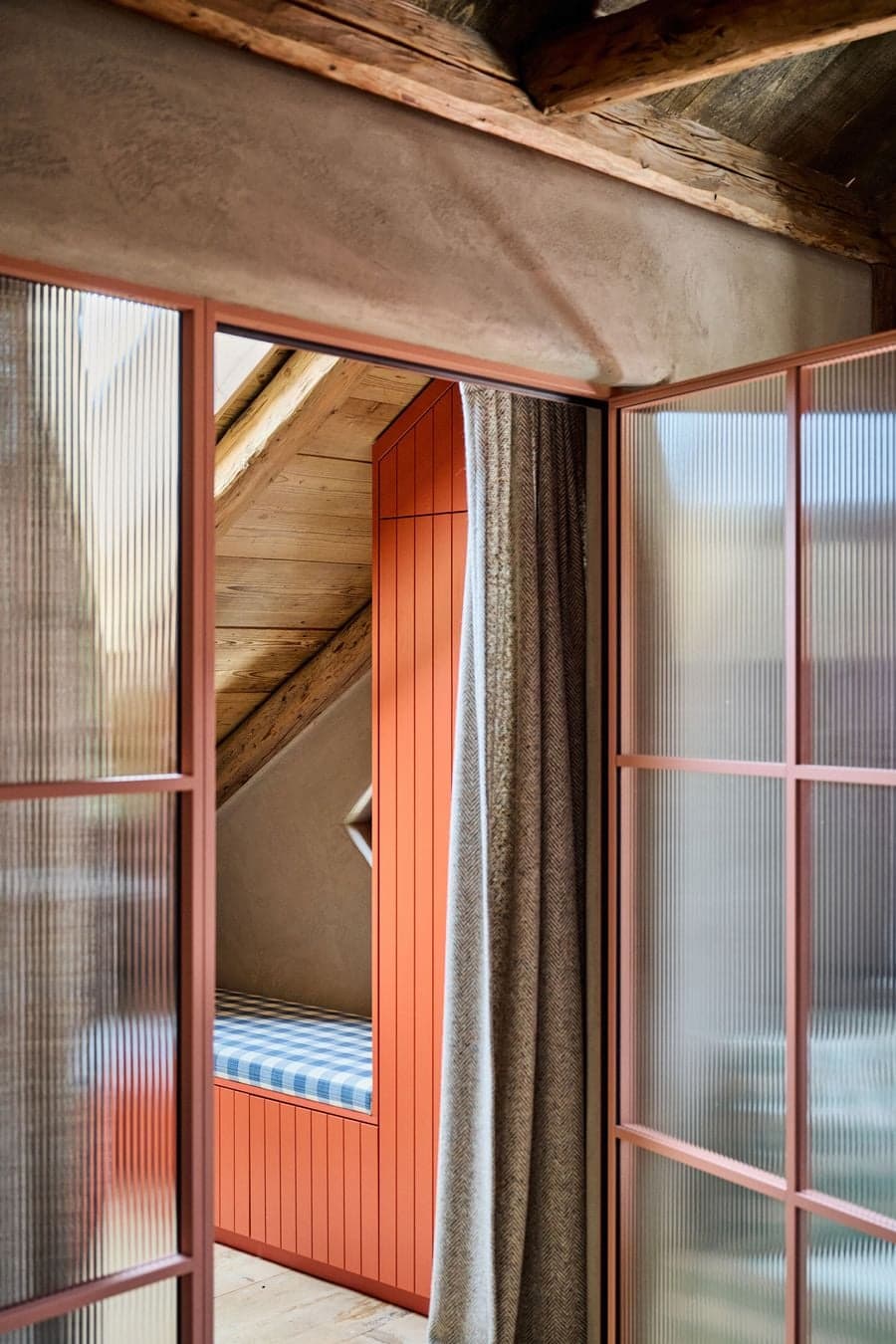
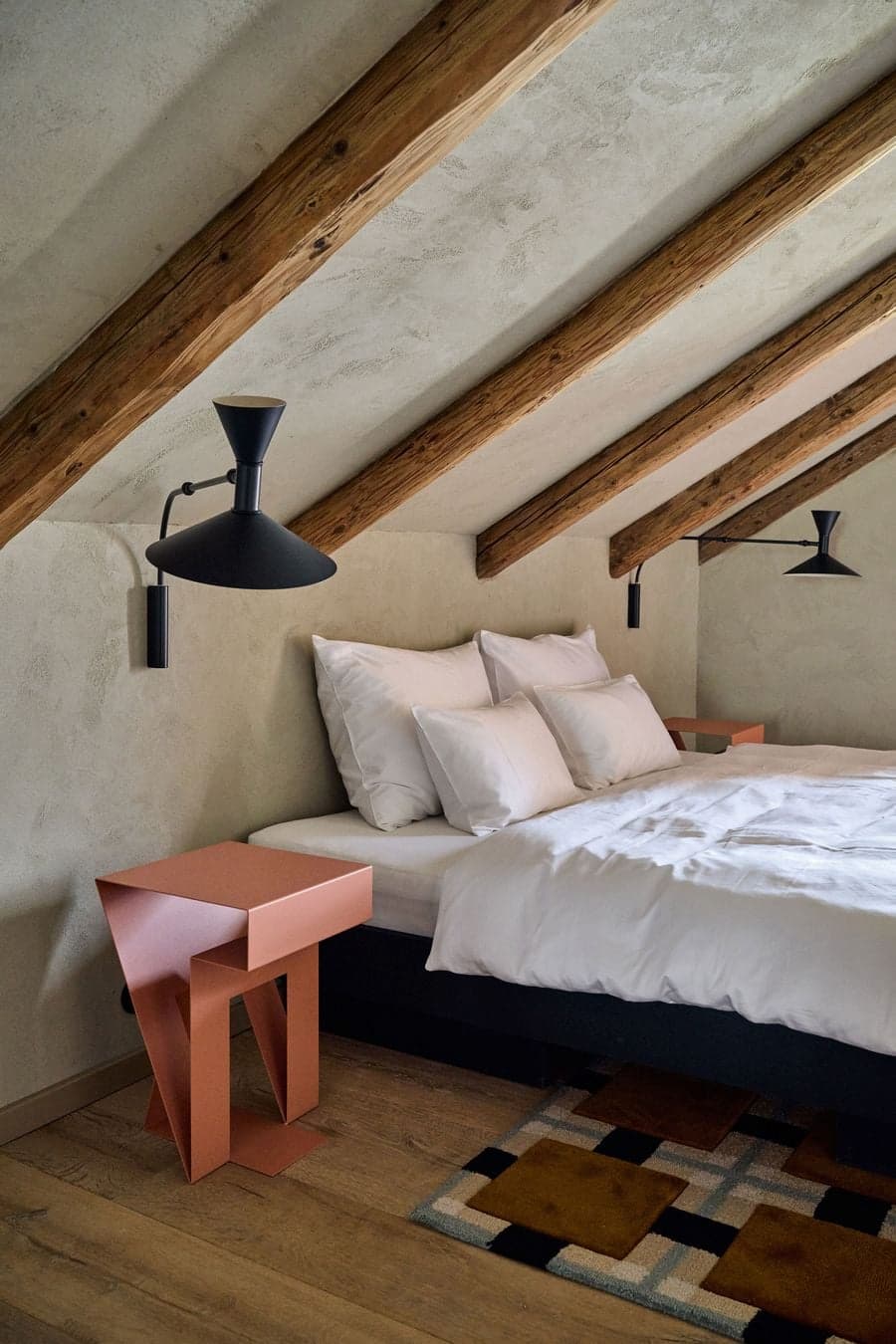
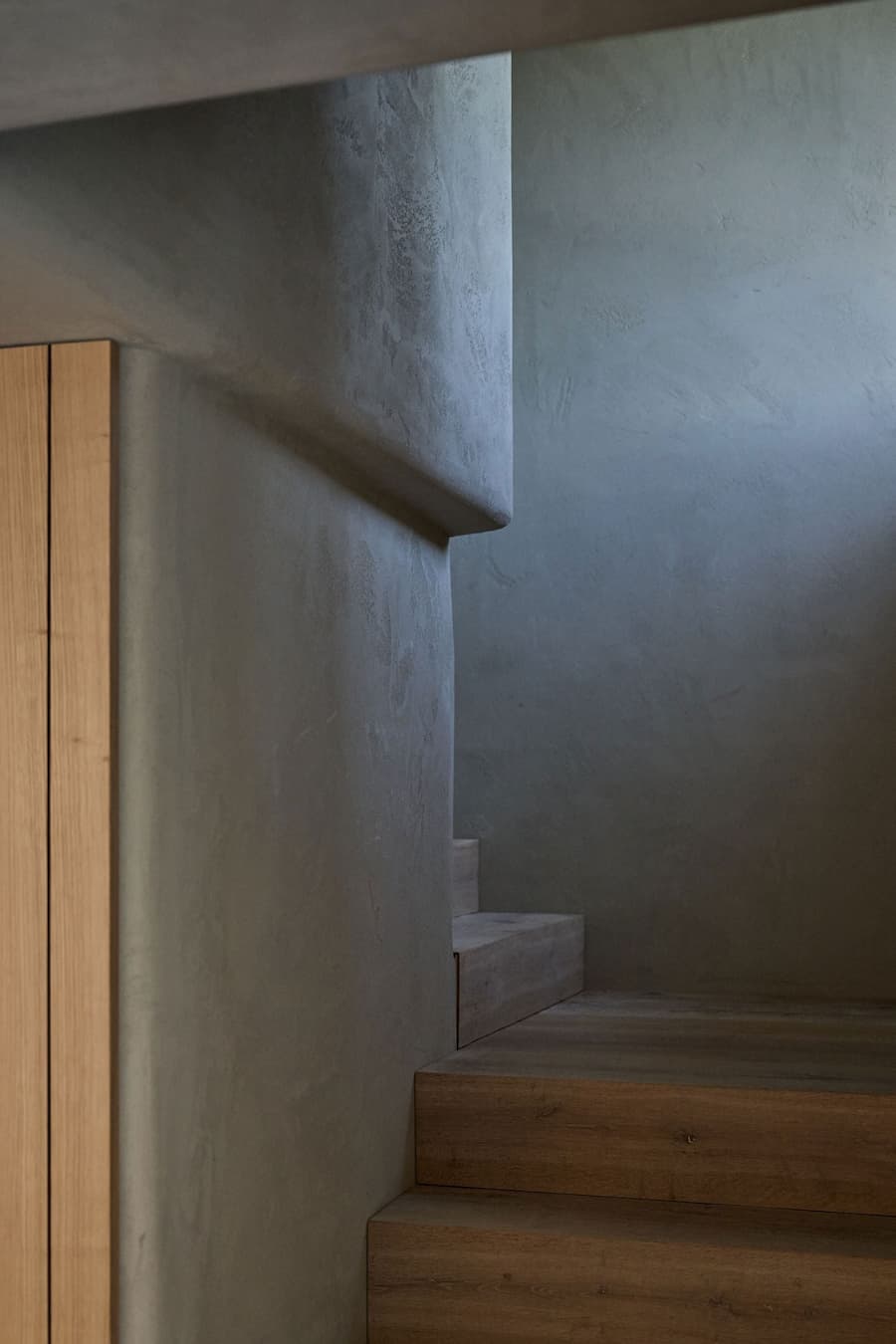
在材質方面,室內設計刻意營造出新舊交融的張力,材料選擇並非僅為視覺效果,而是回應既有結構的物理狀態與承載特性這種張力體現在建築原有結構與精心設計的現代元素的巧妙融合之中。新材料的加入多半以附著或嵌入方式處理,避免干擾原始結構受力路徑硬木地板、礦物灰泥牆面和裸露的木樑賦予室內沉穩、近乎原始的氛圍,這些材料直接揭示結構本體,使建築的構造邏輯保持可讀與之形成鮮明對比的是,Thatenhorst 引入了金屬家具、拋光錶面和奢華的紡織品,這些元素多半為非結構性介入,附著於既有系統之上形成層次差異 (material intervention) 巧妙地將空間氛圍從質樸轉變為意想不到的都市風情,增添了一絲微妙的精緻感。
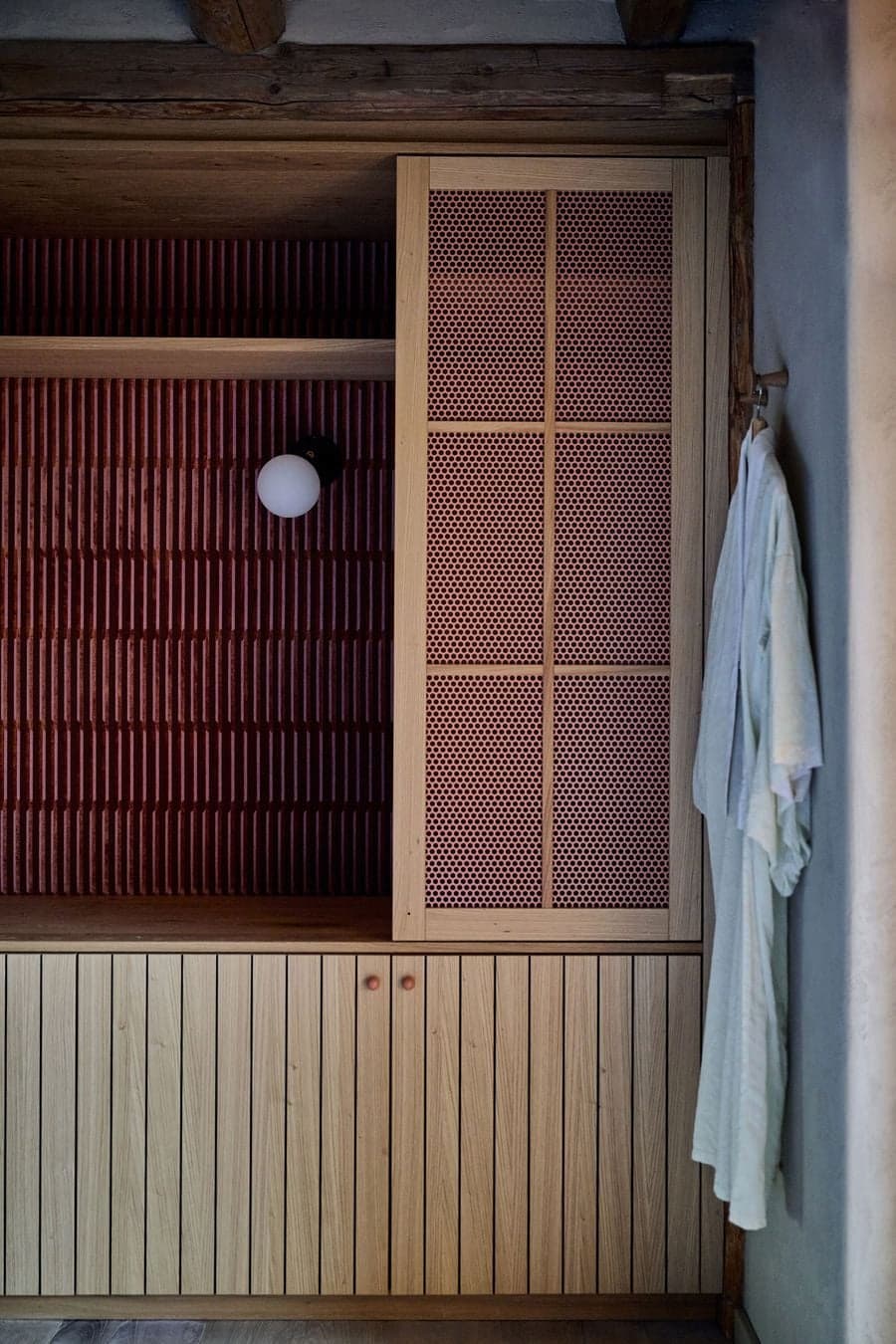
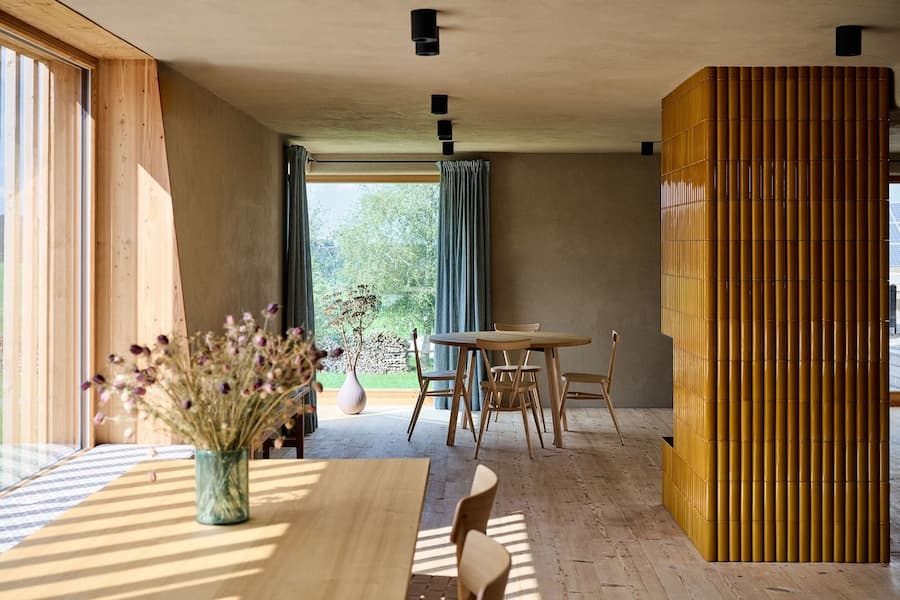
 

built in wooden cabinetry integrated with wall surface and structural frame


interior space defined by natural light wood surfaces and ceramic tiled column


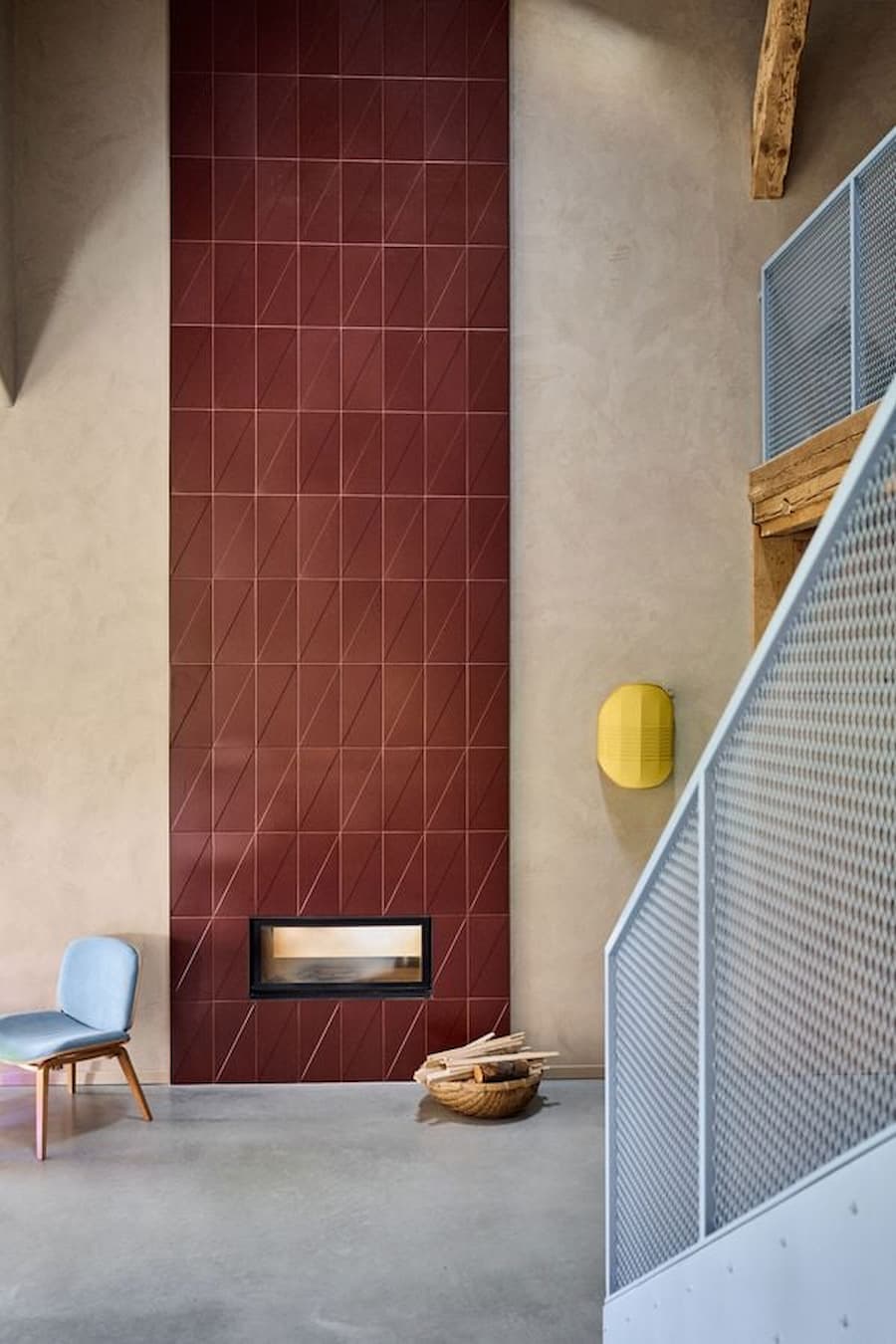
colored tile wall surface integrated with fireplace within interior space


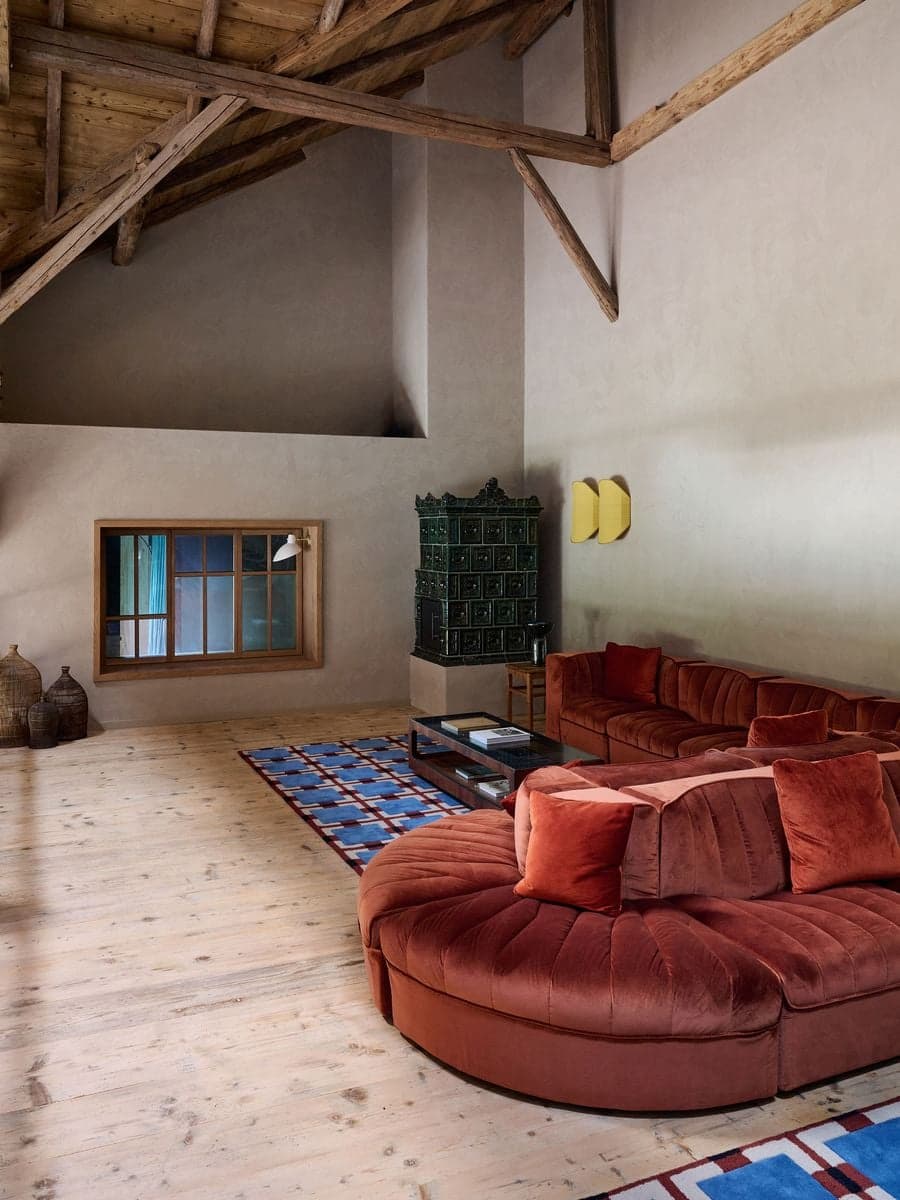
living space combining exposed timber structure with textured plaster walls


contrast between soft textile seating and raw wall surface materials


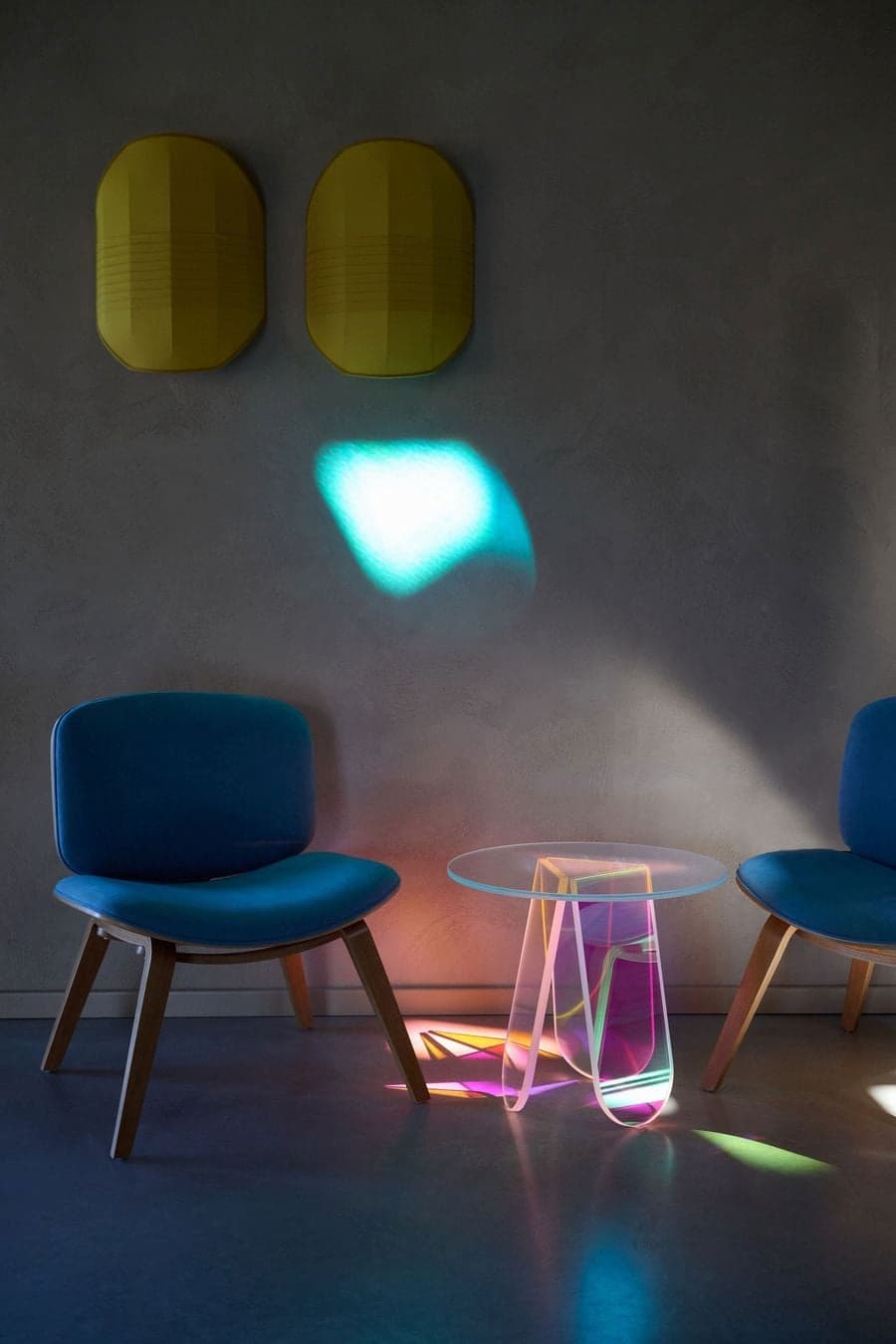
light interacting with colored surfaces and translucent furniture elements


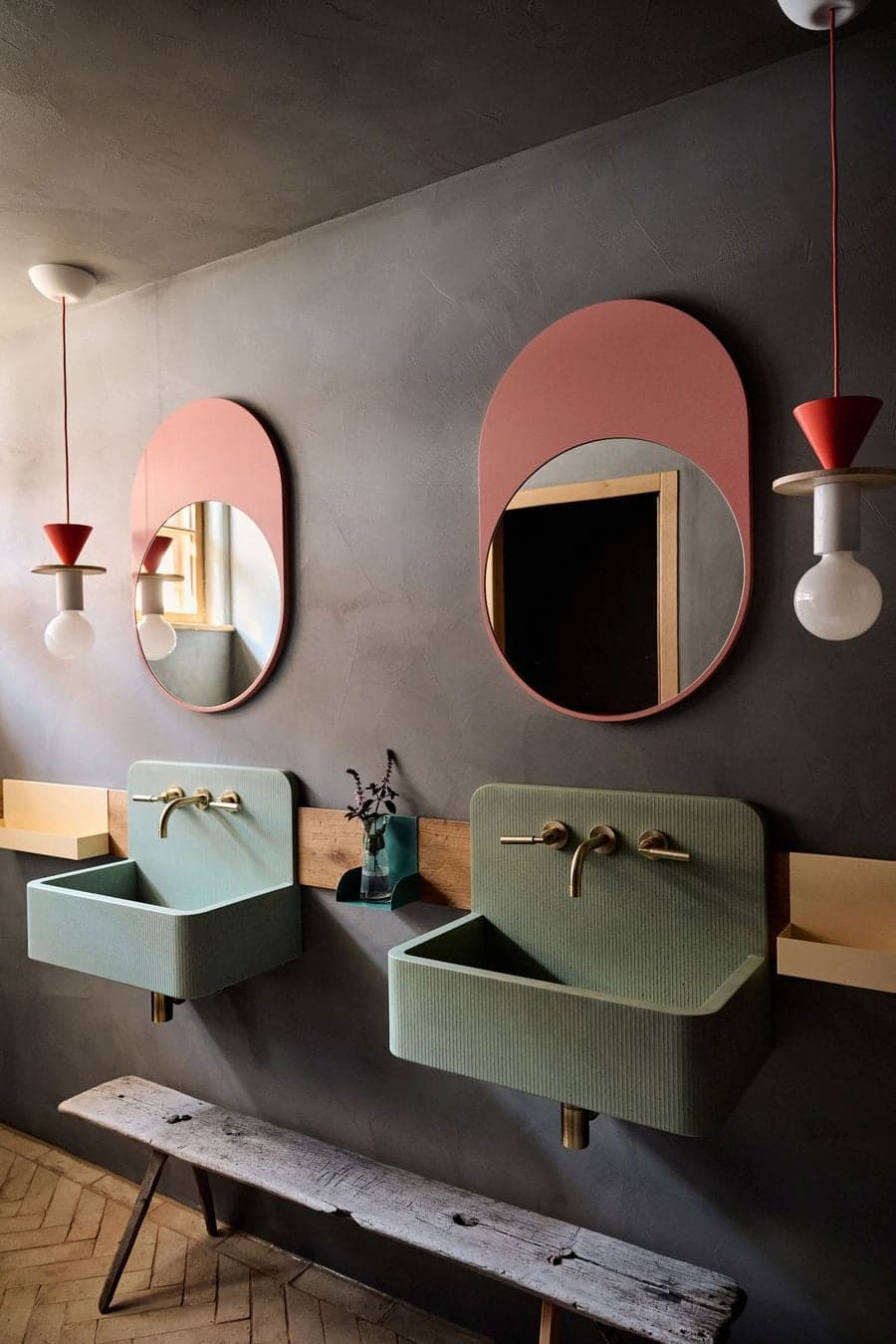
bathroom interior with colored sinks mirrors and textured wall finishes


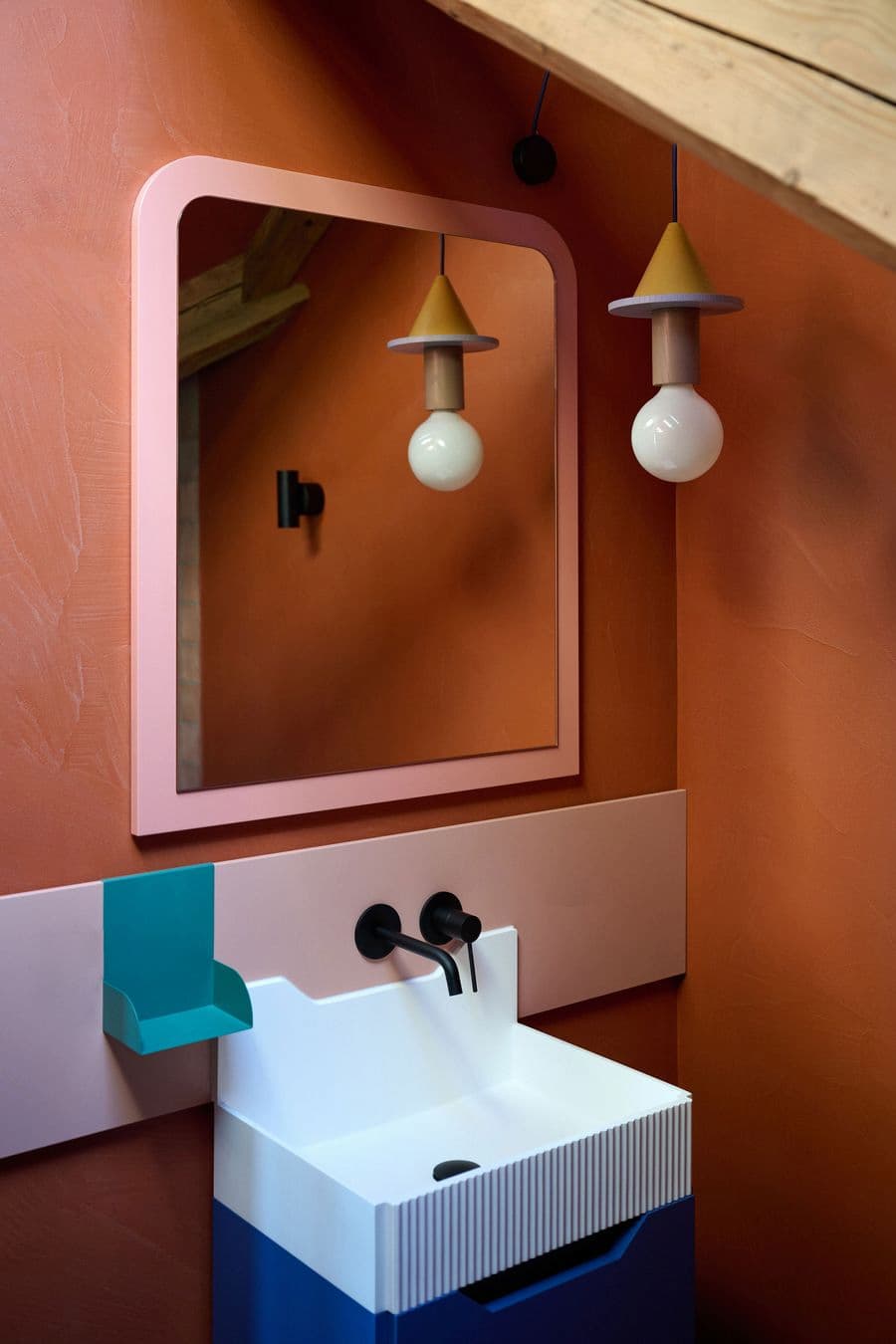
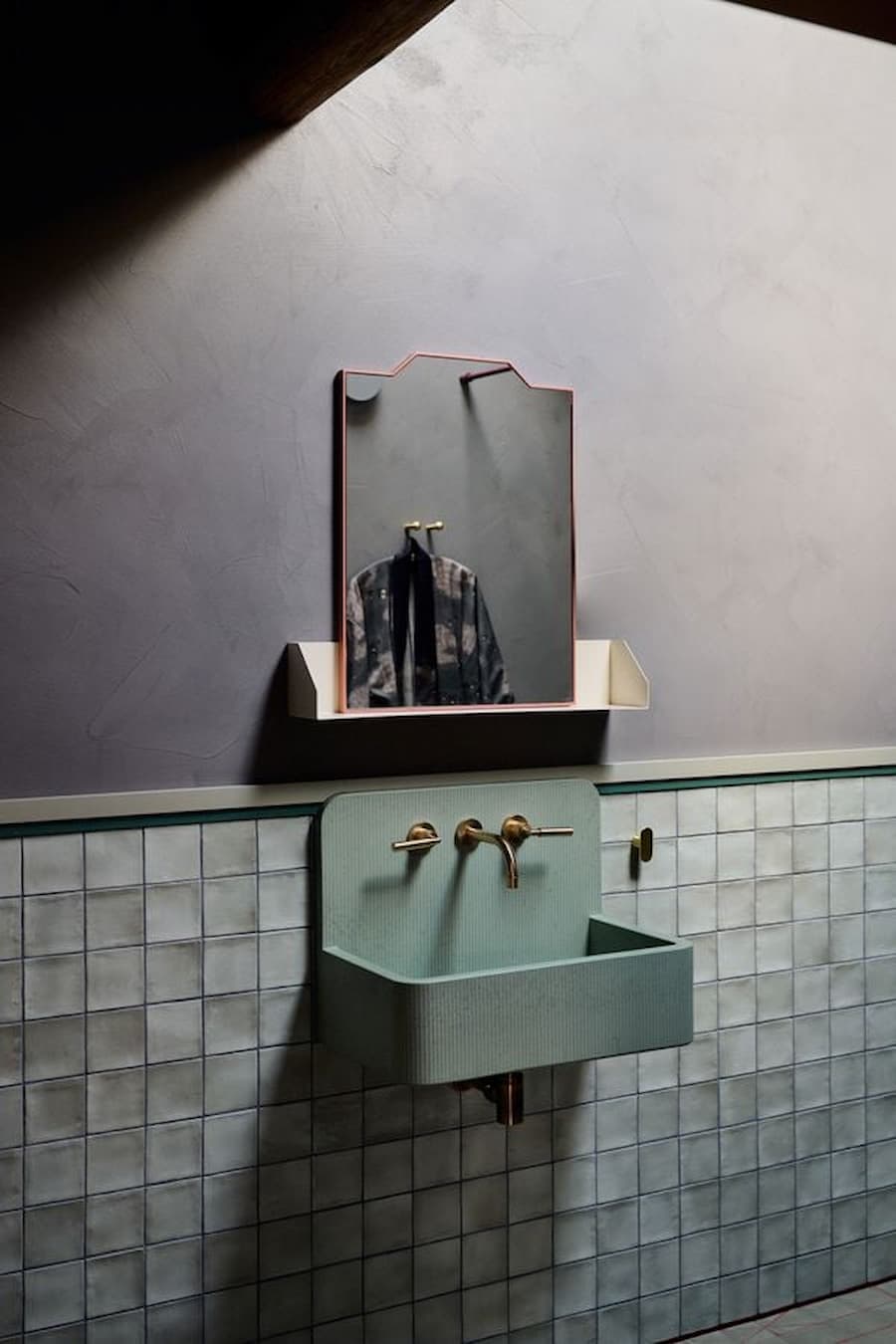
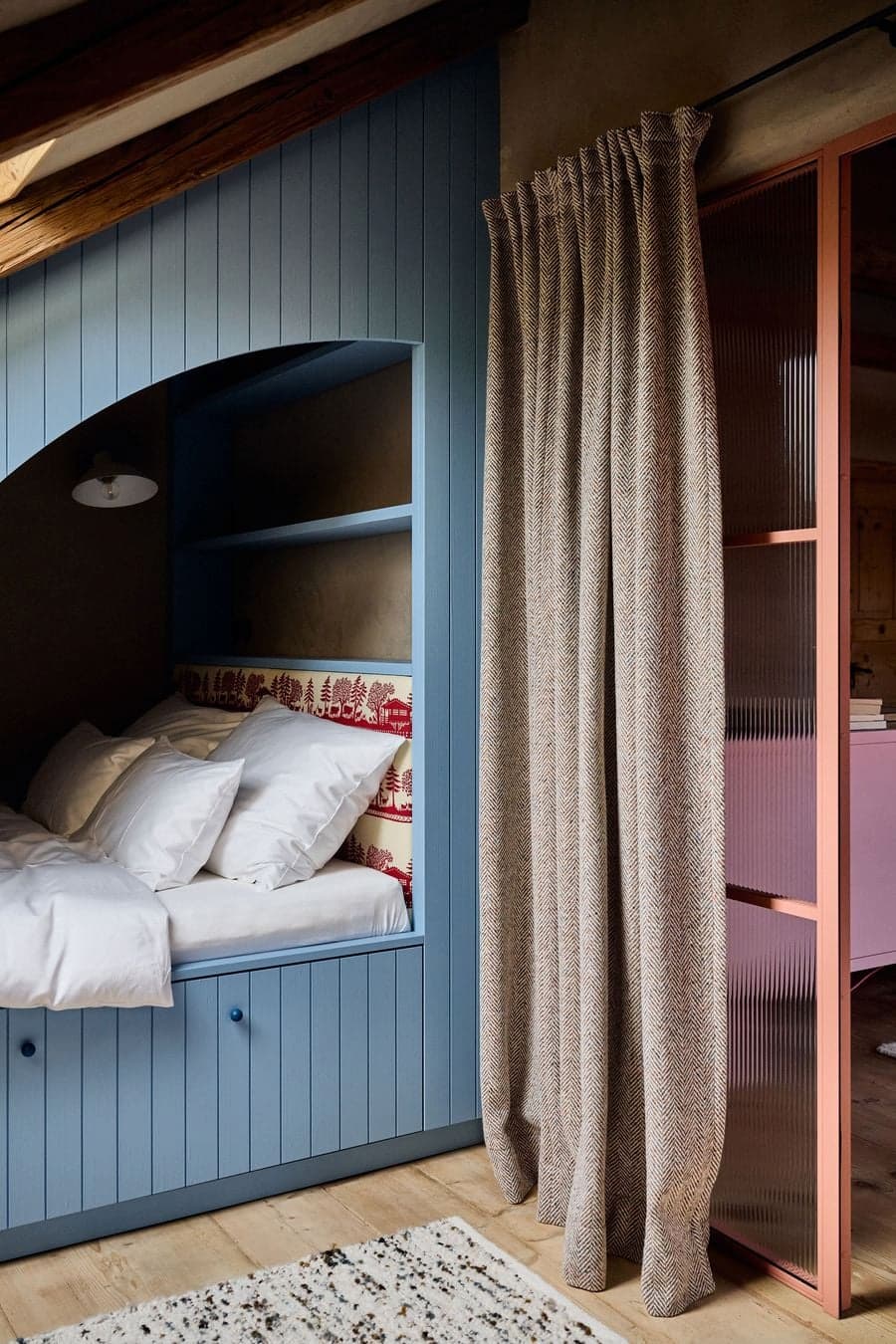
色彩扮演著同樣至關重要的角色。色彩並非獨立於空間之外,而是依附於既有結構與界面展開,強化構件之間的層次辨識 Thatenhorst (塔滕霍斯特) 並沒有拘泥於克制的色調,而是大膽地運用了飽和度極高的色彩——銹紅色、芥末黃、深藍色——以及柔和的粉紅彩色調,這些色彩暈染在木工和嵌入式家具上。嵌入式構件本身即依附於牆體與結構節點 built in elements,色彩因此成為結構節奏的延伸這些色調為原本略顯沉悶的木材和石膏牆面注入了活力,賦予每個房間獨特的個性。有時,色彩以大面積的方式運用,例如鋪滿從地板到天花板的瓷磚牆面;而在其他空間,色彩則以更為克制的方式呈現,從燈具到櫥櫃細節,無處不在。
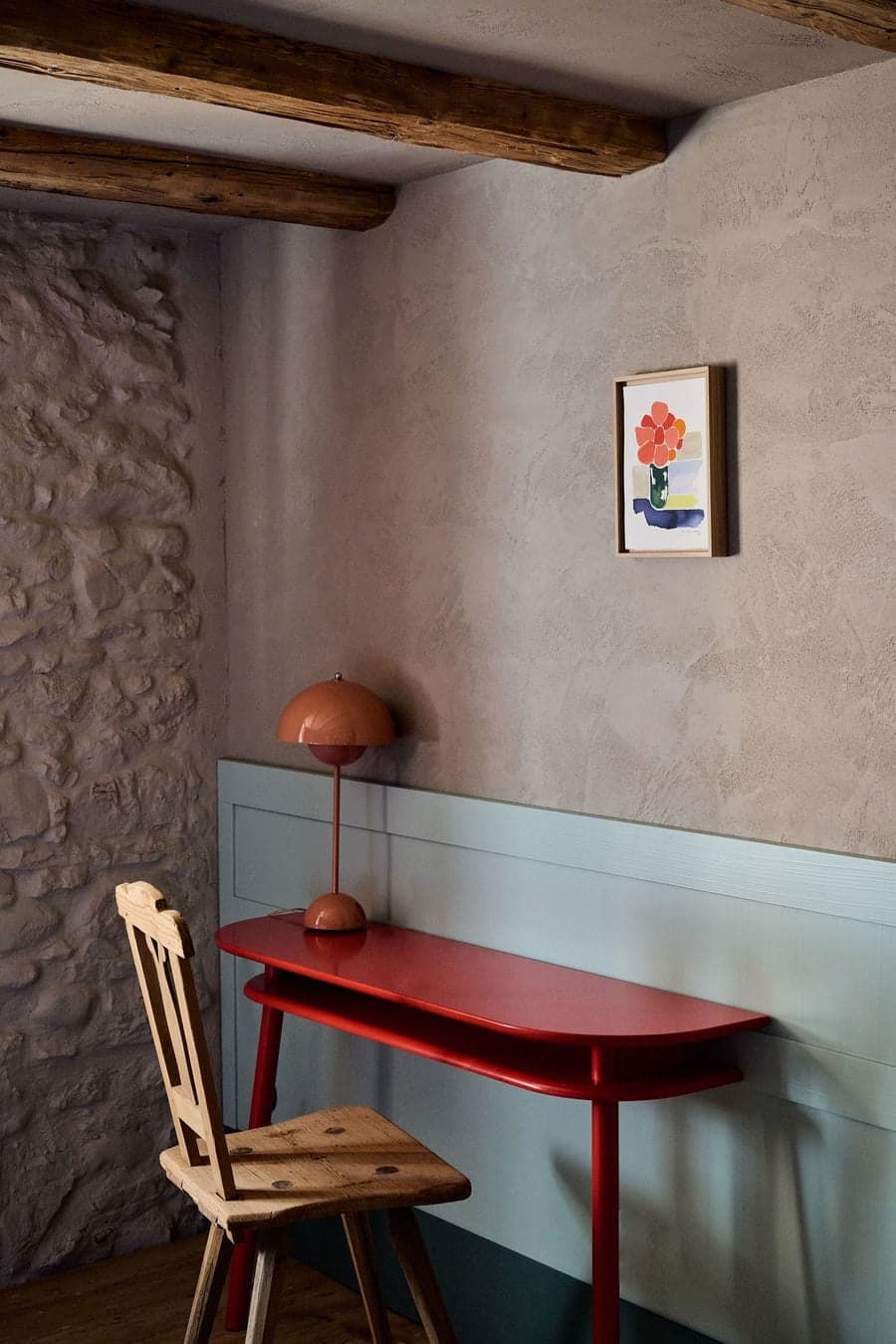
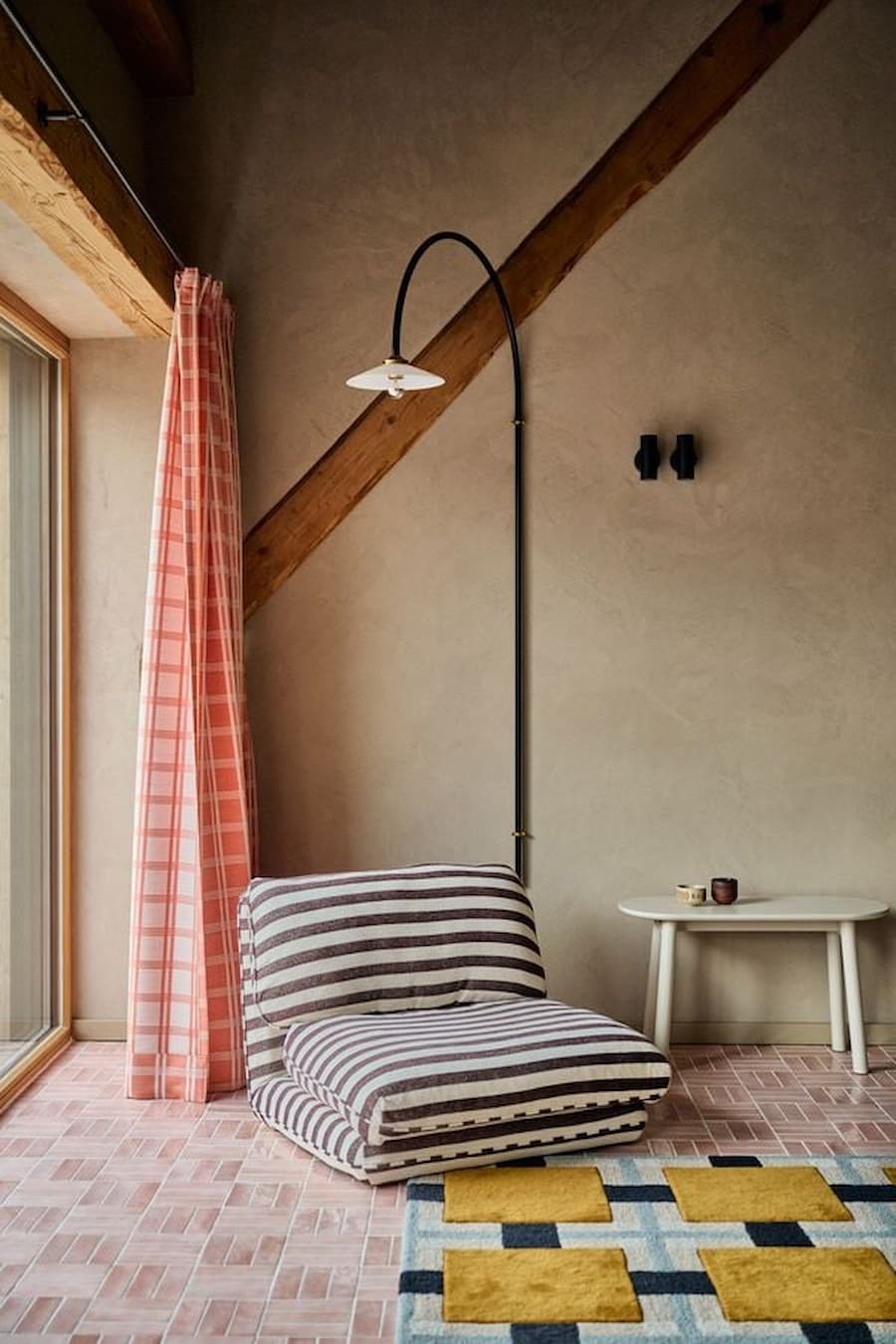
 

corner workspace with small desk integrated into textured wall and timber ceiling


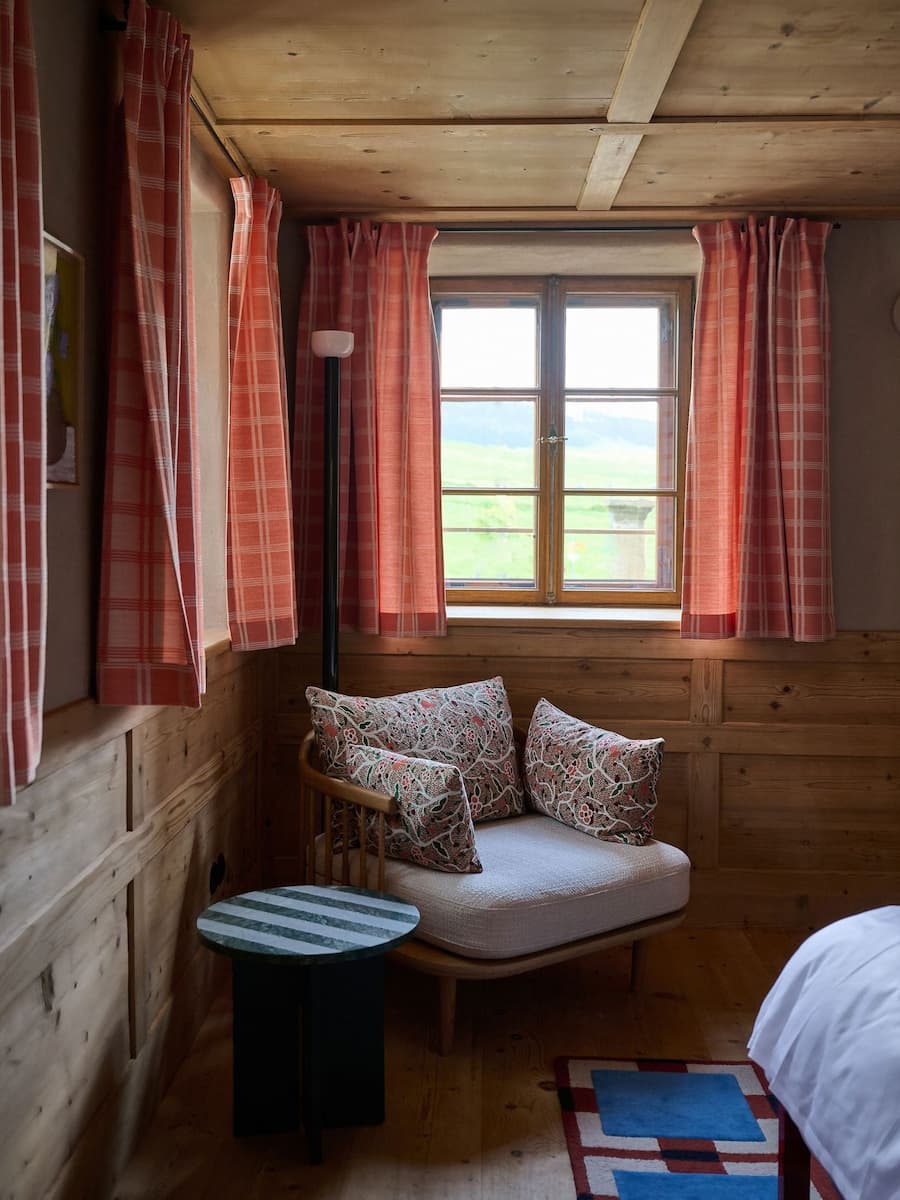
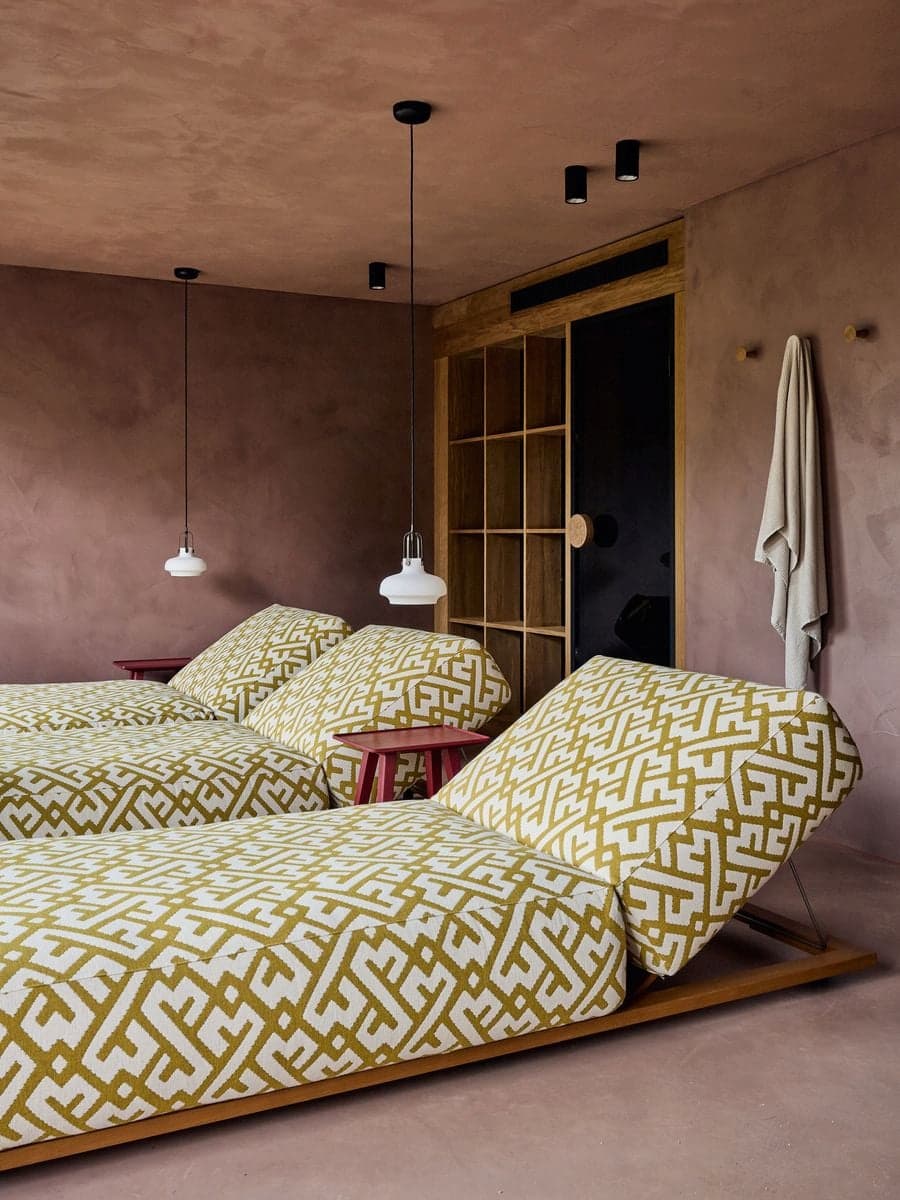
relaxing seating area next to window with soft textiles and natural light


open living and dining space with mixed furniture and exposed timber structure


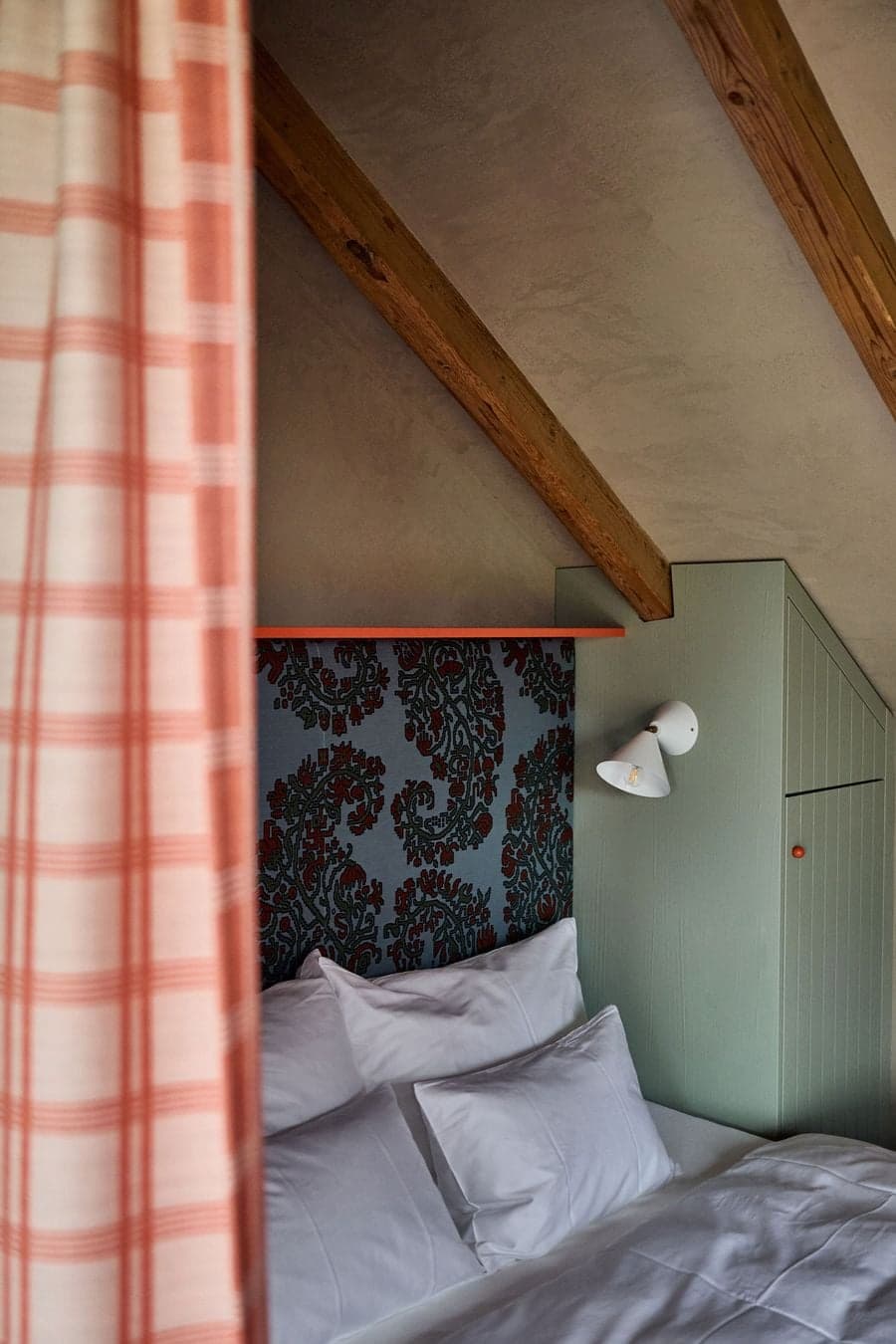
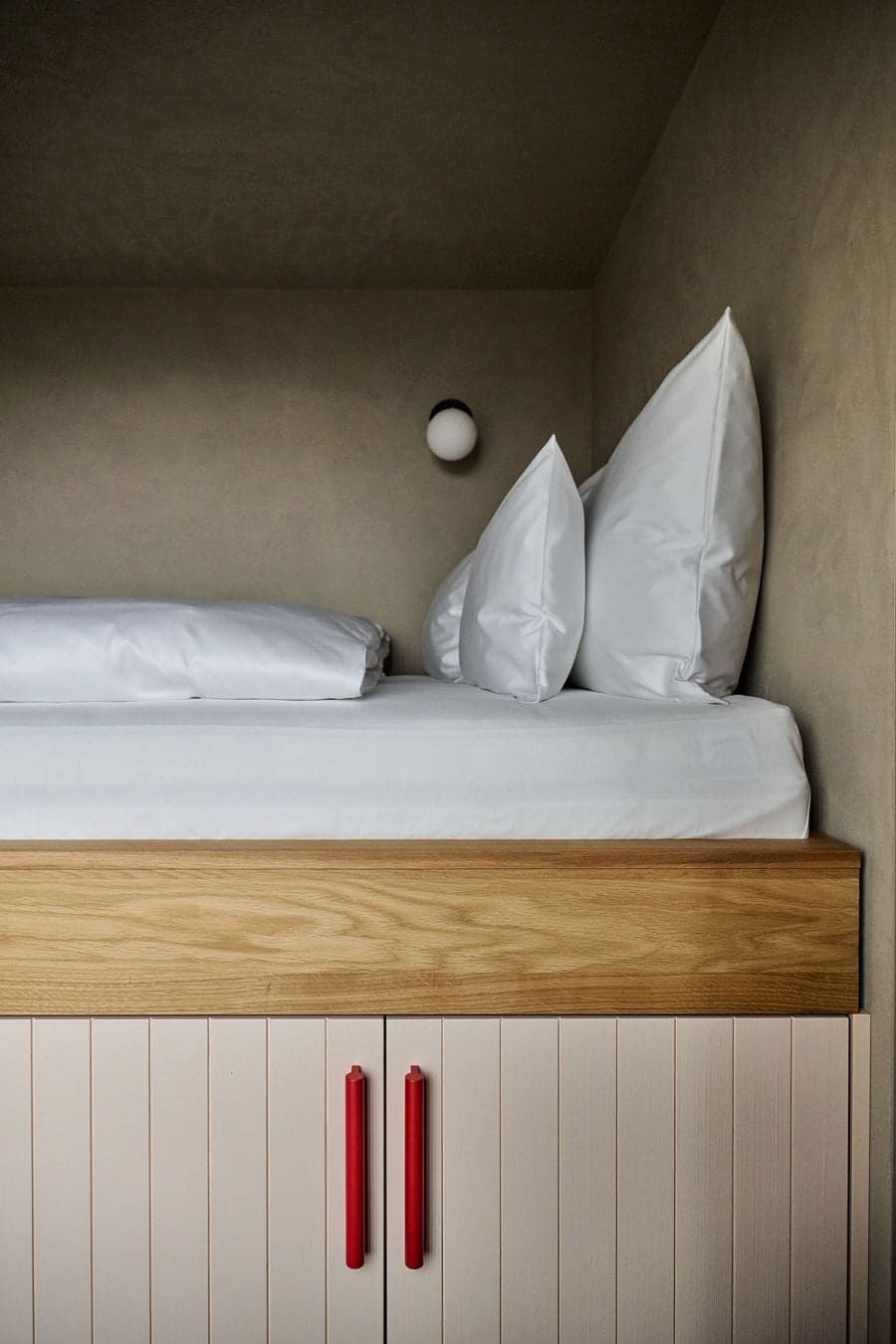
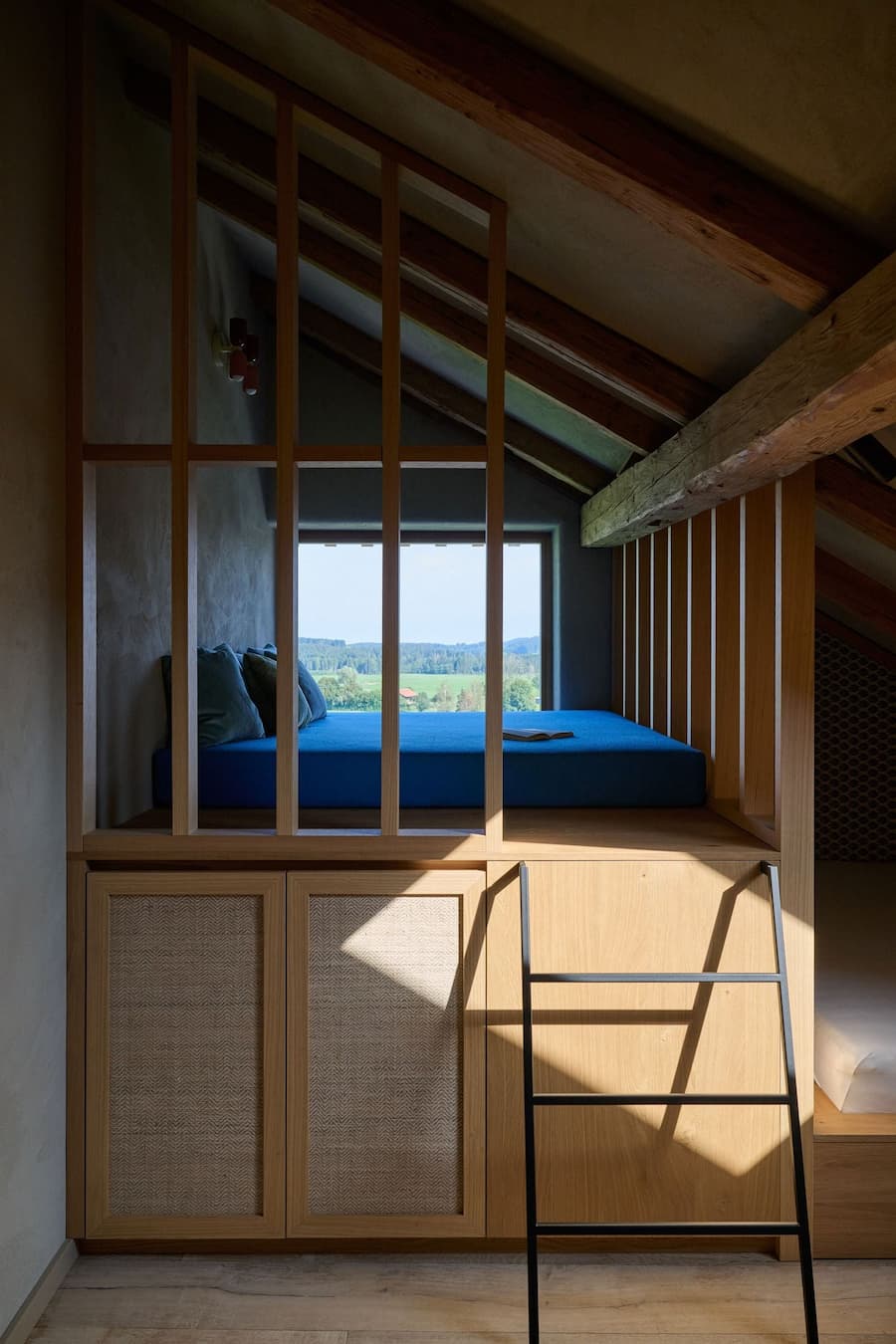
built in bed niche integrated with storage and sloped ceiling


bathroom with colorful surfaces and geometric mirror composition


semi transparent partition separating sleeping area with layered materials


wall mounted sink integrated with tiled surface and minimal fixtures


bed alcove enclosed with curtain creating intimate sleeping space


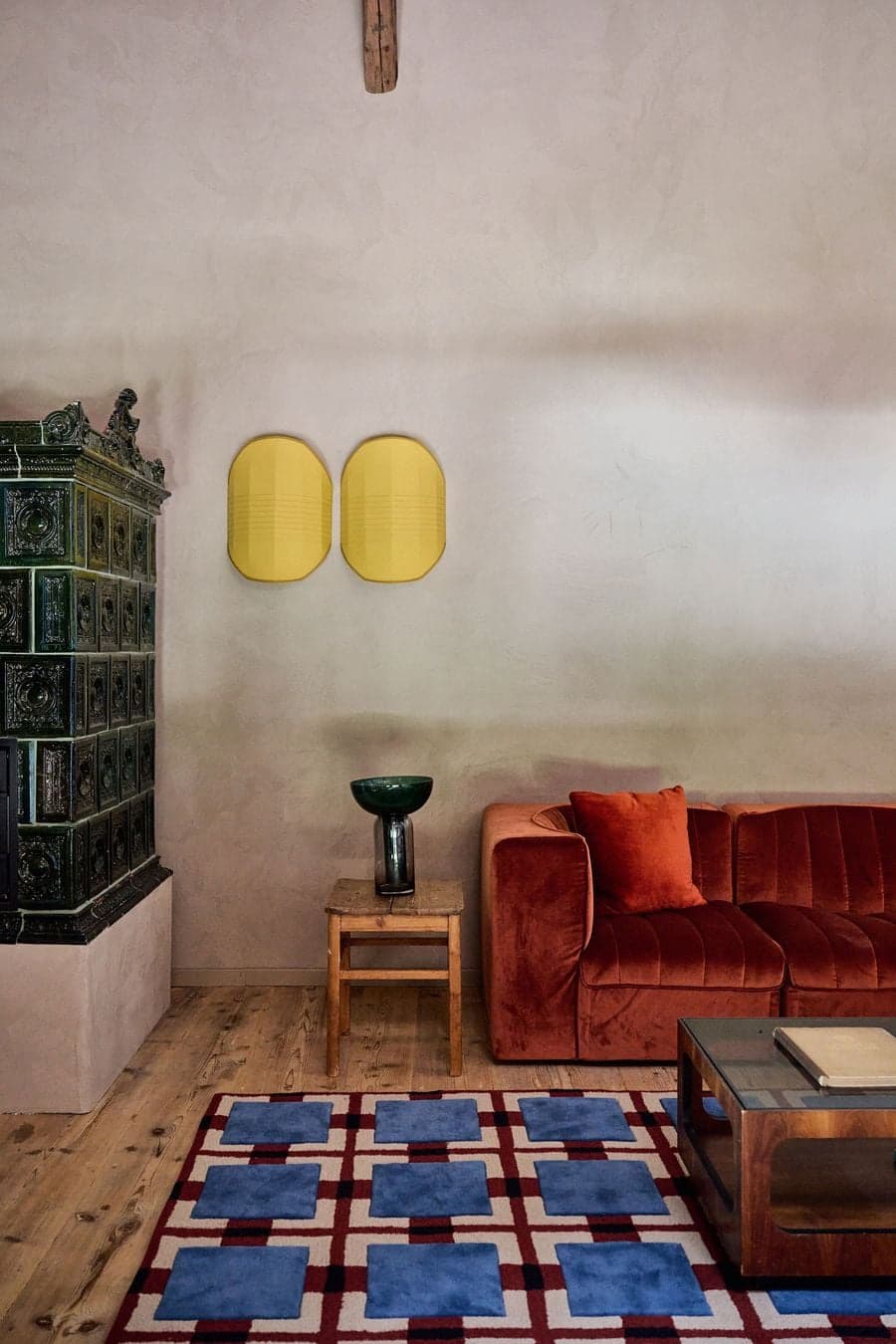
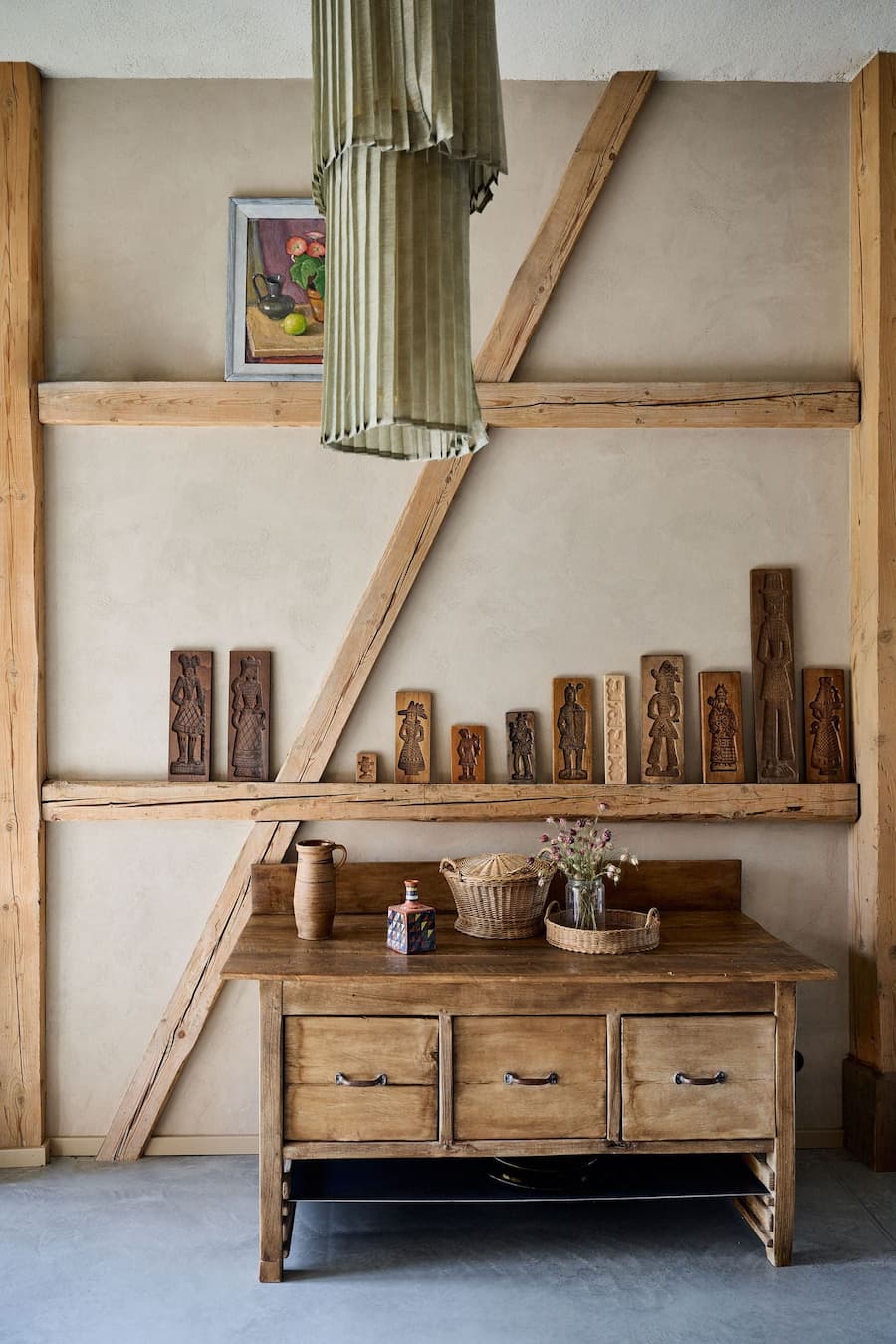
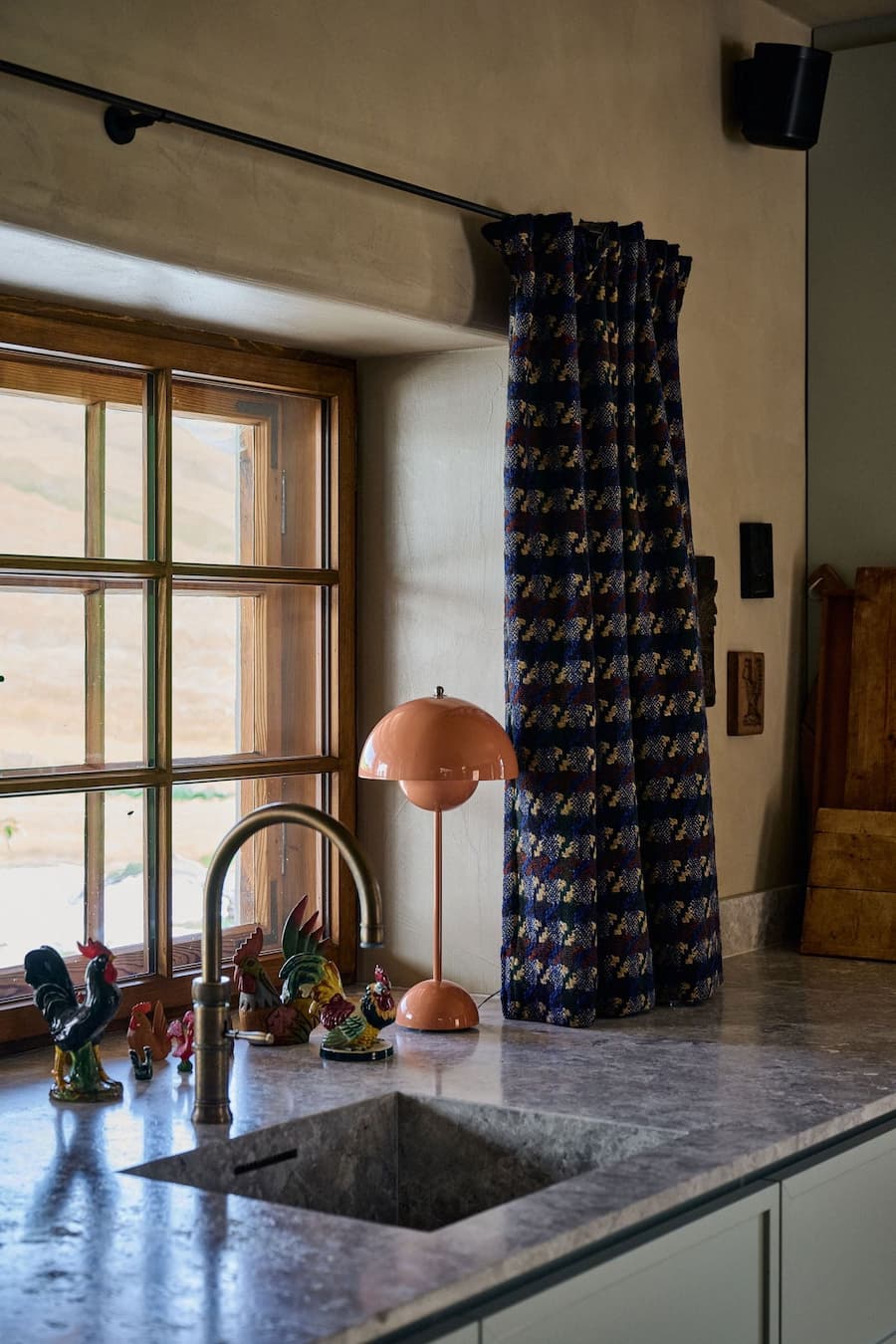
家具擺放策略更強化了這種層次感。家具配置多半沿著結構邊界或節點展開,使空間使用與結構邏輯保持對齊中世紀的標誌性作品,例如 Gio Ponti 設計的座椅和 Verner Panton 的 Flowerpot 燈,與來自 Arflex、Dimore Milano 和 Valerie Objects 等品牌的當代作品,以及 Thatenhorst 本人設計的定制元素和諧共存。不同時期的物件被放置於既有結構框架之中,使時間層次與結構秩序交錯穿插其中的古董農舍家具,例如一台擁有 400 年歷史的瓷磚爐灶,為室內空間增添了歲月沉澱的韻味,使其與鄉村環境緊密相連。
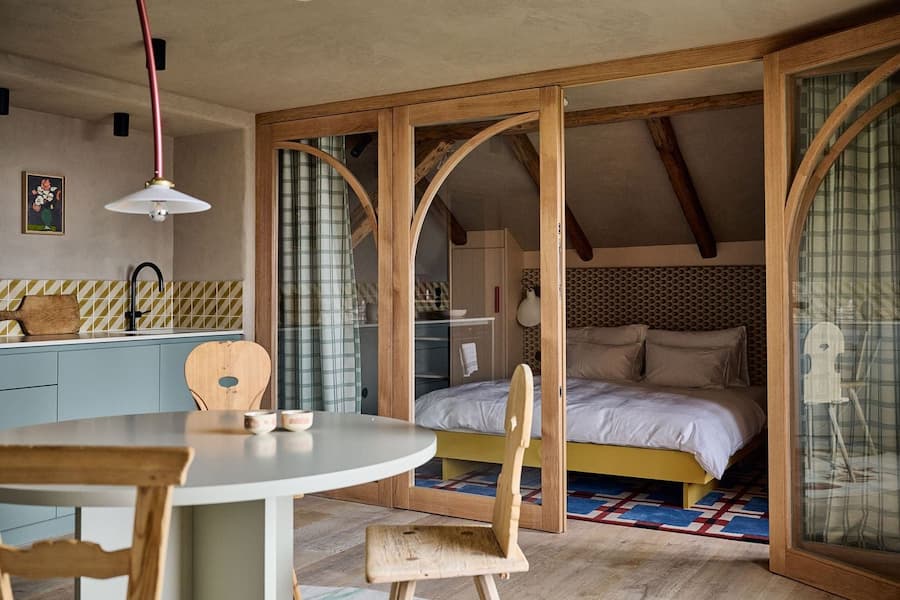
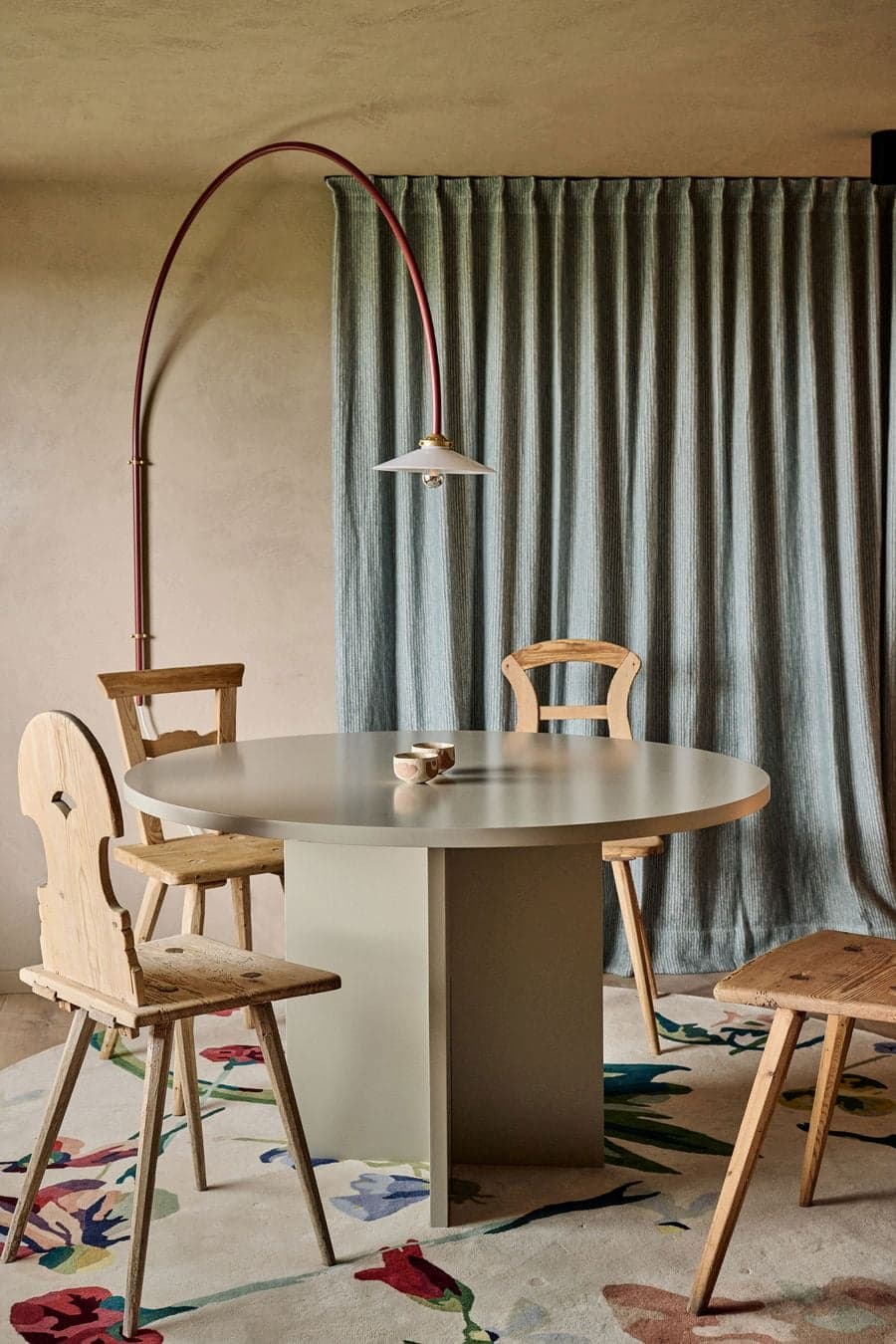
 

bedroom behind glass partition connected to dining space


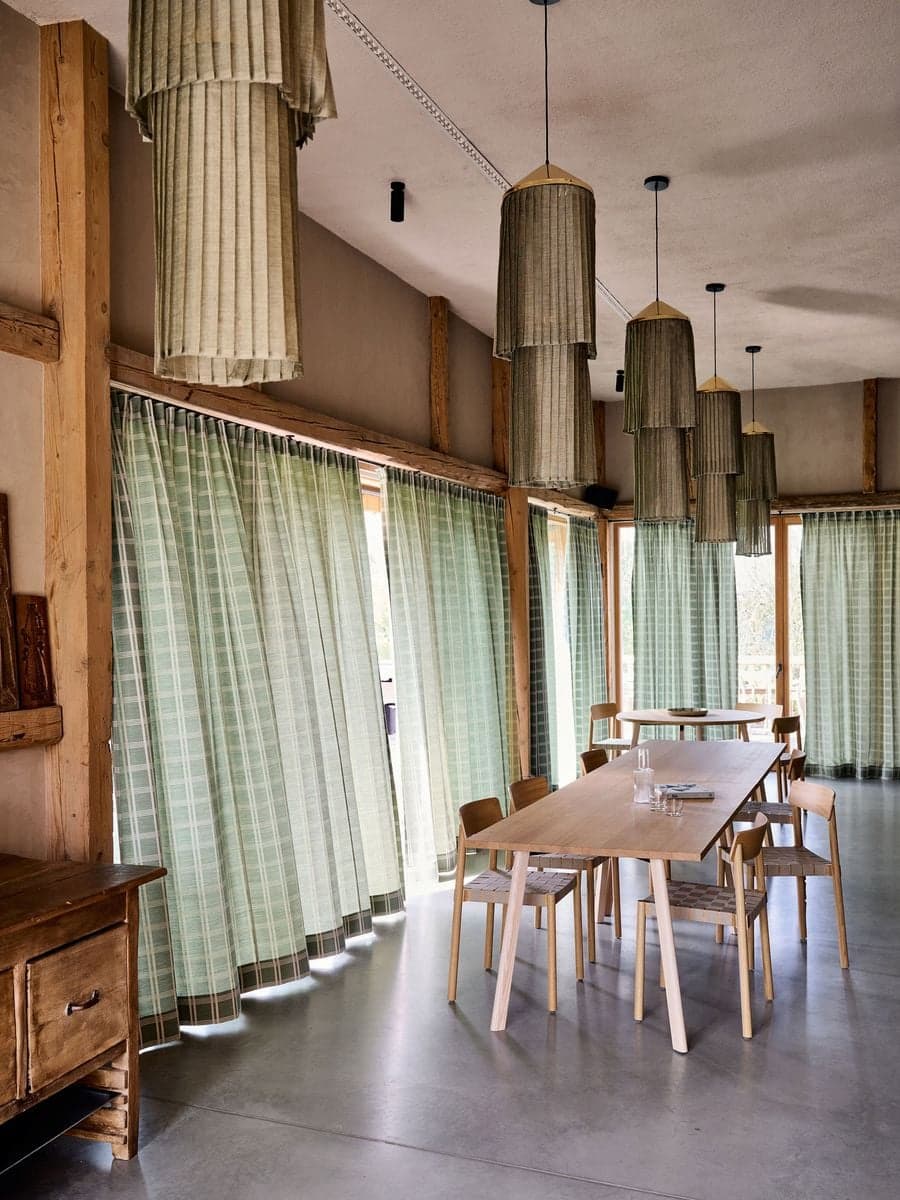
round dining table surrounded by wooden chairs and soft curtain backdrop


minimal sleeping space with simple bedding and plaster wall enclosure


bed positioned under sloped roof with exposed timber beams


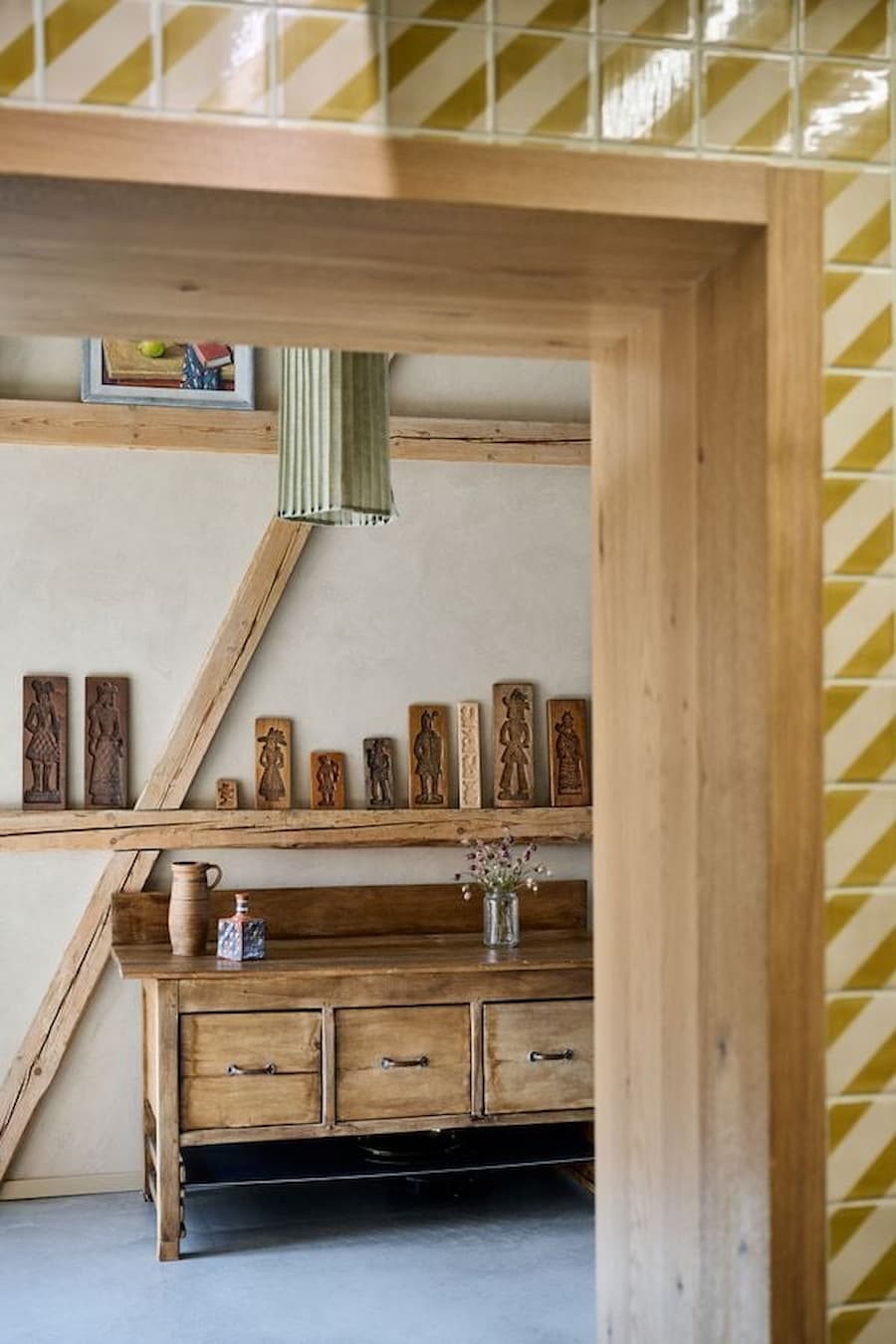
view framed through kitchen opening towards timber structure and furniture


dining area with soft curtains filtering daylight and defining space


objects displayed on wooden shelf integrated within structural frame


staircase corner showing transition between wood steps and plaster walls


bed platform facing window view framed by wooden structure


Ebenrieder 的體驗項目貫穿始終,體現了傳統與創新之間的巧妙互動。這些活動多半依附於既有建築配置展開,使用行為與原始結構空間形成對應關係桑拿房和農家花園 (配有室外泳池、陽光露台和高架菜畦) 將靜修中心與鄉村環境融為一體,戶外設施的佈局延續建築基礎與地勢關係,使活動空間在結構邊界之外持續展開而在舊牛棚中舉辦的瑜伽課程、發酵工作坊、陶藝課和野生草藥採摘活動,原有畜牧空間的尺度與結構條件被轉化為可容納集體活動的場域 programmatic reuse 則以當代視角重新詮釋了古老的傳統。與 Thatenhorst 的室內設計一樣,這些活動並非旨在將過去凝固,而是重新激活它們,讓田園生活的節奏與更具設計感的現代生活方式和諧共存。
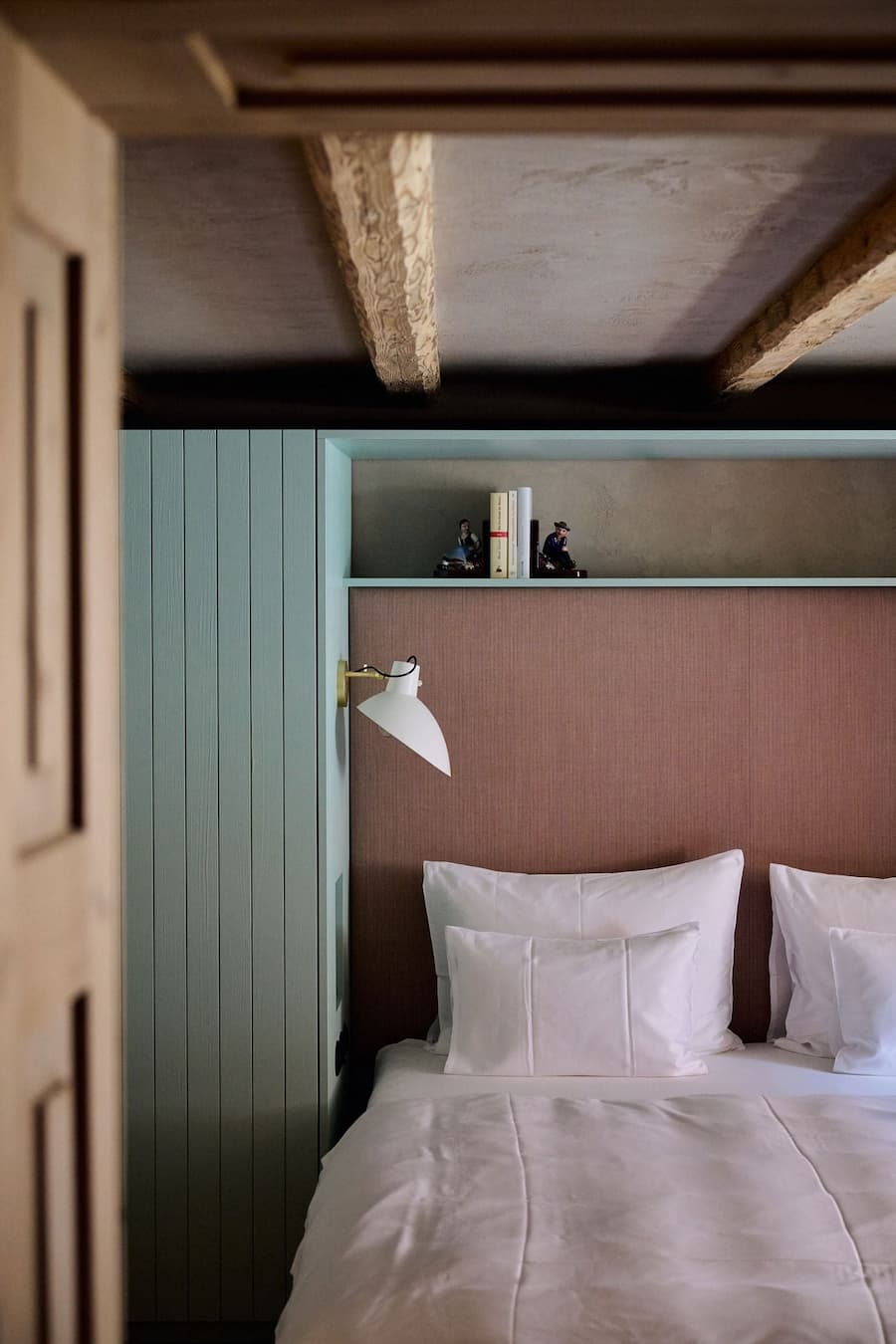
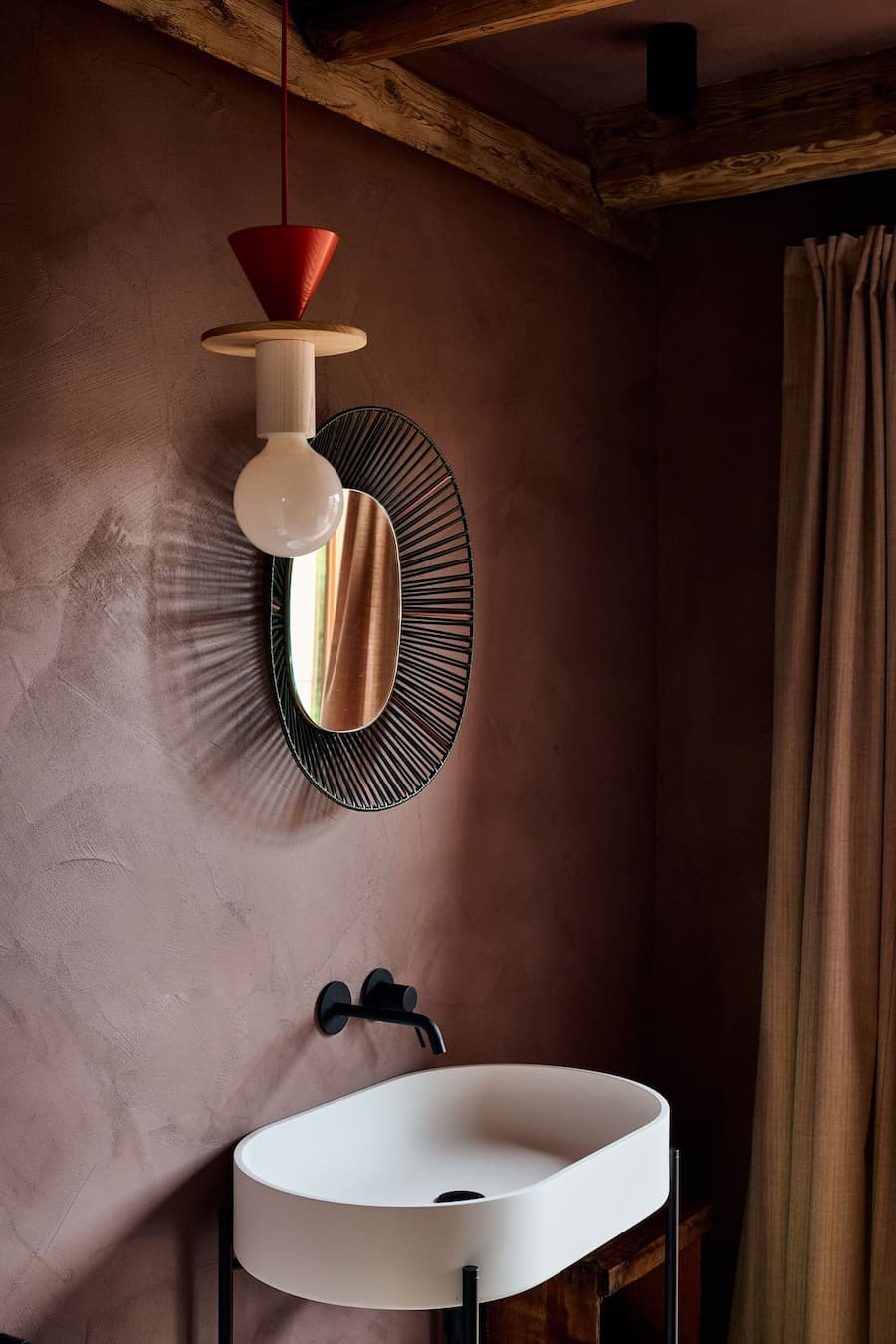
 

bedroom interior with integrated headboard soft textiles and exposed wooden beams creating layered spatial depth


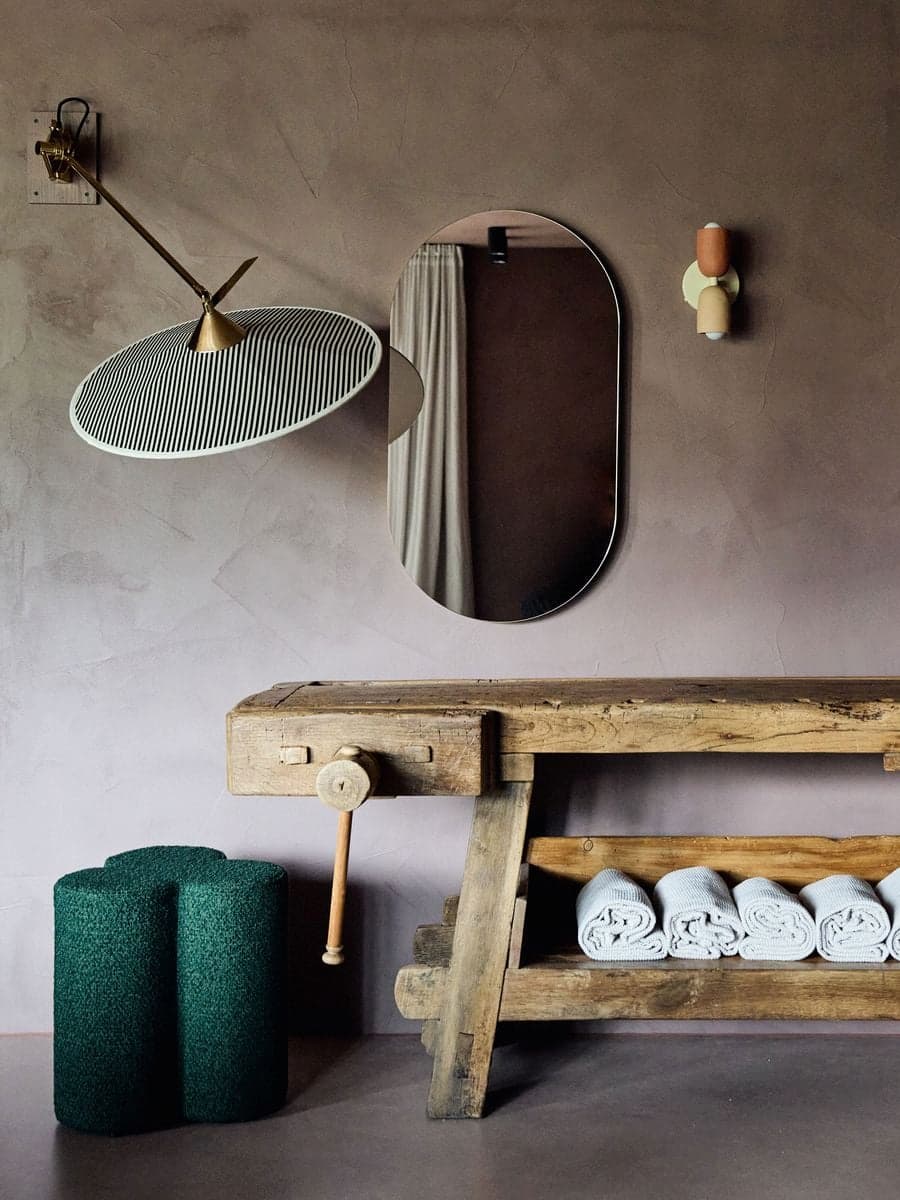
bathroom with textured plaster walls contrasted by a minimal white sink and sculptural lighting


wood lined interior corner with patterned textiles and soft daylight filtering through window curtains


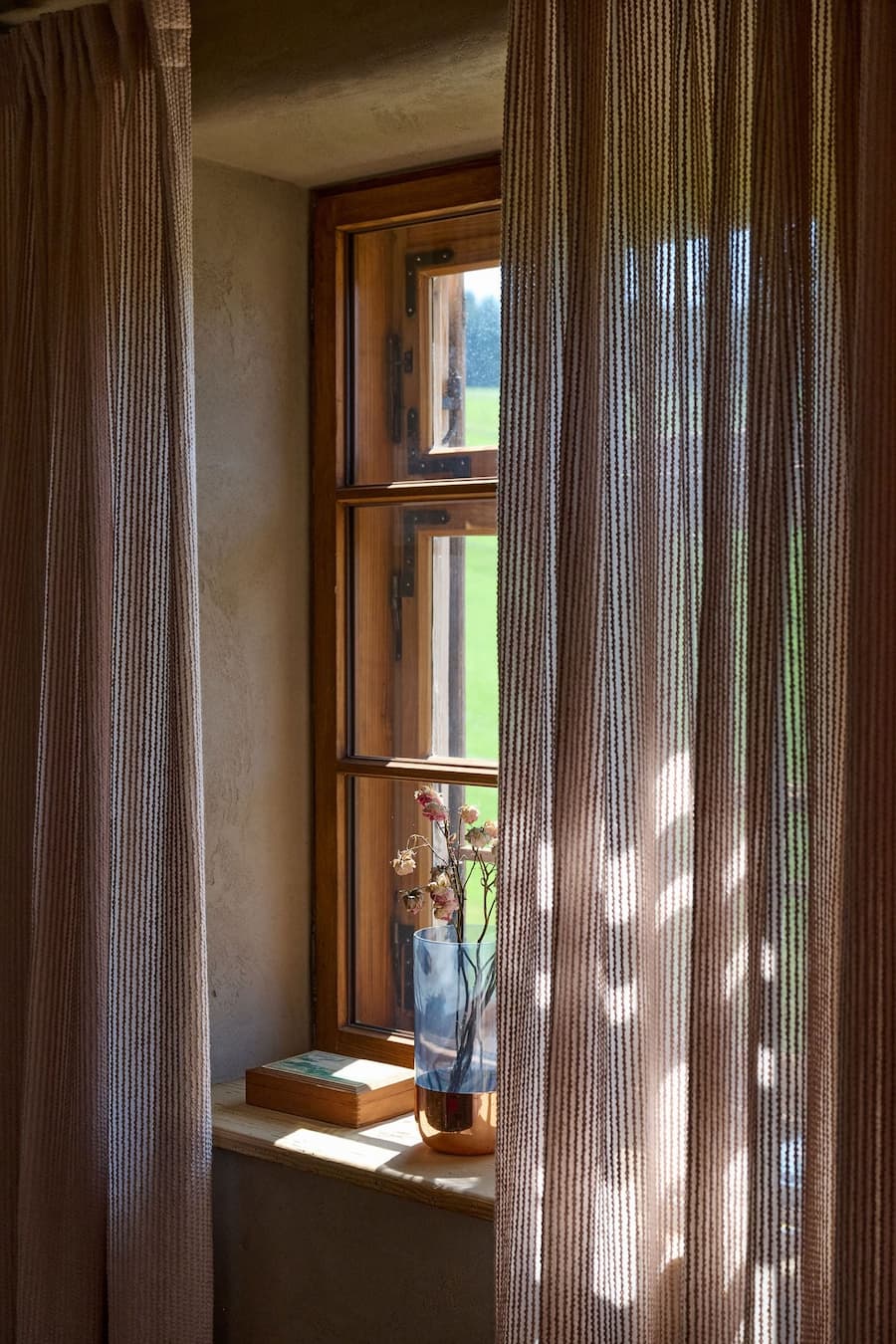
natural light passing through semi transparent curtains highlighting material texture and interior atmosphere


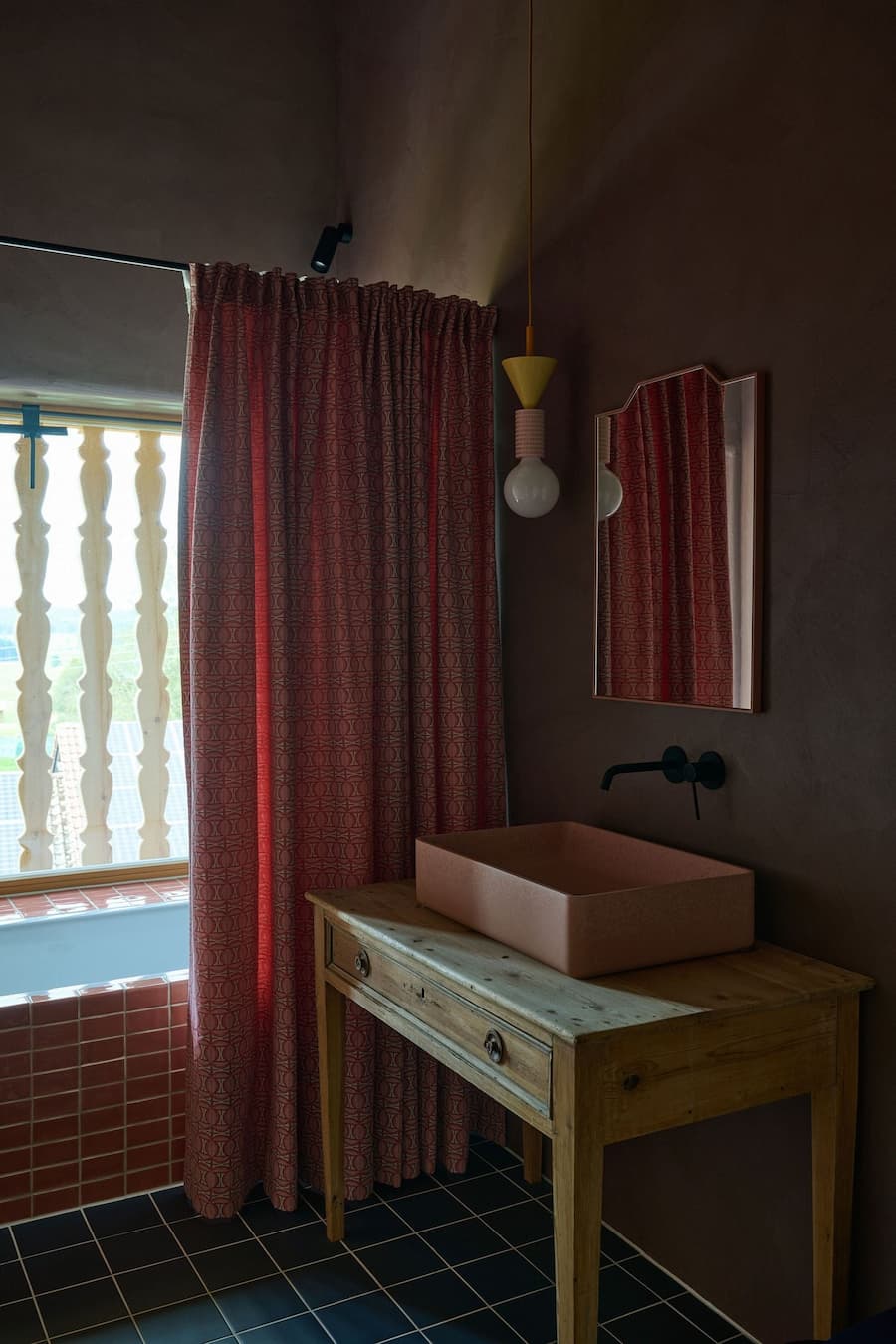
bathroom interior combining wood vanity curtain partition and earthy material palette


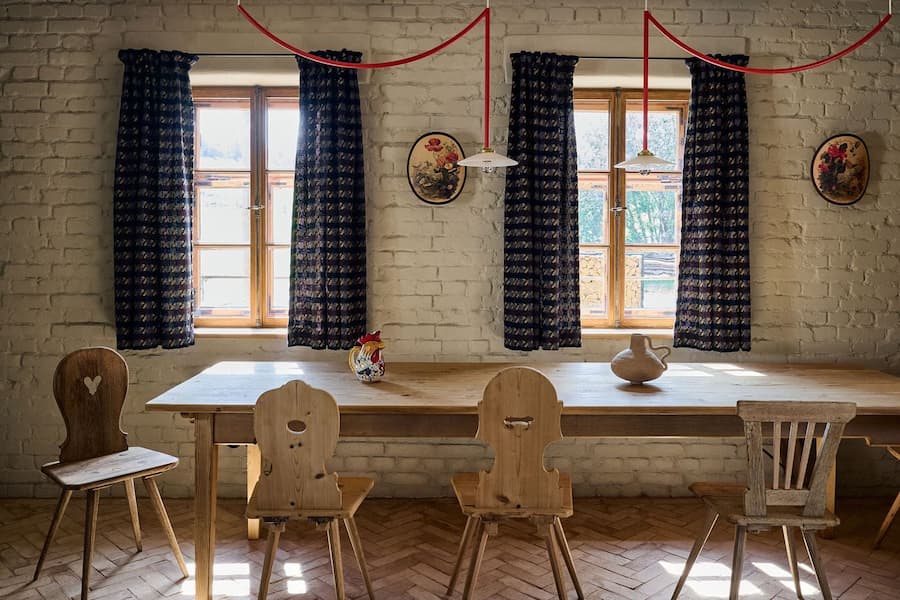
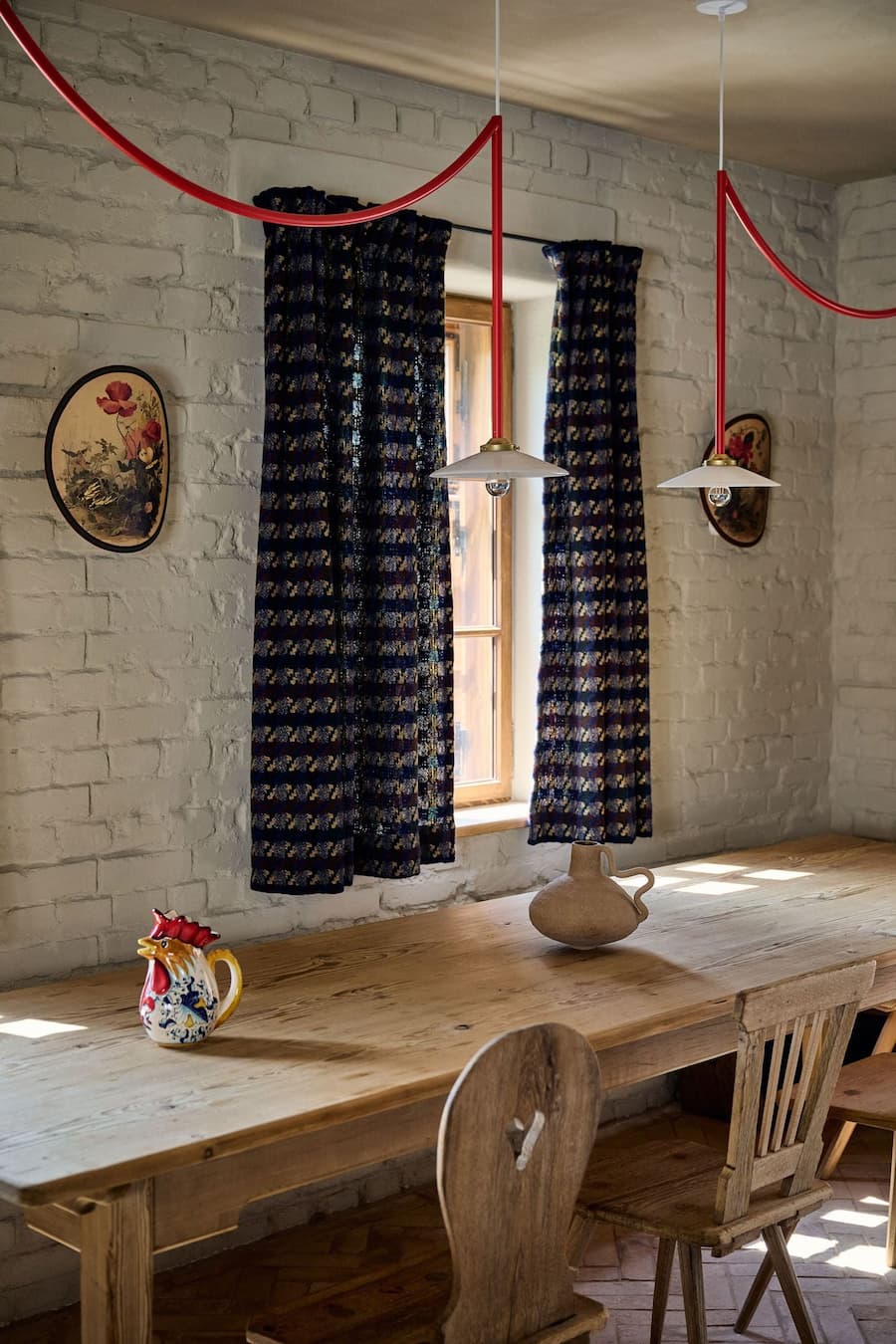
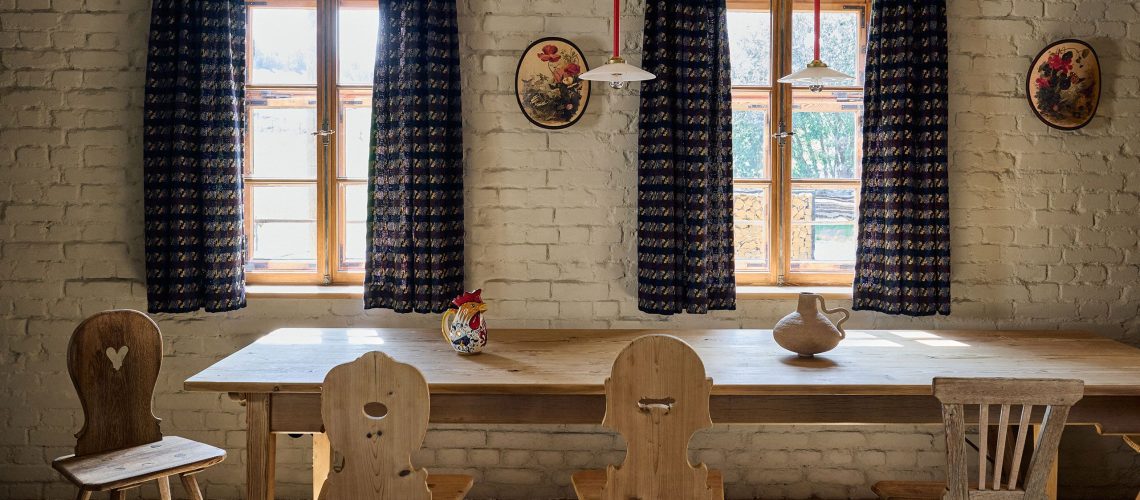
dining space with wooden table vintage chairs and hanging lights defining a warm communal setting


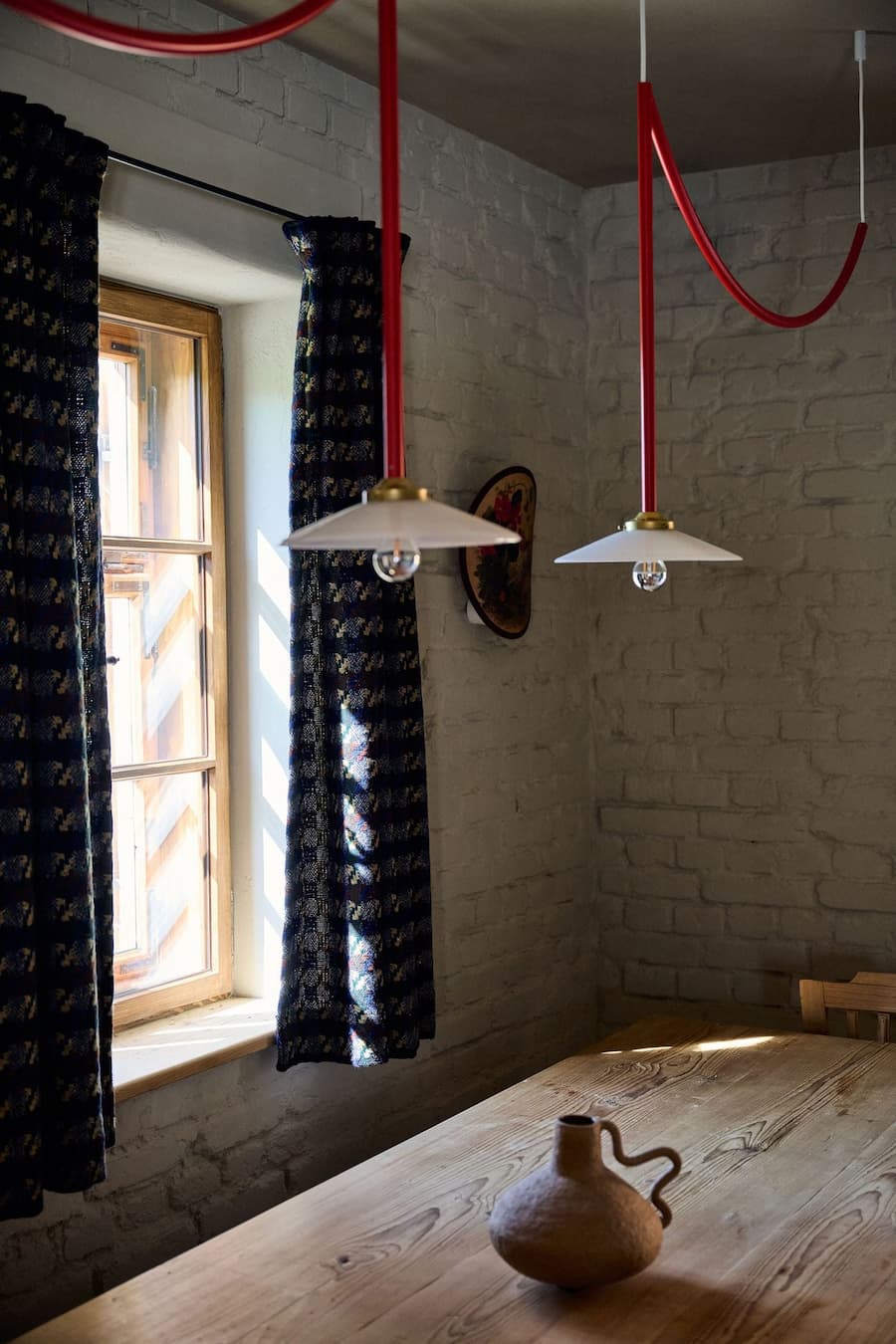
minimal pendant lights with red cables introducing a bold visual accent within a neutral interior


kitchen with stone countertop and window side setup allowing natural light to enhance everyday use


dining interior with exposed brick wall patterned curtains and daylight shaping spatial rhythm


bedroom with patterned fabric surfaces and soft material interplay creating a relaxed atmosphere


interior scene where red linear lighting elements create contrast against rustic materials


wooden house exterior in rural setting showing continuity of material language from inside to outside


最後這座 Bavaria’s 山麓農舍沒有被整理成單一樣貌,穀倉、牛棚與主體各自保留原本的尺度與痕跡,在新的使用下慢慢被拉開又重新接起來,空間之間不是被設計完成,而是在移動、停留與光線變化中逐漸被感覺出來,顏色、家具與材料只是進來佔一個位置,讓原本安靜的結構開始產生新的節奏,這種轉變也可延伸對照由場地條件直接驅動建築生成的案例:Casa Corten
P Home 整合各種不同的功能空間

P Home 在高密度城市中整合工作與居住空間

P Home 在緊湊城市基地中整合工作與居住機能,回應高密度條件下的空間精準與生活平衡。     P Home 在一個僅 400 平方米的緊湊地塊上,挑戰在於如何在嚴格的高度和面積限制下整合各種不同的功能空間,融合了出租辦公室、私人辦公室和住宅。與傳統的膠合板飾面截然不同,P Home 展示如何在有限的空間中實現多種城市功能的共存,在緊湊的都市生活與與自然元素緊密相連的高品質居住環境之間取得平衡。 P Home 是位於曼谷的多功能建築及室內設計項目,在一個僅 400 平方米的緊湊地塊上,融合了出租辦公室、私人辦公室和住宅。客戶的要求非常明確:底層設有停車場,辦公室和住宅分別擁有獨立的入口;二樓和夾層為辦公空間;三層和上層夾層為住宅空間。住宅內設有音樂排練室和健身區,沒有其他特殊功能。     主要挑戰在於如何在嚴格的高度與面積限制下整合多重功能。設計採用平板結構與牆體承重系統,取消傳統梁柱,使空間在垂直向度中保持開放與彈性,形成一種緊湊尺度下的 Mixed-Use Architecture 策略。主要材料為清水鋼筋混凝土,透過高強度、低坍度澆築形成光滑均質表面,回應都市內填基地的建構邏輯。    

Facebook
Twitter
LinkedIn
Tumblr
0 0 votes
Article Rating
Subscribe
Notify of
guest
0 Comments
Oldest
Newest Most Voted
Inline Feedbacks
View all comments
Search