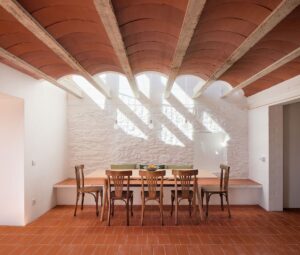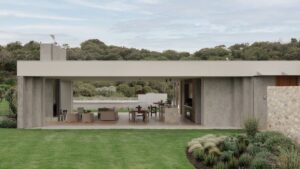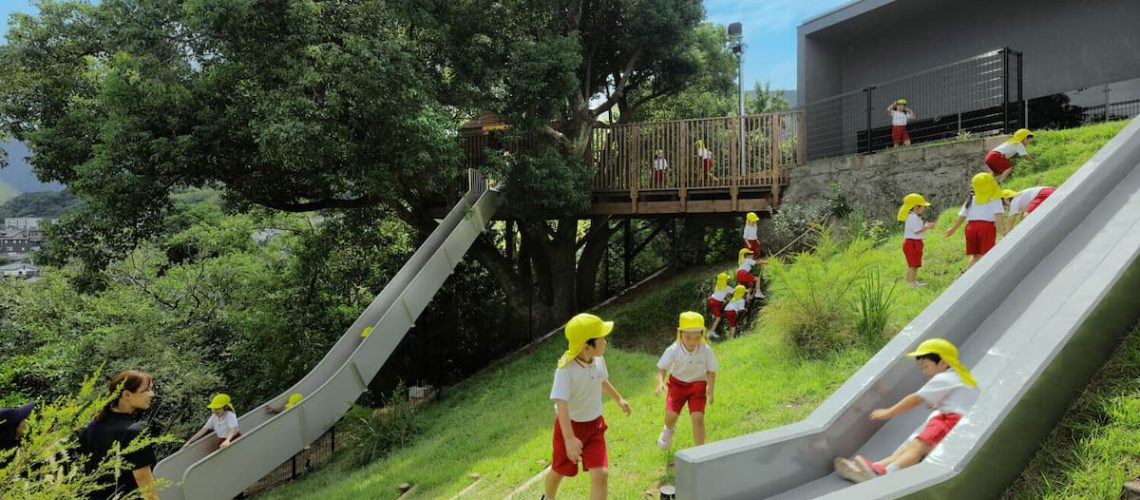

在當代兒童空間設計中,建築不再只是提供遊戲的場所,而是重新連結景觀、自然與學習經驗的媒介。從公共空間、教育建築到自然遊樂場,許多計畫透過地形、文化與環境策略,重新思考建築如何作為人與地景之間的感知介面。
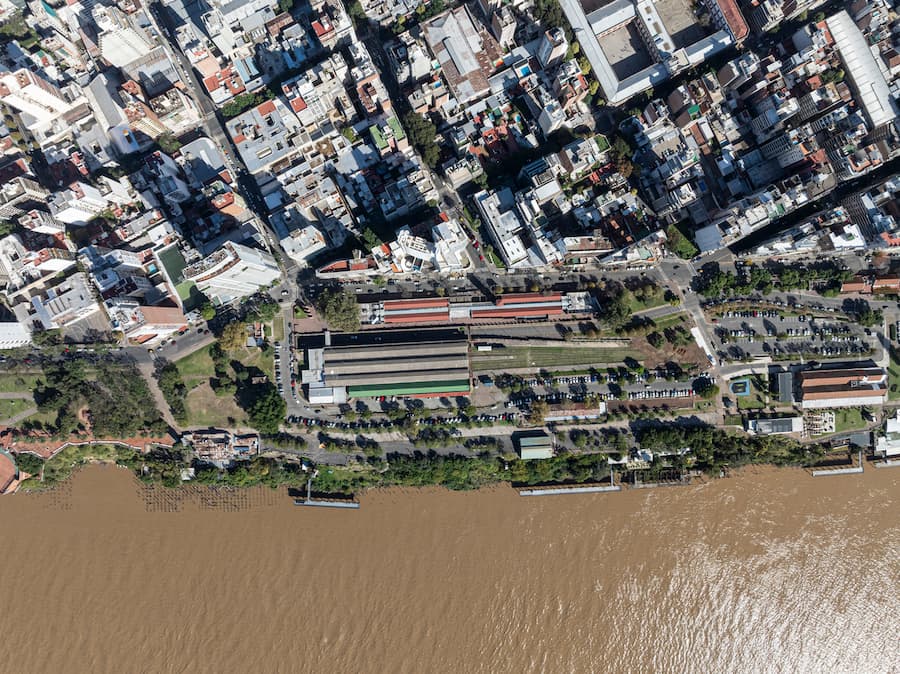 Cities begin to change when public space is reimagined from the perspective of childhood and collective experience.
在為兒童設計的空間中,大自然與景觀如何對話? 兒童空間設計、自然遊戲、景觀建築,建築和城市設計如何塑造融合遊戲、參與和探索的自然氛圍?從讓兒童參與設計過程的參與式項目,到融入符合兒童需求的家具的建築環境,兒童空間的構想旨在創造一個相遇、學習和共存的場所。有時,這些空間能夠加強室內外的聯繫,將使用者與自然和周圍環境連接起來。教育建築、公共空間設計、自然學習根據不同的文化、習俗和對場所的歷史依戀,許多當代計畫運用各種工具和策略,將建築、自然和教育學結合,從而創造豐富的學習、遊戲和發現體驗。
20世紀末,世界各地的城市和社會經歷了深刻的結構性歷史轉型,其標誌是一場技術革命。城市設計、都市規劃、兒童友善城市這場革命圍繞著資訊科技以及經濟和通訊的全球化展開,至今仍在持續改變生產、消費、管理、資訊傳播和思維方式。建築和城市規劃領域的眾多專業人士,以及各種機構和組織,致力於探索如何設計適合幼兒需求的空間。例如,在1998年羅薩裡奧戰略規劃的框架下,羅薩裡奧市政府與聯合國兒童基金會阿根廷辦事處合作,啟動了「兒童之城」計畫。公共空間、兒童遊戲空間該計畫基於義大利教育家弗朗切斯科•托努奇的提議,構思了一種以兒童視角重新思考城市的新模式。
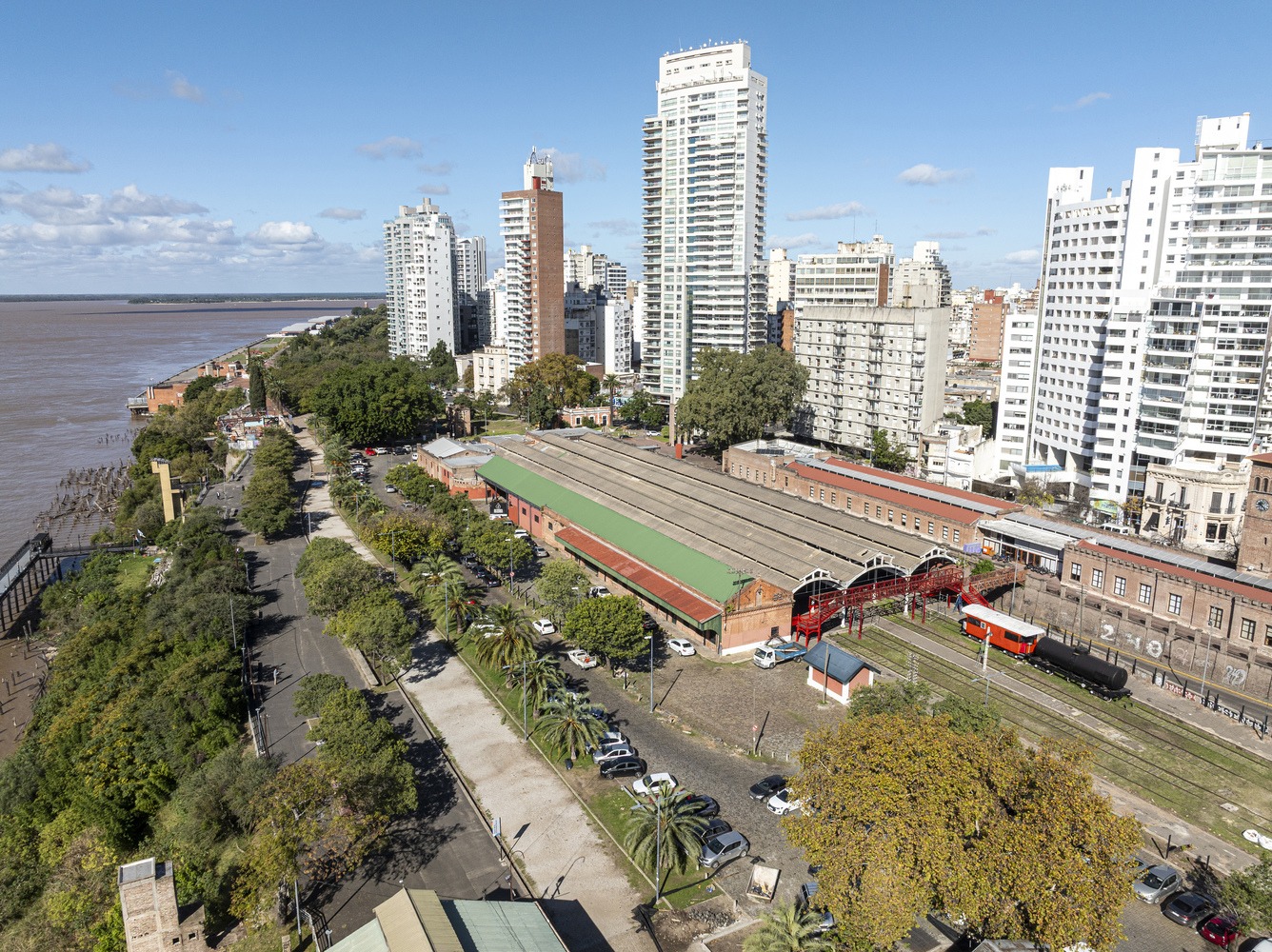
為了改善兒童的社會環境,進而提升城市福祉,該計畫旨在從寓教於樂的角度,打造共享學習的公共空間。兒童教育空間、自然學習由羅薩裡奧市文化教育廳推出的 Tríptico de la Infancia「兒童樂園」項目,已發展成為一個面向整個社區、從兒童時期開始的社會行動和轉型項目。該計畫透過公共共存空間,重申遊戲作為社會化過程基本策略的重要性,並為兒童和家庭的學習提供新的工具。景觀設計、兒童文化中心
那麼,不同的建築空間如何在兒童學習和探索世界的過程中,將他們與自然兒童建築、自然教育聯繫起來? 關於基礎設施、公園或教育中心,有哪些設計策略能夠將童年體驗轉化為與自然環境的連結,並重新思考學習環境學習環境設計、景觀空間與城市之間的關係?
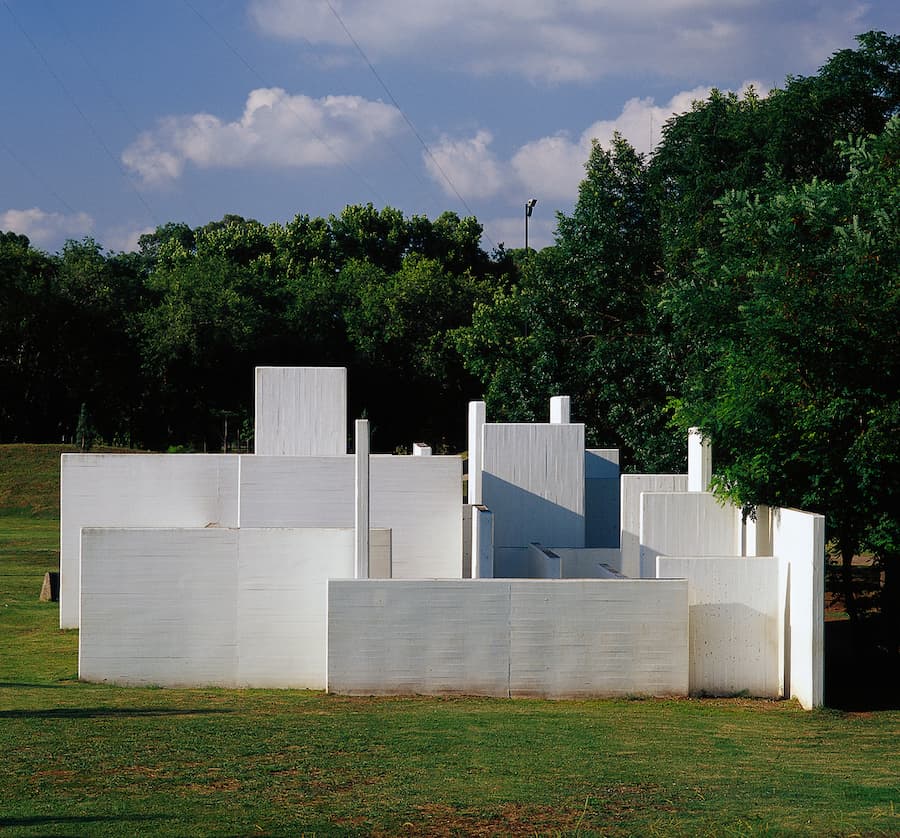 Architecture turns into a shared landscape where play, learning, and collective experience unfold together.
透過與大自然的連結來重現城市歷史
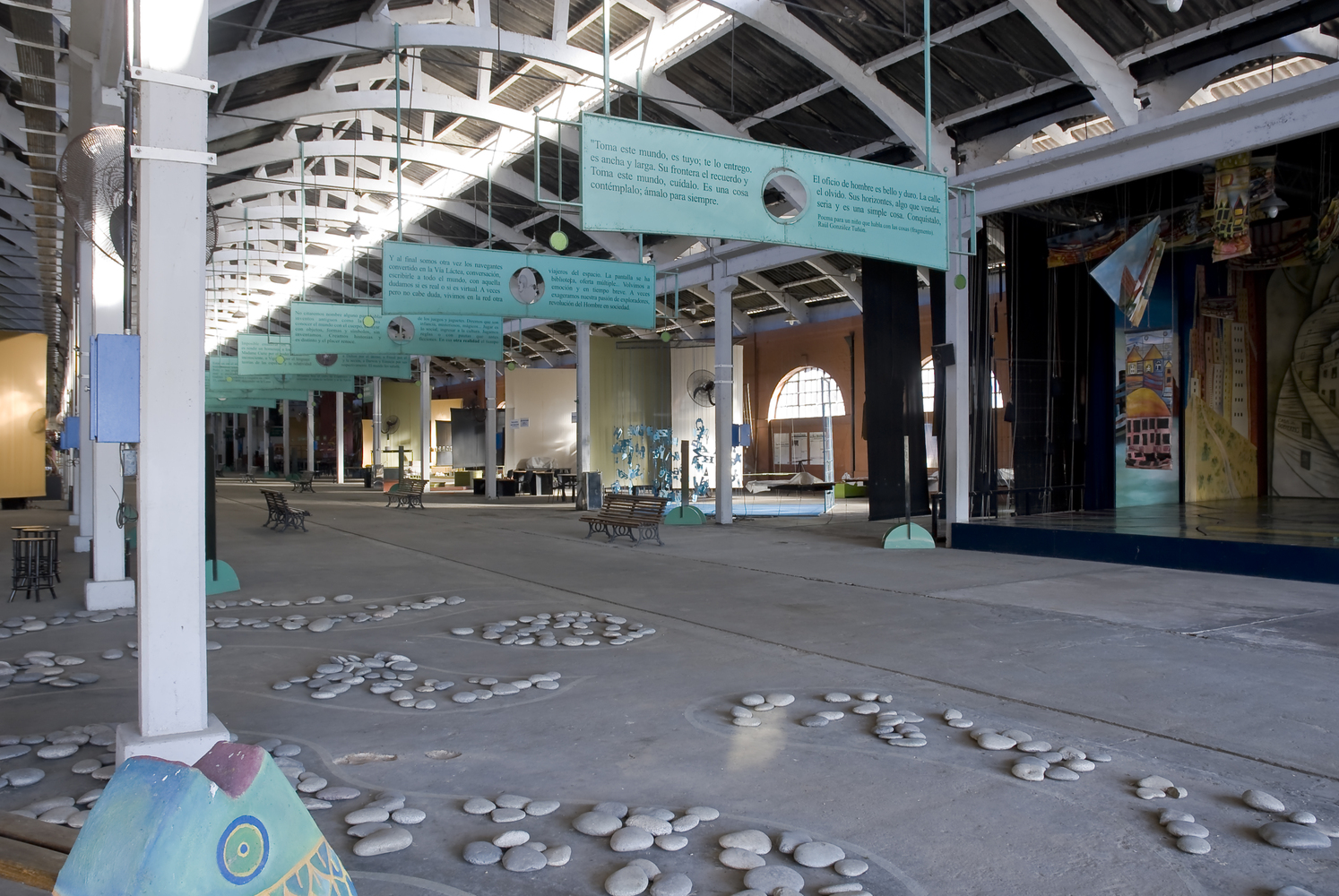
在全球範圍內,眾多建築和城市規劃領域的專業人士正致力於打造集交流、教育和公民參與於一體的場所,讓孩子們能夠透過城市的歷史文化景觀、歷史建築再利用和建築的文化遺產價值與自然建立聯繫。例如, Rosario 的「發明島」(La Isla de los Inventos) 拔地而起,坐落於一座廢棄的火車站之上,它本身就是阿根廷歷史的一部分。如今,這座建築的改造為一個面向所有年齡、背景和社會經驗的市民開放的兒童文化中心。MVRDV設計的台南之泉 (Tainan Spring) 也同樣是對廢棄基礎設施的重新利用,但它巧妙地將台南市與其古老運河的歷史淵源融入其中。透過這種方式,一個新的公共廣場公共廣場、兒童遊樂空間拔地而起,將一條小型水道融入到一系列花園、兒童遊樂場、會議室和社區活動舞台之中。
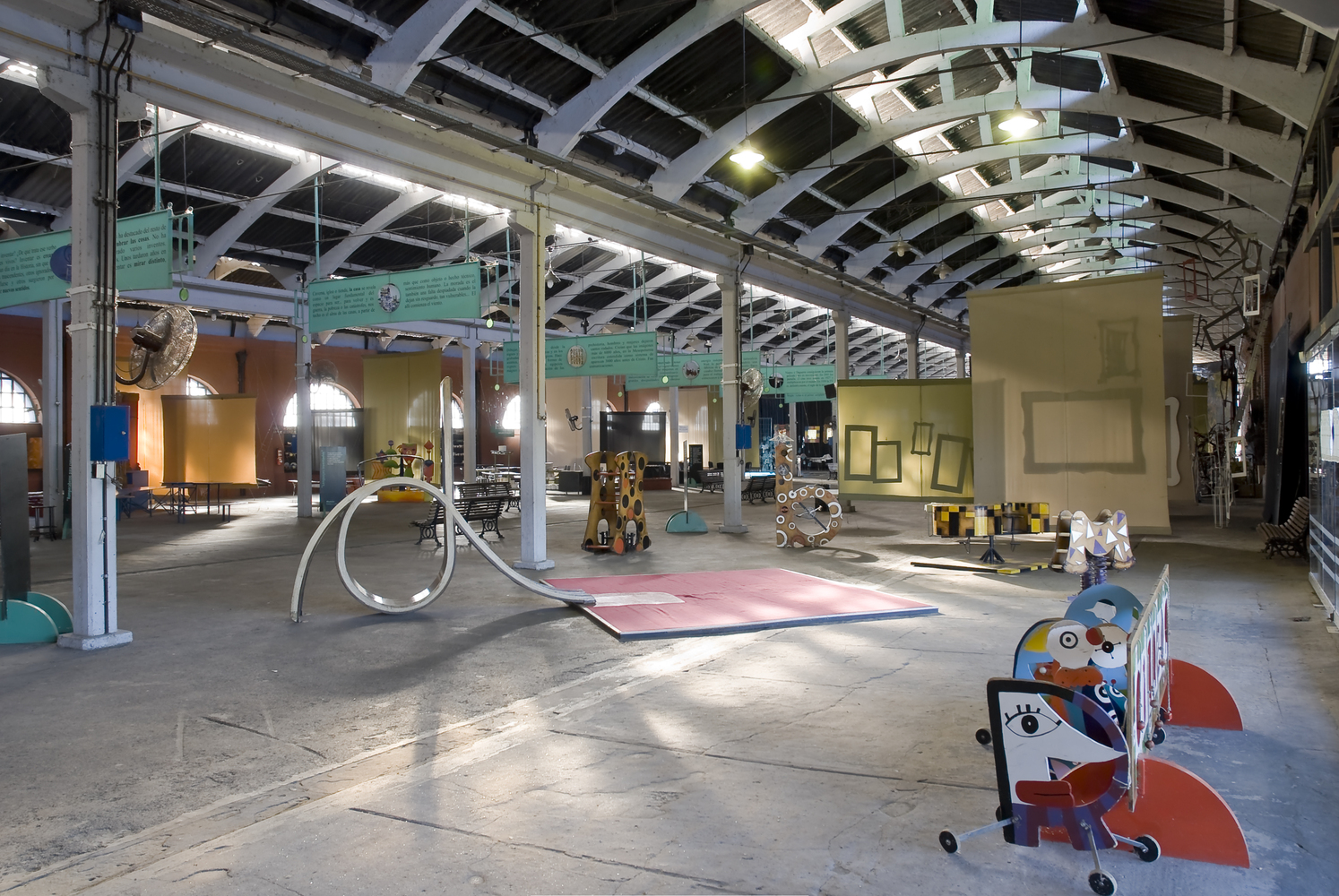 Public space reconnects the city with landscape through water, play, and collective urban experience.
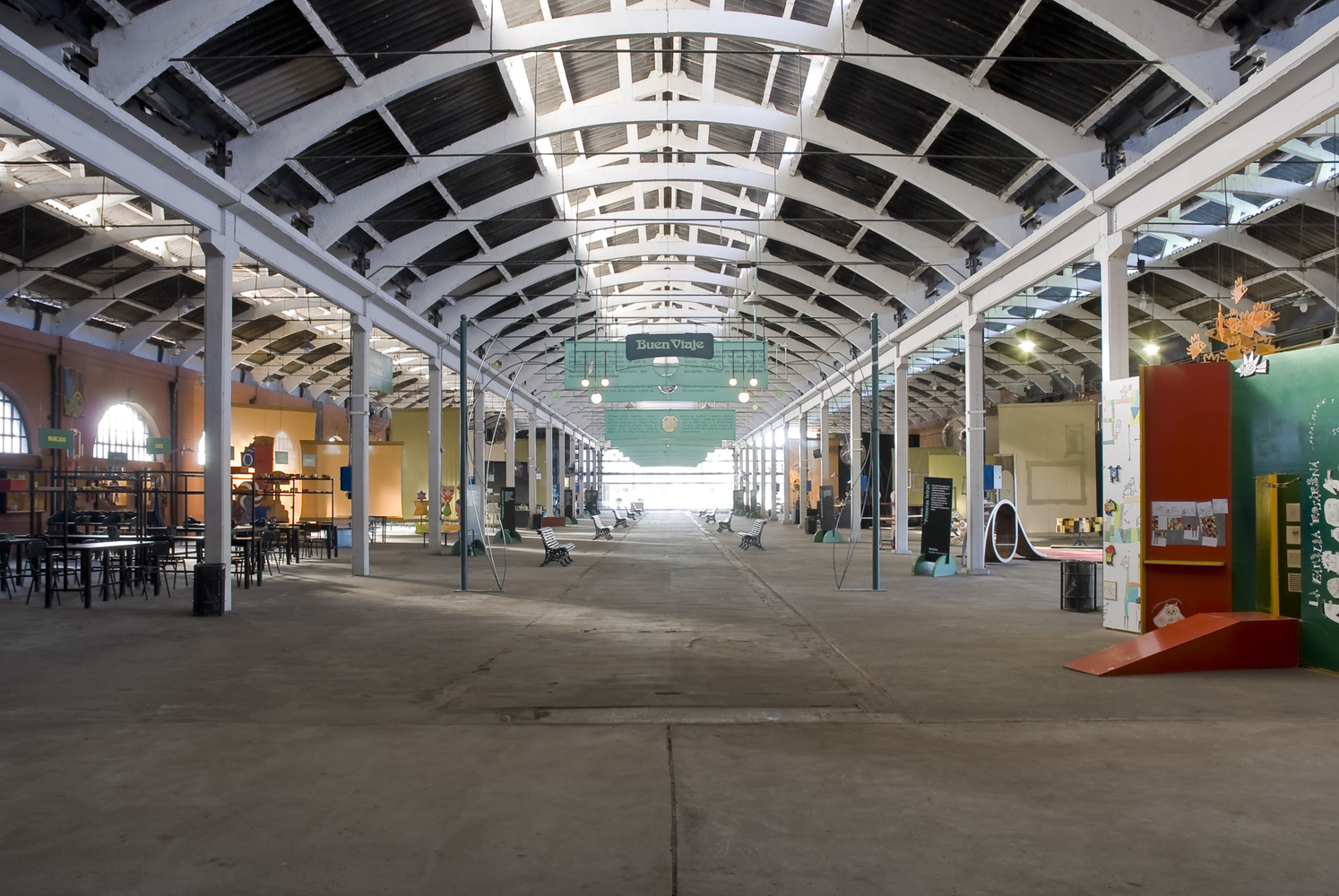
將學習融入景觀及其自然地形
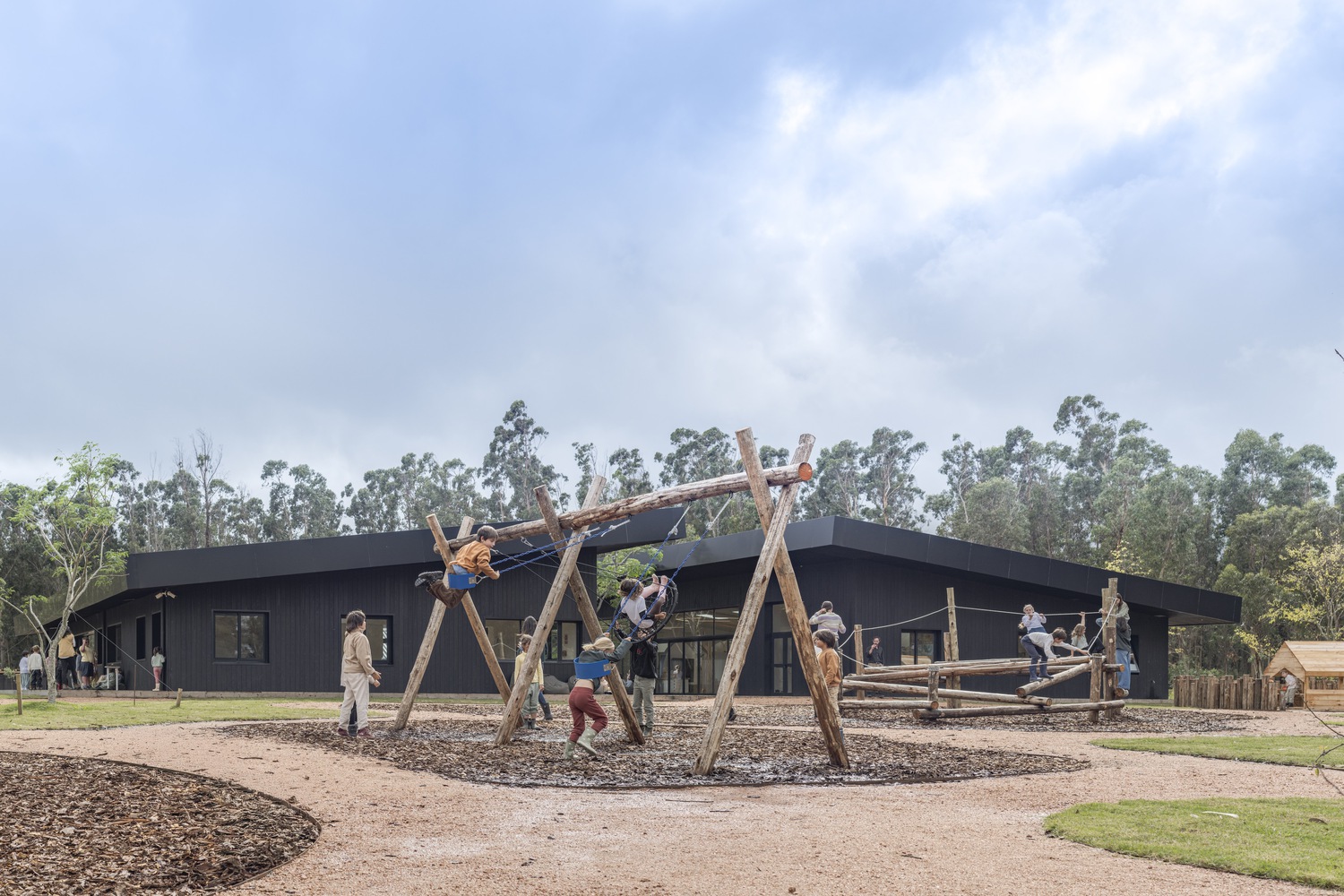
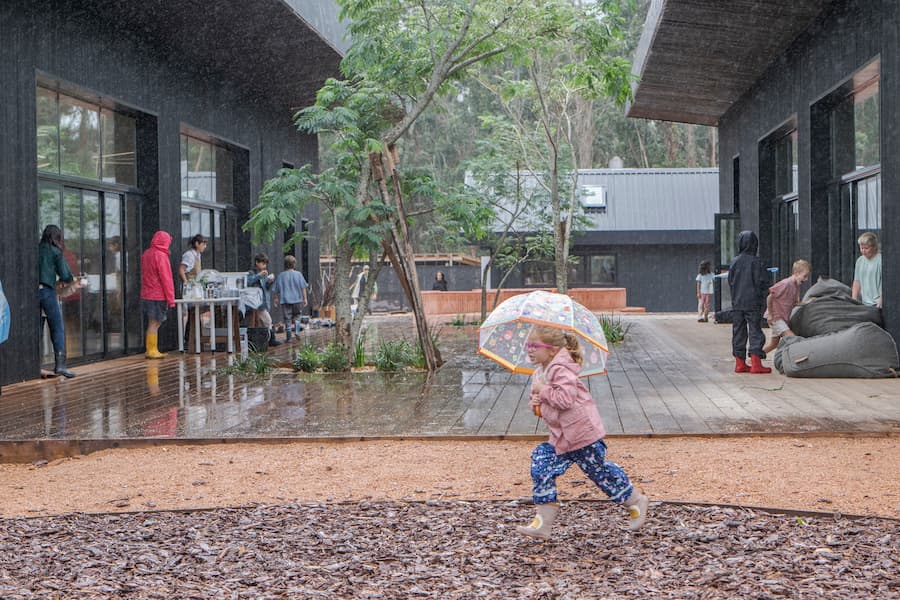
將自然融入集體學習,展現了教育中心發展的許多好處和機遇,不僅能夠促進與自然環境的聯繫,也能將與不同學科相關的活動融入其中。例如,在烏拉圭,Rosan Bosch Studio 設計了一個全新的校園和學習環境,掩映在茂密的桉樹林中,營造出獨特的與自然的連結自然校園、親生物設計。由此,他們發展出一種融合室內外學習的設計理念,鼓勵好奇心、探索精神、遊戲精神和自我表達。透過運用親生物設計原則,並將自然作為建築理念和材料選擇的指導,其目標是將學習超越傳統界限,視自然為學習的補充,甚至課堂本身教育空間設計、兒童學習環境
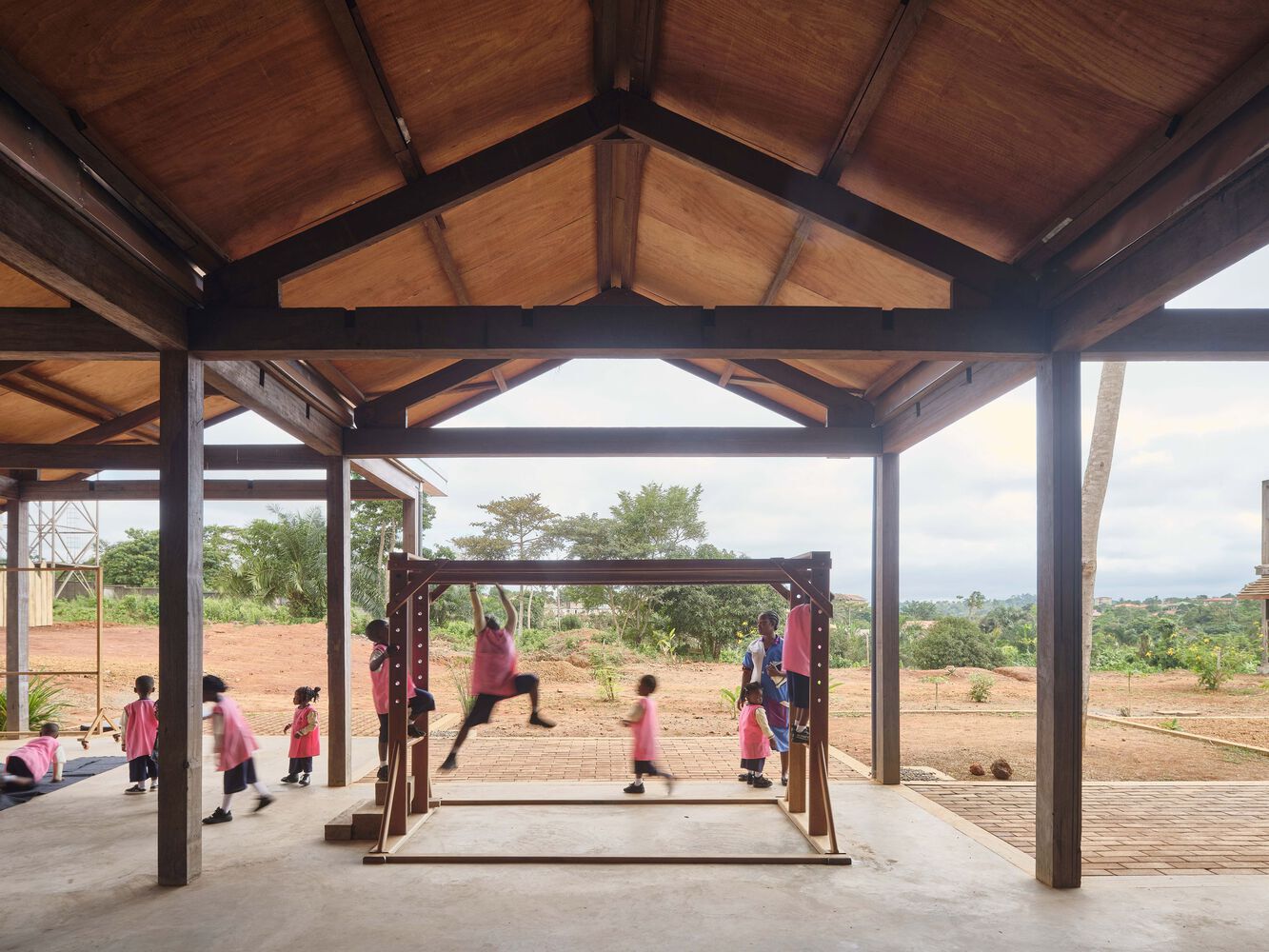
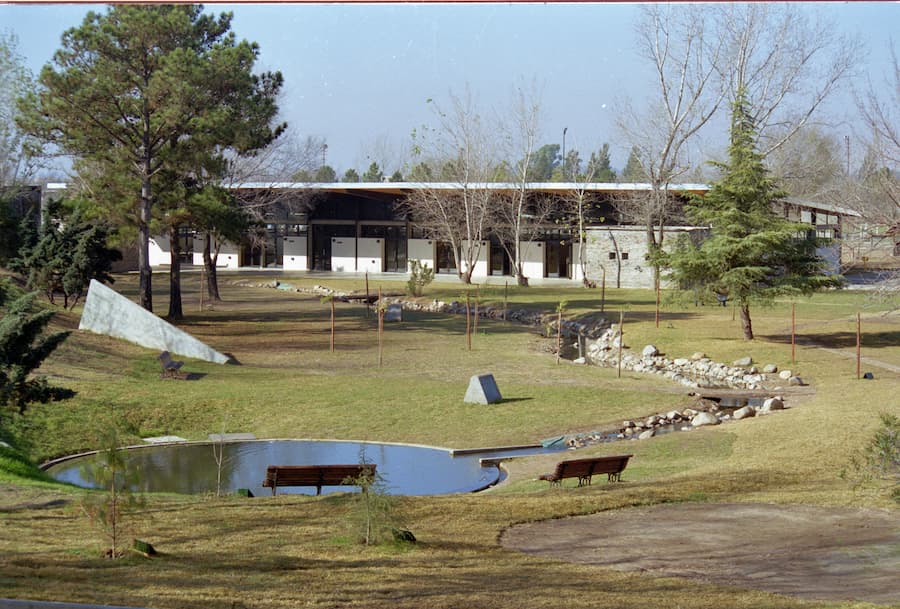
 Learning environments emerge through landscape, where architecture follows terrain, water, and ecological continuity.
 Nature becomes part of everyday learning when architecture allows weather, landscape, and movement to enter daily life.
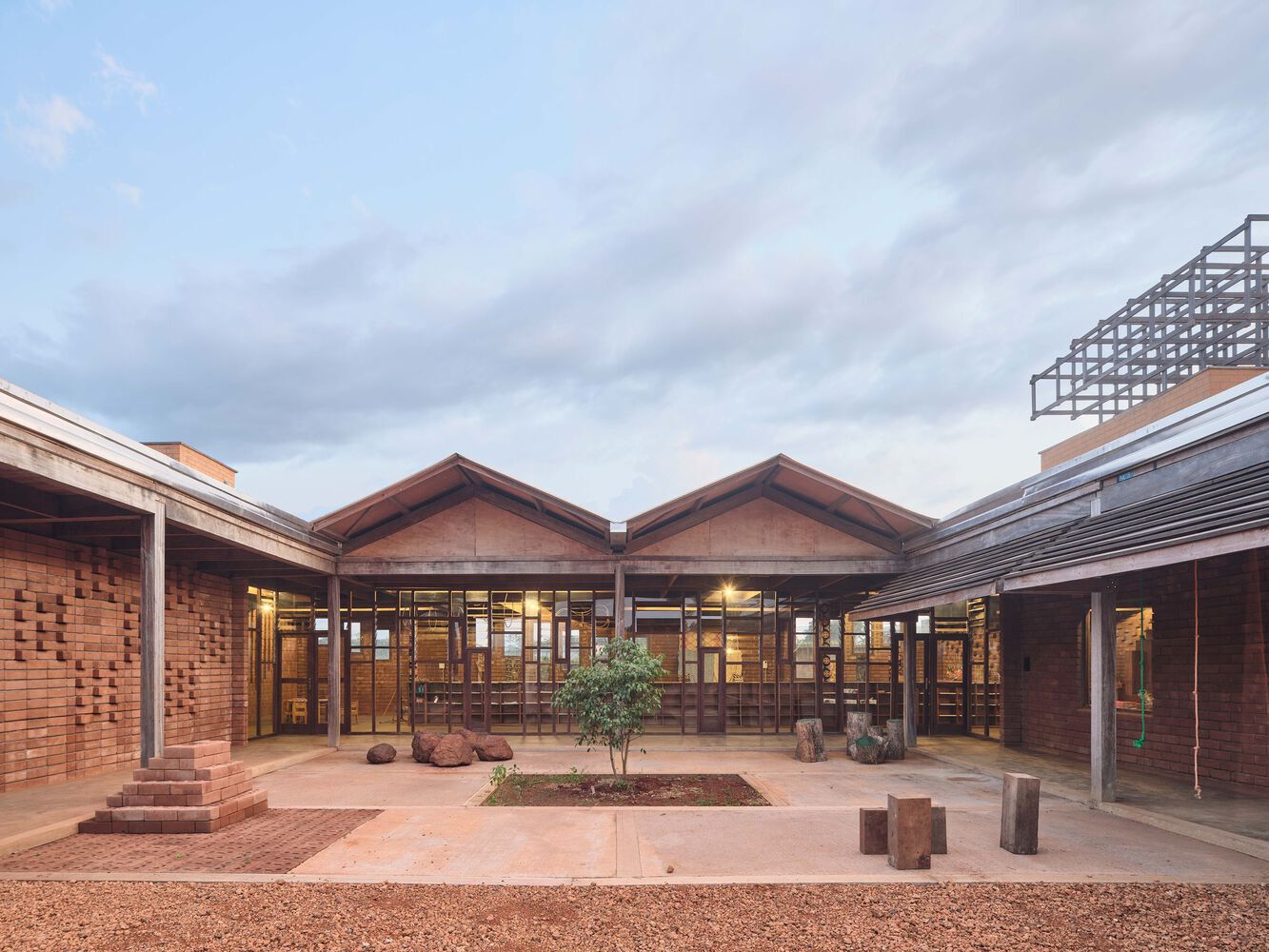
位於羅薩裡奧的La Granja de la Infancia計畫由Paula Fierro和Lucas Berca的計畫團隊主導,旨在創造一種生活品質的詩意,使人們對自然負責,從而培養生態意識自然共生、生態教育。此計畫透過一系列學習不同技能、體驗香料、顏料和植物等的空間,展現了自然與文化的融合。在這片5公頃的土地上,計畫的目標是打造一個能夠自由開展活動的場所,並以丘陵地形、地形建築、兒童景觀空間塑造場地,使其分隔而非封閉。該項目將遊戲、非正式教育和多種參與模式的概念與景觀和諧地融合在一起,力求使建築與自然和諧共存,而非凌駕於自然之上。
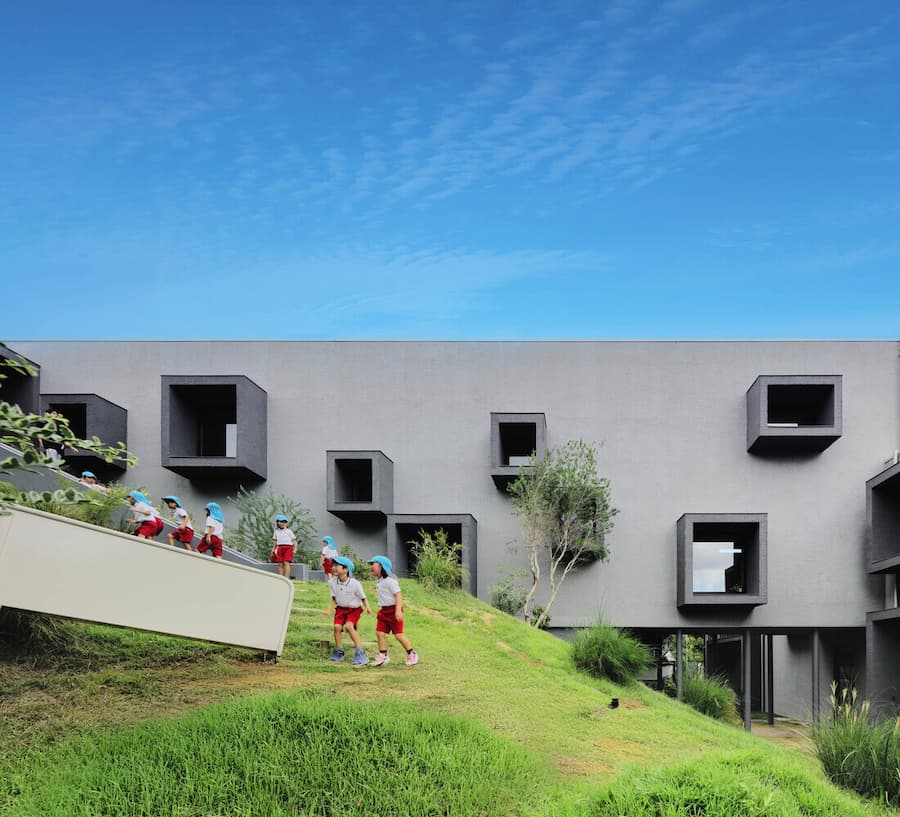 Architecture and topography merge into a continuous learning landscape shaped through movement, play, and everyday exploration.
以環境意識為導向,為兒童設計公共空間
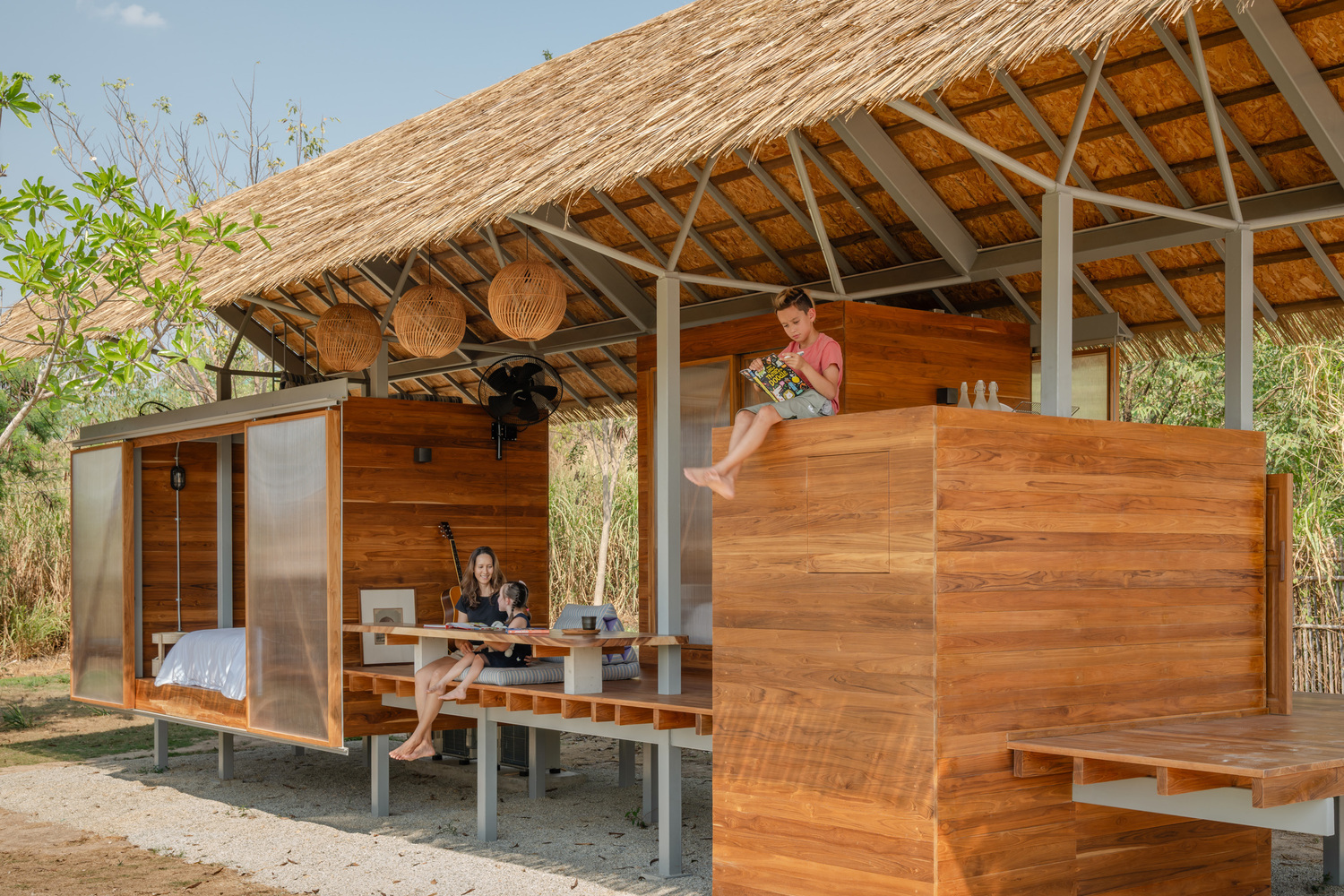
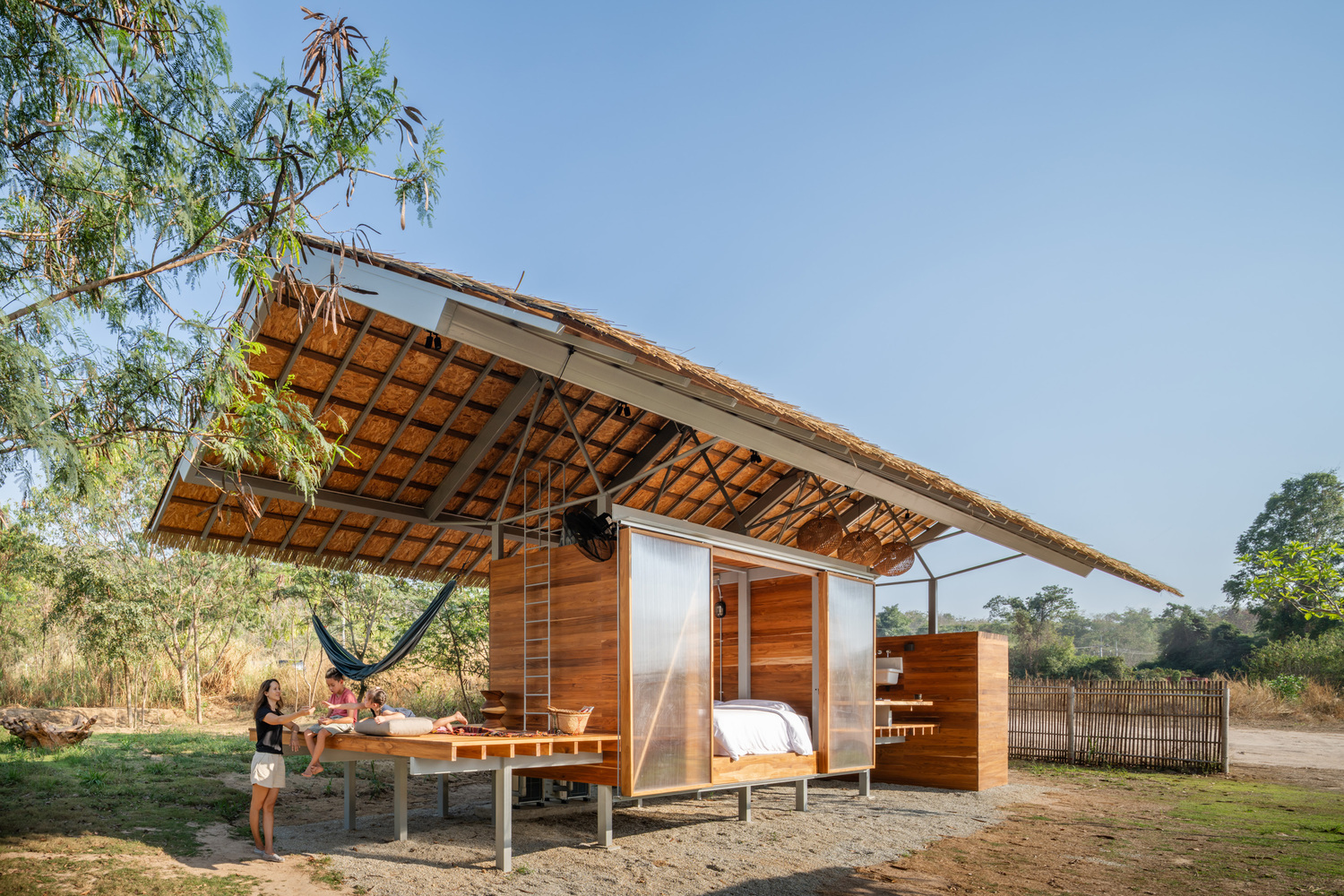
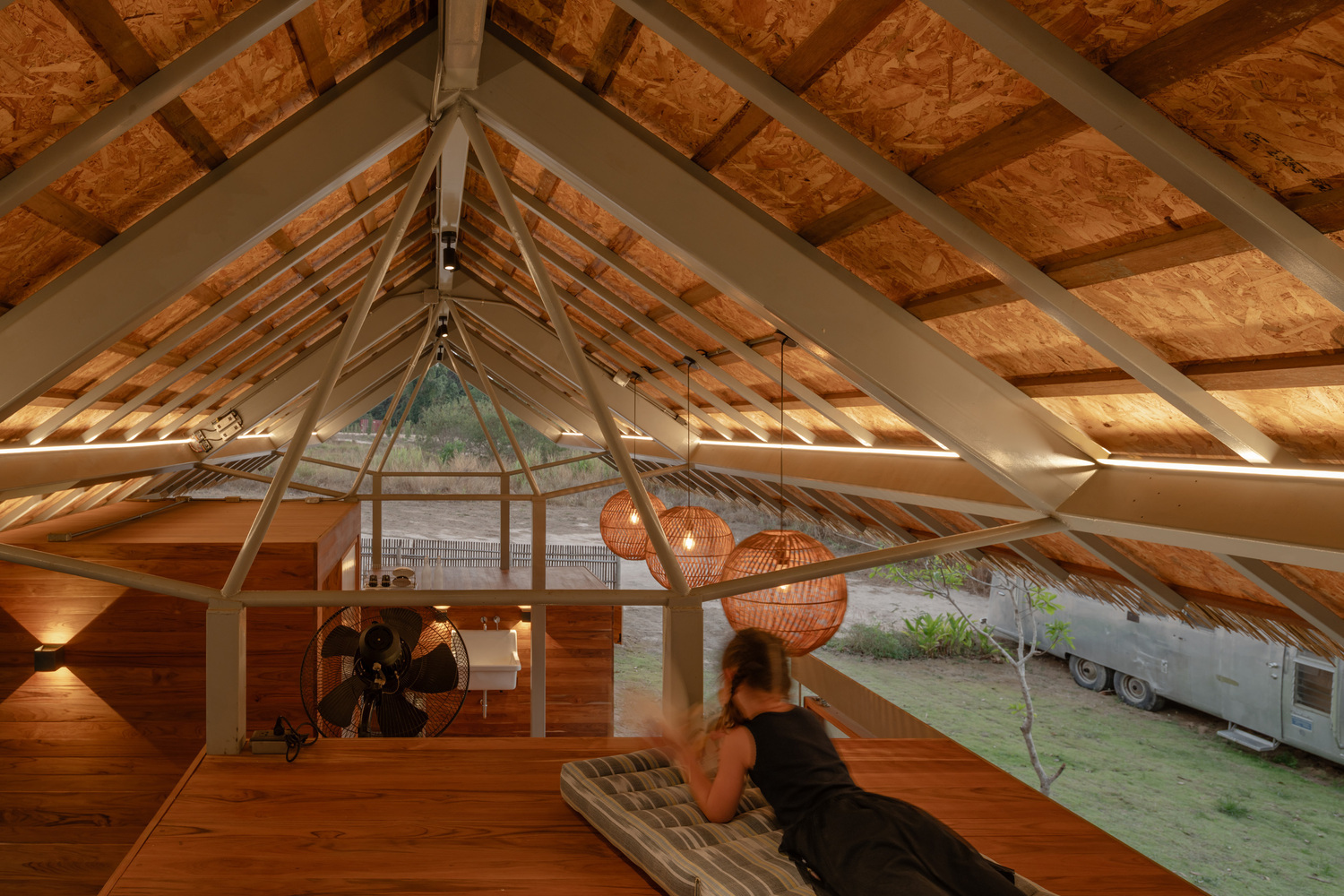
人們逐漸意識到,兒童公共空間的創建正透過包容多元性和包容性的當代方式不斷發展,自然環境對兒童日常生活的影響也展現出其自身的發展潛力兒童公共空間、環境教育。許多公園、廣場和其他休閒區域的設計方案旨在培養兒童的社交技能以及與獨立性、物種保護、尊重自然、環境保護等相關的價值觀。例如,位於泰國春武里府的「兒童小屋」(Kid Cabin) 項目,打造了一個符合兒童體型比例的庇護所,強調簡潔性、與自然的連接以及遊戲性;而位於波蘭蒂黑市雅沃雷克公園 (Jaworek Park) 的遊樂場項目則將自然景觀自然遊樂場、永續景觀設計與現代休閒設施相結合。
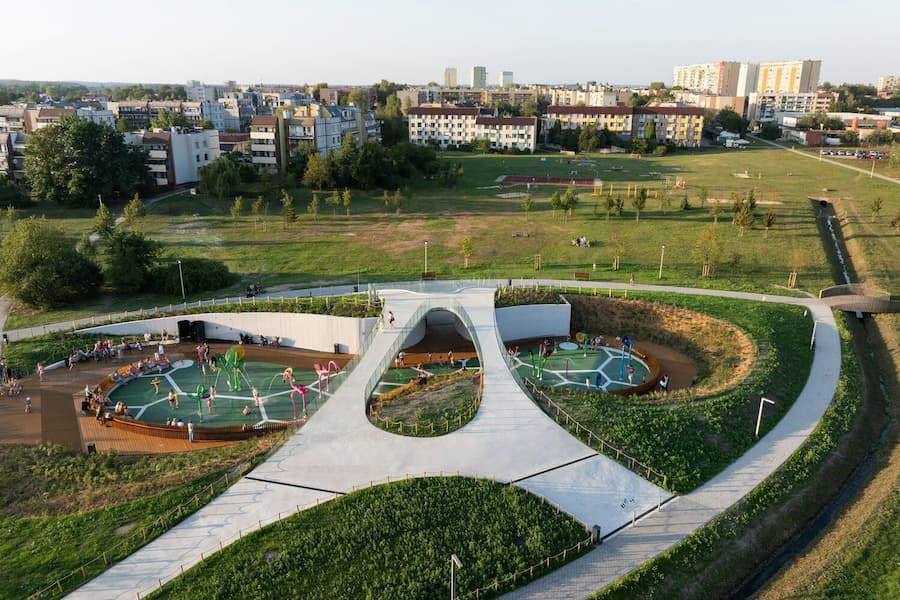 Landscape becomes part of collective urban life when ecology, water, and open space are allowed to coexist.
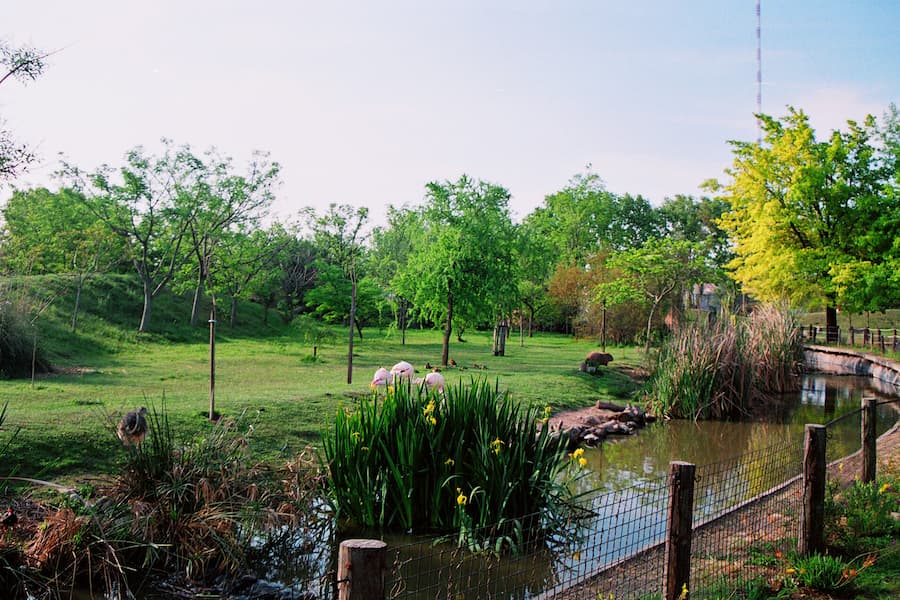 Public space evolves into a continuous landscape where play, movement, and terrain shape social experience.
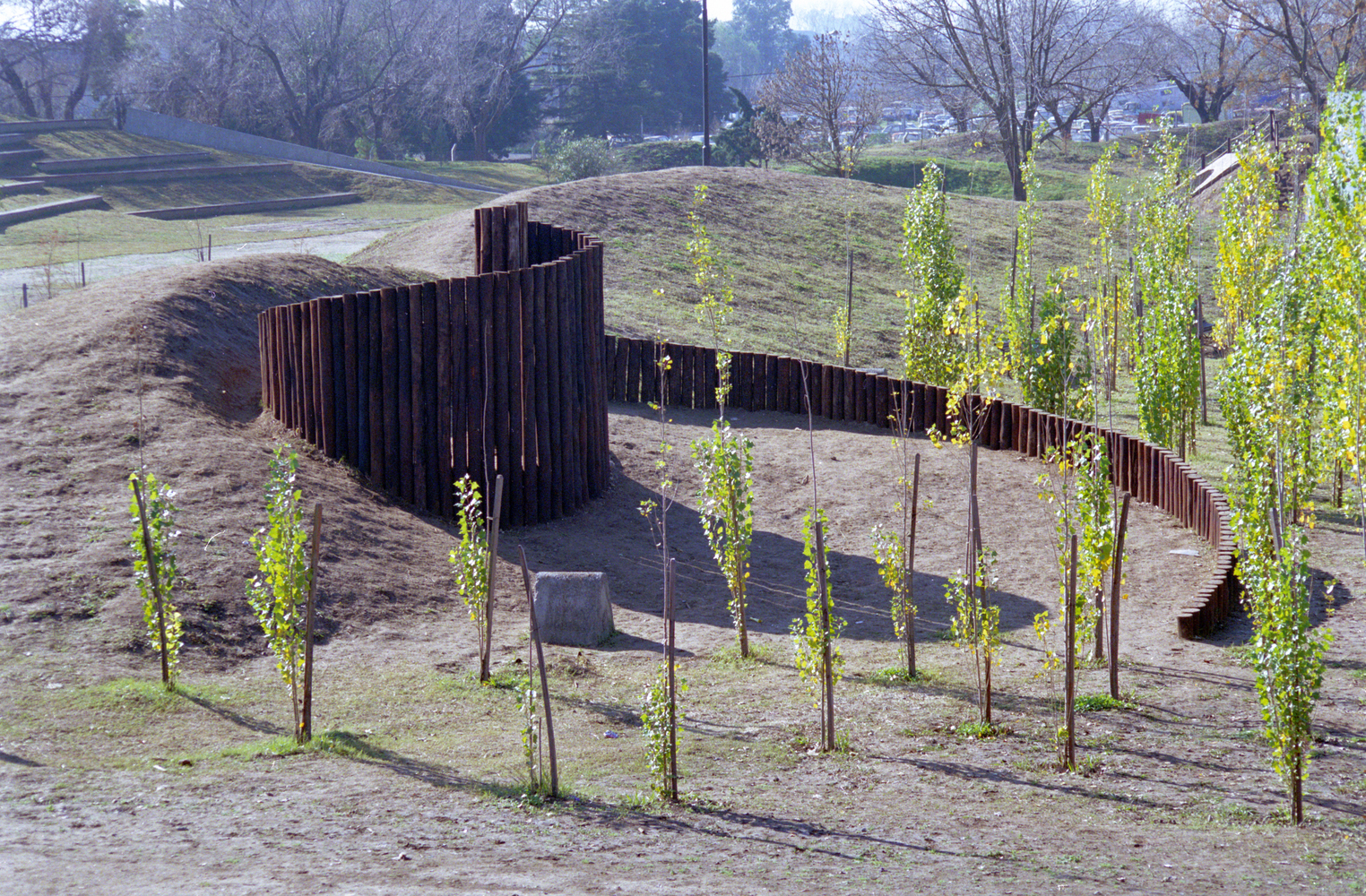
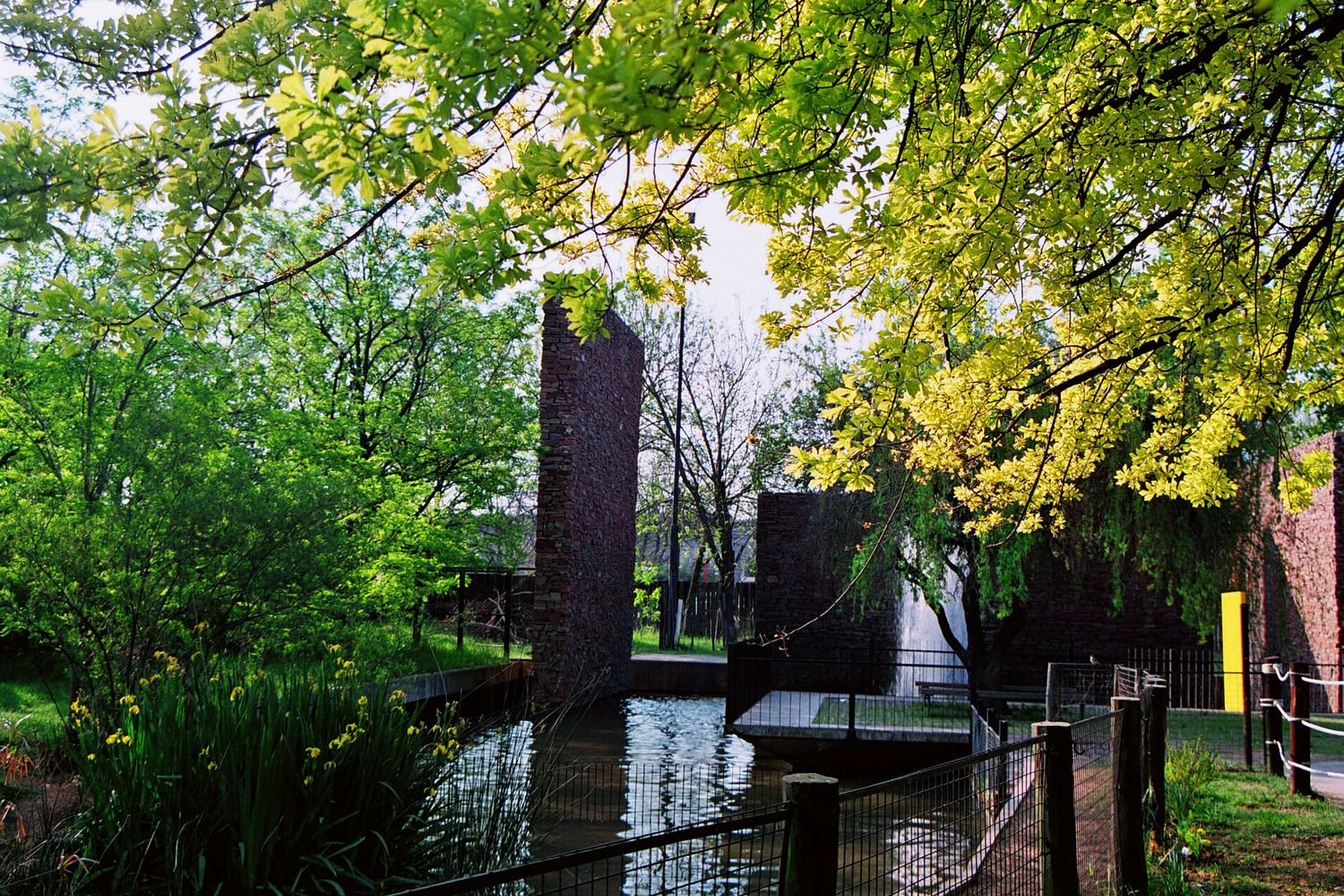
從公共空間和休閒花園的設計,到基礎設施的再利用,再到教育中心與自然環境的和諧融合,許多當代建築和城市規劃項目都致力於提升兒童的生活品質永續建築、教育建築設計。這些計畫透過多種途徑,例如策略性地恢復城市歷史、將學習實踐融入景觀、提高環保意識等等,力求打造更具包容性和創造性的設計方案,模糊室內外的界限,從而促進兒童文化、生活方式和習俗的發展,並重新建立城市與環境,然而,建築與自然的關係從來不只是景觀與感知問題。當空間開始回應地形、氣候與環境時,那些支撐城市運作的能源、基礎設施與地下系統也同時浮現。地下建築與石油政治,自然景觀、城市與環境之間的關係。
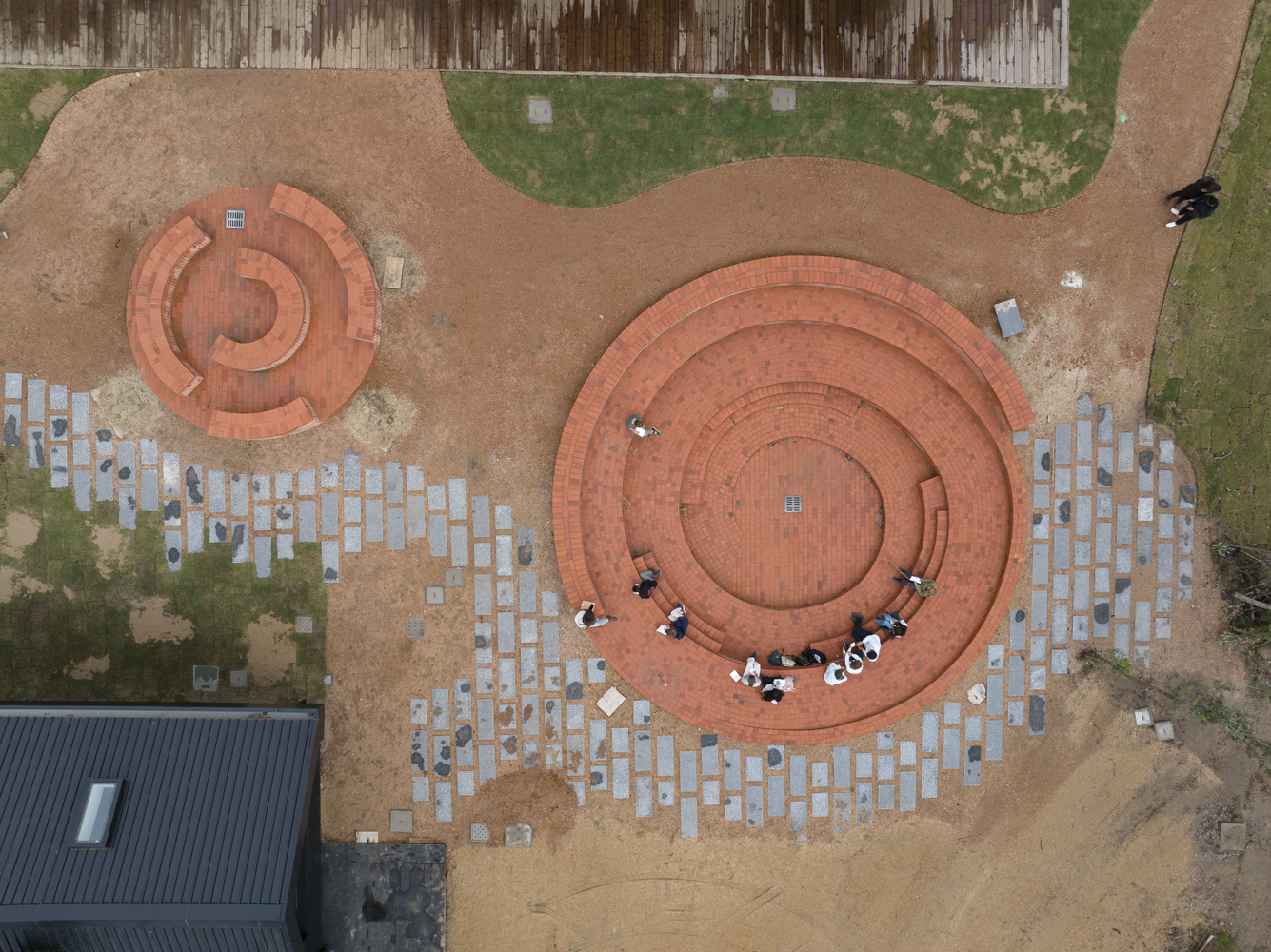
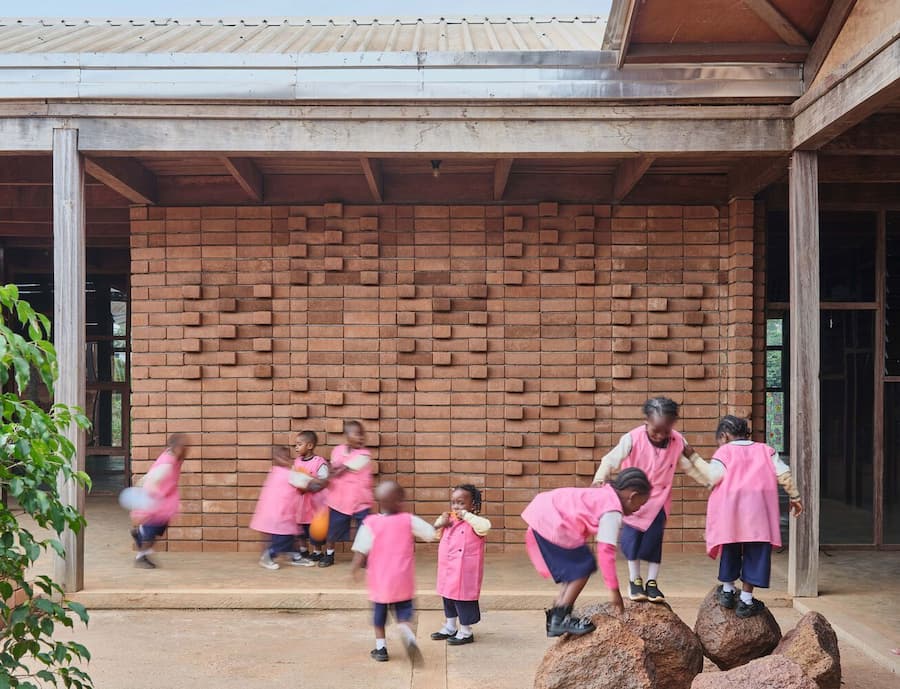 Learning emerges through touch, movement, and material experience when architecture becomes part of everyday childhood exploration.
在 KOMPAN,我們相信為兒童打造空間是一項具有深遠影響的共同責任。透過贊助此專題,我們倡導以兒童為中心的設計理念兒童設計、遊戲空間,這種理念植根於研究、遊戲和參與,旨在創造包容且充滿啟發性的環境,支持兒童的身體活動、身心健康和想像力發展,並幫助每個孩子在不斷變化的世界中茁壯成長。我們每月都會透過文章、訪談、新聞和建築項目深入探討一個主題,持續關注建築與學習建築與學習、兒童發展之間的關係。