Groundswell rewrites the history of Land Art by bringing pioneering women artists from the margins to the center, revealing how landscape, nature, and conceptual practice forever transformed contemporary art.
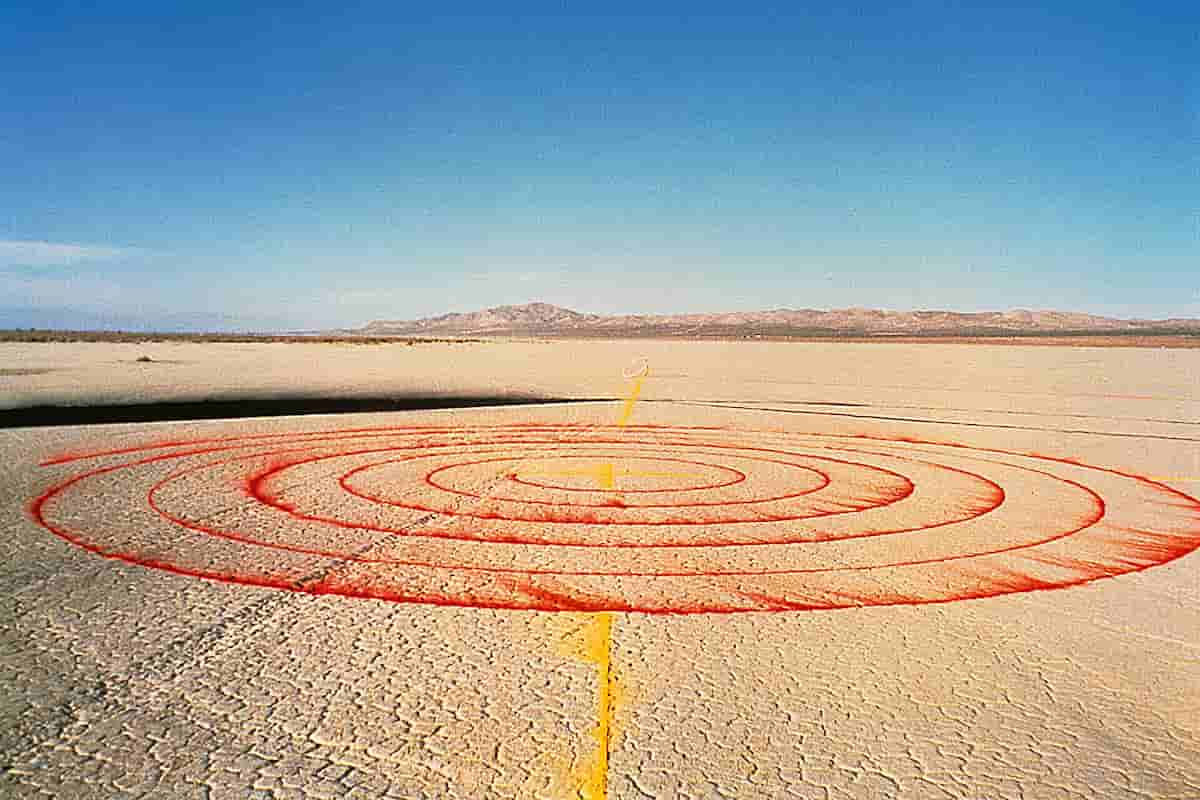
“Lita Albuquerque, “Spine of the Earth” (1980), pigment, rock, and wood sundial, El Mirage Lake, Mojave Desert, California.”
A Landmark Book Reframing the History of Land Art
As conceptual art expanded during the 1960s, artists increasingly abandoned galleries in favour of deserts, forests, rivers, and open landscapes. Groundswell: The Women of Land Art documents this radical movement through the overlooked contributions of pioneering women artists, revealing how earth, wood, stone, plants, and natural materials became powerful artistic media. More than an art book, it offers an essential perspective on the evolution of Land Art, conceptual practice, and environmental installation.
Women Artists Who Reshaped Landscape as Artistic Expression
While Land Art has traditionally been associated with male artists, Groundswell presents a richer narrative by highlighting influential figures including Ana Mendieta, Nancy Holt, Agnes Denes, Lita Albuquerque, Meg Webster, and Patricia Johanson. Their site-specific works transformed landscapes into living canvases where ecology, memory, identity, and time became inseparable from artistic expression, expanding the historical understanding of contemporary environmental art.
Preserving Ephemeral Works Through a Definitive Art Publication
Many Land Art installations exist only temporarily, making careful documentation essential. Through photographs, essays, and archival research, Groundswell preserves works that may have disappeared from the landscape while ensuring their cultural significance remains visible for future generations. The publication stands as both an authoritative Art History reference and an inspiring resource for readers interested in landscape, installation art, and conceptual practice beyond the museum walls.
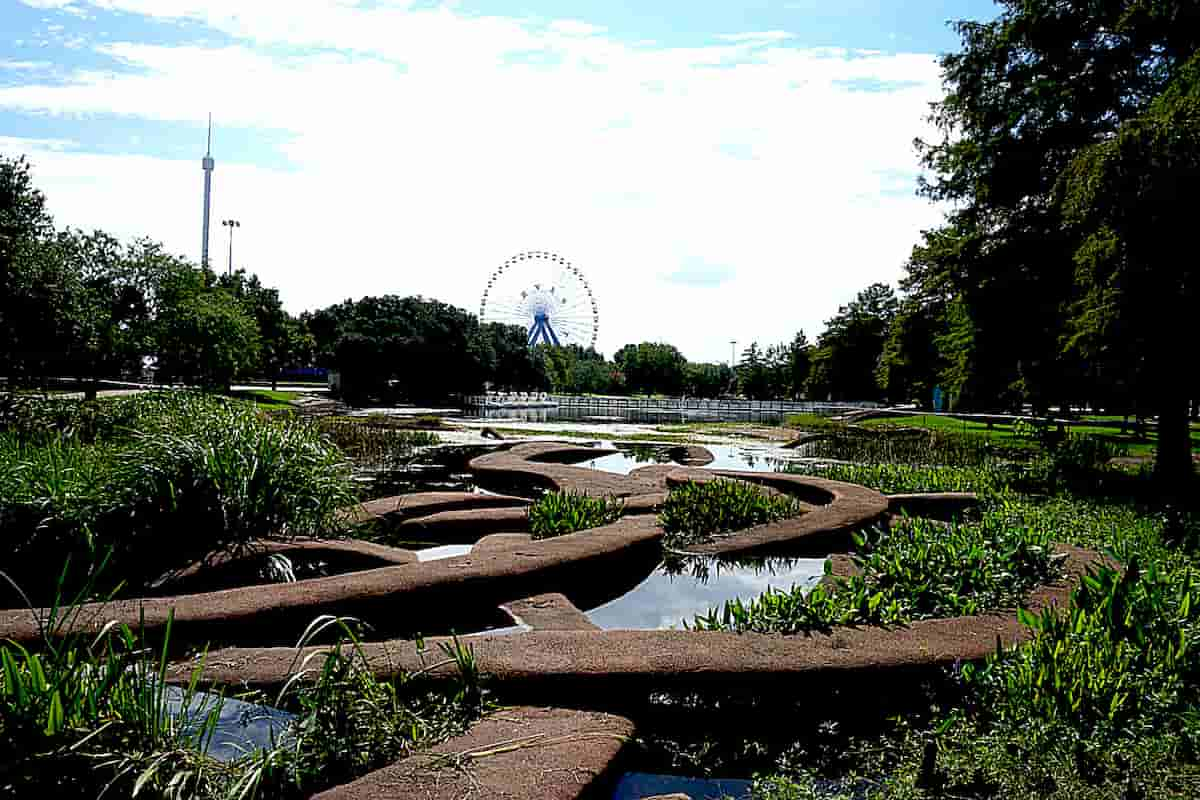
Patricia Johanson, “Fair Park Lagoon” (1981–86), gunite, native plants, and animal species, For the People, the Meadows Foundation, Communities Foundation of Texas, Texas Commission on the Arts and their private and corporate donations, permanently sited in Fair Park, Dallas.
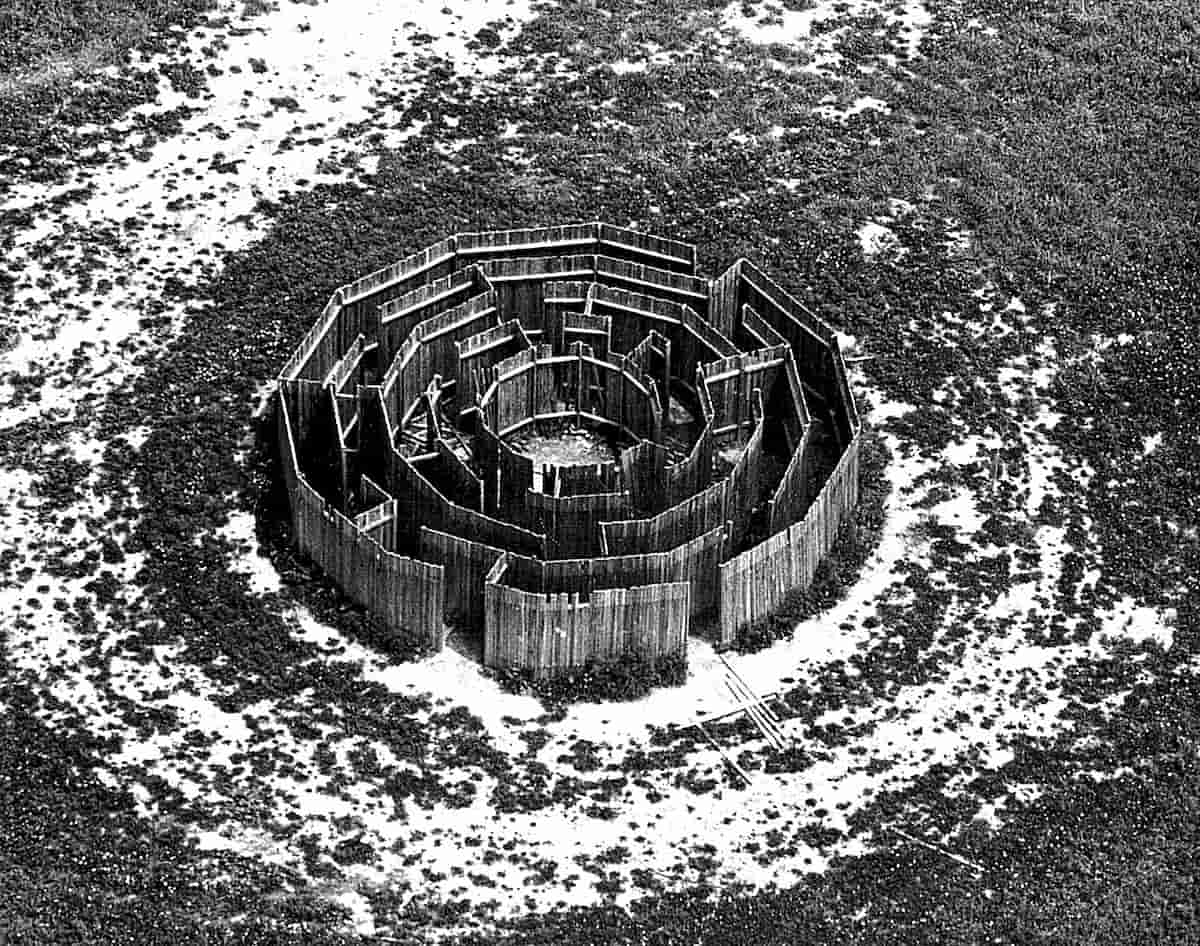
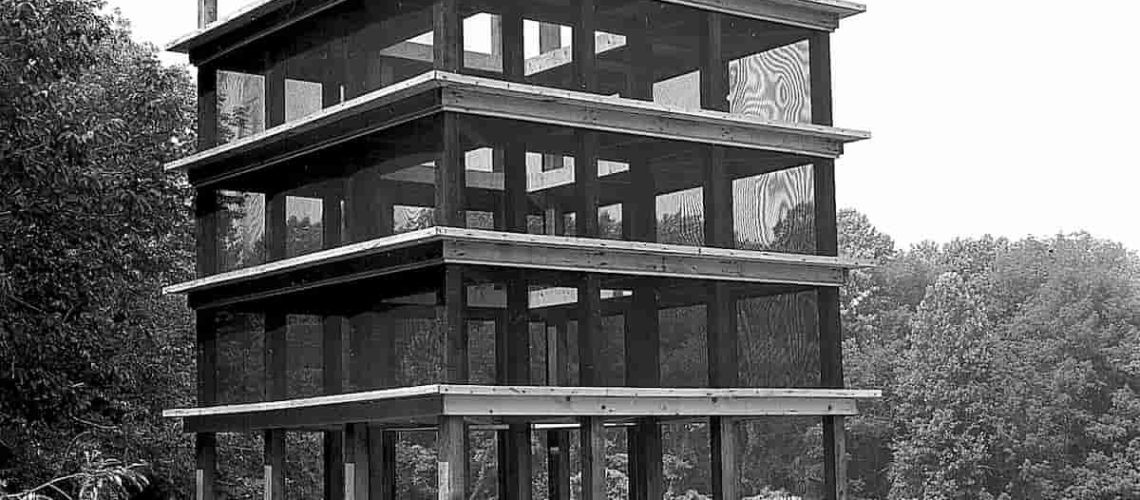
Alice Aycock, “Maze” (1972), 12-sided wooden structure of 5 concentric dodecagonal rings, broken by 19 points of entry and 17 barriers 6 x 32 feet diameter, originally sited at Gibney Farm near New Kingston, Pennsylvania, now destroyed.
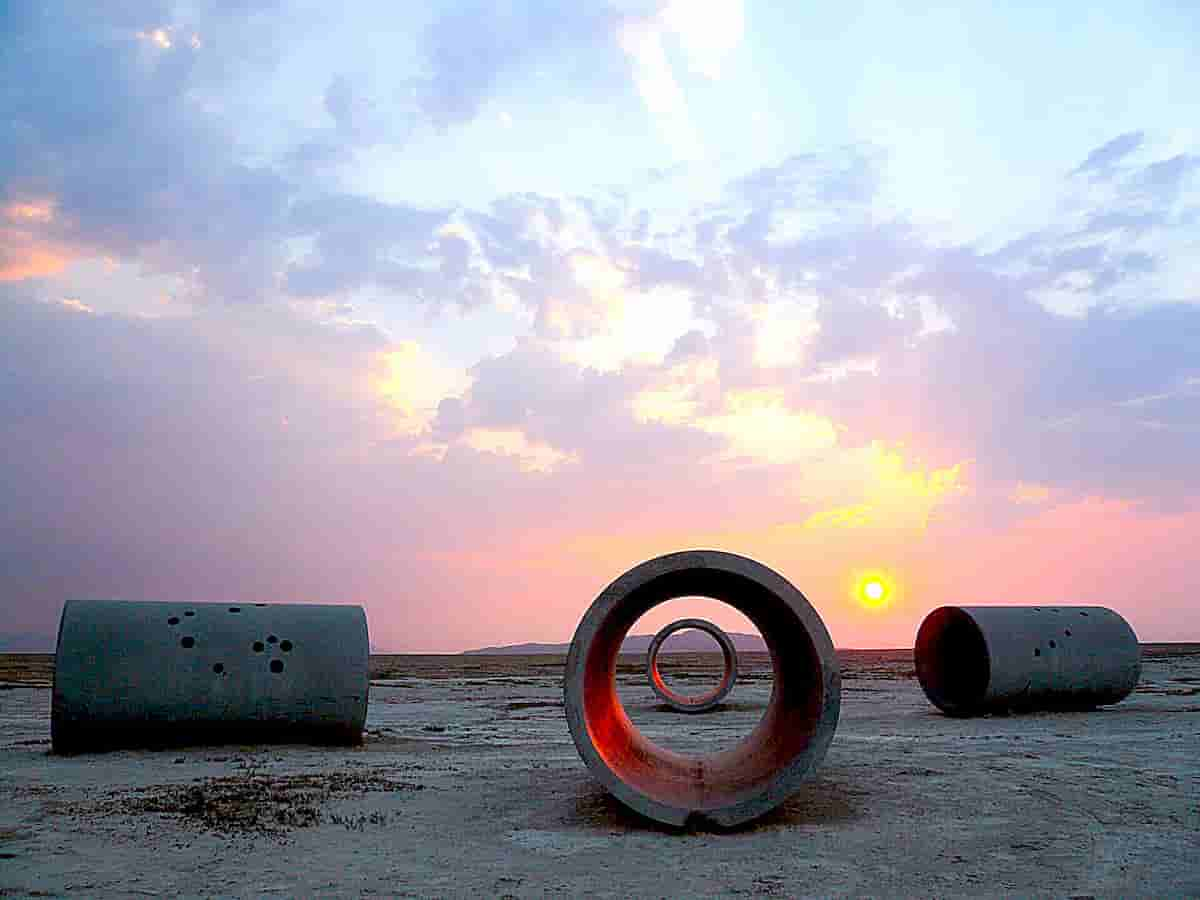
Nancy Holt, “Sun Tunnels” (1973-76), Great Basin Desert, Utah, concrete, steel, earth, 9 1/6 x 86 x 53 x 86 feet, collection of Dia Art Foundation with support from Holt/Smithson Foundation.
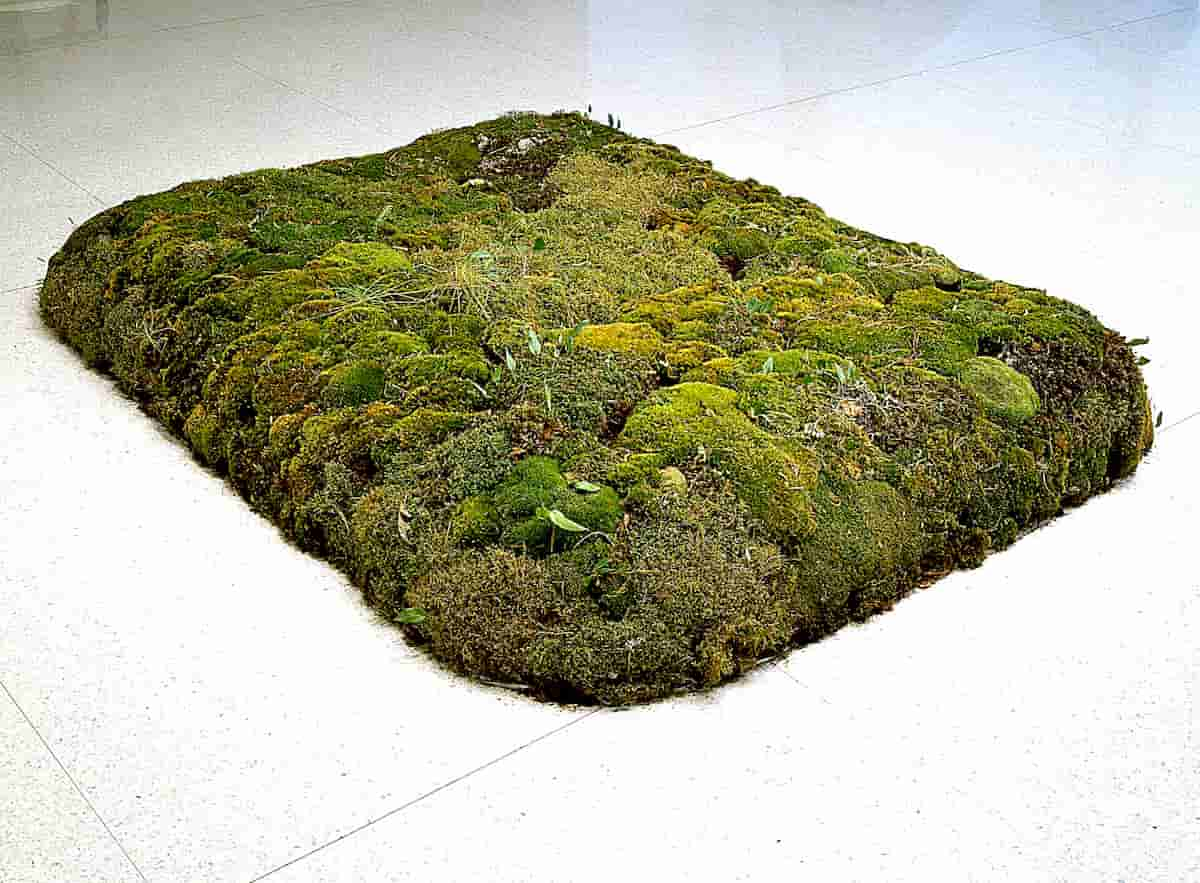
Meg Webster, “Moss Bed, Queen” (1986/2005), peat moss, earth, and plastic tarp, 10 x 60 x 80 inches, Walker Art Center, T. B. Walker Acquisition Fund, 2006.
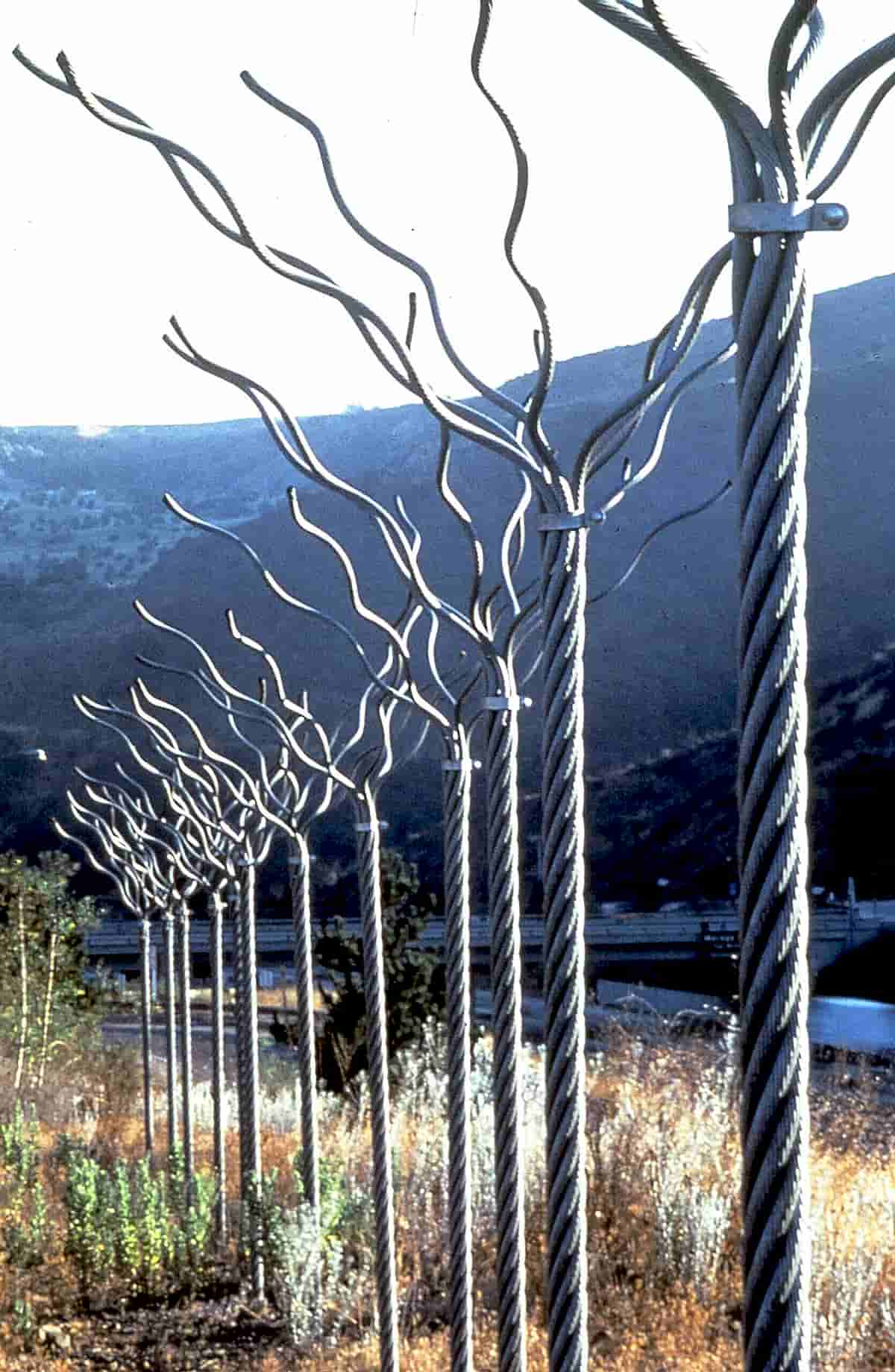
Maren Hassinger, “Twelve Trees” (1979)
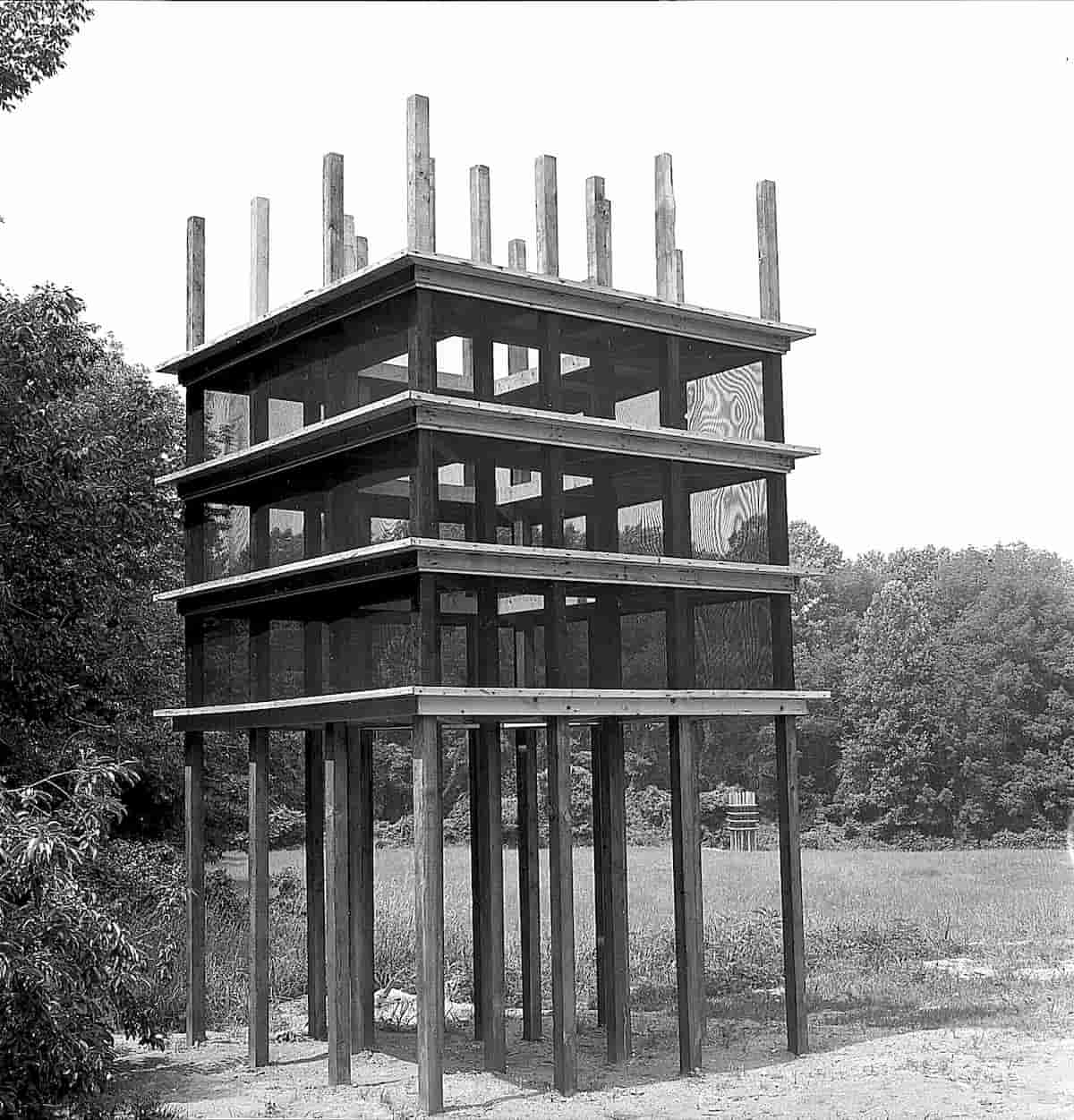
Mary Miss, “Perimeters/Pavilions/Decoys” (1977–78 ), earth, wood, and steel, temporary installation at the Nassau County Museum, Long Island, New York.