The Lyco House Reimagines a Traditional Barn Through Contemporary Architectural Intervention

cover01_lyco-house-oyo


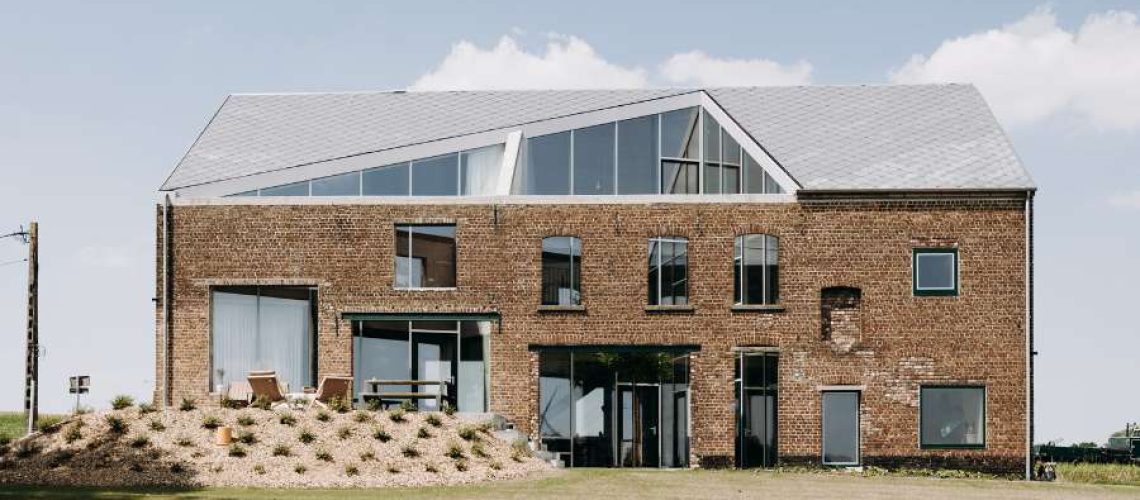
The design stands out through a particular architectural intervention: this project transforms an old barn into a contemporary and sustainable 312 m² home.
 

The Lyco House Design Stands Out Through a Particular Architectural Intervention


▏Through a Particular Architectural Intervention

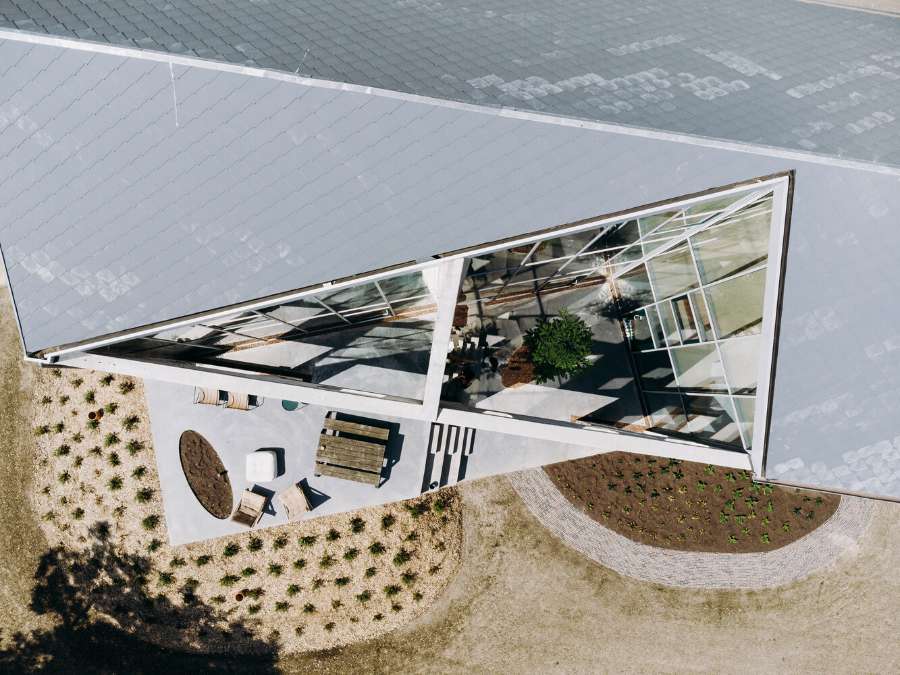
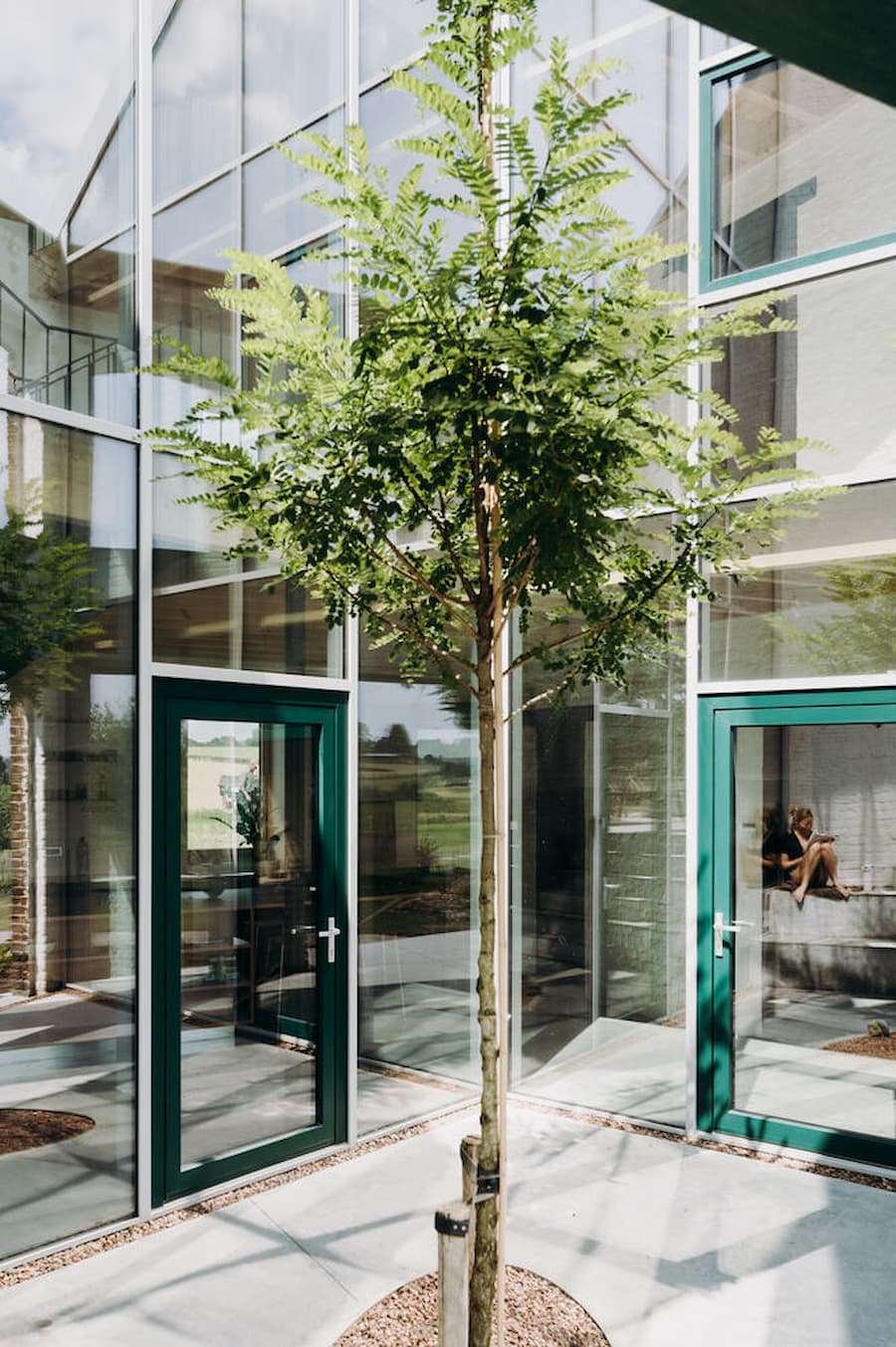
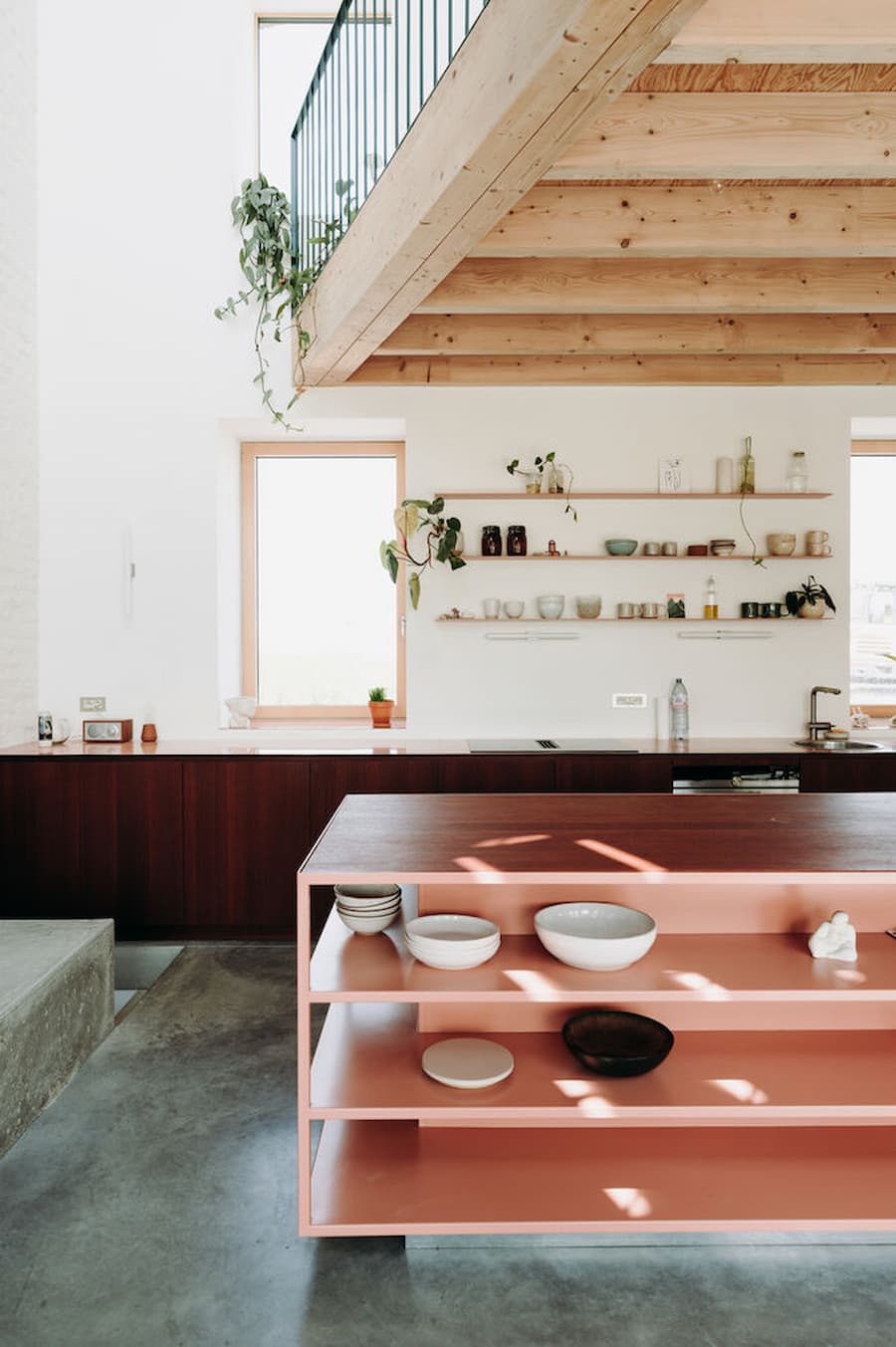
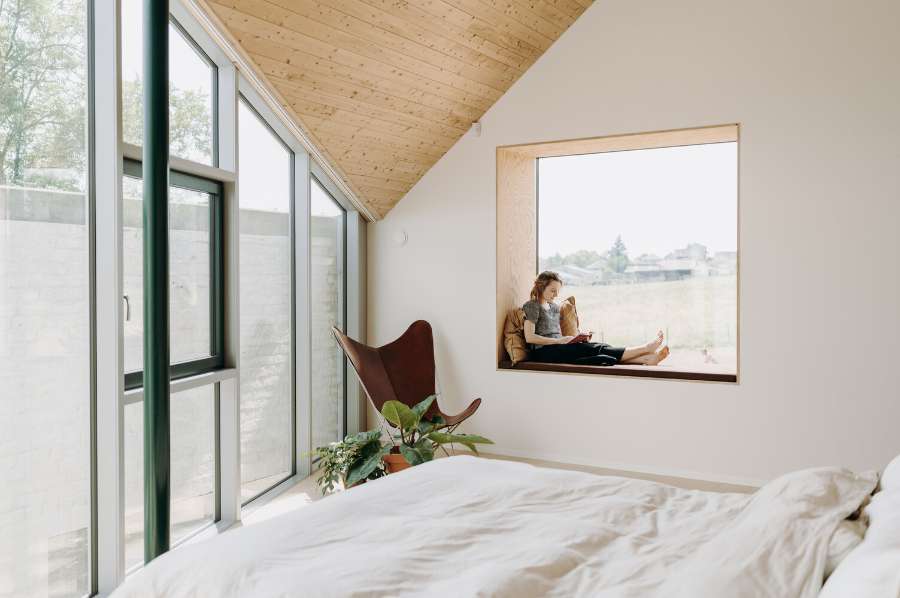
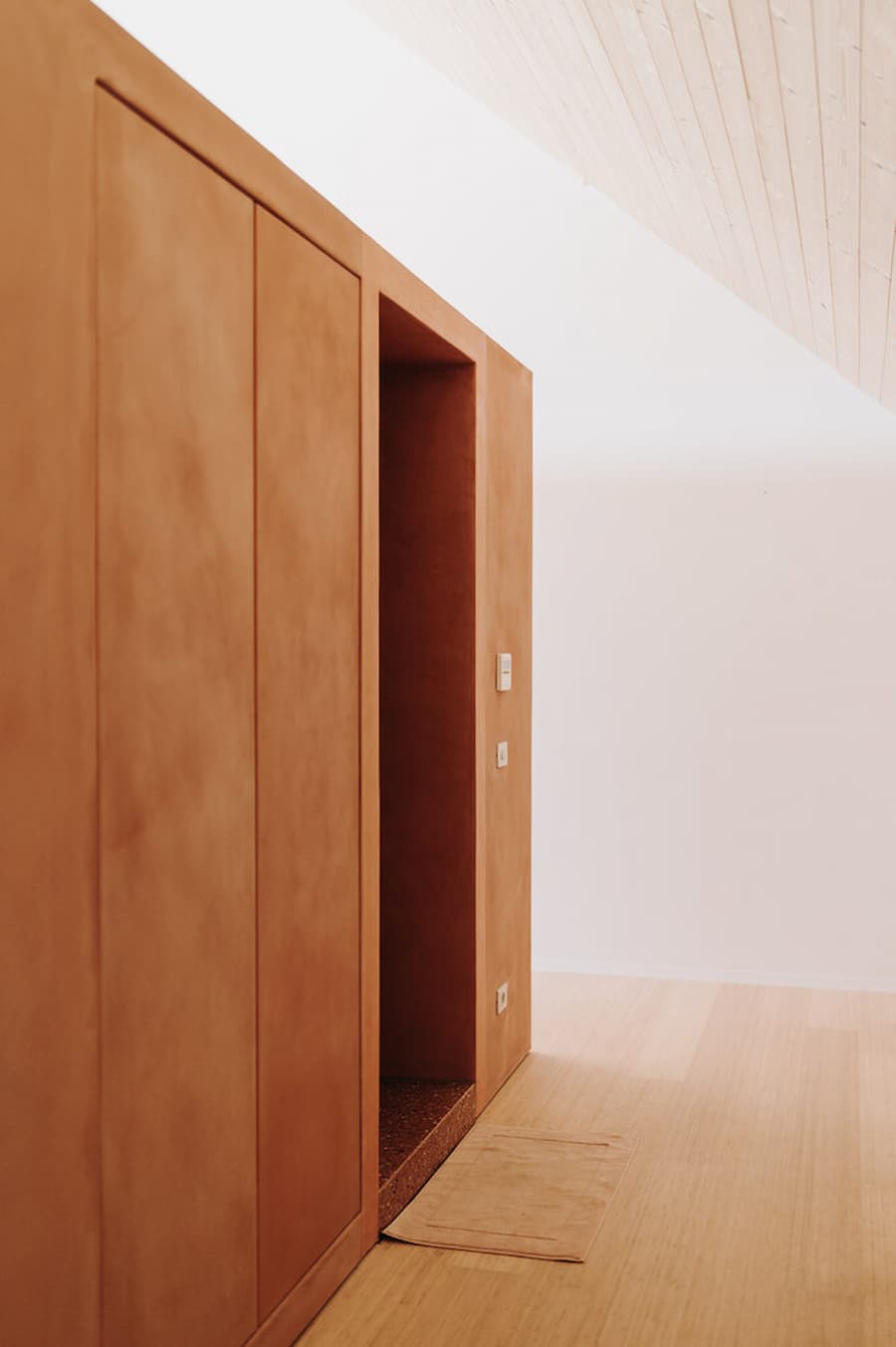
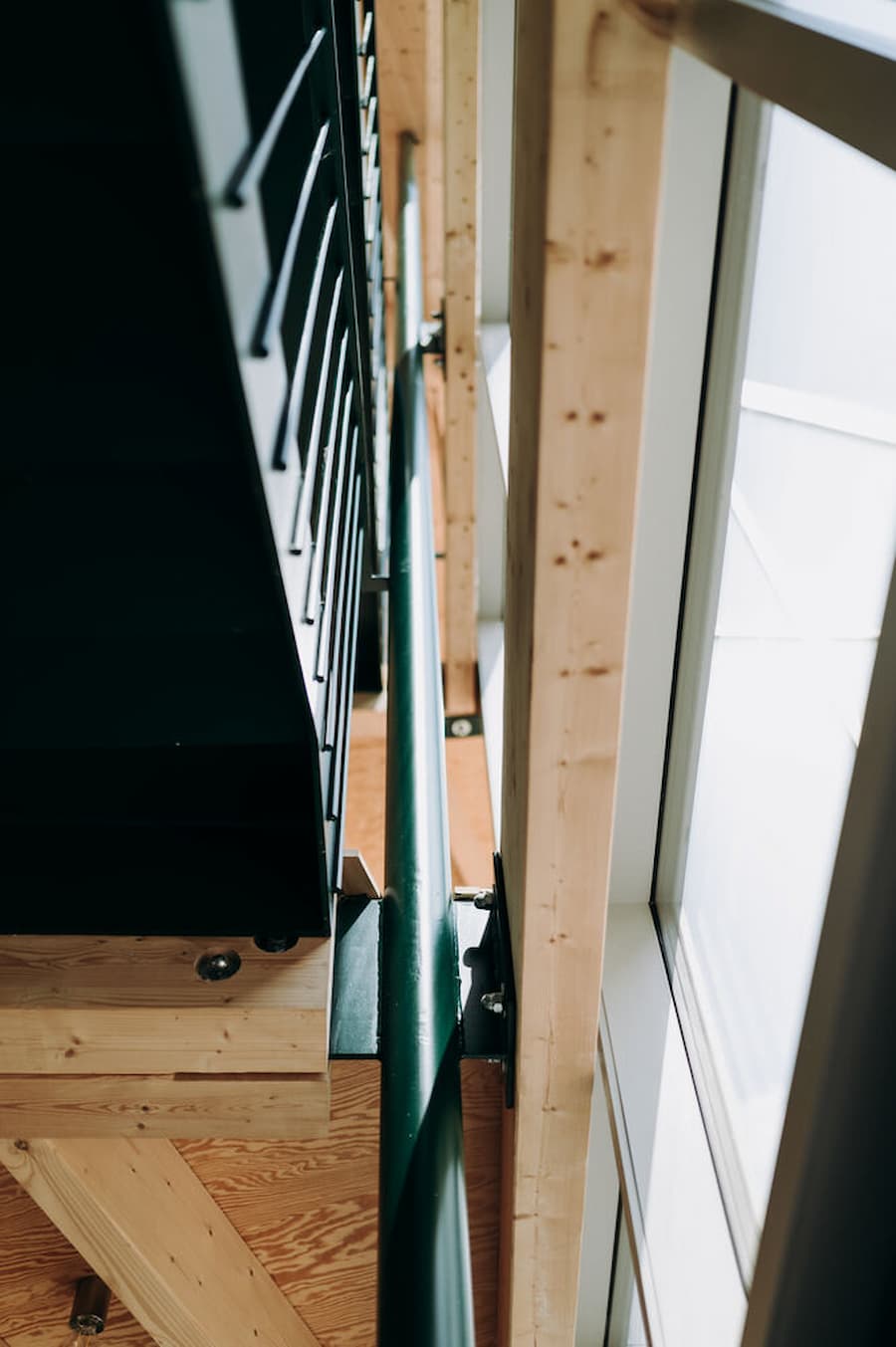
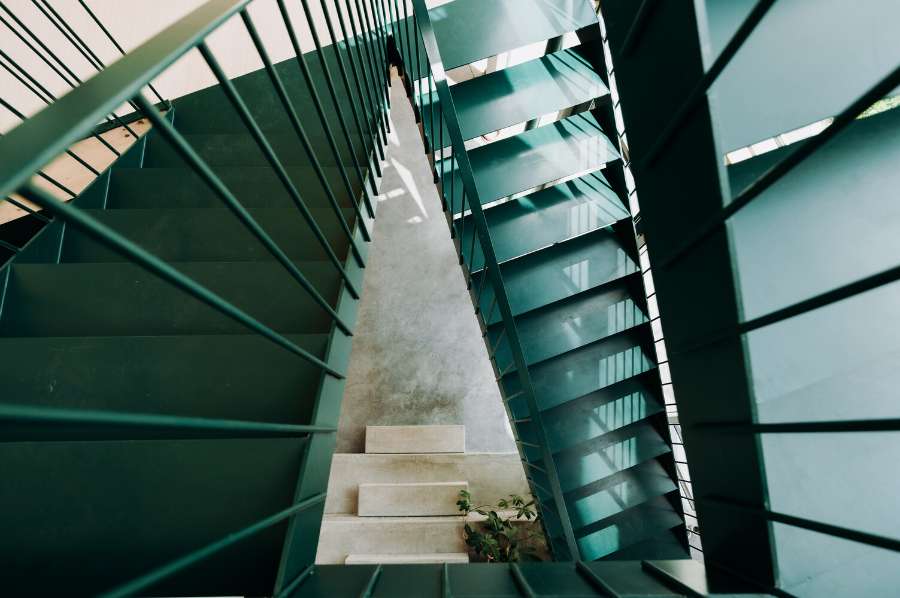
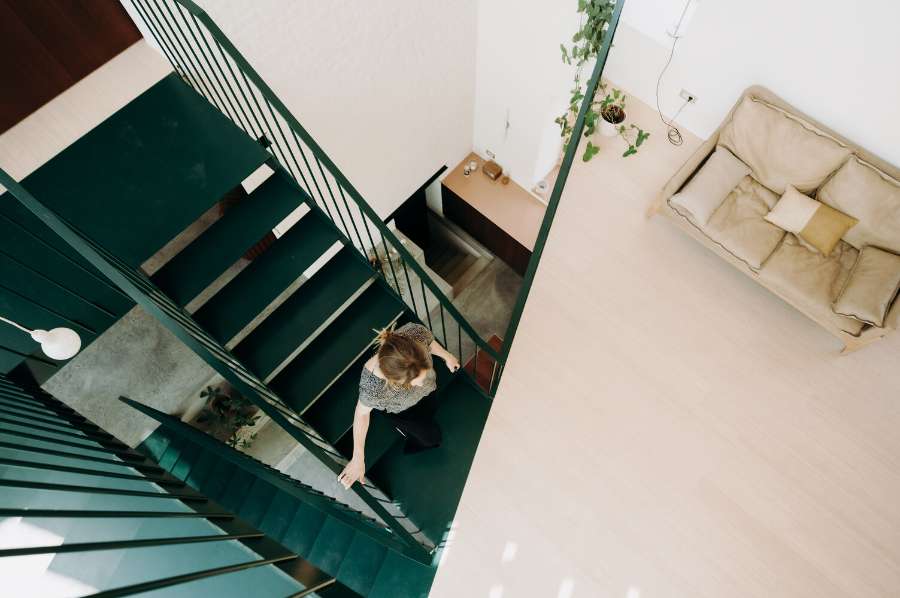
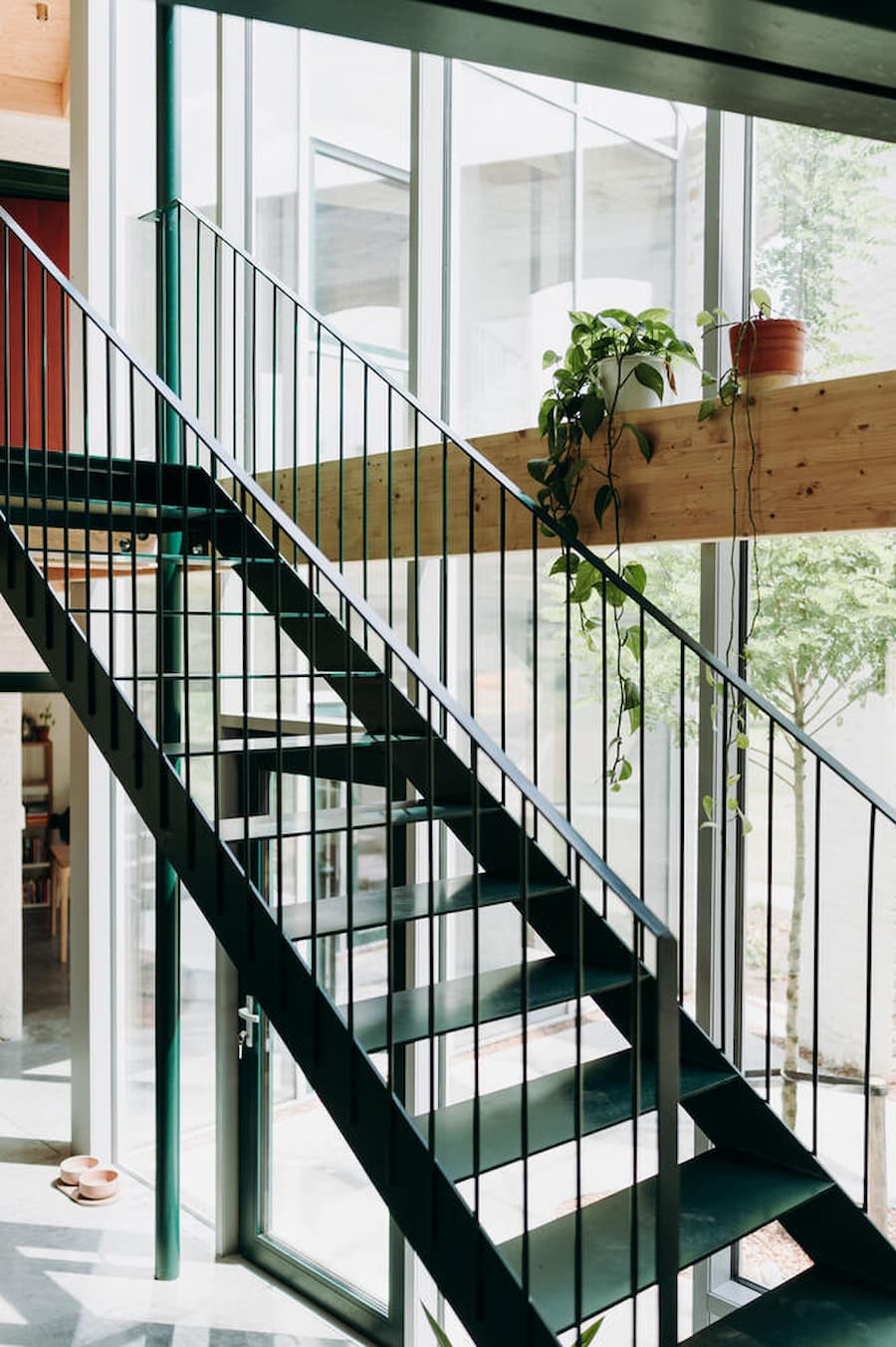
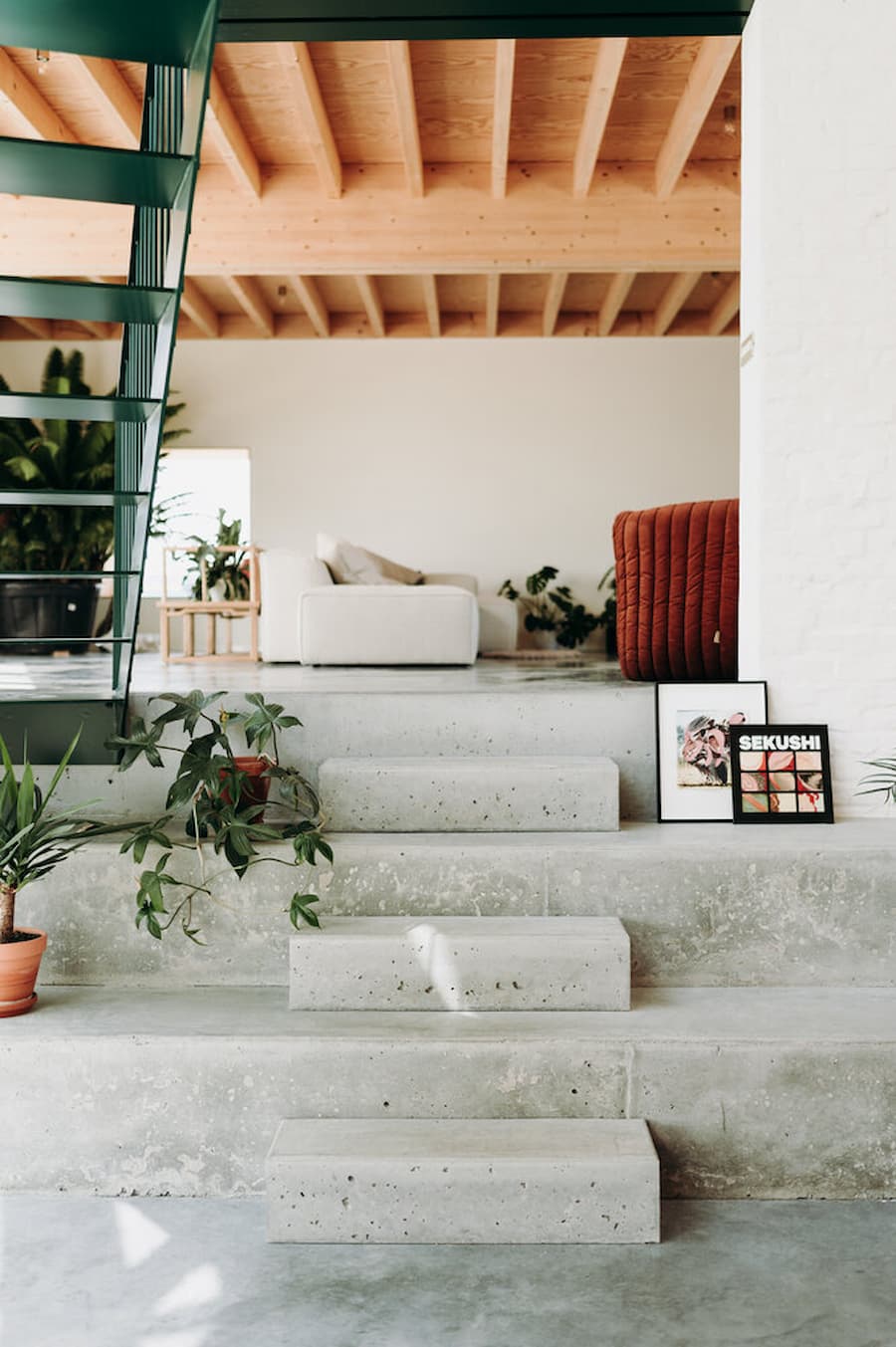
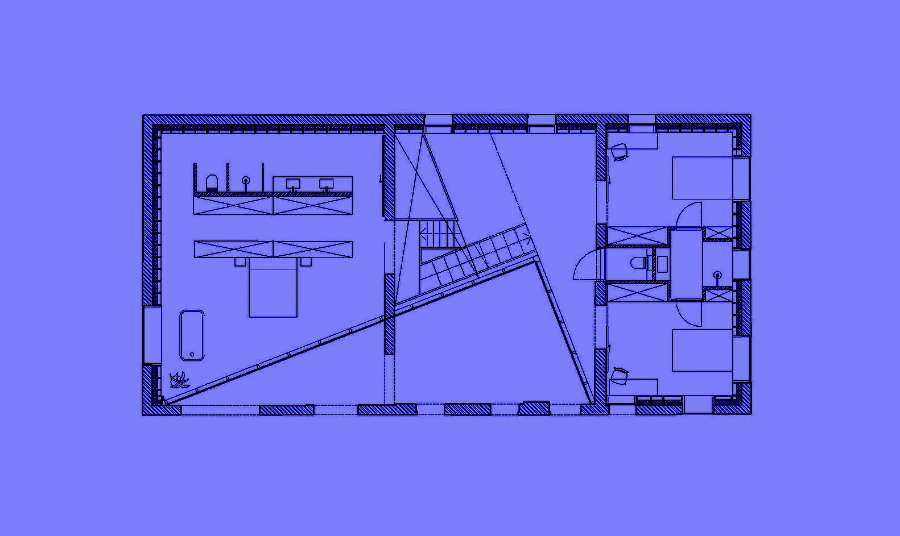
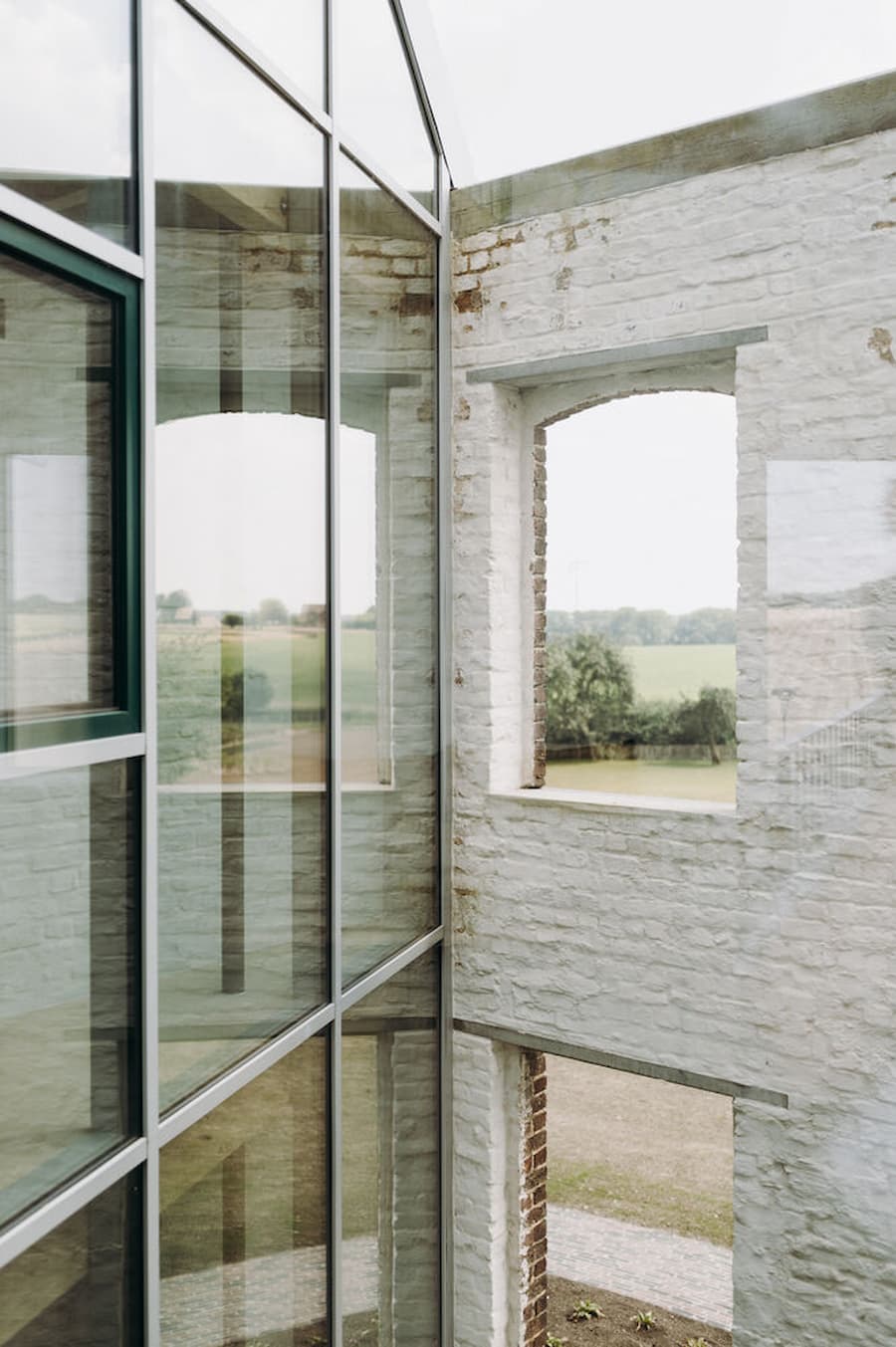
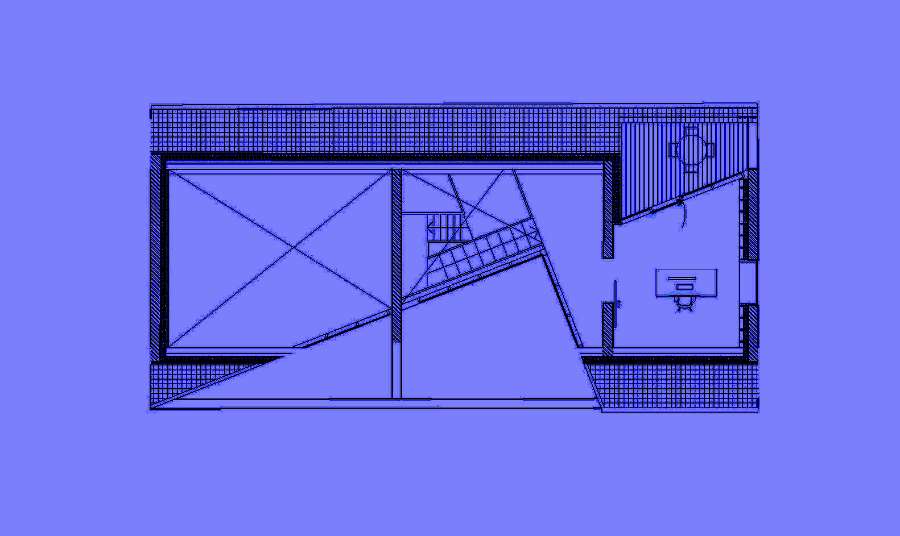
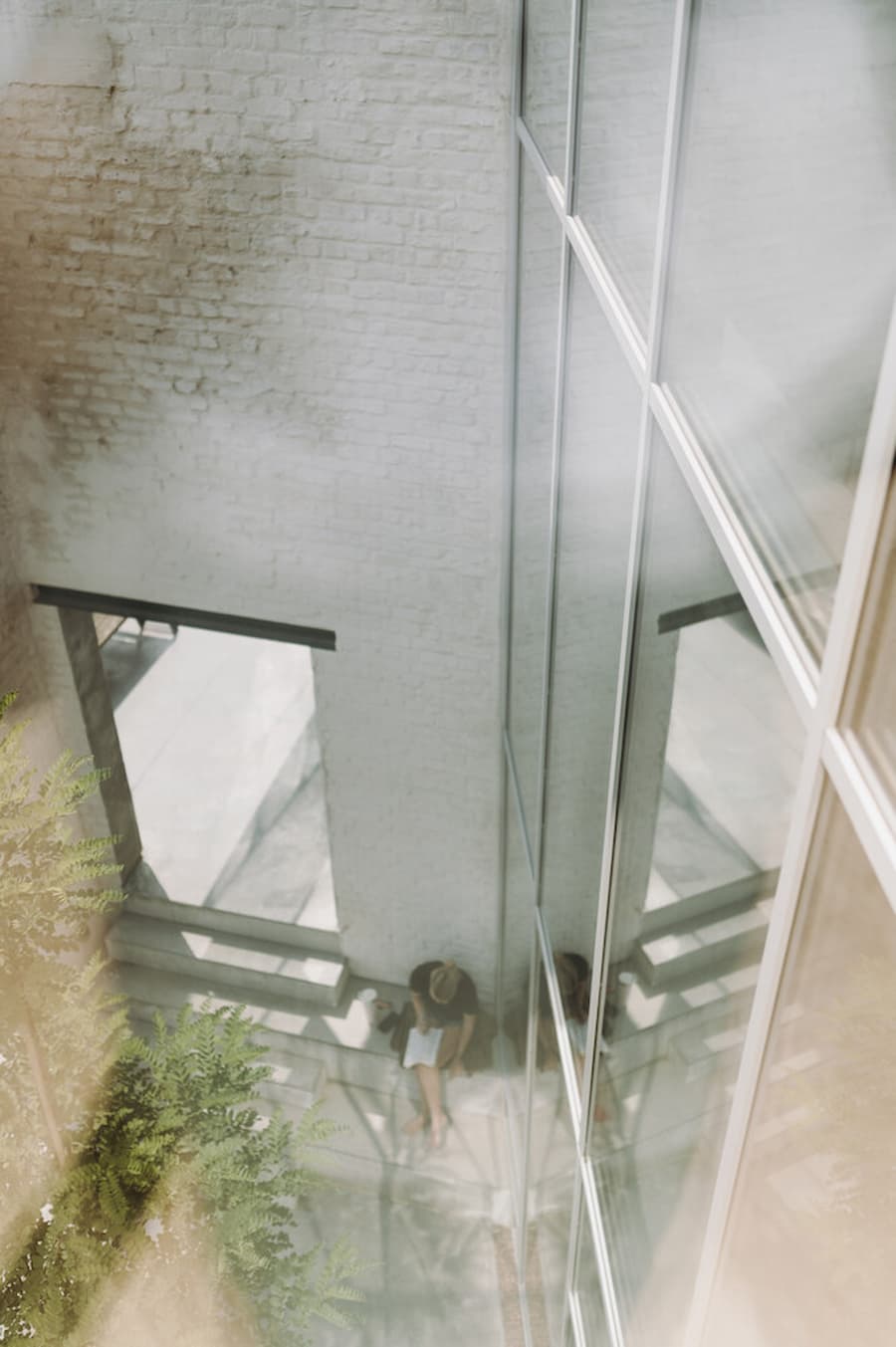
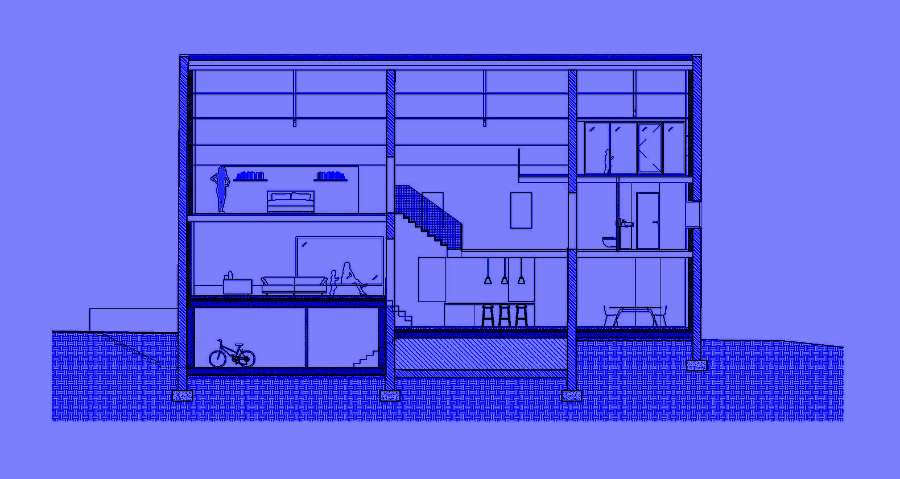
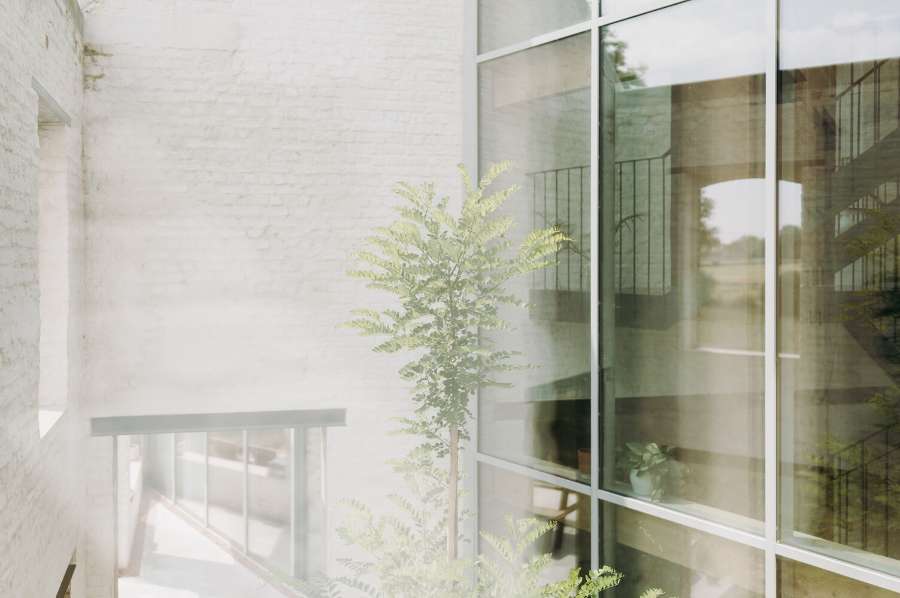
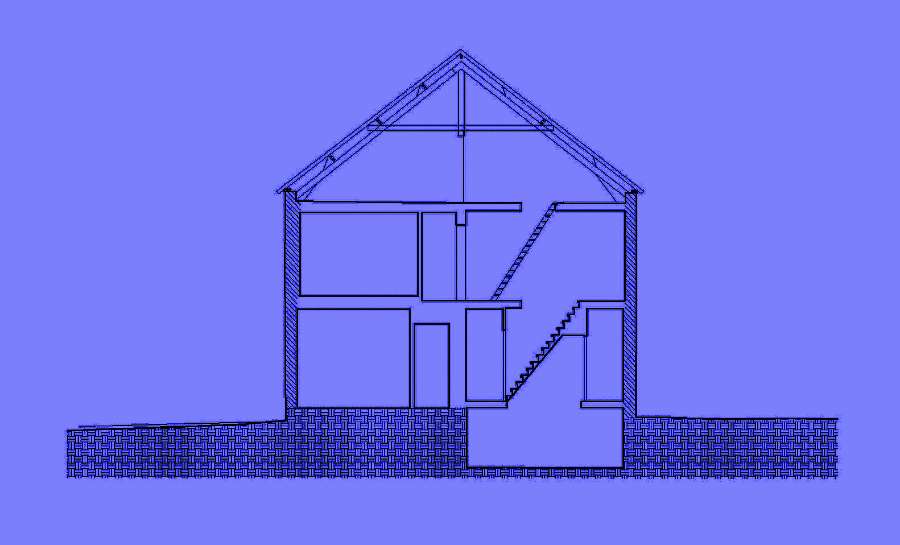
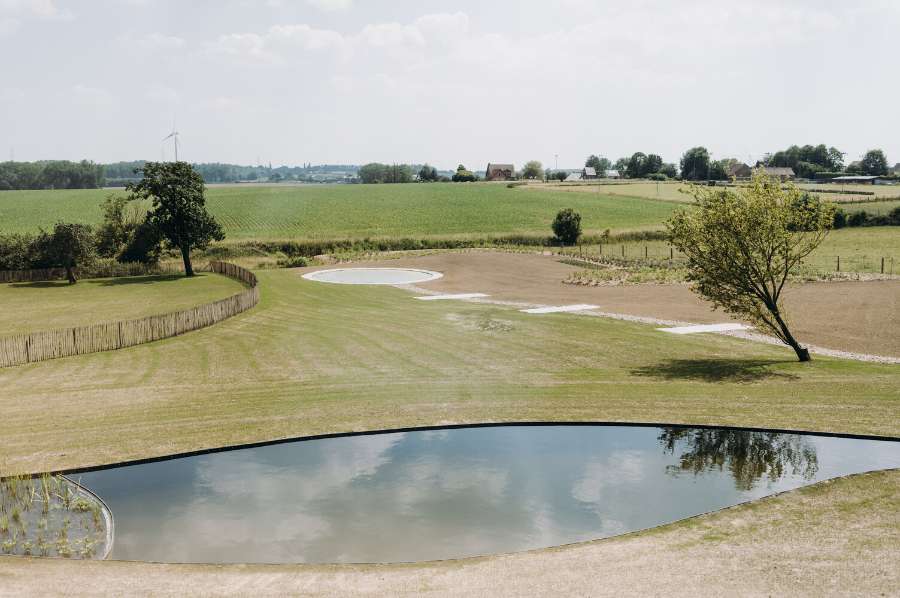
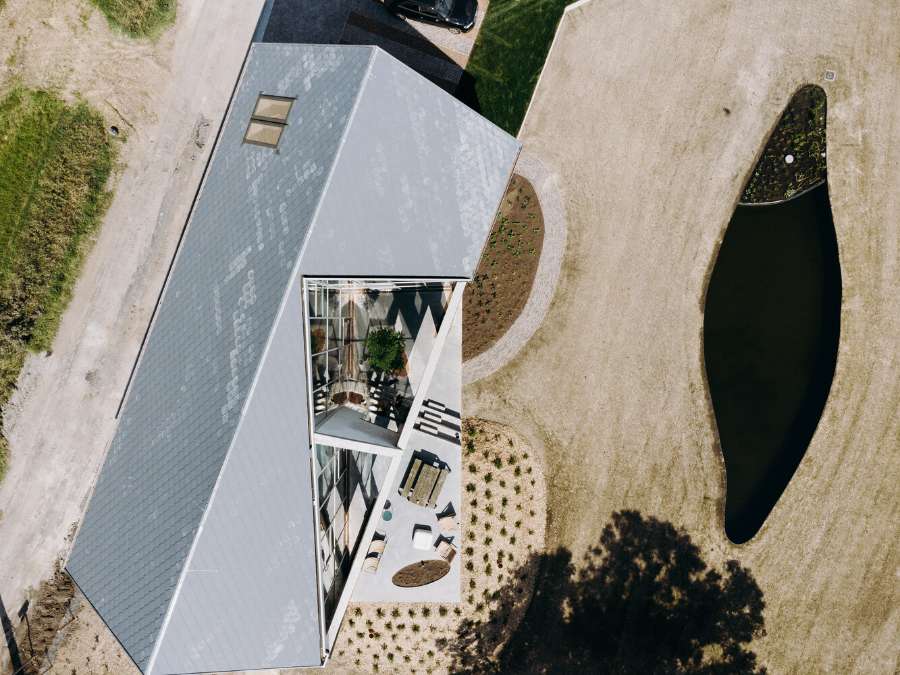
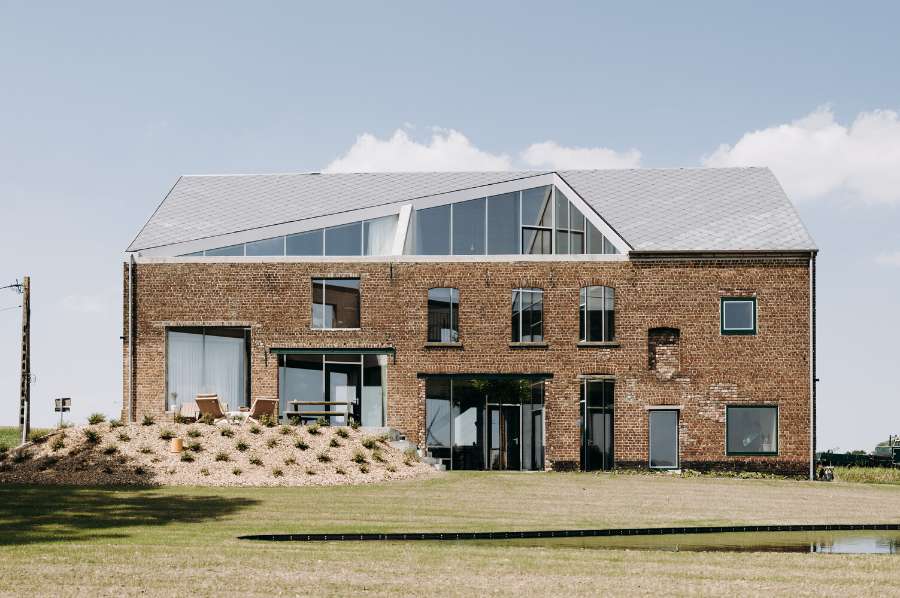
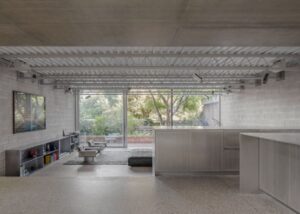
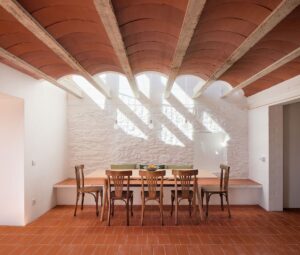
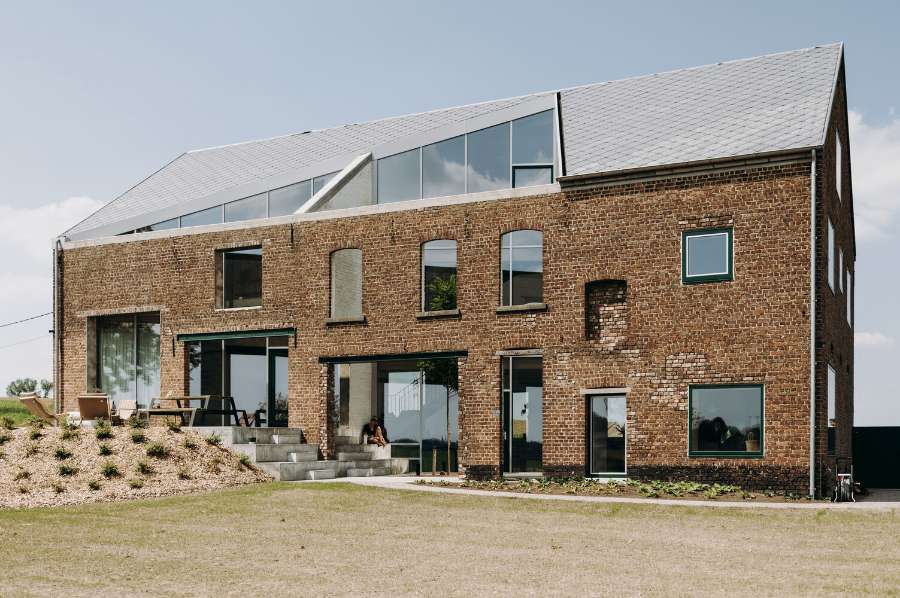
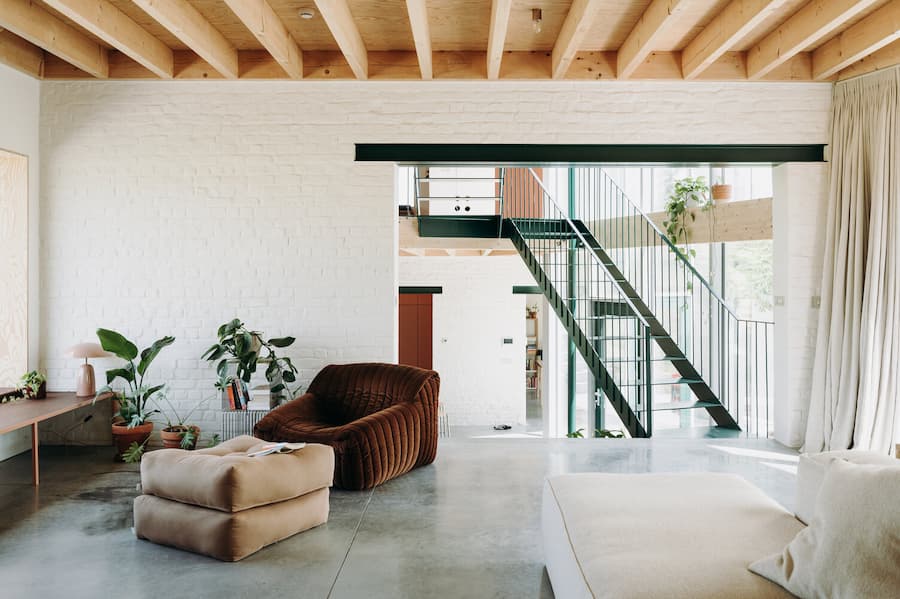
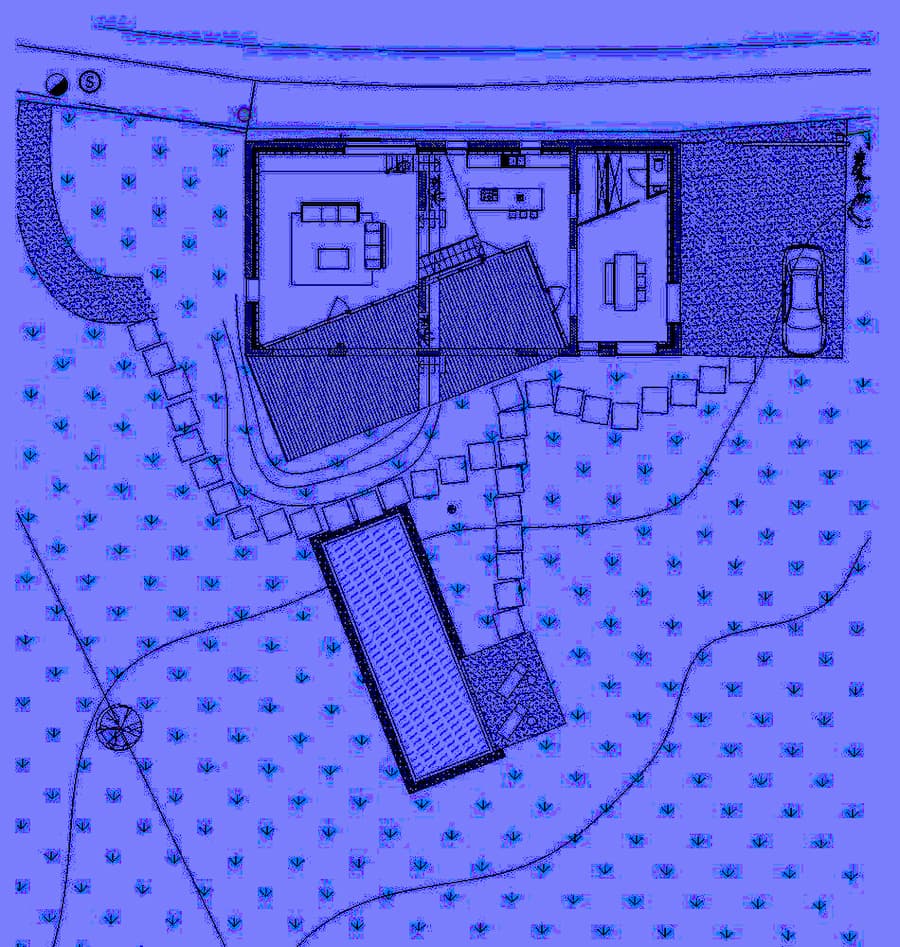
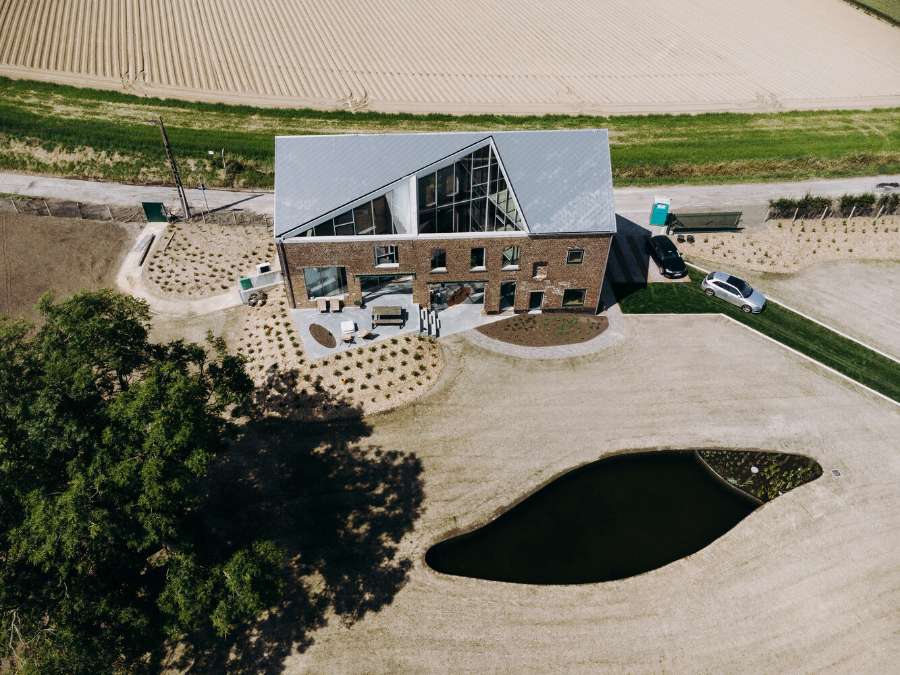
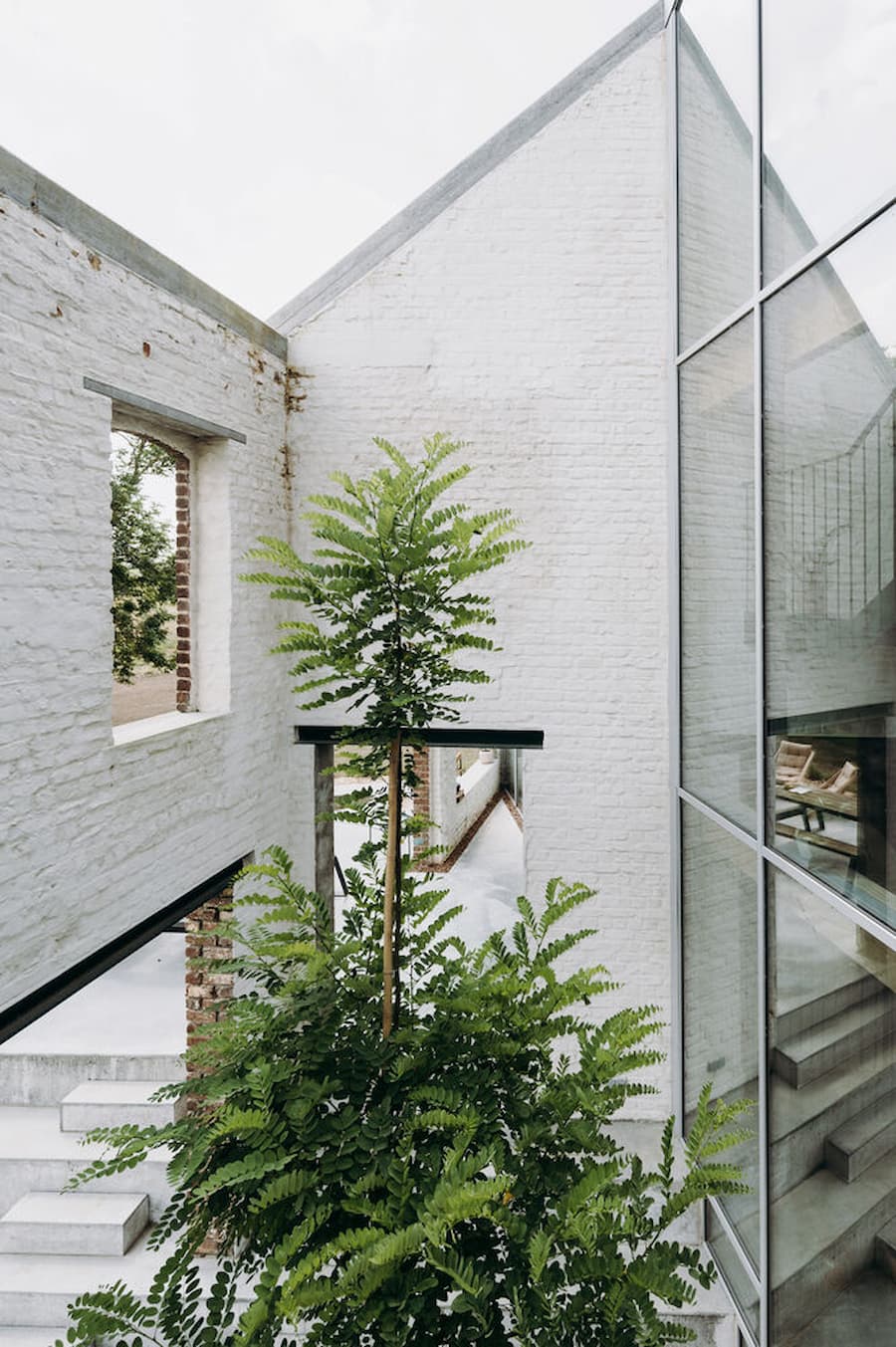
OYO Architects, the architecture studio with offices in Ghent and Barcelona, led by Ferran Massip, Nigel Jooren, Eddy Soete, Veroniek Vanhaecke, and Lies Willaert, presents Lyco House. Located in the green countryside of Pepingen, less than 30 kilometres from Brussels, this project transforms an old barn into a contemporary and sustainable 312 m² home. The design stands out through a particular architectural intervention: a triangular cut in the original volume shapes an inner courtyard that floods the house with natural light, while generating a fluid transition to the outside.
 

The Lyco House Design Stands Out Through a Particular Architectural Intervention


The Lyco House Design Stands Out Through a Particular Architectural Intervention


▏Transform the Interior of the Old Barn Without Altering the Existing

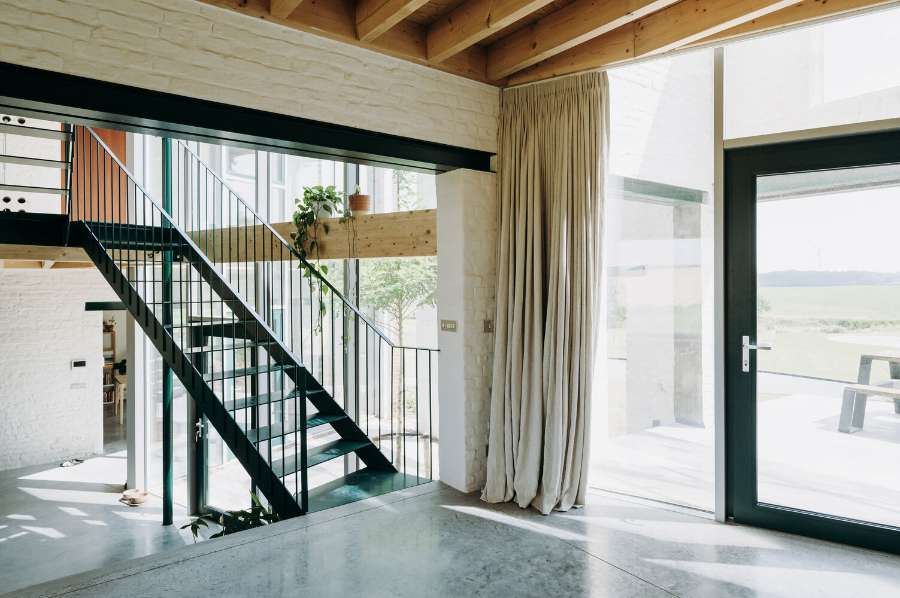
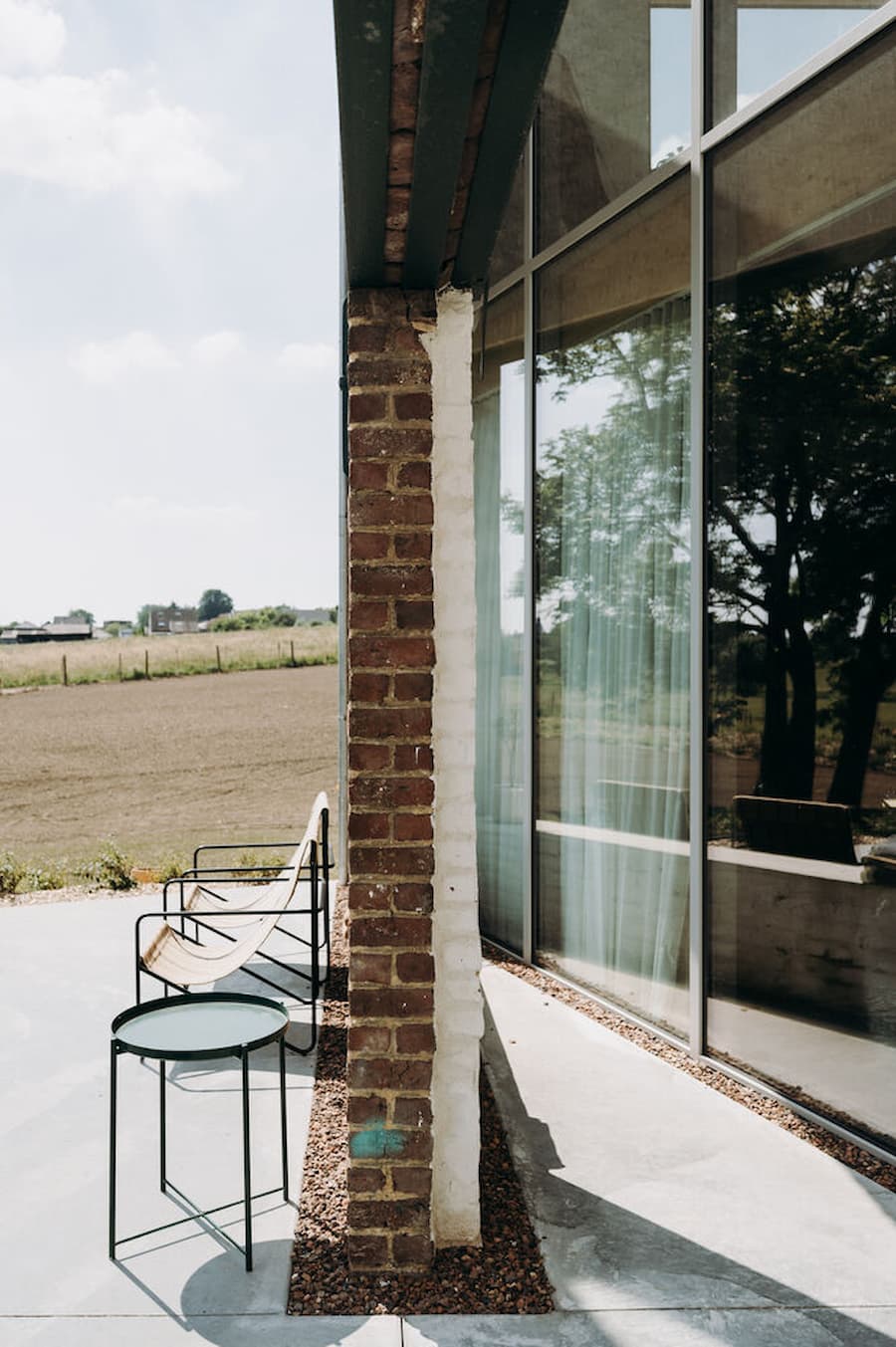
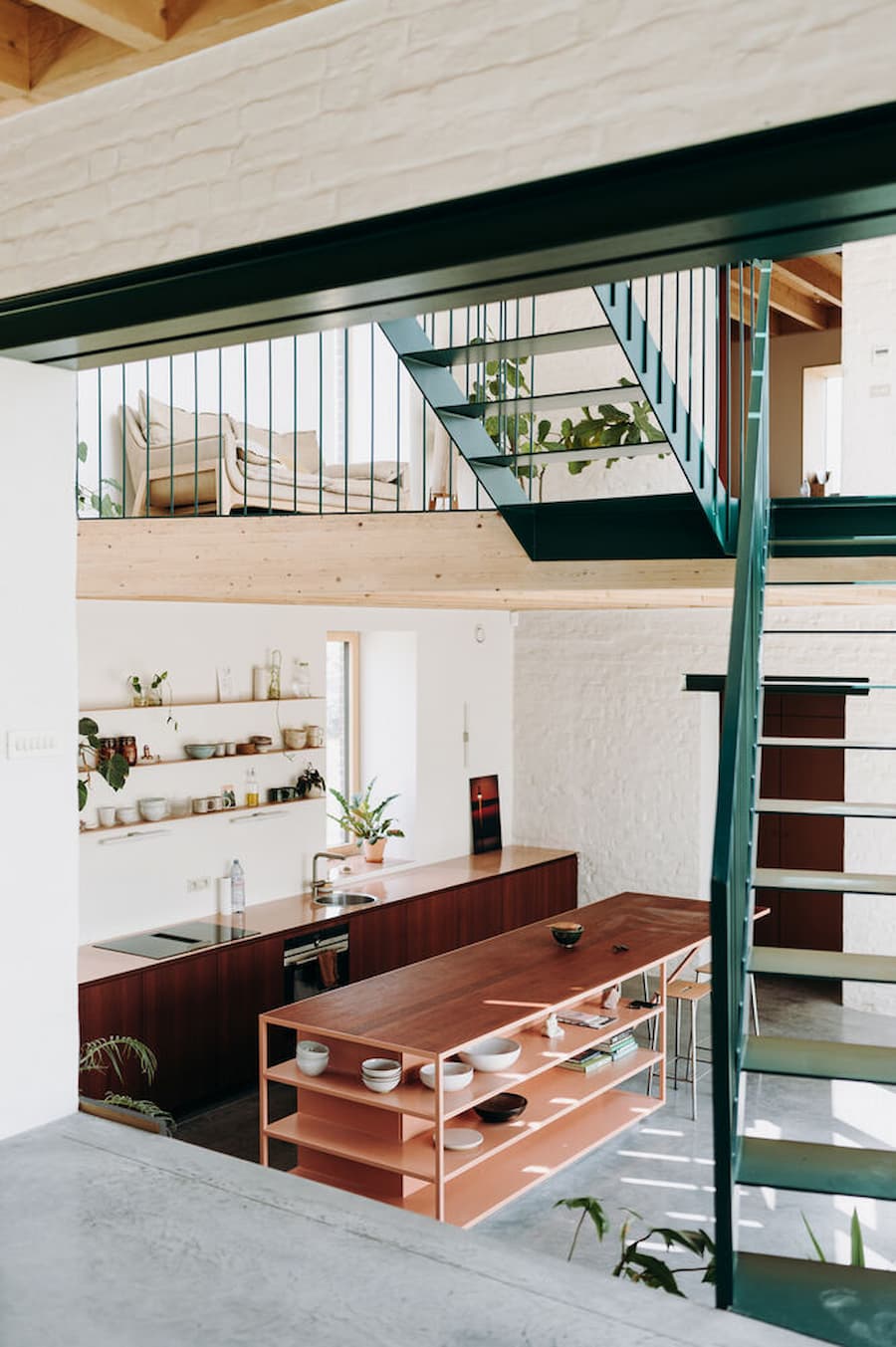
The main challenge in the project was to transform the interior of the old barn without altering the existing facades. Through a strategic intervention that involved removing part of the building’s volume, the architects reconfigured the space and created a central courtyard, transforming a previously dark and enclosed space into a light-filled retreat. Furthermore, OYO Architects has managed to renovate the house while respecting its integration in the rural landscape. In this way, the street façade upholds the appearance of a traditional barn, while the opposite façade reveals a surprising transformation. As the architects explain: “We tried to balance the need for a homely and secure feeling inside, without losing the incredible views towards the landscape that were carefully channeled through the old  and new window openings.”
 

The Lyco House Design Stands Out Through a Particular Architectural Intervention


▏Lyco House is a Clear Example of the Innovative and Sustainable Approach

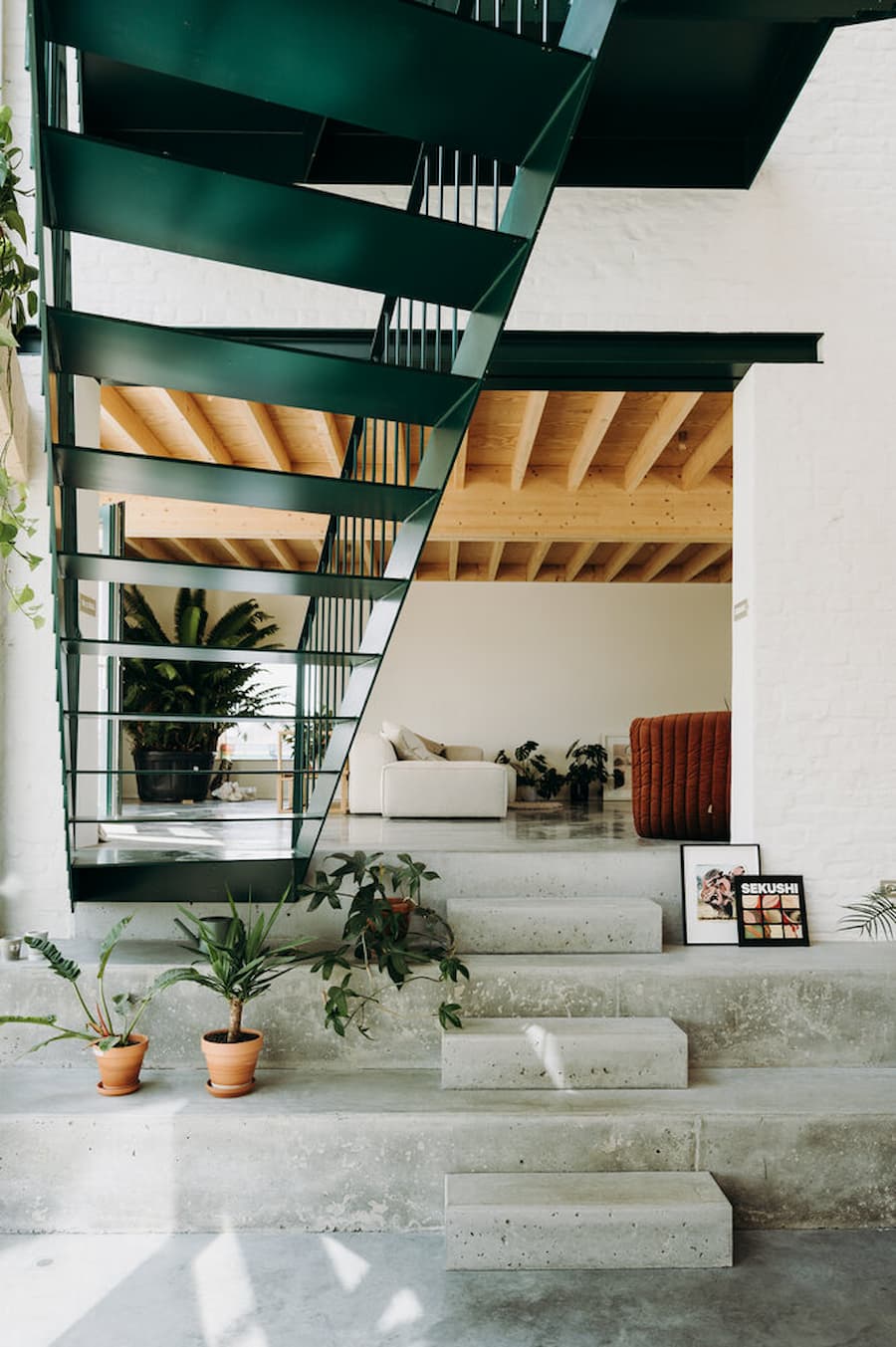
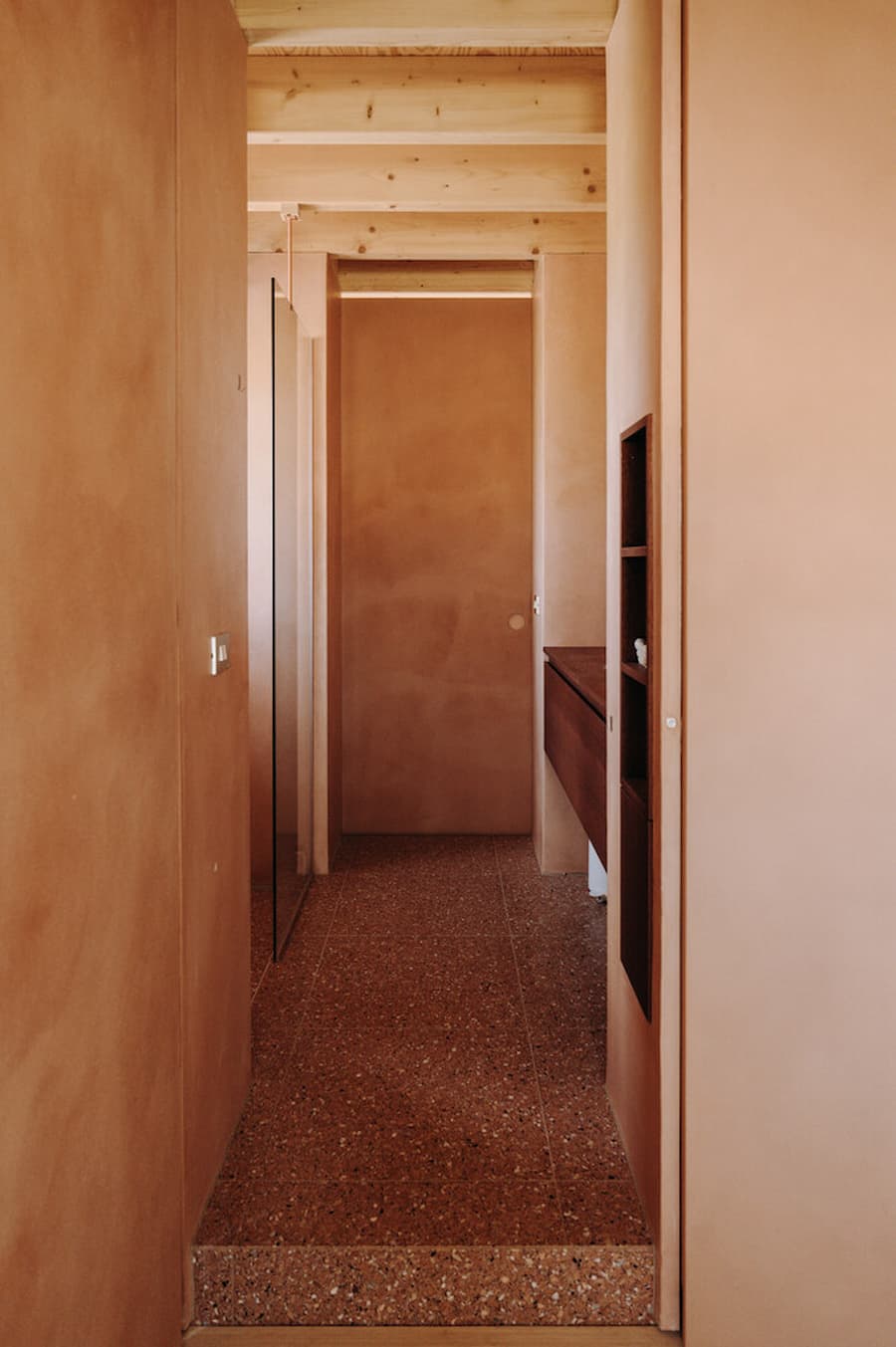
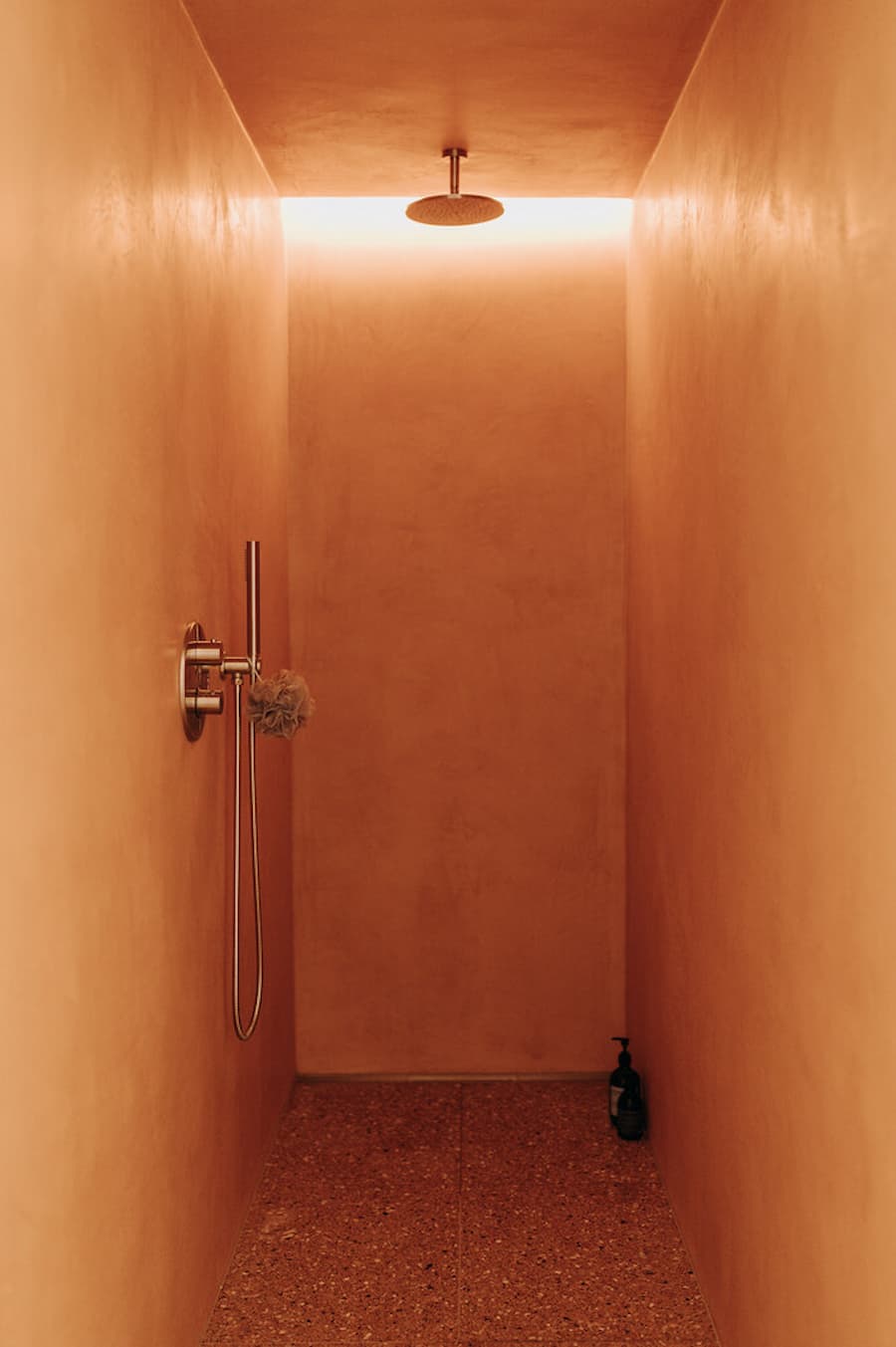
Lyco House is a clear example of the innovative and sustainable approach that characterises OYO’s projects, demonstrating how it is possible to transform a barn full of history, respecting its original essence and adapting it to the needs of contemporary life. With its unique design that integrates the landscape, maximises energy efficiency, and encourages the connection between indoor and outdoor spaces, Lyco House redefines the concept of modern living.
 

The Lyco House Design Stands Out Through a Particular Architectural Intervention


The Lyco House Design Stands Out Through a Particular Architectural Intervention


The Lyco House Design Stands Out Through a Particular Architectural Intervention


The Lyco House Design Stands Out Through a Particular Architectural Intervention


The Lyco House Design Stands Out Through a Particular Architectural Intervention


The Lyco House Design Stands Out Through a Particular Architectural Intervention


The Lyco House Design Stands Out Through a Particular Architectural Intervention


The Lyco House Design Stands Out Through a Particular Architectural Intervention


subsurface architecture shaped by oil politics, energy extraction, and hidden infrastructure systems

挖掘地表的建築與石油政治

地下不是延伸,而是代價的沉積層;我們稱之為建設,其實只是將消耗藏進地層深處。   地下建築看似回應土地與氣候壓力,實則涉及能源、開採與基礎設施的長期運作。當空間轉入地層,其環境成本並未消失,而是被轉移並延後。     地下建築中的石油政治 地下建築不只是空間與技術問題,而是一種被能源系統深刻形塑的結構。當石油作為現代社會的核心資源,其開採、運輸與消費體系,逐漸滲透至地下空間之中,形成一種隱而不顯的政治結構。 Subsurface architecture is not merely a technical domain, but a spatial manifestation of oil-driven systems shaping contemporary society.

溫哥華海岸的巢穴(The Nest)度假勝地

The Nest 在溫哥華海岸重構建築與景觀關係

被常綠樹冠包覆,這座度假住宅既像樹屋也像瞭望台,重新定義棲居高度。     The Nest 如同一處隱於林間的世外棲居,遠離塵囂,被茂密的常綠樹冠環繞,俯瞰豪灣(Howe Sound)的壯麗景色。它既像一座小木屋,又像一間懸浮於林梢的樹屋,介於現實與超現實之間。這座位於溫哥華海岸的度假居所刻意模糊建築與自然的邊界,既是緊密相連的社區節點,也如同一座靜靜佇立於高處的瞭望台,承載關於庇護、觀看與共存的想像。 棲息在濟慈島高處的「巢穴」(The Nest),距離溫哥華僅一小段渡輪航程,卻又宛如世外桃源。這座由建築師達莉亞·謝娜設計的住宅,是一種 建築與景觀關係 的實驗,在茂密常綠樹冠之中模糊了棲居與自然的邊界。 濟慈島森林茂密,地勢崎嶇,是一處休閒度假勝地,島上散佈著夏季小屋,約有50名常住居民,是一個緊密聯繫的社區。該島位於島上最高點之一,其僻靜的地理位置、高聳的地形和令人嘆為觀止的全景景觀對項目的設計產生了深遠的影響,最終使這座房屋彷彿與周圍景觀融為一體,又如同一座瞭望台般矗立於高處。           從建築角度來看,這棟房屋的設計理念是兩個立方體的碰撞,其中一個旋轉45度形成銳利輪廓。西部紅雪鬆覆層將體塊整合為一體,使建築外皮成為一種 材料敘事,隨時間轉為銀灰色,進一步融入周圍森林景觀。 A similar relationship between architecture and

Facebook
Twitter
LinkedIn
Tumblr
0 0 votes
Article Rating
Subscribe
Notify of
guest
0 Comments
Oldest
Newest Most Voted
Search