In the Mood for Food, Soeun Lee Solders Vibrant Stained Glass Visions of Comfort

01_lee-top


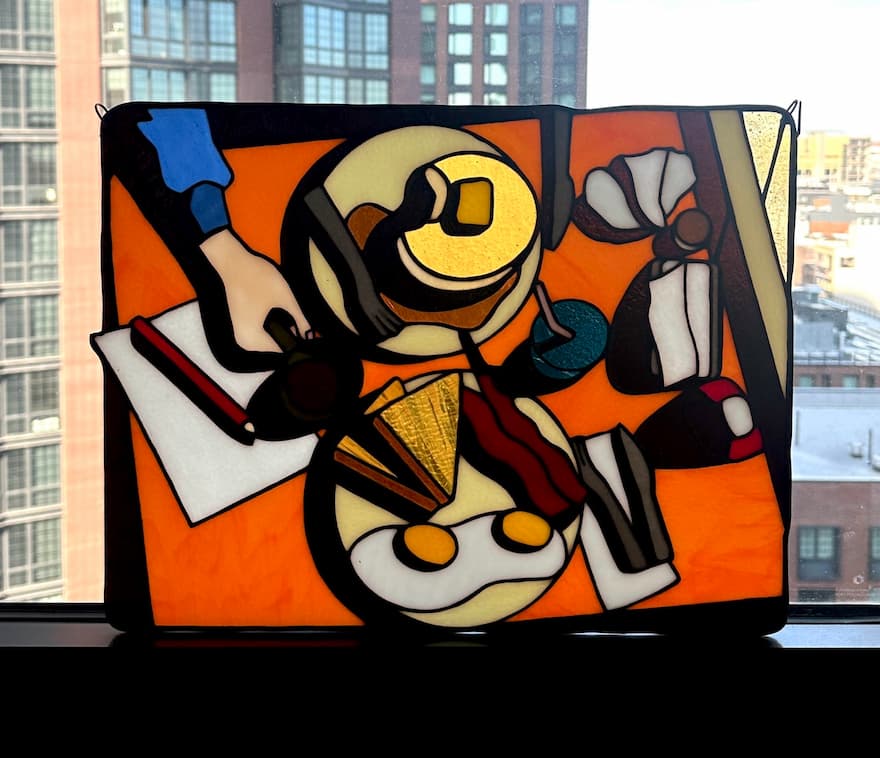
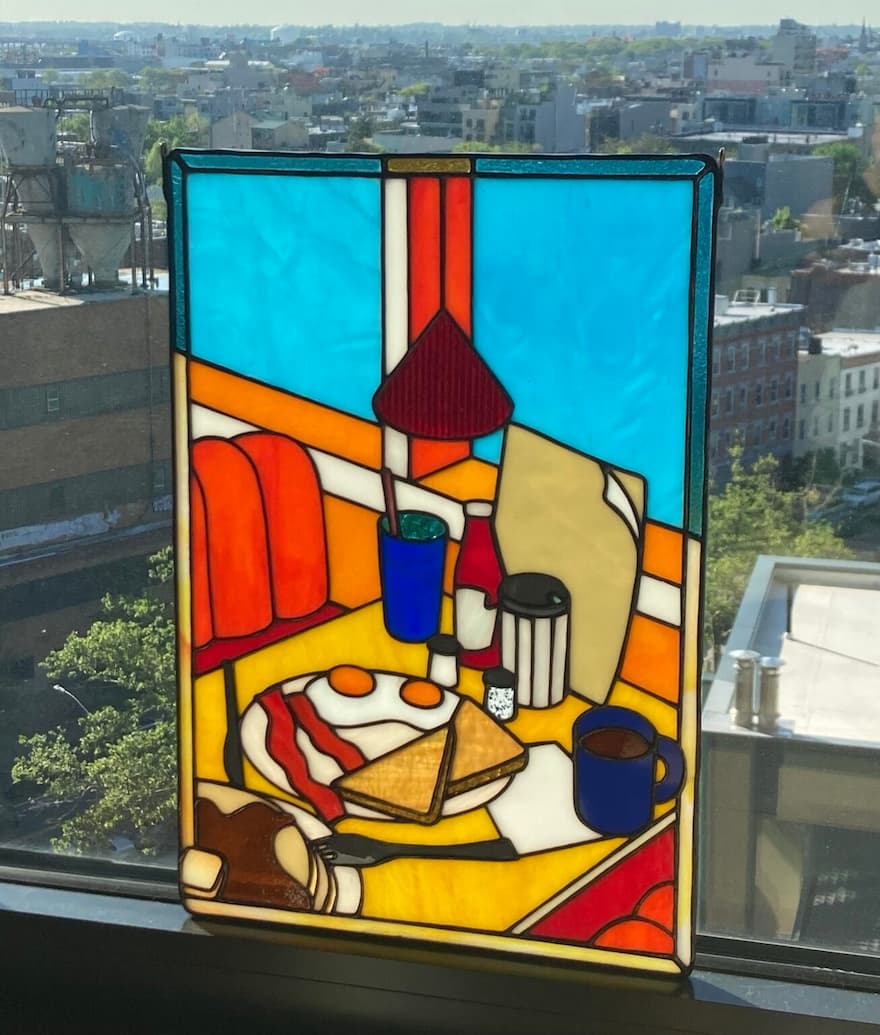
Drawing on her background in illustration, Soeun Lee captures atmospheric tableaux of sunny breakfasts and relaxing reading spots in stained glass
 

In the Mood for Food, Soeun Lee Solders Vibrant Stained Glass Visions of Comfort—Drawing on her background in illustration, Soeun Lee captures atmospheric tableaux of sunny breakfasts and relaxing reading spots in stained glass


▏Drawing of the Background in Illustration

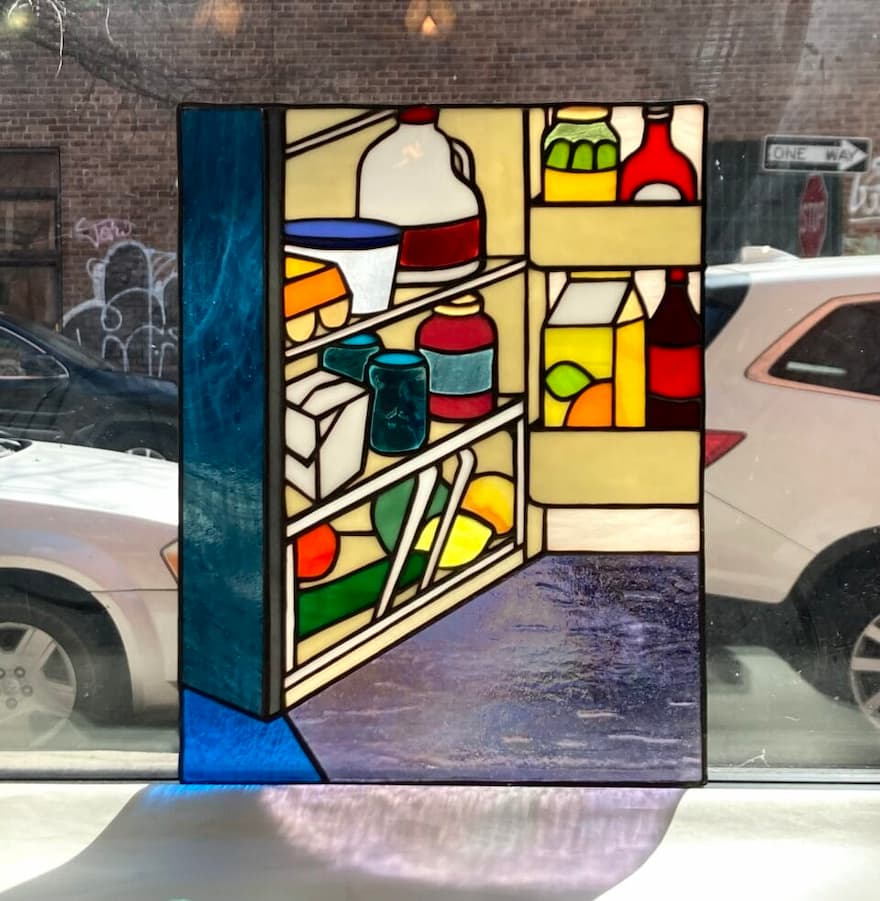
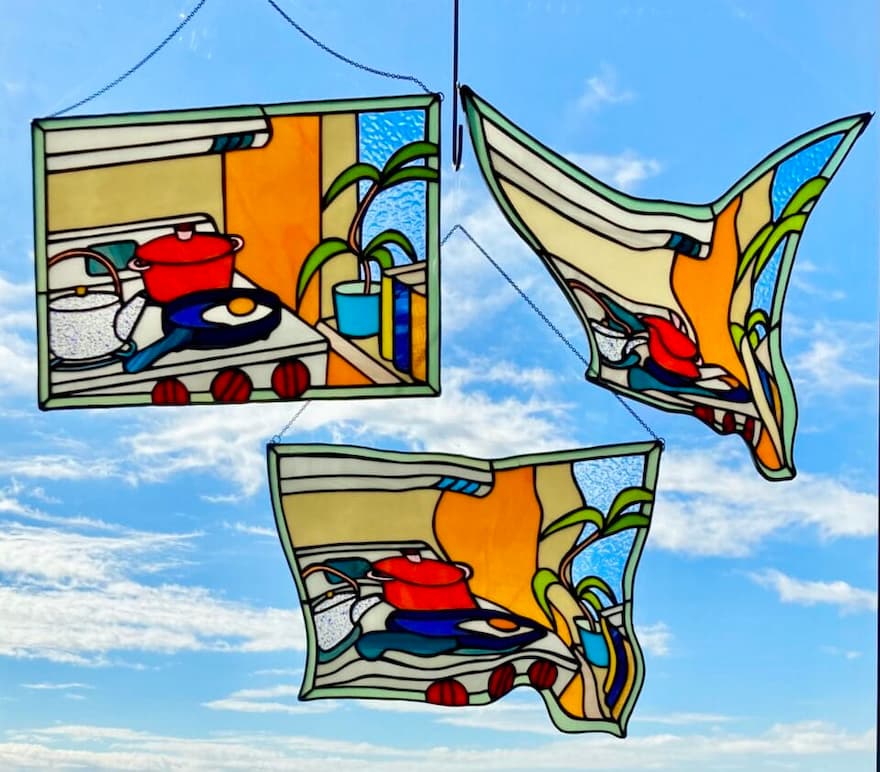
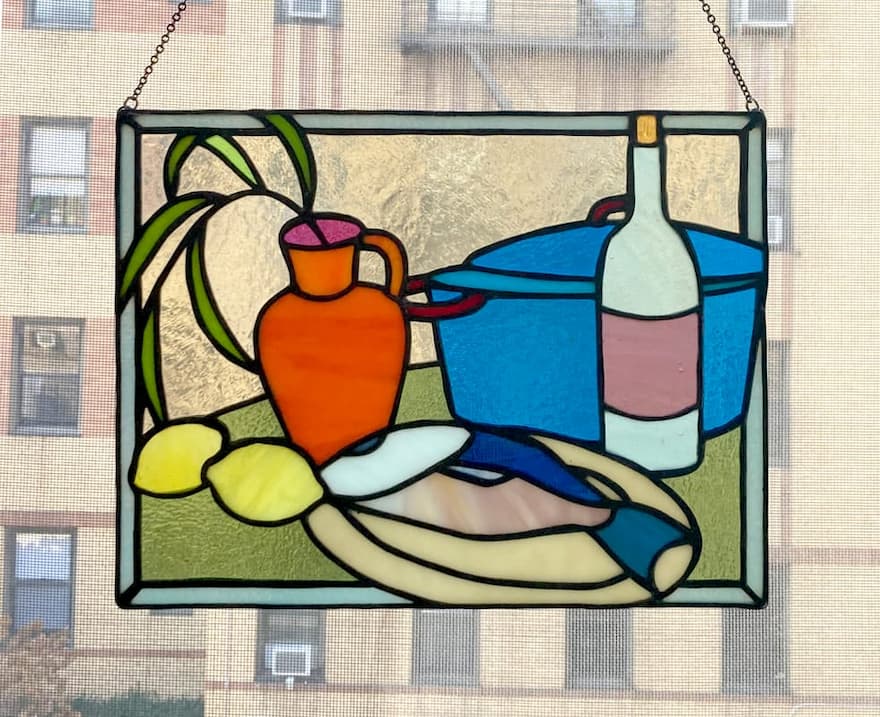
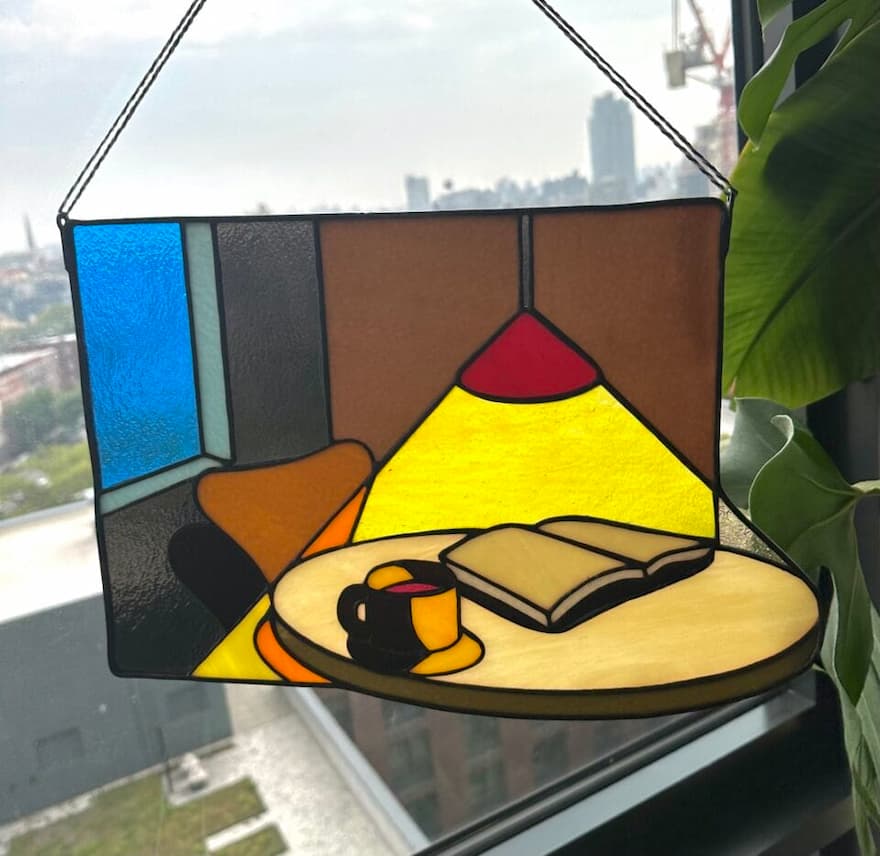
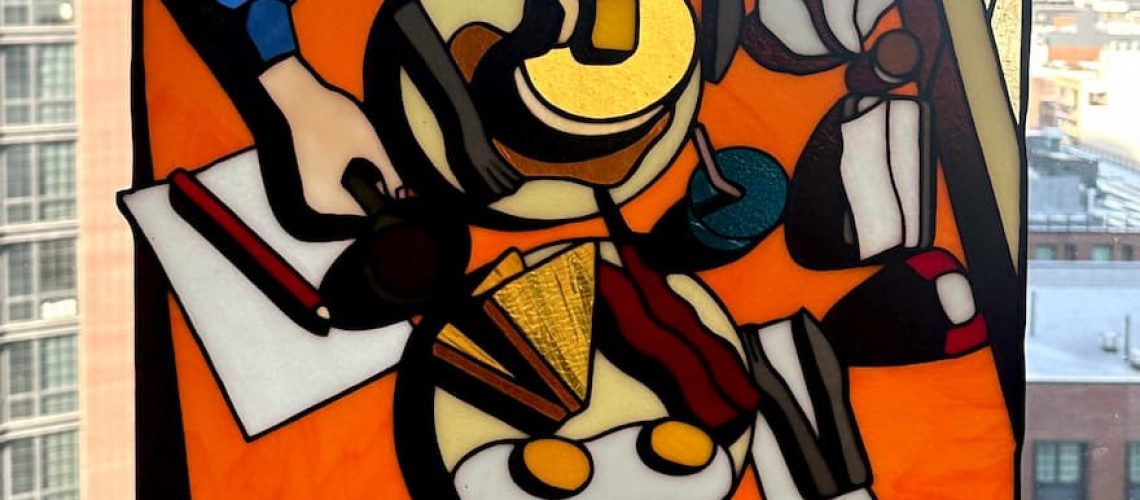
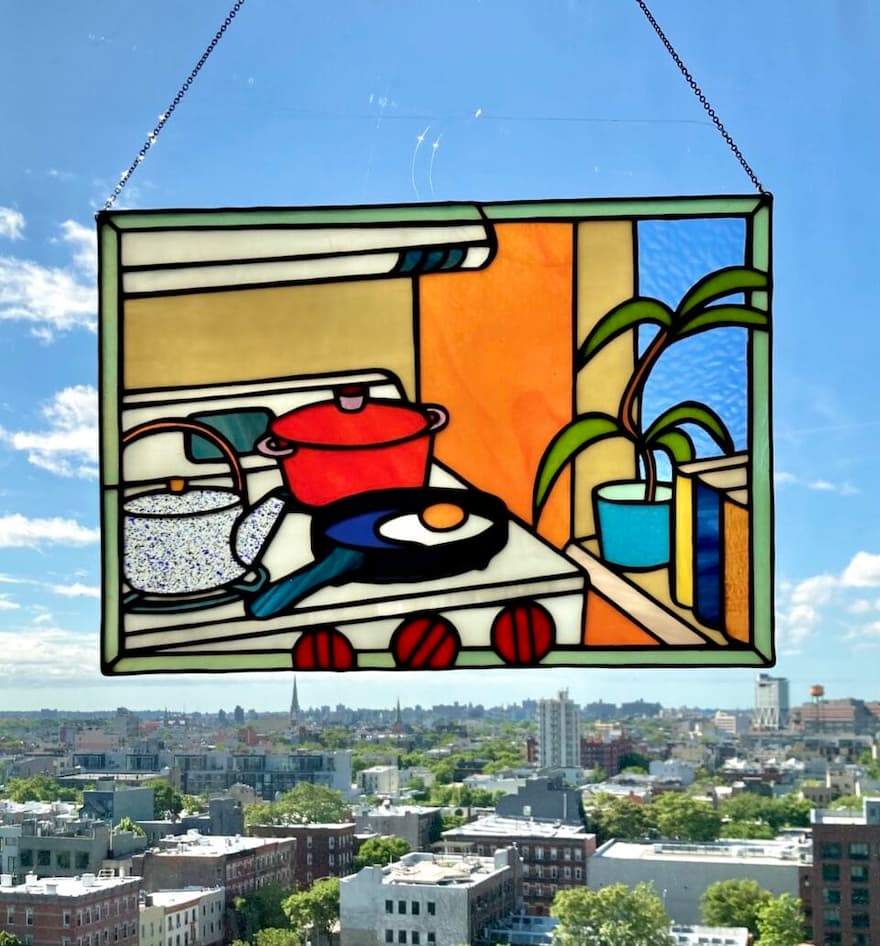
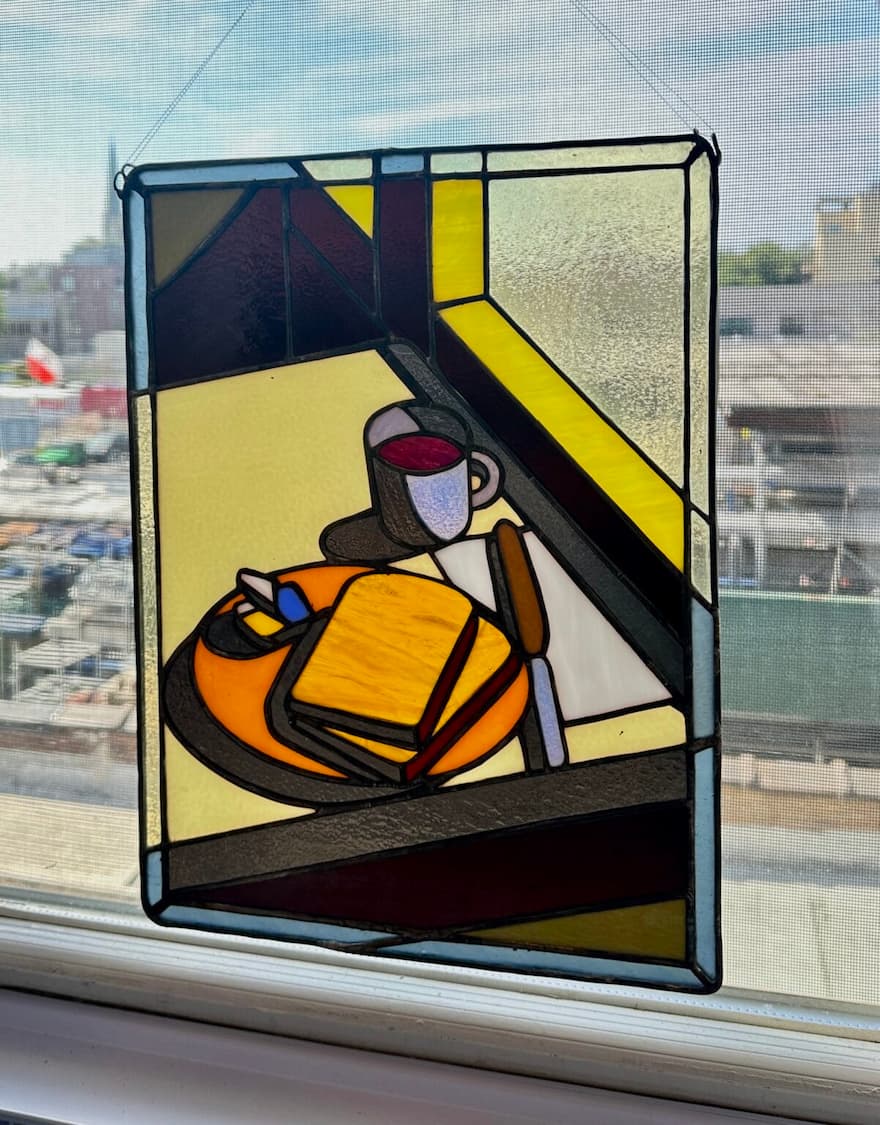
Drawing on her background in illustration, Soeun Lee captures atmospheric tableaux of sunny breakfasts and relaxing reading spots in stained glass. A fried egg in a pan, an open book left on a table, or a full cup of coffee next to a plate of toast suggest someone is nearby, just out of the frame.

“I play around with things that hint at a personal presence, like an empty chair, a book, or a mug.” “I want the viewer to be able to sense the lingering traces of a conversation or thought that occurred just moments before.”
 

In the Mood for Food, Soeun Lee Solders Vibrant Stained Glass Visions of Comfort—Drawing on her background in illustration, Soeun Lee captures atmospheric tableaux of sunny breakfasts and relaxing reading spots in stained glass


▏The Draw on Similar Themes and Emphasize

Nodding to the deep shadows of Edward Hopper’s “Chop Suey” or Wayne Thiebaud’s baked confections, Lee’s compositions draw on similar themes and emphasize contrast to create each interior’s mood. “Many of my pieces draw inspiration from classic American diners, which evoke a sense of familiarity and warmth for everyone,” she says, “whether they are newcomers or lifelong residents.”

The notion of comfort runs through much of Lee’s work, especially through the subtopic of food. Stacks of pancakes or toast are lit by the morning sun through nearby windows or an open refrigerator illuminates its contents. This play on light continues by way of the medium itself, activated by the sun shining through the panes to brighten vibrant colors.

“Many of my designs cast long shadows, evoking the time of day, whether it’s the very early morning light or the warm glow of sunset,” she says. “I choose the colors to reflect that mood. Early mornings evoke a sense of hope and the promise of a new day, while shadows from a sunset remind me to find down, reflect, and find rest.

Lee is currently working on new pieces, which she will make available on her website.
 

In the Mood for Food, Soeun Lee Solders Vibrant Stained Glass Visions of Comfort—Drawing on her background in illustration, Soeun Lee captures atmospheric tableaux of sunny breakfasts and relaxing reading spots in stained glass


In the Mood for Food, Soeun Lee Solders Vibrant Stained Glass Visions of Comfort—Drawing on her background in illustration, Soeun Lee captures atmospheric tableaux of sunny breakfasts and relaxing reading spots in stained glass


In the Mood for Food, Soeun Lee Solders Vibrant Stained Glass Visions of Comfort—Drawing on her background in illustration, Soeun Lee captures atmospheric tableaux of sunny breakfasts and relaxing reading spots in stained glass


kanikachic
Want your project to be featured? Showcase your work through Kanikachic and E-mail us your most inspiring moments.
All Photography, Styling, Fotos, and Pictures Shared with Permission from the [Colossal]] Website
──────────────────────────────────────────────────────────────────────────
Per essere insostituibili bisogna sempre essere diverso. ▎Ci sono immagini affascinanti qui, e l’affascinante giornata di insieme!  xo  KanikaChic
The Organic Flax Figures Across, Systems Evoking Roots and Veins Sprawl Across Raija Jokinen’s Organic Flax Figures

Organic Flax Figures of Across

The Organic Flax Figures Across,  Systems Evoking Roots and Veins Sprawl Across Raija Jokinen’s Organic Flax Figures   Focused on Everyday Feelings, Situations,  and Thoughts

西水峪在半山腰鑿出一塊栗樹露台

滿栗台在栗樹與棚屋之間重新組織山地生活

從棚屋學習結構與遮蔭智慧,新建築在栗樹林中生長,而非侵入。     在西水峪附近的半山腰,人們鑿出一處台地,栗樹成林,生活與勞動在濃蔭之下自然展開。受限於施工條件,早期隨意搭建的棚屋反而成為新建築的原型線索。建築並未否定這些臨時結構,而是向棚屋學習——從材料運用到空間尺度,回應工人作為山地生活專家的經驗智慧。平台上的栗樹被保留下來,棚屋穿插其間,使建築生長於樹林之中,而非凌駕其上。 十五世紀初,昌平府黃華鎮正忙著修築長城。在西水峪附近,一處無名山谷中,人們在半山腰鑿出一塊台地,將無數粗糙的黃石運上去。據推測,當時人們原本打算建造一道圍牆,但不知何故,工程被擱置,留下散落的黃石堆成長長的一坨。千百年來,這裡種植大量的栗樹,人們在濃蔭下生活勞動,每到秋天,方圓百里的山谷都覆蓋著蓬鬆的栗子皮。 2019年我們到達時,台地上駐紮著一支施工隊,搭建了三、四個臨時工棚,建築材料和設備散落在各處。在一片雜亂之中,數十棵老栗樹依然茁壯成長,最大的一棵需要三個人才能圍攏過來。     向棚屋學習。早期隨意搭建的工棚,反而揭示了一種來自山地生活經驗的 在地智慧。工人們憑直覺選擇穩固地基、避風角度與最佳日照,並巧妙地將棚屋穿插於栗樹之間,使建築不再是介入,而是順應地形的生成。       受此啟發,建築團隊重新構想場地,將新建築命名為「滿栗台」。在中國古代,「台」既是觀景之所,也是與自然互動的介面。項目透過 地形導向設計,在棚屋殘存的邏輯中重建人與栗樹景觀之間的關係,使建築成為山地生活的一部分,而非其外來形式。 A similar relationship between architecture and landscape appears in this

Caffè Nazionale, Arzignano, Italy

Caffè Nazionale 在義大利宮殿中以減法設計重現歷史空間

位於阿爾齊尼亞諾一座 19 世紀宮殿內,Caffè Nazionale 在當代飯店設計普遍追求視覺刺激的語境中,選擇了一條更安靜的路徑。這間咖啡館根植於記憶、時間與對場所的尊重,設計並未試圖覆寫歷史,而是以減法回應空間。透過修復原始壁畫、馬賽克地板與建築節奏,建築在不喧賓奪主的前提下,悄然放大日常的儀式感,讓過去重新成為生活的一部分。

Facebook
Twitter
LinkedIn
Tumblr
0 0 votes
Article Rating
Subscribe
Notify of
guest
0 Comments
Oldest
Newest Most Voted
Search