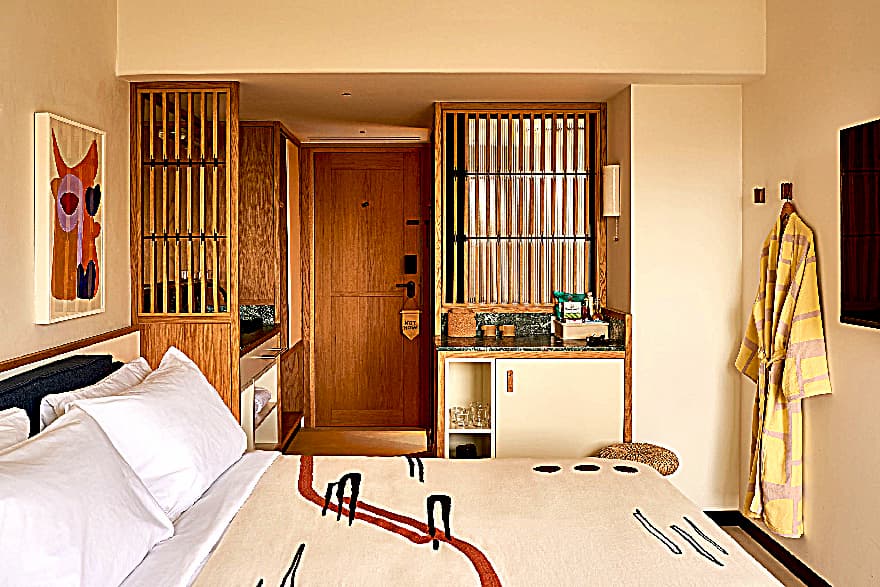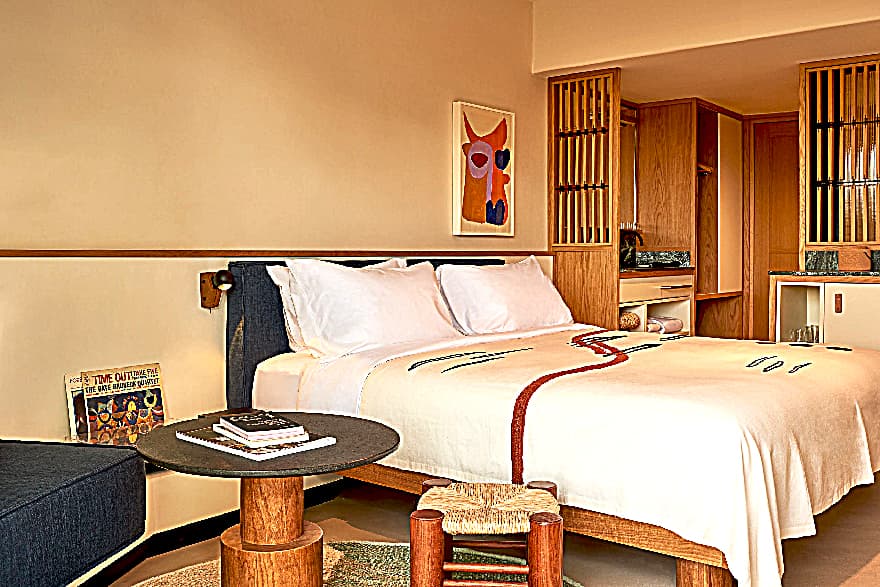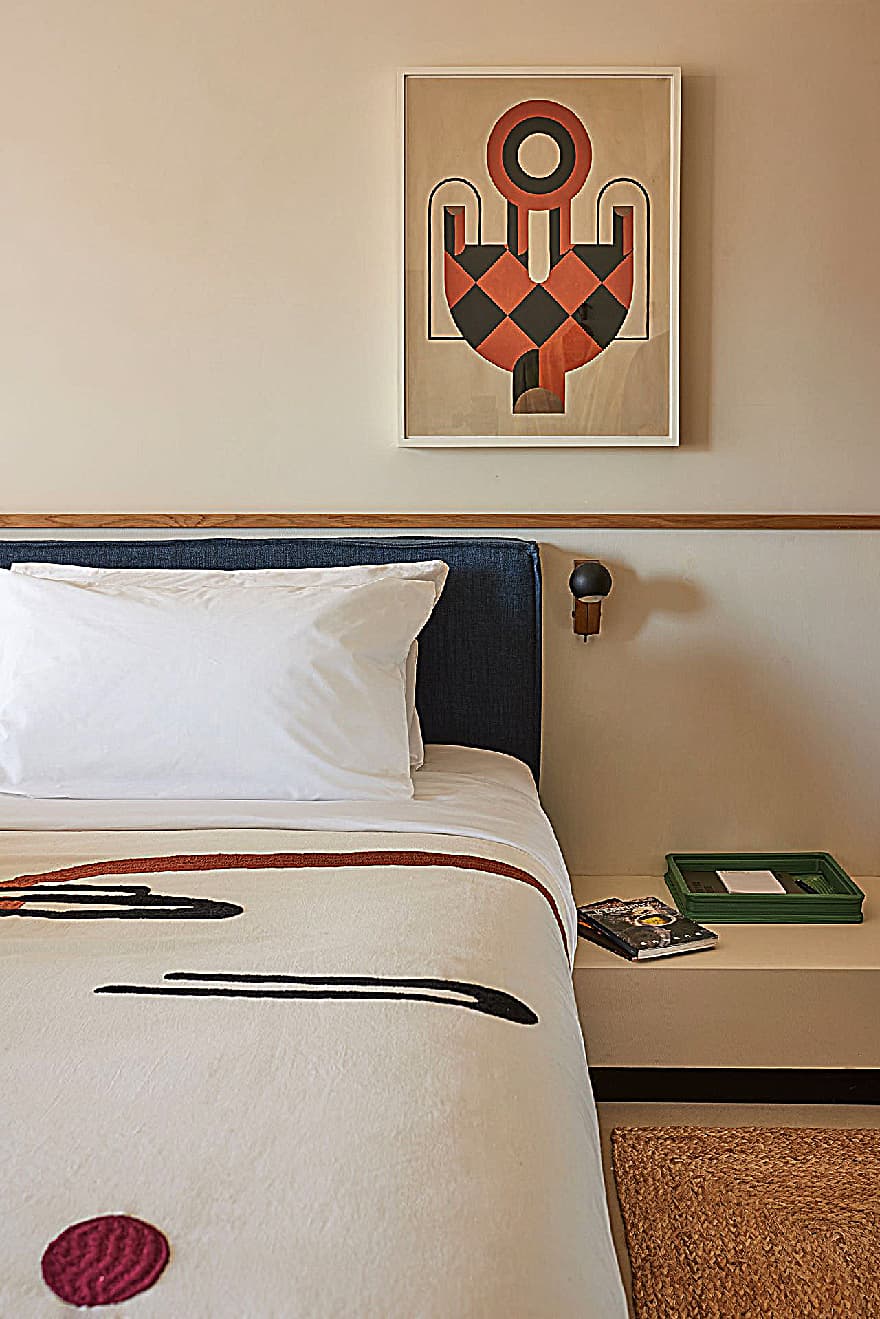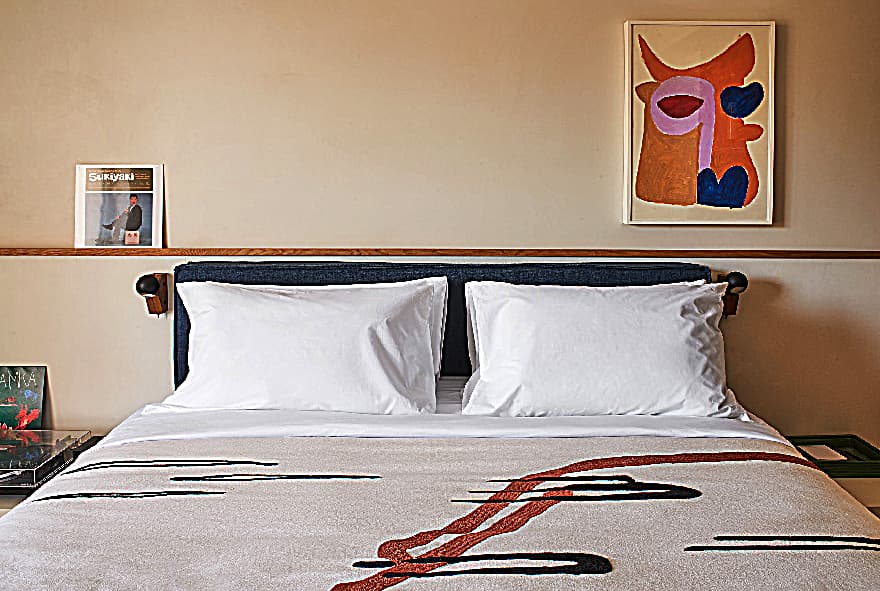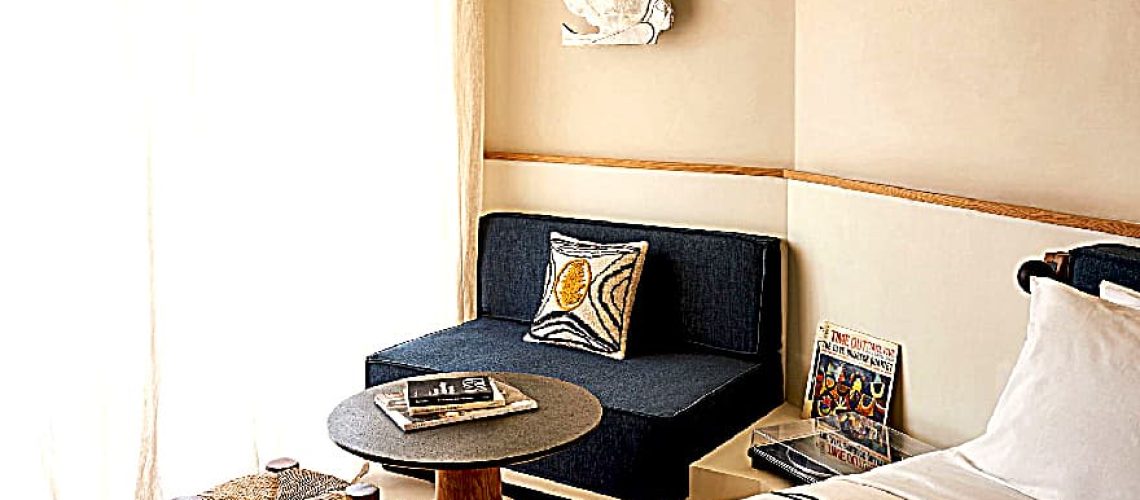
Highlights the work of contemporary Greek artists, infusing the space with the vibrant spirit of Athens’ modern creative scene.
▏The Retro Charm of Mediterranean Seaside Resorts
Set along the sun-drenched Athens Riviera, the recently opened Ace Hotel & Swim Club Athens is the latest addition to the lifestyle hospitality brand’s portfolio and its first venture in Greece. Working with French architecture and design studio Ciguë, Ace has transformed a 1970s coastal landmark into a 120-room haven that blends Greek Modernism with the retro charm of Mediterranean seaside resorts.
True to Ace’s DNA, the property is more than just a hotel—it’s a social hub where art, culture, and design converge. Ciguë’s bespoke furnishings sit alongside iconic pieces from the 1960s and 1970s, courtesy of Back To The Future, paying homage to the building’s origins and the golden era of the Riviera, while a polyphonic art program highlights the work of contemporary Greek artists, infusing the space with the vibrant spirit of Athens’ modern creative scene. Anchored by a strong sense of place, the thoughtful blend of lobby culture, impeccable design, and artistic flair are all elements that make Ace Hotel Athens a captivating destination, embodying the Athens Riviera’s allure as well as the city’s buzzing creative spirit.
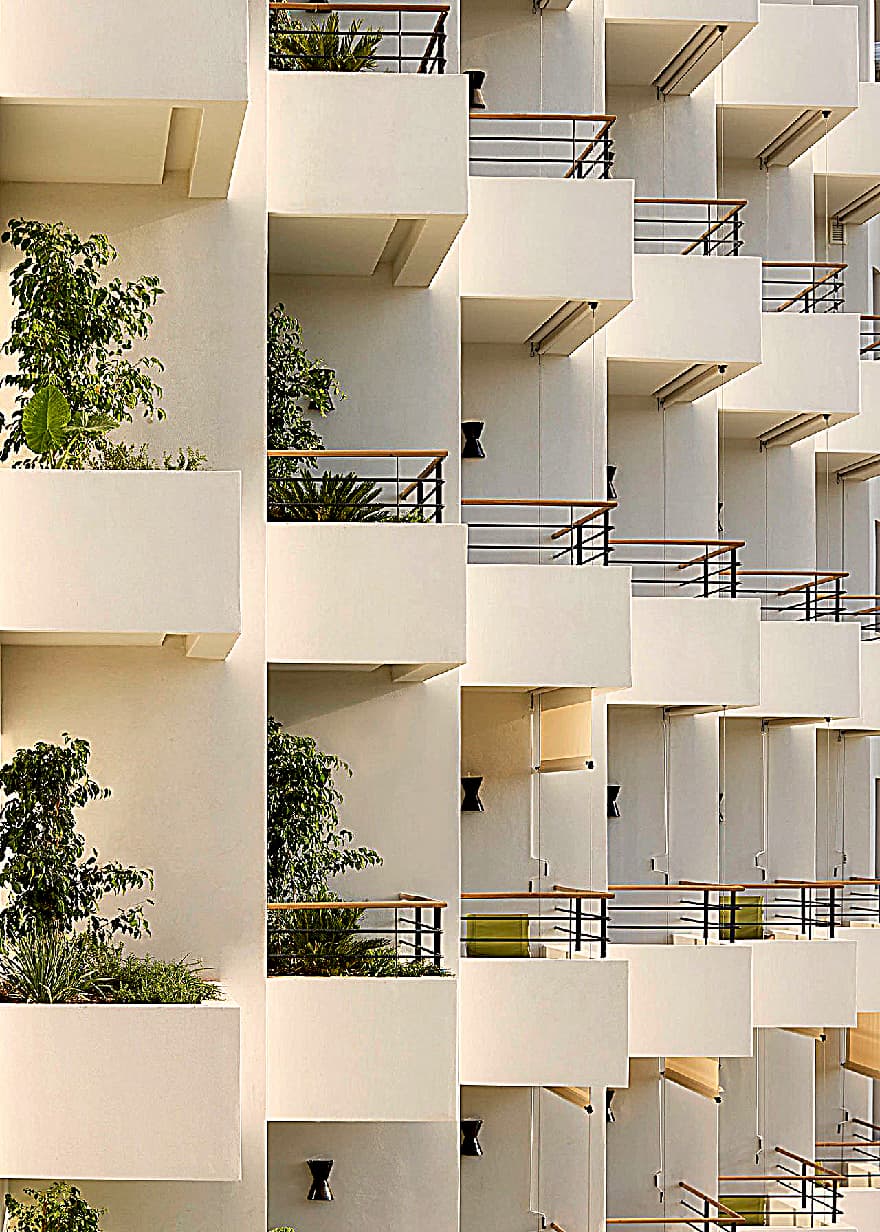
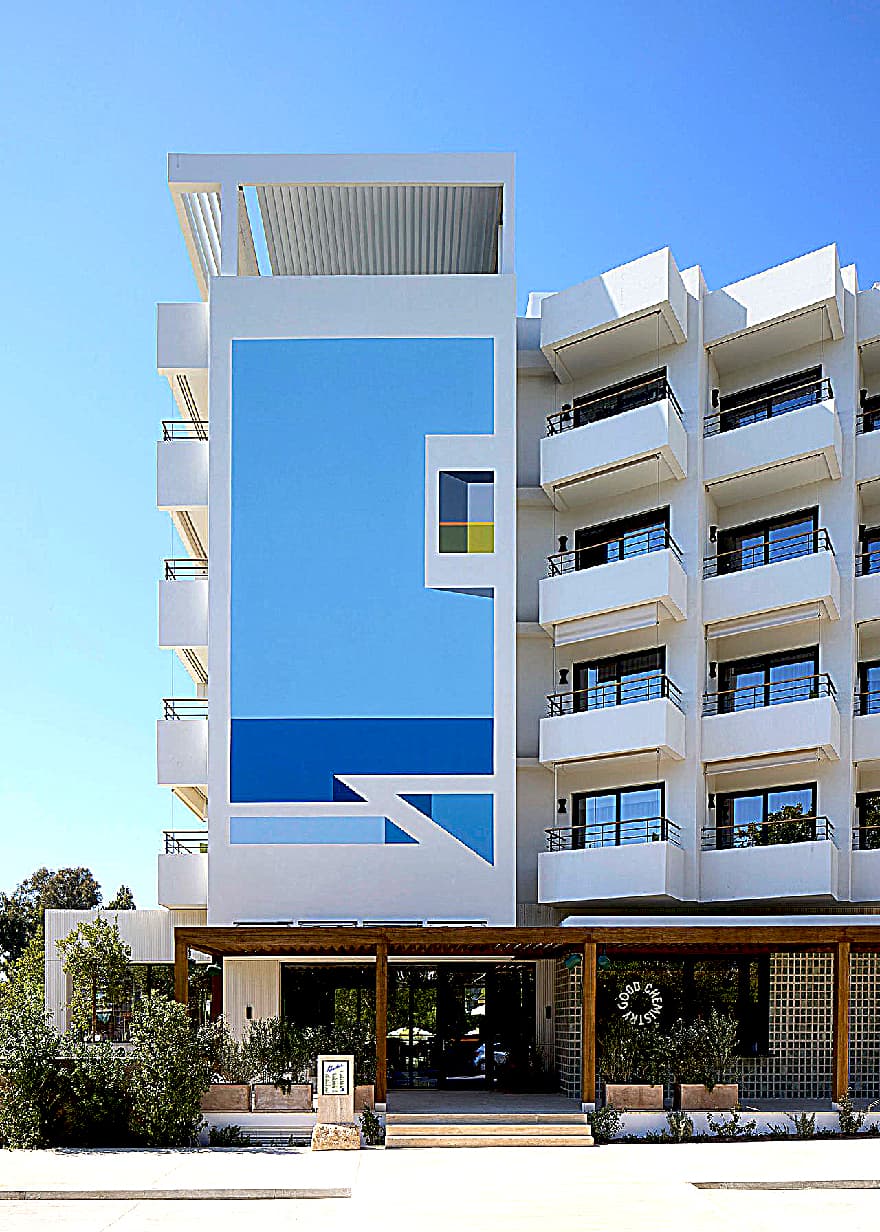
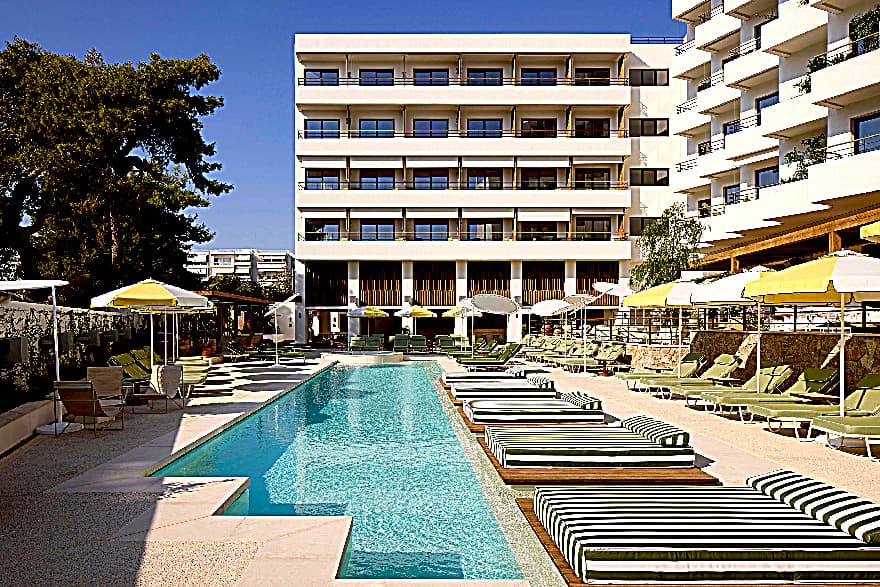
Located in Glyfada, the 1972 Brutalist building, originally home to the Fenix Hotel, was revitalised by Ciguë in collaboration with Georges Batzios Architects. Embracing its strong lines and distinctive cubic balconies, the team focused on fully restoring the structure’s original geometric purity by removing a number of less graceful modifications added in the 1980s and 1990s. Discrete wooden accents, sunshades, and ceramic lighting were introduced to add warmth without compromising its architectural essence, while a four-storey mural by Athens-based, French artist Claire Manent, inspired by David Hockney’s poolside paintings, further animates the façade, blending the building’s modernist roots with a playful nod to coastal chic.
▏Uniting prominent figures from this dynamic landscape
Manent’s mural is part of the hotel’s ambitious art program; a hallmark of every Ace location. Developed in close collaboration with art consultant and long-time collaborator Matthieu Prat, Aliki Lampropoulos in collaboration with Mare Studio and the group’s in-house creative studio, Atelier Ace, the program offers a comprehensive exploration of the contemporary Athenian art scene in all its vibrant polyphony. Uniting prominent figures from this dynamic landscape, the collection includes 18 artists working across various mediums, presenting a diverse array of pieces that encompass disciplines such as sculpture, murals, tapestry, photography, painting, and drawing.
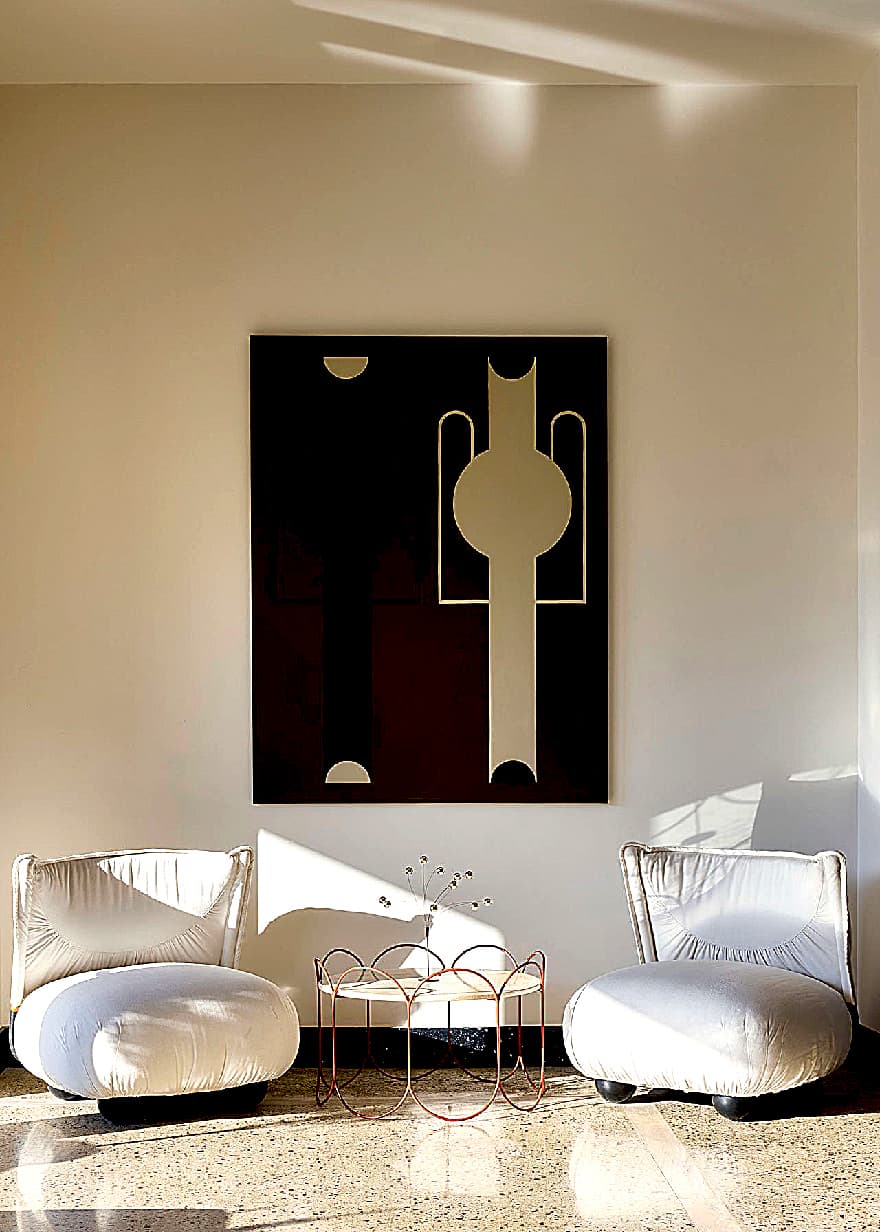
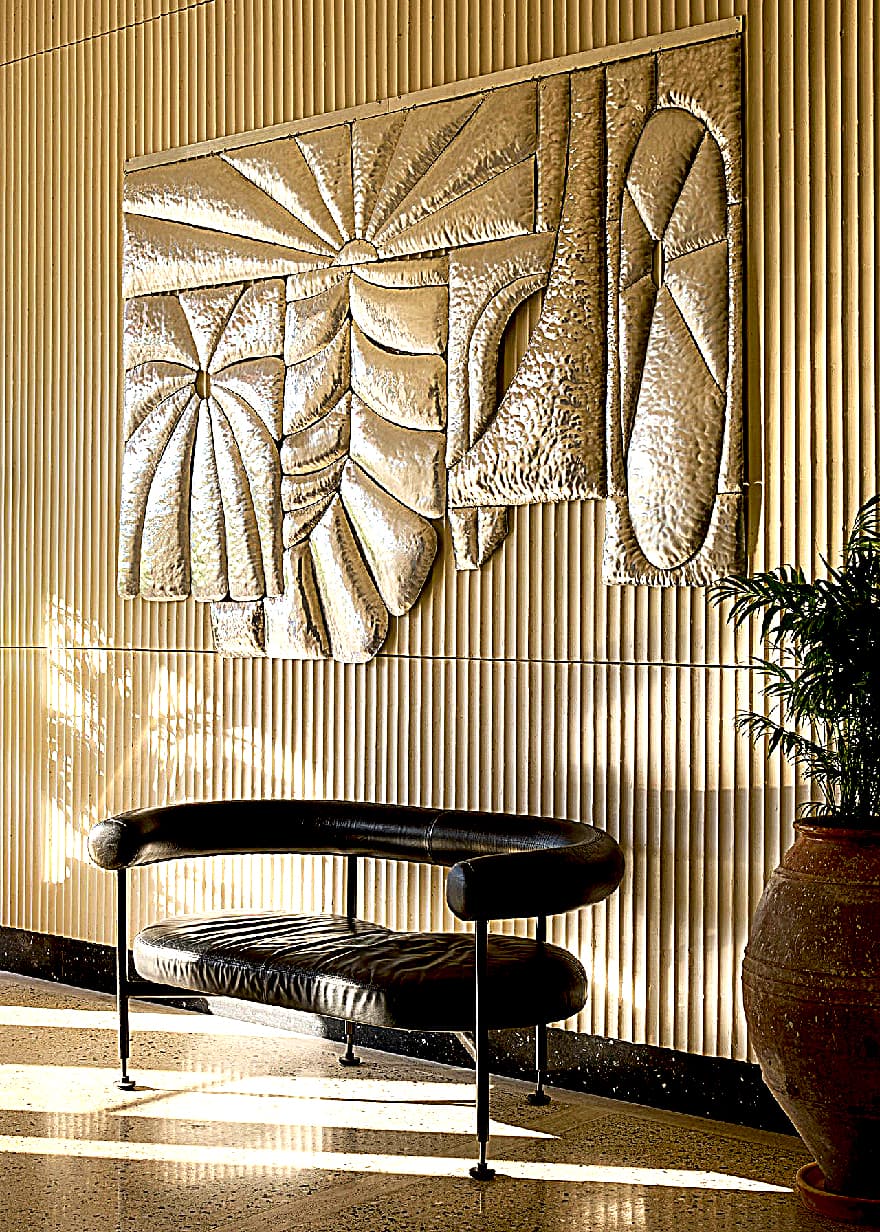
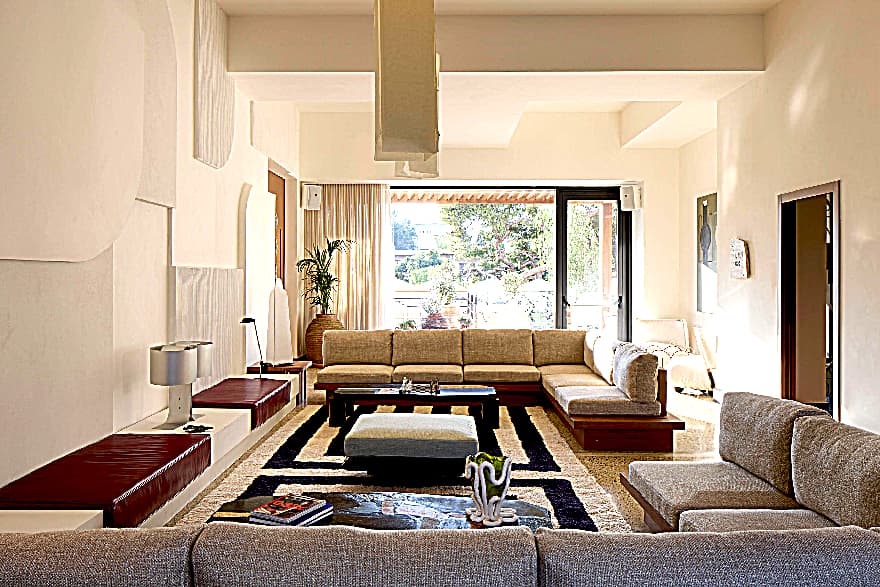
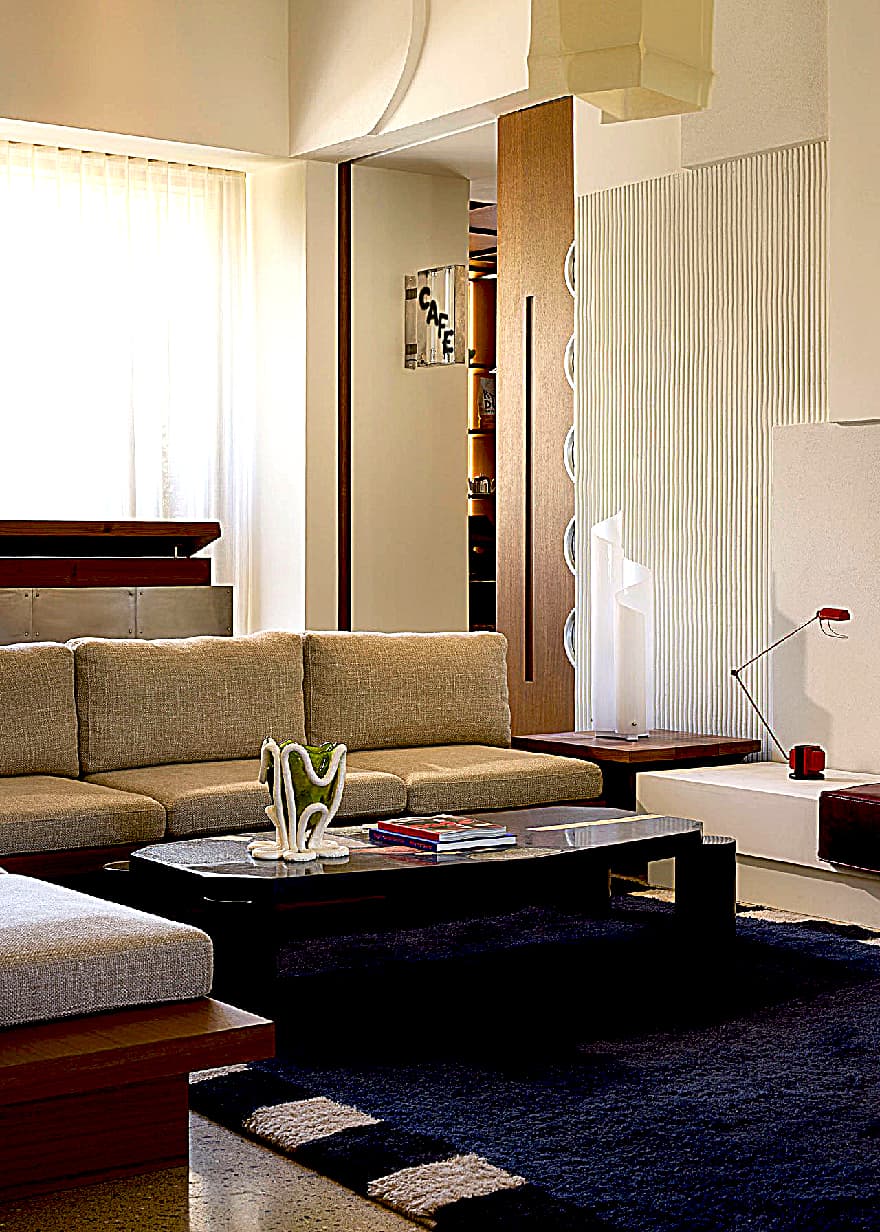
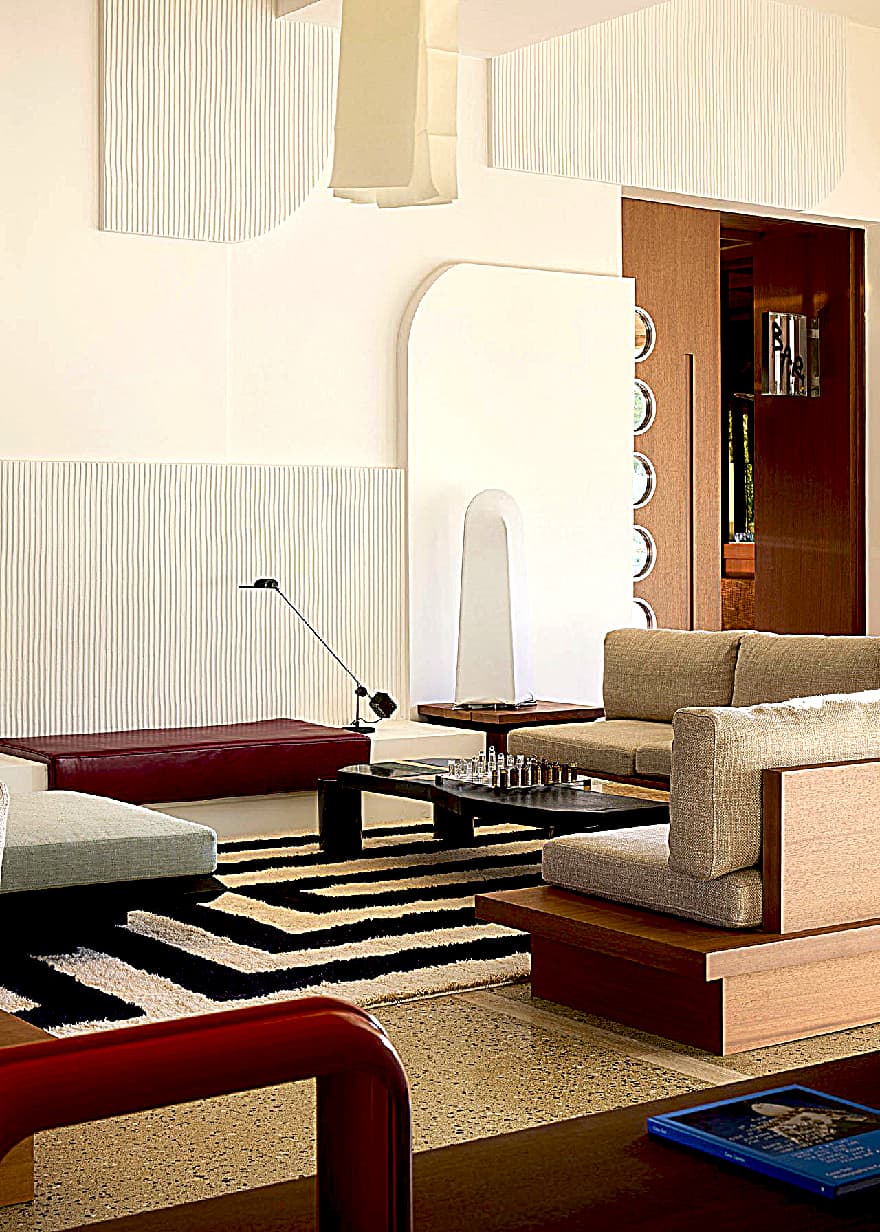
The lobby in any Ace hotel is the place to be, and its Athens outpost is no different. Extending across two rooms, the spacious, light-filled lobby is a vibrant meeting place, offering ample seating, served up with craft cocktails, wines by the glass and shareable small plates throughout the day. It’s also where the hotel’s art program culminates, with a gallery-worthy array of artworks adorning the space. Ciguë’s interior design—a contemporary take on Greek Modernism characterized by clean lines, simple geometric forms, and a muted palette of white and earthy hues—provides a striking yet understated backdrop for the works of James Fuller, Eleni Psyllaki, and Alexandra Masmanidi, among others.
The lobby in any Ace hotel is the place to be, and its Athens outpost is no different. Extending across two rooms, the spacious, light-filled lobby is a vibrant meeting place, offering ample seating, served up with craft cocktails, wines by the glass and shareable small plates throughout the day. It’s also where the hotel’s art program culminates, with a gallery-worthy array of artworks adorning the space. Ciguë’s interior design—a contemporary take on Greek Modernism characterized by clean lines, simple geometric forms, and a muted palette of white and earthy hues—provides a striking yet understated backdrop for the works of James Fuller, Eleni Psyllaki, and Alexandra Masmanidi, among others.
▏Bauhaus-inspired’s Custom-designed
Bespoke furniture and lighting, custom-designed by Ciguë and Atelier Ace, are thoughtfully combined with vintage pieces from the 1960s and 1970s as a nod to the property’s origins. The latter range from chairs by Alessandro Becchi and Tobia Scarpa, to rare finds such as Harvey Guzzini table lamps and a handmade Sirius desk lamp by Max Sauze, all sourced by Back To The Future. Together, these elements create an atmosphere that feels less like a hotel lobby and more like the coastal home of a distinguished art patron.
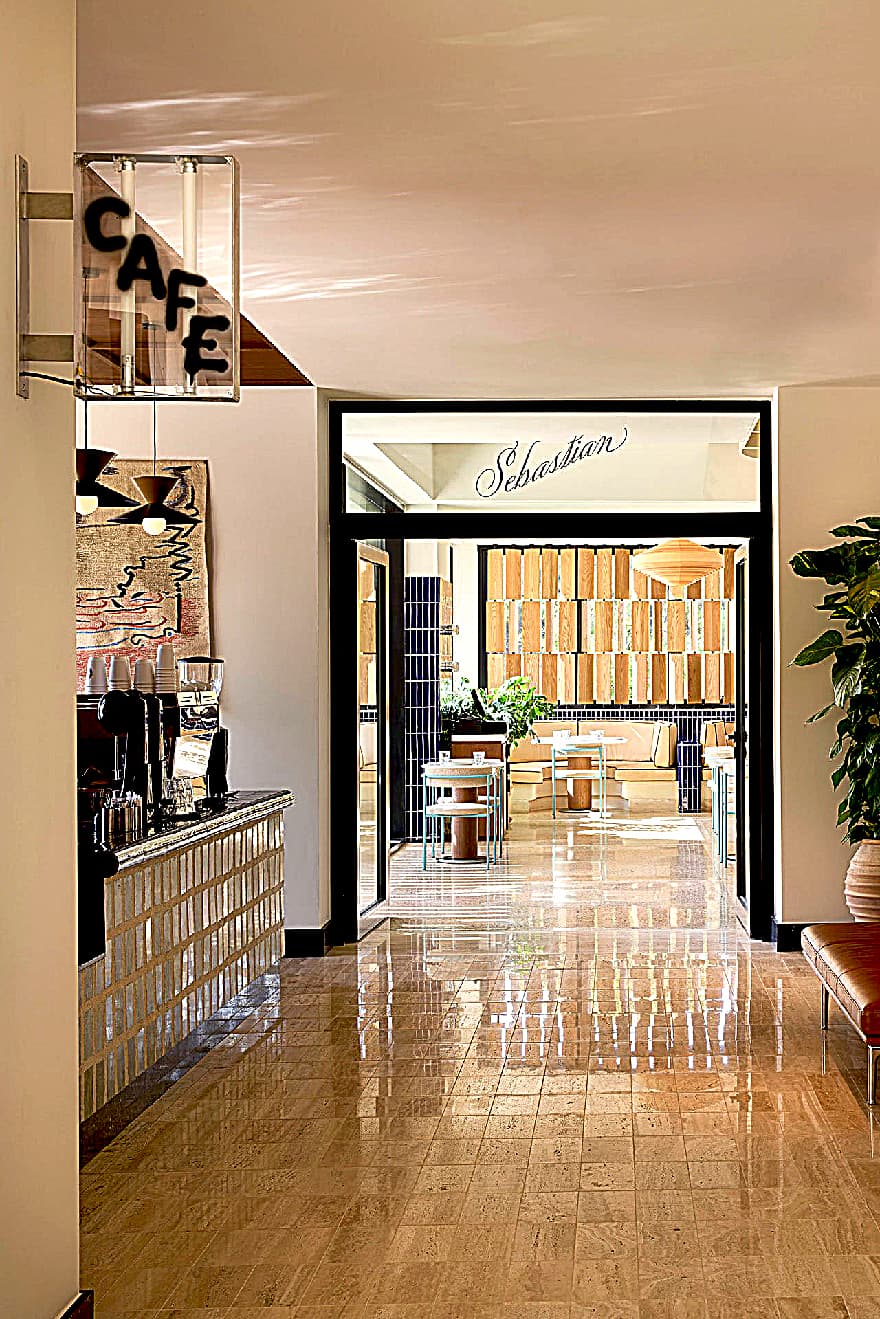
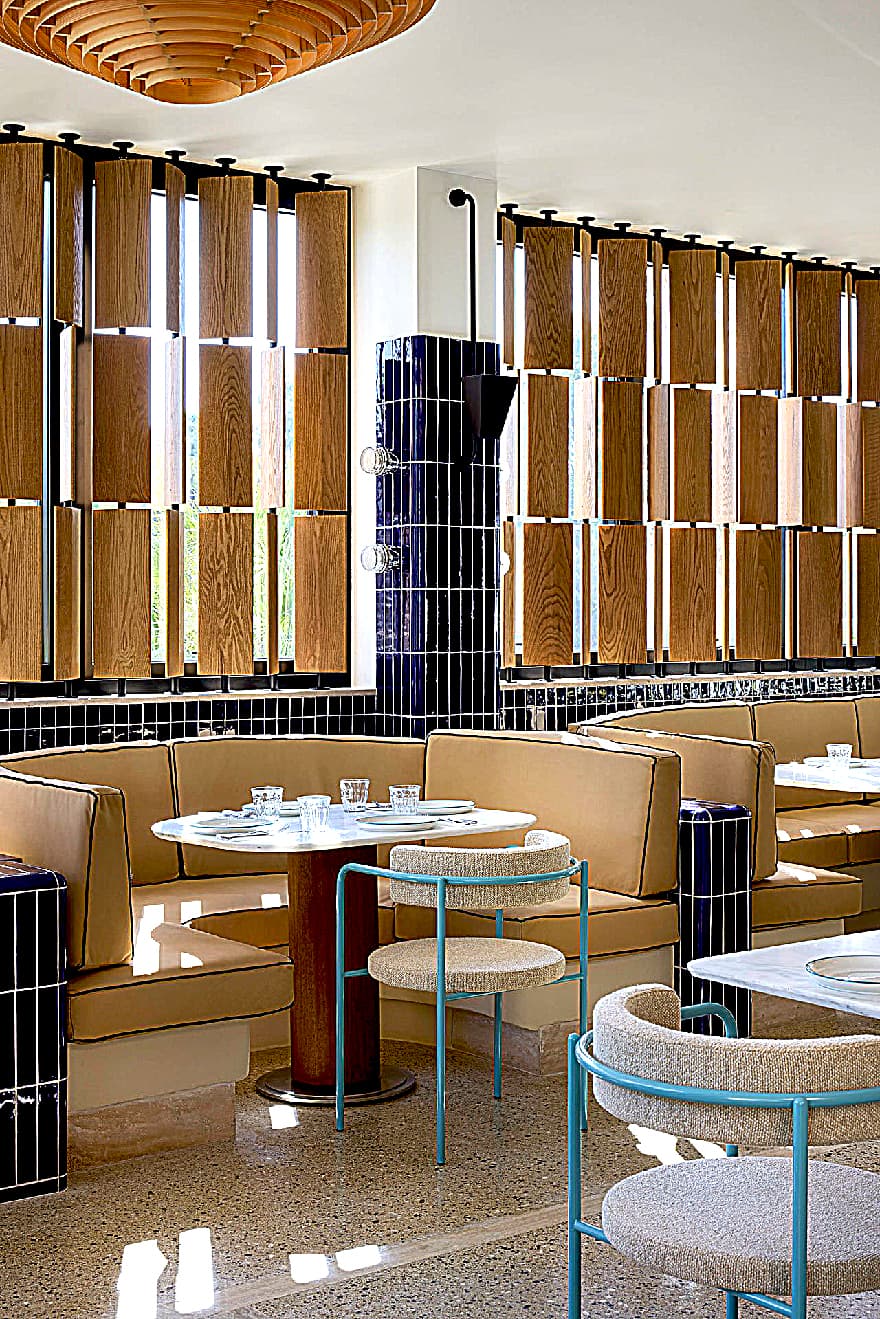
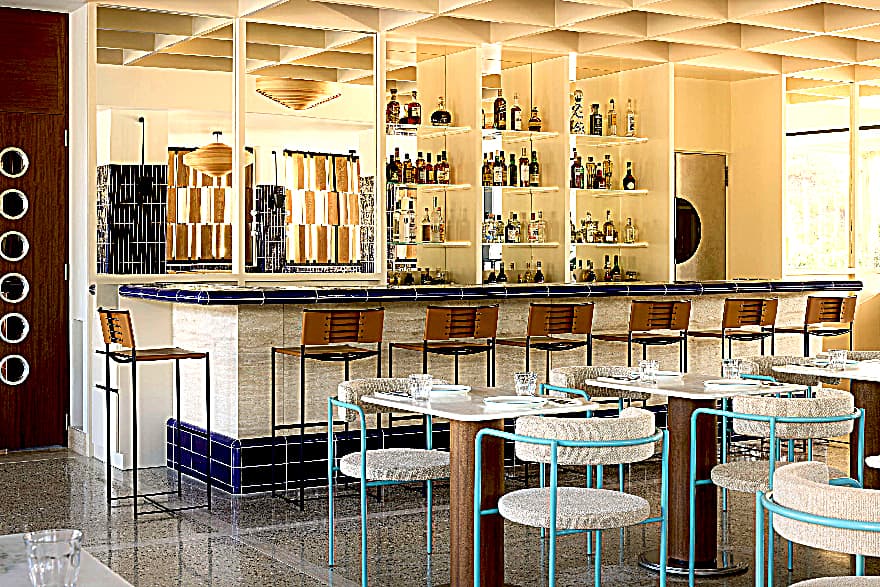
The lobby’s modernist aesthetic carries throughout the sprawling ground floor public areas, including Sebastian, an all-day bistro offering French-American fare crafted by the hotel’s executive chef, Elvi Dimitris Zyba. In this space, which spills onto an exterior dining area, the designers have enhanced the bistro’s coastal sensibility by animating its bar counter and banquettes with handmade blue terracotta tiles, lining its windows with timber louvres, and introducing vibrant pops of aquamarine through the Bauhaus-inspired FF Chairs by Ida Linea Hilderbrand for Friends & Founders.
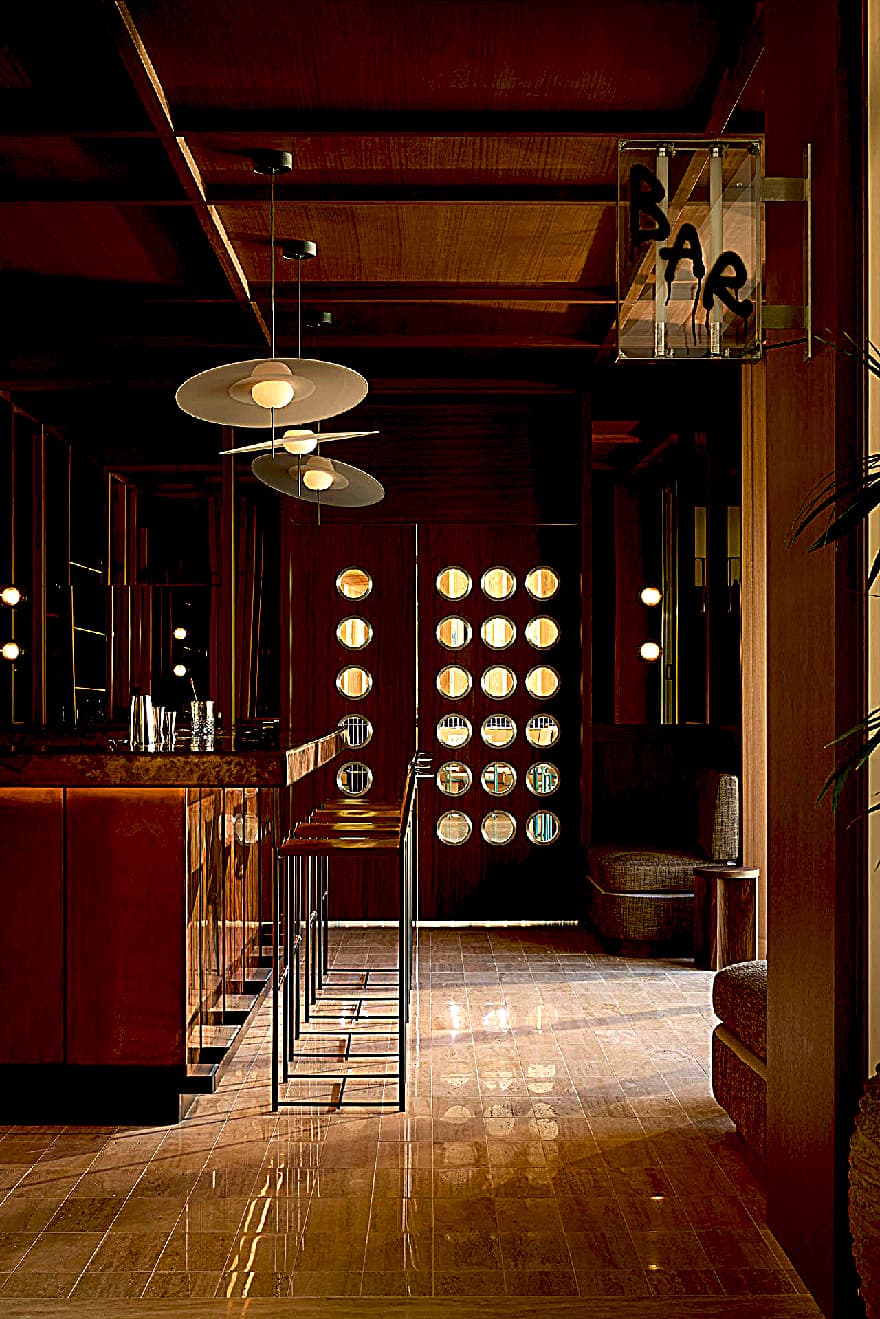
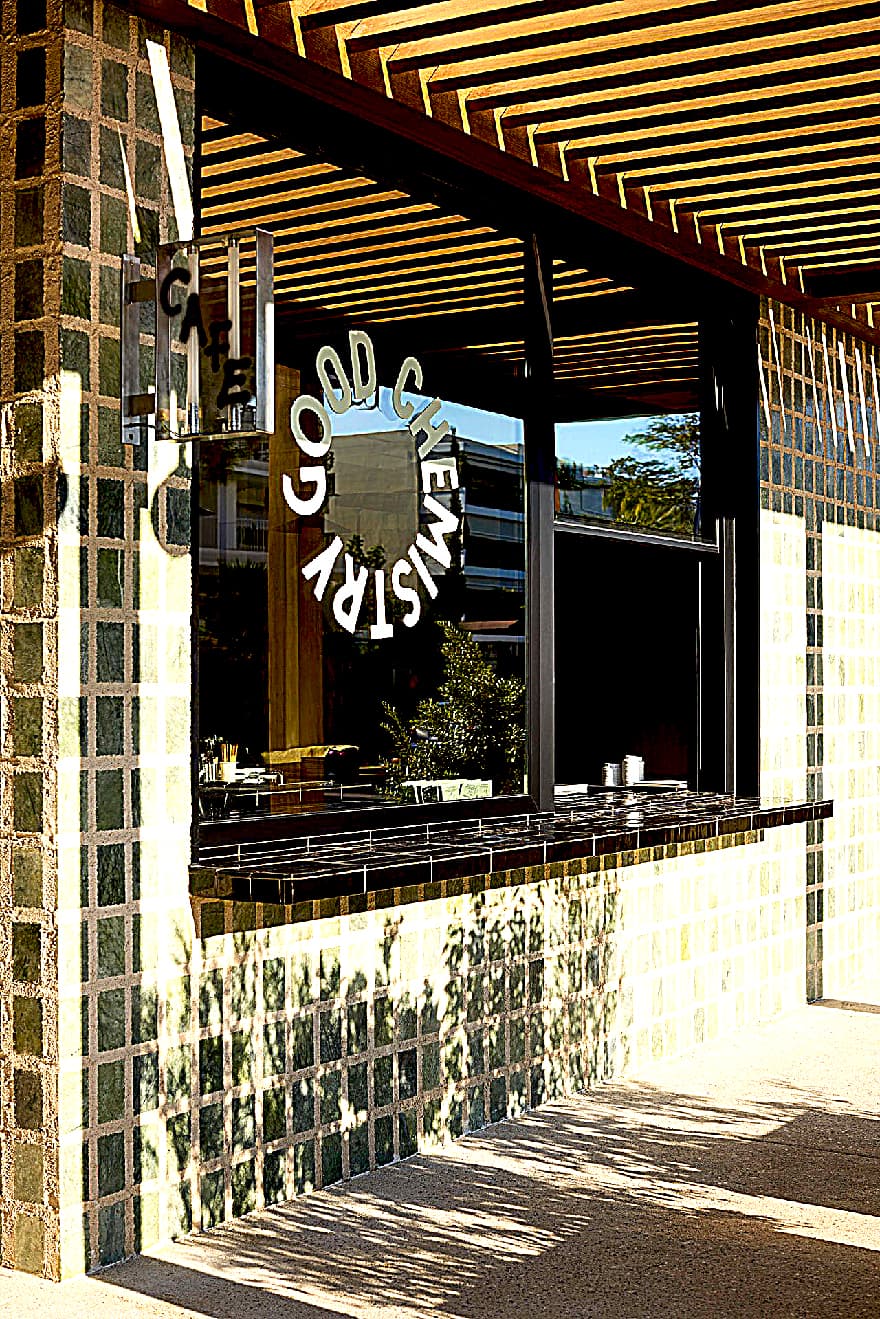
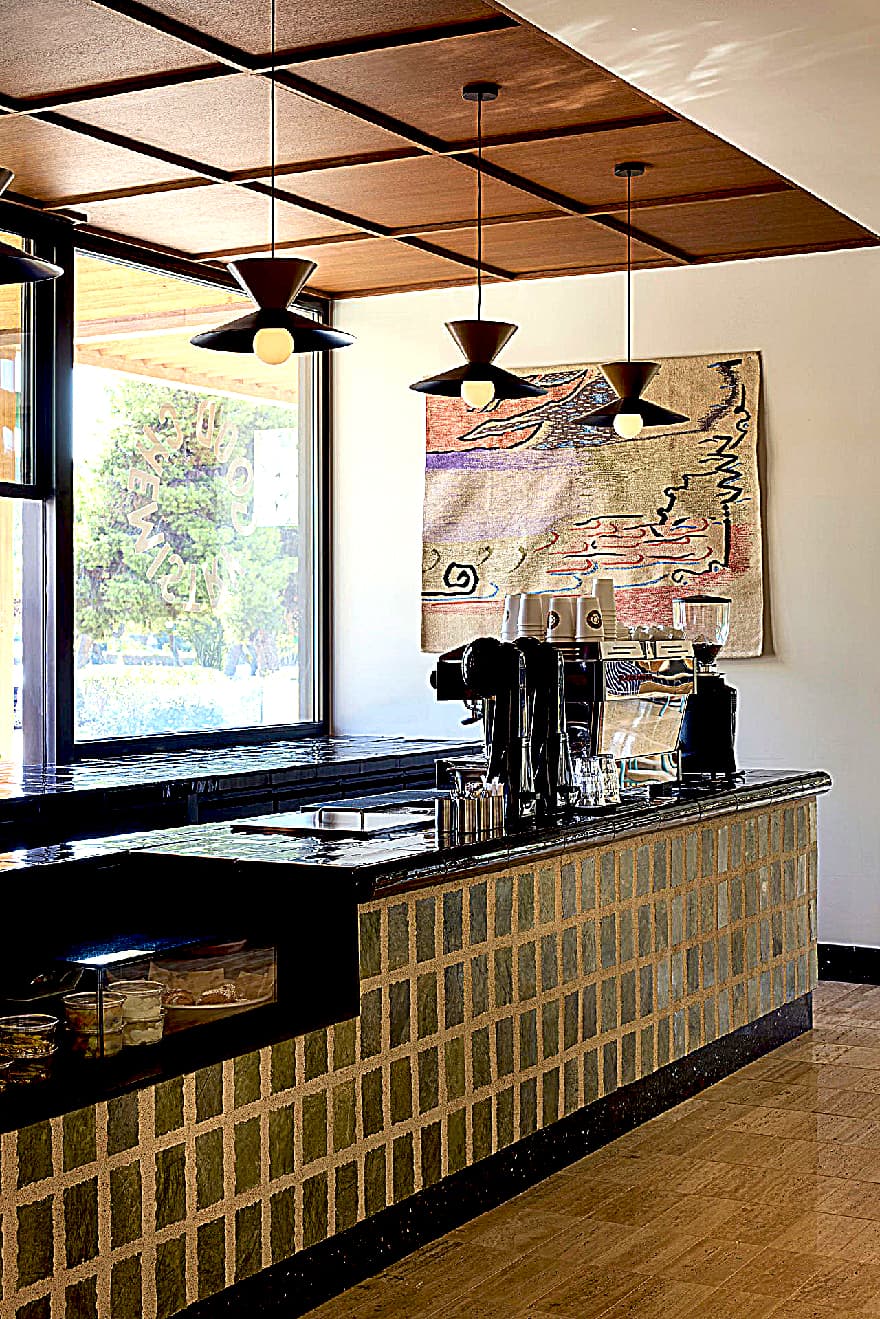
Linking the lobby to the ground-floor restaurant is Good Chemistry, a counter-service coffee shop offering beverages and light fare. This light-filled space, accessible from both the hotel’s interior and the streetside exterior, centres on a counter lined with moss-coloured marble tiles. In contrast, the intimate Lobby Bar serves as a moody respite within the hotel’s bright interiors, featuring warm wood panelling, a gleaming copper bar accompanied by modern leather stools, and retro-style lamps that create a soft, ambient glow.
▏Ace’s signature design elements
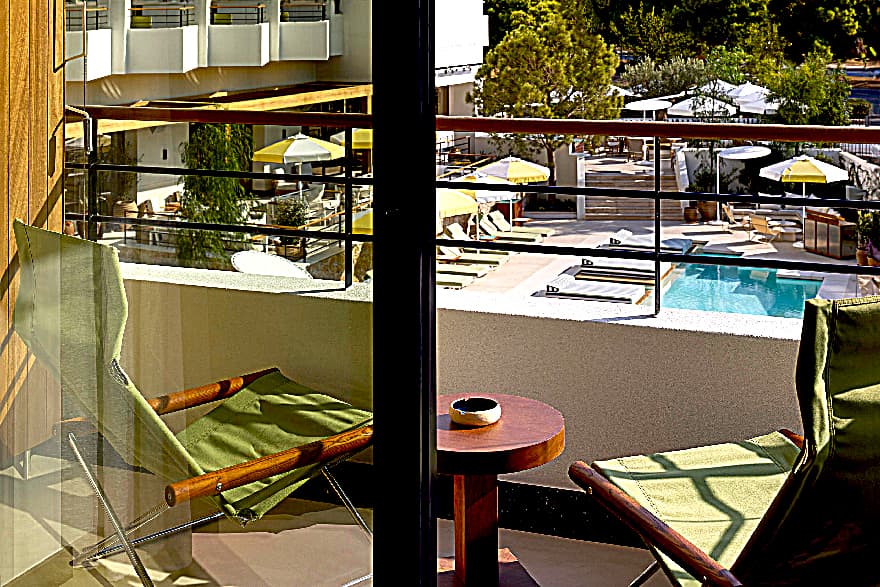
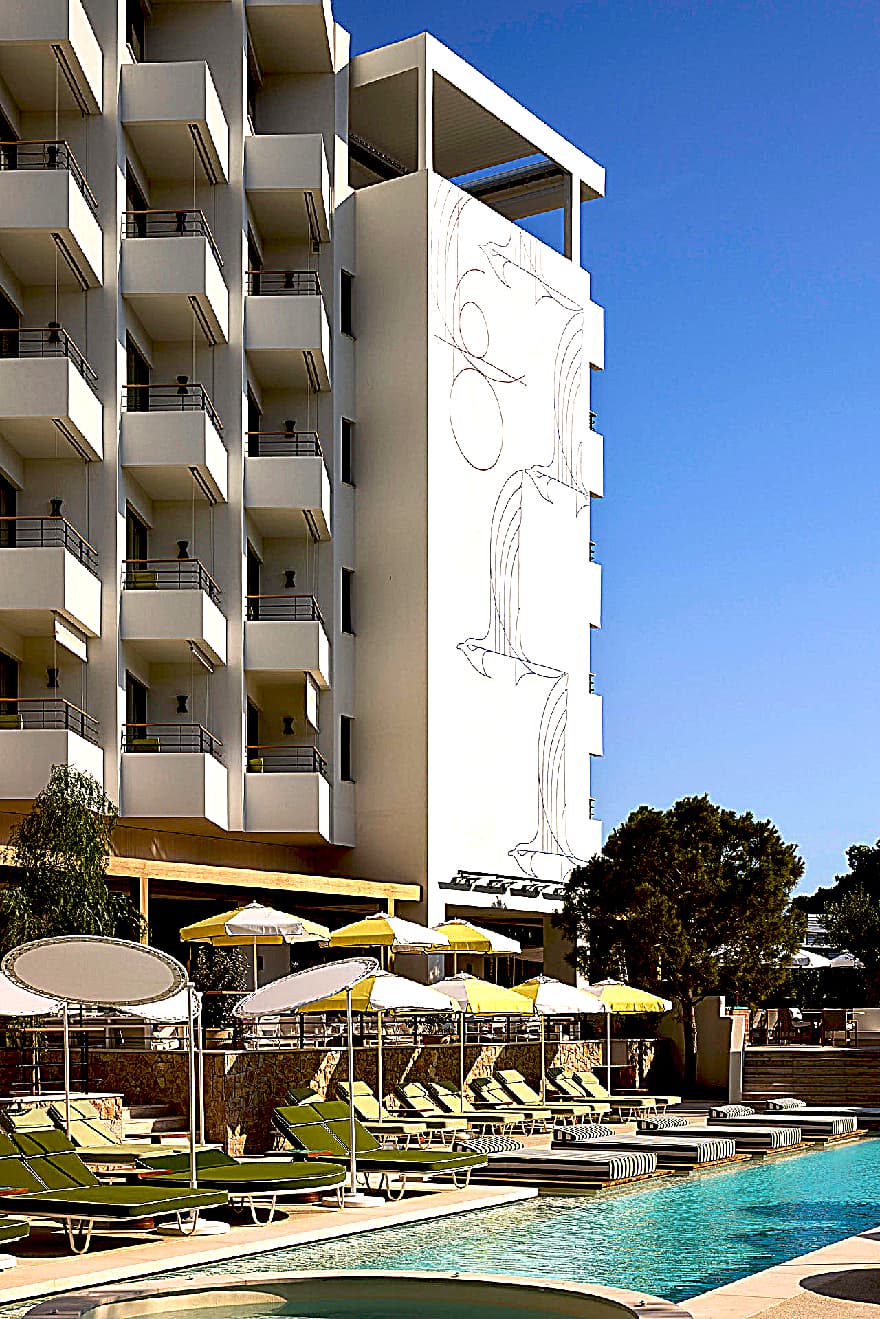
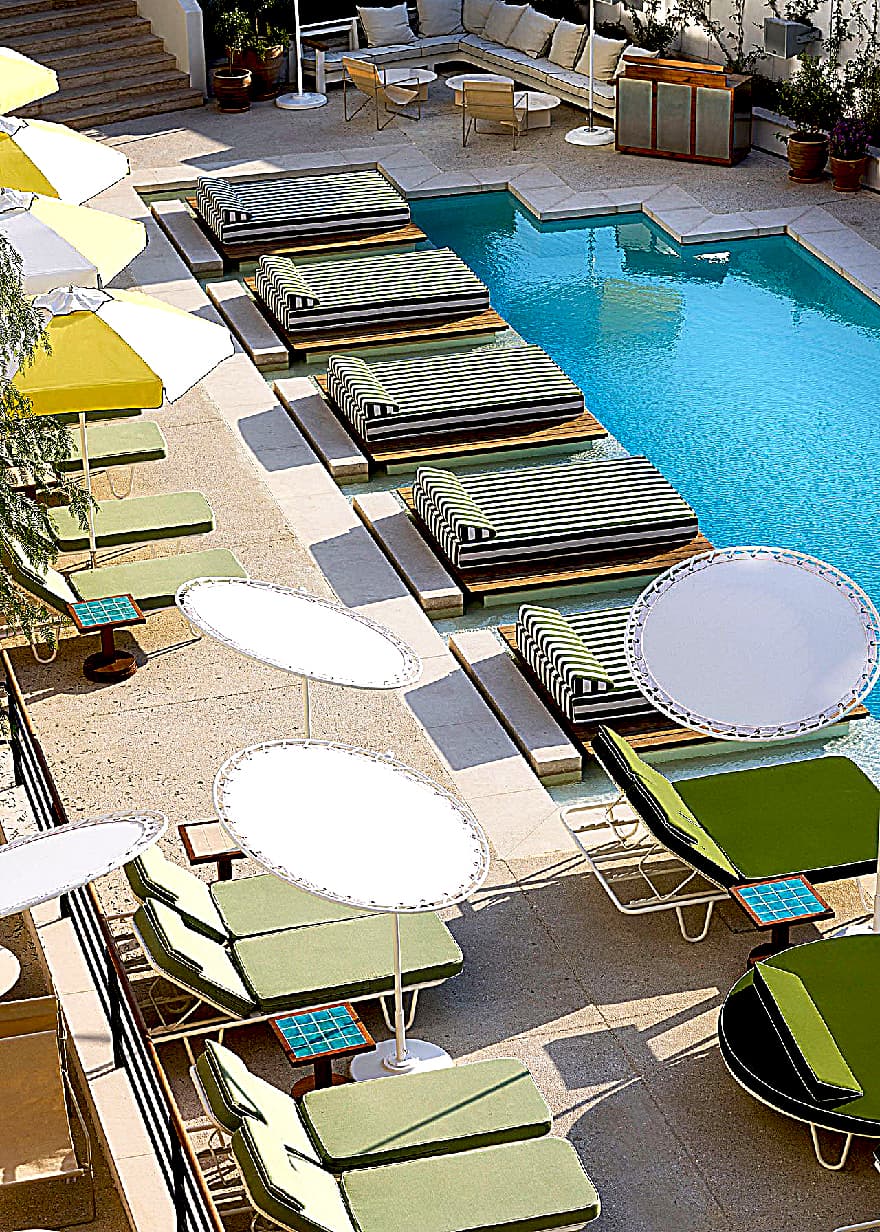
Ciguë’s calming colour palette sets the mood at the hotel’s Swim Club, with soft olive-green sun loungers and sunlit yellow umbrellas creating a relaxed vibe, while Eero Aarnio‘s rattan Mushroom Stools add a touch of playful design. The pool bar’s true showstopper, however, is a mesmerizing mosaic installation by Greek artist Theo Michael, crafted from a unique blend of paper and resin. Finally, towering over the club is a large-scale mural by Greek artist Panos Profitis—this year’s recipient of the Art Athina’s Emerging Artist Award—depicting seabirds seen mid-flight.
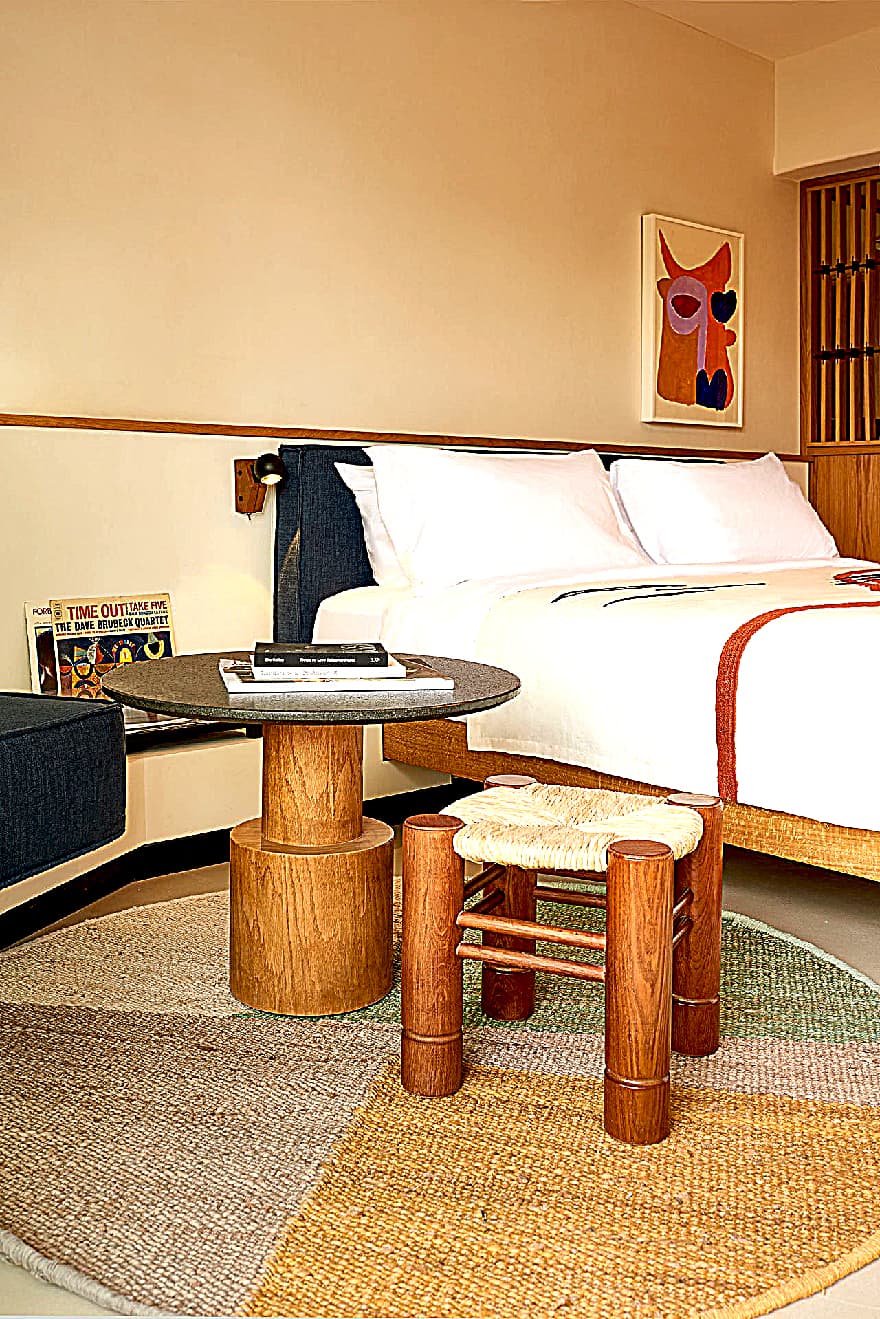
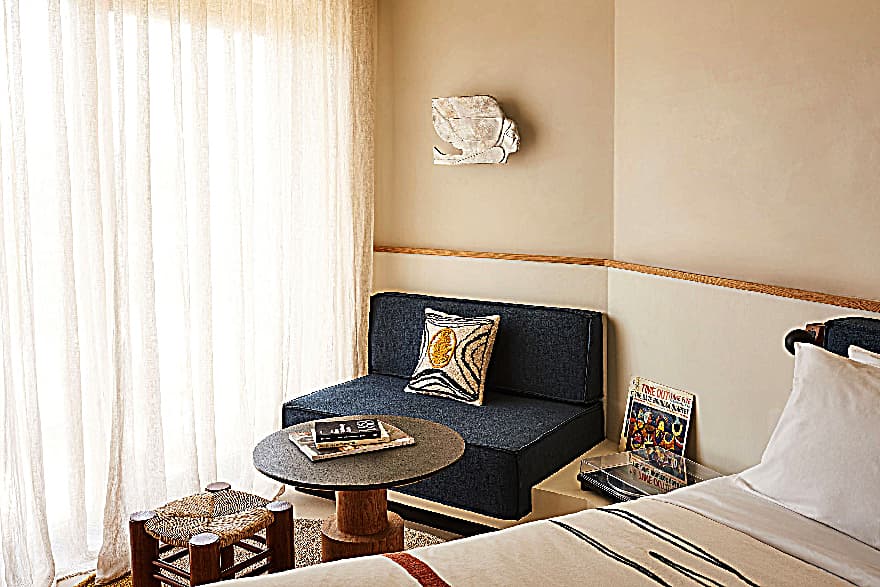
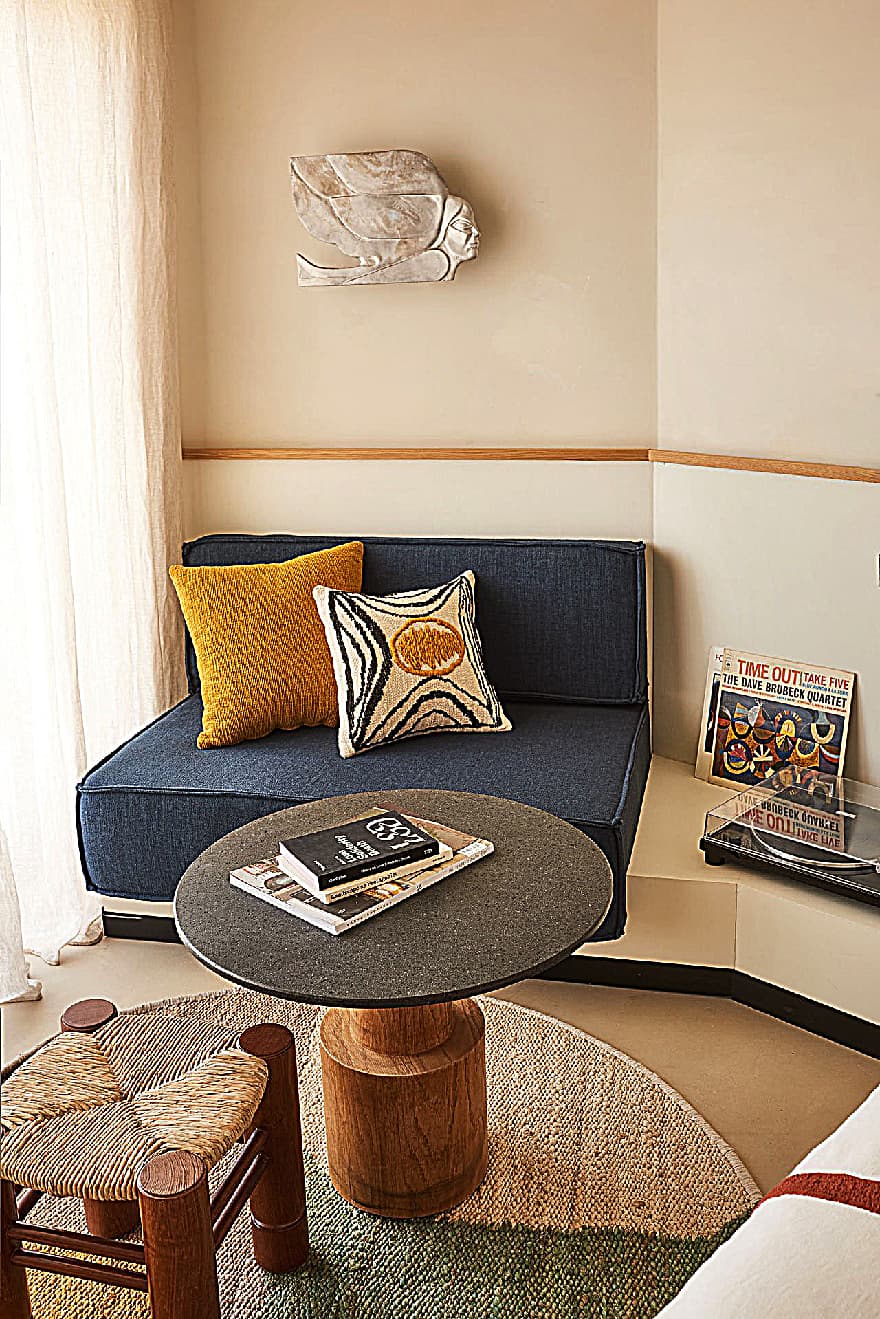
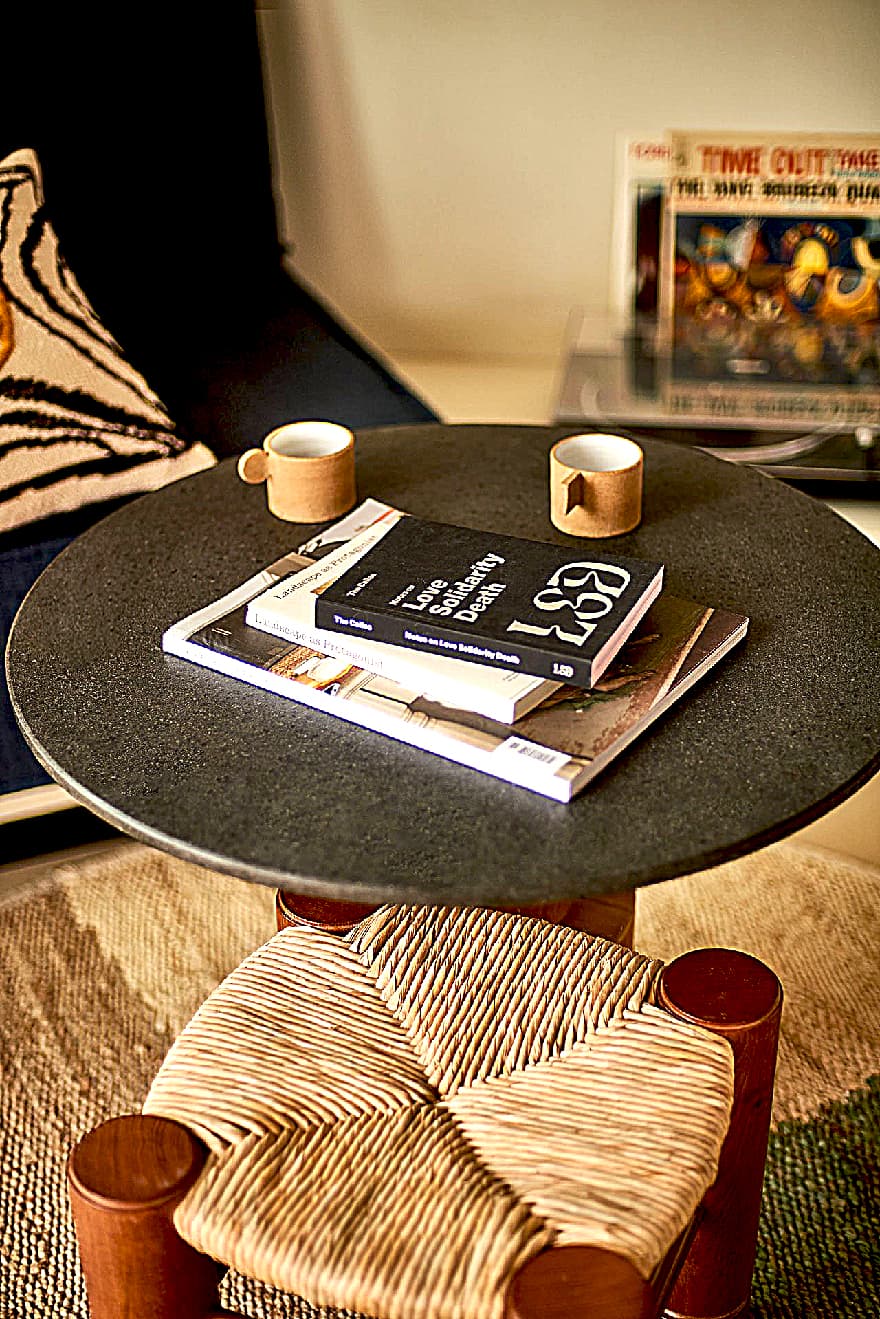
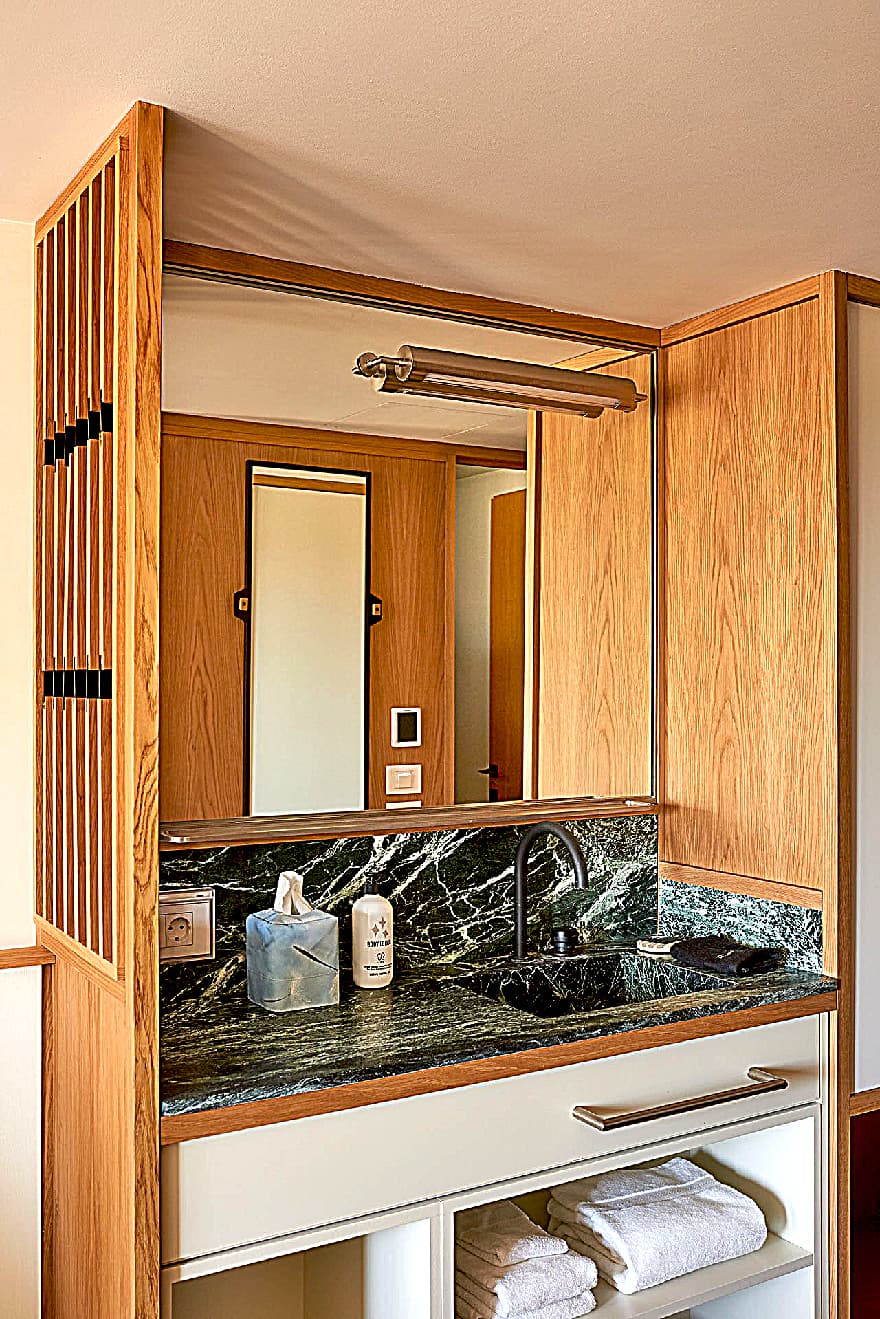
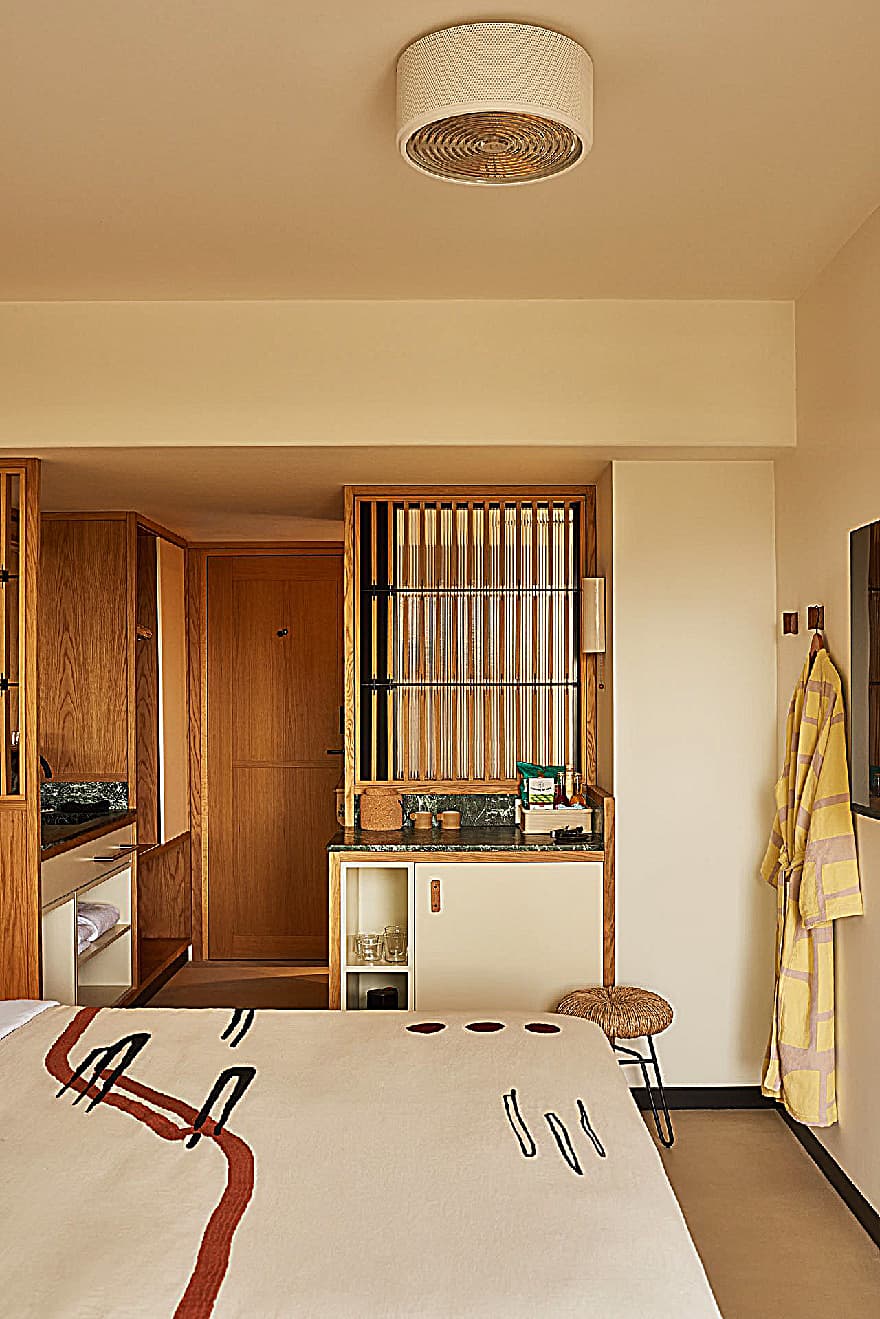
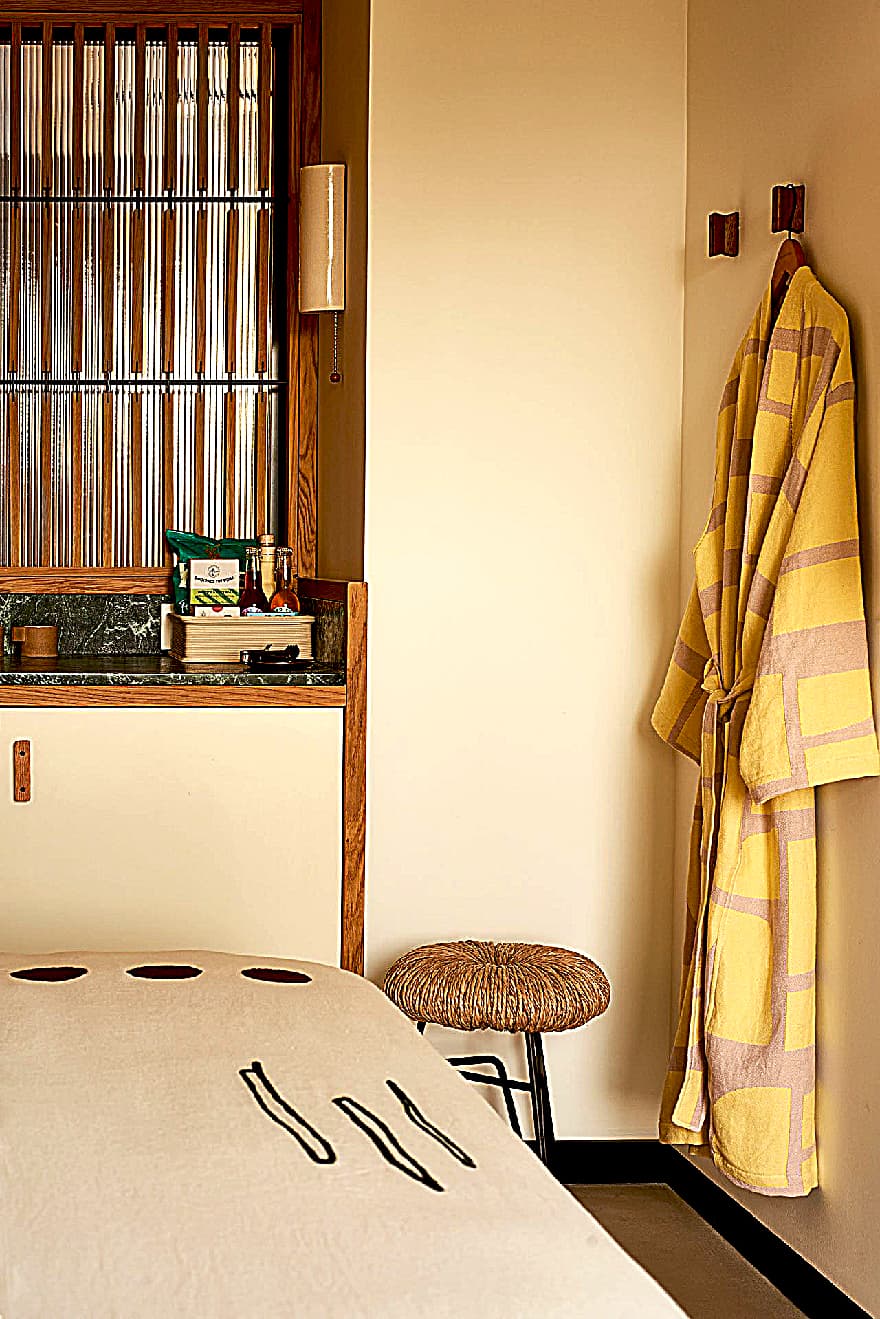
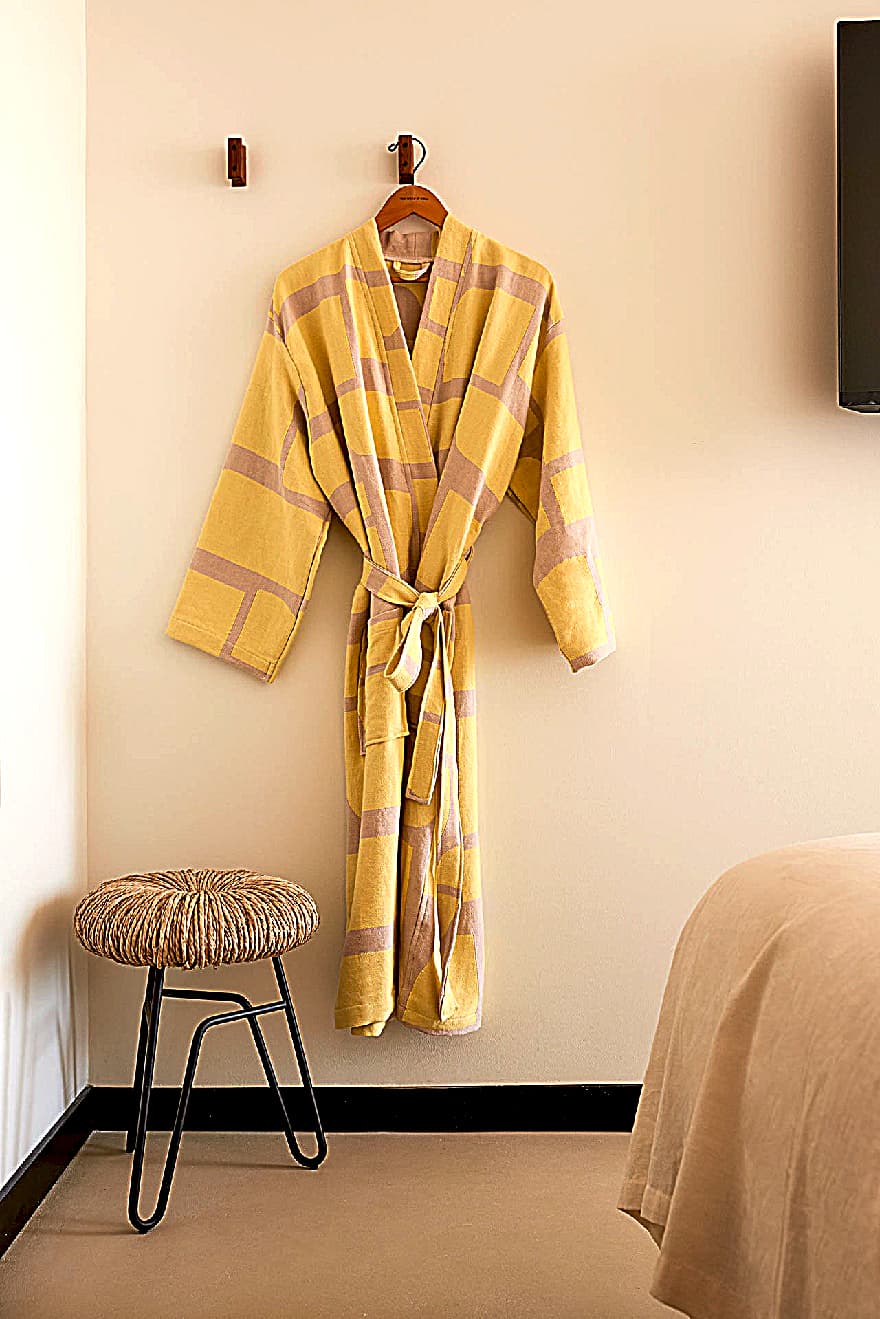
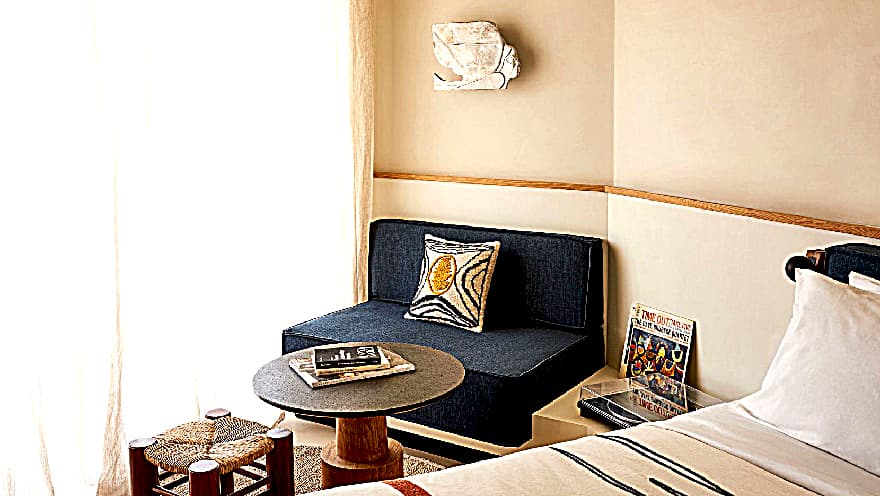
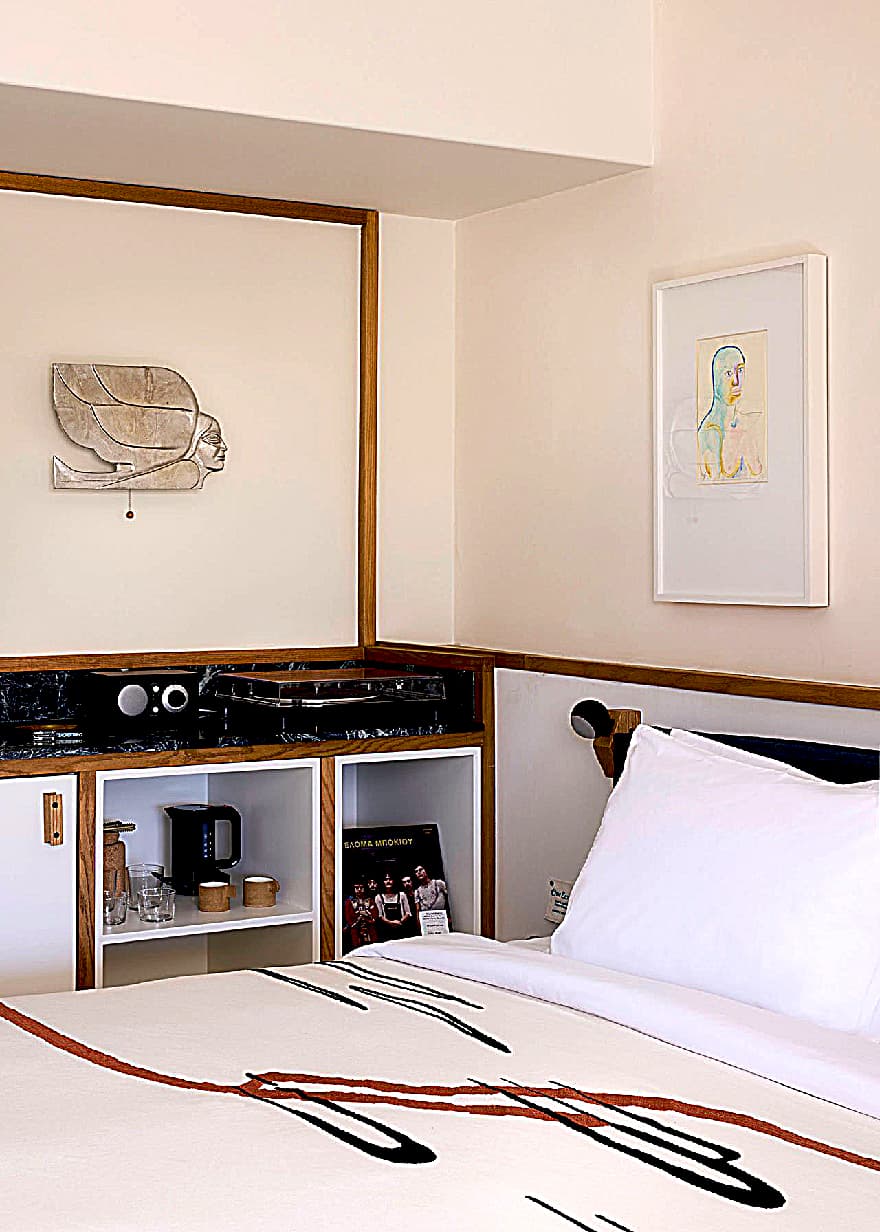
The hotel’s 120 guest rooms seamlessly blend Ace’s signature design elements with a distinct sense of place, featuring natural wood furnishings, vibrant pops of colour, and thoughtfully curated artworks by other locally based artists such as Zoe Paul, Aristeidis Lappas, and the late Alekos Fassianos, whose series of prints were posthumously produced in collaboration with his estate. Custom-designed cast-aluminium sconces by Panos Profitis in the form of a harpy—a mythical half-bird, half-woman figure from Greco-Roman lore—echo the seabird motif of the artist’s pool mural.
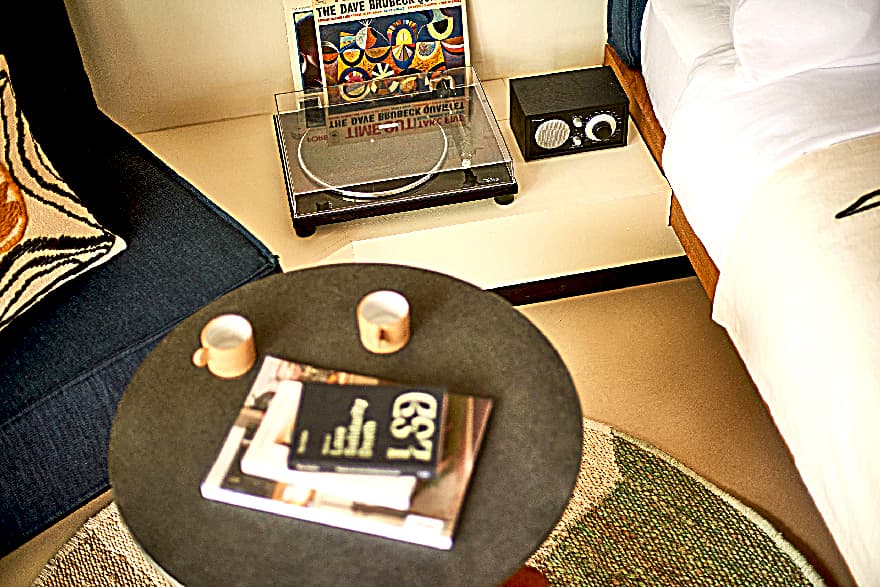
Adding to the personalized touch are bespoke bed covers by Greek-Egyptian designer Salma Barakat, throw pillows crafted by local weavers, and handcrafted hemp fibre rugs by design and textile studio Tantuvi, custom-made in circular shapes that mirror the coastline of Glyfada. These thoughtful details are complemented by other Ace Hotel hallmark touches like acoustic guitars and turntables, creating spaces that feel both rooted in local culture and infused with the hospitality group’s unique creative spirit.