Osprey House at Cedar Island Cove

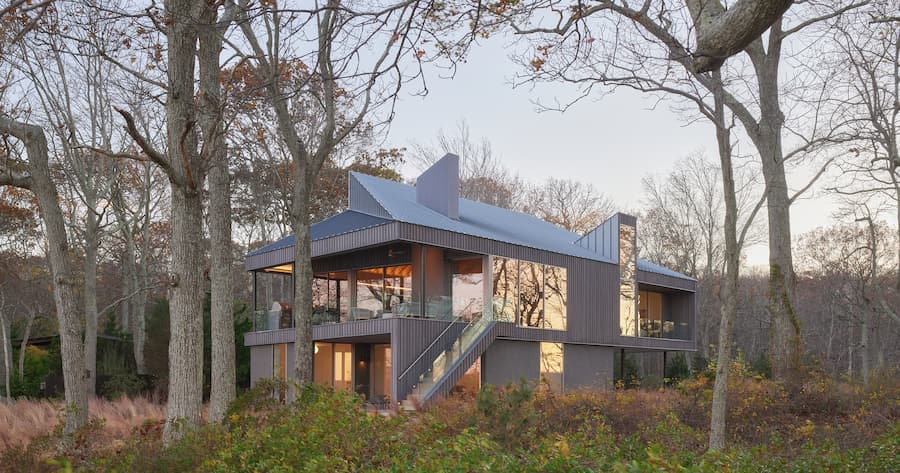
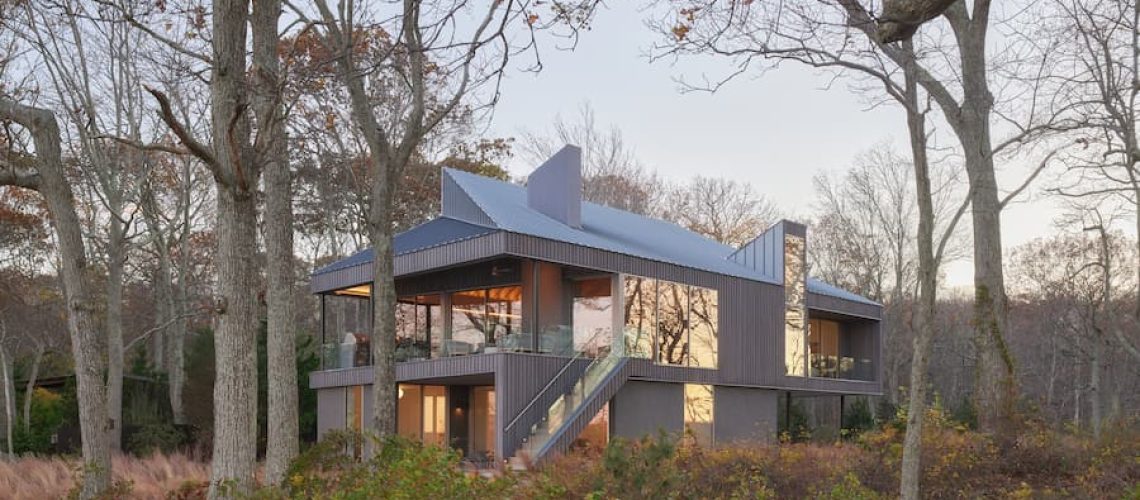
Osprey House surrounded by trees at Cedar Island Cove coastal preserve


Tucked into its tree line is the Osprey House, a one-lane dirt road winds around the Preserve, culminating at this property at Cedar Island Cove.
 

Tucked into its tree line is the Osprey House, a one-lane dirt road winds around the Preserve, culminating at this property at Cedar Island Cove.


▏Living Within Nature

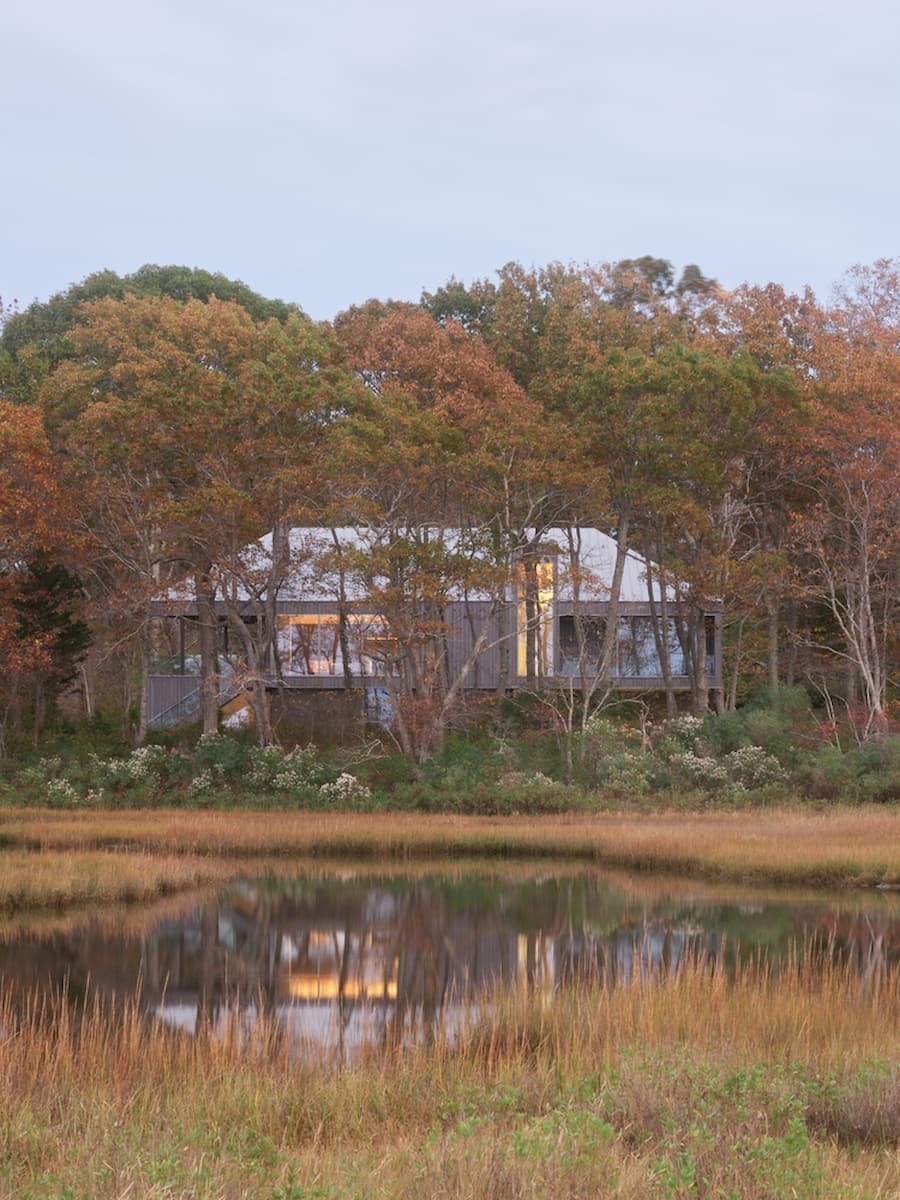
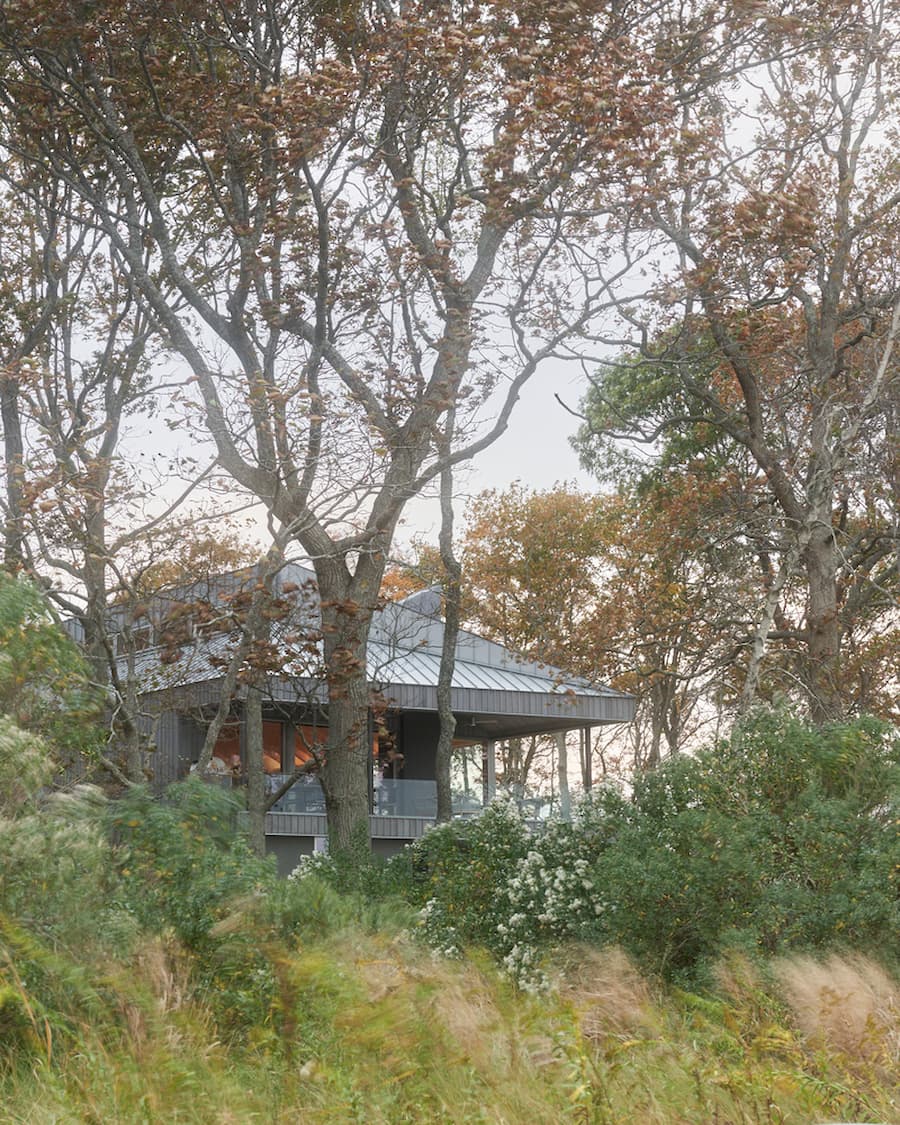
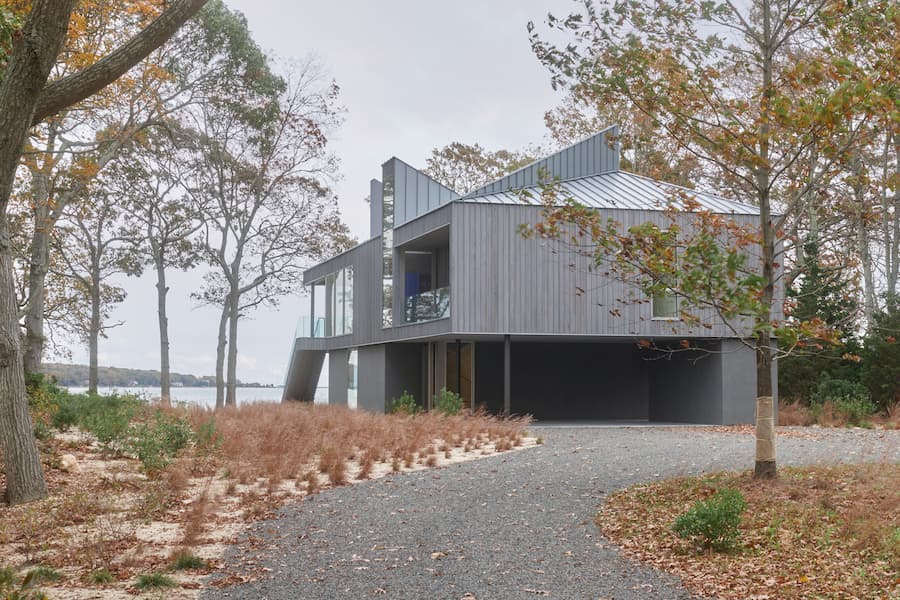
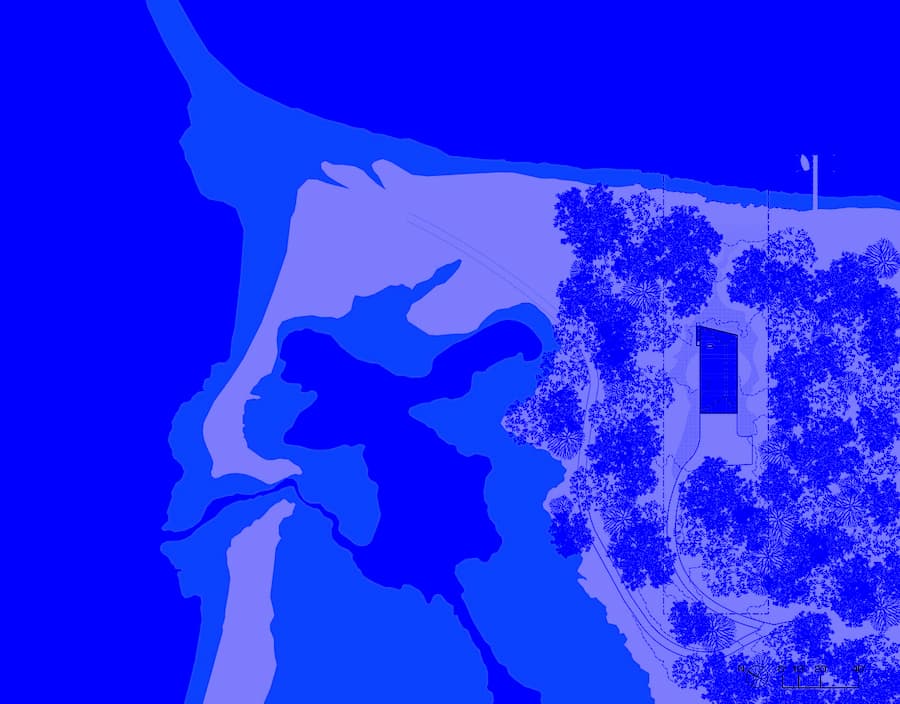
Wildlife thrives along the marshy shores of Shelter Island, and tucked into its tree line is the Osprey House– an architectural threshold at the edge of Mashomack Preserve. A one-lane dirt road winds around the Preserve, culminating at this property at Cedar Island Cove. Our client, Joe Quinn, wanted to build a home for his family here that would foster their love for beach walks, kayaking, and living within nature.
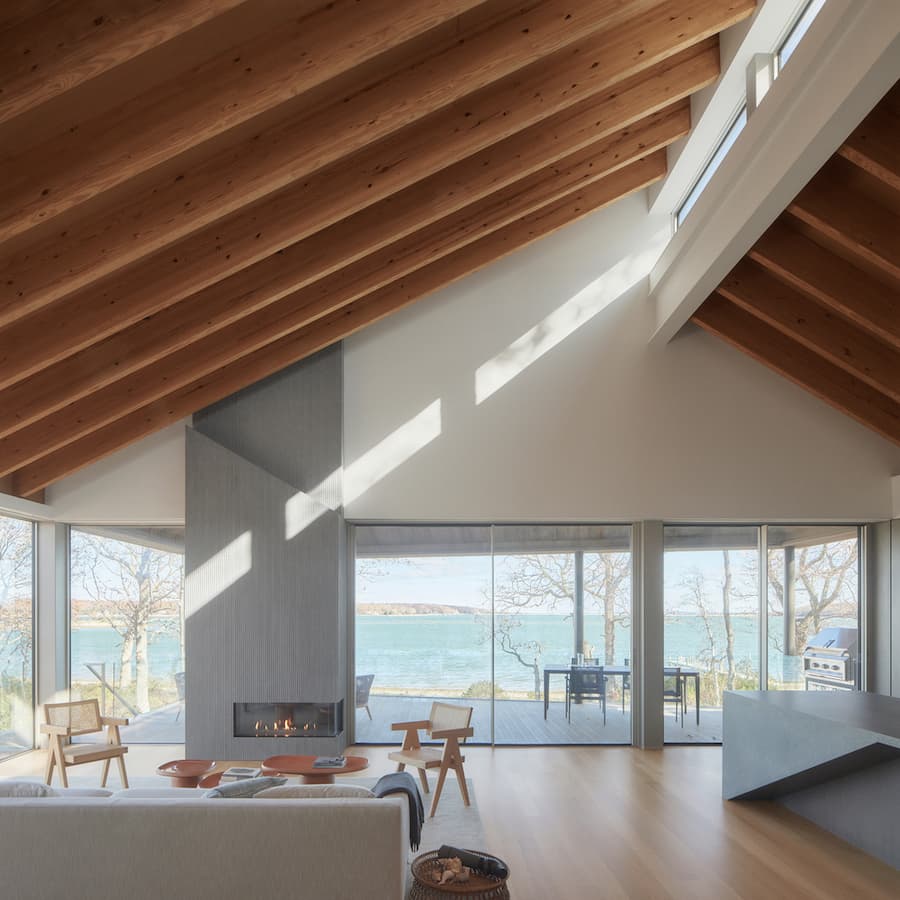
 

Tucked into its tree line is the Osprey House, a one-lane dirt road winds around the Preserve, culminating at this property at Cedar Island Cove.

▏Integration of Light, use of Materials, and Attention to detail – Native Osprey

Joe is a local builder from Sag Harbor who built two other projects for our clients over the past decade. When it came time to build his own home, Joe asked for our help, as he loved our design methodology, integration of light, use of materials, and attention to detail]. [The home was inspired by its neighbors- native osprey. Osprey thrives throughout the nature preserve and their nests are ubiquitous, appearing in treetops, telephone poles, and nautical piers. Their marine nature, adaptability, and high nesting places inspired the home’s materiality, organization, and relationship with the coast.
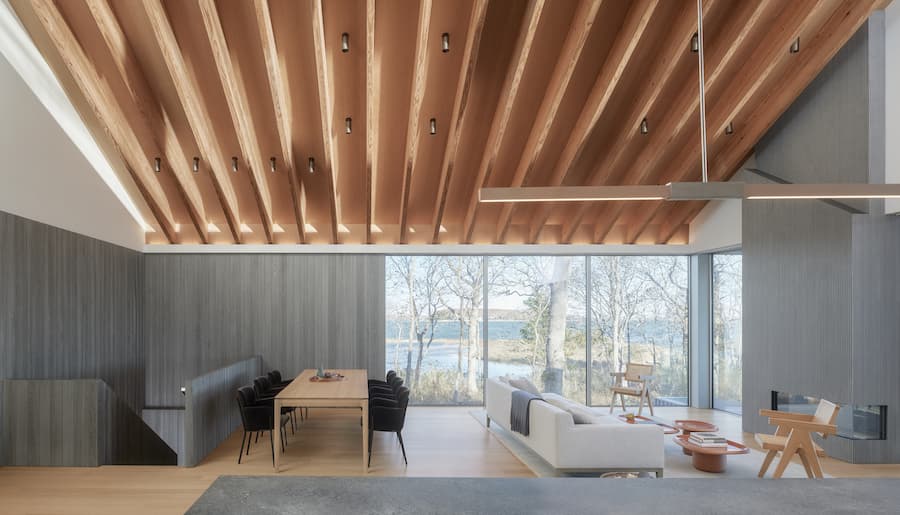
 

Tucked into its tree line is the Osprey House, a one-lane dirt road winds around the Preserve, culminating at this property at Cedar Island Cove.


Tucked into its tree line is the Osprey House, a one-lane dirt road winds around the Preserve, culminating at this property at Cedar Island Cove.


Tucked into its tree line is the Osprey House, a one-lane dirt road winds around the Preserve, culminating at this property at Cedar Island Cove.


▏The Marshland Ecosystem

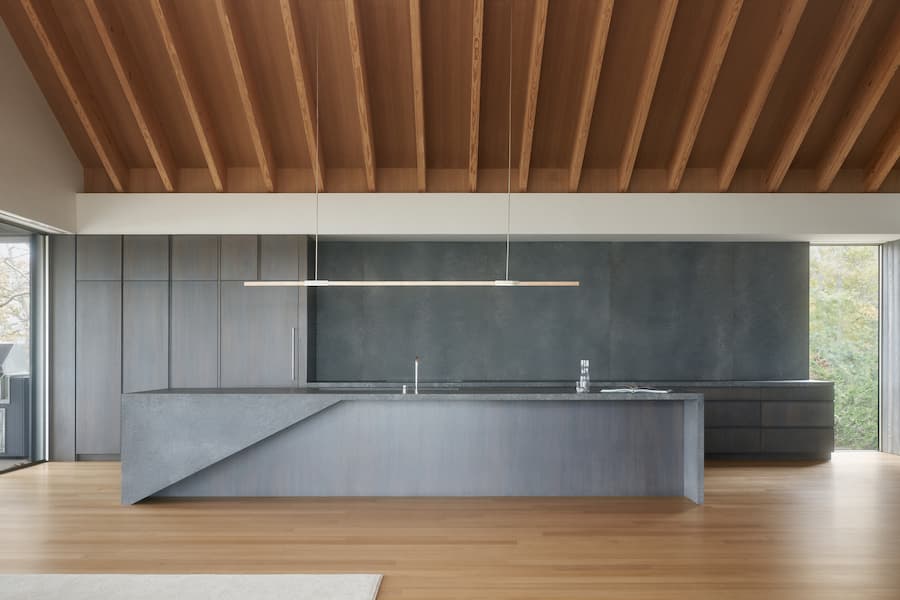
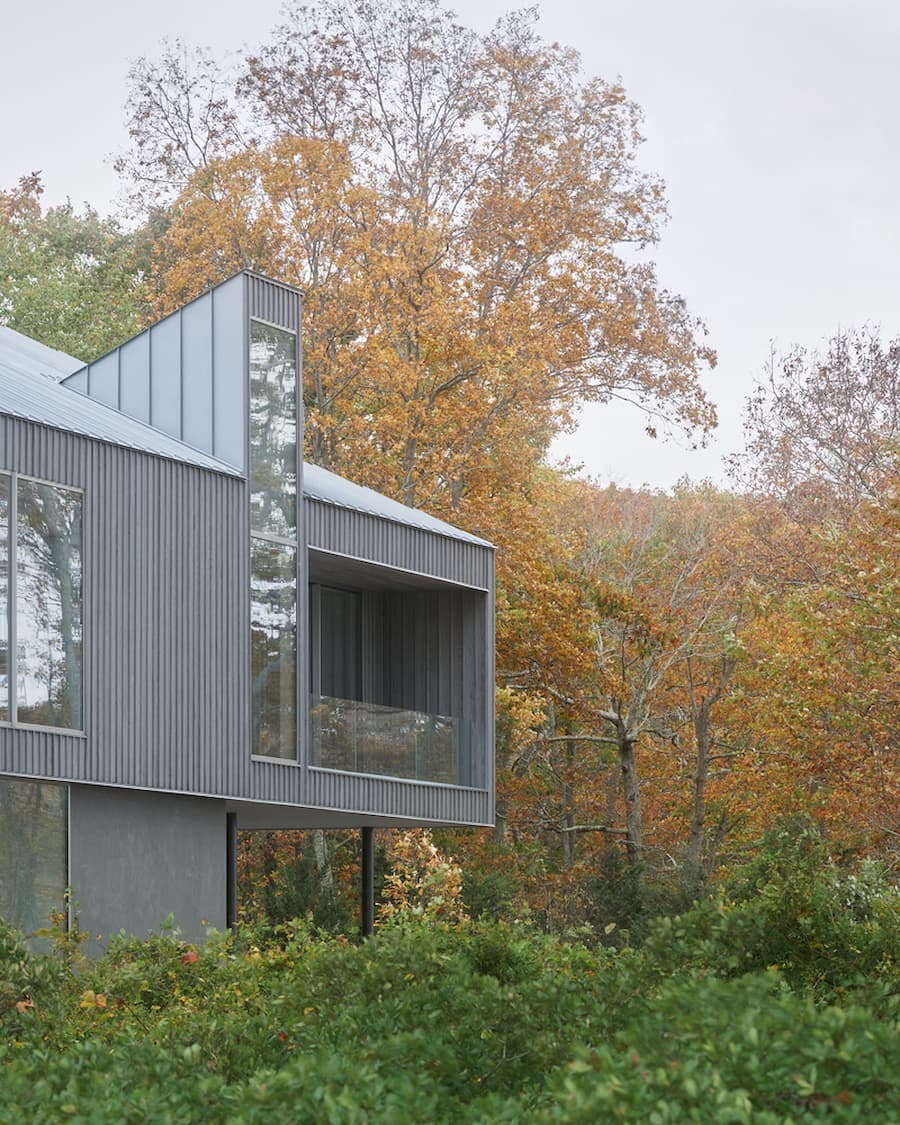
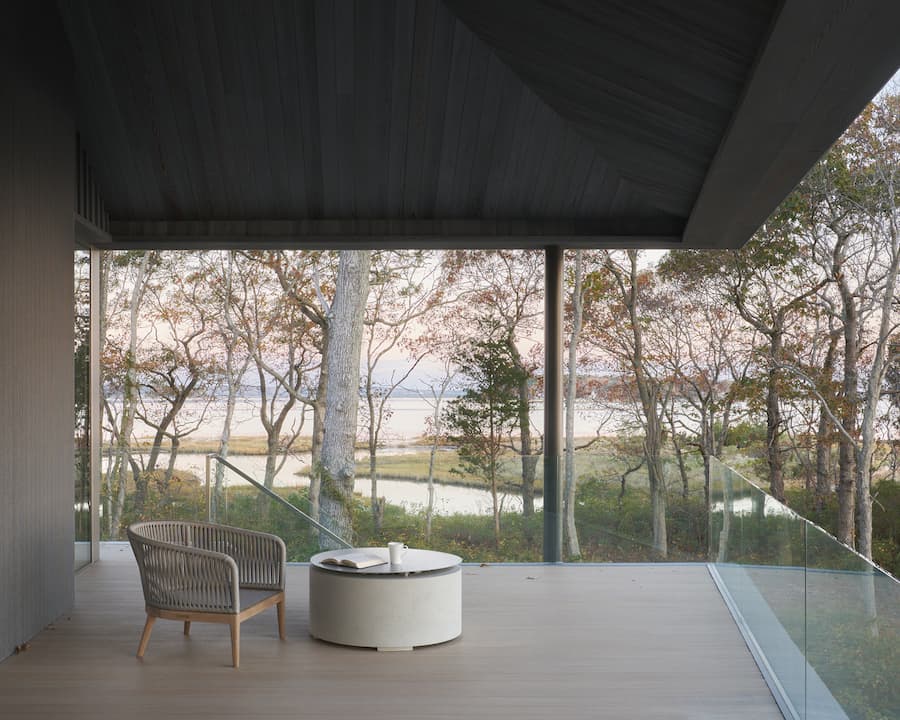
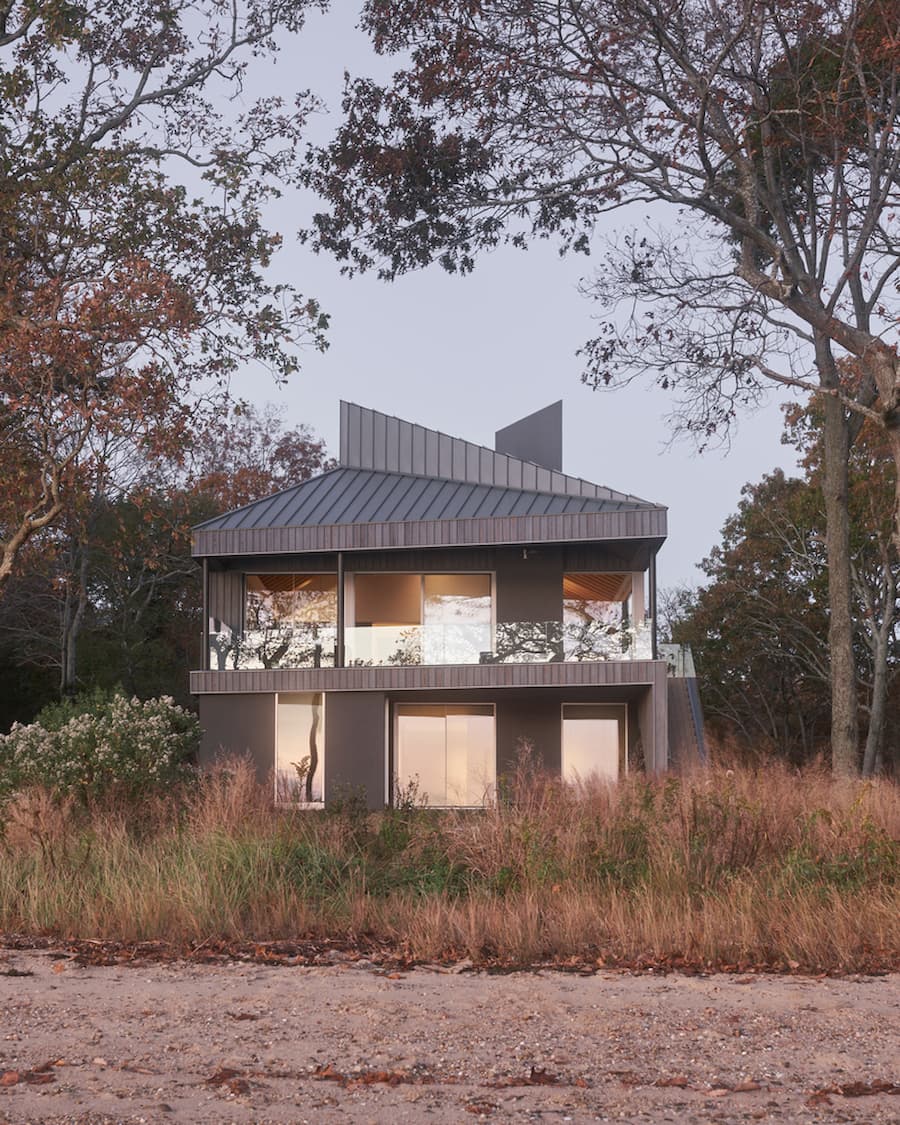
We designed Joe’s home with large communal living spaces and an outdoor terrace perched on the second floor in the spirit of an osprey nest, and similar to the local tradition of “upside-down” houses. This offers the raised gathering spaces expansive open views of the marshland ecosystem; the primary bedroom suite and the media room are also on the second floor. The entry vestibule, three bedrooms, and a family room are on the first floor, with beach grass offering privacy.
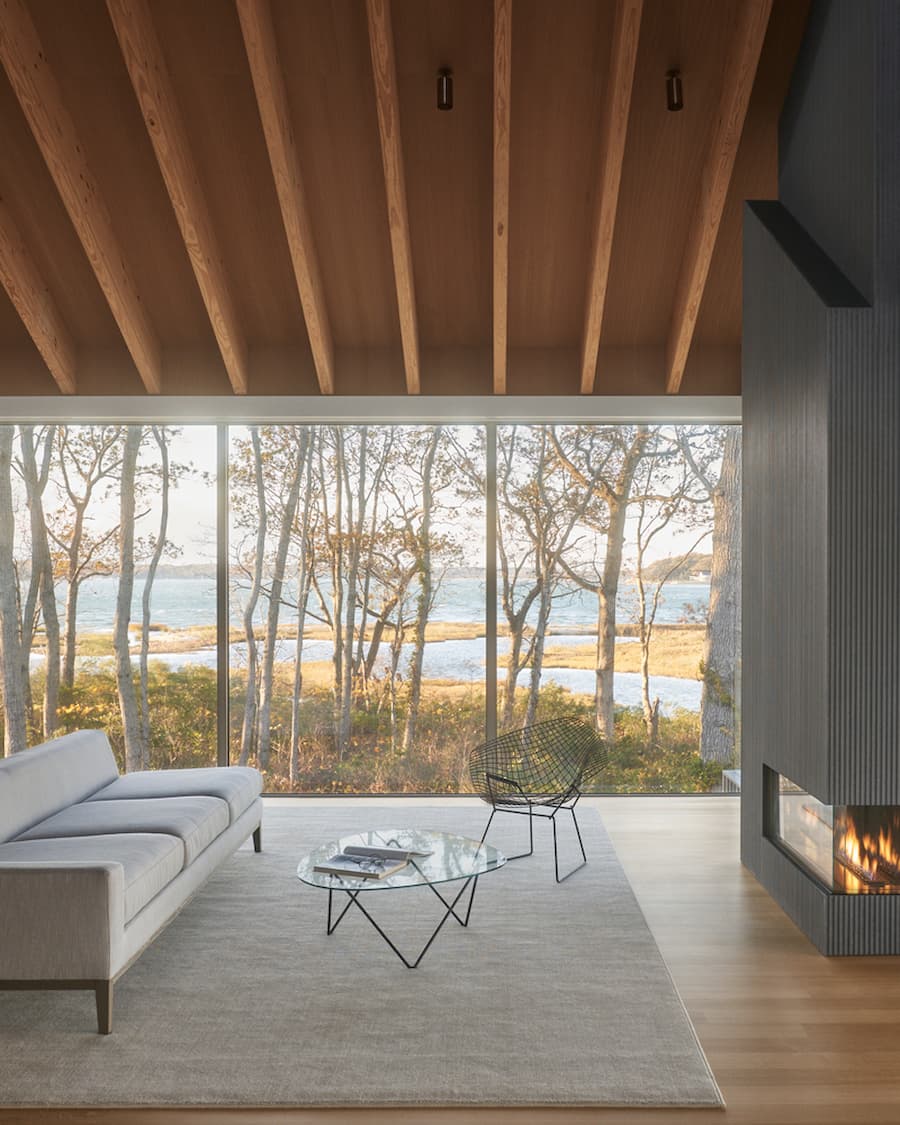
 

Tucked into its tree line is the Osprey House, a one-lane dirt road winds around the Preserve, culminating at this property at Cedar Island Cove.


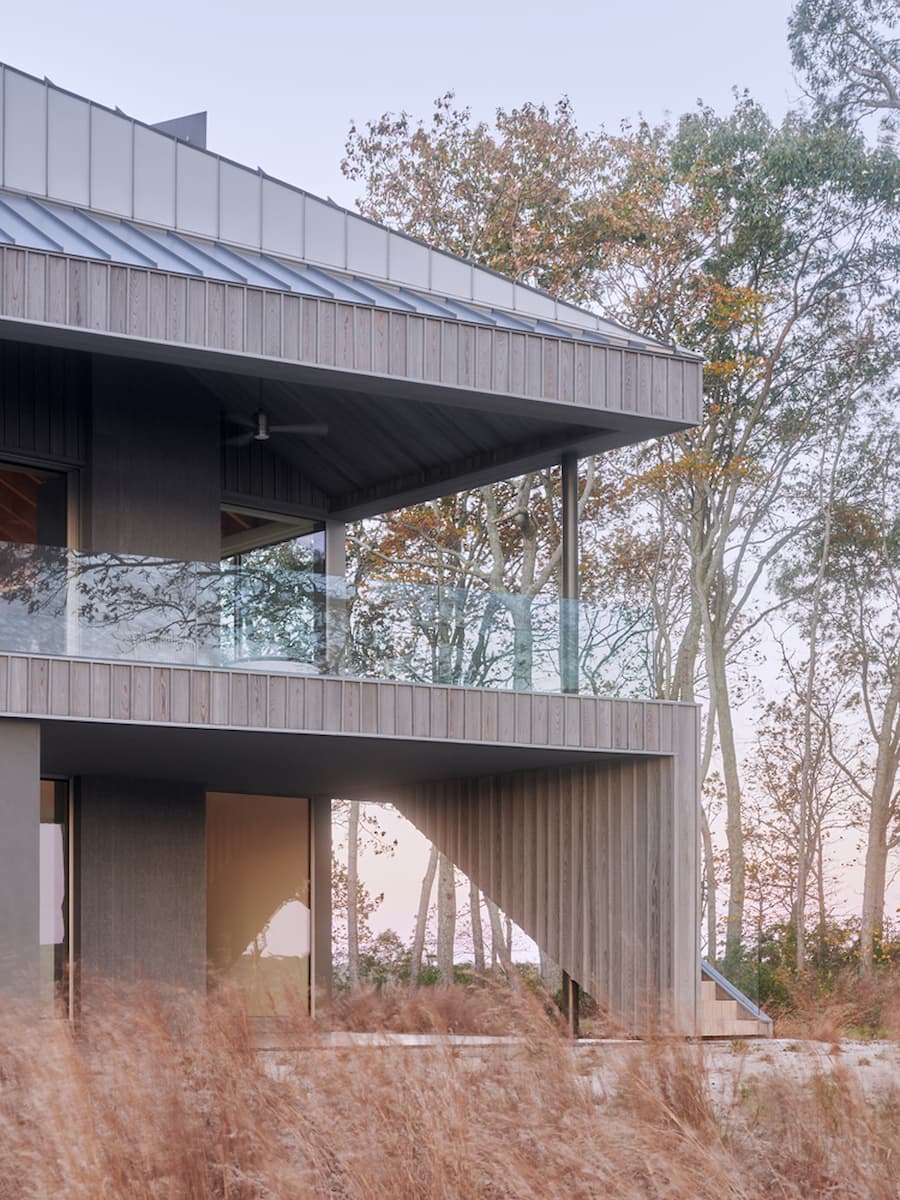
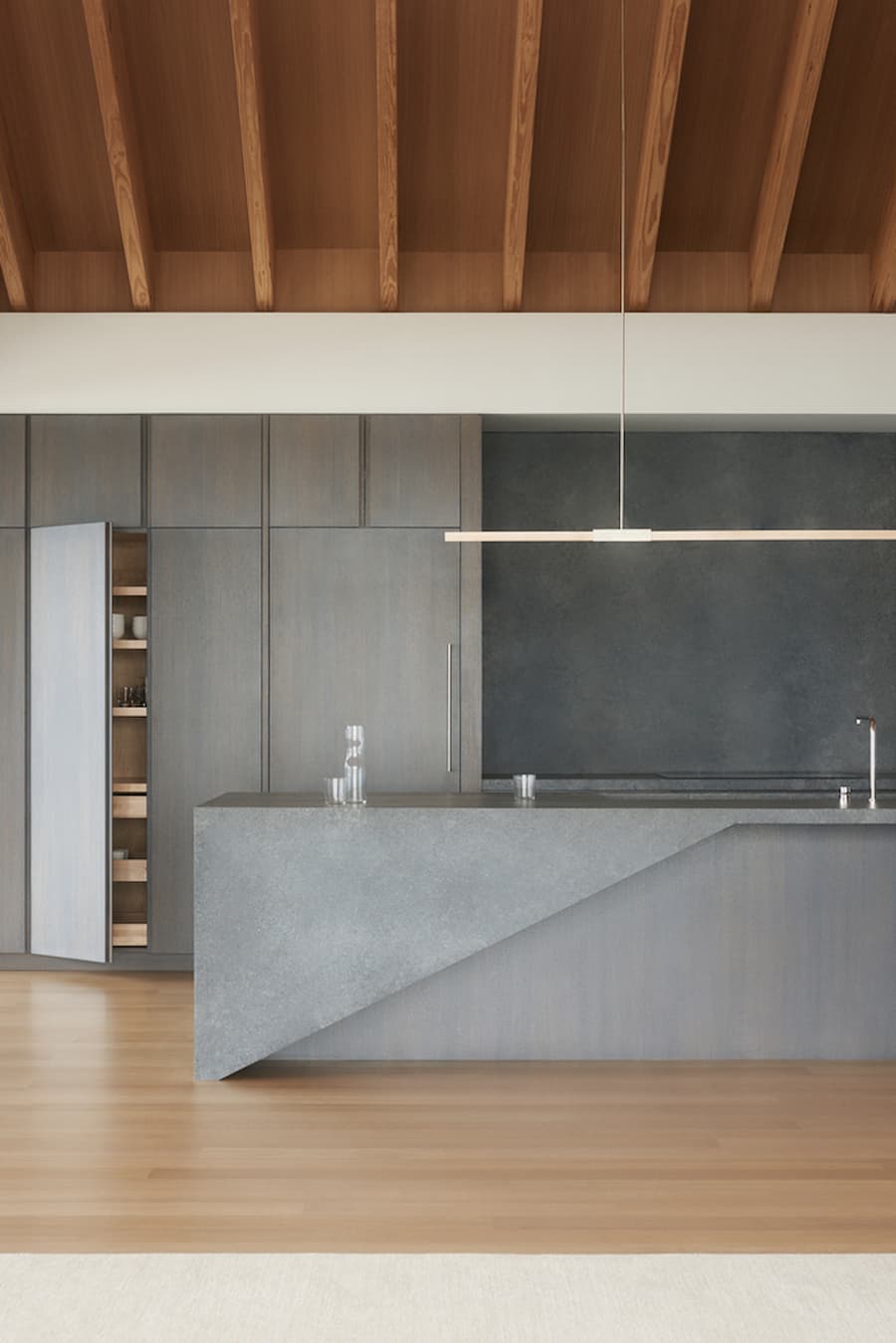
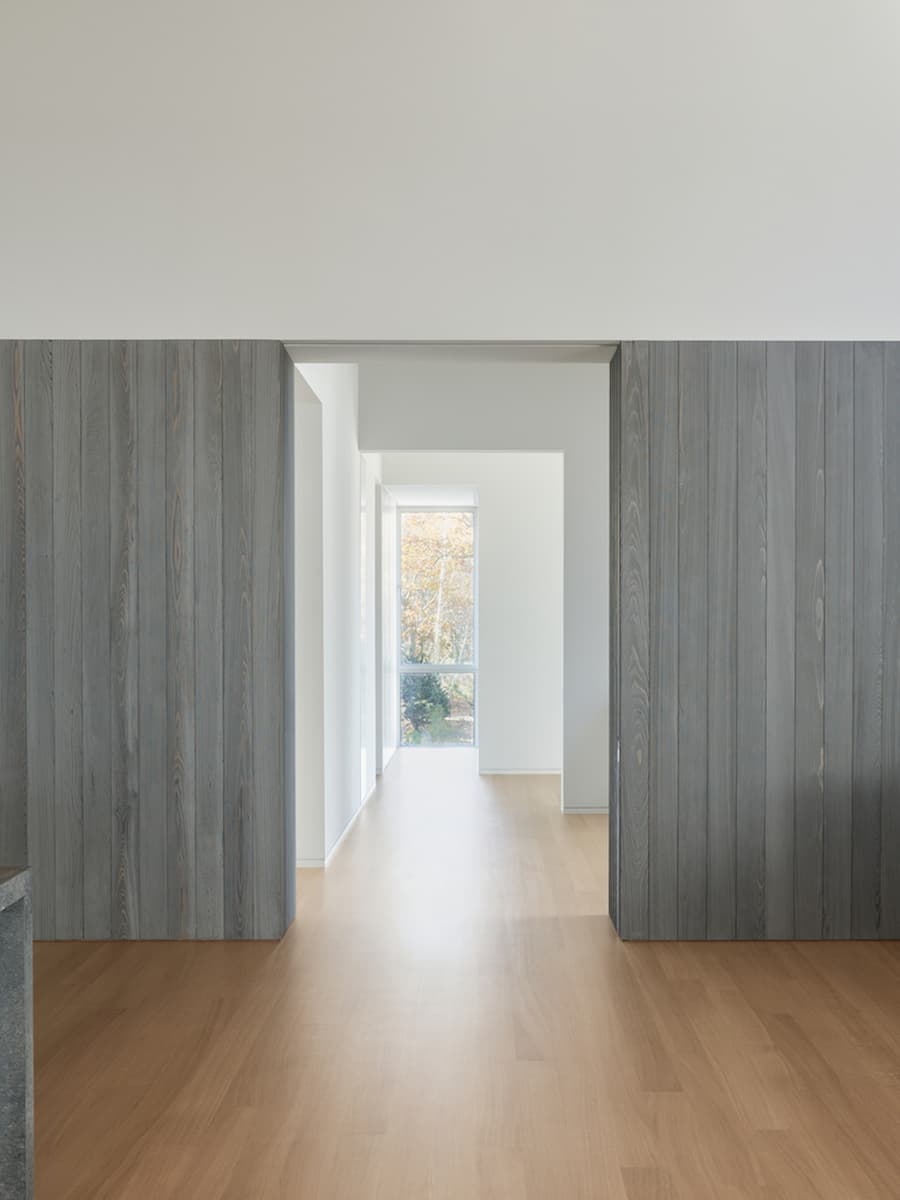
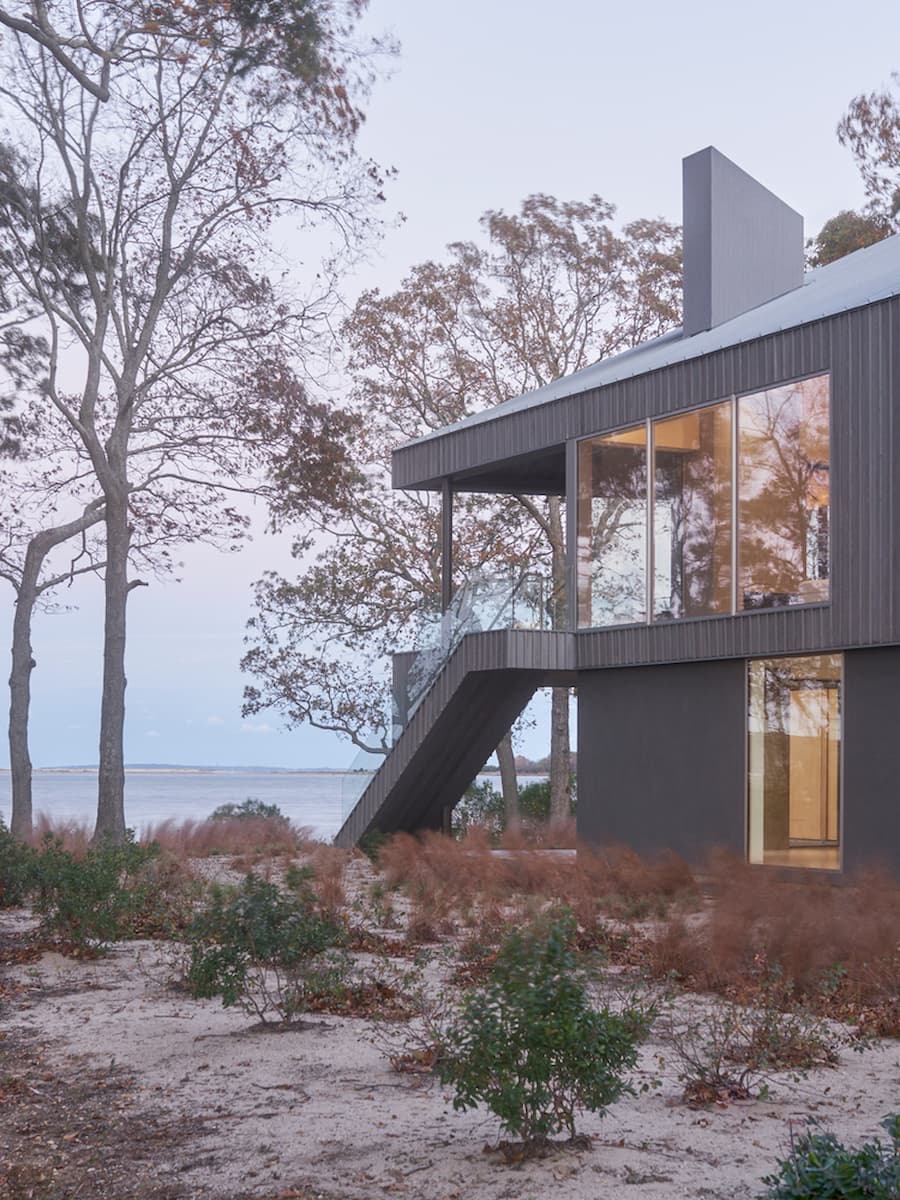
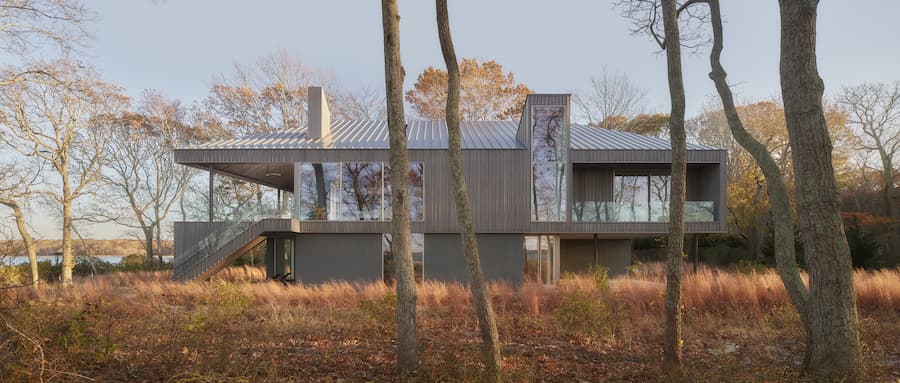
Inspired by the vertical slats of “bird blind” structures that populate the nature preserve, vertical, gray, siding allows the home to blend into the trees. The camouflaging effect minimizes visual disruptions for neighbors on the coast, encourages wildlife to occupy the lot, and allows occupants to inconspicuously observe nature from their perch. The siding has also been lightly charred in a technique known as ‘shou sugi ban.’ This traditional Japanese method of charring wood makes the façade resistant to fire, rot, and bugs, requires no maintenance, and increases the wood’s longevity and durability. The shou sugi ban siding offers a soft texture and color similar to that of driftwood found on the beach, bringing warmth and texture to the interior as it wraps along interior walls. Expansive glazing along the north façade brings in gentle light throughout the day, while a clerestory along the roof ridge allows the exposed beams to be washed with dramatic southern light.
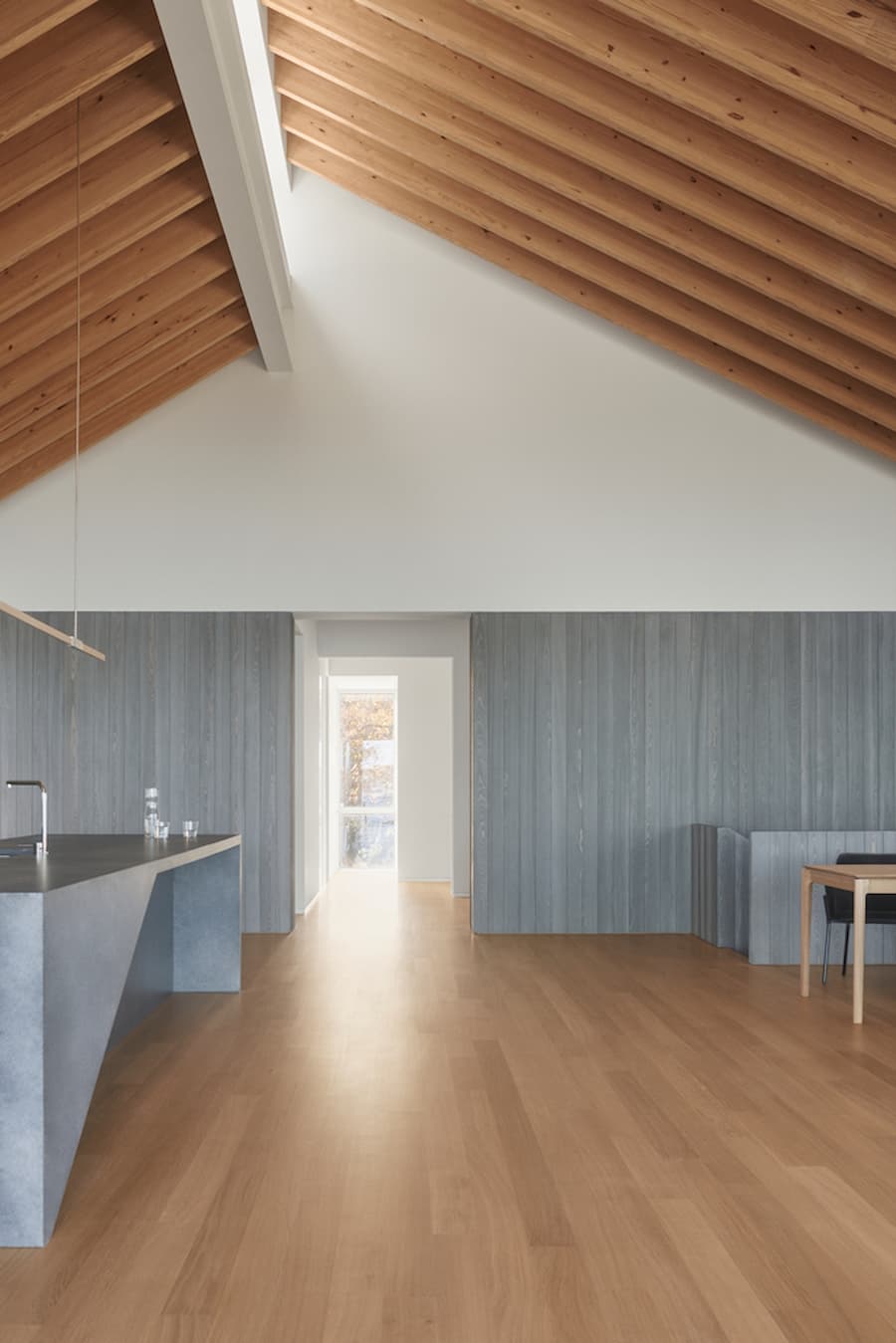
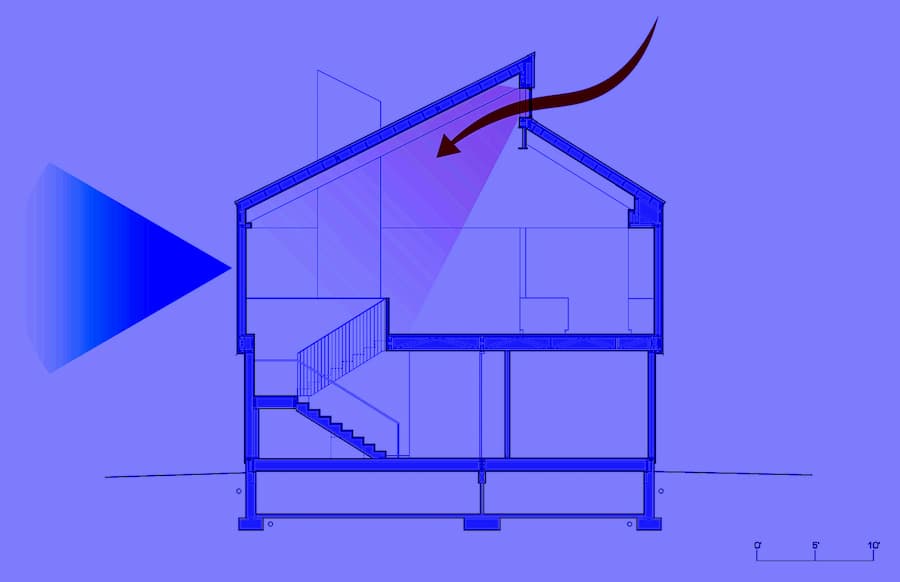
 

Tucked into its tree line is the Osprey House, a one-lane dirt road winds around the Preserve, culminating at this property at Cedar Island Cove.


Tucked into its tree line is the Osprey House, a one-lane dirt road winds around the Preserve, culminating at this property at Cedar Island Cove.


Tucked into its tree line is the Osprey House, a one-lane dirt road winds around the Preserve, culminating at this property at Cedar Island Cove.


▏The Home’s Nautical Forms

Along the coast, the home’s nautical forms project toward the water like a ship’s bow, providing covered, outdoor gathering spaces on both the first and second floors. The east terrace is a visual and programmatic anchor to the site, with a stair dropping down from the second level to gracefully rest on the ground, connecting the social and private programs with each other, and the site.
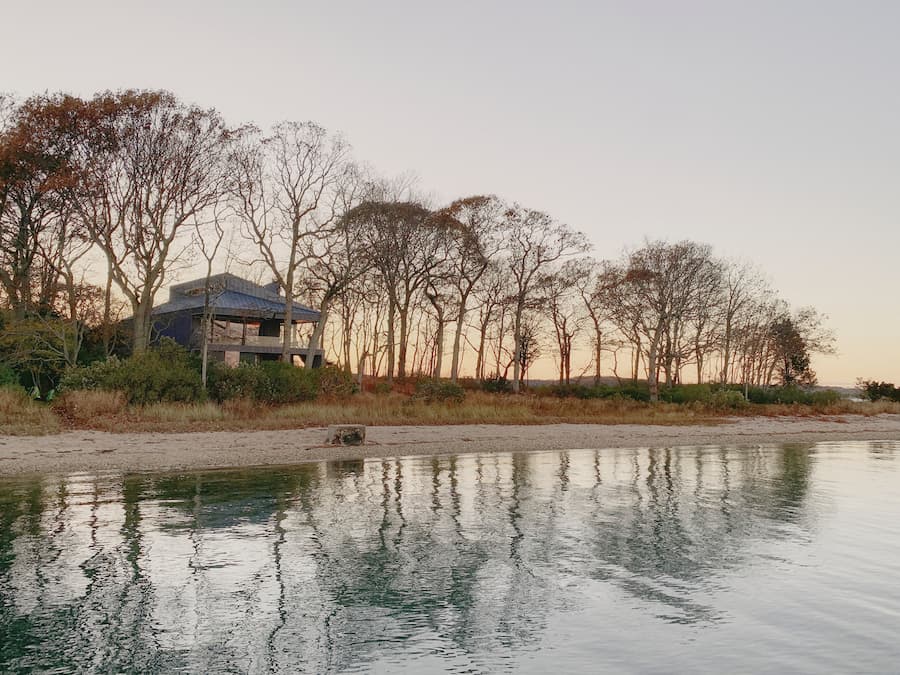
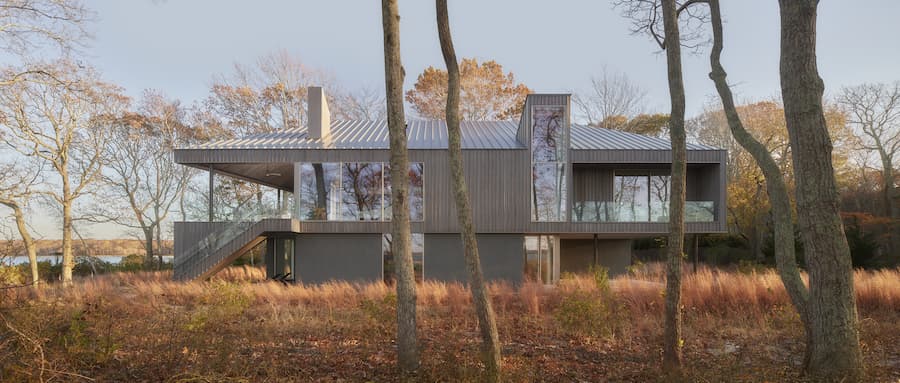
 

Tucked into its tree line is the Osprey House, a one-lane dirt road winds around the Preserve, culminating at this property at Cedar Island Cove.


Tucked into its tree line is the Osprey House, a one-lane dirt road winds around the Preserve, culminating at this property at Cedar Island Cove.


2-1txt) [The roof structure of the house is formed by 8 exposed concrete beams cast in place. With a length of 30.5 meters and spaced 2.10 meters apart. The beams are interspersed with exposed beams of the slab-panel type. A second mesh of perpendicular beams follows the internal divisions of the rooms and “ties together” the whole structure]. At some specific points (access gallery, bathrooms, circulations and internal sections of the room and balcony); The placement of the slab-panel joists is interrupted by linear skylights for natural lighting and/or ventilation. Most of the luminaires are built into these skylights.

Luxury Goods Market

Luxury Goods Market Why Thrives Despite Uncertainty     The personal luxury goods market posted a record year in 2022, reaching a market value of

Khudi Bari:應對氣候變遷的建築

Khudi Bari 在孟加拉三角洲重塑氣候韌性居住

在高度脆弱的三角洲地景中,Khudi Bari 將住宅重新定義為一種可移動的韌性系統,使建築不再對抗自然,而是與水共生,回應氣候遷徙下的居住尊嚴。   在這些危機四伏的地區,建造房屋已成為一種韌性的體現。應對氣候變遷的建築它代表了一種賦能而非強加的建築形式。氣候移民的緊迫現實在應對氣候變遷導致的頻繁搬遷:建造一座能夠隨著河流漂移而移動的房屋。移動性,將其視為易受洪水侵襲地區住房的基本需求。與水共生,擴大規模,倫理語言,作為應對氣候移民設計方案的一部分。 在孟加拉的低窪三角洲,水既是生命之源,也是災難的根源。每年,洪水沖毀了數百萬人的家園、農作物和生計,迫使他們重建家園。在這些危機四伏的地區,在孟加拉的低窪三角洲,水既是生命之源,也是災難的根源。每年,洪水沖毀了數百萬人的家園、農作物和生計,迫使他們重建家園。在這些危機四伏的地區,建造房屋已成為一種韌性的體現,使建築必須重新思考其與環境之間的關係,成為回應 <a href=“/tag/architecture-and-landscape/”>Architecture and Landscape</a> 的一種必要實踐。正是在這樣的背景下,Khudi Bari以其樸素而又意義深遠的方案脫穎而出。 對瑪麗娜·塔巴蘇姆而言,建築與環境密不可分。她的作品長期以來一直關注物質智慧、精神性和社會責任的交會點。繼廣受讚譽的拜特·烏爾·魯夫清真寺(Bait Ur Rouf Mosque)之後(她憑藉此項目於2016年首次榮獲阿迦汗獎),塔巴蘇姆將目光轉向了氣候移民的緊迫現實。最終呈現的項目重新定義了「為生存和尊嚴而設計」的意義,提供了一套可供社區適應、複製和擁有的系統。 Khudi Bari的設計概念根植於三角洲的韻律,旨在應對氣候變遷導致的頻繁搬遷:建造一座能夠隨著河流漂移而移動的房屋。傳統的解決方案——永久地基、進口材料、集中配送——在這種環境下難以發揮作用。輕盈、快速組裝和在地化生產是Khudi Bari設計的核心。該項目重新定義了房屋的移動性,將其視為易受洪水侵襲地區住房的基本需求。   為所有人設計:探索建築中的同理心、包容性、無障礙性和空間公平性   ▏與水共生 在孟加拉的沖積平原上,土地與水流不斷交匯,彼此的邊界也隨之改變。河流擴張、侵蝕、重塑地形,迫使整個社區每個季節都必須重建家園。在這樣的環境下,在孟加拉的沖積平原上,土地與水流不斷交匯,彼此的邊界也隨之改變。河流擴張、侵蝕、重塑地形,迫使整個社區每個季節都必須重建家園。在這樣的環境下,建築不能依賴永恆,而必須適應不穩定,將居住形式視為與 Architecture

Facebook
Twitter
LinkedIn
Tumblr
0 0 votes
Article Rating
Subscribe
Notify of
guest
0 Comments
Oldest
Newest Most Voted
Search