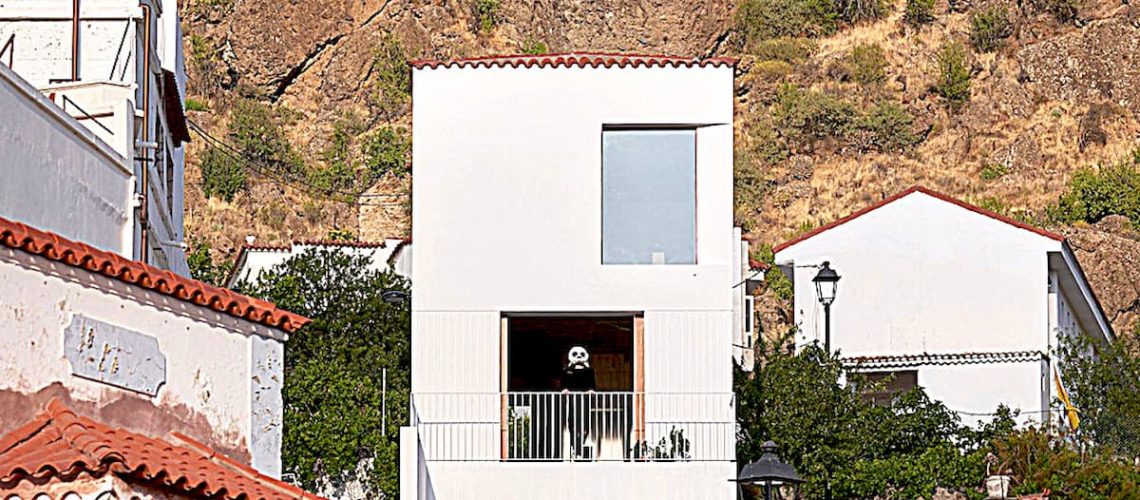
Tejeda transforms volcanic terrain, Canarian heritage, and dramatic topography into contemporary architecture that quietly belongs to one of Gran Canaria’s most extraordinary natural landscapes.

Tejeda Architecture Emerges from a Dramatic Volcanic Landscape
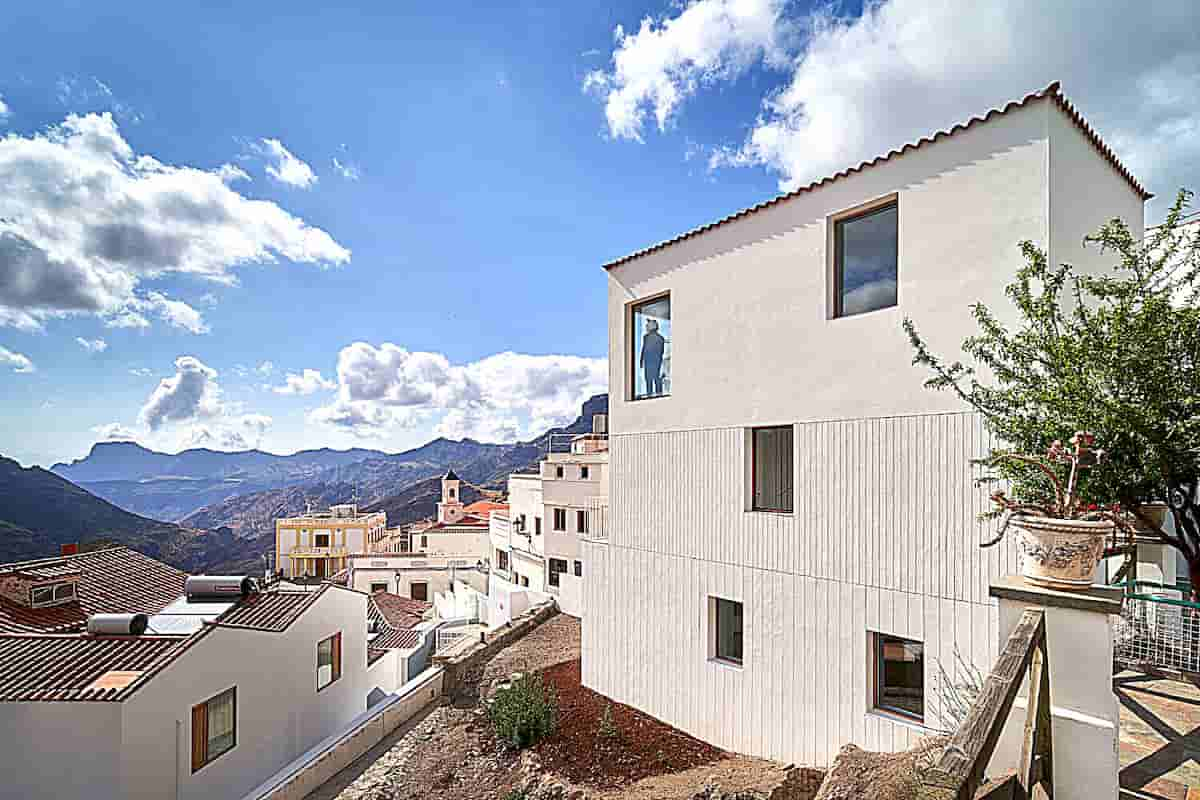
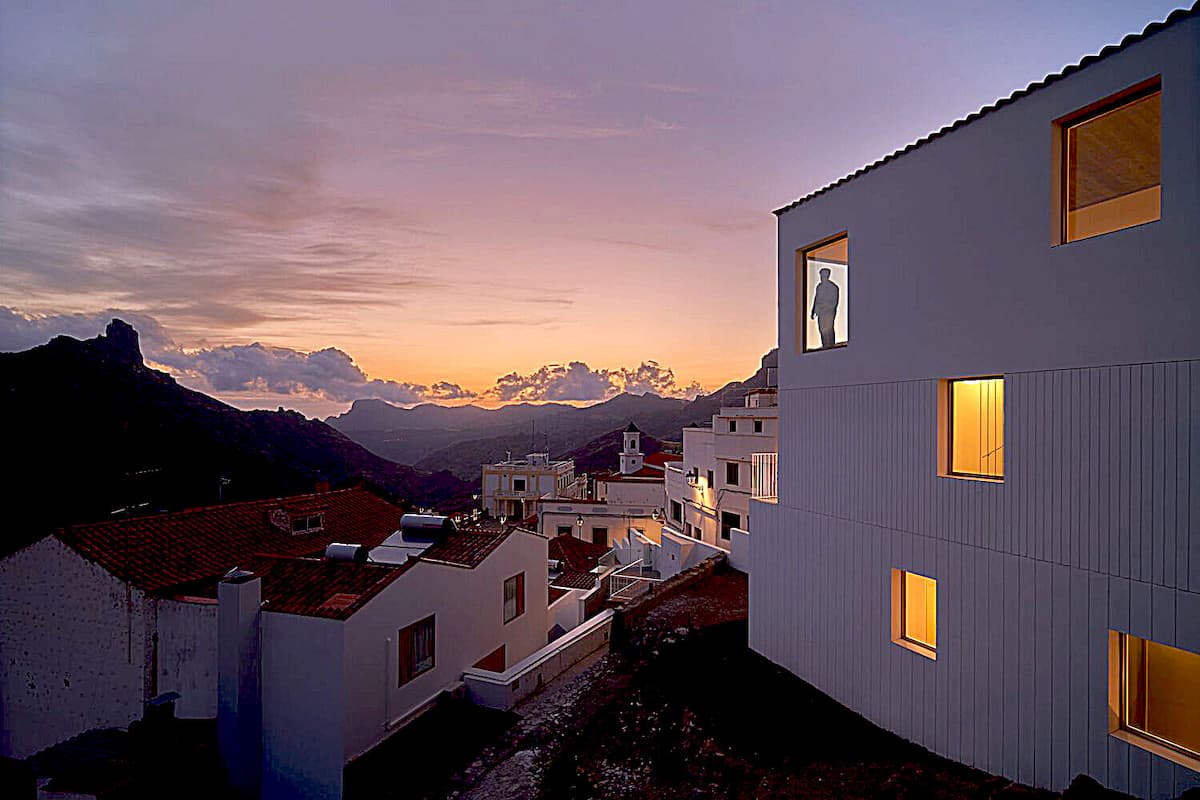
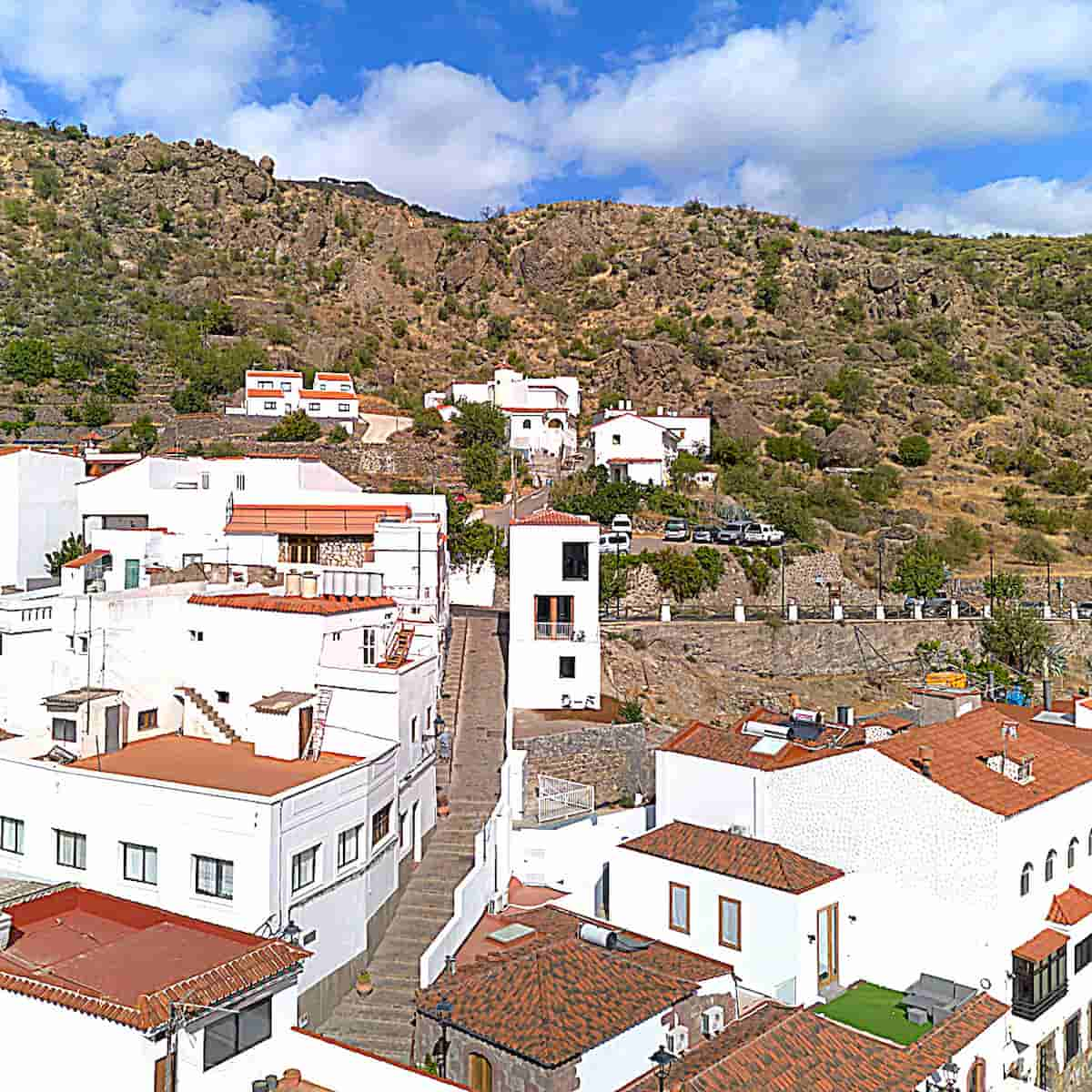
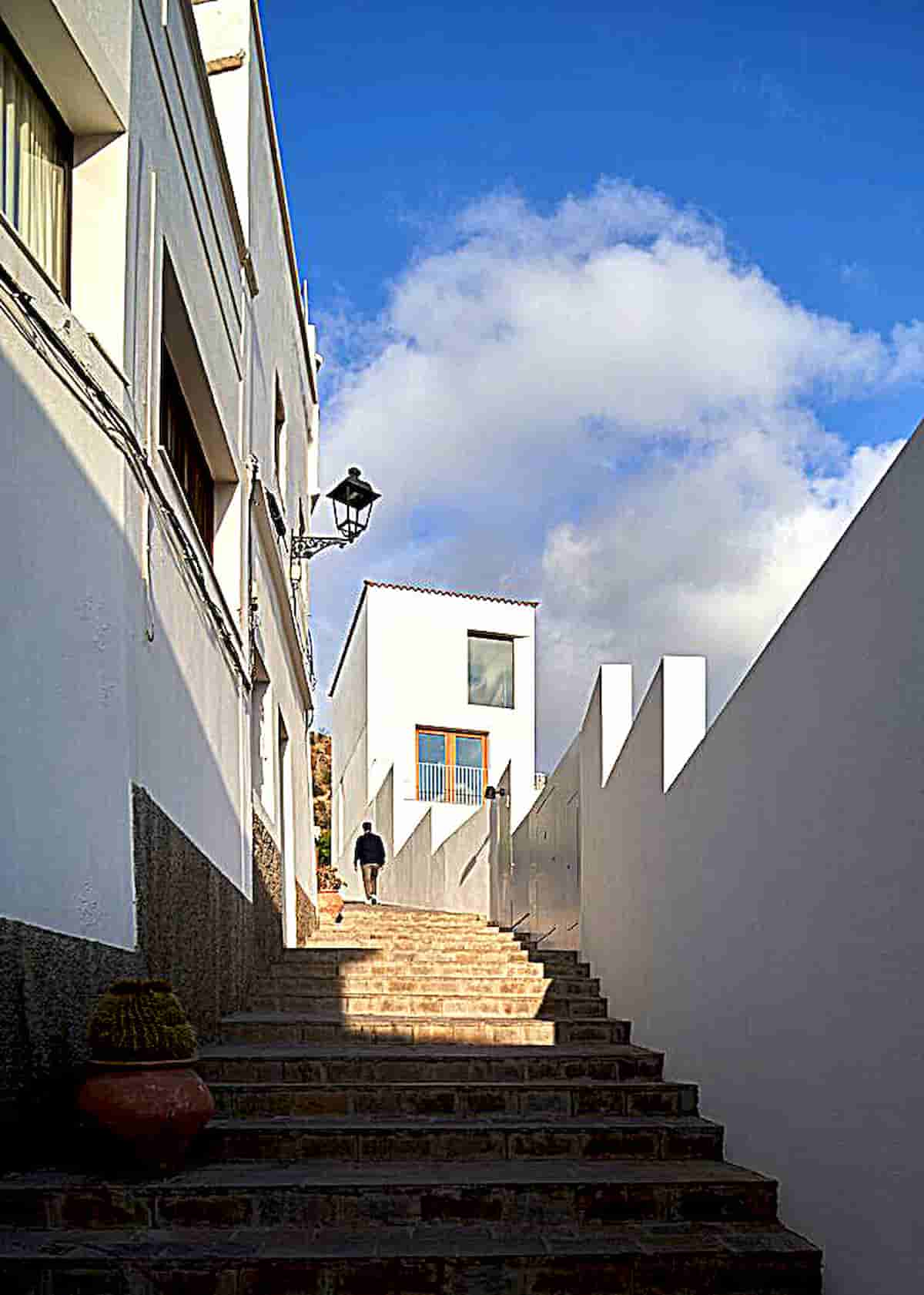
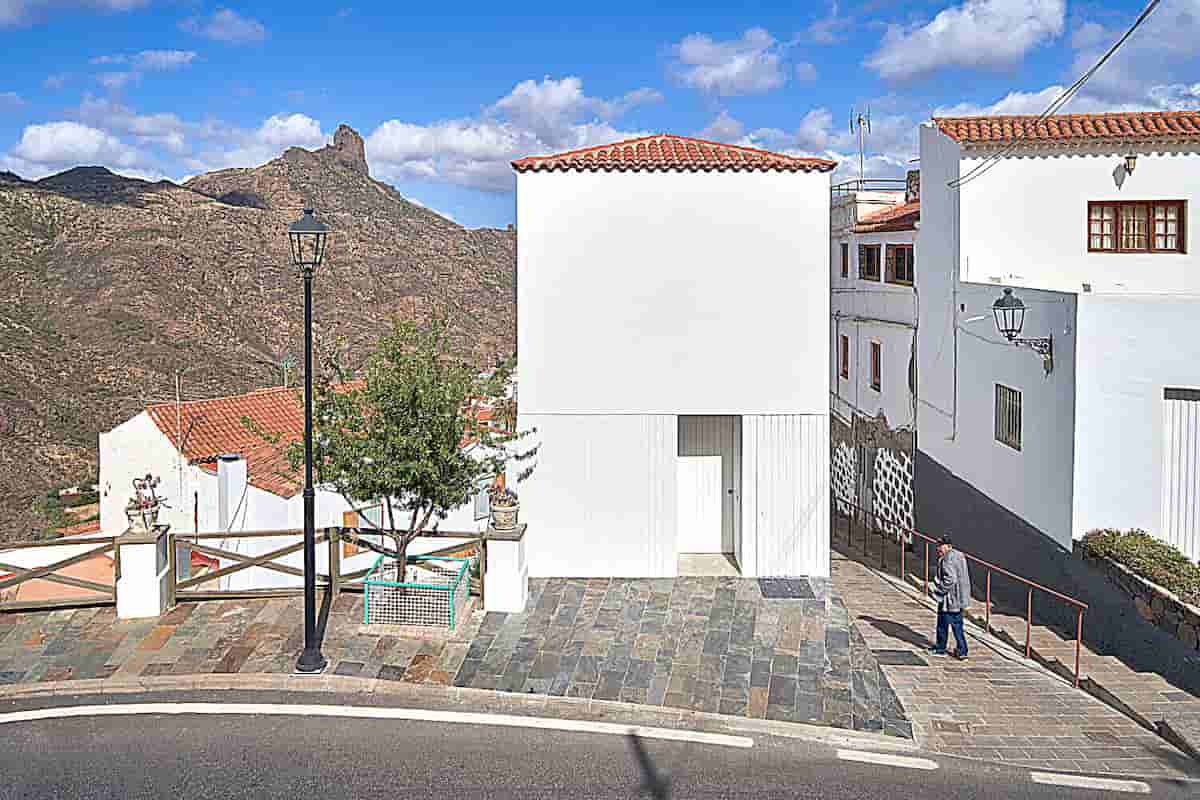
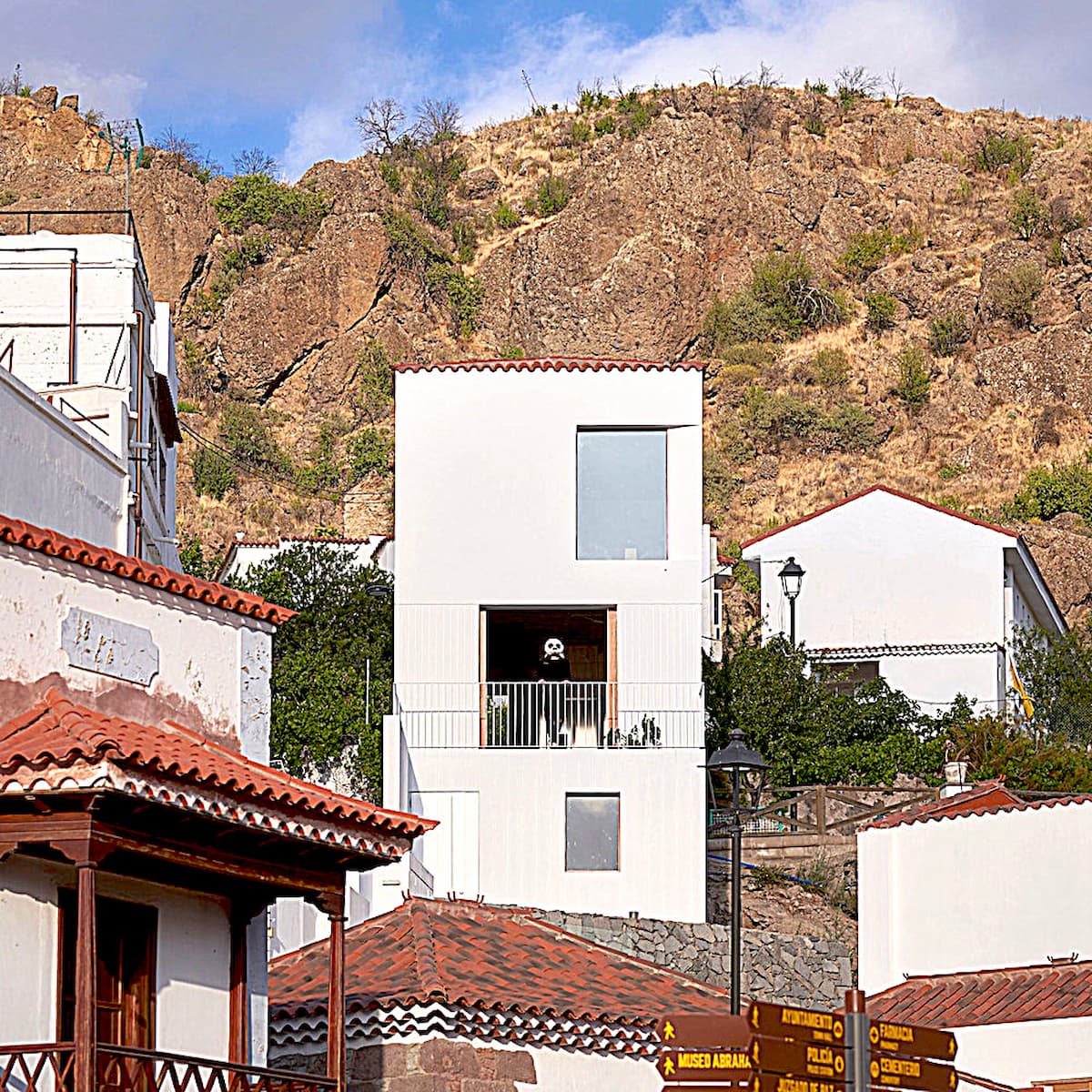
Nestled high within the volcanic mountains of Gran Canaria, Tejeda is celebrated for its steep terrain and extraordinary natural scenery, famously described by Miguel de Unamuno as “a petrified storm.” Small-scale dwellings are scattered across the rugged landscape, forming a settlement where contemporary interventions coexist with traditional Canarian architecture. Rather than competing with the environment, the project embraces the municipality’s rural identity while responding sensitively to its geological and cultural context.
Contemporary Design Respects Local Character Without Imitation
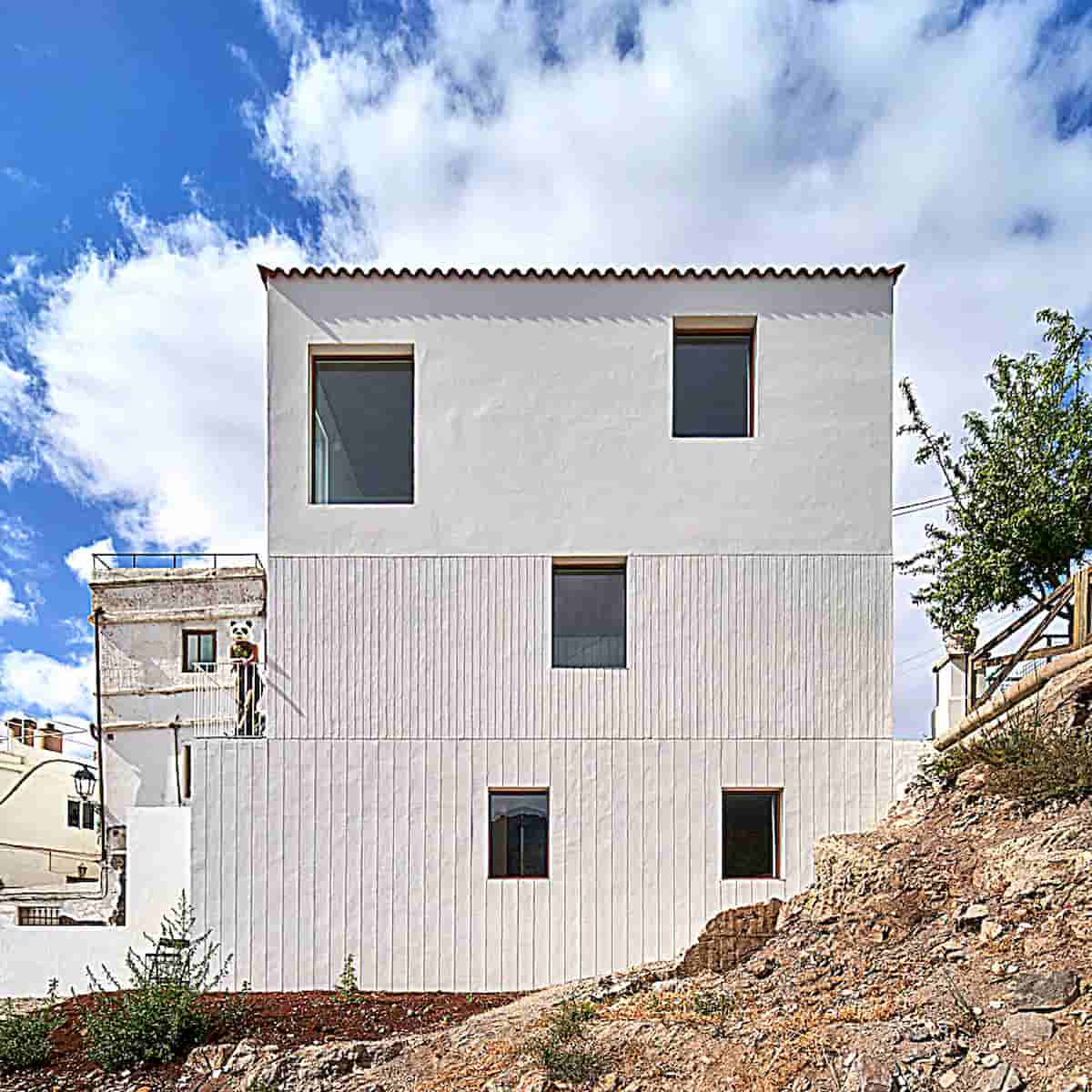
Although strict planning regulations seek to preserve Tejeda’s traditional appearance, this residence avoids superficial historical imitation in favour of interpreting the essential qualities of Canarian architecture. Clean volumes, carefully proportioned openings, and restrained material choices establish a quiet dialogue with the surrounding village while reinforcing the dramatic mountain backdrop. The result is a contemporary home that strengthens the architectural identity of Tejeda through authenticity, landscape awareness, and enduring simplicity.
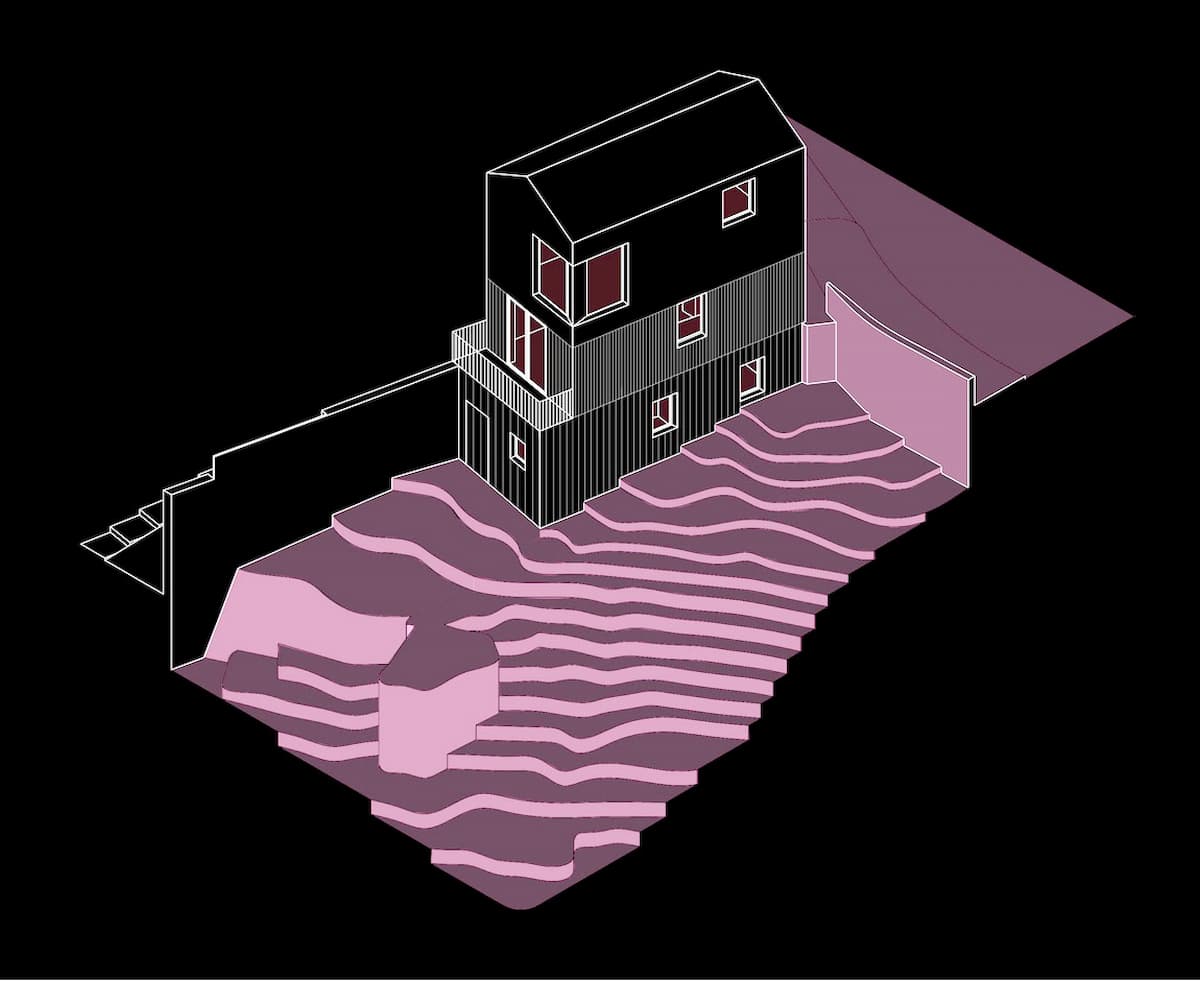
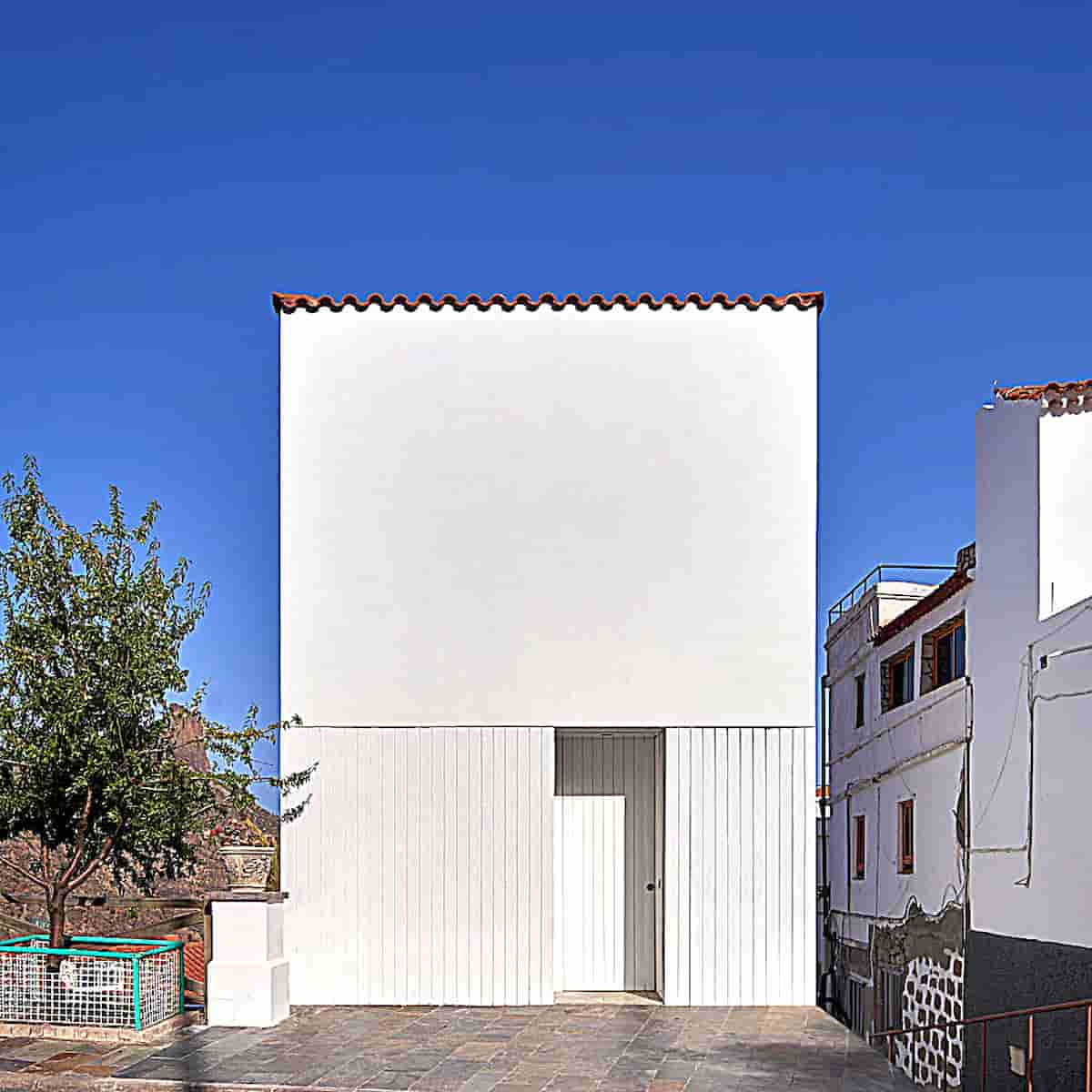
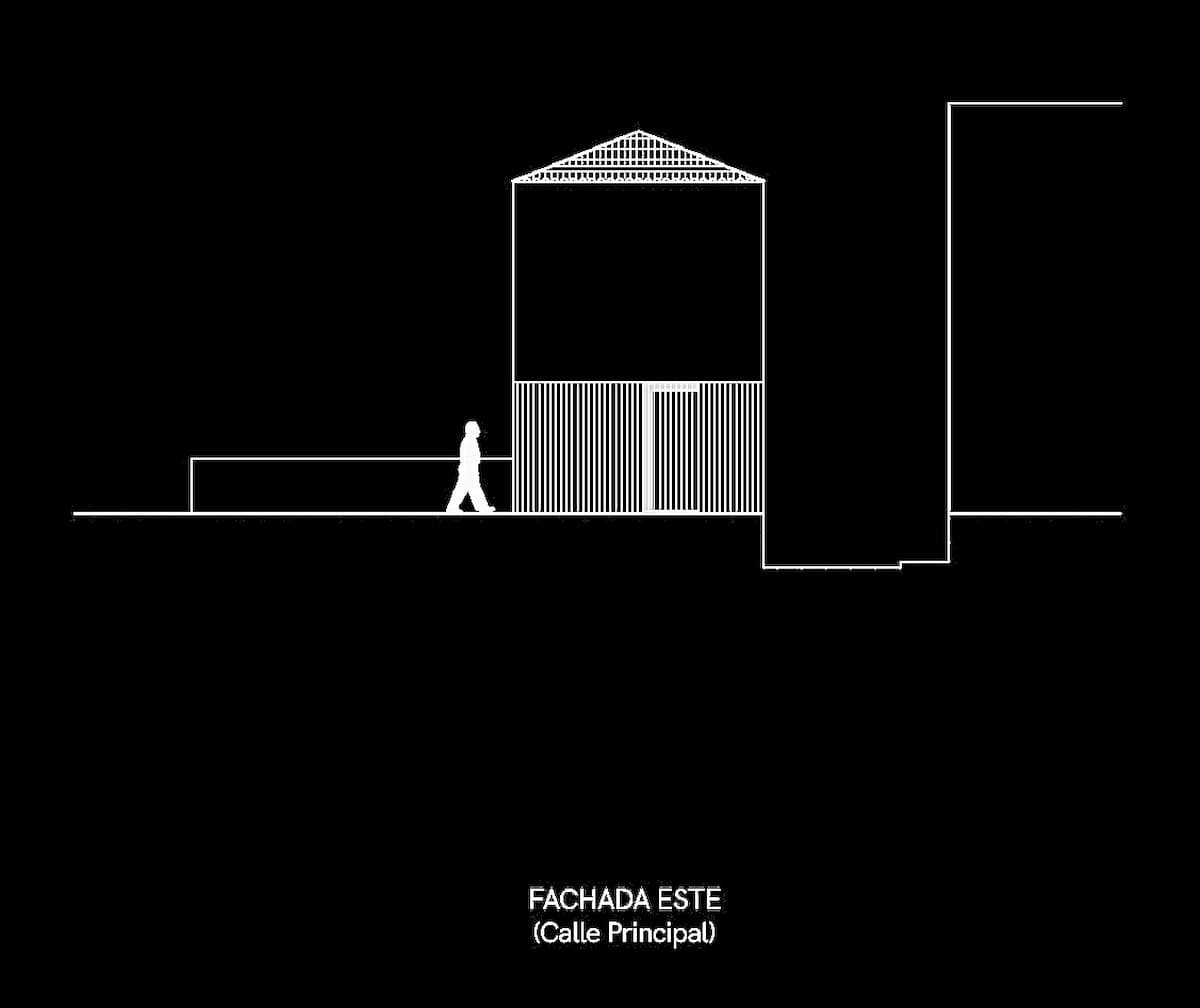
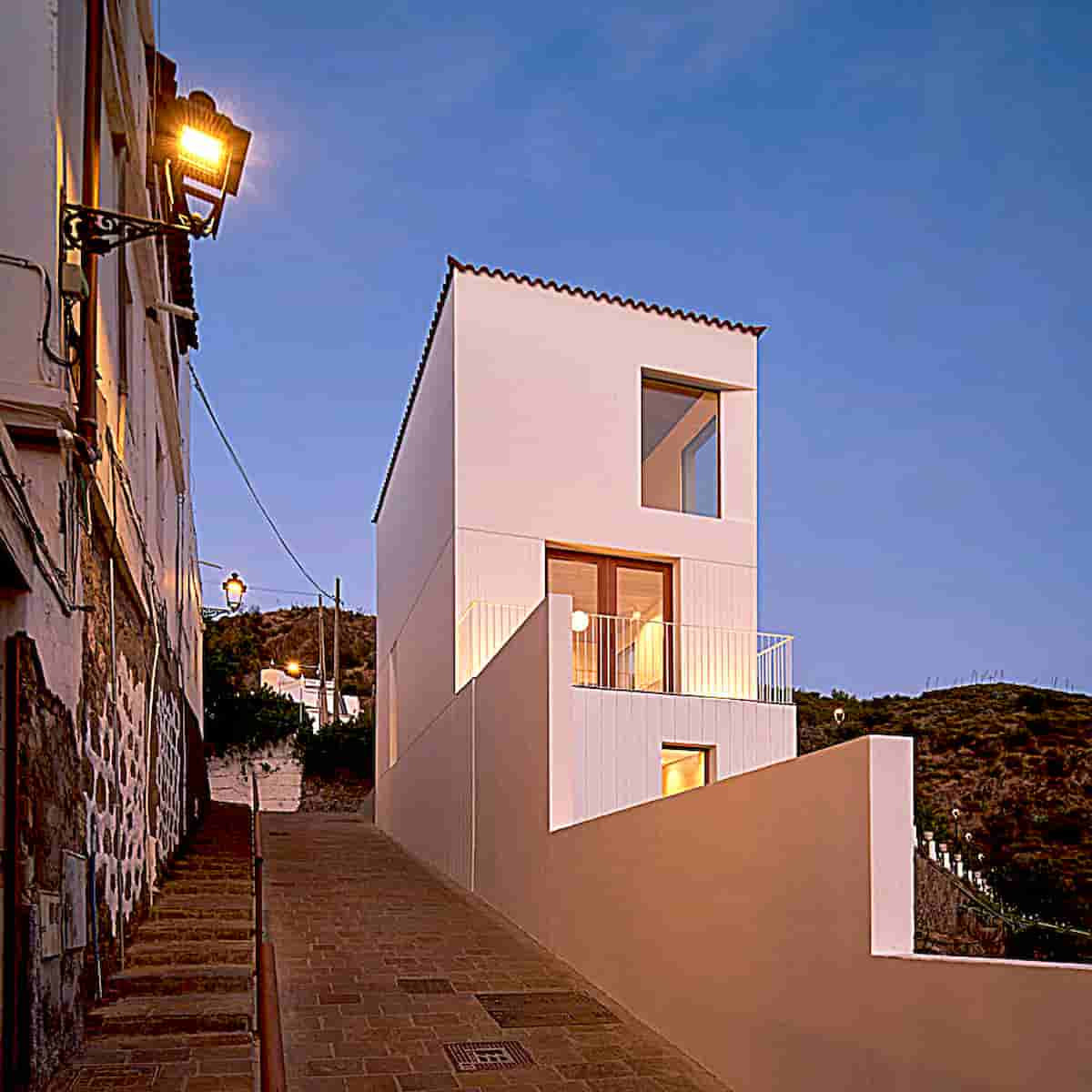
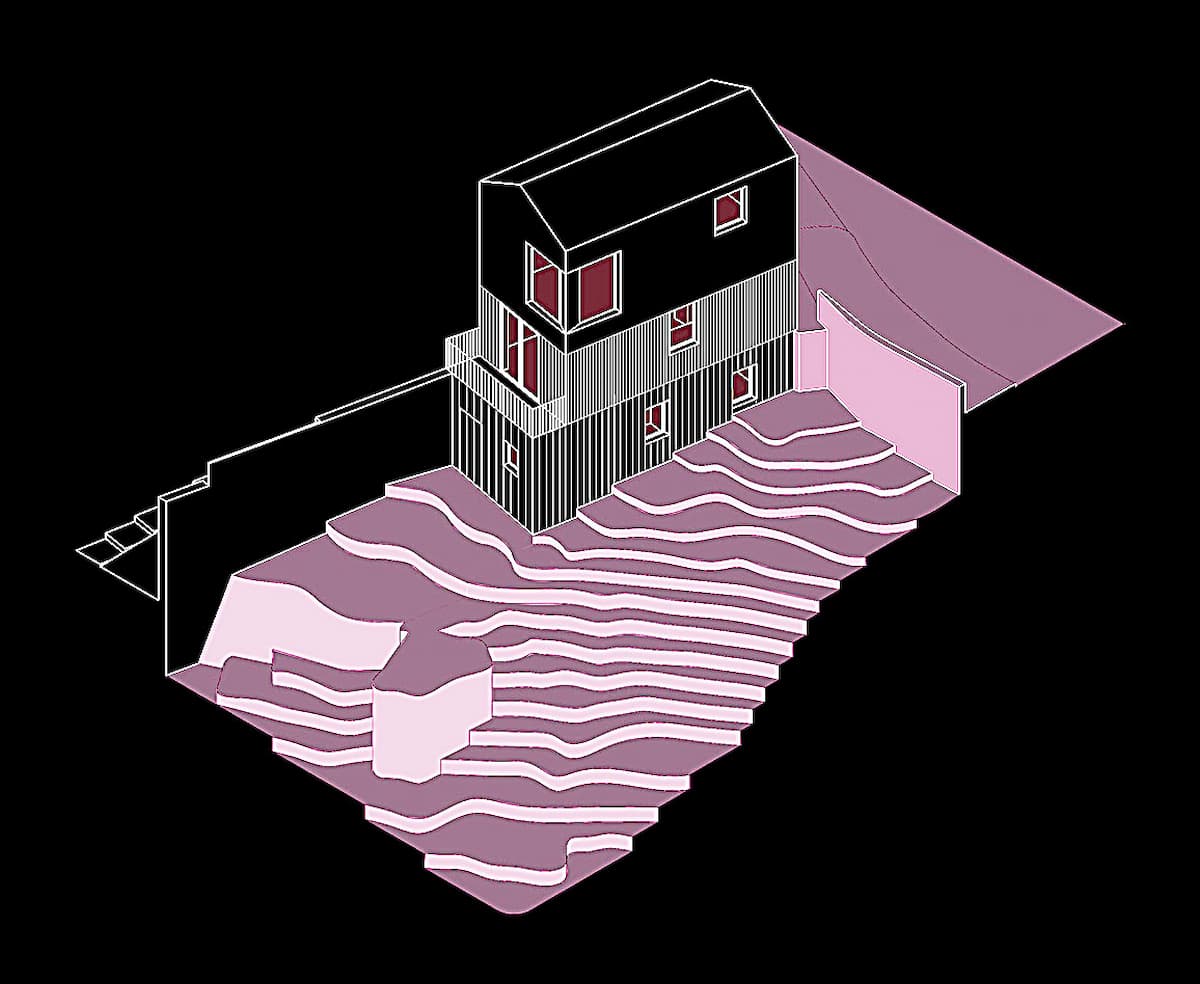
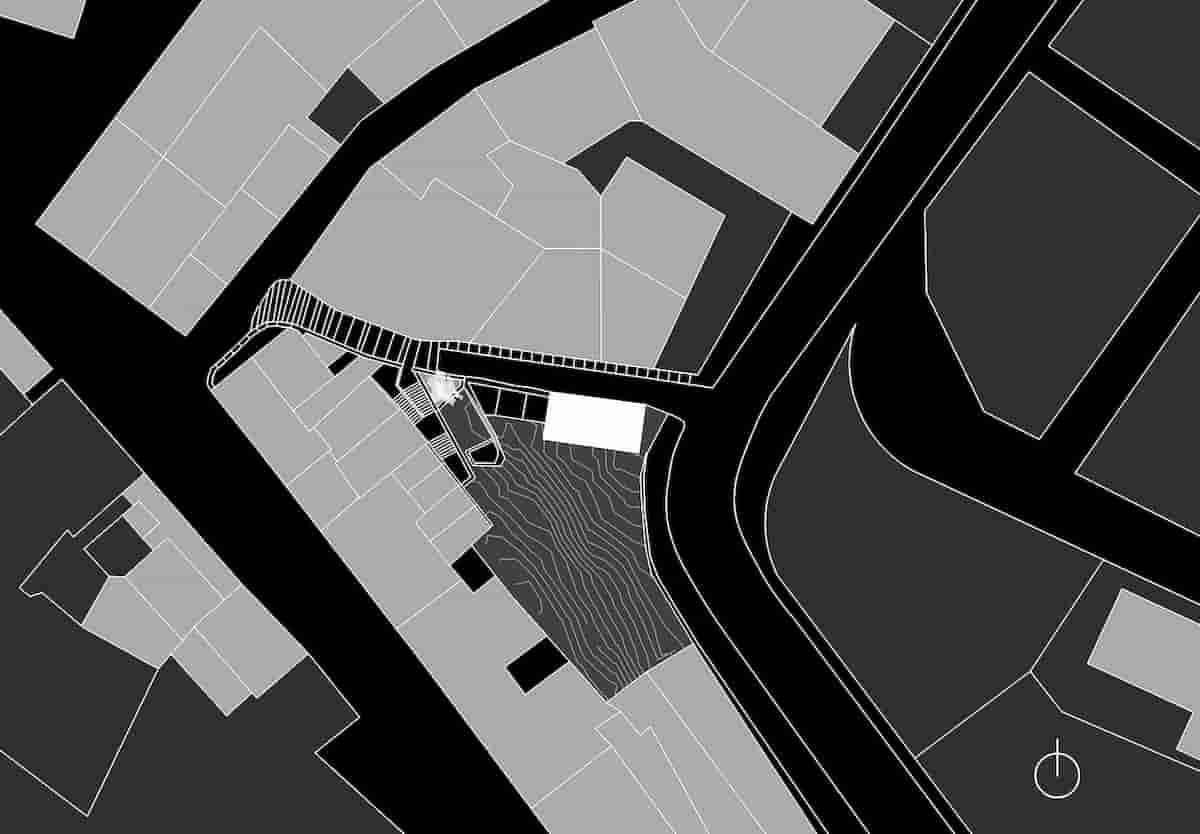
︳The intervention bets on a leisurely insertion of the architectural piece, which is presented as a simple volume that assumes the imposed archetypal formalization, but that in turn takes refuge in the voids of the norm to propose an architecture that does not renounce the intrinsic values of the project, sensitive to the stimuli of the place.
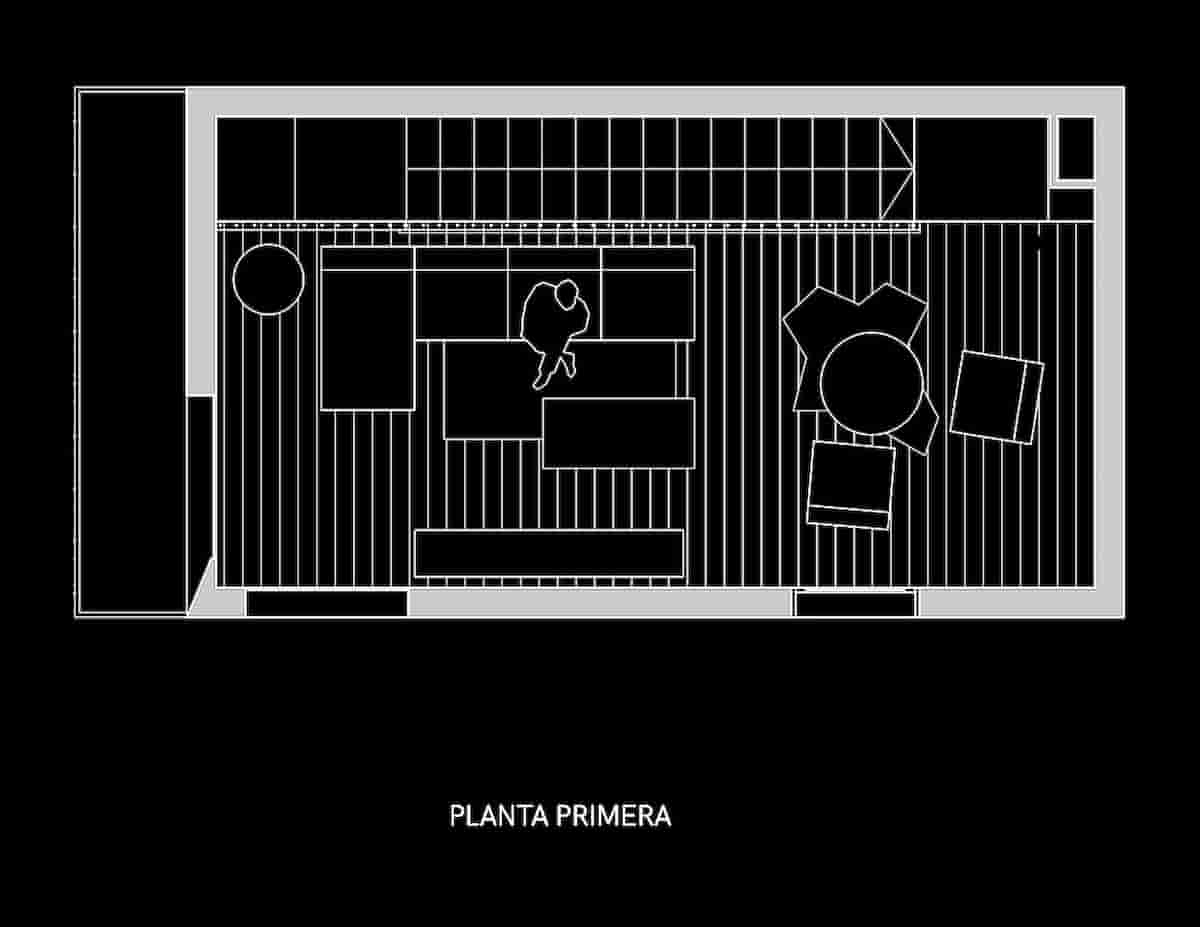
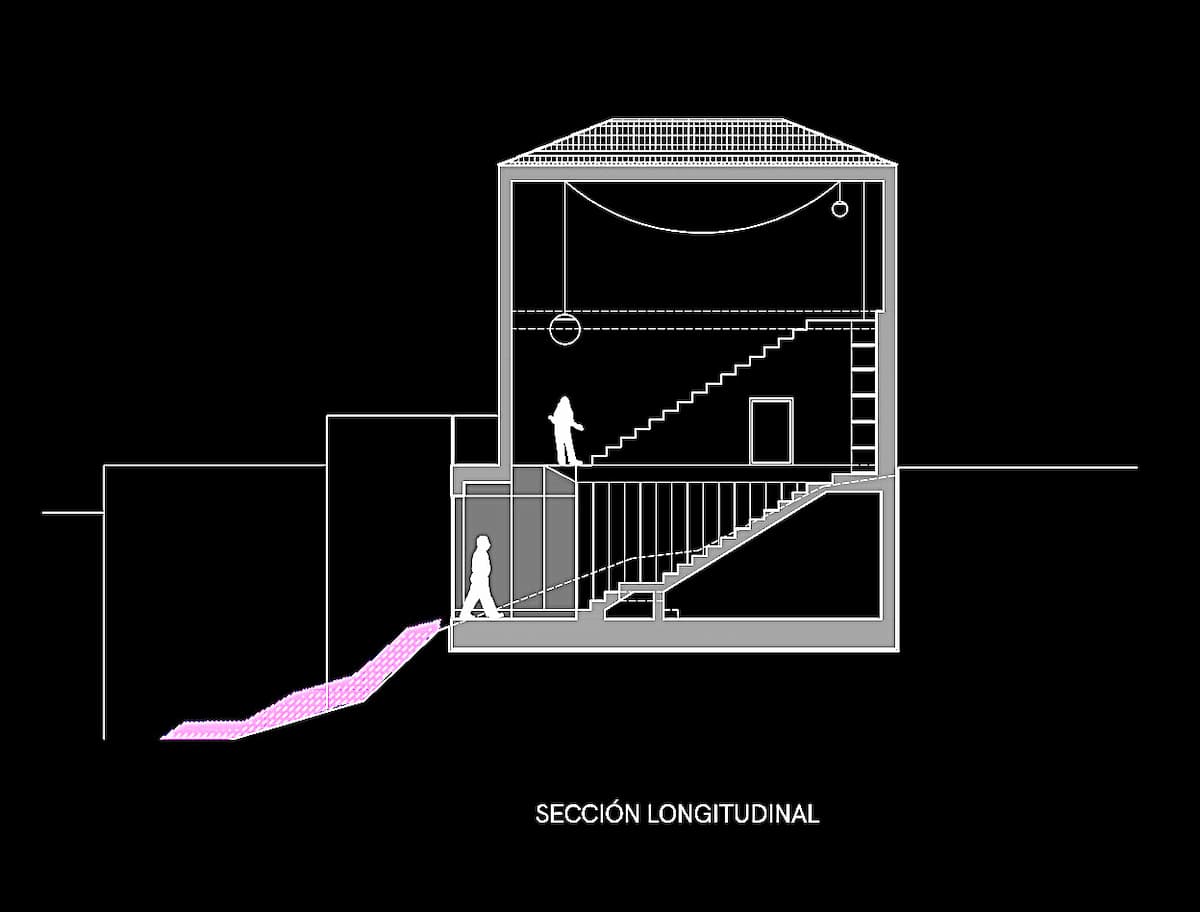
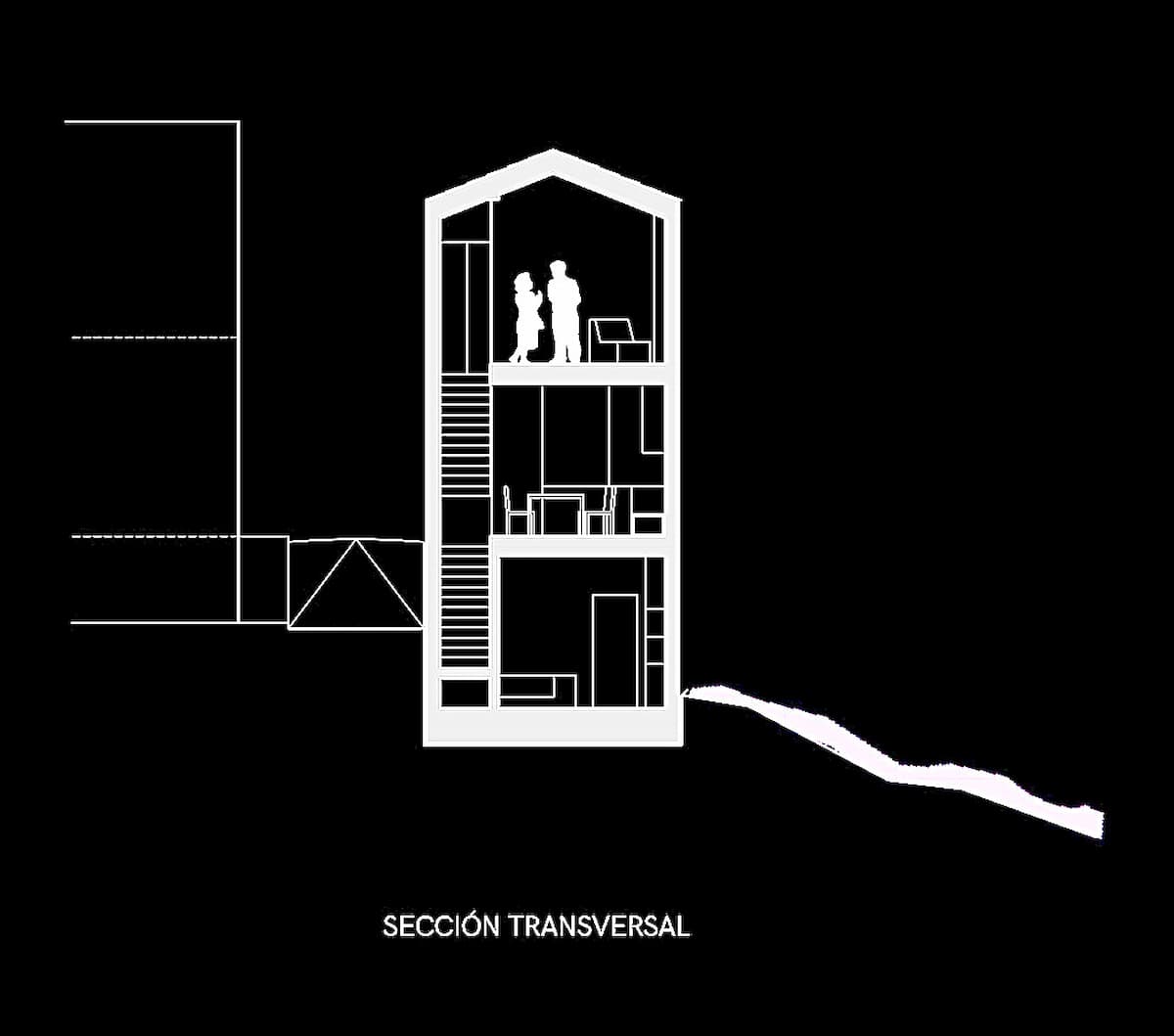
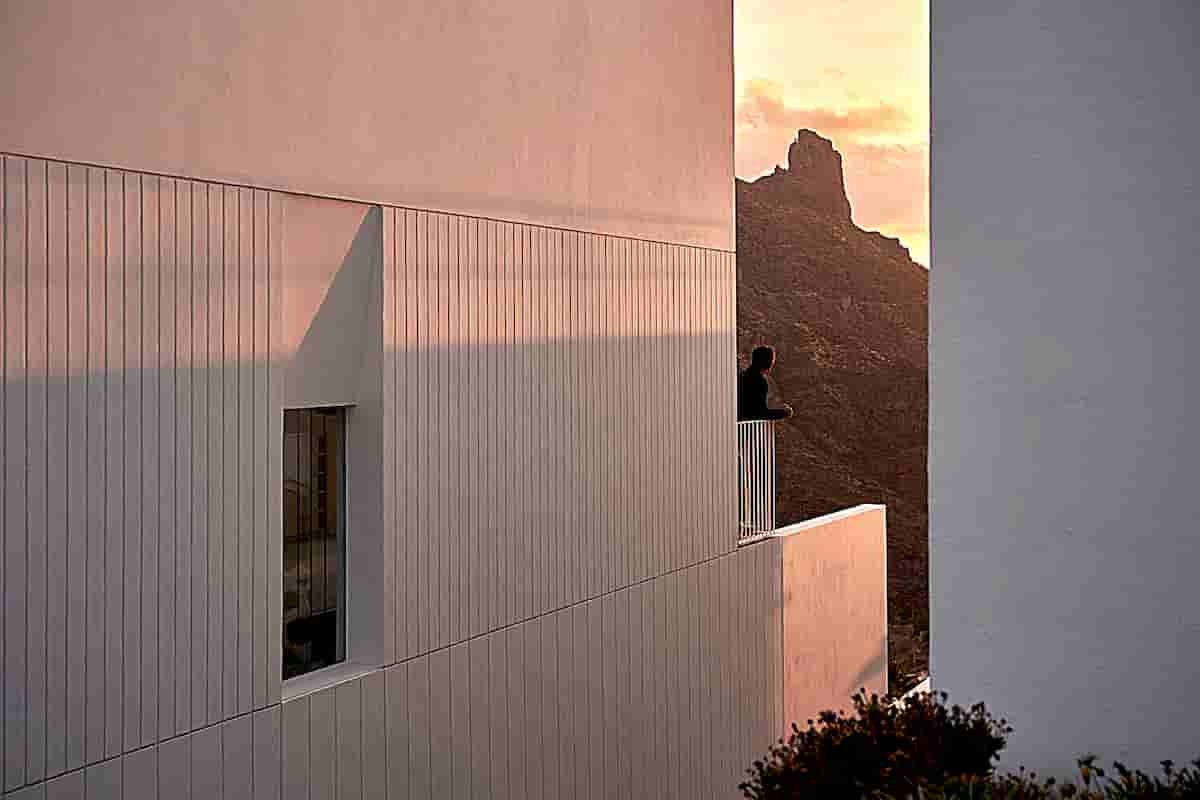
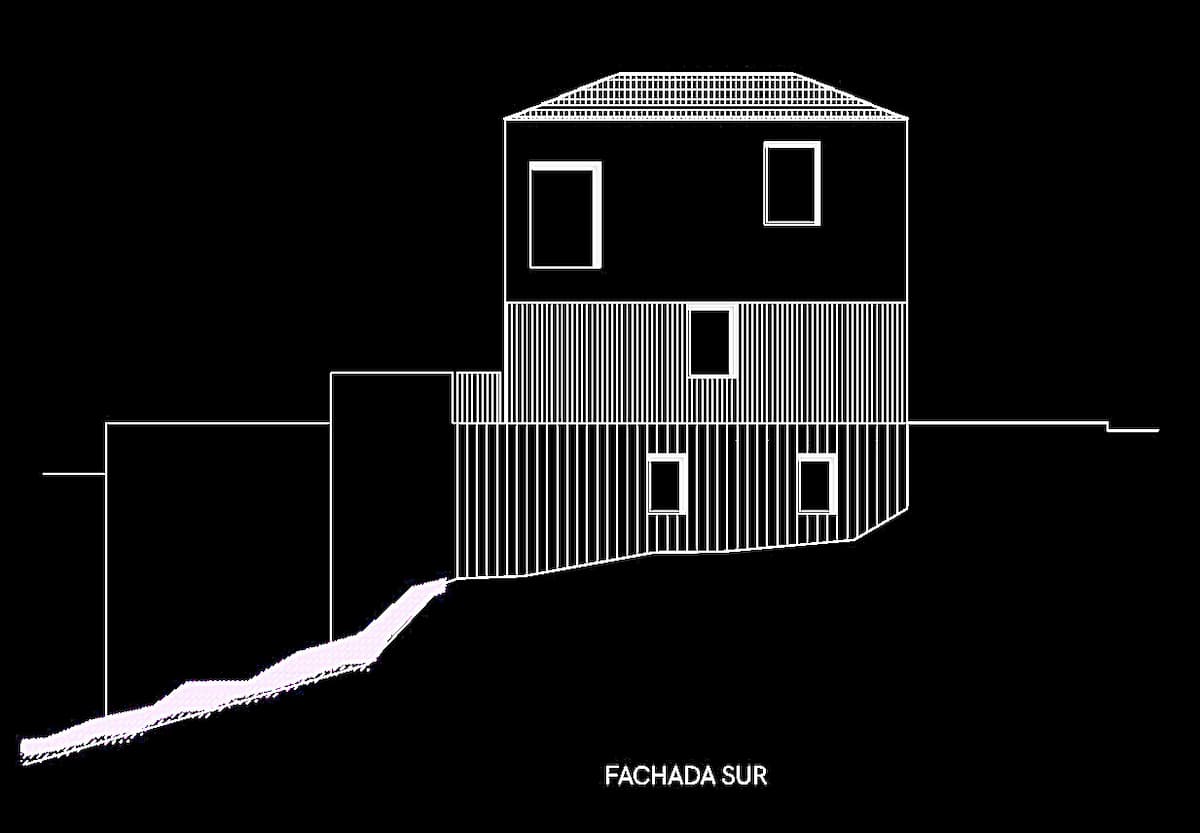
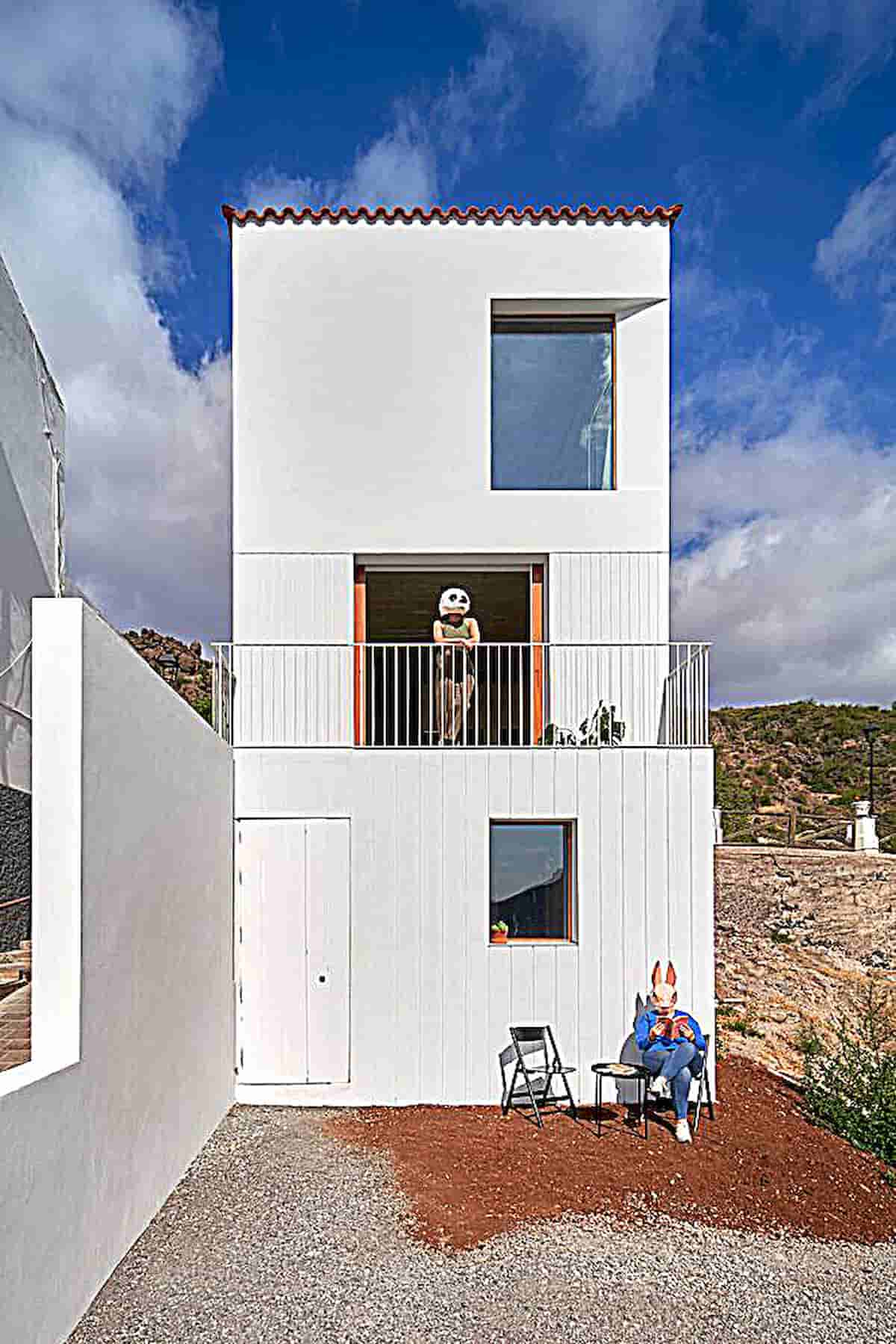
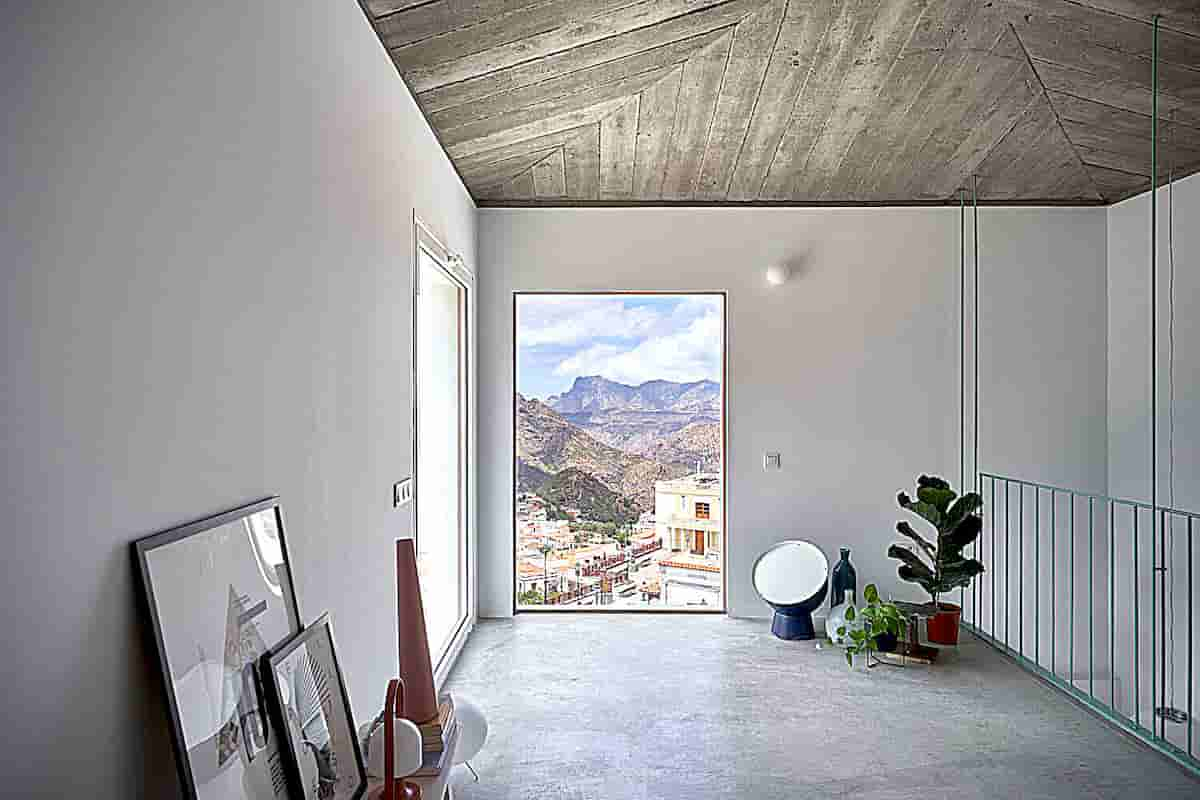
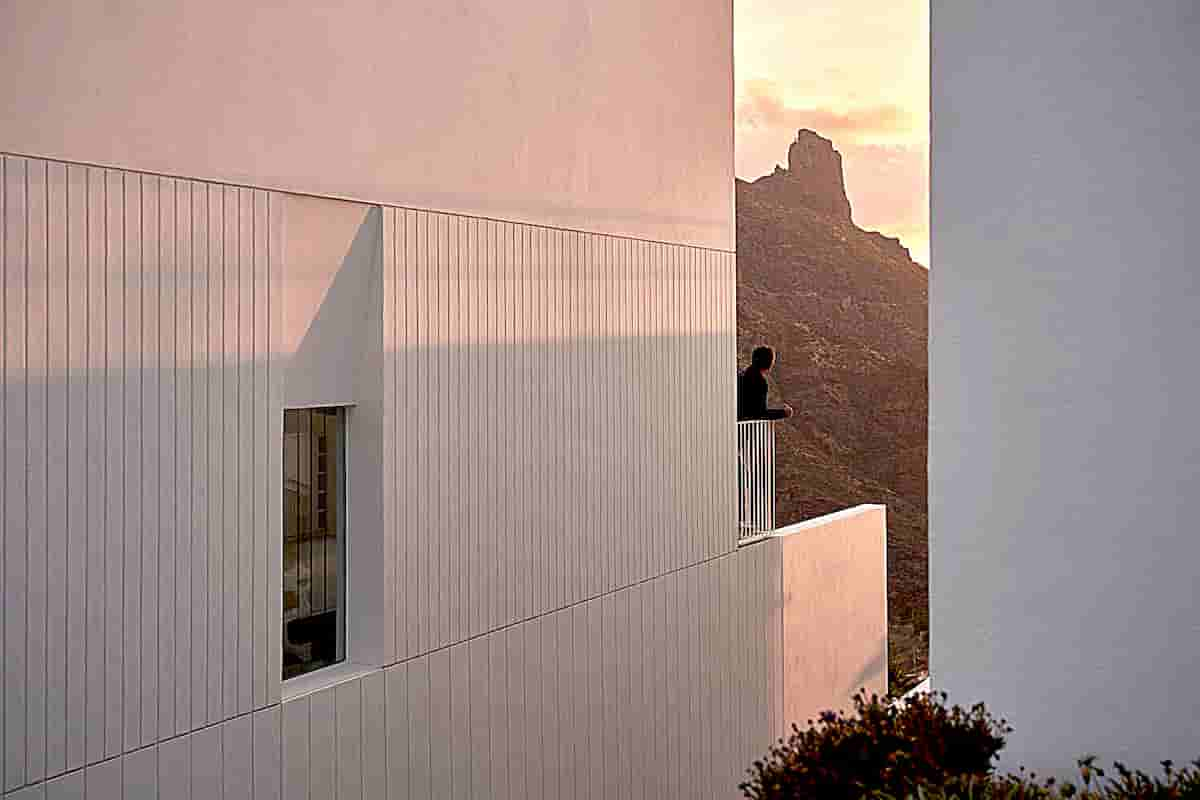
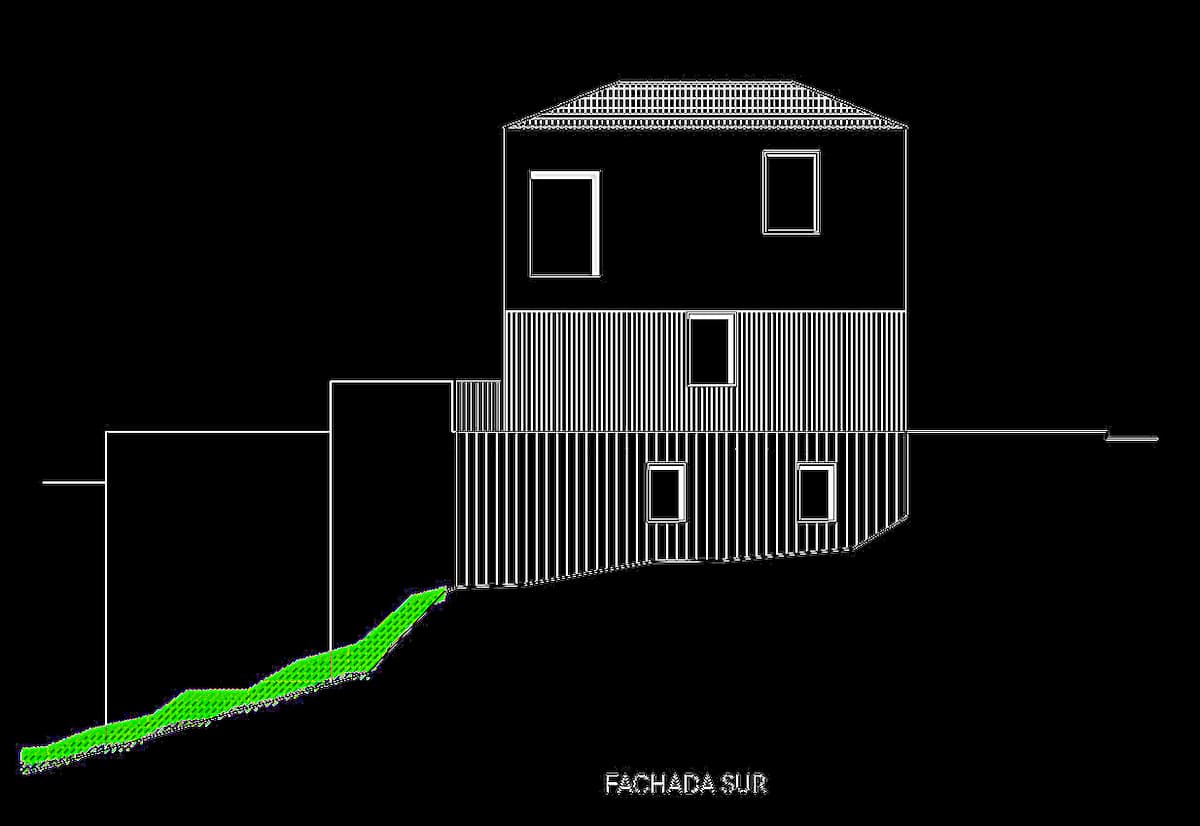
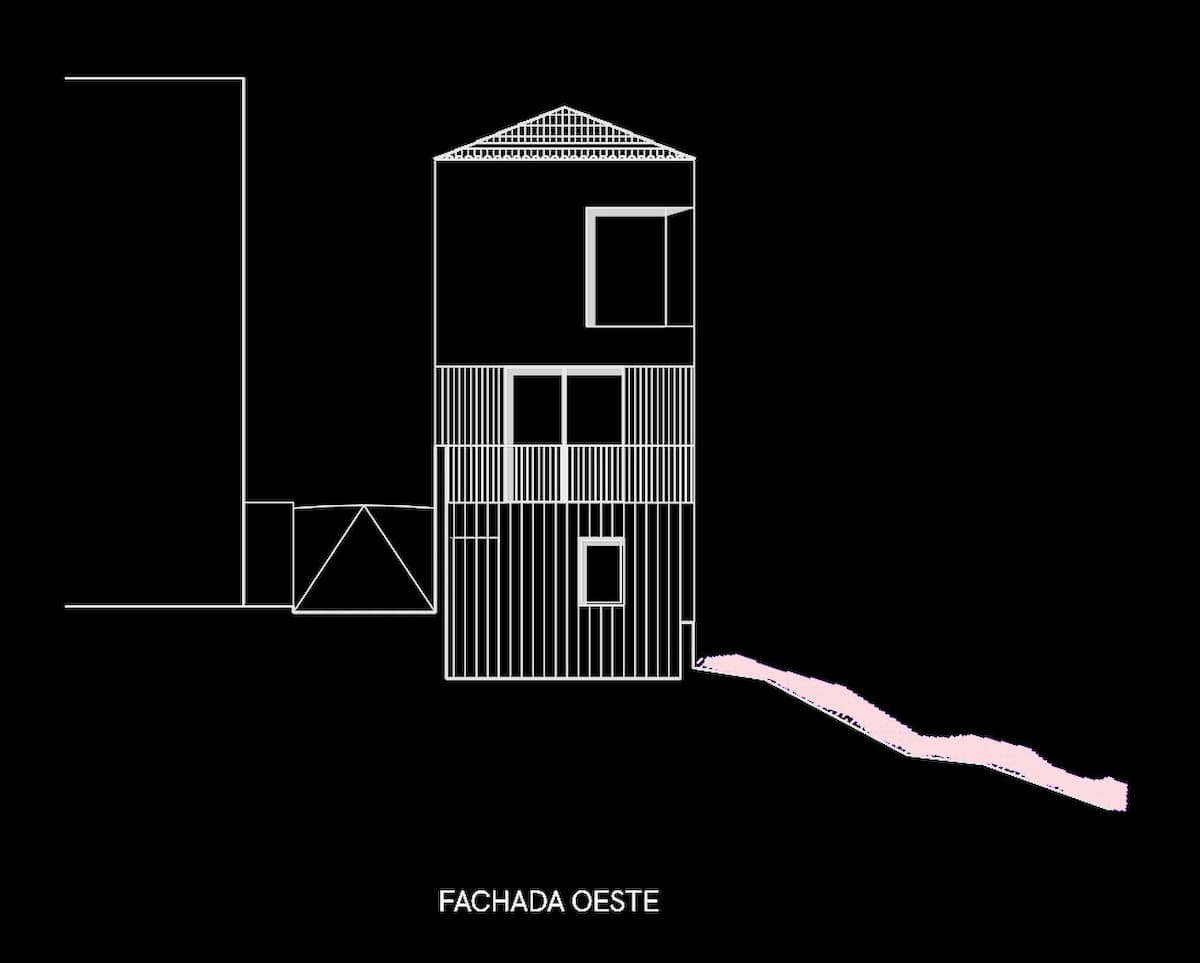
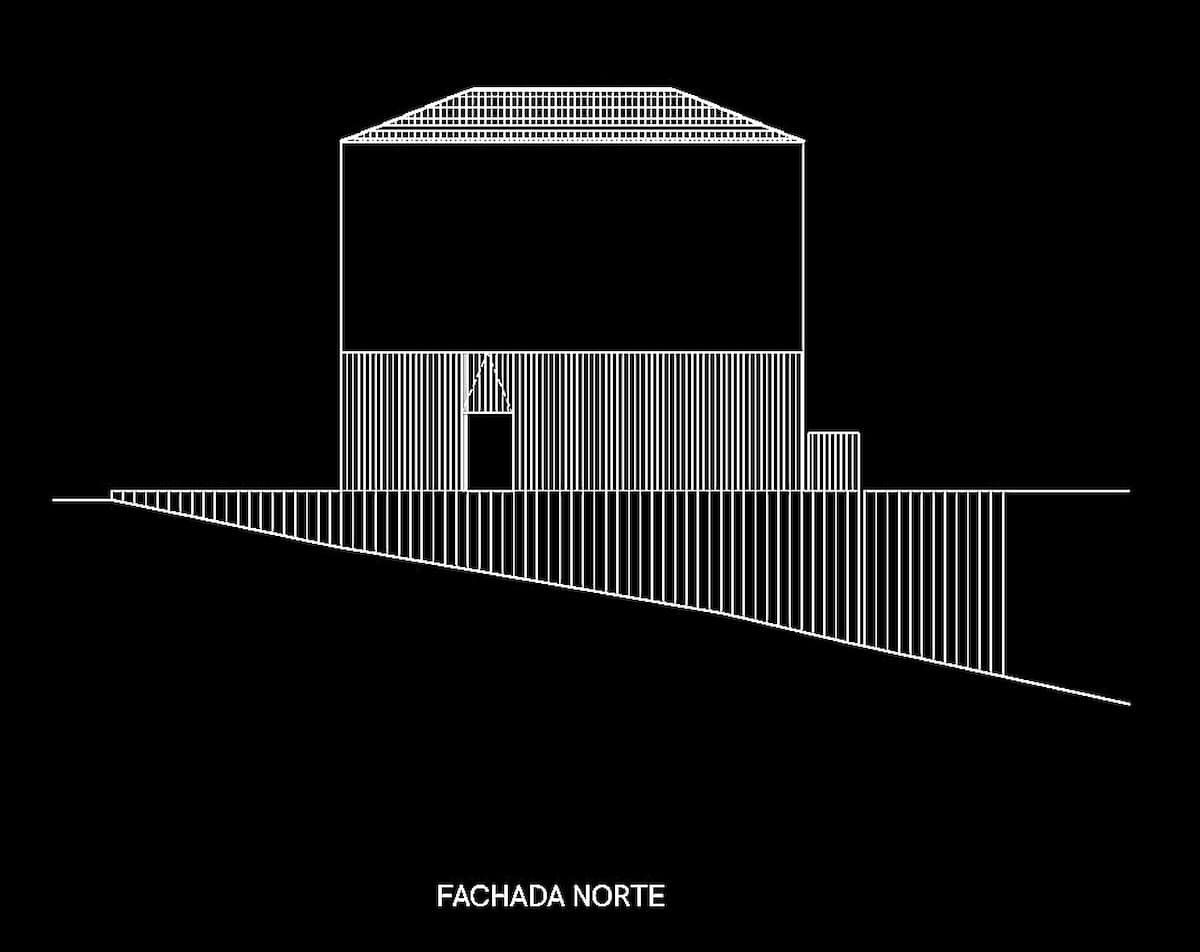
︳The house occupies the entire plot and is distributed in height. Aware of its privileged position, the work is conceived as a watchtower that is hermetic in its facades to the street and permeable towards the views of the environment, on which stand out the two main geological symbols of the island: the Roque Bentayga and the Roque Nublo. In this sense, a set of holes of equal proportion (the one that obliges the norm) but different scale is distributed by the west and south facades, framing and trimming the landscape, favoring that each space is related in a particular way to the exterior. The play of moving gaps is completed with the treatment of the envelope in a series of bands that introduce a horizontal counterpoint to the verticality of the part. These stripes, executed with hand-grooved plastering, define the base of the building and contrast with the mastered finish of the finish.
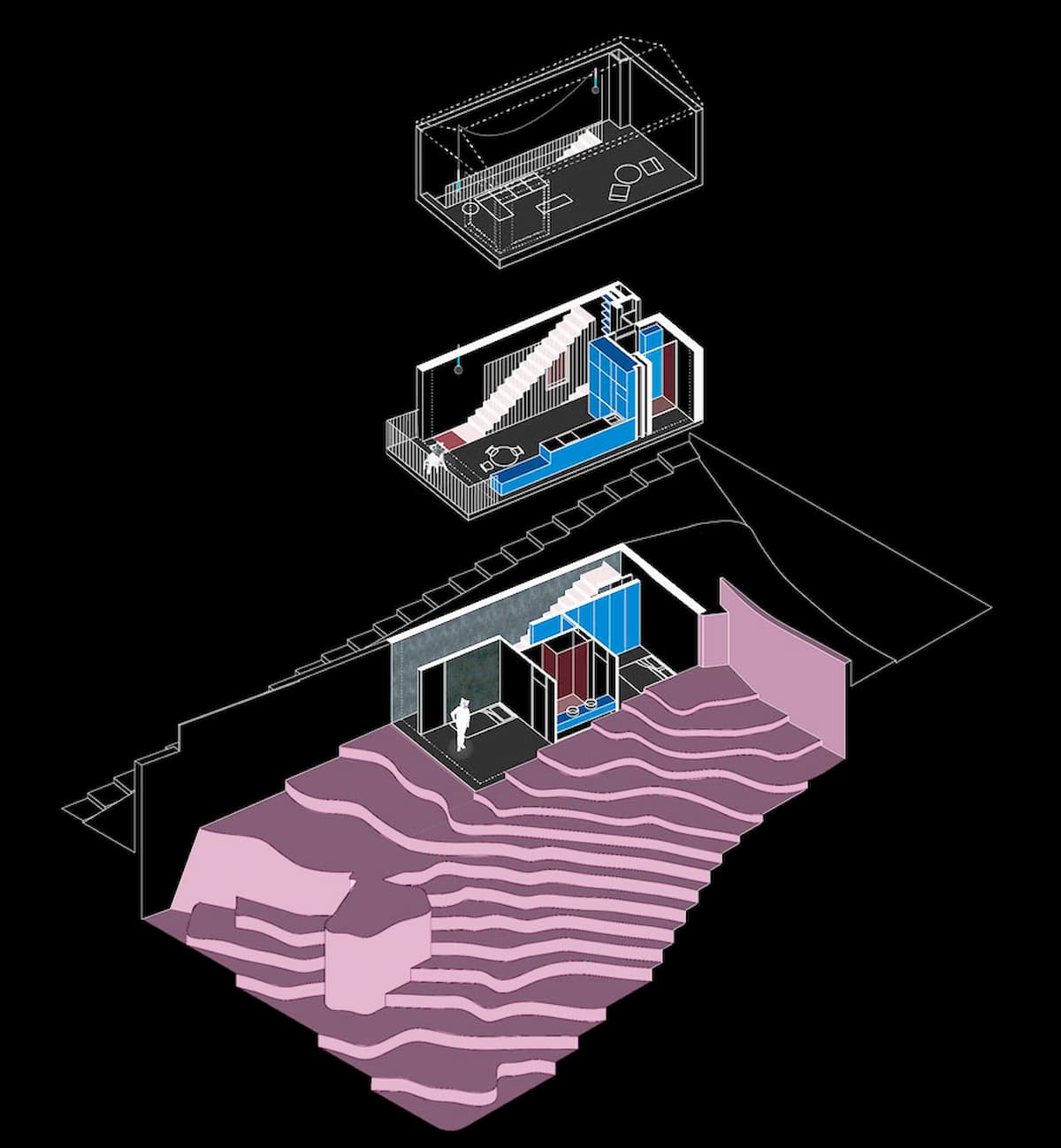
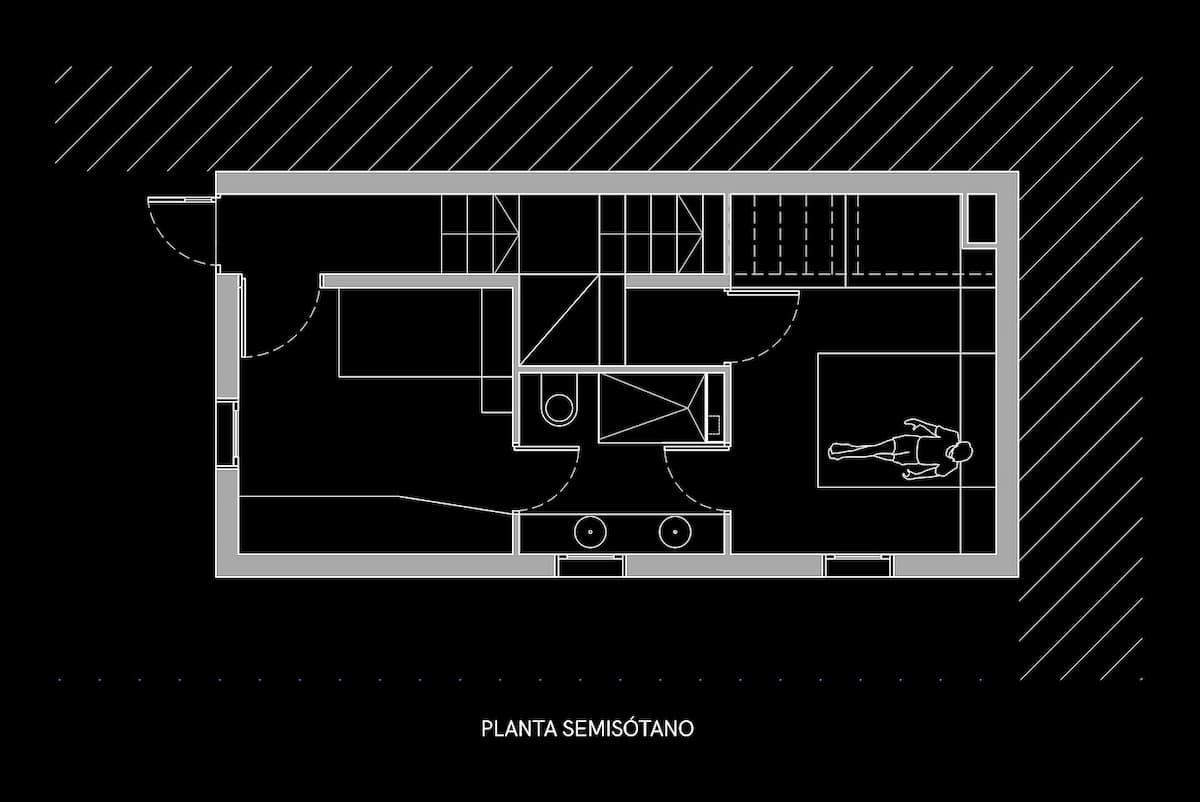
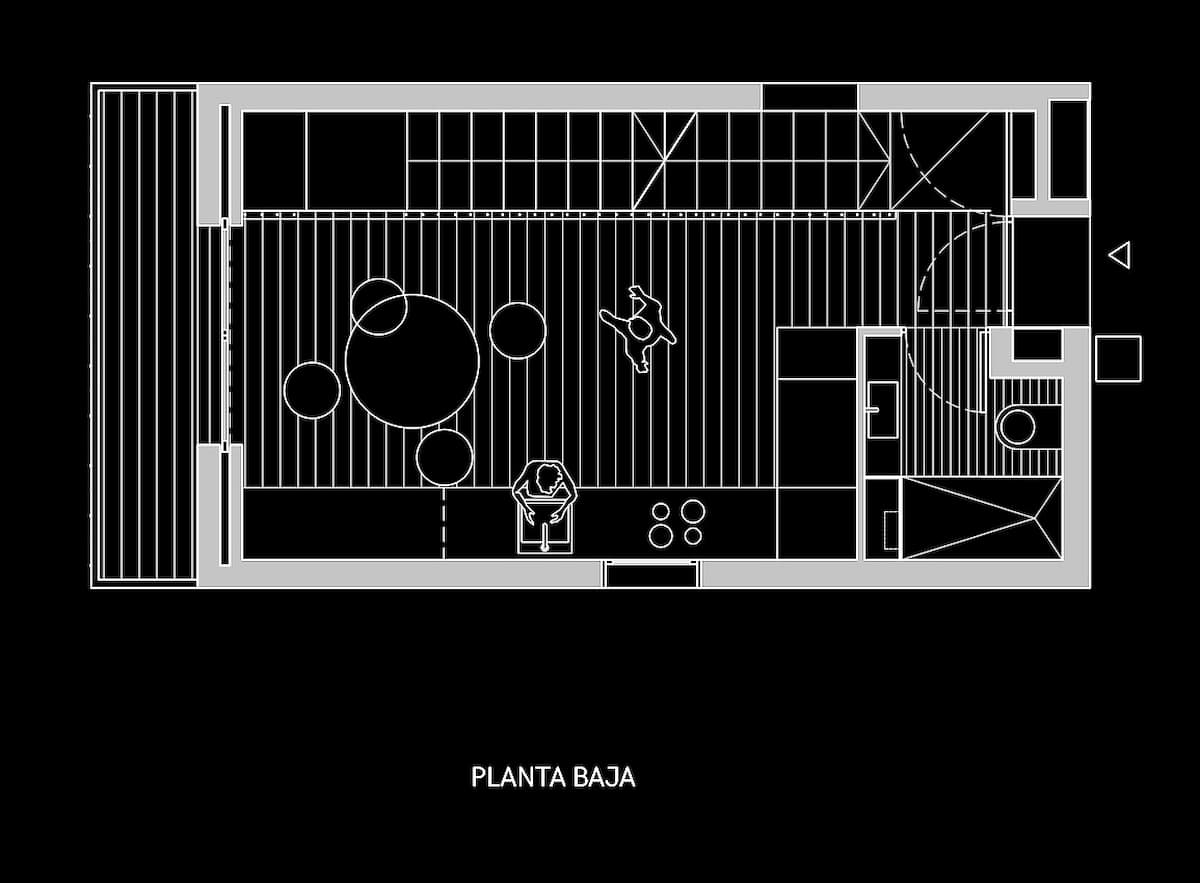
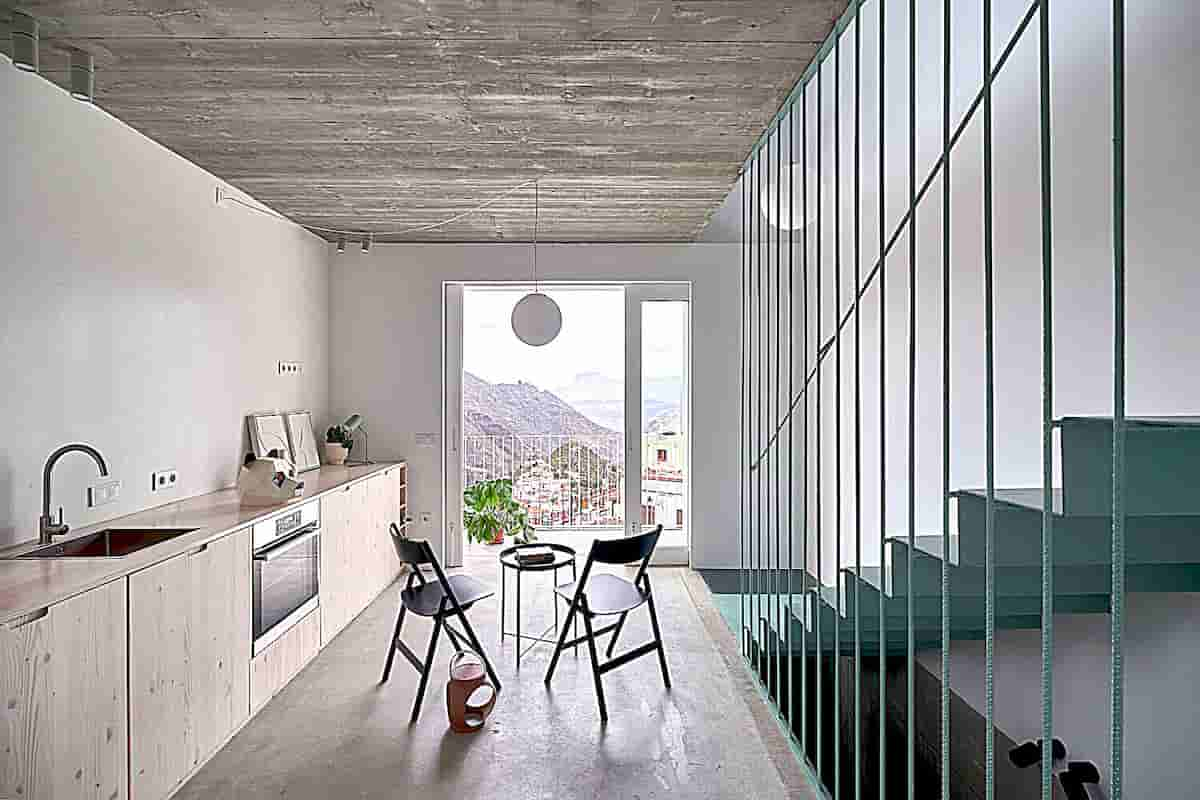
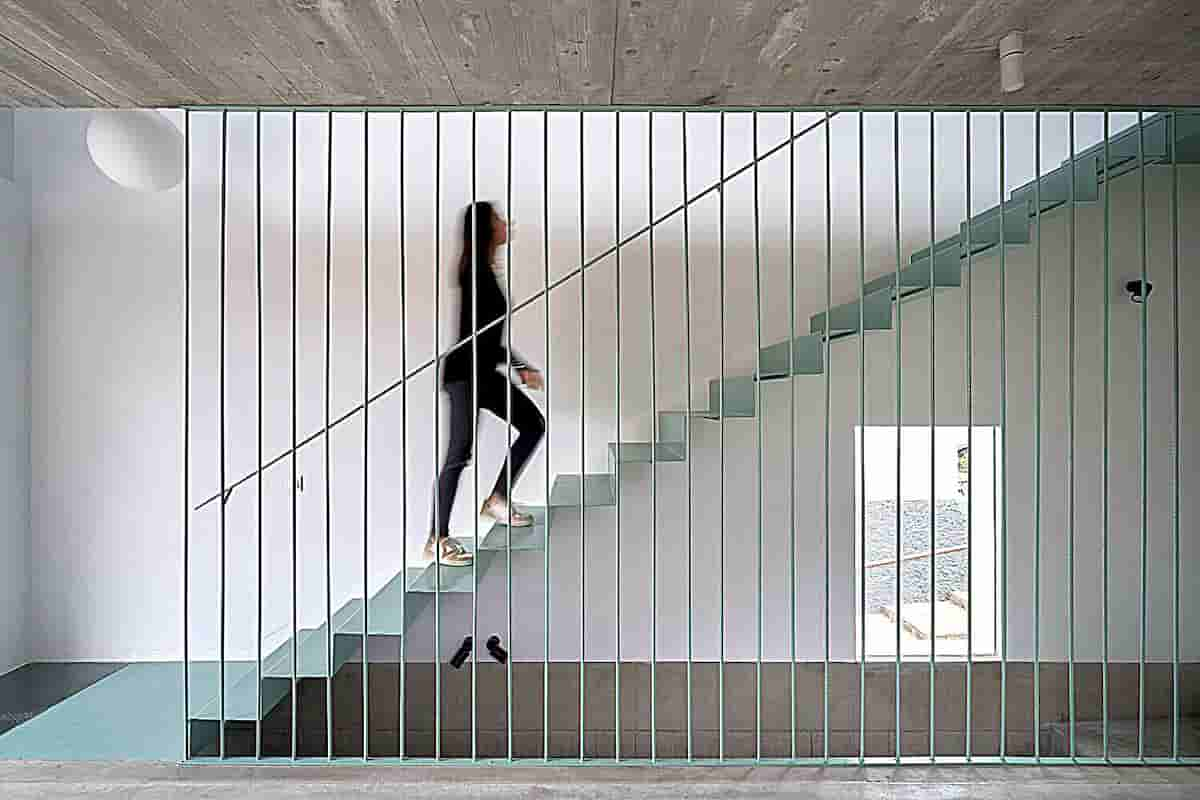
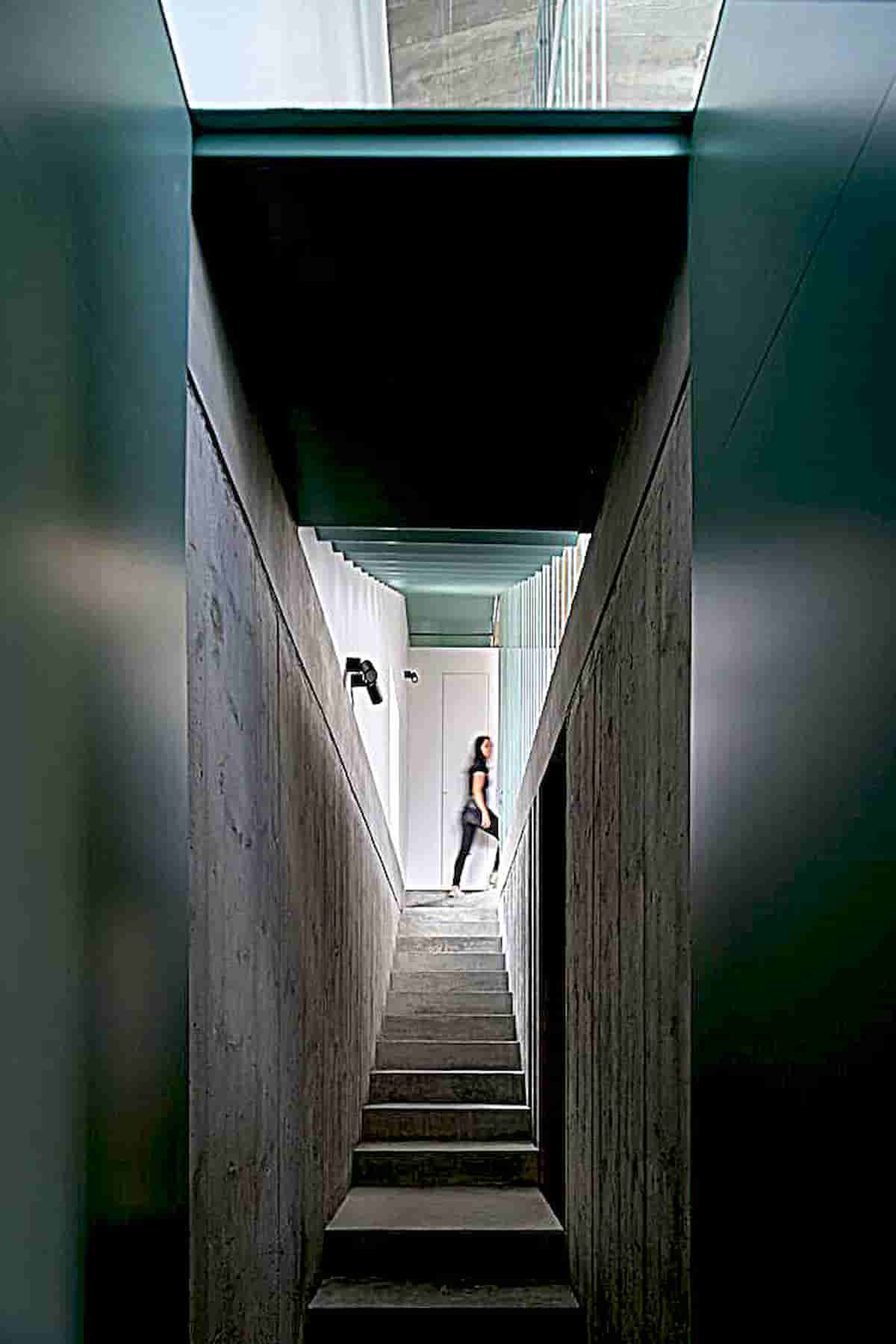
︳Internally the uses are hierarchized in section, assigning the semi-basement floor to the private rooms and the intermediate one, where the main access is located, to kitchen and dining room, which are extended to the outside by means of a small terrace. On the second floor, the most dominant over the views, the living room is located. The latter slab hangs from the roof, allowing the insertion of a longitudinal fissure that visually connects the three levels of the house and through which the staircase runs, which manifests hard and heavy in its start, light and friendly at its coronation.
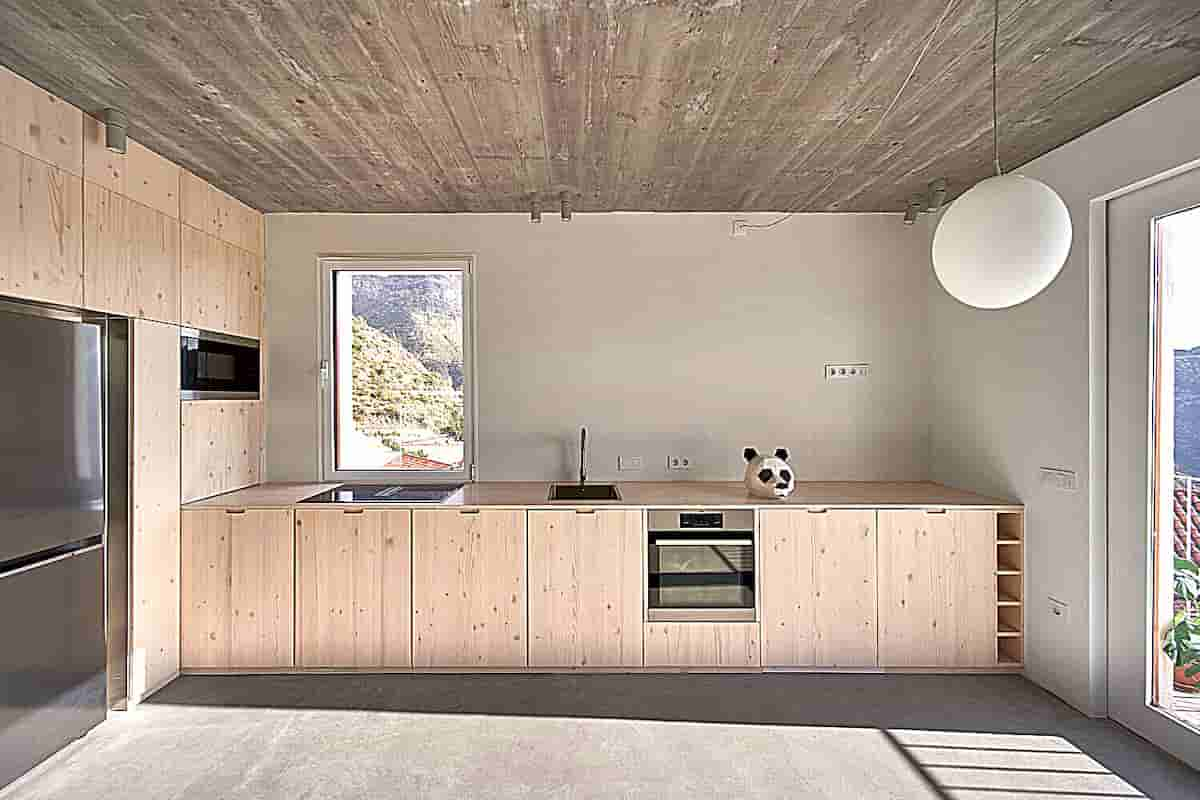
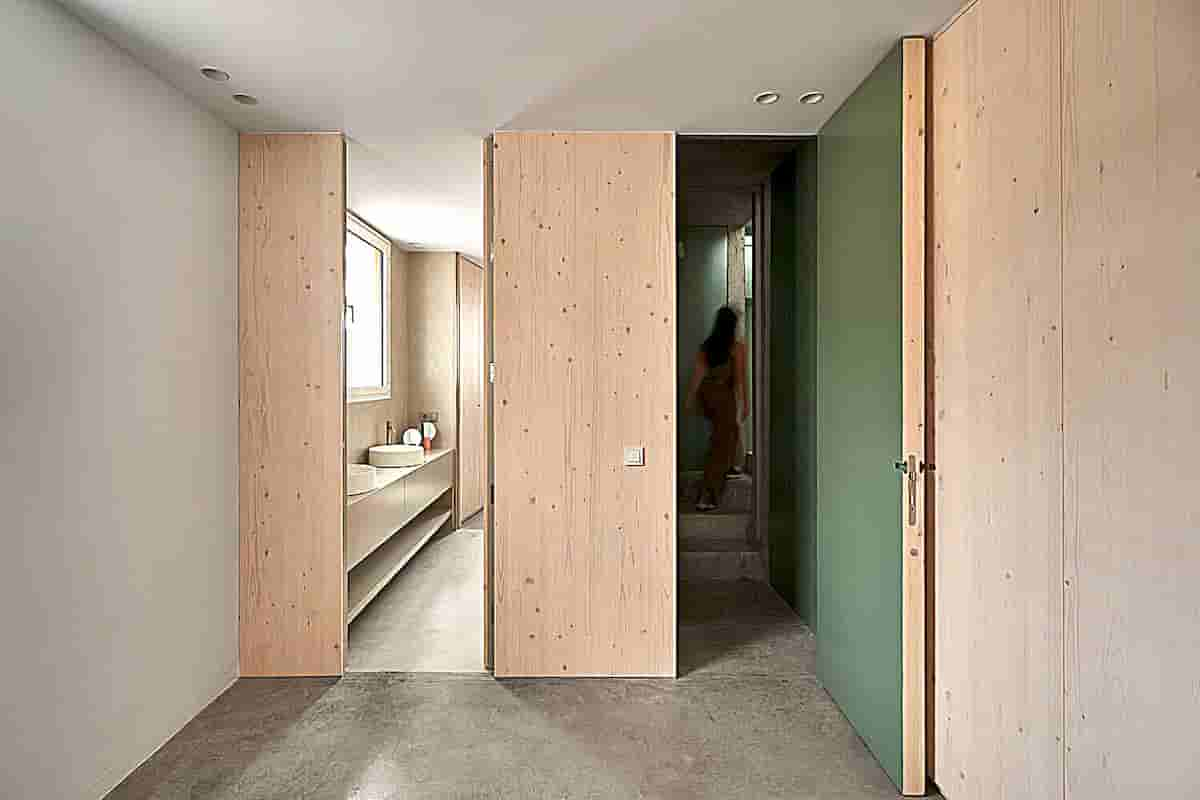
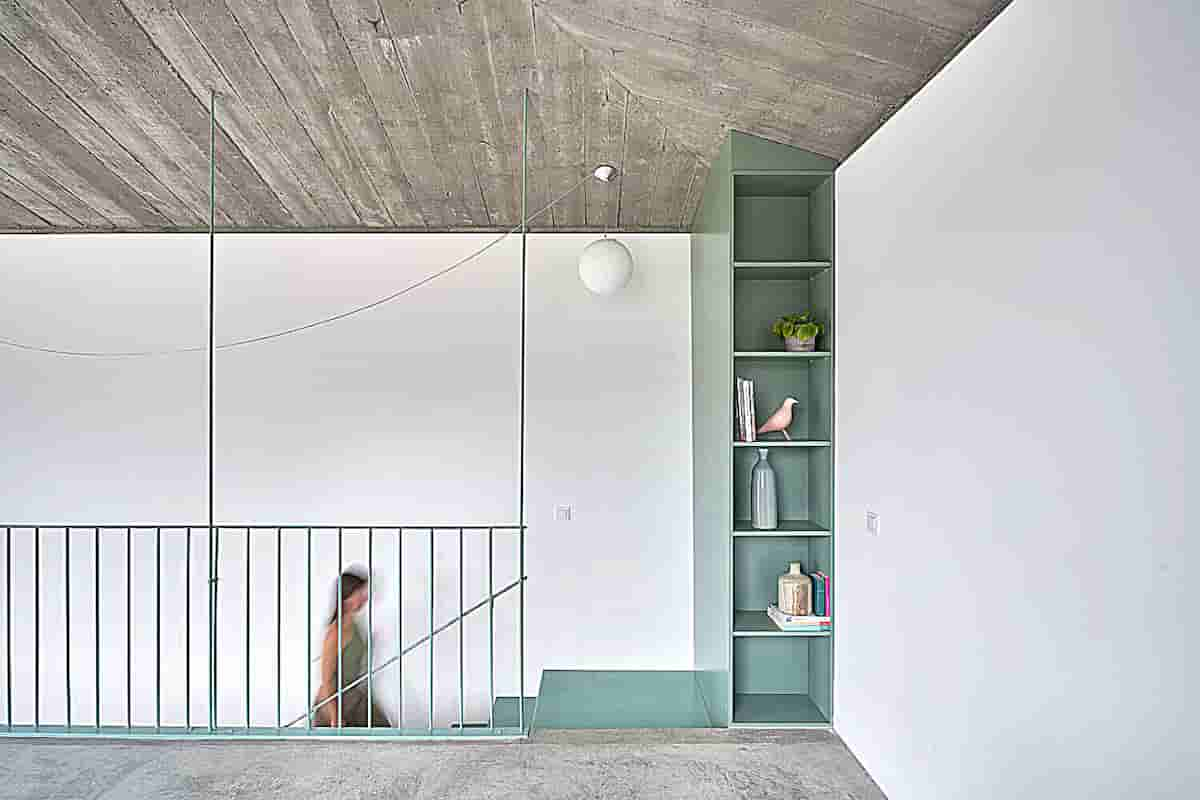
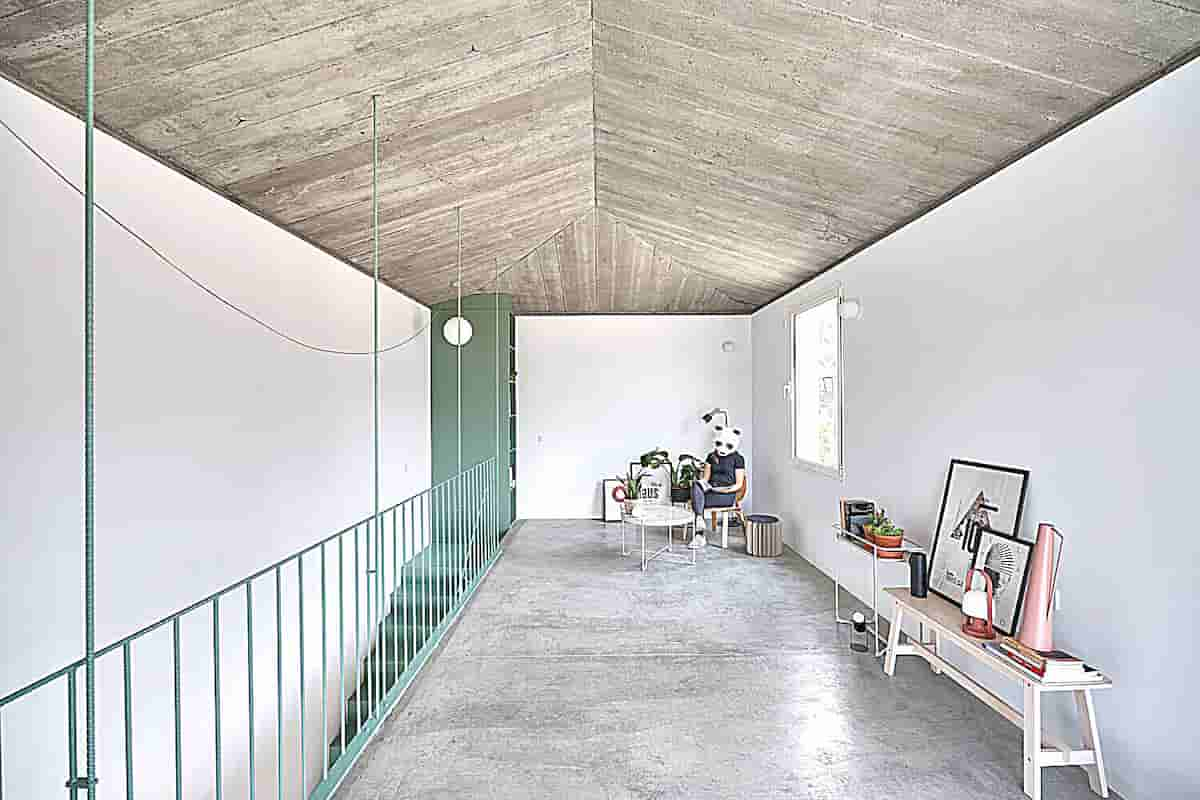
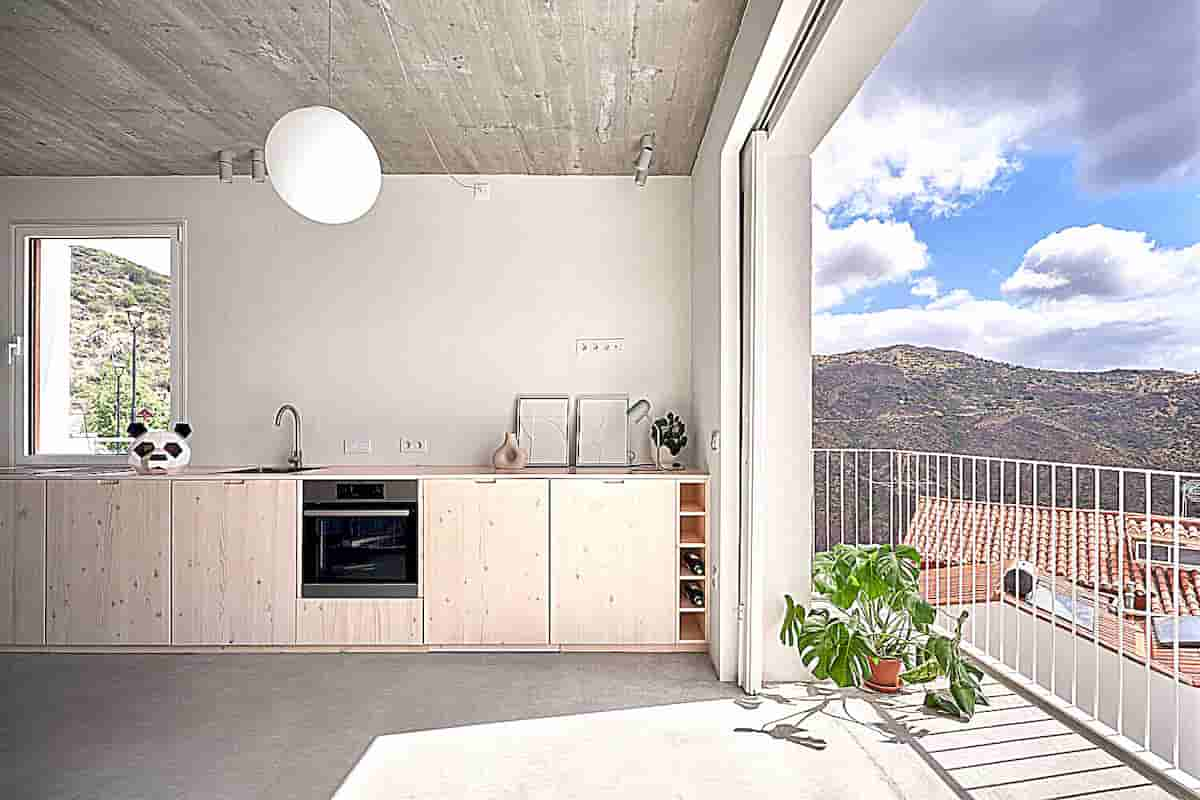
︳In the material plane, a bounded catalogue is used, in which the textures construct with light a serene but vibrant interior. The pavements are executed with concrete, establishing a duality with the ceiling plane, formalized by exposed concrete slabs formwork with pine planks. This material is also used for the staircase down to the bedrooms, highlighting the independence of the private areas.
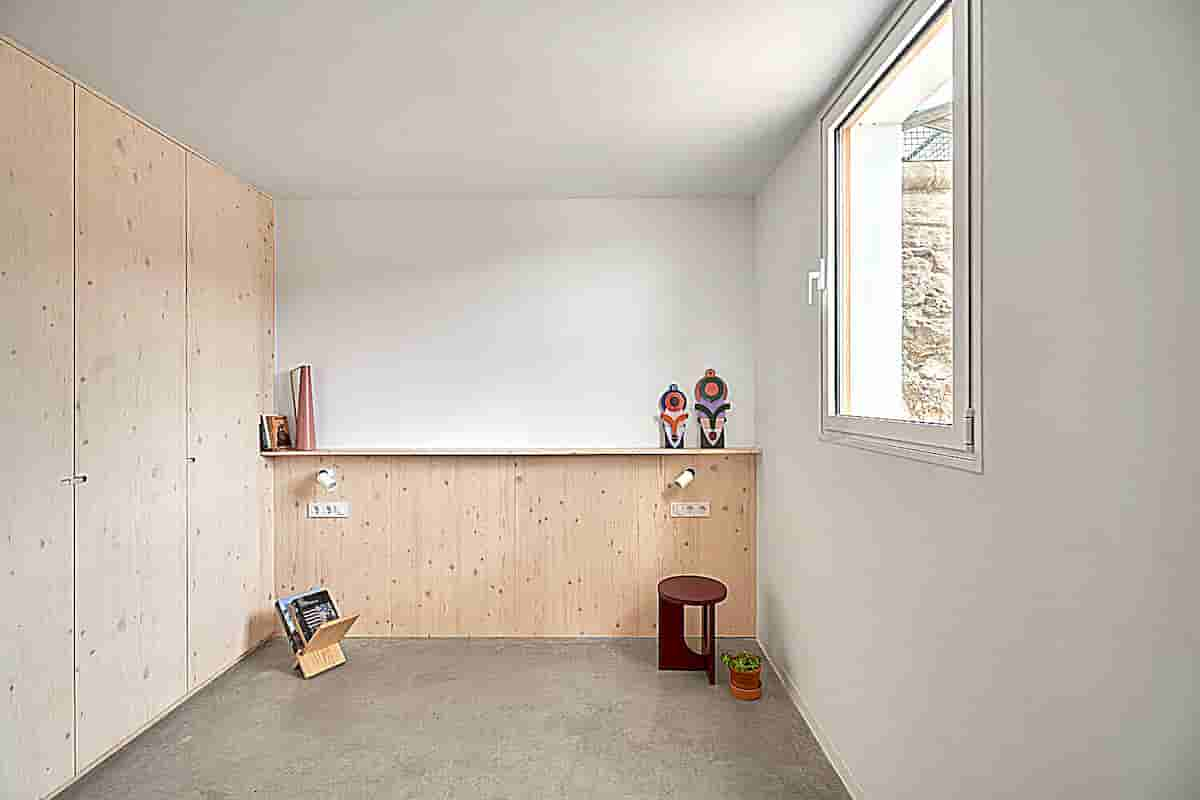
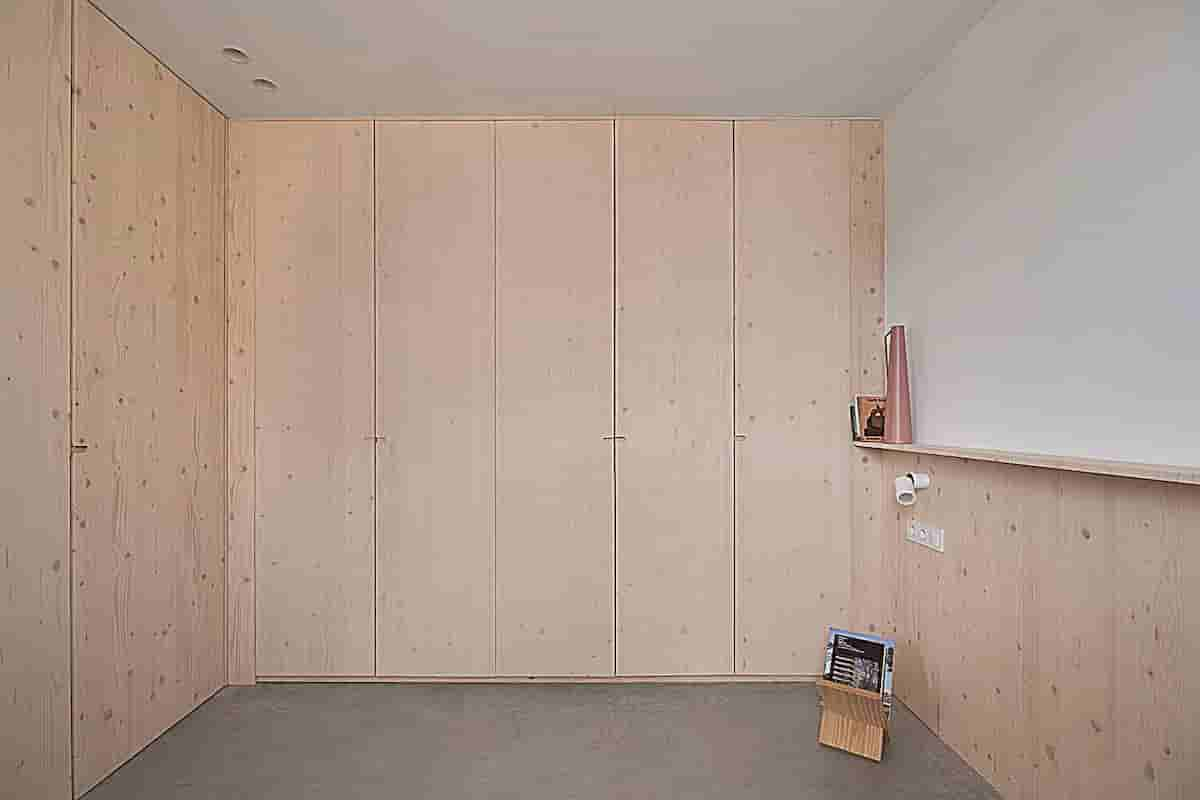
︳The massive use of pine wood for furniture and panelling is combined with the elements in green as the only note of color, providing warmer nuances in the formalization of the domestic space, helping to build an environment in which textures build with light a serene but vibrant interior, and completing the set of strategies of this small house that looks, openly and without complexes, to the petrified storm that surrounds it.
︳En el plano material, se recurre a un catálogo acotado, en el que las texturas construyan con la luz un interior sereno pero vibrante. Los pavimentos se ejecutan con hormigón fratasado, estableciendo una dualidad con el plano de techo, formalizado mediante losas de hormigón visto encofrado con tablones de pino. Este mismo material se emplea para la escalera de bajada a los dormitorios, remarcando la independencia de las áreas privadas.
︳El uso masivo de la madera de pino para mobiliario y panelados se combina con los elementos en verde como única nota de color, aportando matices más cálidos en la formalización del espacio doméstico, ayudando a construir un ambiente en el que las texturas construyan con la luz un interior sereno pero vibrante, y completando el conjunto de estrategias de esta pequeña vivienda que mira, abiertamente y sin complejos, a la tempestad petrificada que la rodea.