Striatus Bridge Redefines Masonry Through 3D Printed Concrete

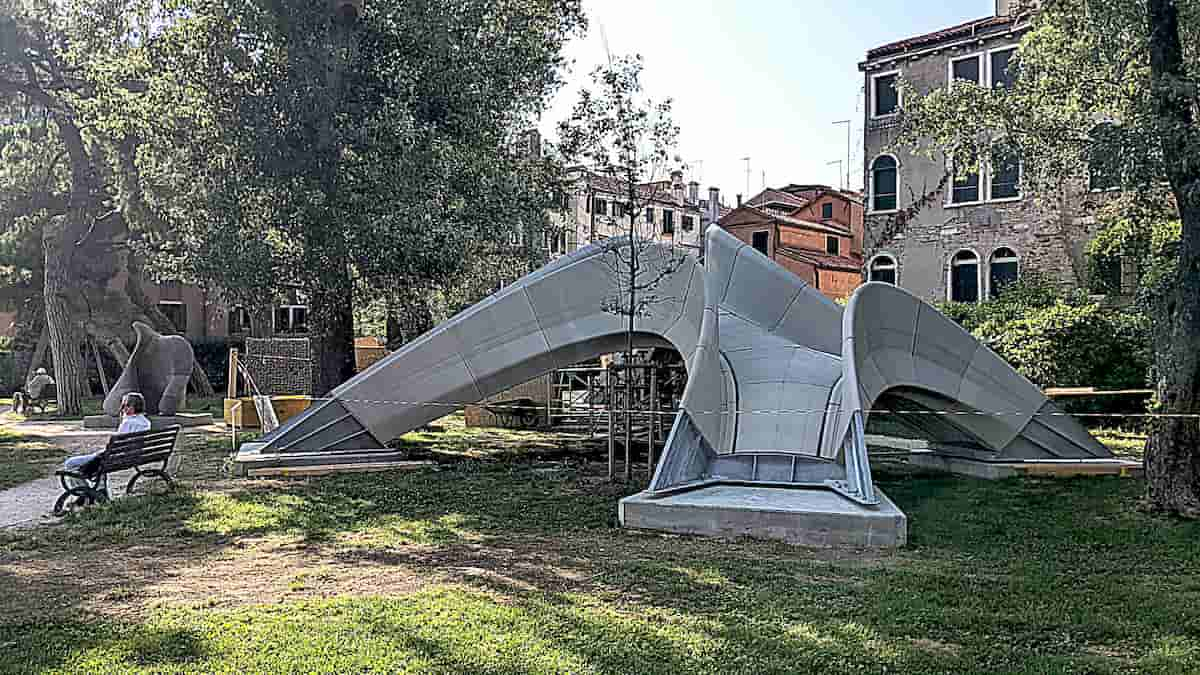
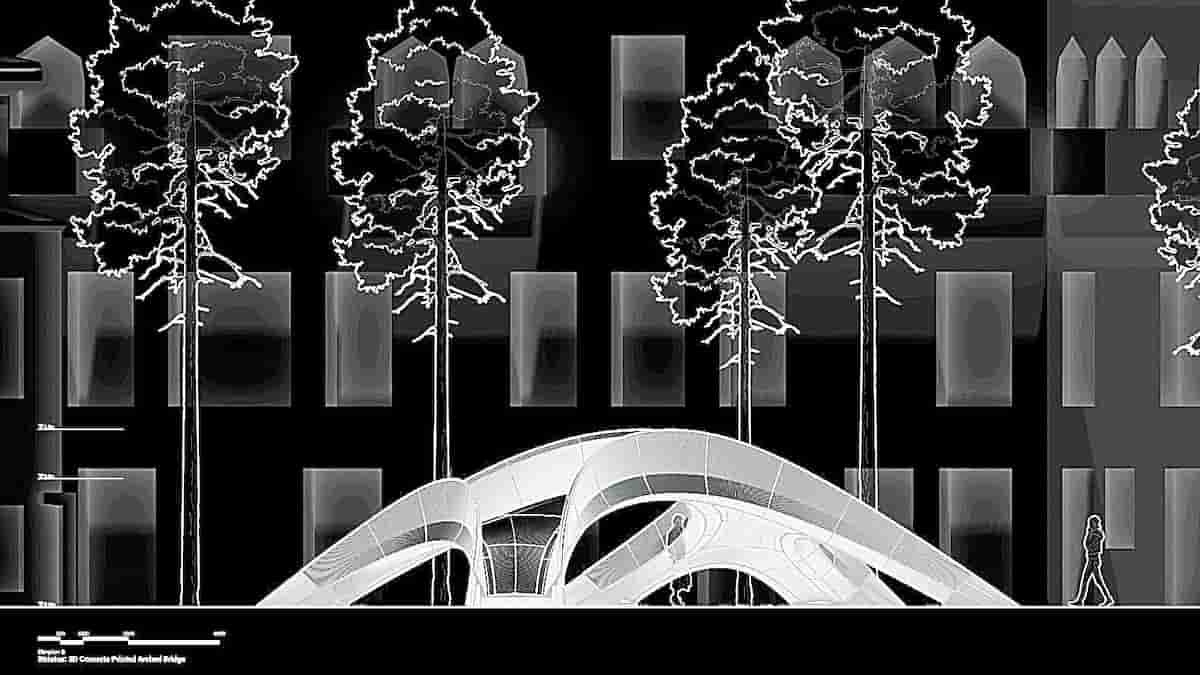
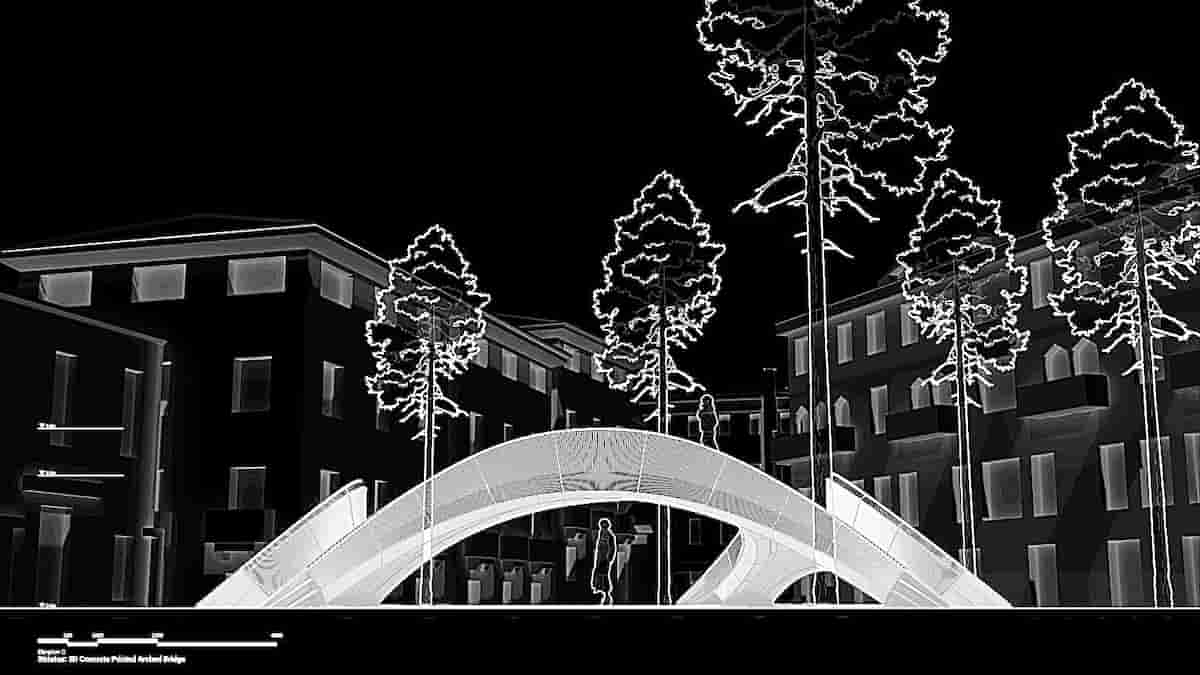
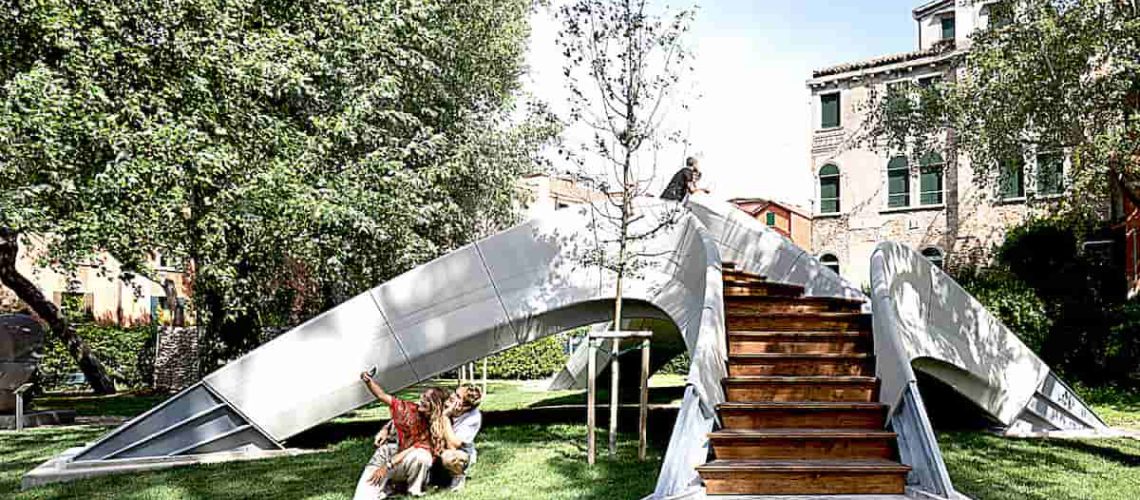
Striatus Bridge 3D printed concrete footbridge assembled without mortar in Venice

Striatus Bridge pioneers a new era of sustainable construction, proving that 3D-printed concrete can create a mortar-free bridge through pure compression and computational precision.
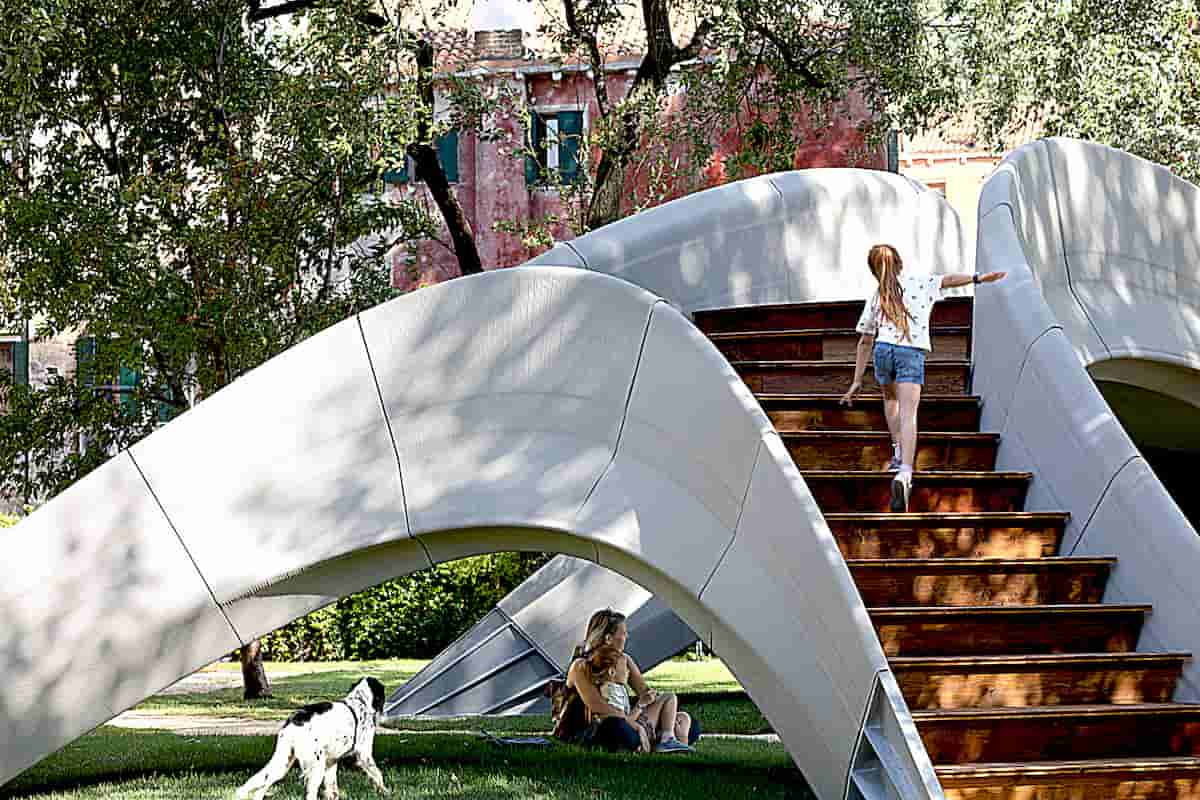
 

Assembled Without Mortar Striatus is an Arched, Unreinforced Masonry Footbridge Composed of 3D-Printed Concrete


Striatus Bridge Reinvents Masonry with 3D Printed Concrete

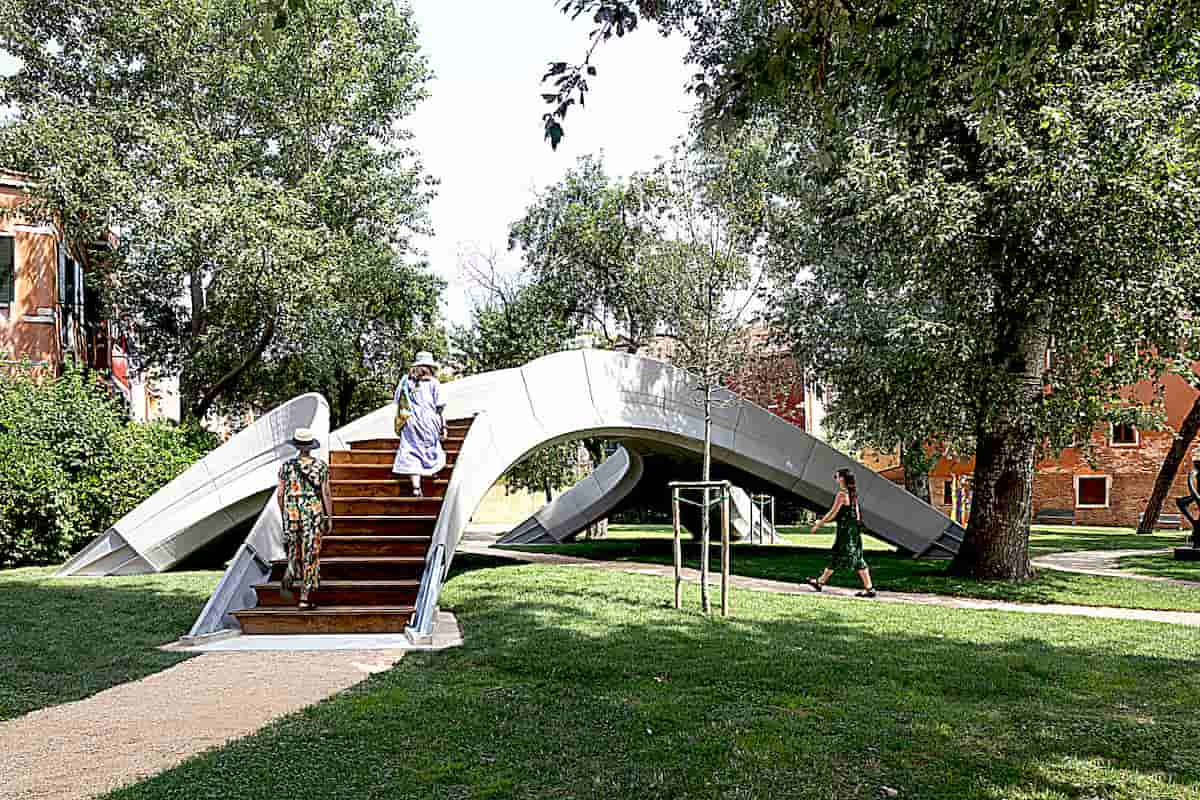
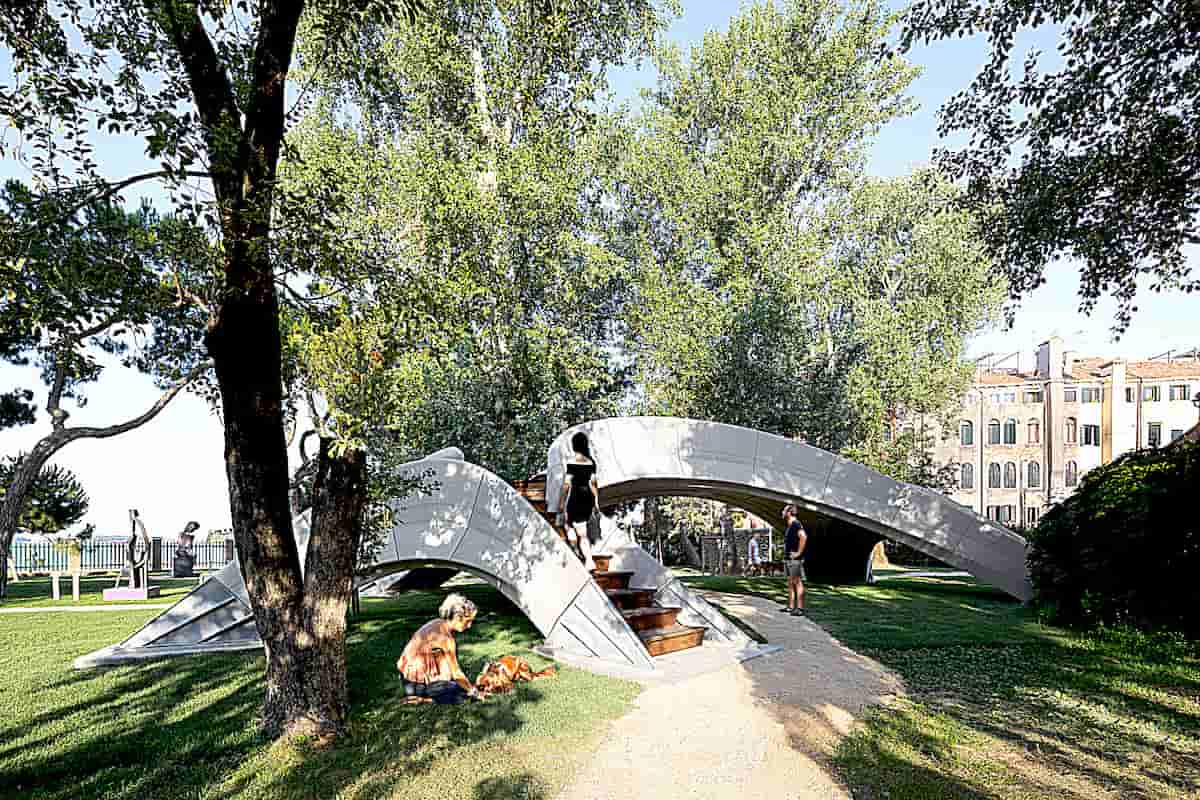
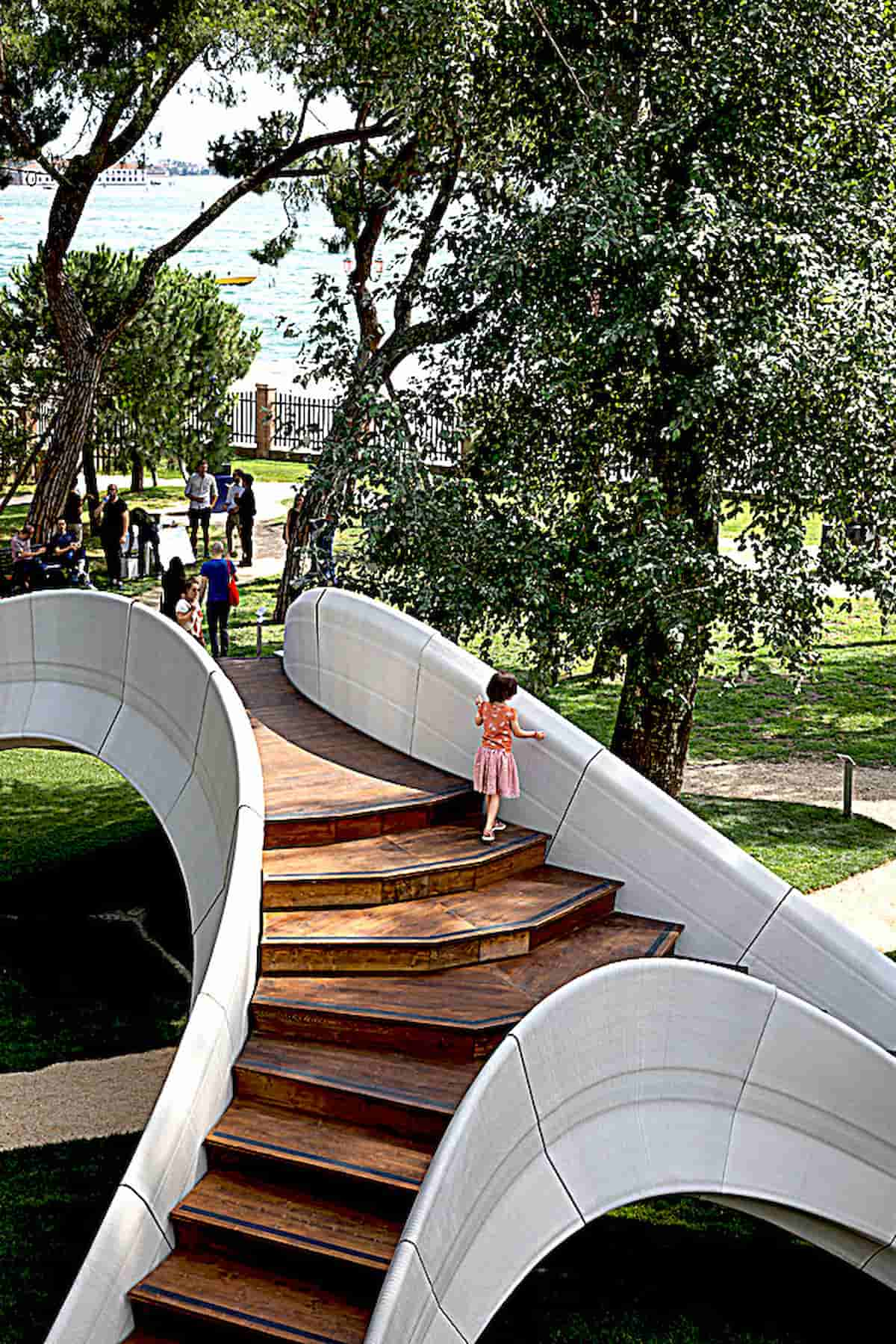
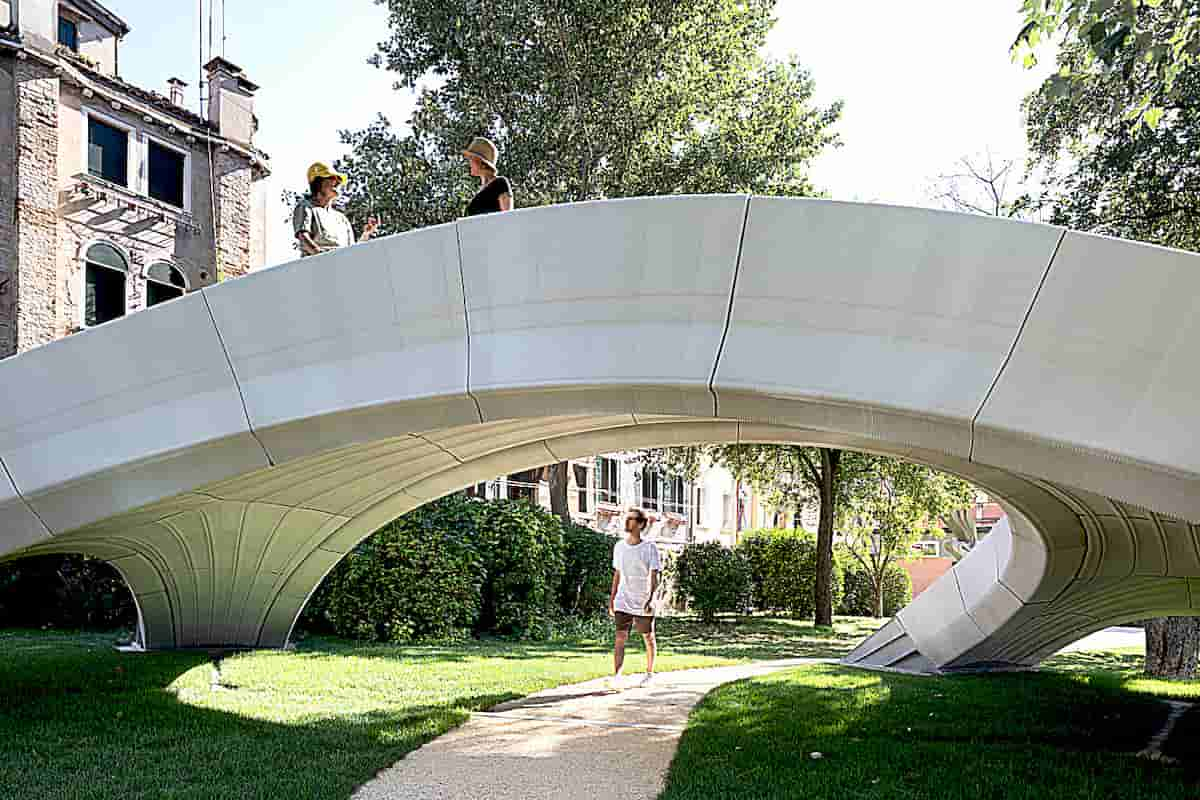
Striatus Bridge is a groundbreaking 3D printed concrete footbridge that reimagines traditional masonry through digital fabrication. Constructed entirely from unreinforced concrete blocks assembled without mortar, the arched bridge was unveiled during the Venice Architecture Biennale as the first structure of its kind. By combining centuries-old masonry principles with computational design, robotic manufacturing, and advanced structural engineering, the project demonstrates a more sustainable and materially efficient future for bridge construction.


Compression-Only Engineering Eliminates the Need for Reinforcement

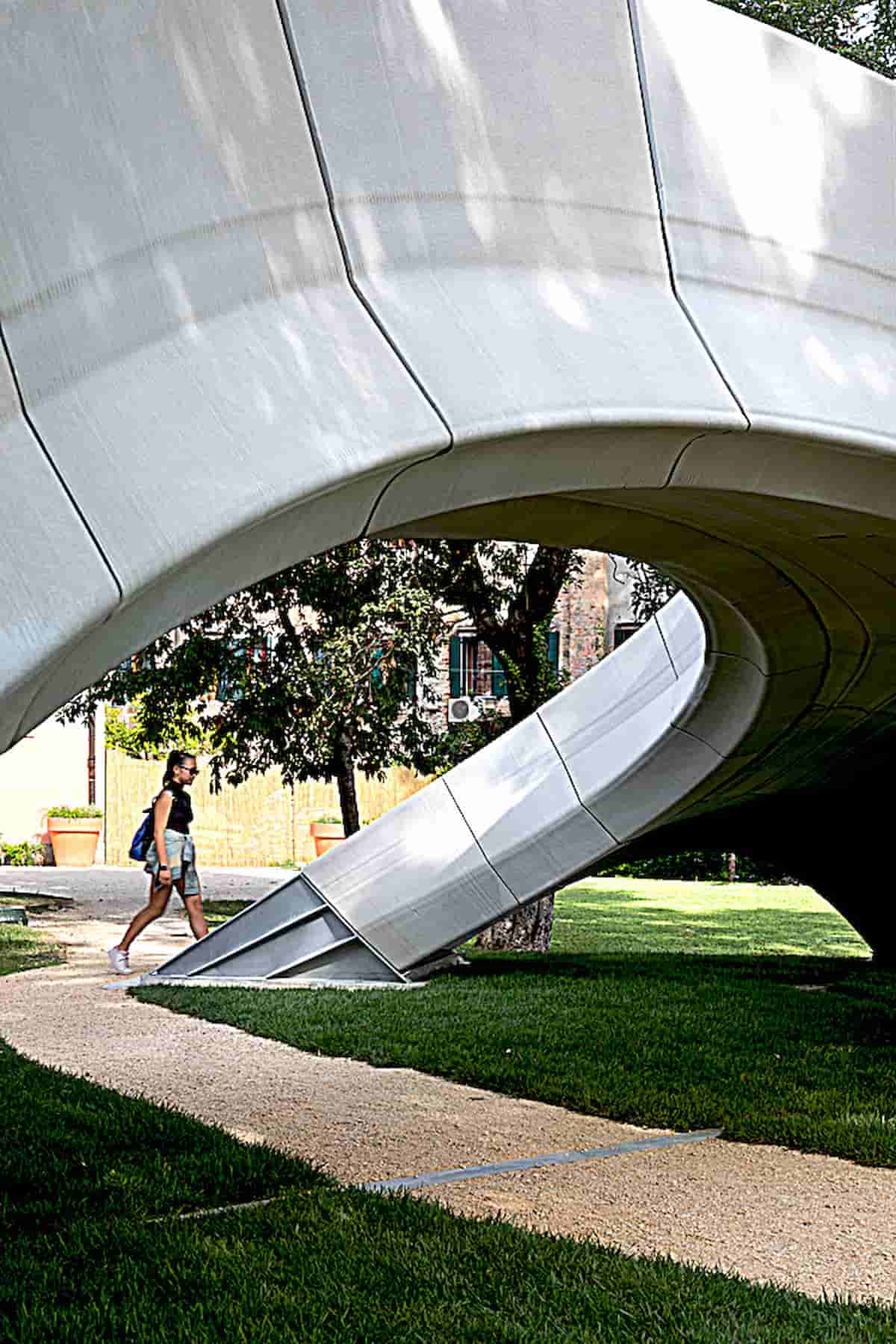
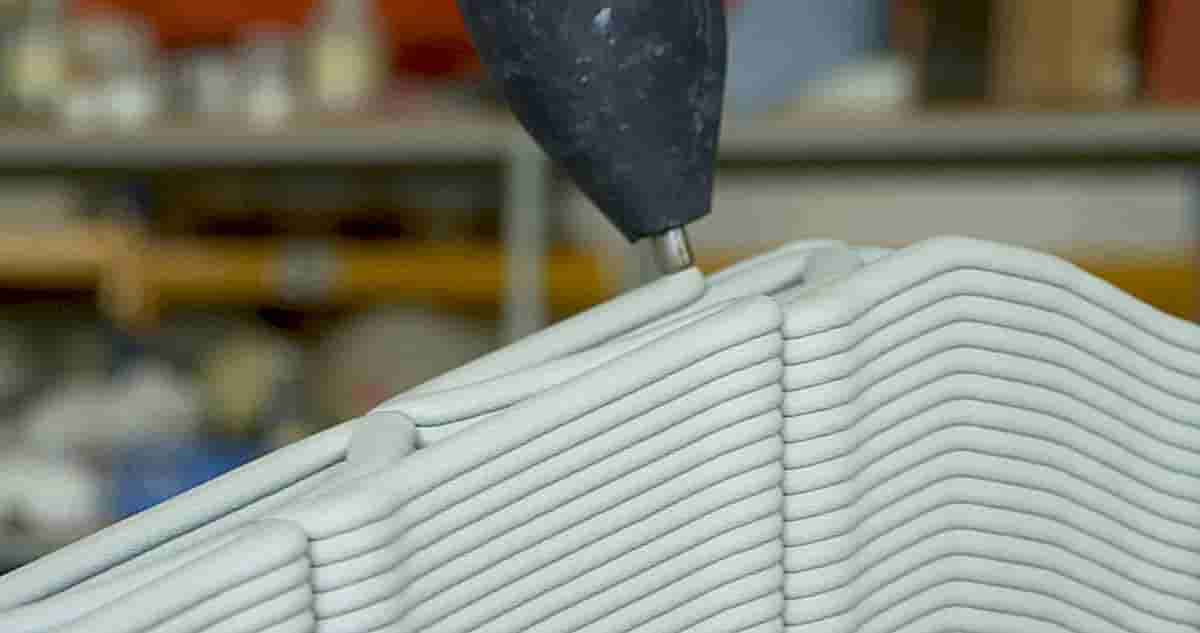
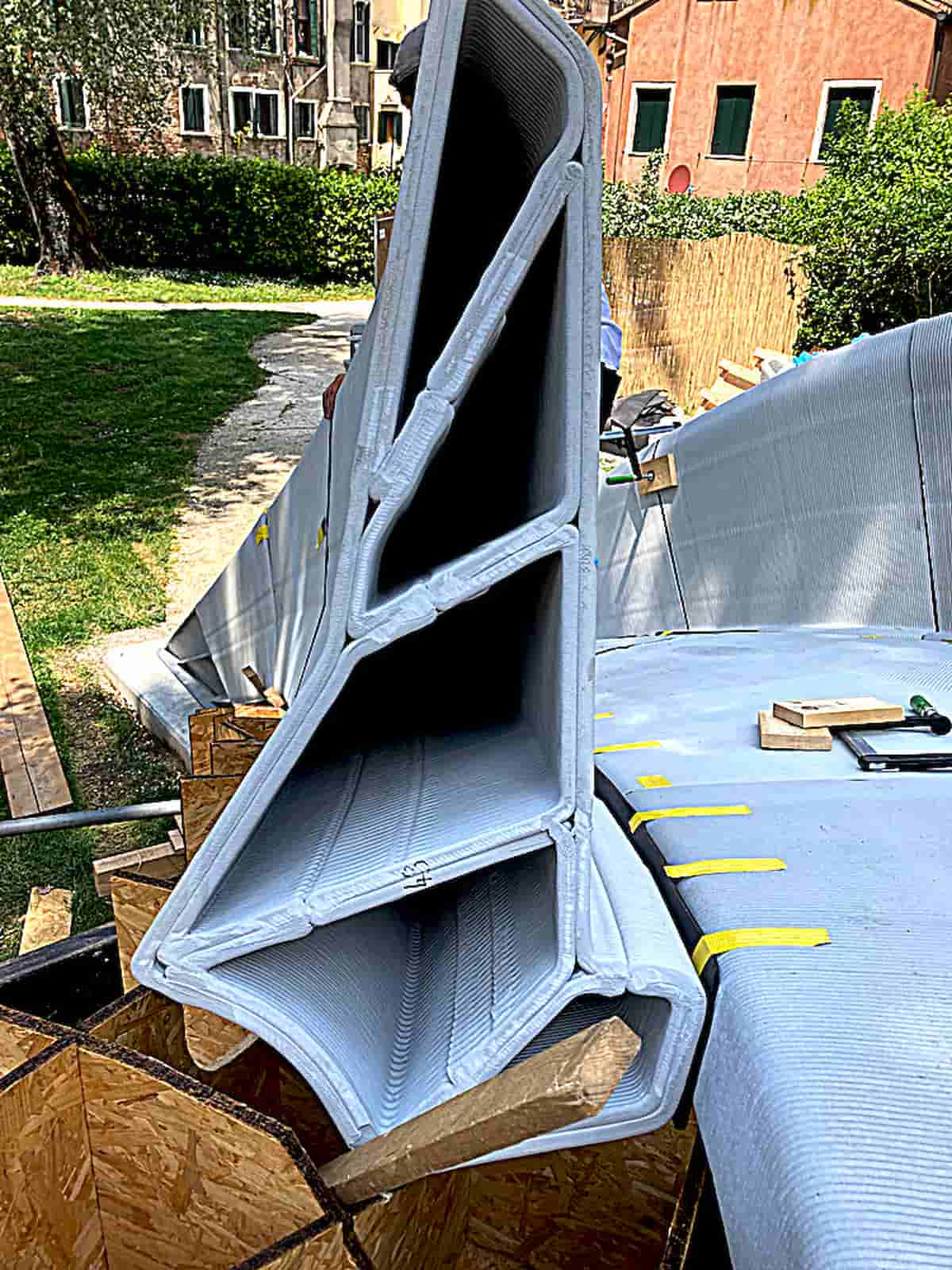
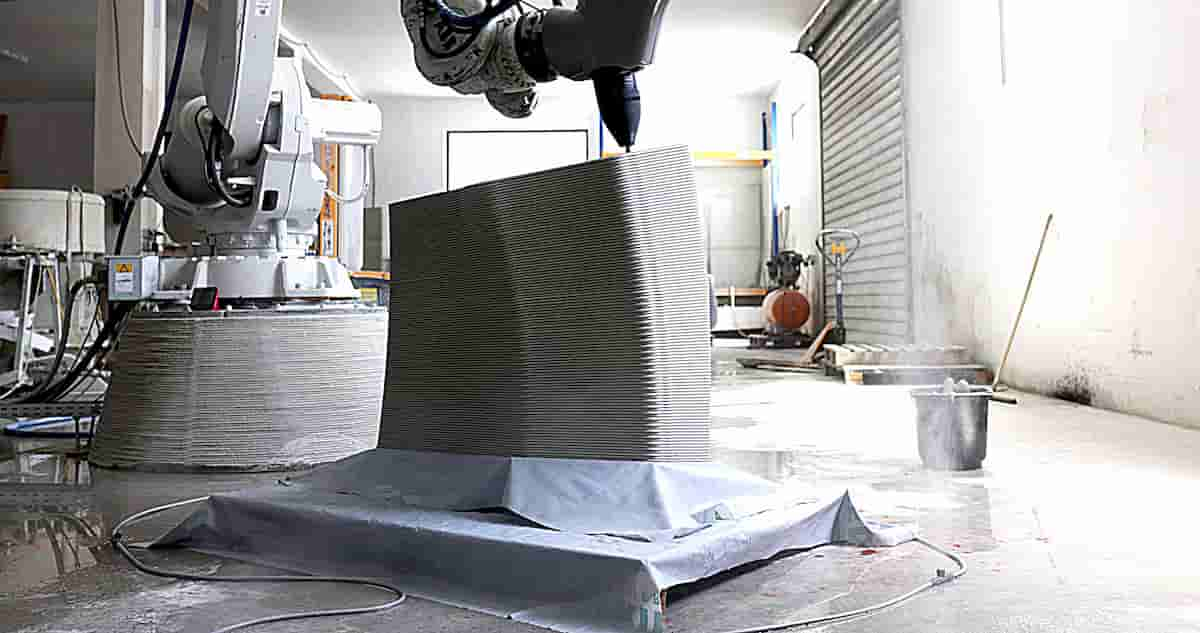
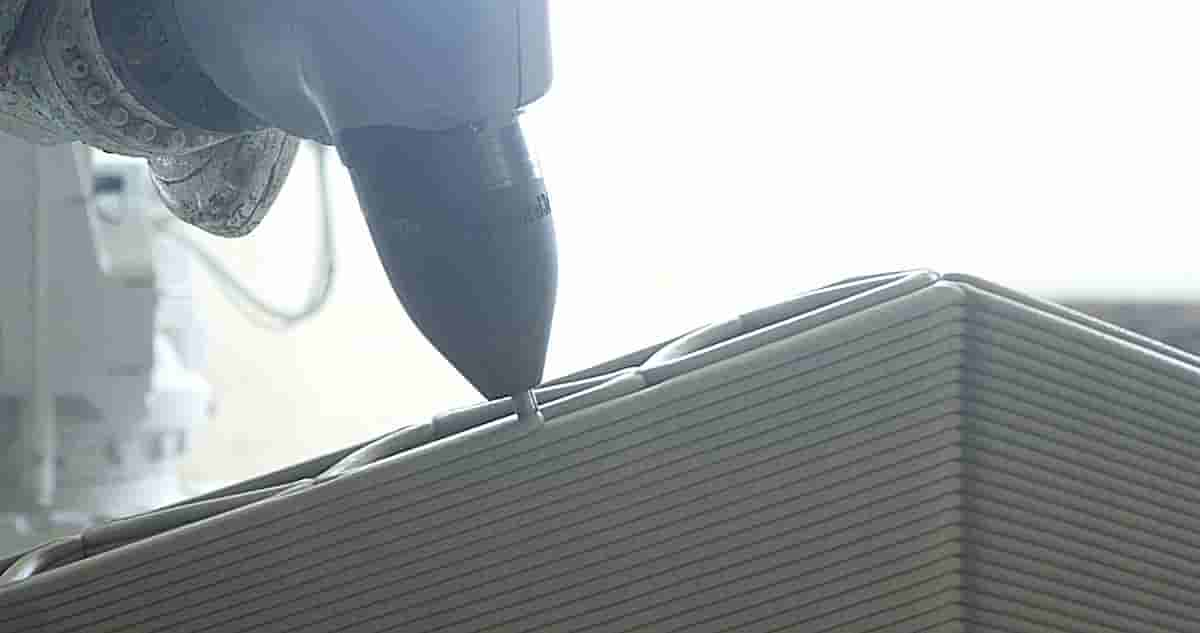
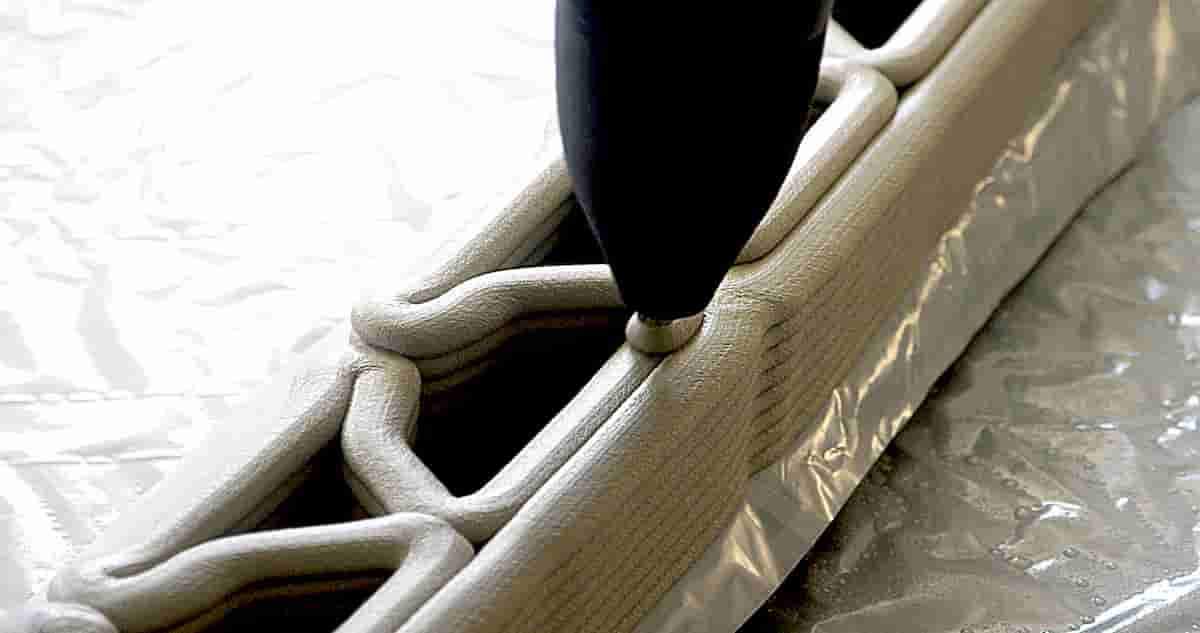
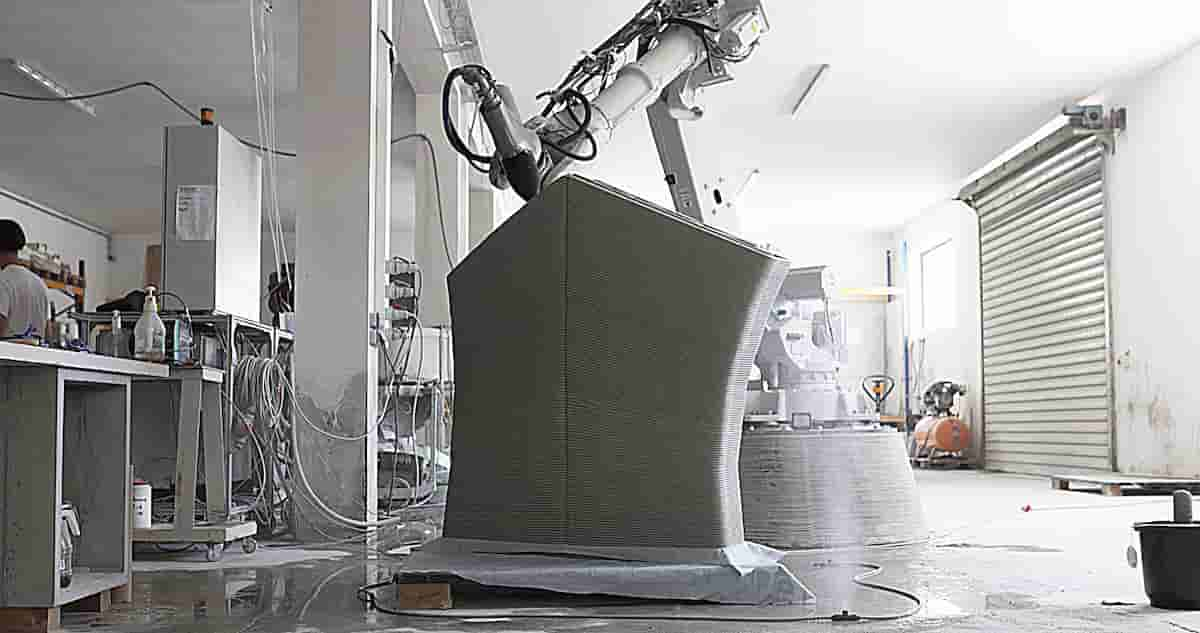
The name Striatus refers directly to its layered fabrication process and structural behaviour. Each concrete block is printed with its layers positioned perpendicular to the primary compression forces, creating a compression-only funicular structure that requires neither steel reinforcement nor mortar. This innovative engineering strategy minimizes material consumption while maximizing structural performance, illustrating how advanced computational design can redefine the future of low-carbon architecture and infrastructure.


︳3D printing can be used to build load-bearing concrete structures that require significantly less material and no steel reinforcement or mortar. ETH architects and engineers from the Block Research Group in collaboration with Zaha Hadid Architects and other partners from the industry showed how this works with a footbridge in Venice.


︳Millions of new buildings all over the world are being constructed with reinforced concrete, even though this type of construction generates large amounts of CO2 emissions. The steel used for the reinforcement and the cement for the concrete is especially problematic in this regard. ETH researchers have now presented a way to reduce both, in a real project.


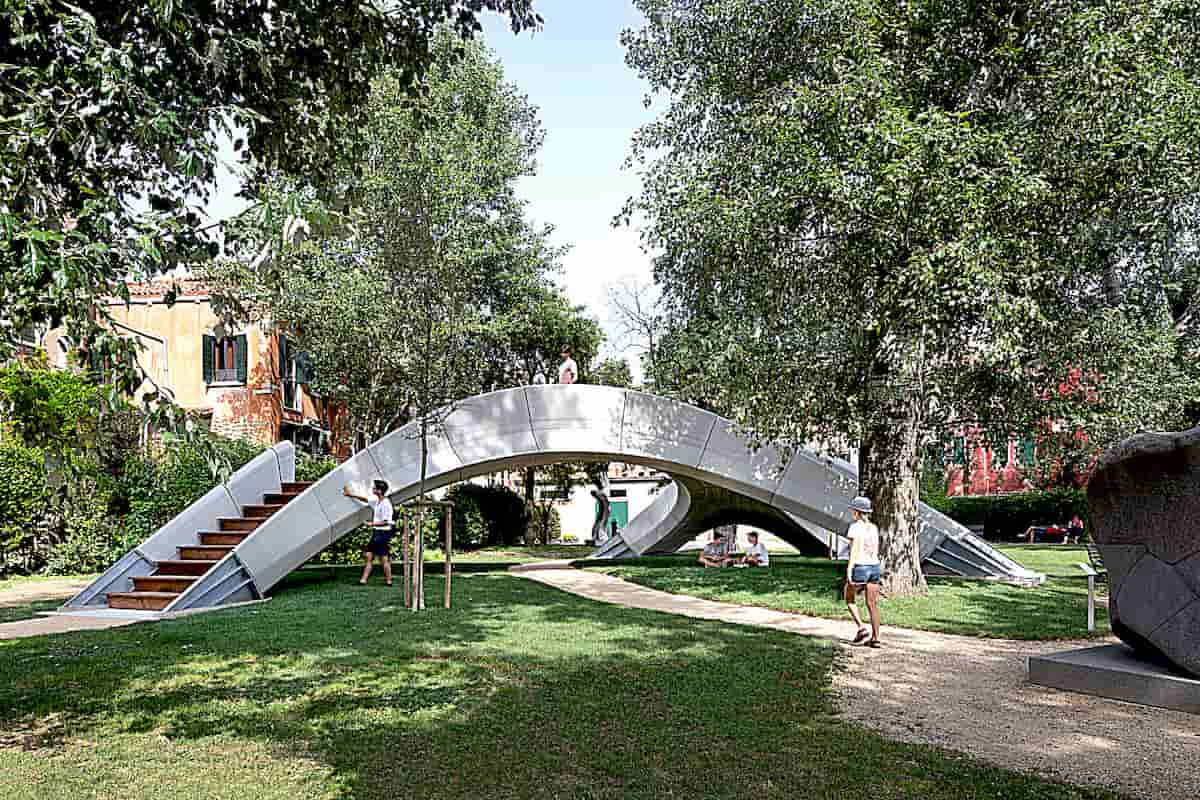
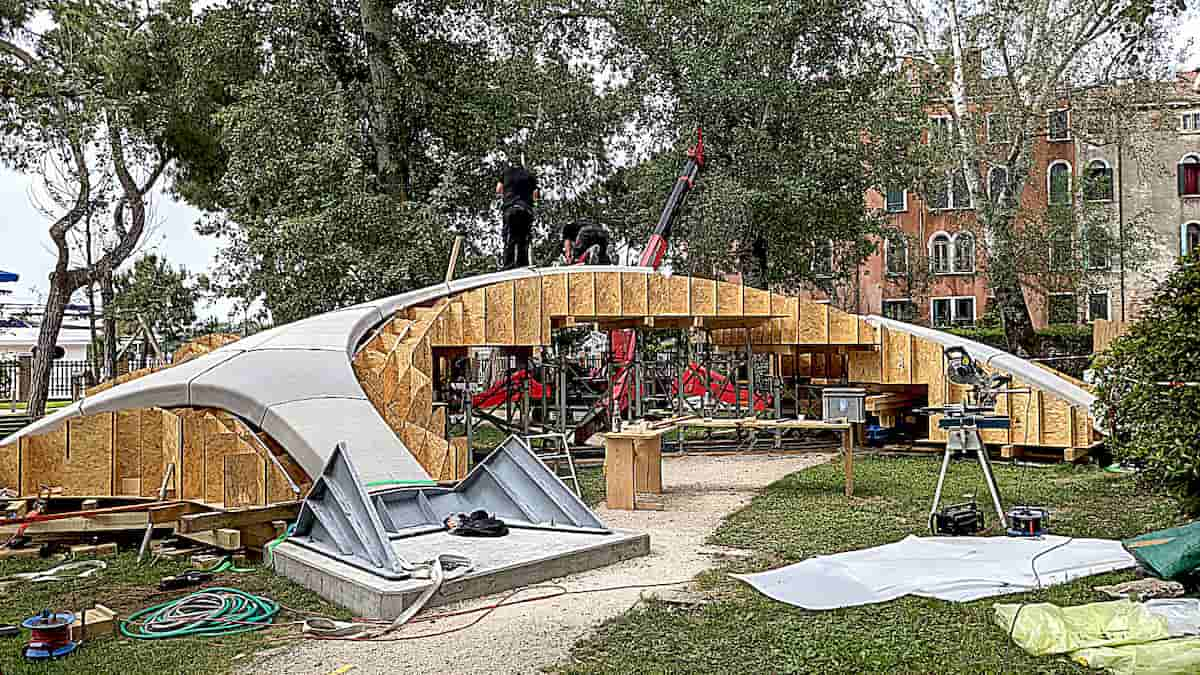
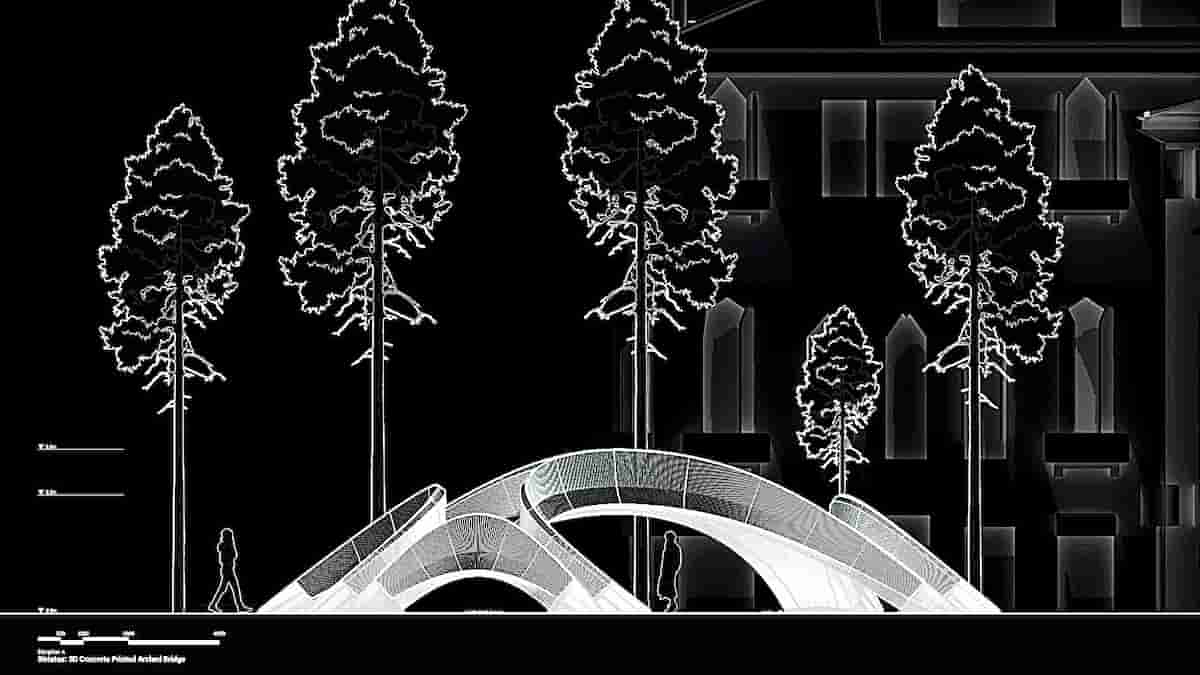
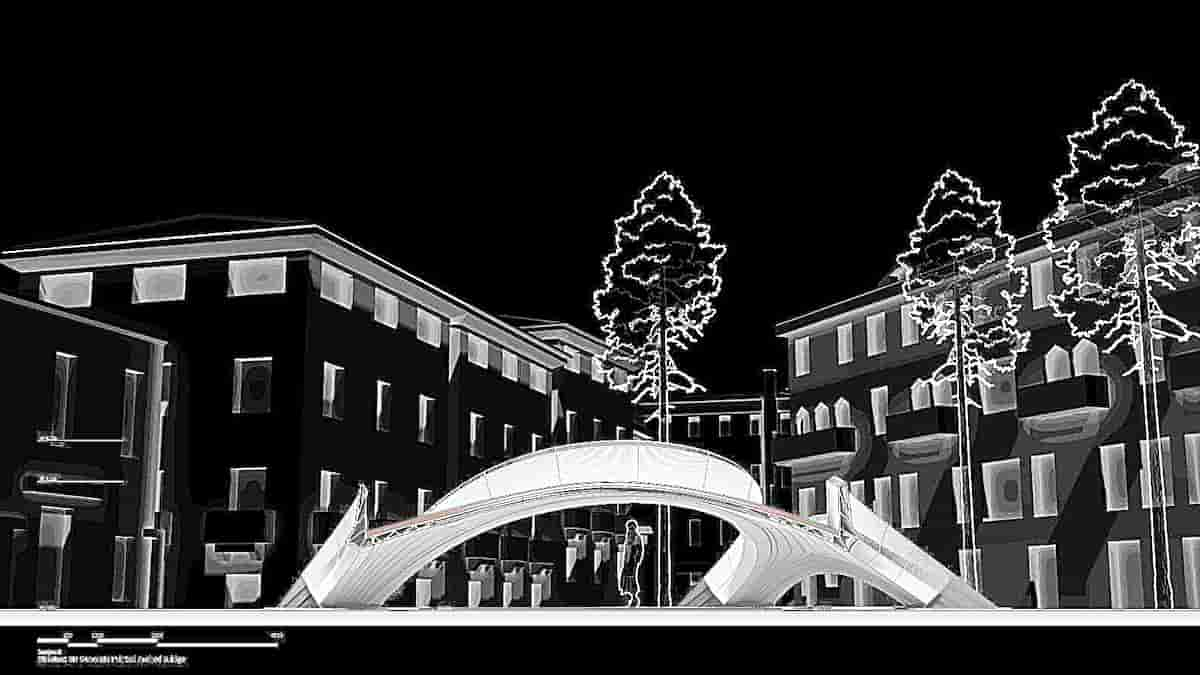
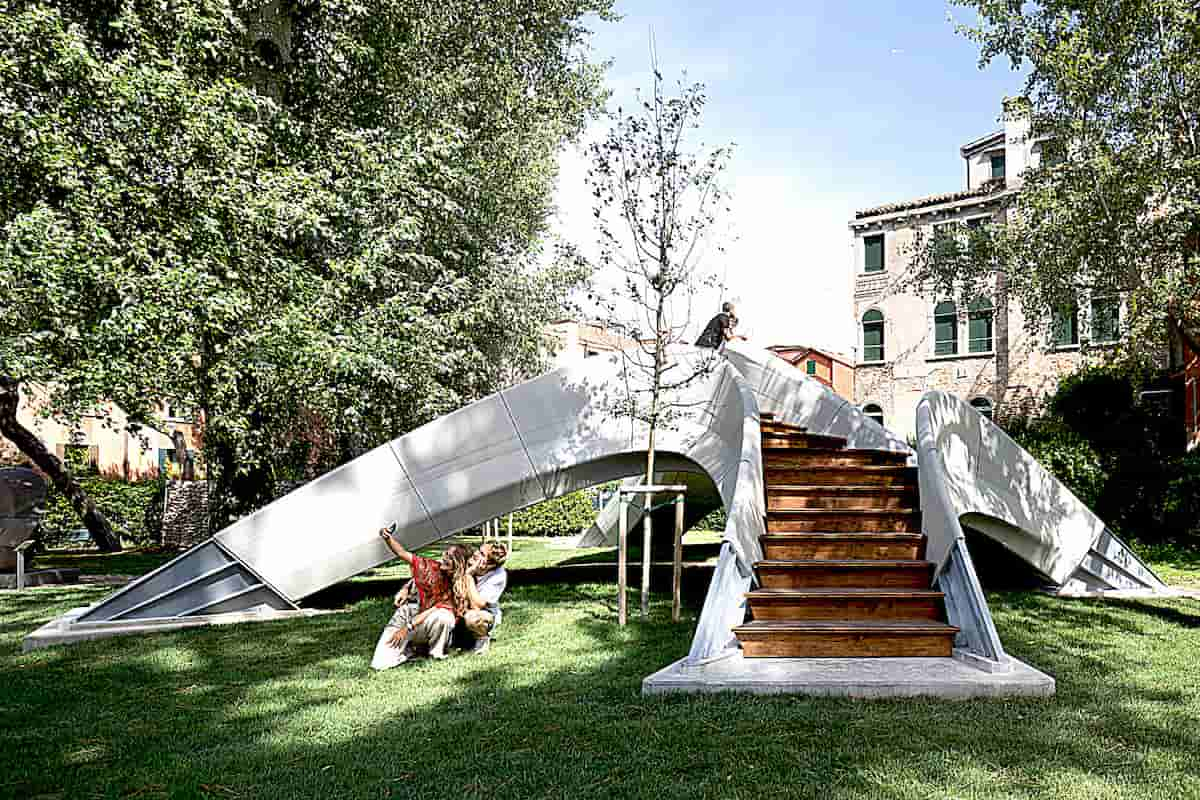
︳The Block Research Group teamed up with the Computation and Design Group at Zaha Hadid Architects to build a 12-by-16-metre arched footbridge in a park in Venice – entirely without reinforcement.

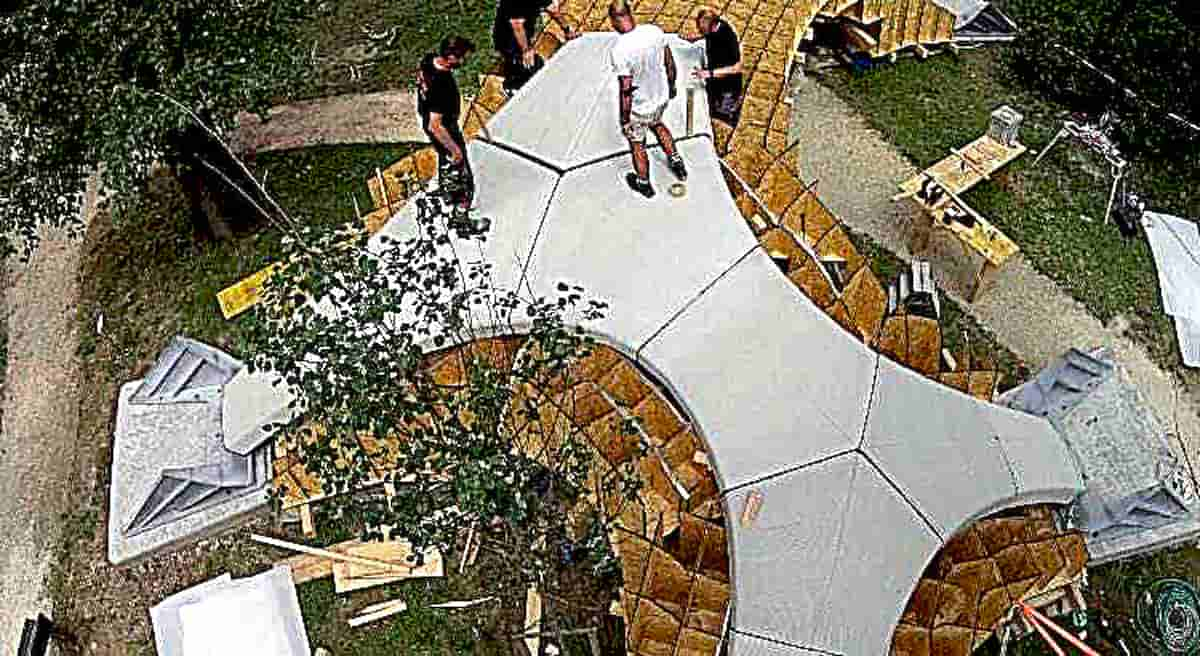
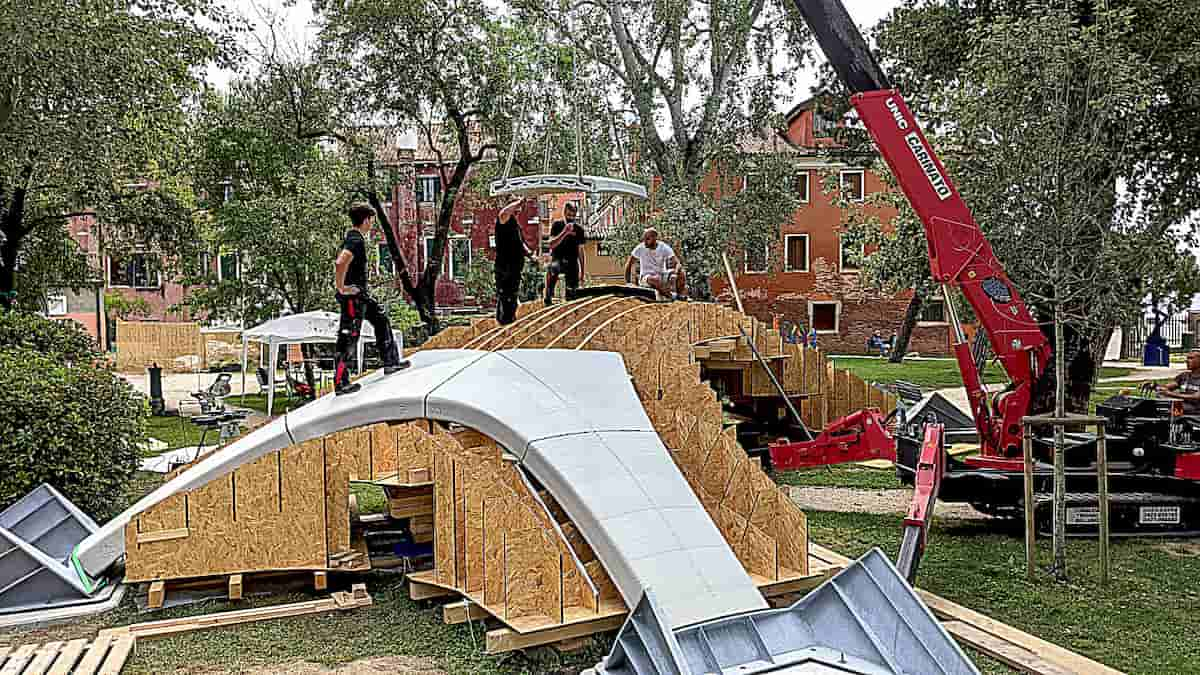
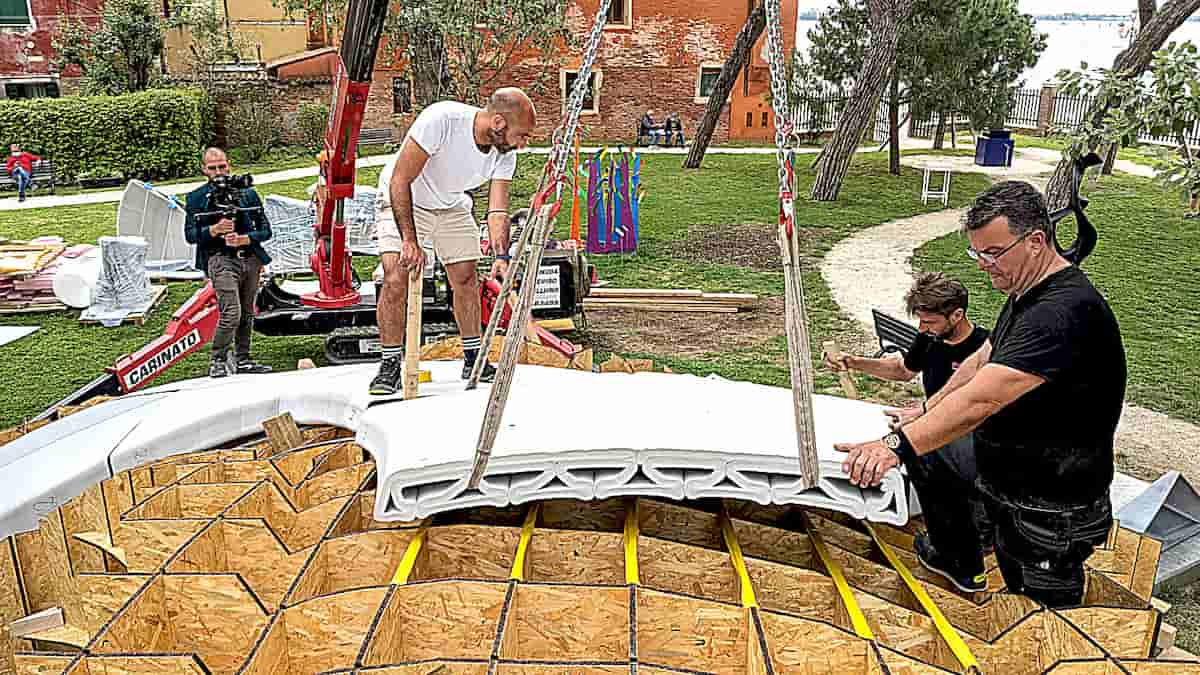
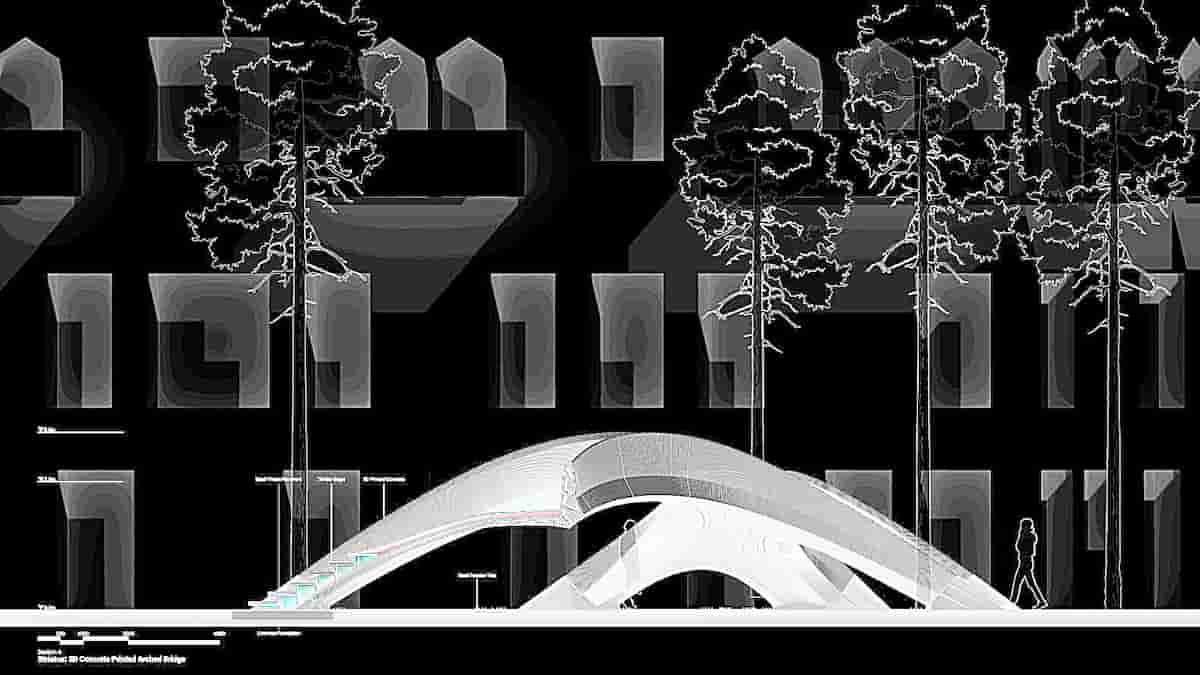
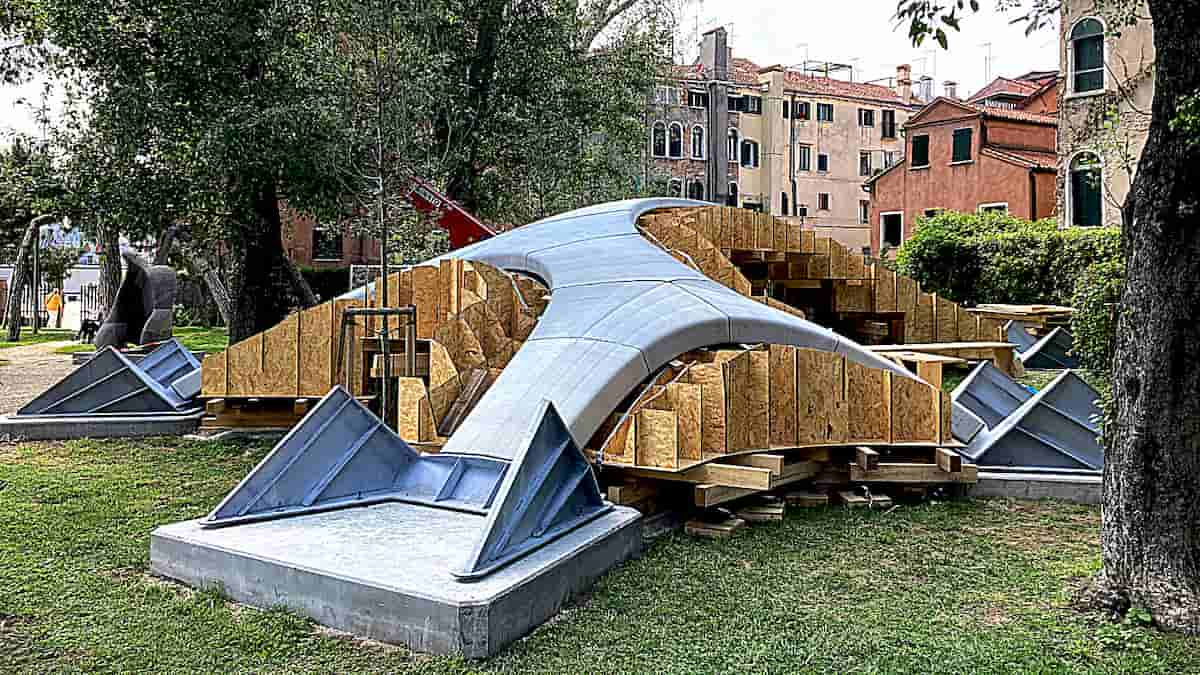
Using an additive process, the construction dubbed “Striatus” was built with concrete blocks that form an arch much like traditional masonry bridges. This compression-only structure allows the forces to travel to the footings, which are tied together on the ground. The dry-assembled construction is stable due to its geometry only.


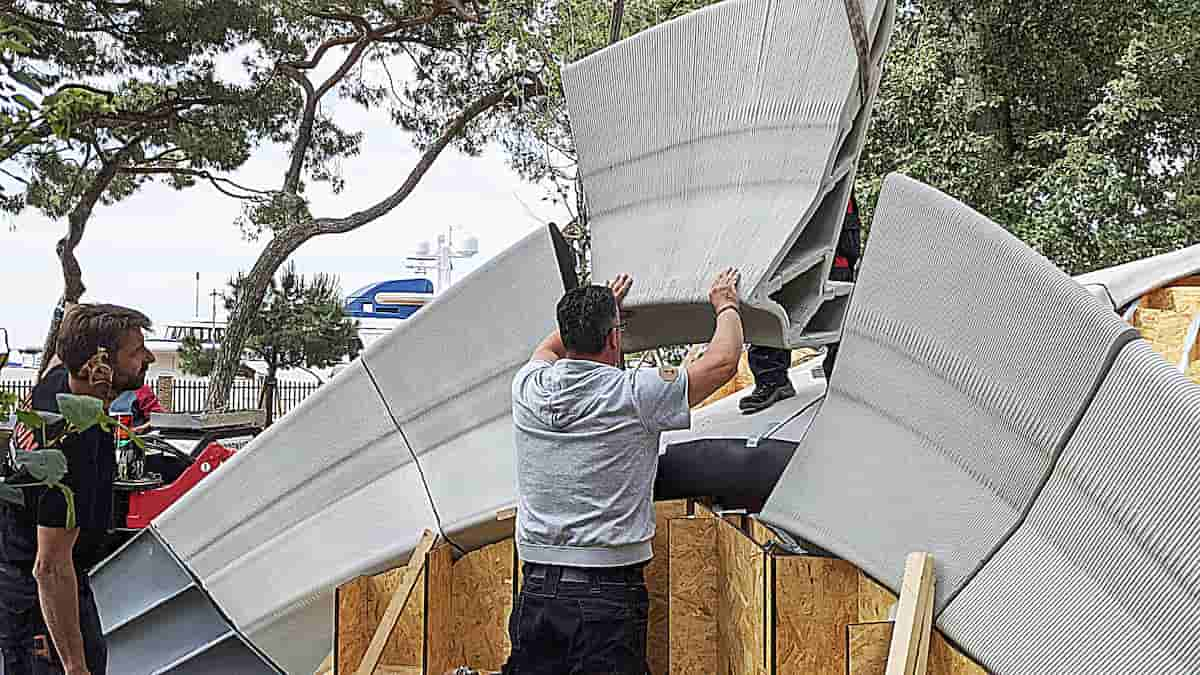
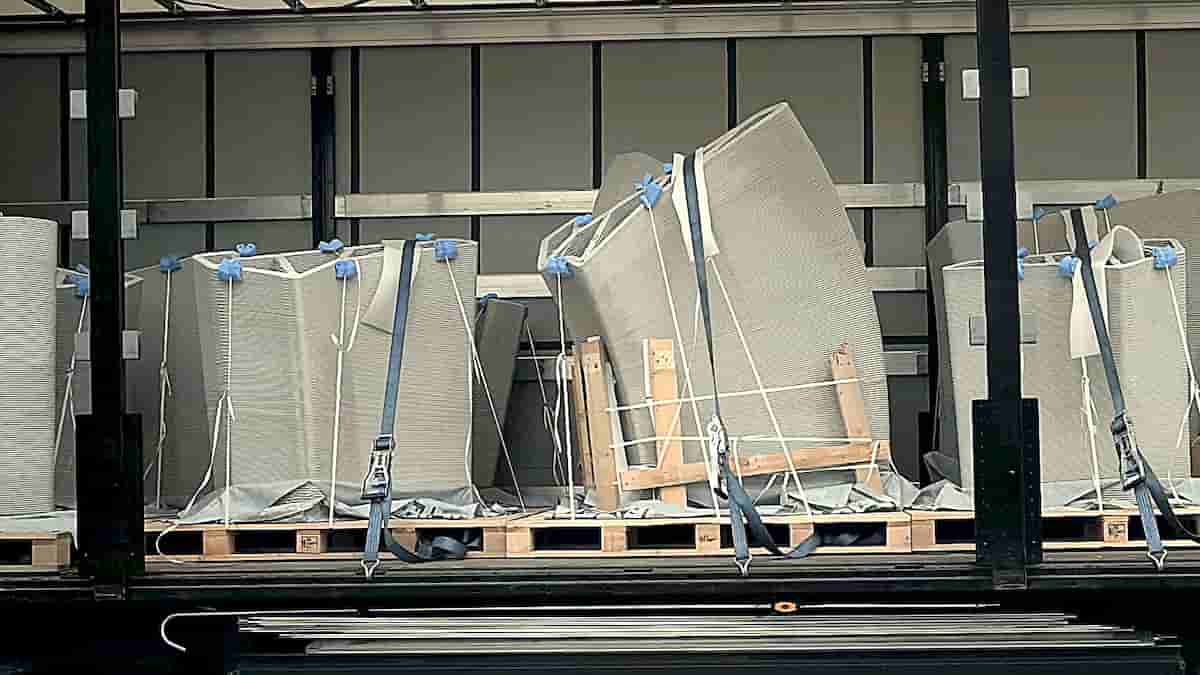
︳What is completely new is the type of 3D-printed concrete, which the researchers developed together with the company Incremental3D. The concrete is not applied horizontally in the usual way but instead at specific angles such that they are orthogonal to the flow of compressive forces. This keeps the printed layers in the blocks nicely pressed together, without the need for reinforcement or post-tensioning. The special concrete ink for the 3D printer was developed by the company Holcim precisely for this purpose.


︳ETH professor Philippe Block said: “This precise method of 3D concrete printing allows us to combine the principles of traditional vaulted construction with digital concrete fabrication to use material only where it is structurally necessary without producing waste.”


︳Because the construction does not need mortar, the blocks can be dismantled, and the bridge reassembled again at a different location. If the construction is no longer needed, the materials can simply be separated and recycled.
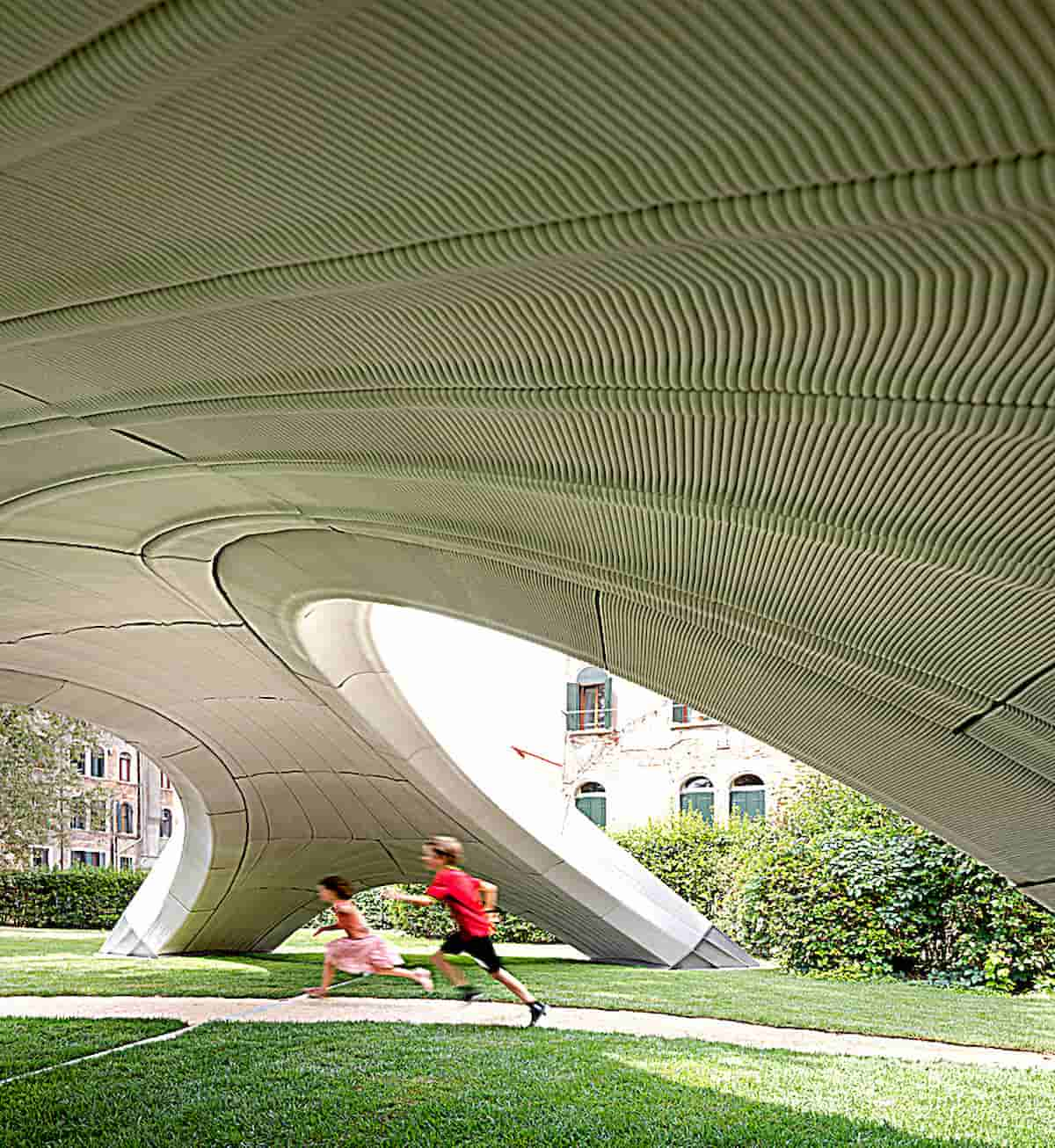
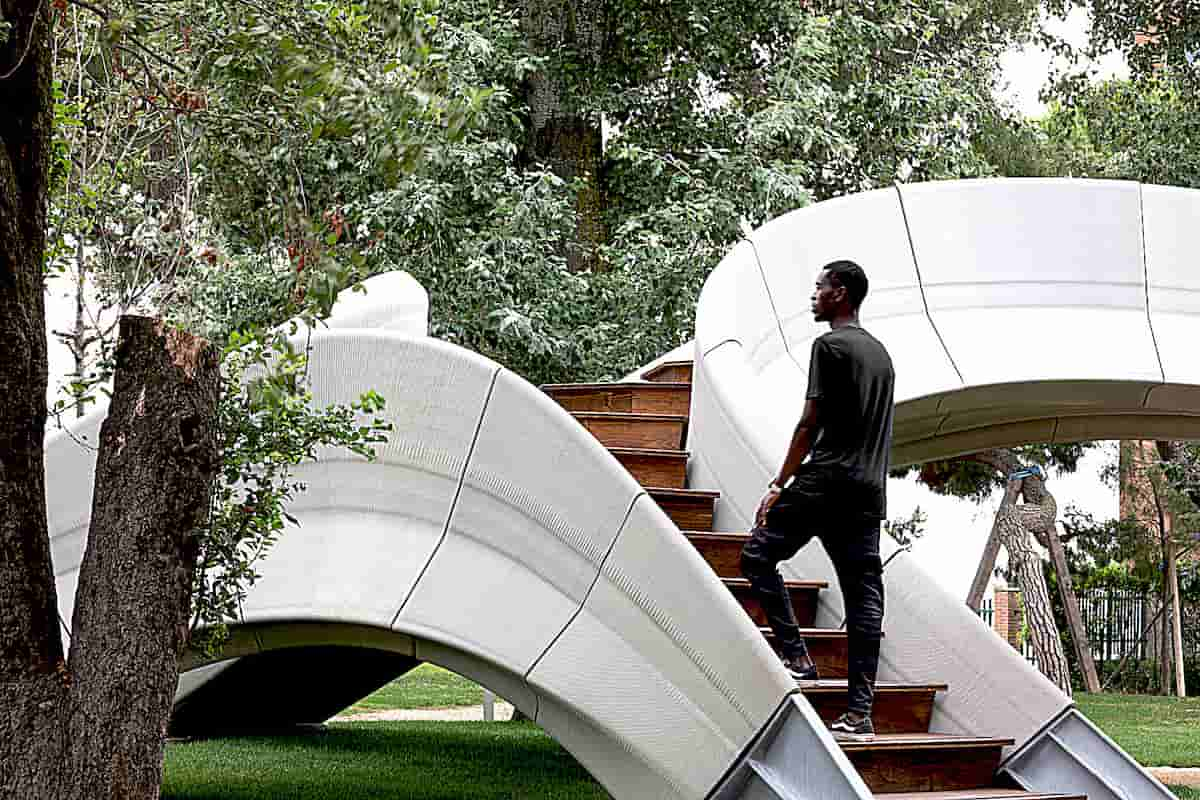
 

Striatus Bridge: Assembled Without Mortar Striatus is an Arched, Unreinforced Masonry Footbridge Composed of 3D-Printed Concrete


Striatus Bridge: Assembled Without Mortar Striatus is an Arched, Unreinforced Masonry Footbridge Composed of 3D-Printed Concrete


Striatus Bridge: Assembled Without Mortar Striatus is an Arched, Unreinforced Masonry Footbridge Composed of 3D-Printed Concrete


Striatus Bridge: Assembled Without Mortar Striatus is an Arched, Unreinforced Masonry Footbridge Composed of 3D-Printed Concrete


Striatus Bridge: Assembled Without Mortar Striatus is an Arched, Unreinforced Masonry Footbridge Composed of 3D-Printed Concrete


Striatus Bridge: Assembled Without Mortar Striatus is an Arched, Unreinforced Masonry Footbridge Composed of 3D-Printed Concrete


Striatus Bridge: Assembled Without Mortar Striatus is an Arched, Unreinforced Masonry Footbridge Composed of 3D-Printed Concrete


Striatus Bridge: Assembled Without Mortar Striatus is an Arched, Unreinforced Masonry Footbridge Composed of 3D-Printed Concrete


Striatus Bridge: Assembled Without Mortar Striatus is an Arched, Unreinforced Masonry Footbridge Composed of 3D-Printed Concrete


Striatus Bridge: Assembled Without Mortar Striatus is an Arched, Unreinforced Masonry Footbridge Composed of 3D-Printed Concrete


Striatus Bridge: Assembled Without Mortar Striatus is an Arched, Unreinforced Masonry Footbridge Composed of 3D-Printed Concrete


Striatus Bridge: Assembled Without Mortar Striatus is an Arched, Unreinforced Masonry Footbridge Composed of 3D-Printed Concrete


Striatus Bridge: Assembled Without Mortar Striatus is an Arched, Unreinforced Masonry Footbridge Composed of 3D-Printed Concrete


Striatus Bridge: Assembled Without Mortar Striatus is an Arched, Unreinforced Masonry Footbridge Composed of 3D-Printed Concrete


Striatus Bridge: Assembled Without Mortar Striatus is an Arched, Unreinforced Masonry Footbridge Composed of 3D-Printed Concrete


Striatus Bridge: Assembled Without Mortar Striatus is an Arched, Unreinforced Masonry Footbridge Composed of 3D-Printed Concrete


Striatus Bridge: Assembled Without Mortar Striatus is an Arched, Unreinforced Masonry Footbridge Composed of 3D-Printed Concrete


Striatus Bridge: Assembled Without Mortar Striatus is an Arched, Unreinforced Masonry Footbridge Composed of 3D-Printed Concrete


Striatus Bridge: Assembled Without Mortar Striatus is an Arched, Unreinforced Masonry Footbridge Composed of 3D-Printed Concrete


Striatus Bridge: Assembled Without Mortar Striatus is an Arched, Unreinforced Masonry Footbridge Composed of 3D-Printed Concrete


Striatus Bridge: Assembled Without Mortar Striatus is an Arched, Unreinforced Masonry Footbridge Composed of 3D-Printed Concrete


Striatus Bridge: Assembled Without Mortar Striatus is an Arched, Unreinforced Masonry Footbridge Composed of 3D-Printed Concrete


Striatus Bridge: Assembled Without Mortar Striatus is an Arched, Unreinforced Masonry Footbridge Composed of 3D-Printed Concrete


Striatus Bridge: Assembled Without Mortar Striatus is an Arched, Unreinforced Masonry Footbridge Composed of 3D-Printed Concrete


Striatus Bridge: Assembled Without Mortar Striatus is an Arched, Unreinforced Masonry Footbridge Composed of 3D-Printed Concrete


Striatus Bridge: Assembled Without Mortar Striatus is an Arched, Unreinforced Masonry Footbridge Composed of 3D-Printed Concrete


Striatus Bridge: Assembled Without Mortar Striatus is an Arched, Unreinforced Masonry Footbridge Composed of 3D-Printed Concrete


Striatus Bridge: Assembled Without Mortar Striatus is an Arched, Unreinforced Masonry Footbridge Composed of 3D-Printed Concrete

Apple architecture showcasing glass facades, natural light, and minimalist spatial design

咬下蘋果一口後,Apple 如何用玻璃、光線與秩序建構建築語言

從 Apple Store 到 Apple Park,蘋果將產品思維延伸至建築,讓玻璃、光線與動線成為品牌體驗的一部分。     過去二十年間,Apple 不只重新定義了科技產品,也重新改寫了零售與企業建築的語言。從 Fifth Avenue 玻璃立方體、Today at Apple 的城市公共性,到 Apple Park 的系統化園區,建築逐漸成為品牌介面的一部分。這些空間不只是商店,更是一套關於秩序、透明與控制的體驗設計。     2026年,蘋果公司迎來了成立五十週年。在過去的二十年中,Apple 發展出一套連貫且高度辨識性的建築語言,將品牌延伸至 Apple Store、辦公室和公共空間,把零售環境與城市空間都變成其品牌形象的積極組成部分。這些環境引導著人們的動線,建構互動框架,並影響使用者體驗產品、感知空間以及理解

材料如何被石油體系重新定義

材料從來沒有中性過,只是我們習慣把它當作中性。 混凝土、鋼、玻璃——它們被討論時,總是停在強度、結構或形式。但那只是最後一層。 在那之前,它們已經被決定過很多次。 材料之所以看起來中性,是因為大部分決策已經在它出現之前完成。當我們開始討論材料時,其實已經太晚。     石油的影響並不止於能源供應,它進一步進入建築的物質層,重新塑造了我們對材料的理解,使材料不再只是被選擇與組合的元素,而是與能源體系緊密連動的結果,其生成、性能與使用方式都在石油系統的框架之中被重新定義。     材料在這樣的條件下不再被視為中性的建築構成元素,而是帶有明確來源與技術背景的產物,從塑膠、塗料、防水層到各類合成材料,其背後皆指向石油提煉與化工工業的生產鏈,使建築的物質基礎逐漸從天然轉向人工合成,這種轉變不僅改變了材料的物理性能與施工方式,也使材料本身成為一種可被標準化、複製與大量生產的結果,並在其生成與應用的過程中,逐漸依賴於隱藏地下的基礎設施與能源系統,進而影響建築形式與空間表現的可能性,使設計不再完全由形態決定,而是受制於材料系統的供應與限制 隨著這些材料被廣泛應用於建築之中,空間的生成邏輯也隨之發生改變,輕量化、高強度與高延展性的特性使結構得以突破原有的限制,建築可以更快速地搭建與擴張,同時也更加依賴隱藏於表面之下的材料層次來維持其功能,然而這些看似提升效率與性能的材料,實際上將建築更深地嵌入石油體系之中,使其在生命週期的每一個階段都與能源消耗與資源轉換緊密相連,從生產、運輸到維護與替換,都構成了一個難以脫離的依附關係 當材料被納入這樣的系統之後,建築便不再只是設計者操作的結果,而是成為一種由能源、技術與工業流程共同塑造的產物,其物質性不再純粹,而是混合了多重不可見的生產過程與資源流動,使我們難以單純以形式或功能來理解建築本身,而必須進一步追溯其背後的材料來源與生產邏輯,才能看見這些看似穩定的構成元素,實際上如何在石油體系之中被持續生成與重構   這些物質層面的轉變,最終仍回到同一個問題——建築如何在能源與基礎設施的系統之中被持續塑造與運作。     來源 材料來自哪裡,其實比它長成什麼樣子更重要。 開採、運輸、加工,每一個環節都在消耗能量,也在重新分配成本。這些過程不會出現在圖面上,但它們決定了什麼可以被建造。 Material is not chosen, it is

Facebook
Twitter
LinkedIn
Tumblr
0 0 votes
Article Rating
Subscribe
Notify of
guest
0 Comments
Oldest
Newest Most Voted
Search