Industrial Heritage Reimagined Through Artistic and Artisanal Creativity

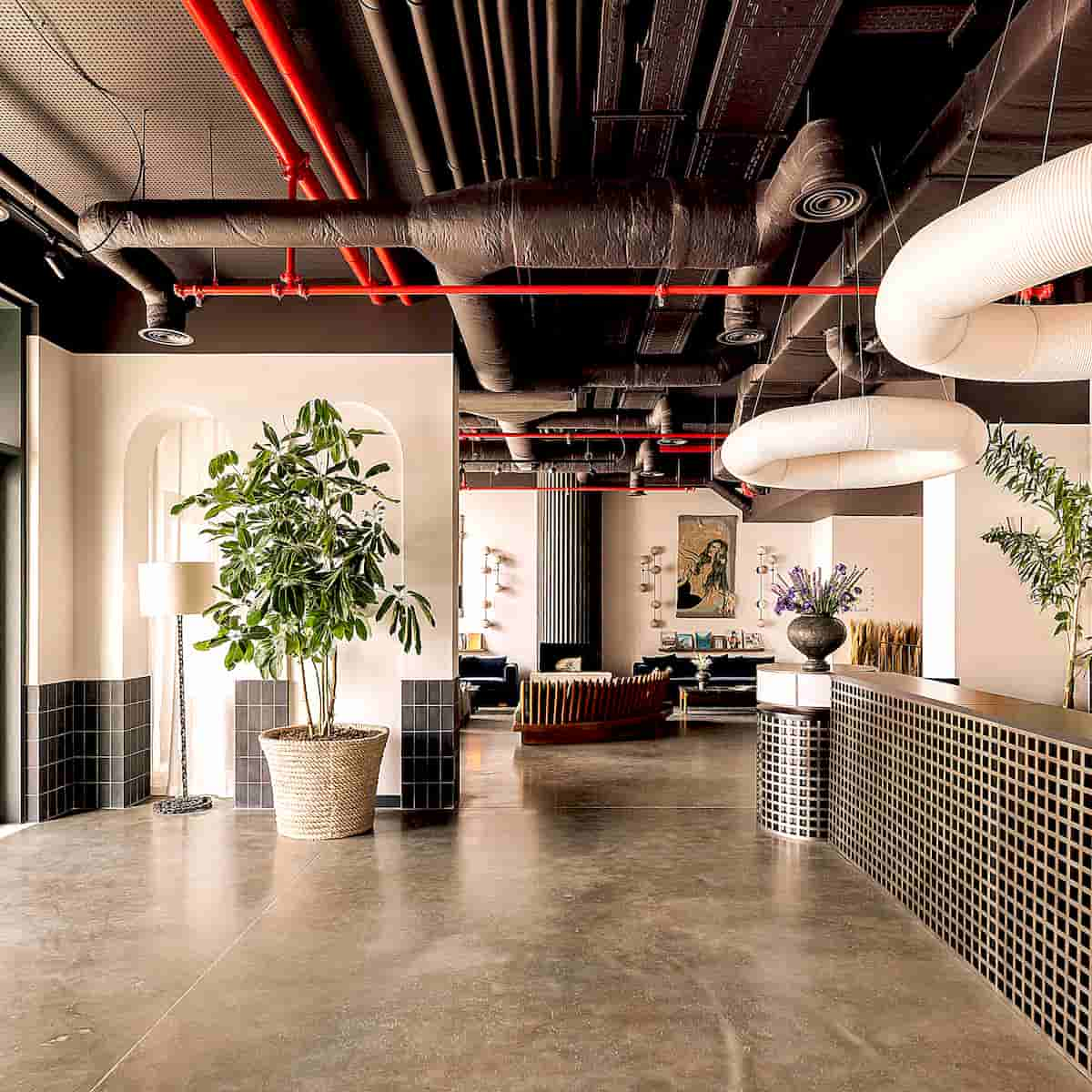
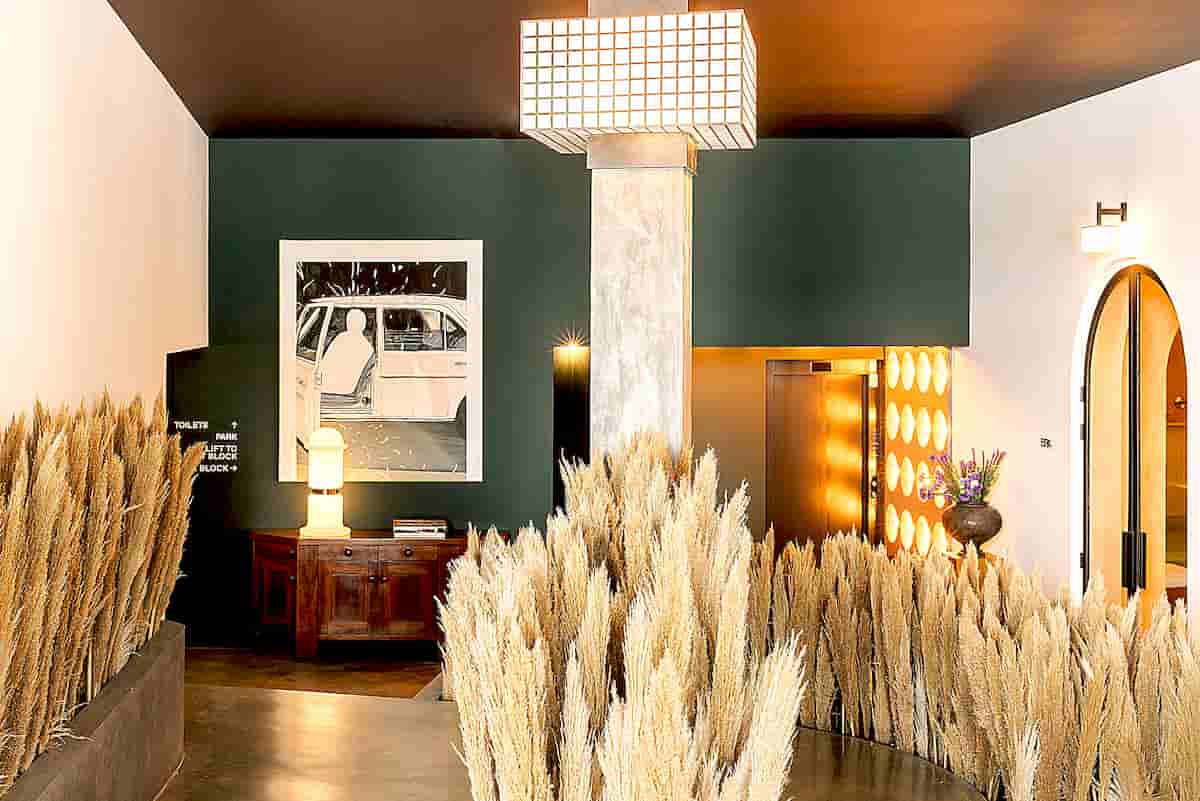
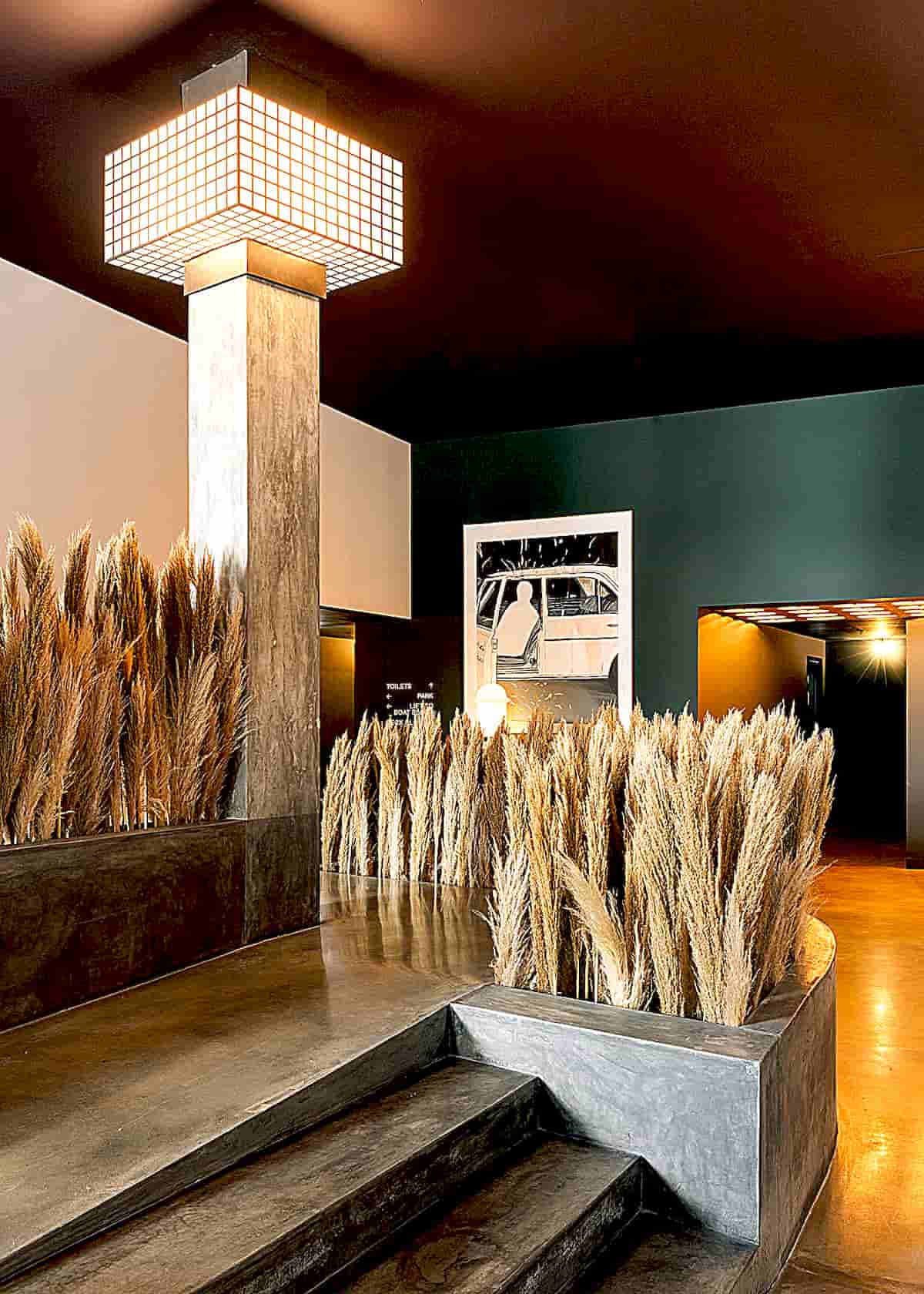
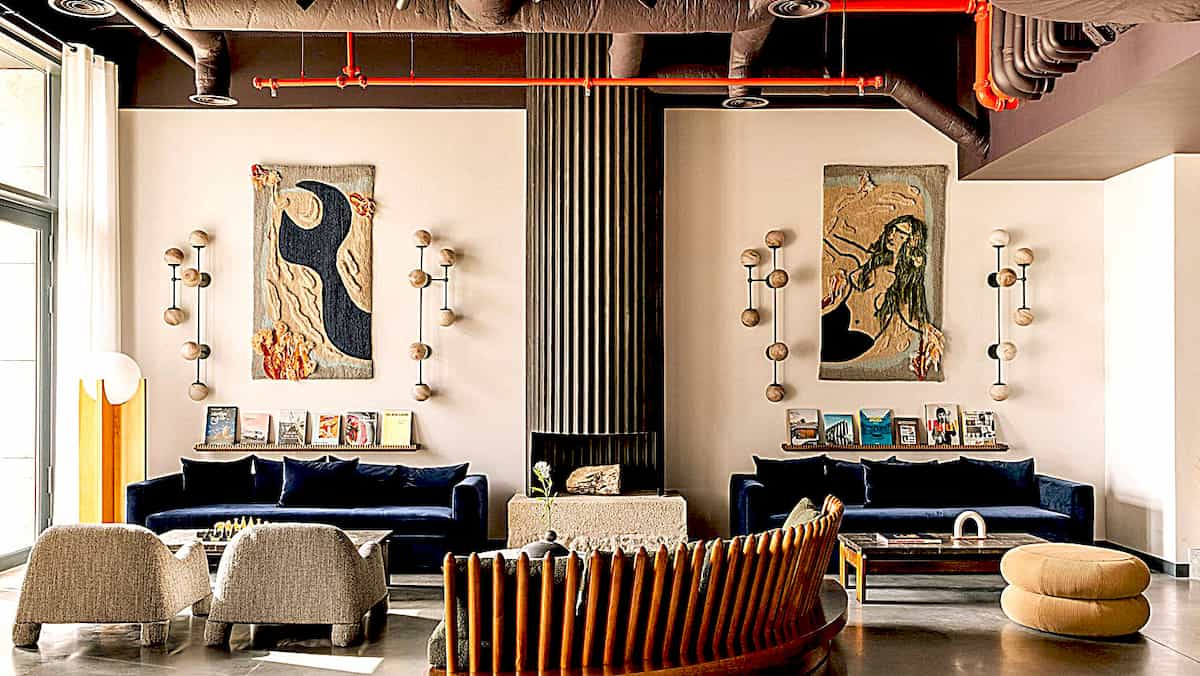
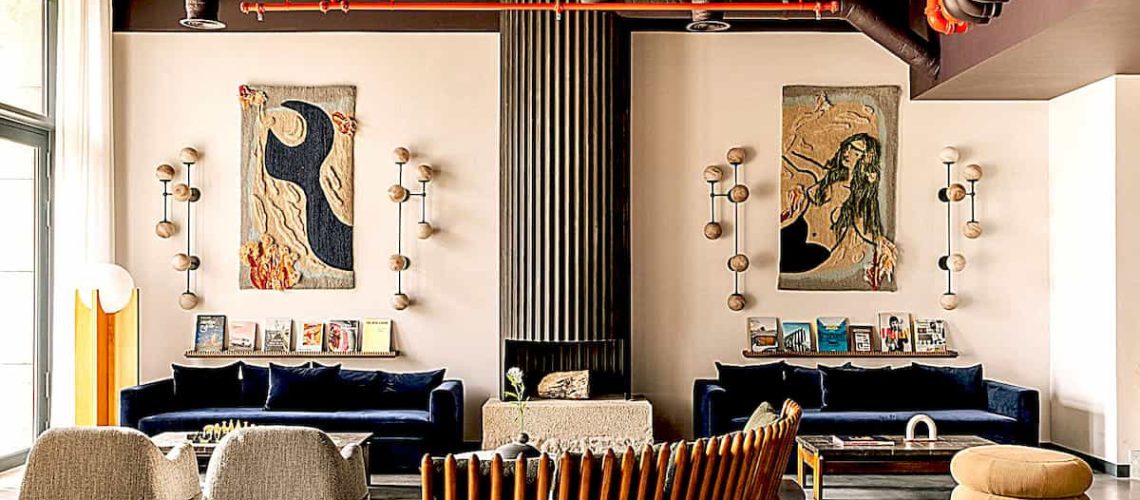
The Rebello hotel lobby inside restored industrial heritage buildings in Porto

Luxury is not defined by amenities alone. At The Rebello, restored industrial buildings, handcrafted details and contemporary art converge to transform Porto’s industrial heritage into a richly layered hospitality experience.


Industrial Heritage Interpreted Through Contemporary Craftsmanship

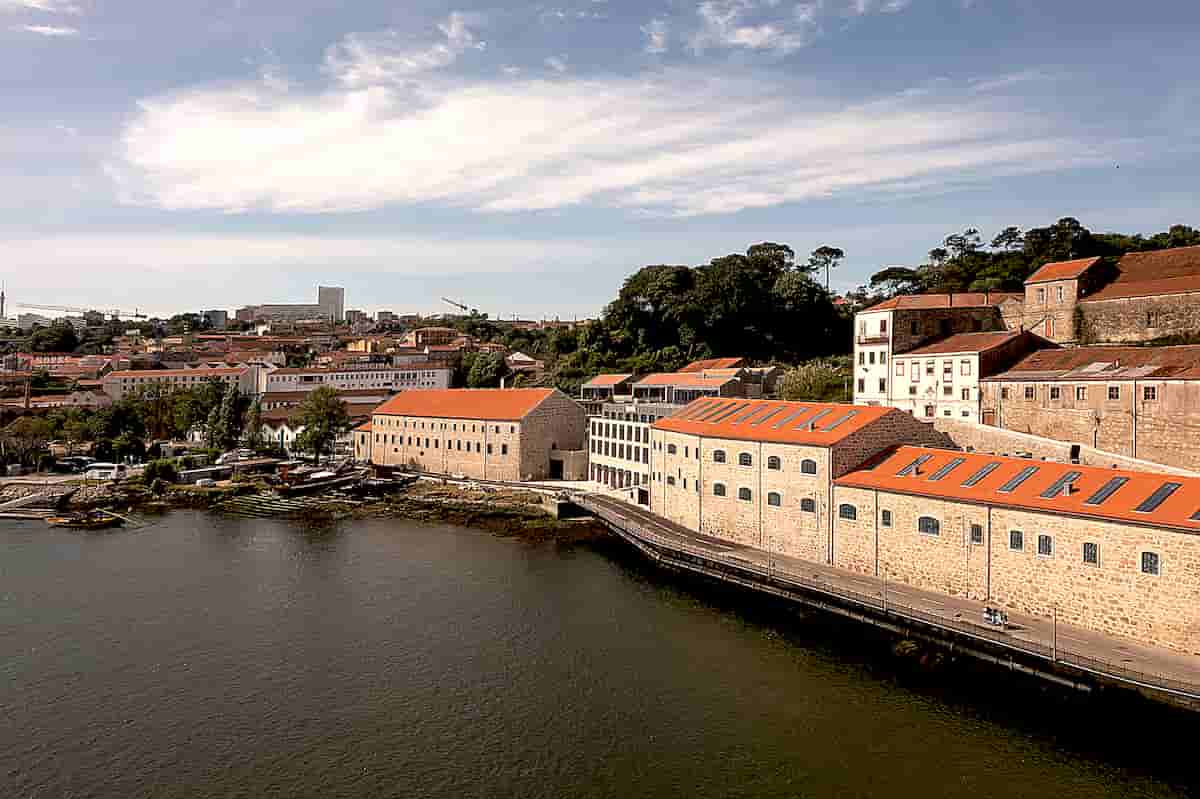
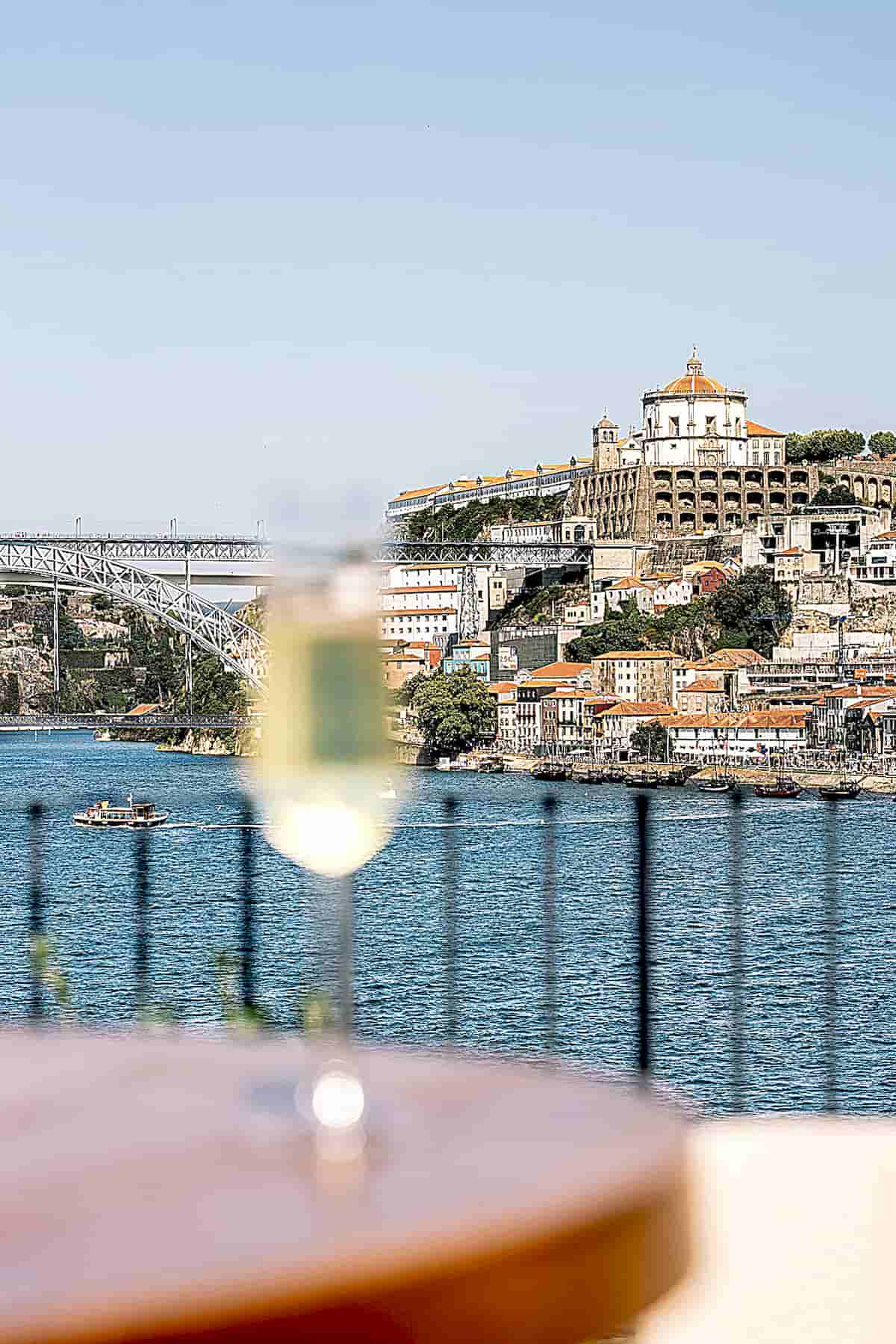
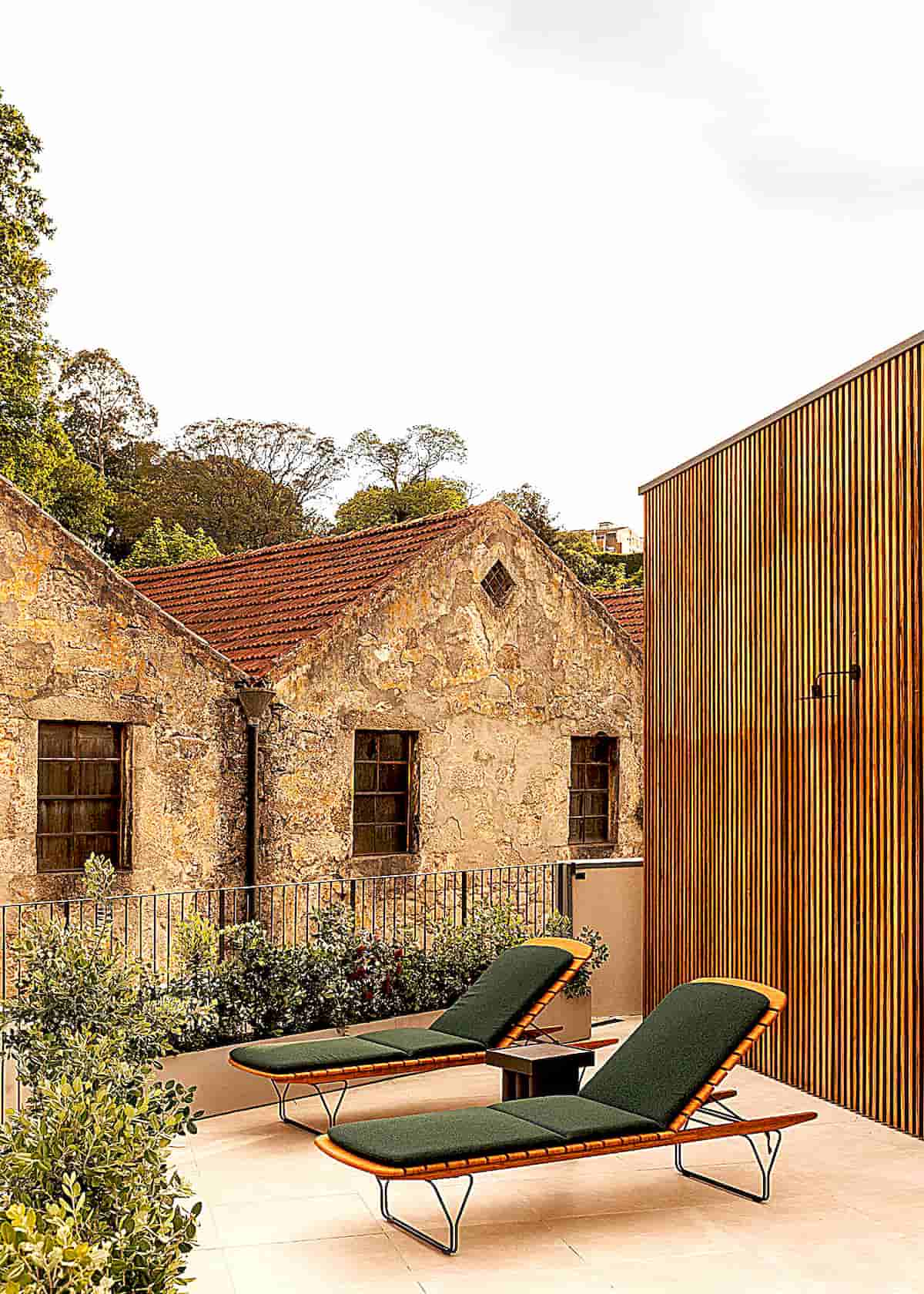
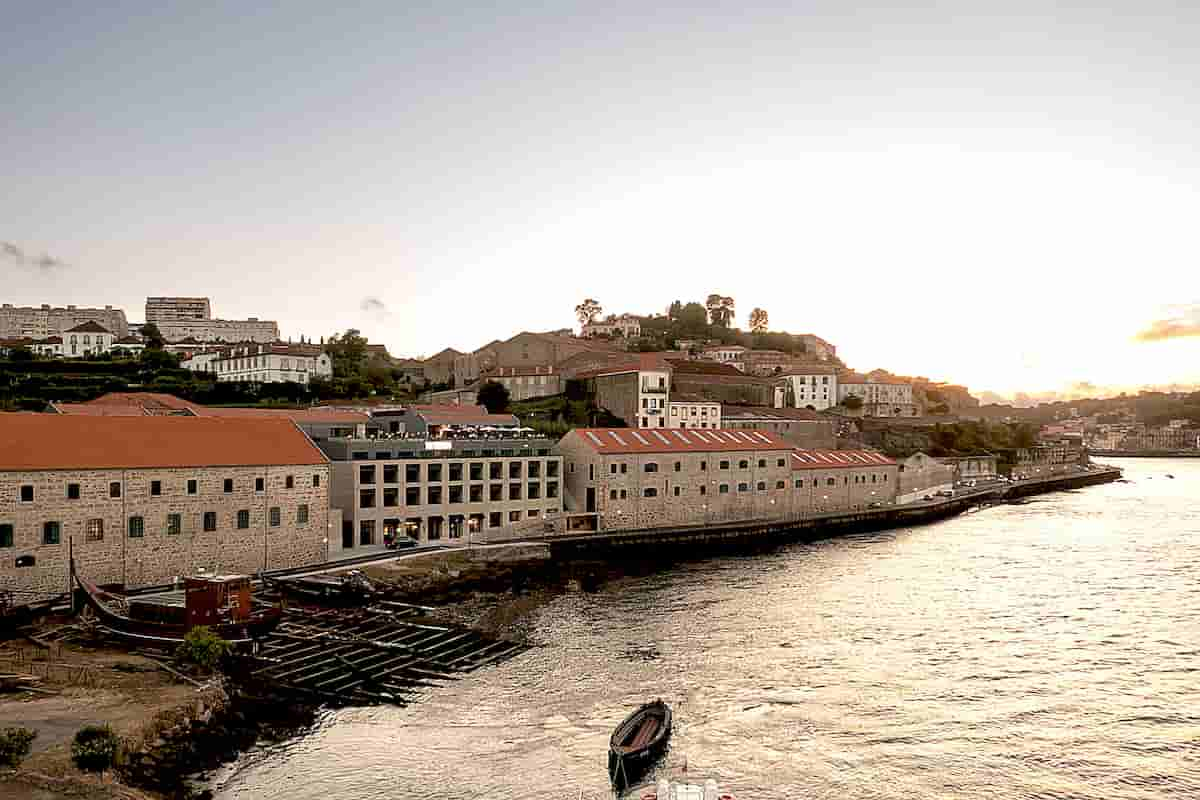
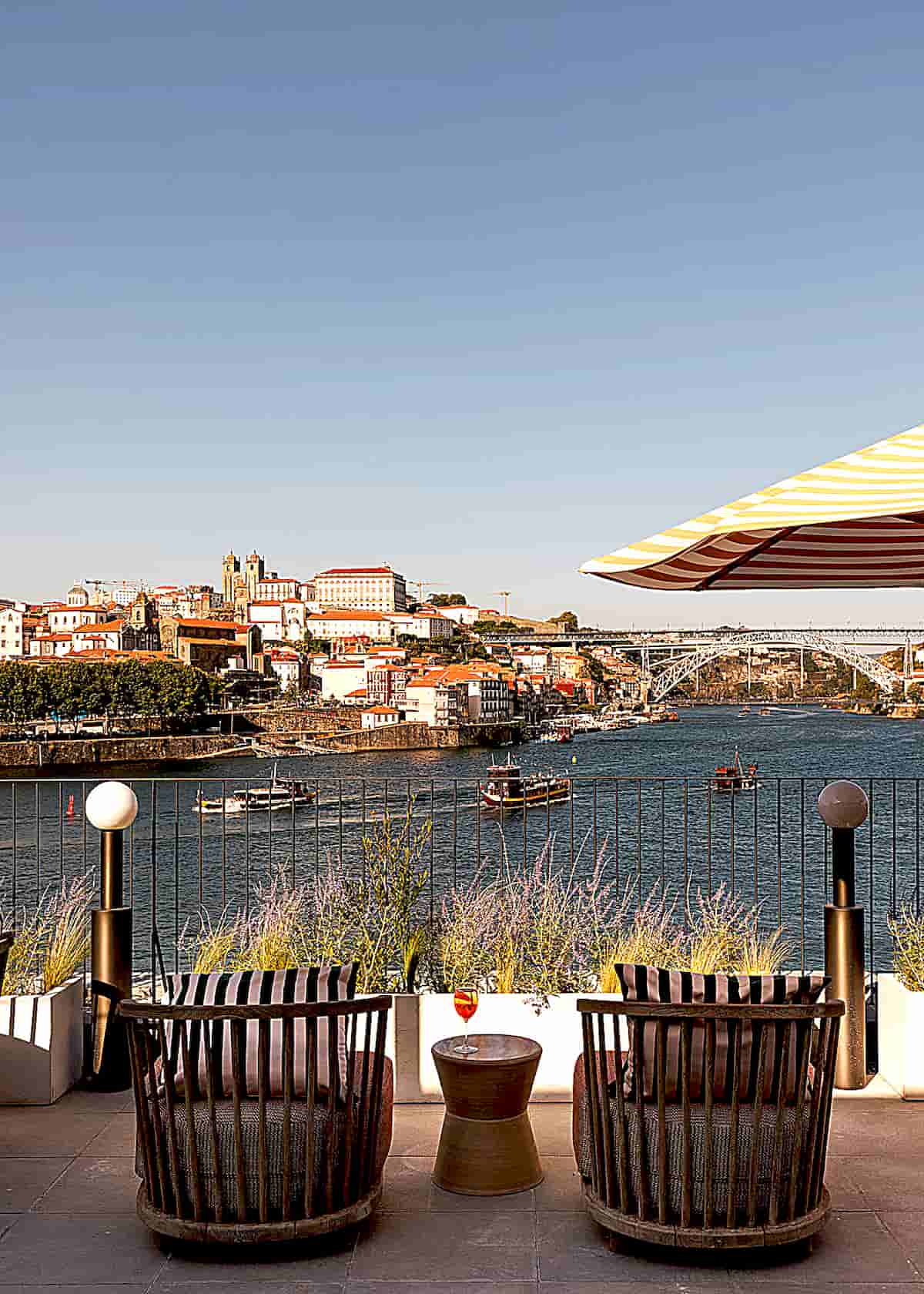
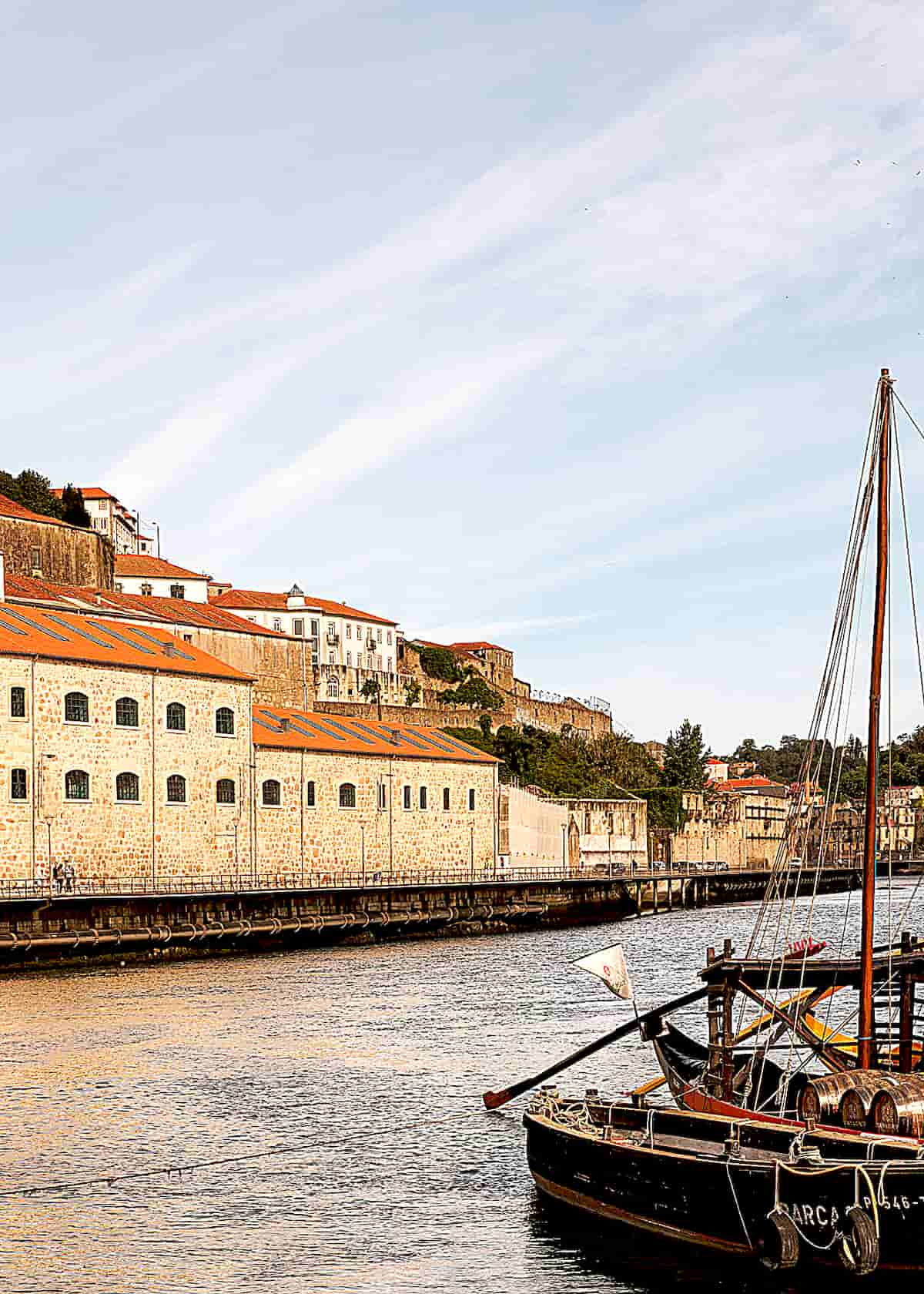
Occupying a series of carefully restored nineteenth-century industrial buildings along the Douro River, The Rebello embraces Porto’s manufacturing history without becoming trapped in nostalgia. The adaptive reuse project preserves the site’s robust architectural character while introducing contemporary interventions that respect its original proportions, textures and rhythm. Named after the traditional Rabelo boats that once carried Port wine barrels downstream, the hotel quietly reinforces its connection to the city’s commercial and cultural heritage through architecture rather than symbolism.
 

The Summer House Skagen Klitgård pays Tribute to local Architecture and the History of the Town


The Summer House Skagen Klitgård pays Tribute to local Architecture and the History of the Town


The Summer House Skagen Klitgård pays Tribute to local Architecture and the History of the Town


The Summer House Skagen Klitgård pays Tribute to local Architecture and the History of the Town


The Summer House Skagen Klitgård pays Tribute to local Architecture and the History of the Town


The Summer House Skagen Klitgård pays Tribute to local Architecture and the History of the Town


Where Art, Materiality and Hospitality Become One Experience

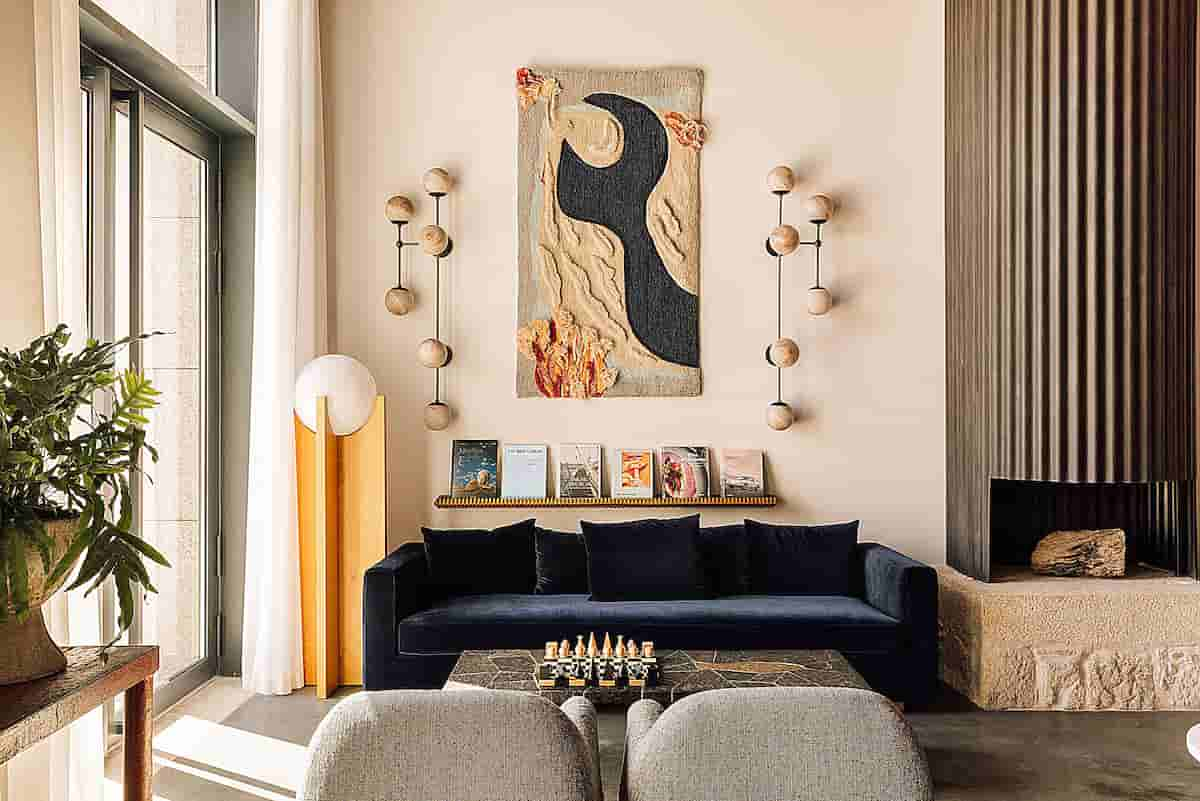
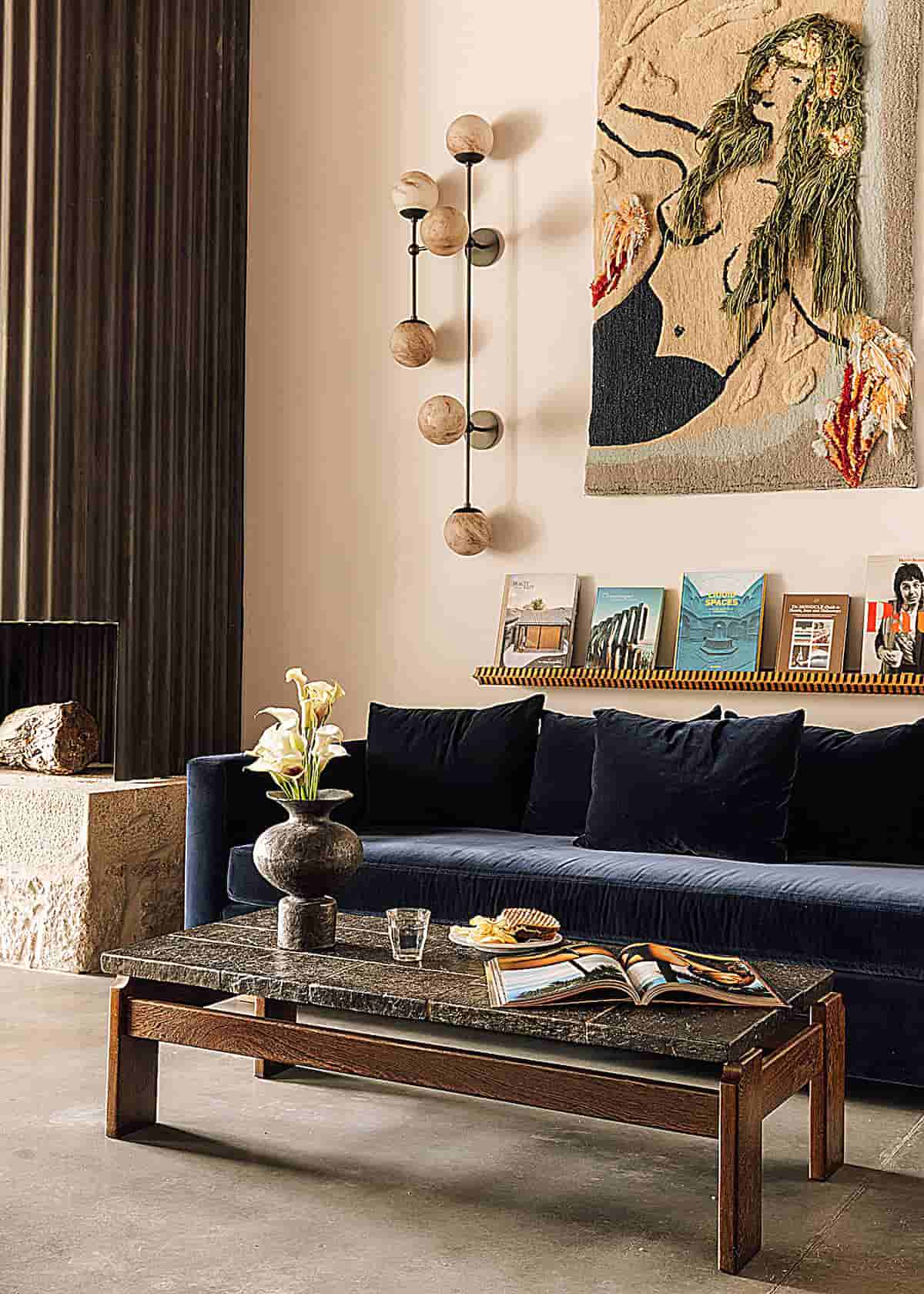
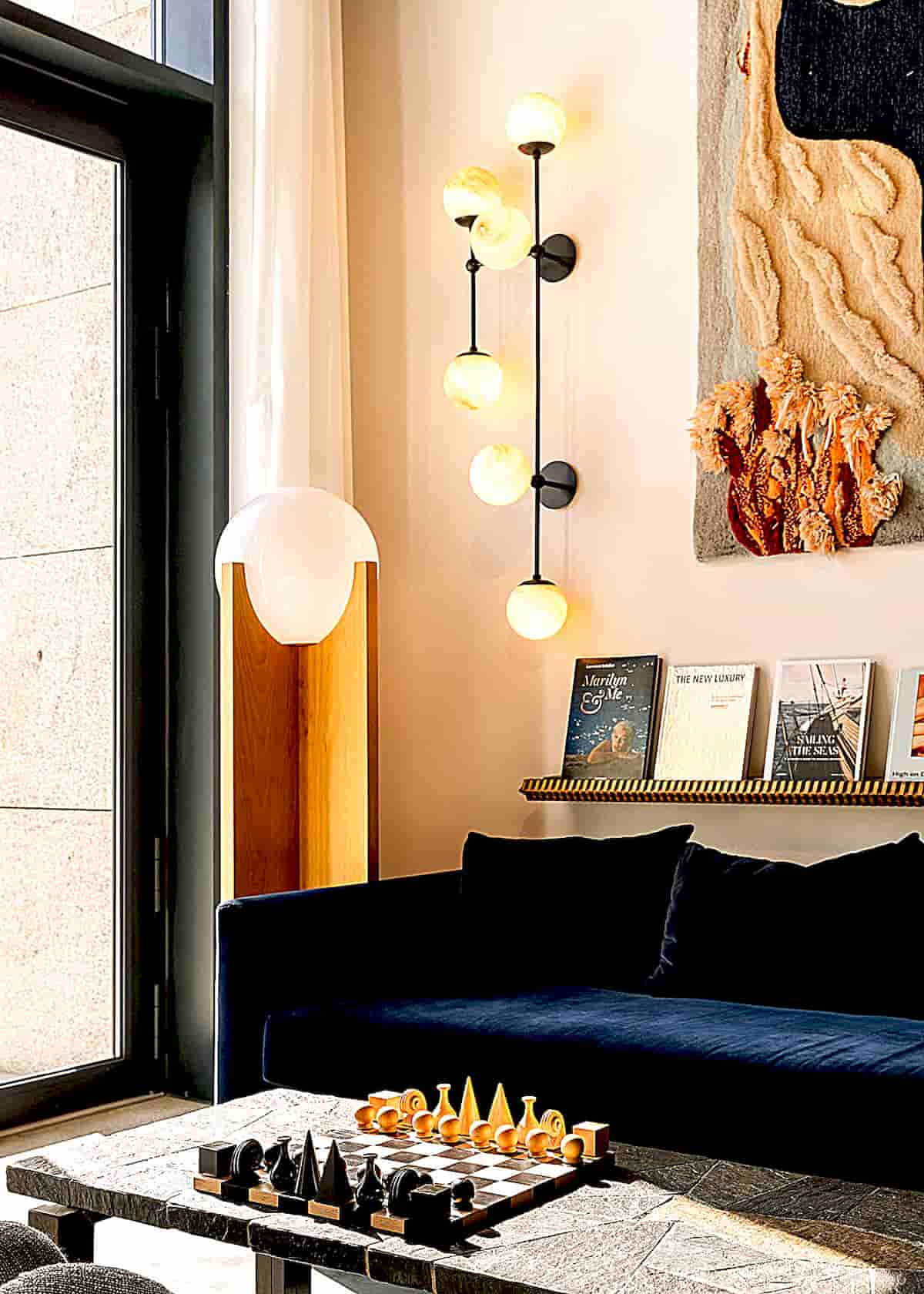
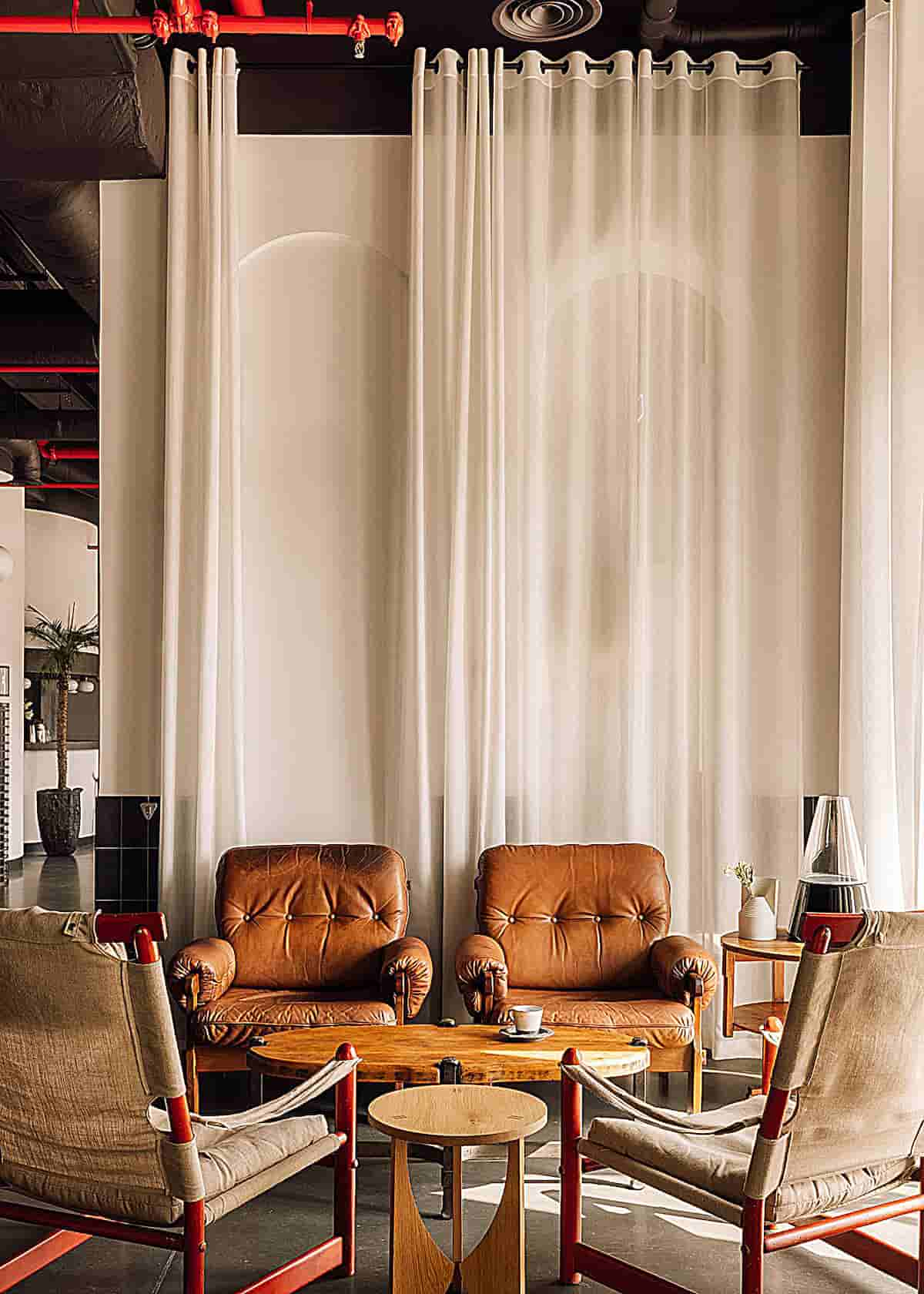
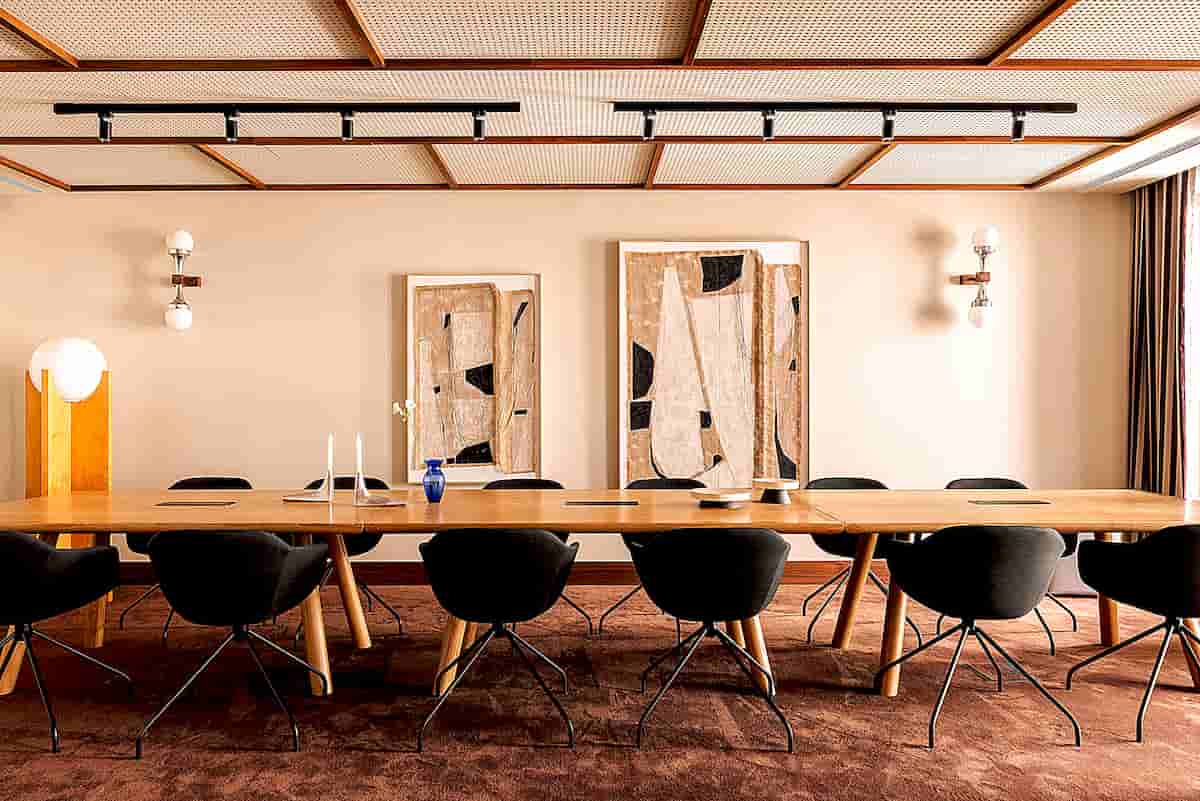
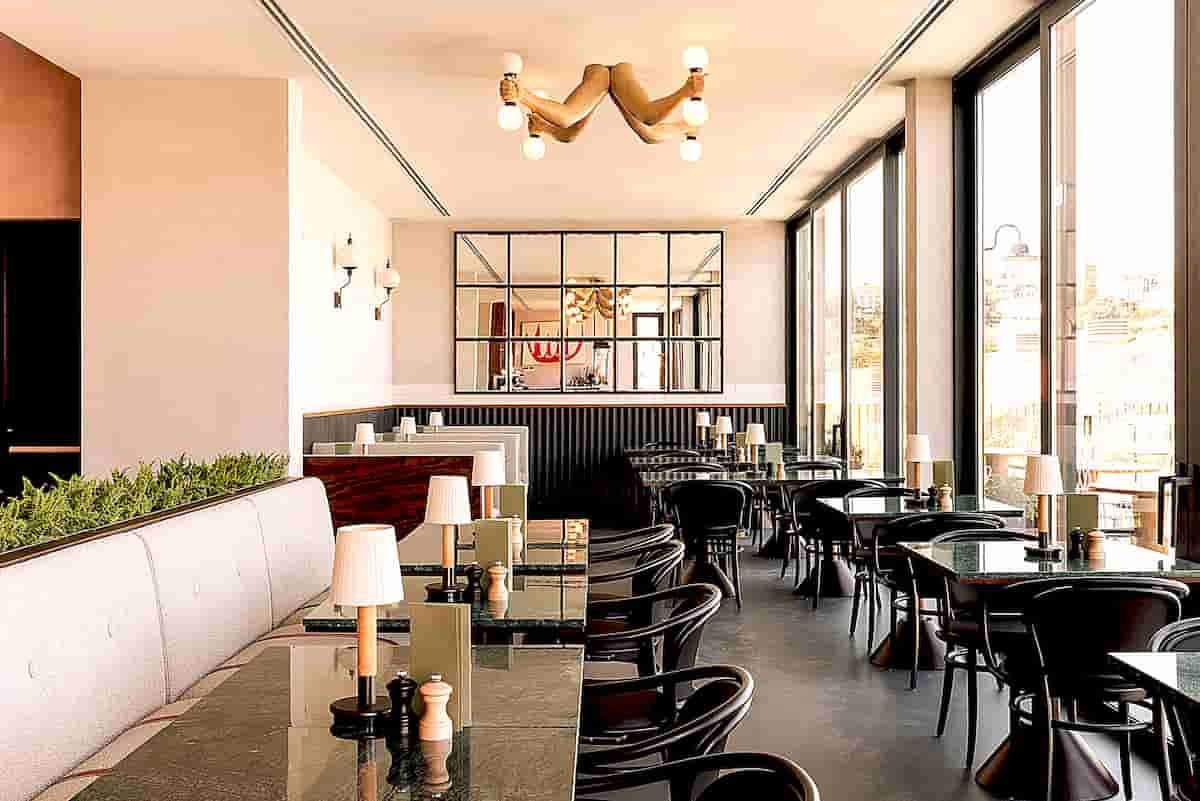
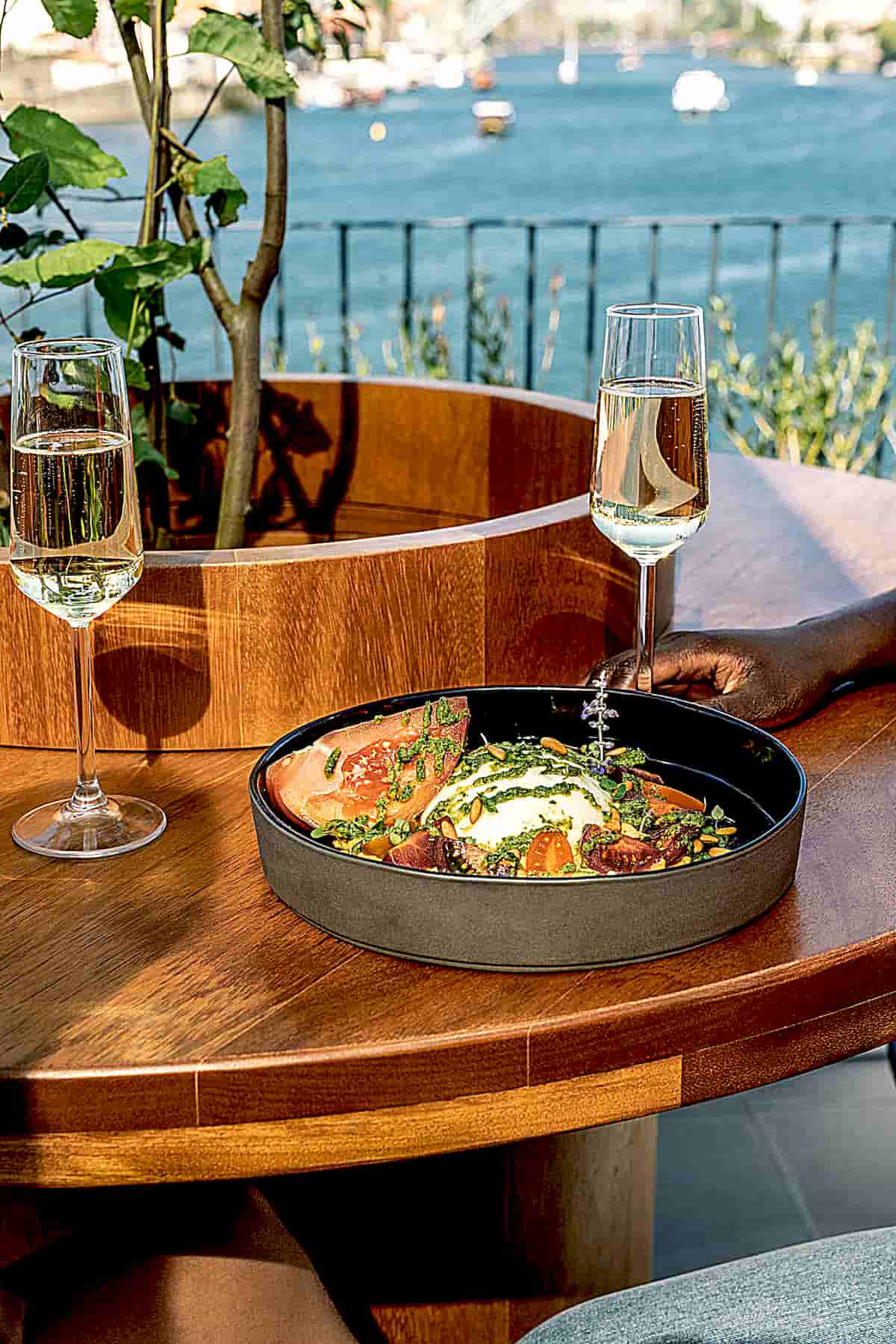
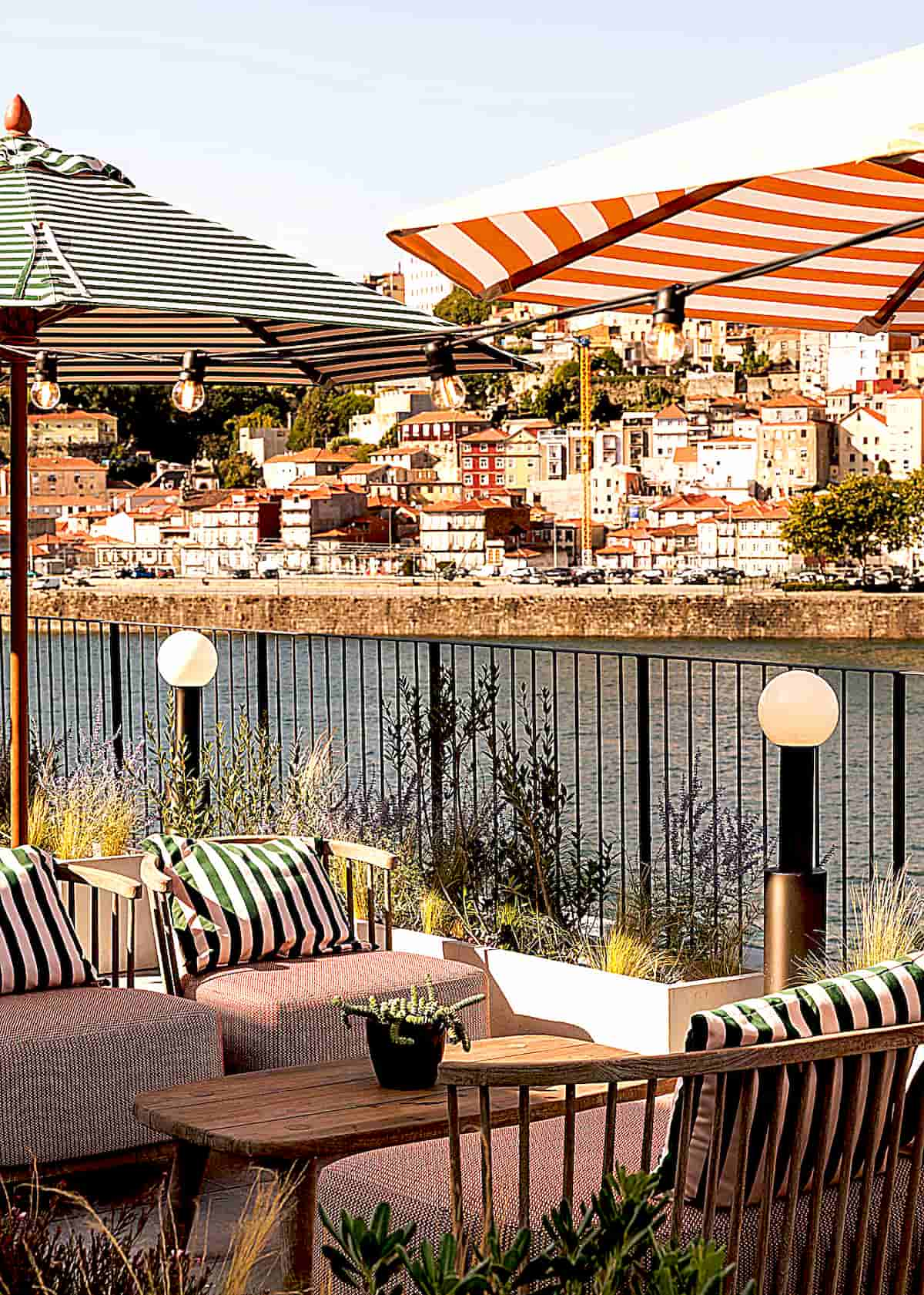
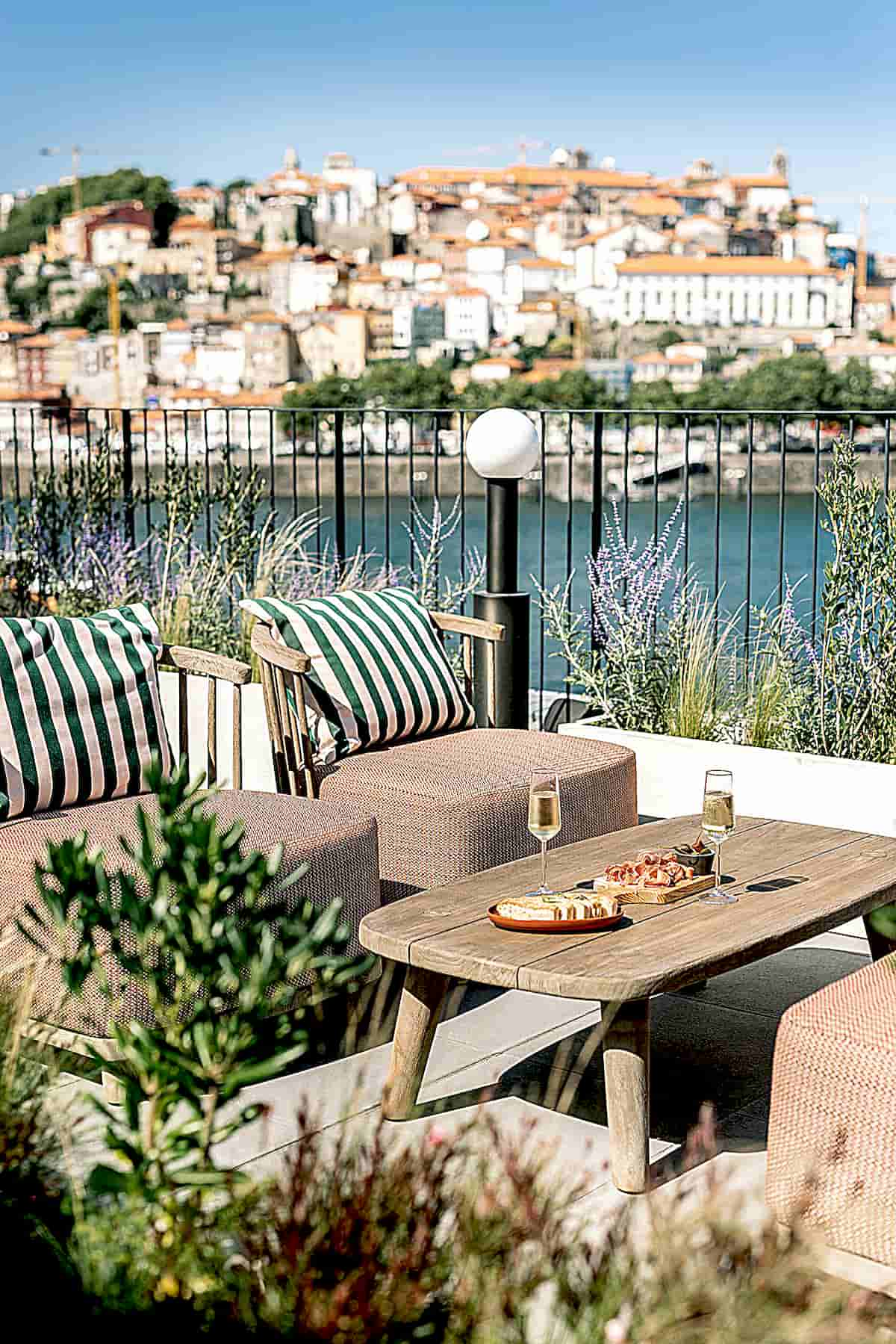
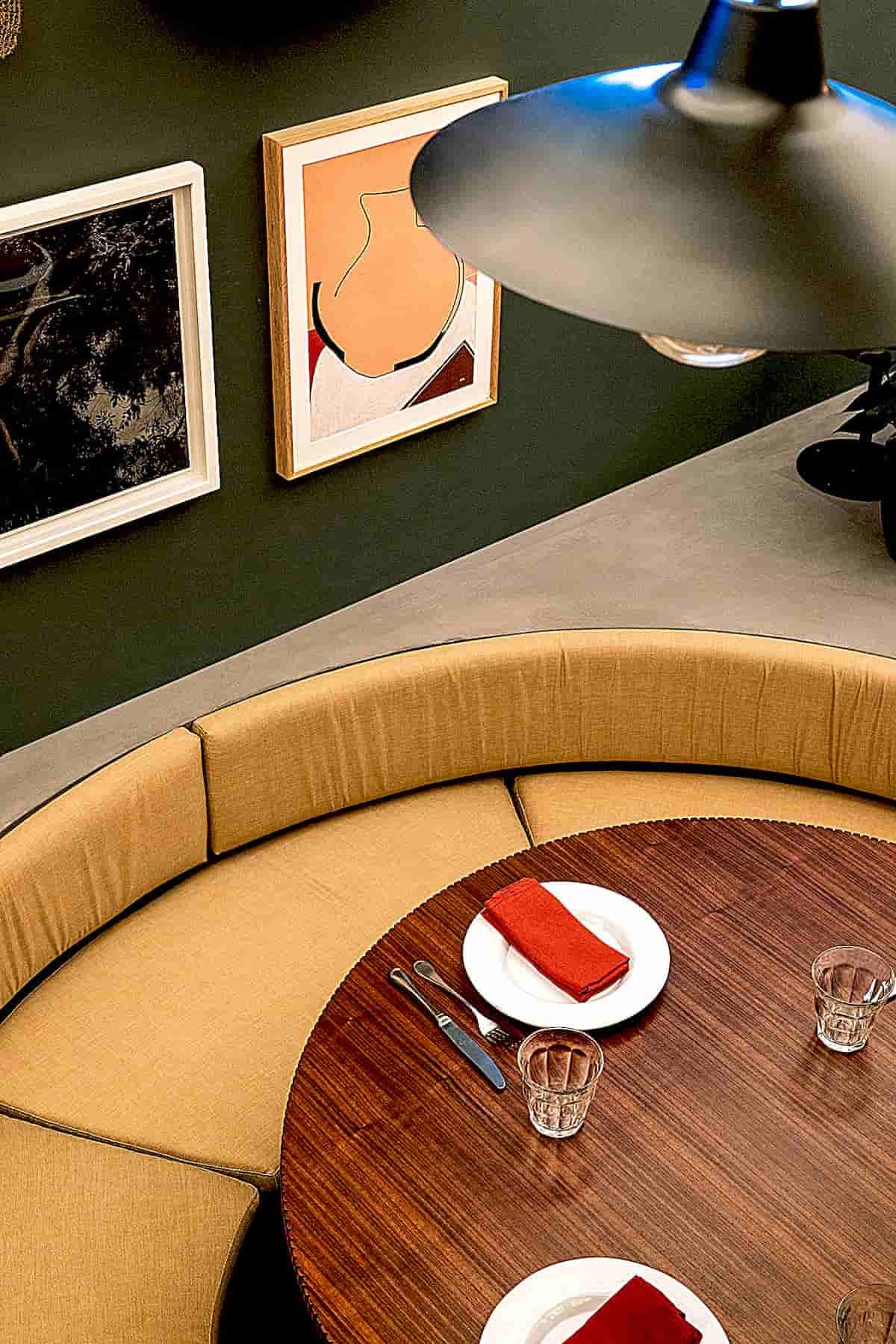
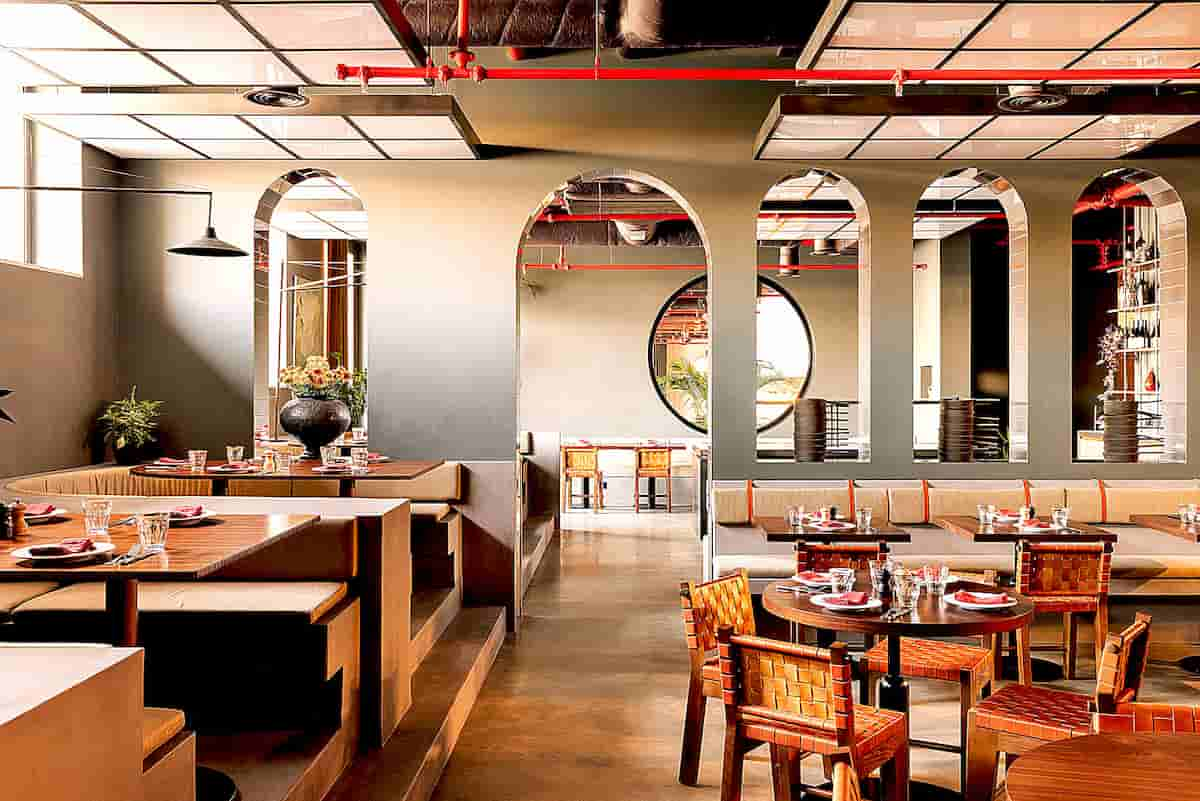
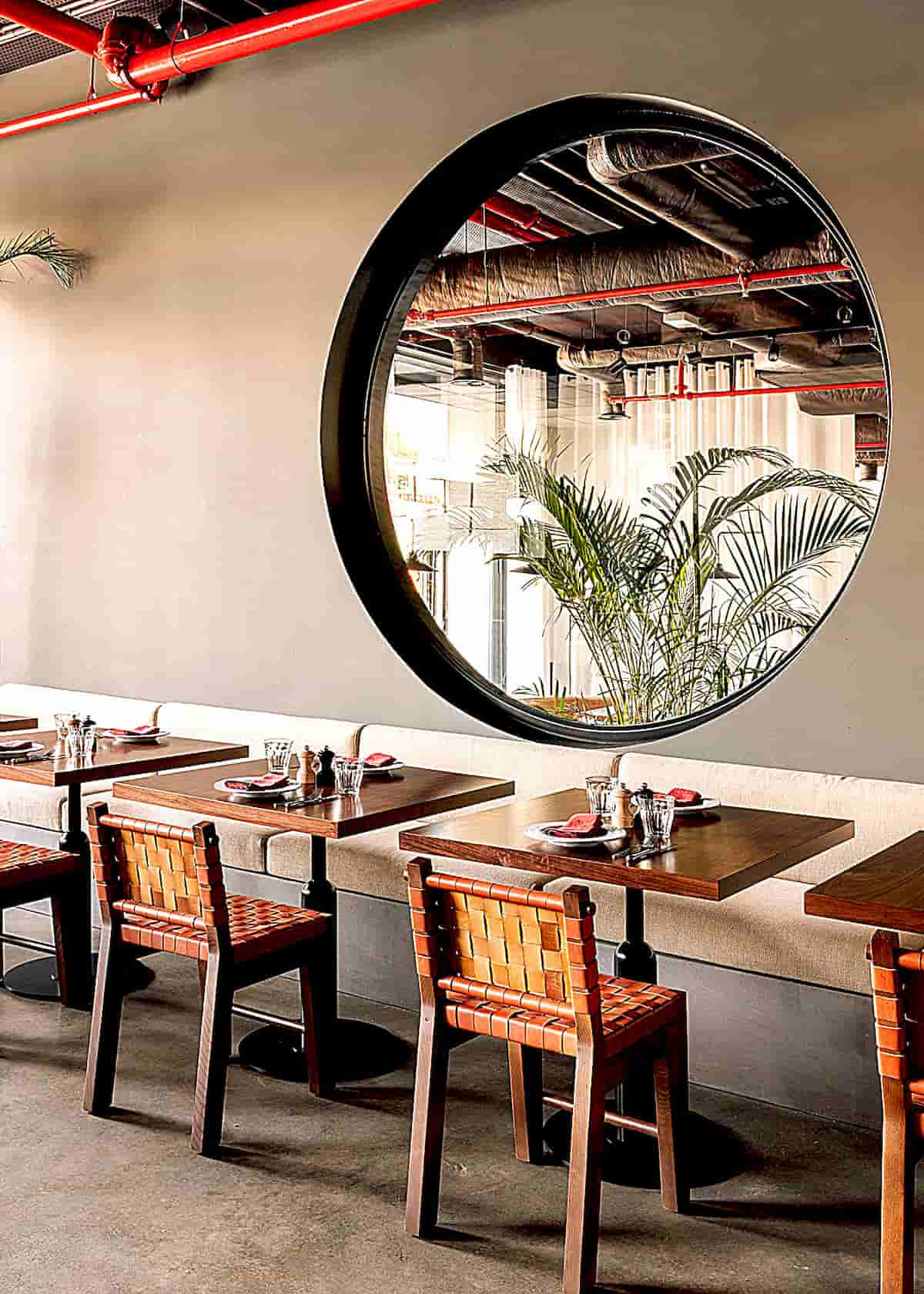
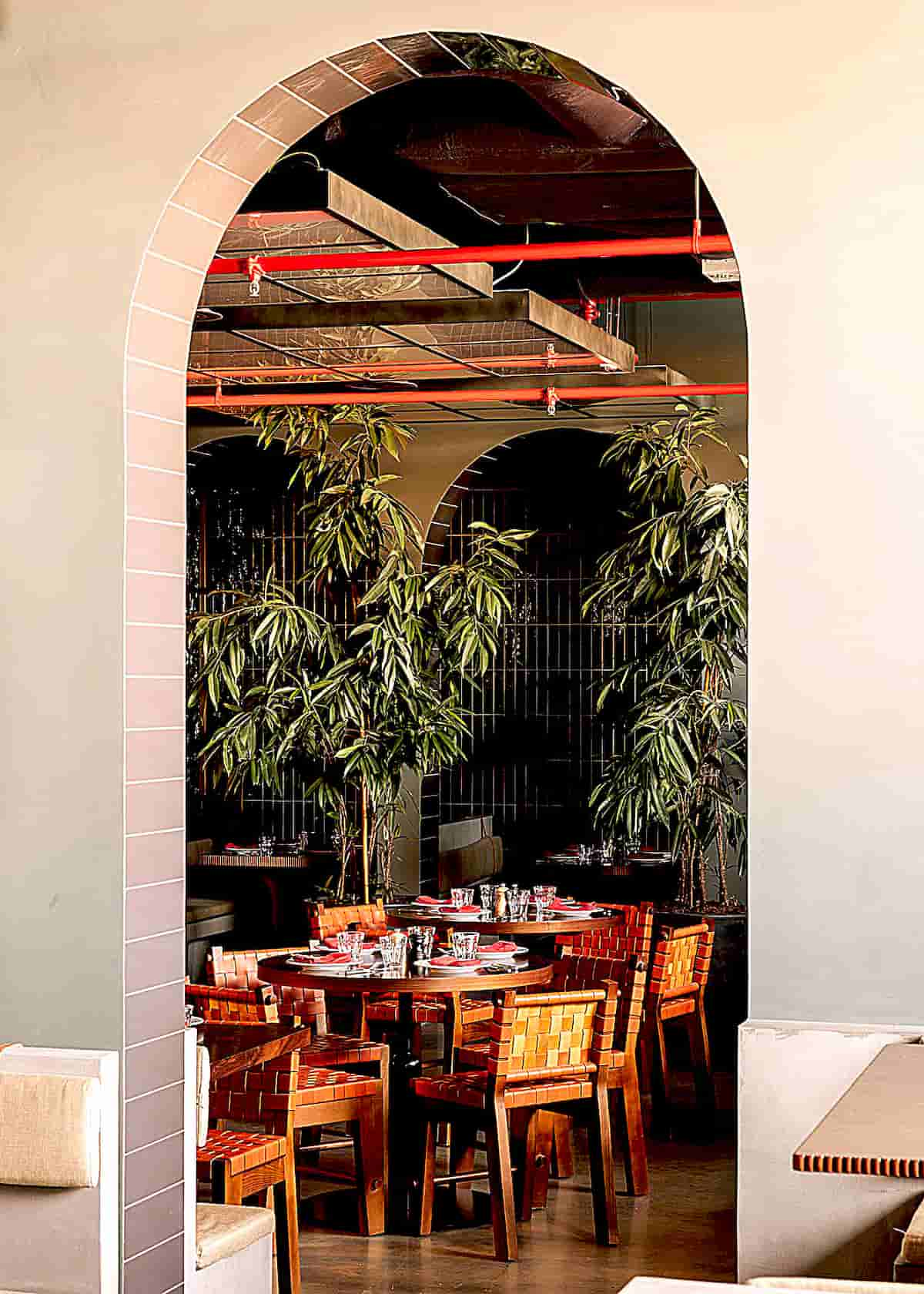
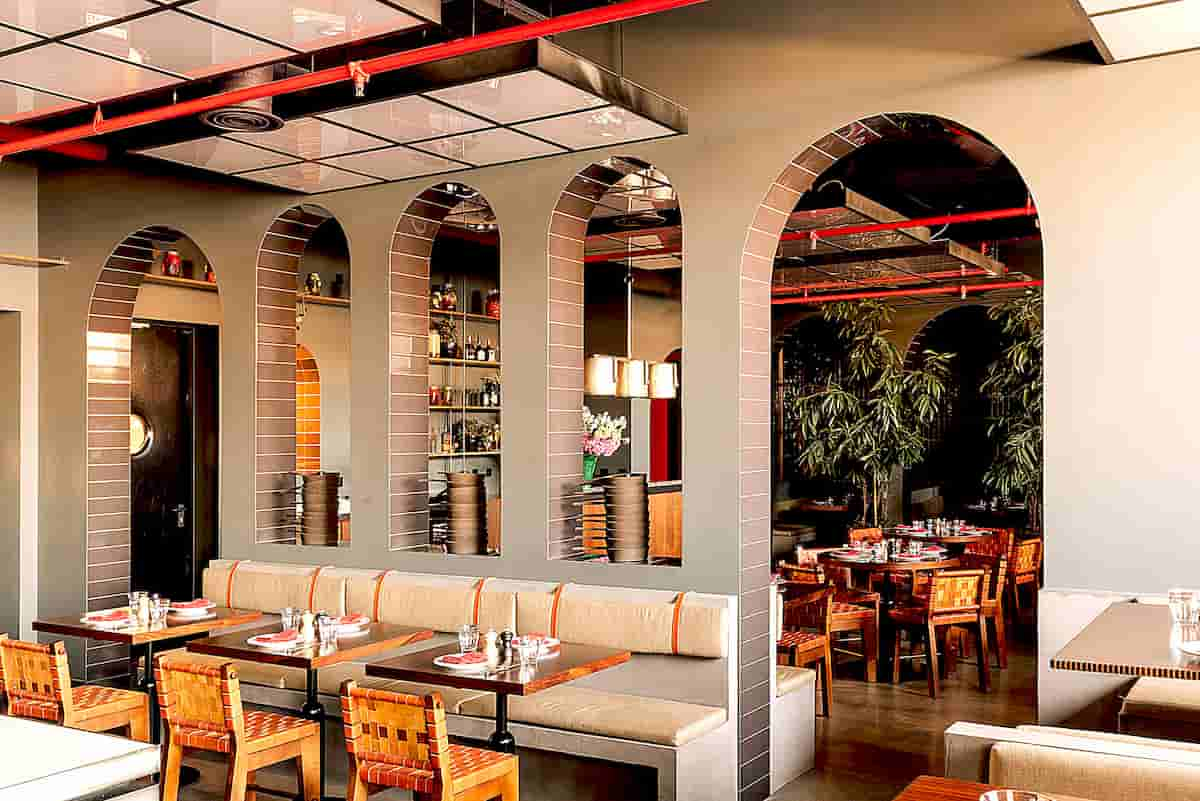
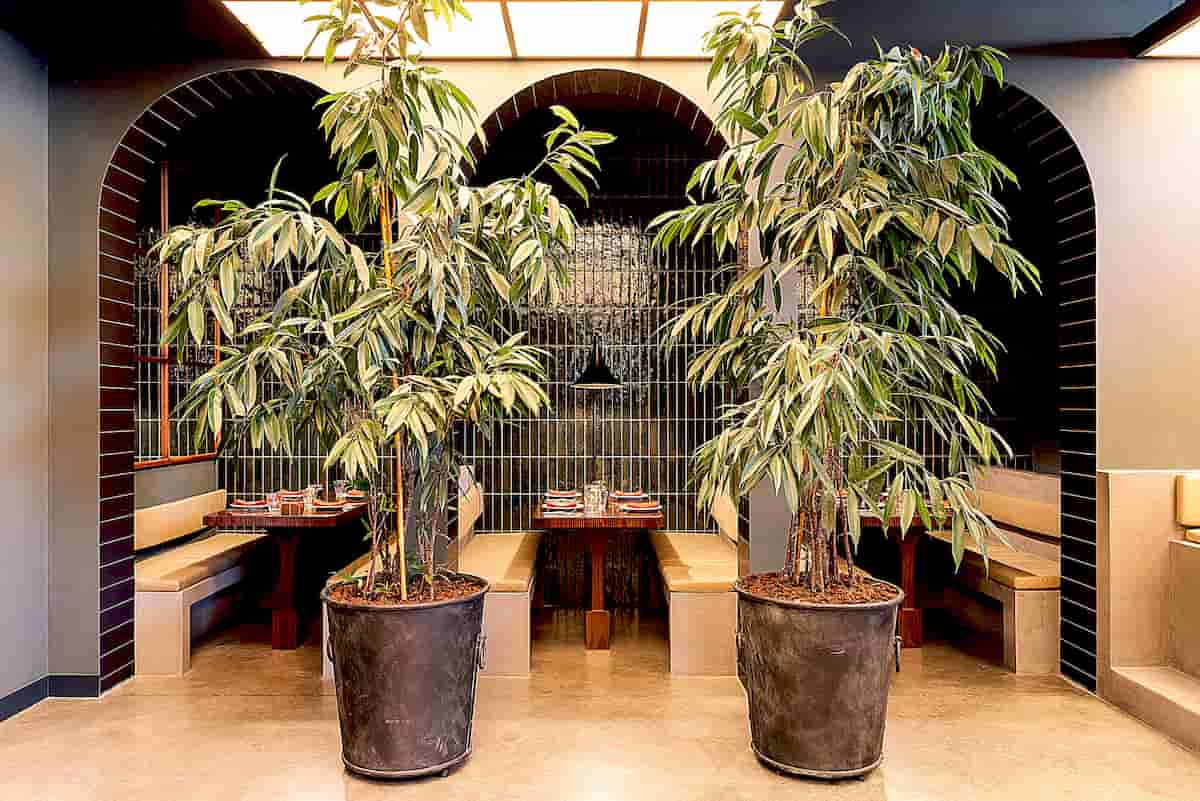
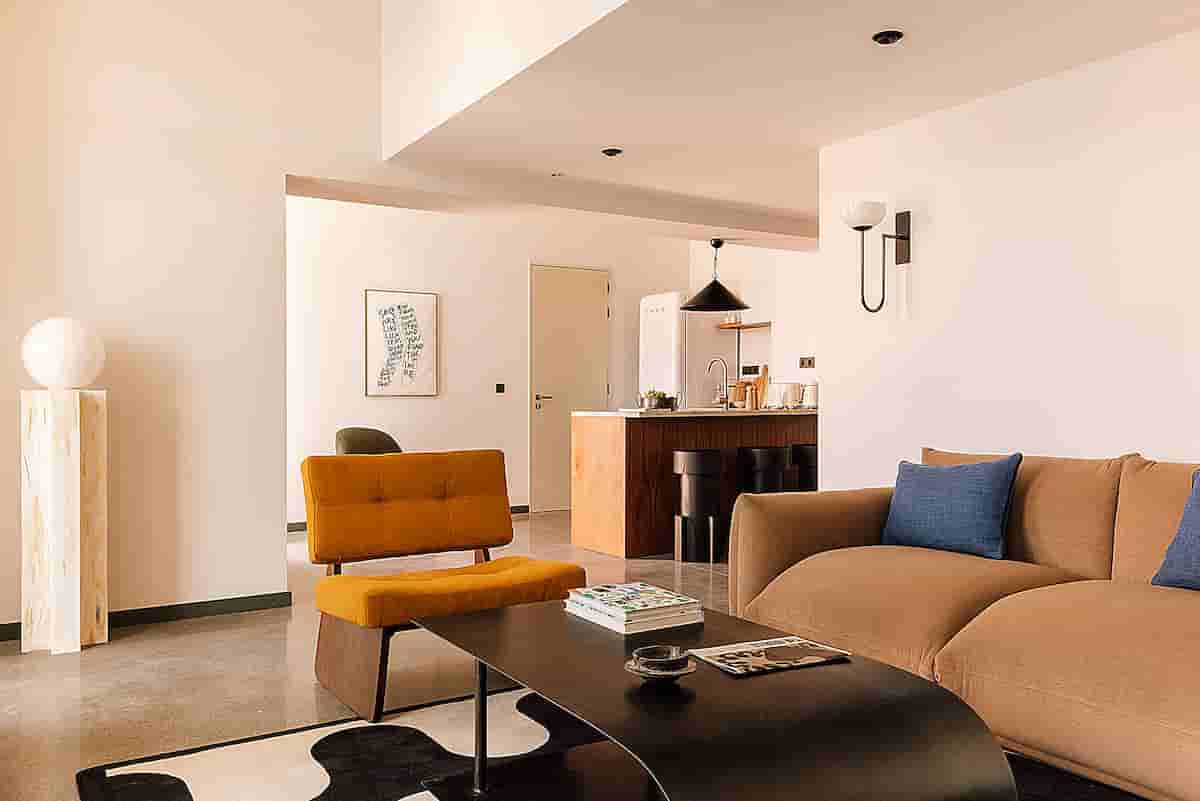
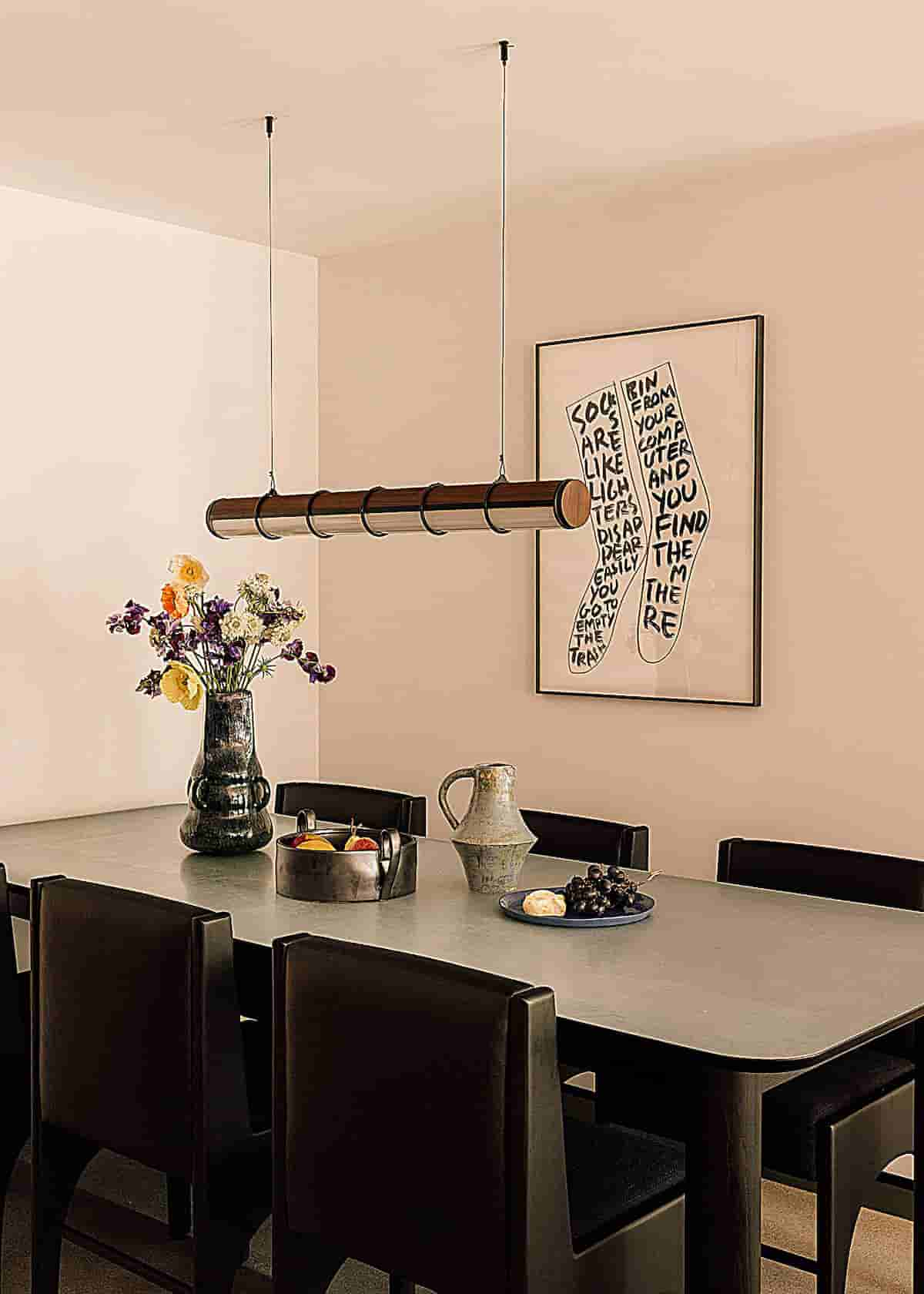
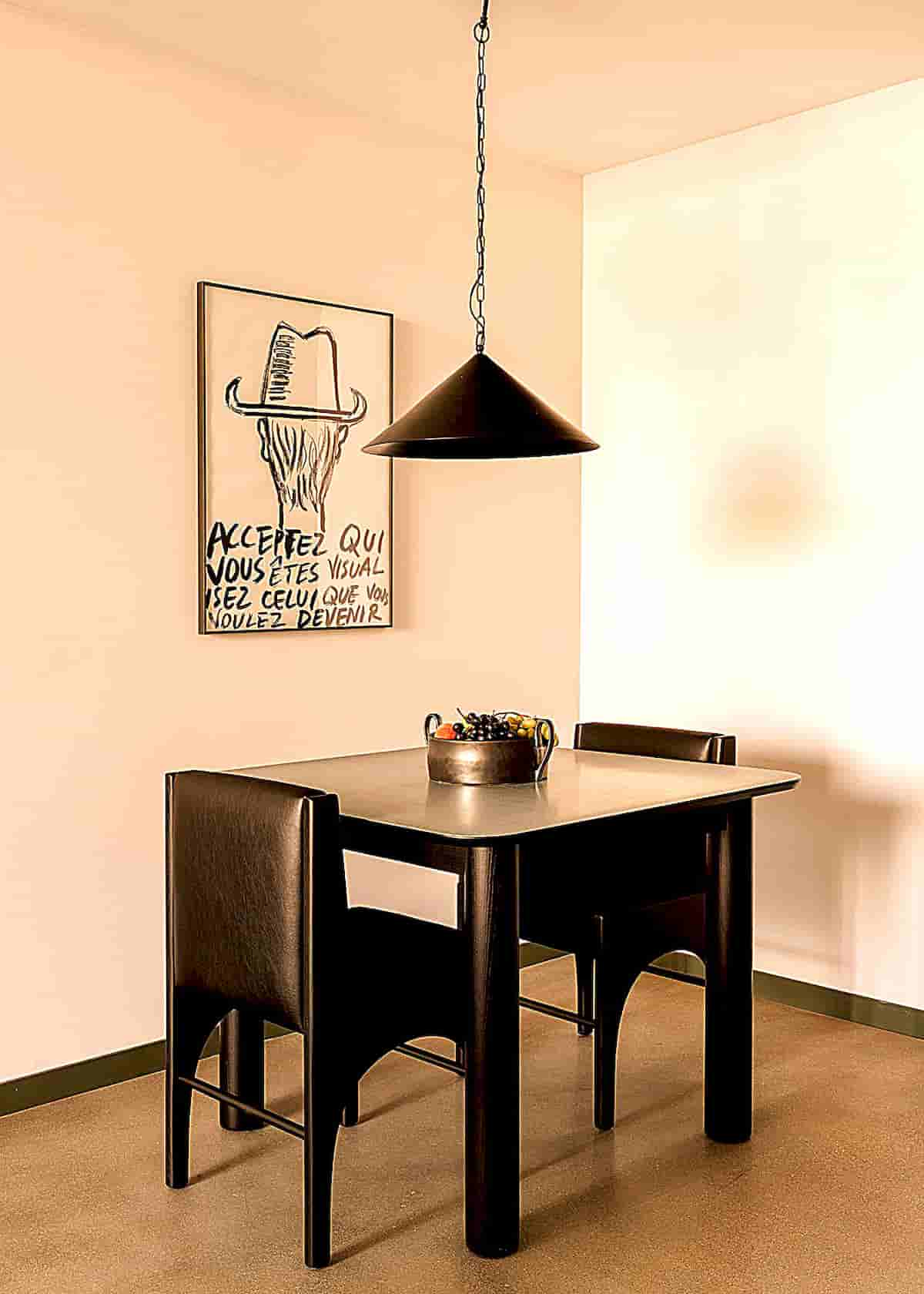
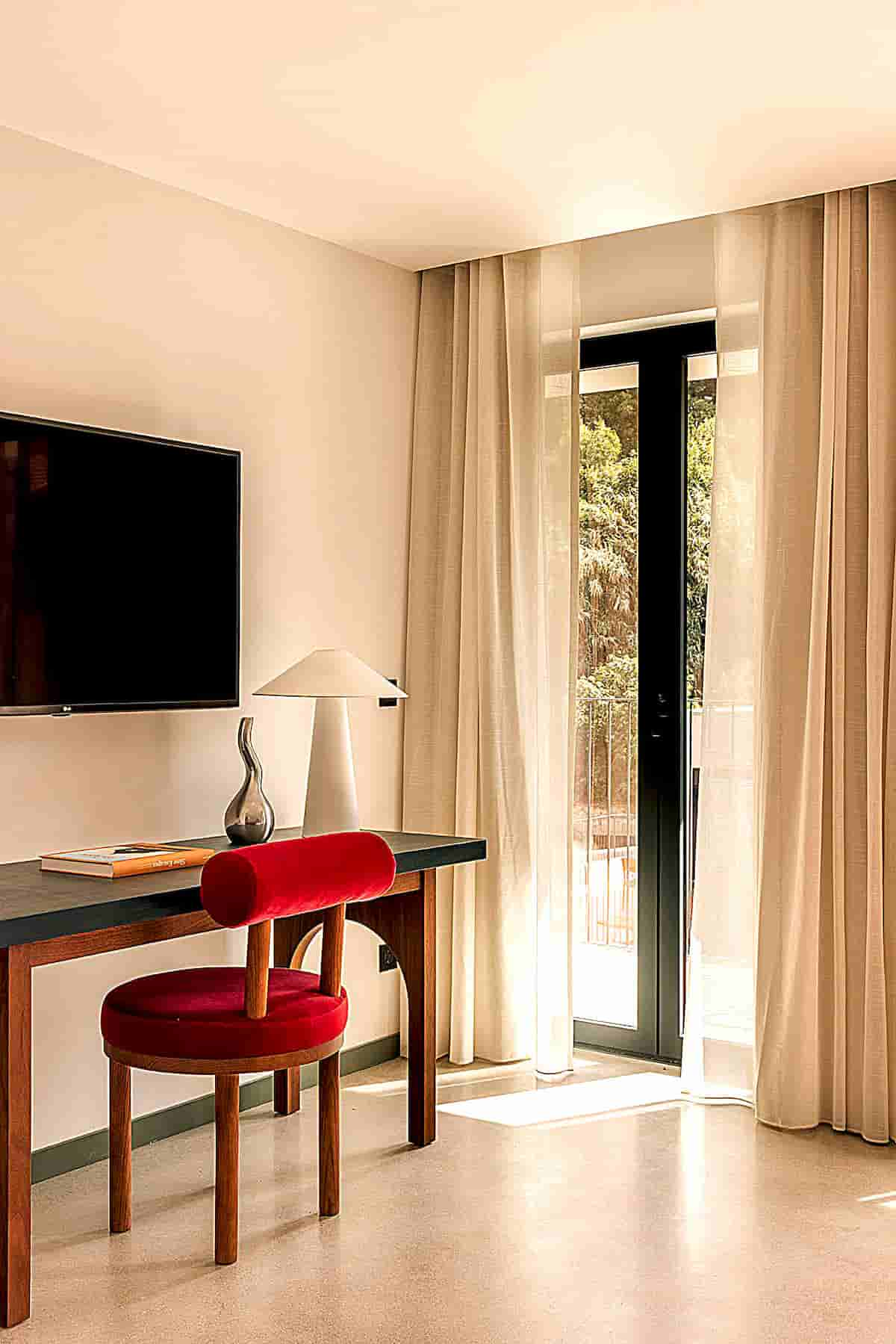
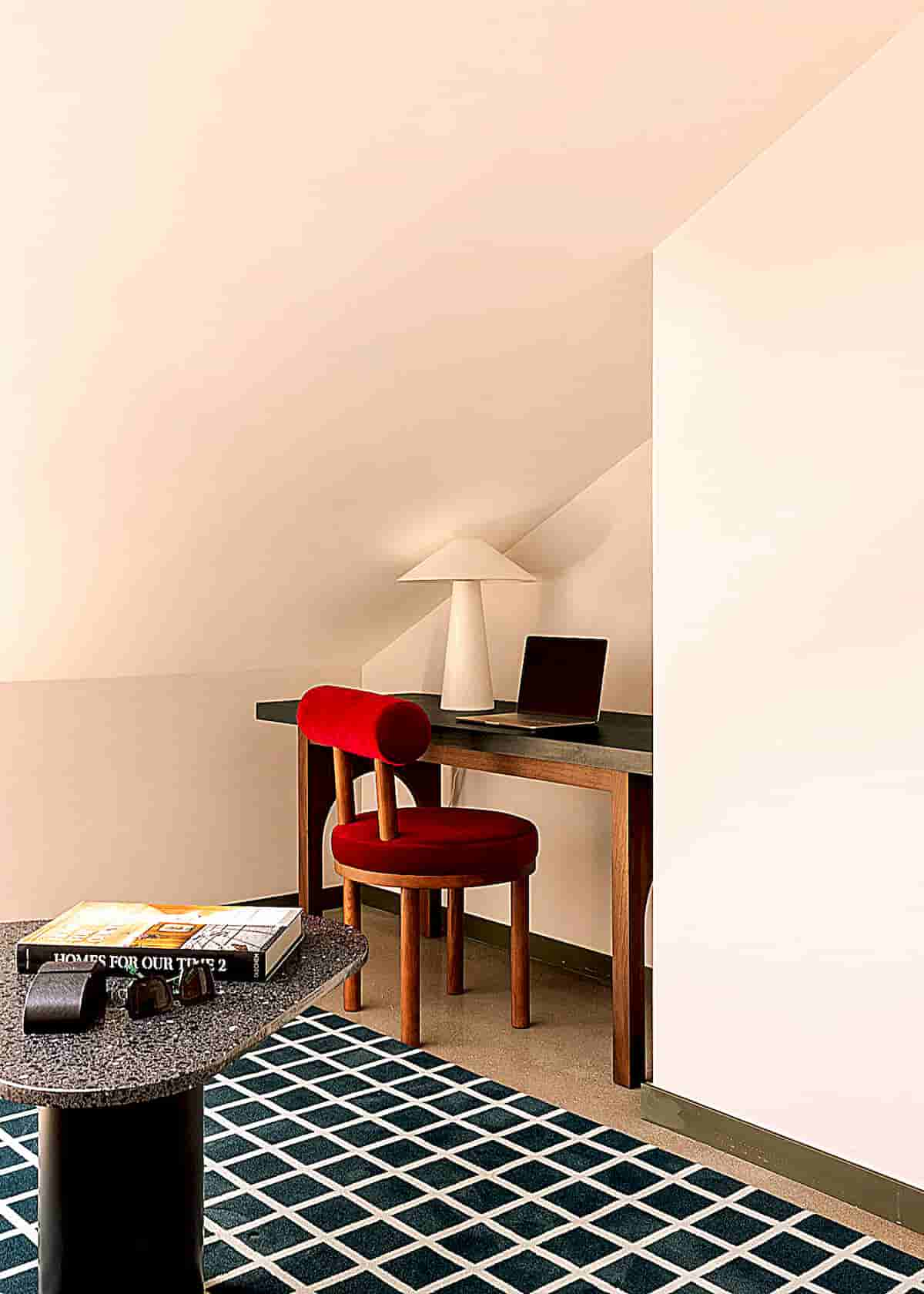
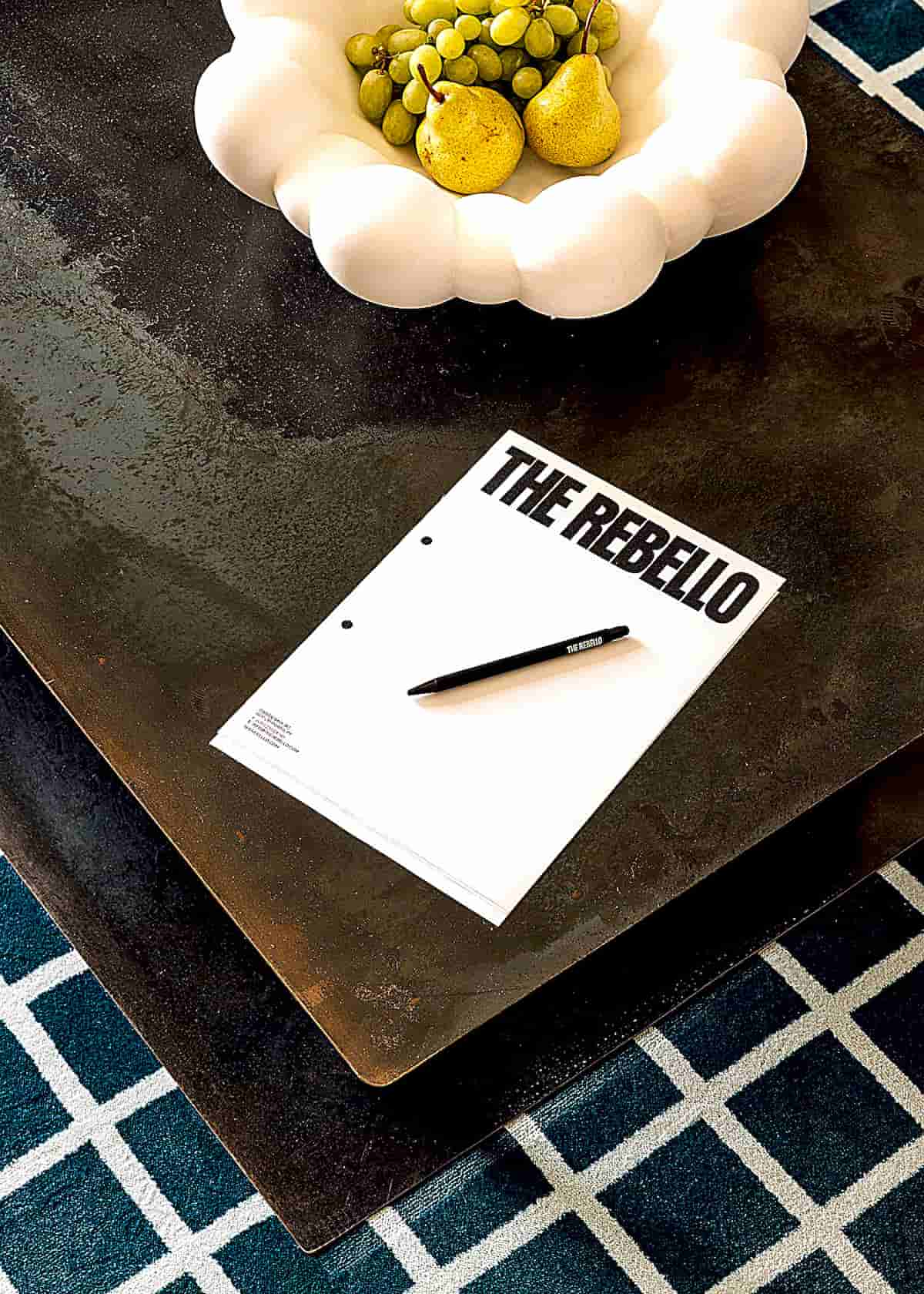
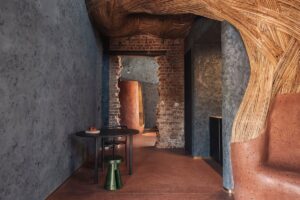
Interior designer Daniela Franceschini of Quiet Studios approaches the hotel as a curated living gallery where craftsmanship, bespoke furnishings and contemporary artworks shape every room. Raw materials, tactile finishes and site-specific installations soften the industrial shell while adding warmth and intimacy. Together with its restaurants, rooftop bar, Roman bath-inspired spa and thoughtfully designed communal spaces, The Rebello offers an experience where design is inseparable from local identity, proving that adaptive reuse can preserve history while creating an entirely new way of inhabiting it.
 

The Summer House Skagen Klitgård pays Tribute to local Architecture and the History of the Town


The Summer House Skagen Klitgård pays Tribute to local Architecture and the History of the Town


The Summer House Skagen Klitgård pays Tribute to local Architecture and the History of the Town


The Summer House Skagen Klitgård pays Tribute to local Architecture and the History of the Town


The Summer House Skagen Klitgård pays Tribute to local Architecture and the History of the Town


The Summer House Skagen Klitgård pays Tribute to local Architecture and the History of the Town


The Summer House Skagen Klitgård pays Tribute to local Architecture and the History of the Town


The Summer House Skagen Klitgård pays Tribute to local Architecture and the History of the Town


The Summer House Skagen Klitgård pays Tribute to local Architecture and the History of the Town


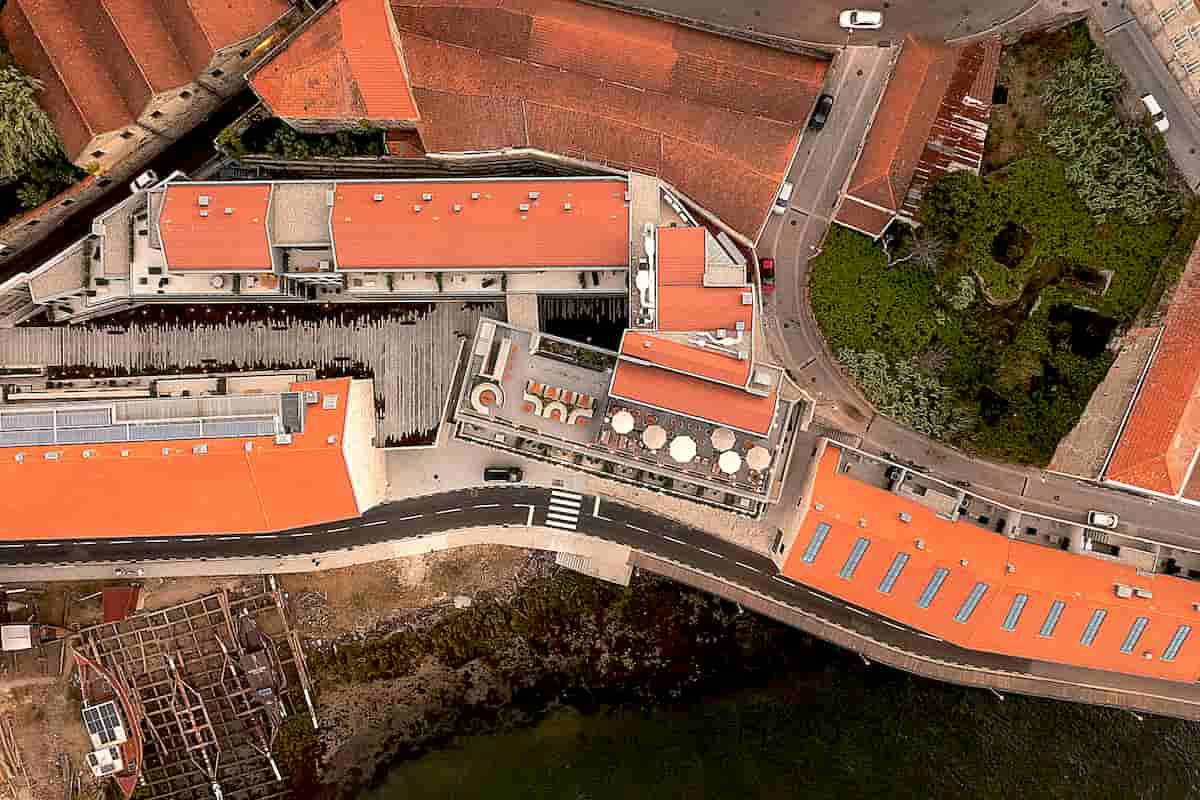
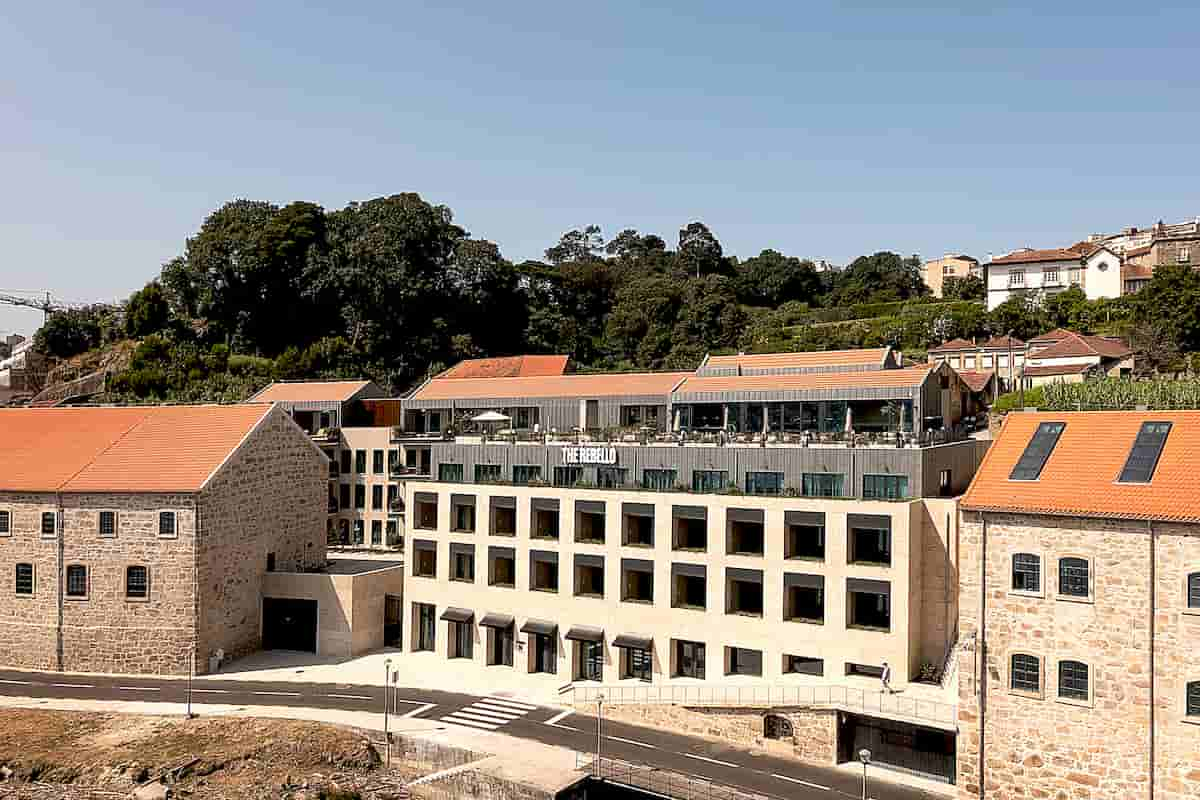
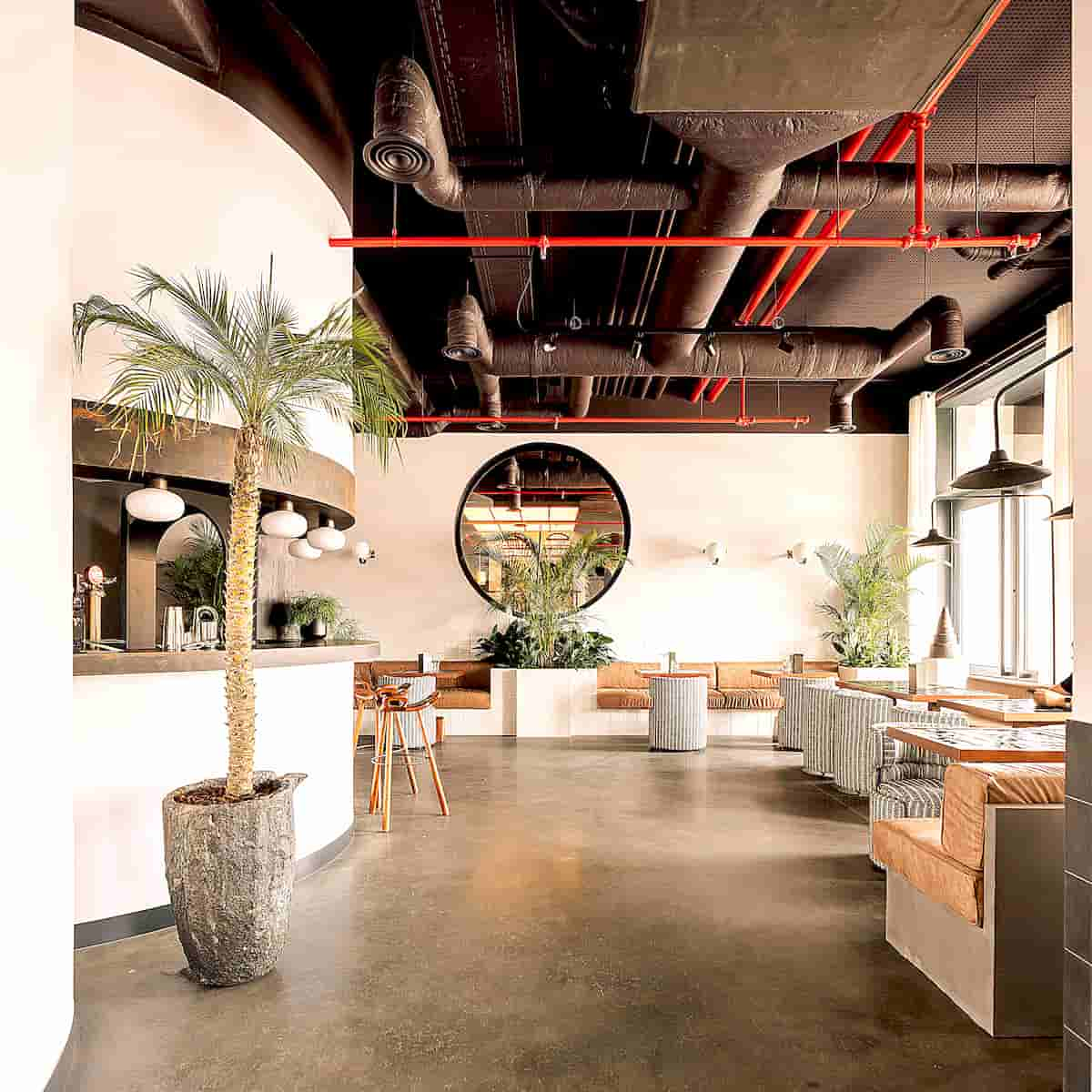
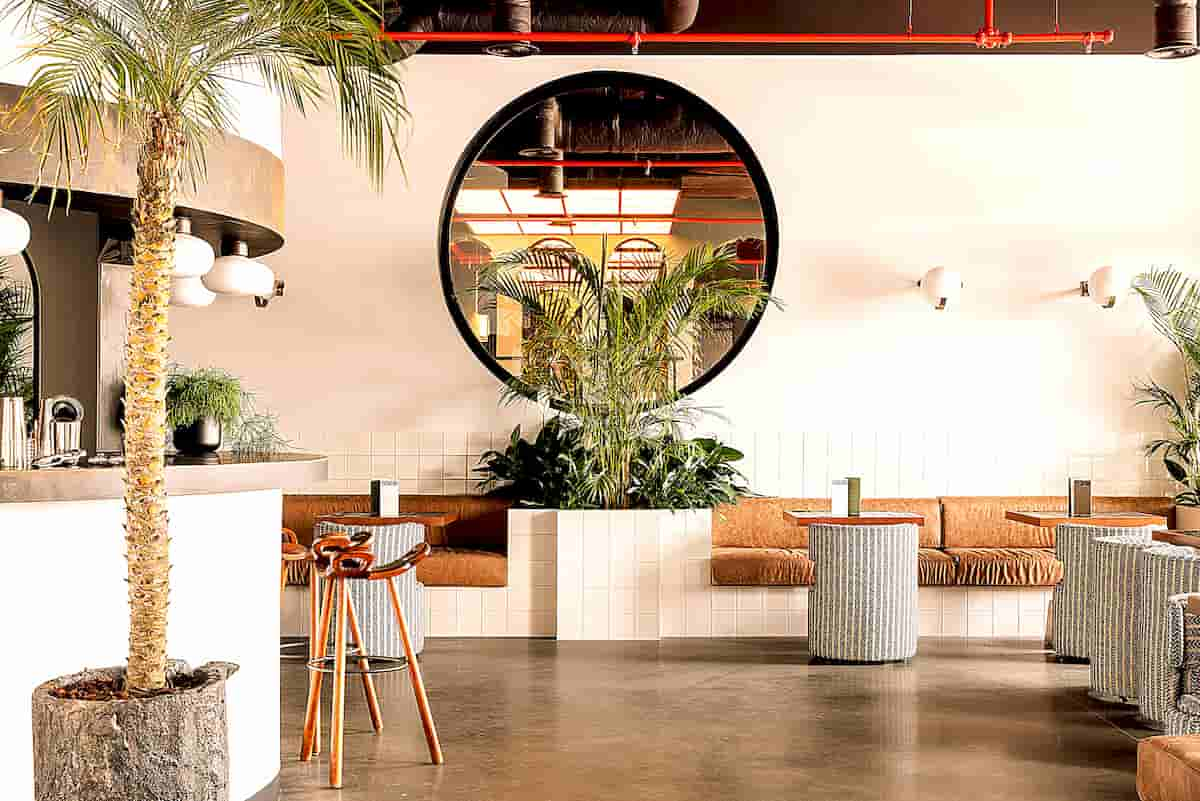
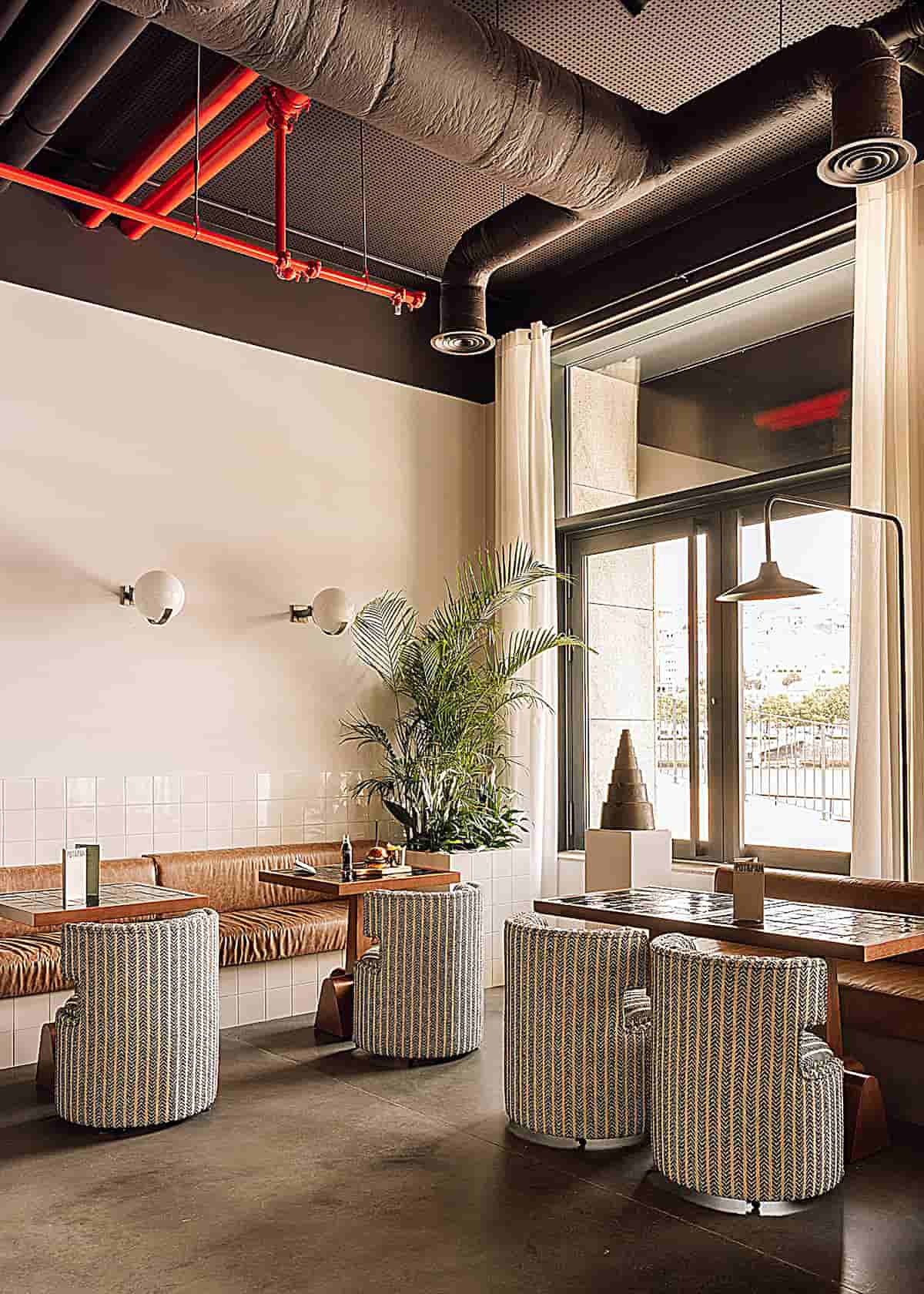
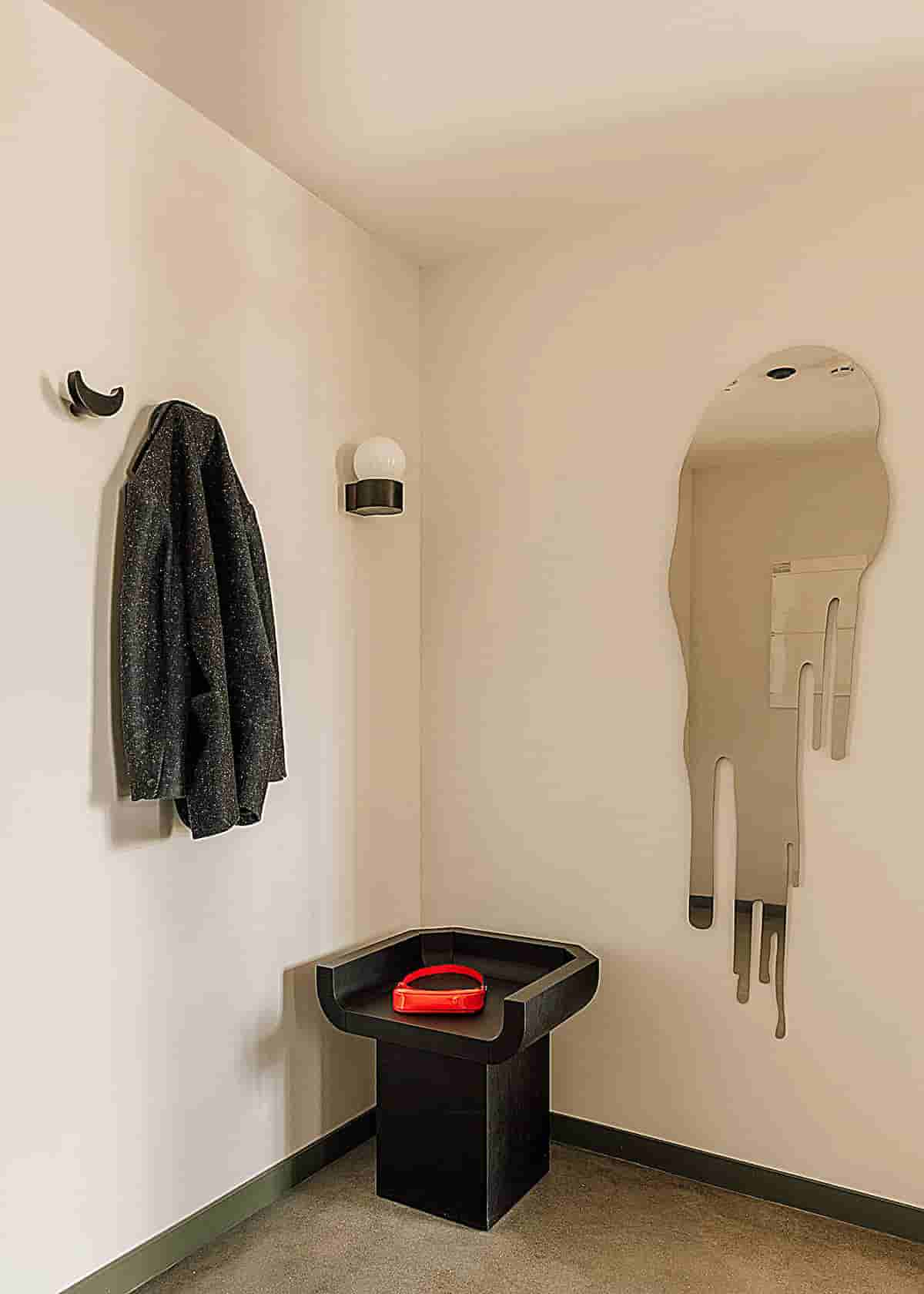
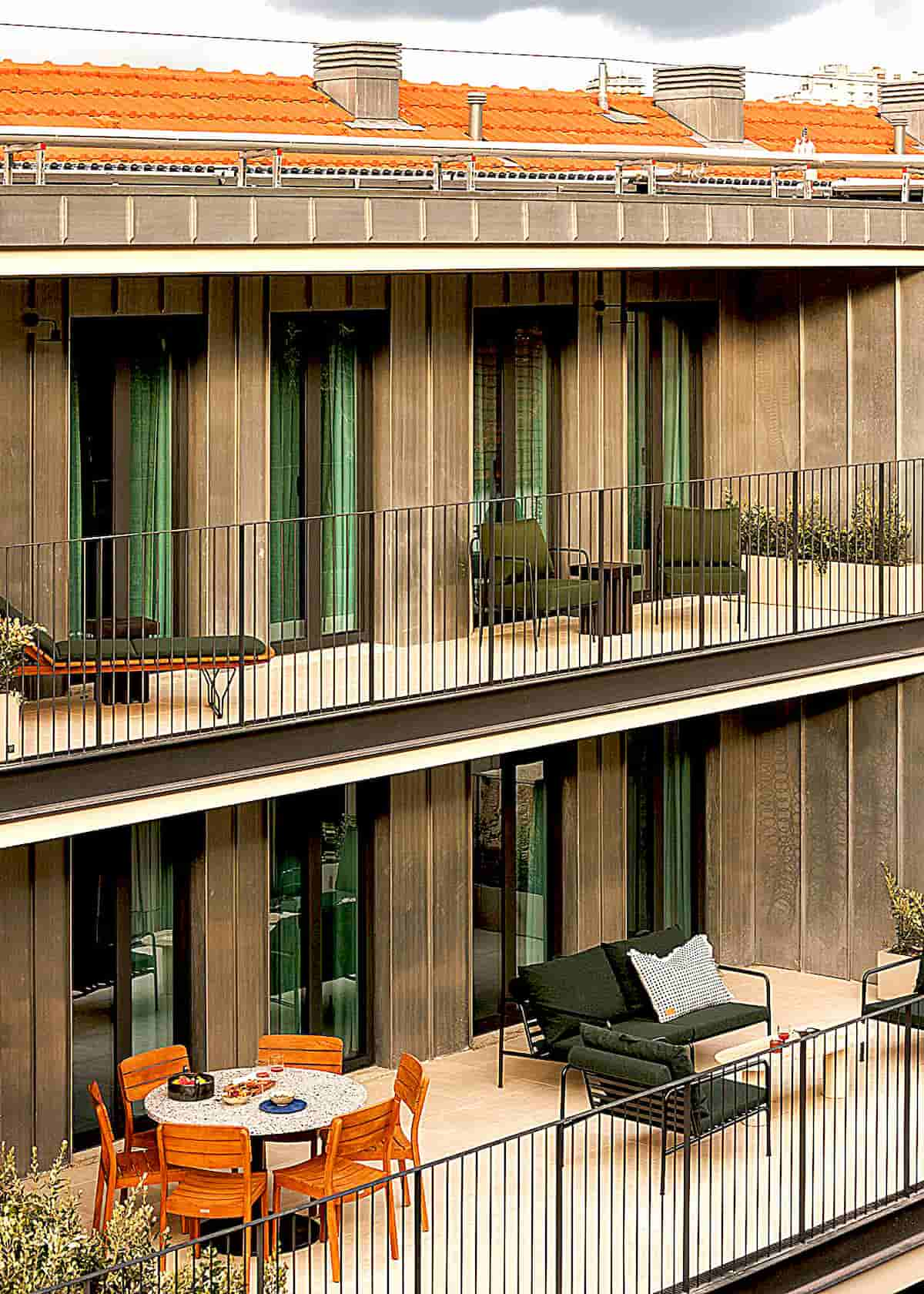
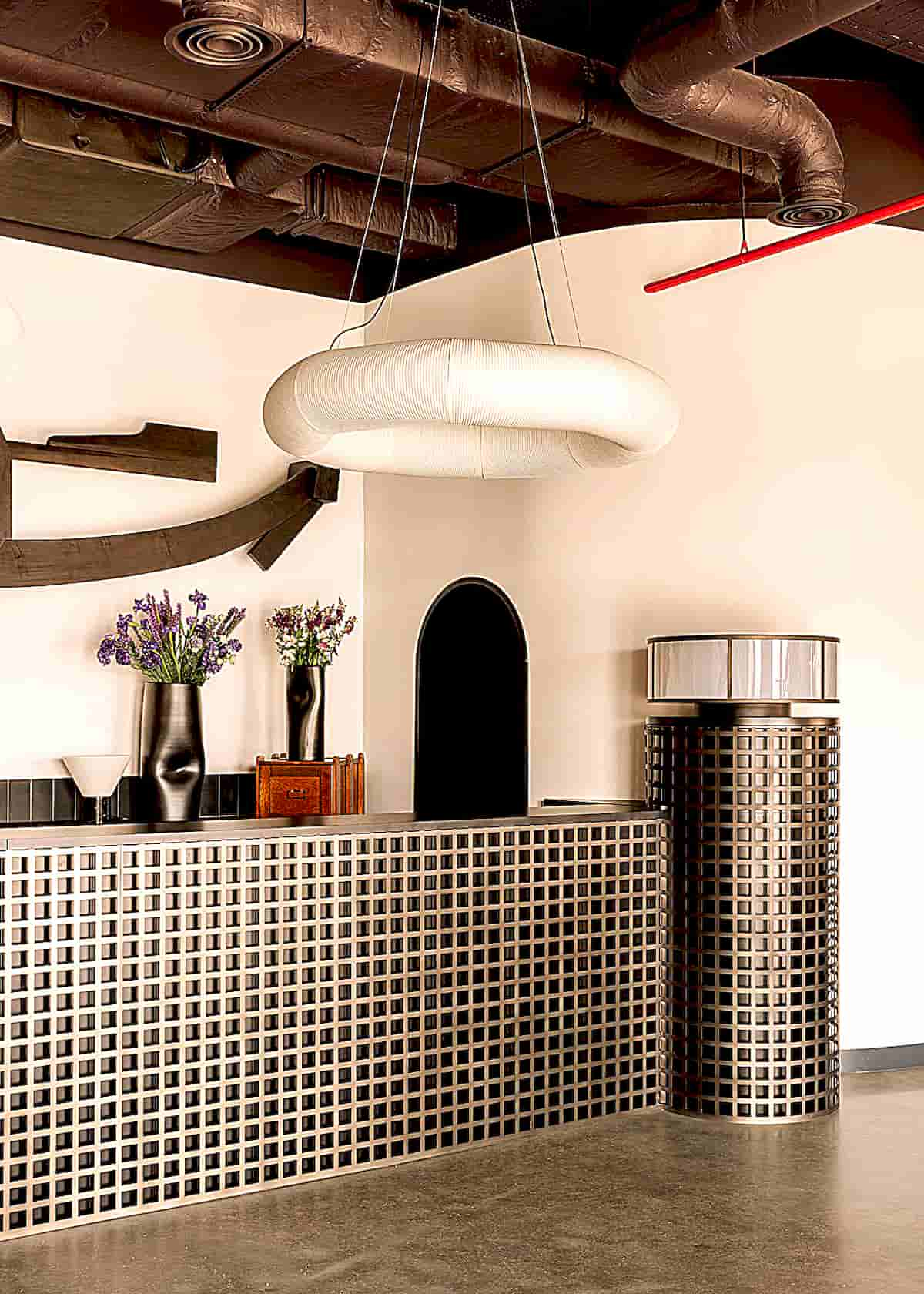
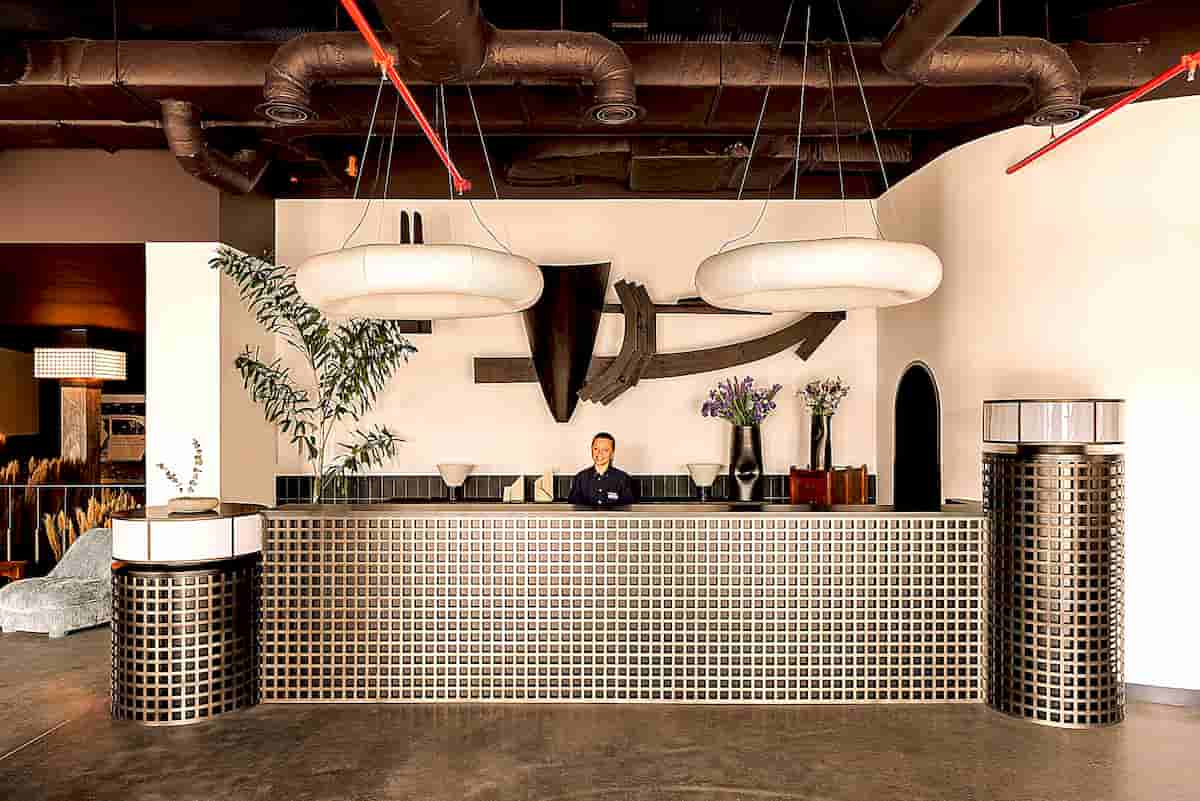
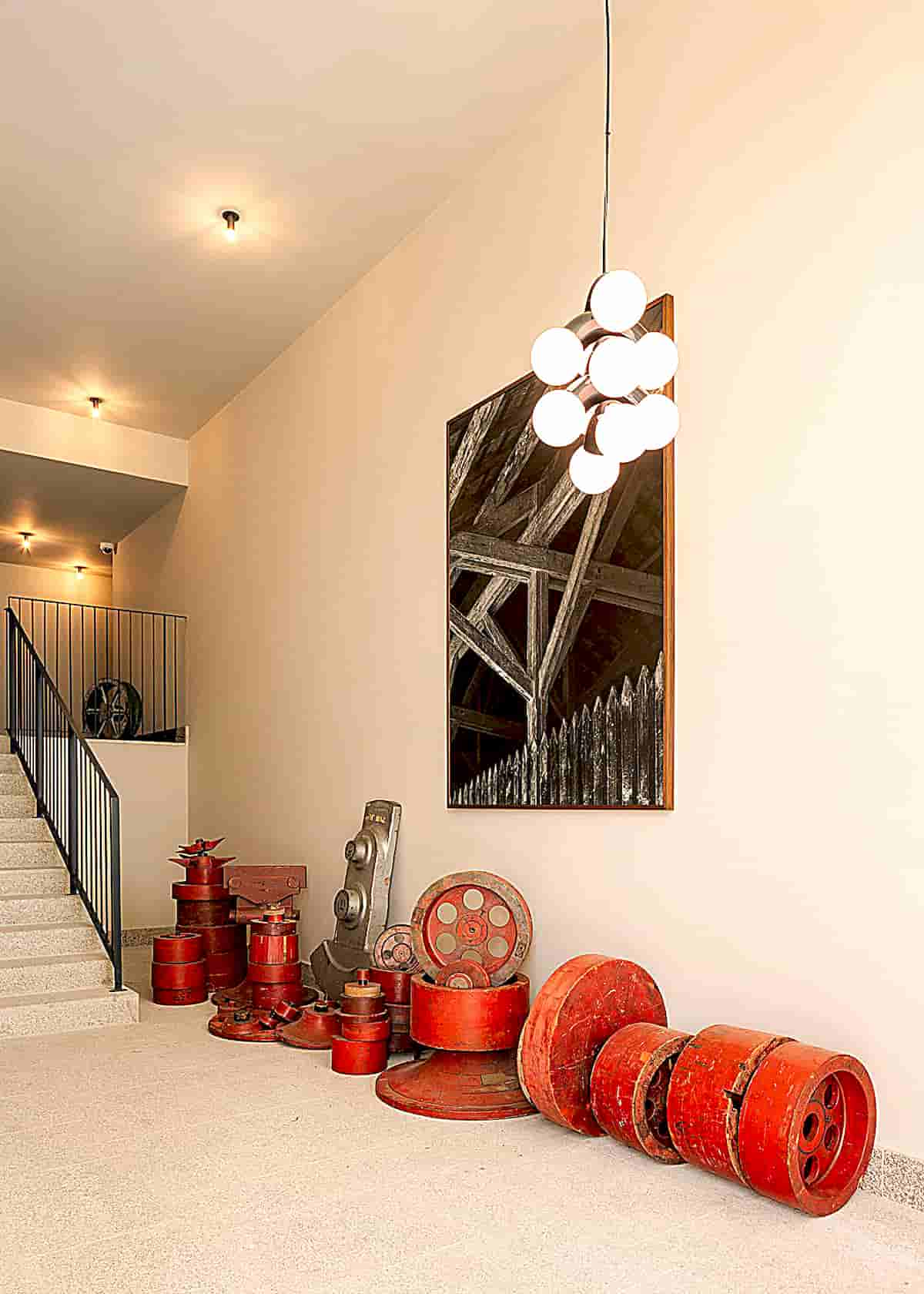
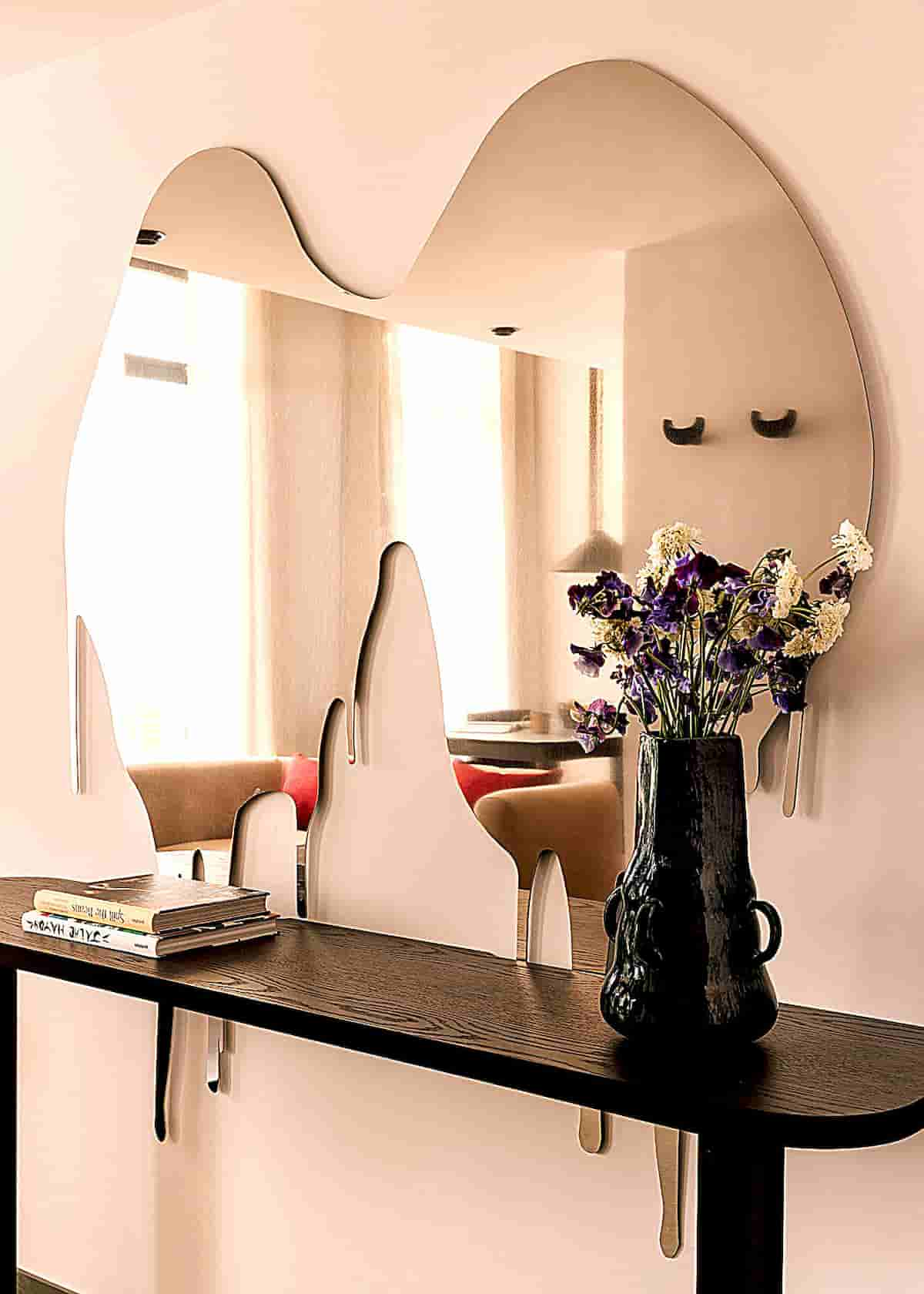
Occupying a former kitchen utensils factory that had been left abandoned for some time, Bomporto Hotels third project in Portugal is spread across four buildings comprised of two restored stone-built structures and two newly-built buildings. While the hotel’s exterior is characterised by its austere, no-frills sensibility, the artfully curated interiors are much more layered, thanks to Franceschini’s harmonious fusion of artisanal craftsmanship, artistic creativity and modern design. Custom details designed by her studio, including bespoke soft furnishings and furniture, are mixed with bespoke installations and objects crafted in collaboration with local makers and artisans inspired by the property’s industrial past and the city’s shipbuilding heritage which is rather befitting as the hotel is located next to the city’s only remaining boatyard.


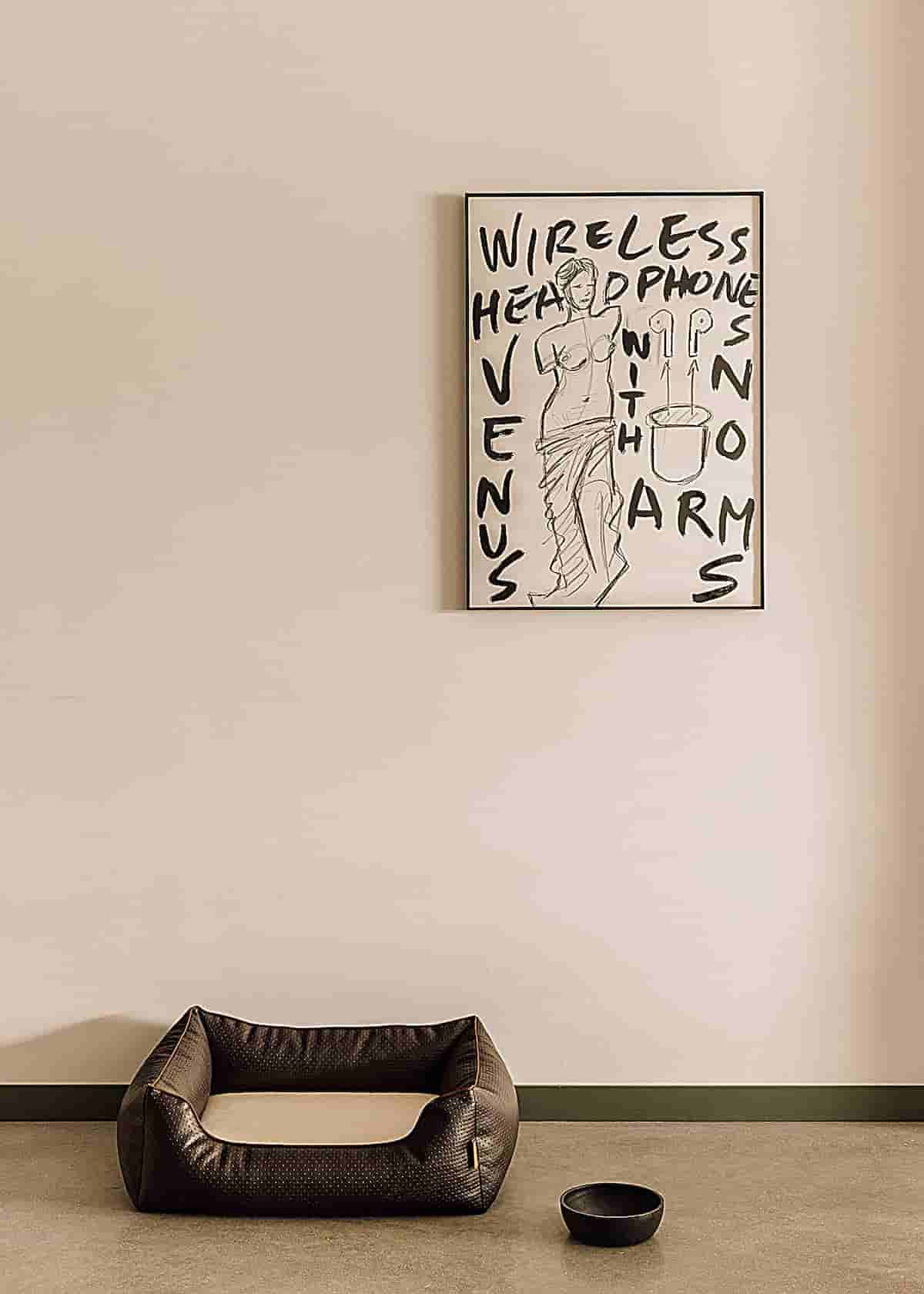
Nautical-themed elements abound, from the choice of colours, materials and textures, to the ceramic nets by Atelier Fig and a sculptural installation by studio THER in the reception that is made from re-used timber from the famous rabelos. The studio-made and artisanal-crafted custom designs are complemented by a collection of vintage furniture and objects and a curated art collection sourced from a host of local and international artists and galleries such as drawings by the Spanish artist Josep Maynou, plaster works by the Los Angeles- and Berlin-based Tomek Sadurski and ceramics by the Lisbon-based Joana Passos.
 

The Summer House Skagen Klitgård pays Tribute to local Architecture and the History of the Town


The Summer House Skagen Klitgård pays Tribute to local Architecture and the History of the Town


The Summer House Skagen Klitgård pays Tribute to local Architecture and the History of the Town


The Summer House Skagen Klitgård pays Tribute to local Architecture and the History of the Town


The Summer House Skagen Klitgård pays Tribute to local Architecture and the History of the Town


The Summer House Skagen Klitgård pays Tribute to local Architecture and the History of the Town


The Summer House Skagen Klitgård pays Tribute to local Architecture and the History of the Town


The Summer House Skagen Klitgård pays Tribute to local Architecture and the History of the Town


The Summer House Skagen Klitgård pays Tribute to local Architecture and the History of the Town


The Summer House Skagen Klitgård pays Tribute to local Architecture and the History of the Town Industrial Heritage Through a Lens of Artistic & Artisanal Creativity Tribute, History, Town,


The Summer House Skagen Klitgård pays Tribute to local Architecture and the History of the Town


The Summer House Skagen Klitgård pays Tribute to local Architecture and the History of the Town


The Summer House Skagen Klitgård pays Tribute to local Architecture and the History of the Town


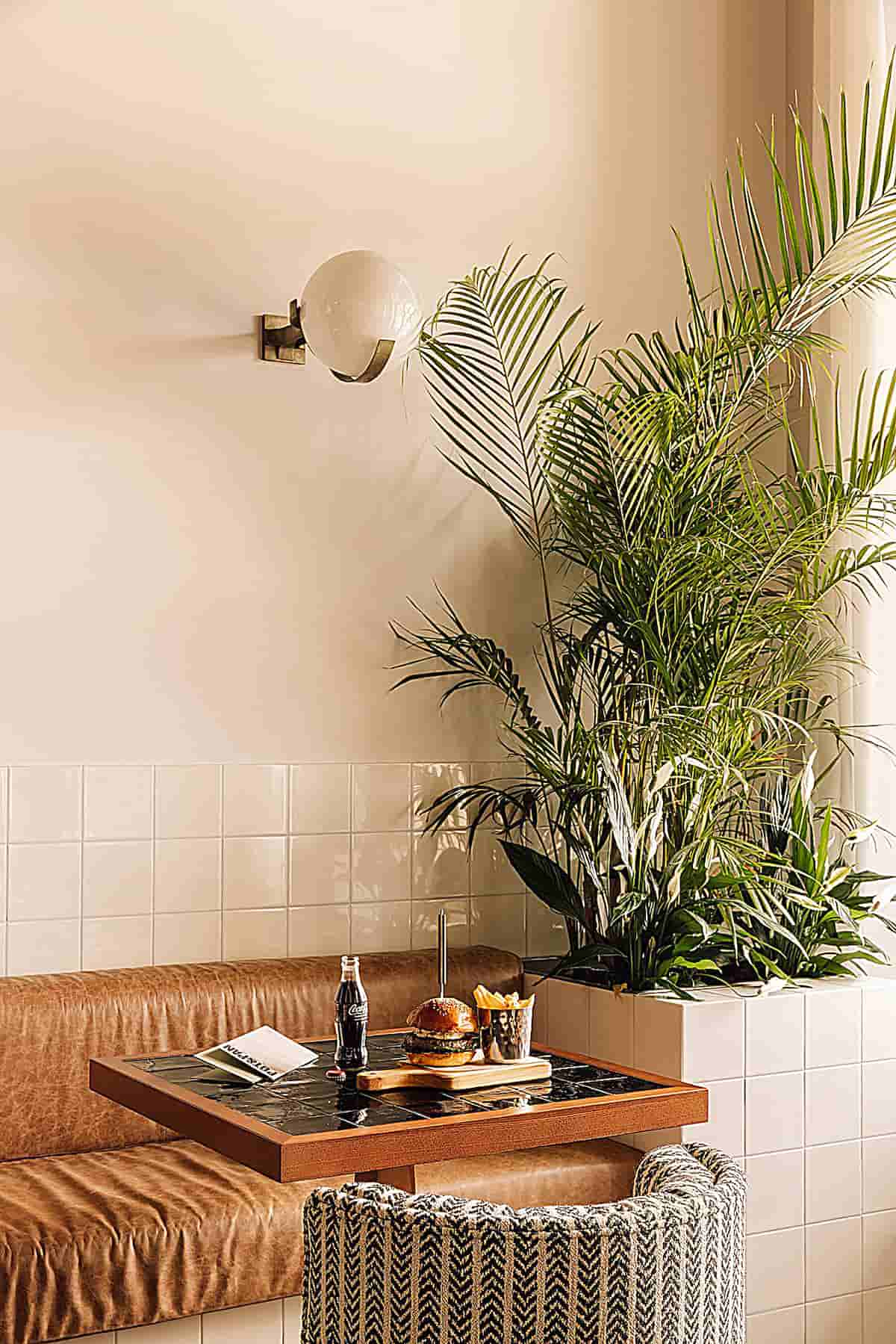
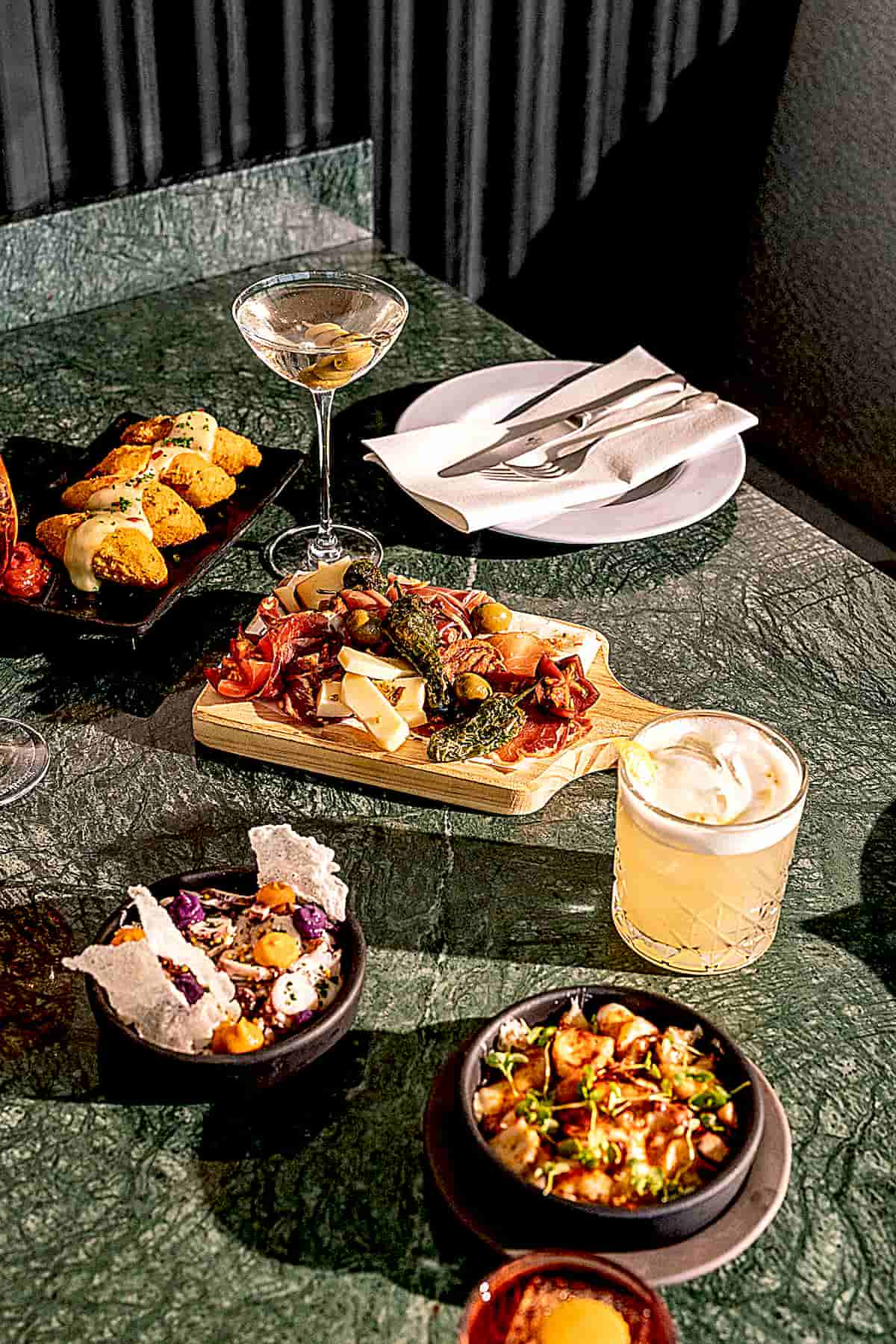
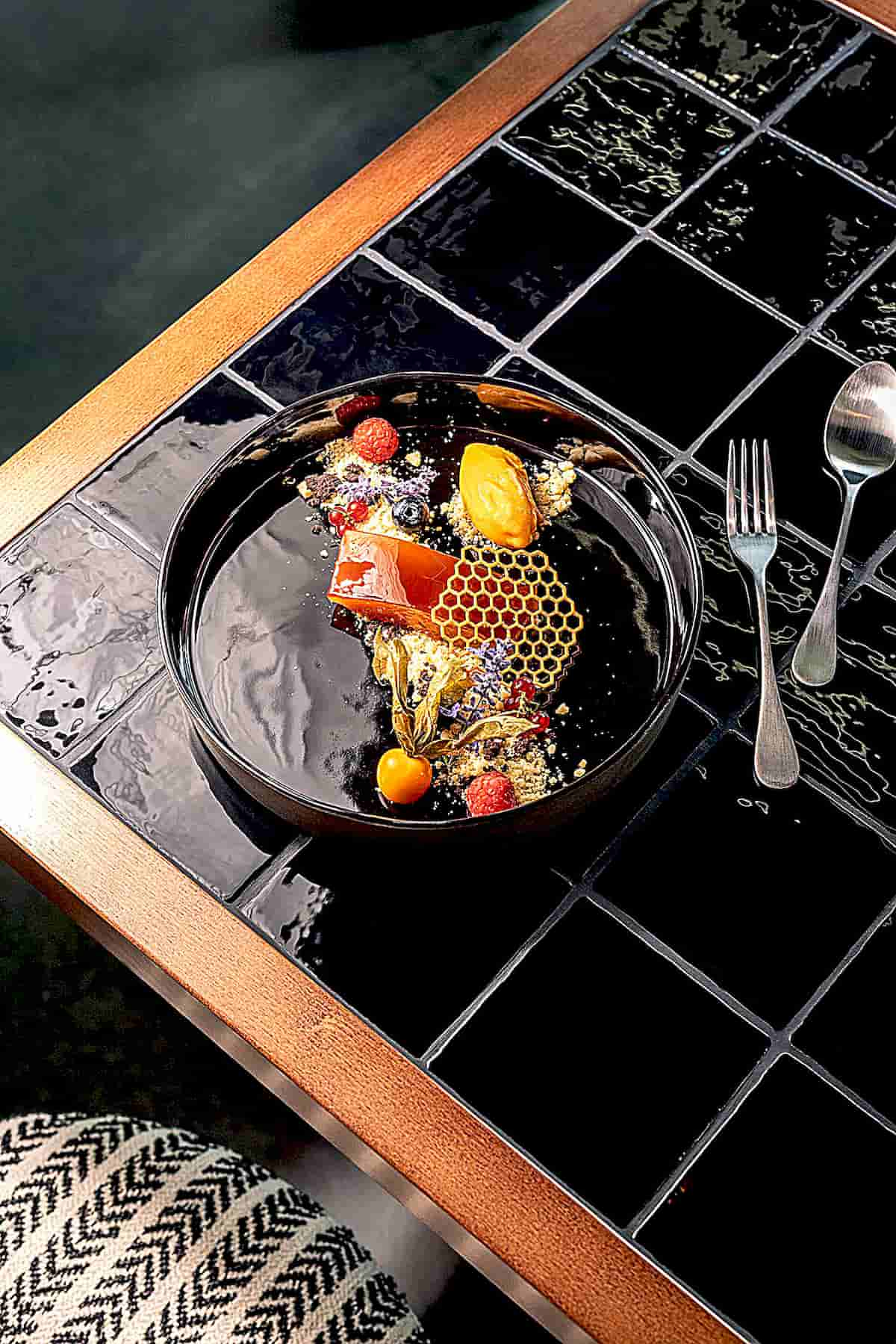
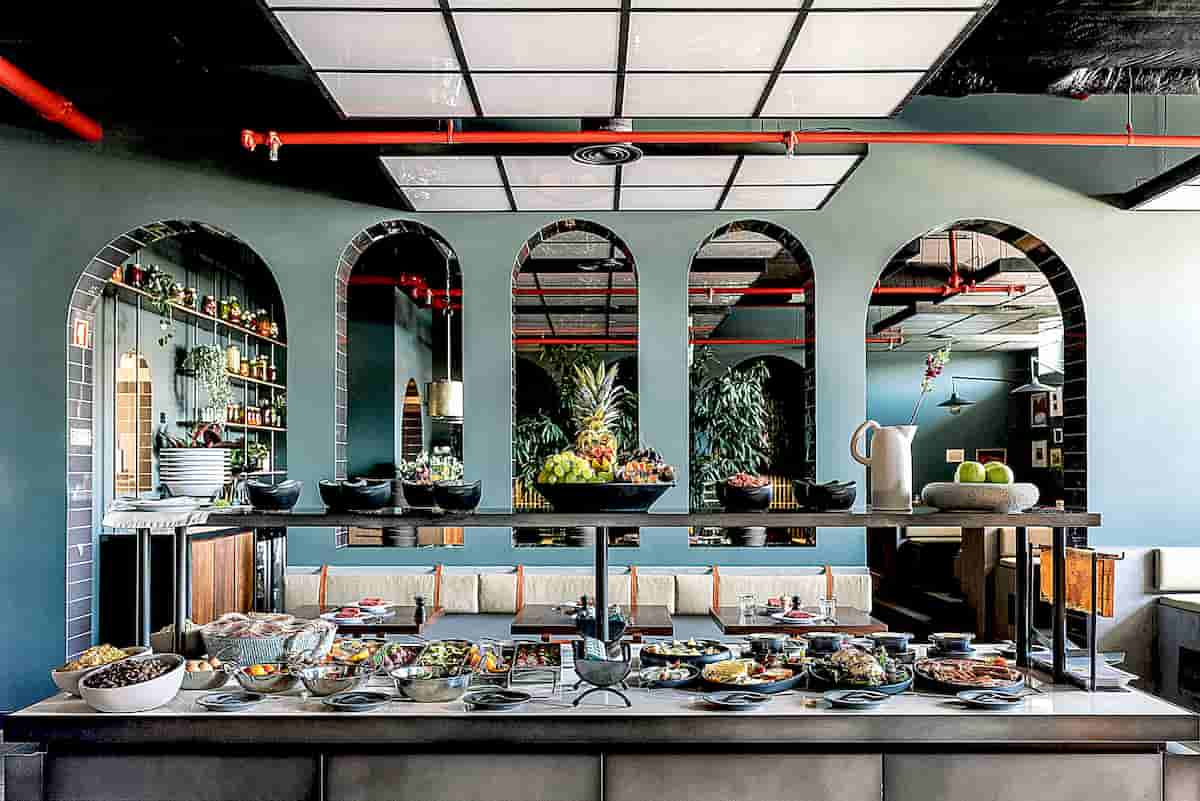
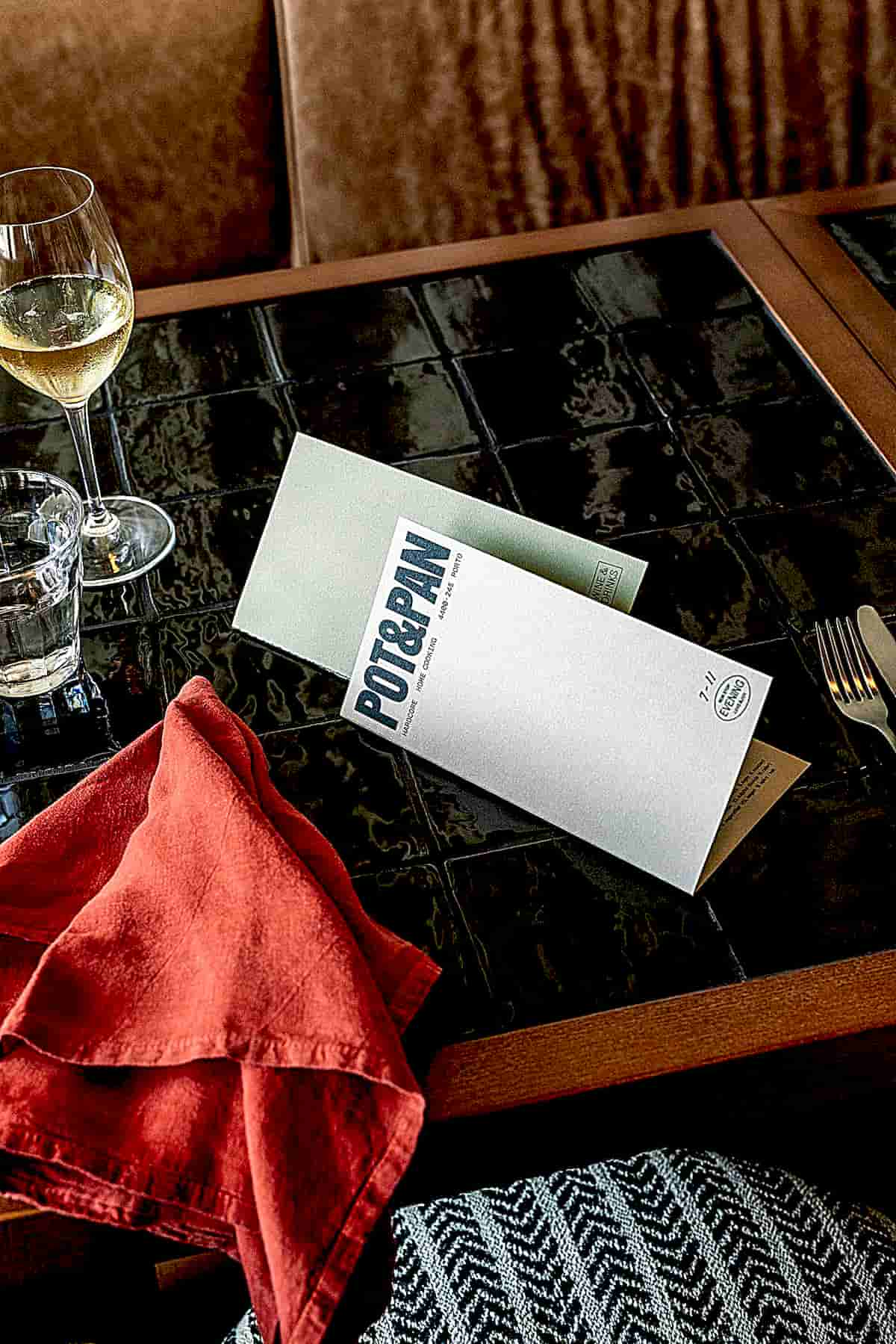
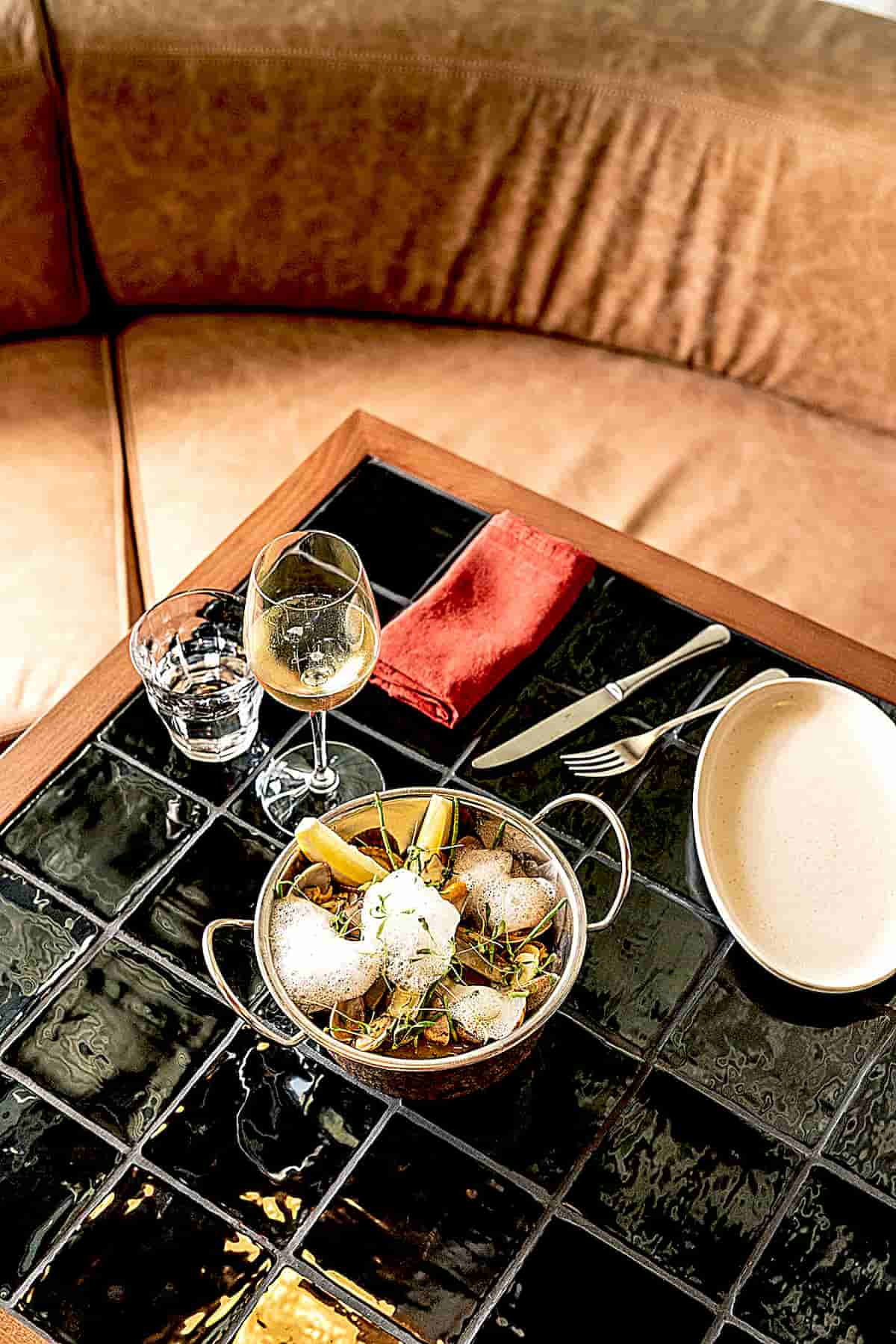
Despite the treasure trove of artistic and artisanal details, the hotel is characterized by an unpretentious sensibility and informal style. Take Pot&Pan restaurant for example, where chef André Coutinho’s menu of comfort food dishes perfect for sharing are served in pots and pans in homage to this former kitchen utensils factory. Made from local and seasonal ingredients, the short menu celebrates traditional Portuguese cooking with a modern twist featuring dishes such as Monkfish and Prawn RiceCrispy Pork Belly & Clams, and a reimagined versions of Pudim Abade Priscos, the famous Portuguese caramel pudding.


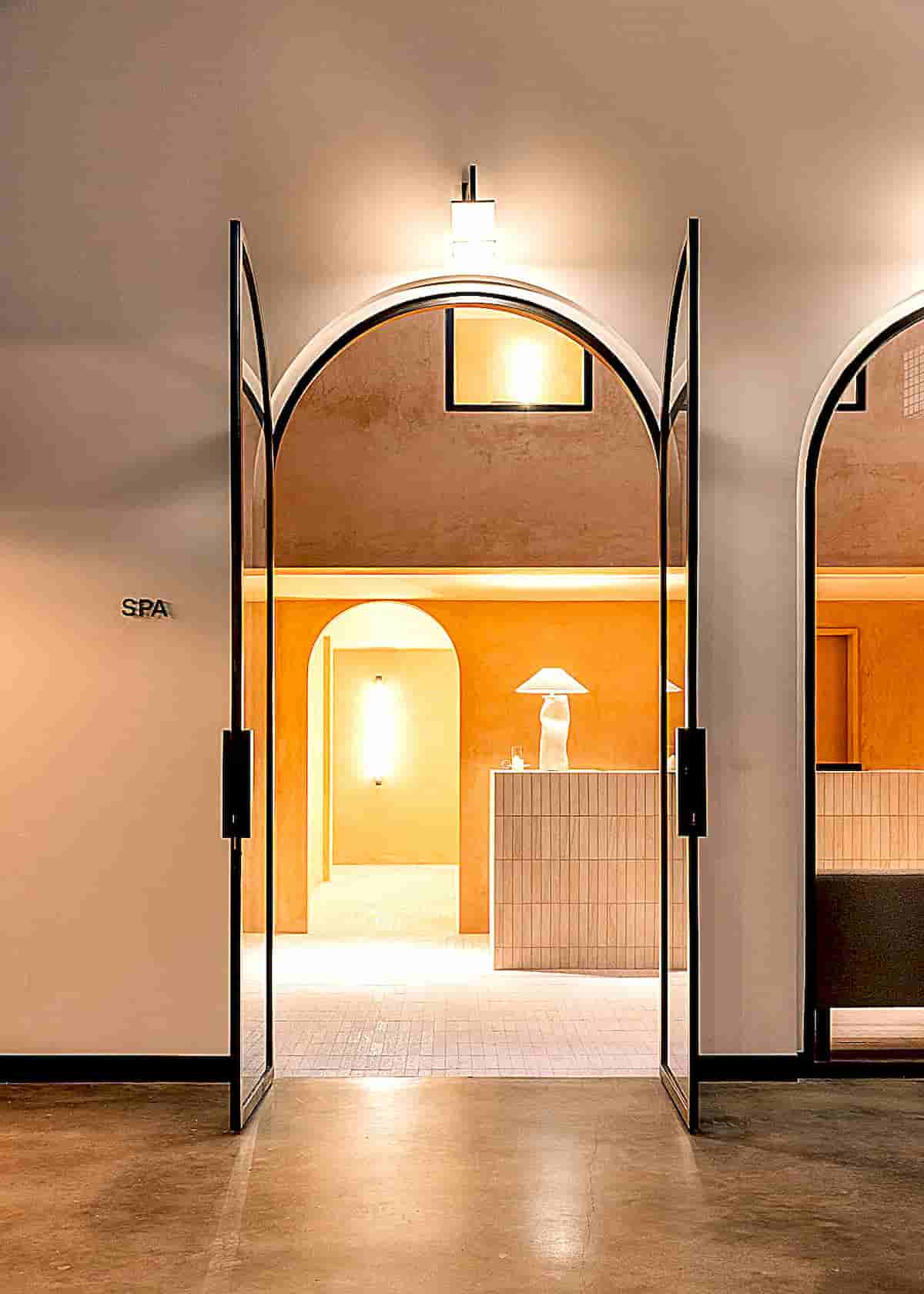
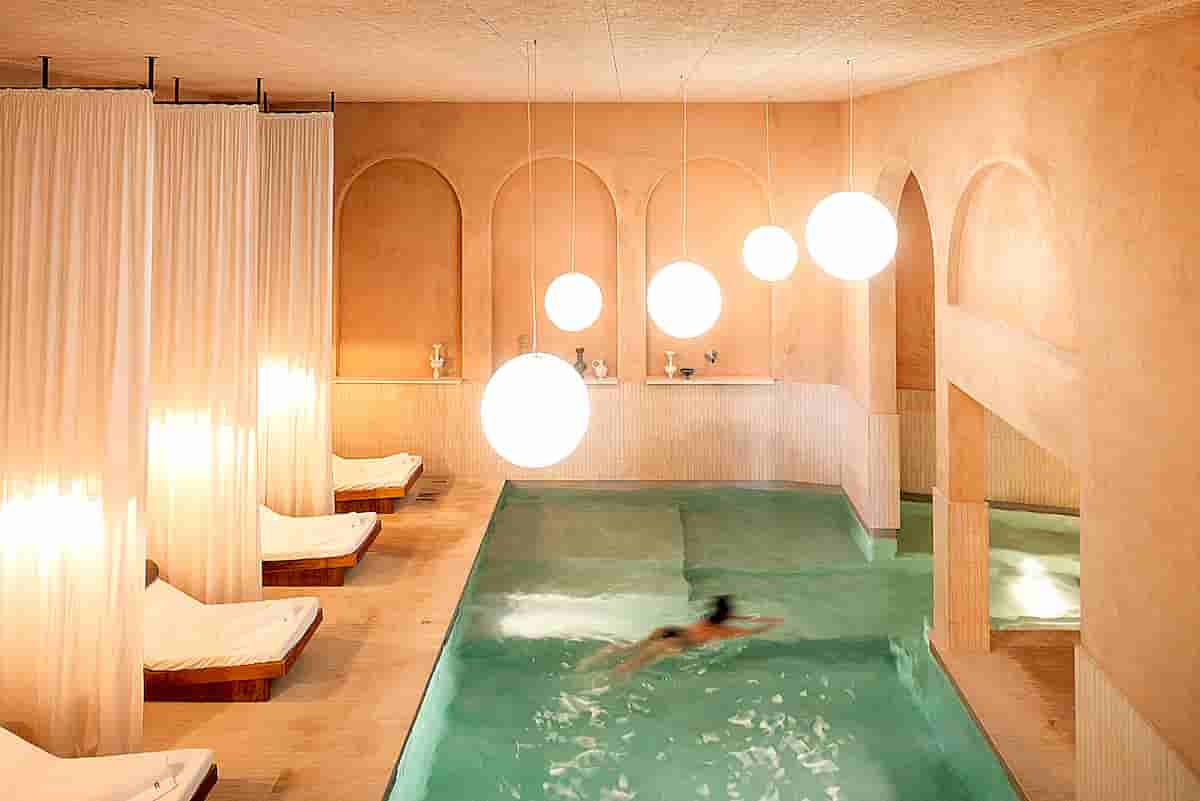
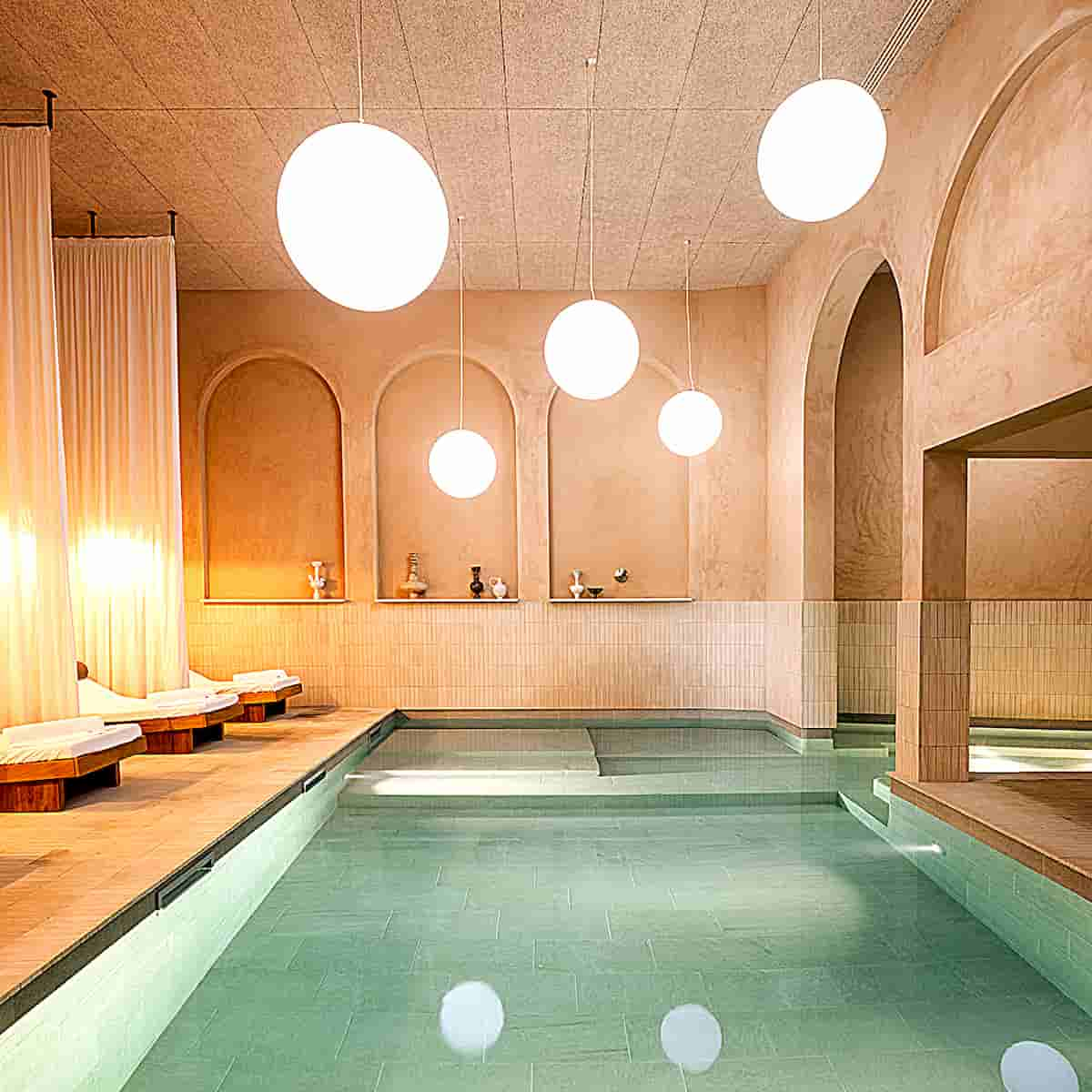
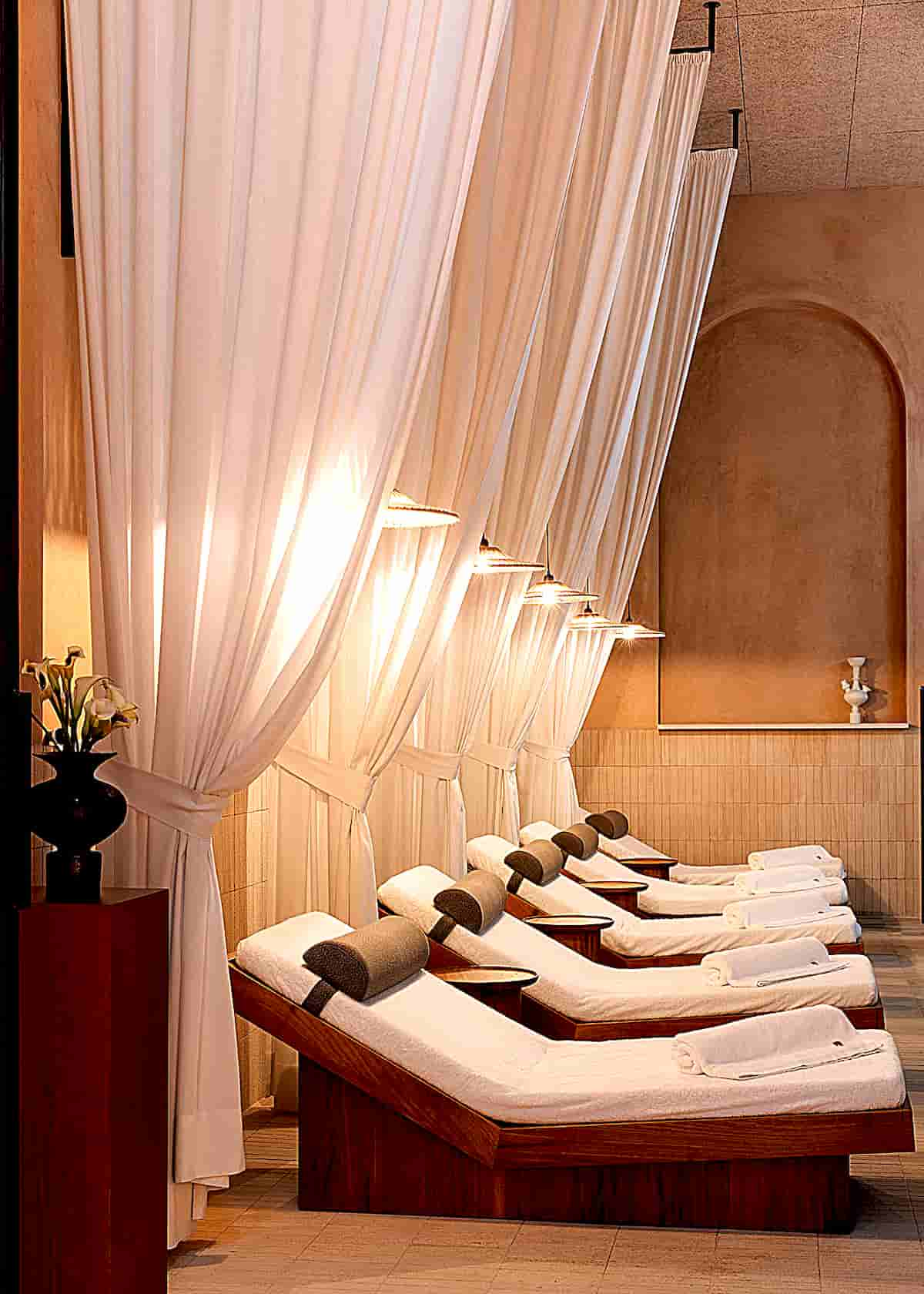
Eschewing the decorative flair, pops of colour and buzzing energy of the other communal areas, the hotel’s wellness and spa centre is a soothing oasis of relaxation and serenity, swathed in earthy tones and natural textures, and elegantly furnished with custom-designed pieces by Quiet Studios. Offering holistic and signature massages and facial and bodily rituals, along with a tranquillity lounge, heated pool, sauna and fitness centre, The Rebello spa is designed to add another layer of pampering for guests during their stay.
 

The Summer House Skagen Klitgård pays Tribute to local Architecture and the History of the Town


The Summer House Skagen Klitgård pays Tribute to local Architecture and the History of the Town


The Summer House Skagen Klitgård pays Tribute to local Architecture and the History of the Town


The Summer House Skagen Klitgård pays Tribute to local Architecture and the History of the Town


The Summer House Skagen Klitgård pays Tribute to local Architecture and the History of the Town


The Summer House Skagen Klitgård pays Tribute to local Architecture and the History of the Town


The Summer House Skagen Klitgård pays Tribute to local Architecture and the History of the Town


The Summer House Skagen Klitgård pays Tribute to local Architecture and the History of the Town


The Summer House Skagen Klitgård pays Tribute to local Architecture and the History of the Town


The Summer House Skagen Klitgård pays Tribute to local Architecture and the History of the Town


The Summer House Skagen Klitgård pays Tribute to local Architecture and the History of the Town


The Summer House Skagen Klitgård pays Tribute to local Architecture and the History of the Town


The Summer House Skagen Klitgård pays Tribute to local Architecture and the History of the Town


The Summer House Skagen Klitgård pays Tribute to local Architecture and the History of the Town


The Summer House Skagen Klitgård pays Tribute to local Architecture and the History of the Town


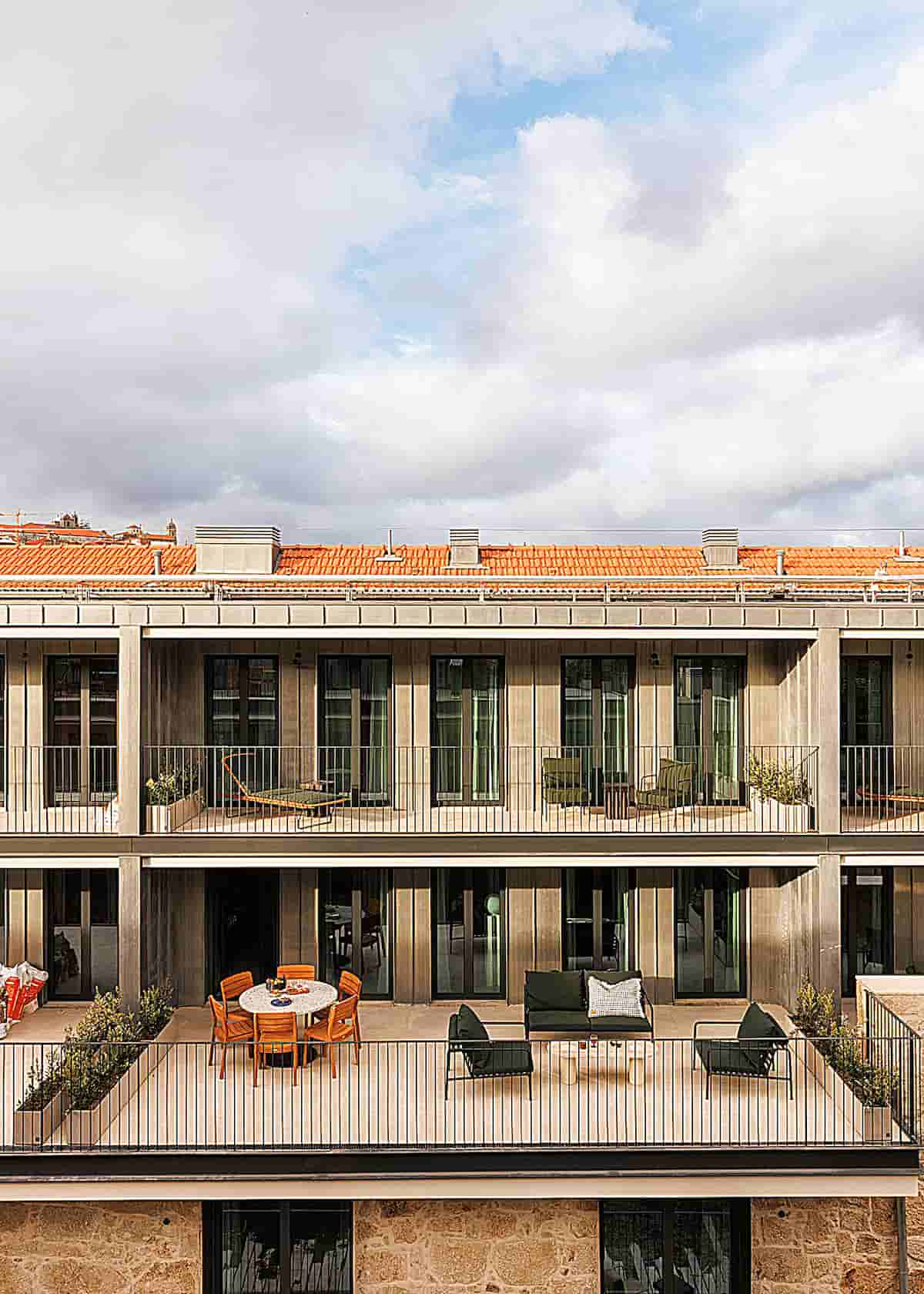
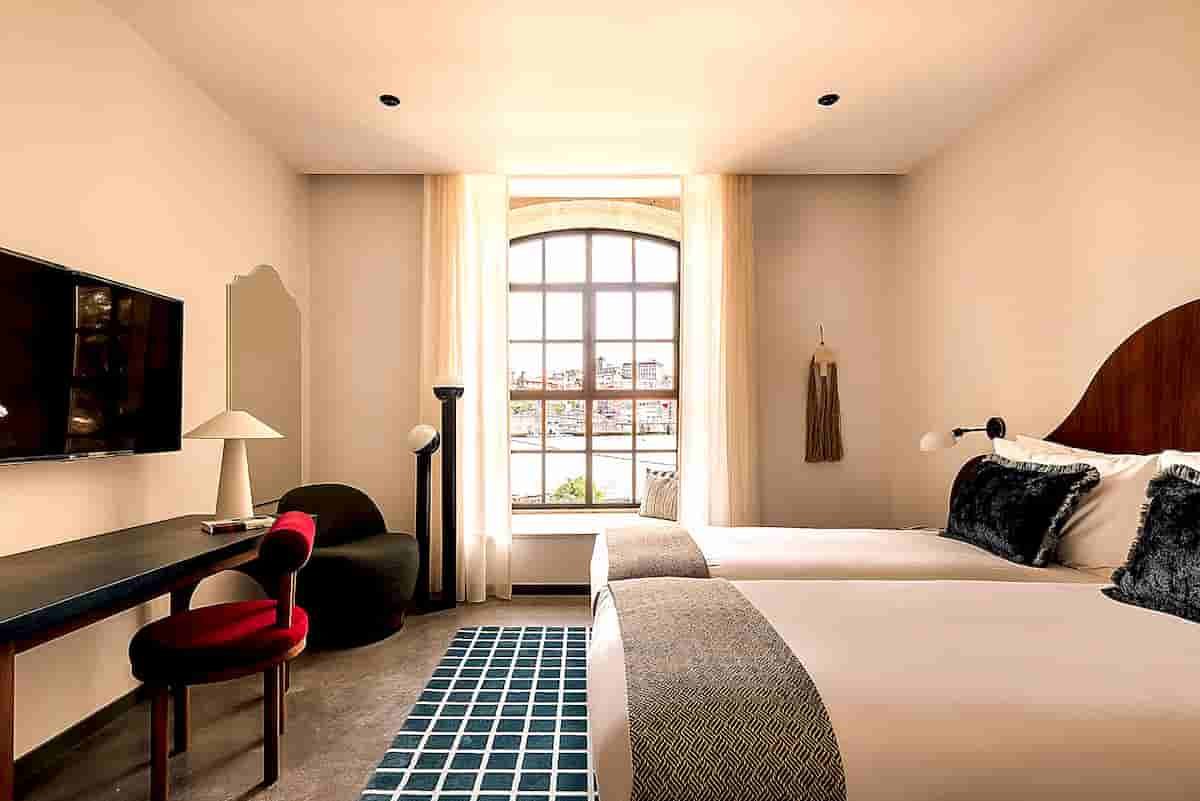
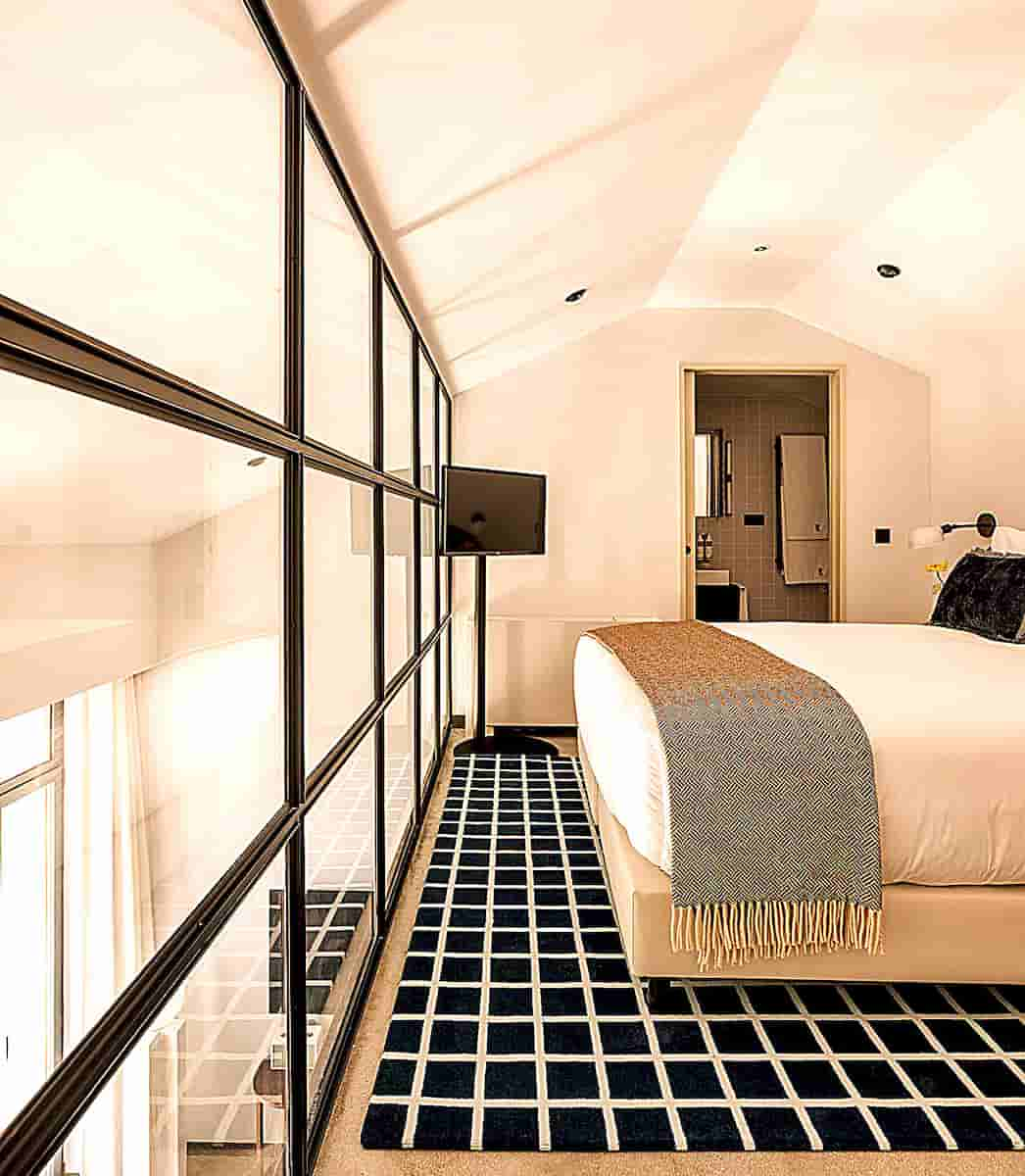
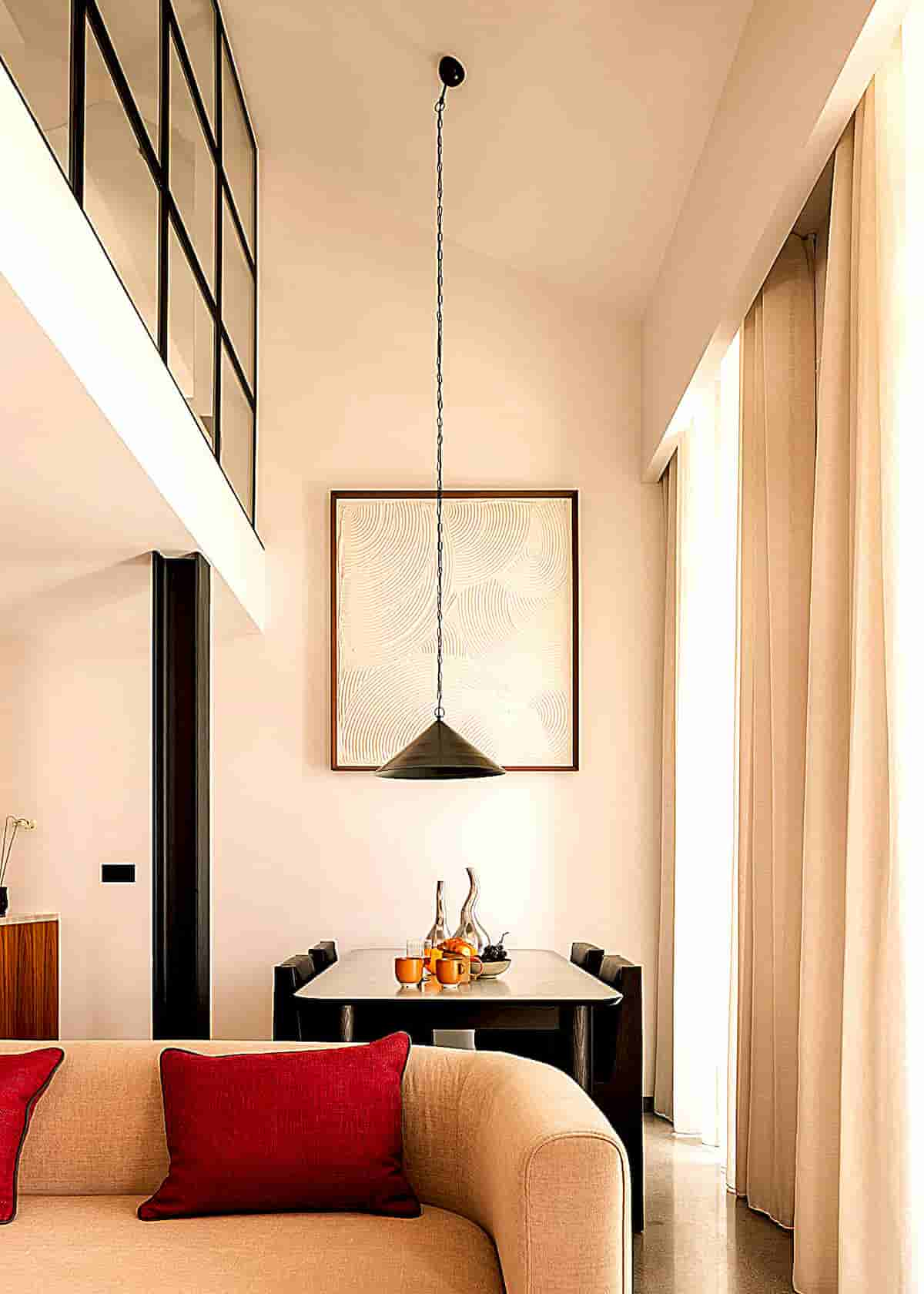
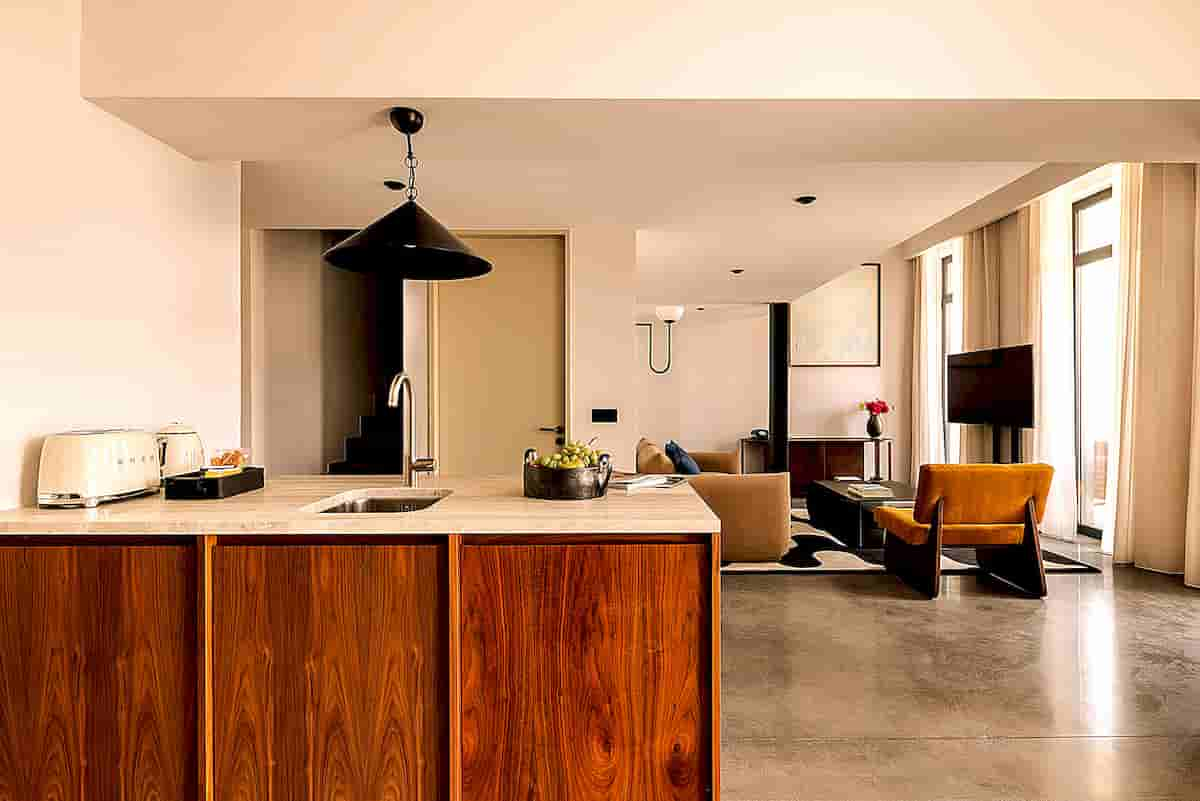
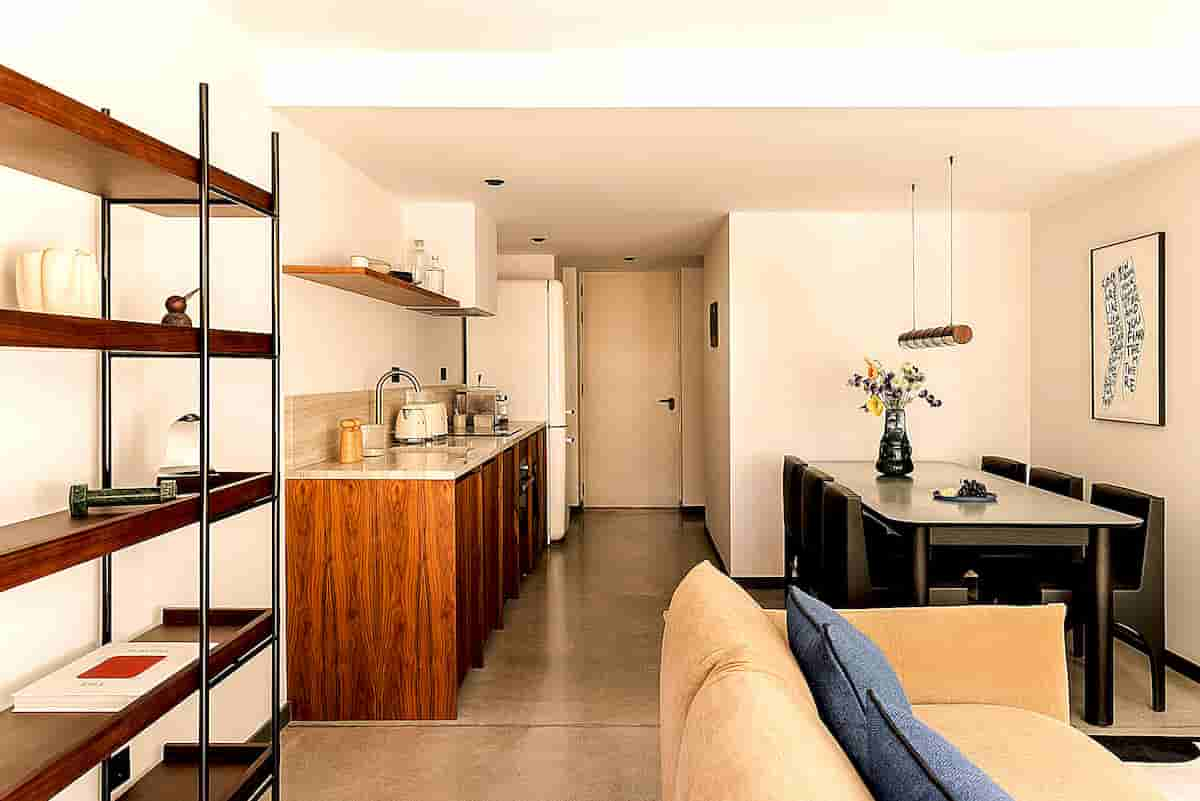
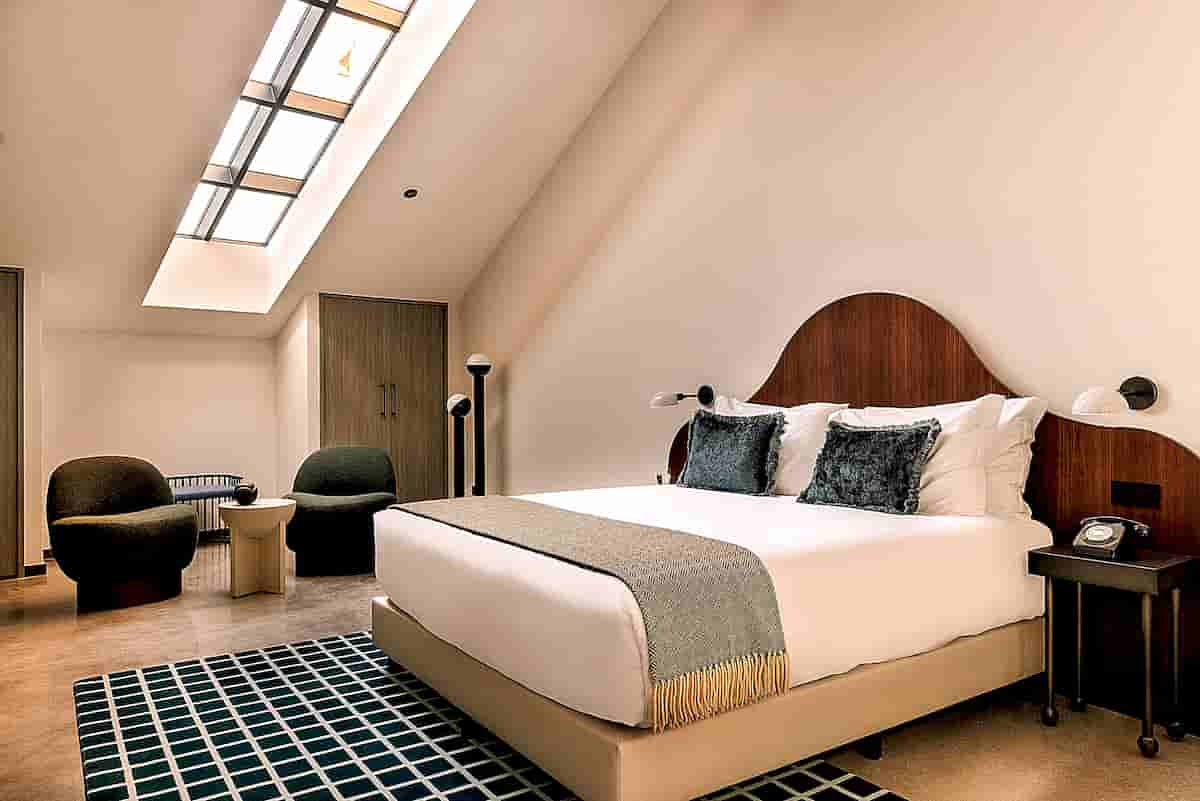
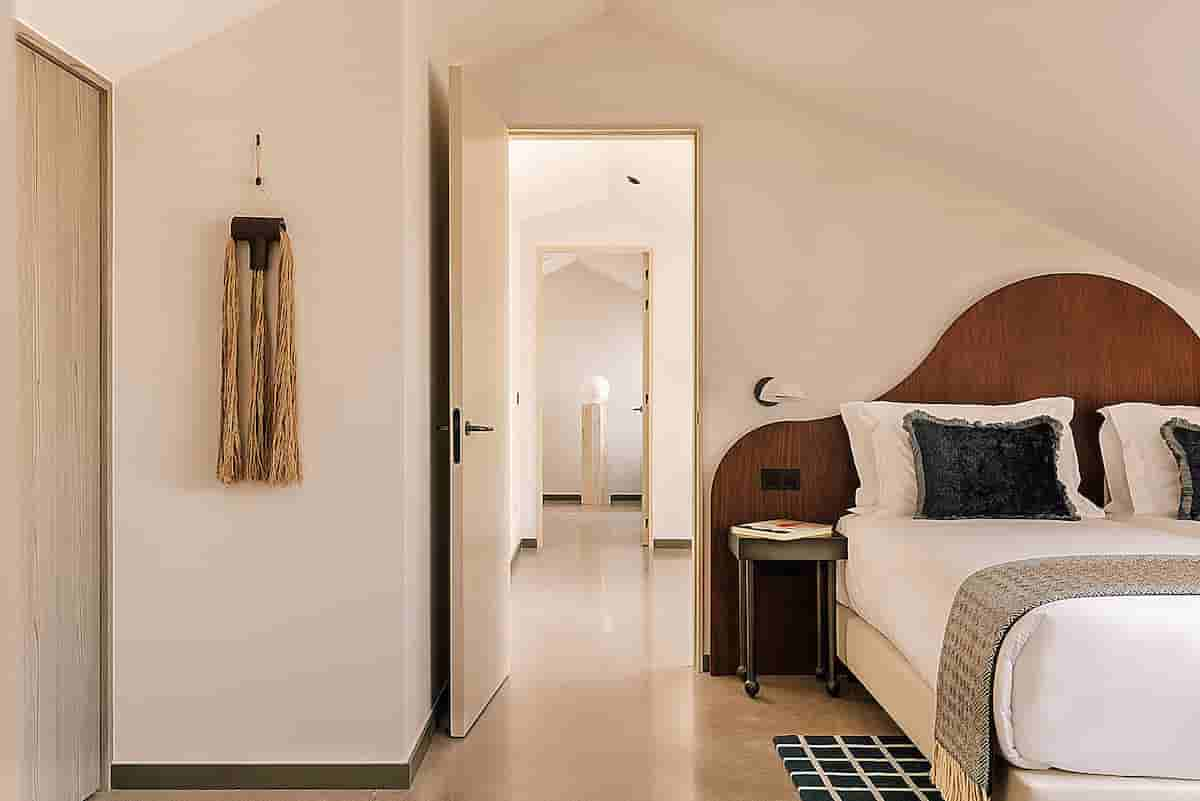
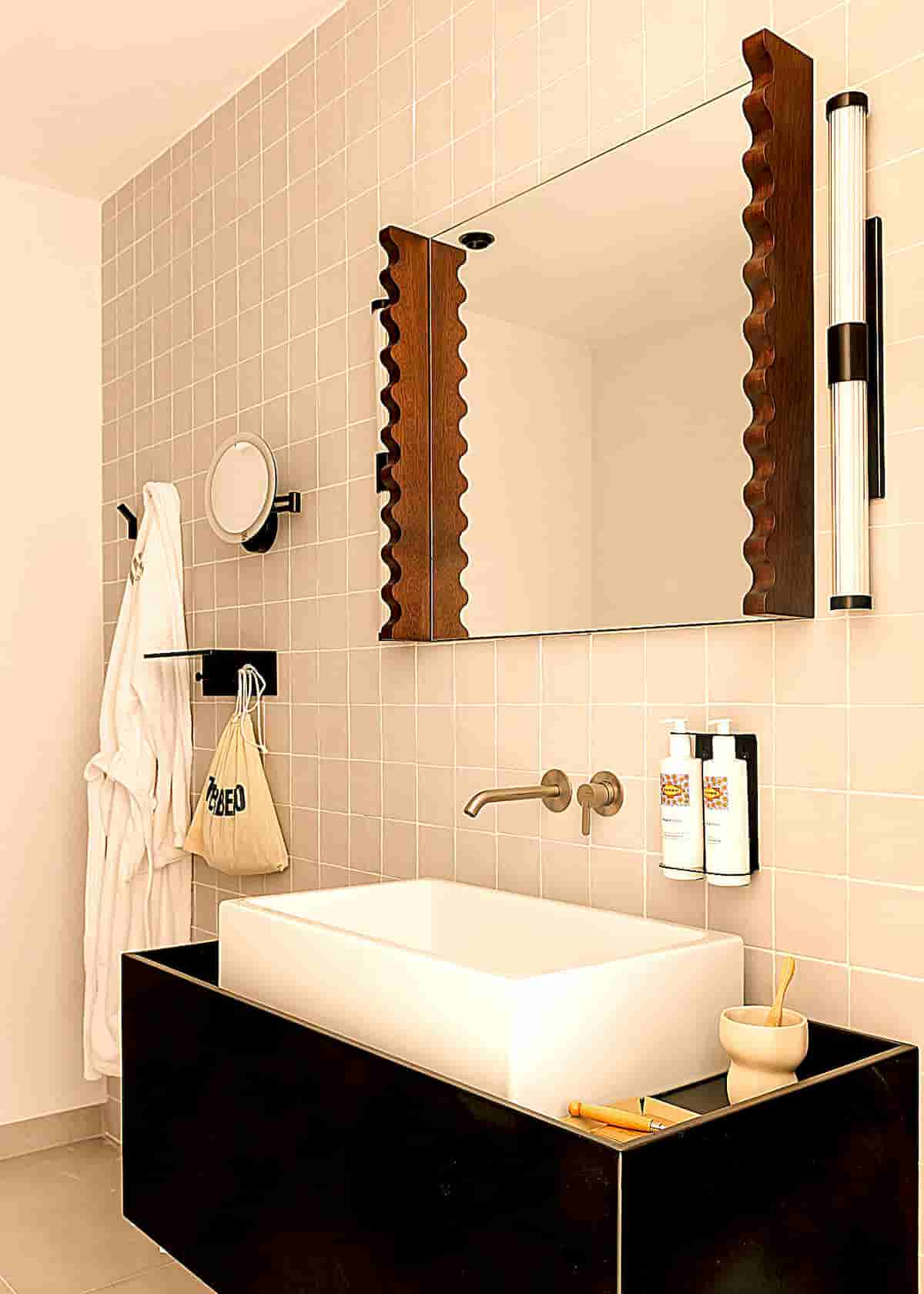
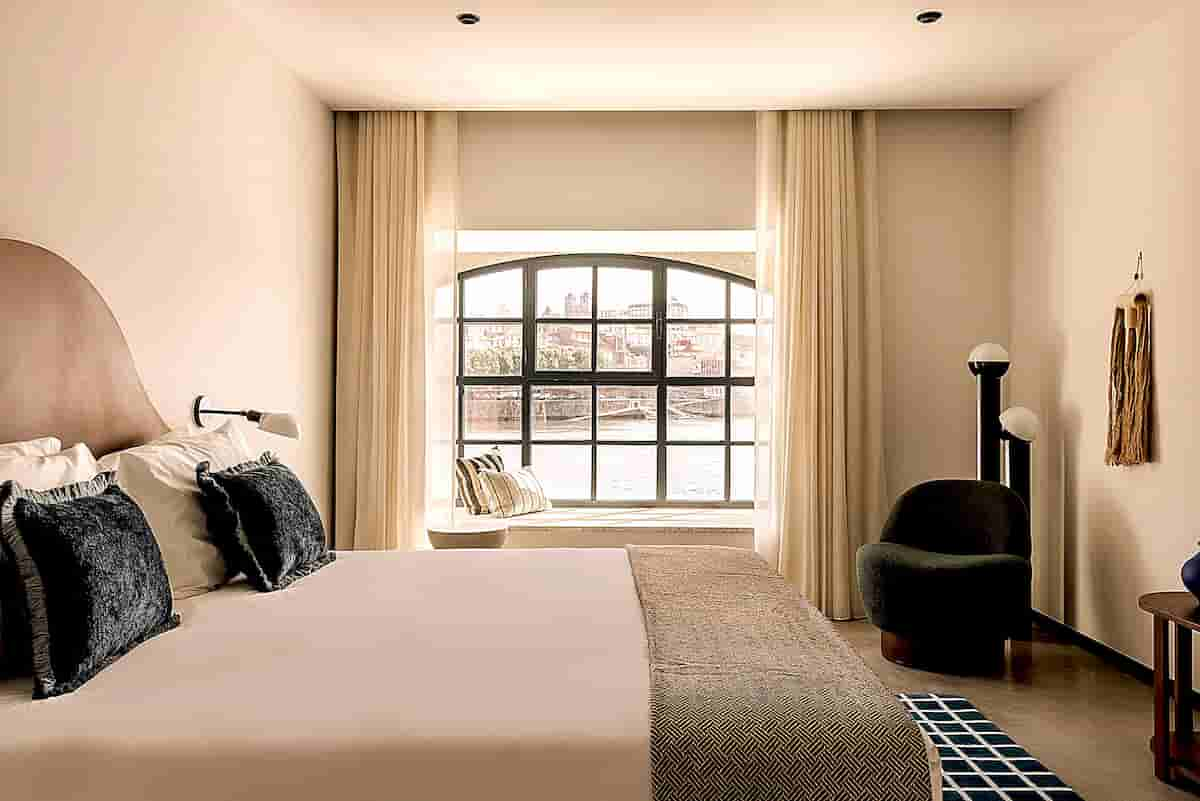
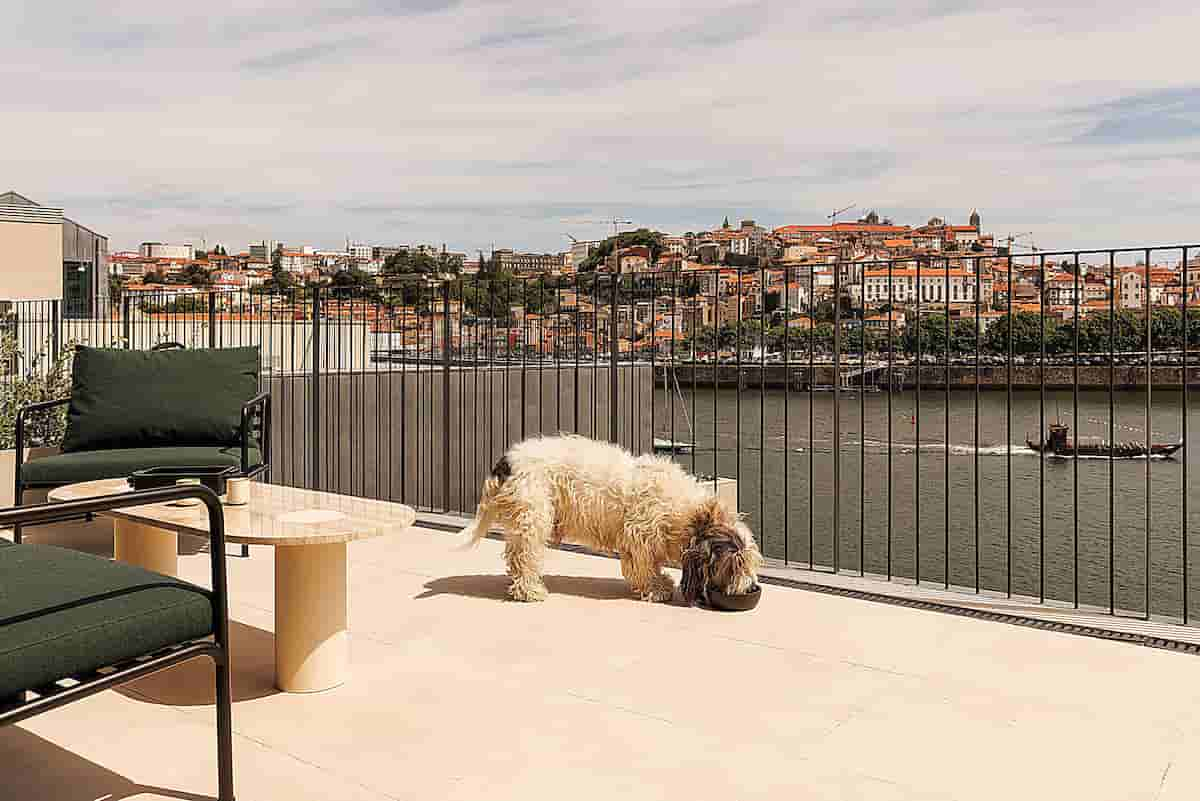
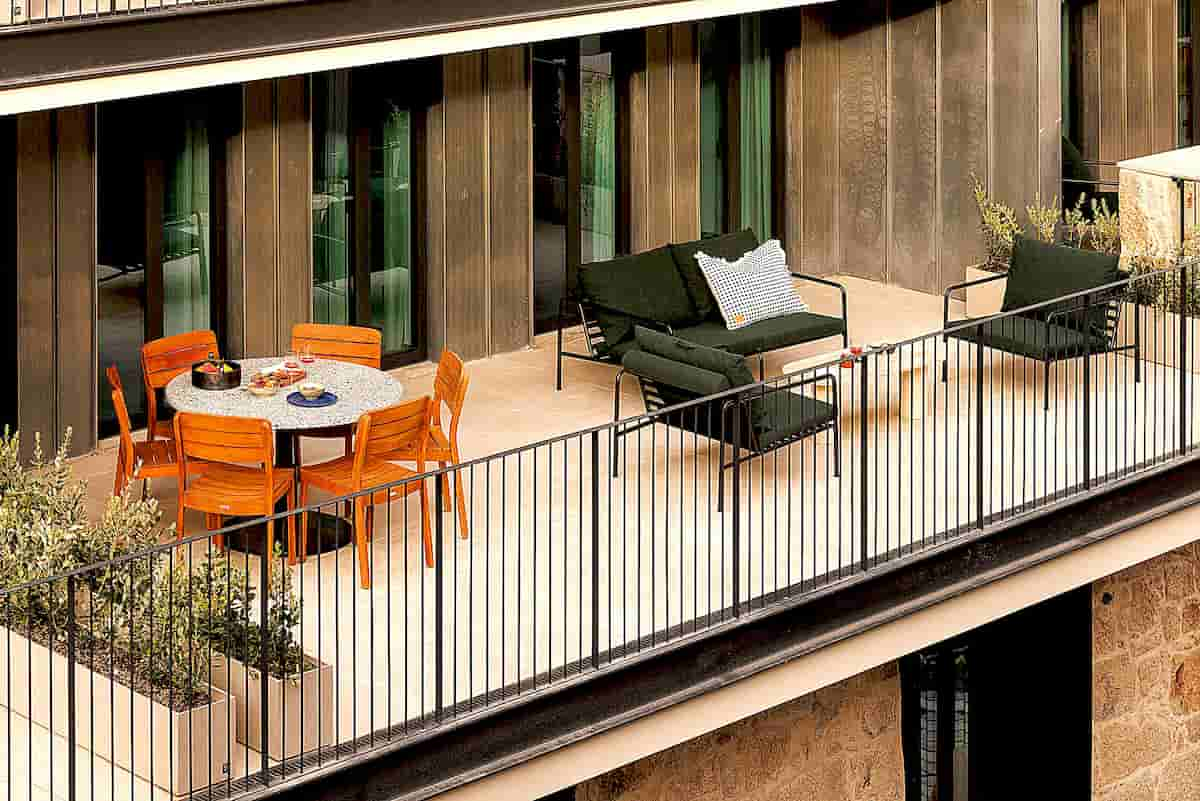
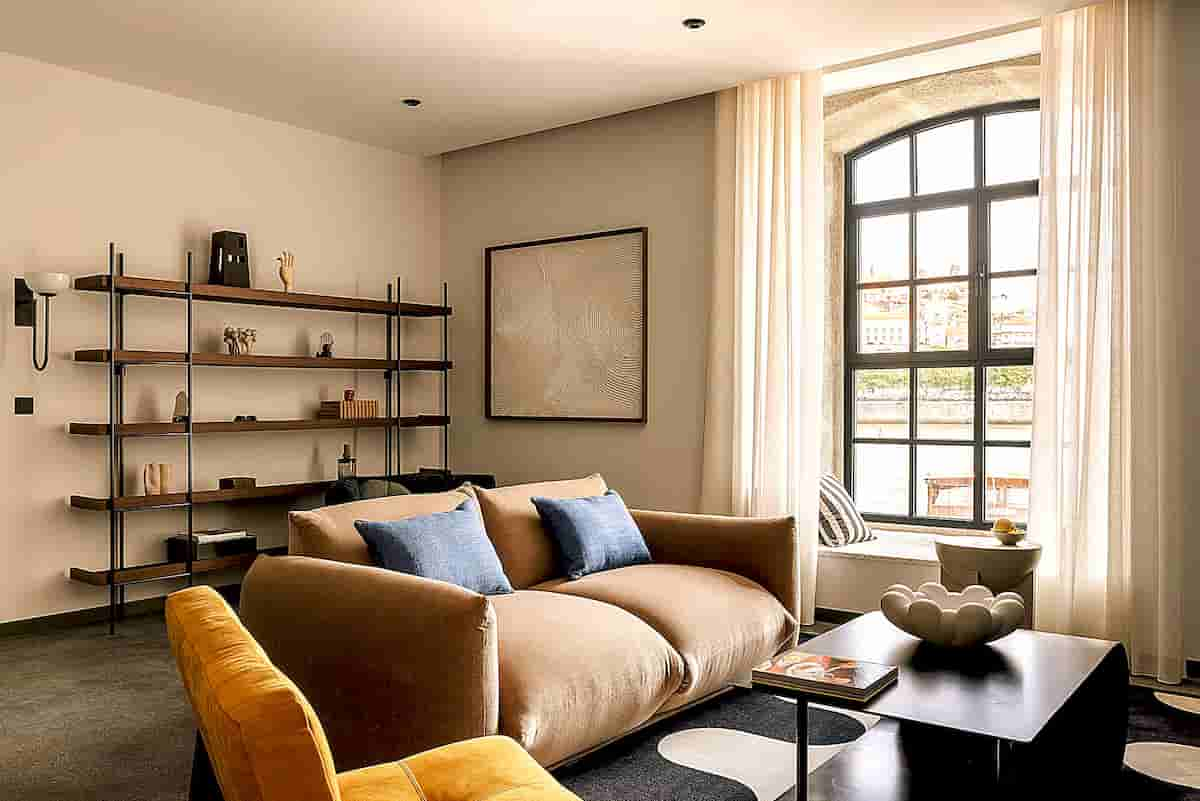
The 103 apartments may vary in size, ranging from studio spaces, to one- and two-bedroom suites, to a three-bedroom penthouse, but they all share a sense of soothing tranquillity and subdued elegance underpinned by a muted palette of white, grey and beige tones, the use of walnut wood, and a curation of artworks and artisanal objects. The latter include ceramics by Grau Cerâmica and wool woven blankets by Burel Factory woven in ancestral looms and finished by hand, imbuing the spaces with a sense of traditional craftsmanship, as does a series of bespoke furnishings that pick up the nautical and industrial design themes that reverberate throughout the hotel – think sinks inspired by old water tanks and the organically shaped headboards that resemble the rippling waters of the Douro. Featuring soaring windows, fully-equipped kitchens and walk-in showers, plus balconies and terraces in some cases, The Rebello’s apartments are as welcoming to nomads, artists and entrepreneurs as they are to families vacationing in the area.
 

The Summer House Skagen Klitgård pays Tribute to local Architecture and the History of the Town


The Summer House Skagen Klitgård pays Tribute to local Architecture and the History of the Town


The Summer House Skagen Klitgård pays Tribute to local Architecture and the History of the Town


The Summer House Skagen Klitgård pays Tribute to local Architecture and the History of the Town

The Summer House Skagen Klitgård pays Tribute to local Architecture and the History of the Town


The Summer House Skagen Klitgård pays Tribute to local Architecture and the History of the Town


The Summer House Skagen Klitgård pays Tribute to local Architecture and the History of the Town


The Summer House Skagen Klitgård pays Tribute to local Architecture and the History of the Town


The Summer House Skagen Klitgård pays Tribute to local Architecture and the History of the Town


The Summer House Skagen Klitgård pays Tribute to local Architecture and the History of the Town


The Summer House Skagen Klitgård pays Tribute to local Architecture and the History of the Town


The Summer House Skagen Klitgård pays Tribute to local Architecture and the History of the Town


The Summer House Skagen Klitgård pays Tribute to local Architecture and the History of the Town


The Summer House Skagen Klitgård pays Tribute to local Architecture and the History of the Town


The Summer House Skagen Klitgård pays Tribute to local Architecture and the History of the Town


The Summer House Skagen Klitgård pays Tribute to local Architecture and the History of the Town


The Summer House Skagen Klitgård pays Tribute to local Architecture and the History of the Town


The Summer House Skagen Klitgård pays Tribute to local Architecture and the History of the Town


The Summer House Skagen Klitgård pays Tribute to local Architecture and the History of the Town


The Summer House Skagen Klitgård pays Tribute to local Architecture and the History of the Town


The Summer House Skagen Klitgård pays Tribute to local Architecture and the History of the Town


The Summer House Skagen Klitgård pays Tribute to local Architecture and the History of the Town


The Summer House Skagen Klitgård pays Tribute to local Architecture and the History of the Town


The Summer House Skagen Klitgård pays Tribute to local Architecture and the History of the Town


The Summer House Skagen Klitgård pays Tribute to local Architecture and the History of the Town

建築材料生命週期評估流程示意圖,涵蓋生產、運輸、使用與回收階段

建築材料生命週期評估如何影響環境與設計決策

    建築材料從開採到報廢的每個階段,都在累積能源與環境影響,也逐漸轉化為一種可被理解的Material as Narrative。     本文將從原料、製造、運輸、使用到回收五個階段,整理建築材料在生命週期中的環境影響。   作為自然資源消耗、能源使用與溫室氣體排放的重要來源,建築產業對環境有著顯著影響。目前全球約32%的能源消耗與34%的碳排放,皆與建築相關。在這樣的背景下,建築材料不再只是構成空間的元素,而逐漸成為評估環境影響的關鍵。透過循環經濟、可再生資源與技術創新等策略,材料被重新放回整個系統中檢視,其角色也從物質轉向過程,例如在Material as Narrative的脈絡中被重新理解。     生命週期評估(LCA)提供了一種系統化的方法,用以衡量與管理建築材料的環境影響。從原料開採、製造與運輸,到施工、使用與最終處理,每一階段都被納入分析範圍。這種方法不僅讓環境負擔變得可量化,也讓設計決策能在更早的階段被調整,特別是在Adaptive Reuse的情境中,更能看出材料選擇的長期影響。 在生命週期的不同階段中,投入與產出構成主要評估指標。投入包含能源、水資源與化石燃料的使用;產出則涵蓋碳排放、廢棄物與污染物的釋放。這些數據會進一步轉化為環境指標,如全球暖化潛能、水資源消耗、生態毒性與資源耗竭等,使不同材料在不同環境脈絡中得以比較,也與Architecture and Landscape的整體關係相互連動。     在國際層面,ISO 14040與14044標準提供生命週期評估的基本架構,將整體流程分為目標與範圍界定、清單分析、影響評估以及結果解讀四個階段。這些步驟彼此相互關聯,從定義研究目標開始,到量化數據與分析影響,逐步建立對材料環境表現的整體認知,也讓設計更能回應如Light and Space這類與環境條件相關的議題。

Facebook
Twitter
LinkedIn
Tumblr
0 0 votes
Article Rating
Subscribe
Notify of
guest
0 Comments
Oldest
Newest Most Voted
Search