Wes Anderson’s Asteroid City leaves the cinema behind and enters Fondazione Prada, where original sets, costumes, and cinematic storytelling transform fiction into an immersive exhibition experience.
Stepping Inside Wes Anderson’s Cinematic Universe
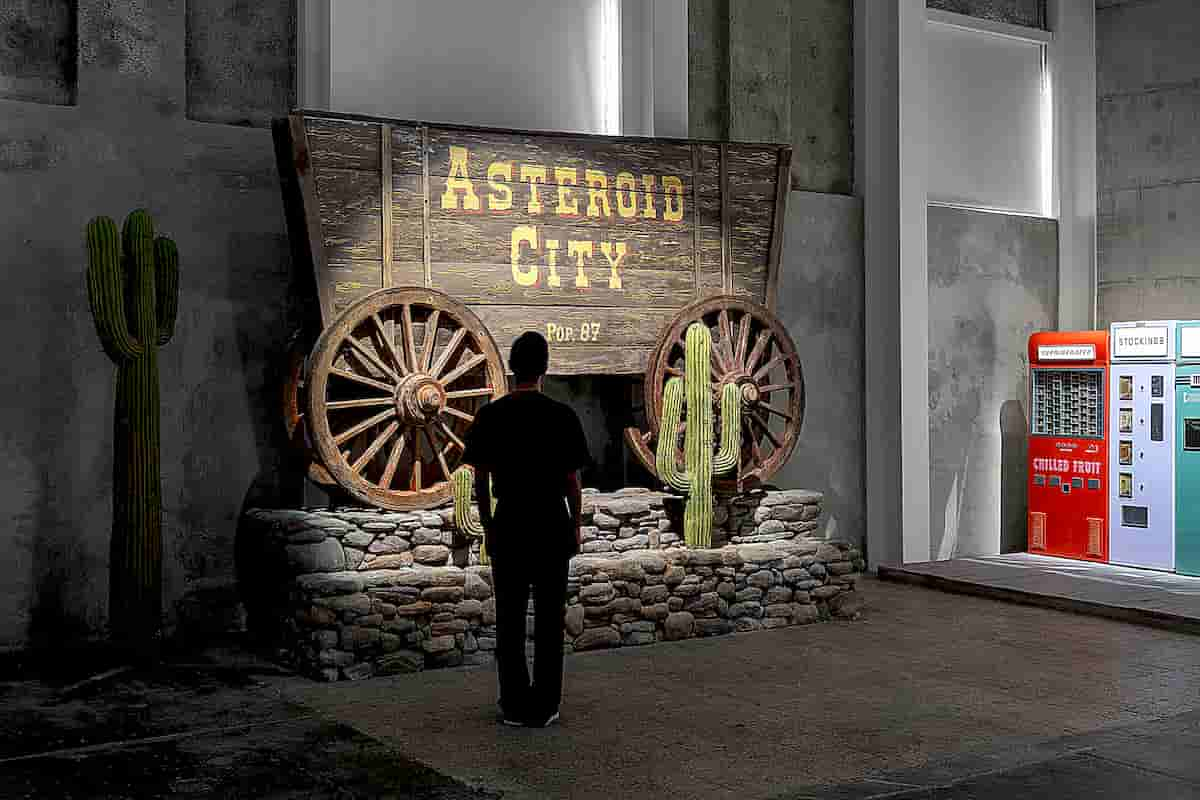
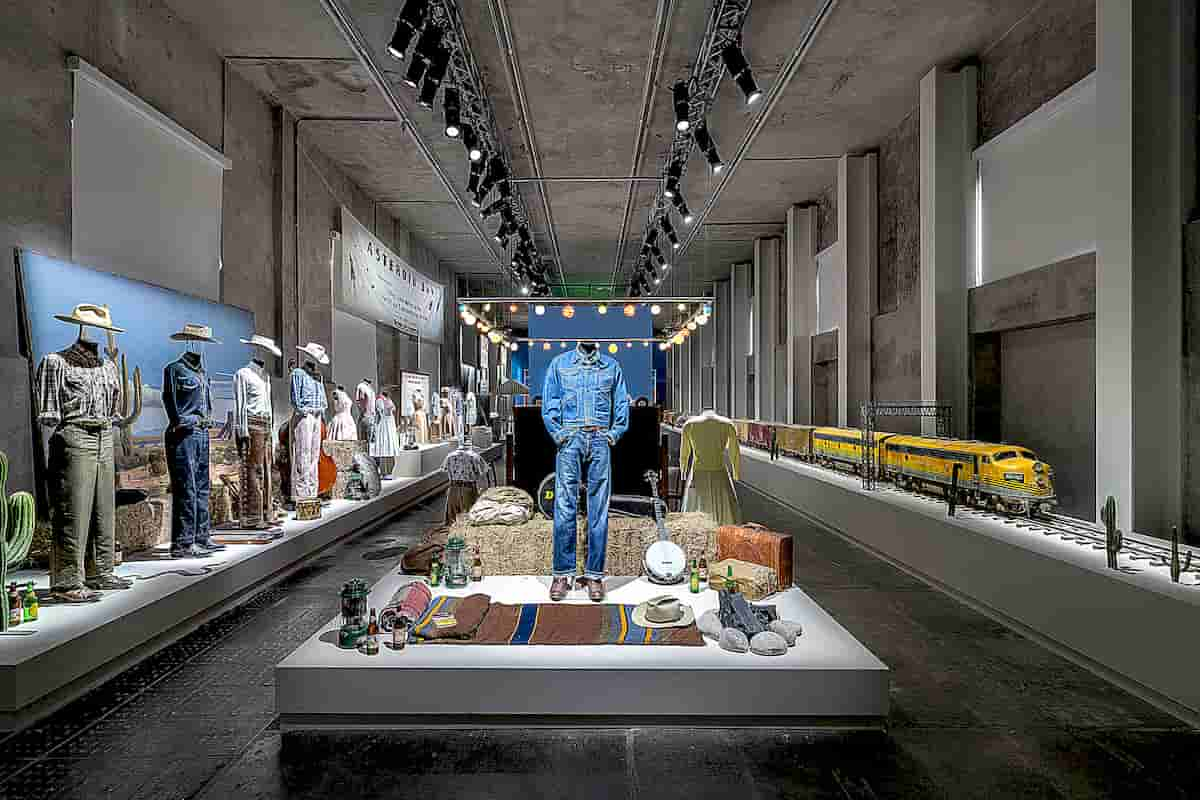
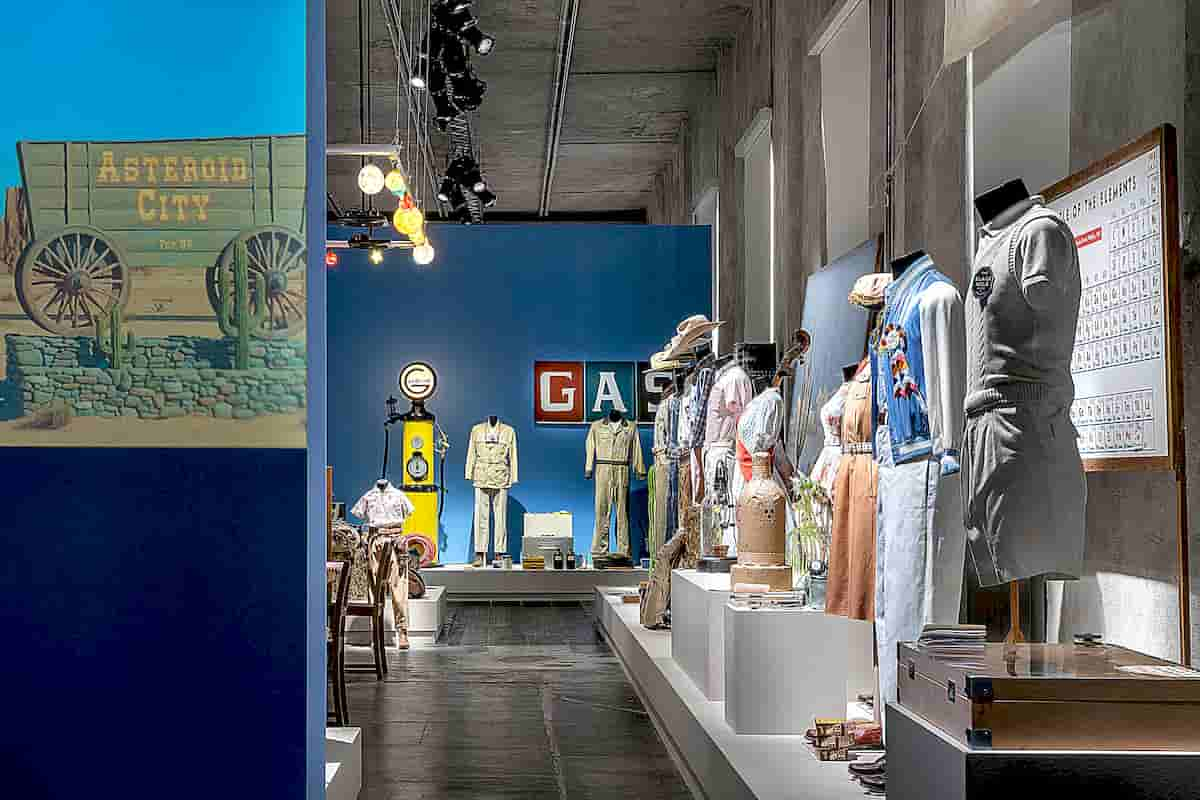
For anyone who has ever wished to walk directly into a Wes Anderson film, the Asteroid City Exhibition at Fondazione Prada in Milan makes that fantasy tangible. Featuring original sets, costumes, props, miniatures, and artworks from the acclaimed film, the exhibition reconstructs the fictional desert town through immersive installations that invite visitors to experience Anderson’s unmistakable visual language firsthand. More than a film exhibition, it becomes a carefully choreographed spatial narrative where architecture, cinema, and storytelling intersect.
When Film Sets Become Architectural Installations
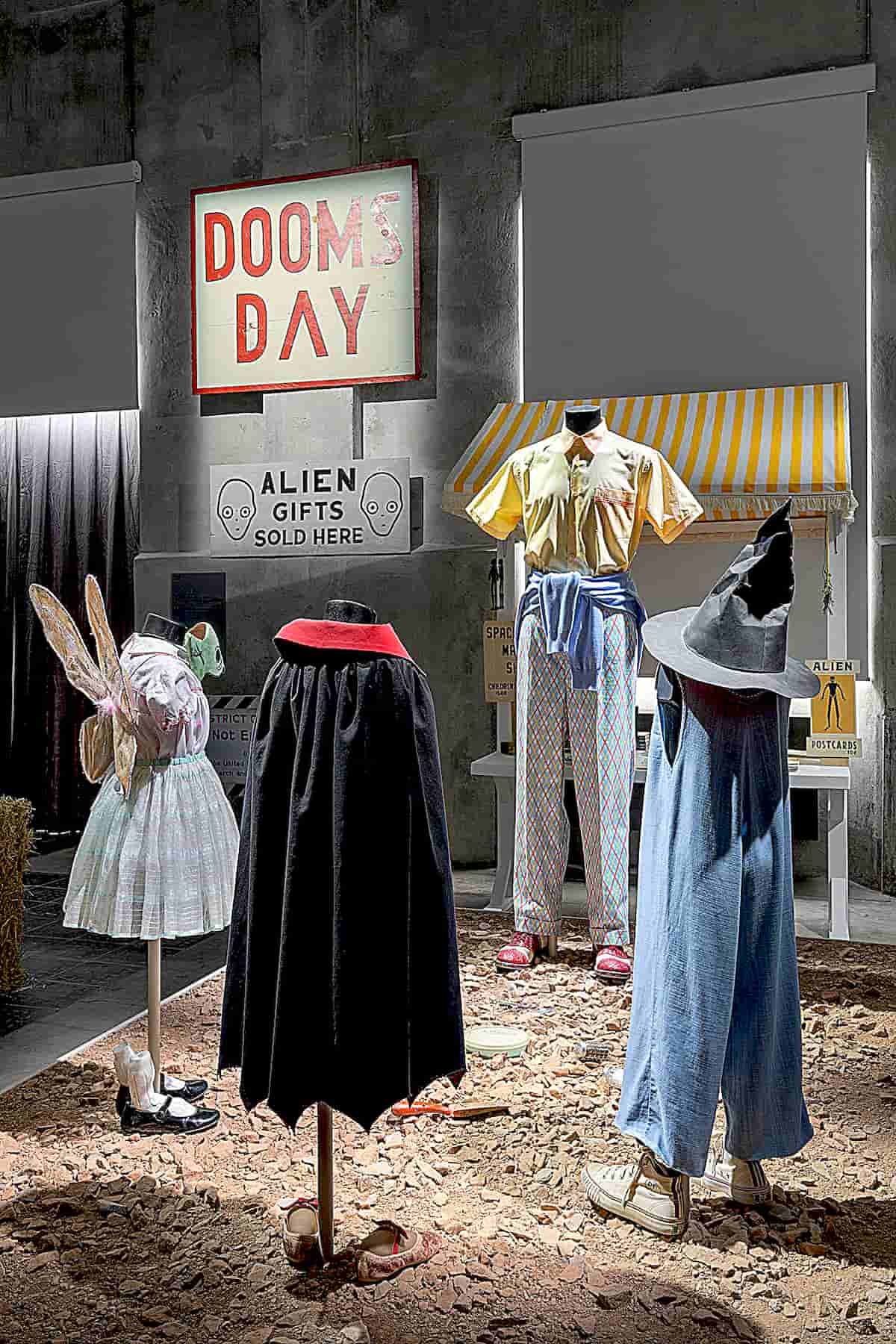
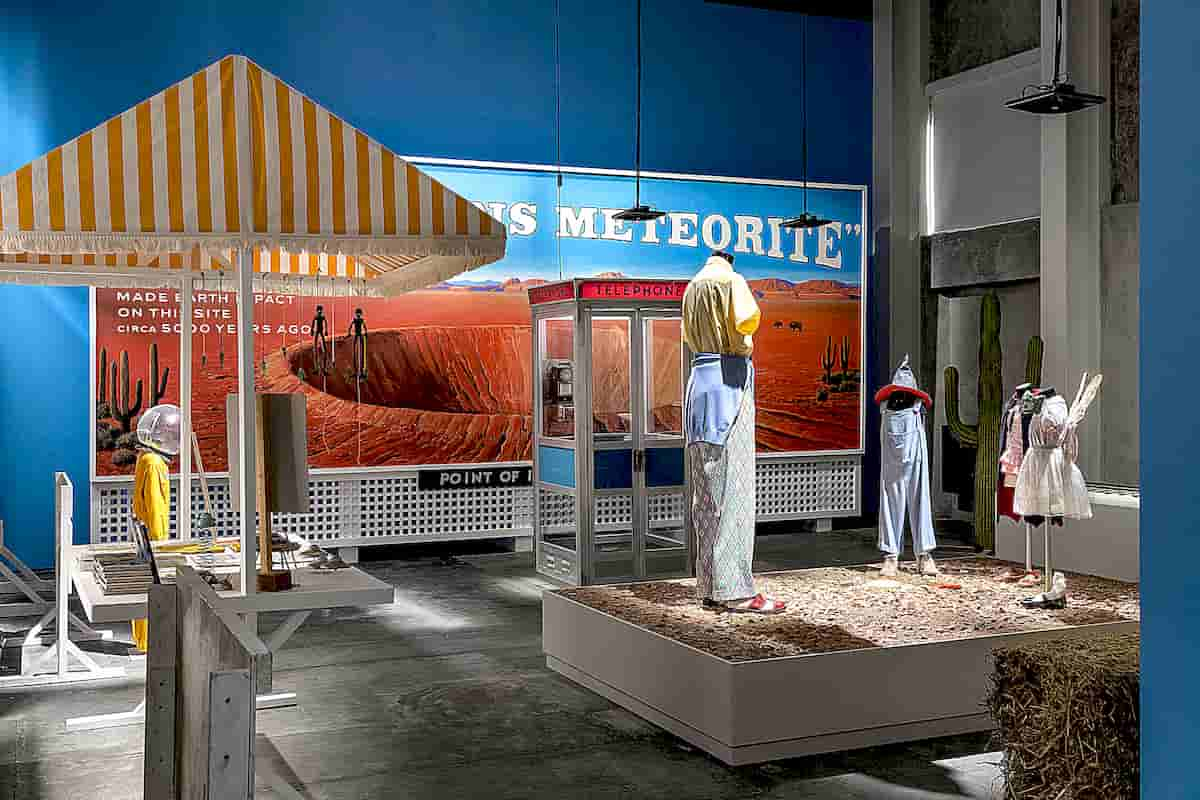
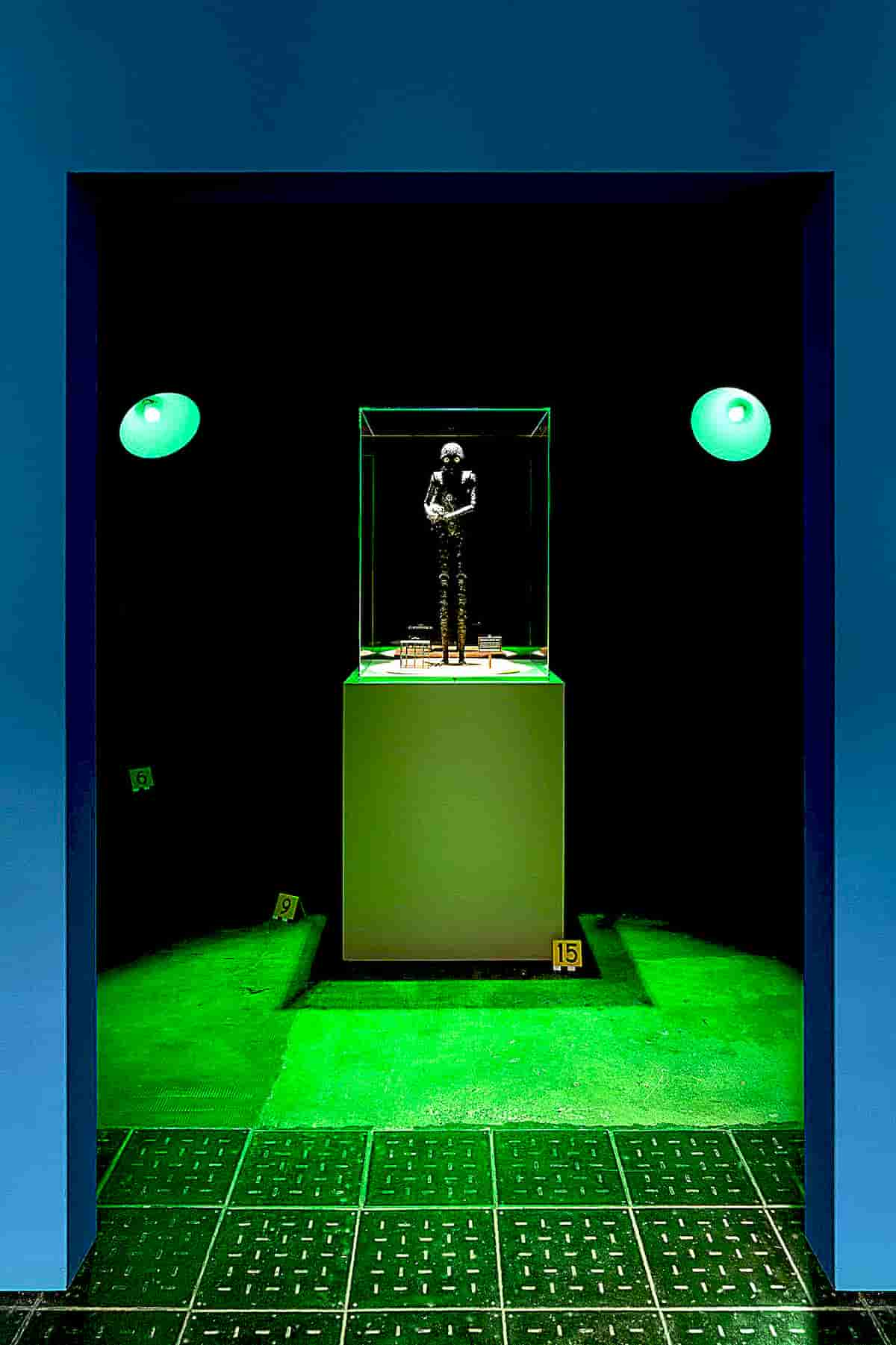
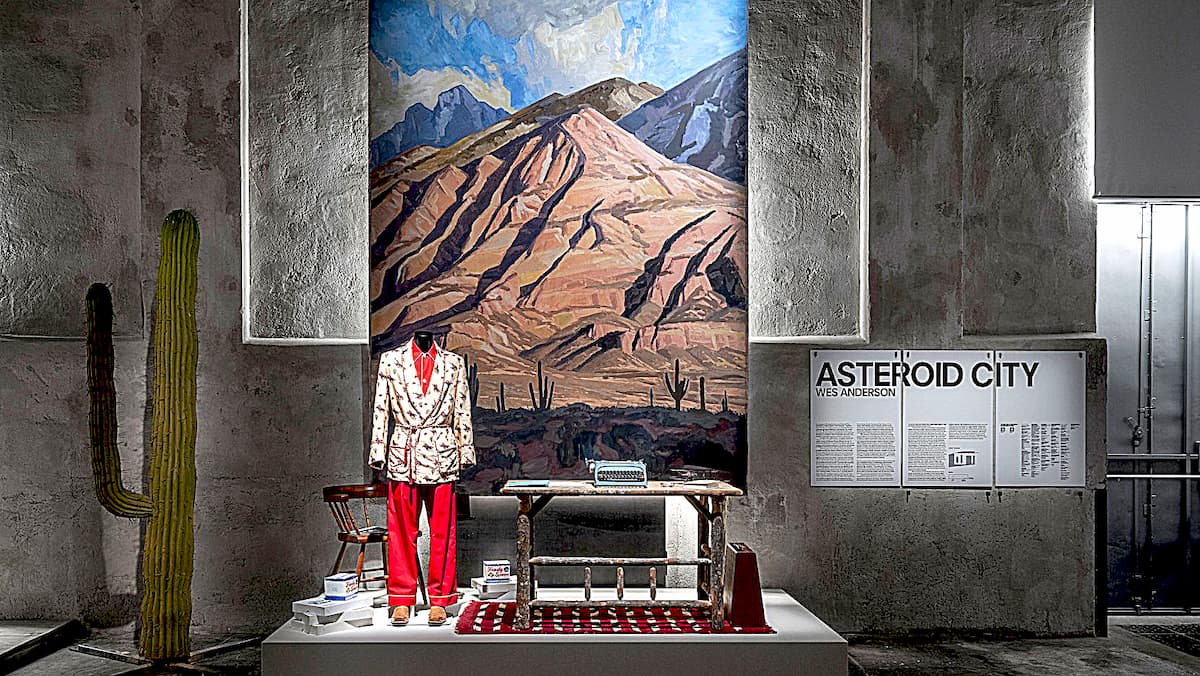
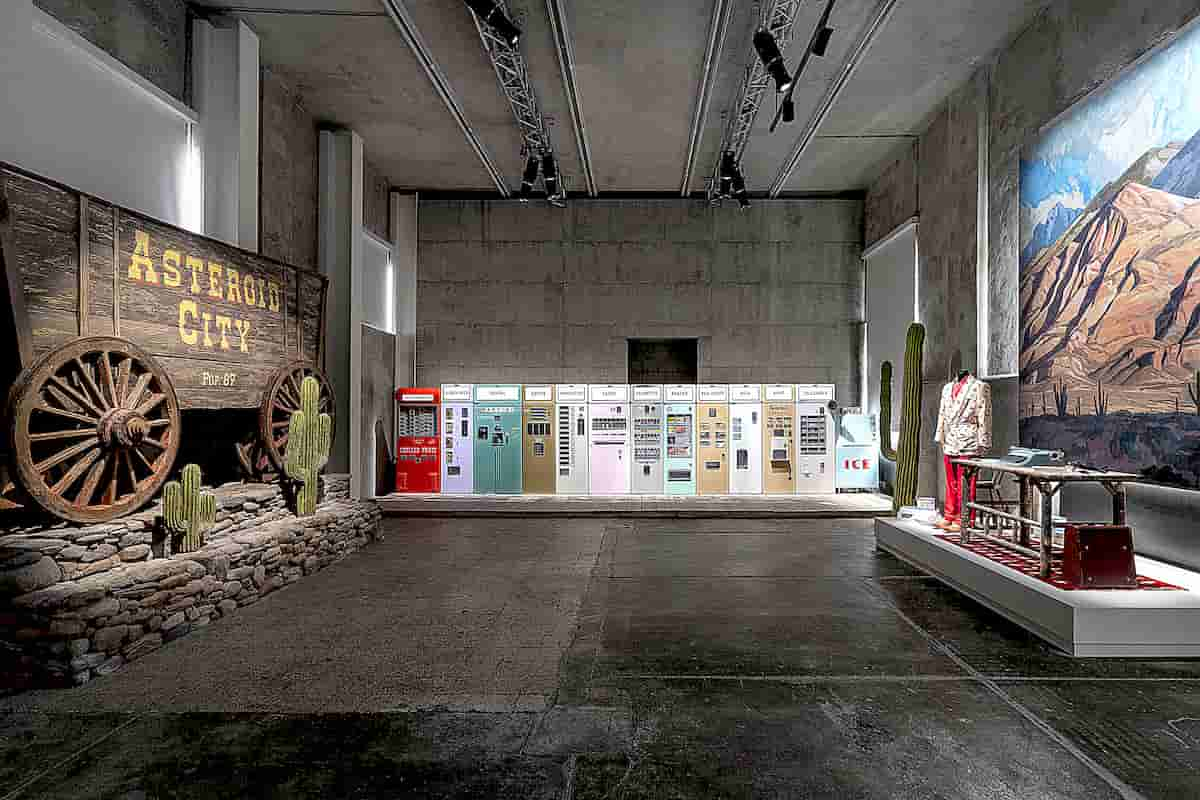
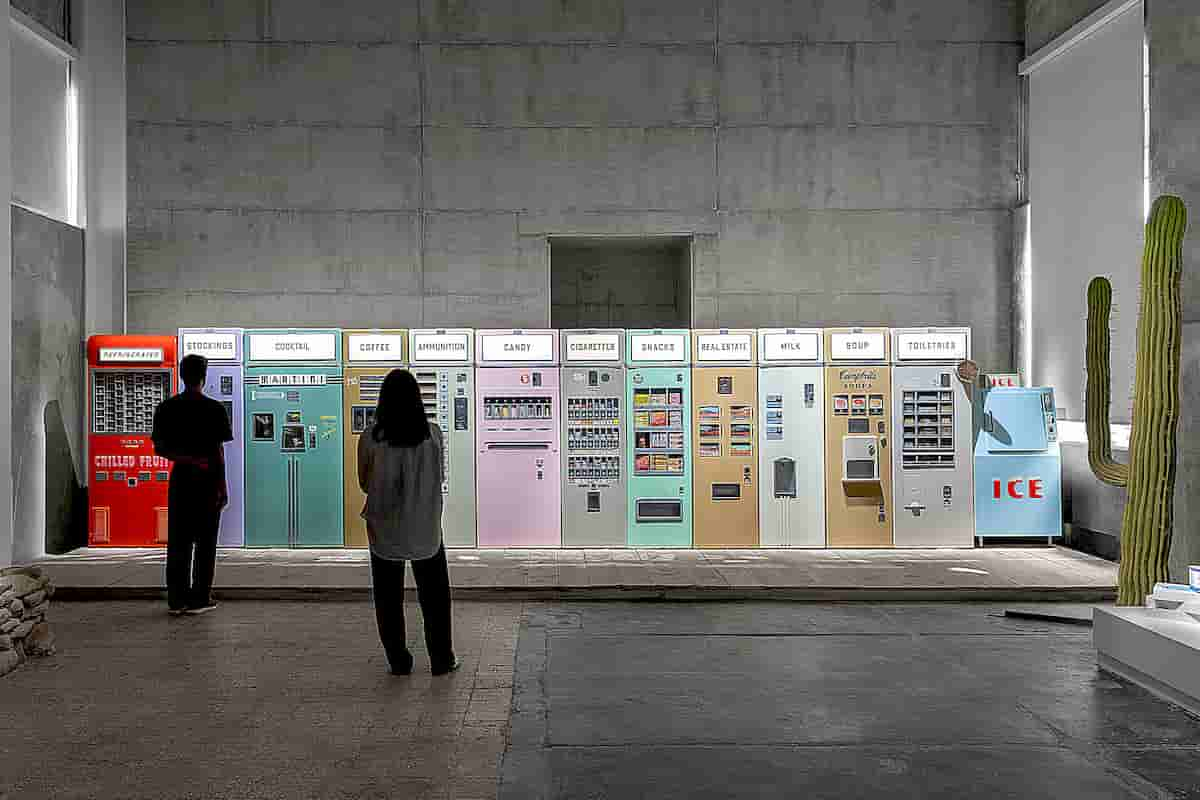
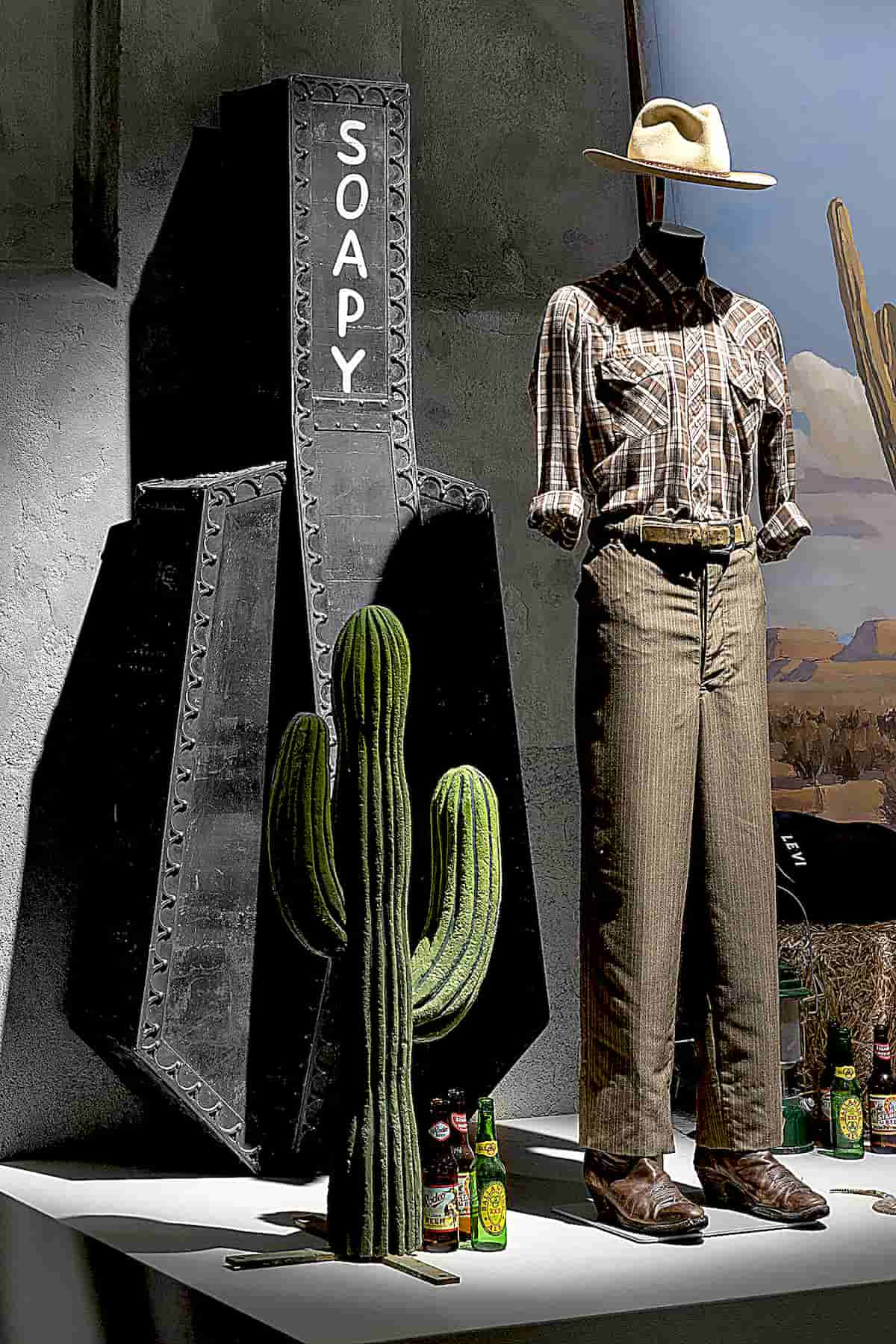
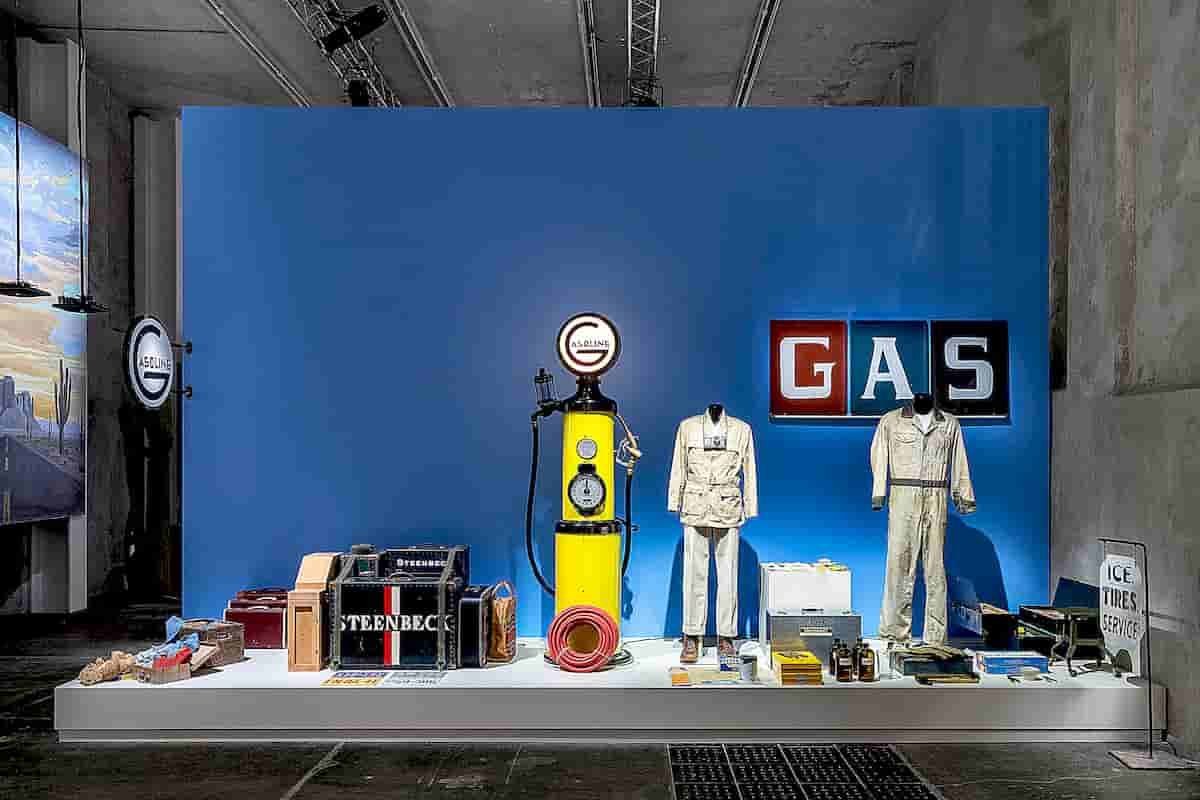
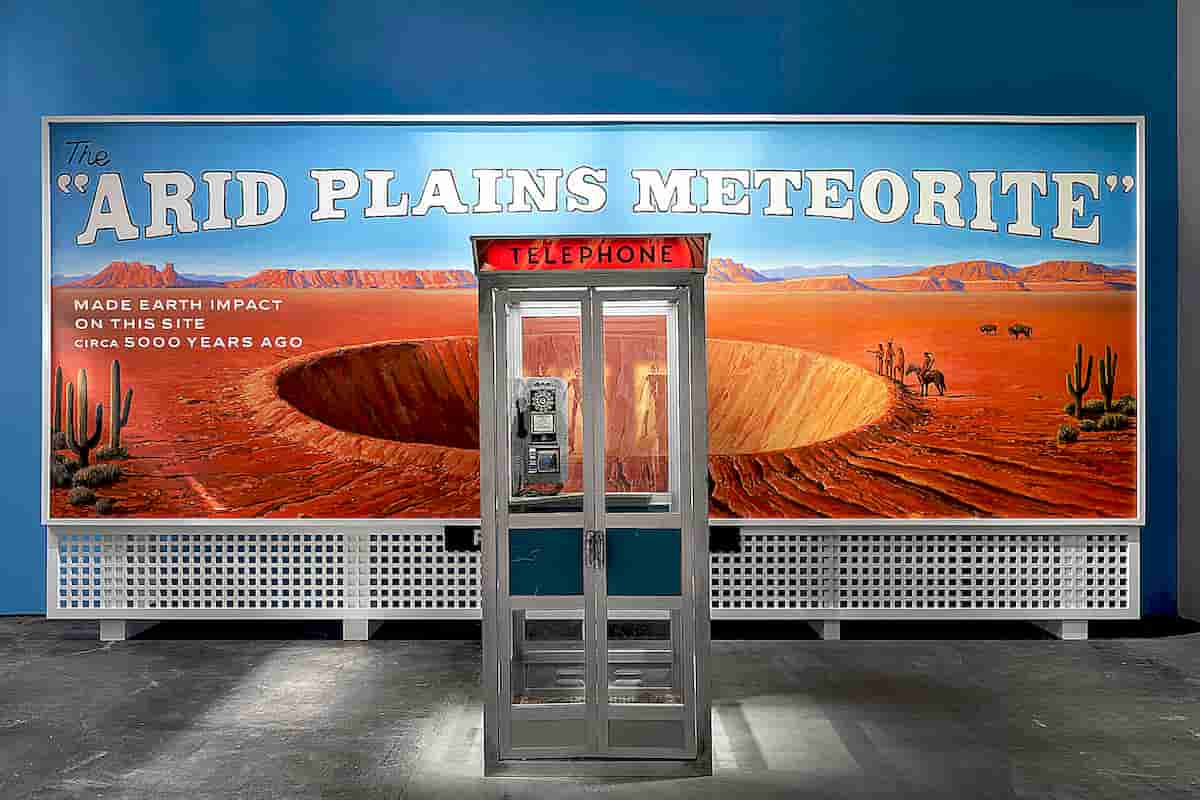
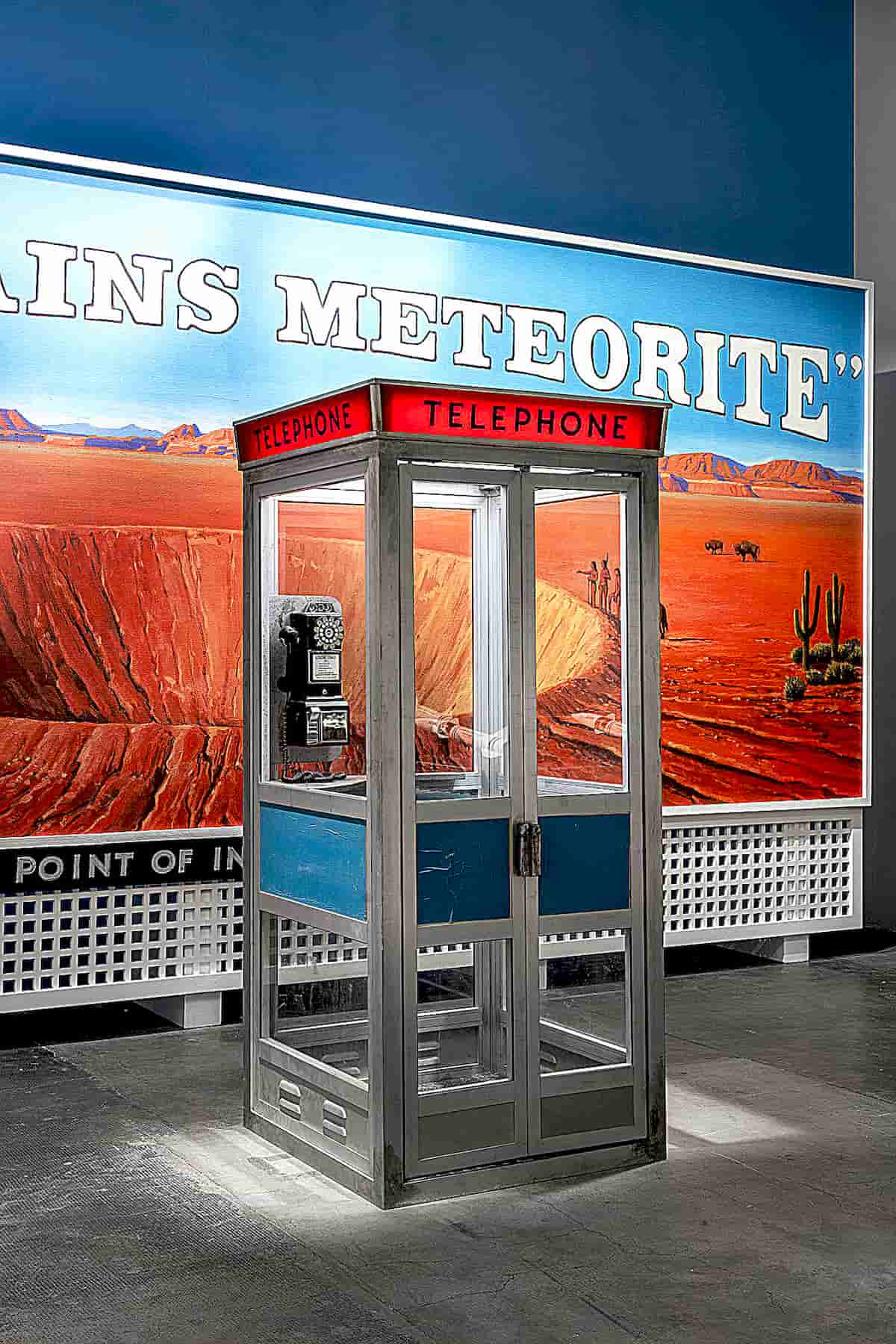
Set in a fictional American desert town during the 1950s, Asteroid City blends western landscapes, science fiction, and theatrical storytelling into one meticulously constructed world. The Milan exhibition faithfully recreates many of its iconic environments, from pastel-coloured vending machines and roadside signage to the telephone booth, gas pumps, and handcrafted set pieces designed by longtime collaborator Adam Stockhausen. By transferring these cinematic environments into physical space, the exhibition dissolves the boundary between movie production and exhibition design, allowing visitors to experience Anderson’s celebrated symmetry, colour palette, and carefully composed visual universe as inhabitable architecture rather than simply scenes on screen.
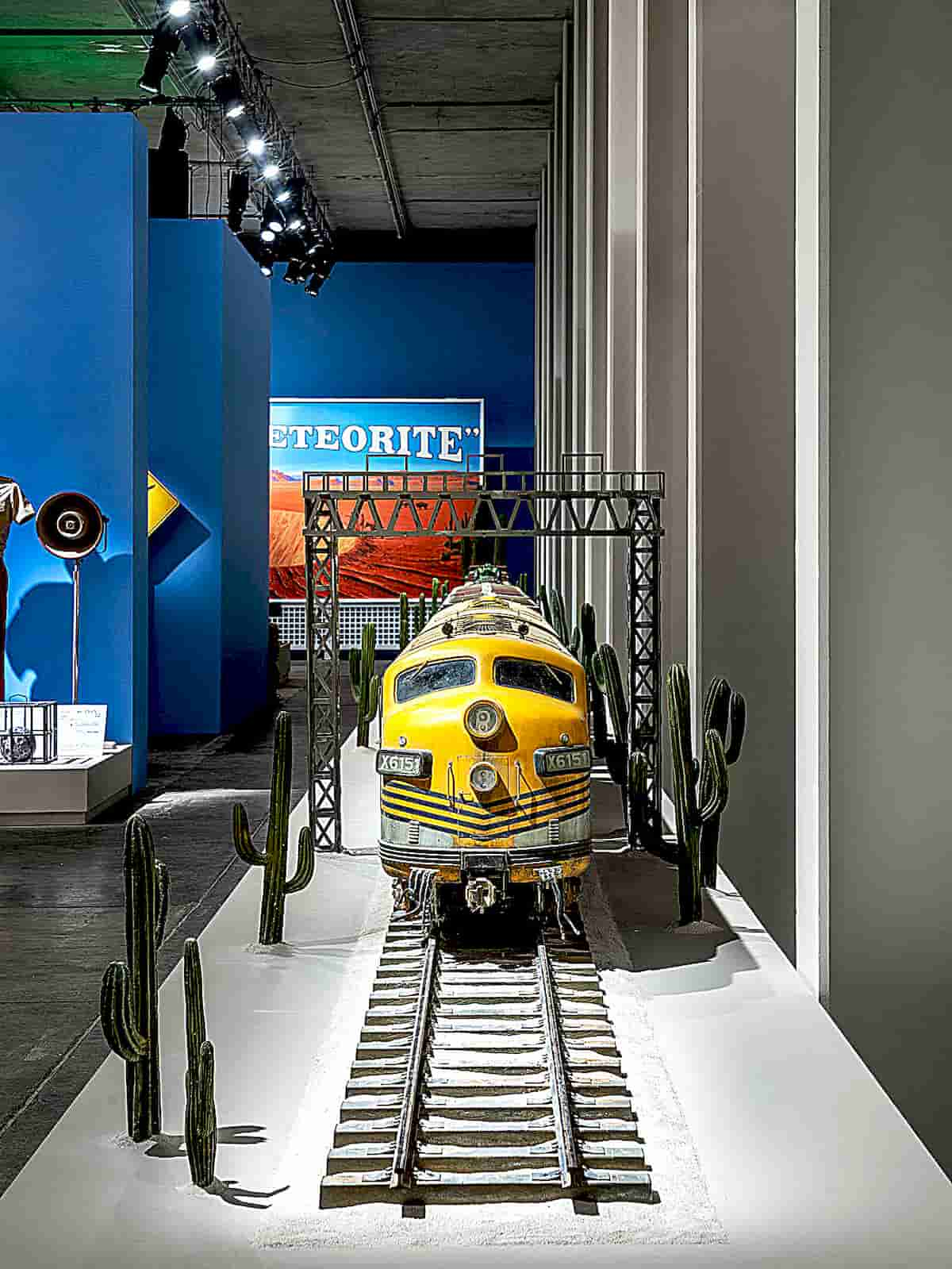
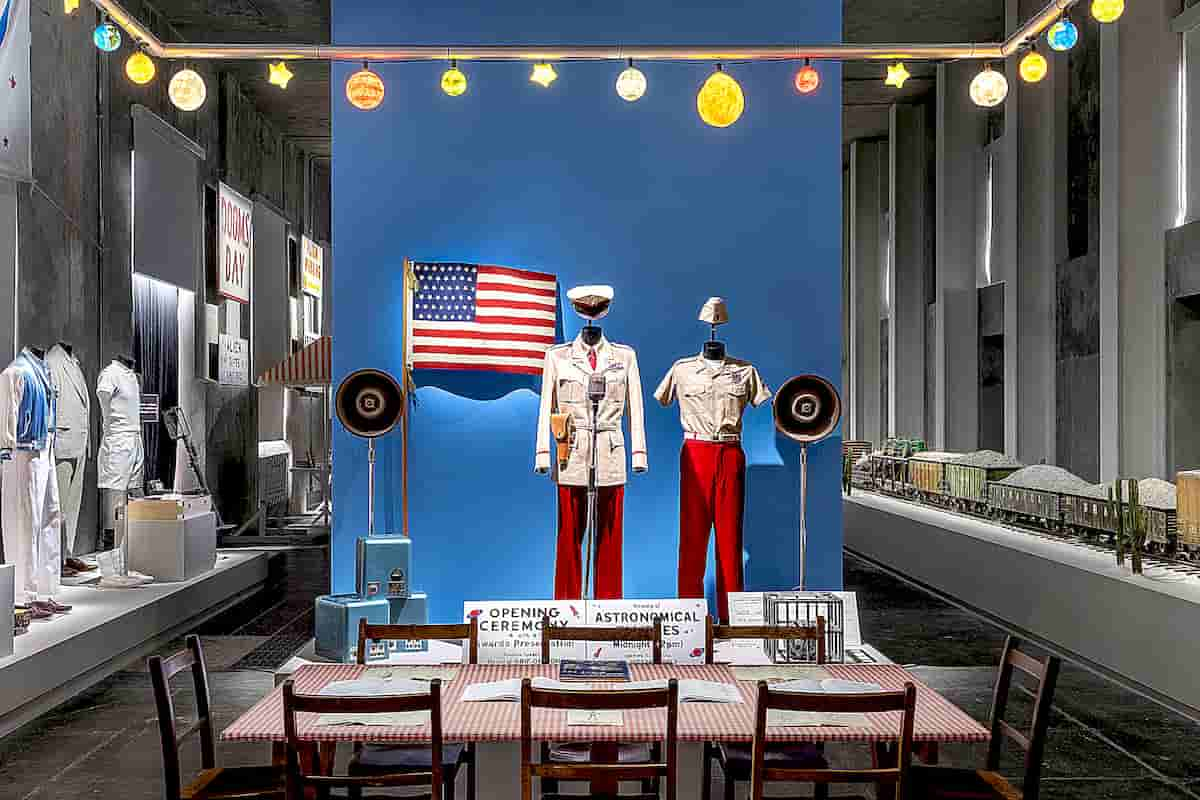
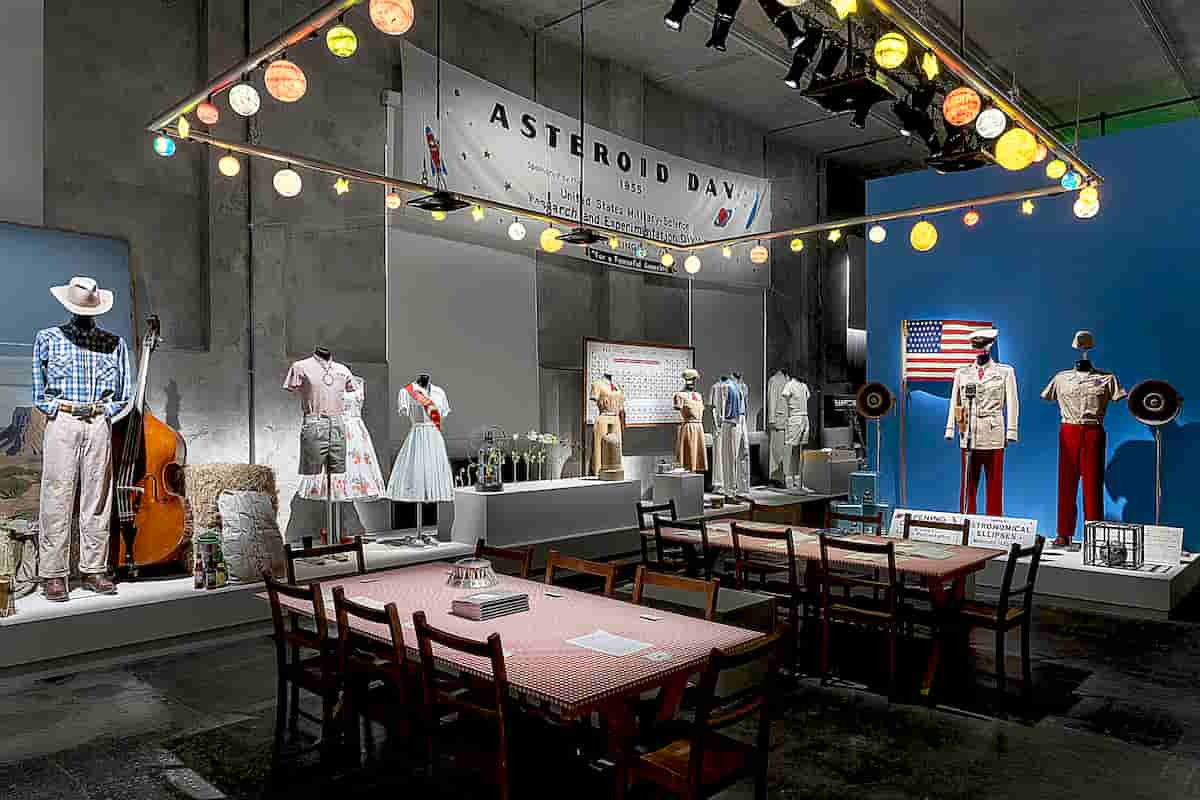
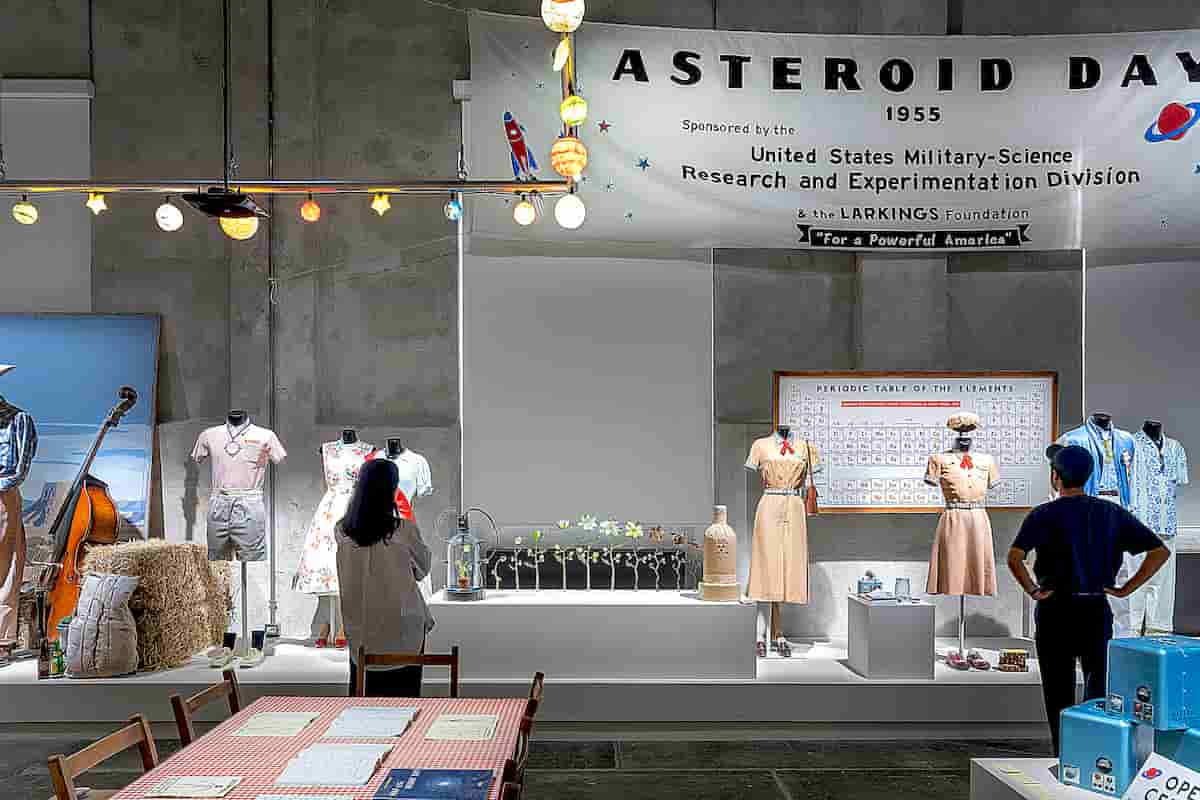
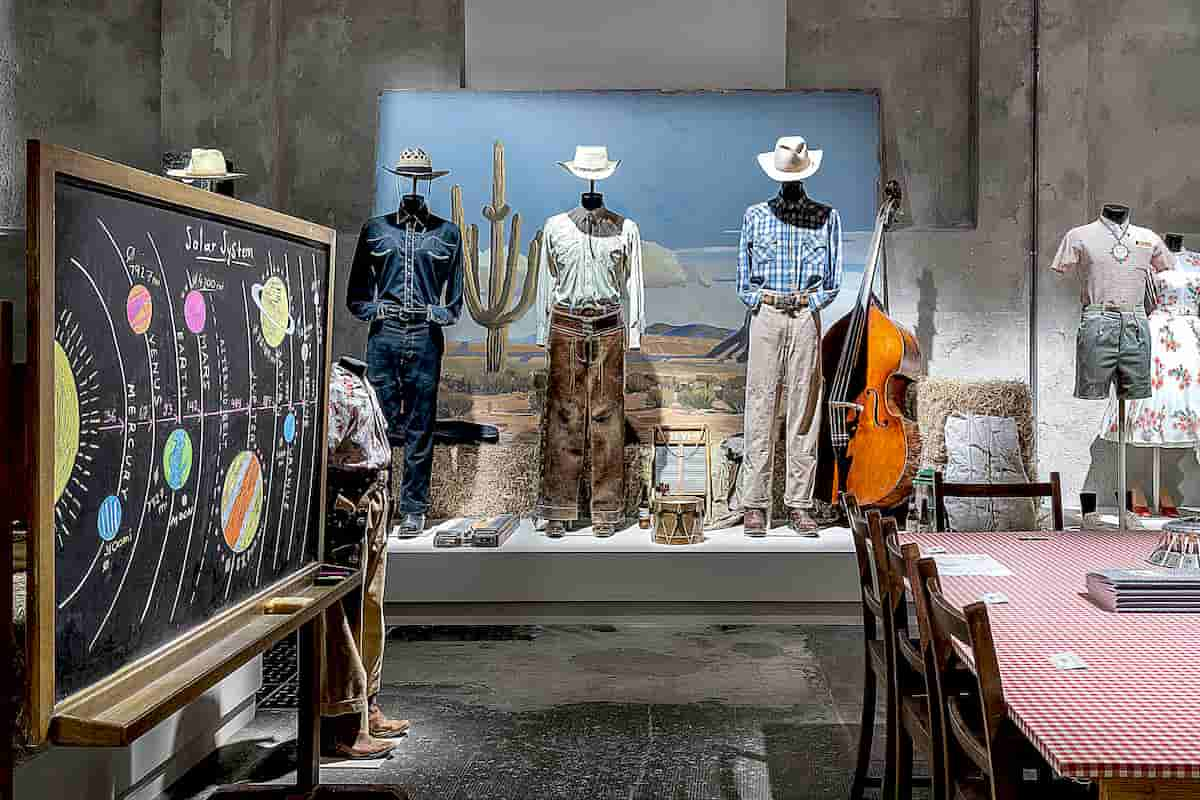
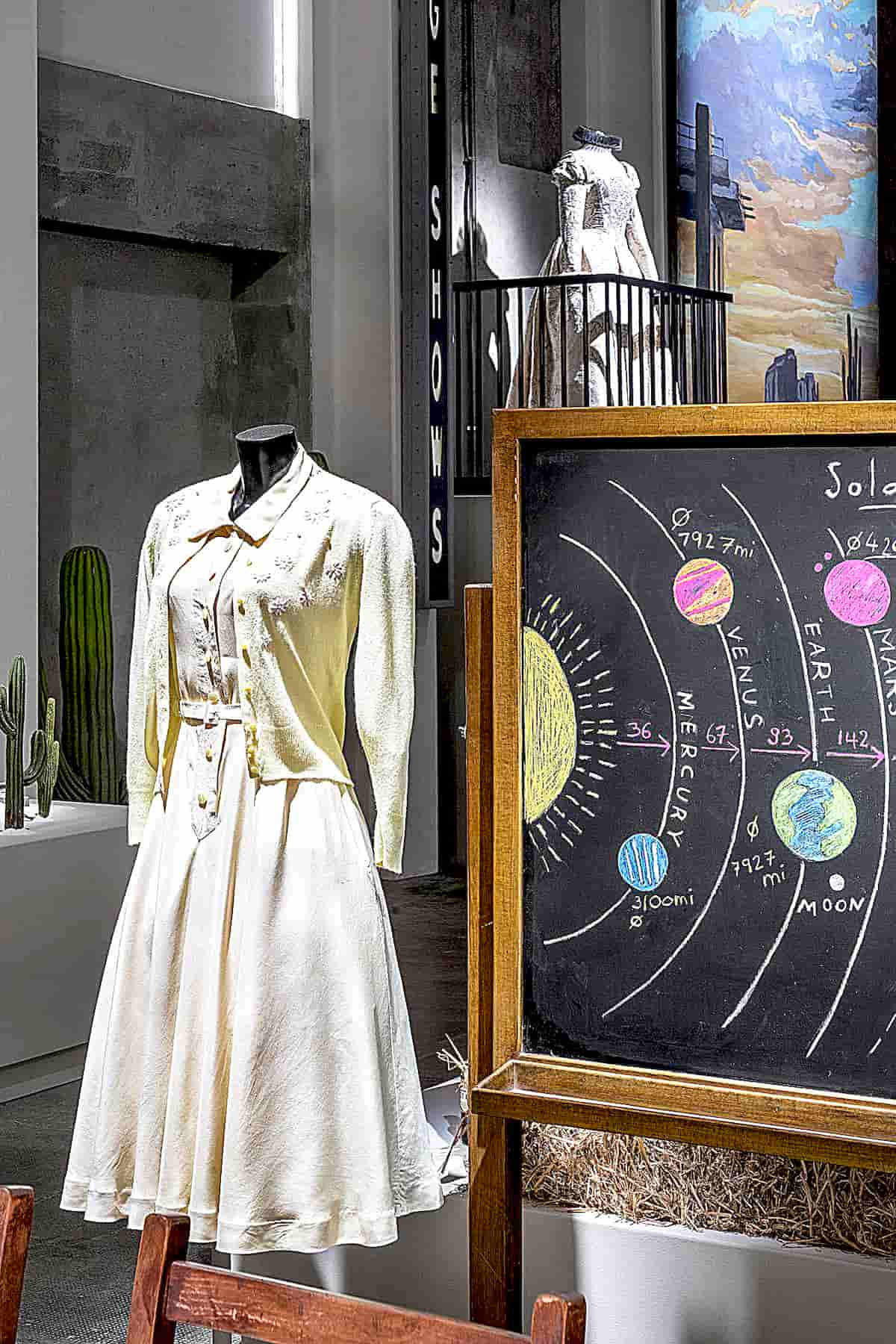
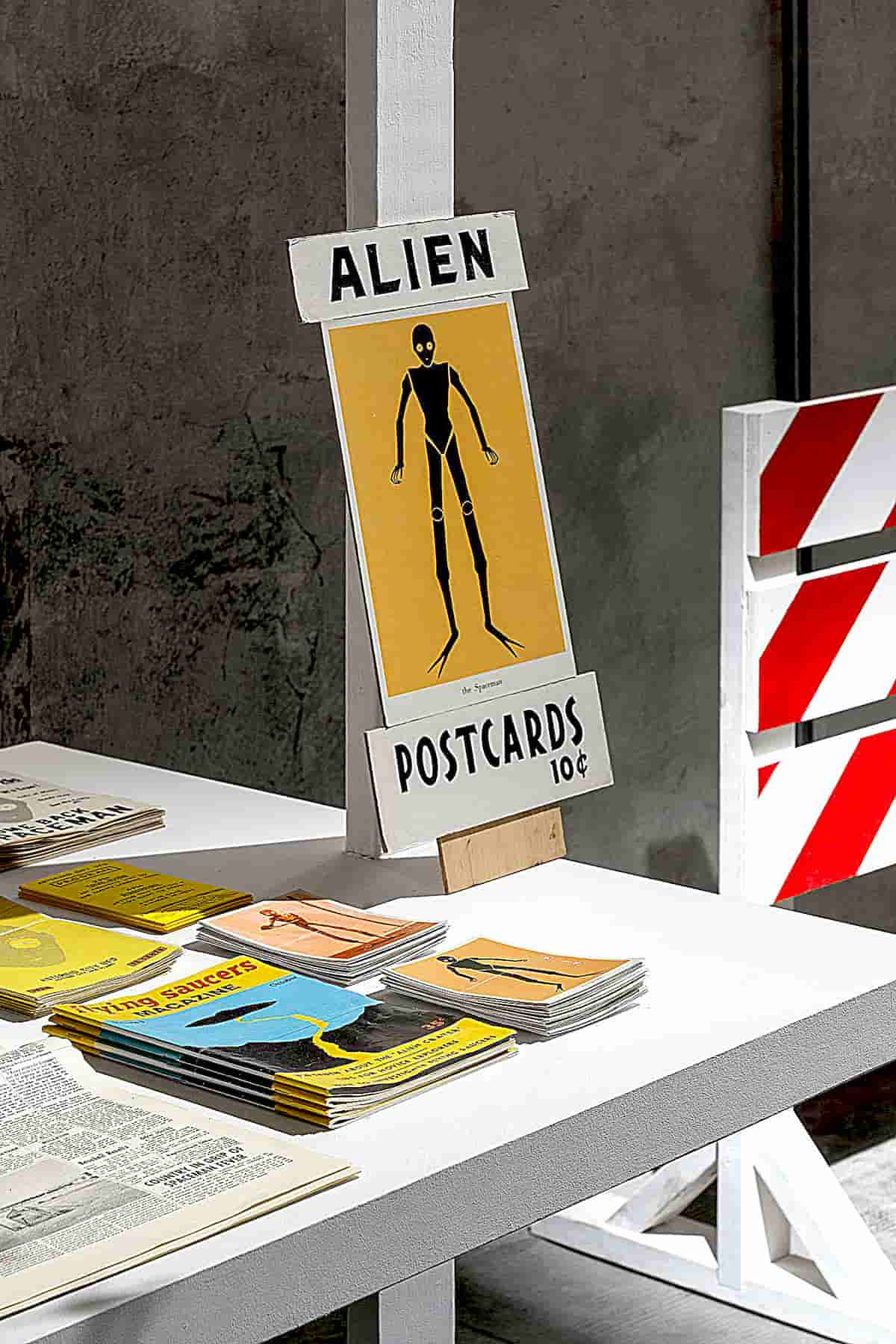
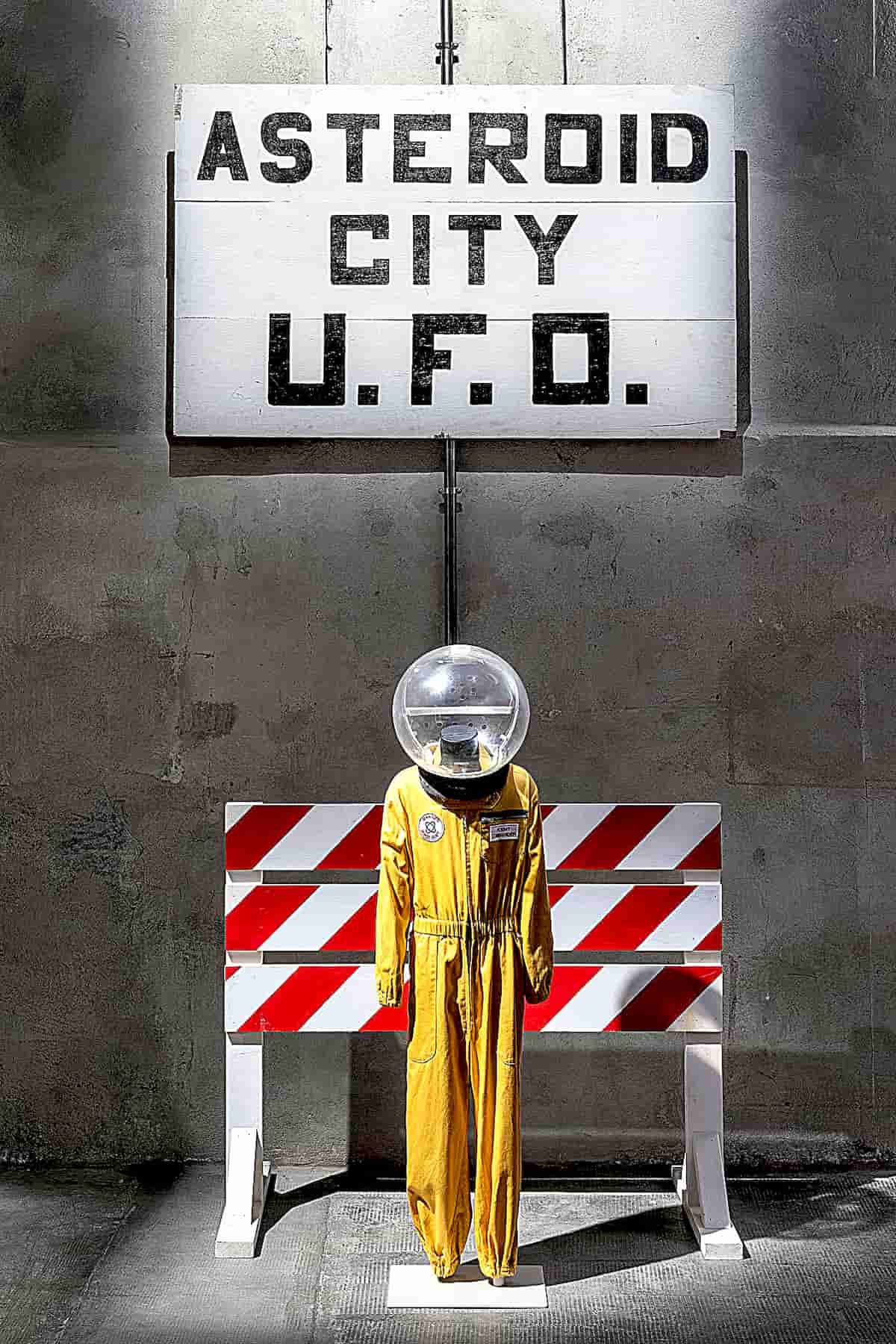
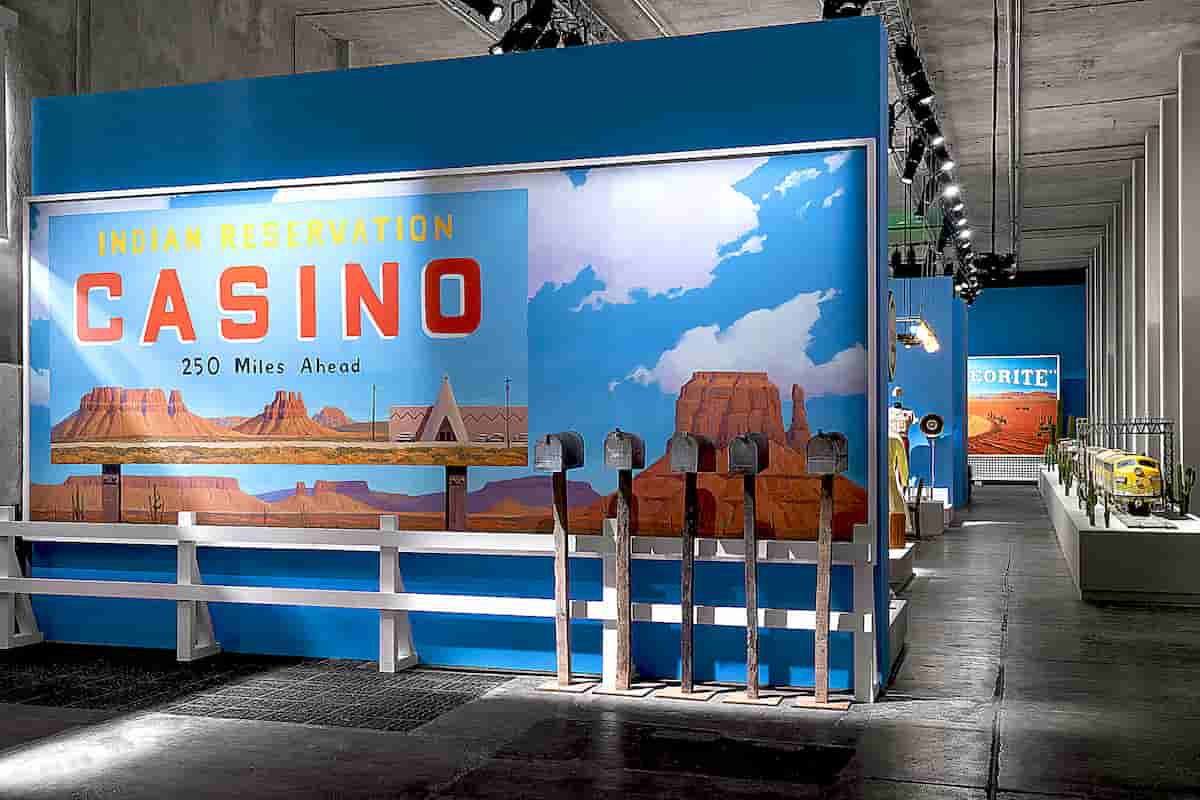
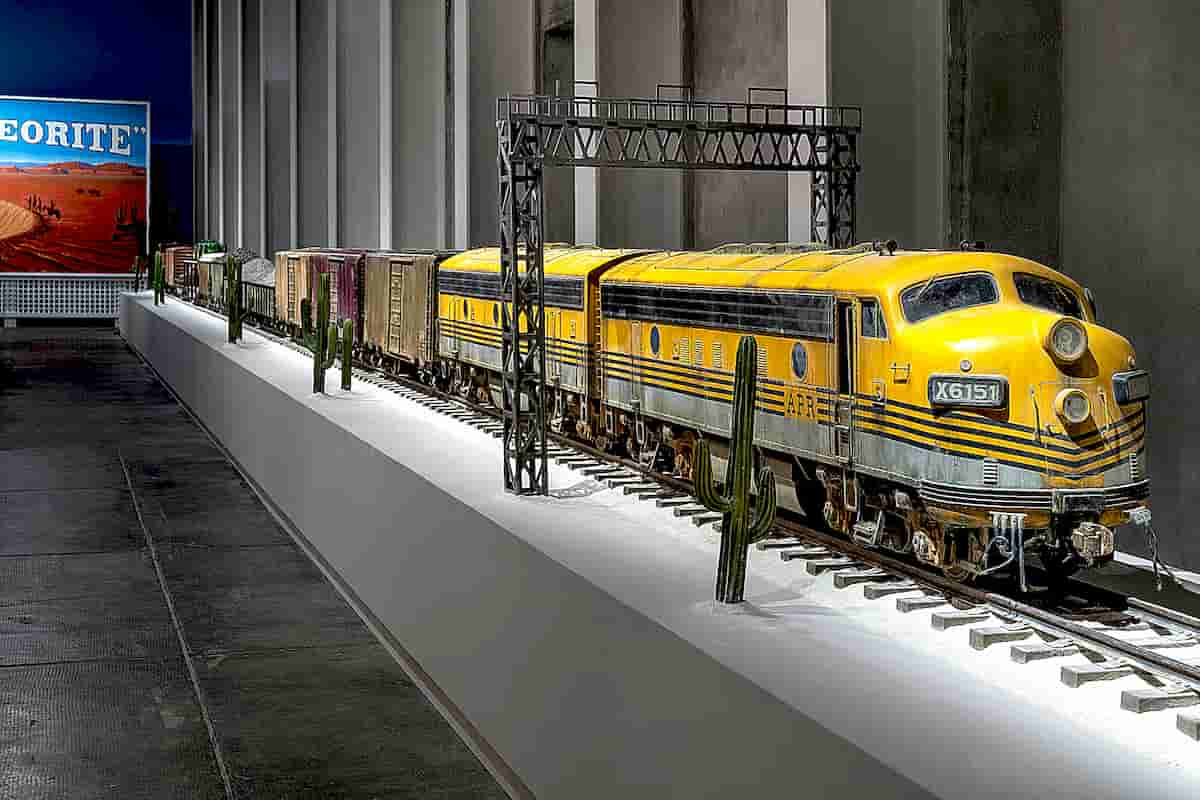
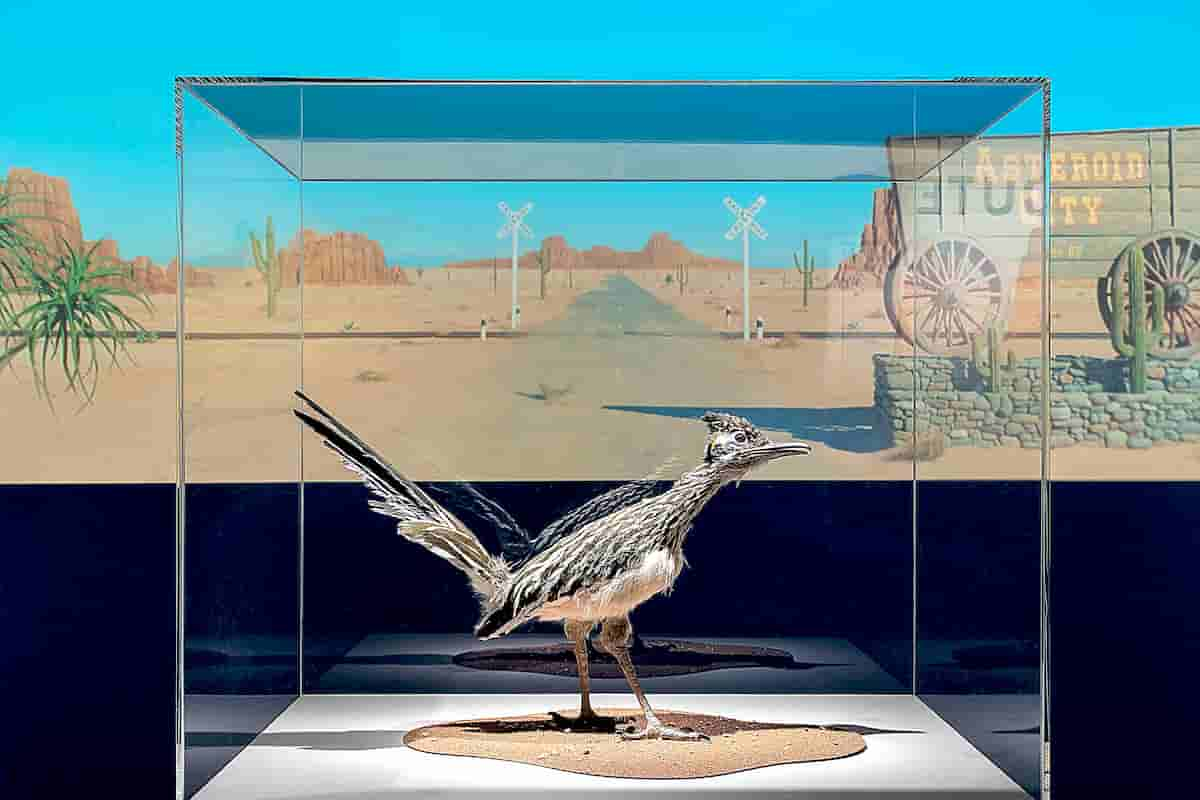
︳Many of the characters’ costumes, accessories and items such as books, hand-written notebooks and musical instruments are also on display as is the miniaturized model freight train that cuts through the desert and several large-scale paintings by Utah-based landscape artist David Meikle, including landscapes used for backdrops and billboards. The set pieces and props are arranged in separate installations to recreate specific sequences from the film that allow visitors to follow the plot. Of course, visitors are free to deviate from the suggested path and weave their own narrative, especially if they have already seen the film.
Whereas the film is characterized by the blinding brightness of its cinematography (the work of Anderson’s longtime cinematographer Robert D. Yeoman), the exhibition is enveloped in a mysterious, much darker atmosphere. This is no deliberate act of subversion, on the contrary, the low-light setting conjures the immersive ambience of the movie theatre, allowing visitors to focus on the displays and experience some of the movie’s deeper themes more intensely.
︳A portal into Anderson’s cinematic universe, the “Wes Anderson – Asteroid City: Exhibition” is also the product of the filmmaker’s close relationship with the Fondazione Prada—in 2015, he designed Bar Luce, recreating the atmosphere of a typical Milanese coffee shop in the institution’s Milan venue while in 2019 he co-curated the “Spitzmaus Mummy in a Coffin and Other Treasures” exhibition. In fact, his wish is “to have every prop and costume we ever made for all our movies transferred into the Fondazione Prada to live there indefinitely for all time” is indeed a proposition that has us daydreaming about the idea of one day boarding The Darjeeling Limited train to visit The Grand Budapest Hotel in the company of the Fantastic Mr. Fox.