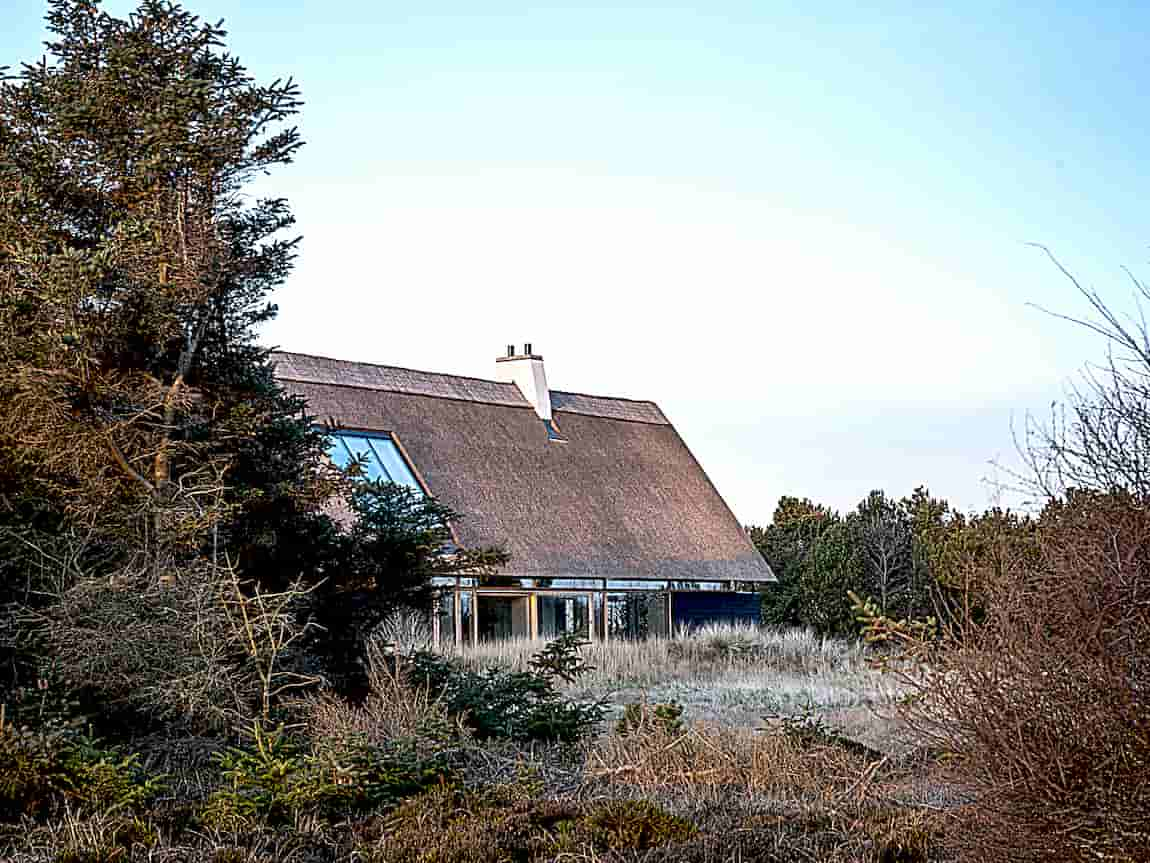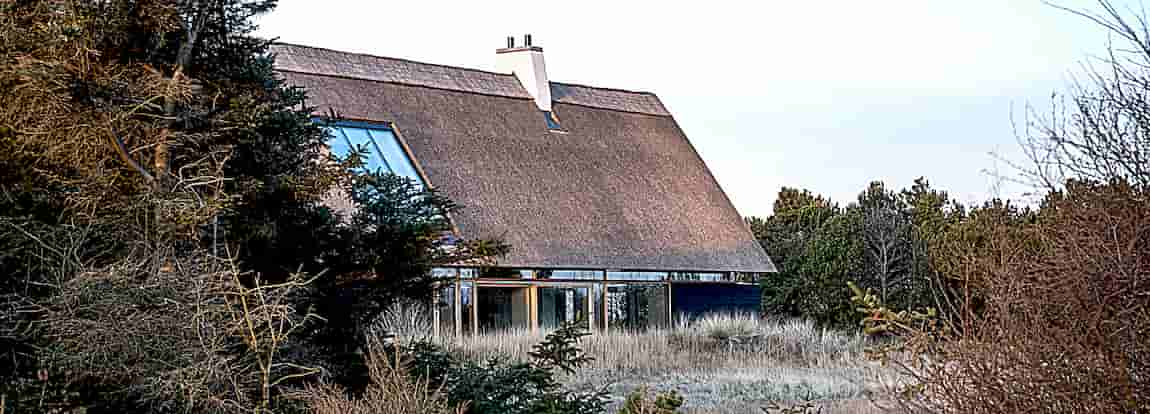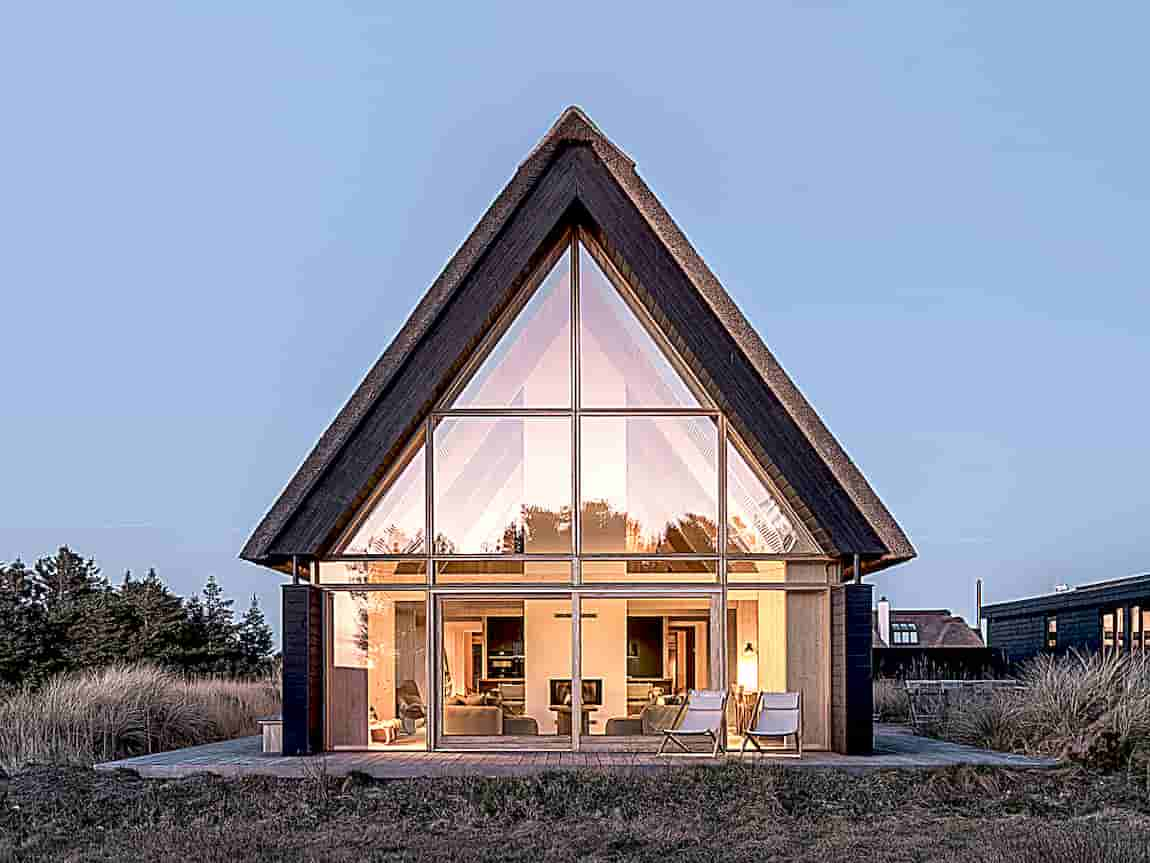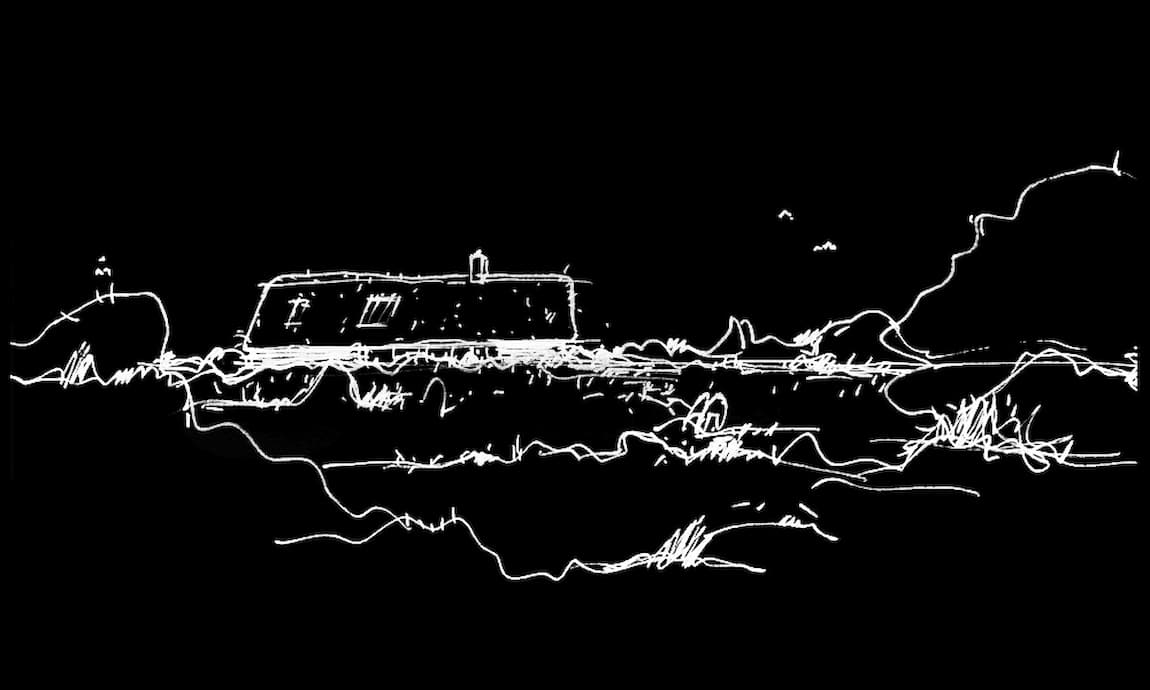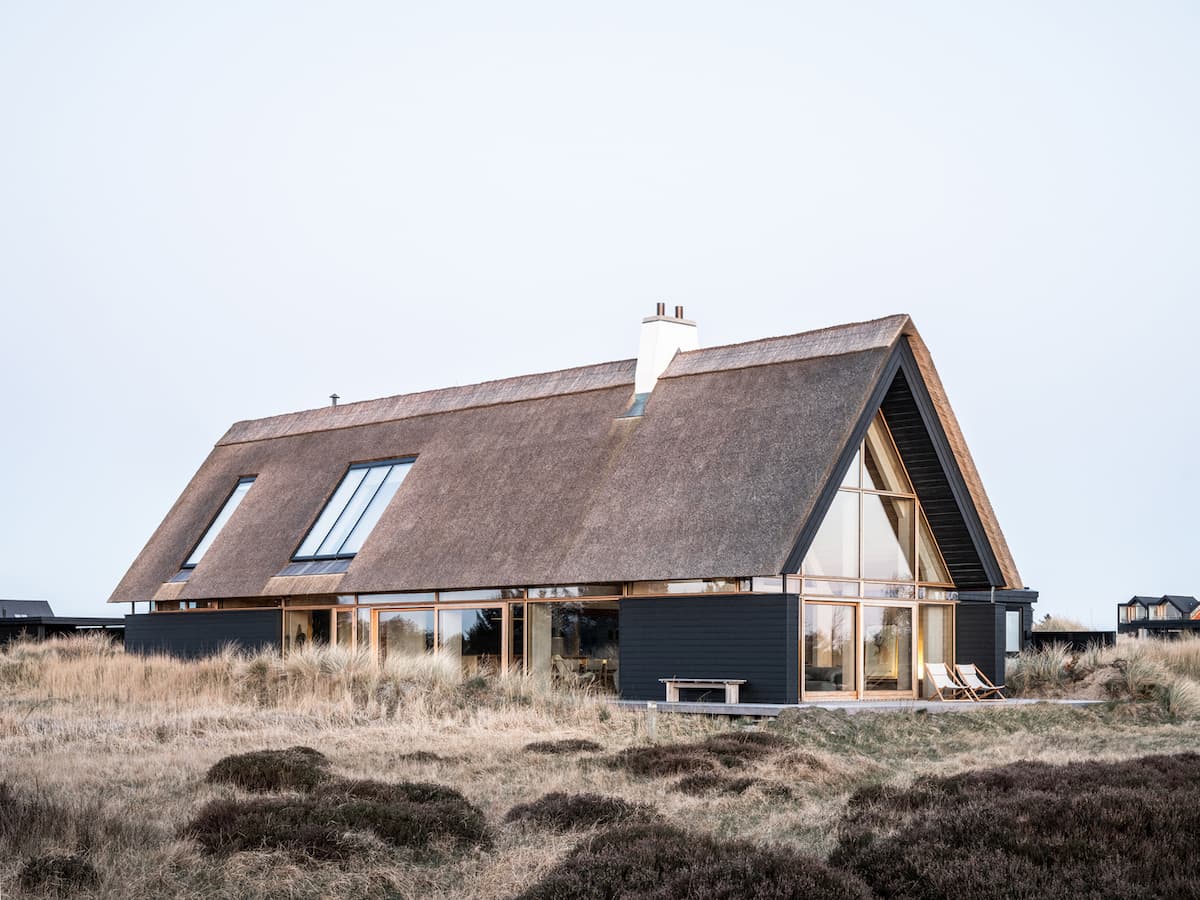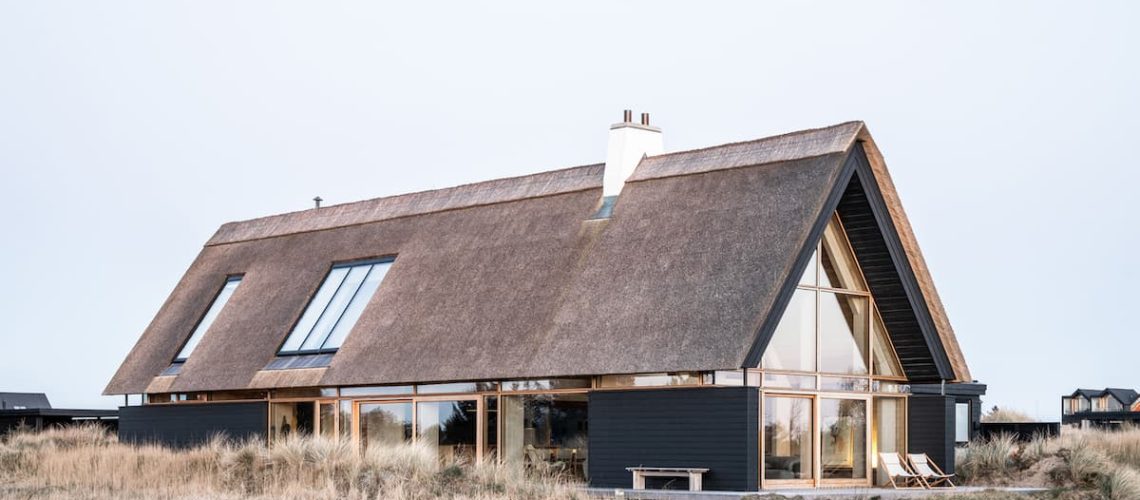
Rather than recreating history, this summer house reinterprets Skagen’s architectural heritage through familiar materials, generous family spaces and a quiet dialogue between landscape, memory and contemporary living.
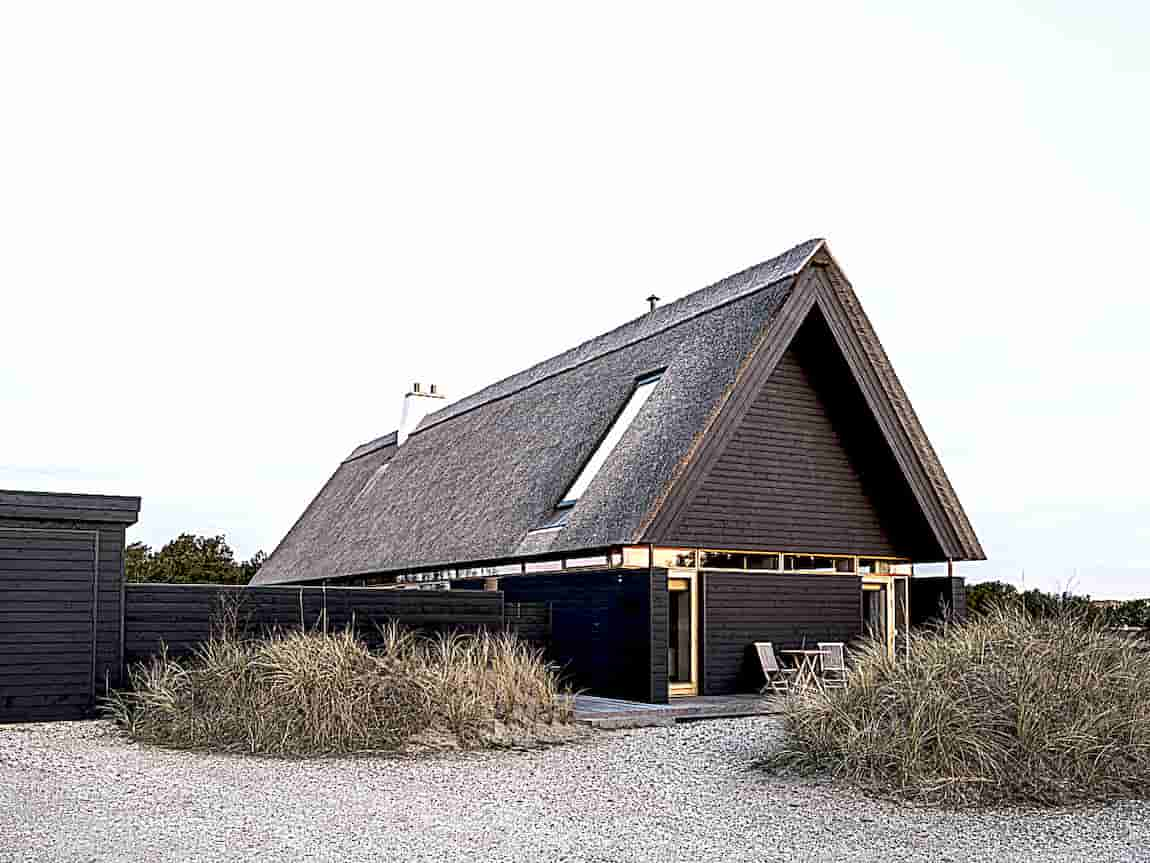
Rooted in the Architectural Identity of Skagen
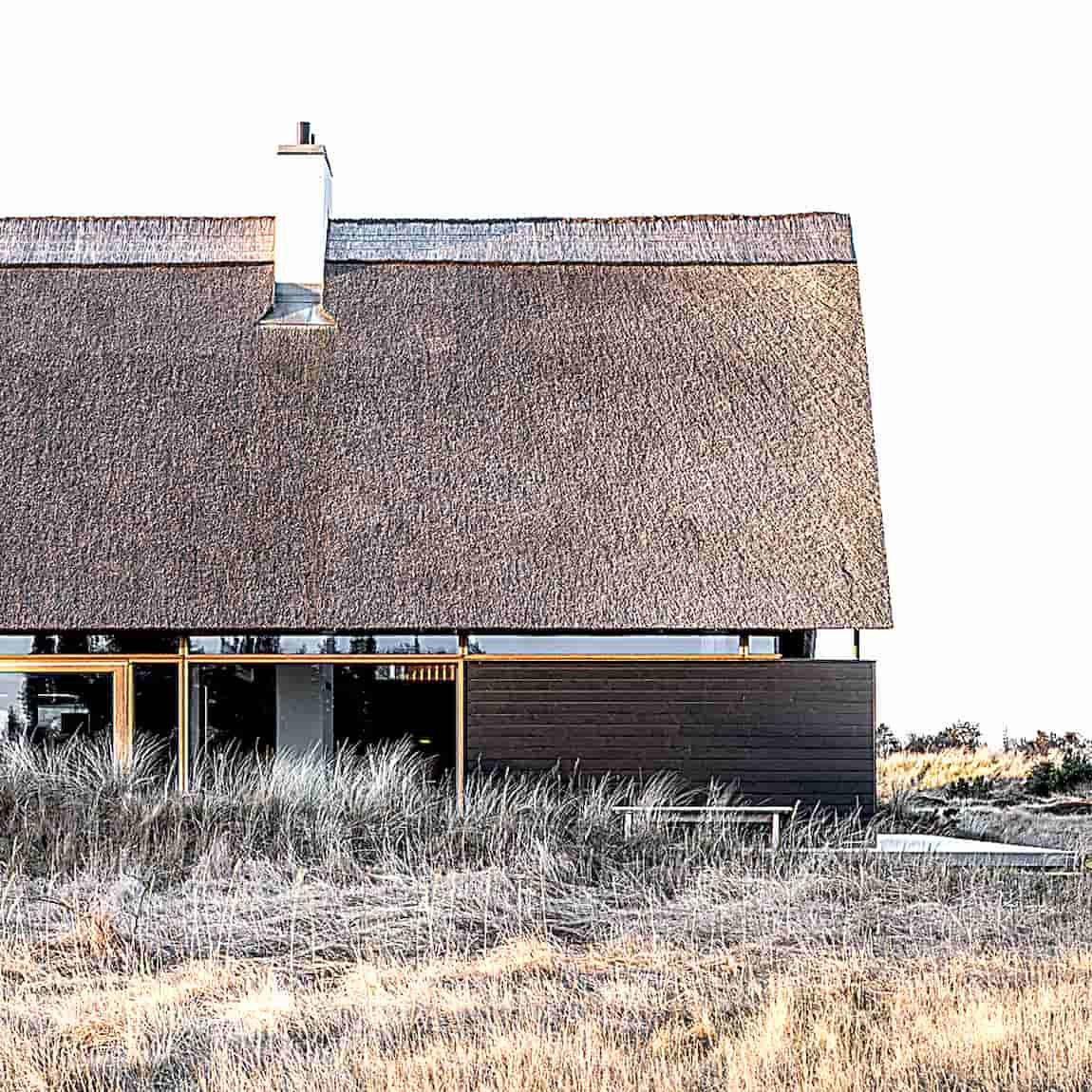
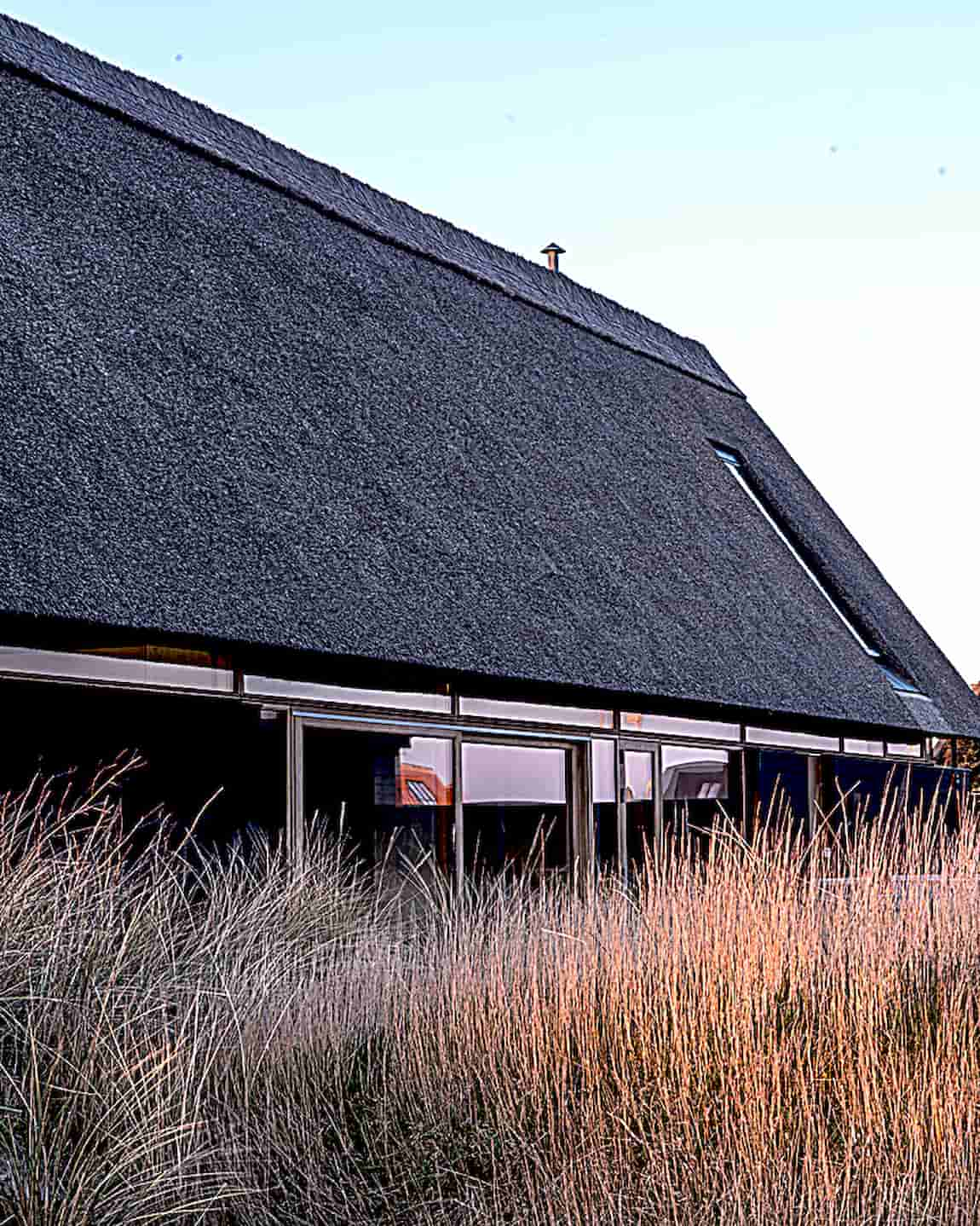
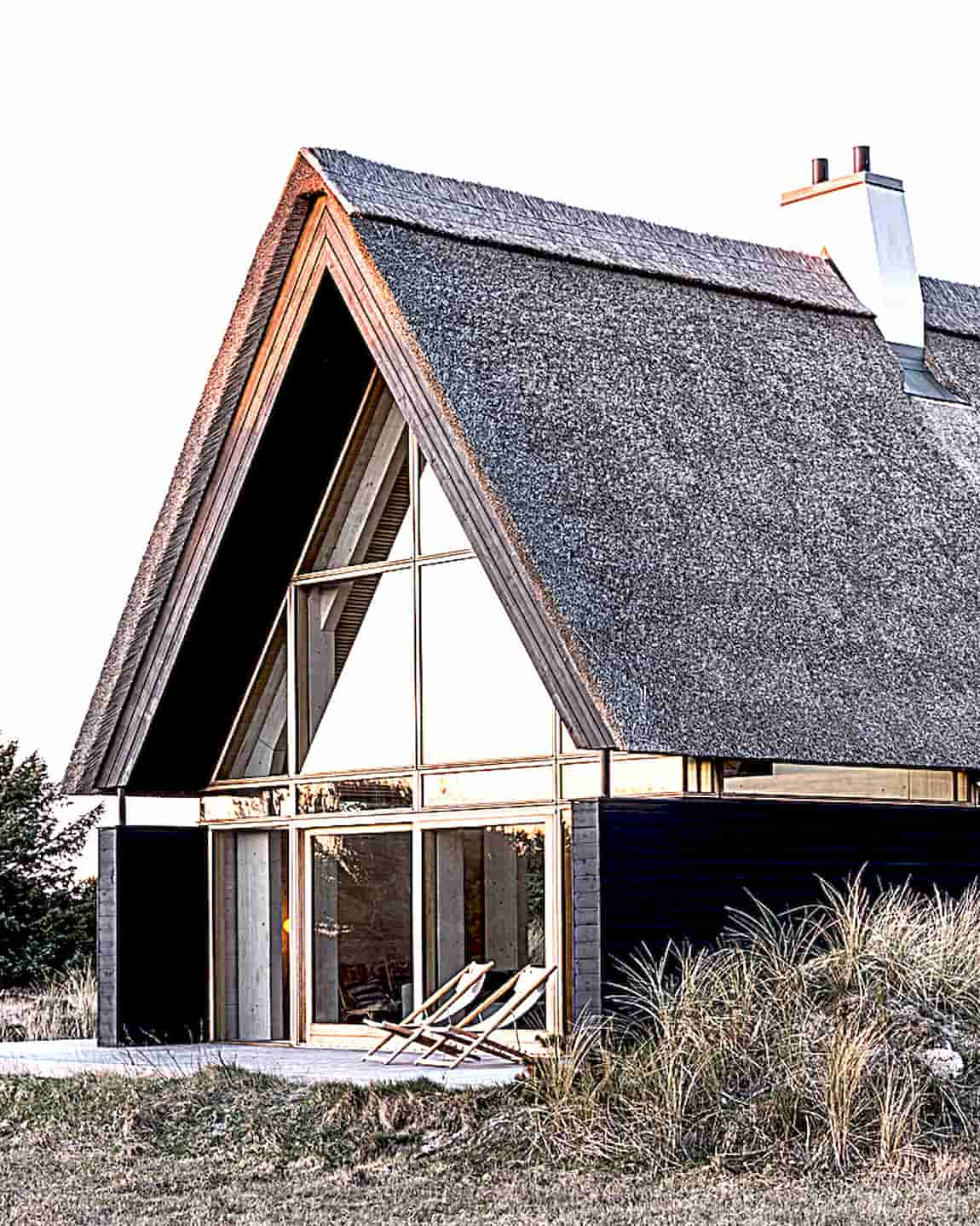
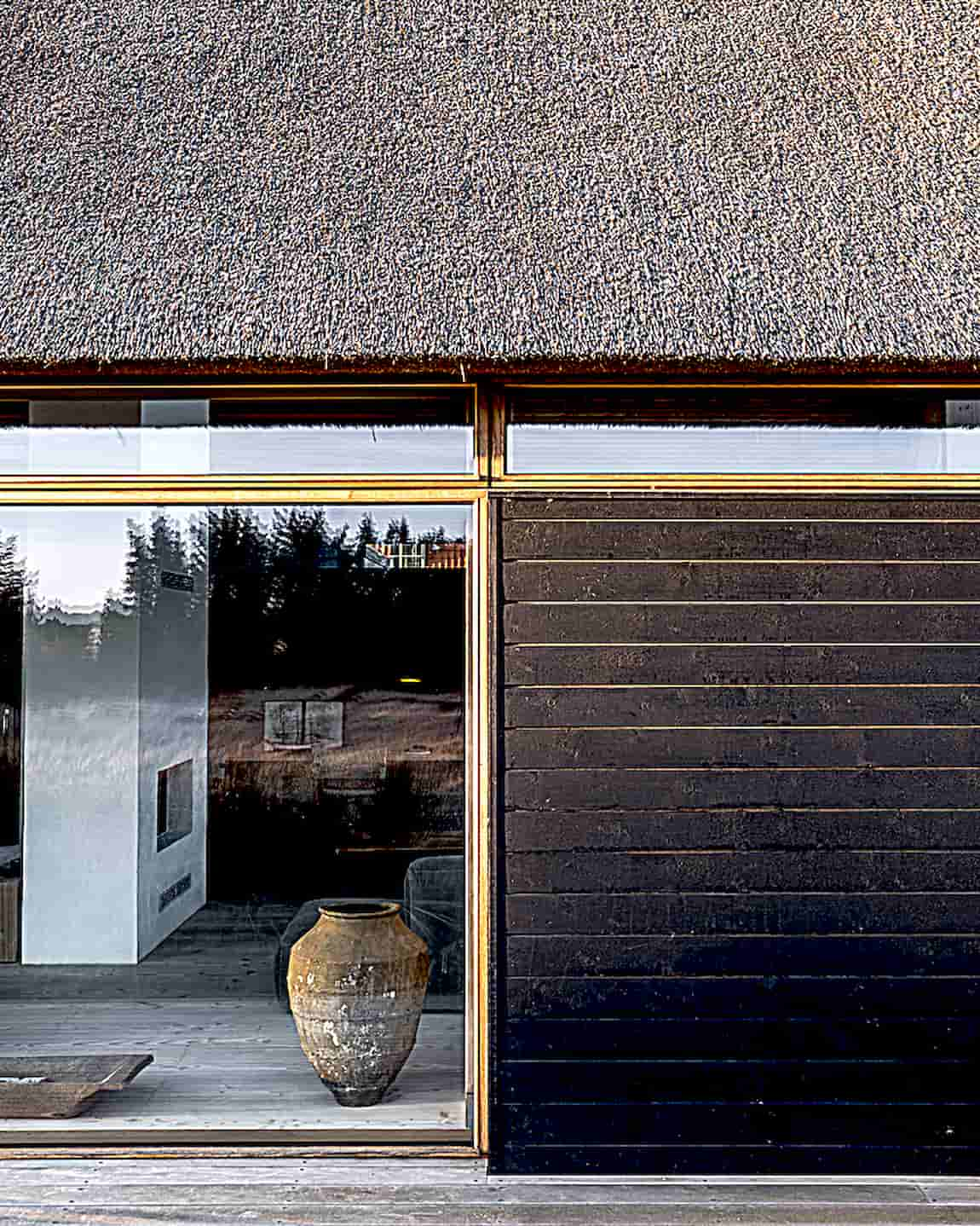
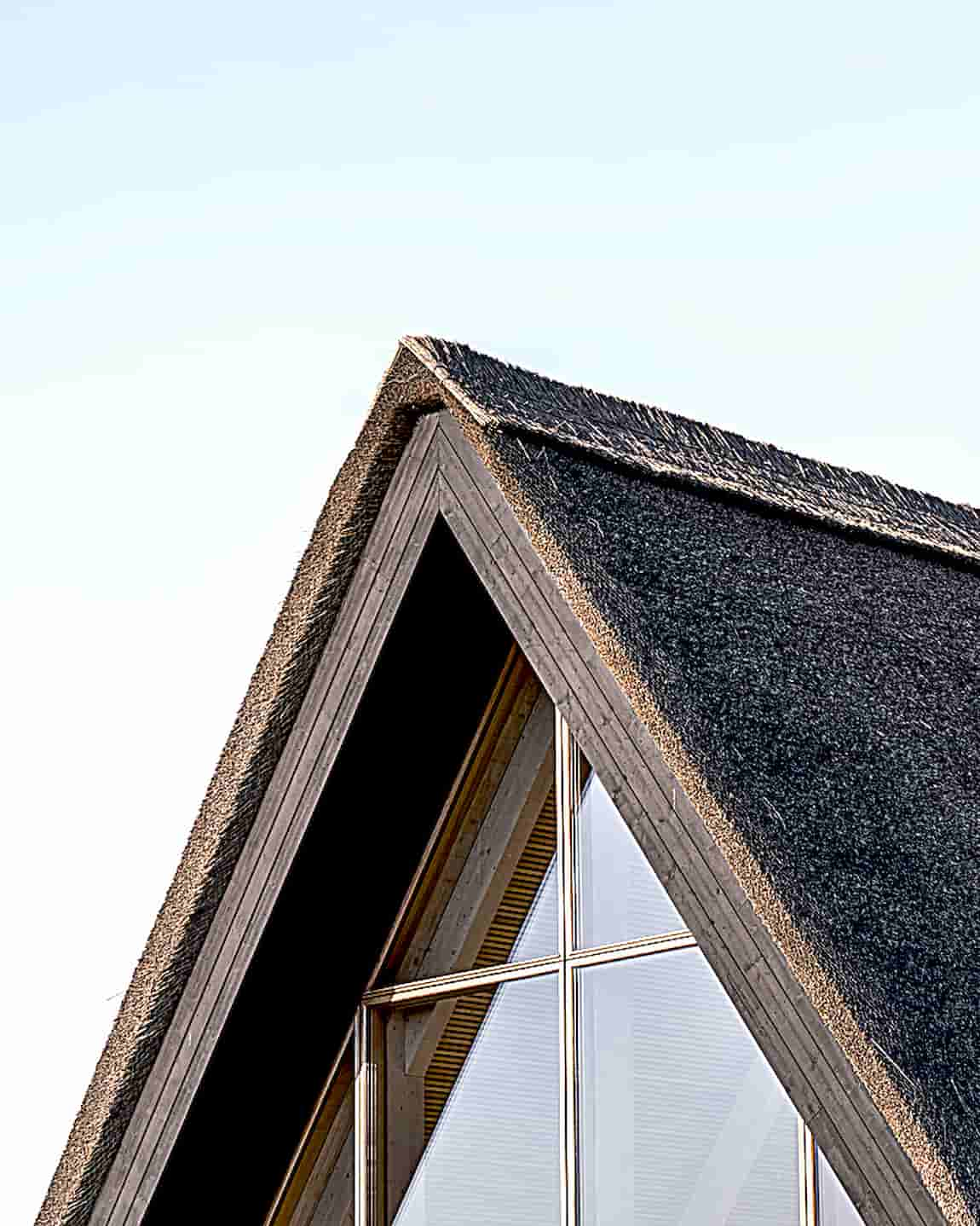
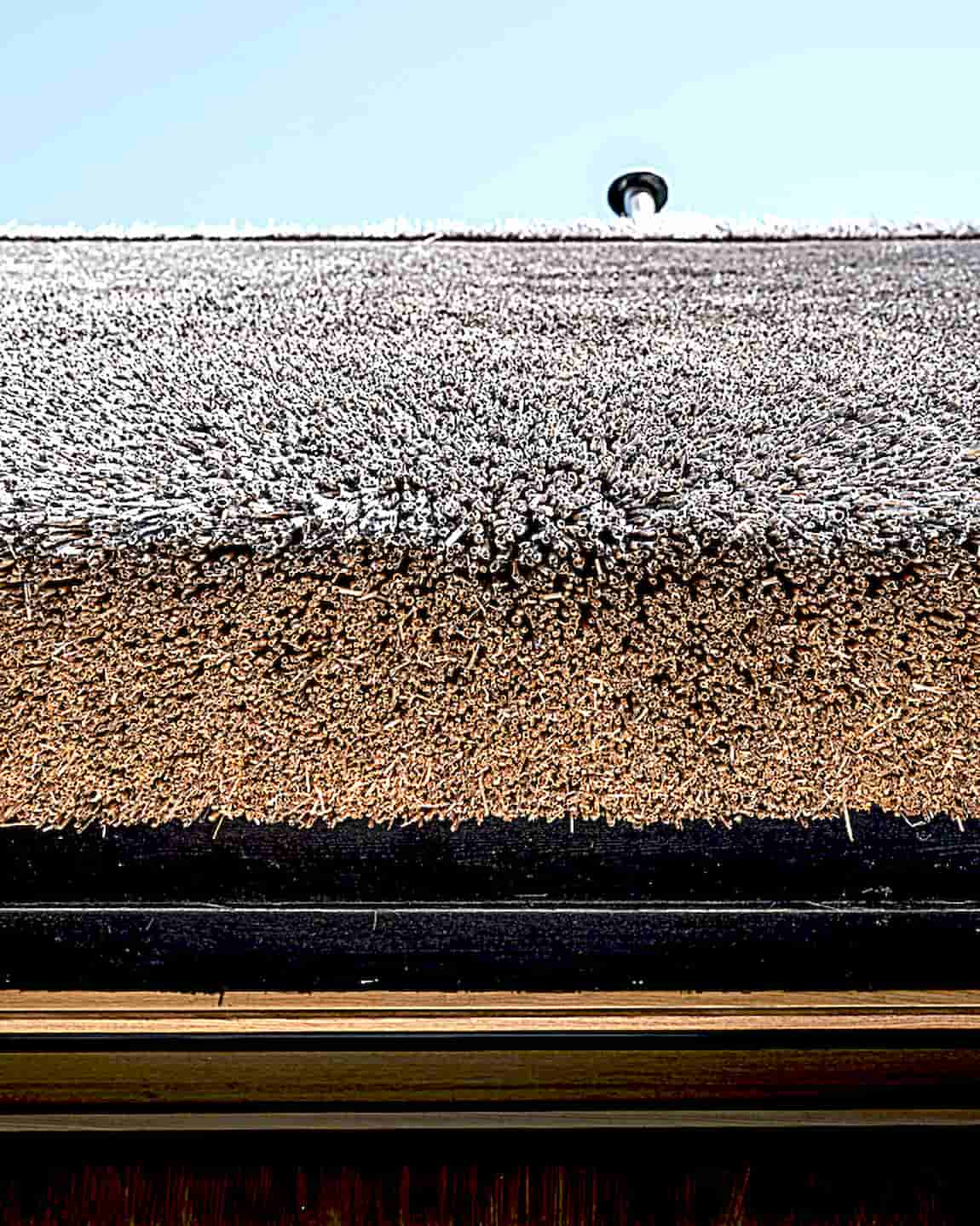
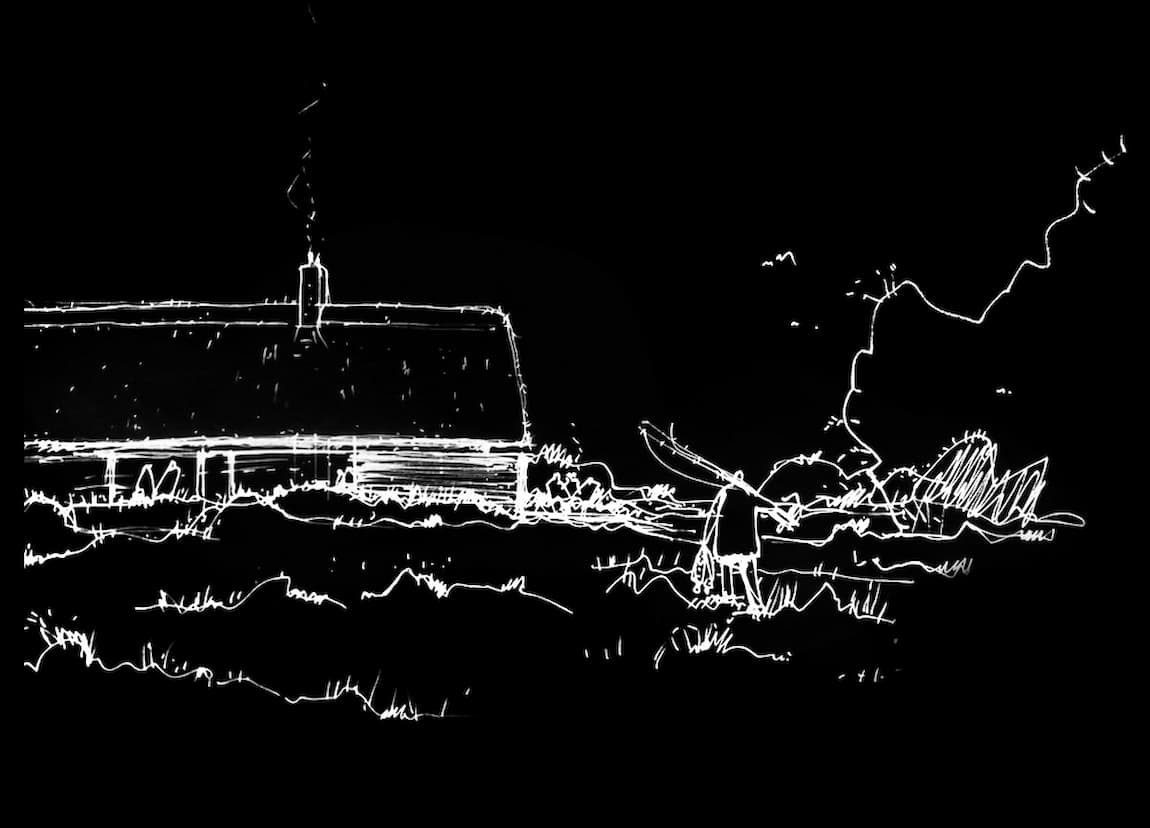
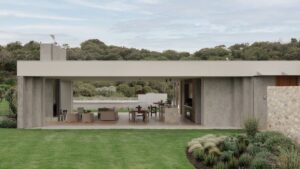
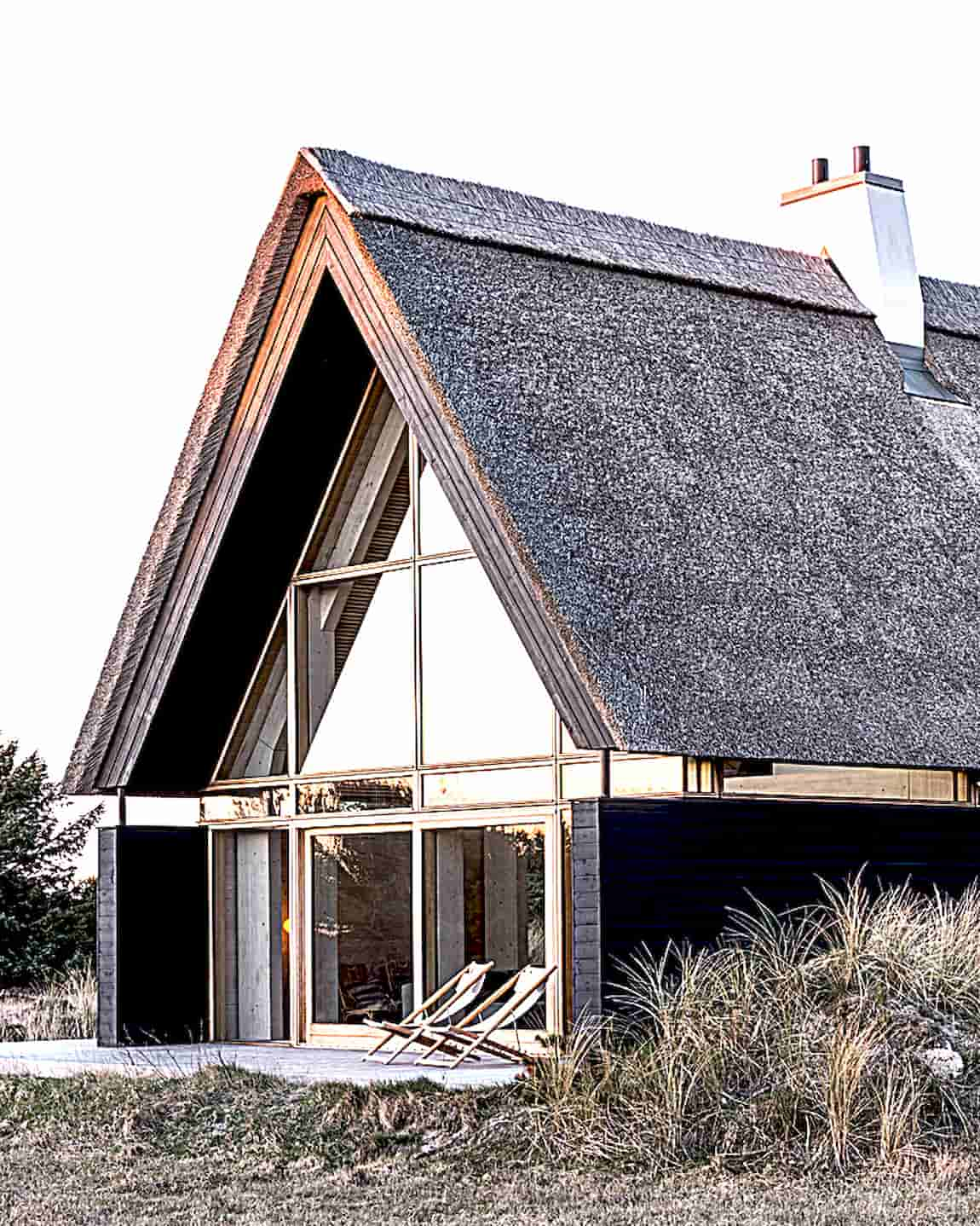
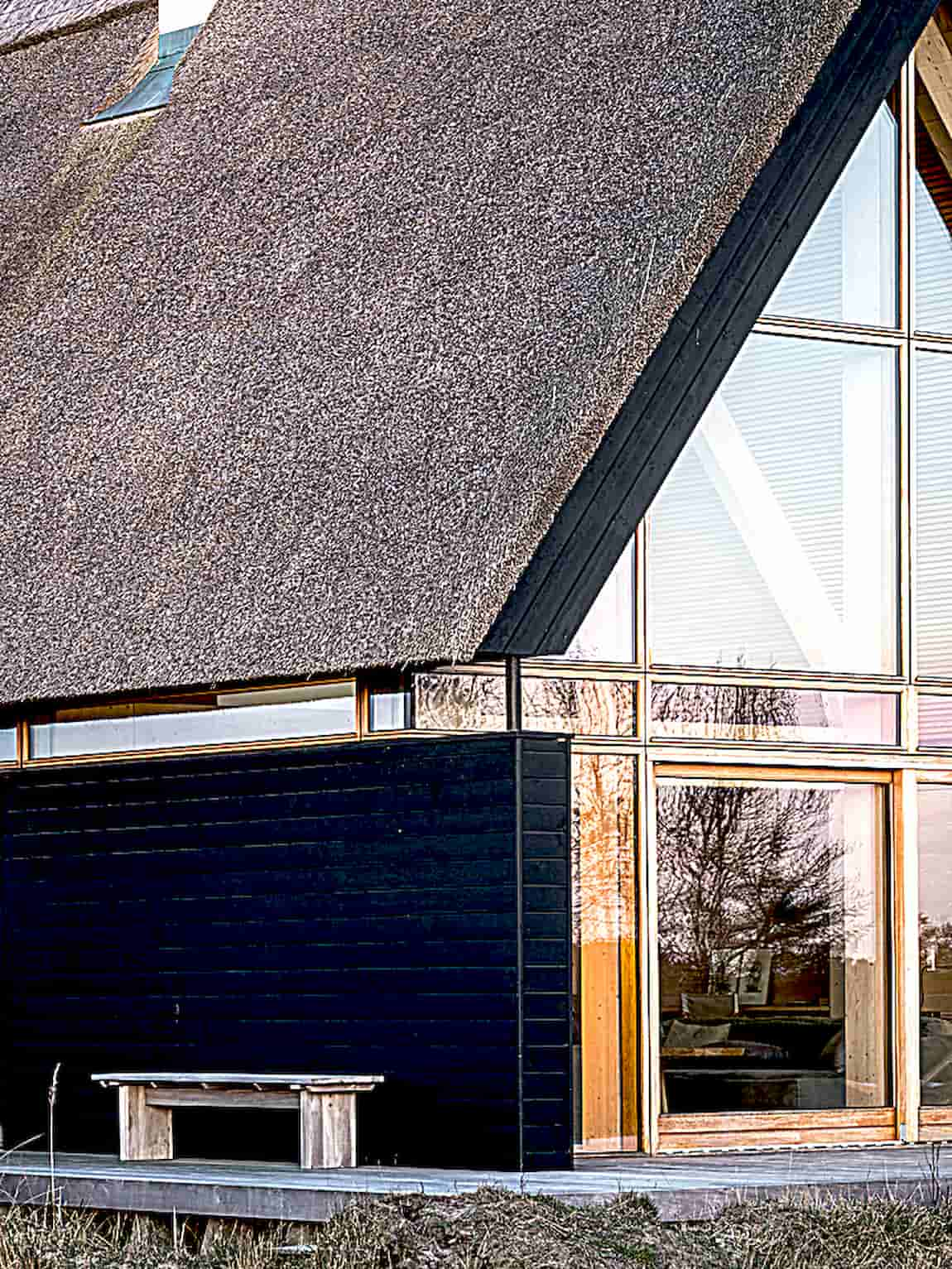
The Summer House at Skagen Klitgård draws inspiration from the town’s distinctive architectural heritage rather than simply replicating it. Its black timber façades and expansive thatched roof reference Skagen’s historic “Black Period,” when weathered timber salvaged from shipwrecks became an essential local building material. These familiar elements are carefully reinterpreted in a contemporary language, allowing the house to feel deeply connected to both its landscape and cultural history.
Designed to Bring Generations Together
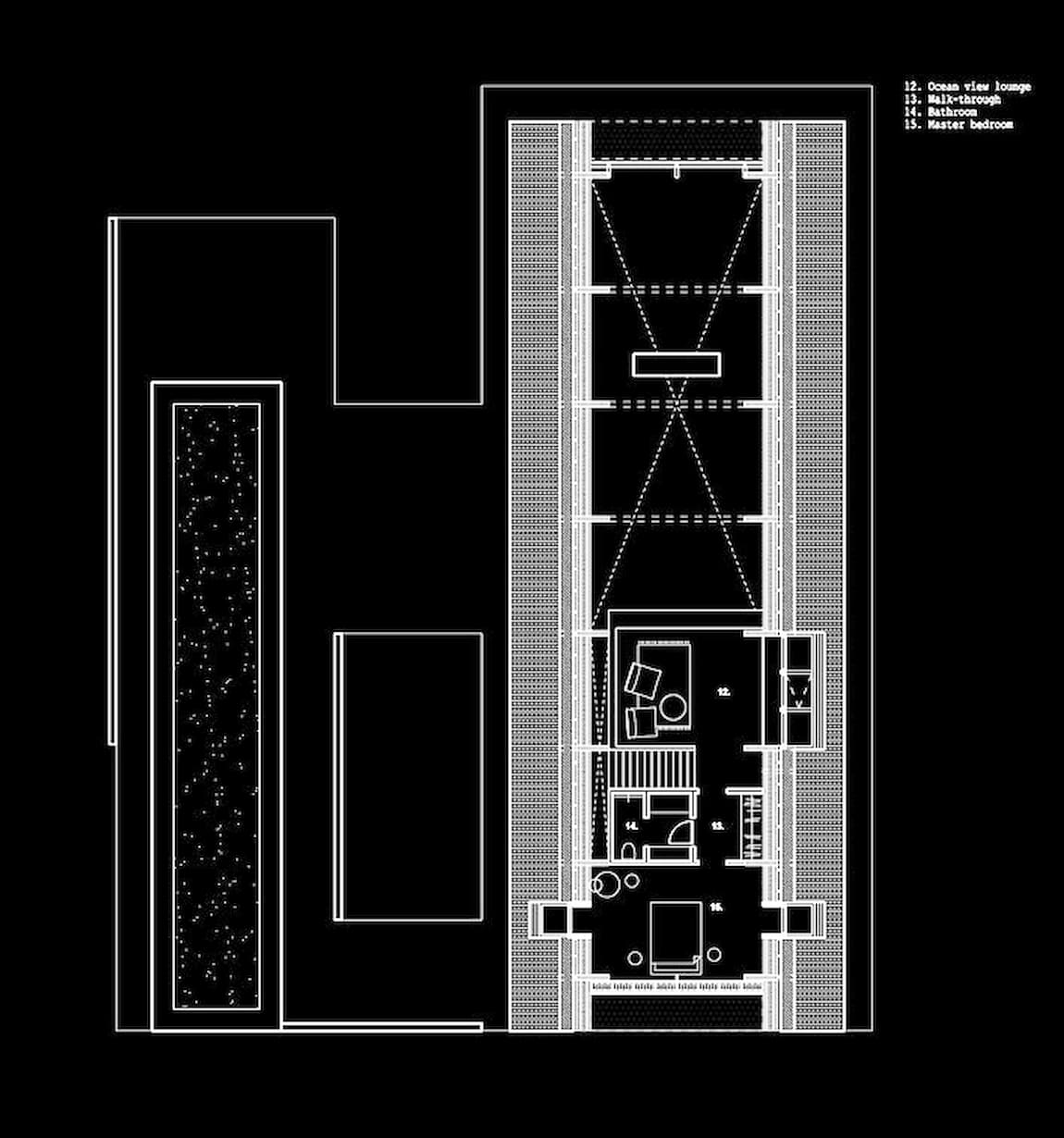
The interior planning revolves around a simple yet meaningful ambition: creating togetherness without sacrificing personal retreat. Spaces are arranged to accommodate three generations living under one roof, allowing family members to gather naturally while still finding moments of privacy. Open communal areas, carefully positioned private rooms and visual connections throughout the house encourage interaction, making the home equally suited to shared celebrations and quiet everyday living.
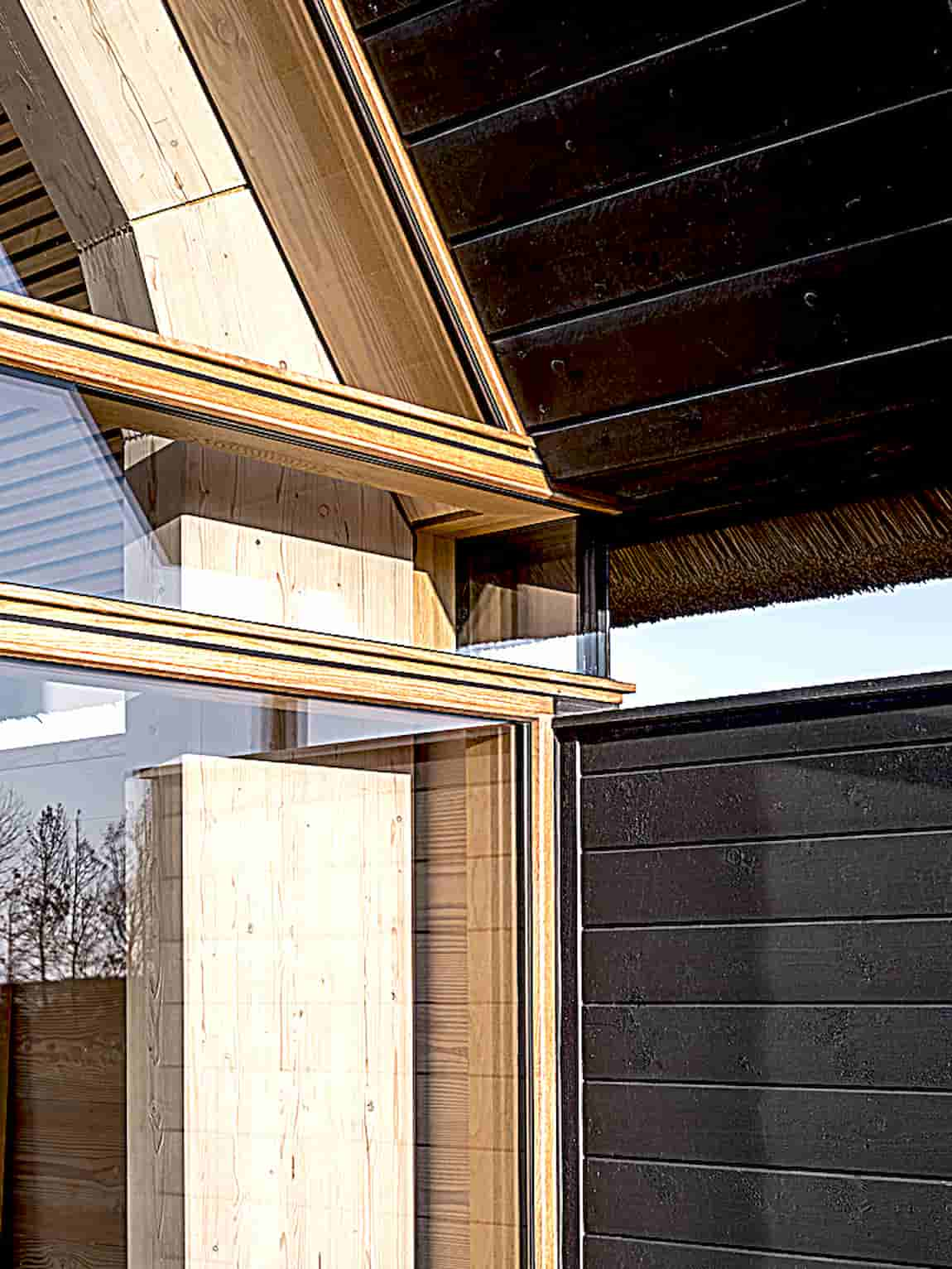
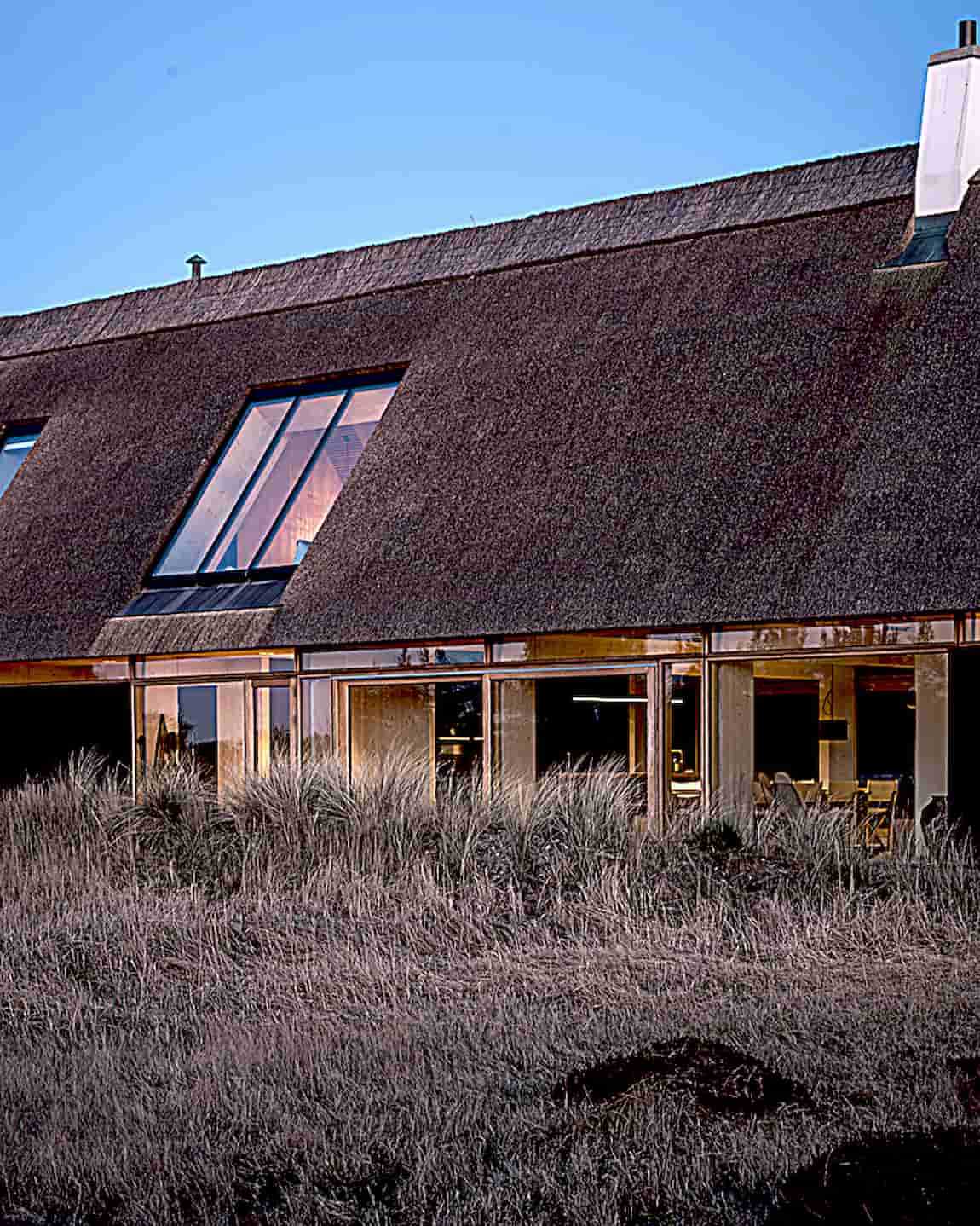
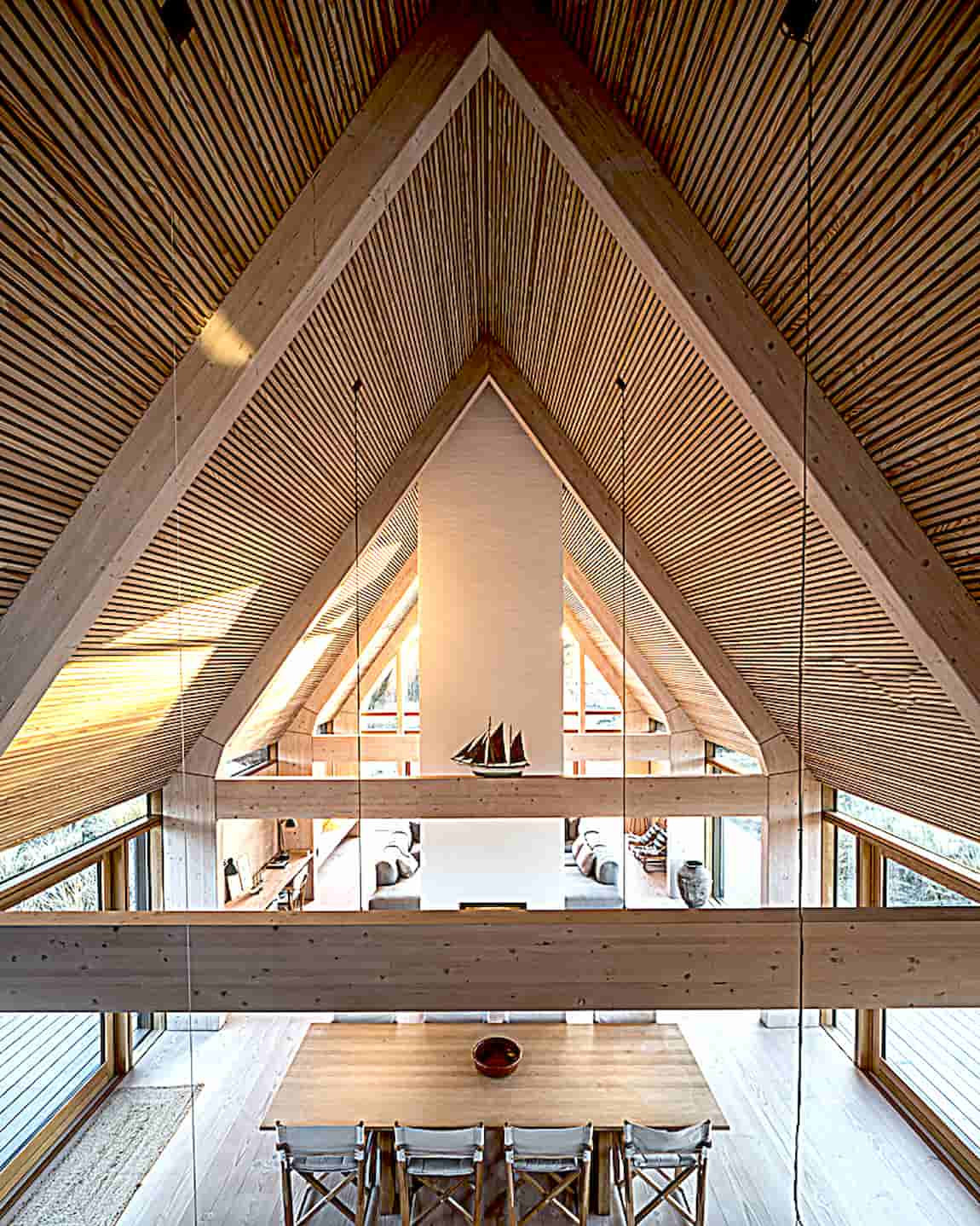
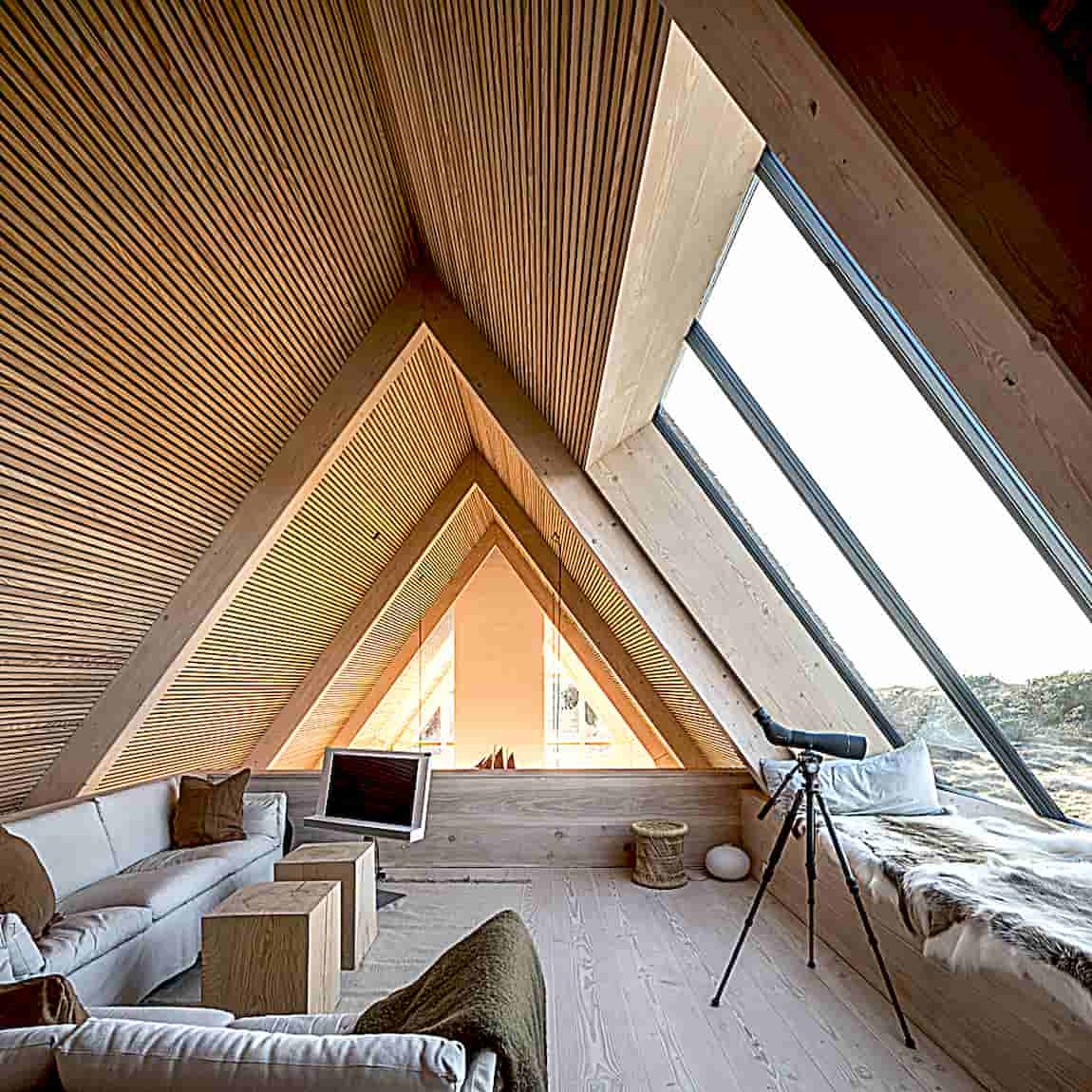
︳Architecturally, that is translated by creating both open areas, suitable for get-togethers, like the centrally located kitchen, and more secluded areas where one can be alone. However, all spaces are covered by a continuous pitched roof, to create a feeling of ‘’being under one roof’’, no matter where you are in the house.
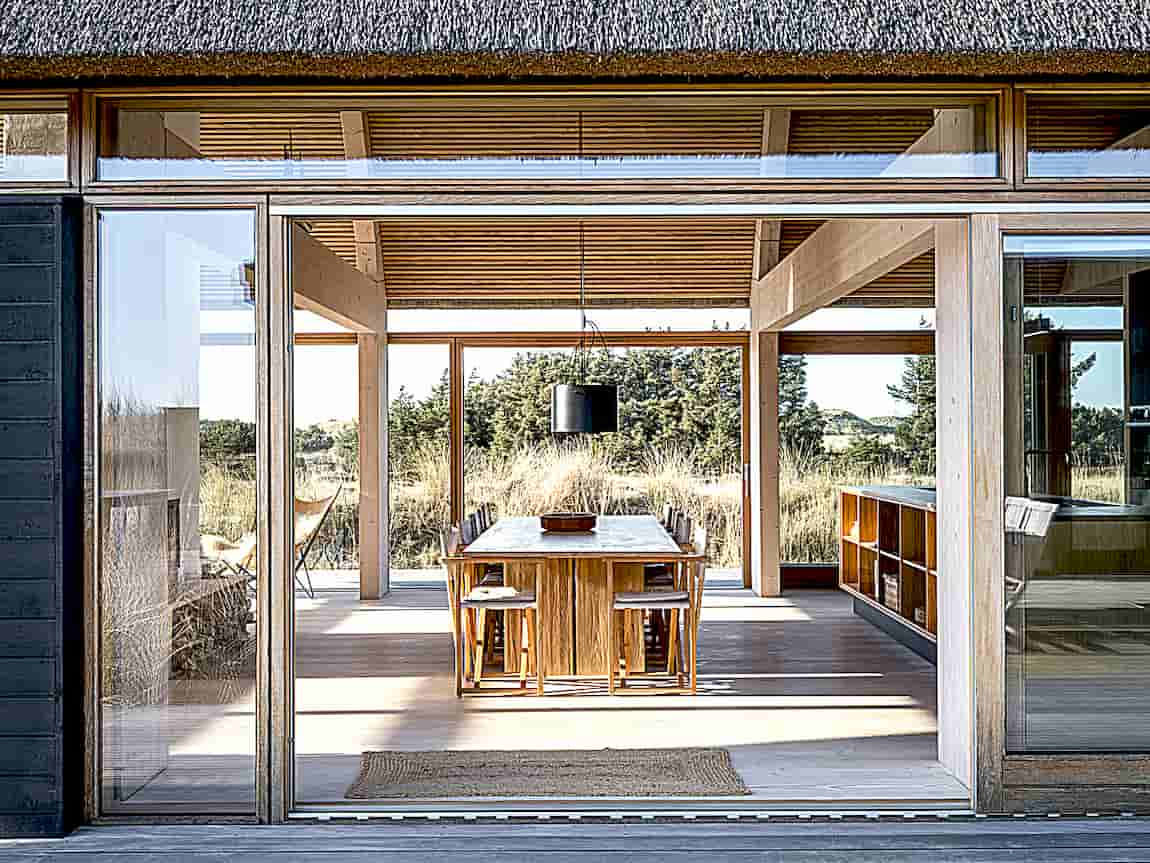
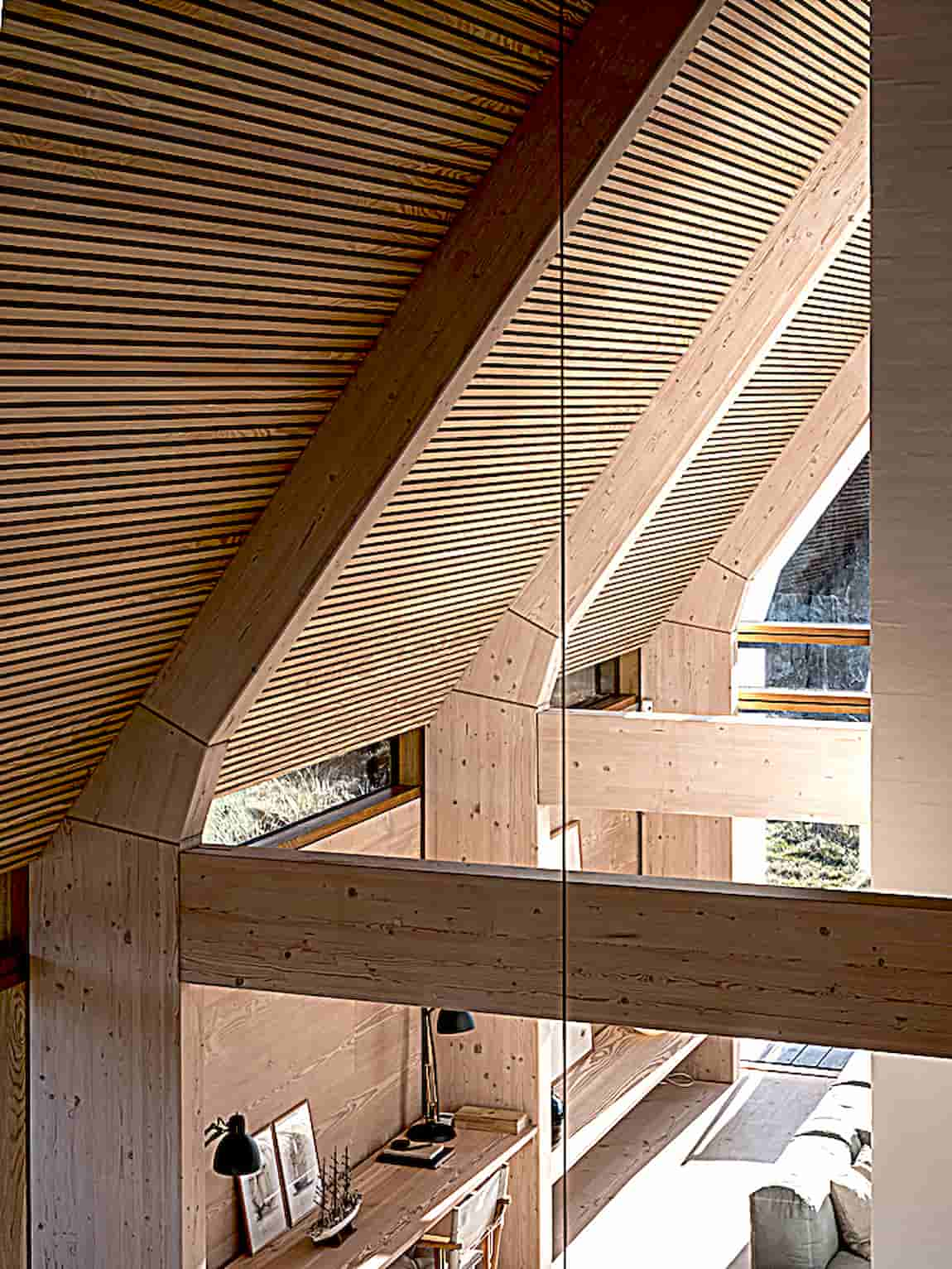
︳To create an even more inclusive space, special focus was put on the acoustics of the house by incorporating an acoustic ceiling to dampen the noise. The plan is characterized by a series of fluid zones, which provide the opportunity to spend time in tranquility and solitude, all while feeling part of the family life.
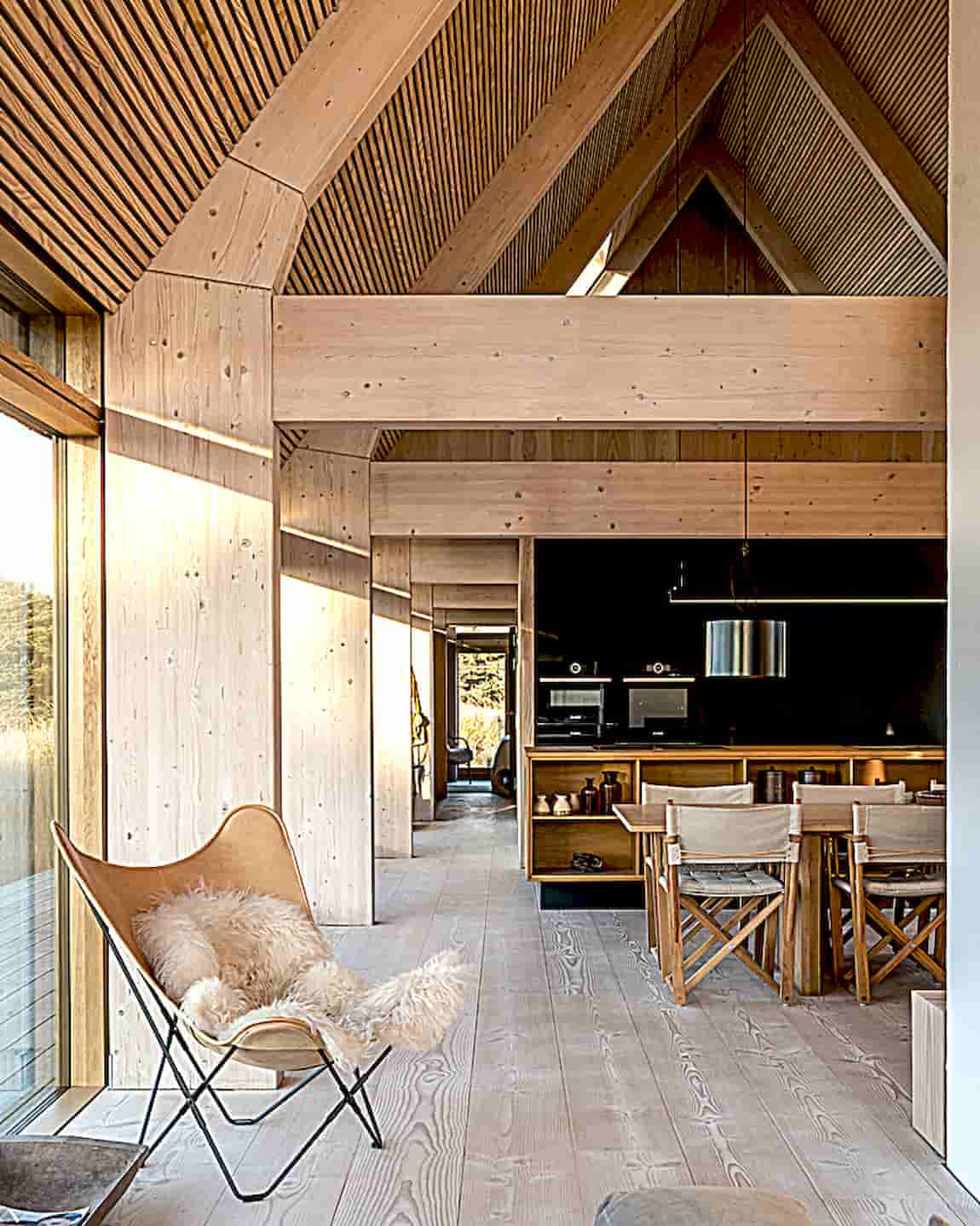
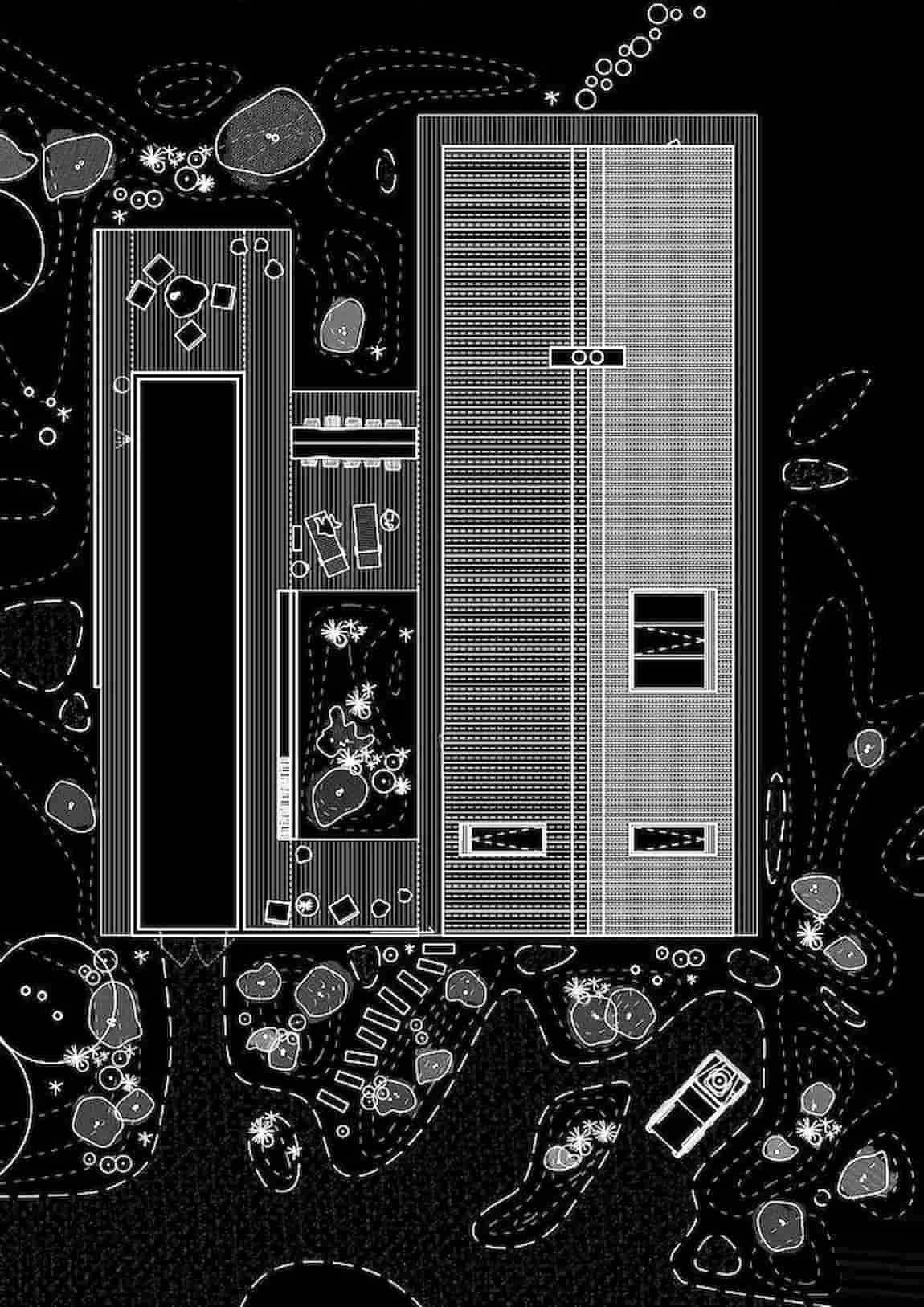
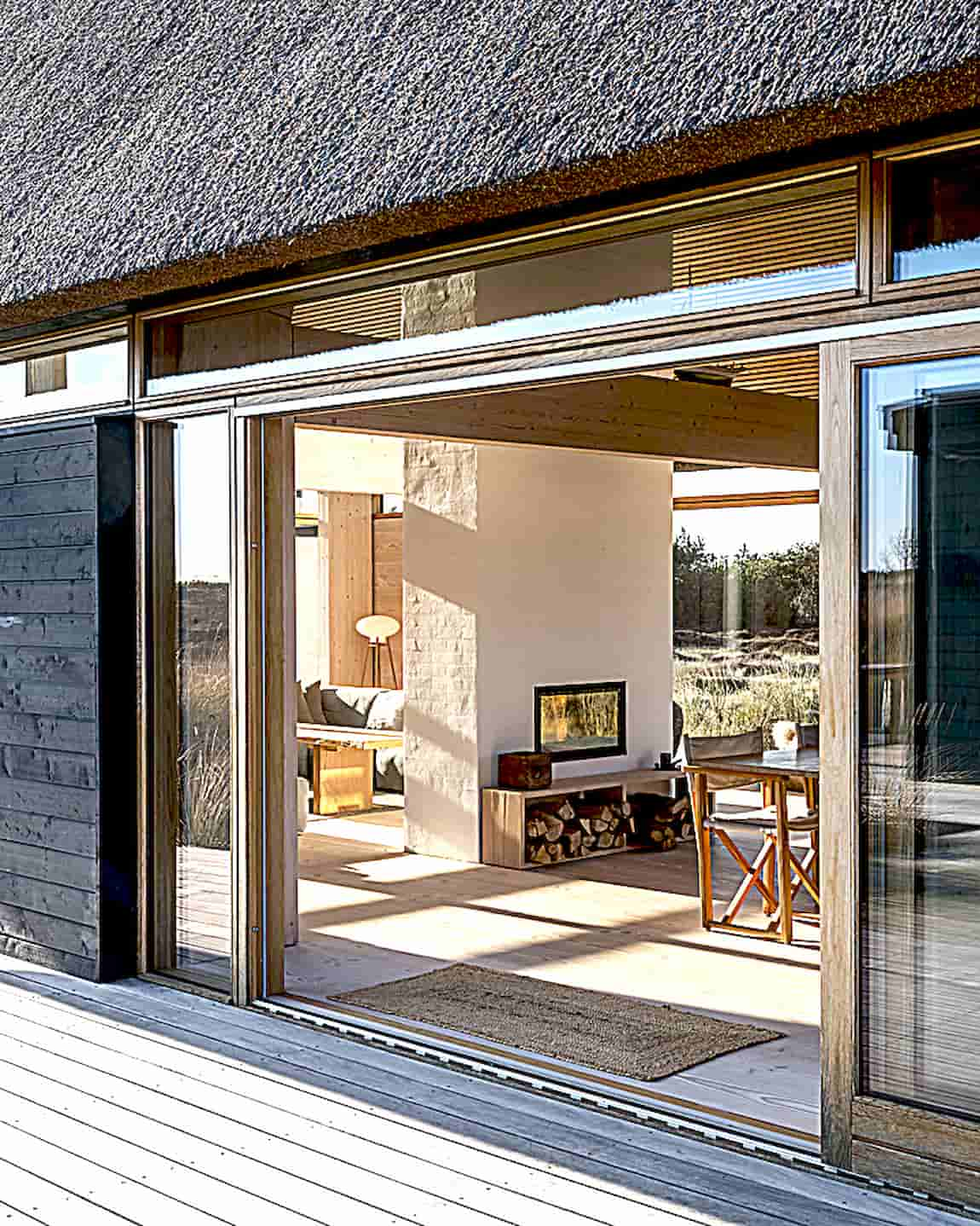
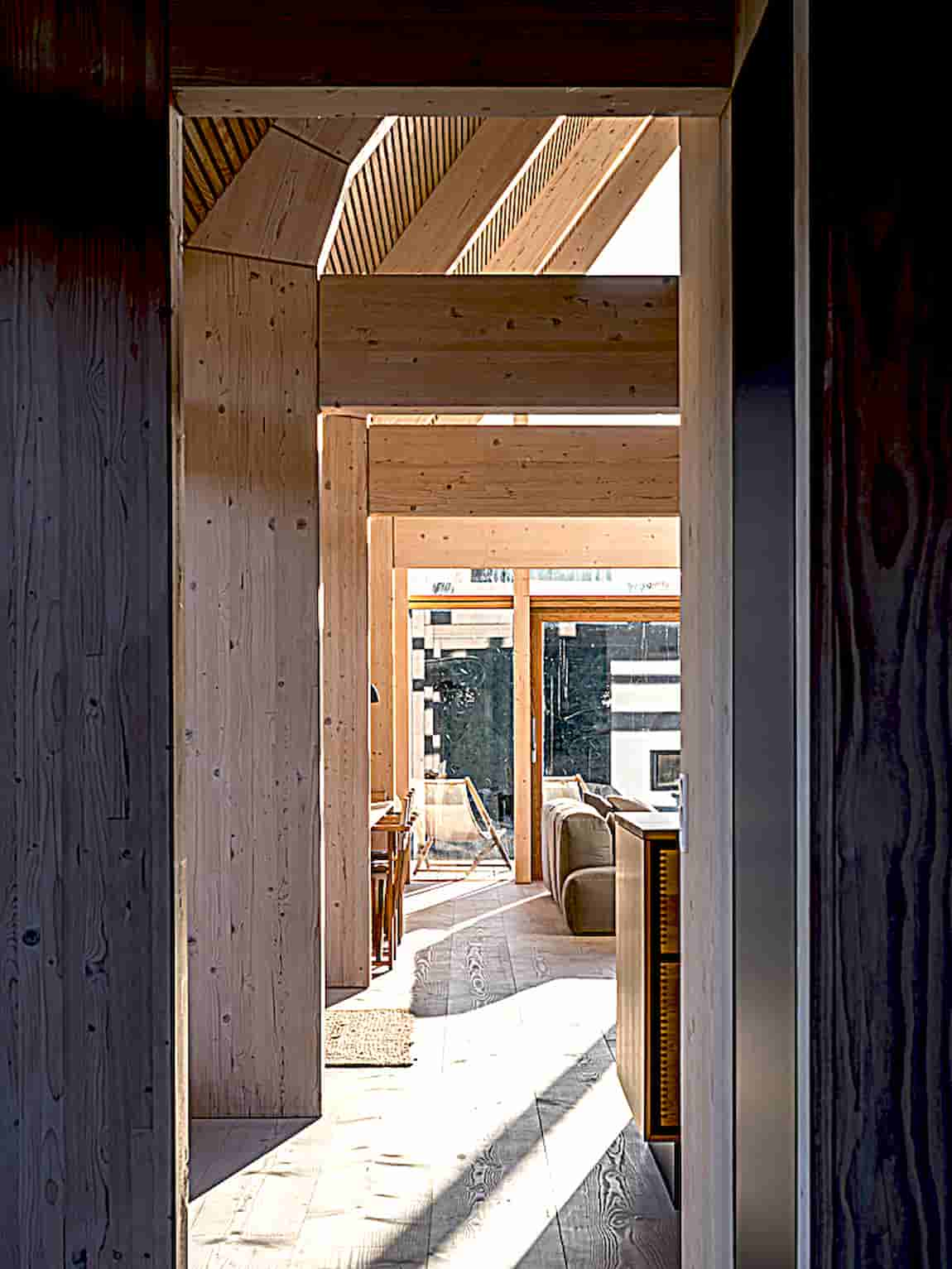
︳This is done by maintaining visual connections between different zones, and by using freestanding elements to divide the space, like, for example, the fireplace. The idea was to offer uninterrupted views along the long facades of the house, to bind the house together, but also to its surroundings.
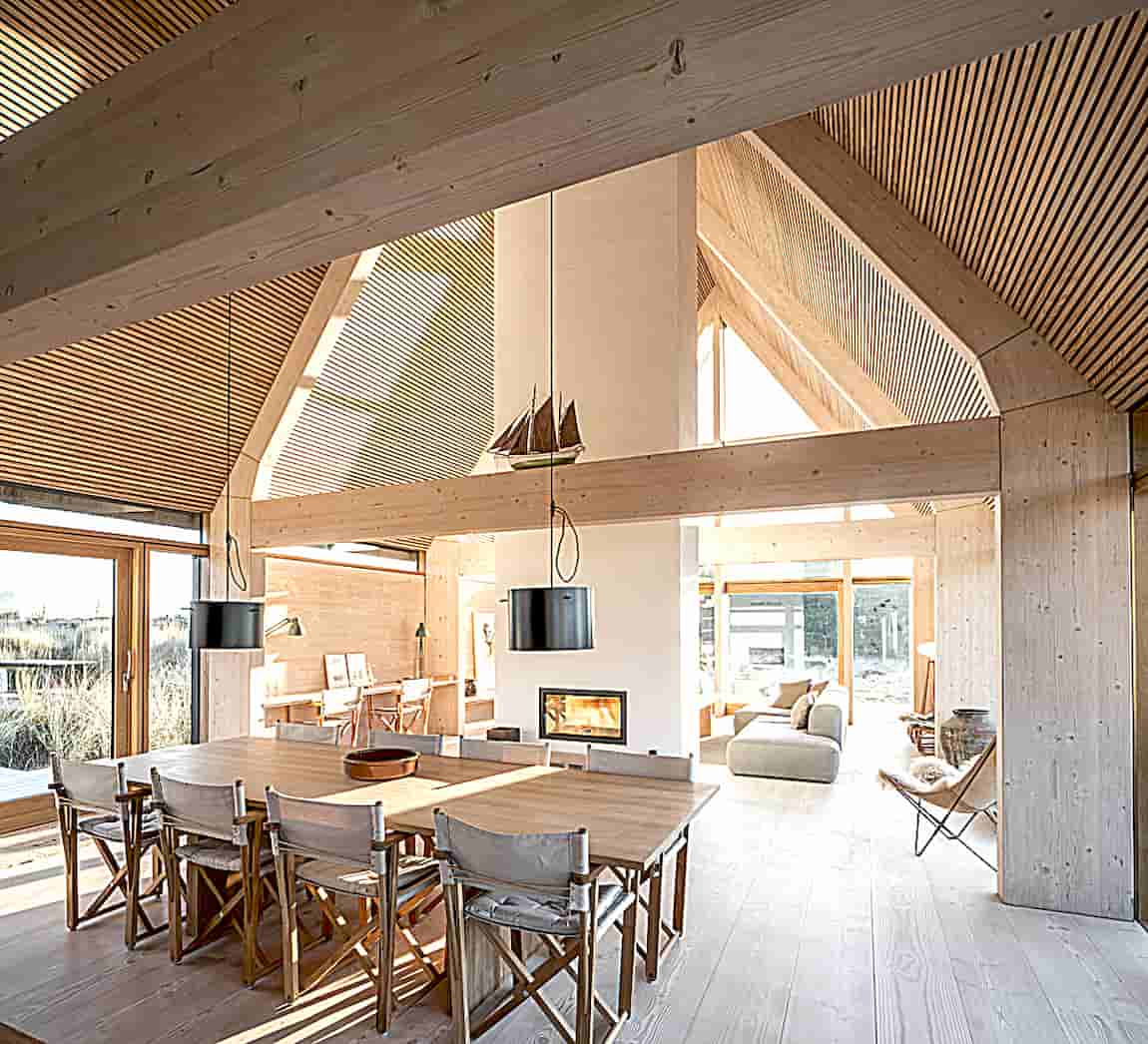
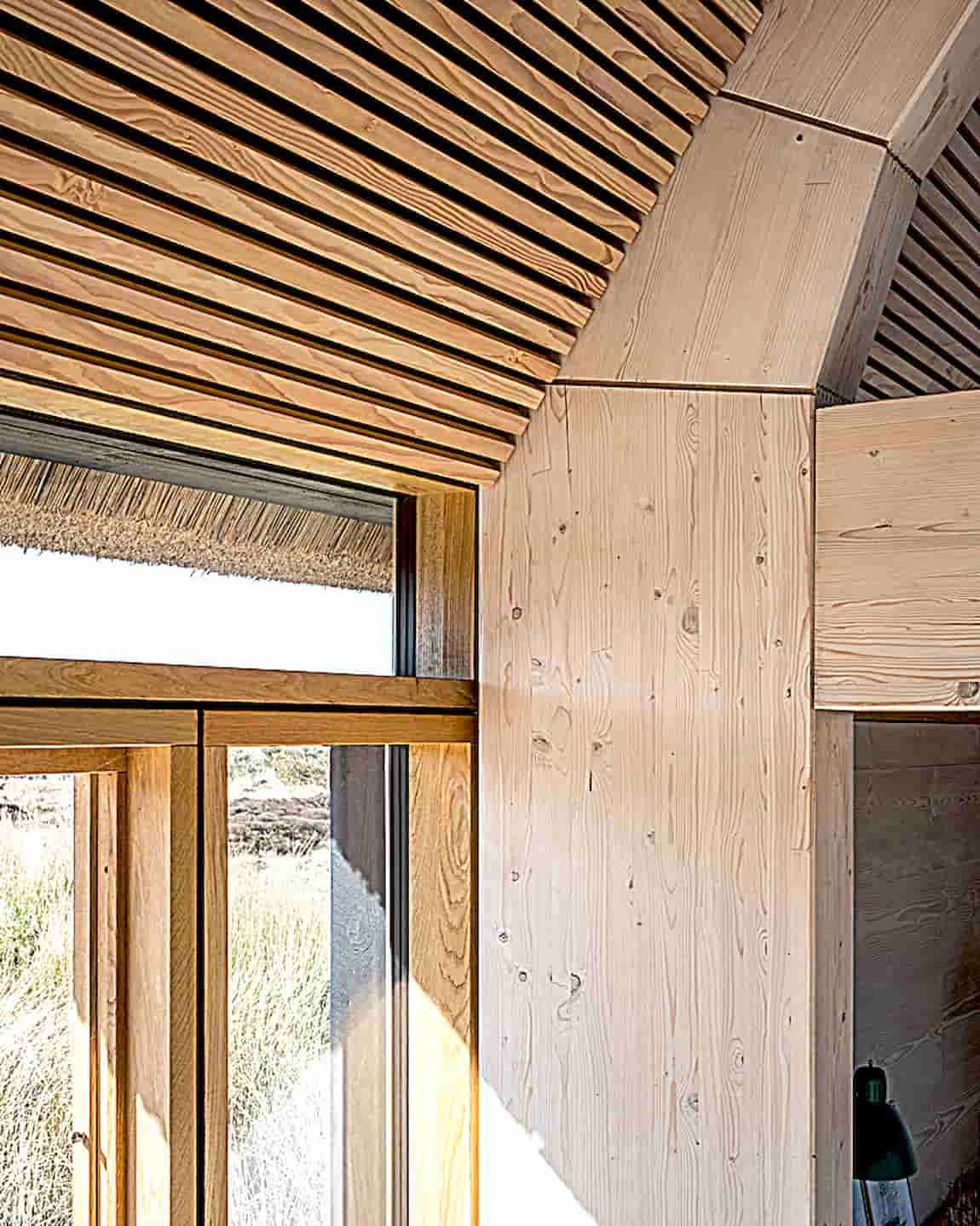
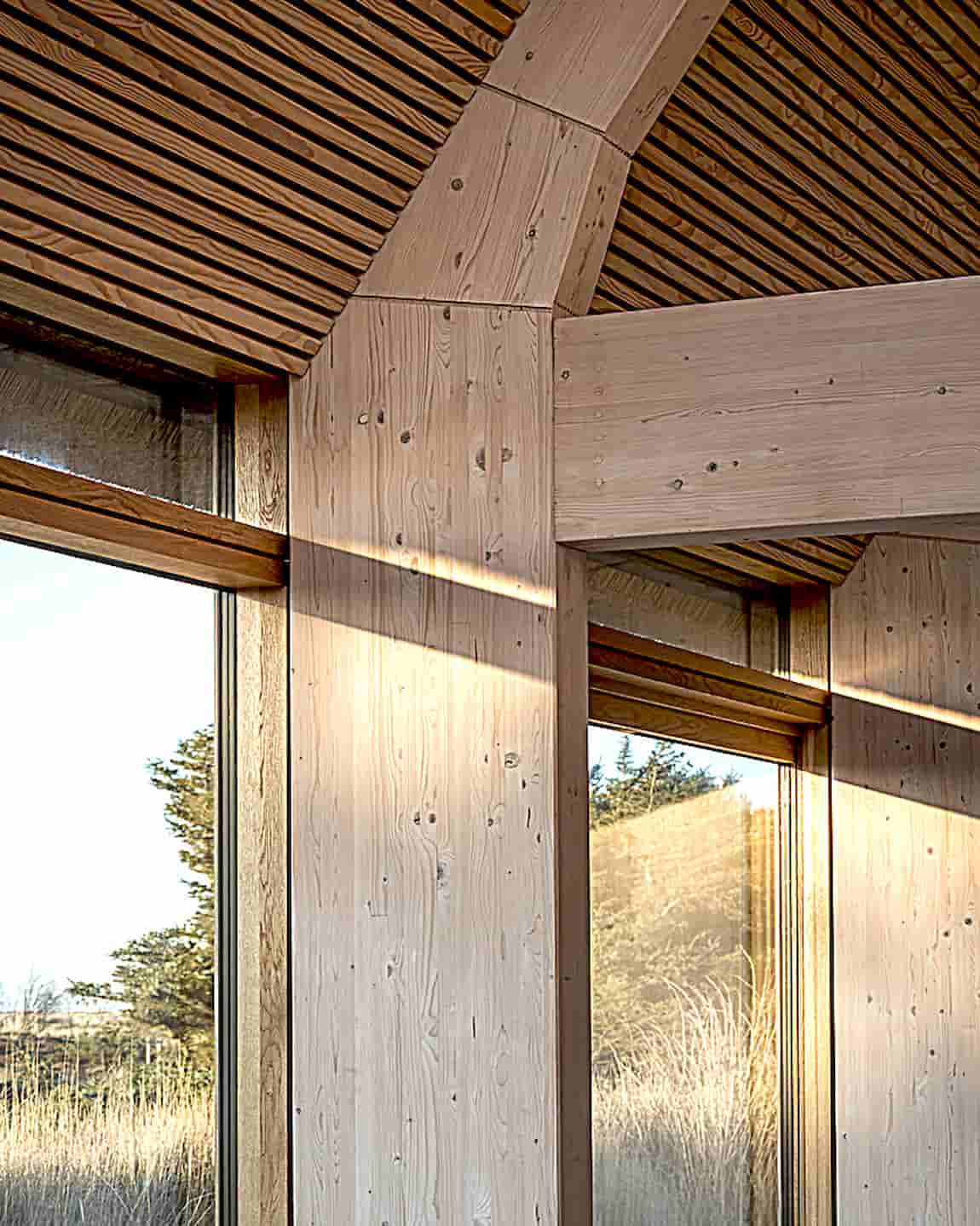
︳The kitchen is the natural center of the house since it is important for the family to get together during mealtimes. It is therefore placed centrally, close to the stair connecting the ground and first floor. It overlooks the dining room, and thanks to the glazing on both sides, there is a natural transition between the interior and the exterior. The thick oak window frames were significant in supporting the ambition to blur the limit between inside and outside.
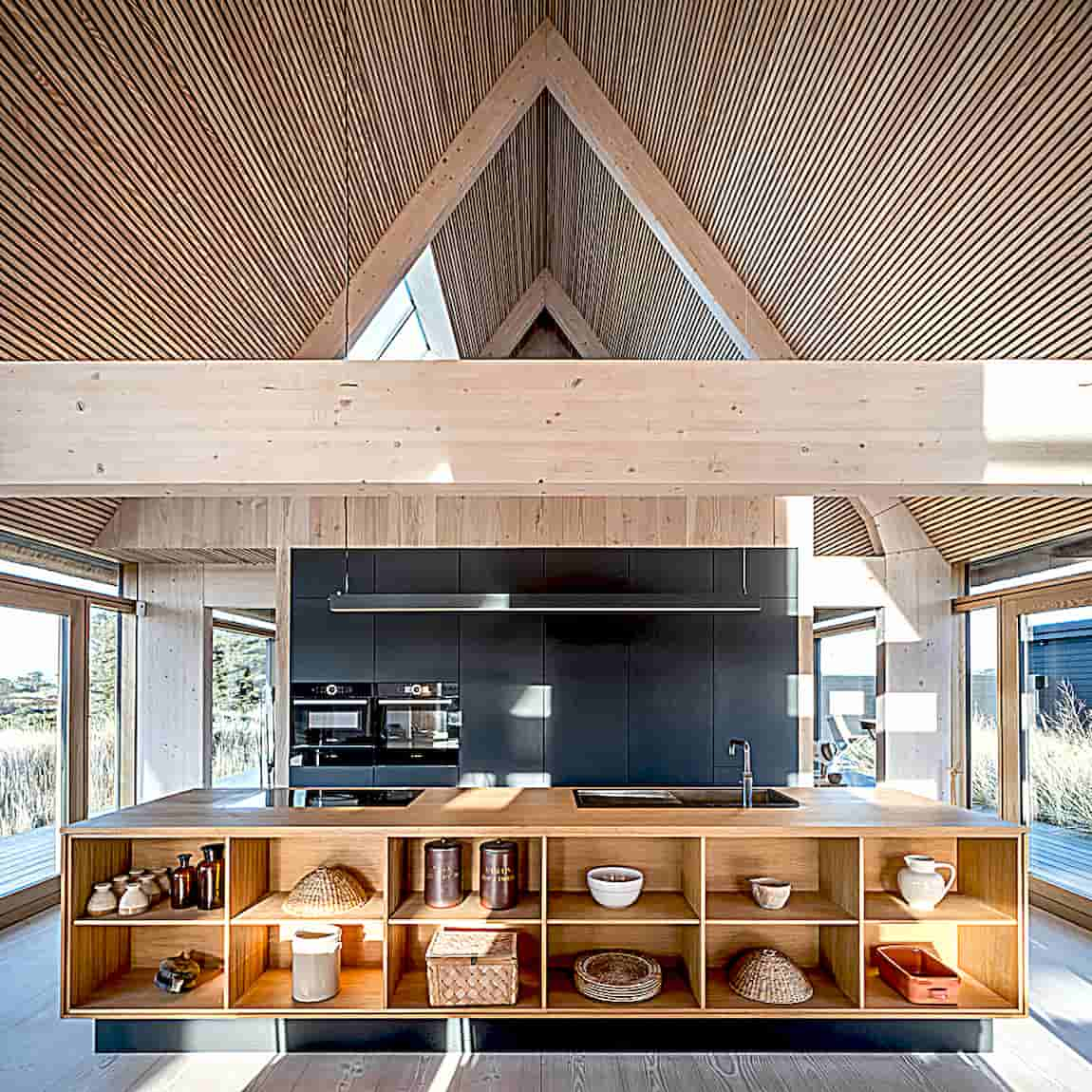
︳Being a summer house, this is a place where its owners come to relax both with family but also by themselves. In order to give an identity to more intimate spaces, to make them feel more personal, and to create a contrast with the more open and social rooms of the house, the ceiling height is lower in some of these spaces like for example the multi-purpose room behind the kitchen. In that way, the atmosphere changes from the high-ceiling social areas to the more intimate zones.
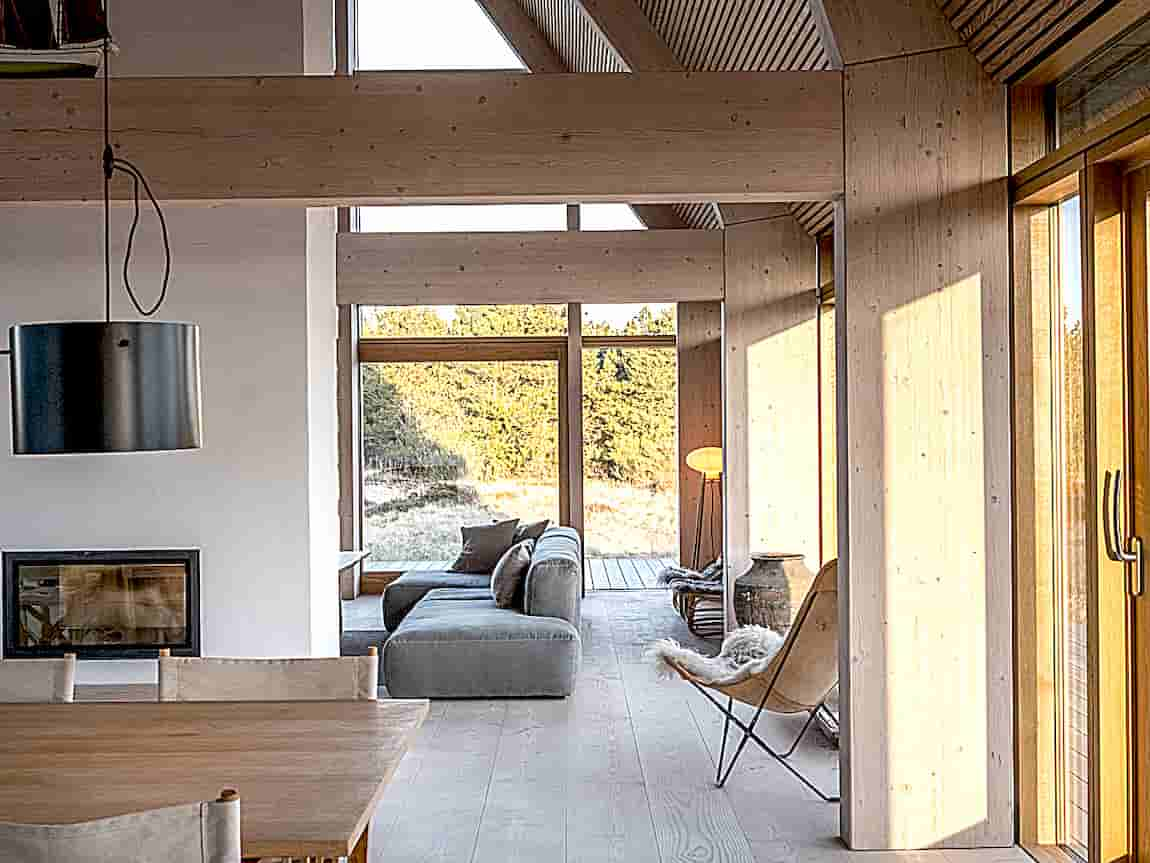
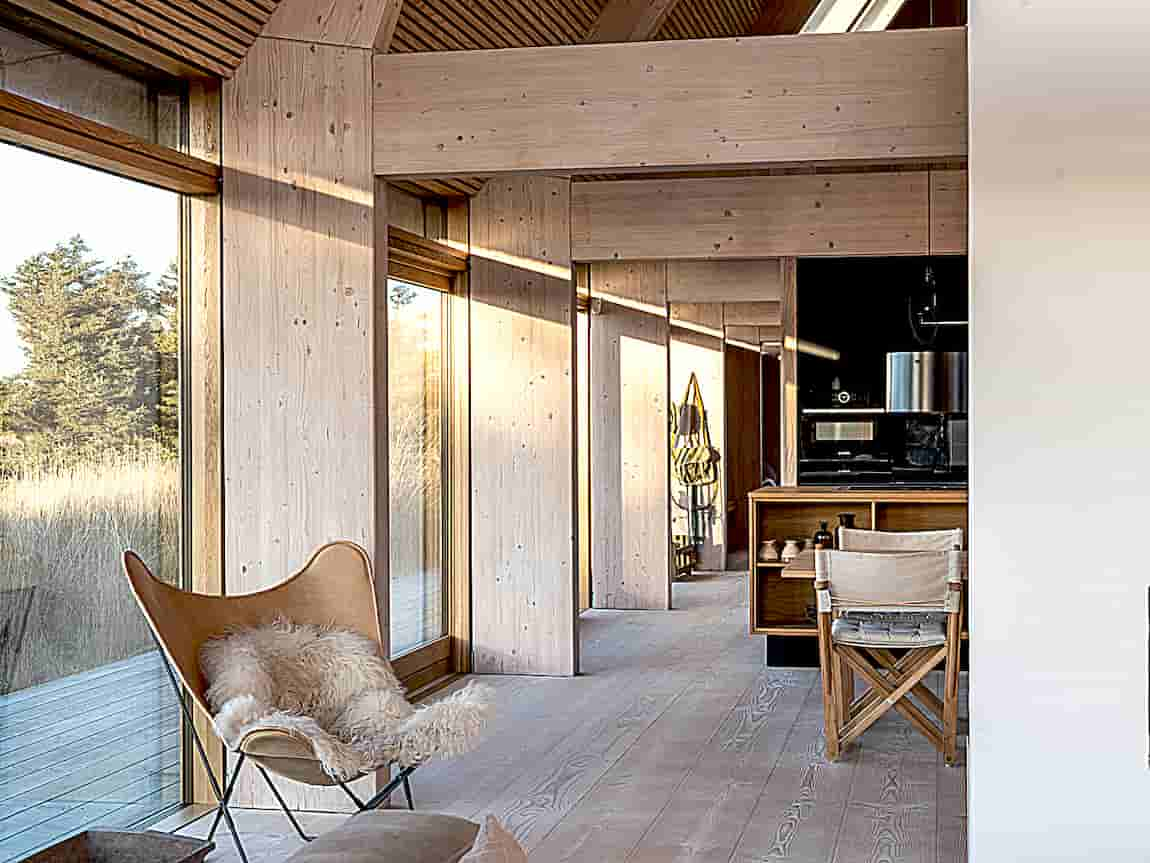
︳The muted colors of the interior accentuate the beauty of the surrounding landscape, as wood and nature blend together. Furthermore, the wood’s tactile feeling, smell, and sound create a natural, warm environment for the family, and it goes hand-in-hand with the vision of designing the house as being a part of nature.
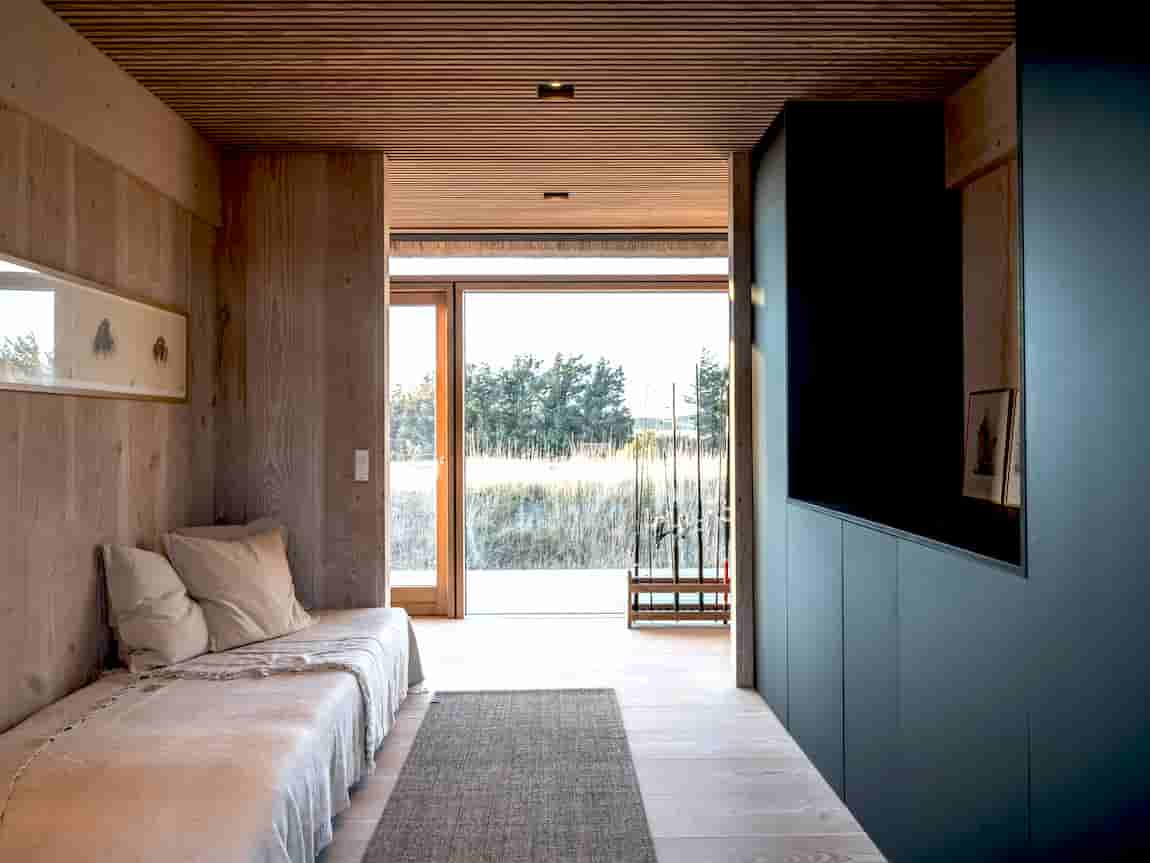
︳The large areas with visible wood are made of Douglas fir and are supplied by the Danish company Dinesen which sustainably sources timber from forests in France and Germany. The architects worked closely with Dinesen throughout the project in order to ensure quality and precise results.