The Nautilus Maldives: Architecture of Absolute Freedom

A sustainable common ground collective garden
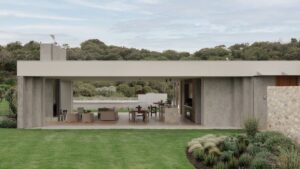
At The Nautilus Maldives, architecture dissolves boundaries between villa, ocean, and sky, redefining luxury through spatial freedom and environmental immersion.


A Sustainable Common Ground Collective Garden


A Sustainable Common Ground Collective Garden

▎Overlooks The Views Of The Hefer Valley

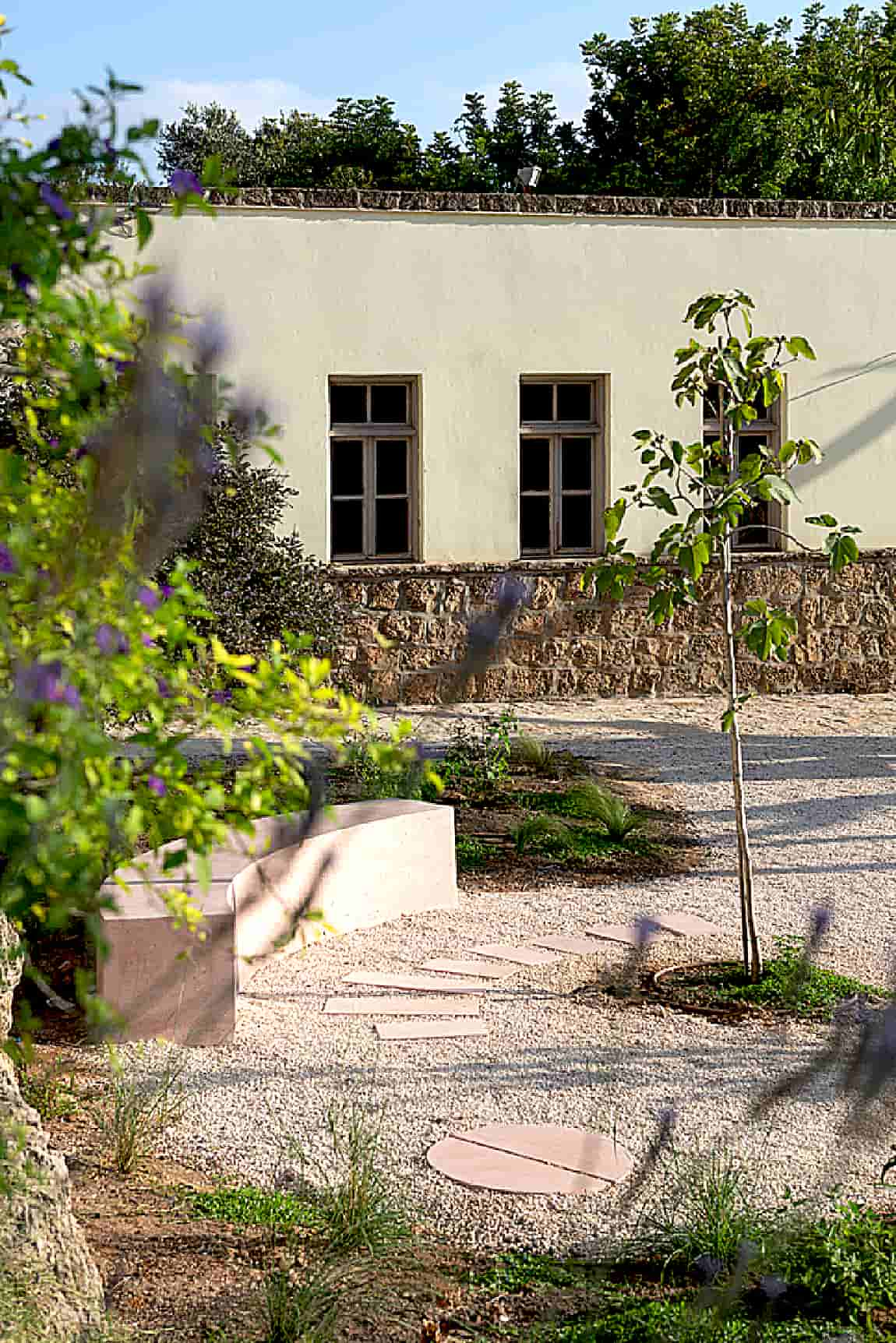
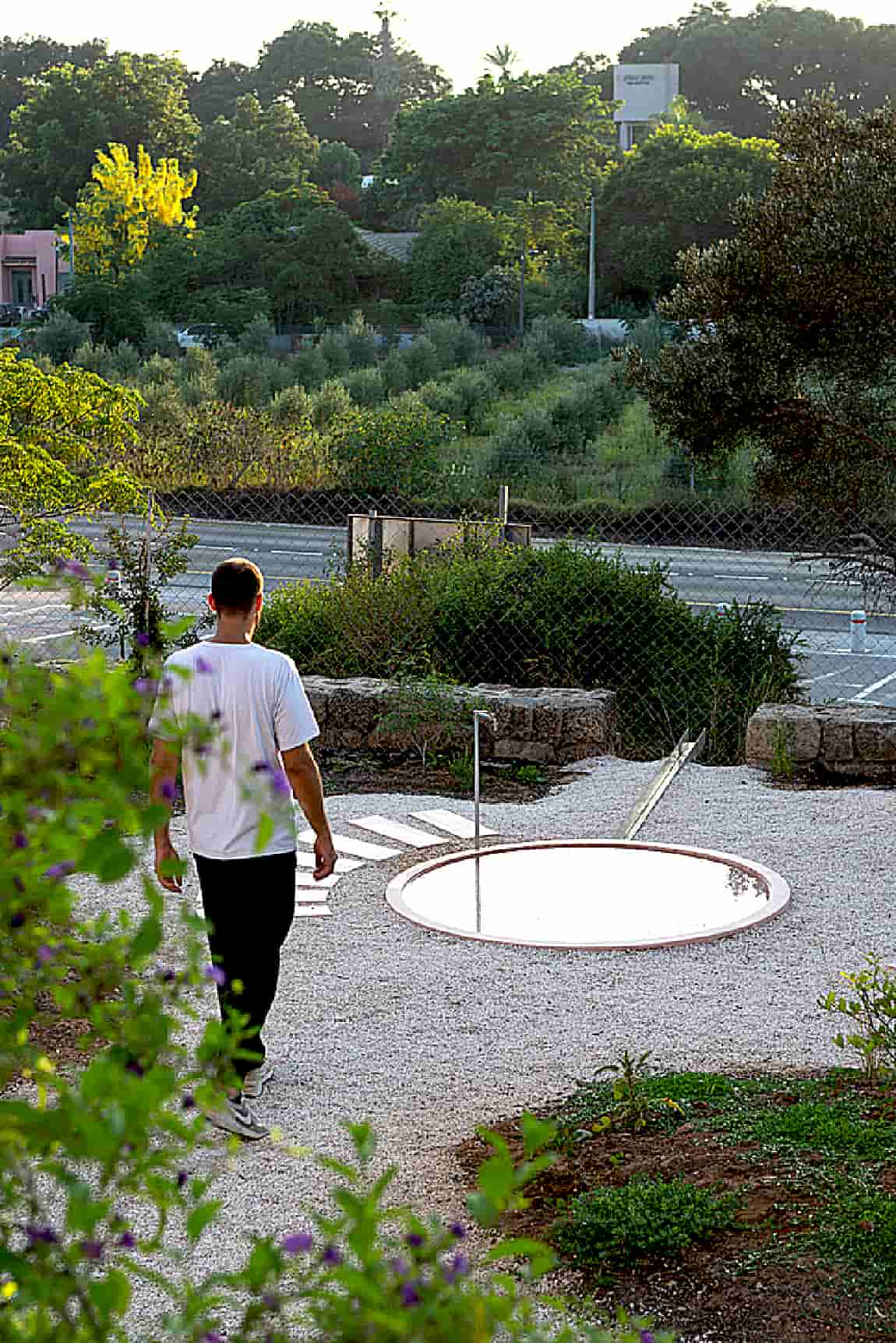
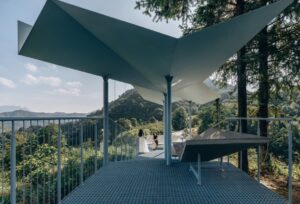
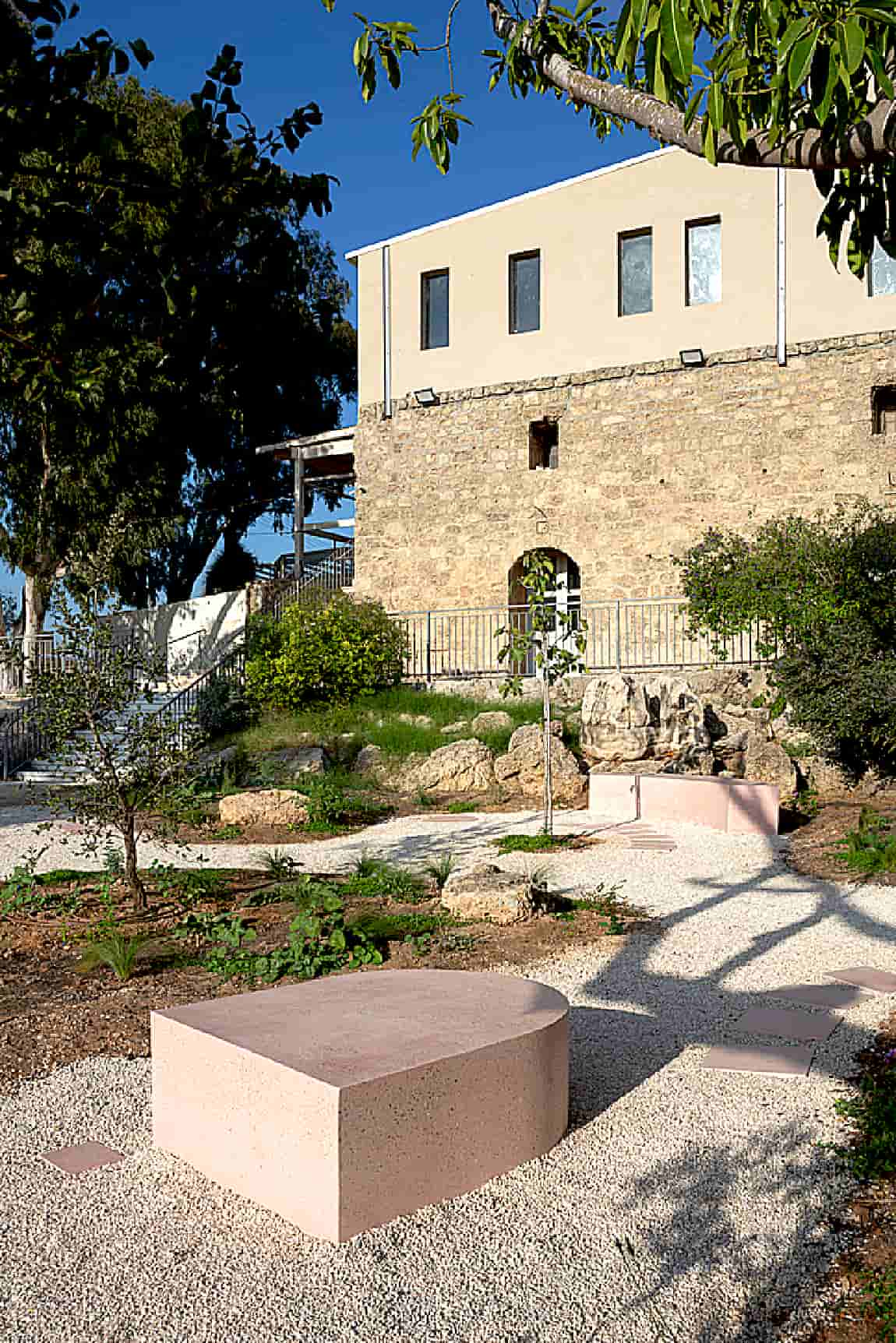
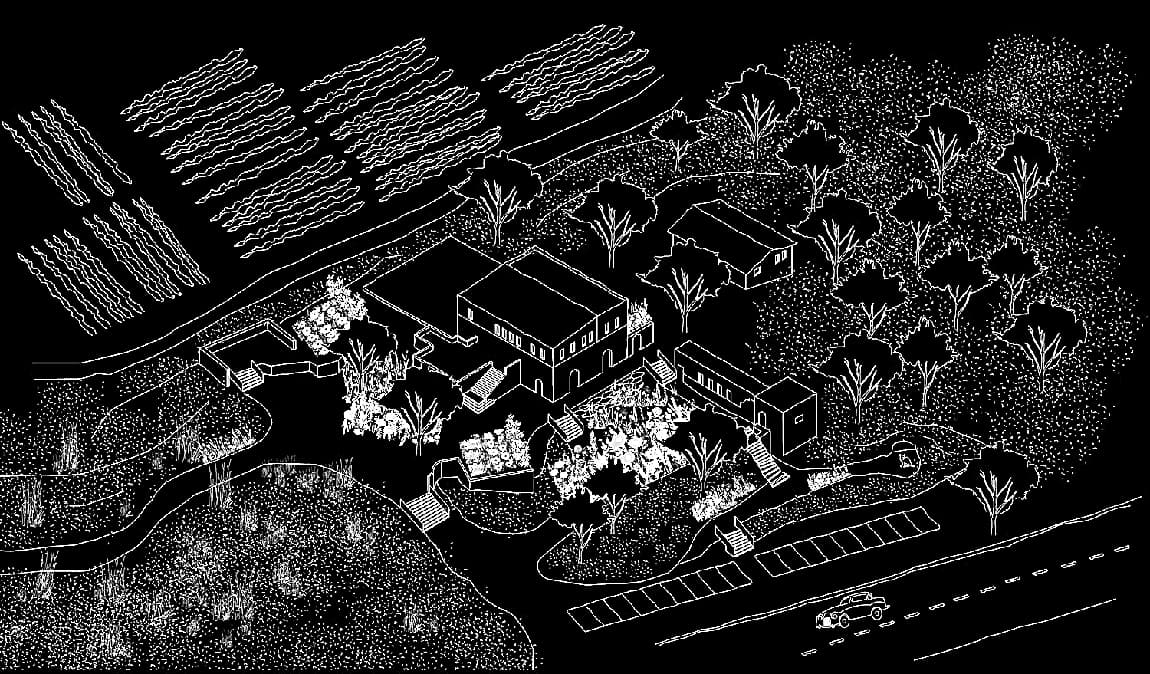
Beit Harishonim house sits on a limestone ridge in the grounds of Moshav Beitan Aharon and overlooks the views of theHefer valley. After years of being abandoned, the Hefer Valley Regional Council decided to open the house to the public and now after undergoing extensive renovation, the house has opened its doors as a local cultural and art center.
 

A Sustainable Common Ground Collective Garden


A Sustainable Common Ground Collective Garden


▎The Construction Process Into A Collective Effort


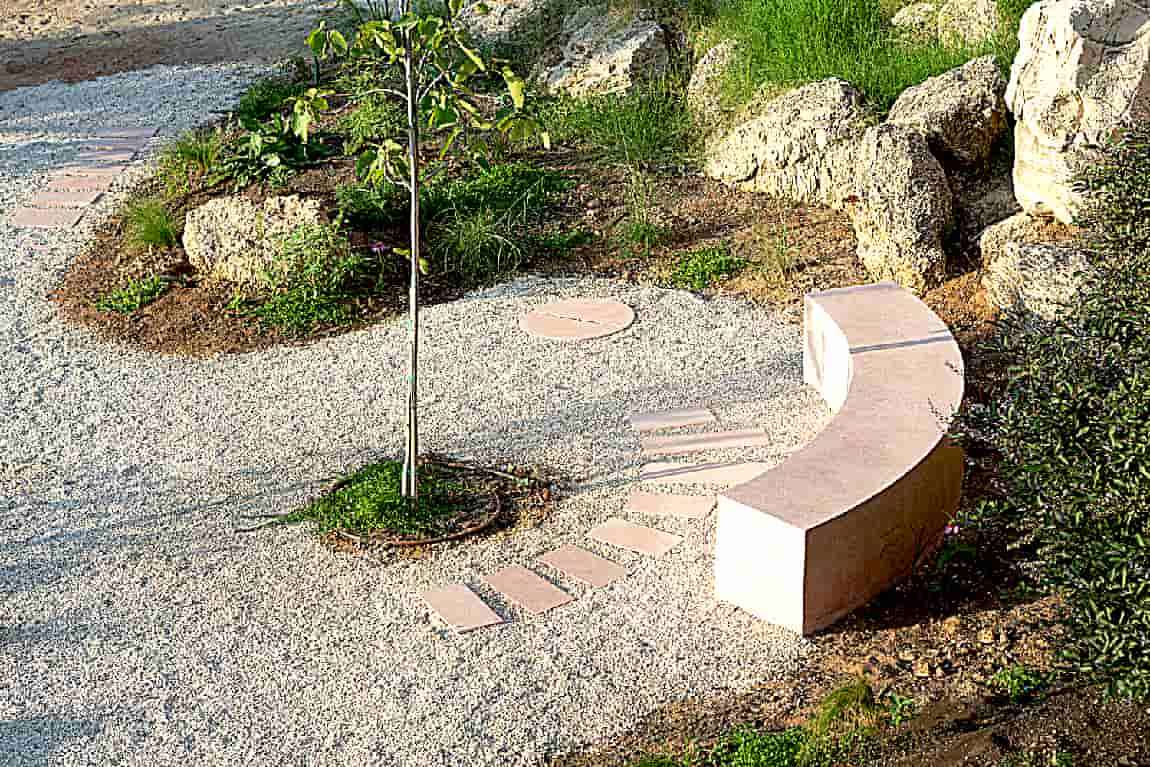
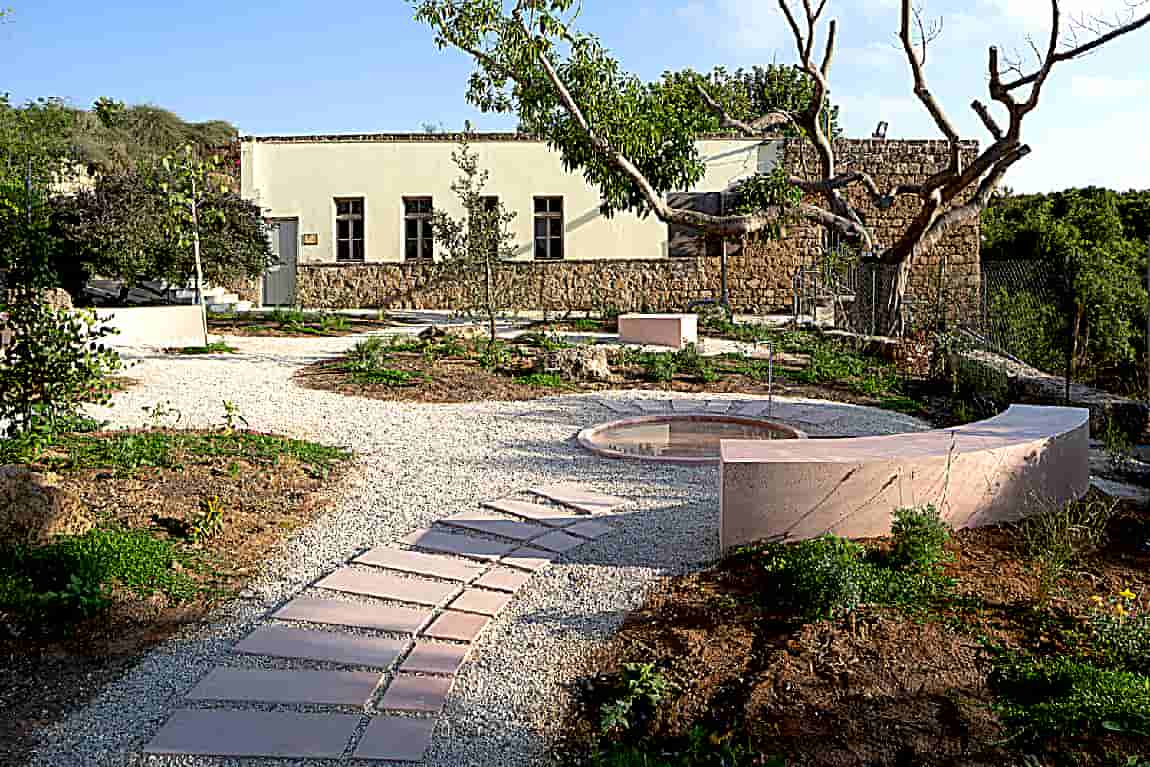
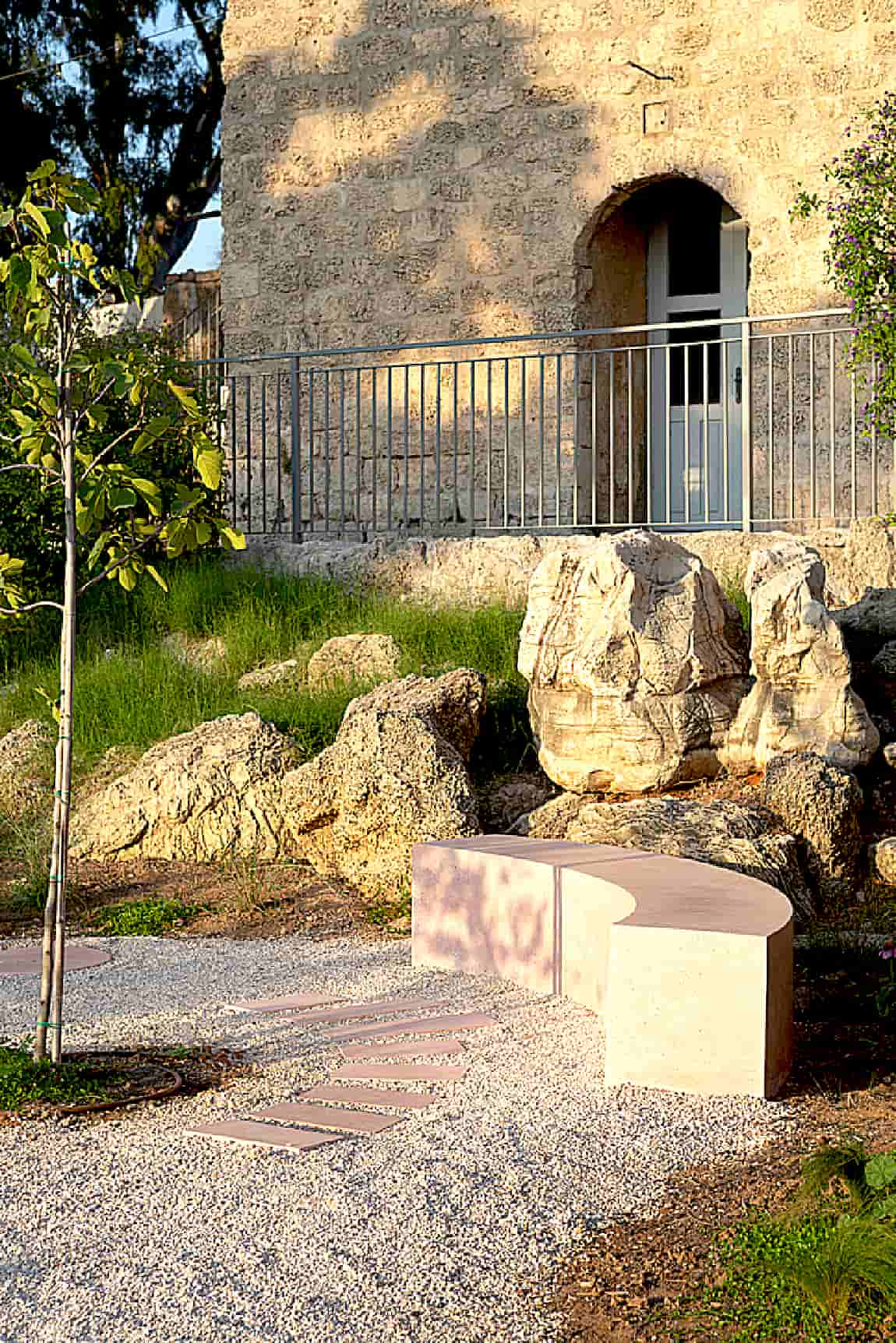
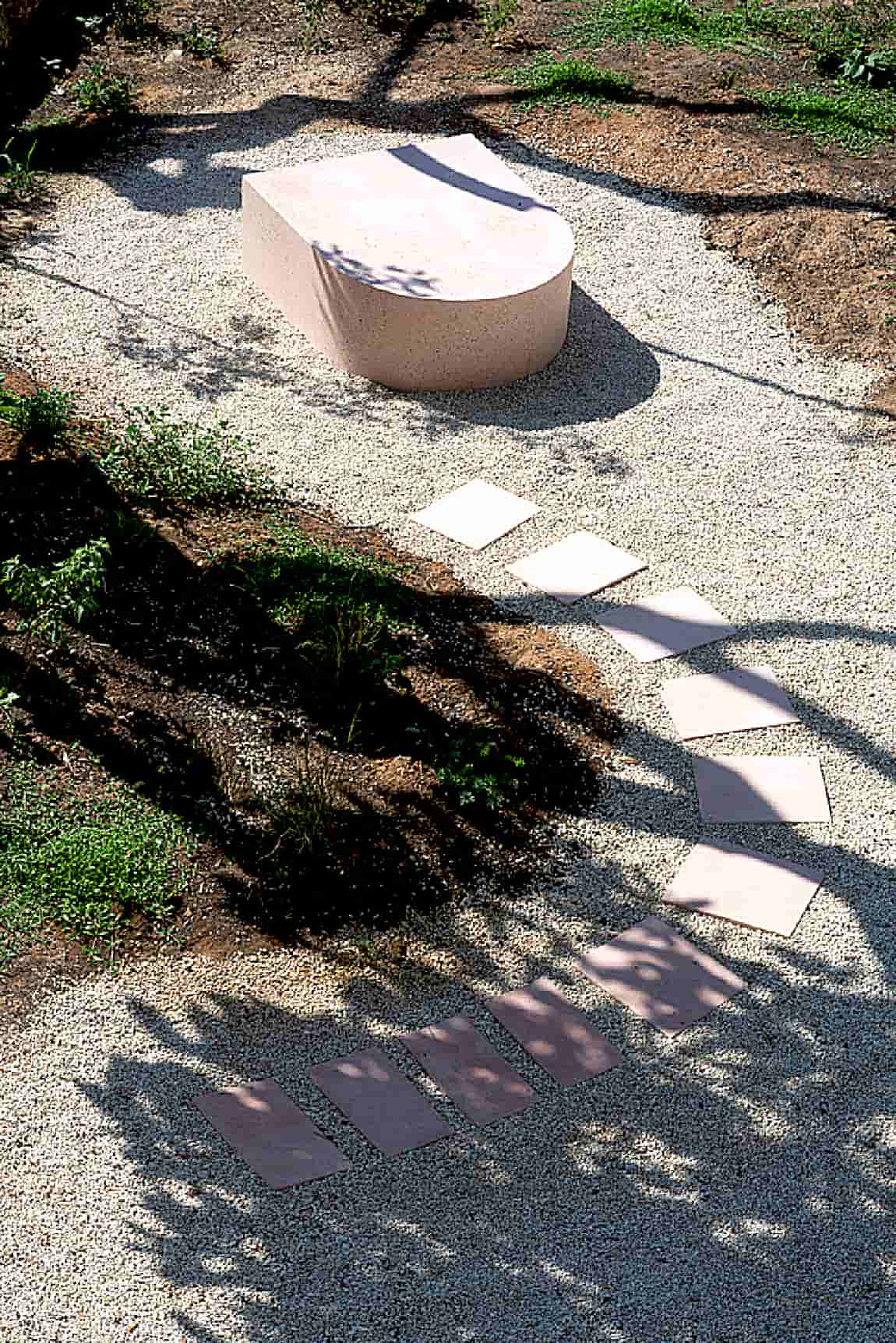
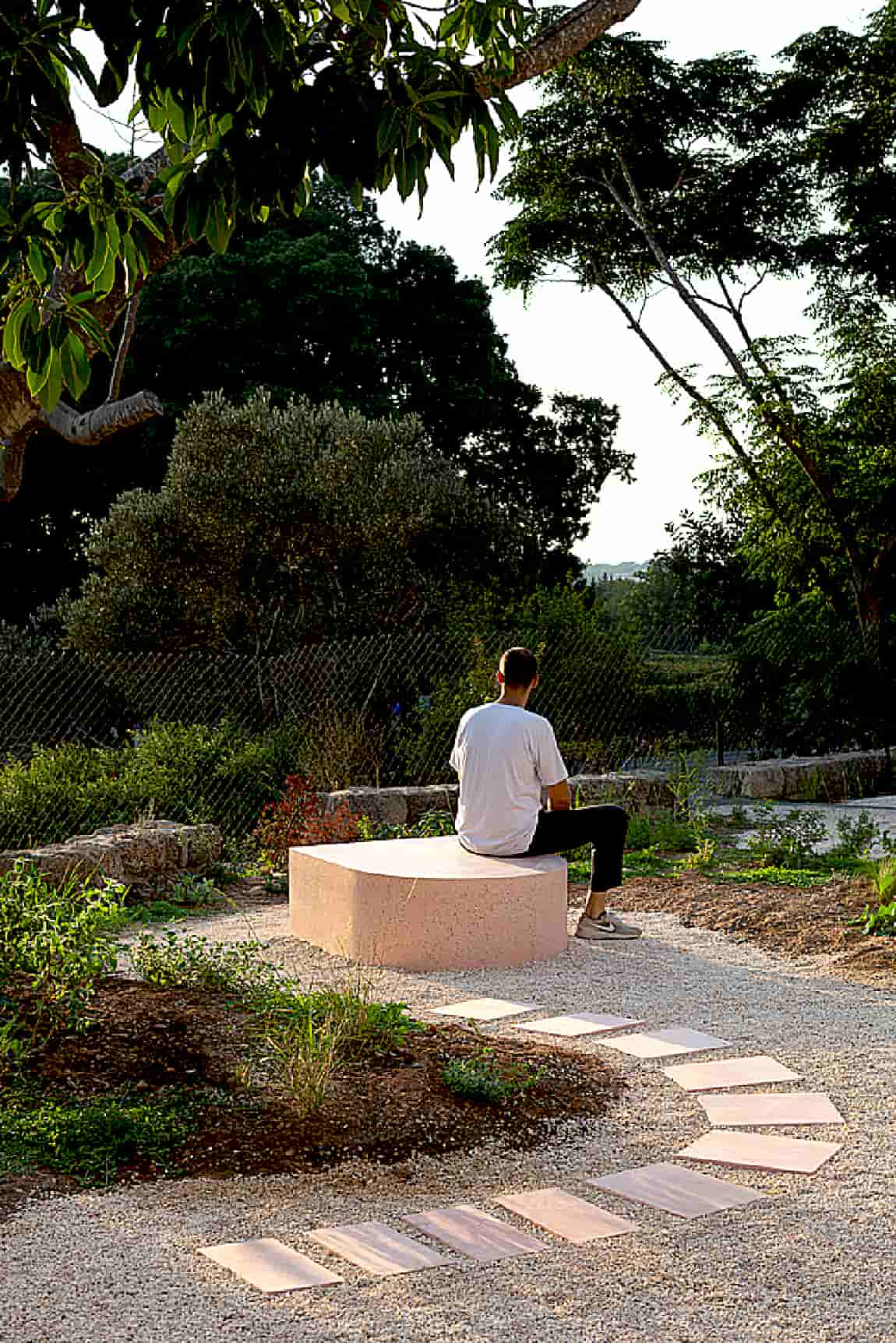
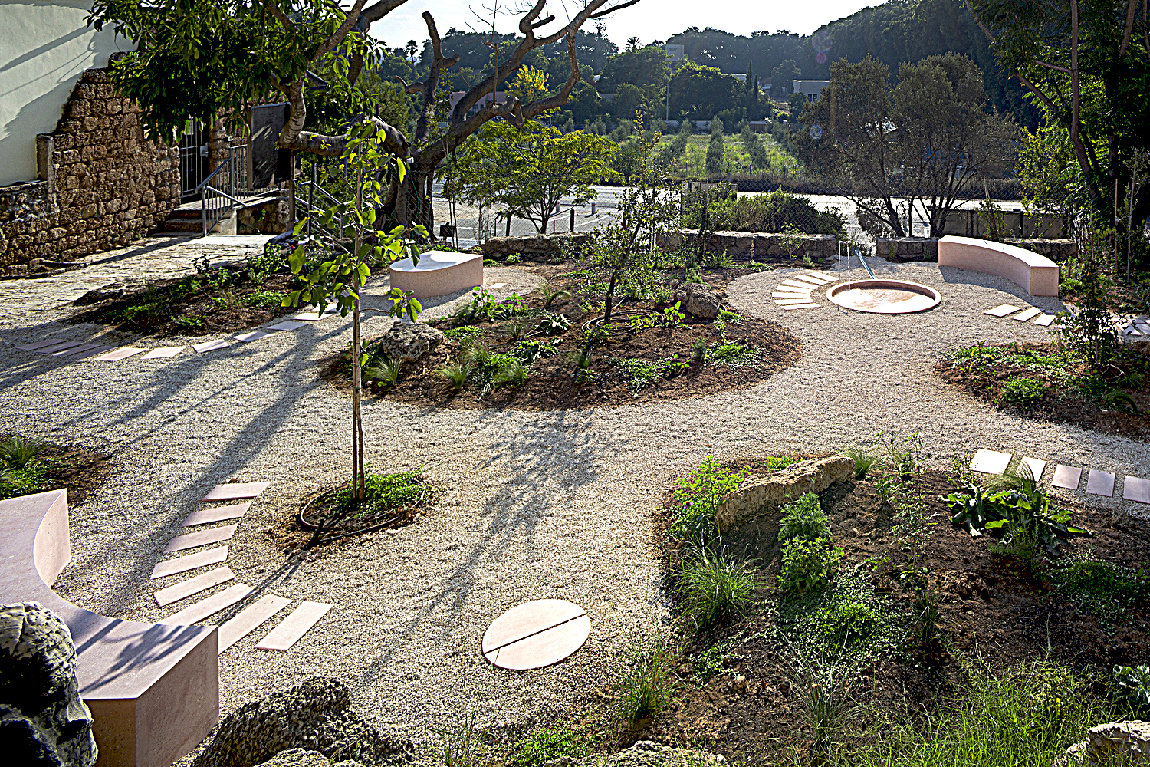
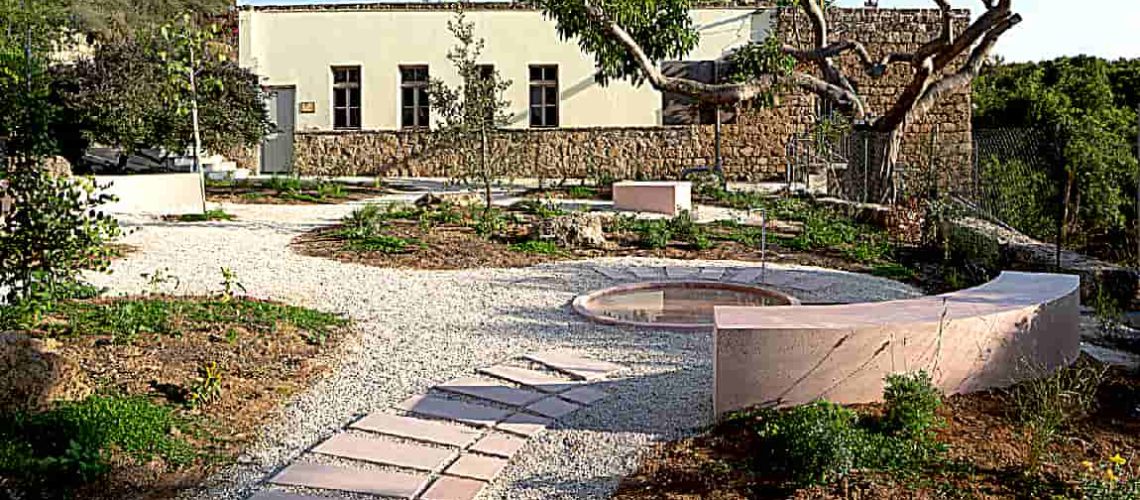
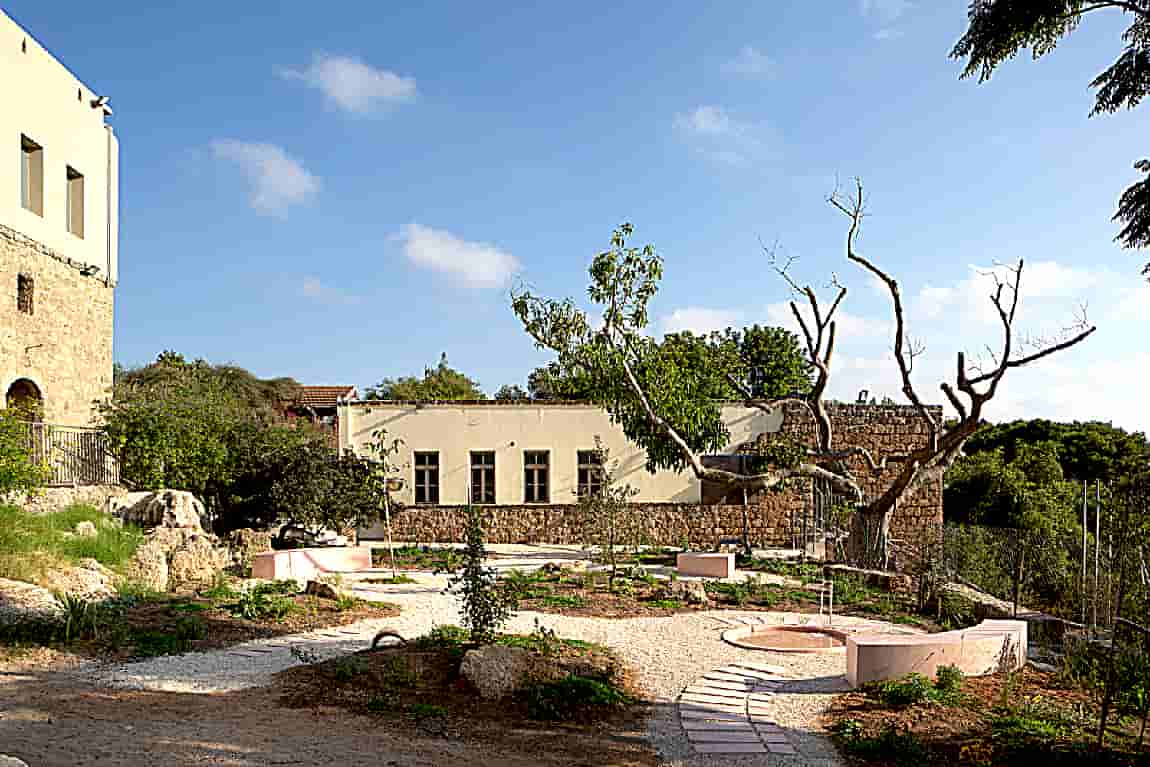
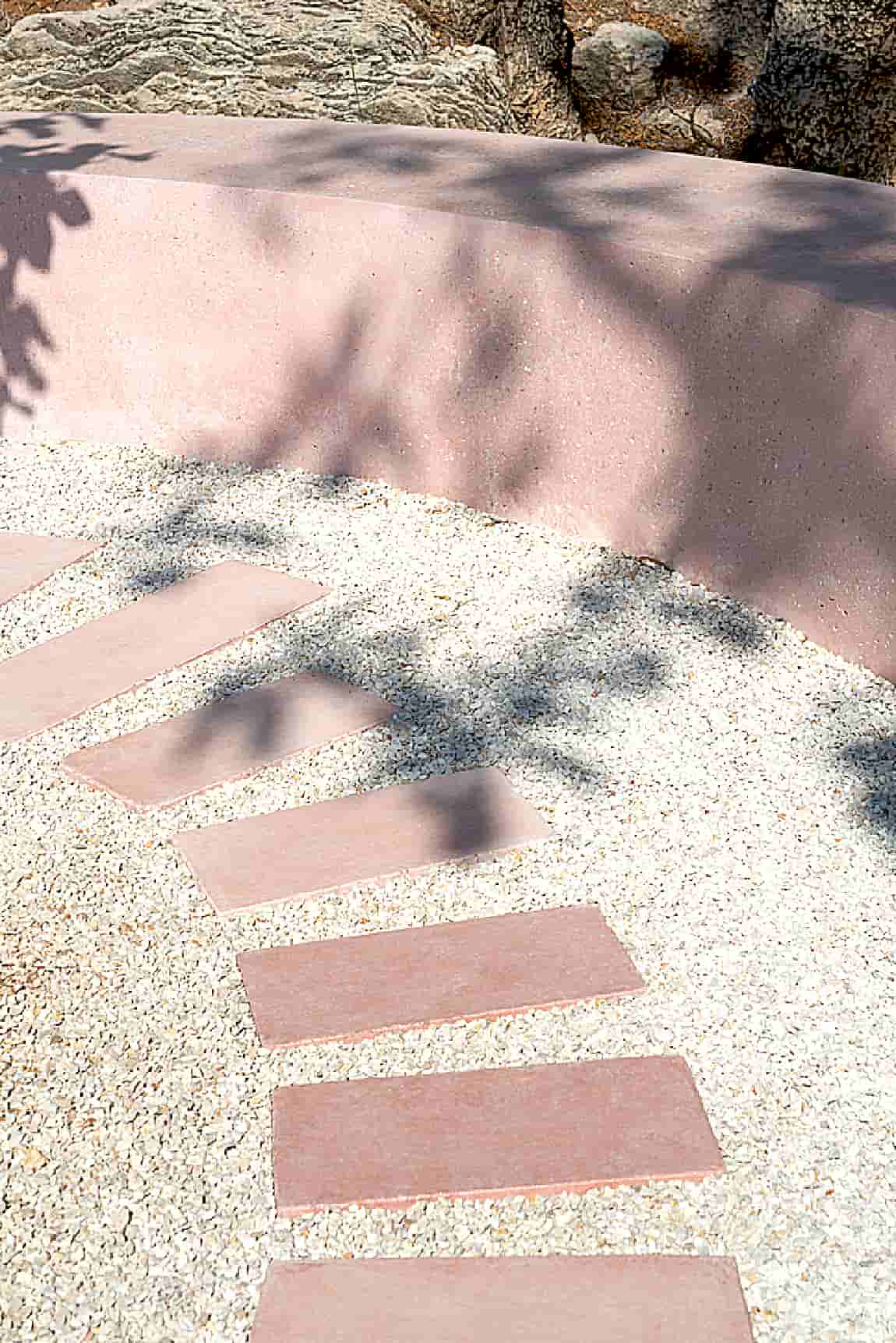
Common Ground Is a collective effort to transform the outdoor area of Beit-harishonim historic house into a cultivated garden.  More than a form or an object, Common Ground is a process. Instead of seeing the construction stage as an exclusive client-builder interaction, at the end of which a project is delivered as an object for the visitors to enjoy, the construction process for Common Ground was inclusive and was held in an open-to-all construction site.  Using open calls and publications to local communities, nearby residents have joined the build process; together we tightened the ground, cast concrete benches, planted wild plants, and turned ‘the construction process into a collective effort’ in which gardening is an ongoing project.
 

A Sustainable Common Ground Collective Garden


A Sustainable Common Ground Collective Garden


▎The water—elements


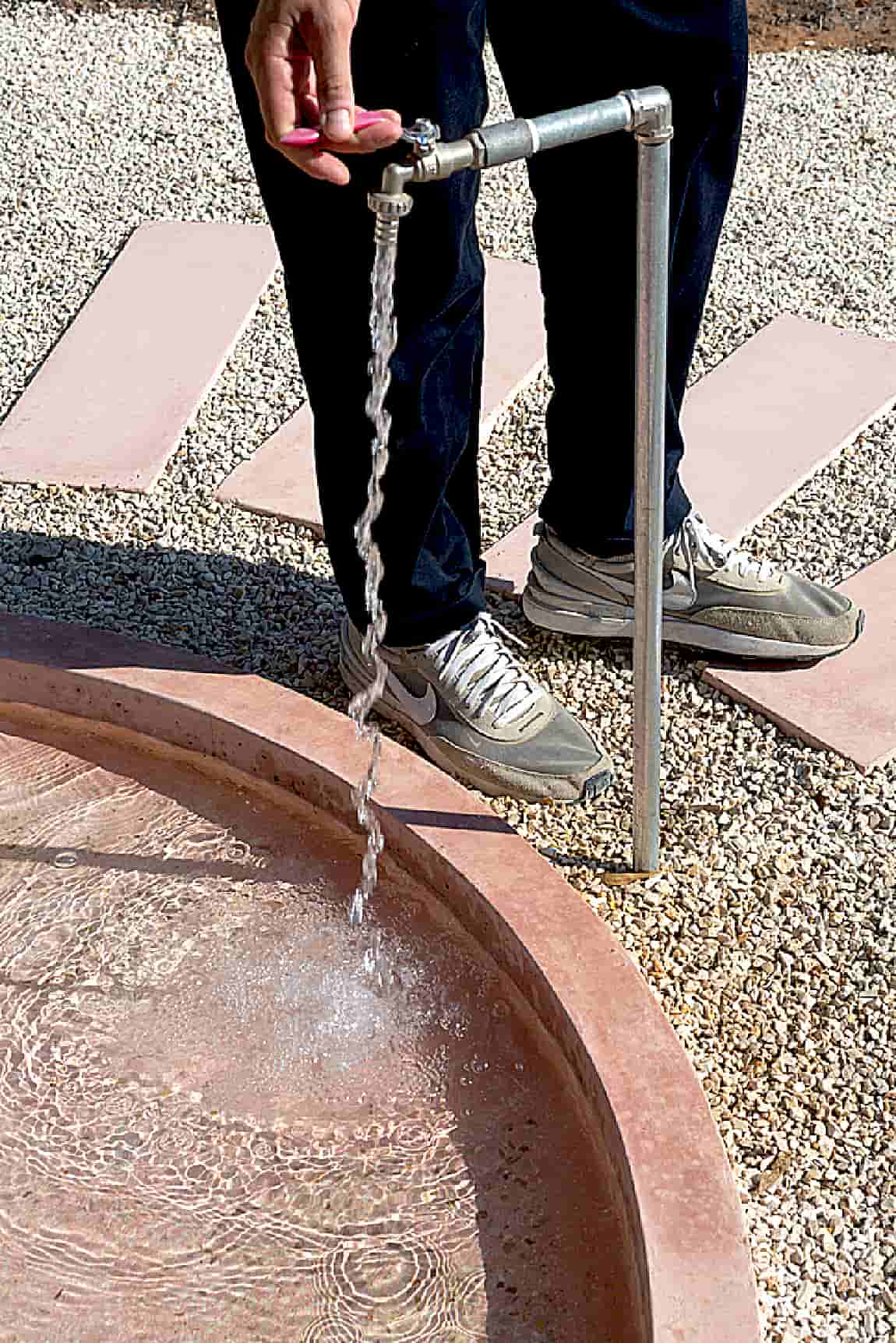
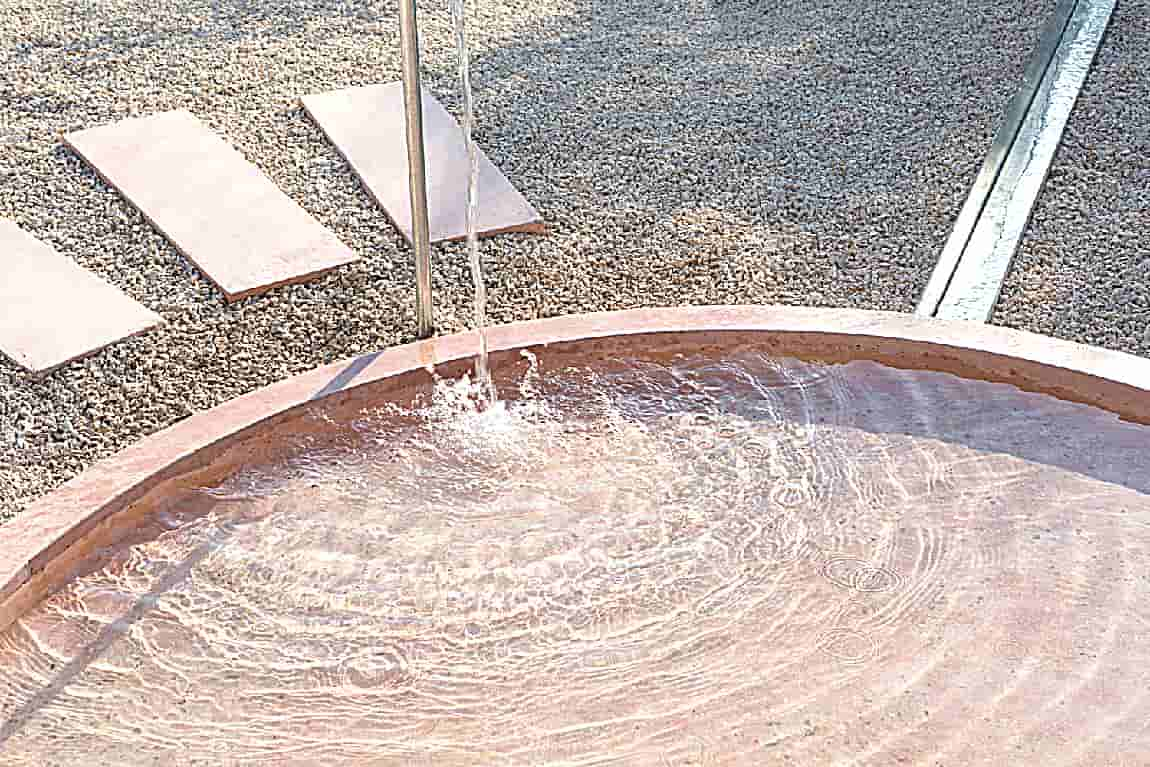
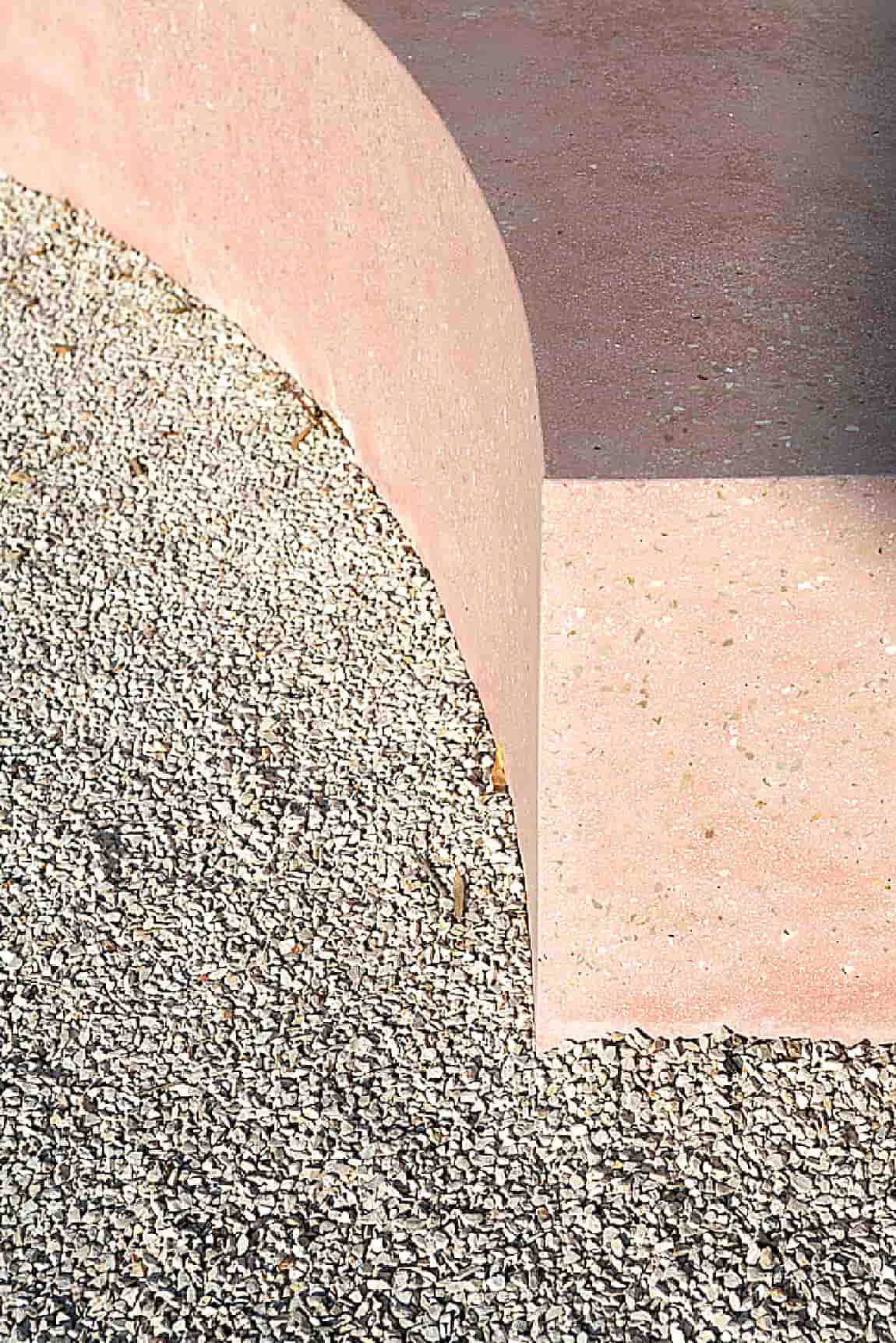
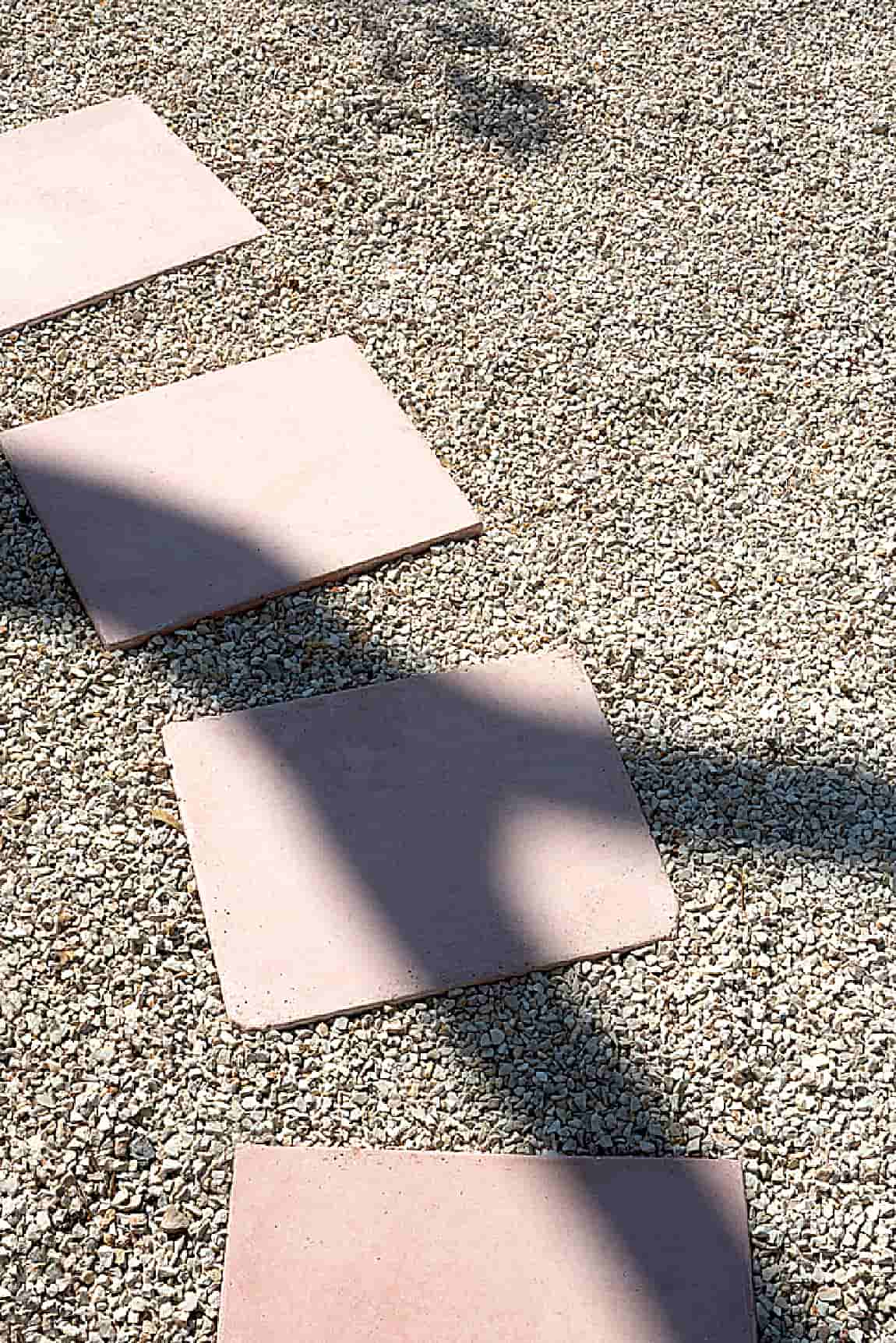
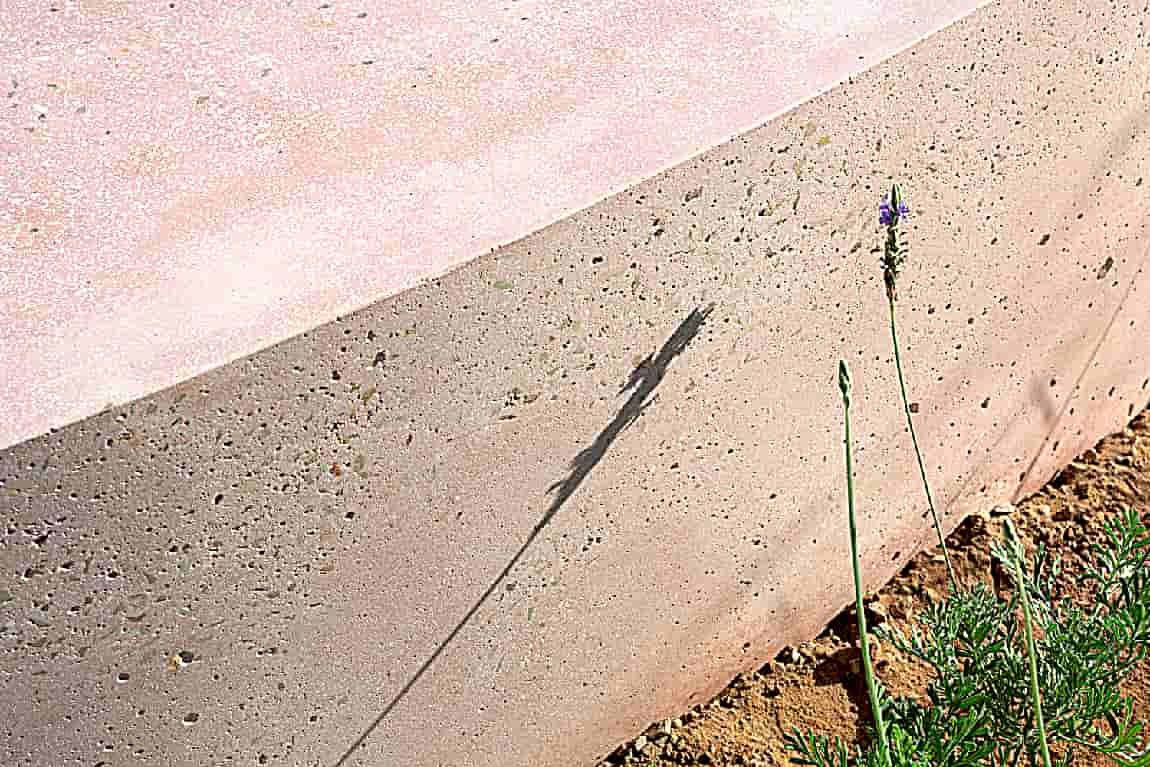
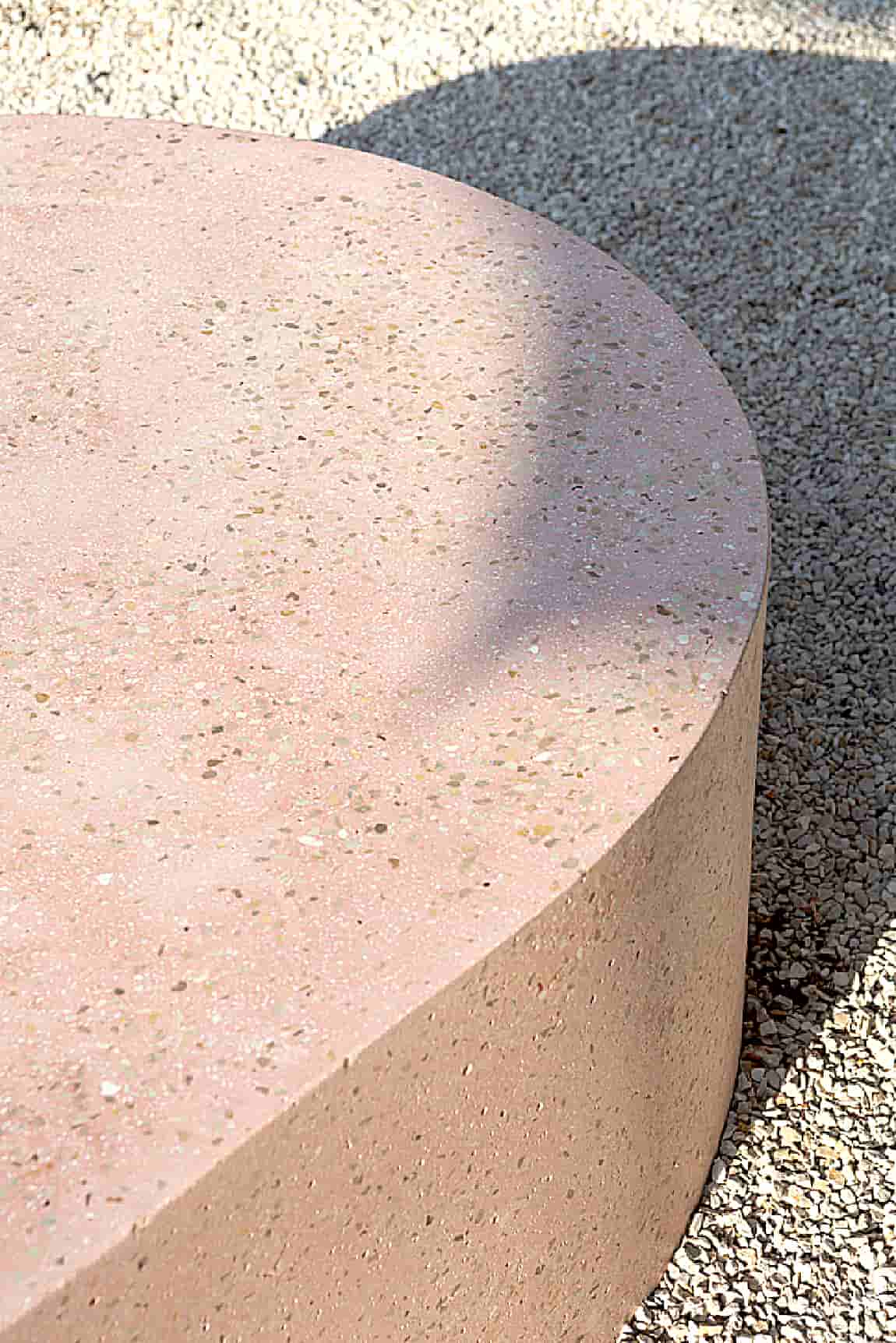
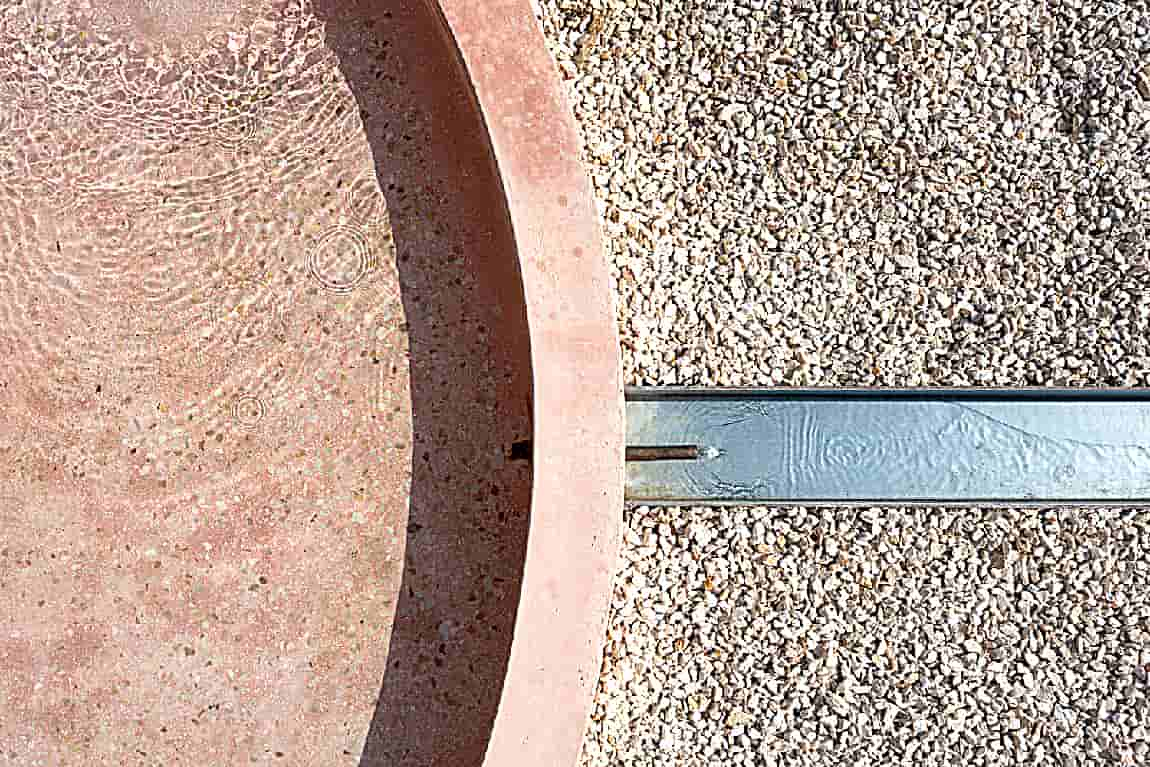
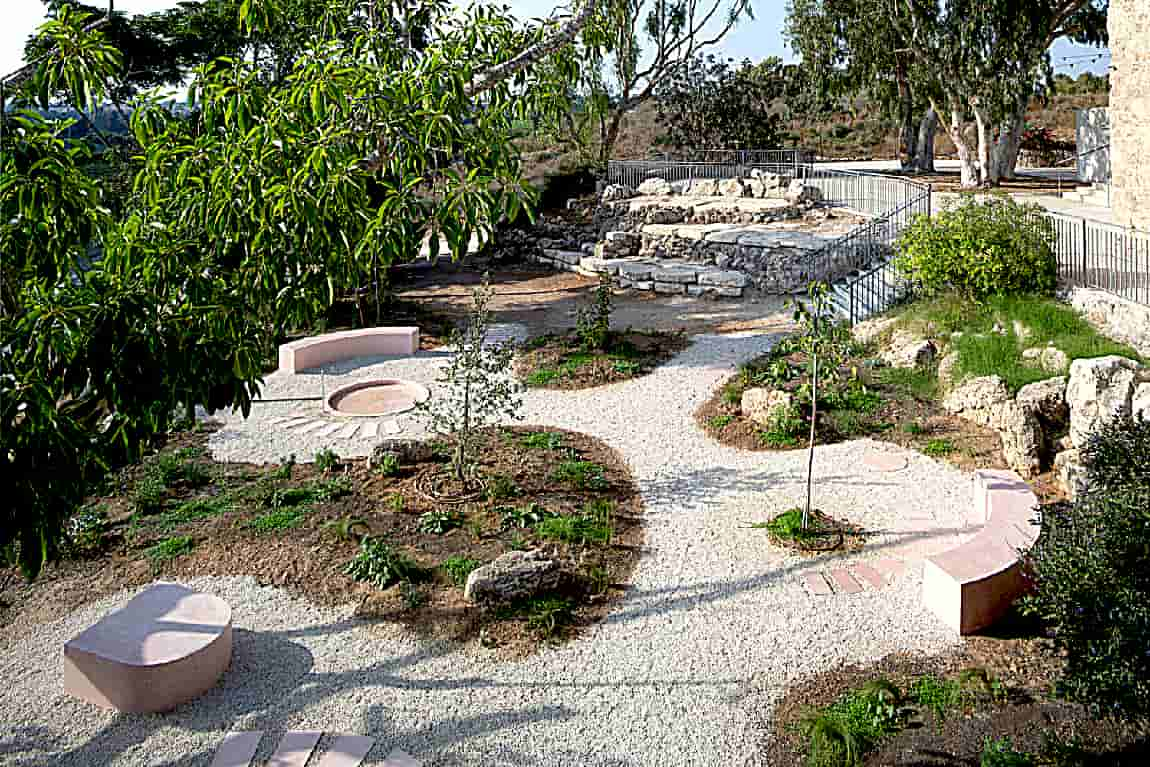
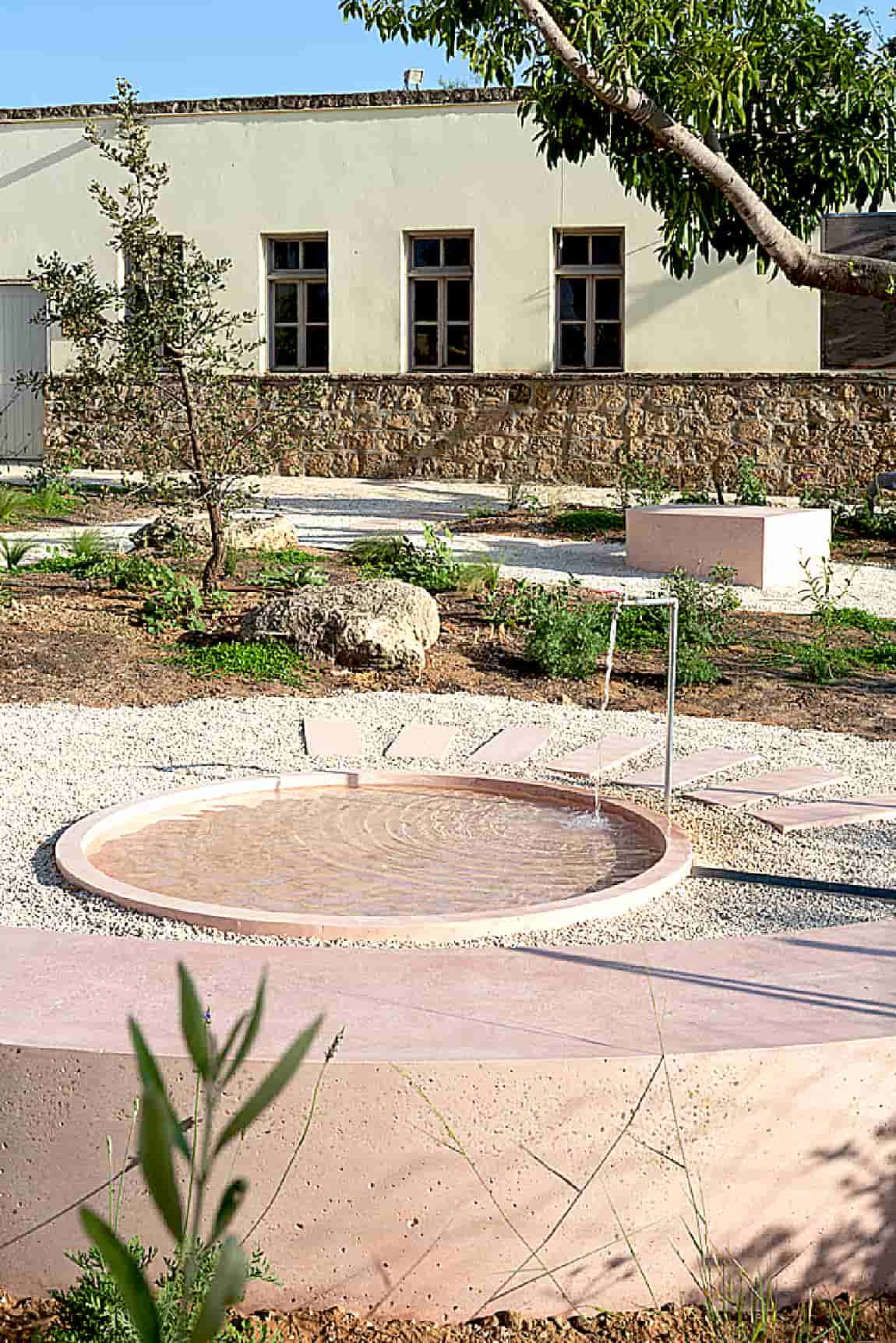
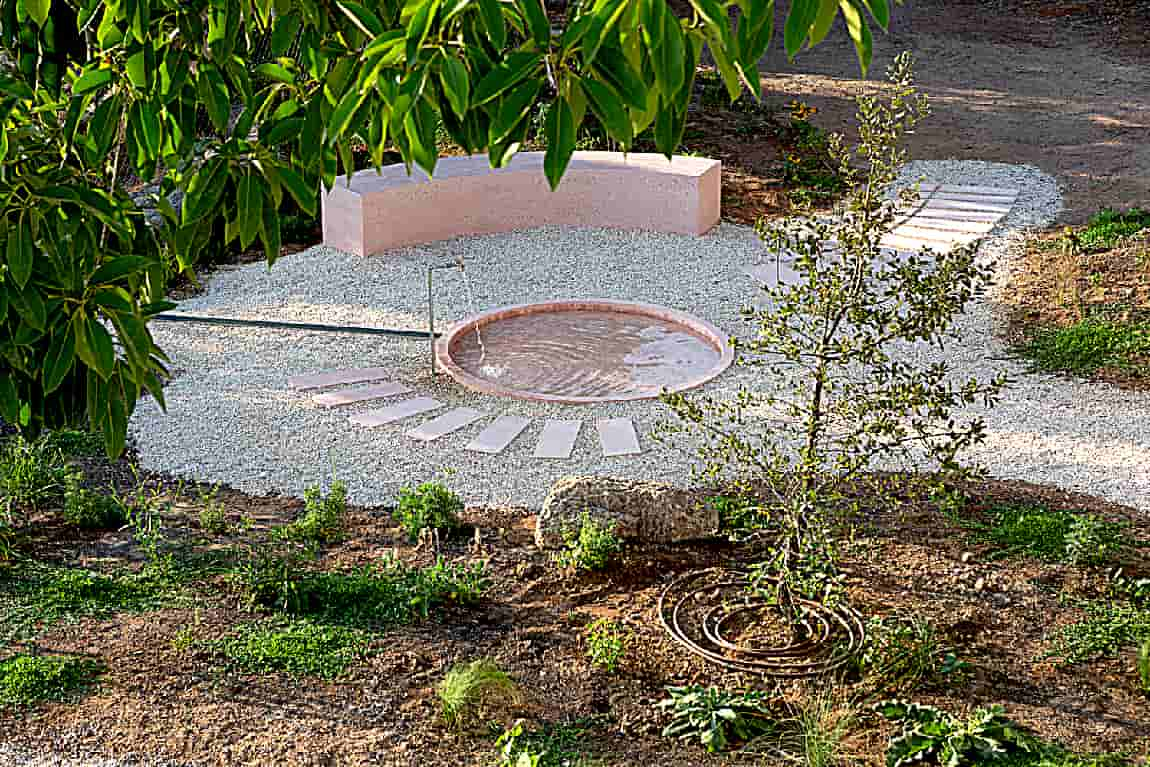
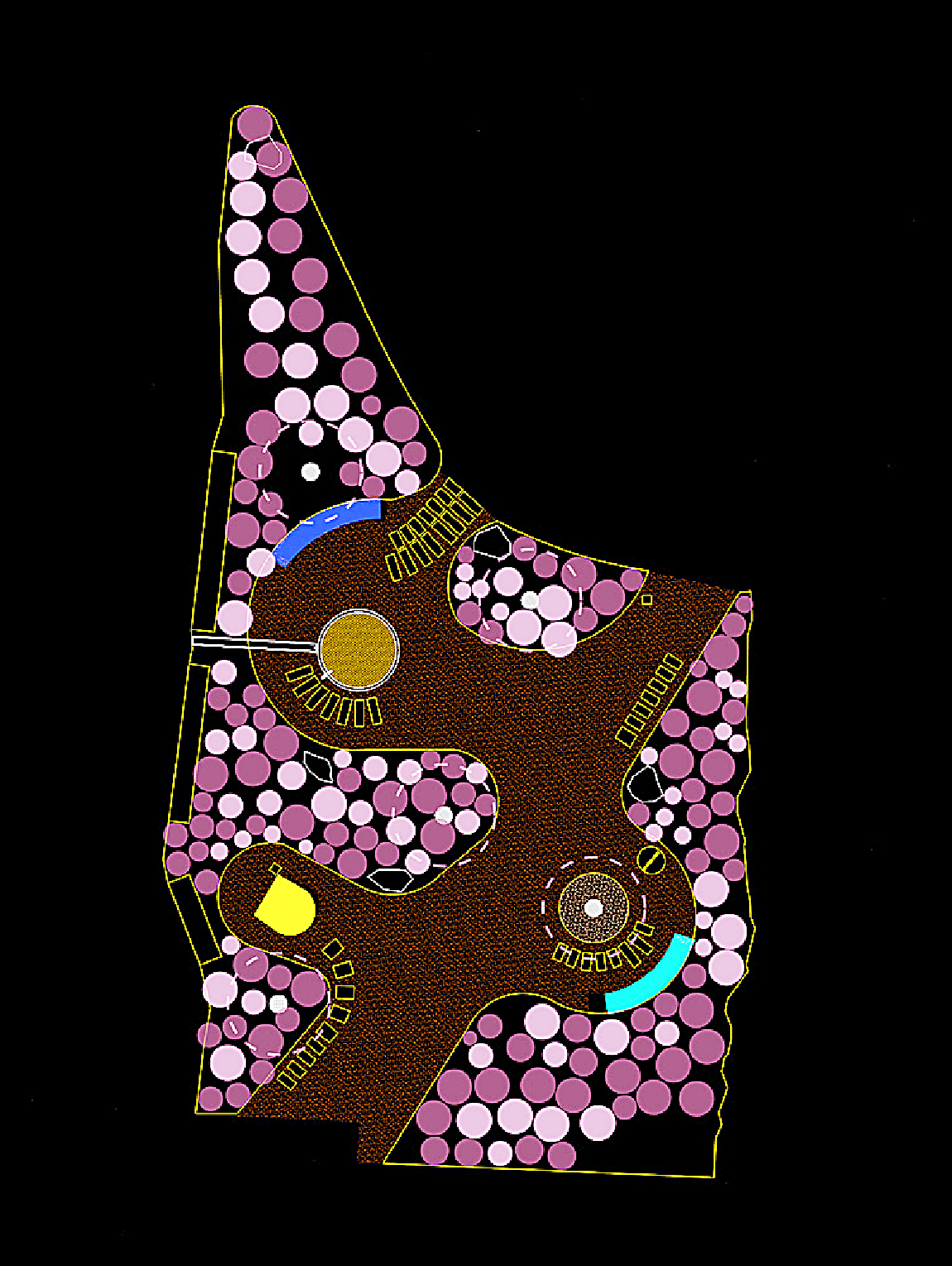
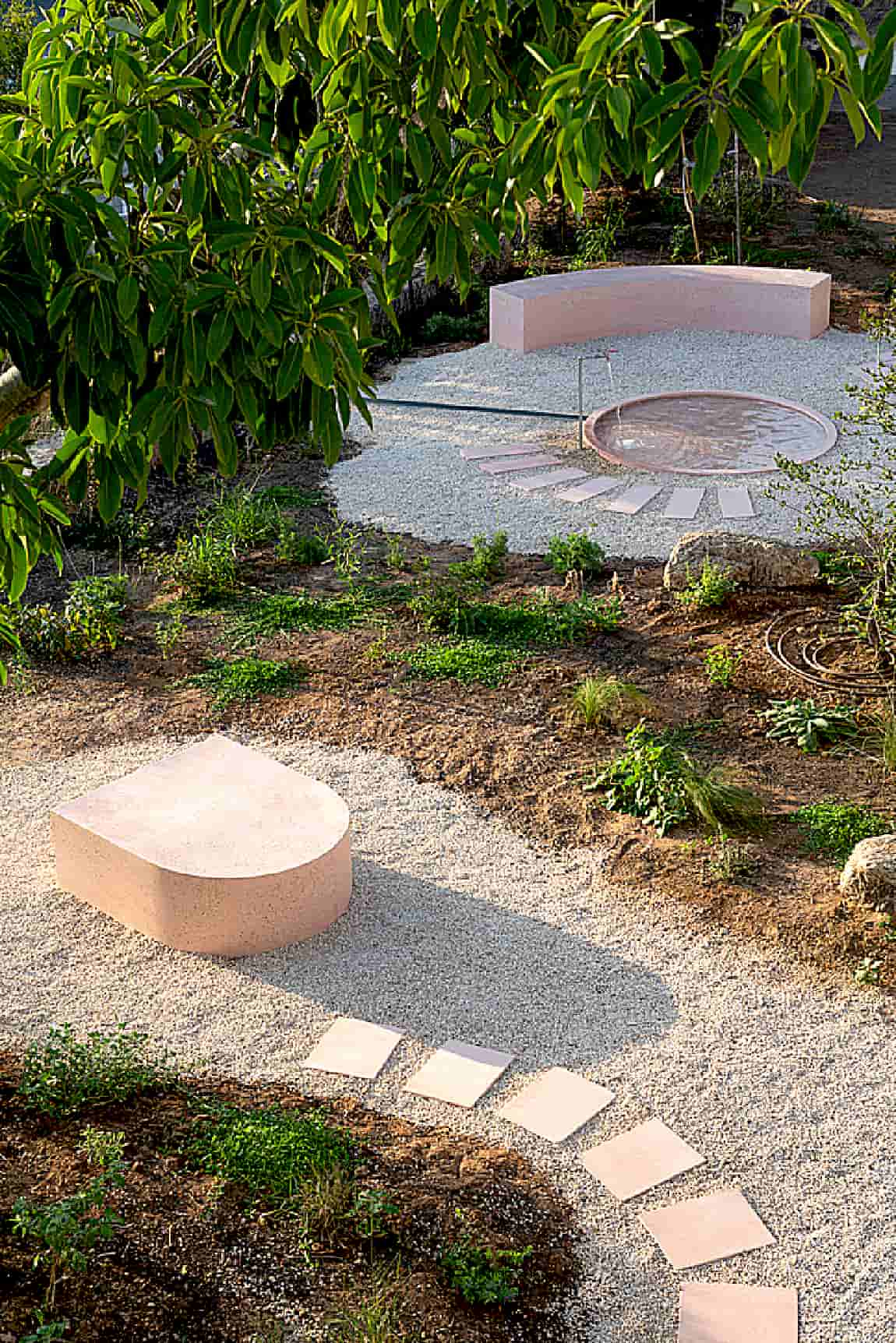
The layout of the garden is a condensed pocket-sized English garden with a main path that diverges into smaller paths and hidden seating areas. Each area is positioned to offer a different view of the nearby landscape while making room for a bold custom concrete-cast terrazzo element. While the first two concrete elements are intimate benches, the third is a ghost element referring to a relic from the past; a reflection pool referring to the old 18th-century water pool which led water to the eastern slope, towards the fields.
 

A sustainable common ground collective garden


A sustainable common ground collective garden


▎The Interaction Space Also Has A Wild Plants Atmosphere


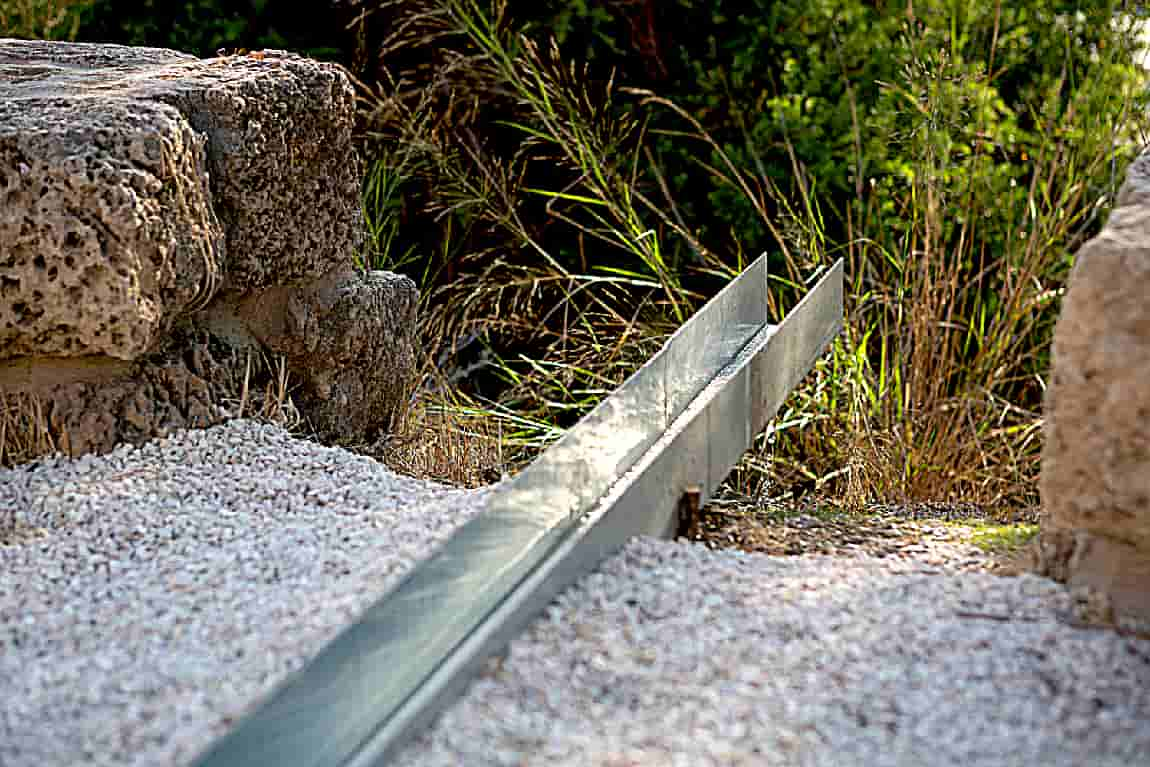
The new pool makes place for a possible play and interaction between people, animals, and plants and drains the water to the western slope, where wild plants will grow and serve as the entranceway to the house. Along the garden paths, five trees were planted in order to supply shade and fruits for visitors.  Almost all plants that were planted in the garden are local wild plants that characterize the surrounding area of Hefer Valley, while a small number of culture plants were used to bring about multi-seasonal blossoms.
 

A sustainable common ground collective garden


A sustainable common ground collective garden


A sustainable common ground collective garden


A sustainable common ground collective garden


A sustainable common ground collective garden


A sustainable common ground collective garden


A sustainable common ground collective garden


A sustainable common ground collective garden


A sustainable common ground collective garden


A sustainable common ground collective garden


A sustainable common ground collective garden


A sustainable common ground collective garden


A sustainable common ground collective garden


A sustainable common ground collective garden


A sustainable common ground collective garden


A sustainable common ground collective garden


A sustainable common ground collective garden


Om onvervangbaar te zijn, moet je altijd anders zijn.
Er zijn fascinerende beelden hier, en de fascinerende dag van samen!  xo
─────────────────────────────────────────────────────
Per essere insostituibili bisogna sempre essere diverso.
Ci sono immagini affascinanti qui, e l’affascinante giornata di insieme!  xo KanikaChic

材料如何被石油體系重新定義

材料從來沒有中性過,只是我們習慣把它當作中性。 混凝土、鋼、玻璃——它們被討論時,總是停在強度、結構或形式。但那只是最後一層。 在那之前,它們已經被決定過很多次。 材料之所以看起來中性,是因為大部分決策已經在它出現之前完成。當我們開始討論材料時,其實已經太晚。     石油的影響並不止於能源供應,它進一步進入建築的物質層,重新塑造了我們對材料的理解,使材料不再只是被選擇與組合的元素,而是與能源體系緊密連動的結果,其生成、性能與使用方式都在石油系統的框架之中被重新定義。     材料在這樣的條件下不再被視為中性的建築構成元素,而是帶有明確來源與技術背景的產物,從塑膠、塗料、防水層到各類合成材料,其背後皆指向石油提煉與化工工業的生產鏈,使建築的物質基礎逐漸從天然轉向人工合成,這種轉變不僅改變了材料的物理性能與施工方式,也使材料本身成為一種可被標準化、複製與大量生產的結果,並在其生成與應用的過程中,逐漸依賴於隱藏地下的基礎設施與能源系統,進而影響建築形式與空間表現的可能性,使設計不再完全由形態決定,而是受制於材料系統的供應與限制 隨著這些材料被廣泛應用於建築之中,空間的生成邏輯也隨之發生改變,輕量化、高強度與高延展性的特性使結構得以突破原有的限制,建築可以更快速地搭建與擴張,同時也更加依賴隱藏於表面之下的材料層次來維持其功能,然而這些看似提升效率與性能的材料,實際上將建築更深地嵌入石油體系之中,使其在生命週期的每一個階段都與能源消耗與資源轉換緊密相連,從生產、運輸到維護與替換,都構成了一個難以脫離的依附關係 當材料被納入這樣的系統之後,建築便不再只是設計者操作的結果,而是成為一種由能源、技術與工業流程共同塑造的產物,其物質性不再純粹,而是混合了多重不可見的生產過程與資源流動,使我們難以單純以形式或功能來理解建築本身,而必須進一步追溯其背後的材料來源與生產邏輯,才能看見這些看似穩定的構成元素,實際上如何在石油體系之中被持續生成與重構   這些物質層面的轉變,最終仍回到同一個問題——建築如何在能源與基礎設施的系統之中被持續塑造與運作。     來源 材料來自哪裡,其實比它長成什麼樣子更重要。 開採、運輸、加工,每一個環節都在消耗能量,也在重新分配成本。這些過程不會出現在圖面上,但它們決定了什麼可以被建造。 Material is not chosen, it is

Sabrina Bockler的怪誕畫作中,富裕階層的風俗場景爆發成混亂

Sabrina Bockler 的怪誕畫作中,富裕階層的風俗場景爆發成混亂

布麗娜・博克勒(Sabrina Bockler)的繪畫介於奢華與失序之間,畫面表層是上流階層的日常景觀:精緻的餐桌、繁複的花卉、被完美佈置的室內空間,色彩濃烈而充滿戲劇性。然而,這些看似優雅的場景隨即崩解——雙頭鵝、被翻攪的食物、貓狗闖入畫面,以及角色若有似無的凝視,使秩序逐漸滑向混亂。博克勒以怪誕細節製造心理縫隙,讓觀看成為一種不安的體驗,也隱約揭示了富裕表象下潛伏的權力、焦慮與失衡感。

Facebook
Twitter
LinkedIn
Tumblr
0 0 votes
Article Rating
Subscribe
Notify of
guest
0 Comments
Oldest
Newest Most Voted
Inline Feedbacks
View all comments
Search