A Raintree House Nestled Within the Chamchuri Forest

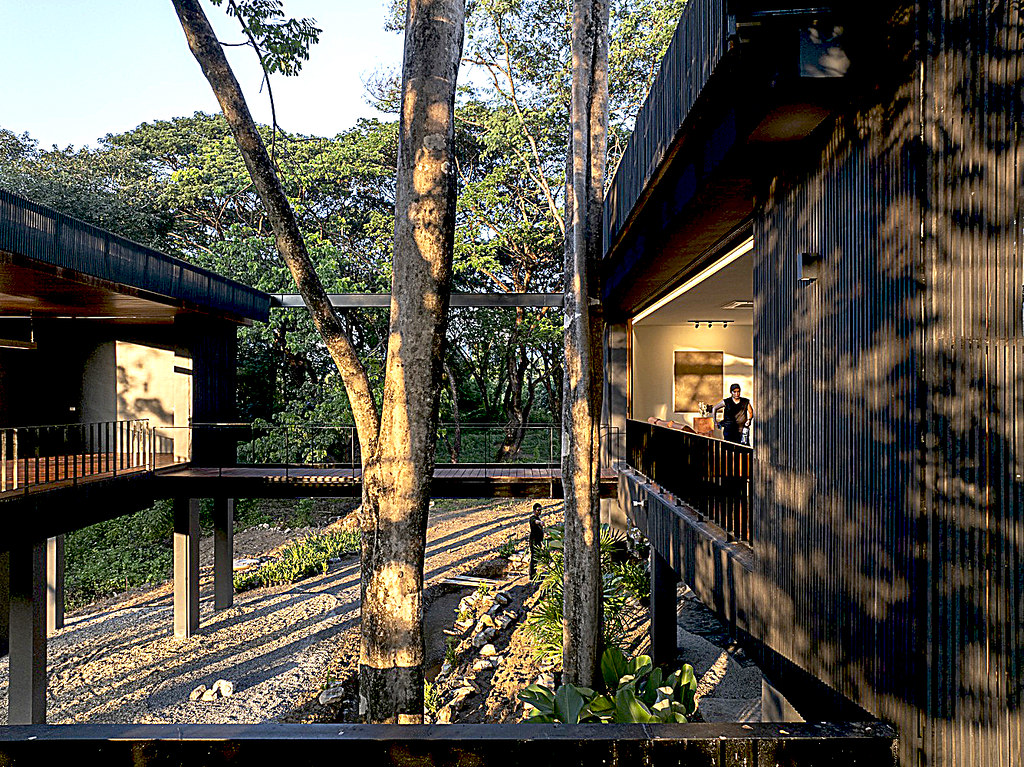
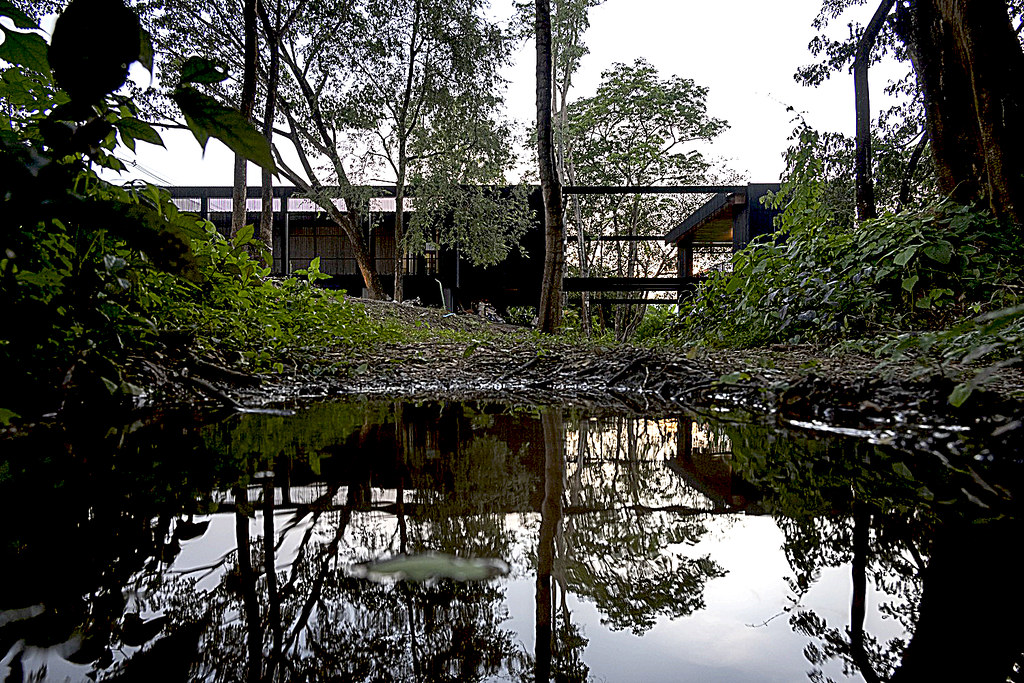
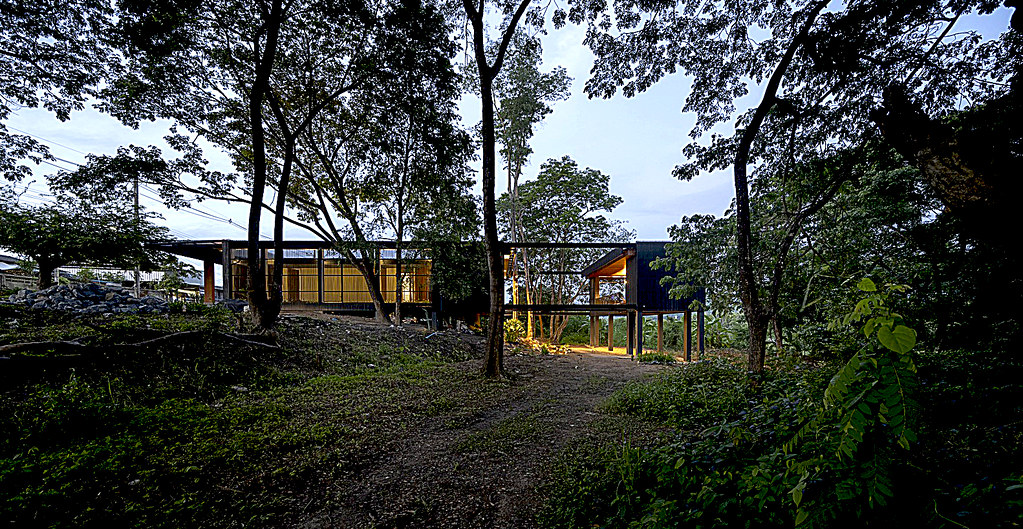
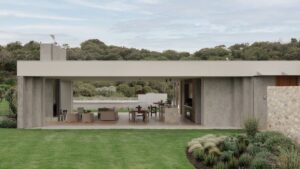
Raintree House surrounded by Chamchuri forest in Chiang Mai, Thailand
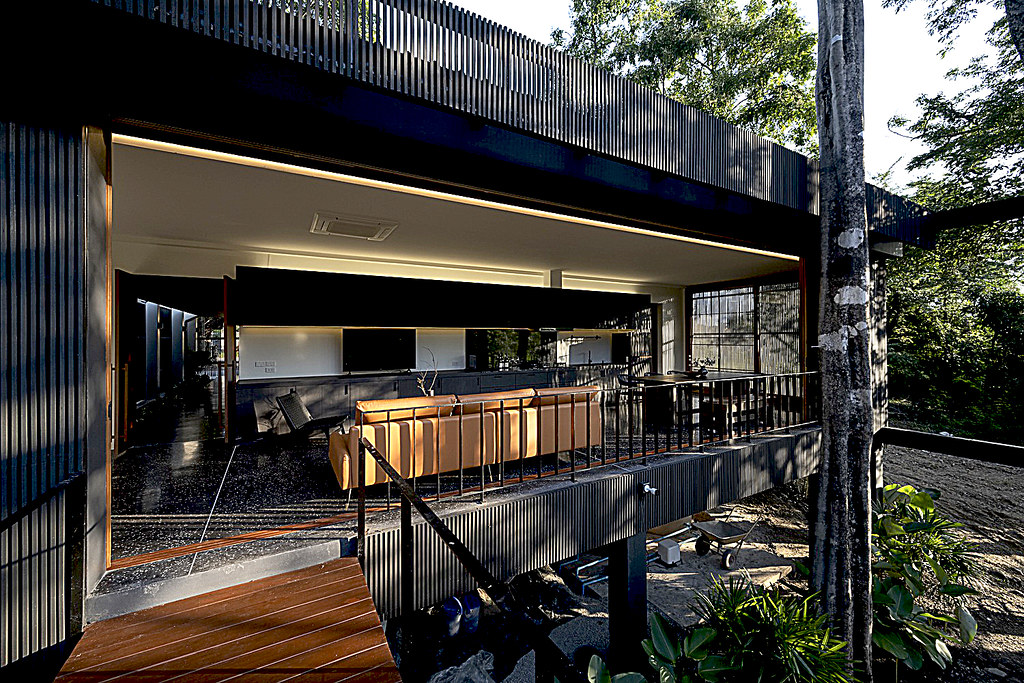
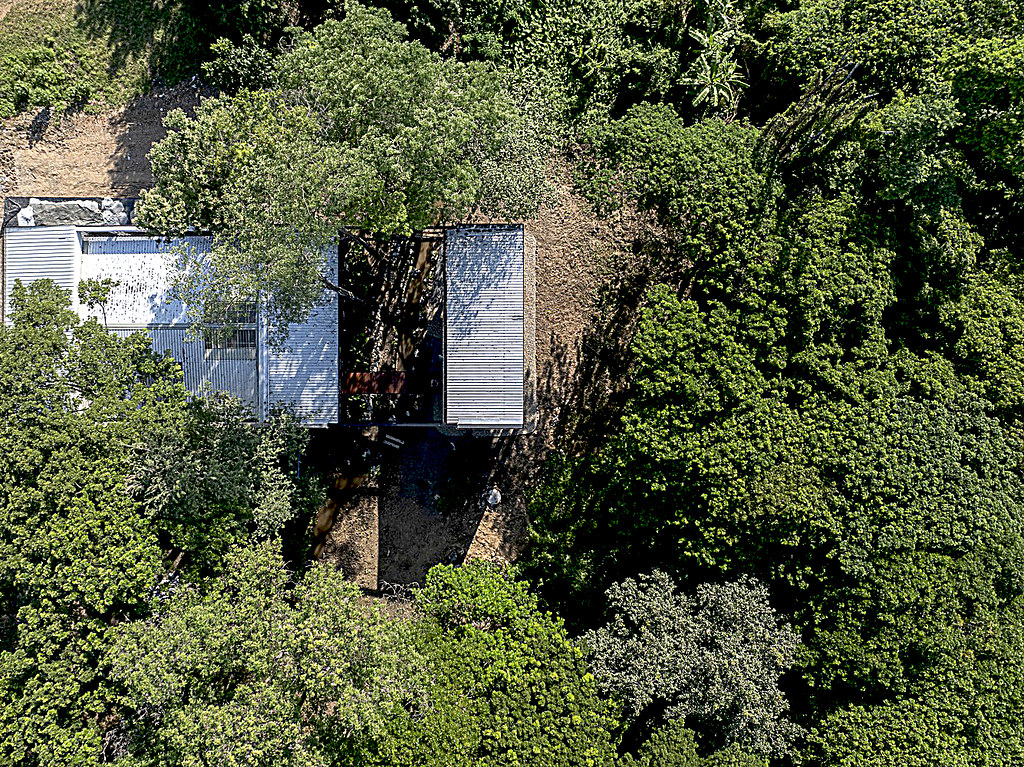
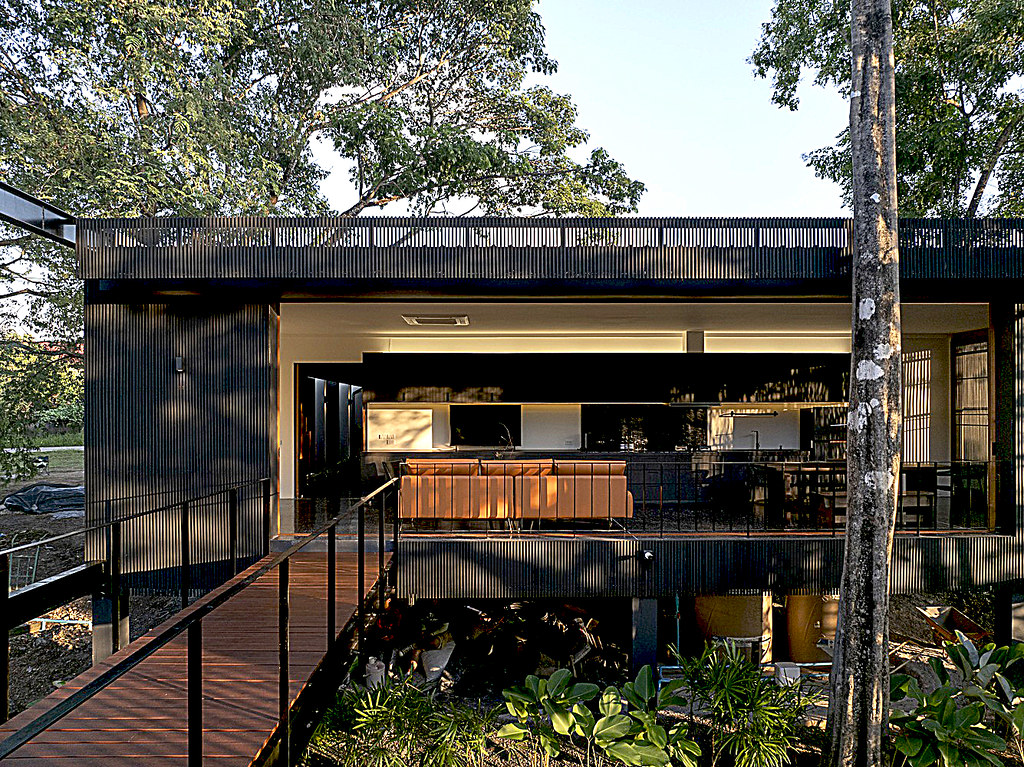
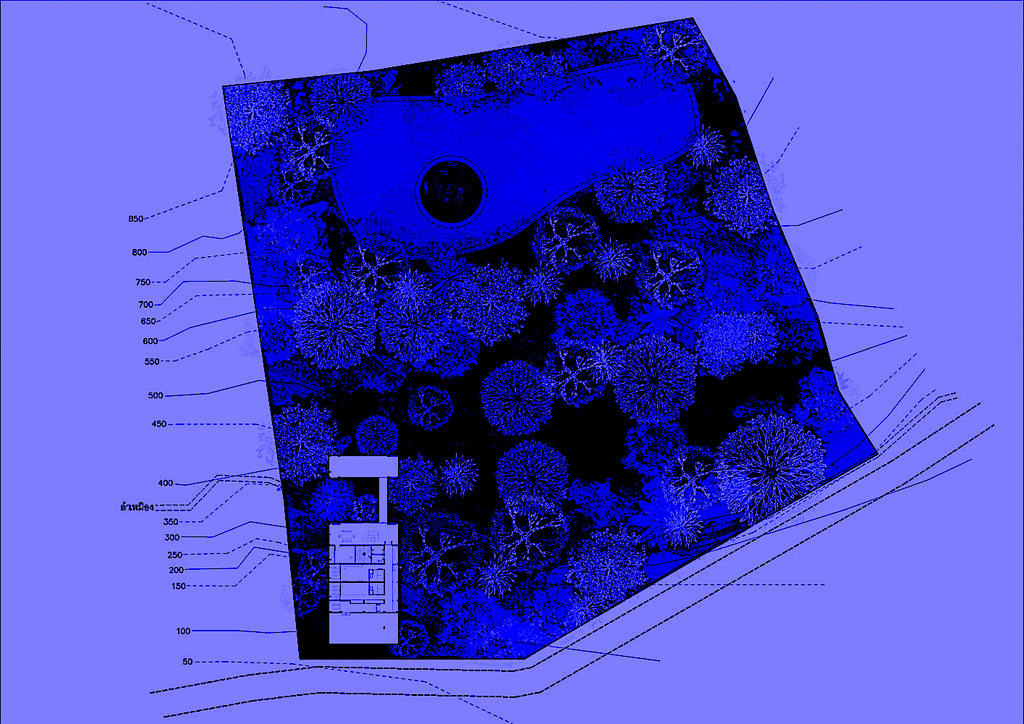
Nestled within a dense Chamchuri forest in Chiang Mai, Raintree House was conceived with a commitment to preserving the site’s natural ecosystem. Rather than imposing on the landscape, the residence is carefully positioned among existing trees, allowing the forest, stream, and surrounding environment to remain largely untouched while creating a peaceful retreat immersed in nature.


1_01-02top-jomthong-raintree-house_w1


A Quiet Observatory Within Nature

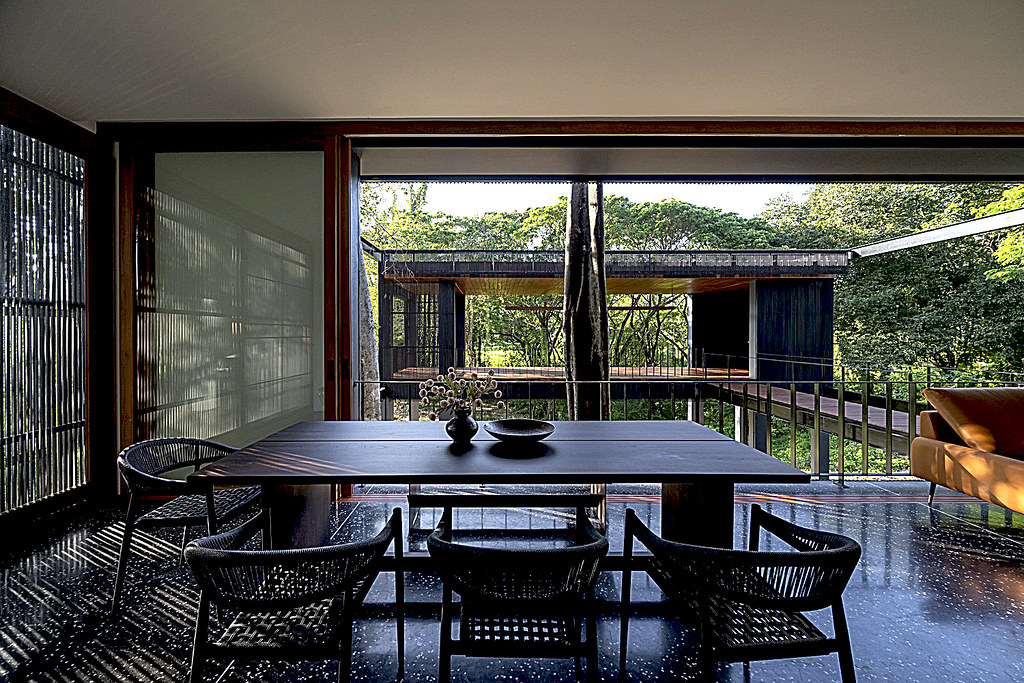
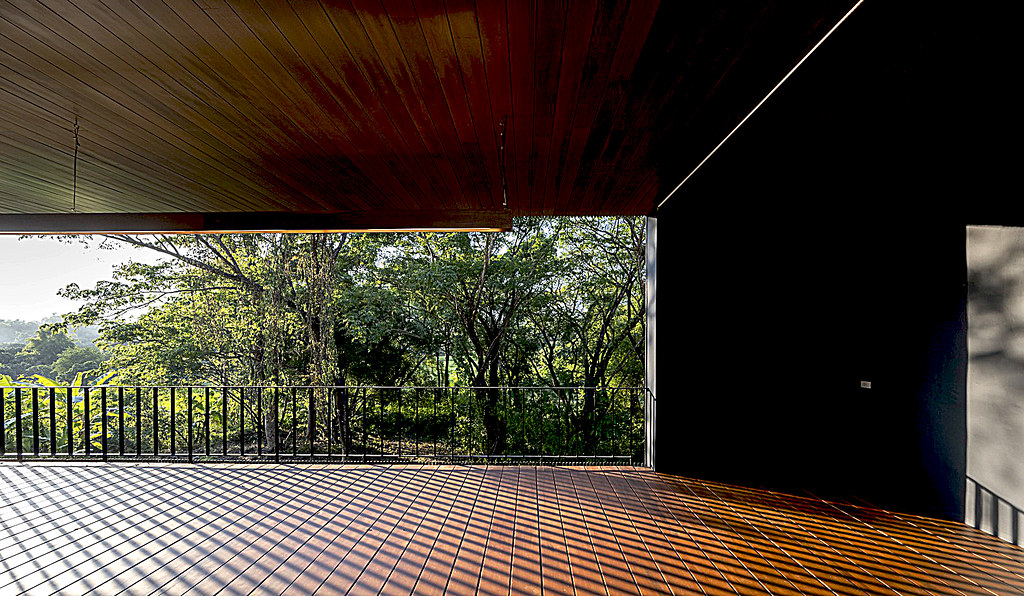
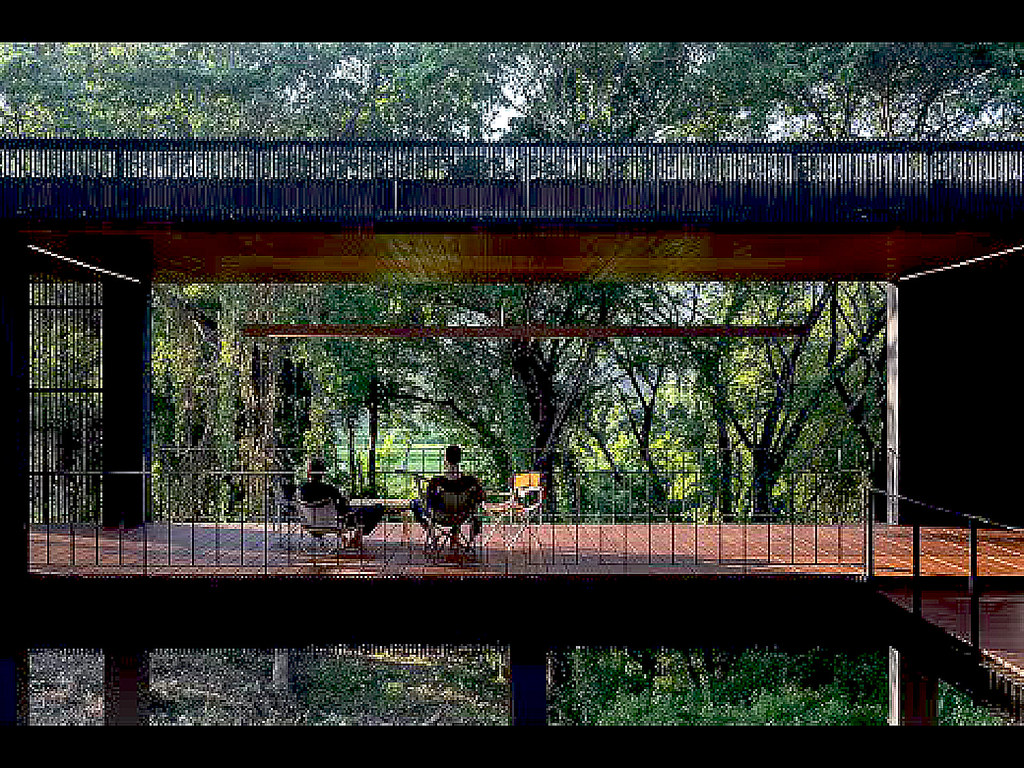
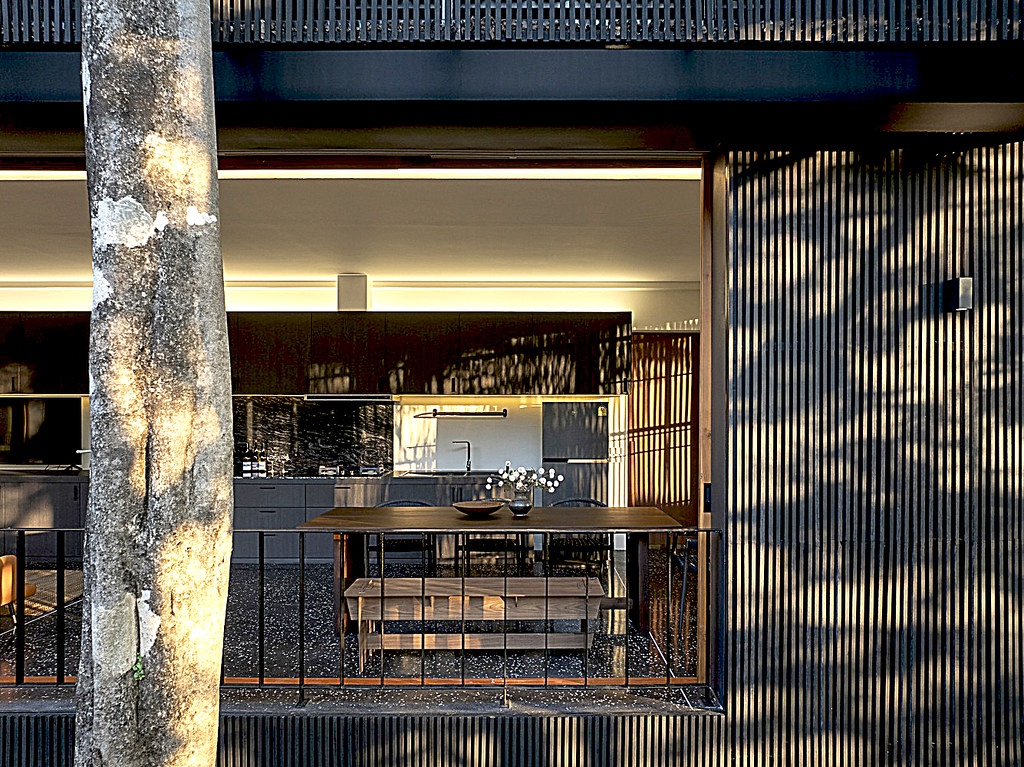
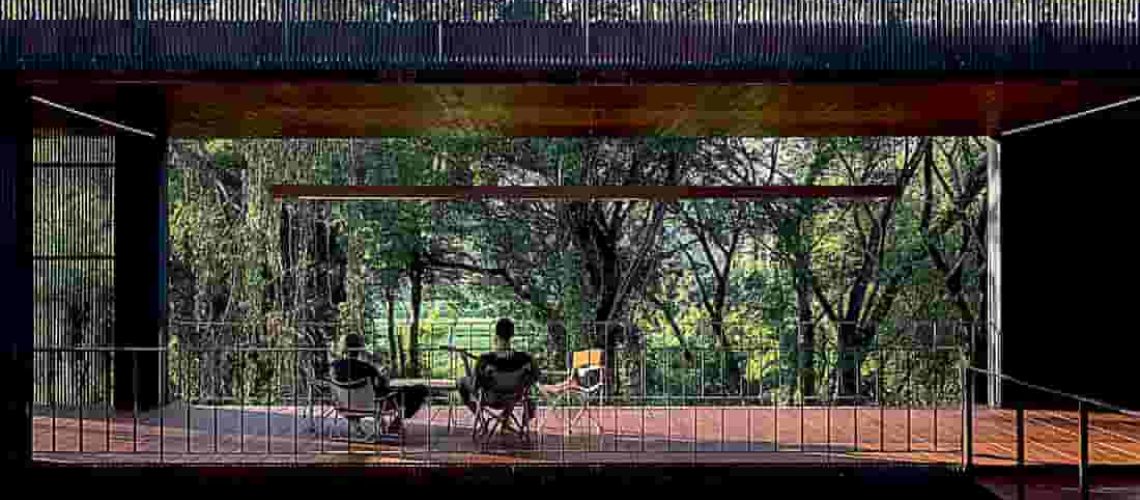
The house is designed as a place for observation and contemplation, offering residents an intimate connection with the surrounding forest. From its elevated viewing spaces, the serenity and untamed beauty of nature can be experienced throughout the day, particularly during the golden moments before sunset. These flexible gathering areas are also capable of adapting to the evolving needs of family life, supporting a variety of future activities while maintaining a strong connection to the landscape.


▎Preserving the Chamchuri Forest Ecosystem

Situated along the edge of a three-acre site in Chiang Mai’s Chom Thong district, the residence occupies a carefully selected position that minimizes disturbance to the existing terrain and vegetation. Surrounded by mature Chamchuri trees, the building functions less as a conventional house and more as a natural observatory, encouraging residents to engage with the forest rather than dominate it. This sensitive approach allows the architecture to coexist harmoniously with the environment while preserving the character and ecological richness of the site.

 

1_02-14jomthong-raintree-house_w1


1_03-28jomthong-raintree-house_w1


1_04-12jomthong-raintree-house_w1


1_05-08jomthong-raintree-house_w1


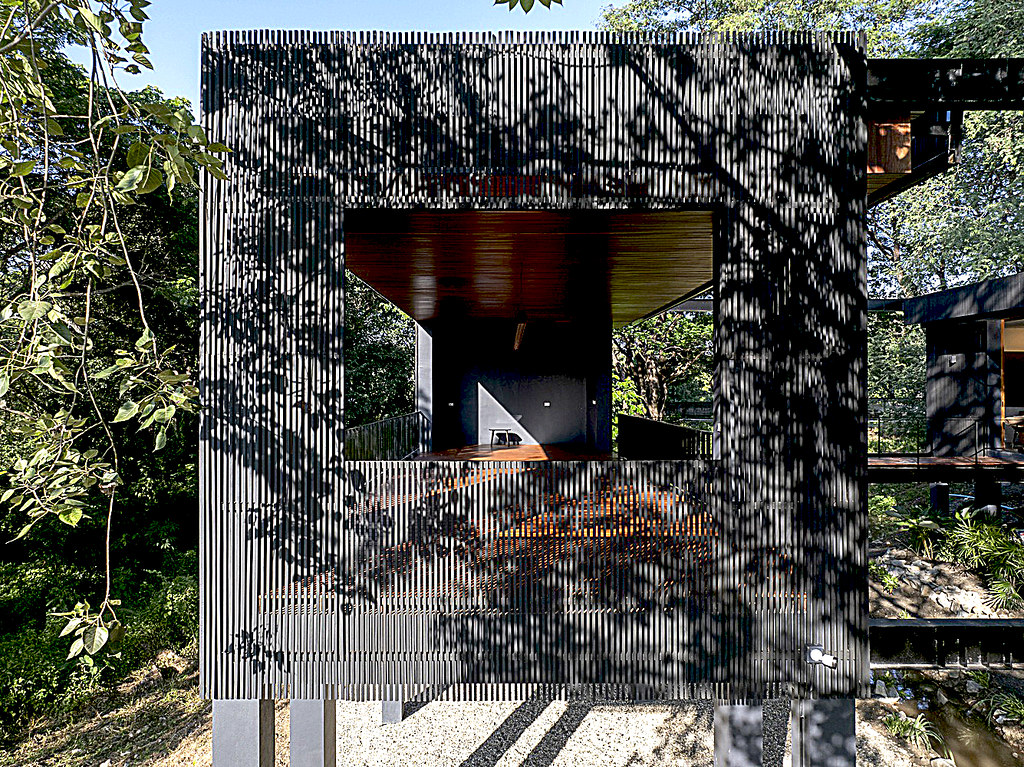
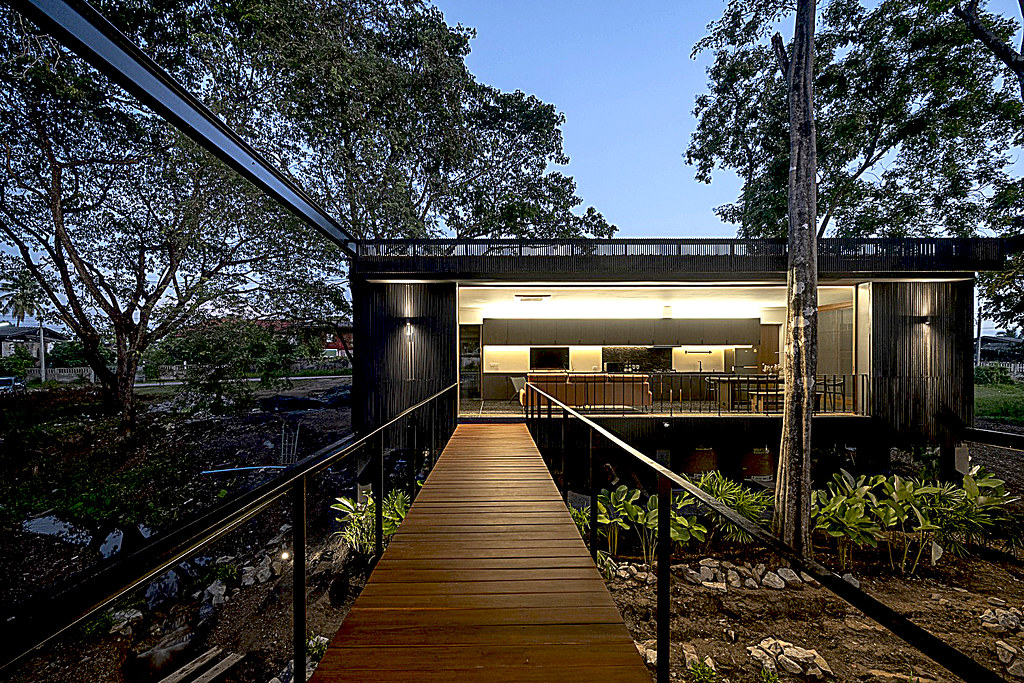
The land slopes from the road level down to a vast Chamchuri forest, bisected by a community stream flowing through a longan orchard. With the intention of not changing the flowway and allowing community access to the stream], [the building’s walls act as a division fence of privacy by itself while still permitting views in and out. This allows air, wind, and community sounds, enabling residents to fully engage with the natural environment through sight and touch.


2_06-23jomthong-raintree-house_w1


2_07-31section-with-trees_w1


2_08-11jomthong-raintree-house_w1


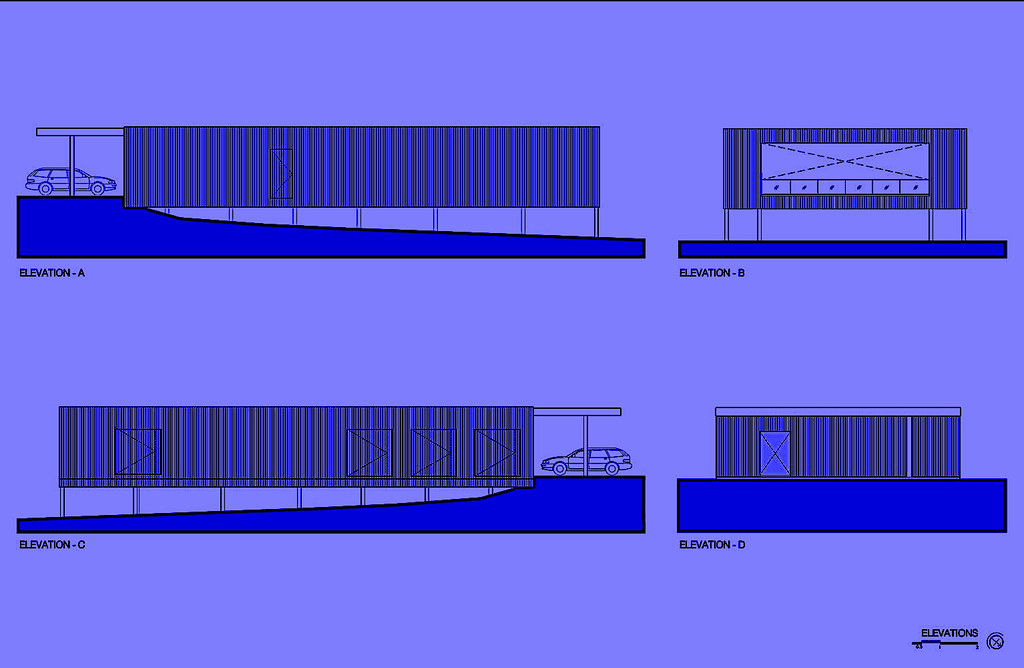
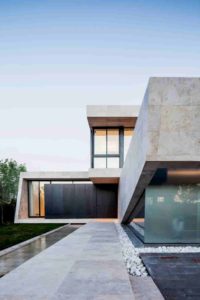
The body of architectural method is simple, featuring formation from a gabled roof with RC concrete structures that easy executed by local builder team. Encased in timber batten all around, The batten walls are made of locally sourced wood, Shorea that coated with used black engine oiled that cheap and easily to found for protect the external wood though the local wisdom of Northern builder.


3_09-20jomthong-raintree-house_h1


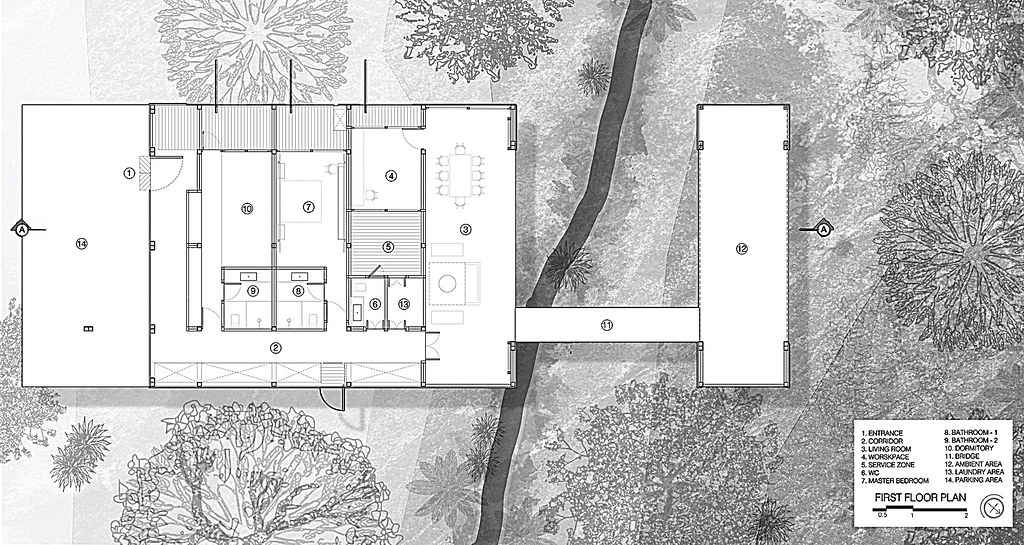
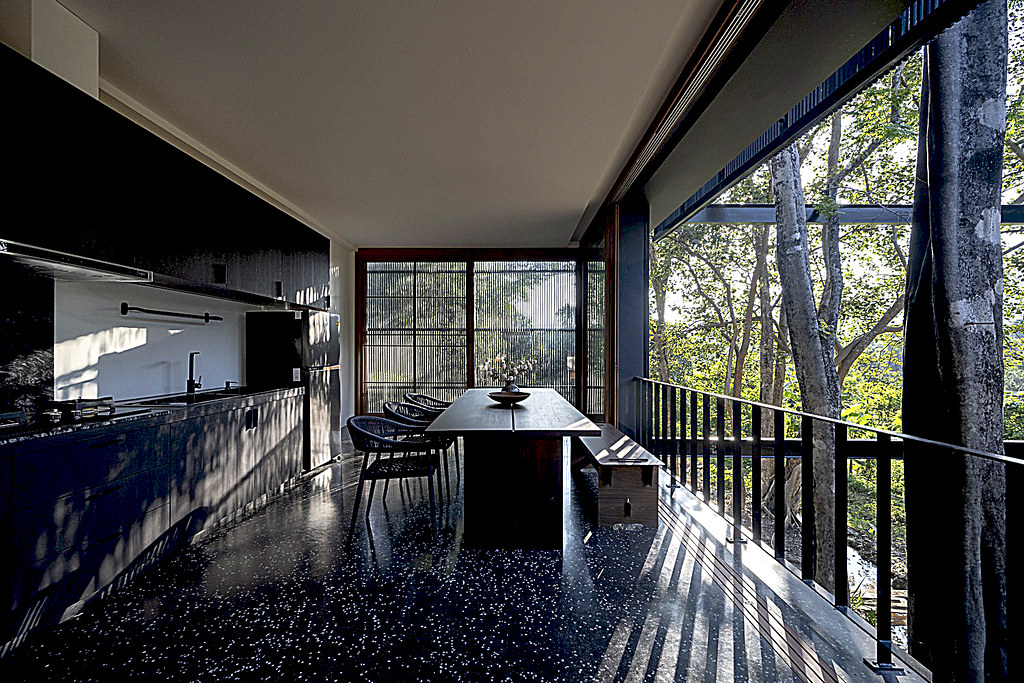
The main hallway, facing the village road, leads to the bedrooms and living room at the far end. The family’s living space, situated at the deepest part of the house on the sloping terrain, ensures privacy while still offering views of the natural Chamchuri forest landscape and the Doi Inthanon mountain range from the observation deck at the end of the bridge.
 

4_10-21jomthong-raintree-house_w1


5_11-03jomthong-raintree-house_w1


5_12-04jomthong-raintree-house_w1


5_13-05jomthong-raintree-house_w1


5_14-06jomthong-raintree-house_w1


5_15-07jomthong-raintree-house_w1


5_16-09jomthong-raintree-house_w1


5_17-10jomthong-raintree-house_w1


5_18-13jomthong-raintree-house_w1


5_19-15jomthong-raintree-house_w1


5_20-16jomthong-raintree-house_w1


5_21-17jomthong-raintree-house_w1


5_22-18jomthong-raintree-house_w1


5_23-19jomthong-raintree-house_h1


5_24-24jomthong-raintree-house_w1


5_25-29plan-plain_w1


5_26-22jomthong-raintree-house_w1


5_27-30section-plain_w1


5_28-25jomthong-raintree-house_w1


5_29-32elevation_w1


5_30-26jomthong-raintree-house_w1


5_31-27site-plan_w1


cover_jomthong-raintree-house_w1
建築材料生命週期評估流程示意圖,涵蓋生產、運輸、使用與回收階段

建築材料生命週期評估如何影響環境與設計決策

    建築材料從開採到報廢的每個階段,都在累積能源與環境影響,也逐漸轉化為一種可被理解的Material as Narrative。     本文將從原料、製造、運輸、使用到回收五個階段,整理建築材料在生命週期中的環境影響。   作為自然資源消耗、能源使用與溫室氣體排放的重要來源,建築產業對環境有著顯著影響。目前全球約32%的能源消耗與34%的碳排放,皆與建築相關。在這樣的背景下,建築材料不再只是構成空間的元素,而逐漸成為評估環境影響的關鍵。透過循環經濟、可再生資源與技術創新等策略,材料被重新放回整個系統中檢視,其角色也從物質轉向過程,例如在Material as Narrative的脈絡中被重新理解。     生命週期評估(LCA)提供了一種系統化的方法,用以衡量與管理建築材料的環境影響。從原料開採、製造與運輸,到施工、使用與最終處理,每一階段都被納入分析範圍。這種方法不僅讓環境負擔變得可量化,也讓設計決策能在更早的階段被調整,特別是在Adaptive Reuse的情境中,更能看出材料選擇的長期影響。 在生命週期的不同階段中,投入與產出構成主要評估指標。投入包含能源、水資源與化石燃料的使用;產出則涵蓋碳排放、廢棄物與污染物的釋放。這些數據會進一步轉化為環境指標,如全球暖化潛能、水資源消耗、生態毒性與資源耗竭等,使不同材料在不同環境脈絡中得以比較,也與Architecture and Landscape的整體關係相互連動。     在國際層面,ISO 14040與14044標準提供生命週期評估的基本架構,將整體流程分為目標與範圍界定、清單分析、影響評估以及結果解讀四個階段。這些步驟彼此相互關聯,從定義研究目標開始,到量化數據與分析影響,逐步建立對材料環境表現的整體認知,也讓設計更能回應如Light and Space這類與環境條件相關的議題。

In Meticulous Paper Portraits, Yulia Brodskaya Coaxes Visions of a Compassionate Future

In Meticulous Paper Portraits

    ︳In Meticulous Paper Portraits, Yulia Brodskaya Coaxes Visions of a Compassionate Future     ︳For millennia, cultures across the globe have venerated mother goddesses who

Facebook
Twitter
LinkedIn
Tumblr
0 0 votes
Article Rating
Subscribe
Notify of
guest
0 Comments
Oldest
Newest Most Voted
Search