Surreal Collages And Refuge From The Harsh World
In Surreal Collages, Explores Home, Interiority, and the Terrain of Dreams
Refuge From The Harsh World
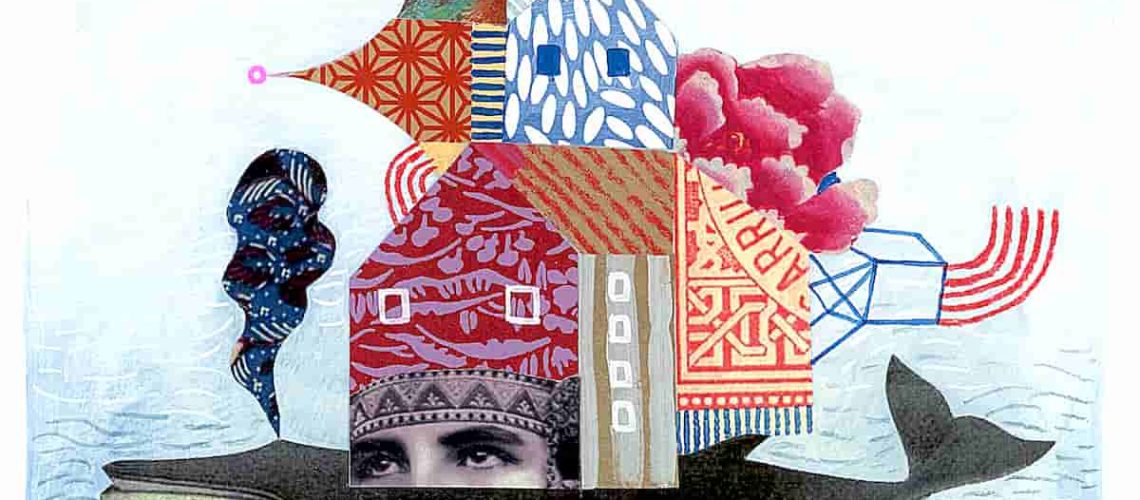
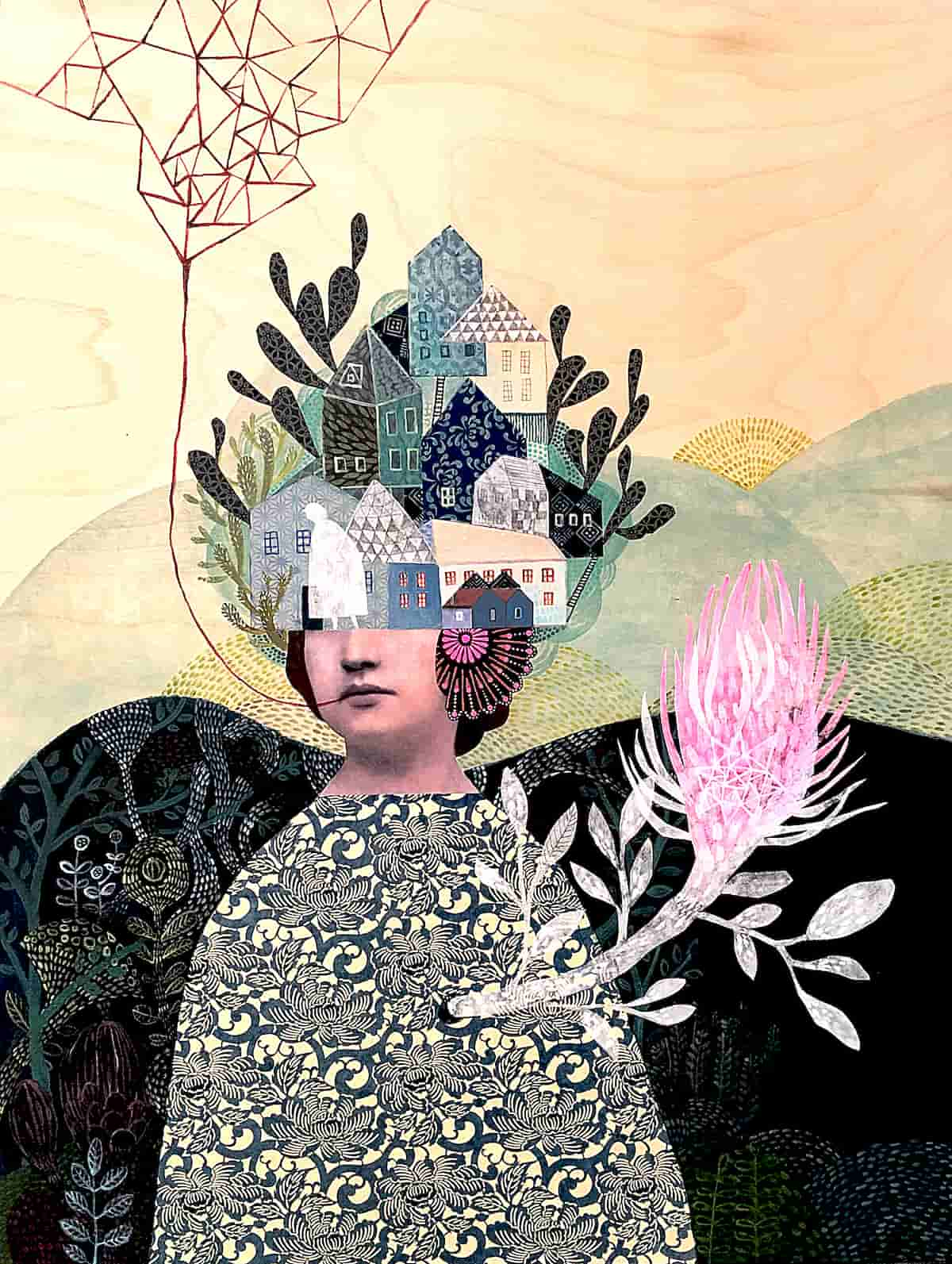
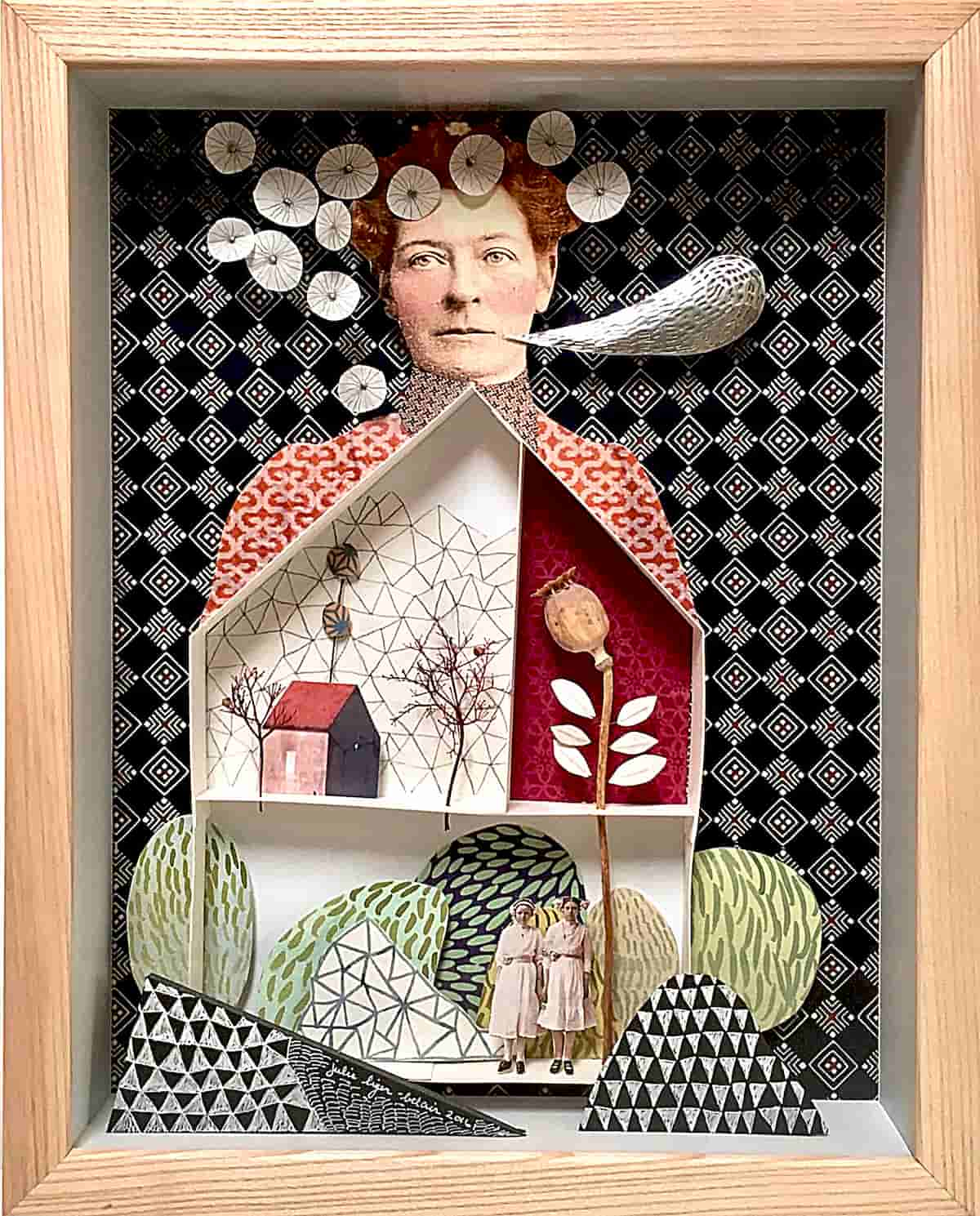
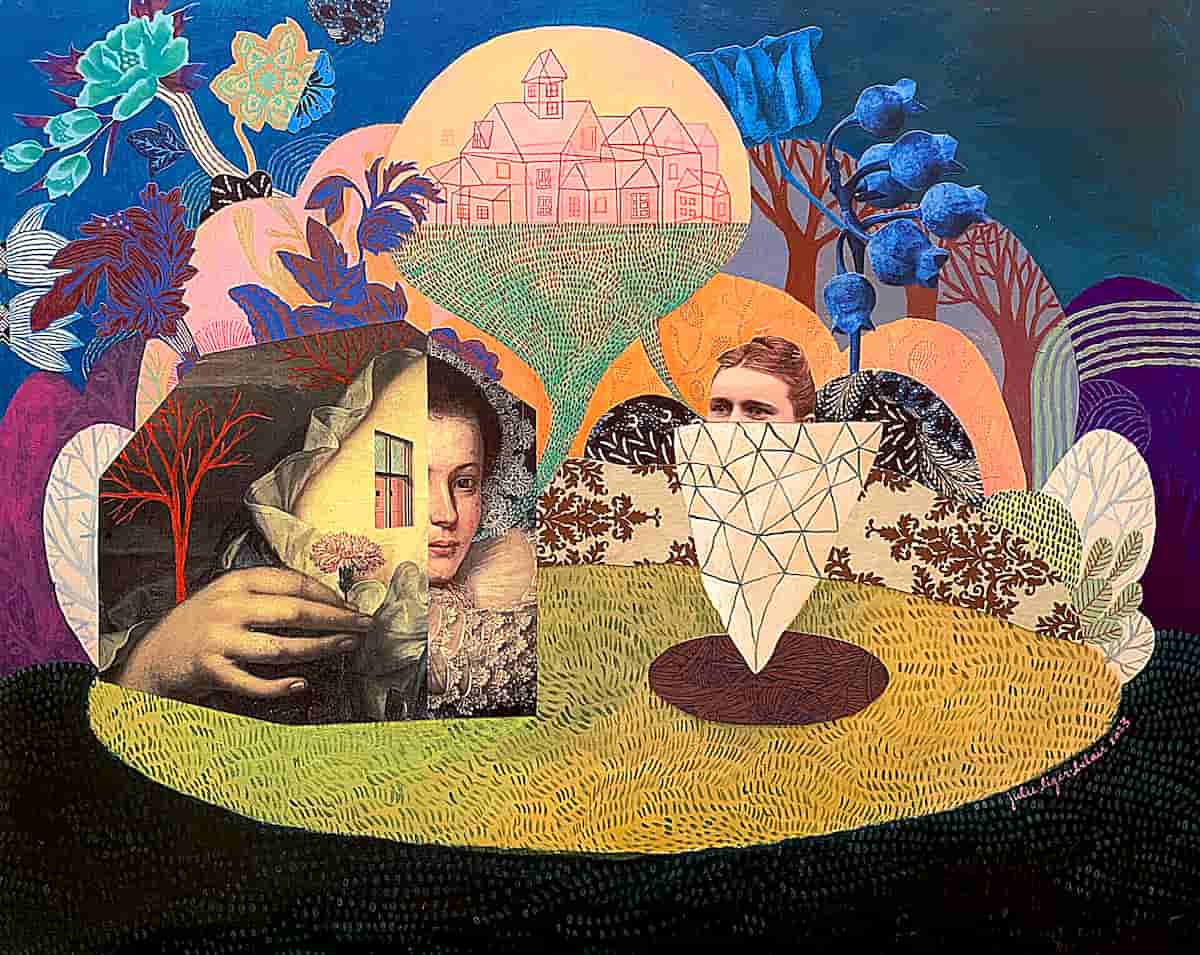
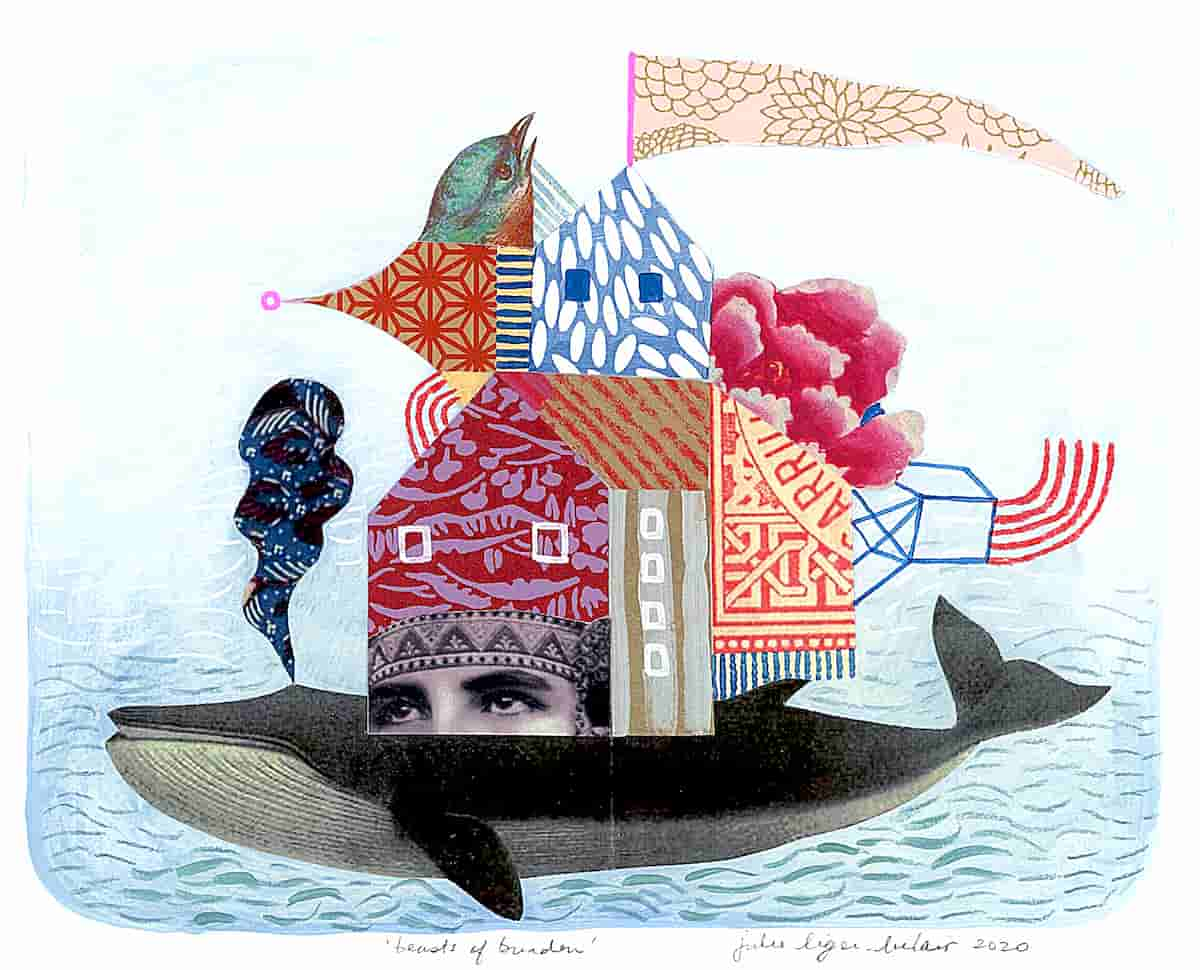
“The house can be a symbol of comfort and refuge from the harsh world. A house, in other words, can be a reflection of everything we hold dear, ”says Toronto-based artist Julie Liger-Belair, whose mixed-media collages often center on depictions of home. “But a house can also be a place of fear, oppression, and powerlessness,” she adds. “I’m really obsessed by this duality.”
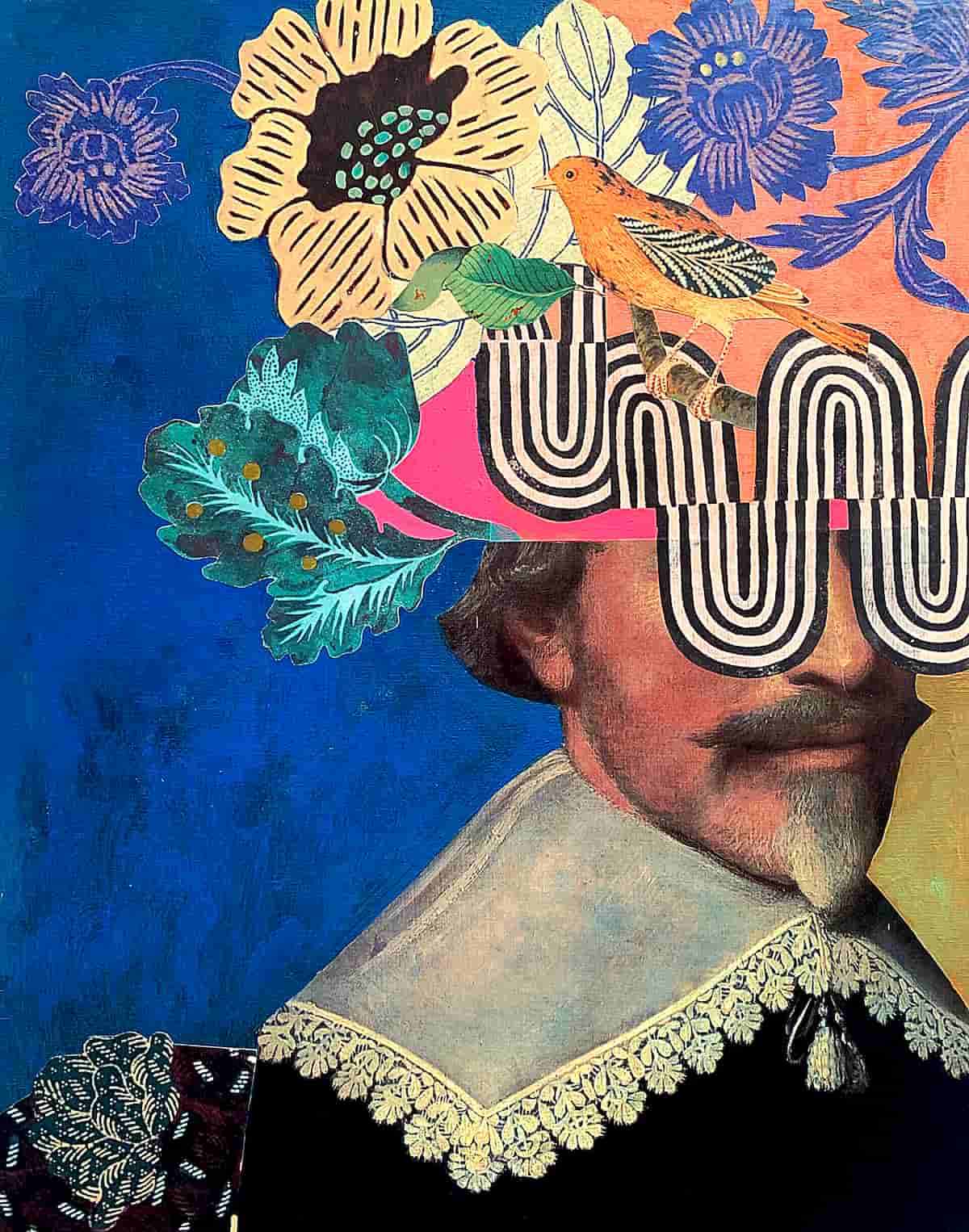
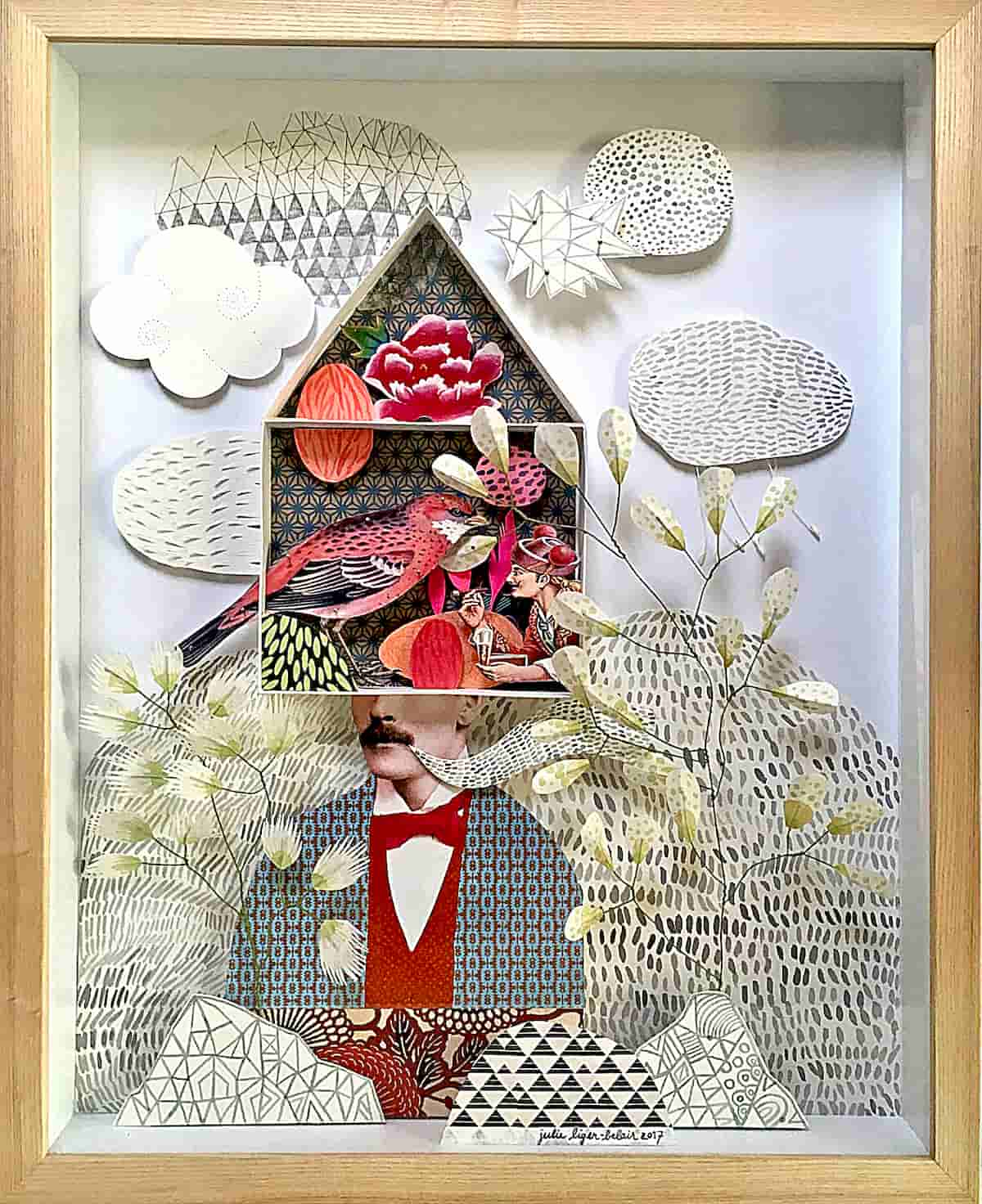
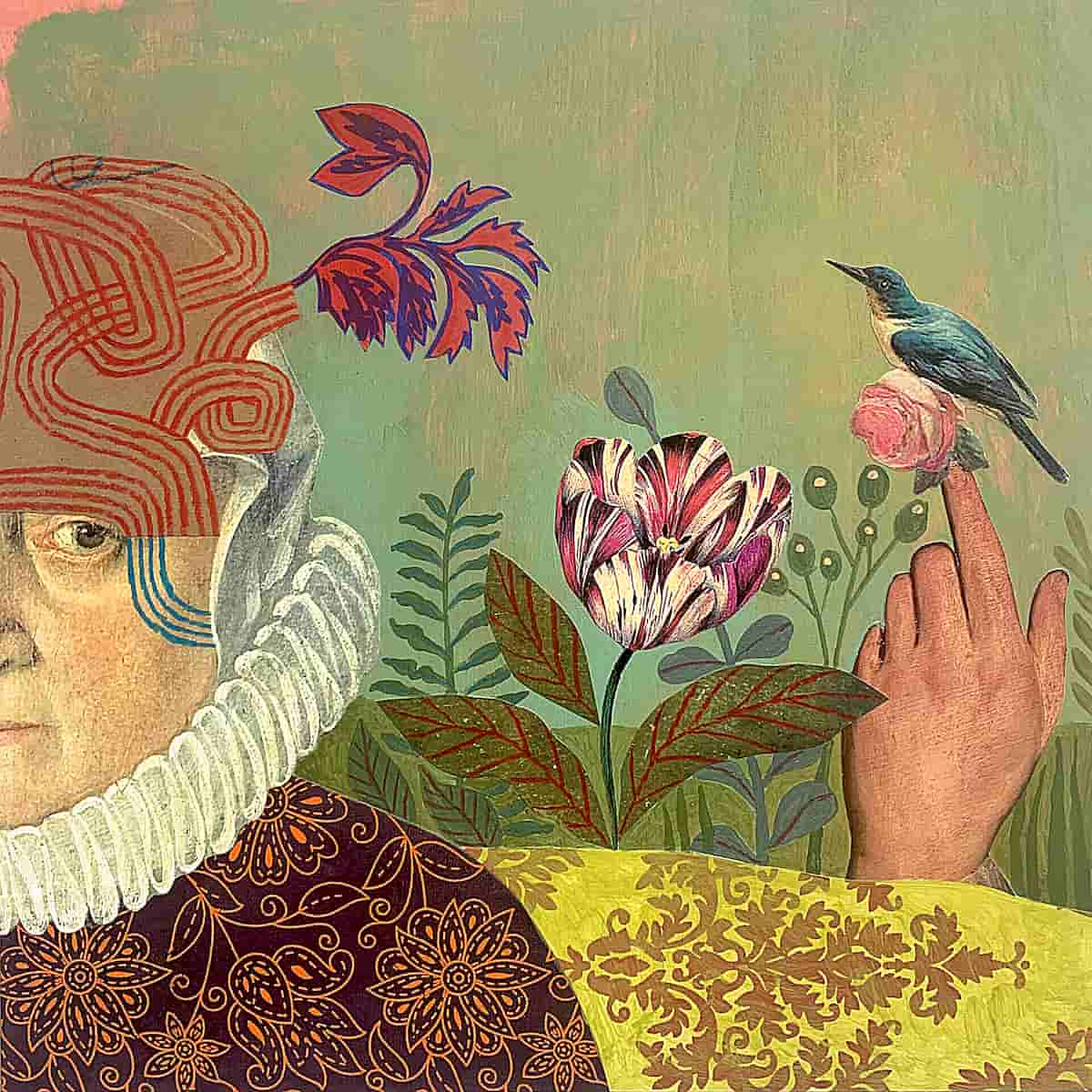
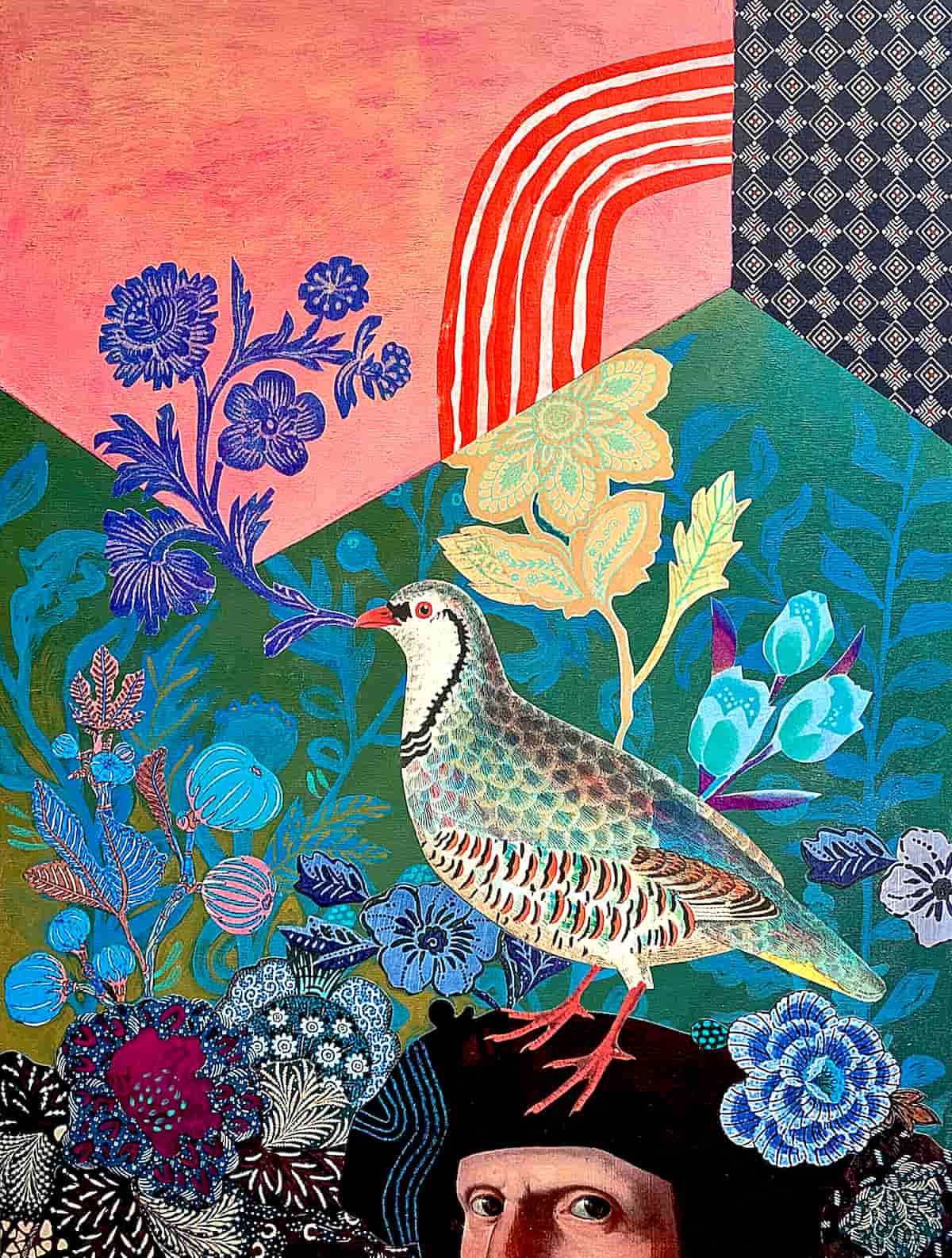
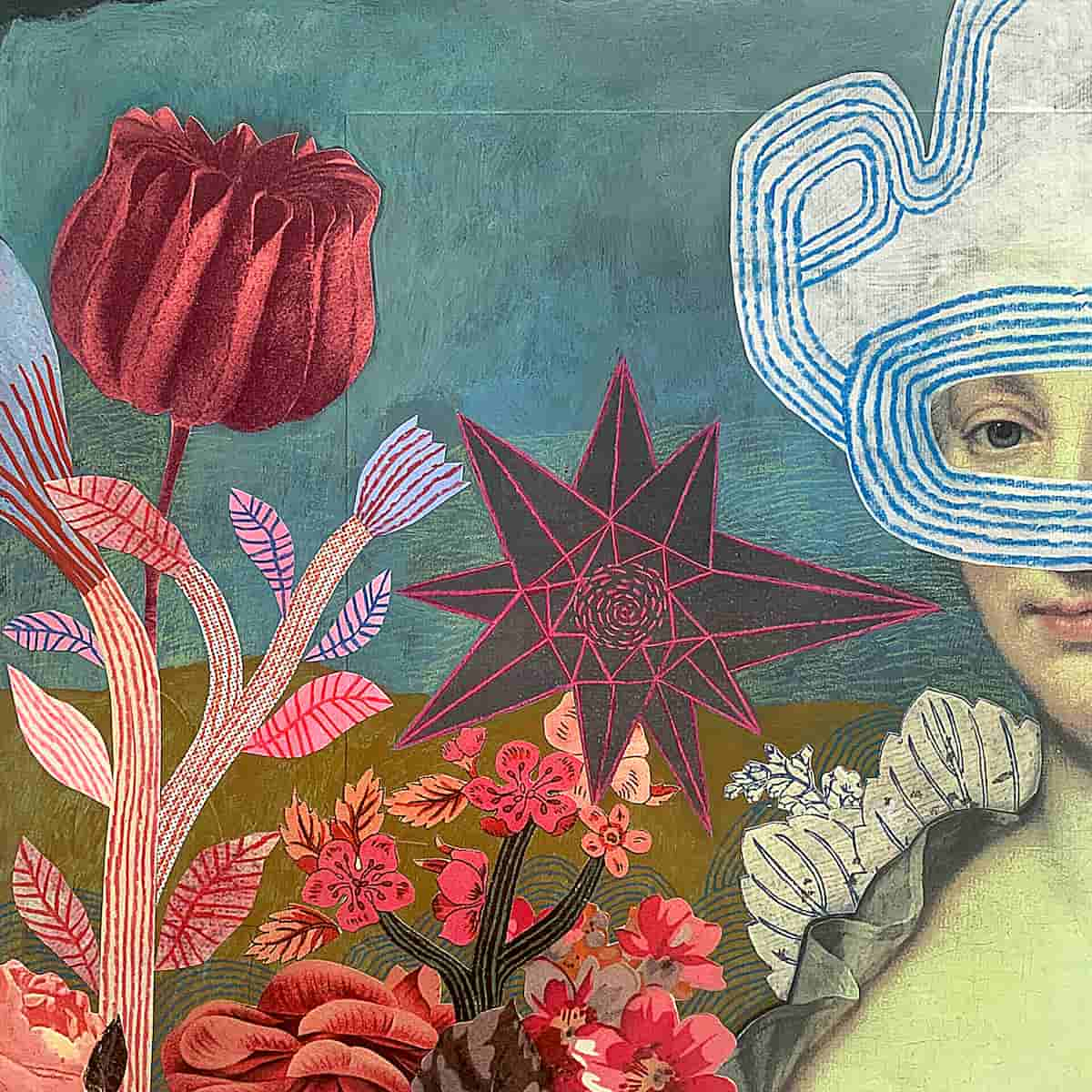
Liger-Belair augments found photographs, historical portraits, botanicals, and patterned papers with a range of drawing media. During the pandemic, when quarantines enforced boundaries between interior spaces and the outside world, she started to consider what it means to do or show something “on the inside.” This led to incorporating motifs related to living spaces and enigmatic dwellers. Bodies merge with architecture, botanicals bloom from torsos and limbs, and otherworldly landscapes extend into the distance.
Dreams And Surreal Worlds
Drawing on an interest in dreams and surreal worlds, Liger-Belair taps into the realm of the unfamiliar. Each composition is founded on a sense of wonder, examining what we perceive as reality or fiction.
I think that humans have always been drawn to the realm of the implausible, since it’s such a common theme in books, films, and artwork from many different cultures and times in history. I’d even argue that we can understand science as an attempt to discover or glimpse the implausible hidden or embedded in the real. I’m thinking here of microscopic views of cells or even photographs of distant stars. These strange worlds are tangible and are not just to be found in dreams.
Liger-Belair gravitates toward the accessibility of collage and the endless potential to imagine, arrange, and recontextualize new narratives. She often works in series, allowing themes to emerge intuitively. “While the overall storyline may not be totally obvious in any one piece, it’s important to understand that with every work, I’m telling a story to myself.” “In some sense, unfolding that narrative is just as important for me—and perhaps more gratifying—than finishing individual pieces.”
Om onvervangbaar te zijn, moet je altijd anders zijn.
Er zijn fascinerende beelden hier, en de fascinerende dag van samen! xo
─────────────────────────────────────────────────────
Per essere insostituibili bisogna sempre essere diverso.
Ci sono immagini affascinanti qui, e l’affascinante giornata di insieme! xo KanikaChic