Surreal Collages And Refuge From The Harsh World

09_surreal_collages_0

In Surreal Collages, Explores Home, Interiority, and the Terrain of Dreams


Surreal Collages And Refuge From The Harsh World


In Surreal Collages, Explores Home, Interiority, and the Terrain of Dreams


Refuge From The Harsh World

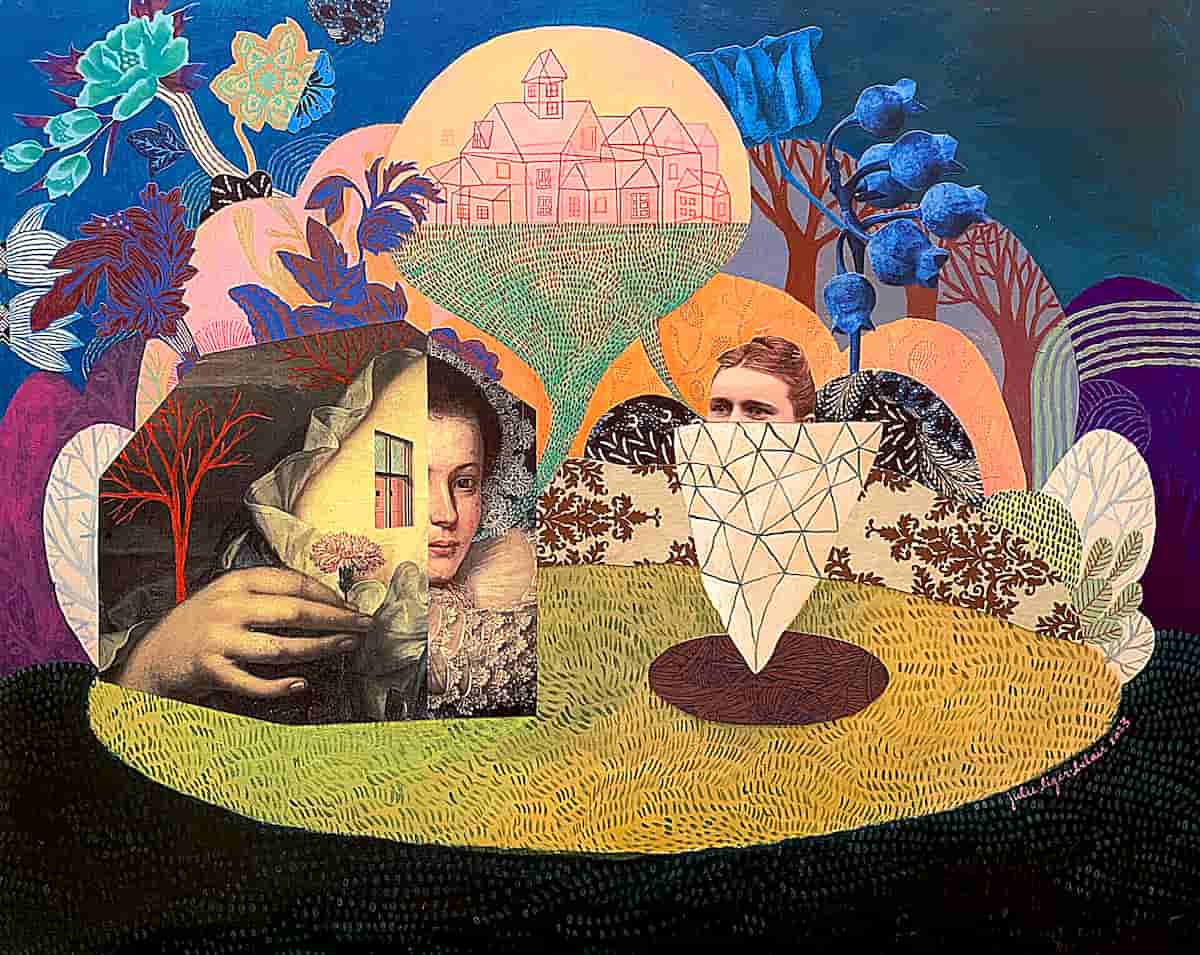
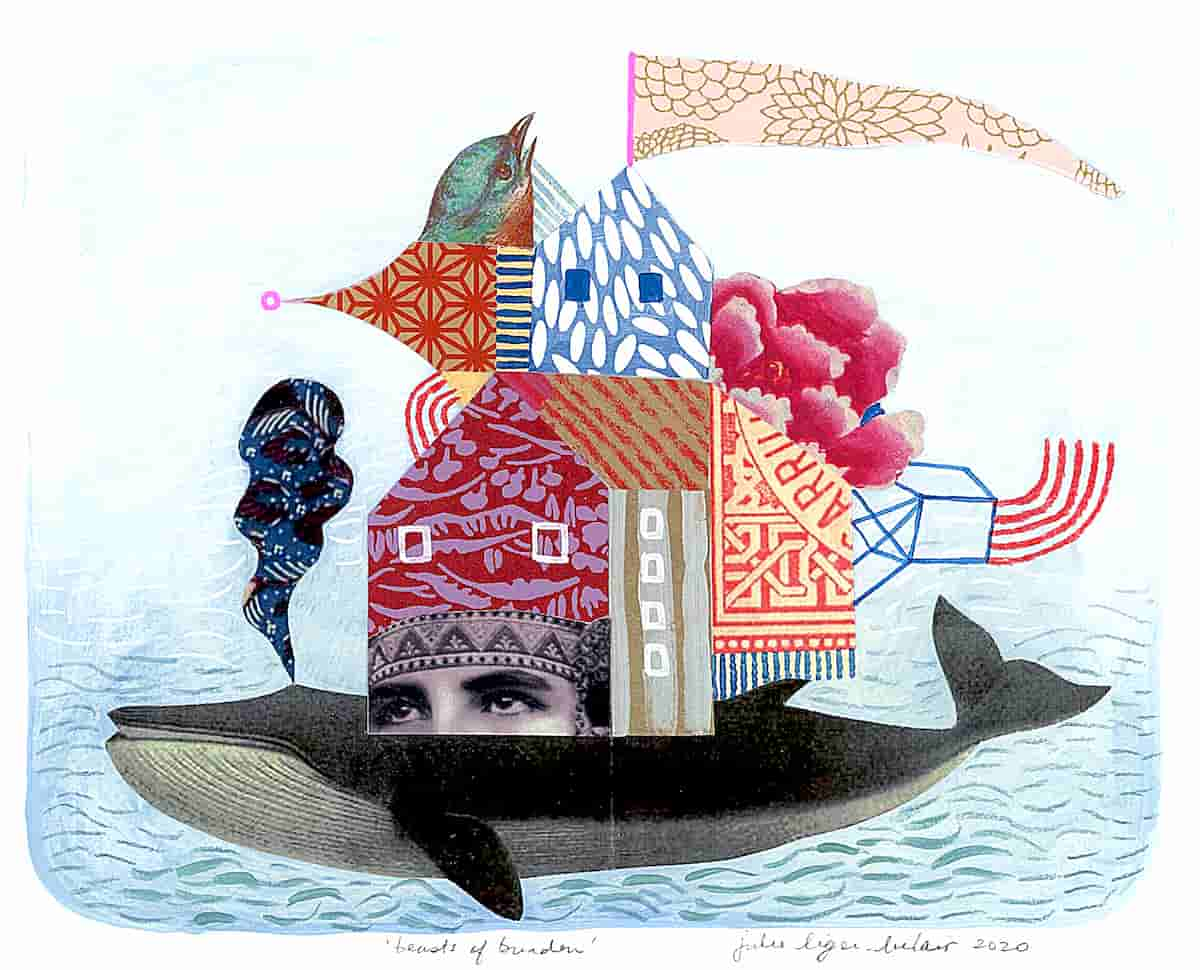
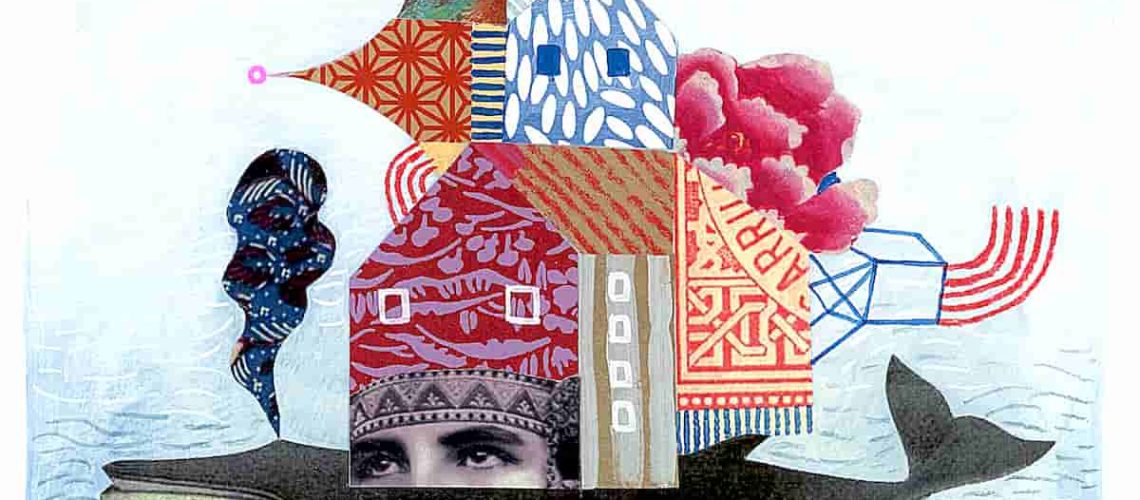
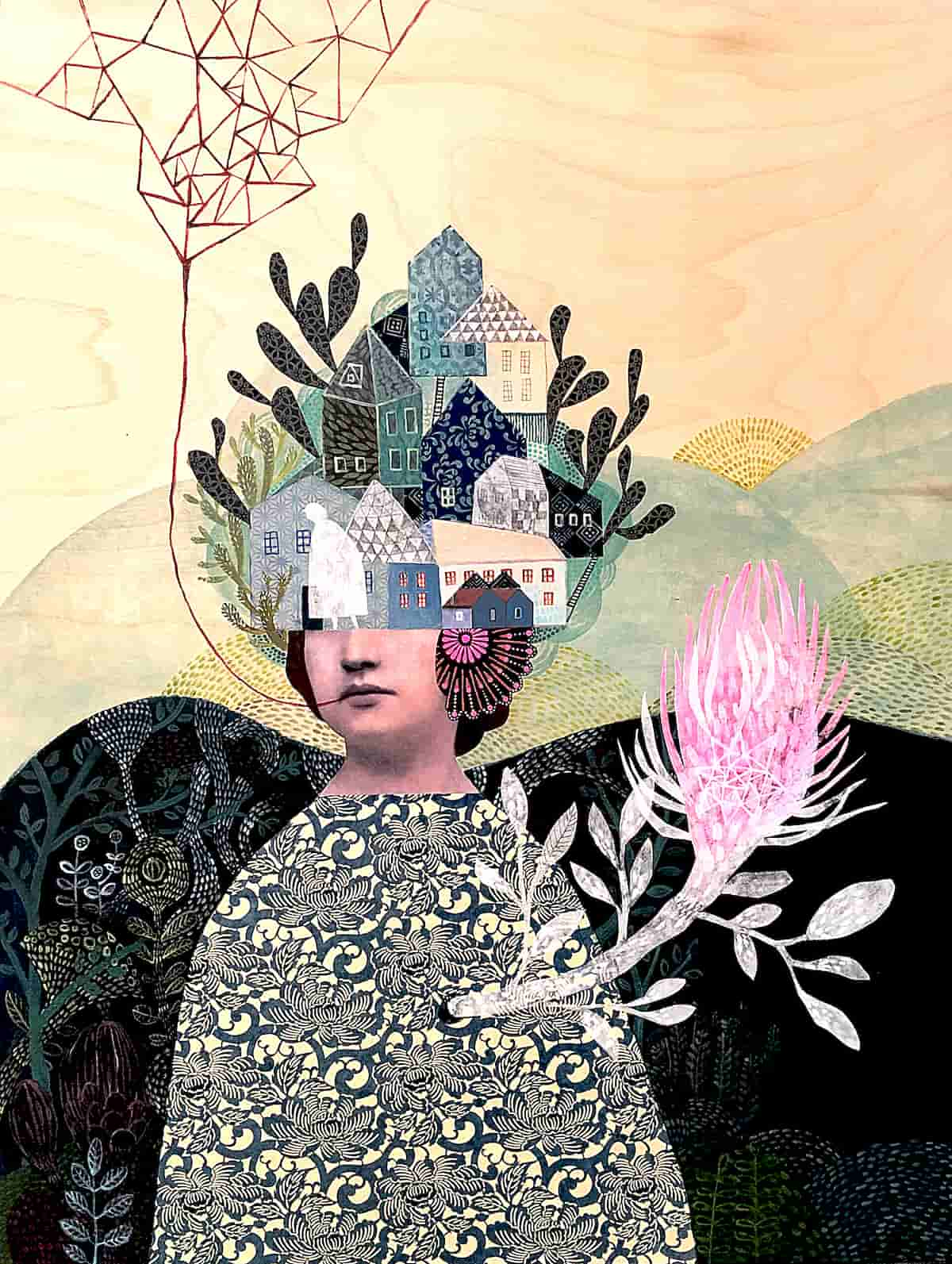
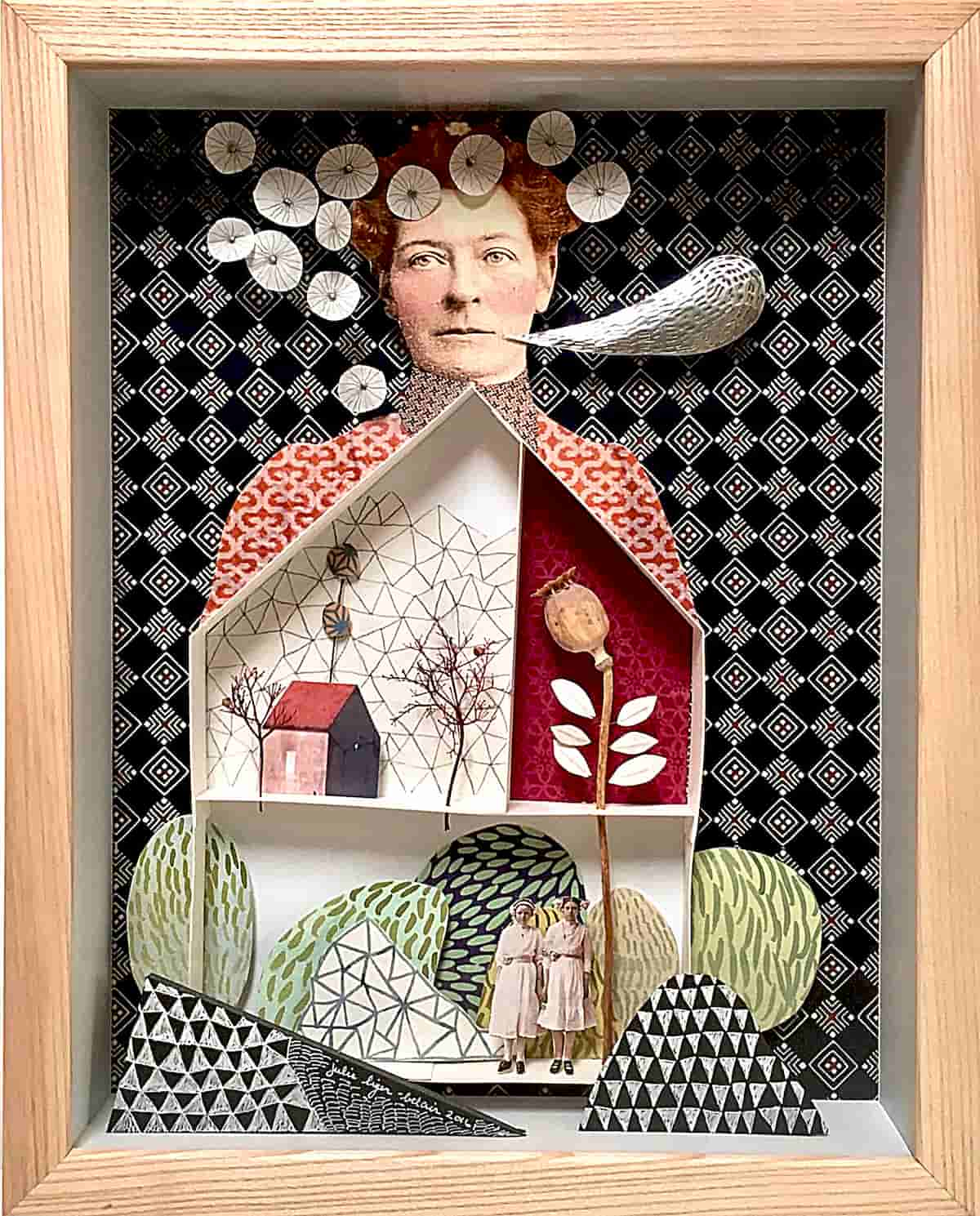
“The house can be a symbol of comfort and refuge from the harsh world. A house, in other words, can be a reflection of everything we hold dear, ”says Toronto-based artist Julie Liger-Belair, whose mixed-media collages often center on depictions of home. “But a house can also be a place of fear, oppression, and powerlessness,” she adds. “I’m really obsessed by this duality.”

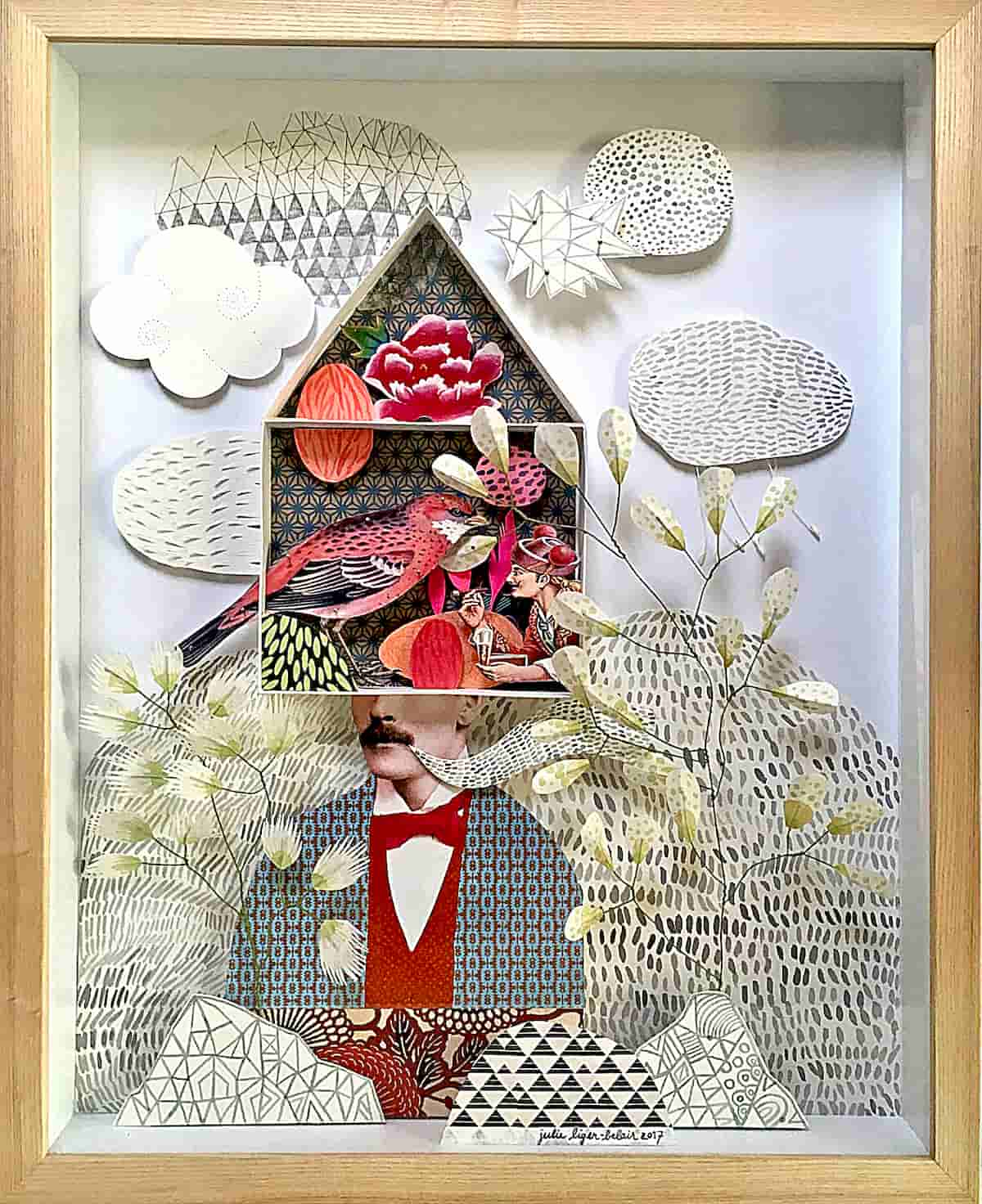
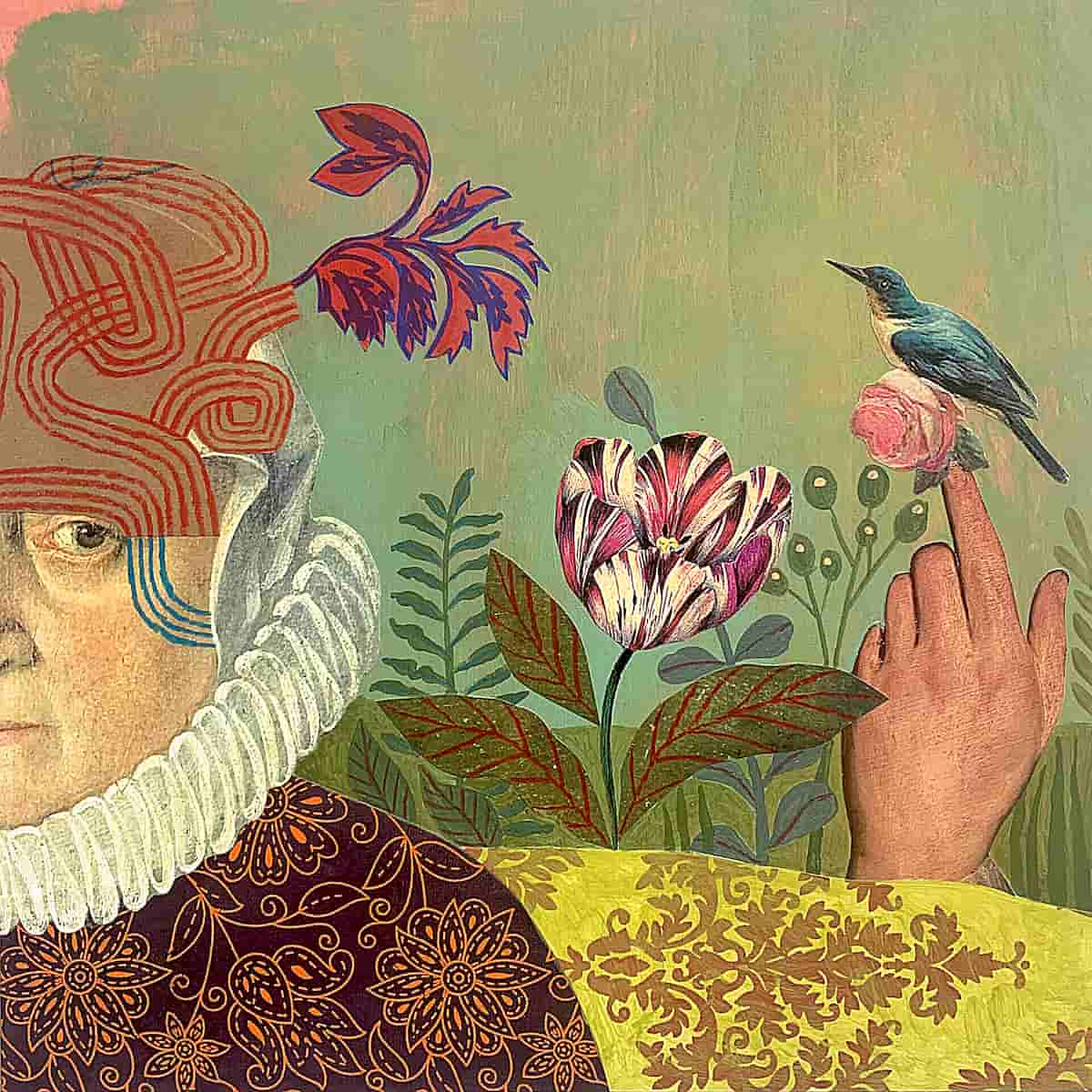
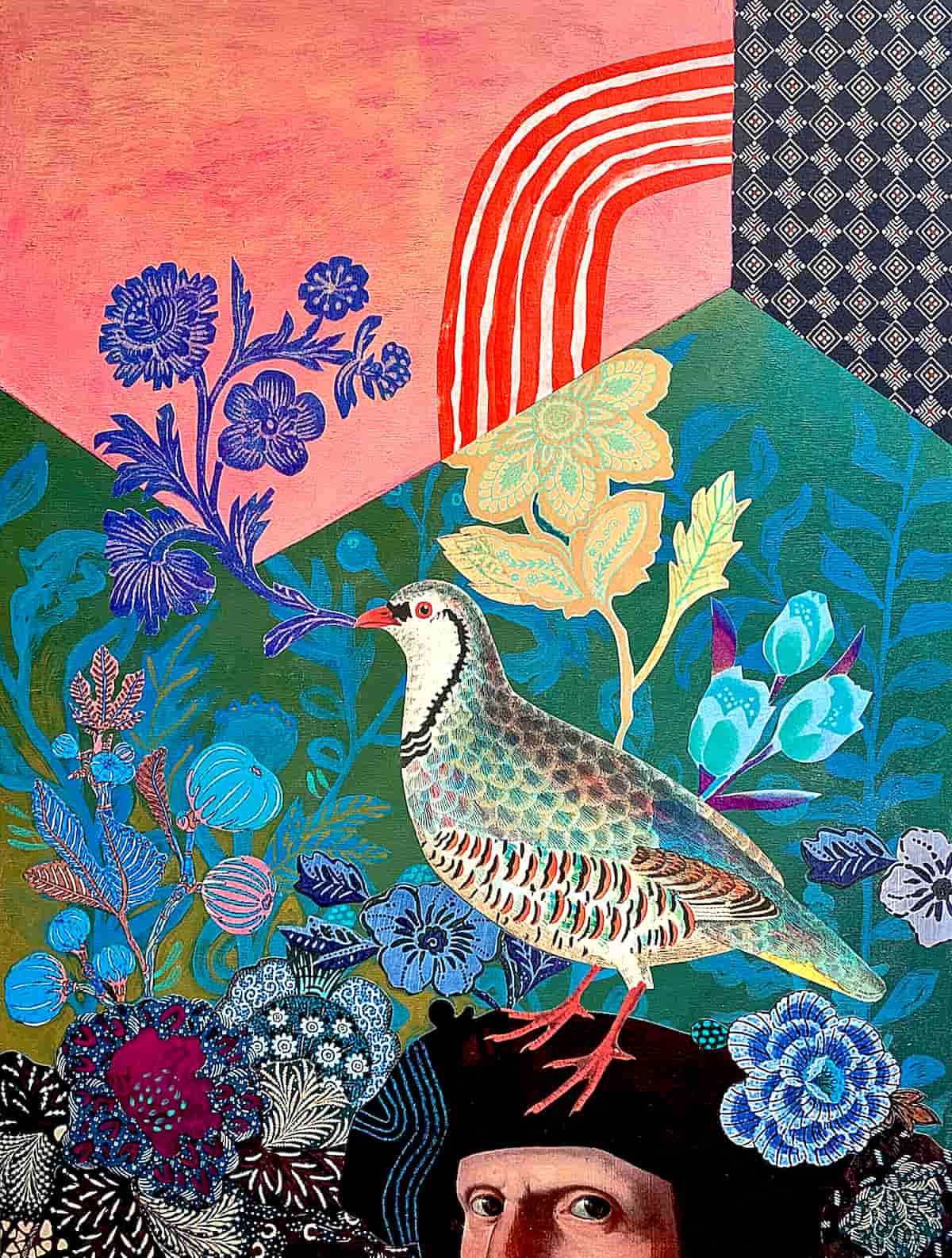
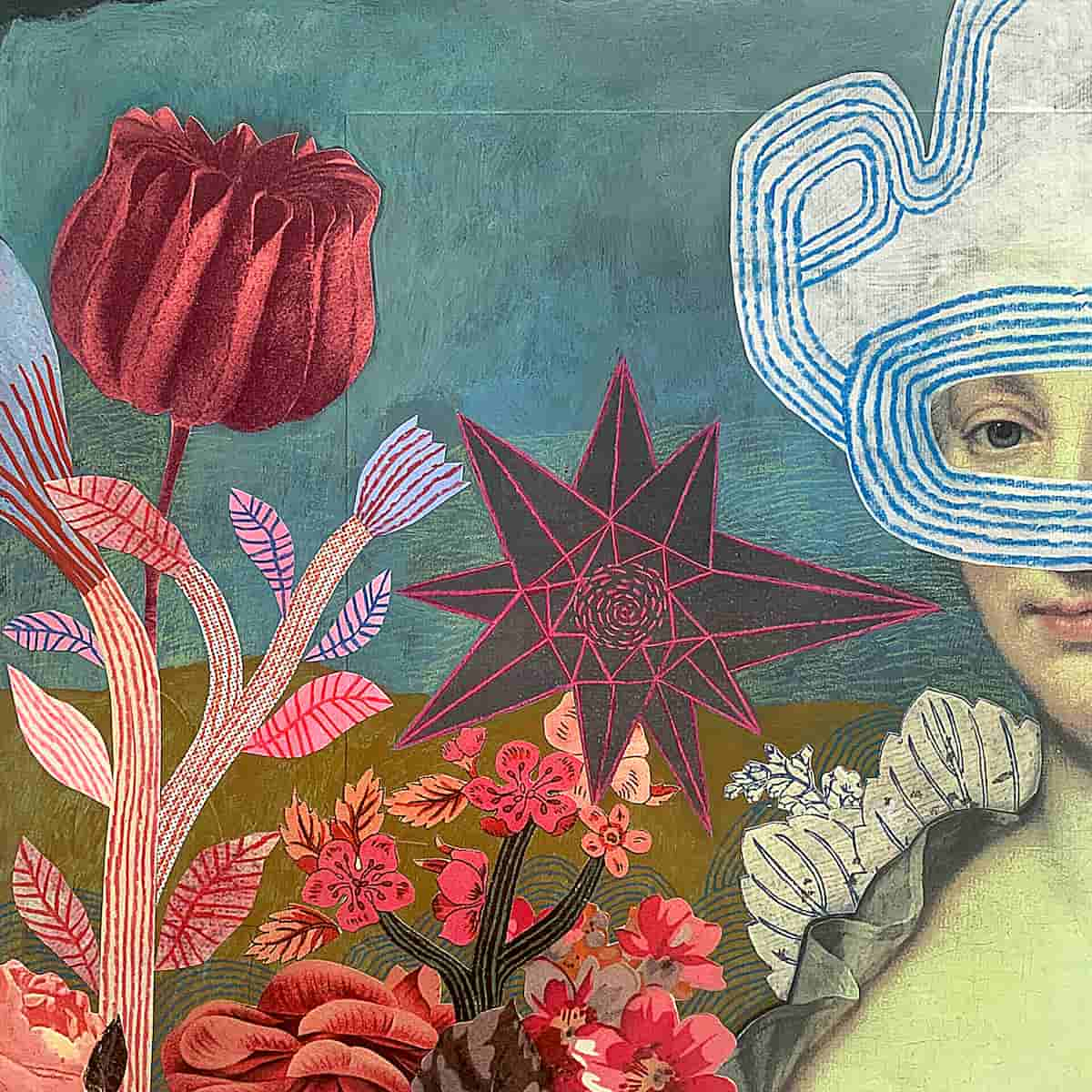
Liger-Belair augments found photographs, historical portraits, botanicals, and patterned papers with a range of drawing media. During the pandemic, when quarantines enforced boundaries between interior spaces and the outside world, she started to consider what it means to do or show something “on the inside.” This led to incorporating motifs related to living spaces and enigmatic dwellers. Bodies merge with architecture, botanicals bloom from torsos and limbs, and otherworldly landscapes extend into the distance.


Dreams And Surreal Worlds

Drawing on an interest in dreams and surreal worlds, Liger-Belair taps into the realm of the unfamiliar. Each composition is founded on a sense of wonder, examining what we perceive as reality or fiction.

I think that humans have always been drawn to the realm of the implausible, since it’s such a common theme in books, films, and artwork from many different cultures and times in history. I’d even argue that we can understand science as an attempt to discover or glimpse the implausible hidden or embedded in the real. I’m thinking here of microscopic views of cells or even photographs of distant stars. These strange worlds are tangible and are not just to be found in dreams.

Liger-Belair gravitates toward the accessibility of collage and the endless potential to imagine, arrange, and recontextualize new narratives. She often works in series, allowing themes to emerge intuitively. “While the overall storyline may not be totally obvious in any one piece, it’s important to understand that with every work, I’m telling a story to myself.”  “In some sense, unfolding that narrative is just as important for me—and perhaps more gratifying—than finishing individual pieces.”

02 - In Surreal Collages, Explores Home, Interiority, and the Terrain of Dreams


04 - In Surreal Collages, Explores Home, Interiority, and the Terrain of Dreams


05 - In Surreal Collages, Explores Home, Interiority, and the Terrain of Dreams


06 - In Surreal Collages, Explores Home, Interiority, and the Terrain of Dreams


Om onvervangbaar te zijn, moet je altijd anders zijn.
Er zijn fascinerende beelden hier, en de fascinerende dag van samen!  xo
─────────────────────────────────────────────────────
Per essere insostituibili bisogna sempre essere diverso.
Ci sono immagini affascinanti qui, e l’affascinante giornata di insieme!  xo KanikaChic

Itaara da Serra Houses 帶來了令人驚喜的體驗

Itaara da Serra Houses 在森林地景中展開克制而純粹的建築實驗

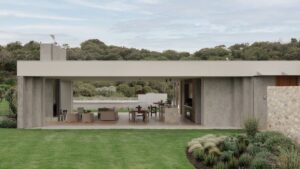
Itaara da Serra Houses 坐落於巴西 Serra Negra 山林之中,在不移除既有樹木的前提下展開建築實驗,使建築成為一種回應地景的 材料敘事。     一塊朝南的絕佳觀景點,從那裡可以遠眺貝澤羅斯、賽雷 (Sairé) 和格拉瓦塔 (Gravatá),Itaara da Serra Houses的誕生源於一位朋友的請求。一些天然空地,可以建造四棟小型房屋,該項目的首要挑戰是在不移除任何樹木的情況下建造通往房屋的道路,Itaara da Serra Houses的誕生,核心理念始終是讓風景成為主角。建築被設計成一種框景的裝置,讓光線、霧氣與地形成為空間體驗的一部分。在計畫興建的四套住宅中,最終建成了兩套。 伊塔拉·達·塞拉 (Itaara da Serra)

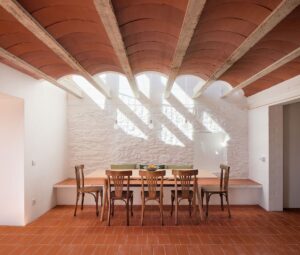
Traditional Bavarian farmhouse interior with wooden furniture, brick walls, and natural daylight from twin windows

巴伐利亞山麓農舍的轉化使用與重新詮釋

巴伐利亞山麓農舍在既有結構中轉用,空間重新改造   巴伐利亞山麓農舍在既有結構中轉用,穀倉與牛棚沿原有跨距被重新安排,挑高與居住空間被直接分開,色彩與材料進入其中,在不同房間與界面之間逐步展開,讓傳統建築在使用與改造過程中慢慢轉變。       坐落在 Bavaria’s Allgäu 地區起伏的山麓,一座擁有200年歷史的農舍經過改造,煥然一新,成為一家設計感十足的賓館。原有建築位於坡地邊緣,其基礎與承重牆體順應地勢展開,改造並未抹平這些條件,而是保留結構的原始受力邏輯 (existing structure) 它既保留了鄉村的質樸風情,也散發著鮮明的現代氣息。新介入的空間並非覆蓋舊構,而是透過插入與減量,使新舊結構之間形成可辨識的層次關係如今,Ebenrieder 賓館擁有五套公寓和四間客房,在保留其傳統建築風格的同時,也融入了 Munich 室內設計師 Stephanie Thatenhorst (斯蒂芬妮﹡塔滕霍斯特) 的巧思,賦予其全新的空間感和美學清晰度。原有房間格局依據農舍的結構跨距被重新調整 (structural span),部分牆體被打開或保留,以維持荷載傳遞的連續性,同時引入新的動線節點 Thatenhorst 的設計方案生動而富有表現力,巧妙地將建築的鄉村特色與現代設計理念融合在一起。設計並未刻意隱藏結構,而是讓梁柱、厚牆與開口關係成為空間閱讀的一部分她從1960年代米蘭的室內設計中汲取靈感,精心打造出色彩、圖案和形式的巧妙互動,在過去與現在之間建立起一種充滿活力的對話色彩與幾何配置並非單純裝飾,而是依附於既有結構節點展開,使視覺秩序與結構分布產生對應。  

地下建築機電系統與通風管線,展現隱藏於結構中的能源消耗與環境成本

地下建築的環境成本從來沒有被真正看見

地下建築常被當成一種節省空間,甚至被包裝成對環境友善的選擇。但這種說法只成立在地表以上。一旦視線往下移,所有被隱藏的成本就開始浮現——不是消失,而是被推遲、被轉移,最後被重新分配。 地下並不是解法,它只是把問題壓進另一個層次。當我們選擇不看見,它們就暫時不存在;但那只是視覺上的缺席,不是現實的消除。     地下空間常被視為穩定與安全的延伸,彷彿是一種不受外界干擾的建築基礎,然而這種想像忽略了其背後龐大的能量消耗與維運系統,使地下建築不僅不是被動的結構支撐,而是高度依賴能源與技術持續運作的環境,其存在本身即意味著一種長期且不可見的成本累積。     在地下空間之中,光線、空氣與溫度不再由自然條件提供,而是完全依賴人工系統進行調節,通風設備、抽排系統與照明設施持續運轉,使空間得以維持基本的使用狀態,然而這些維持穩定的條件並非自然存在,而是透過持續的能源輸入所換取的結果,使地下建築在日常運作之中不斷消耗資源,形成一種看似靜止卻實際高度動態的能量循環,而這種循環往往被隱藏於結構與設備之後,難以被直接感知 隨著地下空間規模的不斷擴大,其維運需求也隨之增加,從交通系統、商業空間到儲存設施,地下逐漸成為城市運作不可或缺的一部分,然而這些空間所依賴的系統同時也帶來長期的能源負擔與環境影響,設備的更新與維護、系統的持續運轉與升級,都意味著額外的資源投入,使地下建築不僅在建造階段消耗大量能量,更在其生命週期之中持續產生成本,並在長期運作之下,逐步反映於整體基礎設施對地景的重組之中。這些成本並未直接體現在可見的形式之中,卻深刻影響著整體環境 當地下被視為可無限擴展的空間時,其背後所隱含的限制與代價反而更加被忽略,建築與城市傾向將地下視為一種可被持續開發的資源,而非需要被審視的結構條件,使這些空間在提供功能與安全的同時,也不斷累積不可逆的環境負擔,這種將成本隱藏於深層結構之中的運作方式,使我們難以全面理解地下建築的真實影響,並進一步強化了對其依賴而不自覺的狀態       這些被隱藏於地下的能量消耗與環境成本,最終仍指向同一個問題——建築如何在能源、材料與基礎設施交織而成的系統之中被持續支撐與重構。       挖掘的開始 一切從開挖開始。土方被移除,岩層被破壞,地下水系被迫改道。這些改變不會消失,它們只是被轉移到別的地方,被分散到更難追蹤的位置。 我們習慣用「開發」、「建設」這些詞來描述這些行為,但這些語言本身已經在替過程減壓。真正發生的事情更直接:地層被切開,結構被打斷,一種原本穩定的系統被迫重新排列。這不是中性行為,也不是單純的技術操作,而是一種不可逆的介入。 一旦開始,就沒有回到原來狀態這件事。所有之後的設計與選擇,都只是對這個破壞結果的回應。     這些被隱藏於地下的能量消耗與環境成本,最終仍指向同一個問題——建築如何在能源、材料與基礎設施交織而成的系統之中被持續支撐與重構。  

Facebook
Twitter
LinkedIn
Tumblr
0 0 votes
Article Rating
Subscribe
Notify of
guest
0 Comments
Oldest
Newest Most Voted
Search