The Toy Storey Residence in India

The Toy Storey Residence in India and the New Life in a Playful House in India of recycled toys create a latticed building shell whose sculptural appeal belies its sustainability and functionality.


▏The Toy Storey Residence in India and th New Life in a Playful House in India of recycled toys create a latticed building shell whose sculptural appeal belies its sustainability and functionality


The Toy Storey Residence in India and the New Life in a Playful House in India of recycled toys create a latticed building shell whose sculptural appeal belies its sustainability and functionality.


▏Toy Story Residence

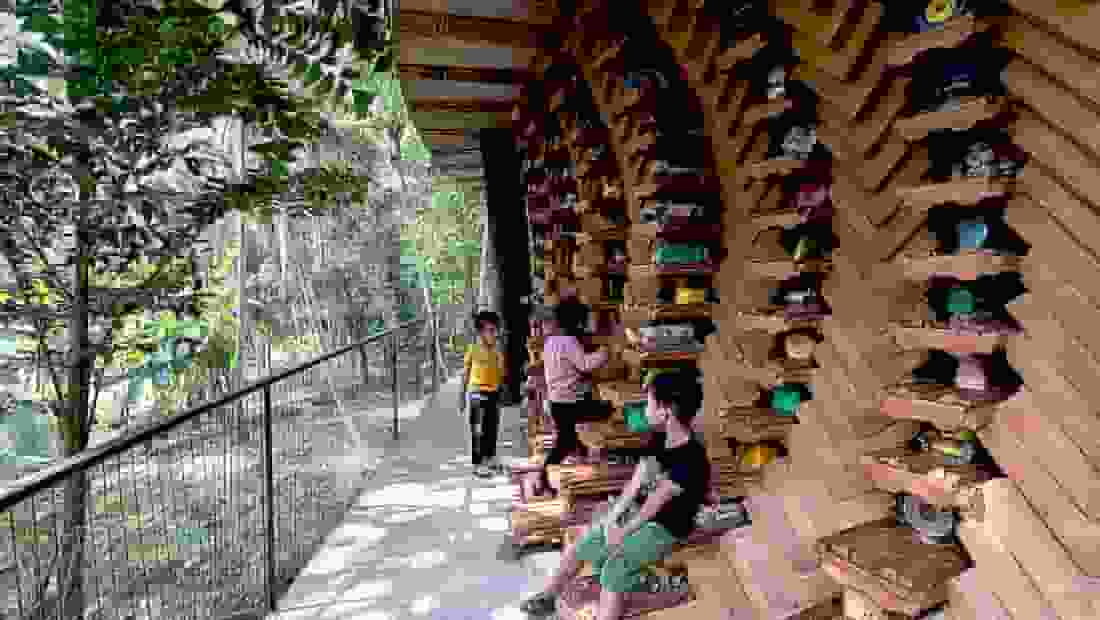
In Pixar’s Toy Story movies, the toy protagonists embark on all kinds of adventures motivated, above all else, by a desire not to be replaced or abandoned. Unsurprising then, Woody, Buzz and the rest of the gang would probably be over the moon to learn about the Toy Storeyresidence in India and the New Life in a Playful House in India, a unique building by architecture practice Wallmakers  which uses and incorporates 6,200 discarded plastic toys in its construction.

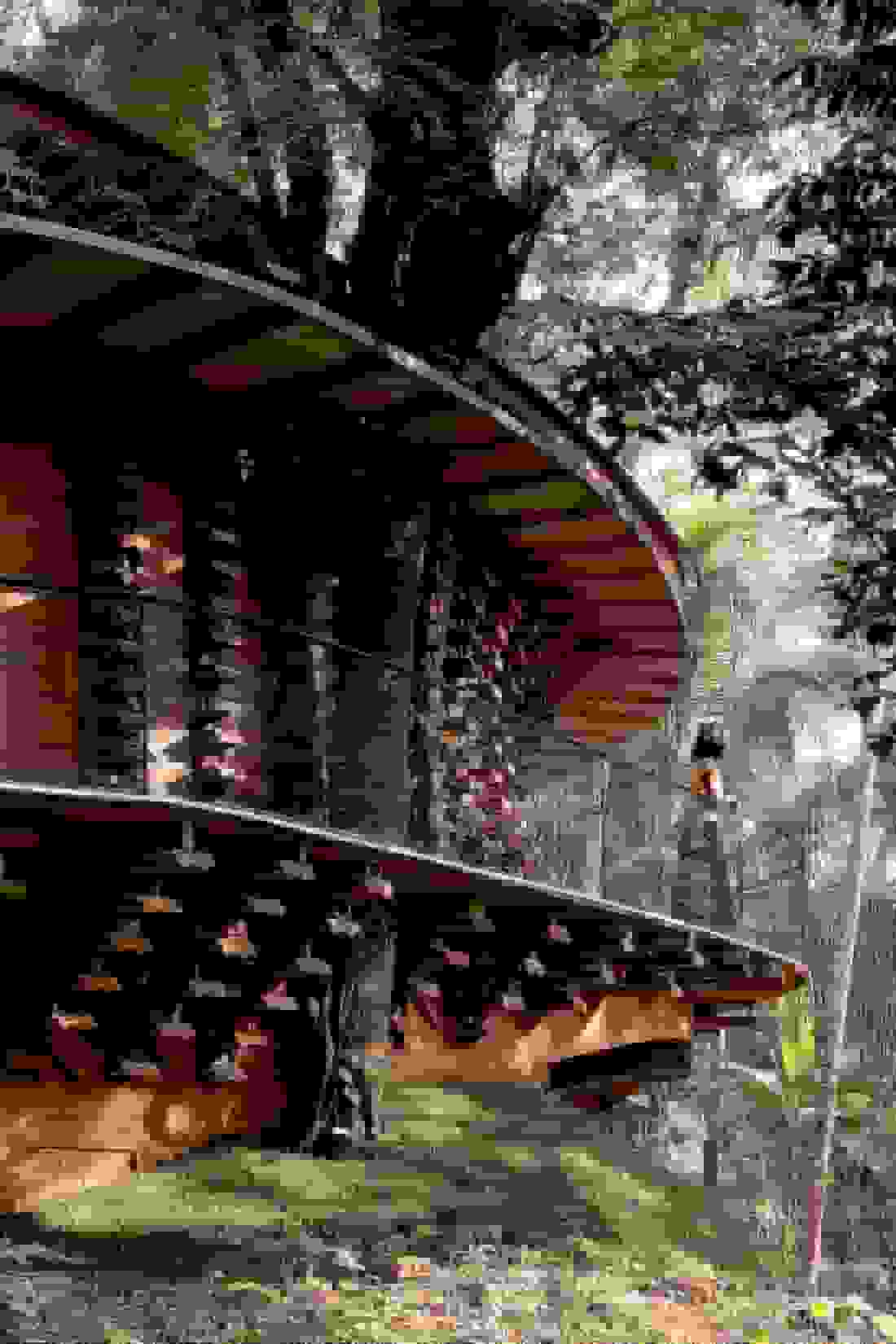
Combined with earthen blocks,  the recycled toys create a latticed building shell whose sculptural appeal belies its sustainability and functionality]. Located in Vadakara in Kerala, a municipality with the highest consumption of toys in the state, the house addresses plastic waste, as much a local as a global problem, as well as vies to preserve the community’s childhood memories, as local children are welcome to stroll around the property to look for their old toys.

Contrary to the olden days when toys were mostly made out of wood, 90% of the world’s toys contain plastic which makes them unsuitable for recycling. This has resulted in 80% of all toys that have ever been made destined for landfills, incinerators or the ocean. This sad and above all problematic statistic, led to the idea of the Toy Storey residence, in combination with the realization that the material’s indestructible nature could be used as an advantage. As Vinu Daniel, founder and lead architect of Wallmakers, notes, everyone who has accidentally stepped on a Lego block knows how sturdy modern toys can be. Therefore, the concept of using plastic toys as actual building blocks doesn’t seem that far-fetched in this respect.


1_02toy_storey_wallmakers_w1


1_03toy_storey_wallmakers_w1


1_04toy_storey_wallmakers_w1


1_05toy_storey_wallmakers_w1


The Toy Storey Residence in India and the New Life in a Playful House in India of recycled toys create a latticed building shell whose sculptural appeal belies its sustainability and functionality.


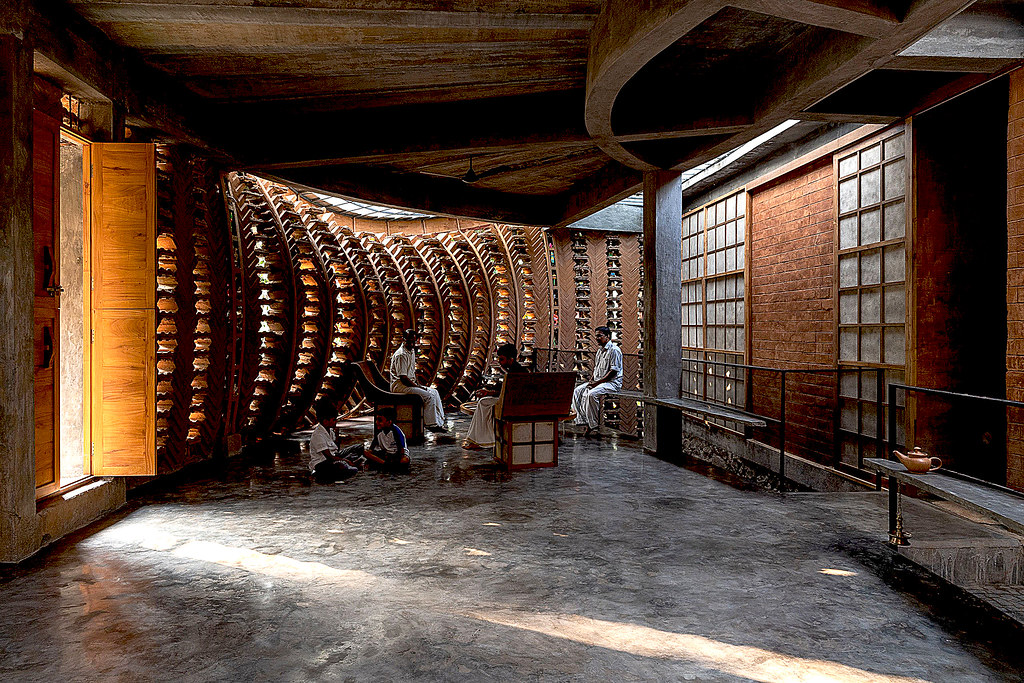
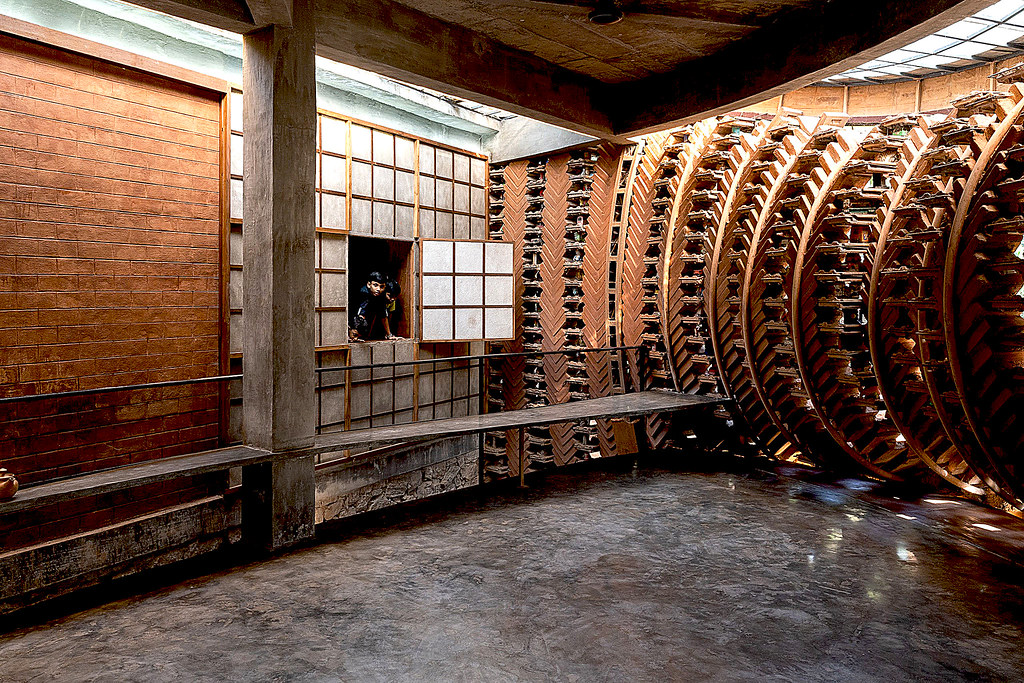
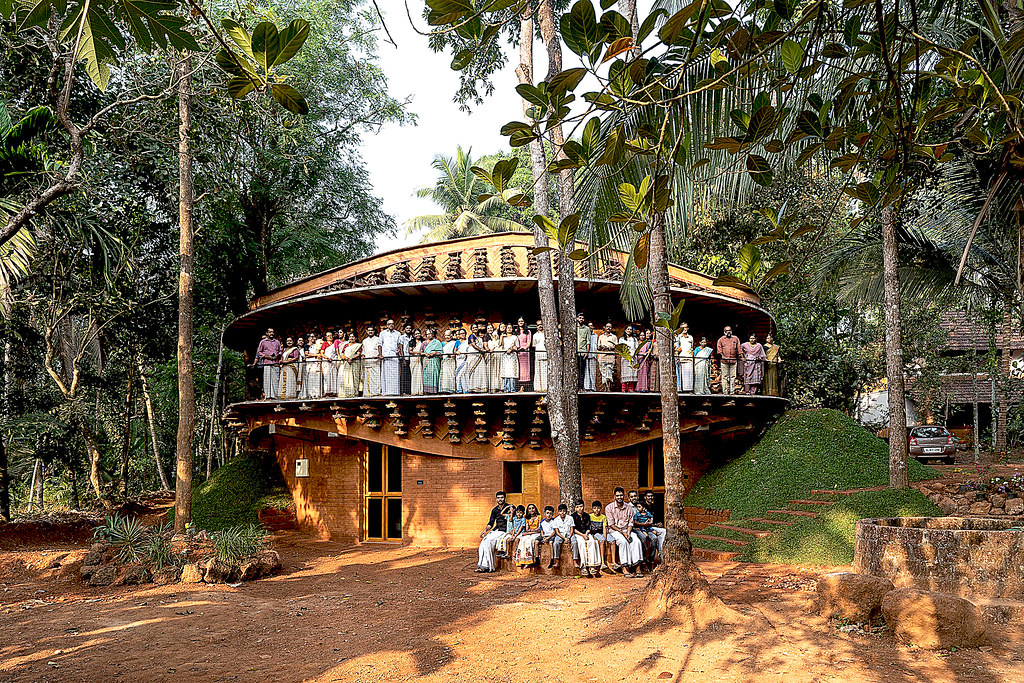
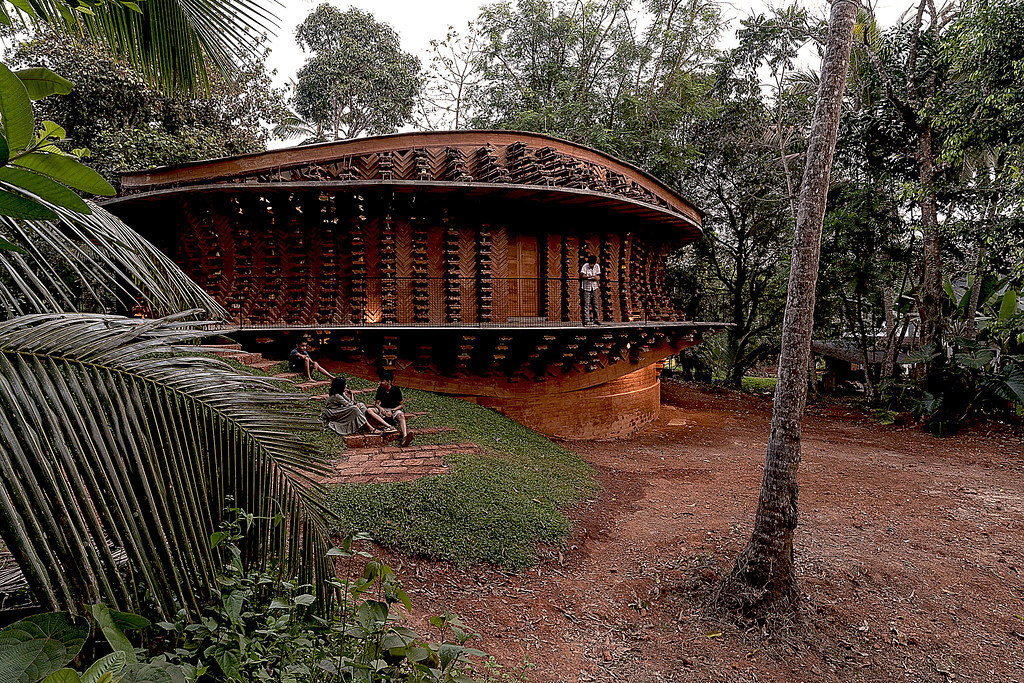
Sporting a circular footprint, in what is a nod to the circular design philosophy underpinning the project as well as a gesture of openness to the local community, the house is circumscribed by a cantilevered veranda where the toy-filled building envelope can be admired up close. Using compressed stabilized earth blocks made from soil excavated on-site, the team has constructed a latticed structure featuring a grid of corbels which the wedged toys jut out from. Inspired by the ‘jaali’, a perforated stone or wood screen traditionally used in Indian architecture for both decorative and ventilation purposes, the house’s composite skin not only looks remarkable but it also facilitates natural ventilation The Toy Storey Residence in India and the New Life in a Playful House in India of recycled toys create a latticed building shell whose sculptural appeal belies its sustainability and functionality also providing shade while enabling daylight penetration.


2_06toy_storey_wallmakers_w1


2_07toy_storey_wallmakers_w1


The Toy Storey Residence in India and the New Life in a Playful House in India of recycled toys create a latticed building shell whose sculptural appeal belies its sustainability and functionality.


2_09toy_storey_wallmakers_w1


2_10toy_storey_wallmakers_w1


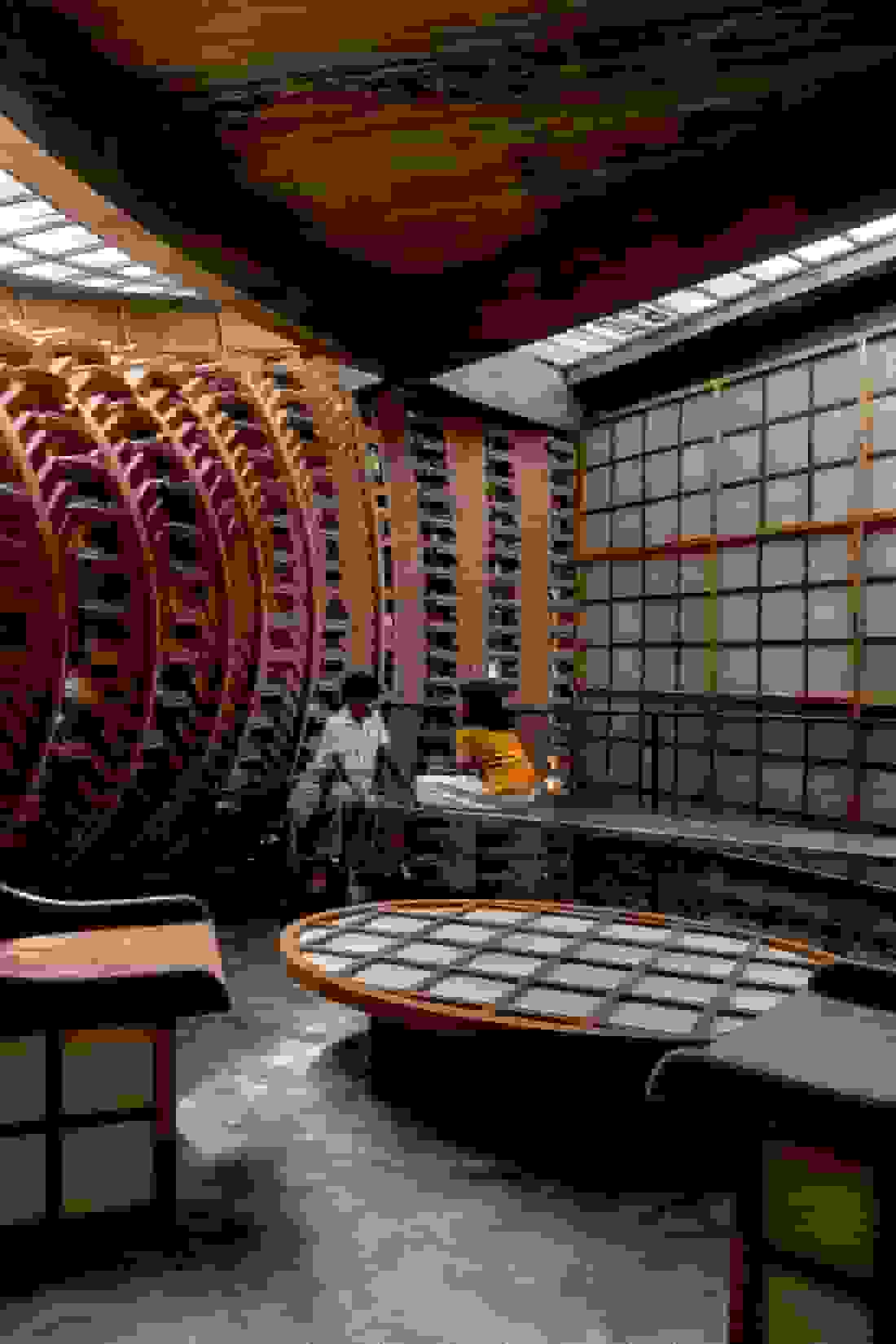
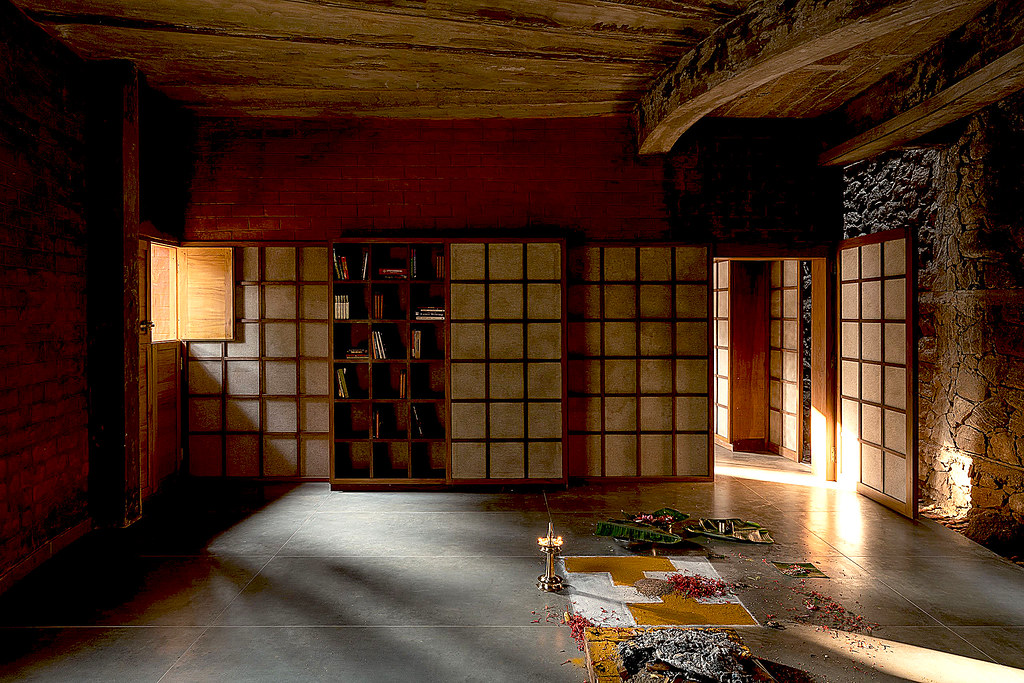
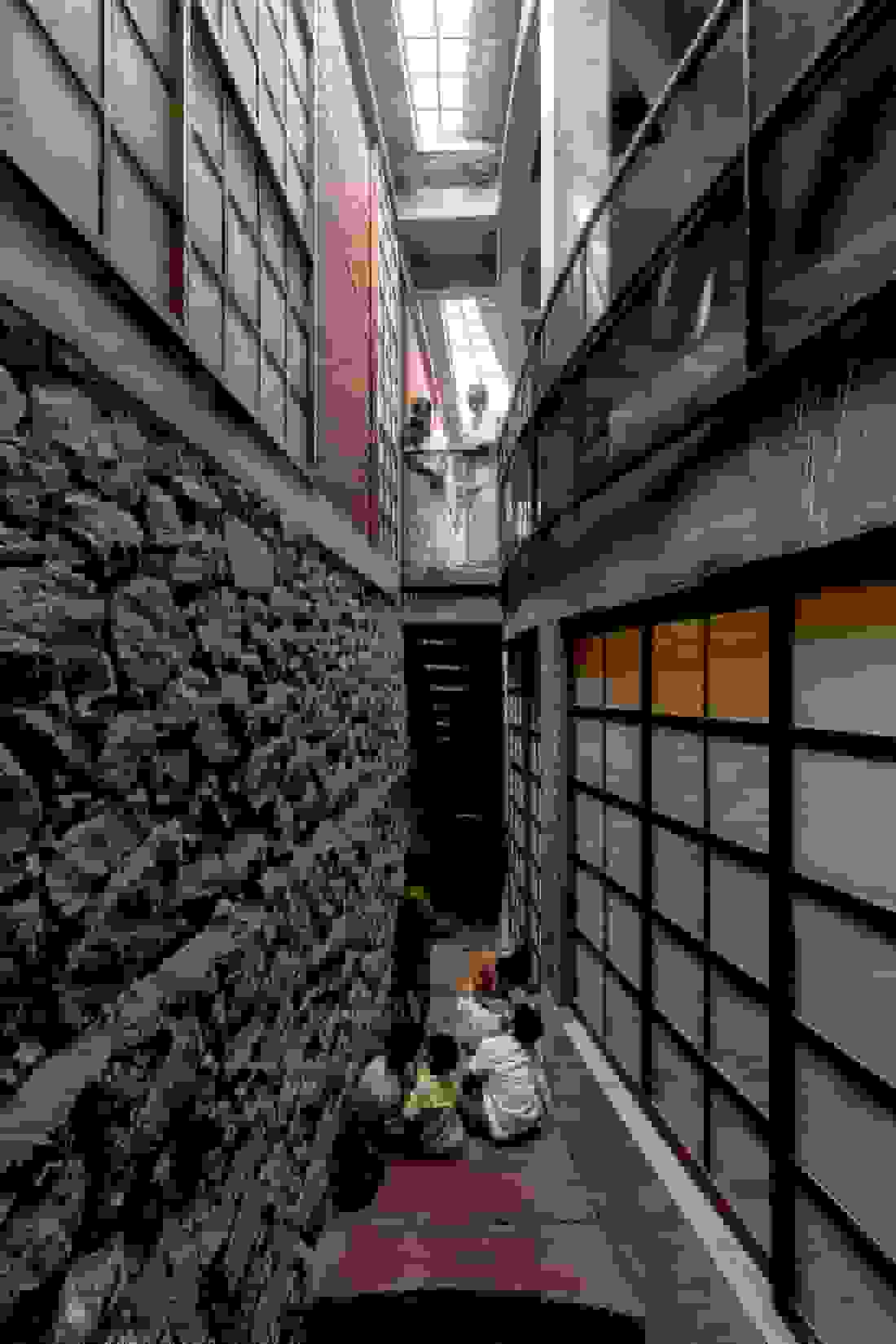
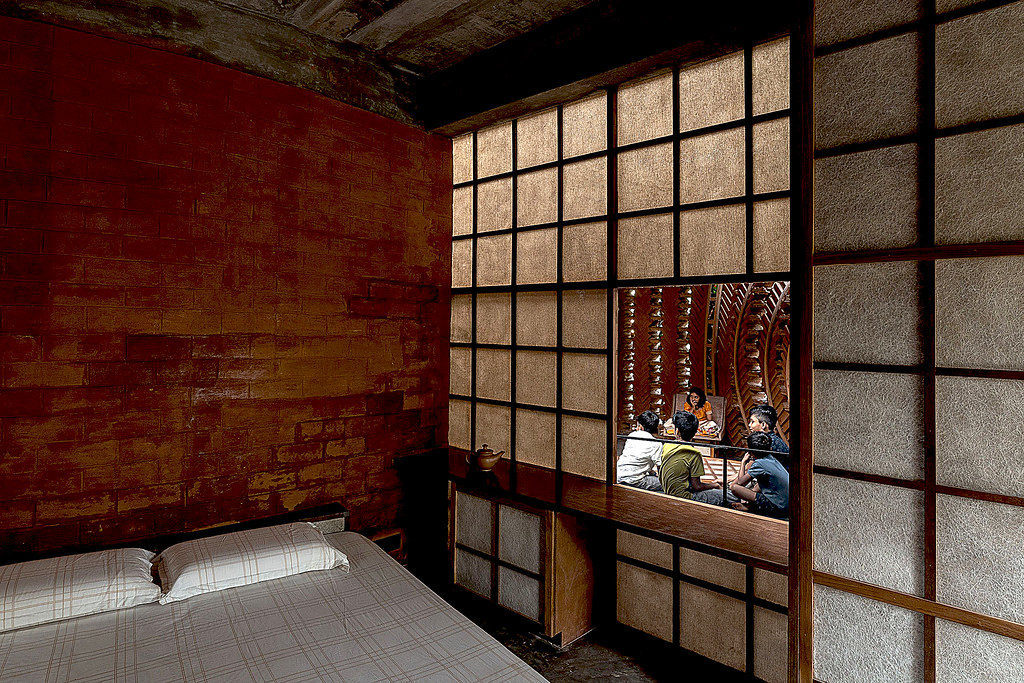
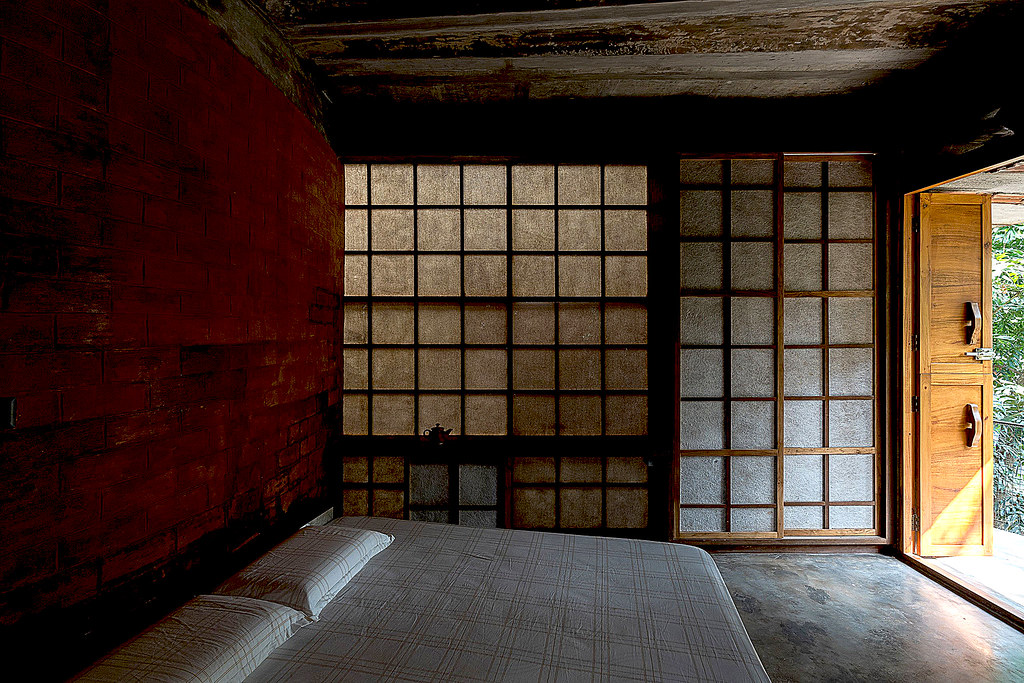
The house is divided by a narrow courtyard bisecting the circular floorplan into a large communal area and a private zone containing two bedrooms and a dining and kitchen of Toy Storey Residence in India spaceWhile the former has been designed as a public space where neighbours are welcome to stop by, with built-in concrete benches conveying the sense of a plaza, the private quarters are enclosed with translucent Japanese-style shoji screens based on a “house within a house” concept. Plenty of natural light filters in through the ‘toy jaali’ envelope and the central courtyard. Taking advantage of the sloped terrain, the house also features a further basement level comprising a third bedroom and a library.
 

3_11toy_storey_wallmakers_w1


3_12toy_storey_wallmakers_w1


3_13toy_storey_wallmakers_w1


3_14toy_storey_wallmakers_w1


3_15toy_storey_wallmakers_w1


3_16toy_storey_wallmakers_w1


The Toy Storey Residence in India and the New Life in a Playful House in India of recycled toys create a latticed building shell whose sculptural appeal belies its sustainability and functionality.


3_18toy_storey_wallmakers_w1


3_19toy_storey_wallmakers_w1


3_20toy_storey_wallmakers_w1


3_21cover_toy_storey_wallmakers_w1


Om onvervangbaar te zijn, moet je altijd anders zijn.
Er zijn fascinerende beelden hier, en de fascinerende dag van samen!  xo
─────────────────────────────────────────────────────
Per essere insostituibili bisogna sempre essere diverso.
Ci sono immagini affascinanti qui, e l’affascinante giornata di insieme!  xo KanikaChic

碎片重組 2025 科莫湖設計節精彩亮點

碎片重組 2025 科莫湖設計節精彩亮點

  科莫湖設計節提供了截然不同的東西:較慢的節奏和地方感,設計與歷史、景觀和工藝對話。在森林覆蓋的山丘和美好年代別墅的背景下,這座城市的身份始終與優雅和生產聯繫在一起——從羅馬式石雕和理性主義建築到曾經覆蓋歐洲的絲綢工廠。在這樣的背景下,碎片亮點重組了2025 科莫湖設計節。     說到設計活動,很少有地方能在活動的密度方面與米蘭設計週相媲美。然而,剛從第七屆科莫湖設計節回來的我們意識到,與設計最能引起共鳴的邂逅並不總是來自規模,而是來自環境。科莫,以其多層次的魅力和手工傳統,提供了截然不同的東西:較慢的節奏和地方感,設計與歷史、景觀和工藝對話。在森林覆蓋的山丘和美好年代別墅的背景下,這座城市的身份始終與優雅和生產聯繫在一起——從羅馬式石雕和理性主義建築到曾經覆蓋歐洲的絲綢工廠。在這樣的背景下,藝術節在別墅、公園和廢棄的教堂中展開,其主題「碎片」不僅透過展出的物品迴盪,也透過城市本身迴盪,層層歷史構成了一幅城市掛毯,過去的碎片交織在當代日常中。     今年的主題恰逢其時。在一個飽受衝突、兩極化和氣候劇變摧殘的世界裡,碎片化是我們日常生活中不可或缺的一部分。然而,這次藝術節邀請我們以不同的視角看待它:它並非崩潰,而是一次重生的機會,一次對千篇一律的反抗,一次重新連結的姿態。無論是在字面上對廢棄石材和木材的再利用,還是在概念上對歷史、記憶和個人敘事的層層疊加,我們都在每一次展覽中追尋著這條線索。 我們的旅程從藝術節的中心——奇洛梅特羅·德拉·諾森扎(Chilometro della Conoscenza)開始。這座線性公園將湖畔的三棟歷史悠久的別墅串聯起來,也成為了藝術節的中心。「當代設計精選」展覽由Giovanna Massoni策劃,被設想為一座露天藝術館,匯集了一群國際設計師,他們的作品散落在場地各處,如同一條條等待拼湊的線索。       我們在這裡看到的許多作品都毫無保留地以材料為主導,設計師們突出了他們所選用的材料的傷痕和不規則性。以荷蘭的日本設計師Sho Ota的 Amphisbaena Bench 為例,它是與倫敦Agglomerati的Sam Henley合作創作的。它長五米,其微妙蜿蜒的形狀讓人想起神話中兩端各有一個頭的蛇,由曾經打算送往梵蒂岡的未使用的石灰華邊角料製成,其支離破碎卻又悄然不失紀念意義的形式簡潔地概括了今年的主題。作為 Ota 正在進行的Surfaced 系列的一部分,該系列的靈感來自日本boro紡織品(明顯有補丁和縫補的服裝),這張長凳成為了透過修復實現連續性的隱喻。

Facebook
Twitter
LinkedIn
Tumblr
0 0 votes
Article Rating
Subscribe
Notify of
guest
0 Comments
Oldest
Newest Most Voted
Inline Feedbacks
View all comments
Search