Lourosa-Fiães Transport Interface

Lourosa-Fiães Transport Interface:The building Lourosa-Fiães transport interface with a rectangular plan and built in metal structure, has a dynamic volumetry and is covered


The building Lourosa-Fiães transport interface with a rectangular plan and built in metal structure, has a dynamic volumetry and is covered


1_01-03top-interface-de-transportes-lourosa-fiaes


▏The Interface de Transportes Lourosa – Fiães is a transport interface

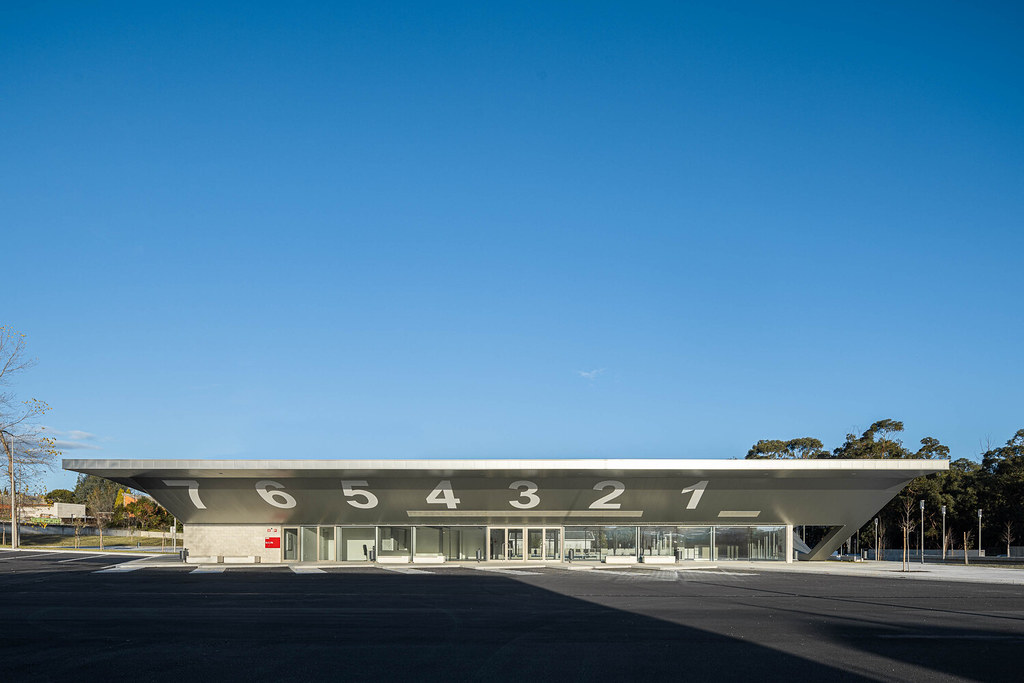
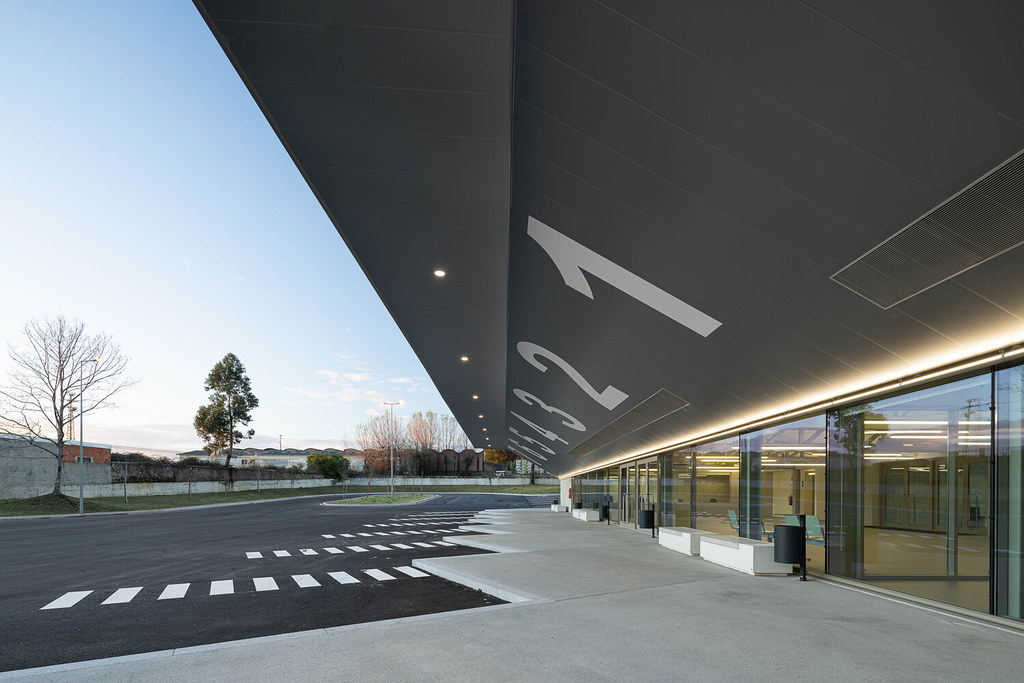
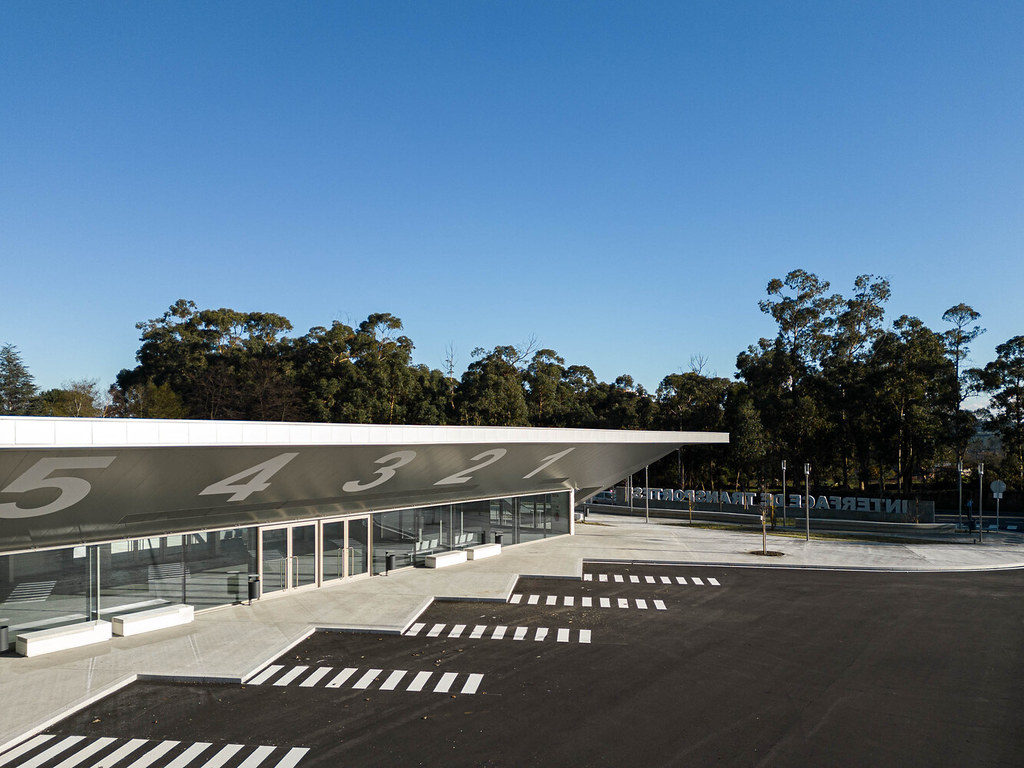
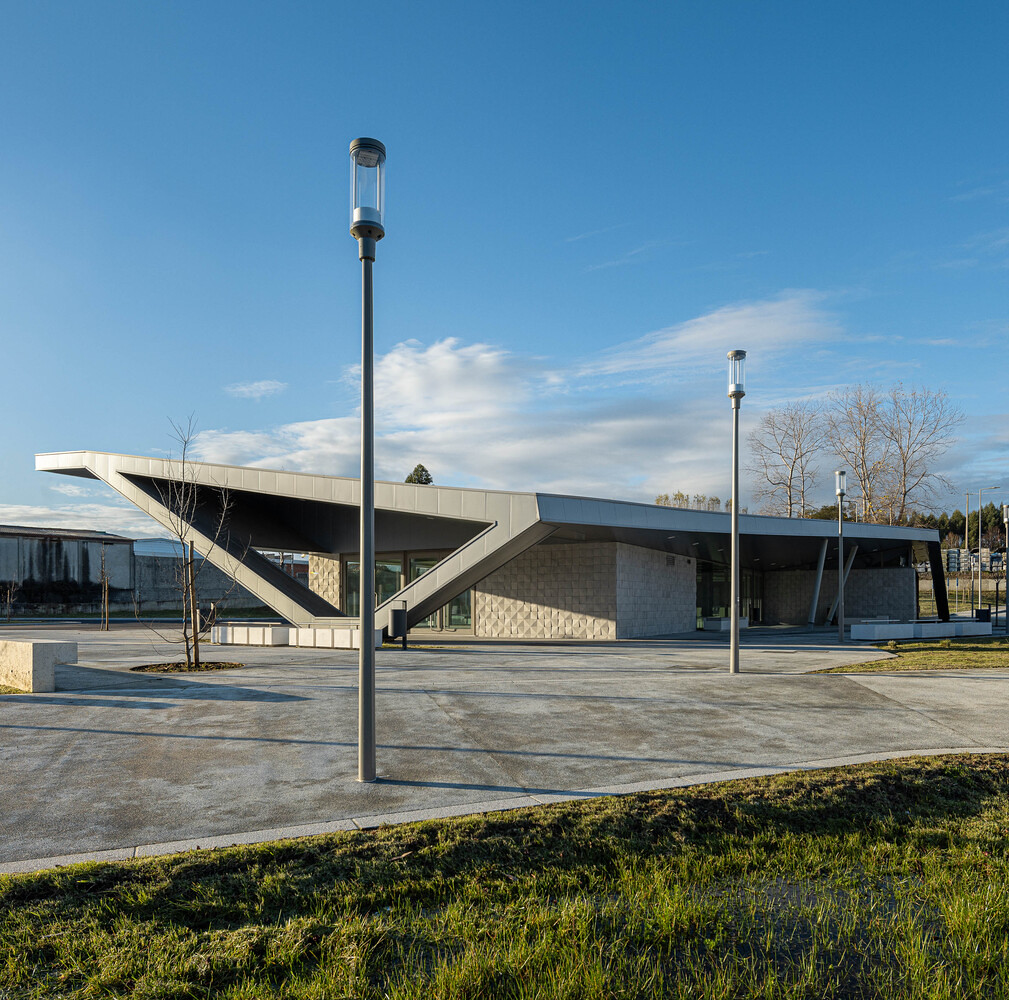
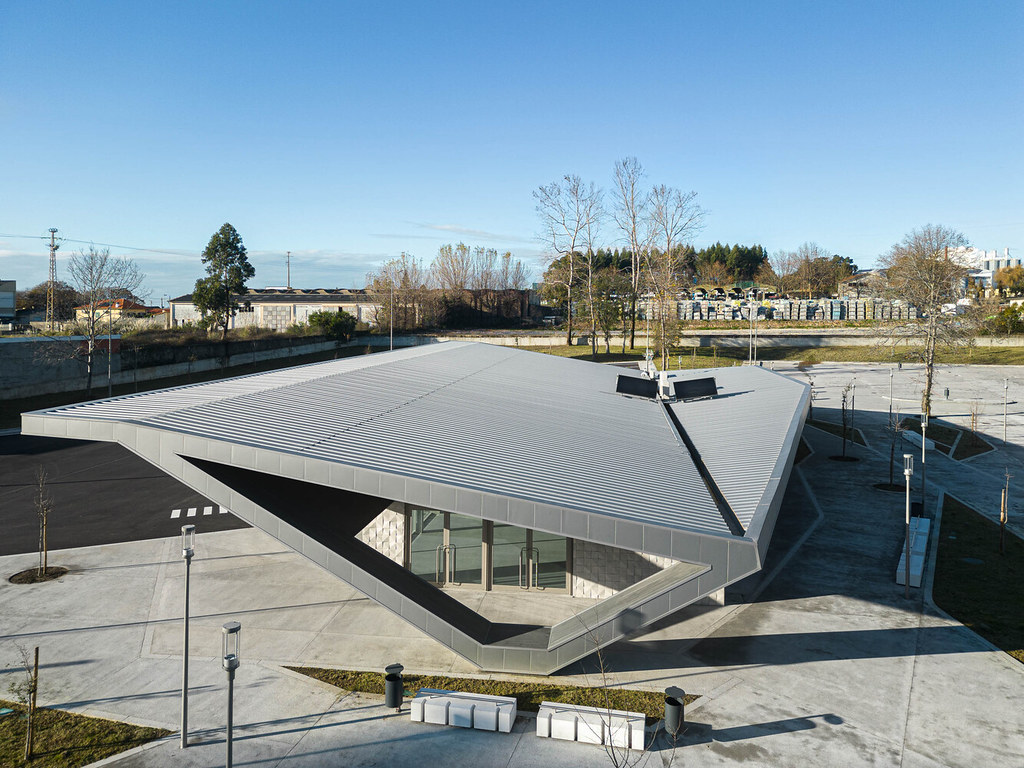
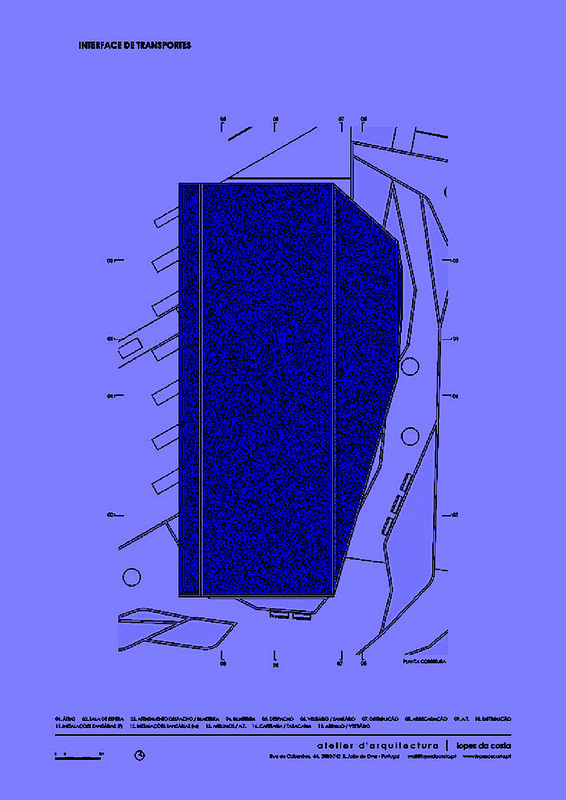
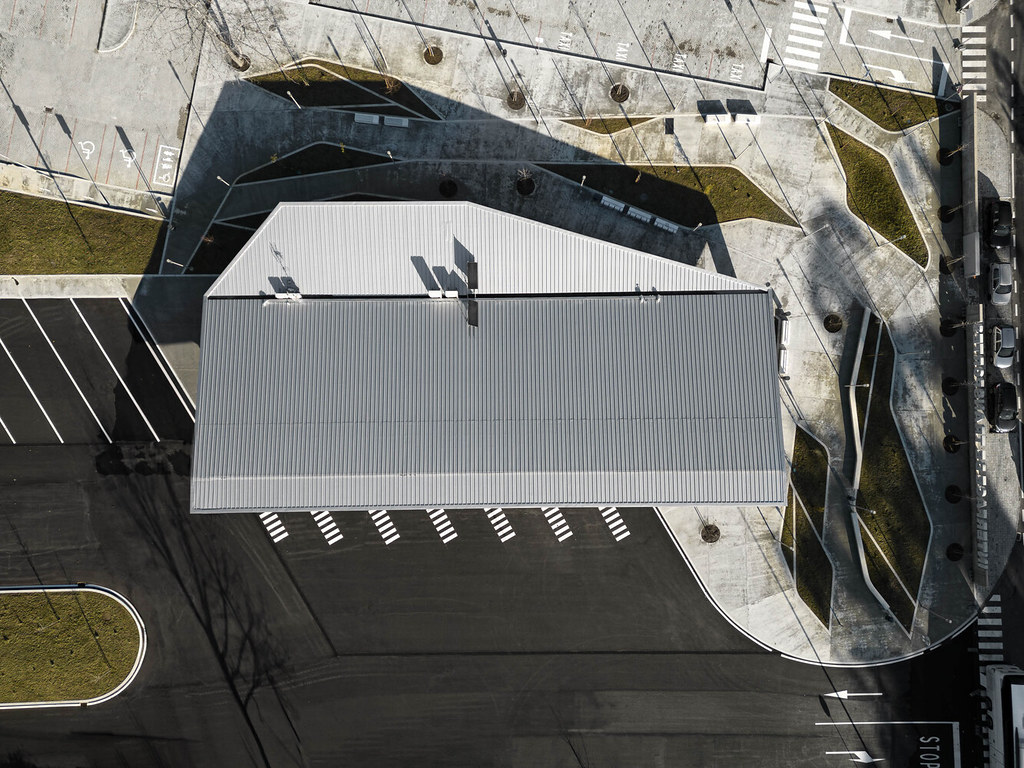
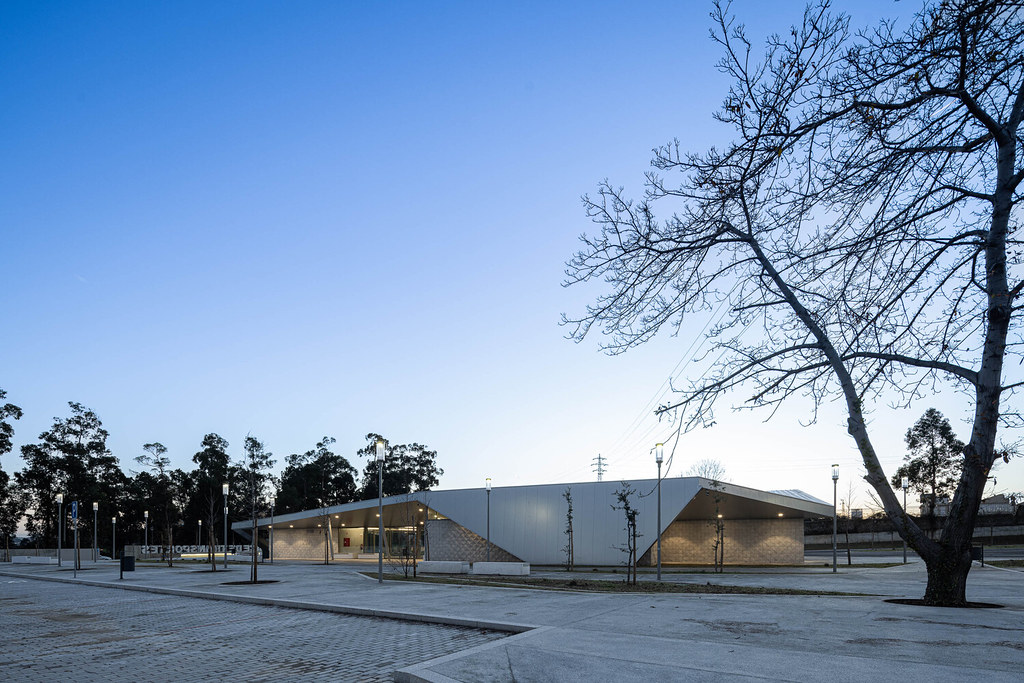
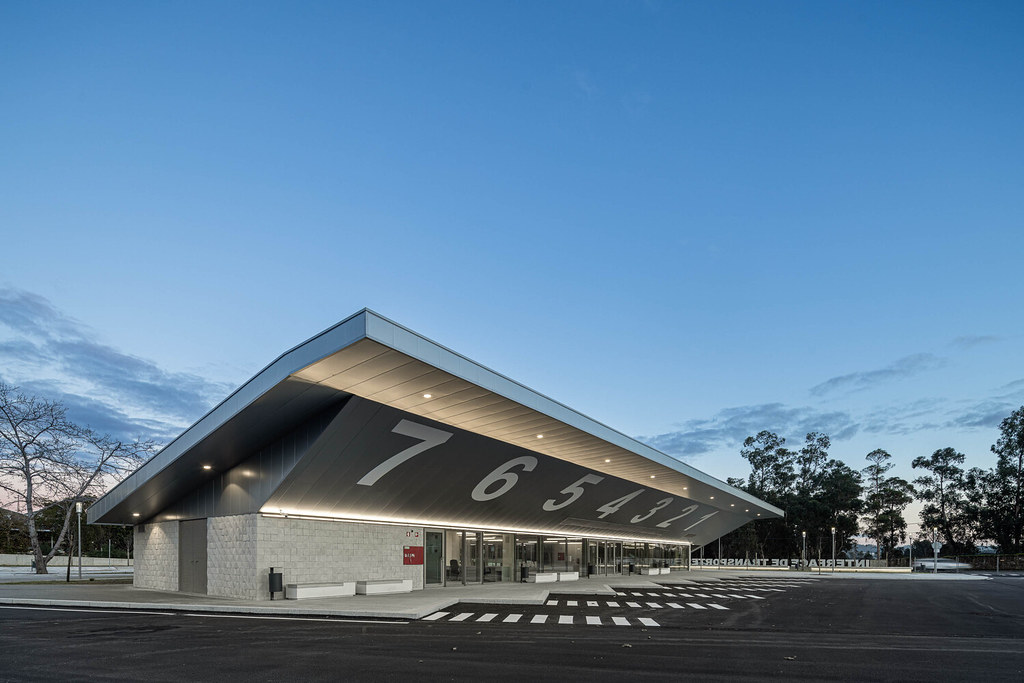
The Interface de Transportes Lourosa – Fiães is a transport interface, located on a plot of land with around 11,500m2 on the border between these two parishes, comprises a vast parking and manoeuvring area and a support building of around 500m2, which was chosen to be located perpendicular to the road that gives it access. This location allows a better integration into the existing topography, and also clearly separates the access to the car park at east from the buses access at west, so there are no crossroads or possible conflicts between cars and buses traffic.


1_02-06interface-de-transportes-lourosa-fiaes


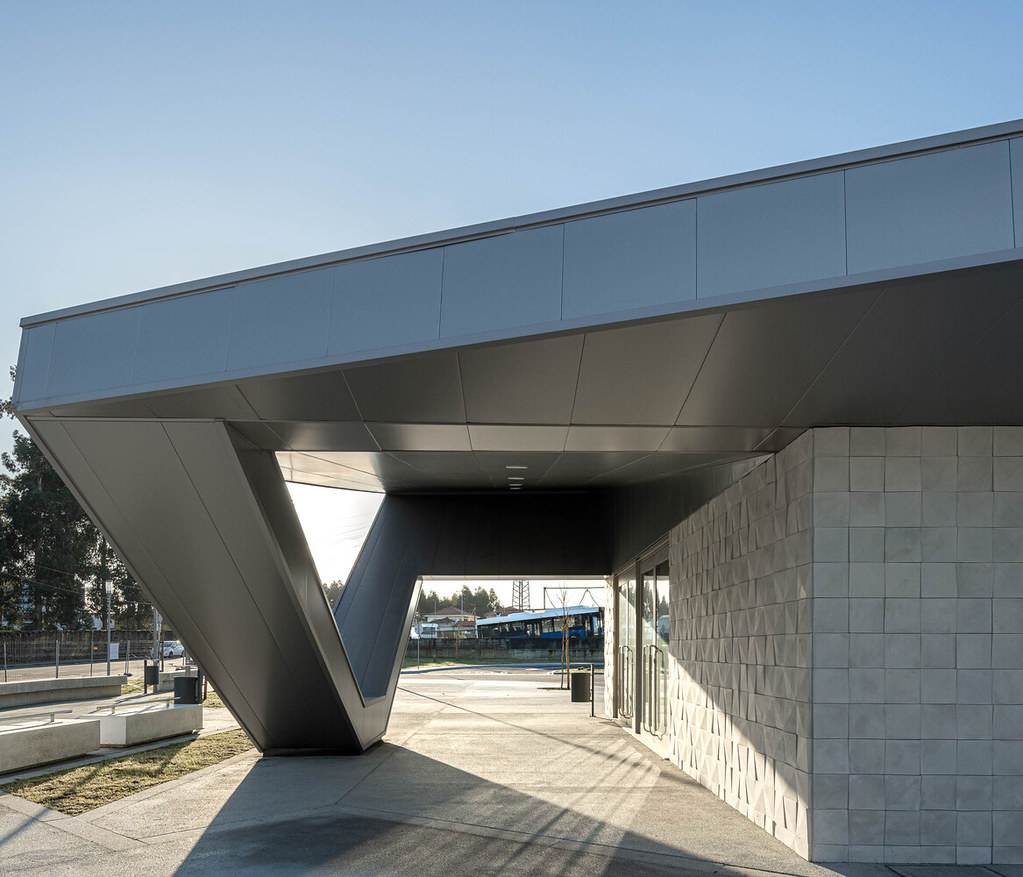
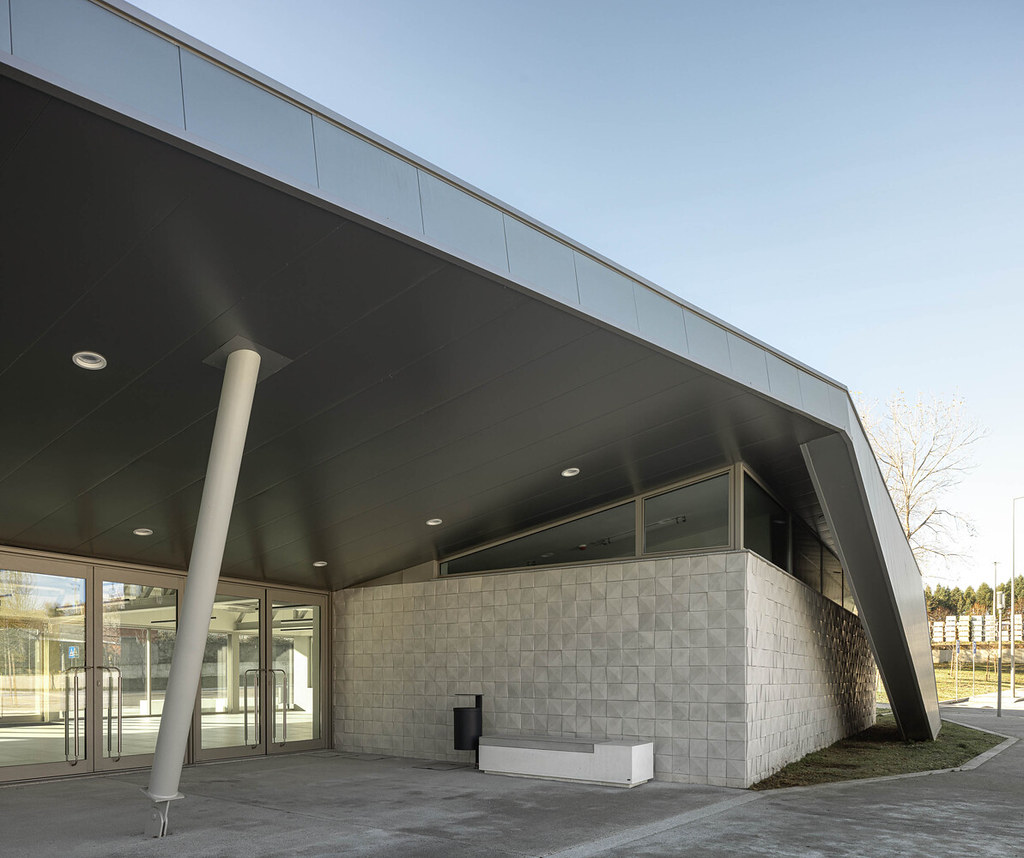
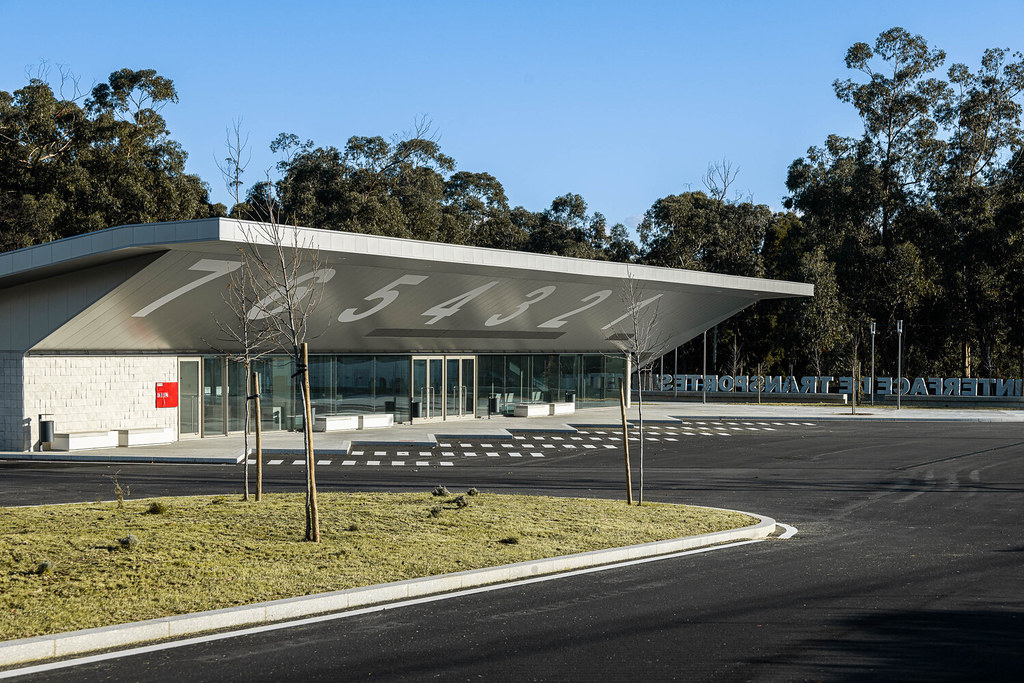
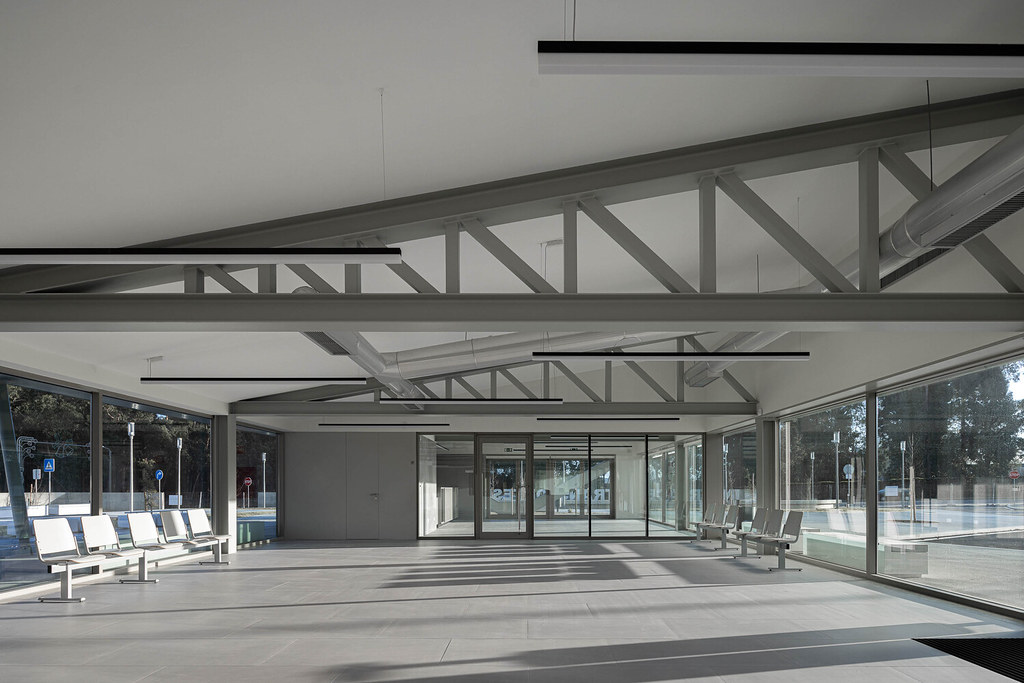
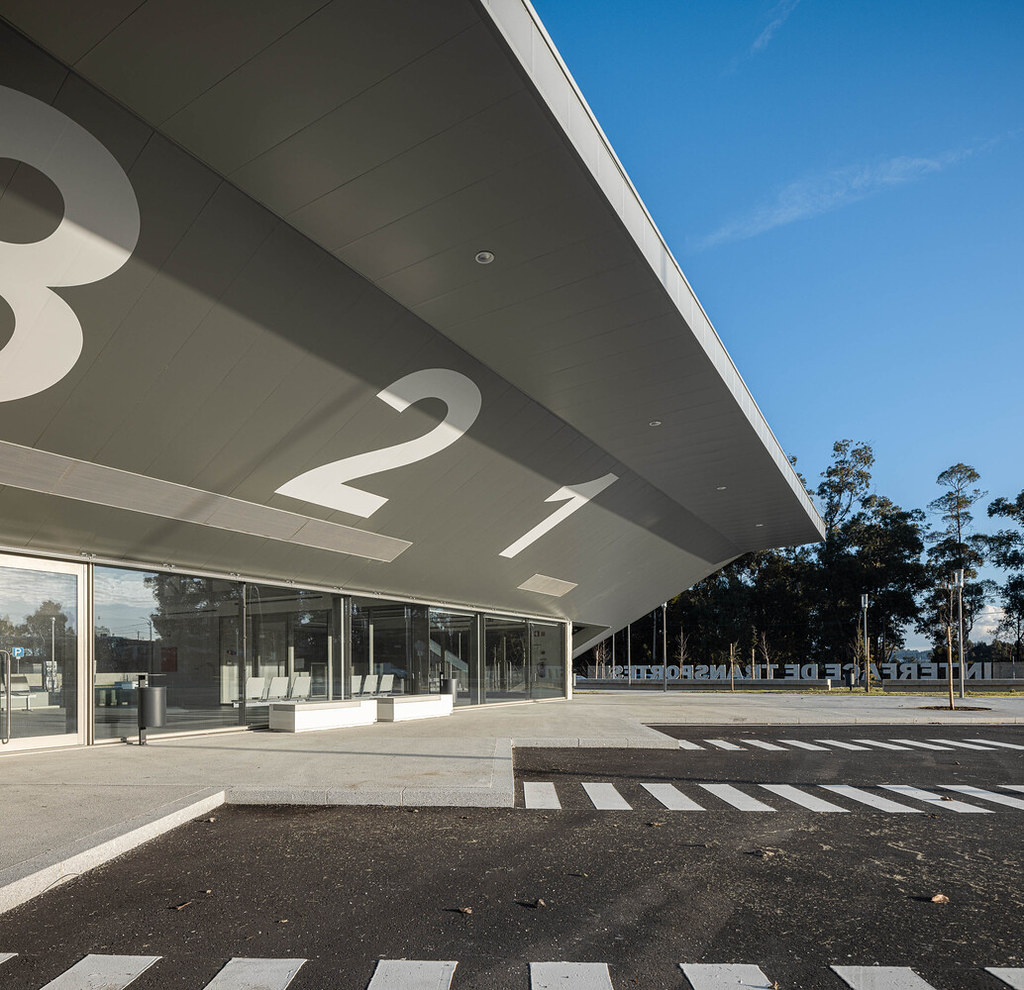
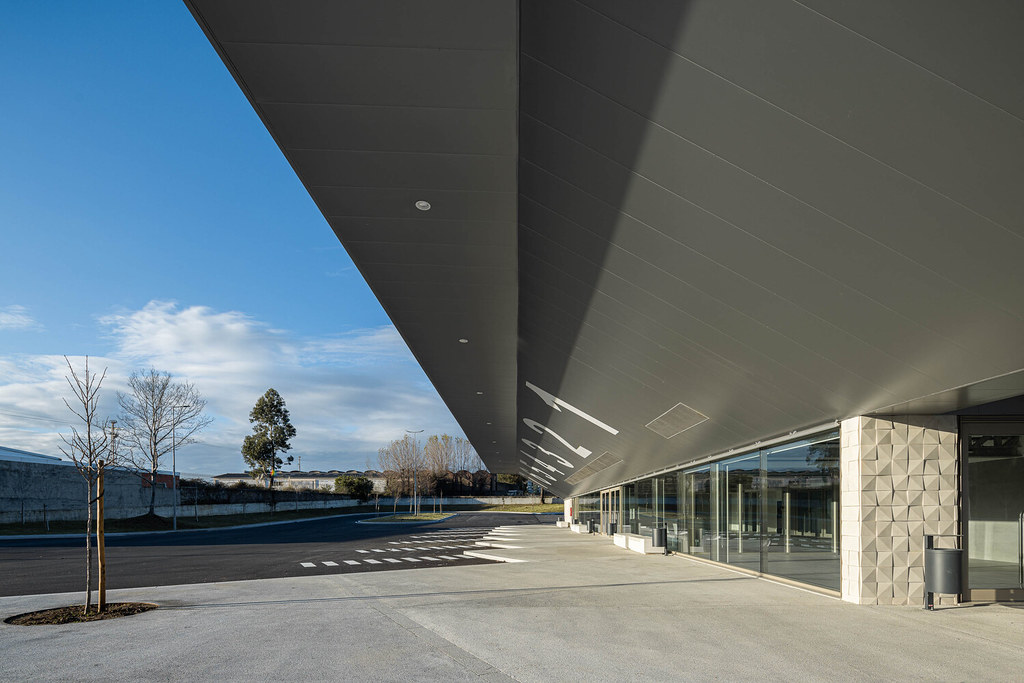
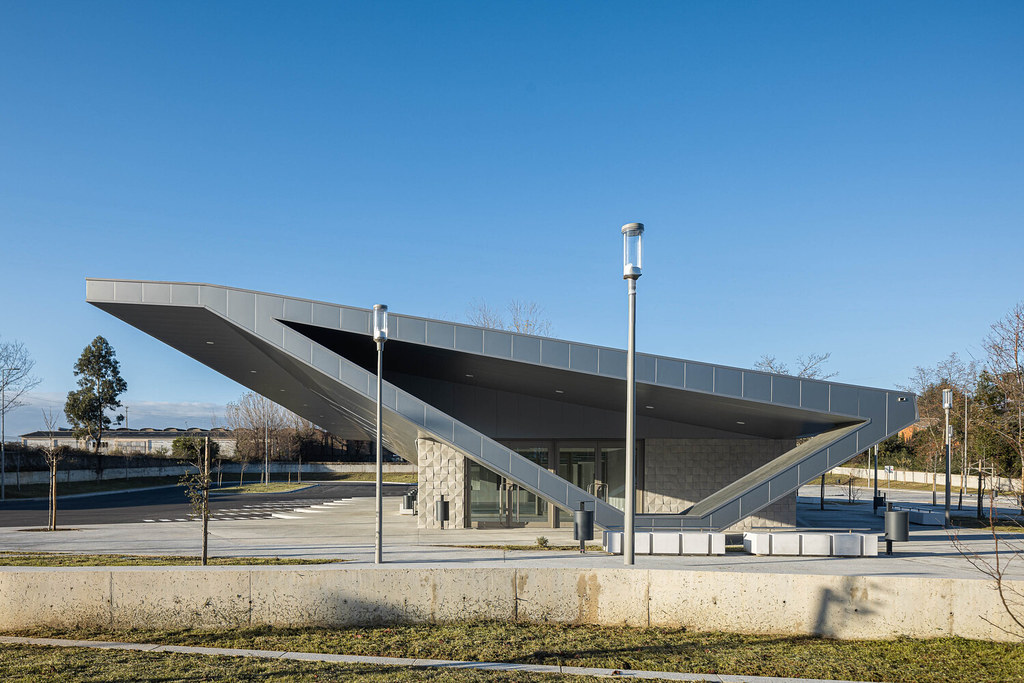
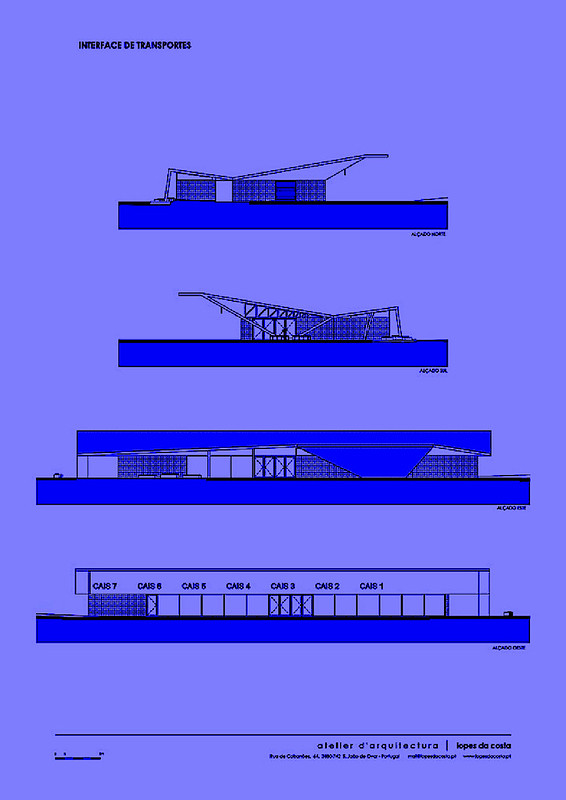
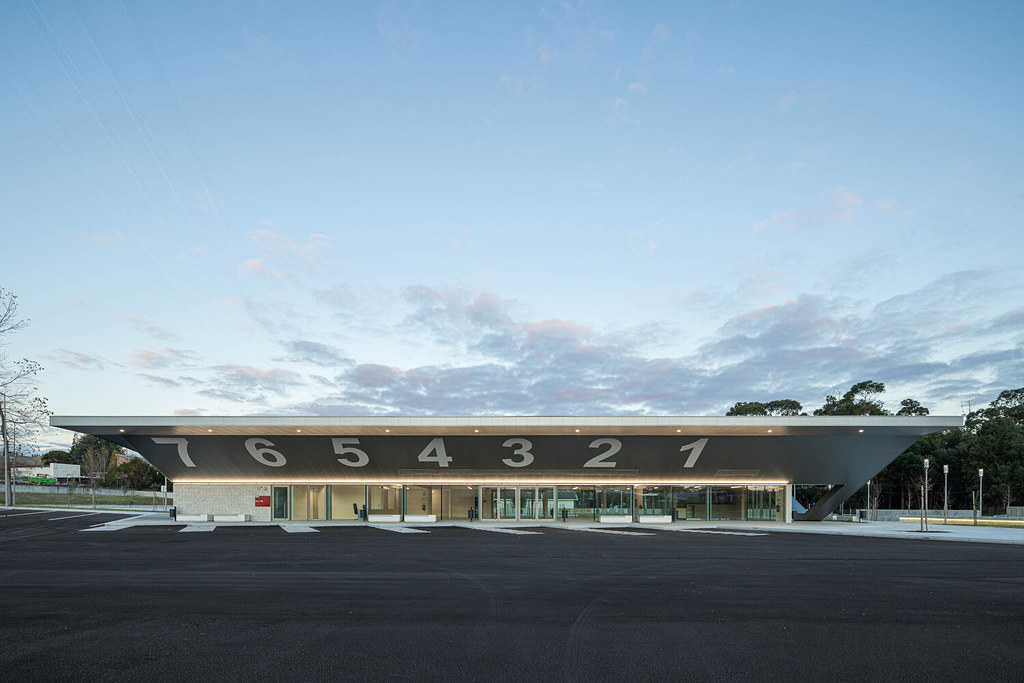
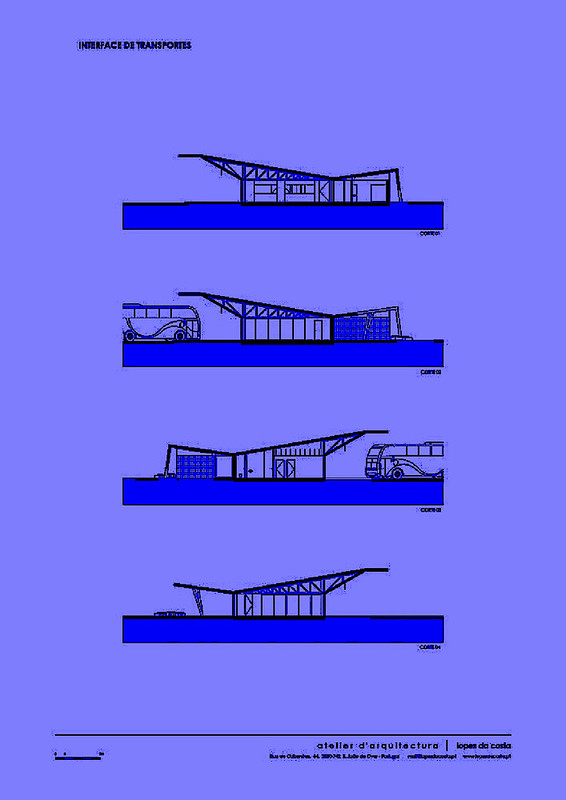
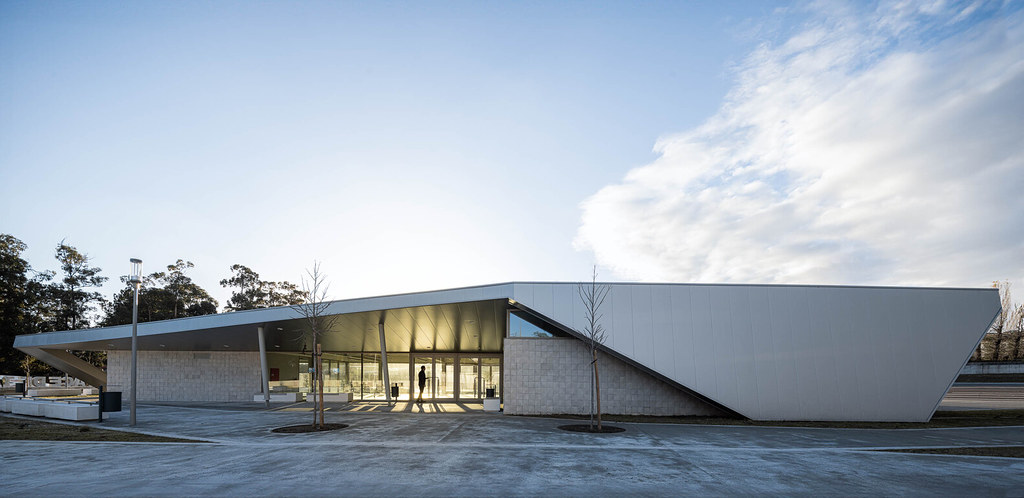
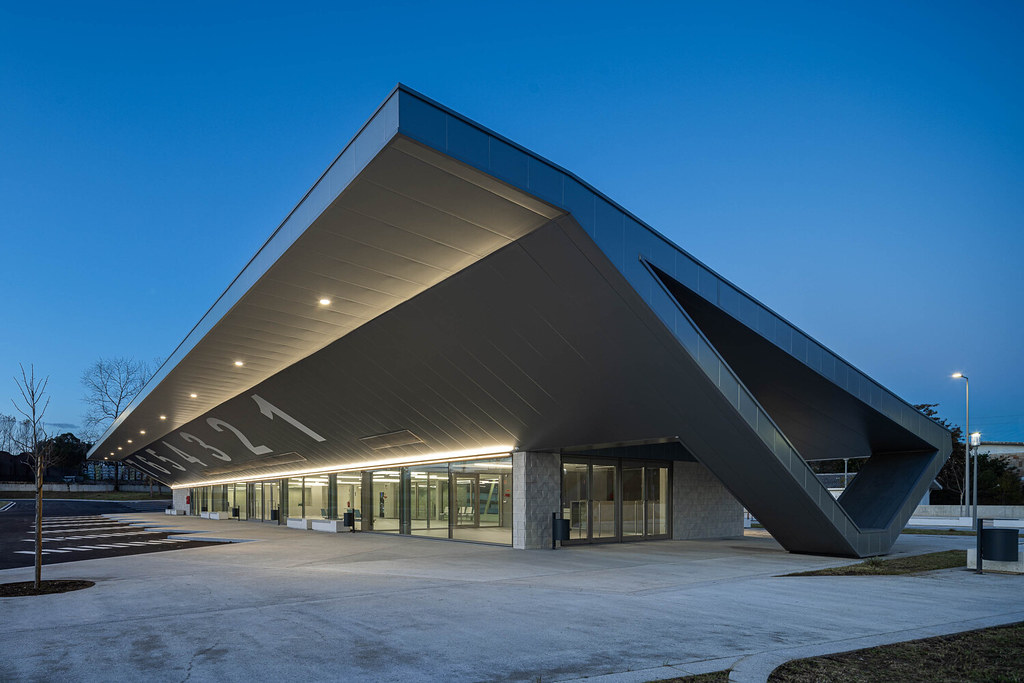
The building Lourosa-Fiães transport interface with a rectangular plan and built in metal structure, has a dynamic volumetry and is covered with a rectangular plan and built in metal structure, has a dynamic volumetry and is covered  with a skin that makes the transition from the user/pedestrian scale to the bus bay scale, to the west. This metal sheet roof contrasts with some parallelepiped volumes covered in cement mosaics that enliven the façades.


2_03-16interface-de-transportes-lourosa-fiaes


2_04-15interface-de-transportes-lourosa-fiaes


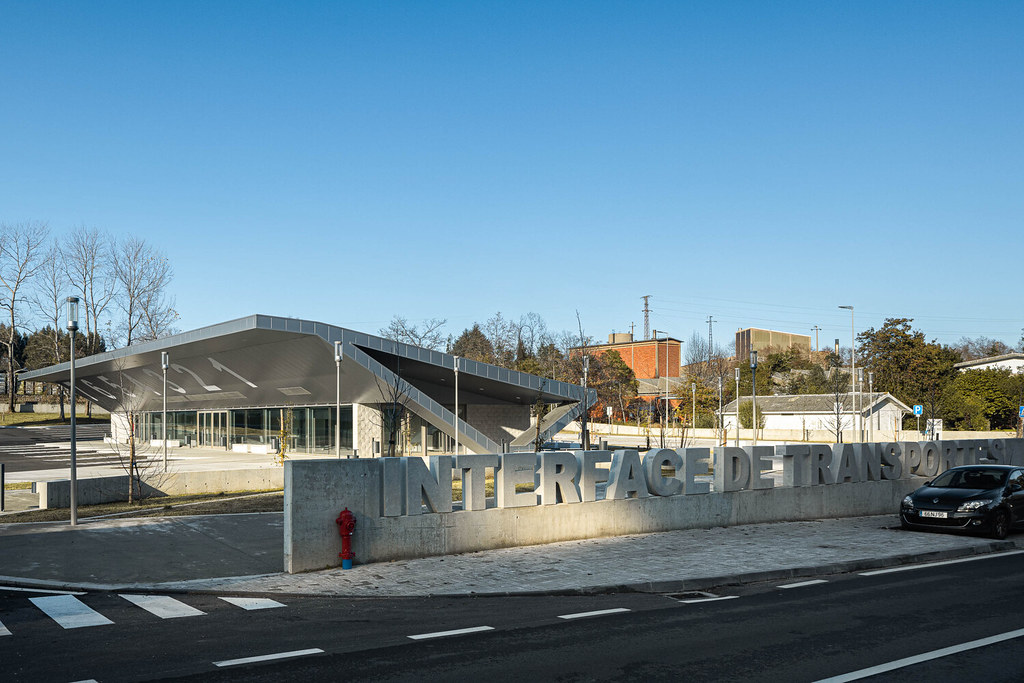
At the front of the building, closer to the street, is the cafeteria, which has a terrace facing south and west. [This Lourosa-Fiães Transport Interface space, due to its location, will not only serve the Interface, but will also be used by the passing public and the industries located nearby], thus enhancing and making the most of this facility.


Lourosa-Fiães Transport Interface:The building Lourosa-Fiães transport interface with a rectangular plan and built in metal structure, has a dynamic volumetry and is covered


Lourosa-Fiães Transport Interface:The building Lourosa-Fiães transport interface with a rectangular plan and built in metal structure, has a dynamic volumetry and is covered


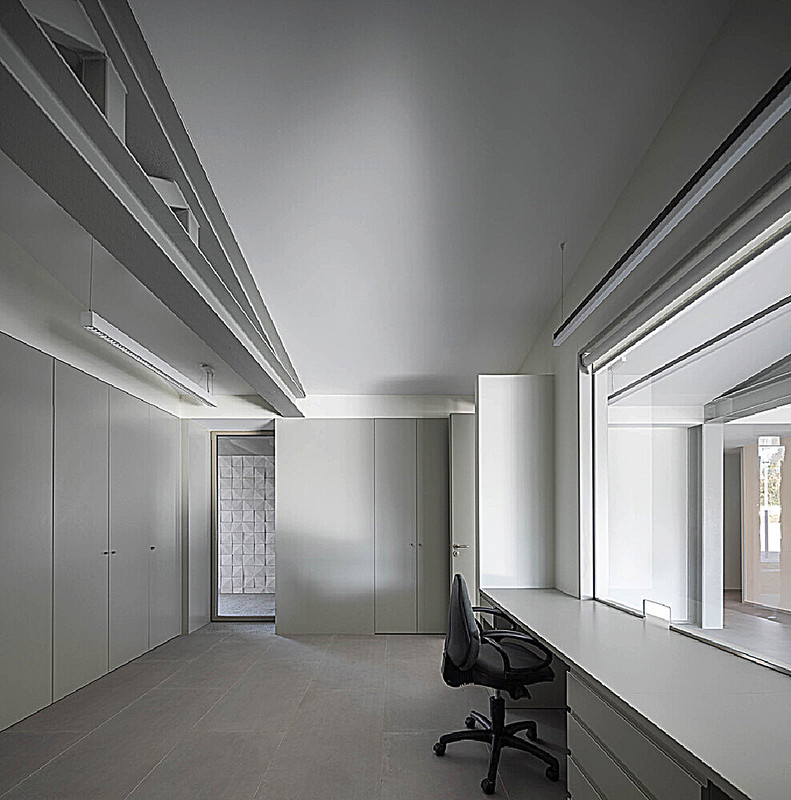
Users access the building from the east, from the car park, to an area where the extended roof shelters and marks the entrance. The building Lourosa-Fiães transport interface with a rectangular plan and built in metal structure, has a dynamic volumetry building is very transparent both to the east and west, allowing the bus dock to be seen at all times.


4_07-07interface-de-transportes-lourosa-fiaes


Lourosa-Fiães Transport Interface:The building Lourosa-Fiães transport interface with a rectangular plan and built in metal structure, has a dynamic volumetry and is covered


4_09-08interface-de-transportes-lourosa-fiaes


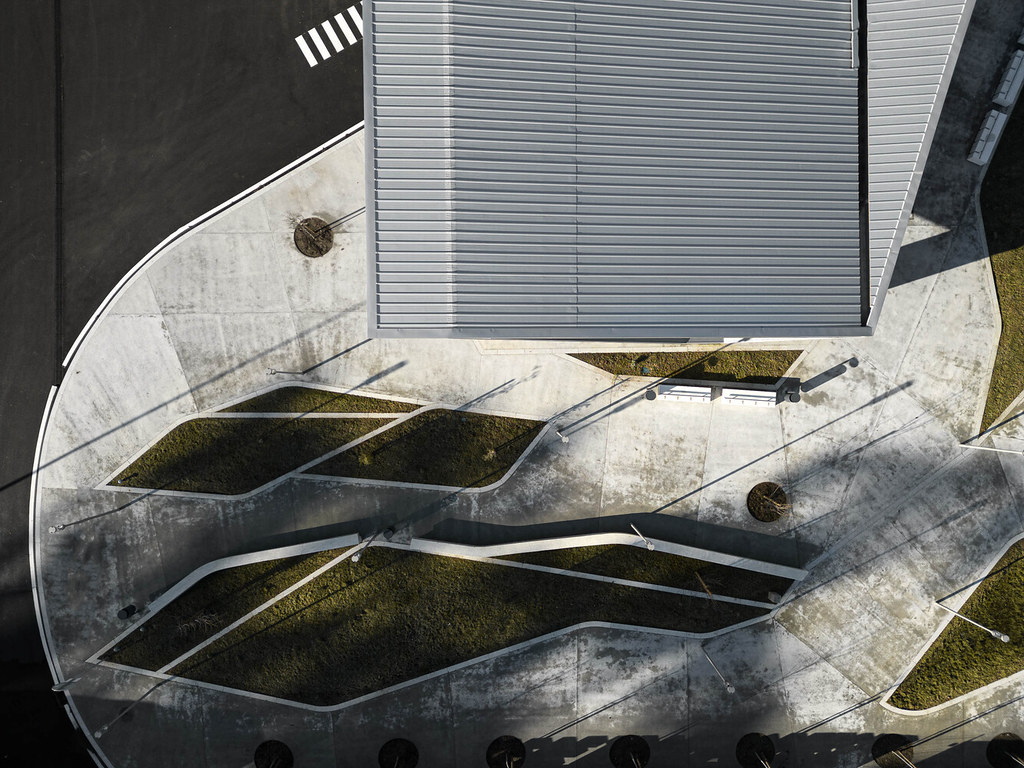
The building rests on a pedestrianised and paved area animated by the inclusion of garden spaces, with a design referring to the building shape, and bicycle parking zones.


Lourosa-Fiães Transport Interface:The building Lourosa-Fiães transport interface with a rectangular plan and built in metal structure, has a dynamic volumetry and is covered


The car park, located to the east, is divided into two areas, one closer to the entrance for short-term stops, dropping off passengers and passenger transport vehicles, and a second area, further north, which is mainly for longer-term parking. Bus access to the Interface is to the west, in an area duly dimensioned for the purpose, allowing easy circulation and manoeuvring for parking.
 

6_11-33interface-de-transportes-lourosa-fiaes


7_12-02interface-de-transportes-lourosa-fiaes


7_13-04interface-de-transportes-lourosa-fiaes


7_14-05interface-de-transportes-lourosa-fiaes


7_15-09interface-de-transportes-lourosa-fiaes


7_16-10interface-de-transportes-lourosa-fiaes


7_17-11interface-de-transportes-lourosa-fiaes


7_18-12interface-de-transportes-lourosa-fiaes


7_19-13interface-de-transportes-lourosa-fiaes


7_20-14interface-de-transportes-lourosa-fiaes


7_21-19interface-de-transportes-lourosa-fiaes_h1


7_22-20interface-de-transportes-lourosa-fiaes_h1


Lourosa-Fiães Transport Interface:The building Lourosa-Fiães transport interface with a rectangular plan and built in metal structure, has a dynamic volumetry and is covered


Lourosa-Fiães Transport Interface:The building Lourosa-Fiães transport interface with a rectangular plan and built in metal structure, has a dynamic volumetry and is covered


Lourosa-Fiães Transport Interface:The building Lourosa-Fiães transport interface with a rectangular plan and built in metal structure, has a dynamic volumetry and is covered


7_26-24interface-de-transportes-lourosa-fiaes


Lourosa-Fiães Transport Interface:The building Lourosa-Fiães transport interface with a rectangular plan and built in metal structure, has a dynamic volumetry and is covered


7_28-26interface-de-transportes-lourosa-fiaes


7_29-27interface-de-transportes-lourosa-fiaes


7_30-28interface-de-transportes-lourosa-fiaes


7_31-36-504-interface-plantacobertura-folha_h1


7_32-29interface-de-transportes-lourosa-fiaes


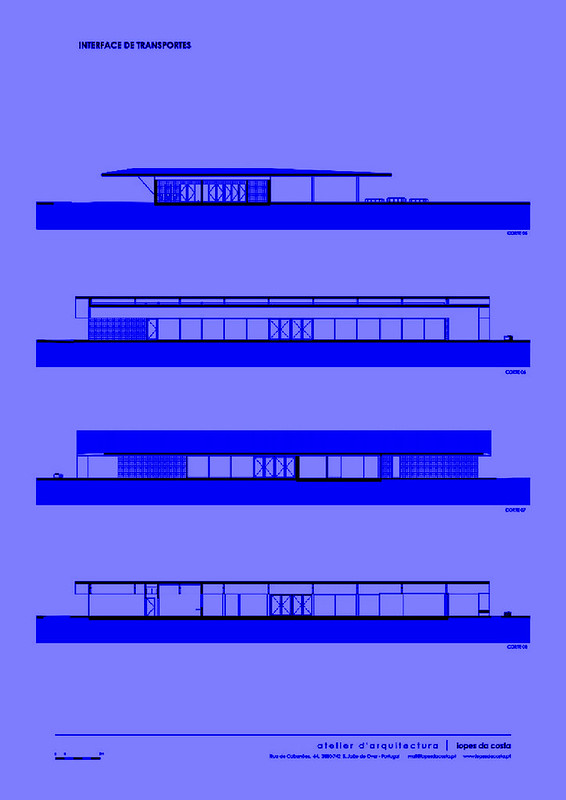
7_33-37-504-interface-alcados-folha_h1


7_34-30interface-de-transportes-lourosa-fiaes


7_35-38-504-interface-cortes-folha_h1


7_36-31interface-de-transportes-lourosa-fiaes


7_37-39-504-interface-cortes2-folha_h1


7_38-32interface-de-transportes-lourosa-fiaes


8_39-01Cover-lourosa-fiaes


Om onvervangbaar te zijn, moet je altijd anders zijn.
Er zijn fascinerende beelden hier, en de fascinerende dag van samen!  xo
─────────────────────────────────────────────────────
Per essere insostituibili bisogna sempre essere diverso.
Ci sono immagini affascinanti qui, e l’affascinante giornata di insieme!  xo KanikaChic

建築材料生命週期評估流程示意圖,涵蓋生產、運輸、使用與回收階段

建築材料生命週期評估如何影響環境與設計決策

    建築材料從開採到報廢的每個階段,都在累積能源與環境影響,也逐漸轉化為一種可被理解的Material as Narrative。     本文將從原料、製造、運輸、使用到回收五個階段,整理建築材料在生命週期中的環境影響。   作為自然資源消耗、能源使用與溫室氣體排放的重要來源,建築產業對環境有著顯著影響。目前全球約32%的能源消耗與34%的碳排放,皆與建築相關。在這樣的背景下,建築材料不再只是構成空間的元素,而逐漸成為評估環境影響的關鍵。透過循環經濟、可再生資源與技術創新等策略,材料被重新放回整個系統中檢視,其角色也從物質轉向過程,例如在Material as Narrative的脈絡中被重新理解。     生命週期評估(LCA)提供了一種系統化的方法,用以衡量與管理建築材料的環境影響。從原料開採、製造與運輸,到施工、使用與最終處理,每一階段都被納入分析範圍。這種方法不僅讓環境負擔變得可量化,也讓設計決策能在更早的階段被調整,特別是在Adaptive Reuse的情境中,更能看出材料選擇的長期影響。 在生命週期的不同階段中,投入與產出構成主要評估指標。投入包含能源、水資源與化石燃料的使用;產出則涵蓋碳排放、廢棄物與污染物的釋放。這些數據會進一步轉化為環境指標,如全球暖化潛能、水資源消耗、生態毒性與資源耗竭等,使不同材料在不同環境脈絡中得以比較,也與Architecture and Landscape的整體關係相互連動。     在國際層面,ISO 14040與14044標準提供生命週期評估的基本架構,將整體流程分為目標與範圍界定、清單分析、影響評估以及結果解讀四個階段。這些步驟彼此相互關聯,從定義研究目標開始,到量化數據與分析影響,逐步建立對材料環境表現的整體認知,也讓設計更能回應如Light and Space這類與環境條件相關的議題。

Facebook
Twitter
LinkedIn
Tumblr
0 0 votes
Article Rating
Subscribe
Notify of
guest
0 Comments
Oldest
Newest Most Voted
Inline Feedbacks
View all comments
Search