The Tokyo Public Restrooms Project

The Tokyo Public Restrooms Project:The Shibuya City government teamed up with The Nippon Foundation and conceived of a way to hit two birds with one stone, and by these Sixteen Architects Transform Aging Public Toilets in Tokyo into Extraordinarily Inviting Facilities.


The Shibuya City government teamed up with The Nippon Foundation and conceived of a way to hit two birds with one stone, and by these Sixteen Architects Transform Aging Public Toilets in Tokyo into Extraordinarily Inviting Facilities


02_1-tokyo-toilets


▏Let’s take a Look, Japan’s Edition of Trendy Public Restrooms

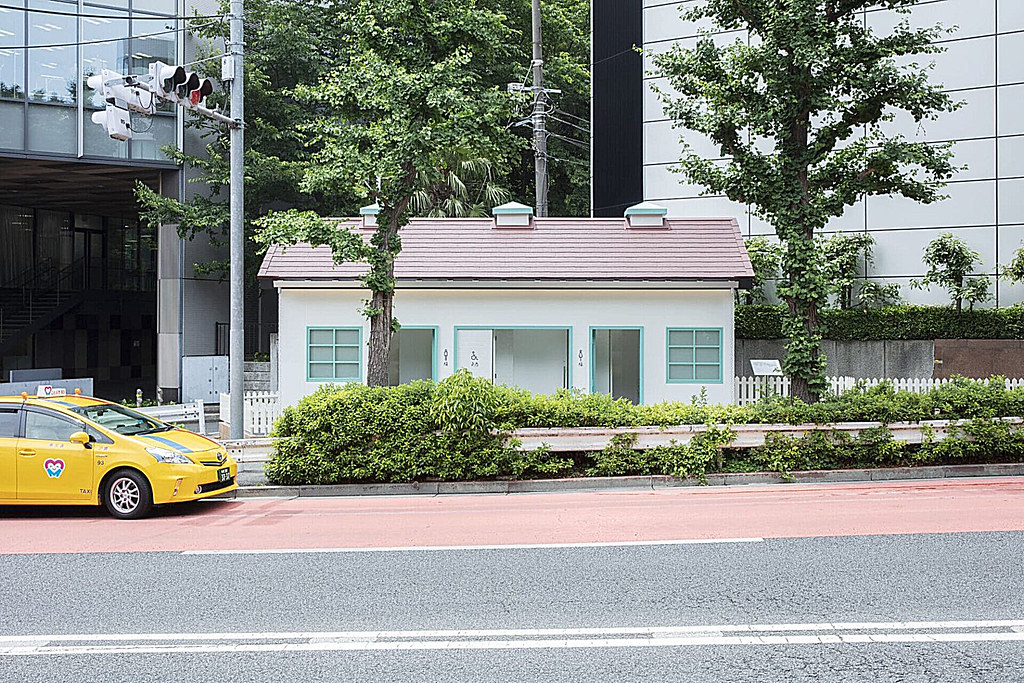
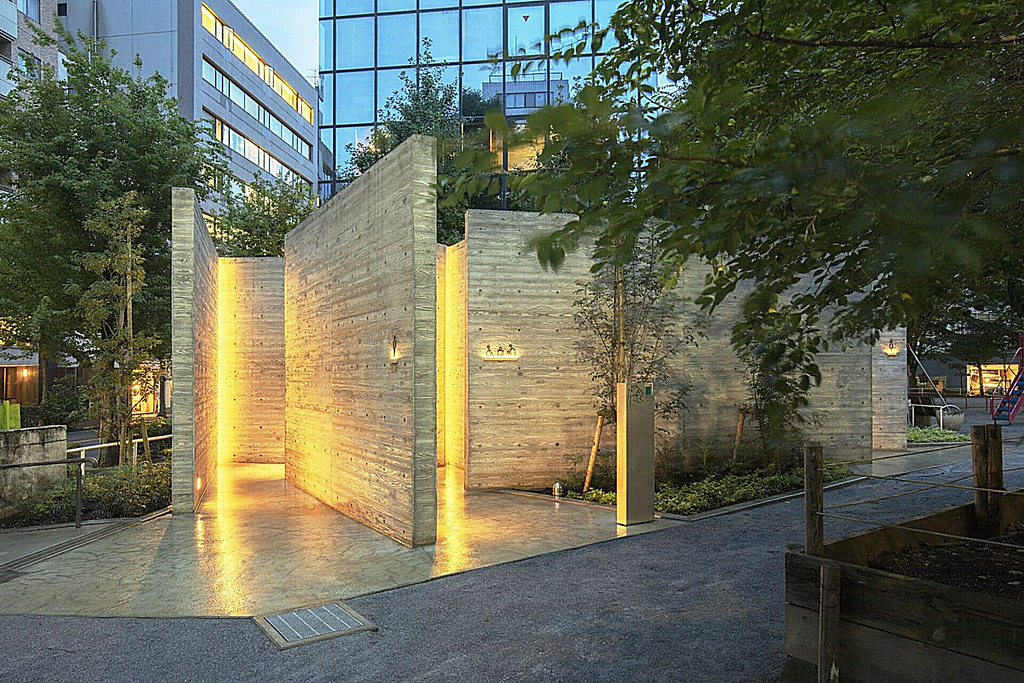
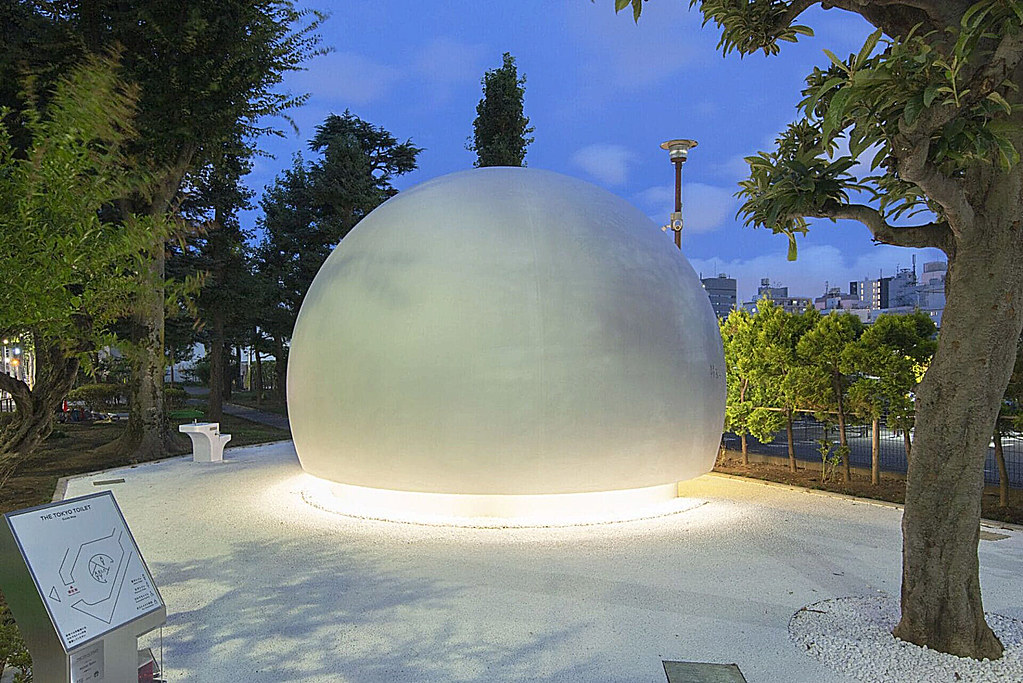
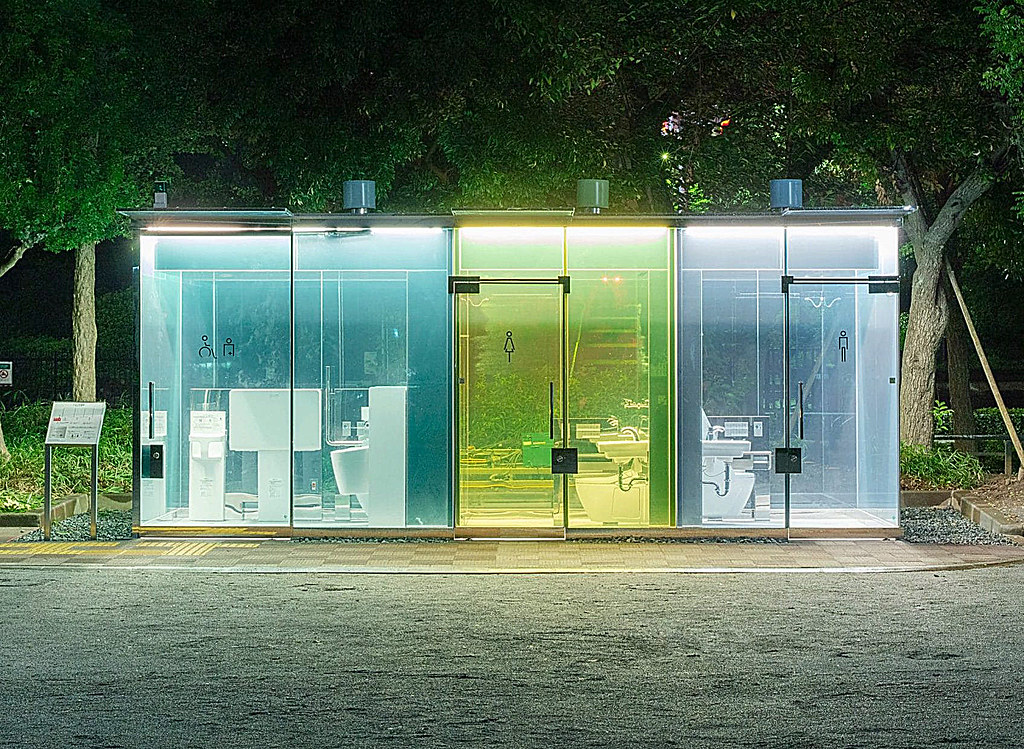
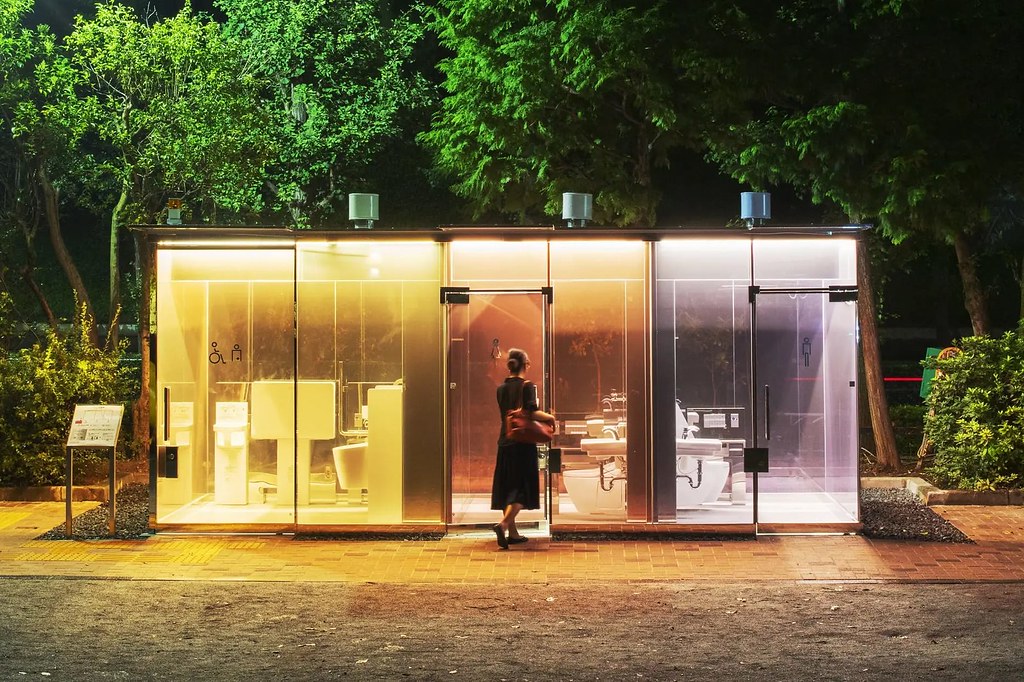
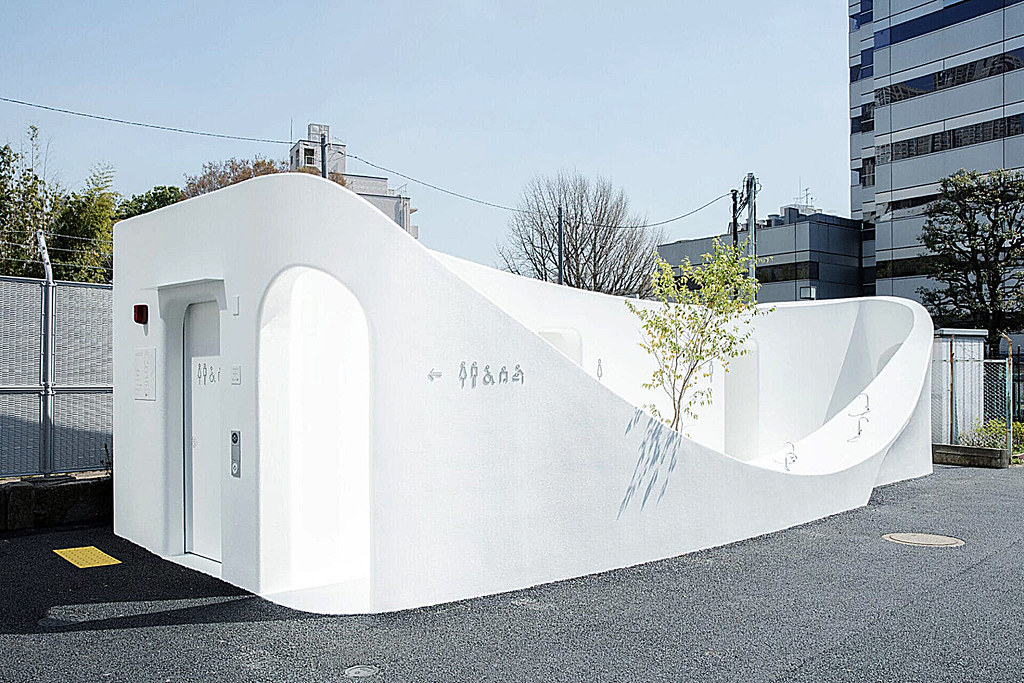
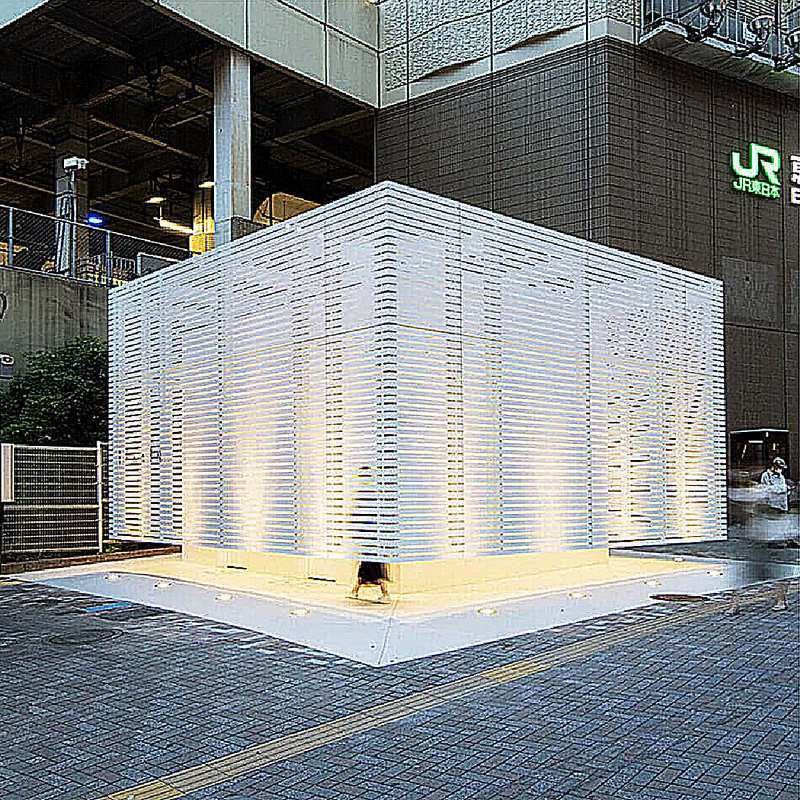
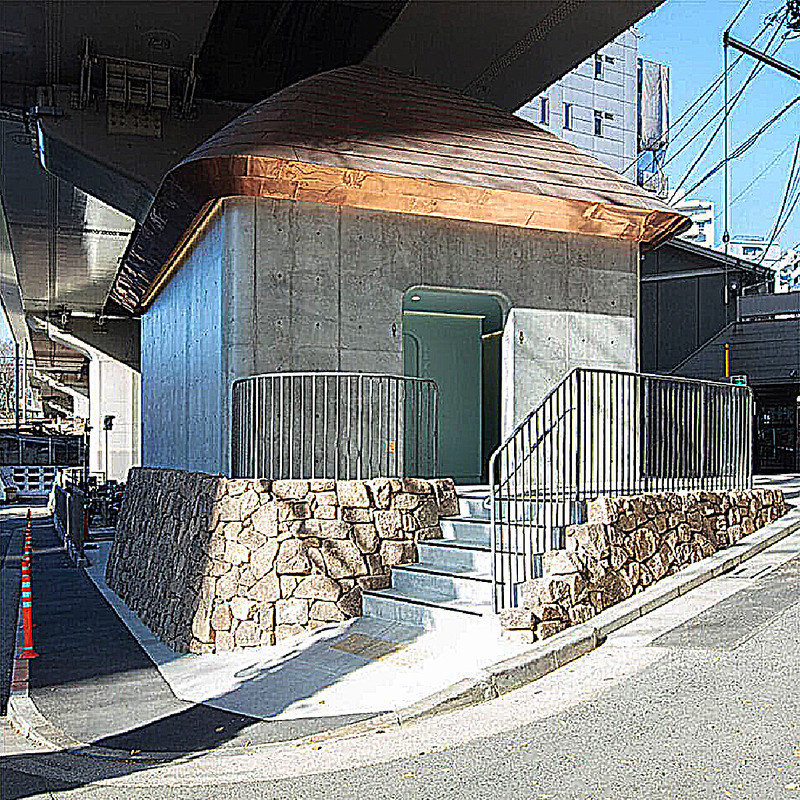
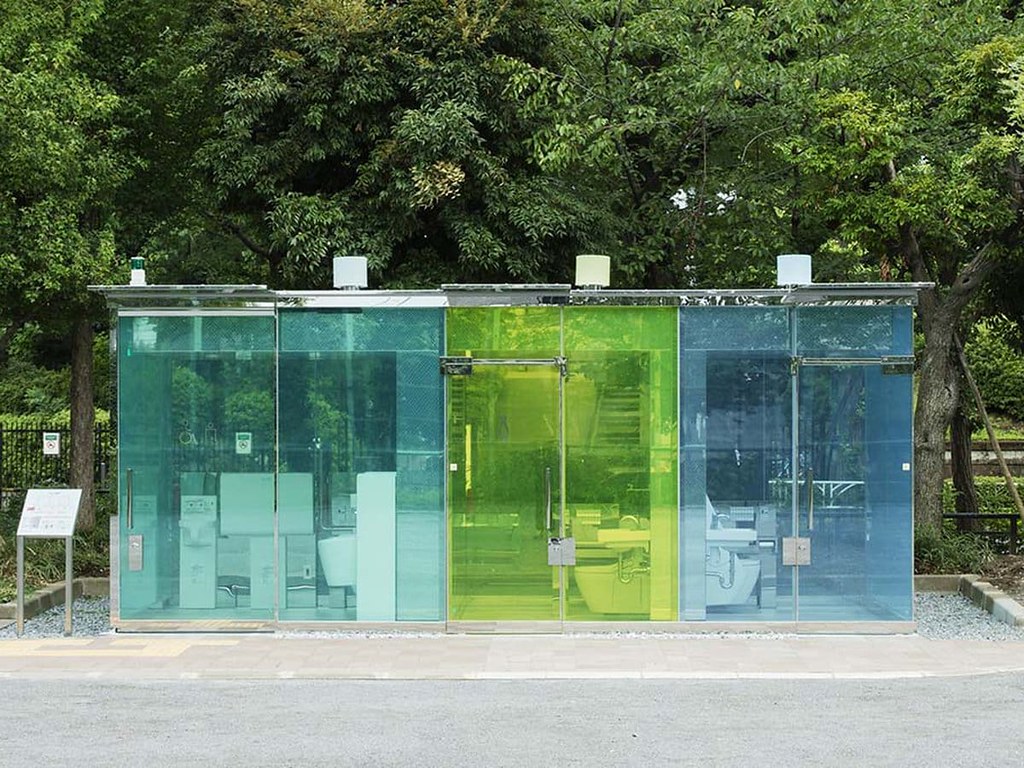
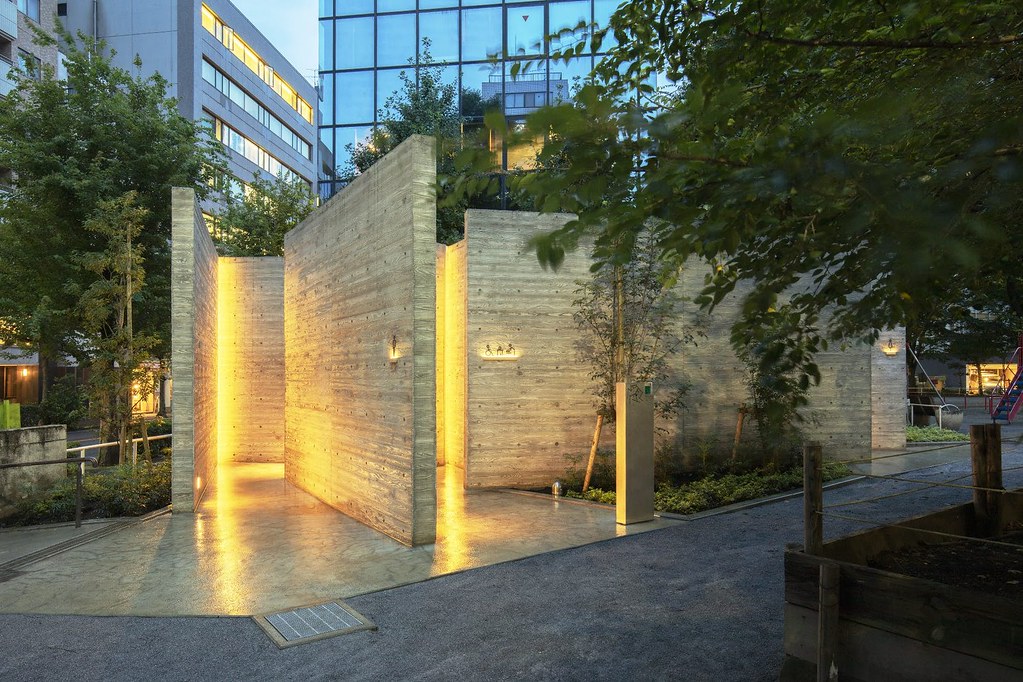
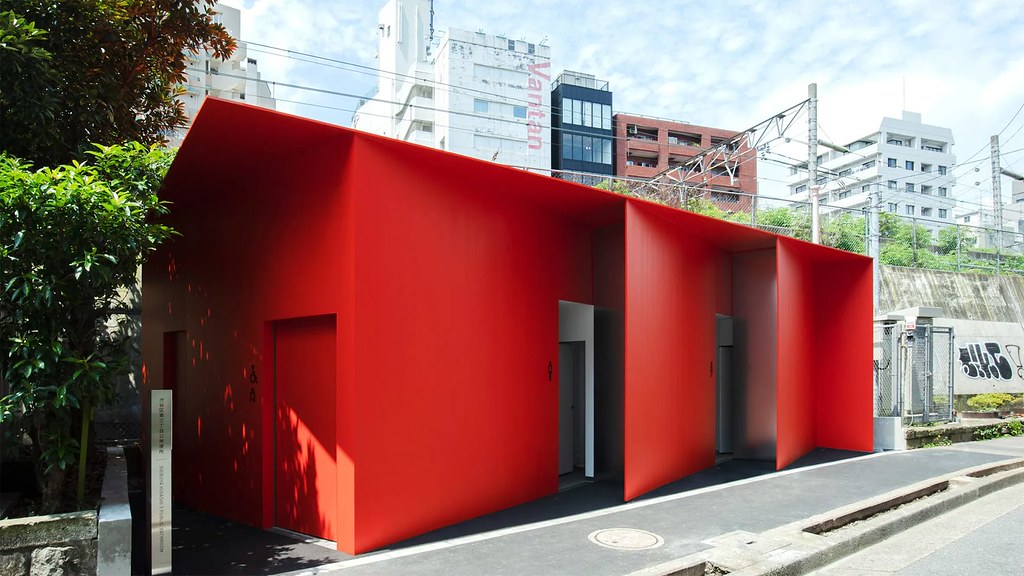
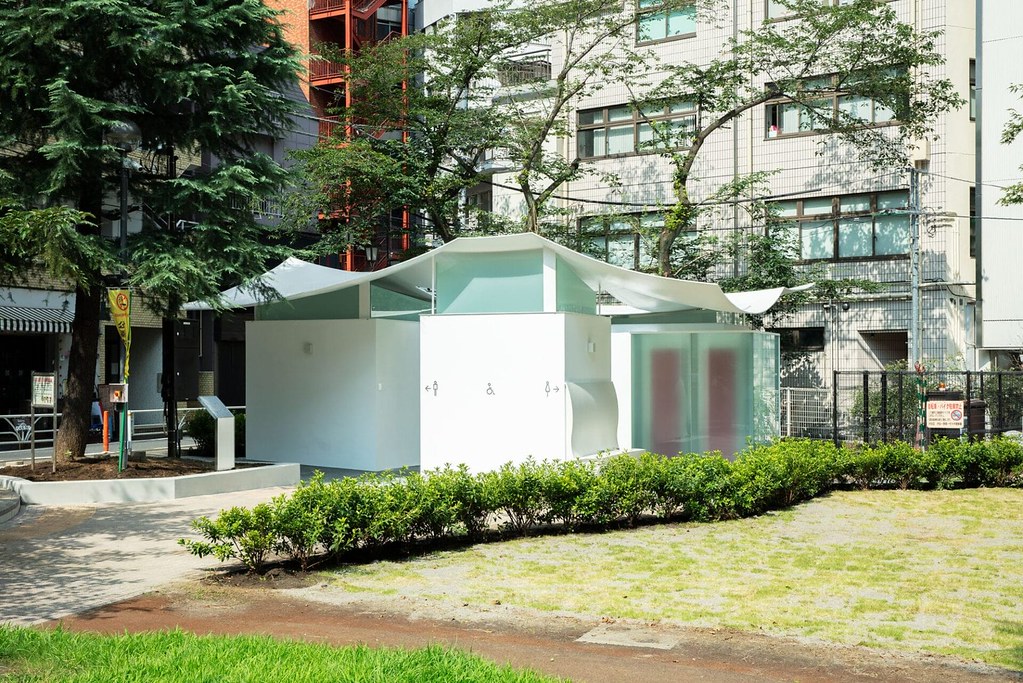
Whether running errands or visiting the local park, when nature calls, the options can be iffy. In the busy ward of Shibuya City, Tokyo, which attracts visitors for shopping and entertainment,  the local administration faced a two-pronged problem: public restrooms have a reputation for being dark, dirty, and off-putting, and people just don’t like to use them. The Shibuya City government teamed up with The Nippon Foundation  and conceived of a way to hit two birds with one stone,  and by these Sixteen Architects Transform Aging Public Toilets in Tokyo into Extraordinarily Inviting Facilities.


Launched in 2020, The Tokyo Toilet project (previously) invited 16 acclaimed architects and designers, including fashion brands and interior design studios, to transform 17 public restrooms into inviting, high-tech facilities. The initiative placed enormous emphasis on a high standard of maintenance and accessibility for all genders, ages, and abilities.


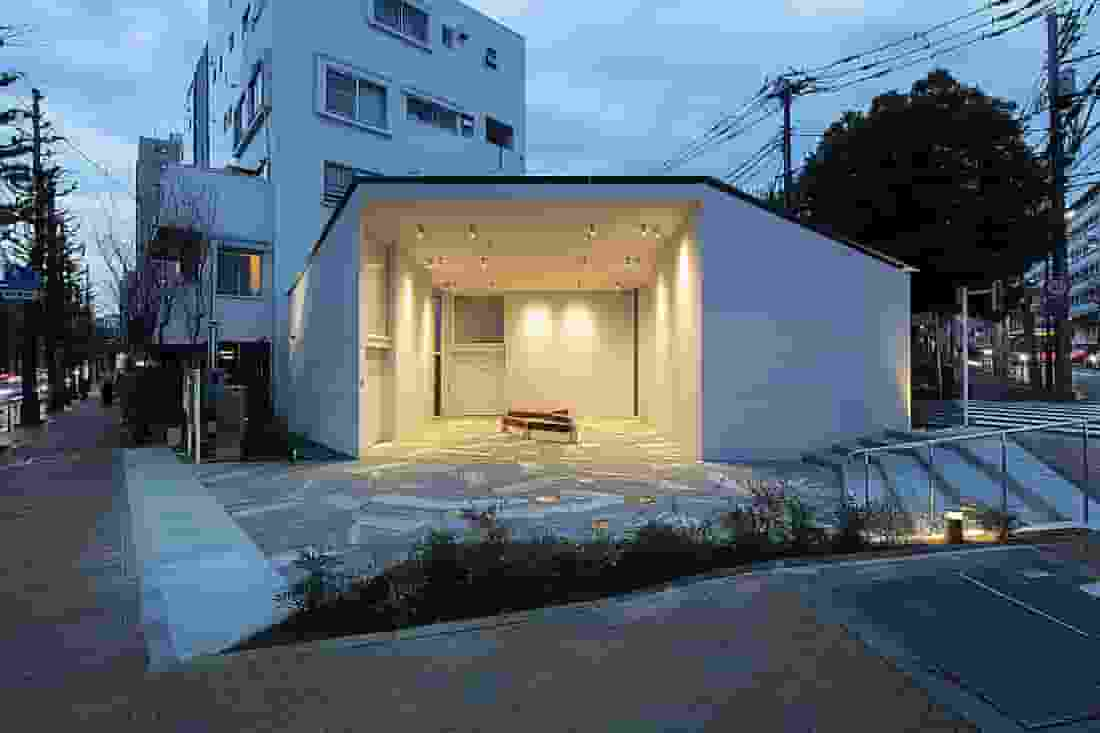
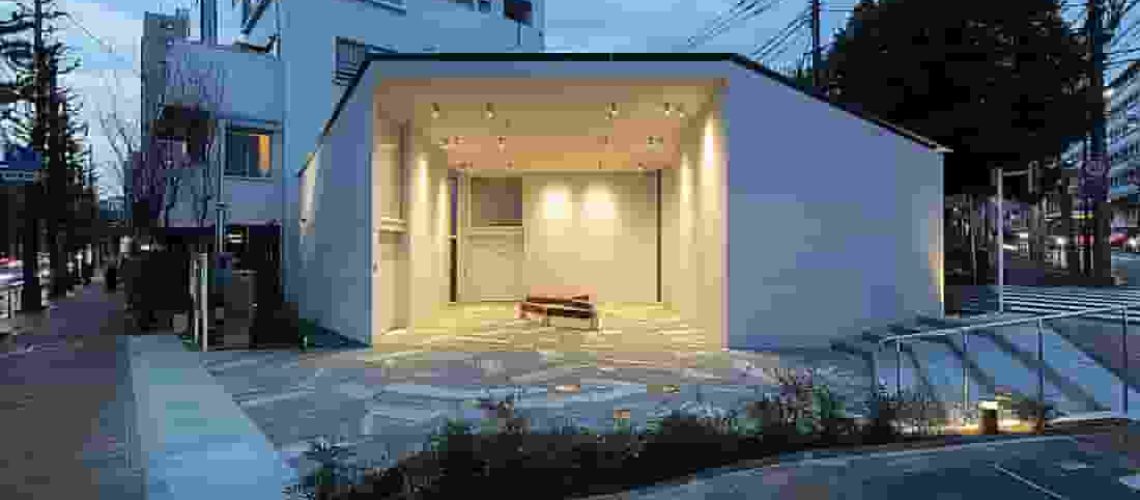
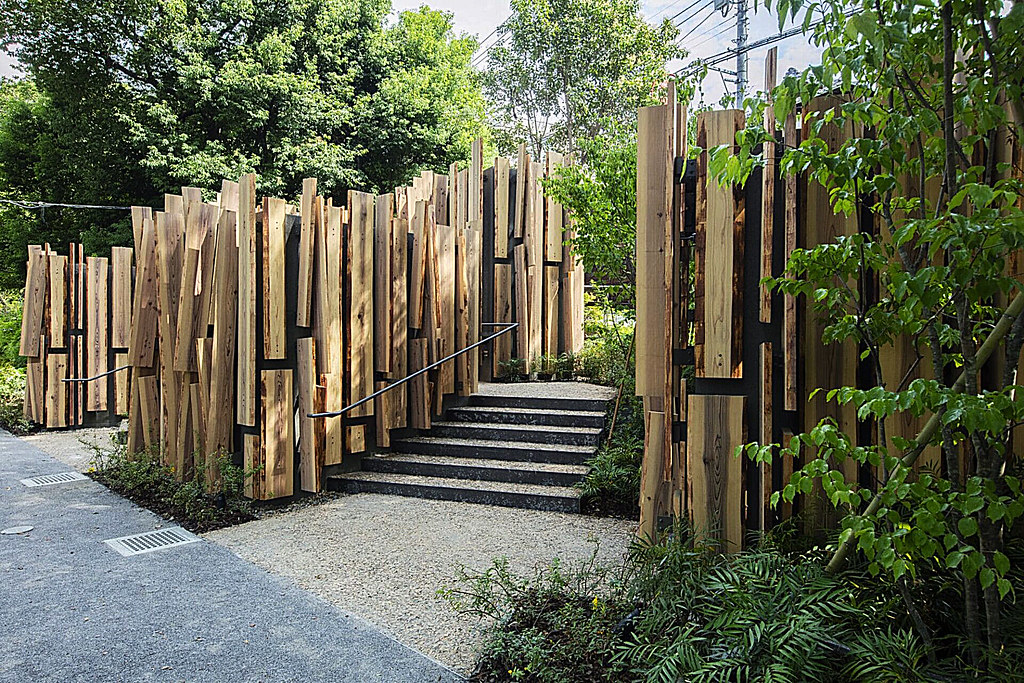
Modern structures by the likes of Kengo KumaTadao Ando, and Sou Fujimoto respond to each location and its surroundings, from an immersive forest-inspired building in Nabeshima Shoto Park to a museum-like entrance in Hatagaya to a futuristic globe in Nanago Dori Park. The Tokyo Toilet’s website monitors the upkeep of each facility along with a map of the locations, and as of March 2023, all of the renovations are complete.


03_1-tokyo-toilets


04_1-tokyo-toilets


05_1-tokyo-toilets


06_1-tokyo-toilets


07_1-tokyo-toilets


07_2-nippon


08_1-tokyo-toilets


09_1-tokyo-toilets


09_2-tokyo-toilets


10_1-tokyo-toilets


11_1-tokyo-toilets


12_1-nippon


12_3-nippon


12_4-nippon


12_5-nippon


12_6-nippon


The Tokyo Public Restrooms Project:The Shibuya City government teamed up with The Nippon Foundation and conceived of a way to hit two birds with one stone, and by these Sixteen Architects Transform Aging Public Toilets in Tokyo into Extraordinarily Inviting Facilities.


Om onvervangbaar te zijn, moet je altijd anders zijn.
Er zijn fascinerende beelden hier, en de fascinerende dag van samen!  xo
─────────────────────────────────────────────────────
Per essere insostituibili bisogna sempre essere diverso.
Ci sono immagini affascinanti qui, e l’affascinante giornata di insieme!  xo KanikaChic

Striatus Bridge: Assembled Without Mortar Striatus is an Arched, Unreinforced Masonry Footbridge Composed of 3D-Printed Concrete

Striatus Bridge

      ︳Assembled Without Mortar Striatus is an Arched, Unreinforced Masonry Footbridge Composed of 3D-Printed Concrete   ︳Striatus is an arched, unreinforced masonry footbridge

城市表面之下仍在運作的地層空間

石油基礎設施如何改寫地景

有些地景看起來像自然,其實不是。 它們只是長期被管線、道路與能源流動「壓」過之後,暫時穩定下來的結果。     當石油滲透進城市之中,它並不是抽象的能源,而是透過管線、港口、道路與運輸系統等基礎設施,實際改寫了地景本身的構成方式。這些結構不僅連結資源的開採與輸送,也在更大的尺度上重新組織了城市與土地之間的關係,使地景不再是自然生成的結果,而是被能源系統持續重塑的產物。 你很難在第一眼辨認出來,但一旦知道油從哪裡來、往哪裡去,那些線就會浮現。 管線與道路並非單純作為運輸與連結的工具,而是在地表之上與之下形成一種持續延展的結構網絡,這些線性系統沿著資源的流動方向被鋪設,逐步滲入城市邊界與自然地貌之中,使原本被視為穩定的地景開始出現偏移與重組,基礎設施不再只是附屬於建築或城市的存在,而是在更深層的運作之中,同時影響著建築材料的生成與使用方式。而是反過來主導了空間的展開方式,使土地的使用、分割與連結都圍繞著能源輸送的需求被重新安排,並在無形之中建立起一套優先於設計意圖的運作邏輯     在這樣的鋪設之下,城市不再依循原有的地理條件自然生長,而是被基礎設施的節點與通道所牽引,產生出新的聚集與擴張模式,工業區、物流節點與能源轉運設施逐漸成為空間組織的核心,建築與都市發展開始回應這些系統的位置與尺度,形成一種由流動驅動的空間分布,地景因此不再是被觀看或被規劃的對象,而是在能源與資源持續流動之中被動生成的結果,其形態的變化往往先於設計被確立,並在長時間的運作中逐漸固化為新的空間現實 當這些看似分散的鋪設與改寫彼此連接之後,地景便不再能以單一元素或局部關係來理解,而是必須被視為一整套持續運作的系統,其中每一段管線、每一條道路與每一個節點都參與在資源流動的過程之中,並共同維持著整體結構的穩定與擴展,在這樣的條件下,建築與城市不再是獨立的設計成果,而是被嵌入這套系統之中的一部分,其存在與形式皆受到能源邏輯的約束與塑造,而這種由基礎設施所主導的地景轉變,也使我們不得不重新理解空間本身的生成方式     管線不是線 管線從來不只是運輸。它們決定什麼地方可以被穿越、什麼地方必須被避開。農地會被切開,山體會被鑿穿,城市邊緣會因此長出奇怪的空白帶。 Pipelines are not connectors but territorial decisions. 這些決定通常不在地面上討論,但它們留下的痕跡卻長期存在。    

Facebook
Twitter
LinkedIn
Tumblr
0 0 votes
Article Rating
Subscribe
Notify of
guest
0 Comments
Oldest
Newest Most Voted
Inline Feedbacks
View all comments
Search