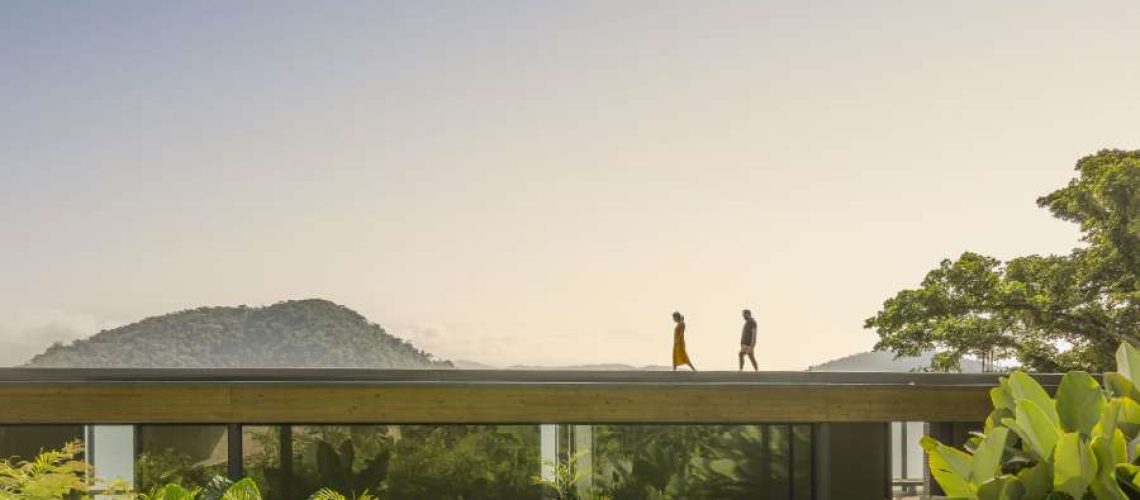
This summer house was conceived as an extension of its lush surroundings, creating a seamless dialogue between the built form and a living ecosystem by responding to the site’s topography
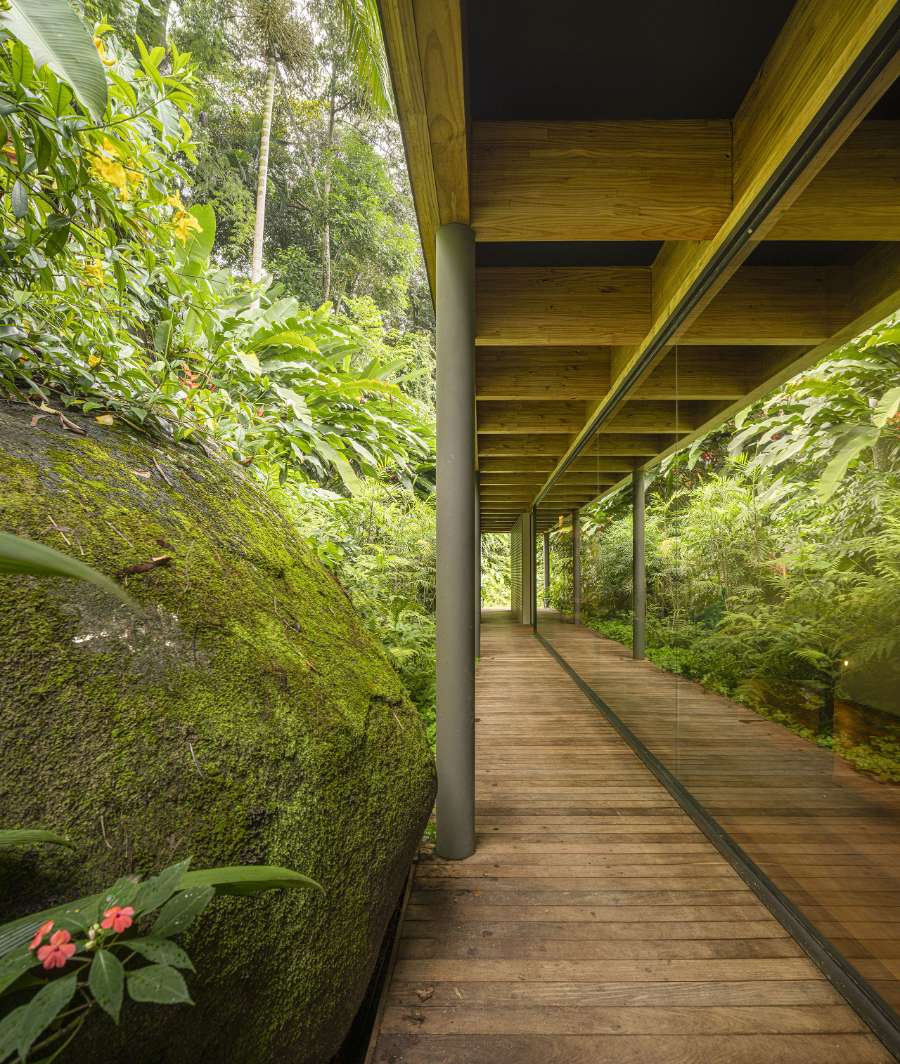
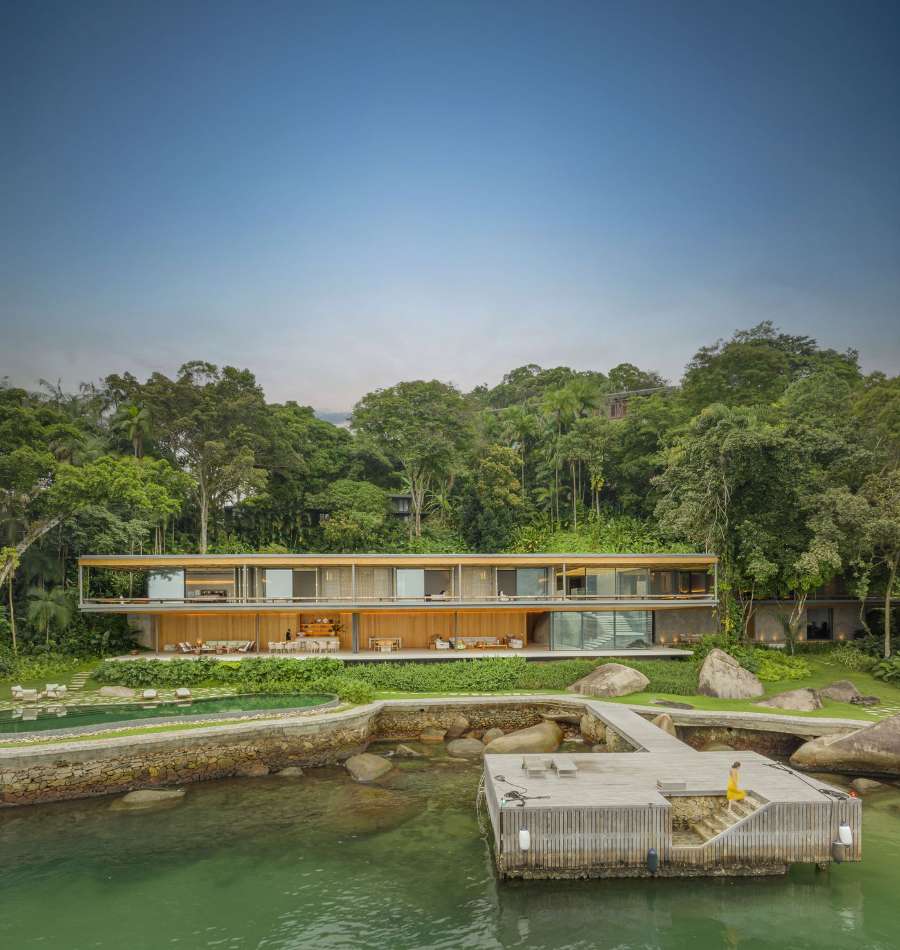
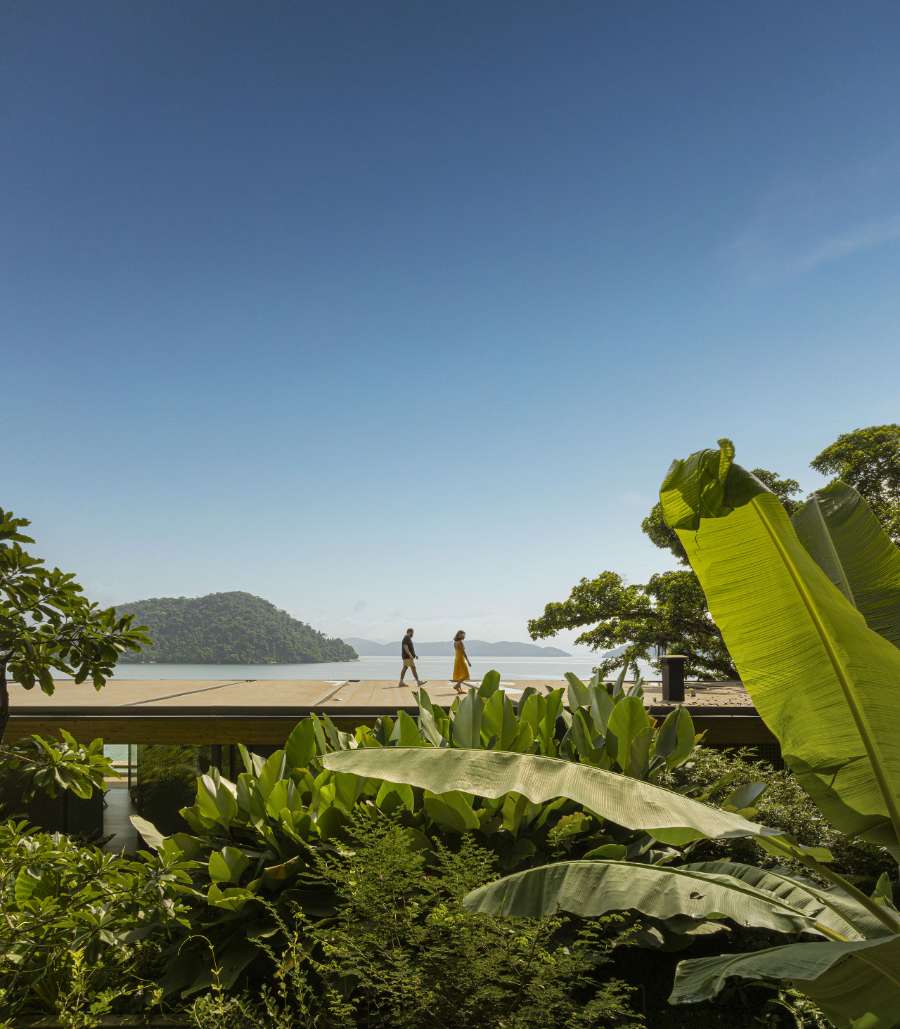
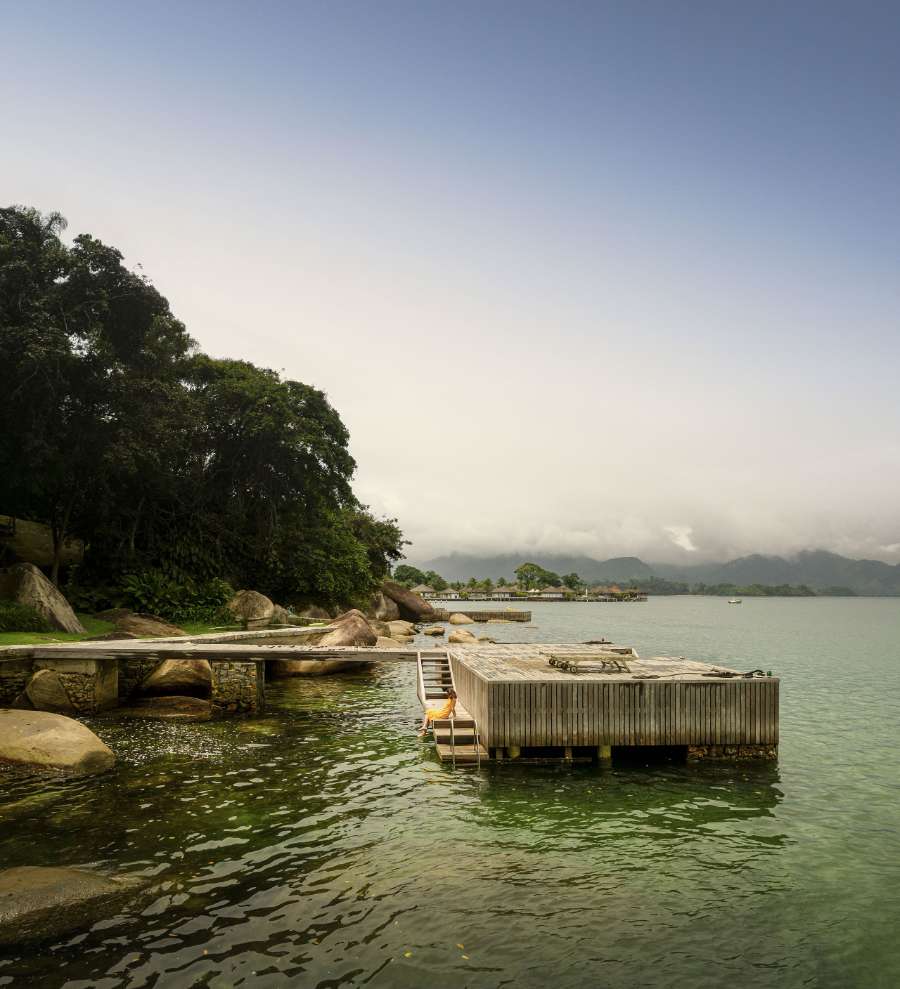
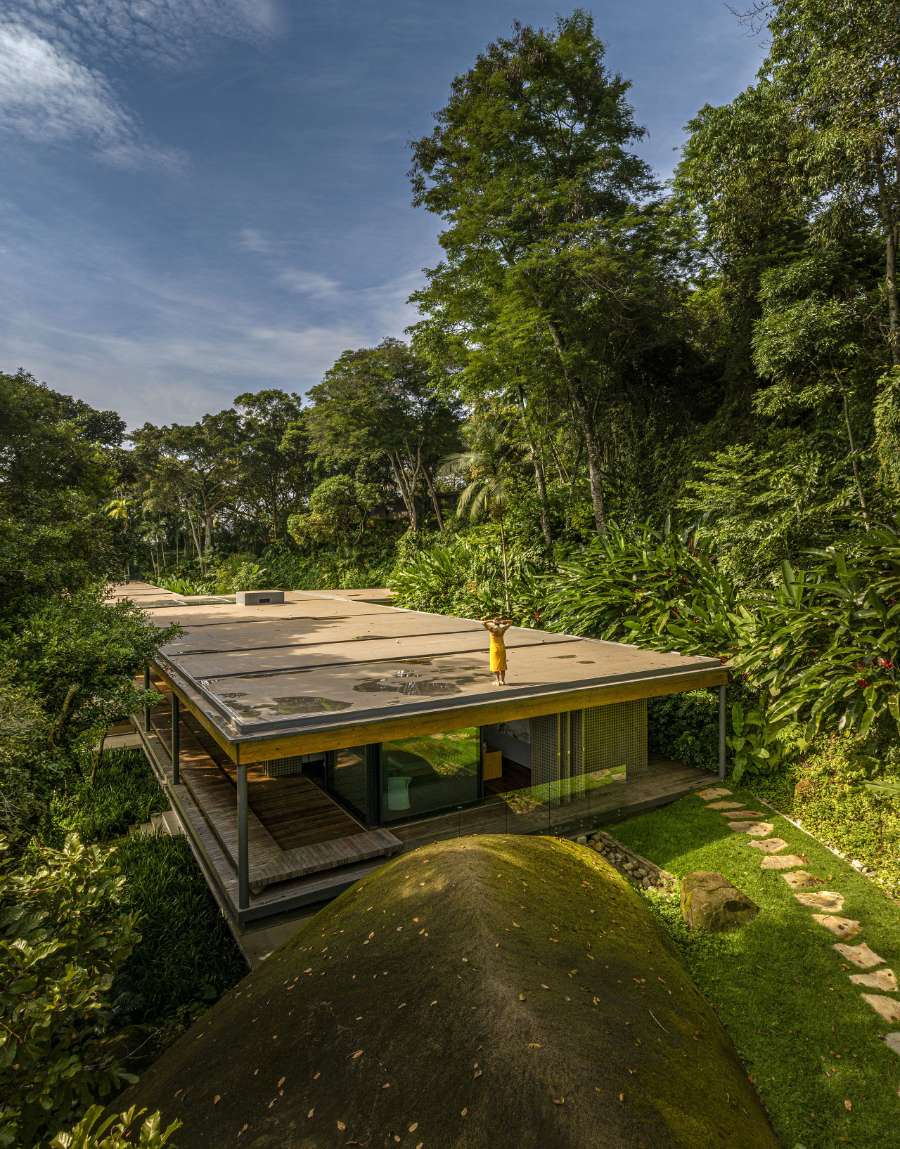
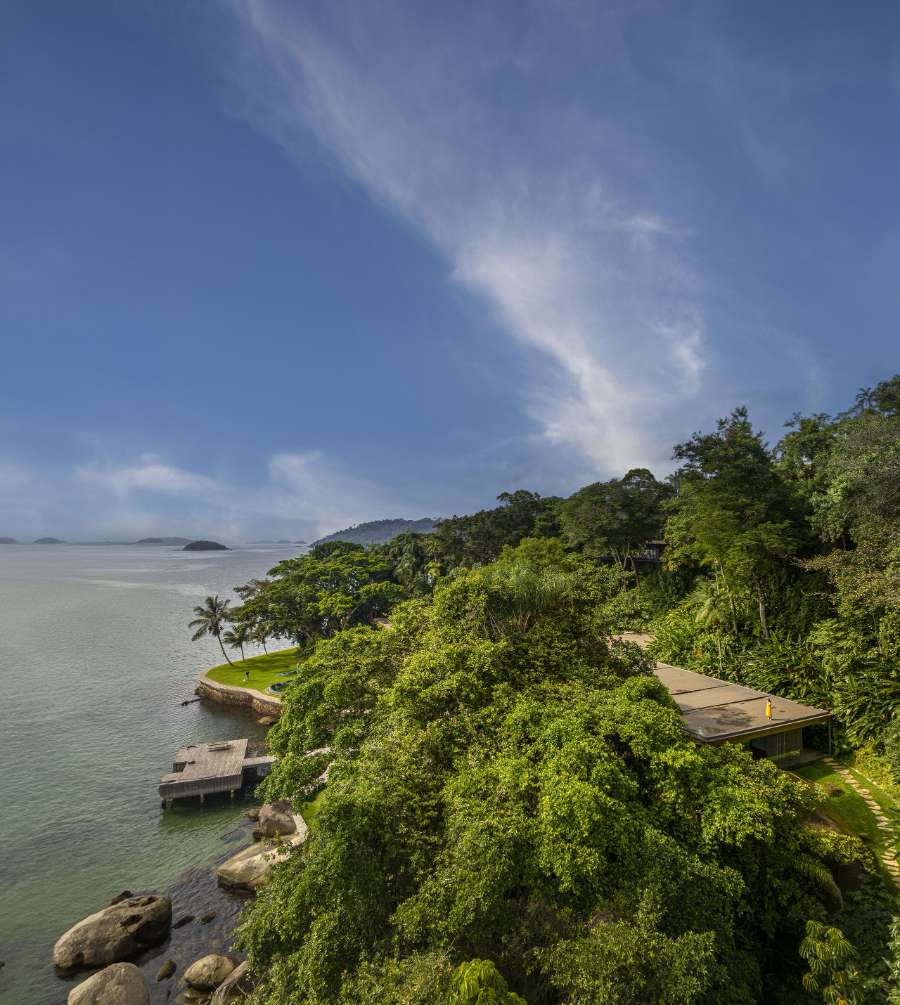
Nestled between the forest and the sea on the verdant coastline of Angra dos Reis, Brazil, this summer house was conceived as an extension of its lush surroundings. Designed by Jacobsen Arquitetura with landscaping by Rodrigo Oliveira, the AEA House dissolves the boundary between architecture and nature, creating a seamless dialogue between the built form and a living ecosystem by responding to the site’s topography, vegetation, and shifting coastal light with quiet precision.
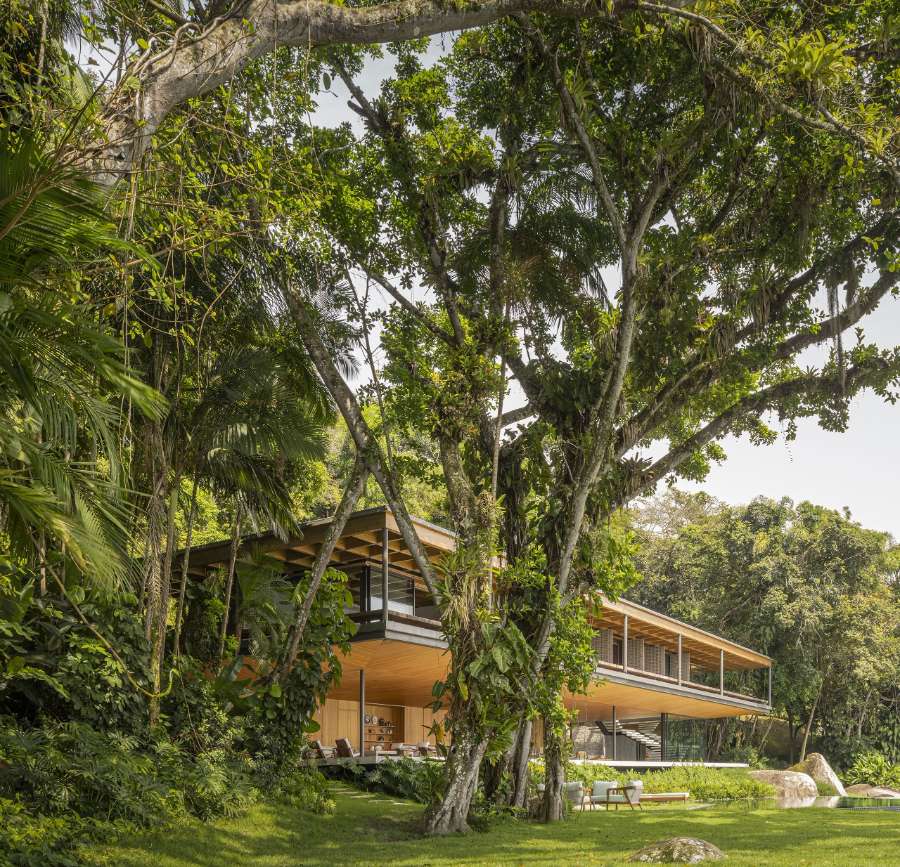
▏That Opens out toward the Sea While Nestling into the Hillside
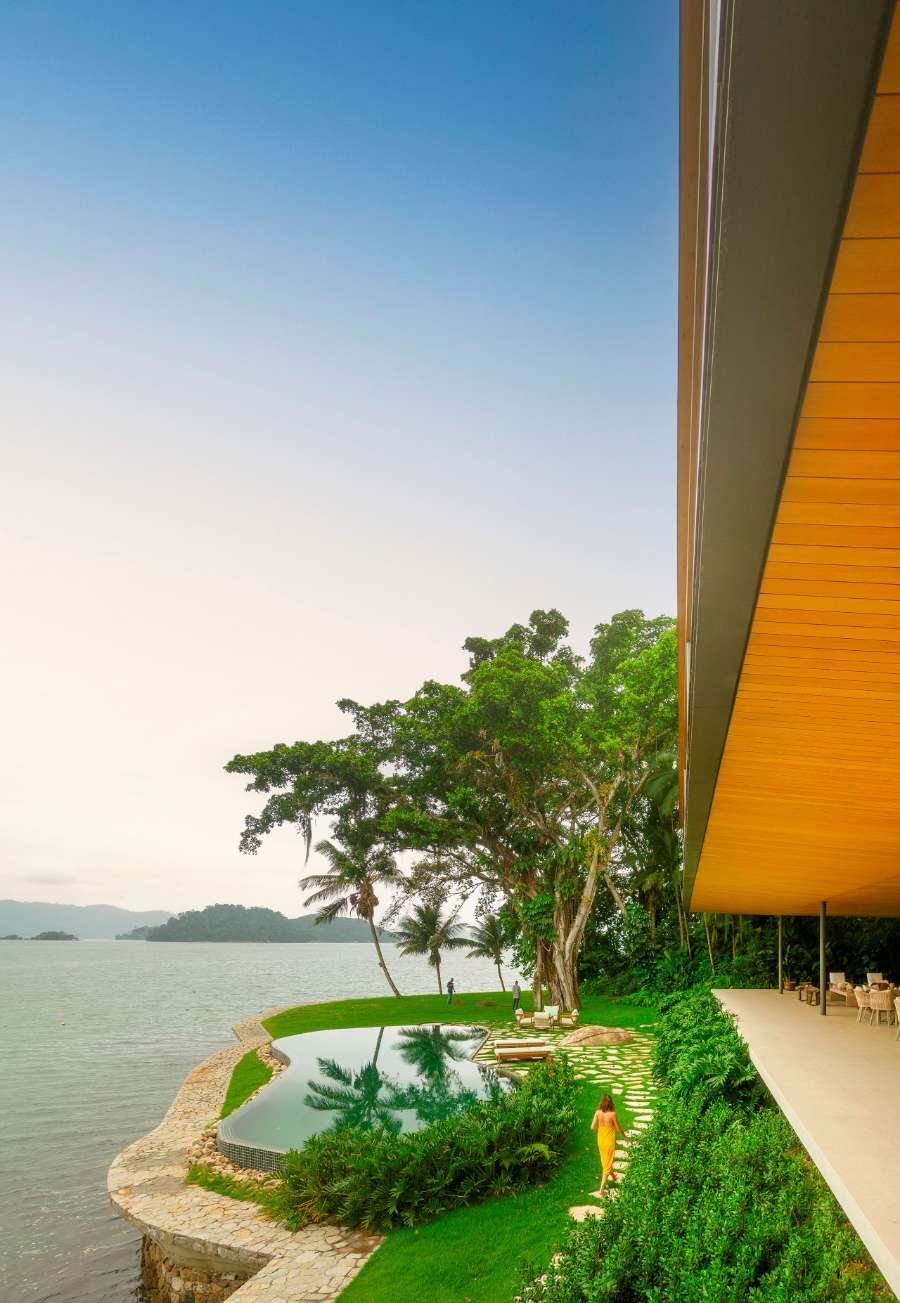
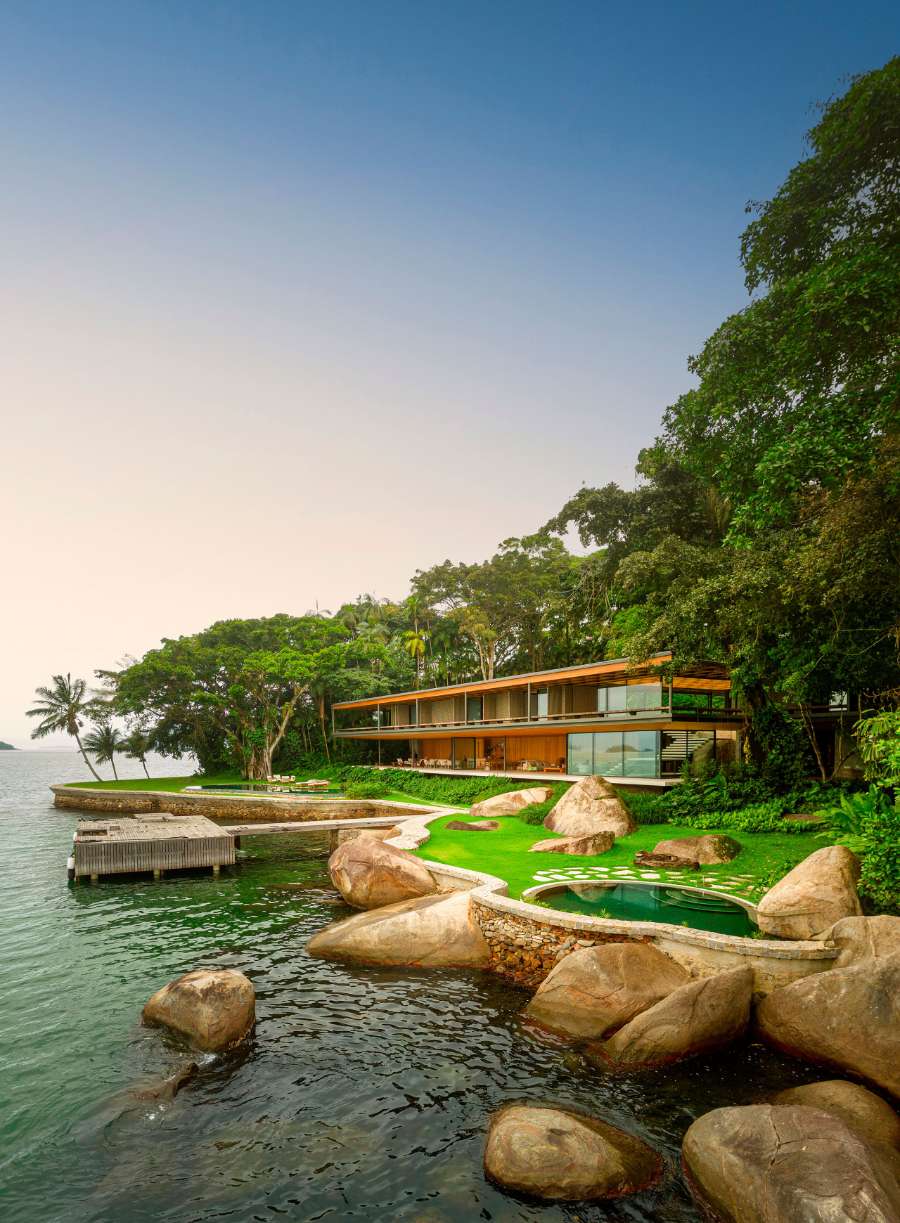
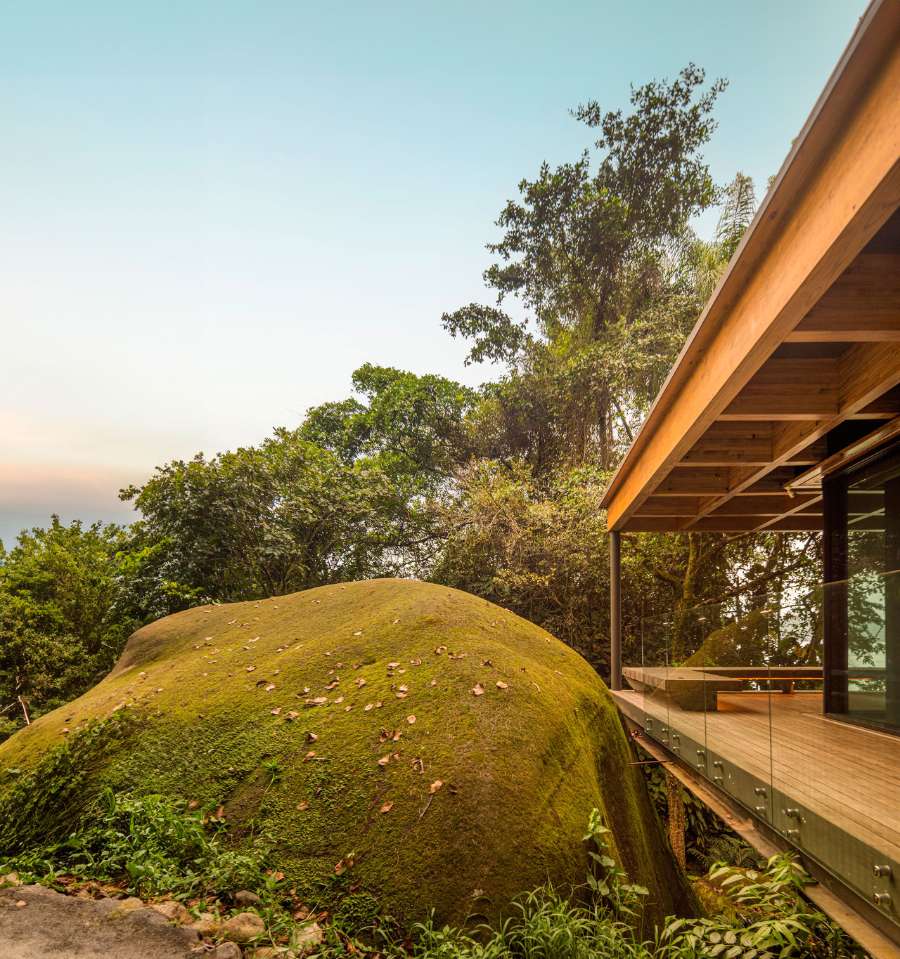
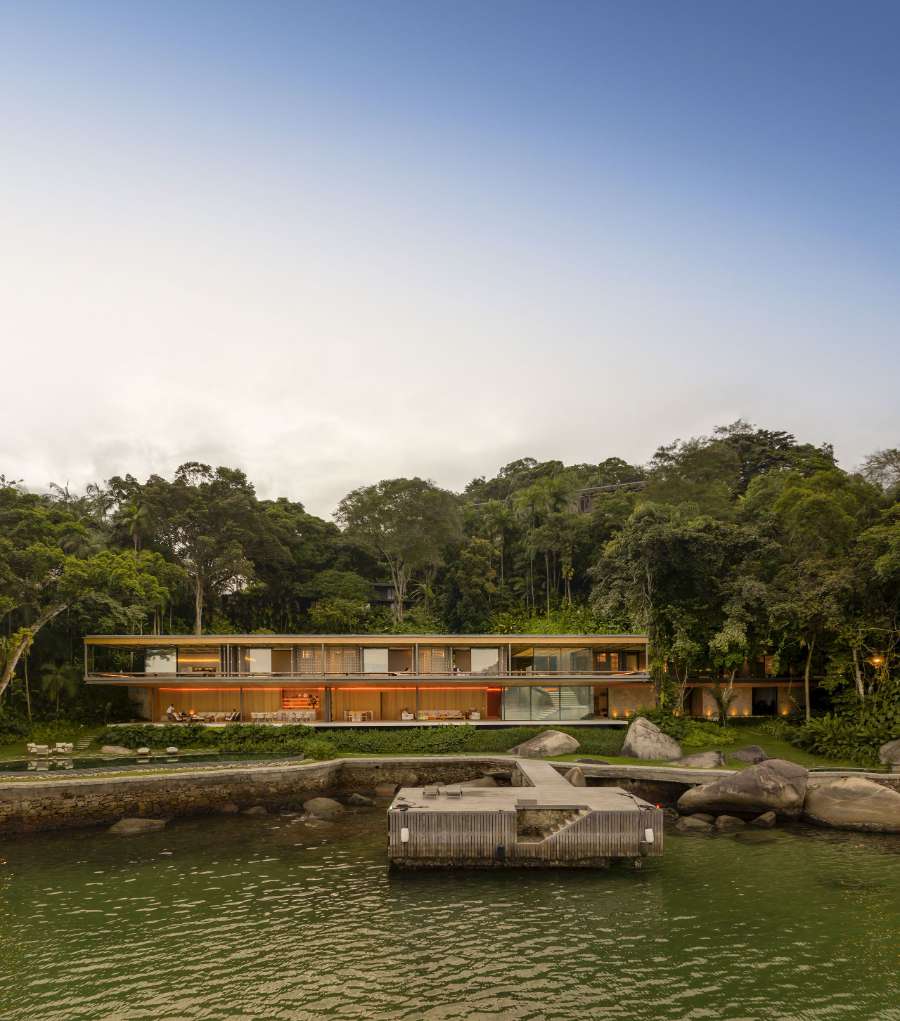
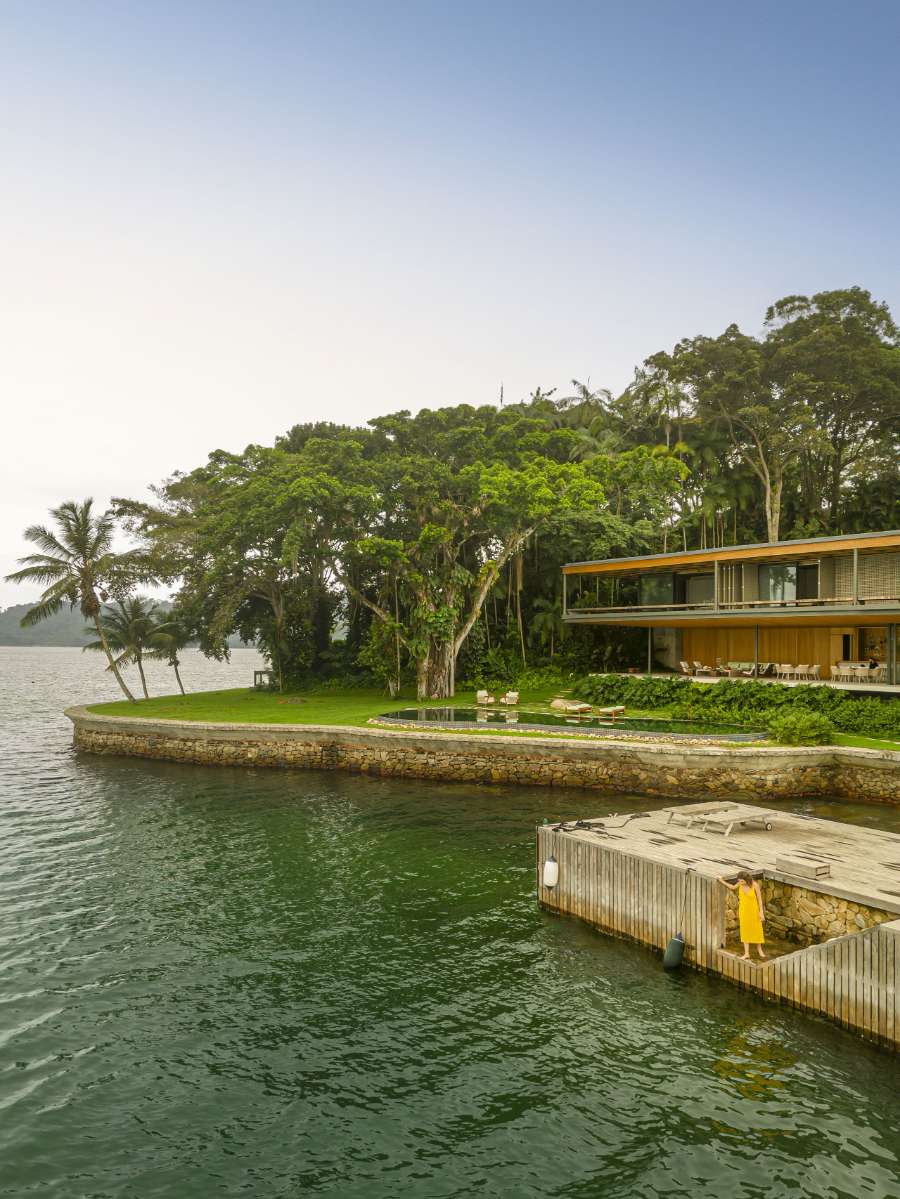
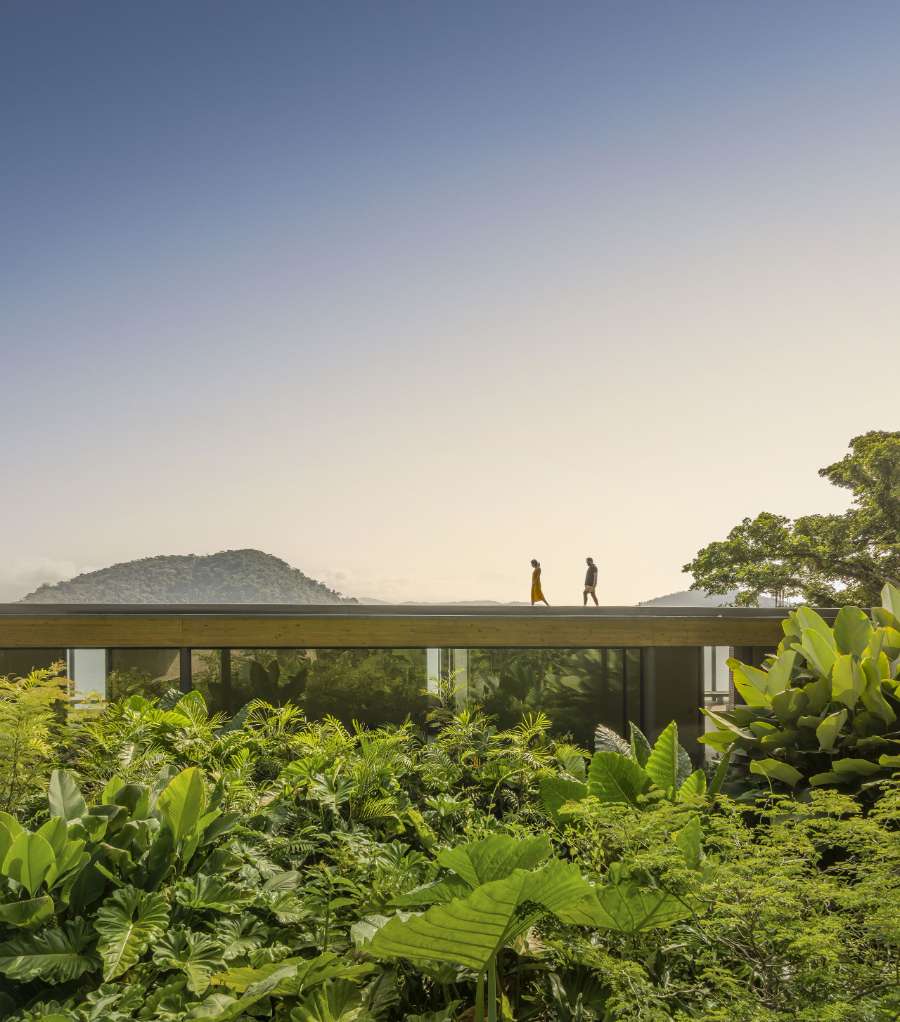
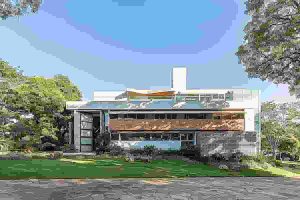
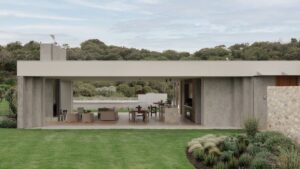
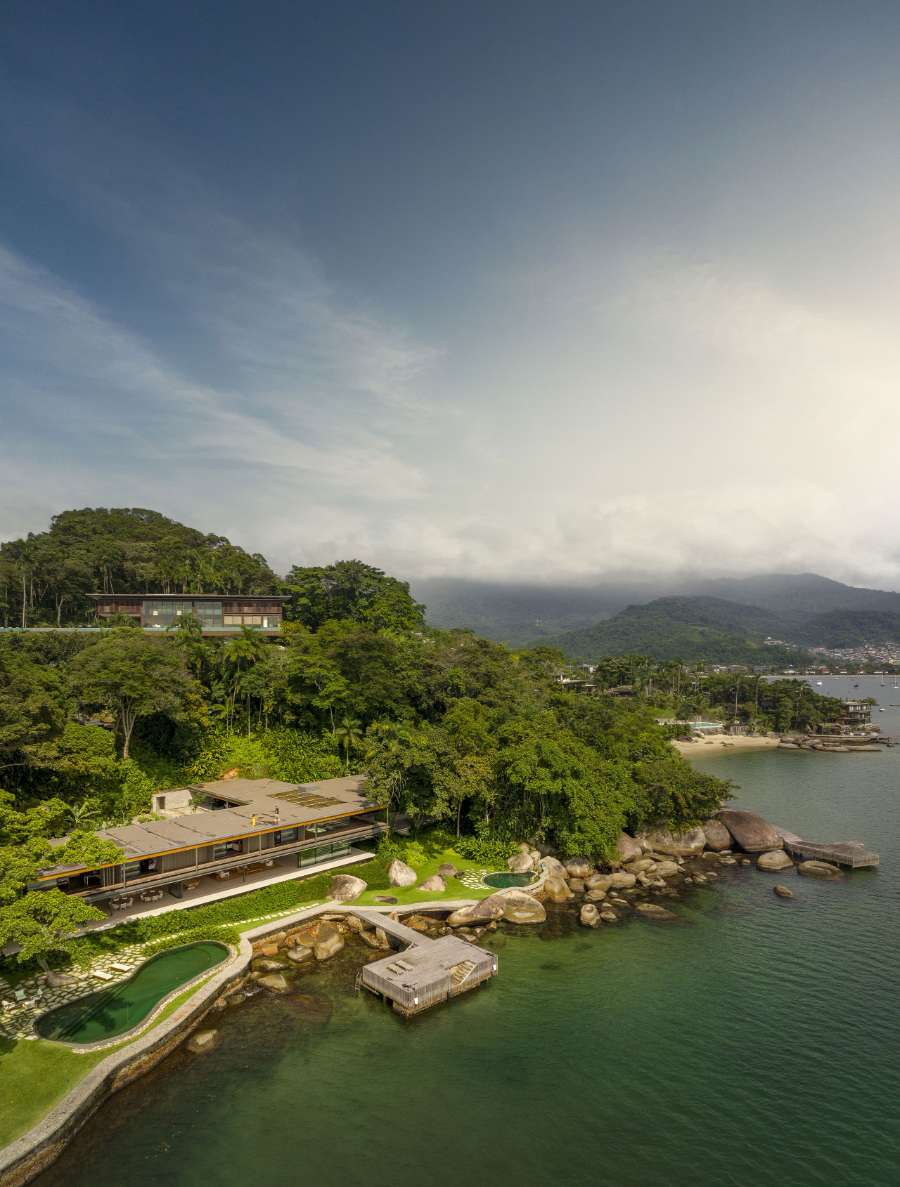
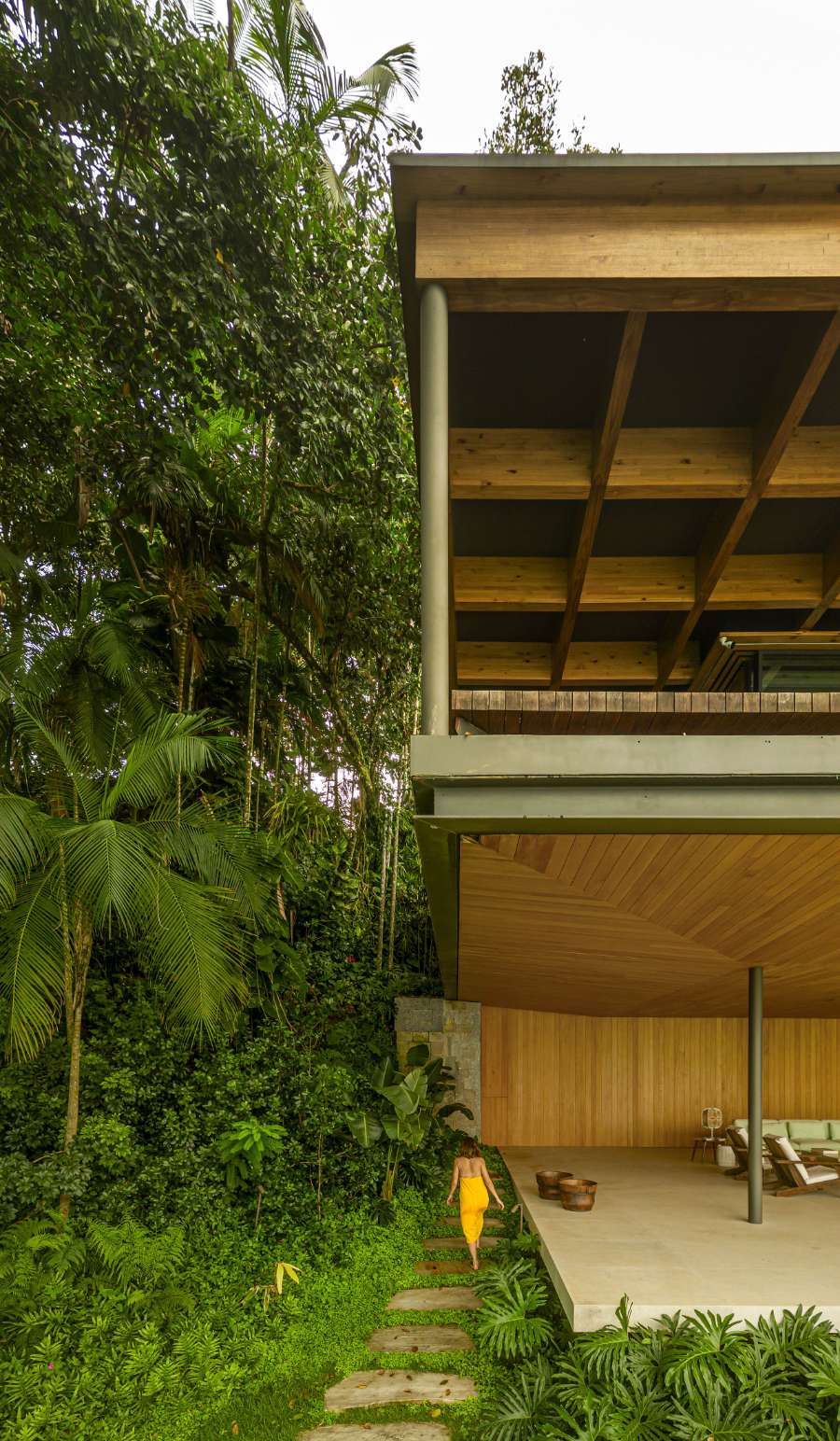
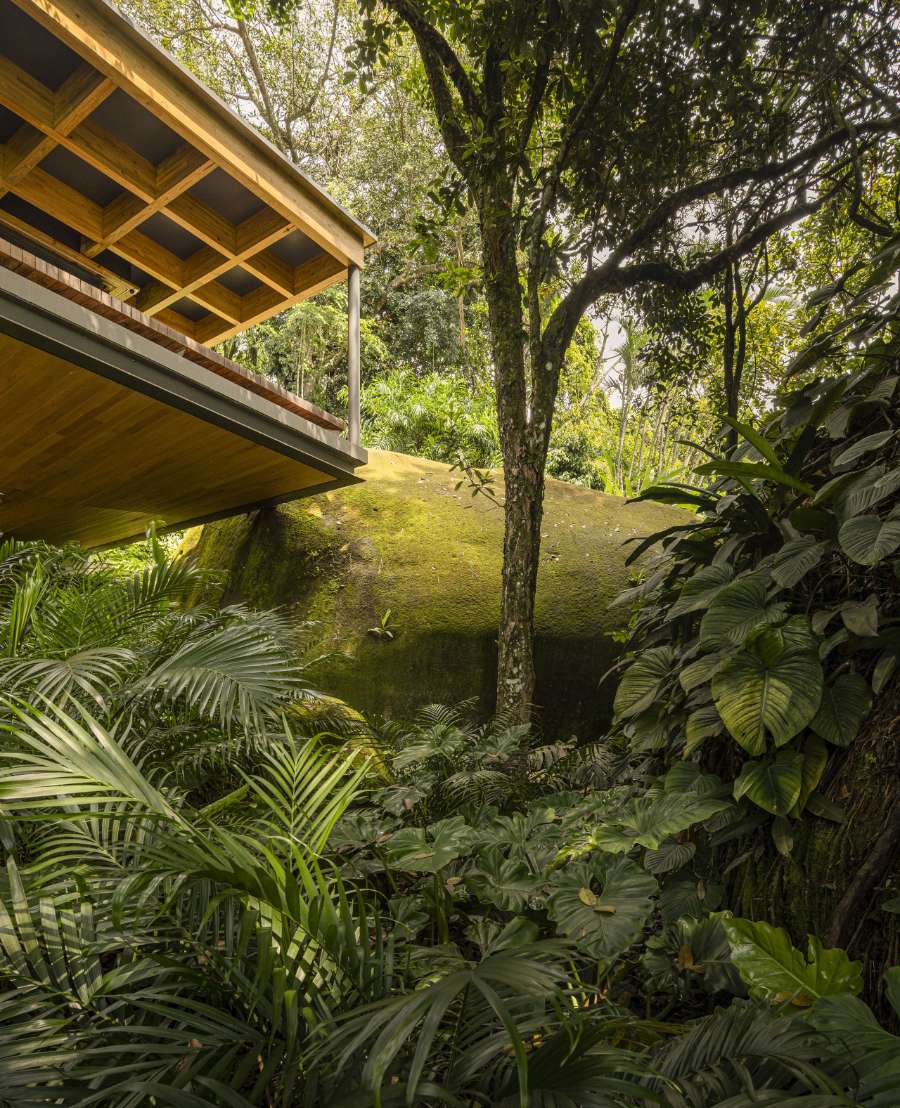
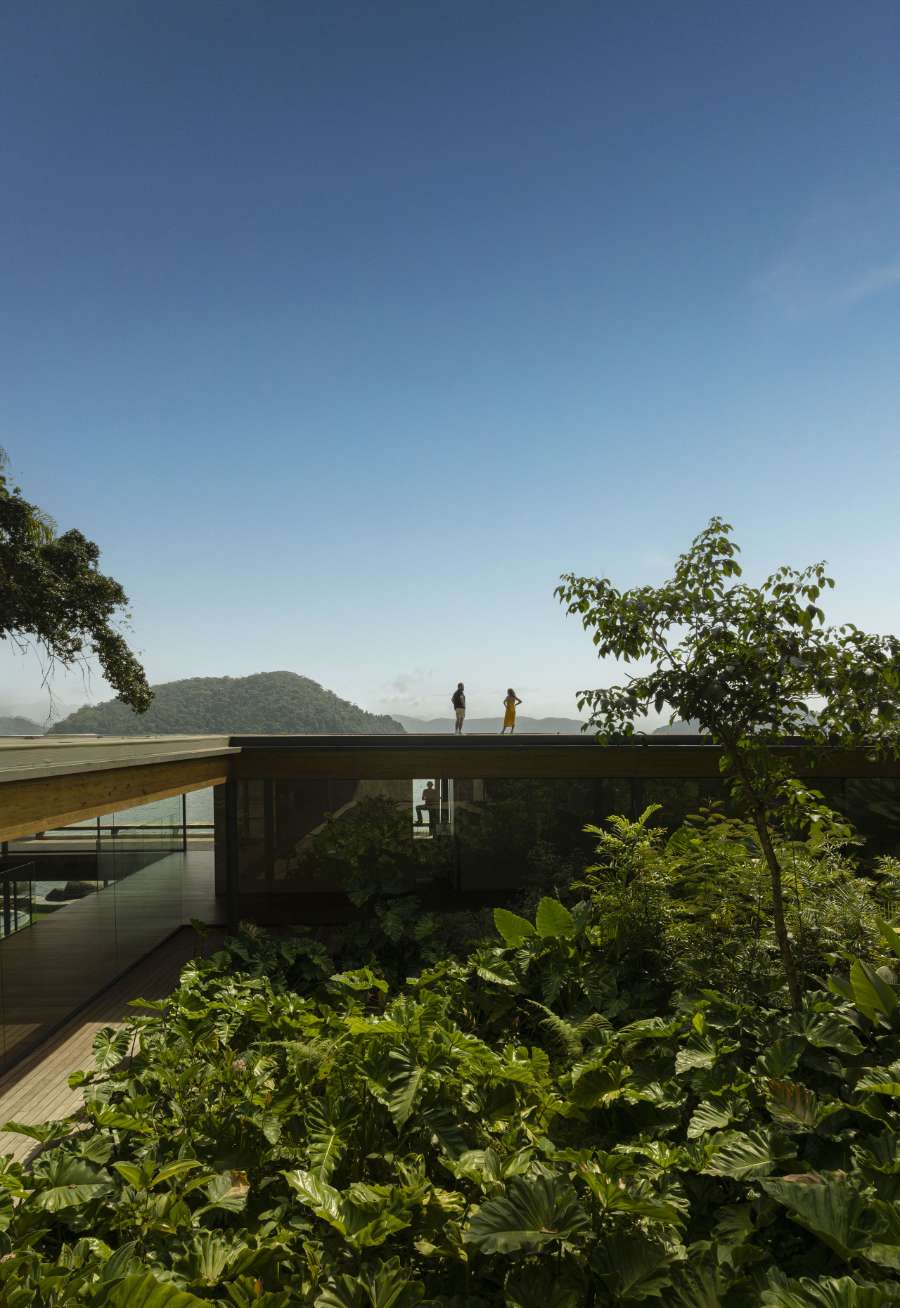
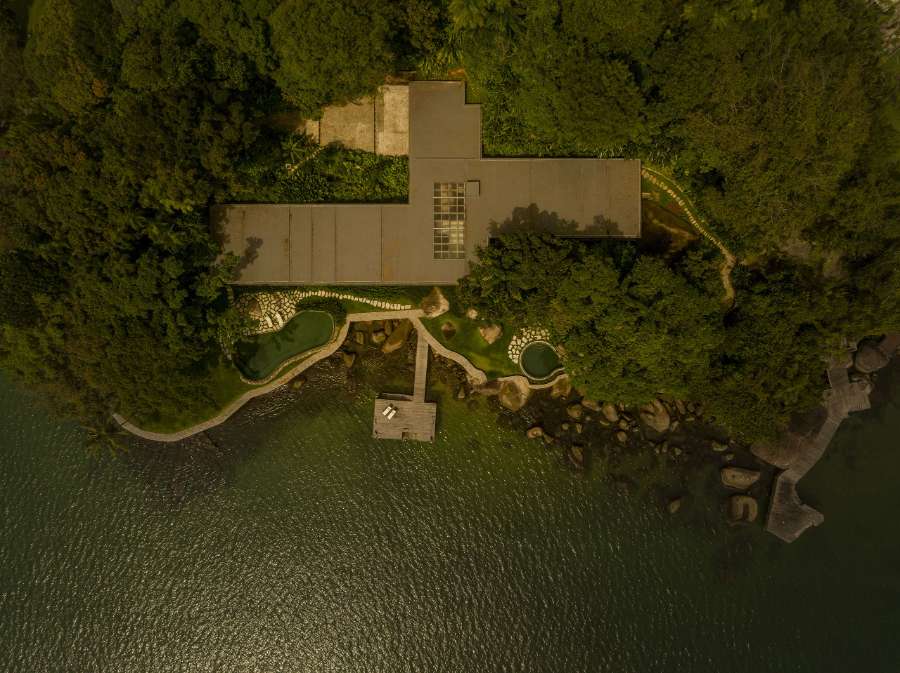
Perched higher on the hill, while the owner’s original residence offered sweeping views, it kept a certain distance from the ocean. Over time, the owner’s relationship with the land deepened, prompting the desire for a new, more immersive home, one closer to the water and more intimately connected with the site. Respecting the footprint of the earlier structure, the architects anchored the new house lightly onto the terrain, preserving existing rock formations and vegetation wherever possible. The result is a long, low-slung volume that opens out toward the sea while nestling into the hillside, its layered horizontality echoing the strata of the landscape itself. Viewed from the water, the house appears to hover just above the shore: the slightly elevated ground floor is softened by lush planting, while the cantilevered upper level, supported by slender columns, stretches outward like an architectural canopy.
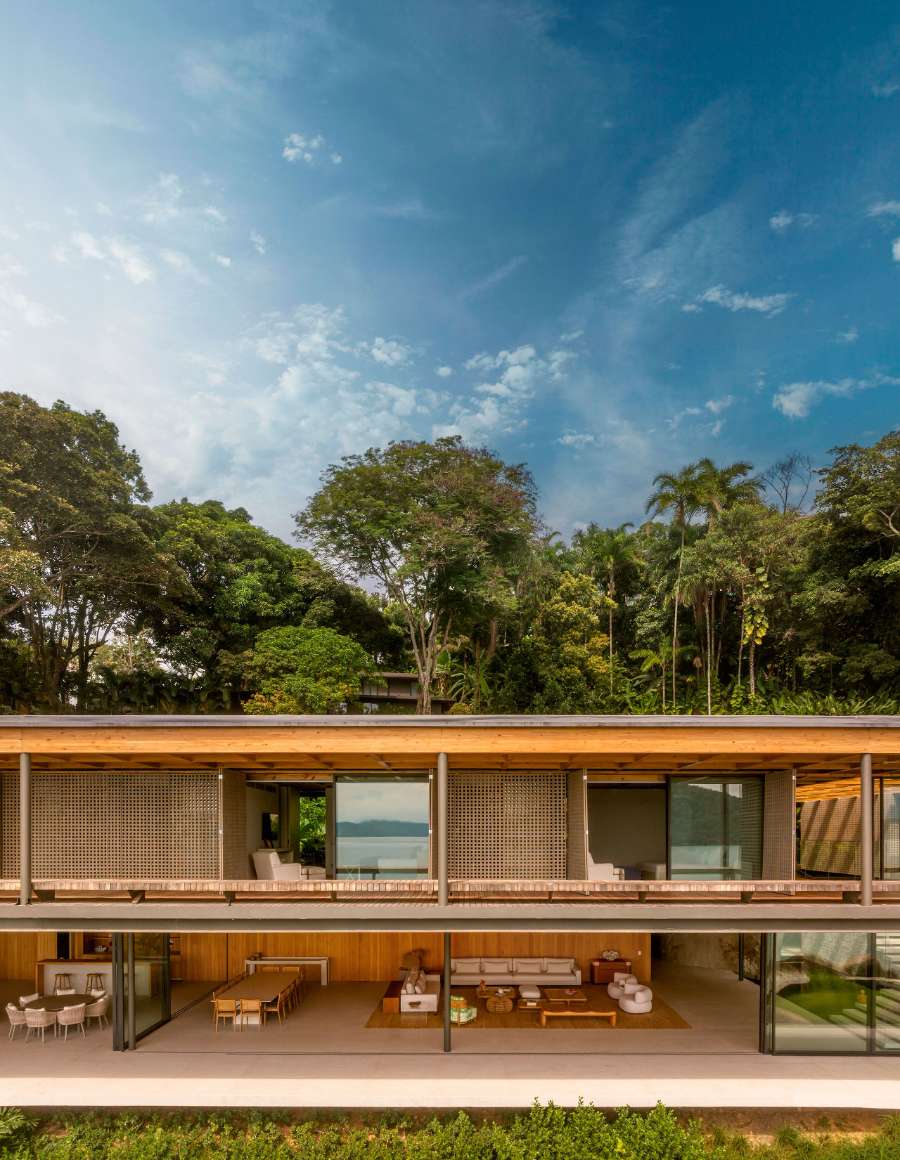
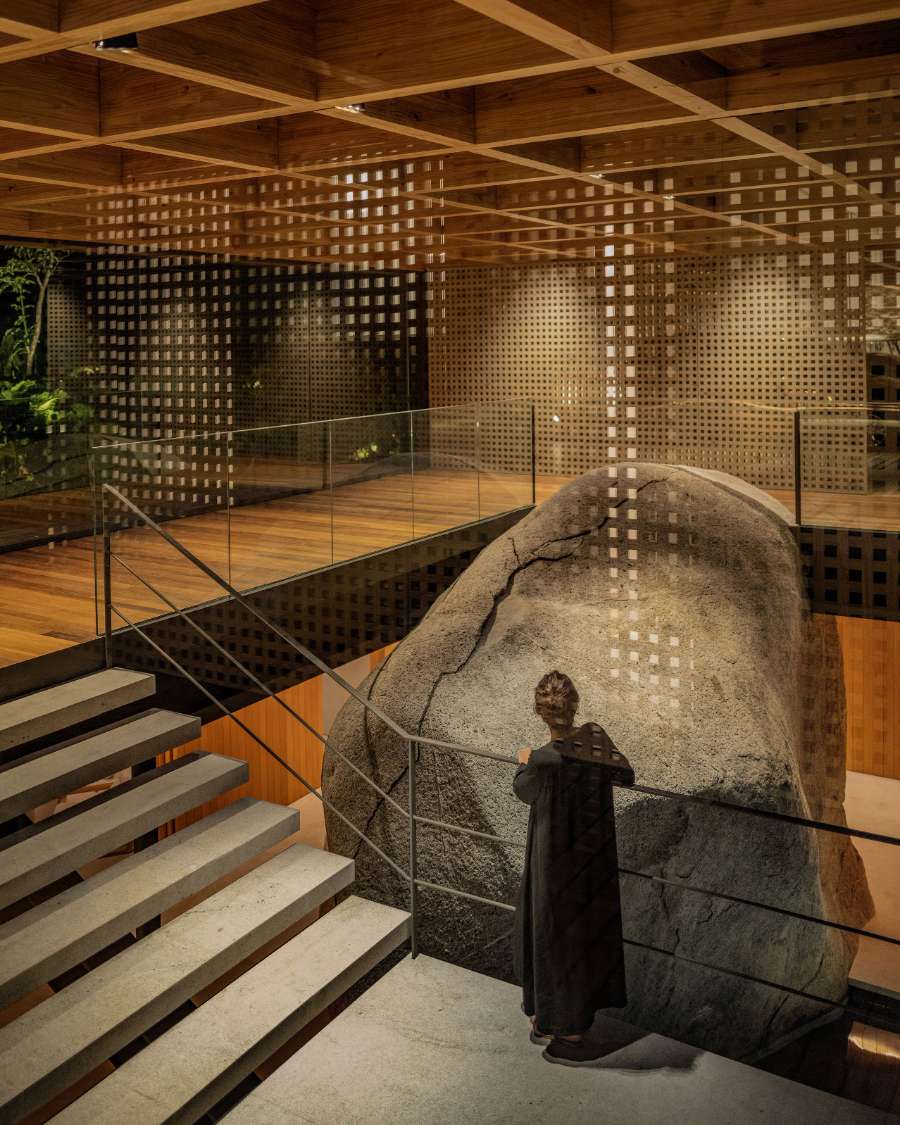
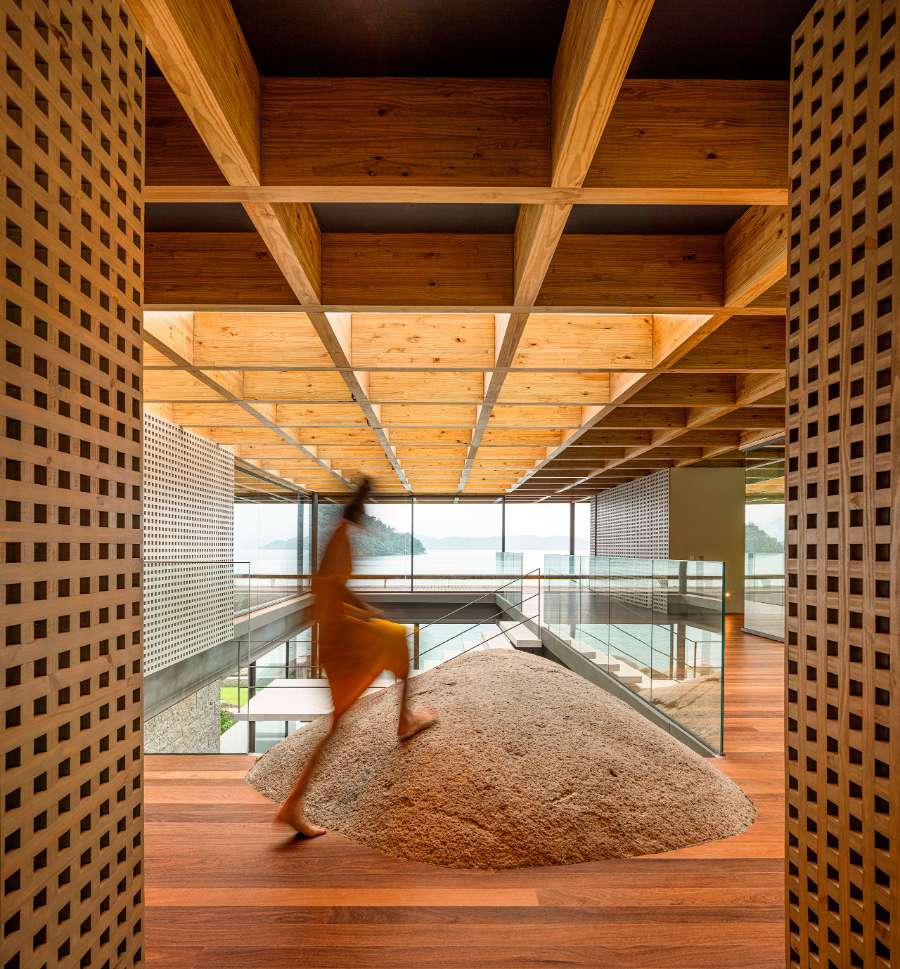
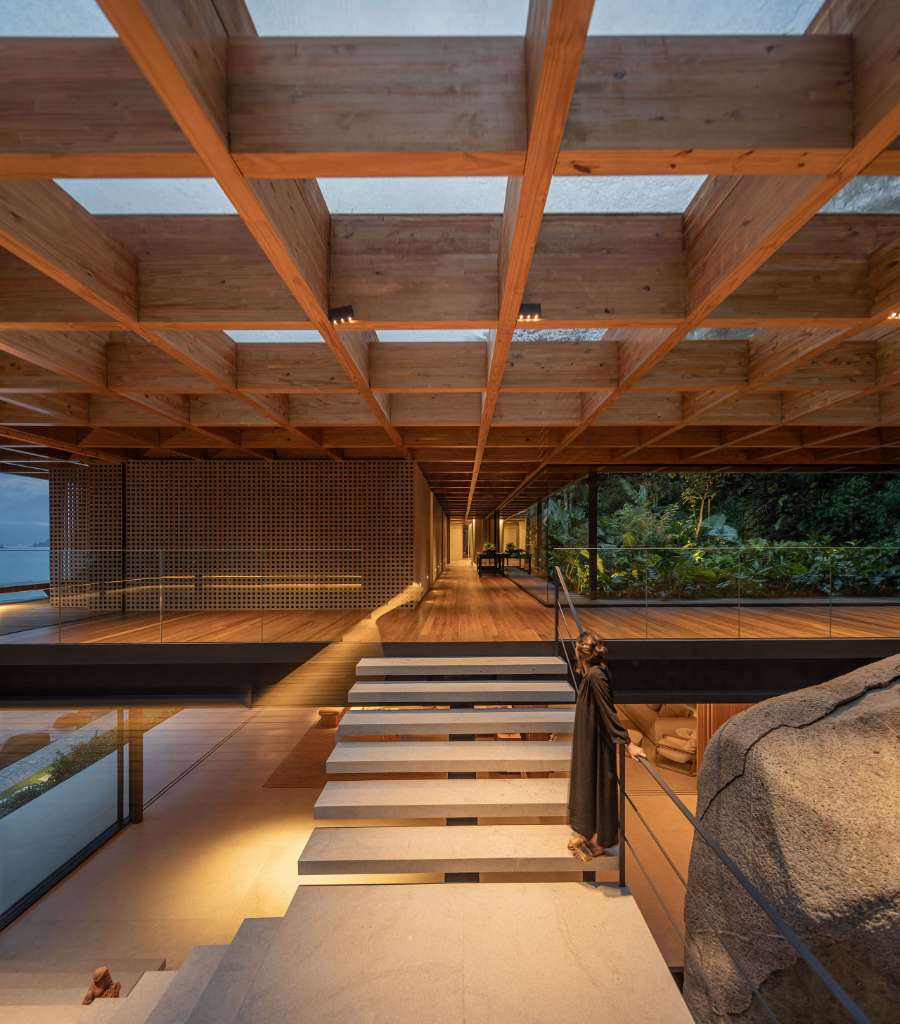
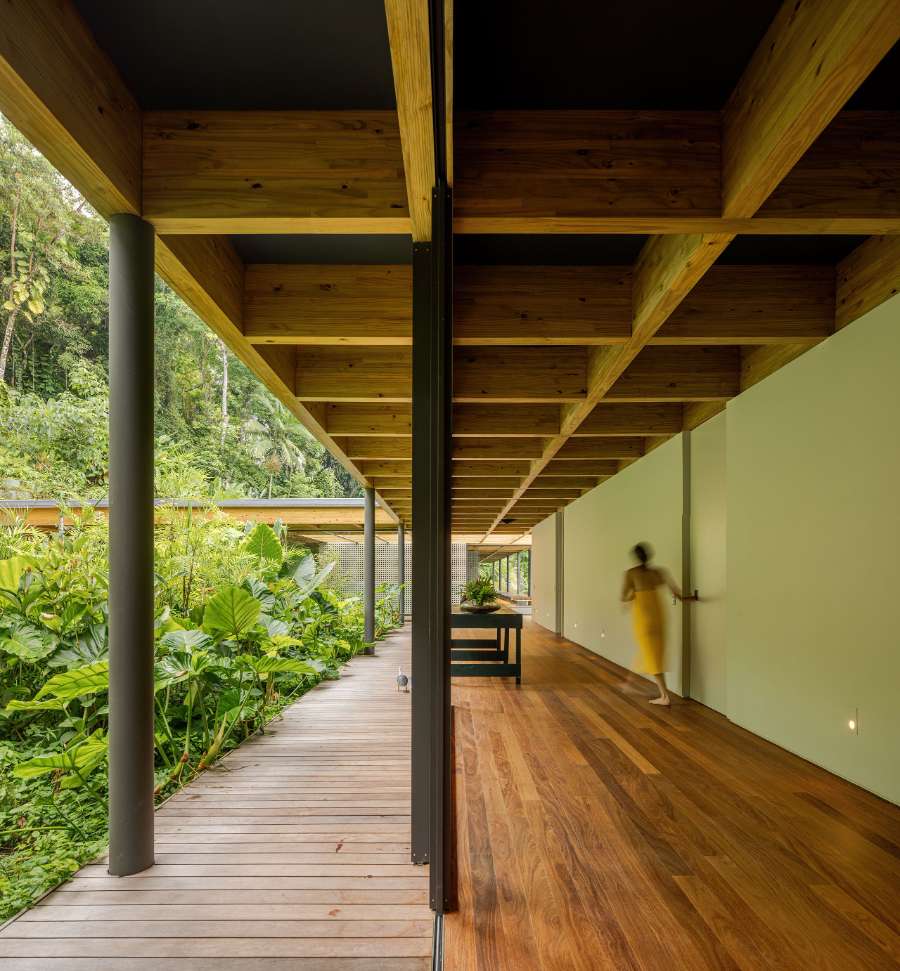
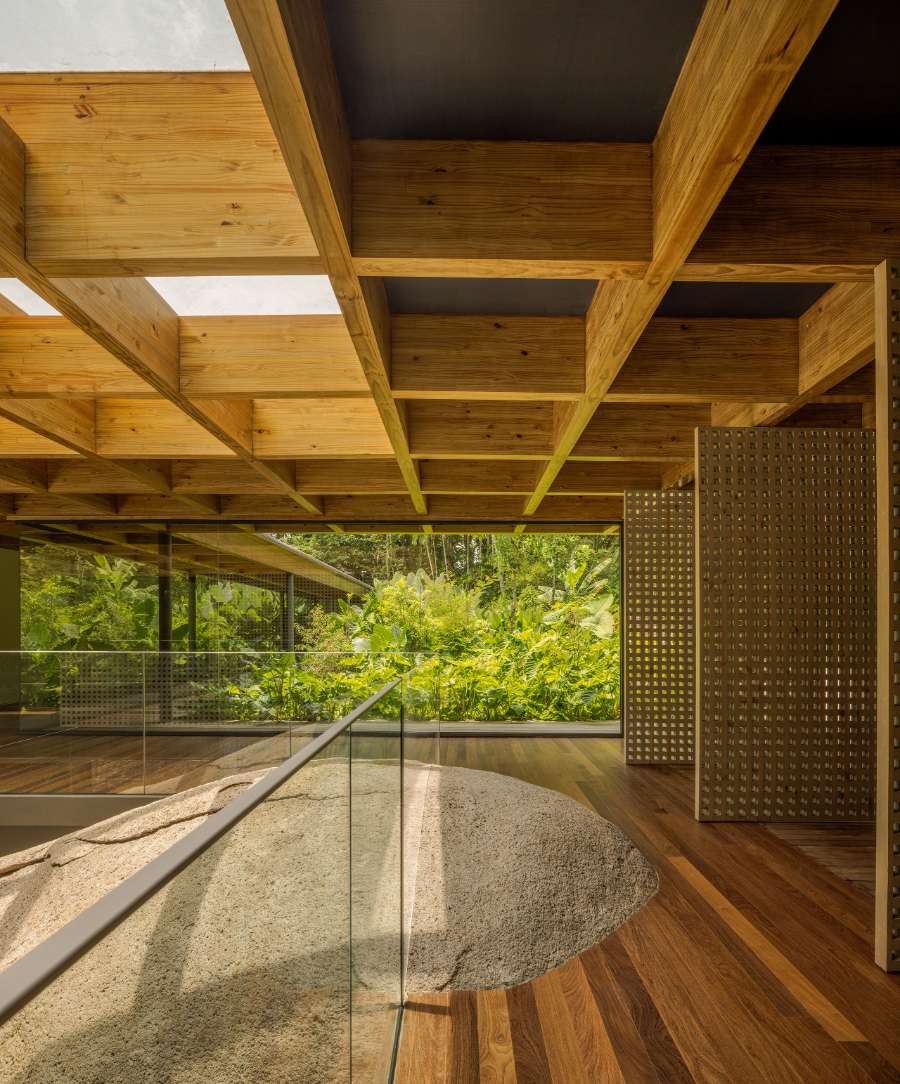
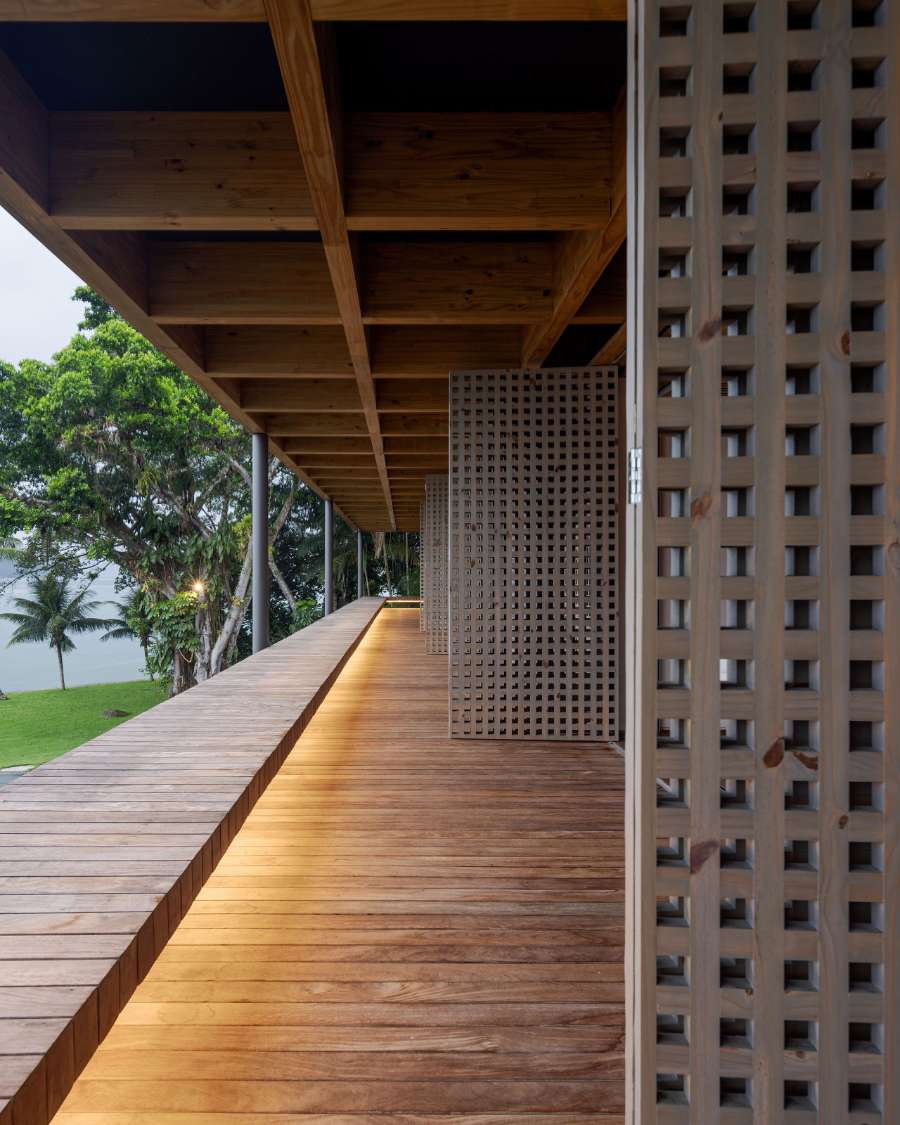
As would be expected, materials play a key role in achieving such a delicate balance. A structural palette of metal, concrete and laminated wood reinforces the house’s connection to its environment with clarity and restraint, while coffered timber ceilings, hardwood floors, and oxidized wooden latticework screens in the interior echo the tones and textures of sun-bleached driftwood further embedding the house in its coastal context.
▏Serving as a Sculptural Counterpoint to the Home’s Measured
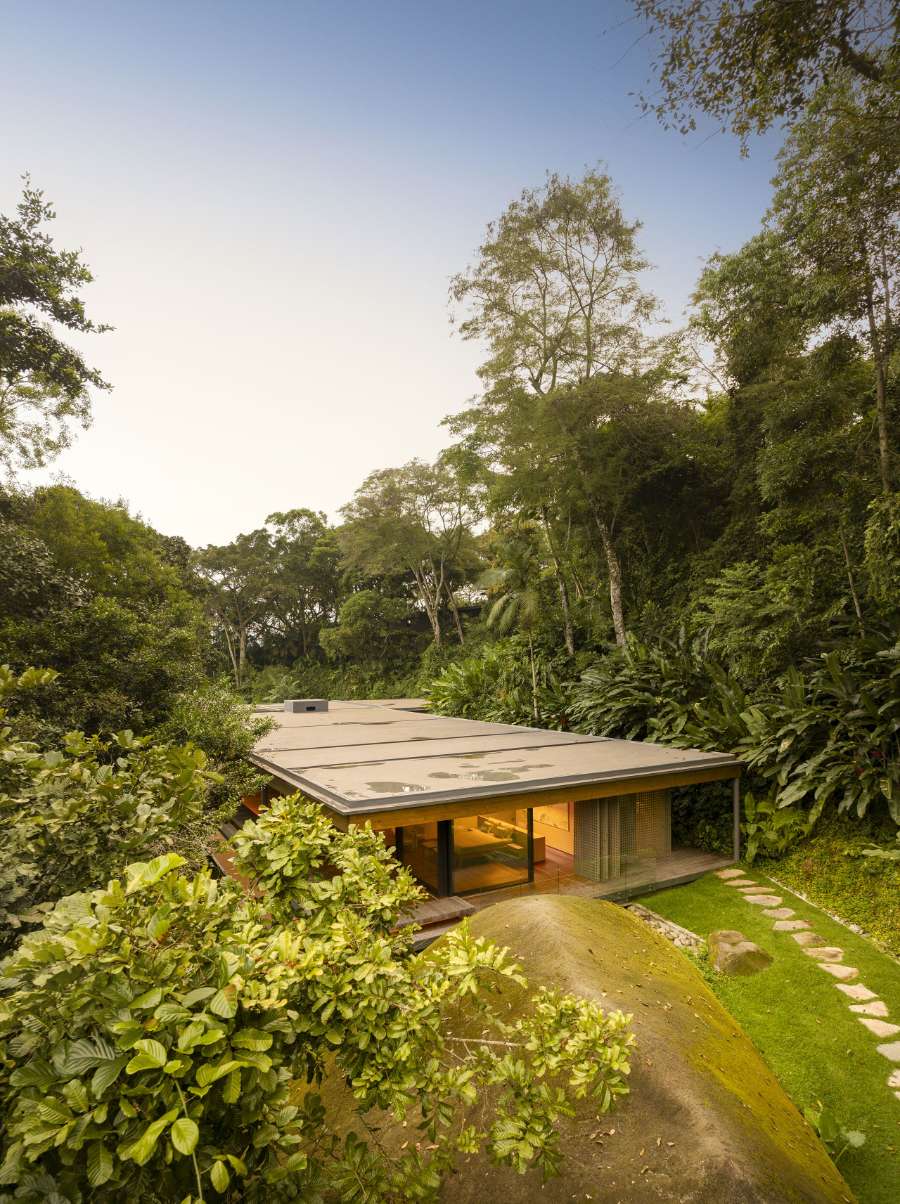
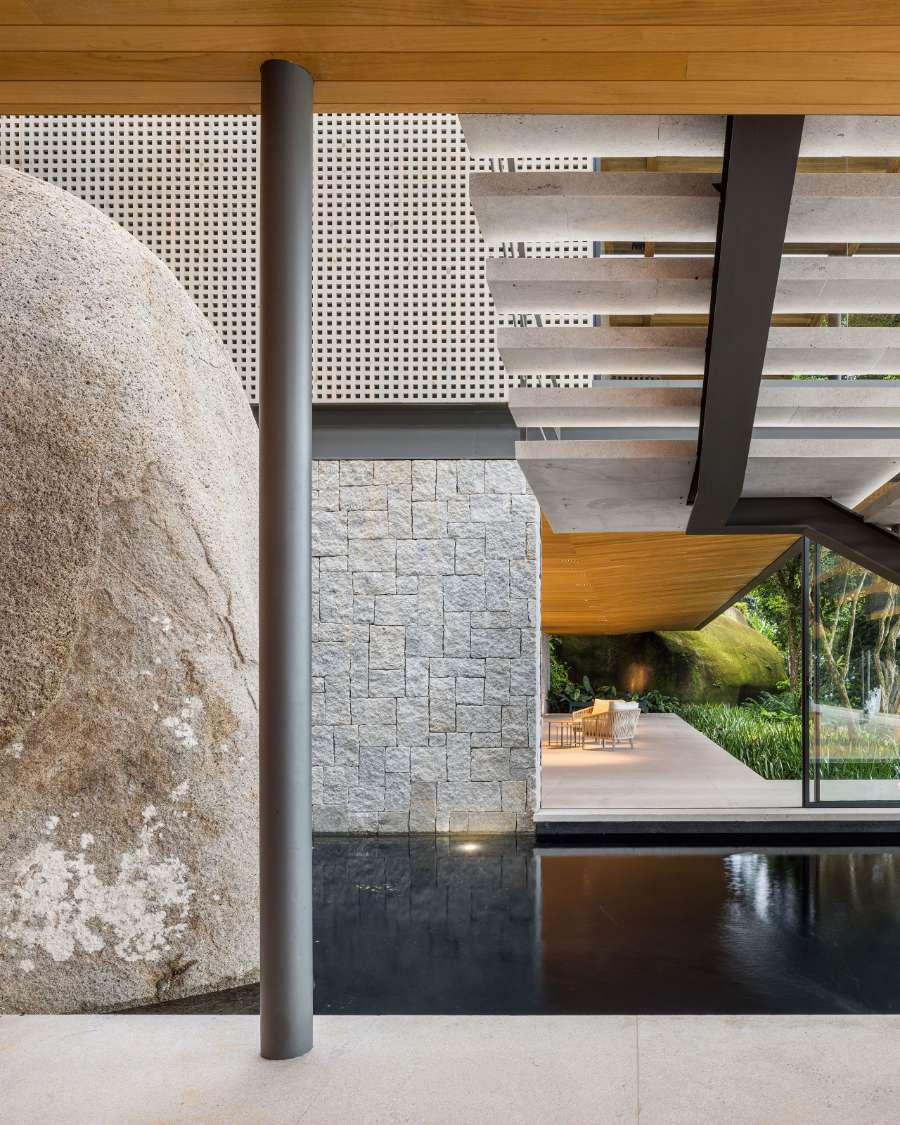
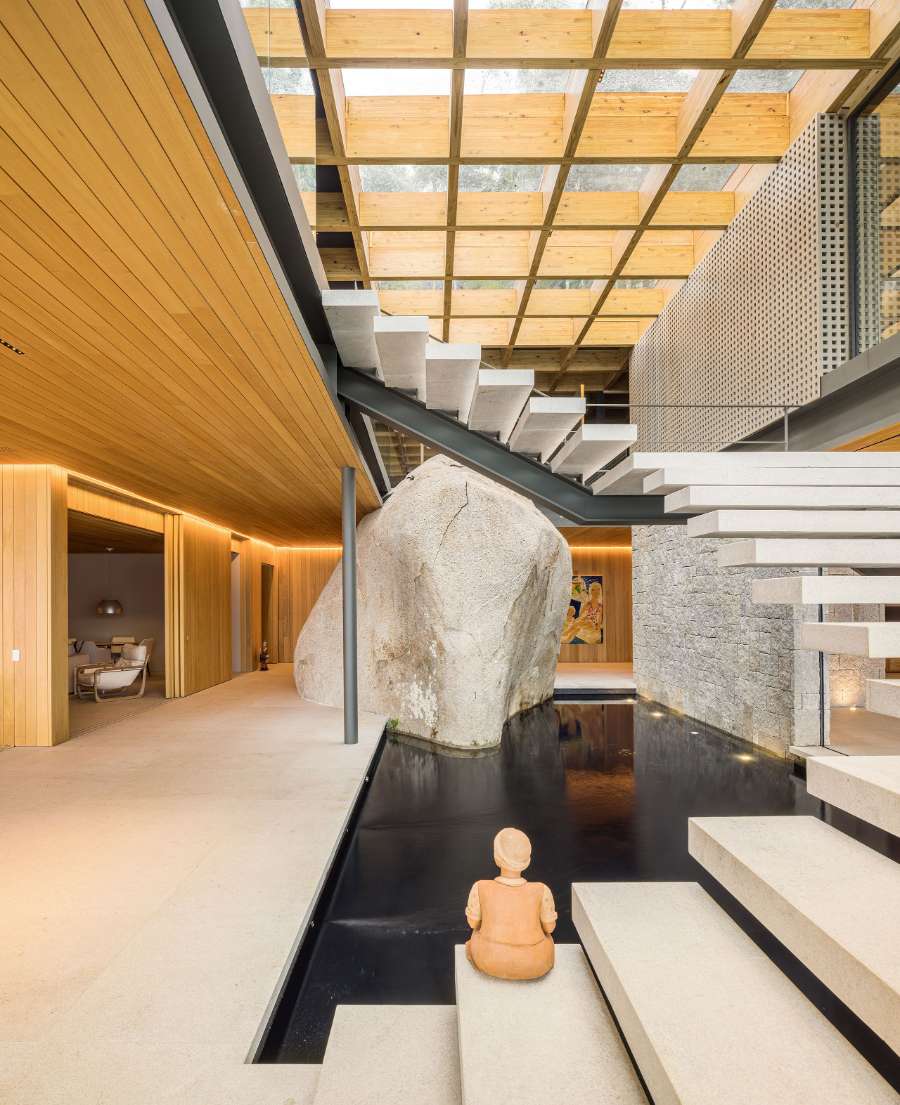
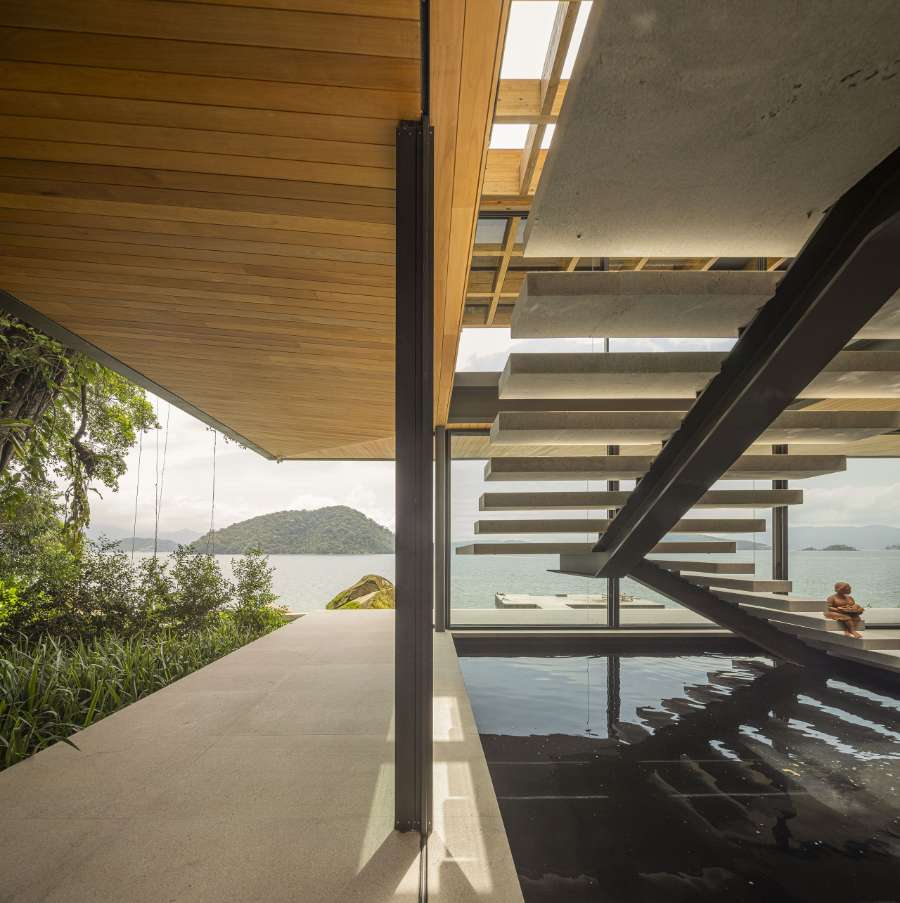
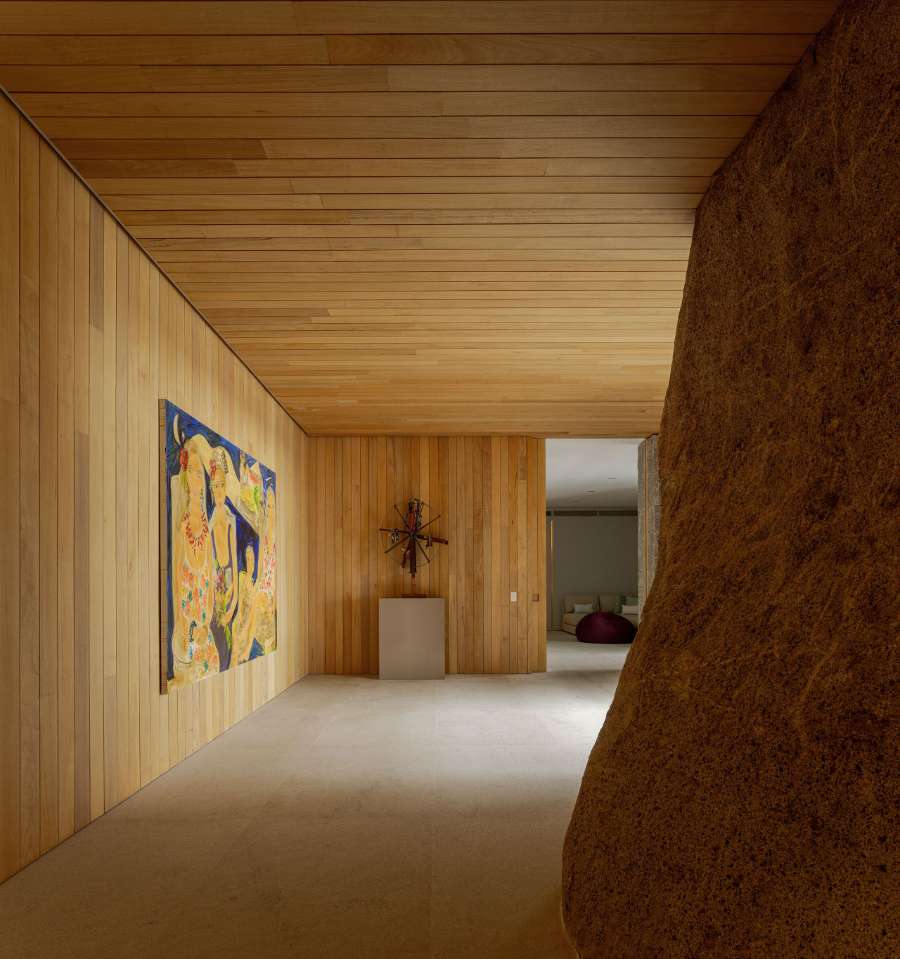
Accessed by a winding road that descends from the hilltop, the house reveals itself gradually. Dense foliage conceals the structure and obscures views of the sea, which only emerge inside the house, unfolding in a sweeping panorama. In the entrance hall, a boulder embedded in the timber floor quietly asserts the land’s presence in juxtaposition to the ocean beyond. It’s only upon descending to the lower level that the monumental scale of the rock is revealed, anchoring a reflecting pool and serving as a sculptural counterpoint to the home’s measured geometry.
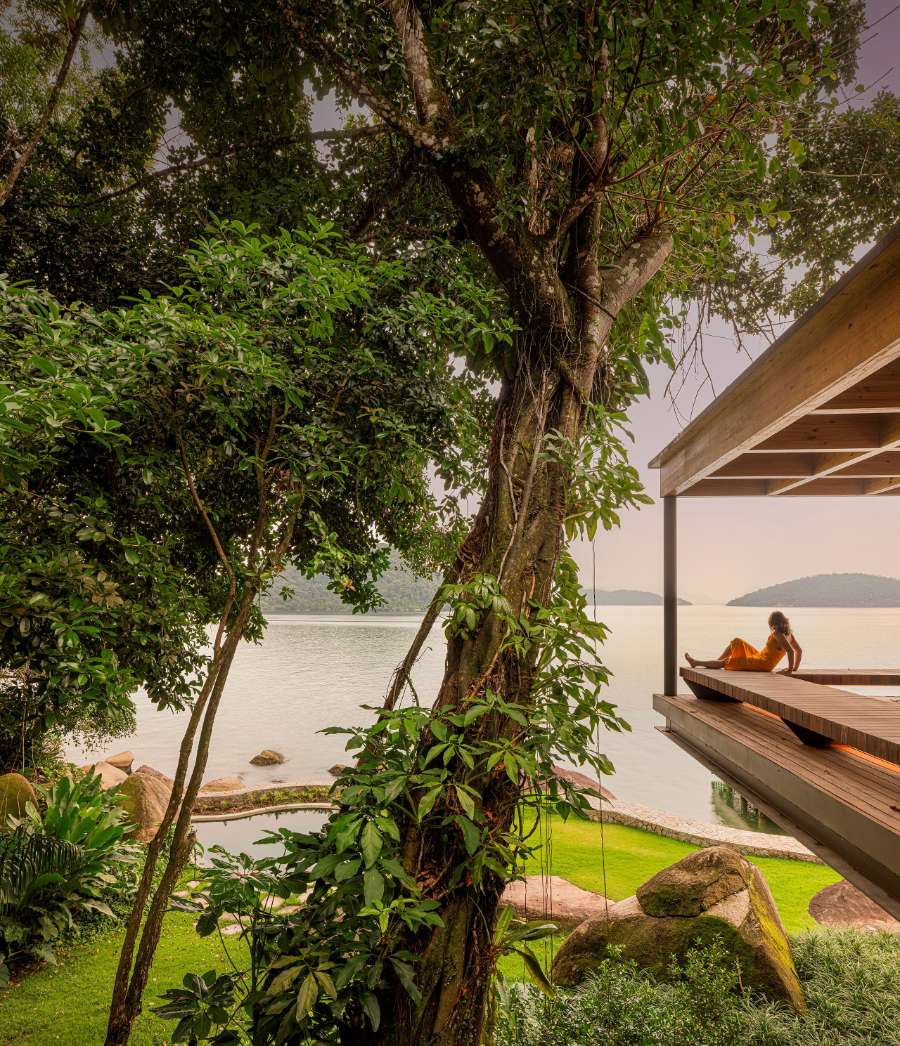
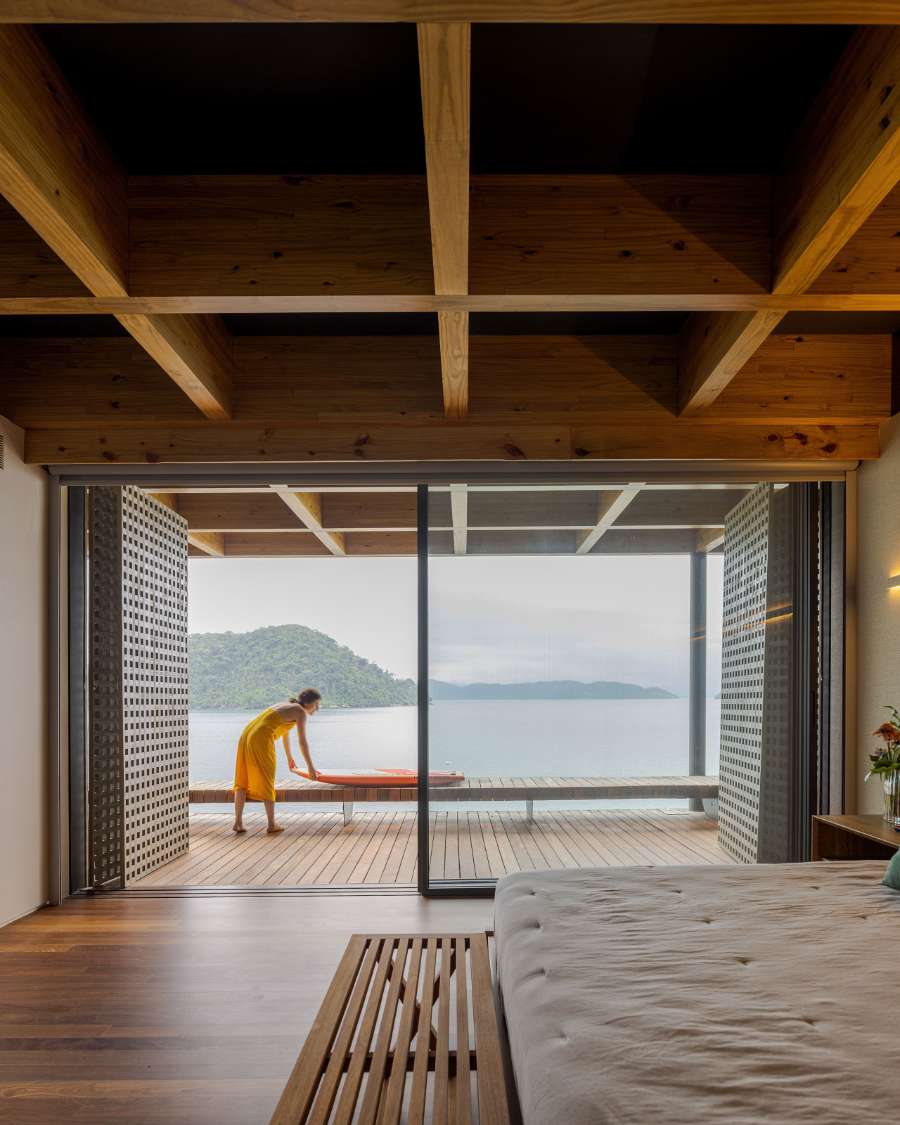
Once on the lower level, the architecture gives way to openness: floor-to-ceiling glazing dissolves into views of the sea and sky, while generous eaves and shaded terraces blur the boundaries between interior and exterior. The main social spaces, which include the living room, dining area, kitchen, and a cluster of leisure zones, are all oriented toward the ocean. This also applies to the bedrooms above, each opening onto a communal sea-facing balcony lined with a long bench that doubles as a balustrade. On the opposite side, the hallway that connects the bedrooms opens to the rear of the property, offering glimpses of the steep terrain and layered biodiversity beyond.
▏The Garden is Shaped by Five Principles: Imperfection, Intuition, Intrigue, Unpredictability, and the Inexplicable
Rodrigo Oliveira’s landscape design heightens the house’s lightness and tactility. Informed by a Japanese-inspired philosophy, the garden is shaped by five principles: imperfection, intuition, intrigue, unpredictability, and the inexplicable. Together, they underpin a naturalistic approach that resists rigid formality in favour of organic expression. Plantings are layered to emulate the spontaneity of native vegetation with broad-leaved foliage cloaking the base of the house, and soft groundcovers spilling across winding paths.
The garden invites slow exploration, with trails curving gently downhill, weaving through dense thickets and sunlit clearings before unfolding onto a more manicured landscape near the water. Here, the wildness of the forest gives way to a lawn dotted with sculptural boulders—existing formations that Oliveira thoughtfully integrated into the composition—alongside two organically shaped pools that echo the sinuous contours of the coastline and a towering tree that casts its shade over the terrace.
Together, Jacobsen Arquitetura and Rodrigo Oliveira have composed a living environment in dialogue with its setting, shaped by its rhythms and receptive to its presence. In doing so, they remind us that architecture, at its most thoughtful, doesn’t simply frame a view, it fosters belonging.