
Expanding a Historic Alpine Farmhouse into a Contemporary Retreat
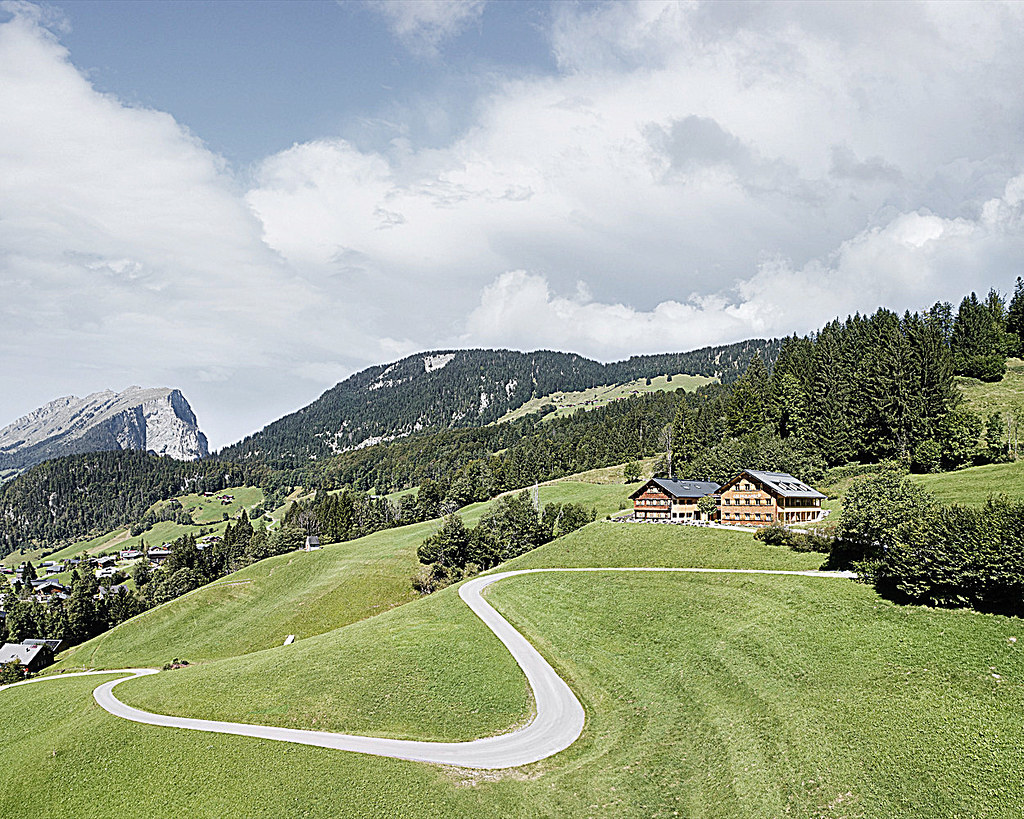
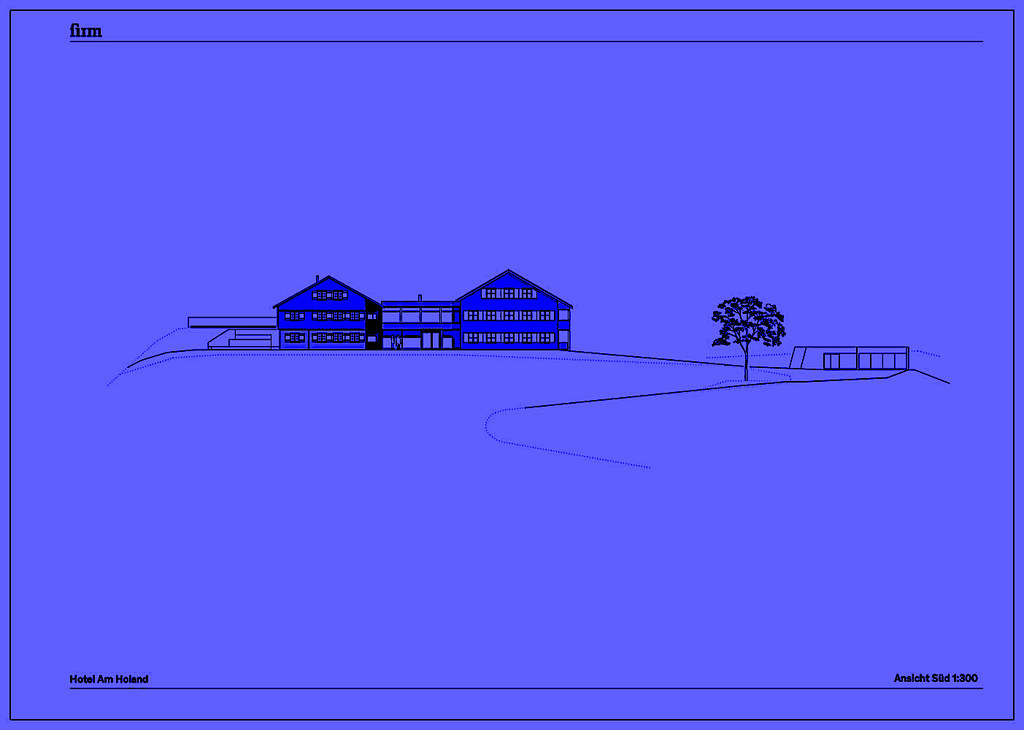
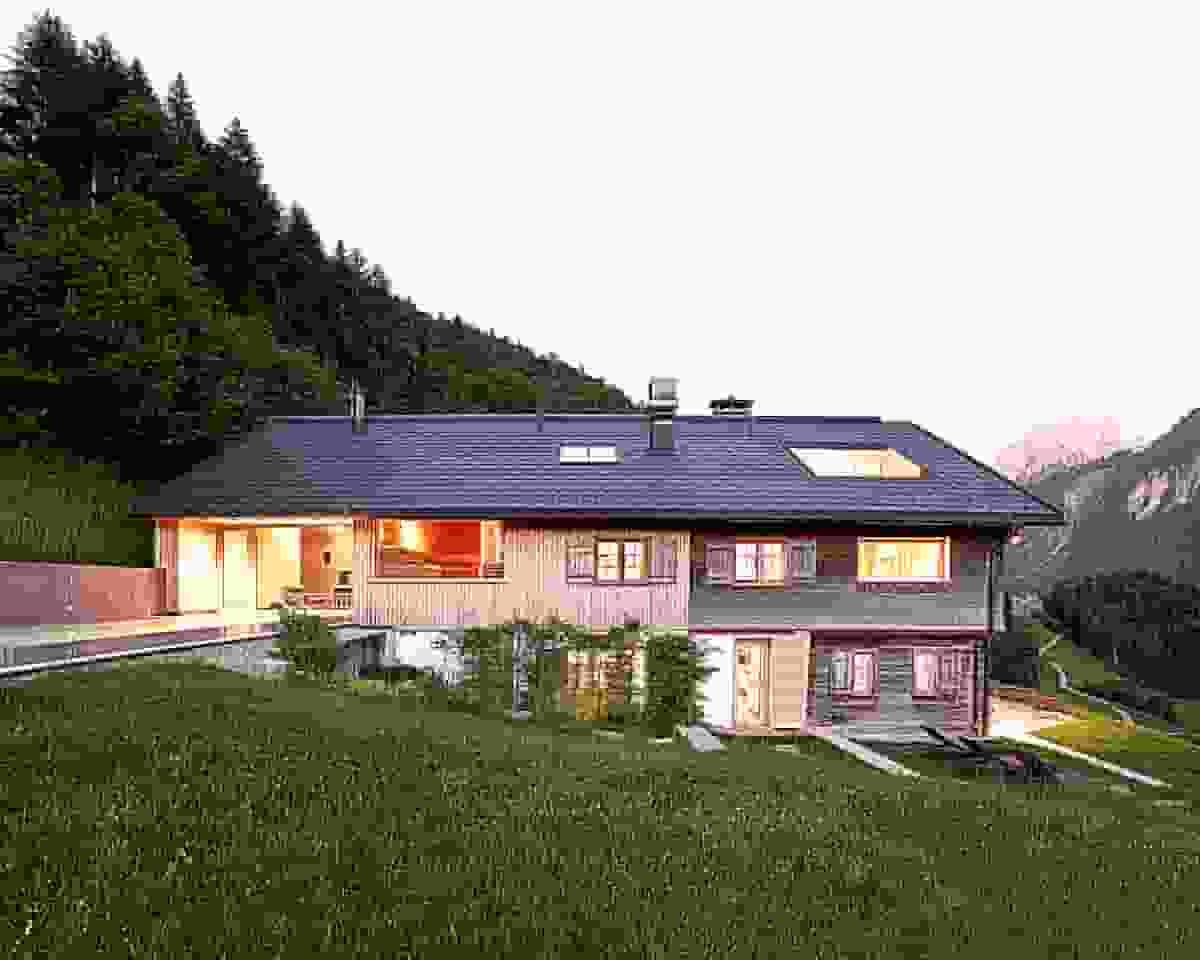
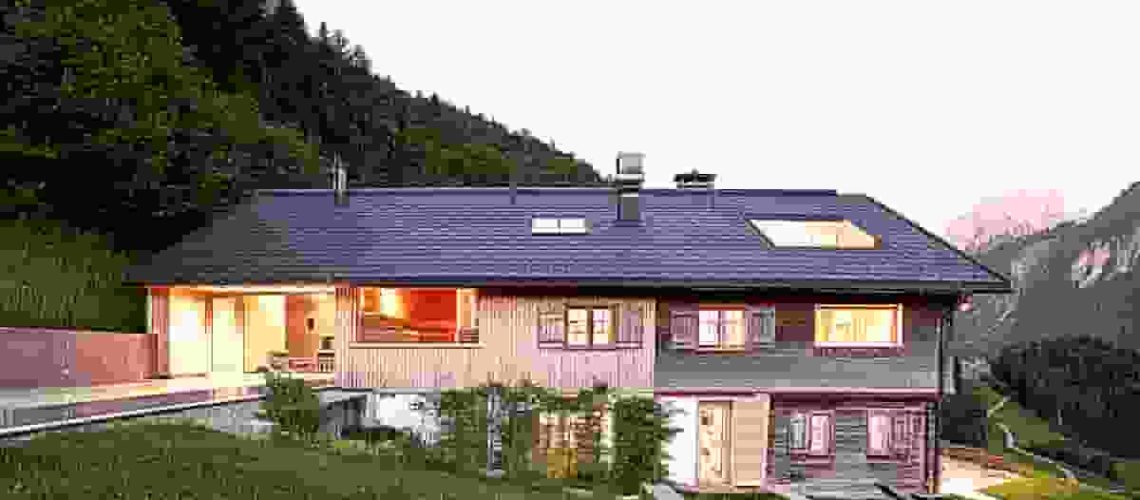
How can a 200-year-old Maisäß farmhouse be transformed into a modern hospitality destination? Perched on a south-facing hillside above the village, Hotel Am Holand combines historic structures with carefully planned additions that include a restaurant, guest suites, and wellness facilities. Through several phases of renovation and expansion, the project strengthens the relationship between interior spaces and the surrounding alpine landscape, creating a more open and immersive stay experience.


Wellness Facilities Designed Around Mountain Scenery
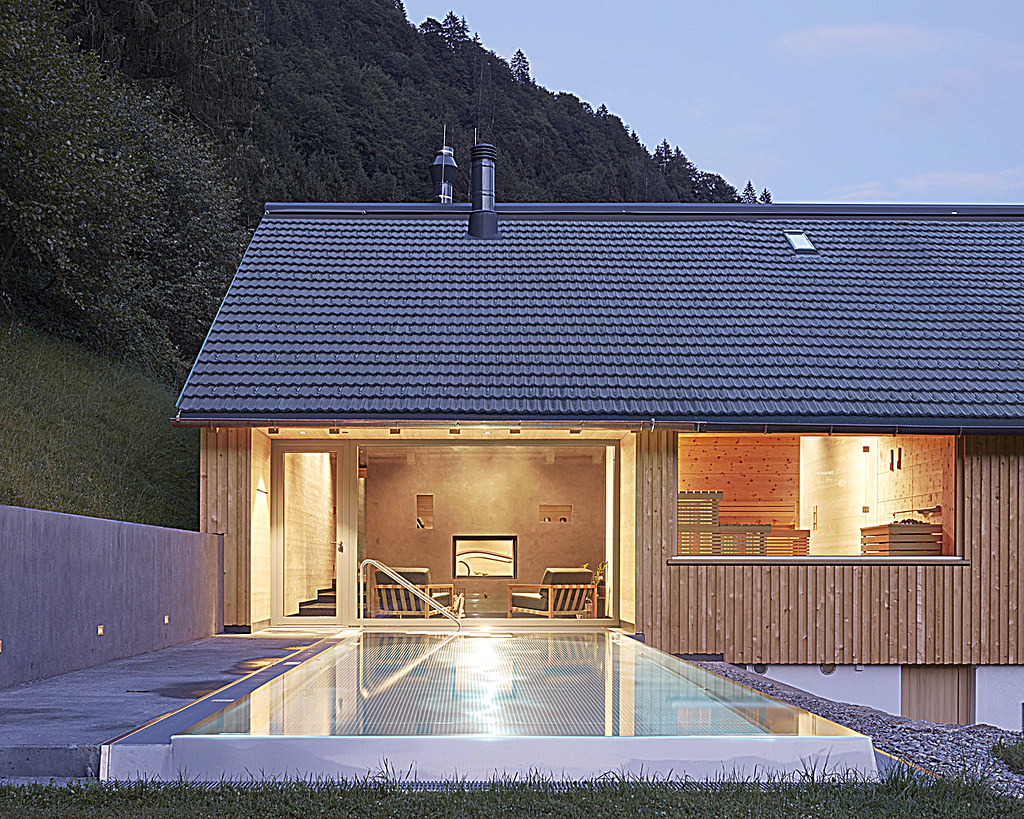
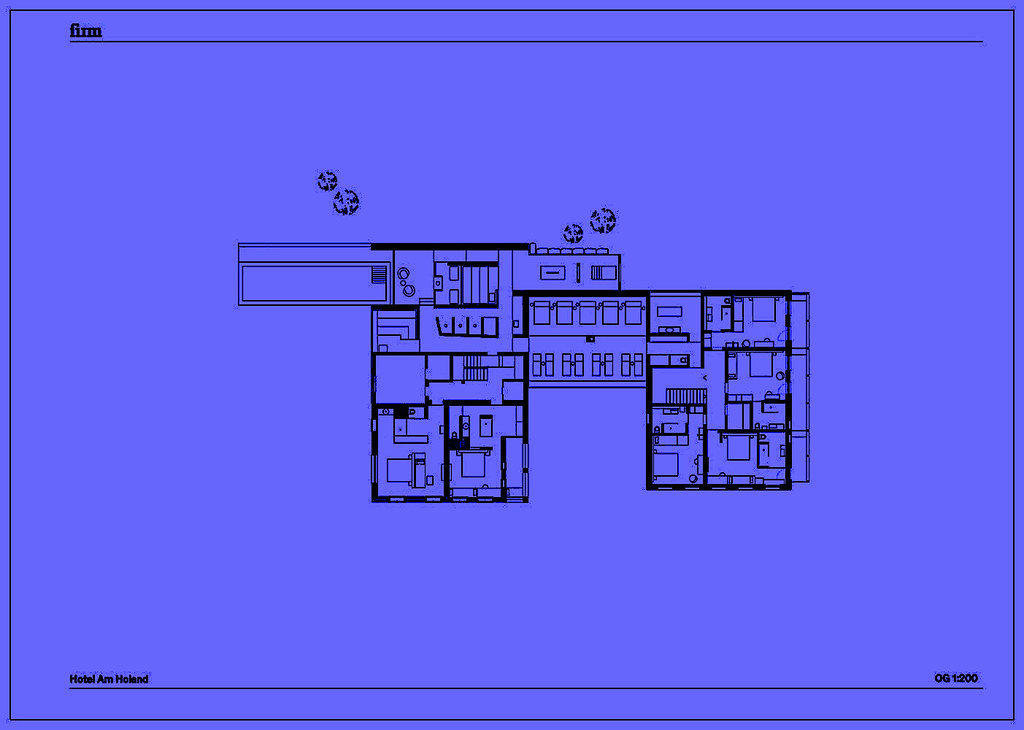
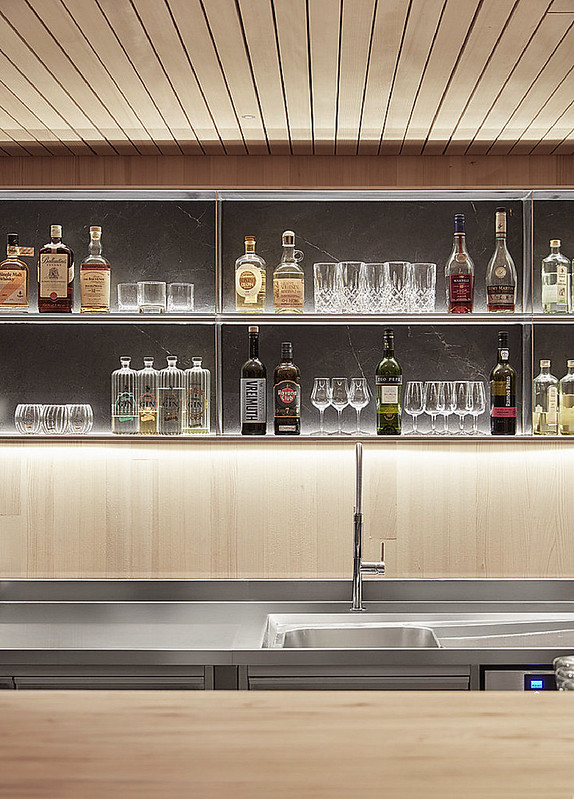
The later stages of development introduced a wellness center, outdoor swimming pool, and new relaxation areas that further elevate the guest experience. A redesigned lobby and the addition of the Trustbar create welcoming communal spaces where visitors can gather beside the fireplace while enjoying expansive mountain views. Together, these interventions transform Hotel Am Holand into a contemporary mountain retreat, balancing heritage preservation with modern hospitality.

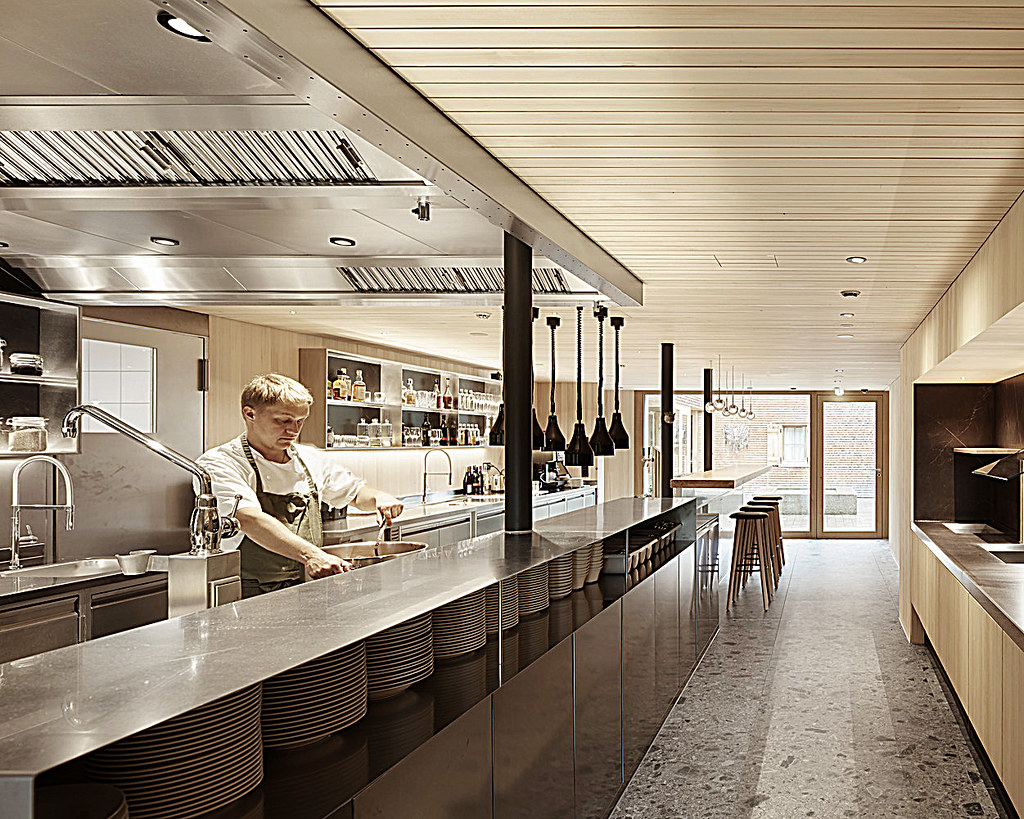
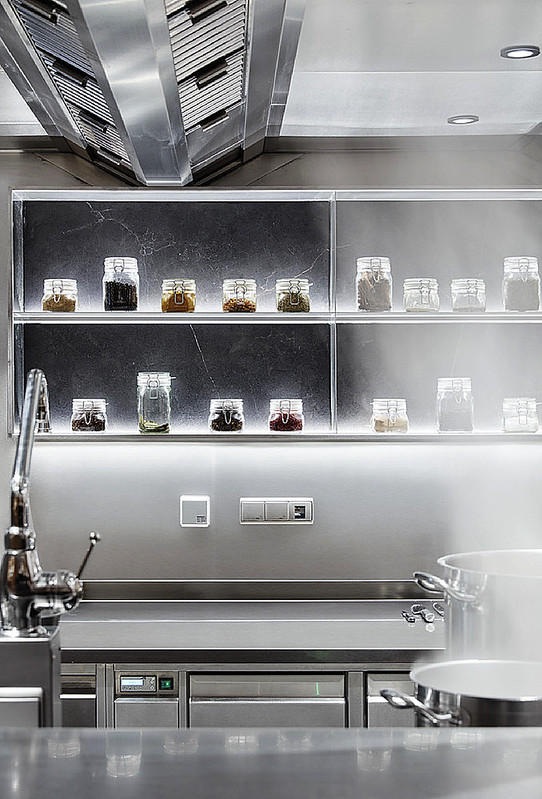
The owner of the house is also the head chef. The kitchen is positioned as an open kitchen between the lobby and the dining rooms. This means that the host is always present with his guests and the guest can look over his shoulder while he cooks. Only the height-adjustable counter separates the kitchen from the dining room.

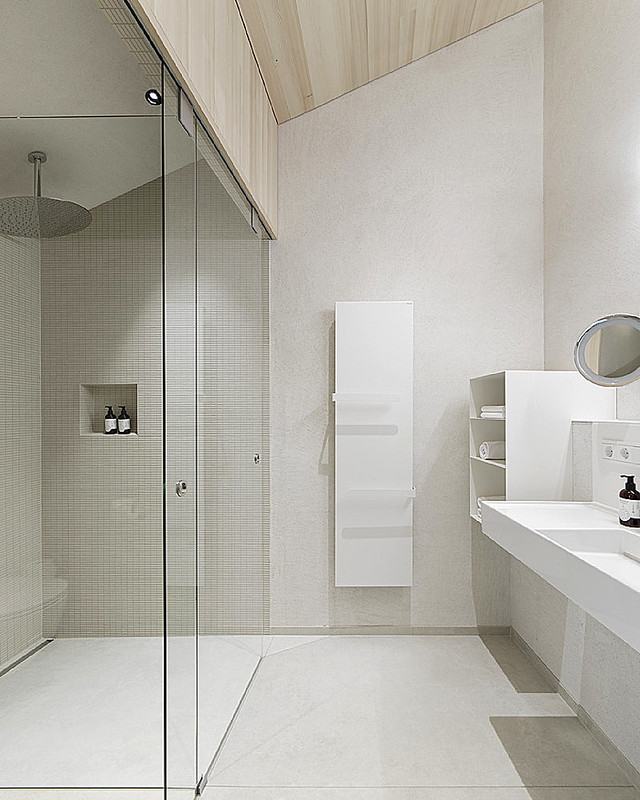
The counter serves as a breakfast buffet in the morning, becomes a cake buffet in the afternoon, and finally becomes a bar or chef’s table in the evening. The old dining rooms were refreshed and two more dining rooms were added. The three spacious suites in the existing building were surprised by their exciting spatial structure. Freestanding showers or bathtubs with a view of the sky enhance the stay experience.

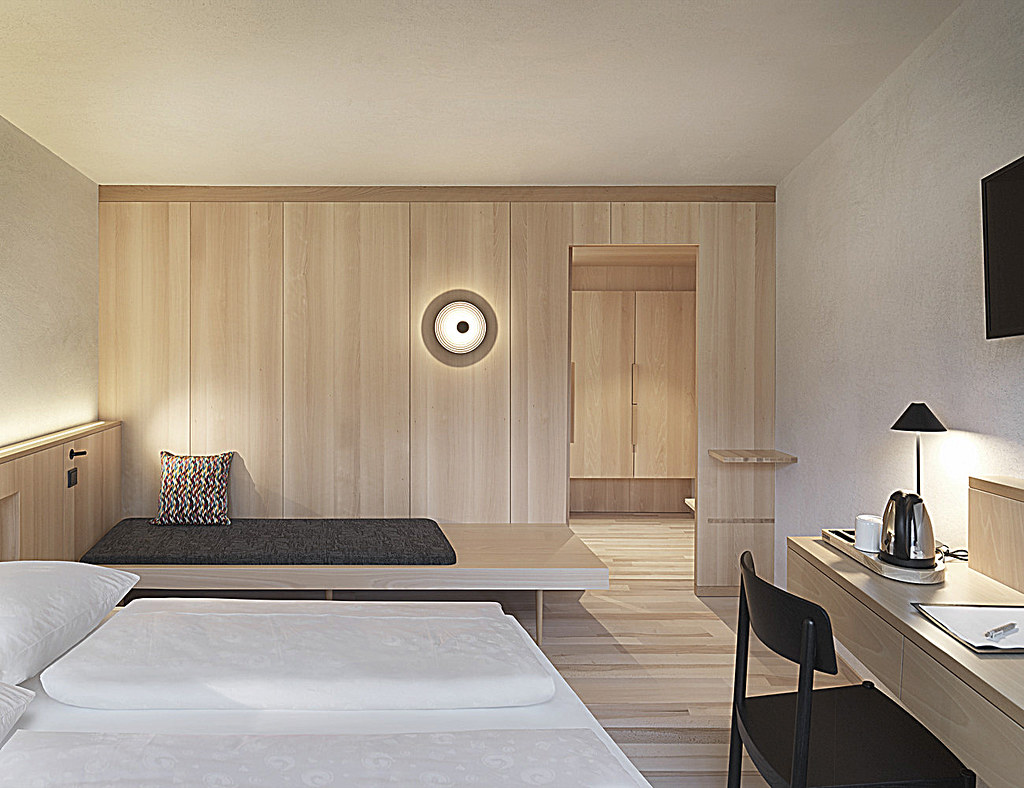
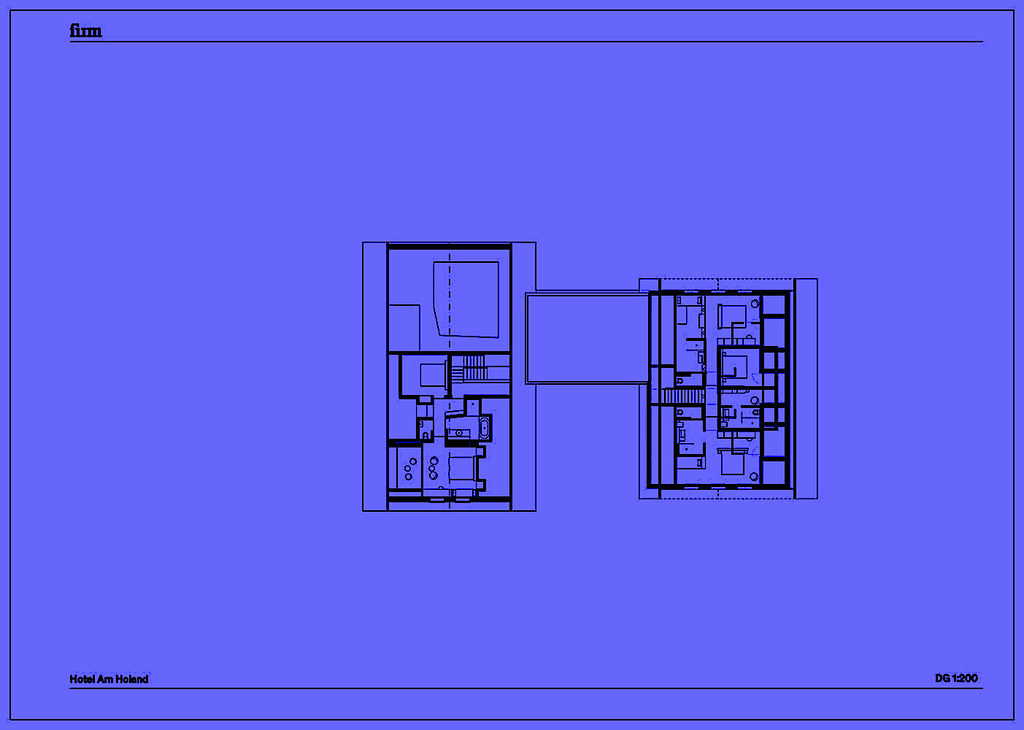
In 2023, of the 14 rooms in the house, the remaining 11 rooms in the eastern building received a general renovation. All surfaces, furniture, and lighting have been renewed. All rooms now have their own outdoor space with the new balcony zone. There are three suites with a roof terrace on the top floor. All three construction phases are made from local wood and by craftsmen from the village, consistently practicing regionality.
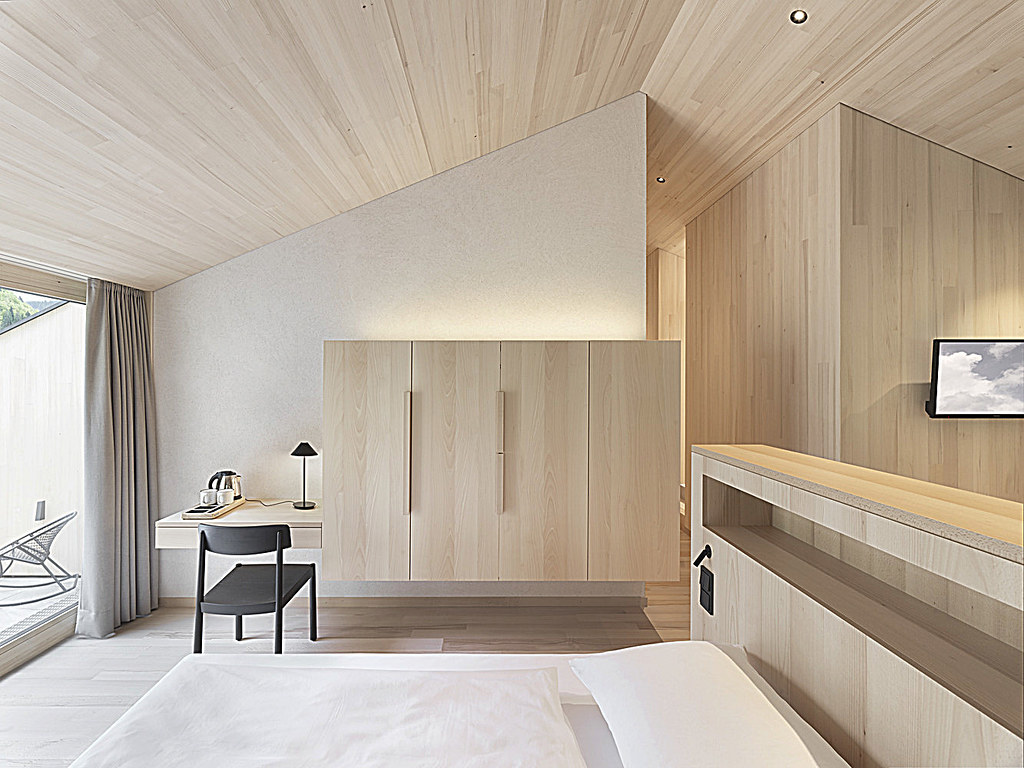

Walls and ceilings are made of brushed fir or beech wood and in the eastern part of the building are made of lime plaster; the room floors are made of soaped, rough-sawn beech. The beech furniture in the rooms contrasts with the light wooden surfaces. The lighting concept accentuates the architectural ideas. A moderate hotel with fine touches.