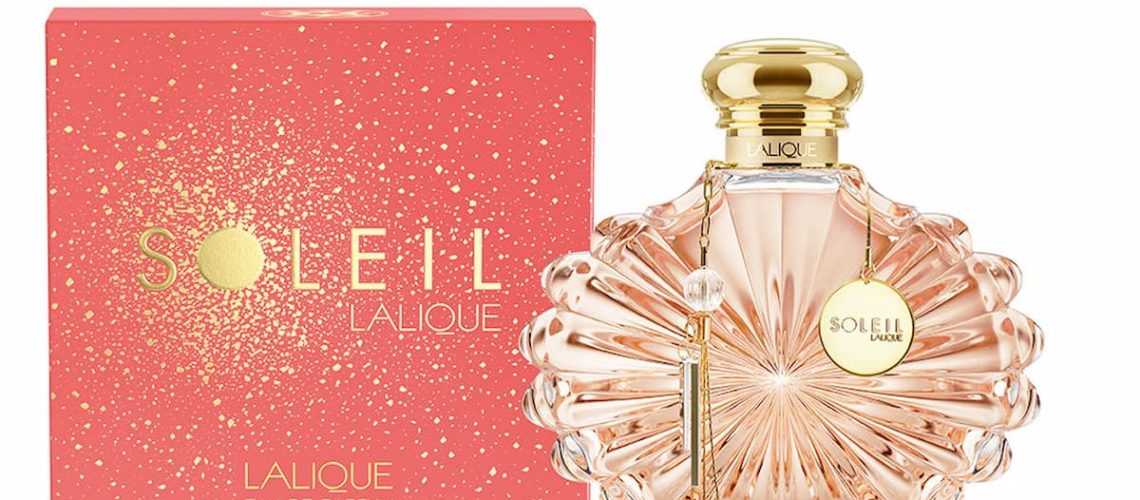
On The Scent Of The Finest Lalique
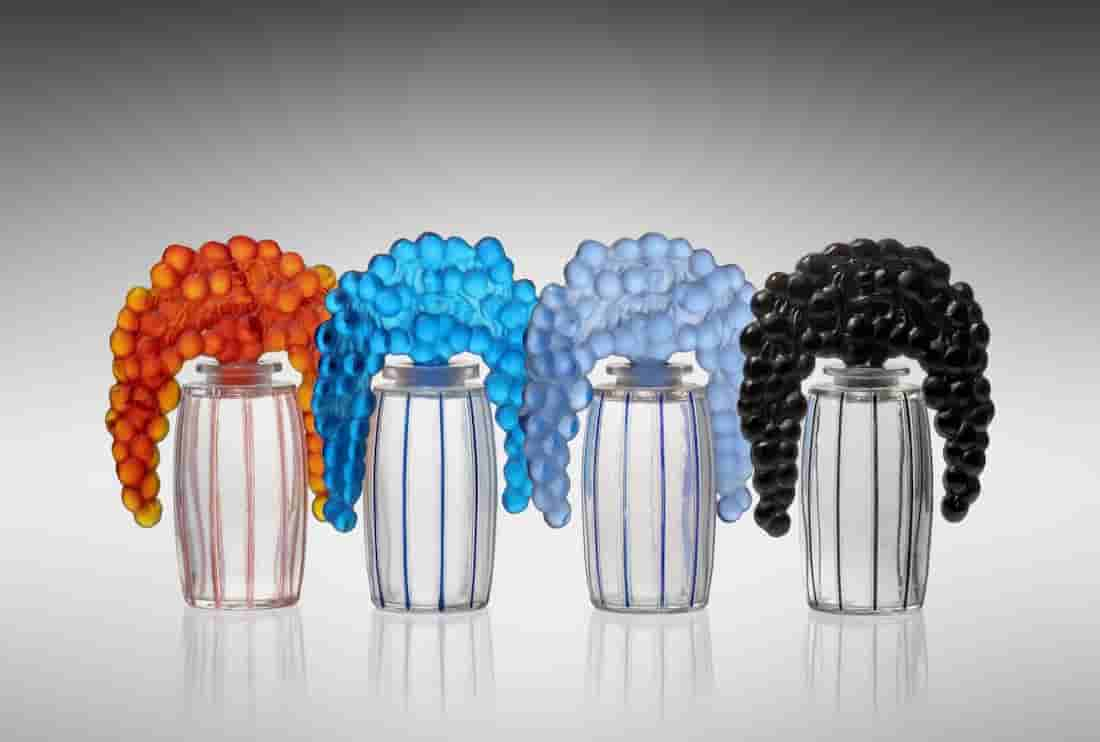
An exceptional private collection of Lalique perfume bottles comes for sale at Lyon & Turnbull this month. The collection, numbering 150 different bottles was assembled over a number of years by a collector who had long fallen under the spell of René Lalique, will be offered in a live online auction on Thursday 17th February. Estimates range from: £300-500 to £20,000-30,000.
▍RESULTS UPDATE: The collection sold for a premium-inclusive total of £658,000. The aggregate was more than double the pre-sale estimate with the selling rate a near faultless 96%. “It is a rare occurrence for a collection of Lalique scent bottles of this calibre and scale to appear on the market and I was thrilled to be asked to handle it”, said Joy McCall, Senior Specialist and Head of Sale. “The results are testament to the quality of the collection. Participation in the sale came from a broad international audience and it was lovely to meet so many new clients with a passion for Lalique.” Highlights included the Bouchon Cassis bottle, designed in 1920, with its stopper formed of cascading bunches of currants, selling for between £5250 to record sums of £18,750. The similar Bouchon Mûres (Blackberries stopper) bottle sharing the same base, also in black and clear glass, was deemed rarer still. It sold at £27,500.
It was in the early 20th century that Lalique turned his attention from handmade jewellery to making glass by industrial methods. Some of his first creations were for the perfumier François Coty, his neighbour on the place Vendôme in Paris, who believed success in the fragrance business lay in beautiful packaging and an affordable price.
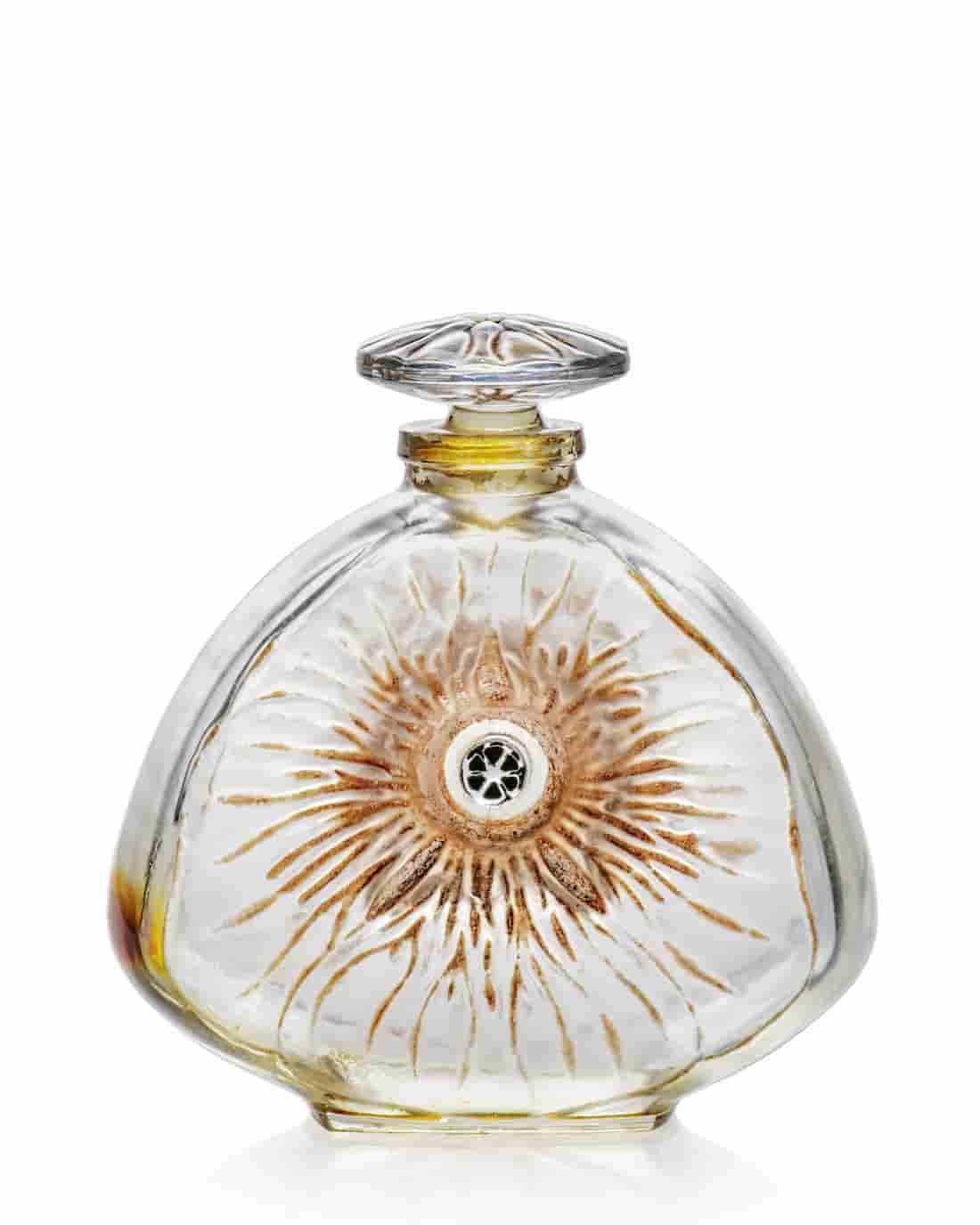 Rene Lalique – Althea scent bottle, © Lyon & Turnbull[/caption]
Ever since Lalique designed the Cyclamen bottle for Coty in 1909 (the first commercial bottle he designed in its entirety estimate £700-900) the perfume industry has invested heavily in bespoke packaging. Lalique designed bottles – each a small masterpiece in terms of aesthetic beauty and quality of execution – for more than 60 perfumiers, fashion houses and department stores plus bottles for his own Maison Lalique brand. Some exist in the collection in multiple versions, each with a different colour treatment or finish. For example, the Bouchon Cassis bottle with its stopper formed of cascading bunches of grapes is offered herein for different colours guided from £2000-3000 (orange) to £7000-9000 (black).
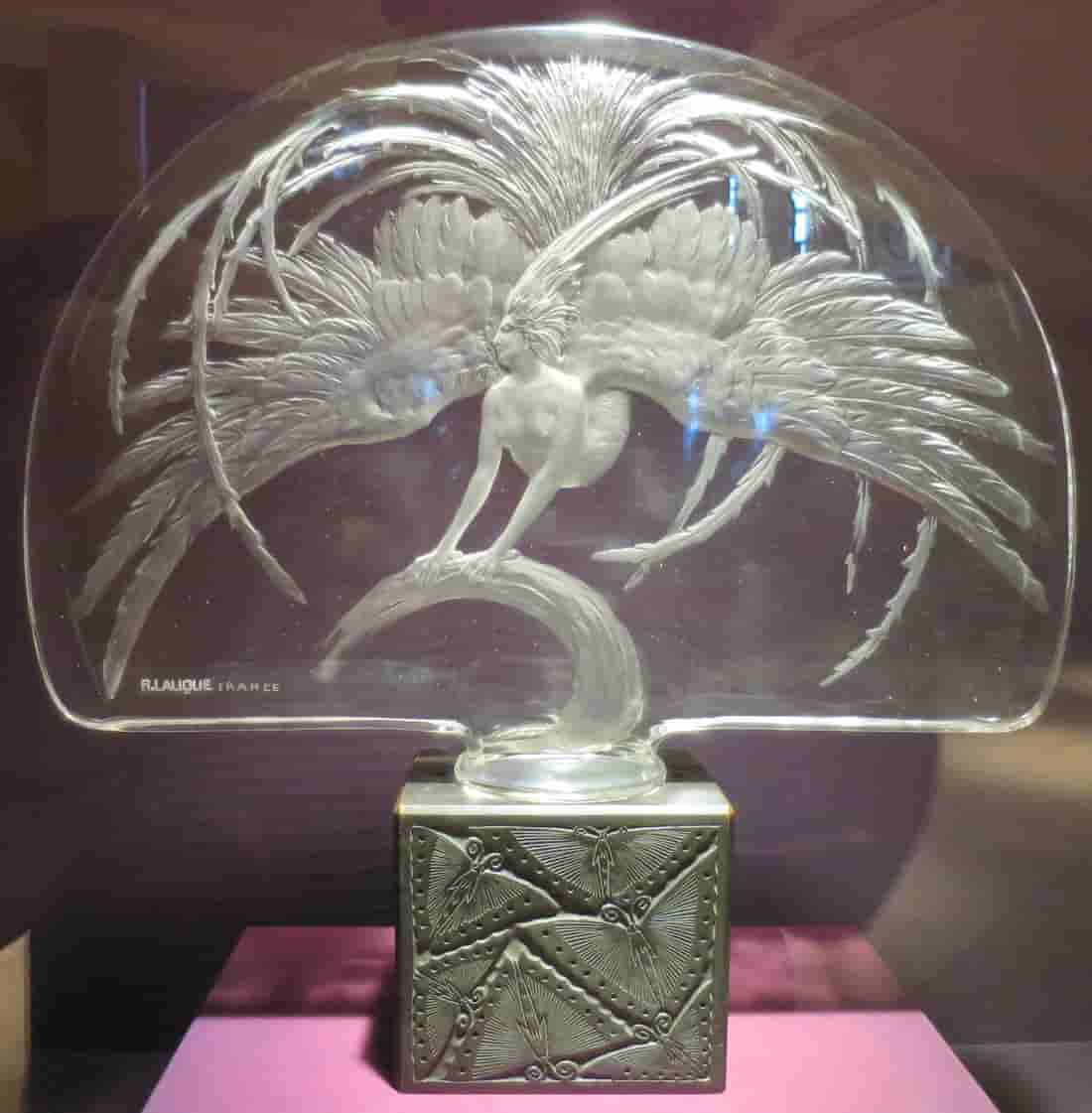 Oiseau de Feu (Firebird), 1922
While Lalique’s most detailed designs typically hold the greatest appeal, this collection includes some of the hardest to find bottles. Head of Sale, Joy McCall, says “the collection was formed in equal measure by a great passion for the subject and the thrill of the chase when searching for the rarest bottles”. Some Lalique pieces were made in small limited editions such as the 200 Cadeau de Paques egg-form scent bottles, produced for Worth in Easter 1928 (estimate £600-900) or the Trèsor de la Mer presentation box (an opalescent oyster shell containing a pearl perfume flask) that was made in 1936 to mark the tenth anniversary of Adam Gimbel’s management of Saks on Fifth Avenue in New York. Designed by Francois Barette for Marc Lalique, it was produced in a limited edition of 100 examples for Christmas that year alongside the opening of Saks Palm Beach, Florida. It is probably the rarest ‘bottle’ in the collection and has a guide of £20,000-30,000.
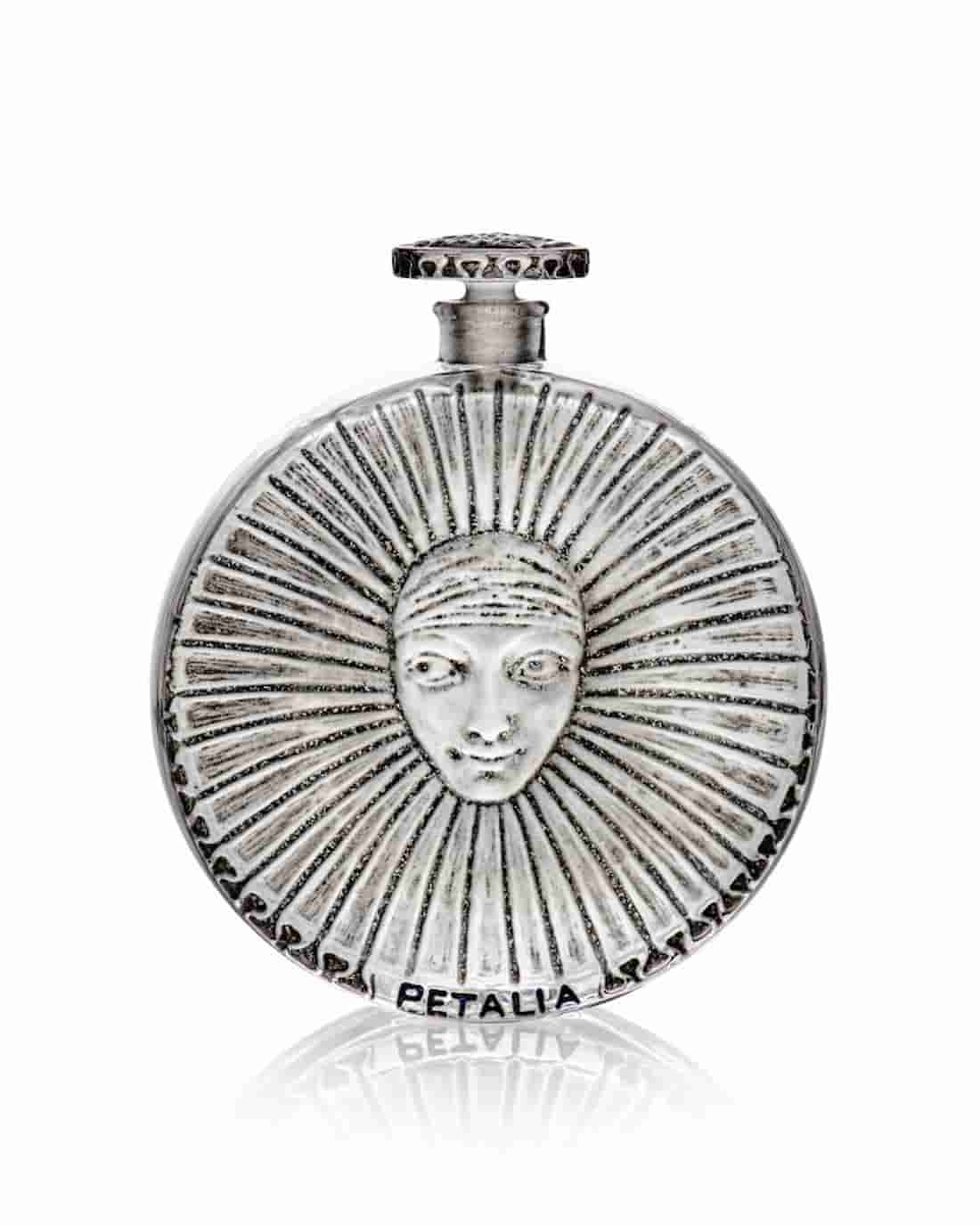 Rene Lalique – Petalia Tokolon, © Lyon & Turnbull
Other bottles were so technically challenging to make that very few exist. The complex Althea bottle designed in 1911 (estimate £15,000-20,000) was probably never put into full production, so too the Roses bottle formed a single bloom designed 1912 (estimate £8000-12,000). The collection will be on view in Lyon & Turnbull’s gallery at 22 Connaught St, London from 14th to 17th February. The auction will take place live online from 1pm on Thursday 17 February.
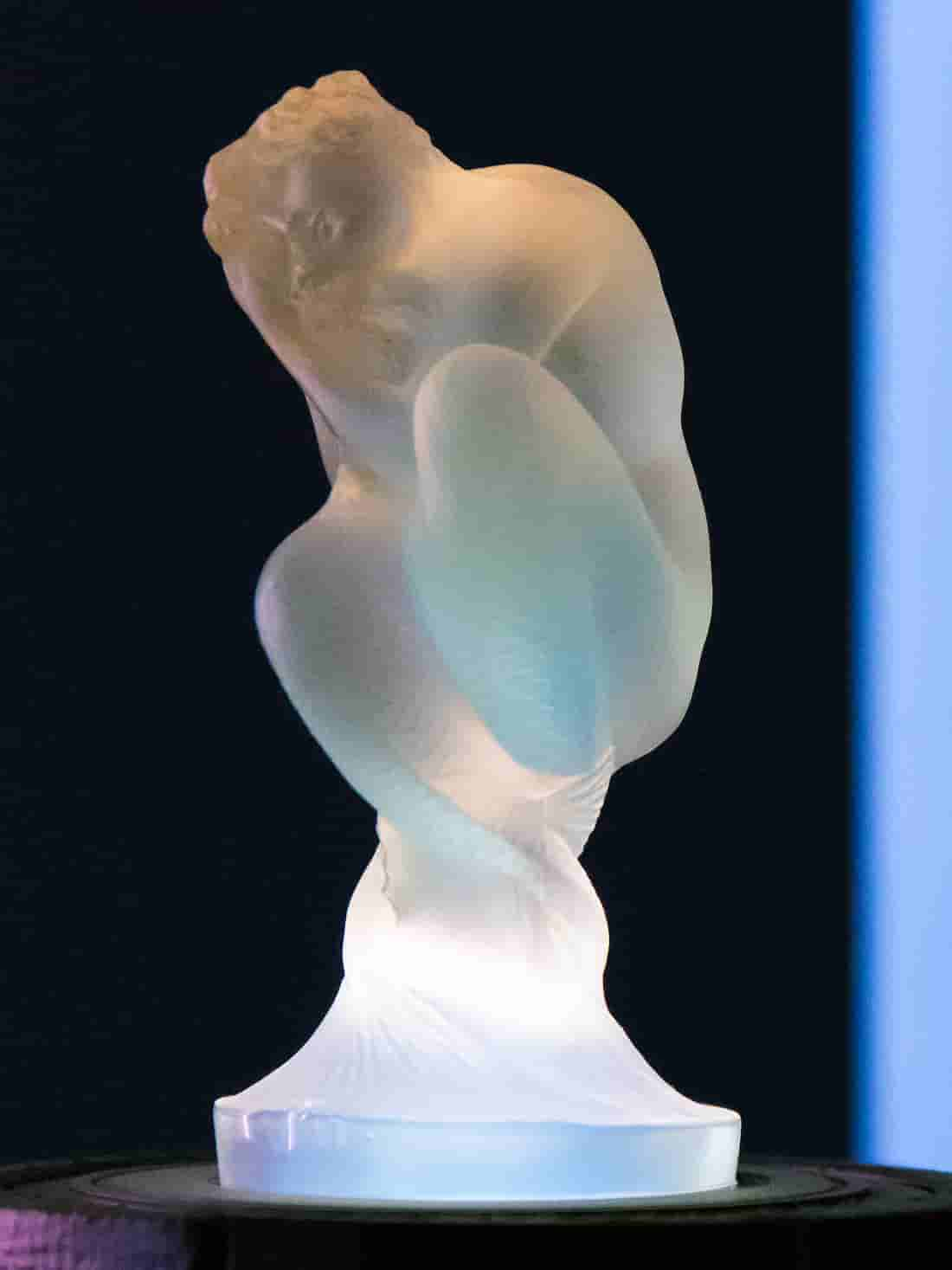 Sirene (statuette/hood ornament), 1920
Om onvervangbaar te zijn, moet je altijd anders zijn.
Er zijn fascinerende beelden hier, en de fascinerende dag van samen! xo
─────────────────────────────────────────────────────
Per essere insostituibili bisogna sempre essere diverso.
Ci sono immagini affascinanti qui, e l’affascinante giornata di insieme! xo KanikaChic