Library in the Earth Exists Humbly Beneath the Living Landscape

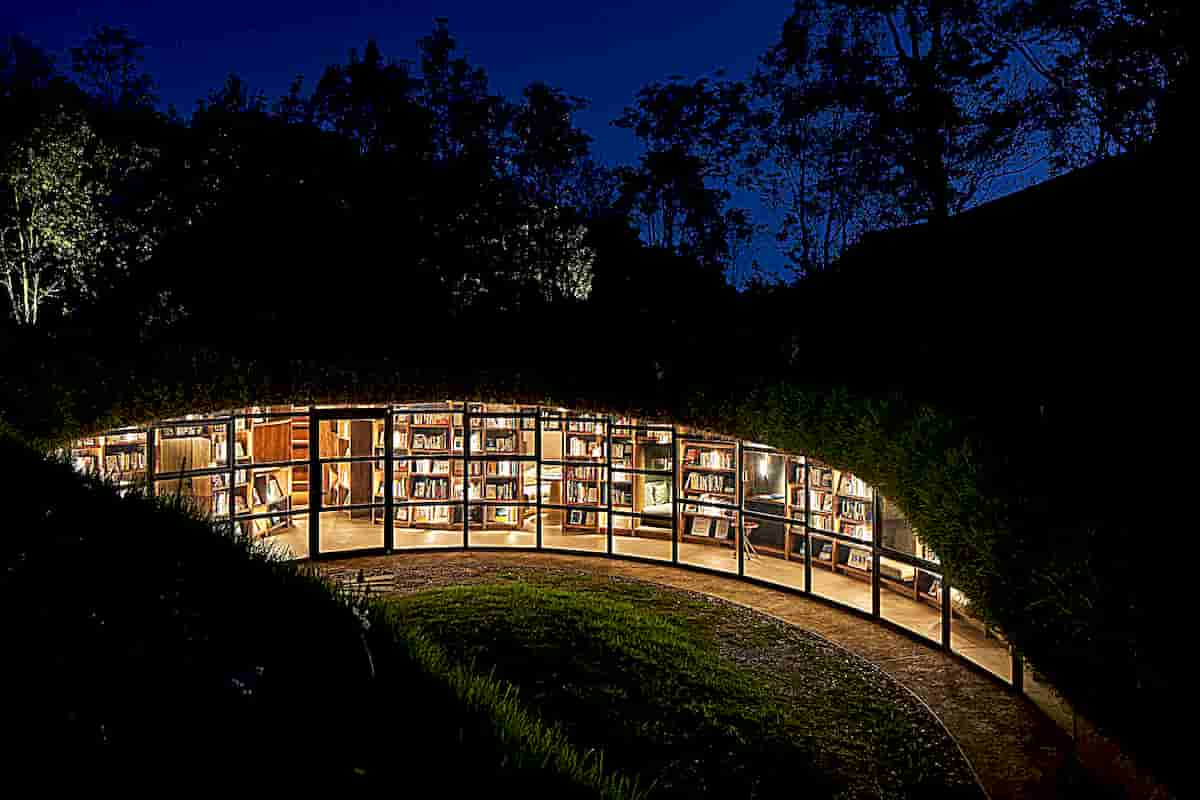
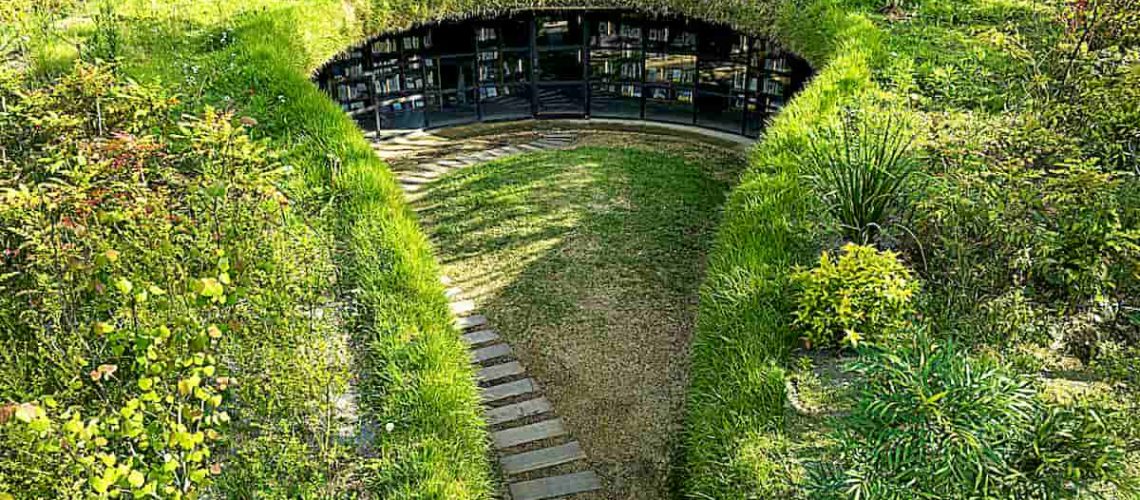
Library in the Earth hidden beneath a lush green landscape in Japan
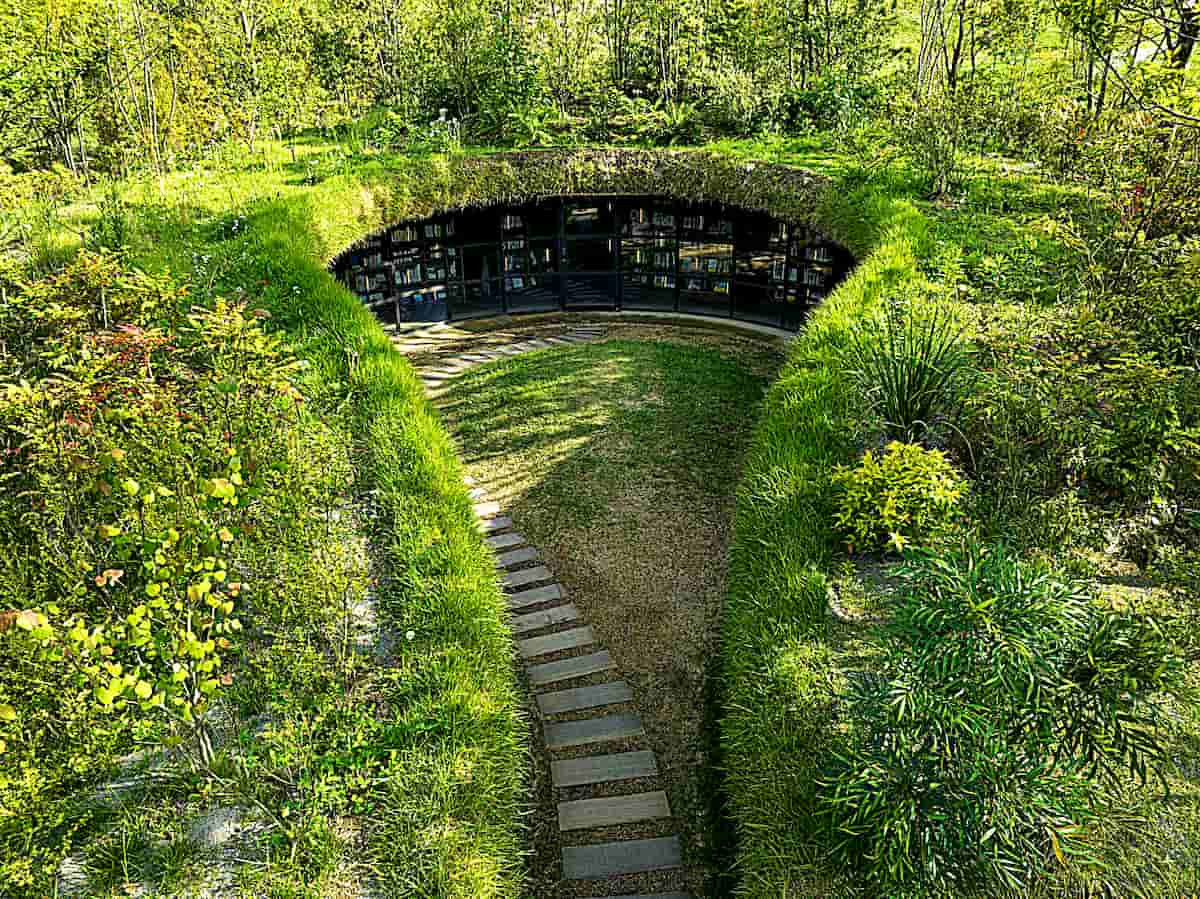
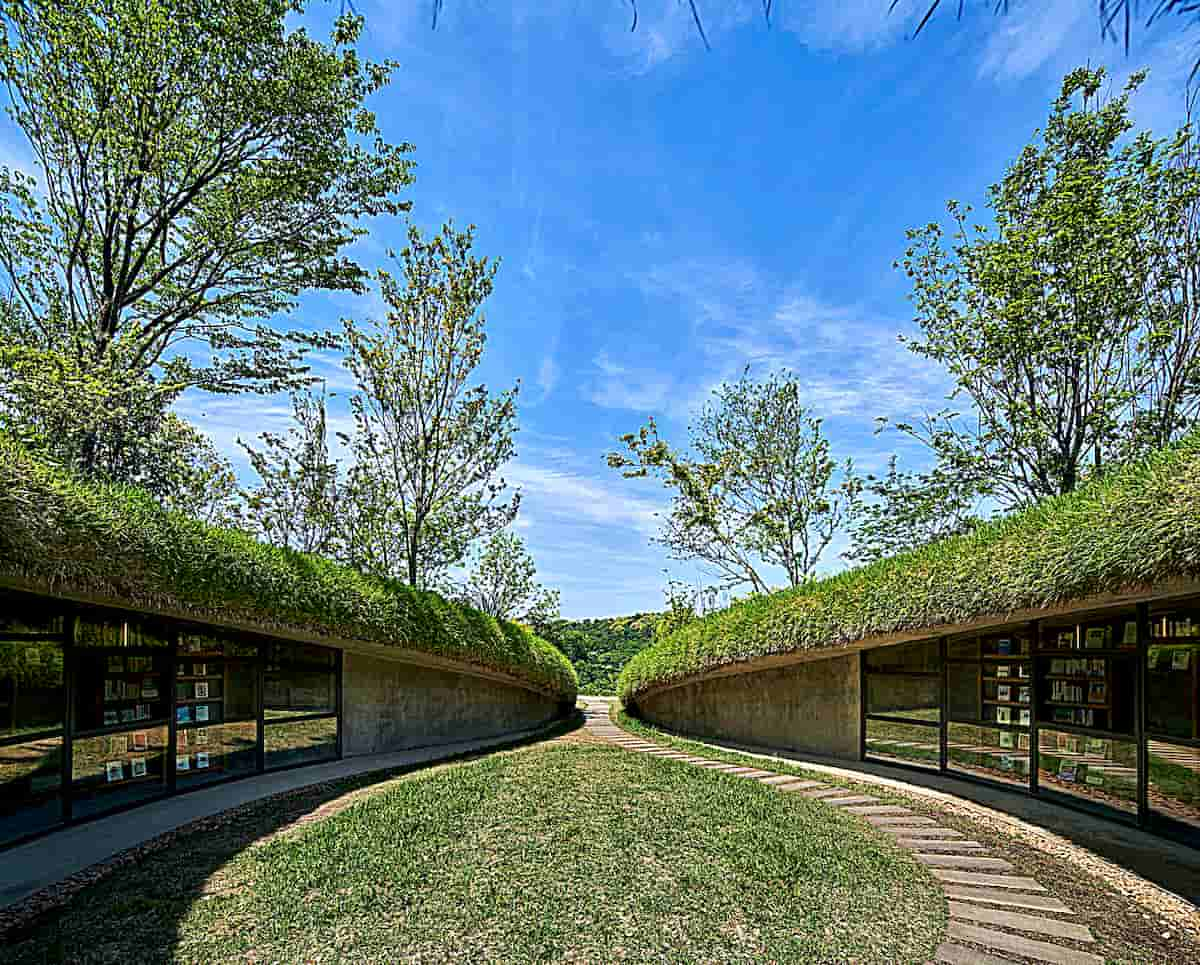
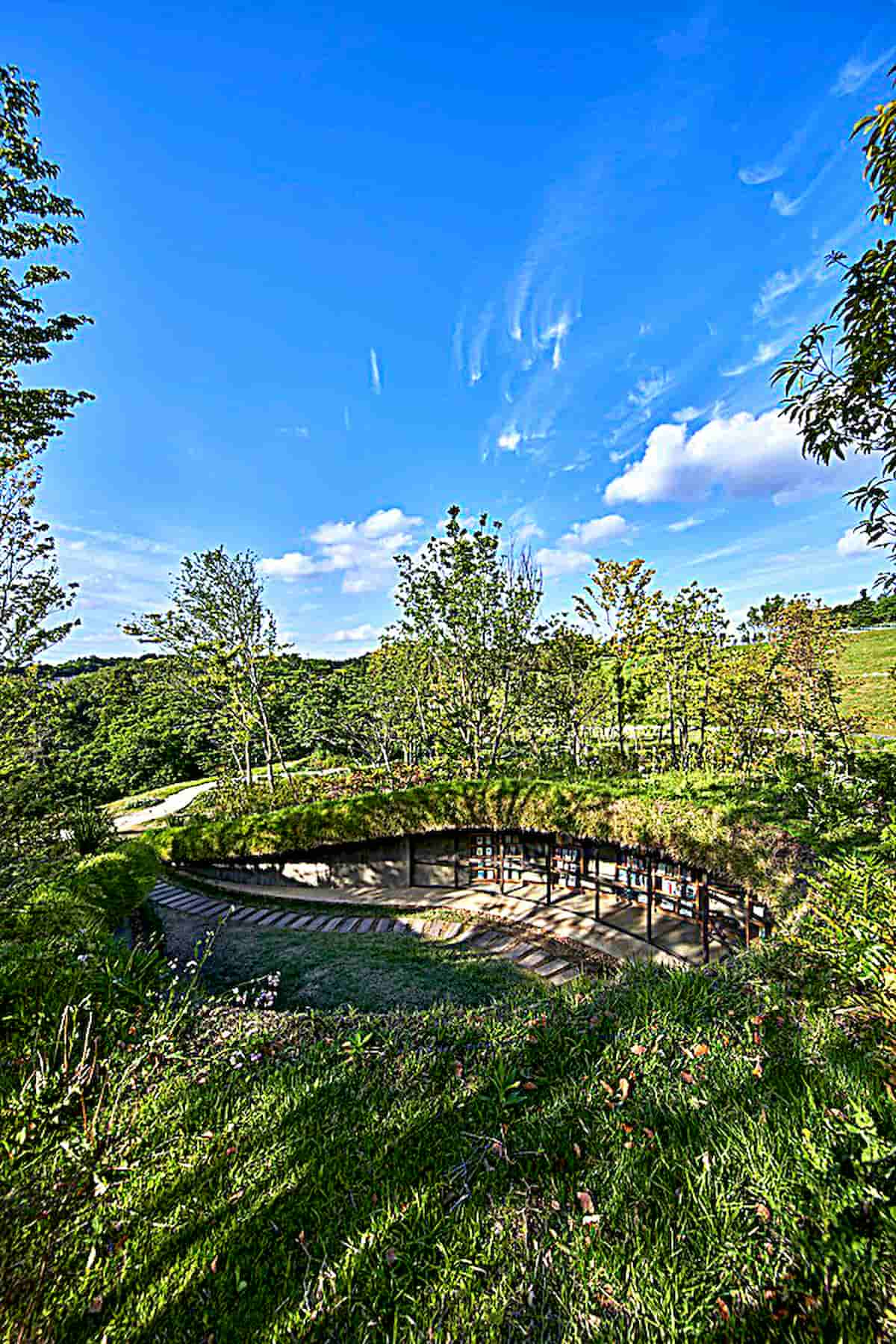
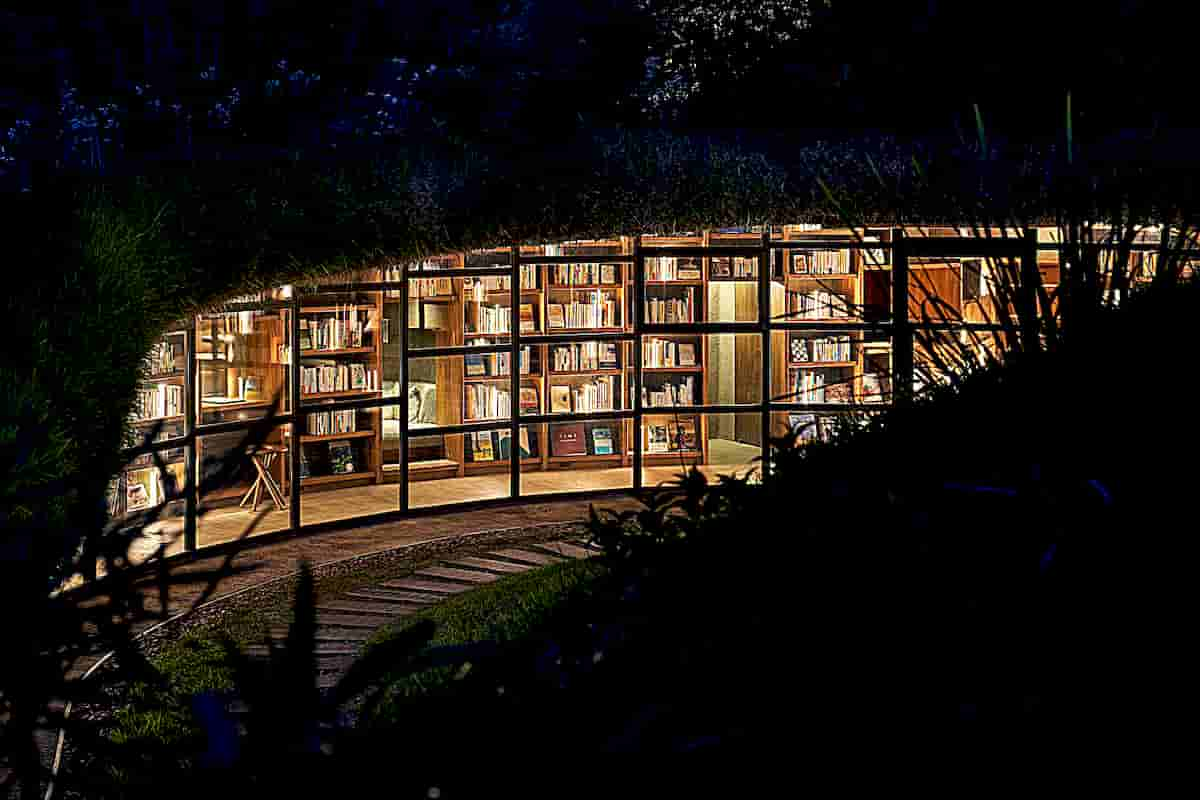
Rather than occupying the land, Library in the Earth disappears beneath it, allowing vegetation, microorganisms, and the rhythms of agriculture to reclaim architecture as part of a living ecosystem.


Library in the Earth of Been Regarded as the Source of all Life and a Symbol of Motherhood


A Library Concealed Within the Landscape

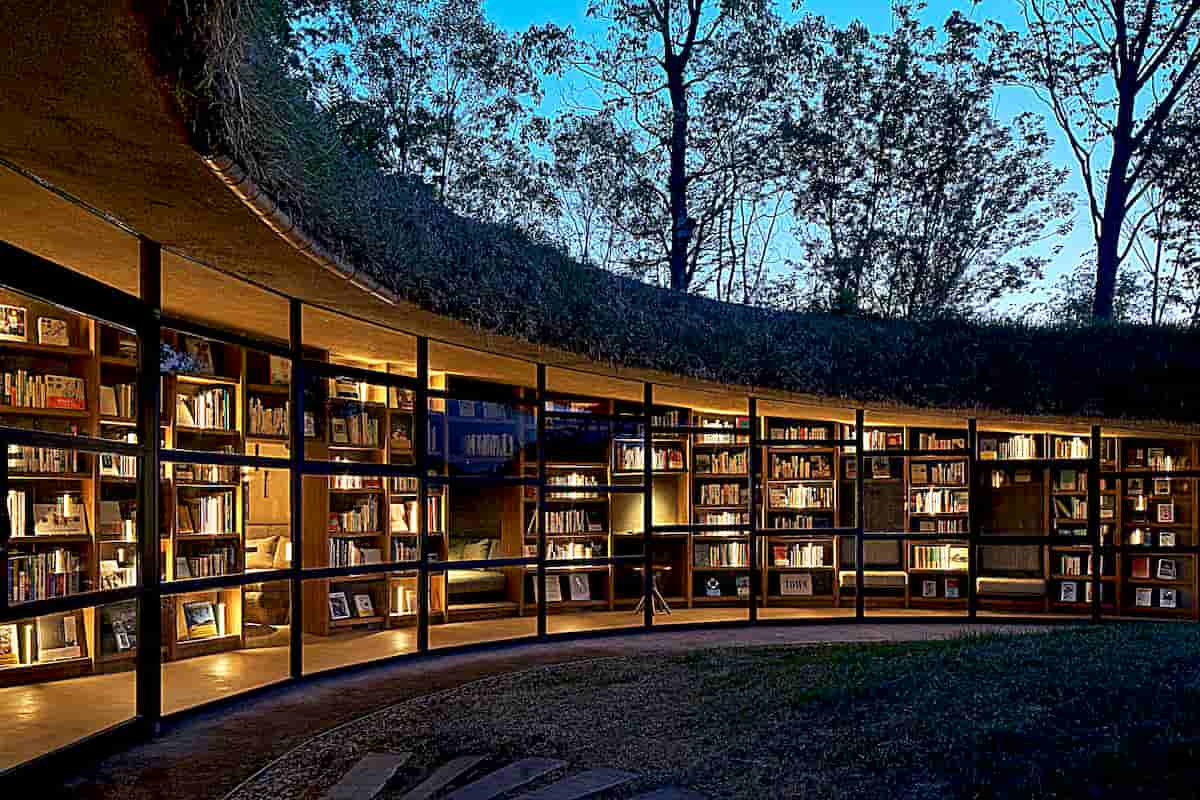
Located within KURKKU FIELDS in Kisarazu, Japan, Library in the Earth was conceived as a place for people who cultivate the land on sunny days and immerse themselves in books when rain arrives. Positioned on a flat site above a valley once filled with construction debris, the project transforms an overlooked piece of land into a cultural destination rooted in ecological restoration. By embedding the architecture into the terrain, the design creates a powerful dialogue between knowledge, agriculture, and landscape.
 

Library in the Earth of Been Regarded as the Source of all Life and a Symbol of Motherhood


Library in the Earth of Been Regarded as the Source of all Life and a Symbol of Motherhood


Restoring the Valley Through Humble Architecture

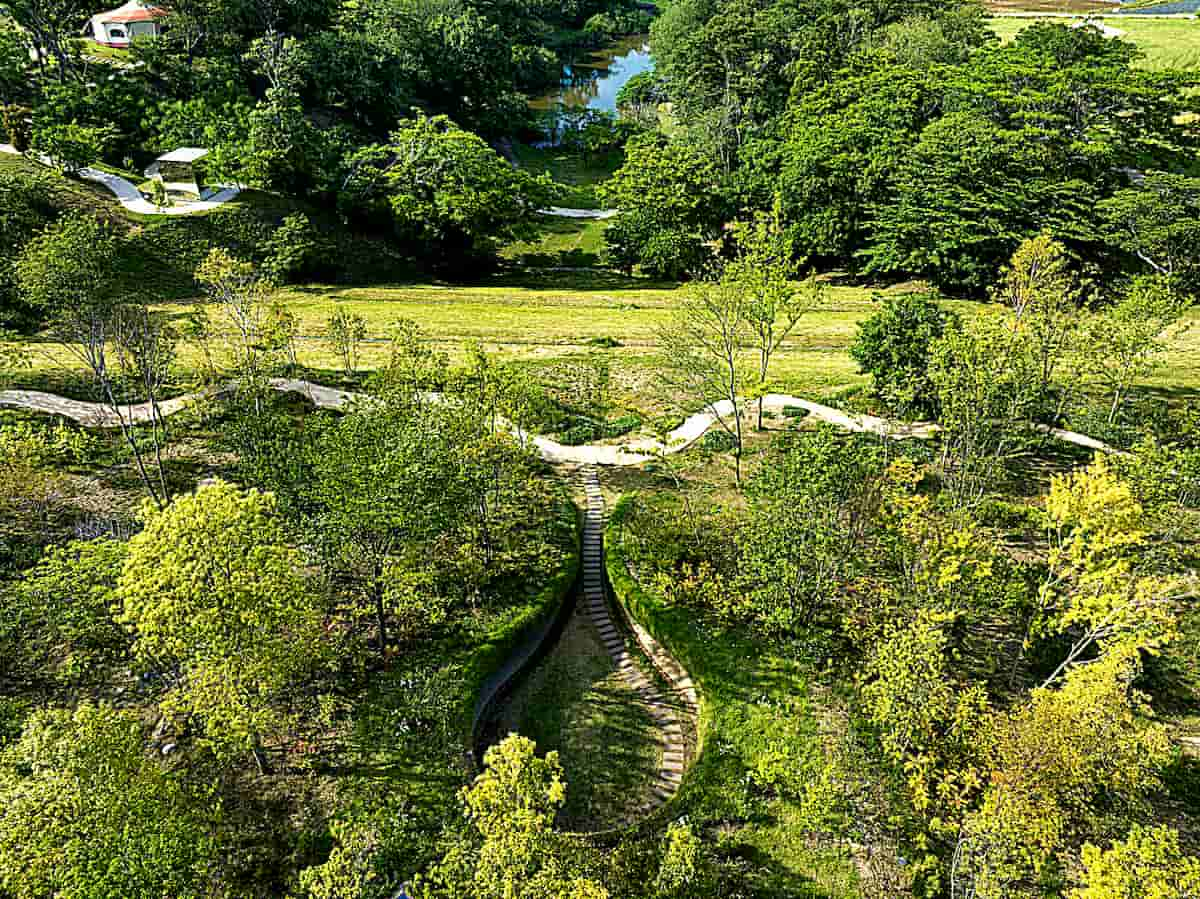
The project sought to revive the lush valley leading toward the farmers’ beloved “Mother Pond,” a place regarded as a symbol of fertility and life. Instead of occupying valuable cultivated soil, the architecture is carefully tucked beneath the ground, allowing plants and microorganisms to flourish above it. This approach reflects a philosophy of coexistence rather than domination, where the building becomes part of the ecological cycle instead of interrupting it. The result is a quiet architectural statement that honors the earth as both a source of life and a place of collective memory.
 

Library in the Earth of Been Regarded as the Source of all Life and a Symbol of Motherhood


Library in the Earth of Been Regarded as the Source of all Life and a Symbol of Motherhood


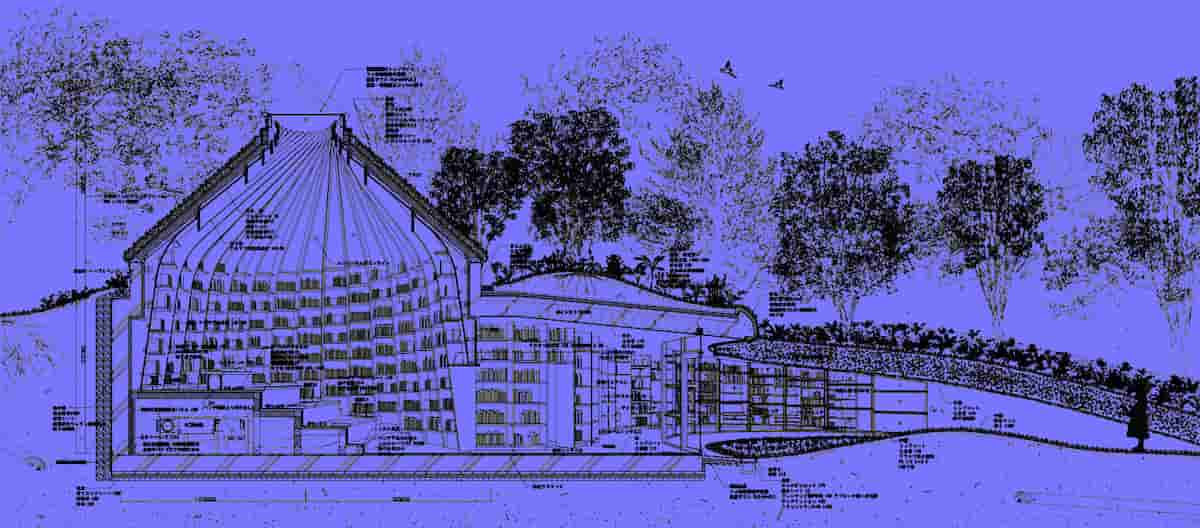
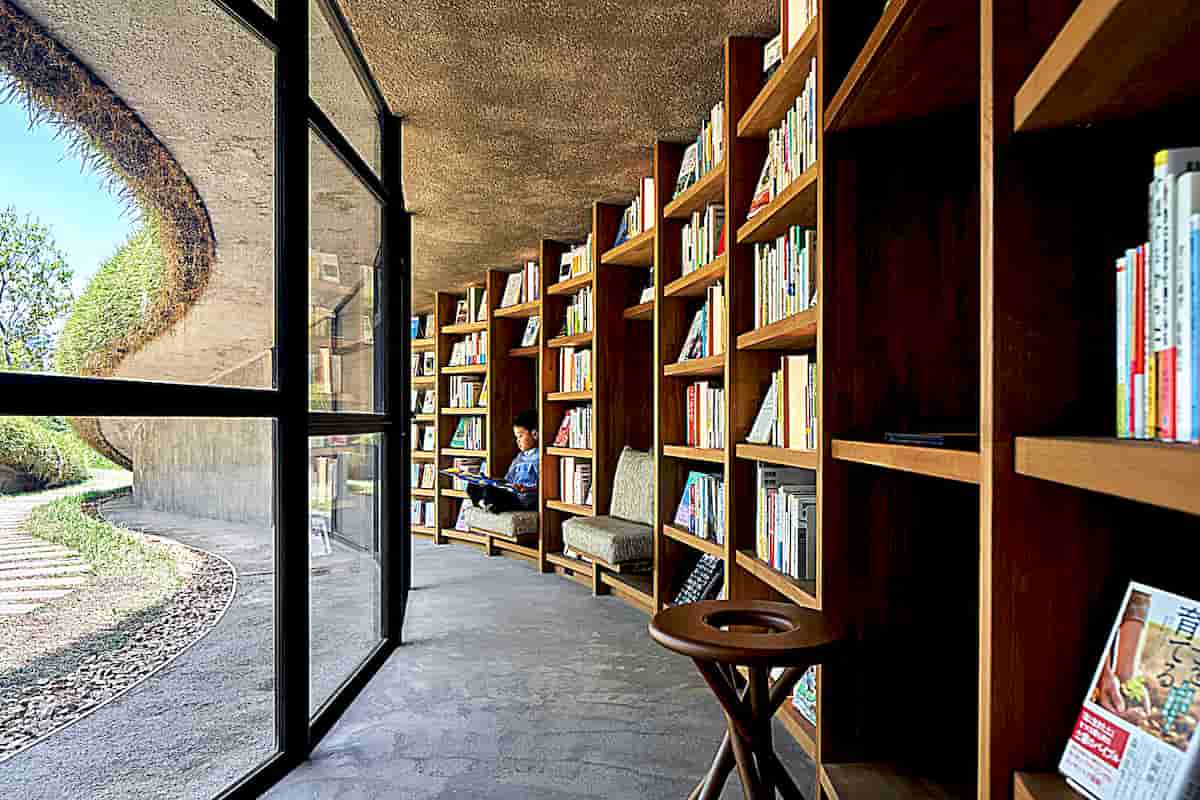
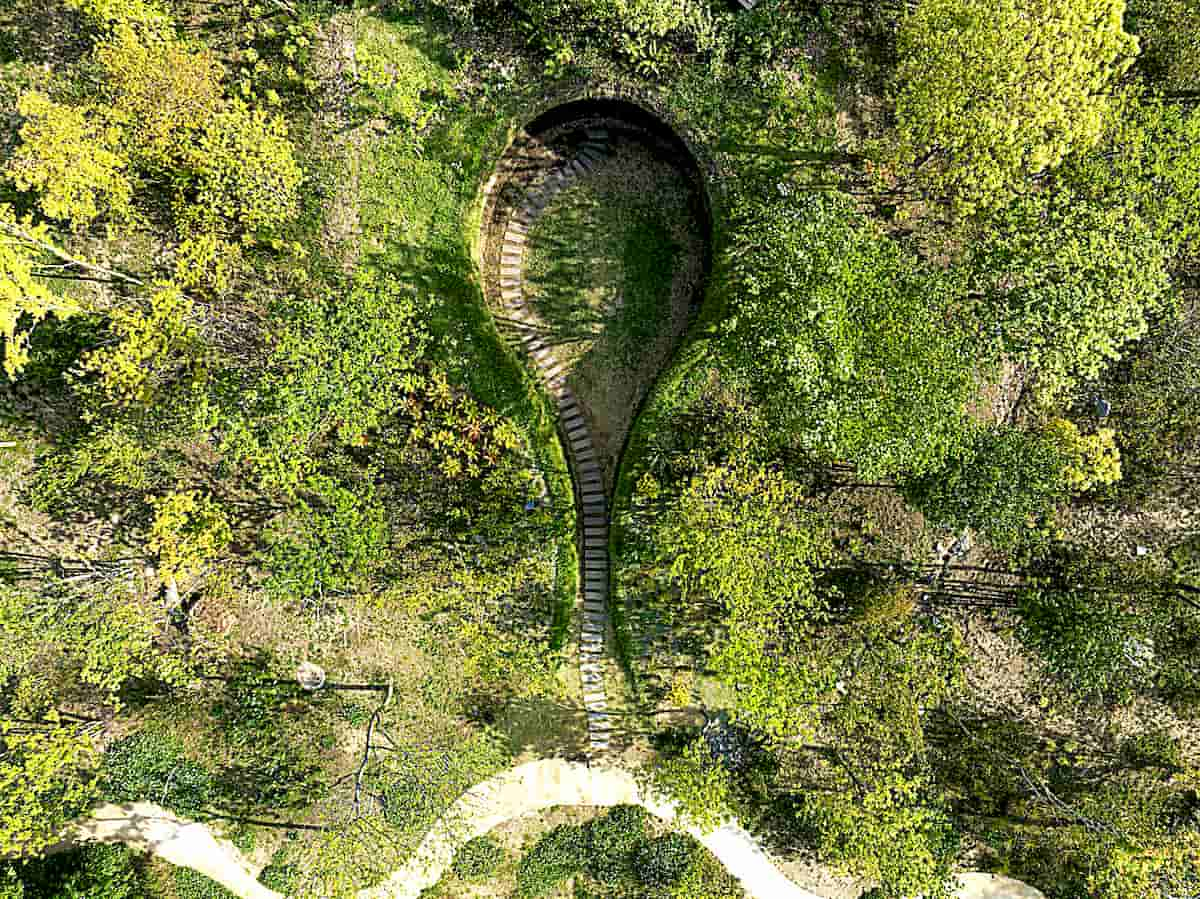
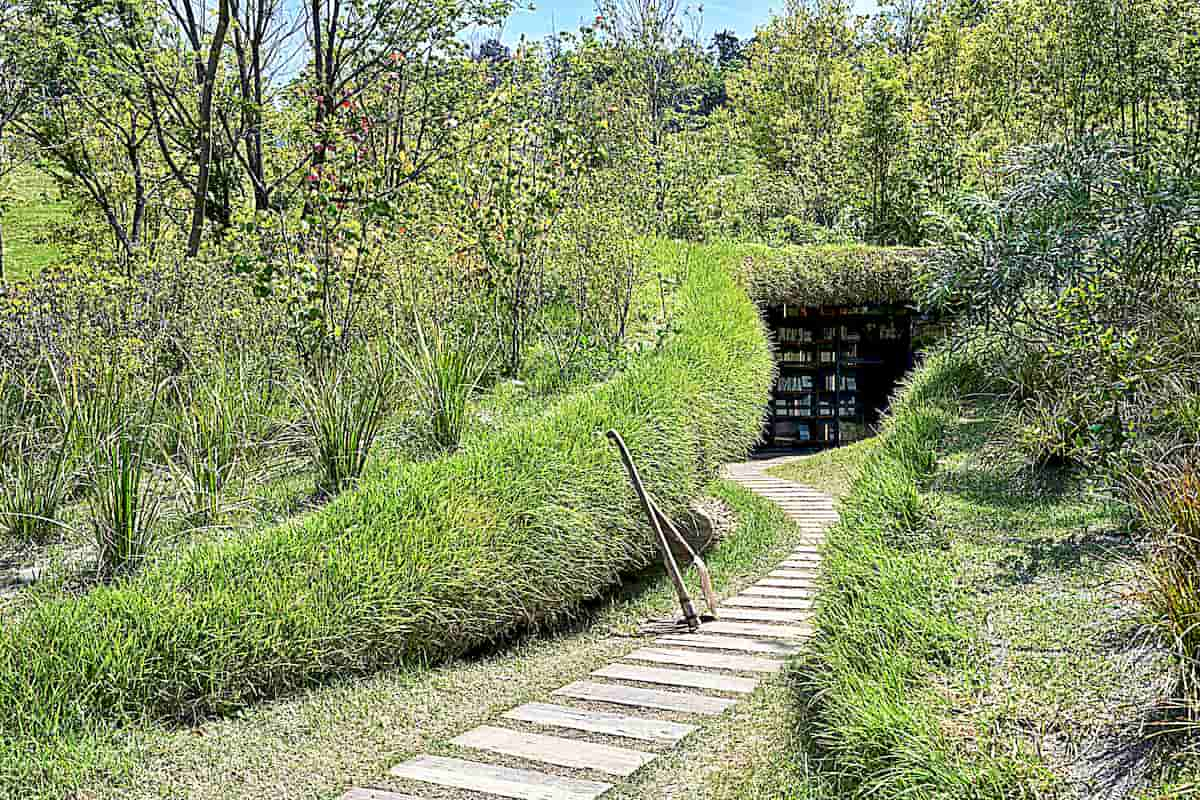
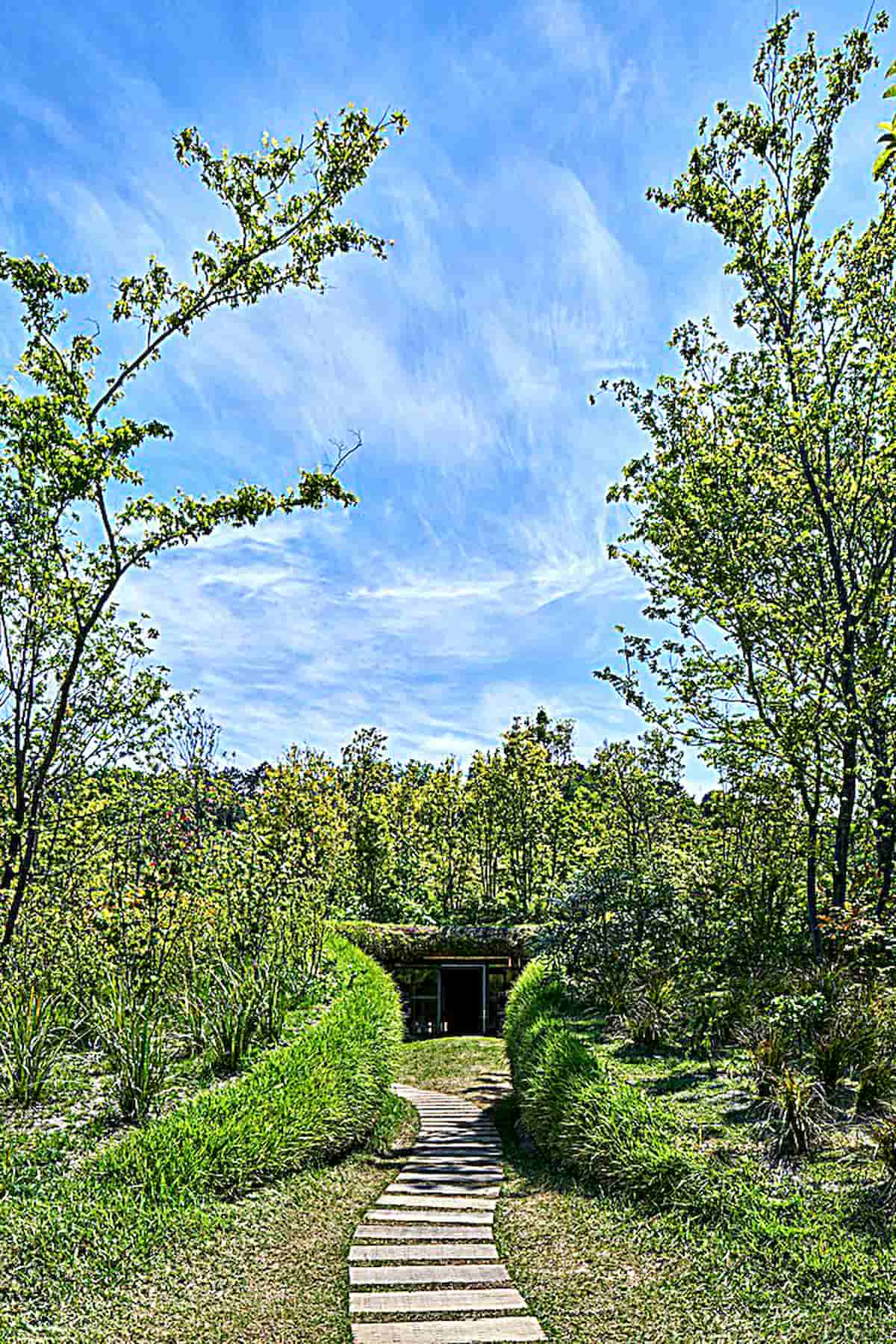
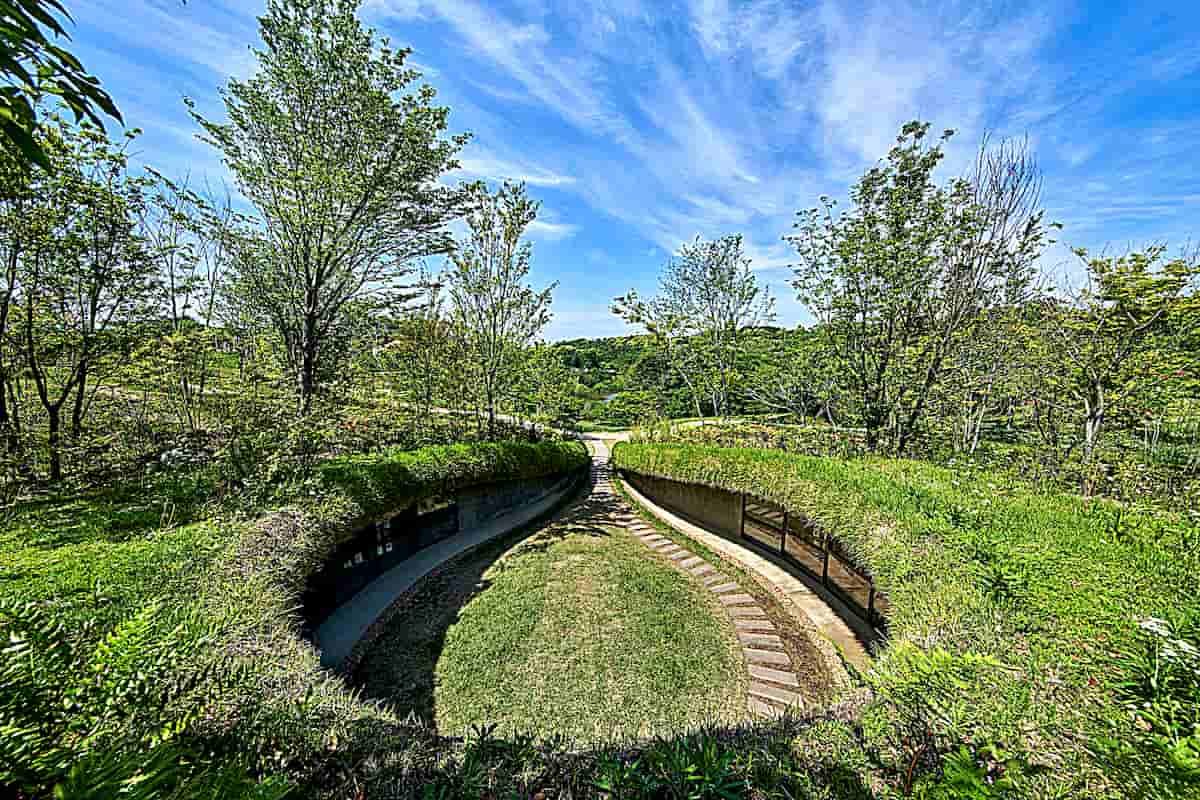
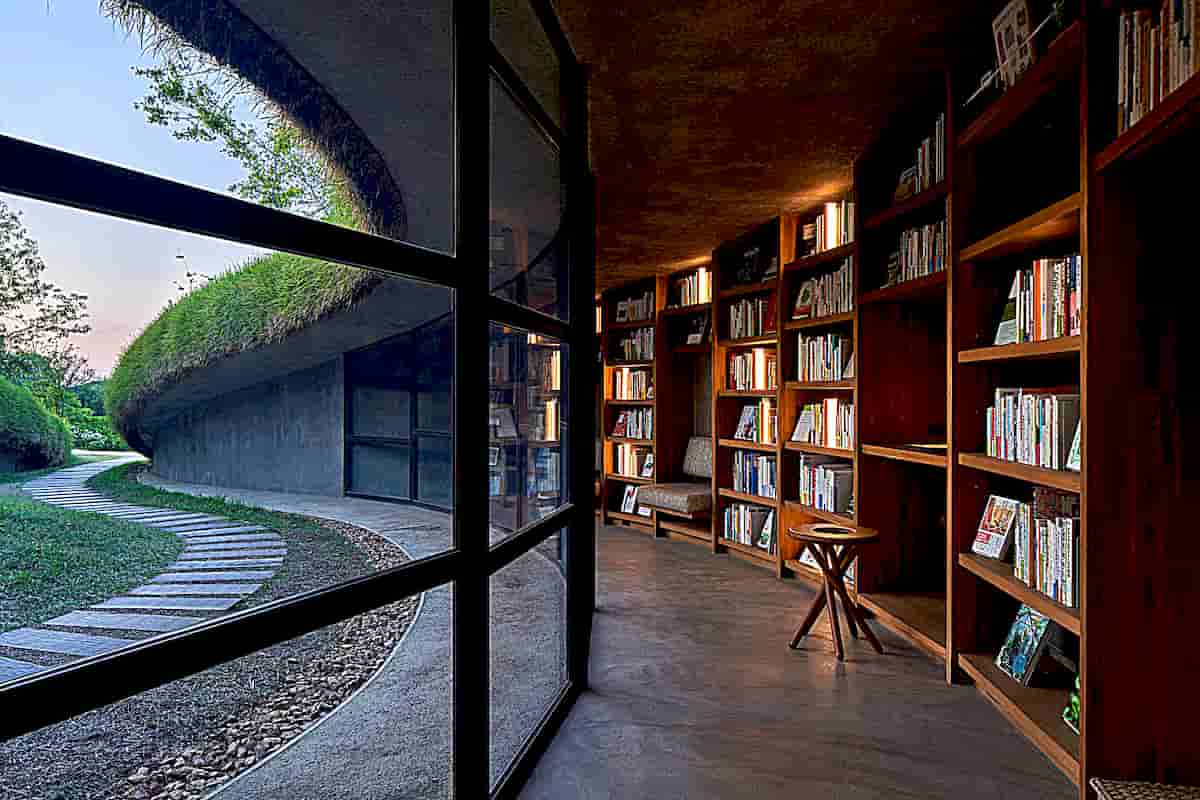
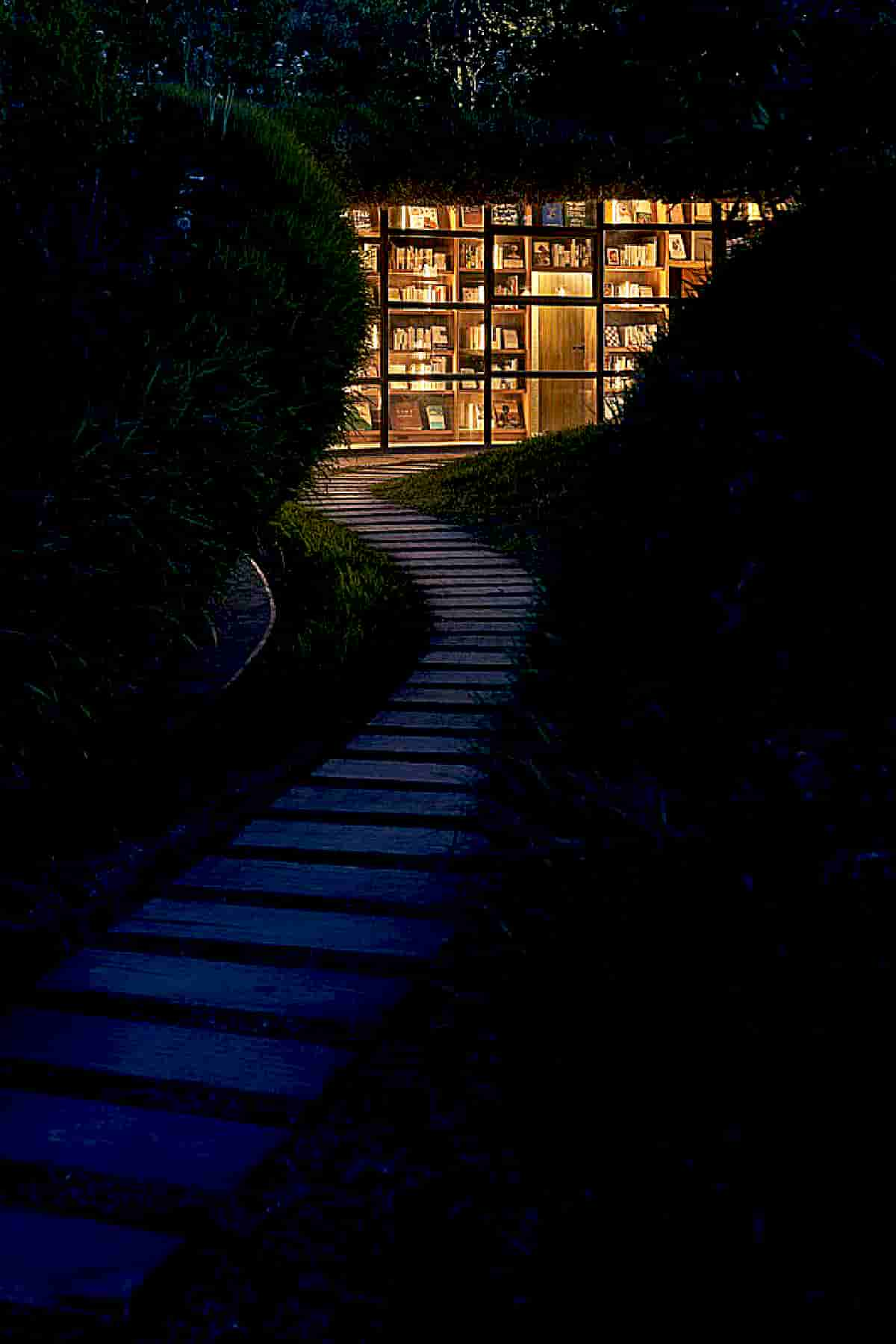
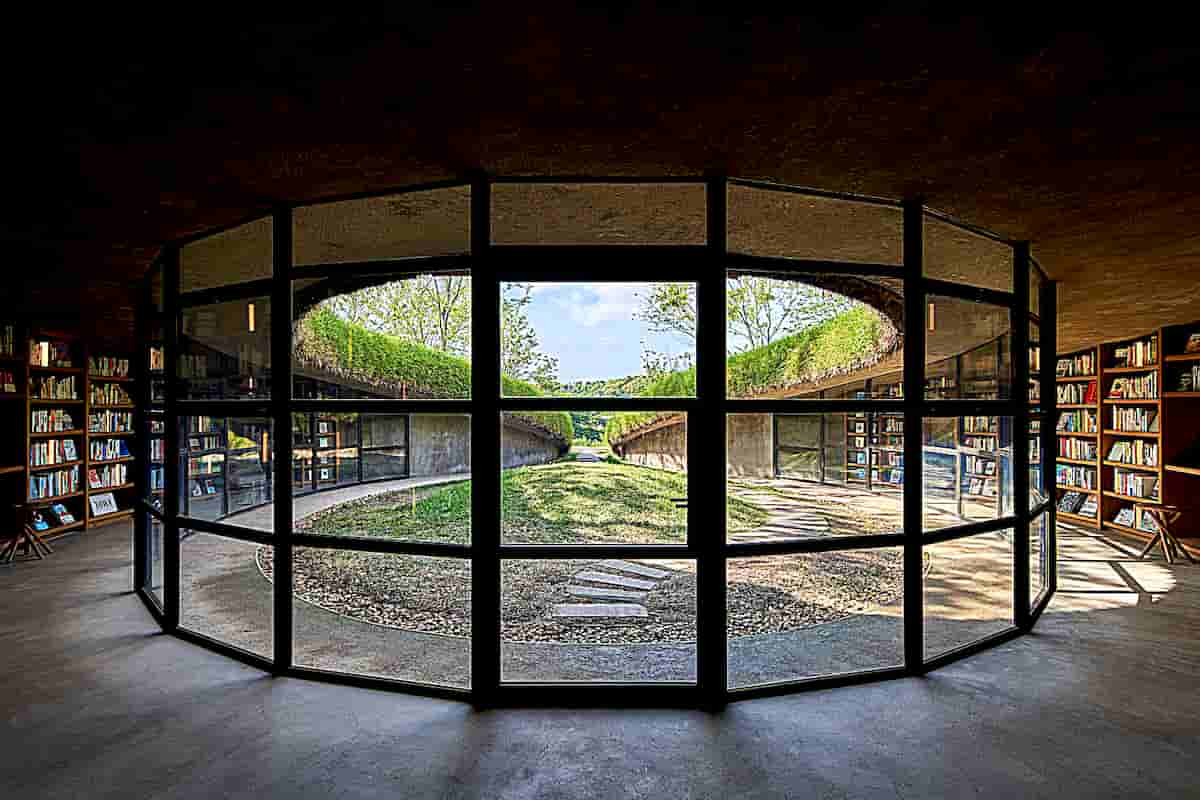
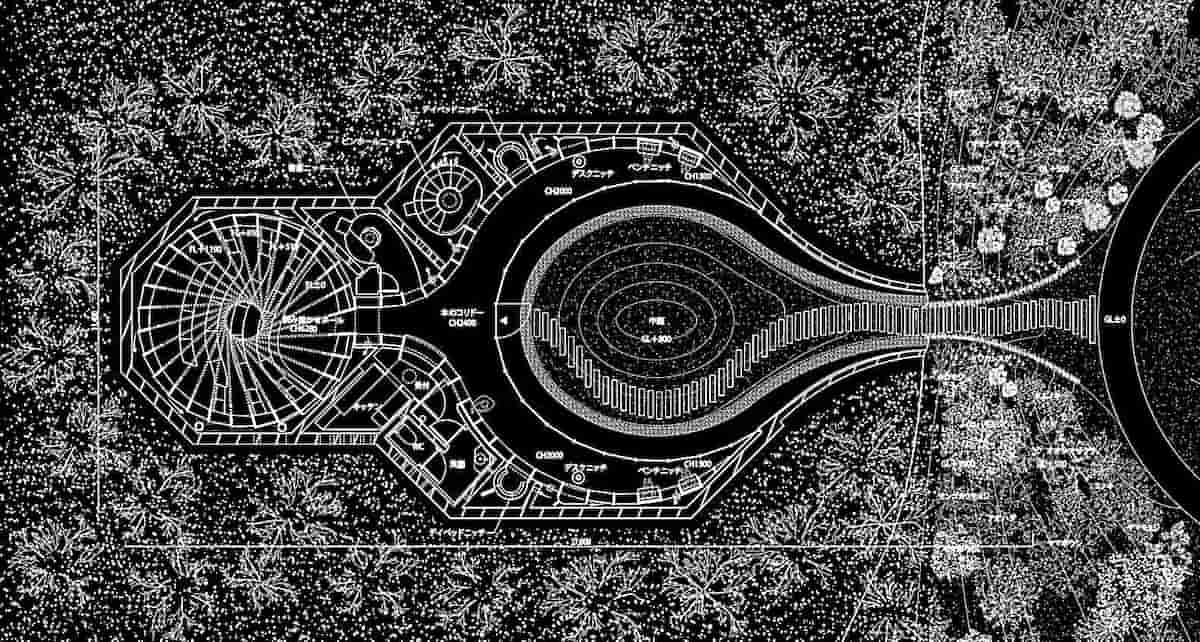
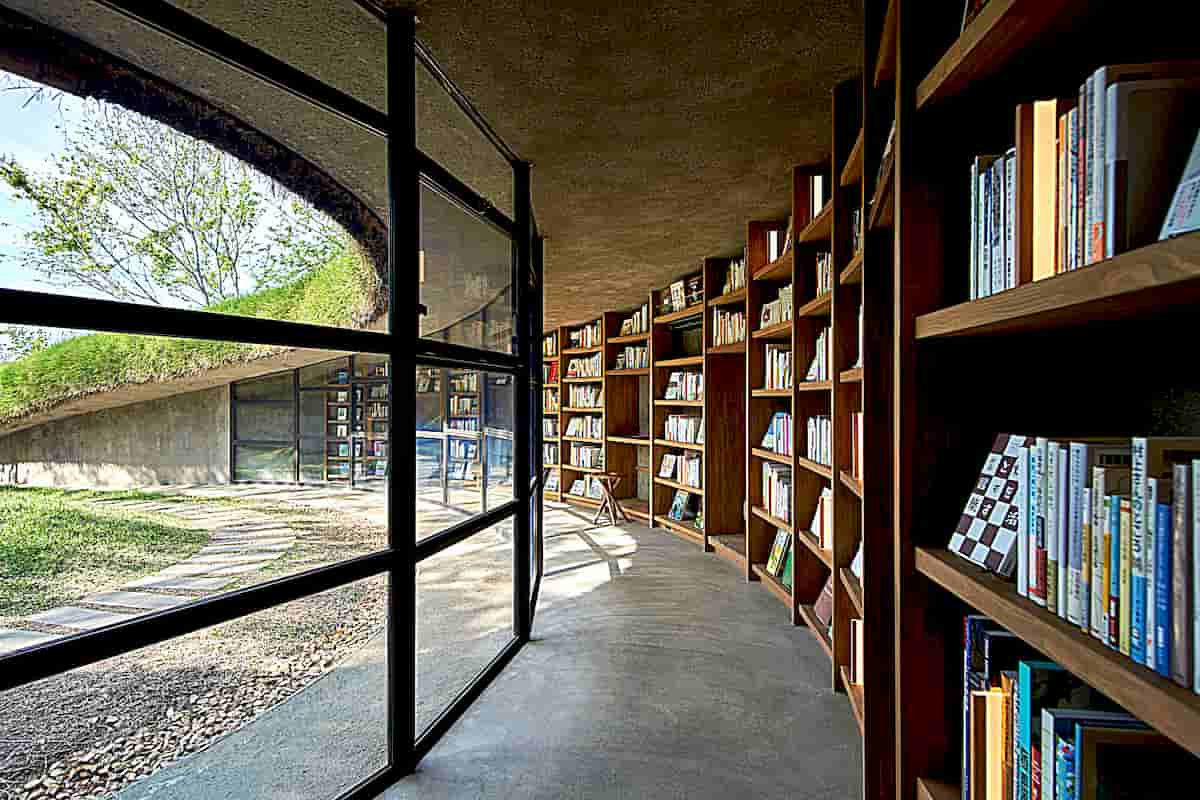
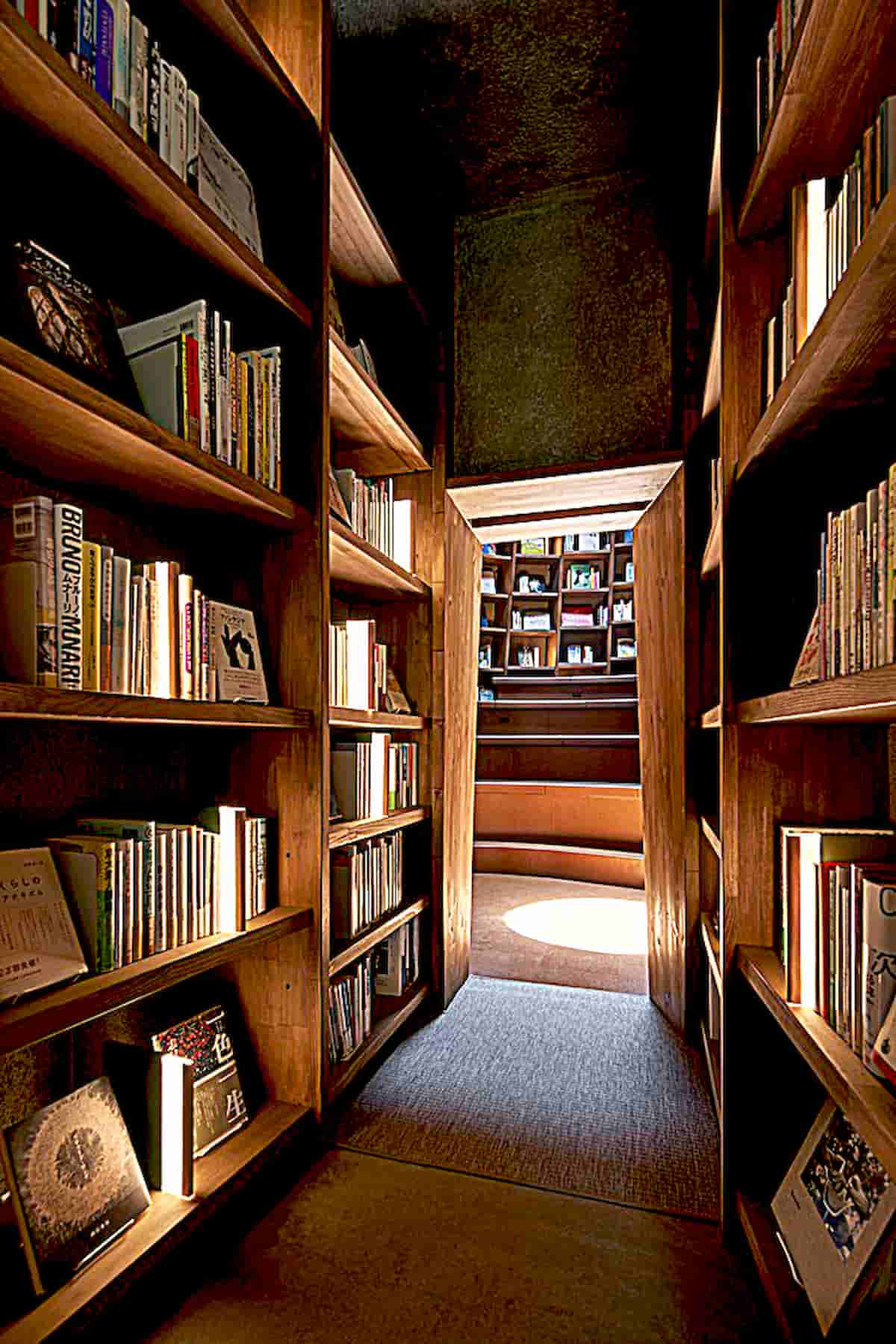
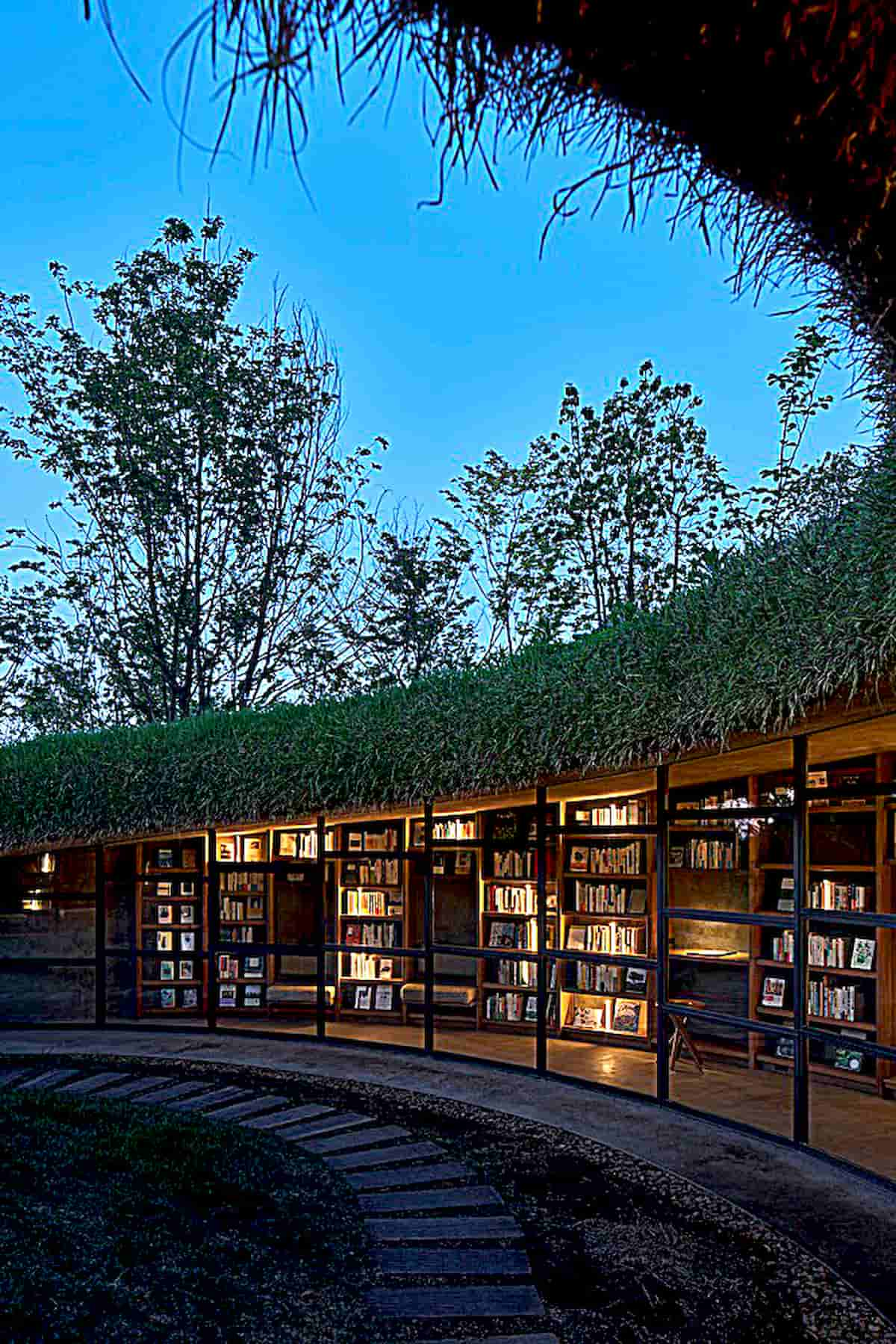
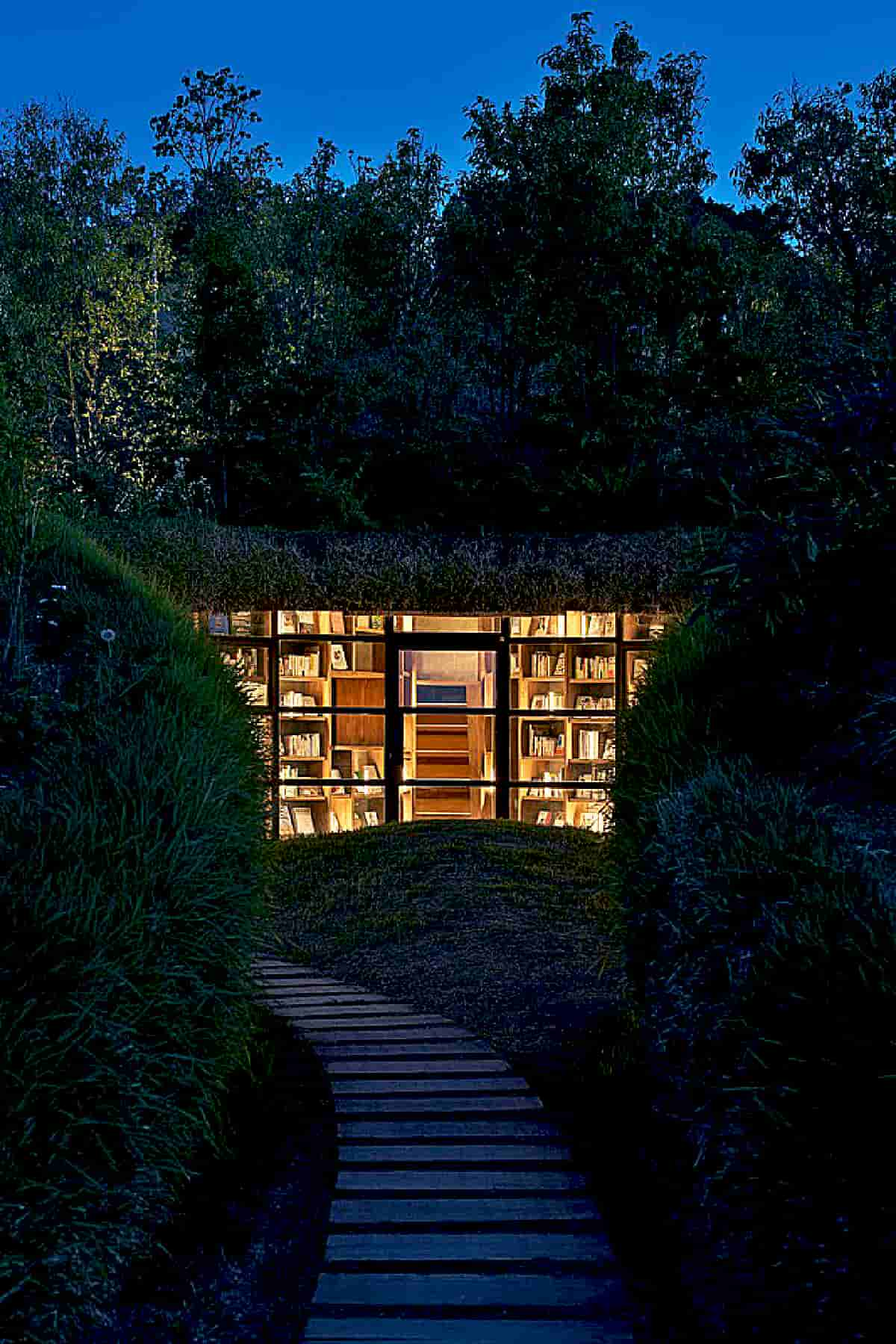
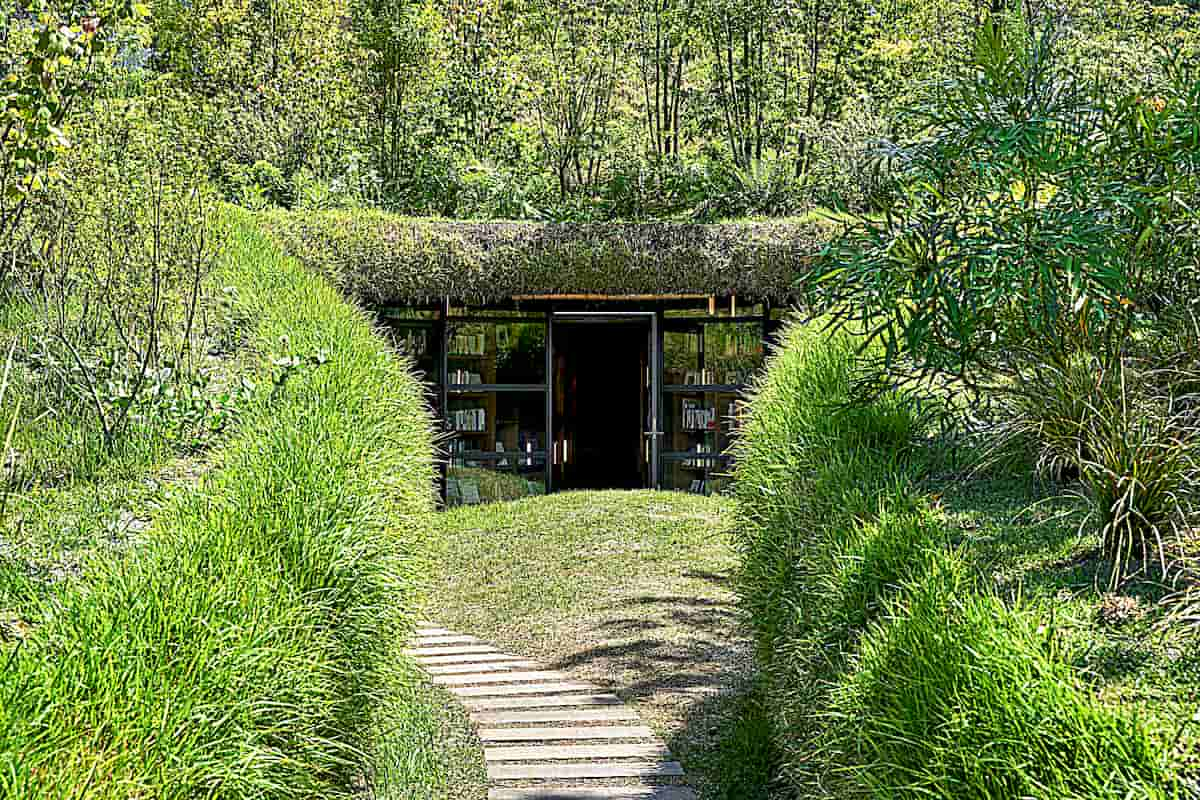
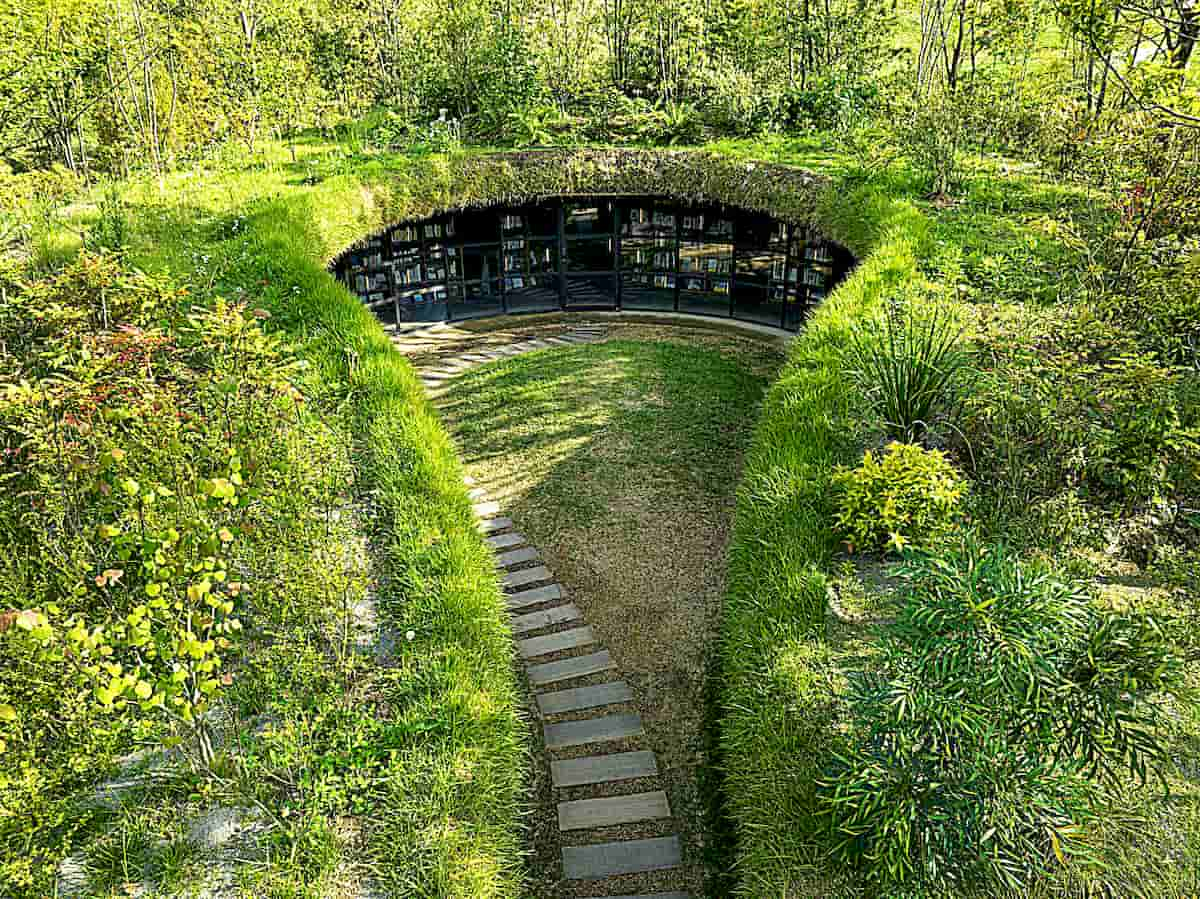
Our wish was to make a small cleft in the earth and create a tranquil place suitable for farmers to rest. The cleft looks like a water drop when viewed from above. As you wander into the approach and pass through the plowed ground, a corridor of bookshelves appears. Architectural elements such as beams and columns have been eliminated, while the concrete void slabs cantilever out from the outer retaining walls and wing walls. The floor, walls, and ceiling all have an earthen finish and connect smoothly, and the lawn that has been planted up to the vertical edge of the slab hangs down lushly and gives the space a sense of dampness. This detail allows for the balance of irrigation and water retention to be adjusted according to the season.
 

Library in the Earth of Been Regarded as the Source of all Life and a Symbol of Motherhood


Library in the Earth of Been Regarded as the Source of all Life and a Symbol of Motherhood


Library in the Earth of Been Regarded as the Source of all Life and a Symbol of Motherhood


Library in the Earth of Been Regarded as the Source of all Life and a Symbol of Motherhood


Library in the Earth of Been Regarded as the Source of all Life and a Symbol of Motherhood


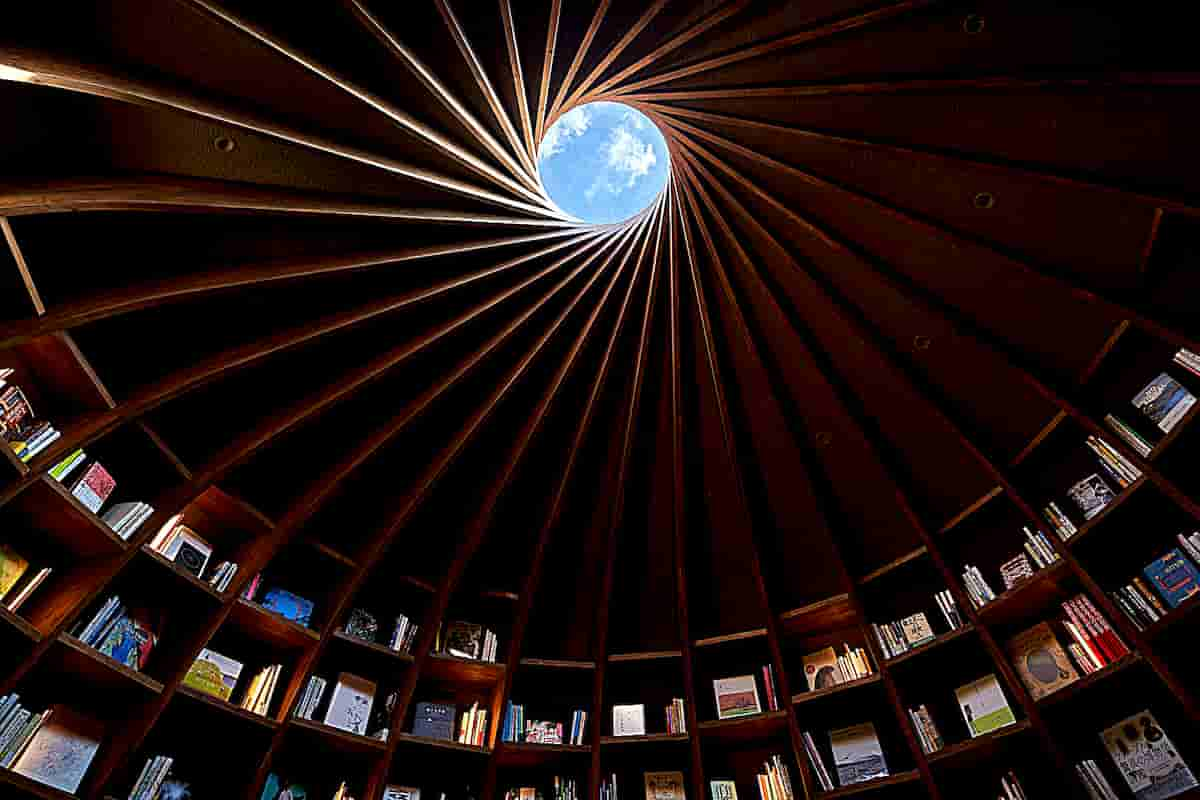
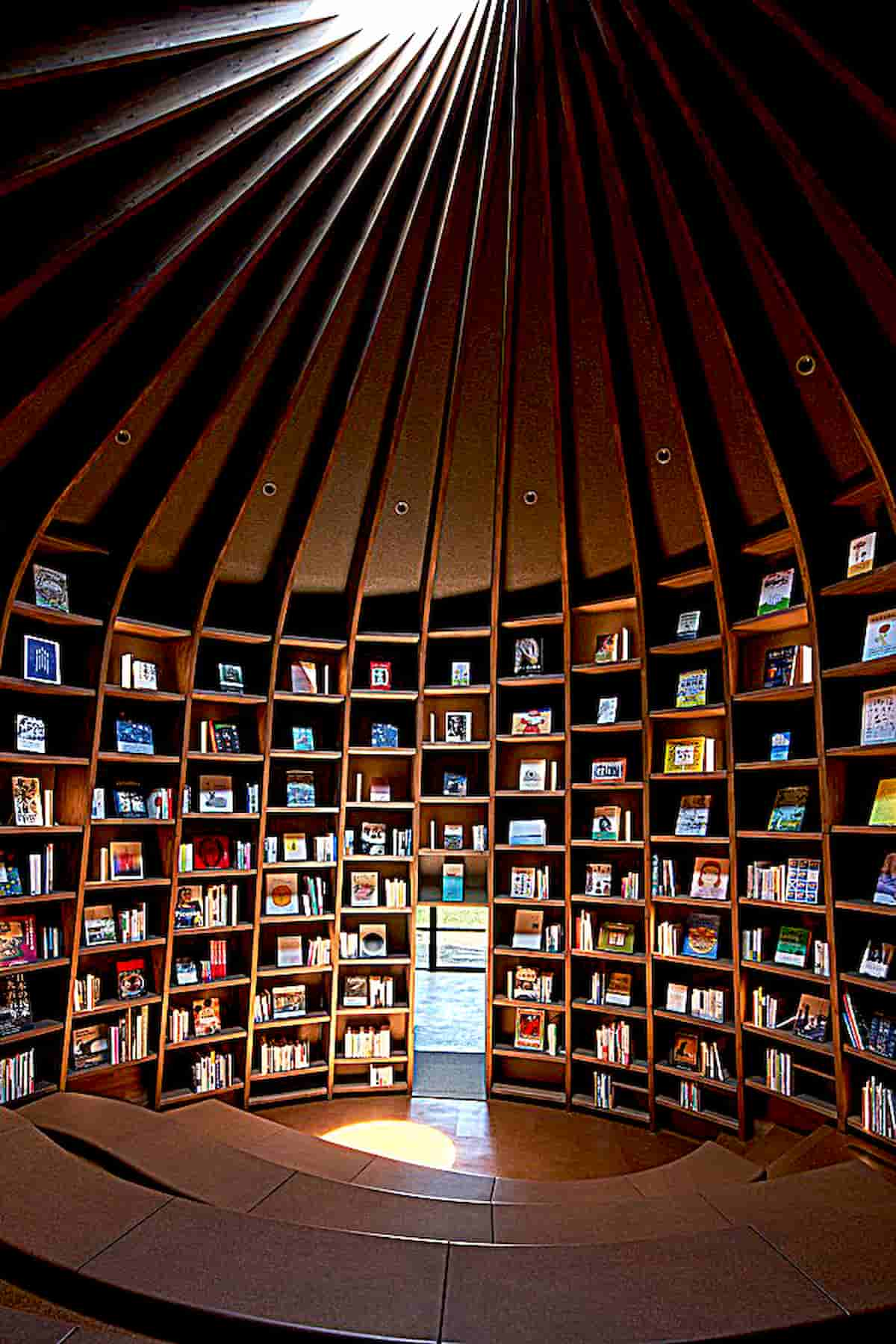
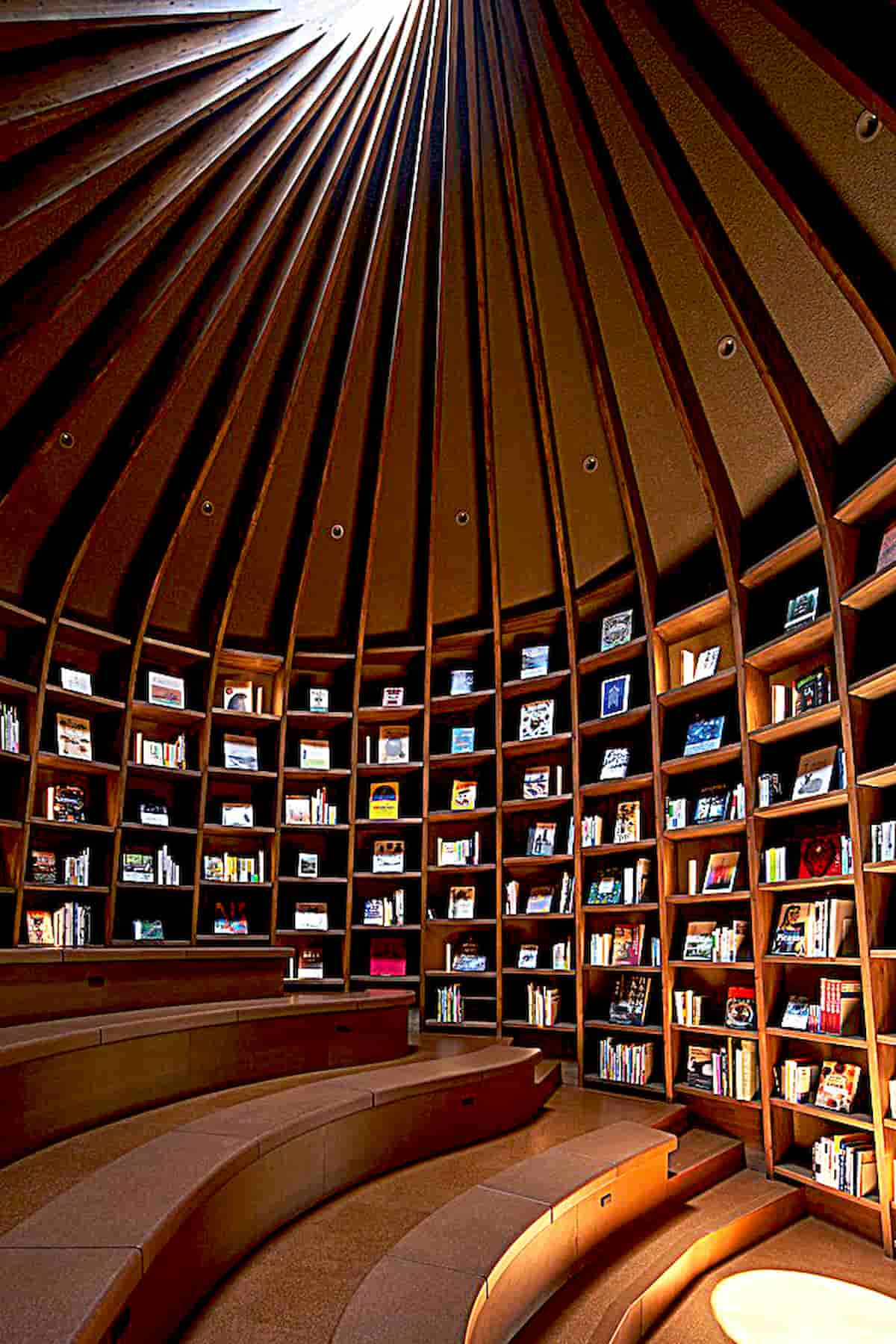
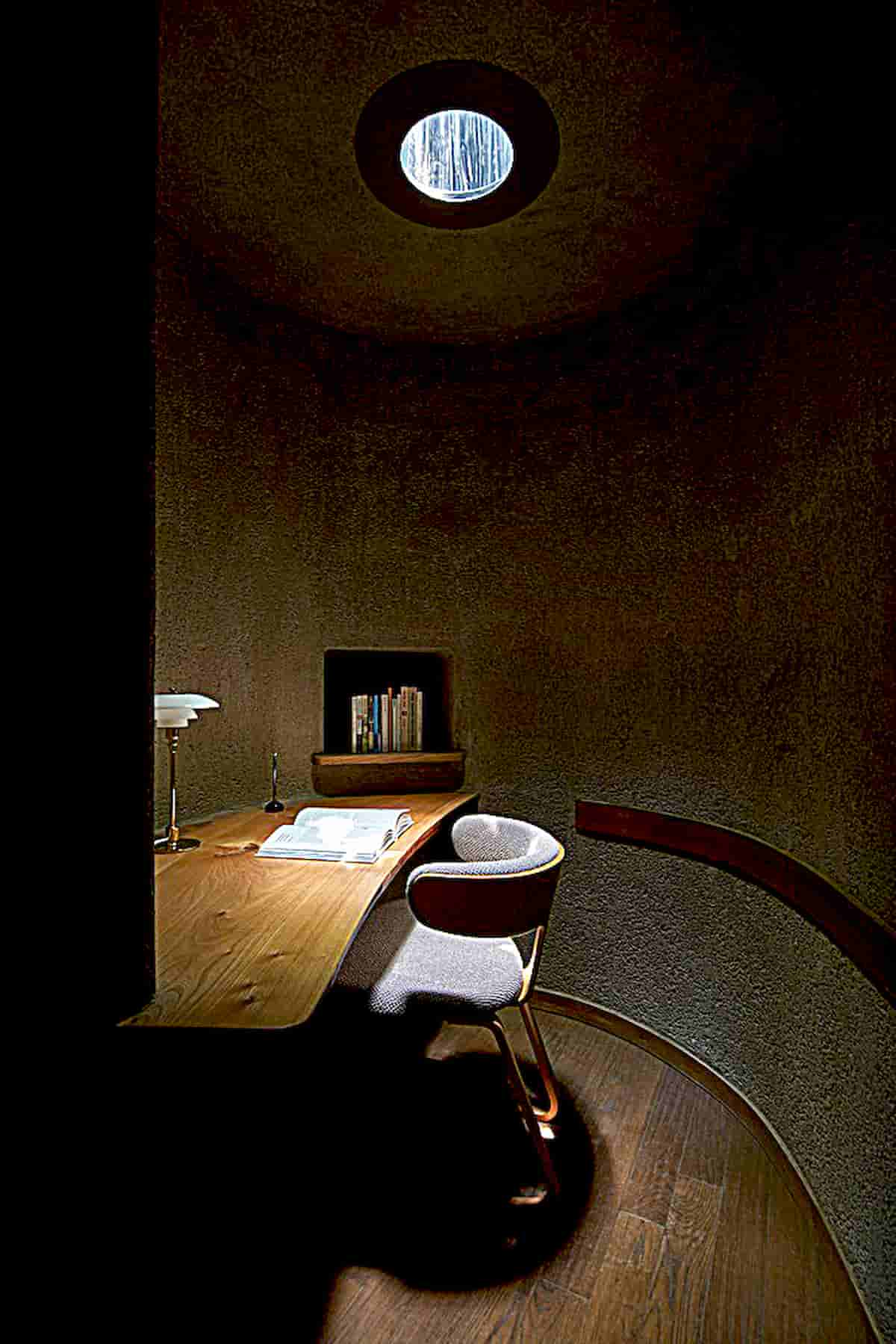
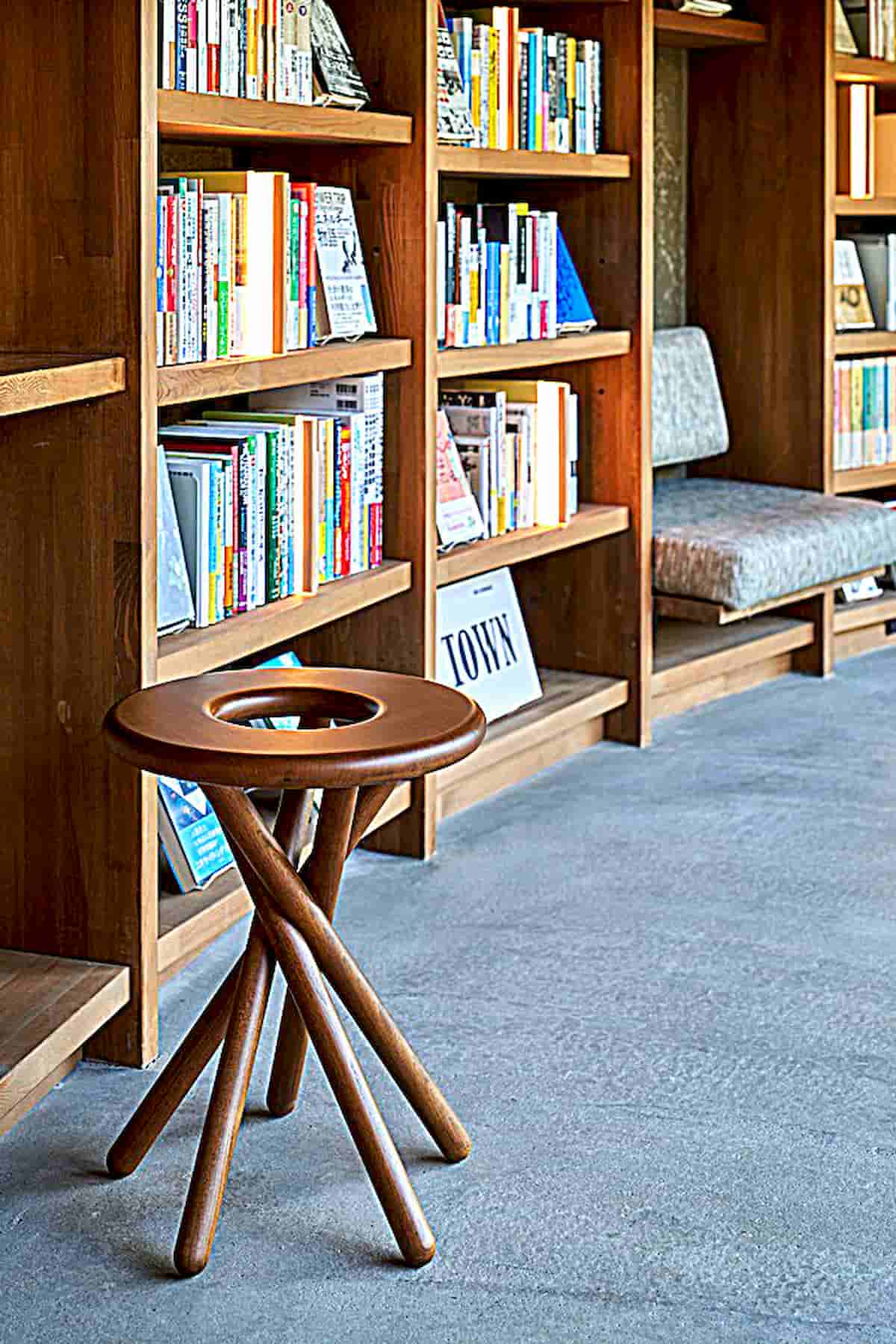
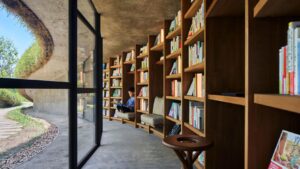
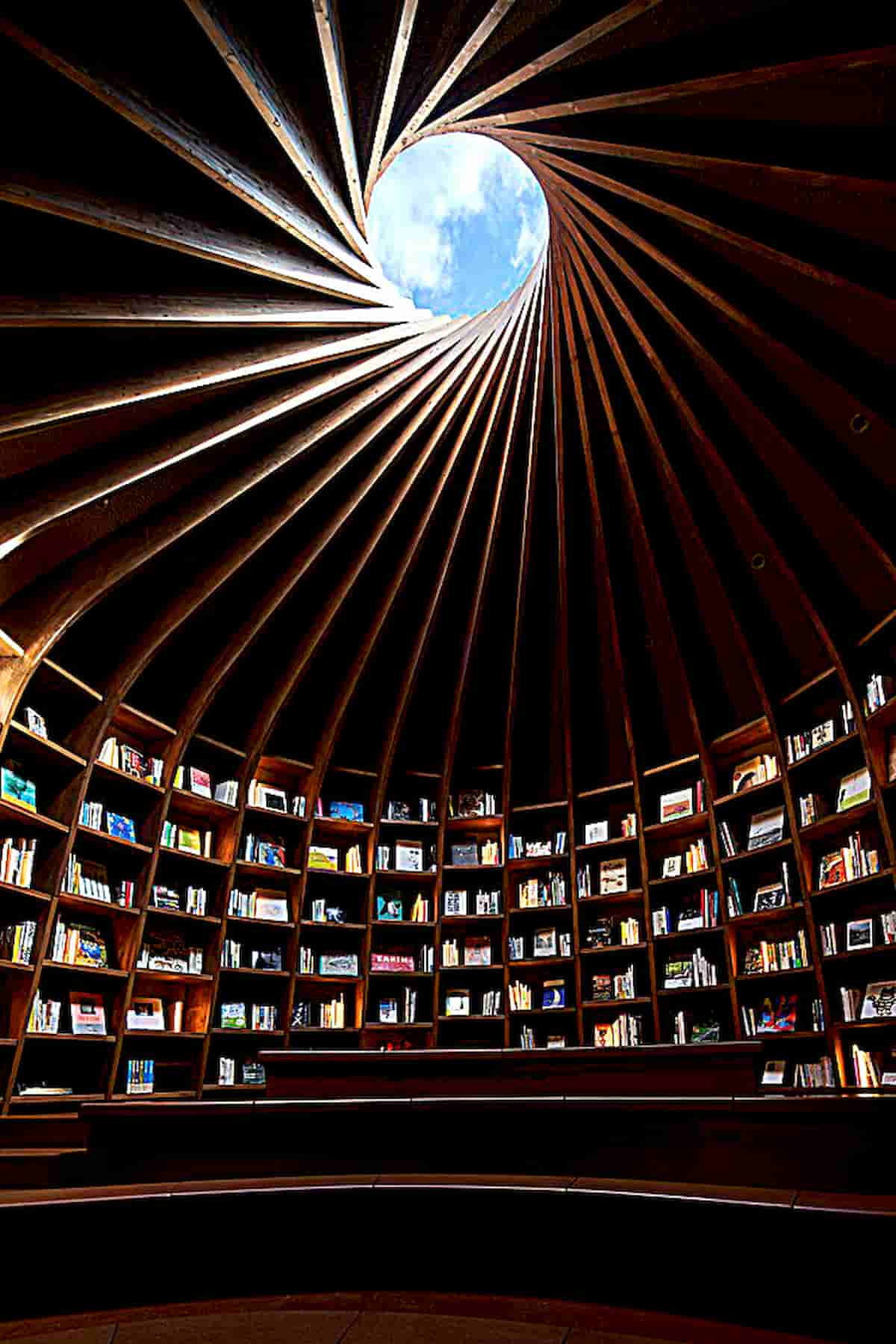
The ceiling heights inside are determined by the slope of the ground, so there are areas with low ceilings and small hidden rooms that only children can enter. At the deepest part, there is a hall for storytelling. In the womb-like space that uplifts the lawned ground, folds of bookshelves surround the stepped seats, and books from the collections of farm workers and books for children line up. The 40mm thick vertical frames of the bookshelves extend overhead to support the space.
 

Library in the Earth of Been Regarded as the Source of all Life and a Symbol of Motherhood


Library in the Earth of Been Regarded as the Source of all Life and a Symbol of Motherhood


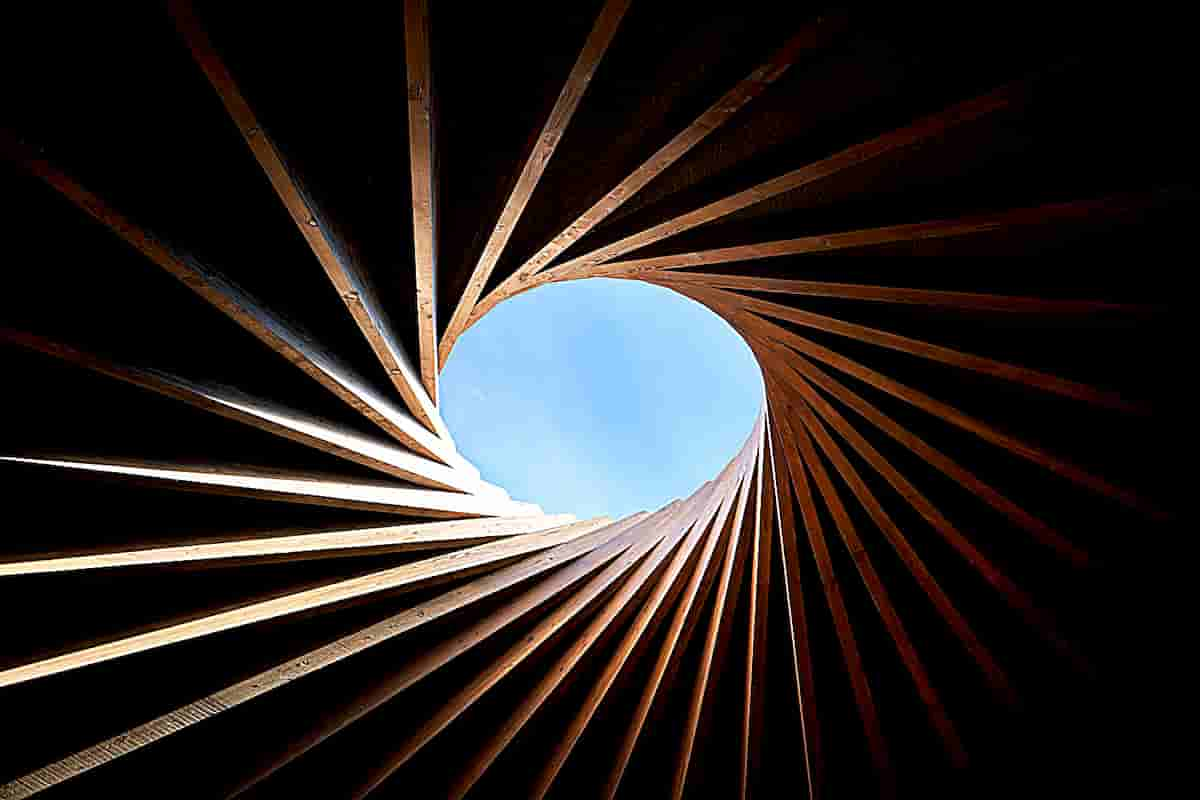
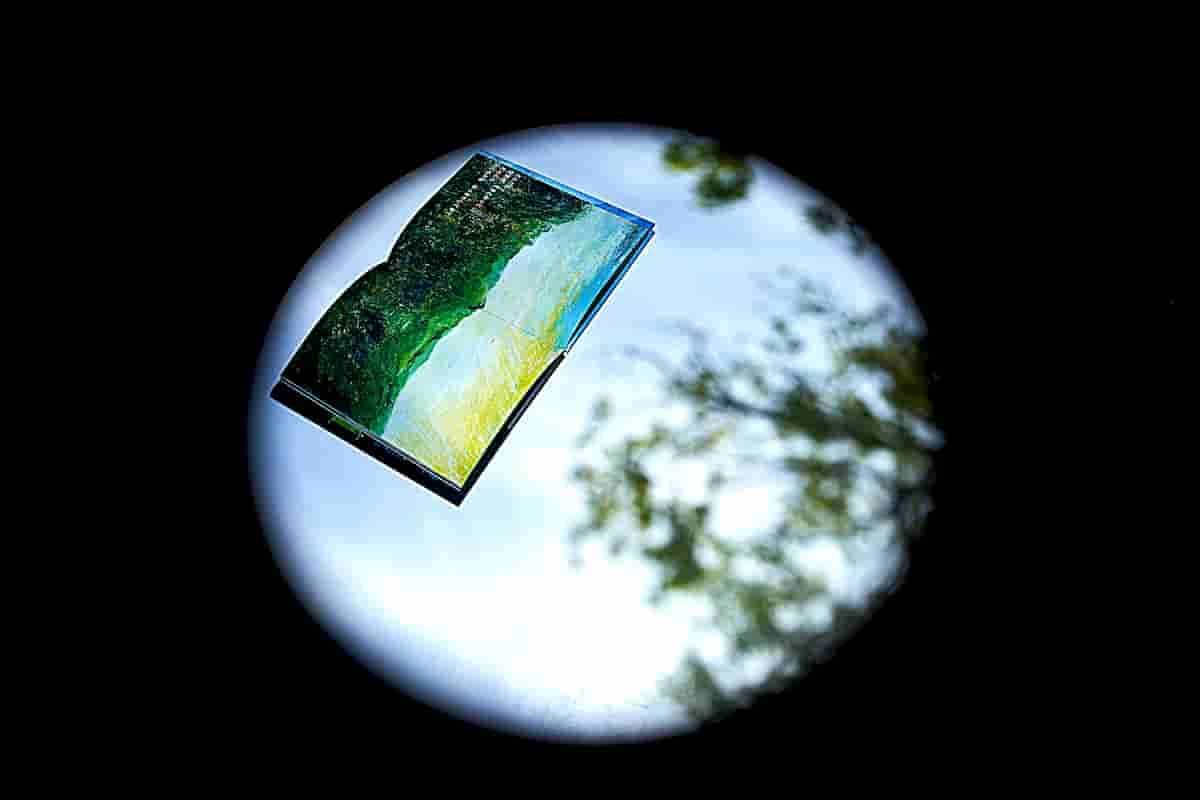
When a thin vertical beam supports the next one, and that vertical beam is also supported by its neighbor, a large space can be supported as a whole when the repetition makes a circle. At the end of the chain of reciprocal support, a social space arises that cannot be created by strong individuals alone. The top light at the center of the structure, which symbolizes the agricultural community of KURKKU FIELDS, frames a view that resembles the earth covered in blue sky and clouds. It is a library that thinks of the earth.
 

Library in the Earth of Been Regarded as the Source of all Life and a Symbol of Motherhood


Library in the Earth of Been Regarded as the Source of all Life and a Symbol of Motherhood


Library in the Earth of Been Regarded as the Source of all Life and a Symbol of Motherhood


Library in the Earth of Been Regarded as the Source of all Life and a Symbol of Motherhood


Library in the Earth of Been Regarded as the Source of all Life and a Symbol of Motherhood


Library in the Earth of Been Regarded as the Source of all Life and a Symbol of Motherhood


Library in the Earth of Been Regarded as the Source of all Life and a Symbol of Motherhood


Library in the Earth of Been Regarded as the Source of all Life and a Symbol of Motherhood


Library in the Earth of Been Regarded as the Source of all Life and a Symbol of Motherhood


Library in the Earth of Been Regarded as the Source of all Life and a Symbol of Motherhood


Library in the Earth of Been Regarded as the Source of all Life and a Symbol of Motherhood


Library in the Earth of Been Regarded as the Source of all Life and a Symbol of Motherhood


Library in the Earth of Been Regarded as the Source of all Life and a Symbol of Motherhood


Library in the Earth of Been Regarded as the Source of all Life and a Symbol of Motherhood


Library in the Earth of Been Regarded as the Source of all Life and a Symbol of Motherhood


Library in the Earth of Been Regarded as the Source of all Life and a Symbol of Motherhood


Library in the Earth of Been Regarded as the Source of all Life and a Symbol of Motherhood


Library in the Earth of Been Regarded as the Source of all Life and a Symbol of Motherhood


Library in the Earth of Been Regarded as the Source of all Life and a Symbol of Motherhood


Library in the Earth of Been Regarded as the Source of all Life and a Symbol of Motherhood


Library in the Earth of Been Regarded as the Source of all Life and a Symbol of Motherhood

苗栗客家文學園遊客中心將自然、與文化環境融合

苗栗客家文學園遊客中心回應自然與礦業記憶

由客家聚落與礦業遺產形塑的場域,遊客中心成為觀看風景與閱讀地方文化的媒介。     此項目以融合自然環境與文化地景為核心,將苗栗在地的客家聚落記憶與礦業遺產視為共同生成的背景。客家文學園遊客中心不被設定為單一目的地,而是一種觀看與參與的媒介,透過建築引導視線、動線與停留,讓訪客得以融入日常活動與地方節奏。建築在此不主導敘事,而是成為連結風景、歷史與當代使用者之間的過渡層,讓地方文化以開放而持續的方式被感知。 遊客中心位於苗栗縣公館鎮客家文學園內,場地由當地聚落生活與礦業遺產共同塑造,形成一種獨特的 文化地景。建築坐落於後壟溪谷,視野延伸至群山與歷史礦坑之間,試圖在自然環境與地方記憶之間建立溫和的連結。         建築盡量減少空間體量,強調週邊環境,使其成為觀景的媒介,並將遊客融入當地活動。設計摒棄了對客家文化的傳統解讀,而是從更廣闊的尺度分析場地,並以兩條主軸線為主導,分別面向景觀和文化肌理。一條軸線與山巒和山谷平行,延伸至福德村,為遊客提供開闊的視野,同時巧妙地將他們引向聚落。另一條軸線沿著夏至的太陽路徑,連接歷史礦區與西北方向的未來文學博物館,成為地面層的主要交通流線。         建築由一座大屋頂與數個幾何量體組成,透過軸向配置引導視線與動線,同時回應場地尺度。其形態不追求象徵,而是順應地形與歷史脈絡,展現一種 在地回應式建築 的姿態,讓結構方向性成為觀看苗栗自然風景的媒介。       建築軸線透過景觀步道、連接室內空間的半室外走廊以及延伸回室外的過渡通道連接起來,使空氣、光線、風和現有生態環境自由流通。建築中心的屋頂下方是一個大跨距的半室外廣場,為公共活動和自發性活動創造了一個開放的聚集空間。橫跨廣場的三角桁架系統不僅體現了軸線的幾何關係,也克服了大跨距帶來的結構挑戰。      

Facebook
Twitter
LinkedIn
Tumblr
0 0 votes
Article Rating
Subscribe
Notify of
guest
1 Comment
Oldest
Newest Most Voted
trackback
free cialis coupon
2 years ago

free cialis coupon

free cialis coupon

Search