A Ceramic Façade That Bridges Heritage and Innovation
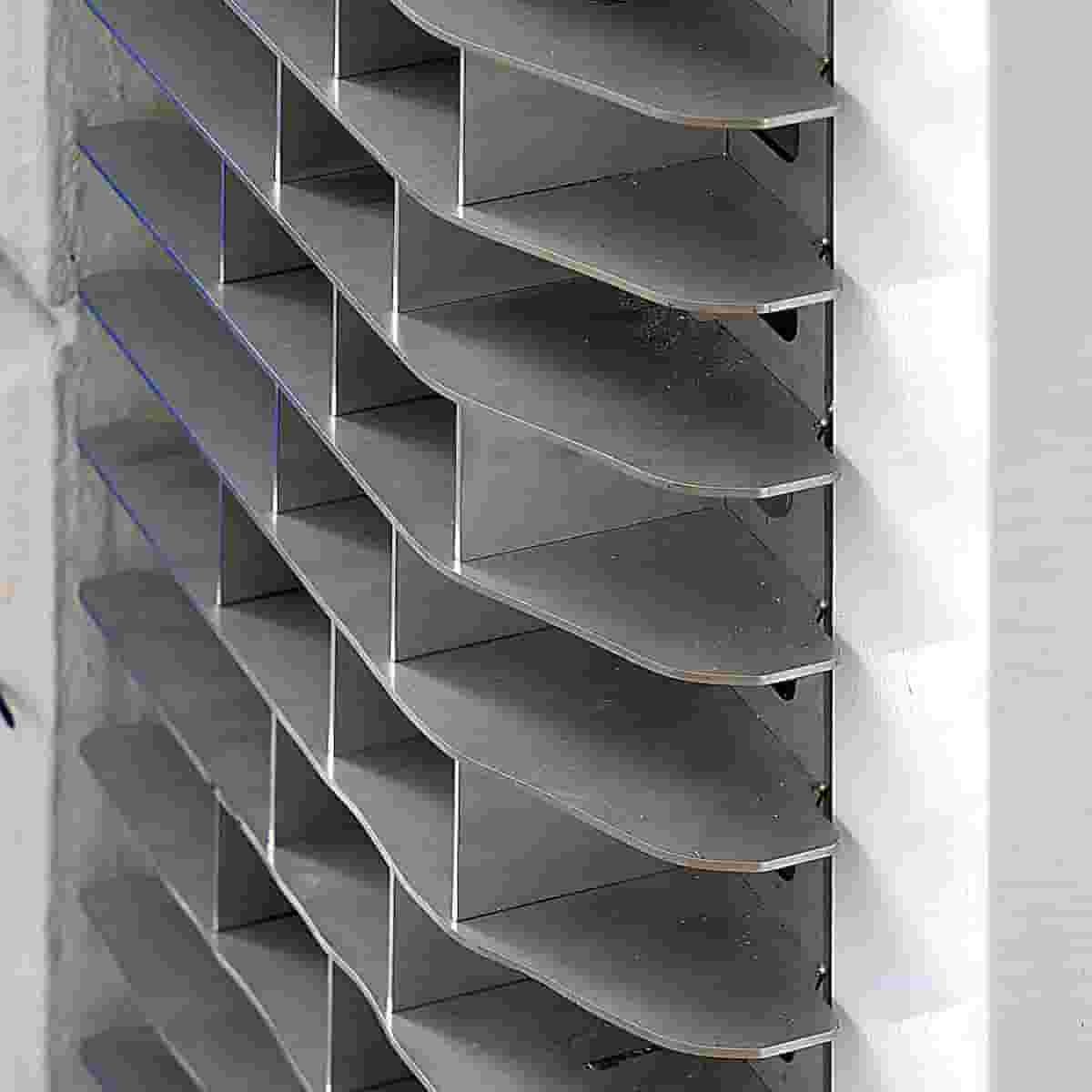
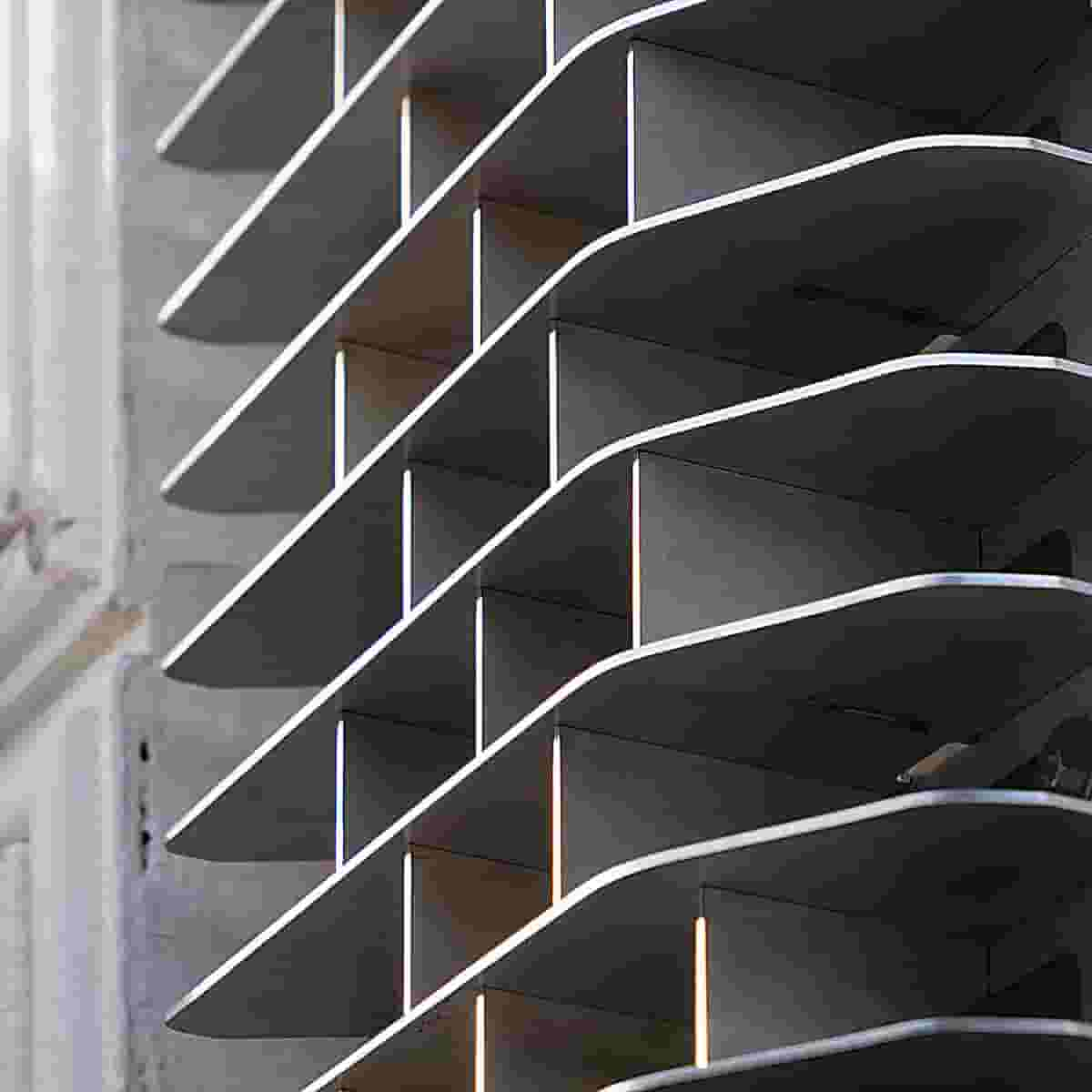
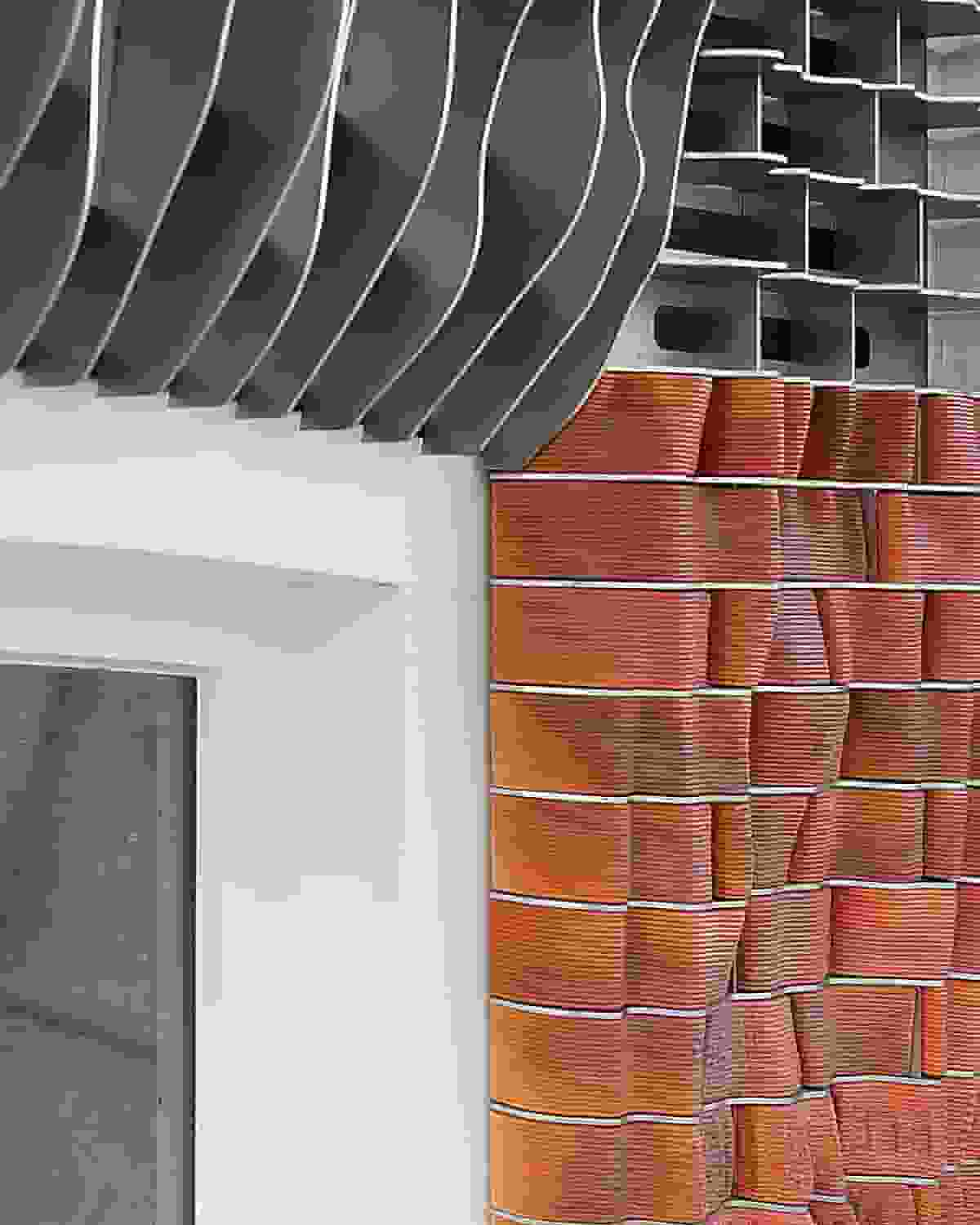
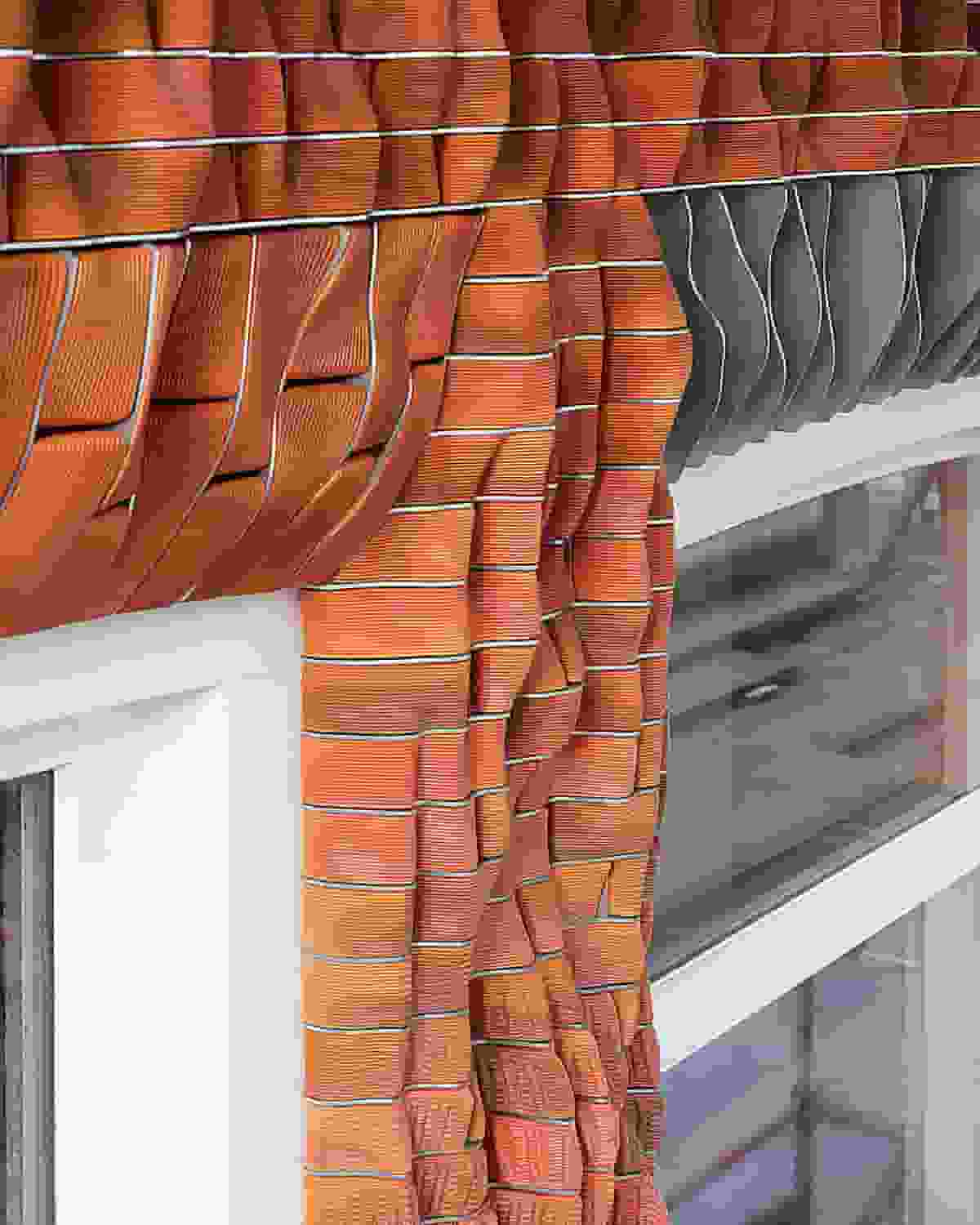
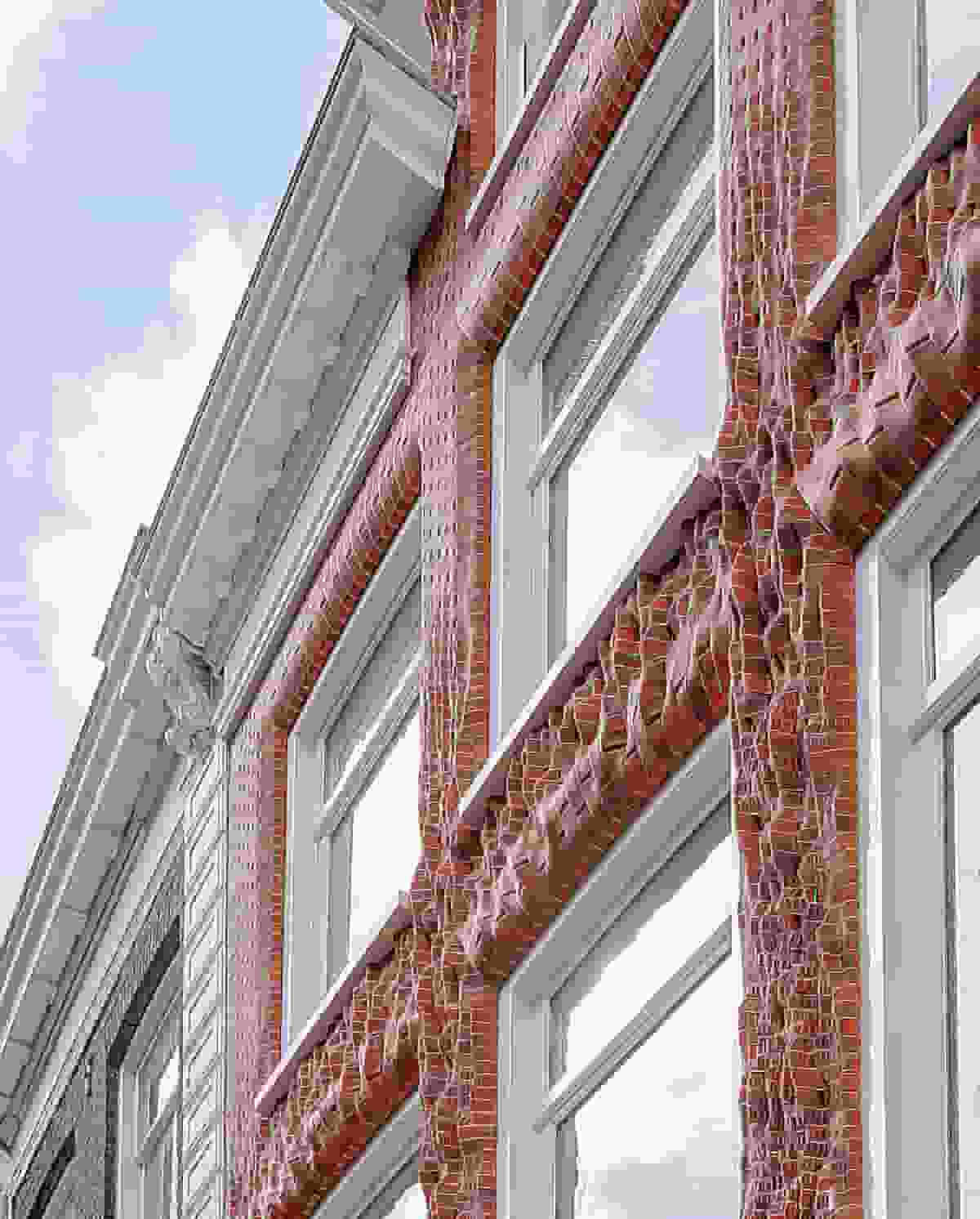
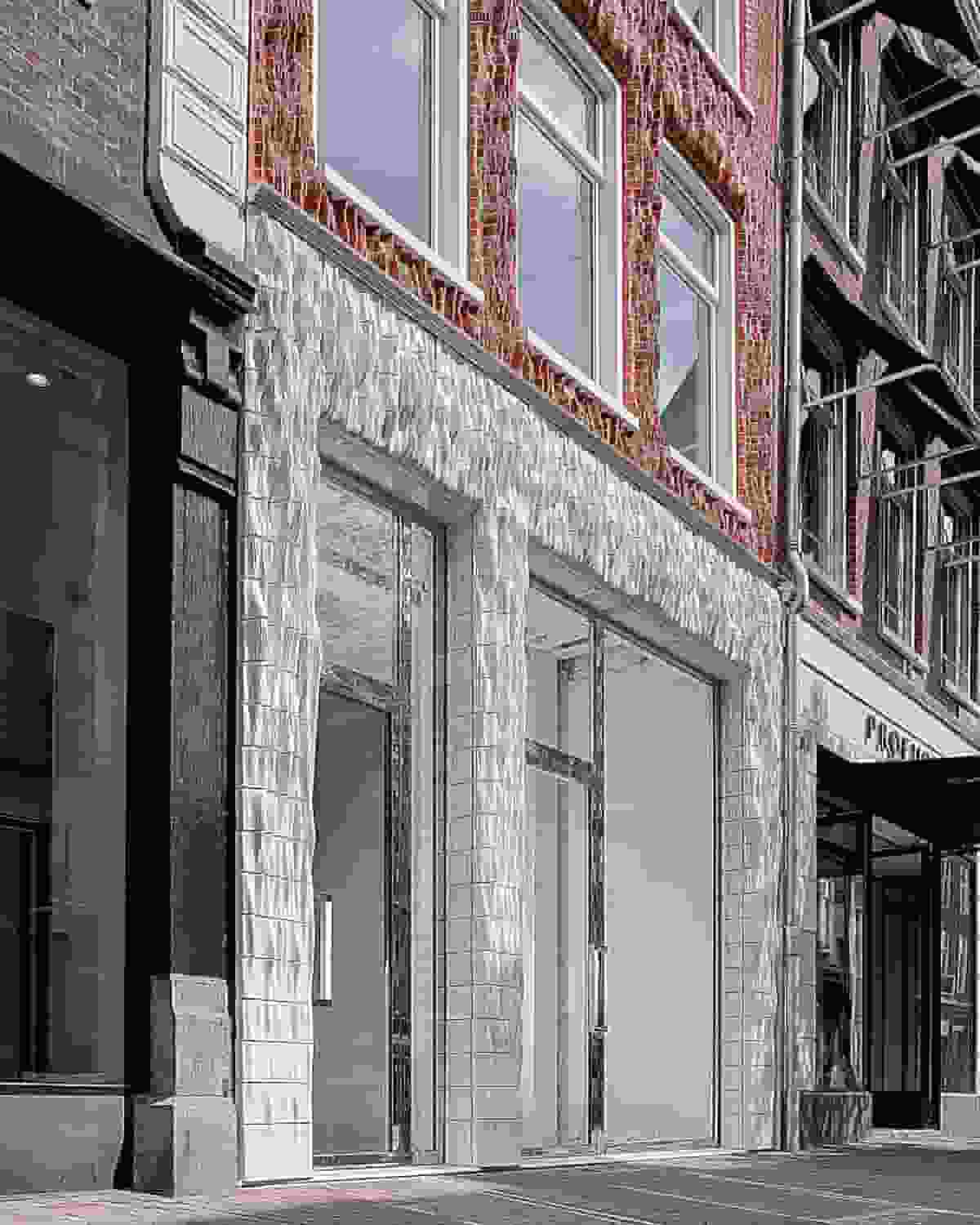
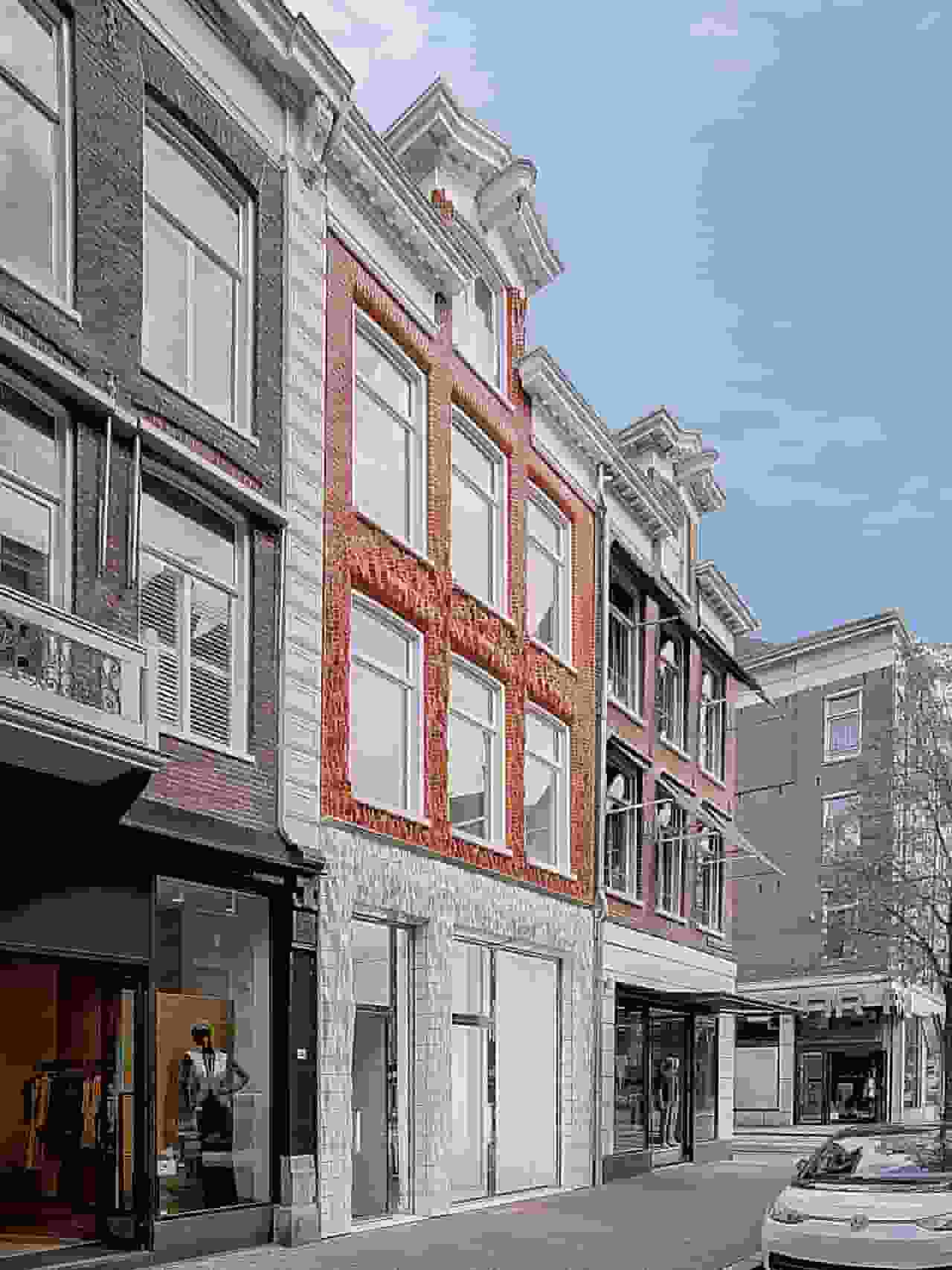
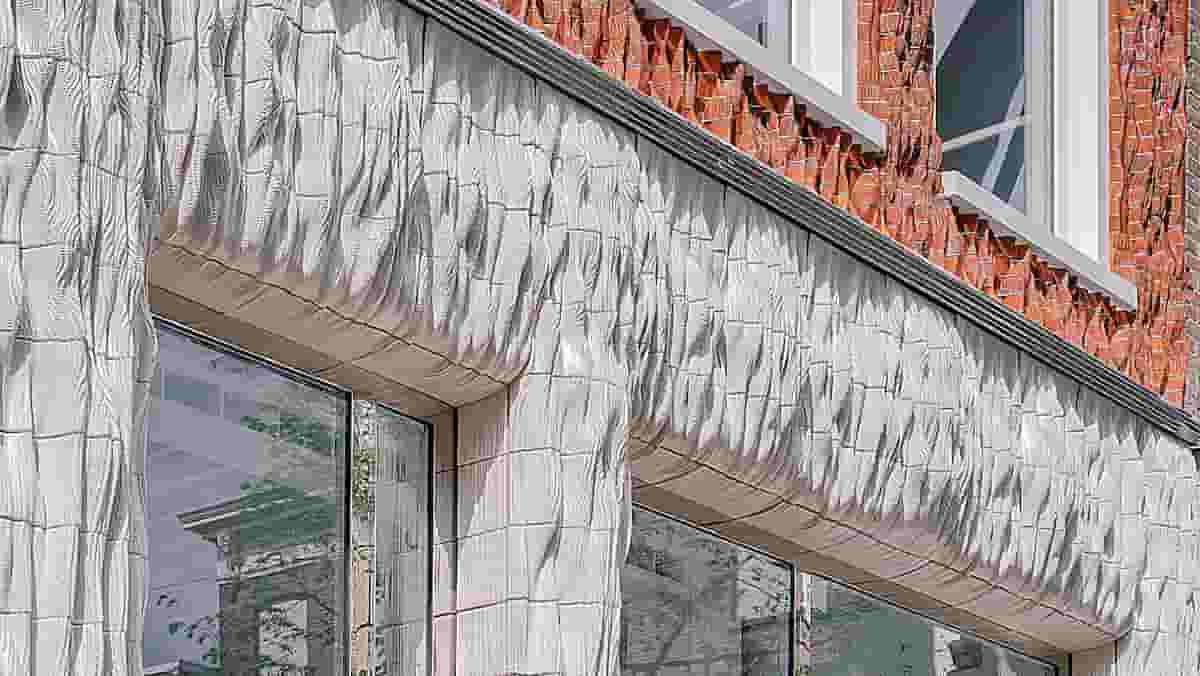
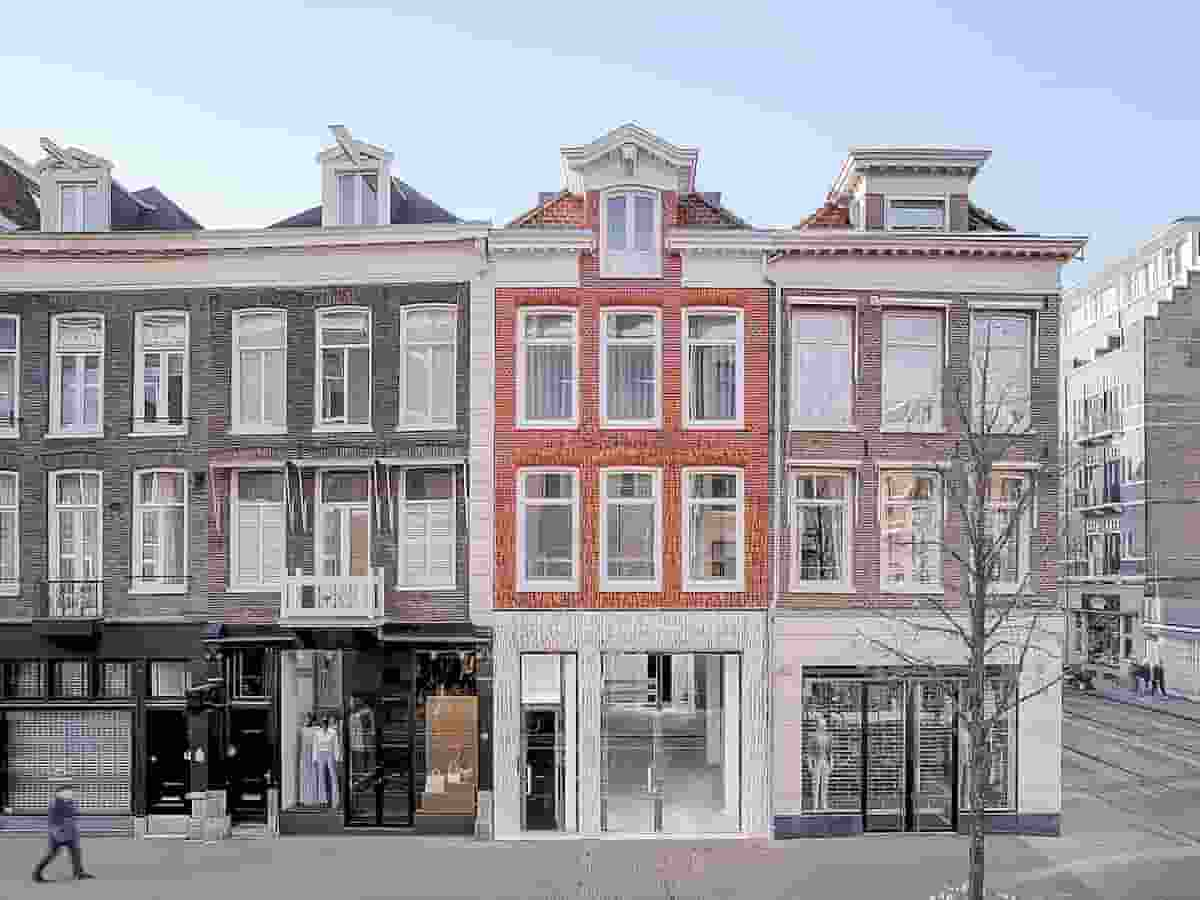
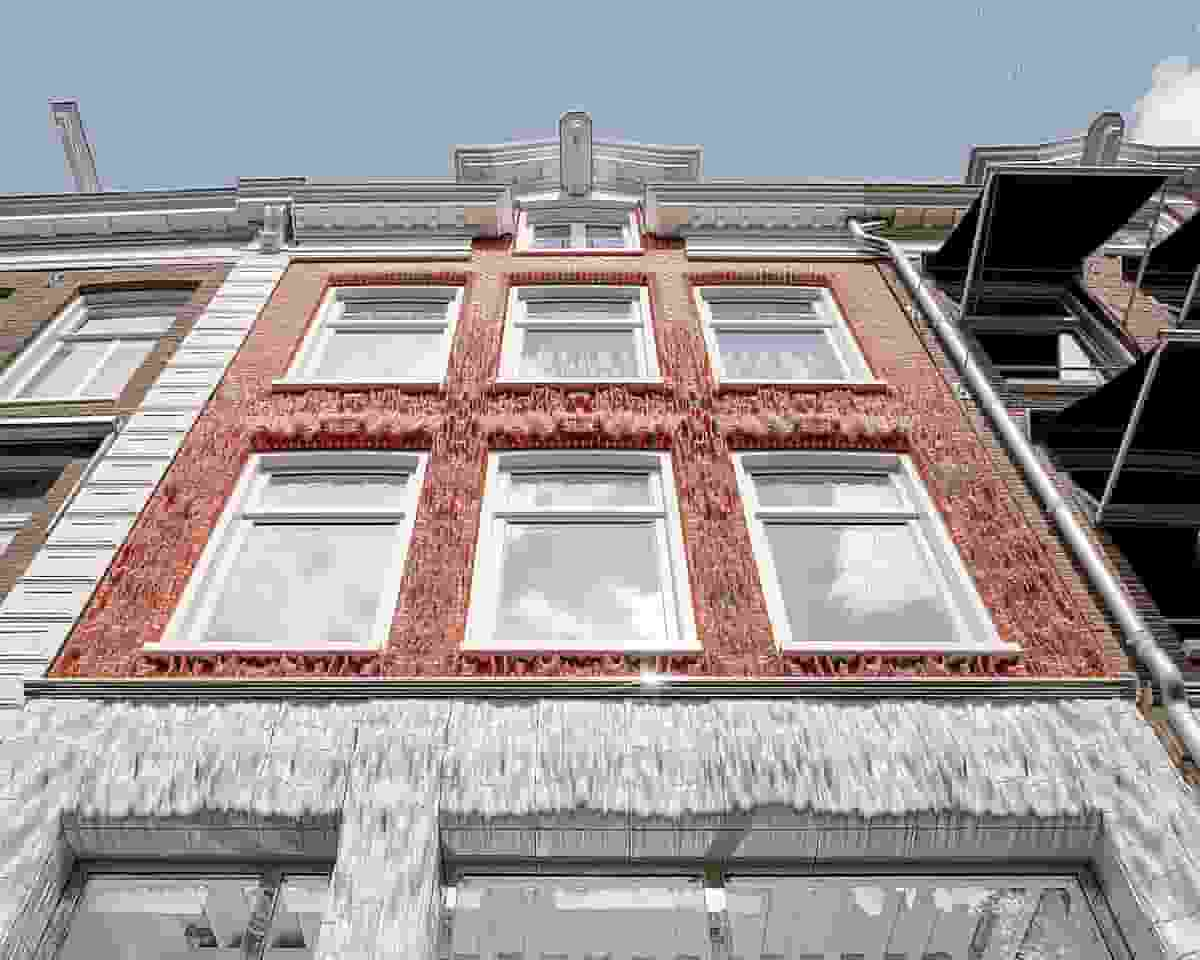
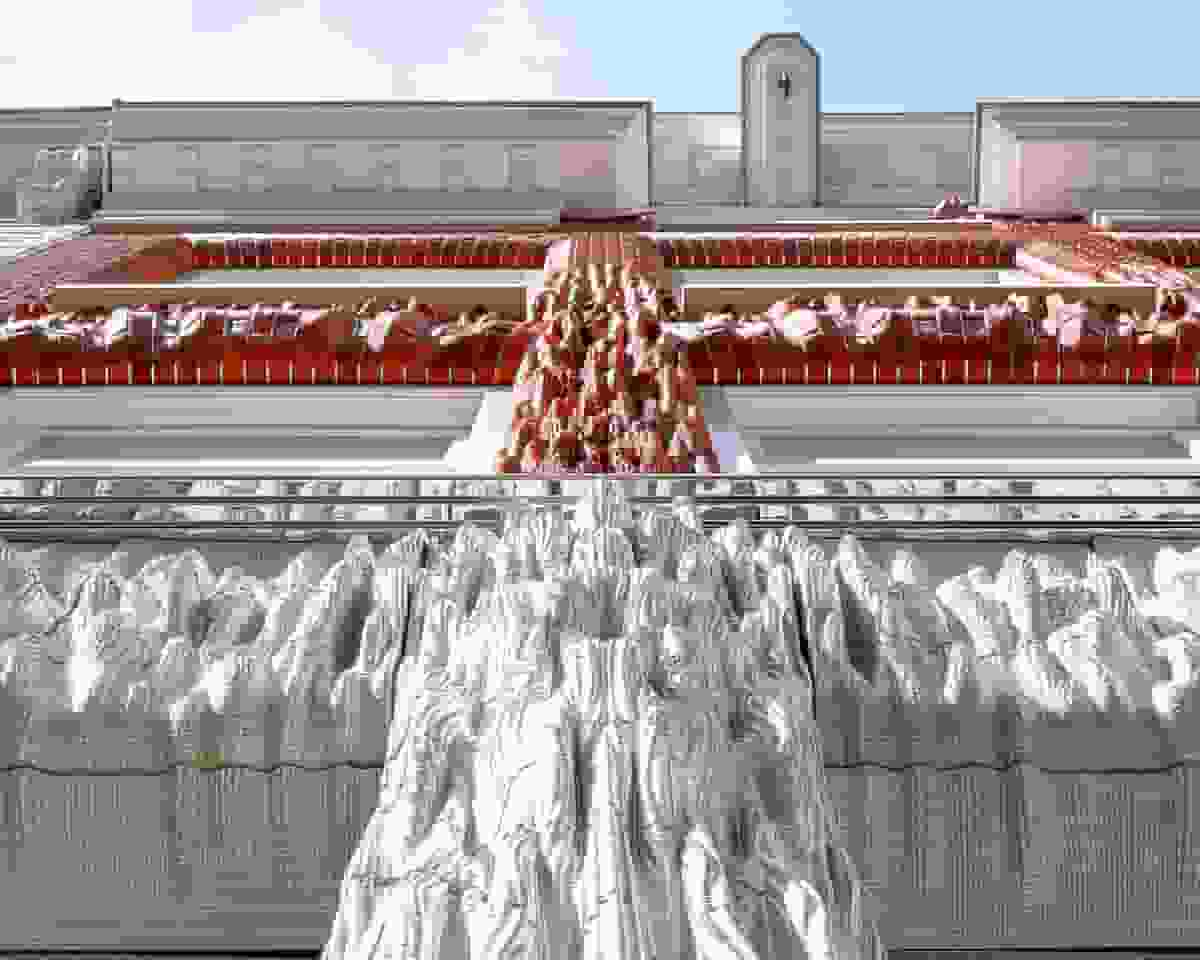
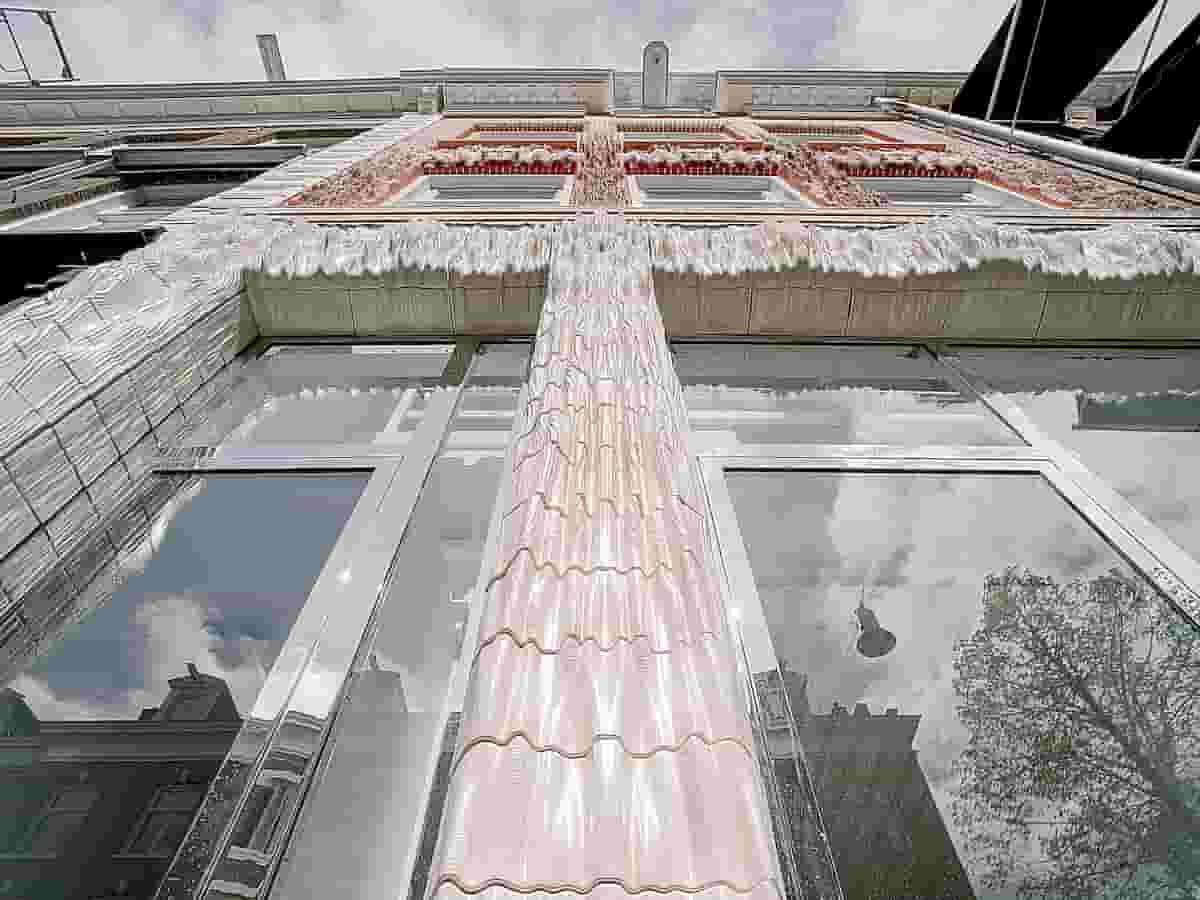
Designed by Dutch practice Studio RAP, this remarkable 3D-printed ceramic façade demonstrates how contemporary fabrication technologies can enrich historic urban environments. Located on Amsterdam’s prestigious P.C. Hooftstraat, the project combines bespoke ceramic tiles, computational design, and architectural craftsmanship to create a sculptural surface that echoes the city’s historic character while introducing a bold new design language.

Digital Craftsmanship Inspired by Dutch Material Culture
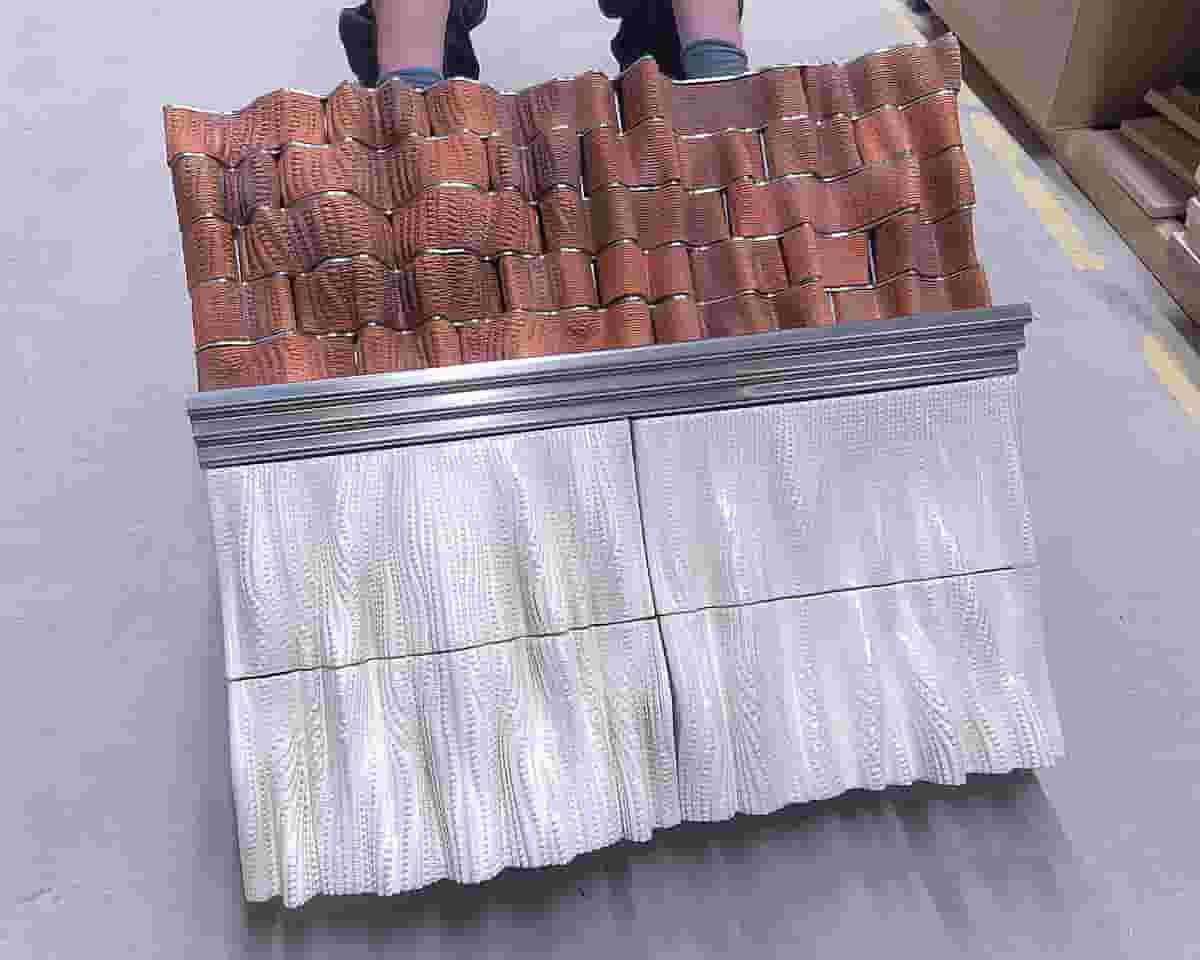
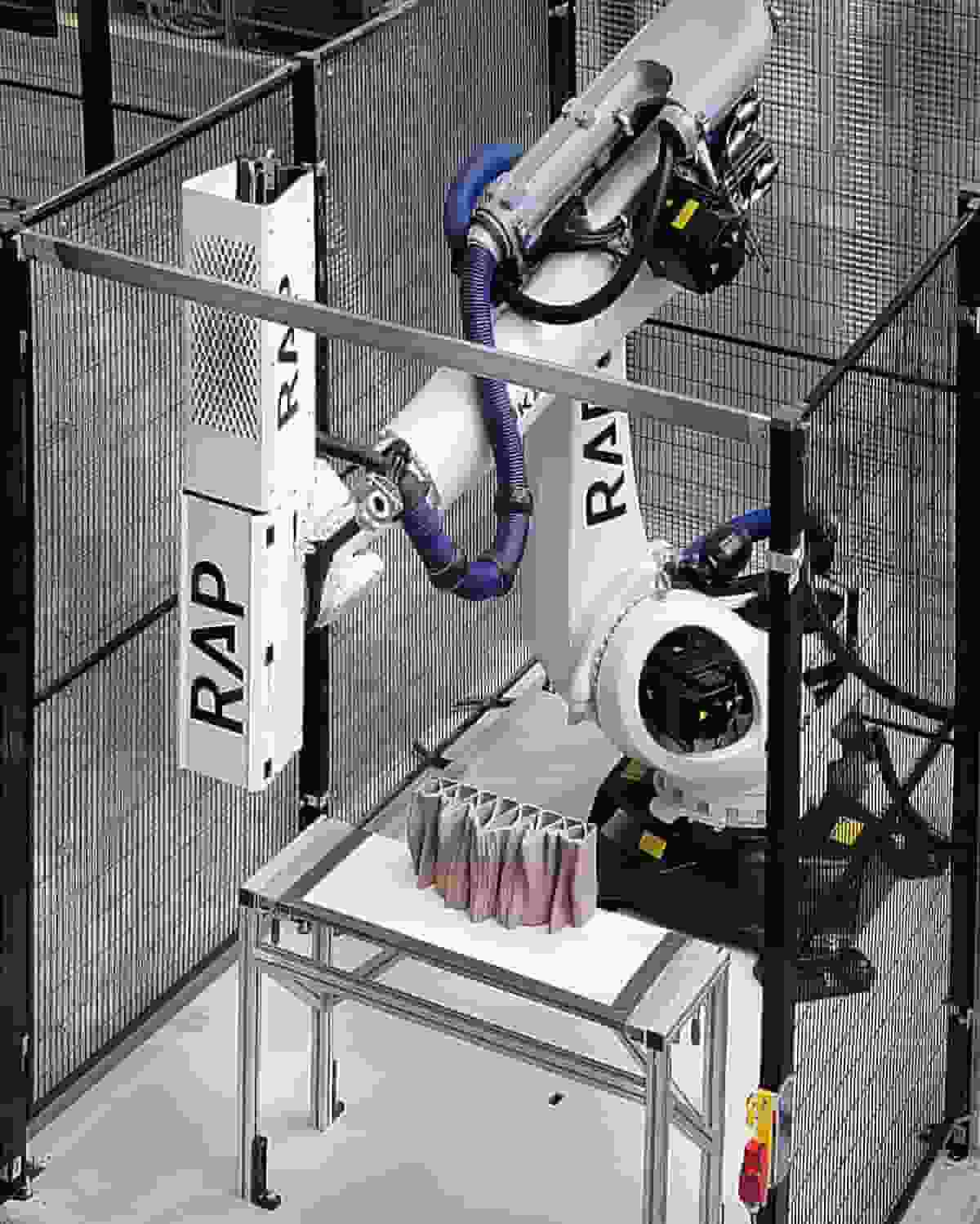
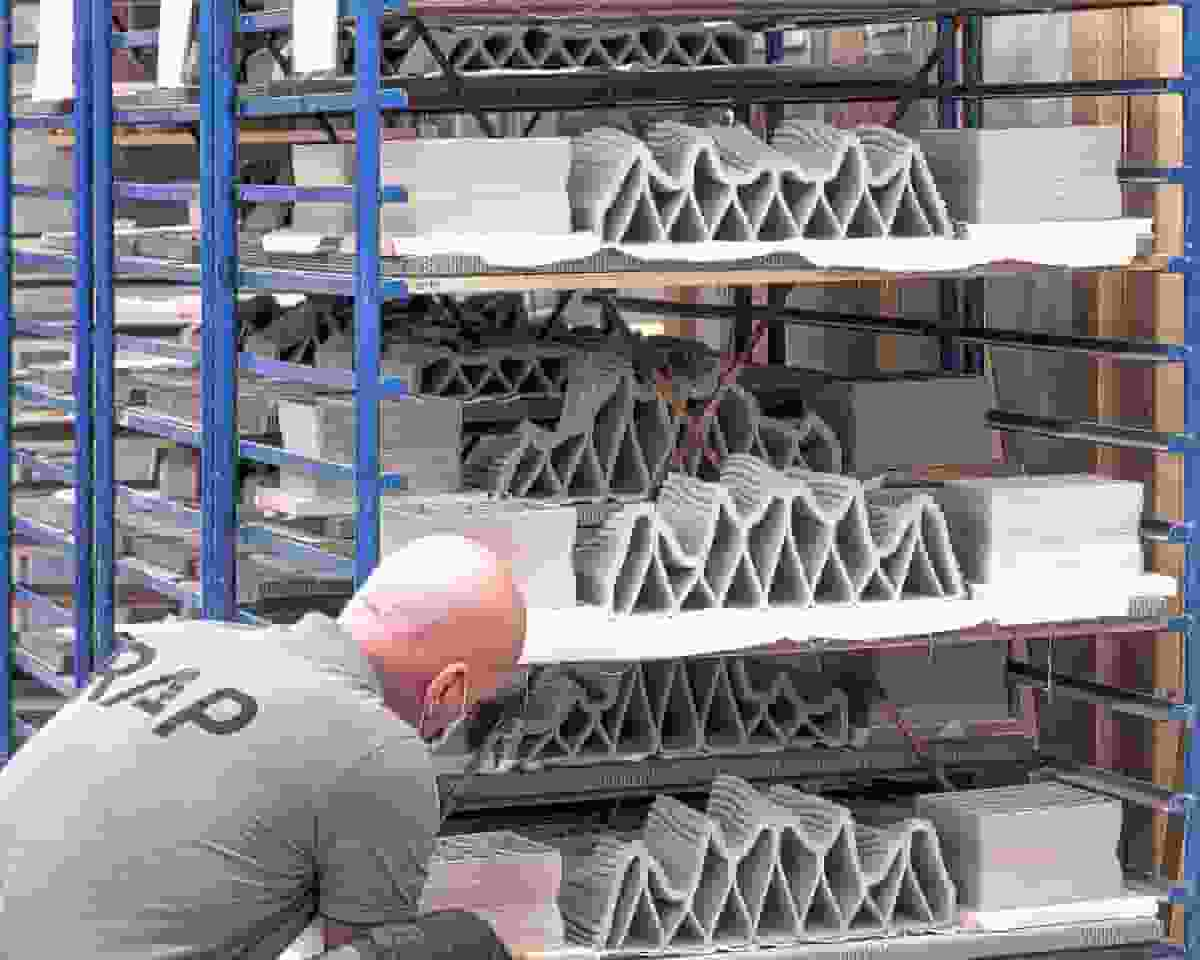
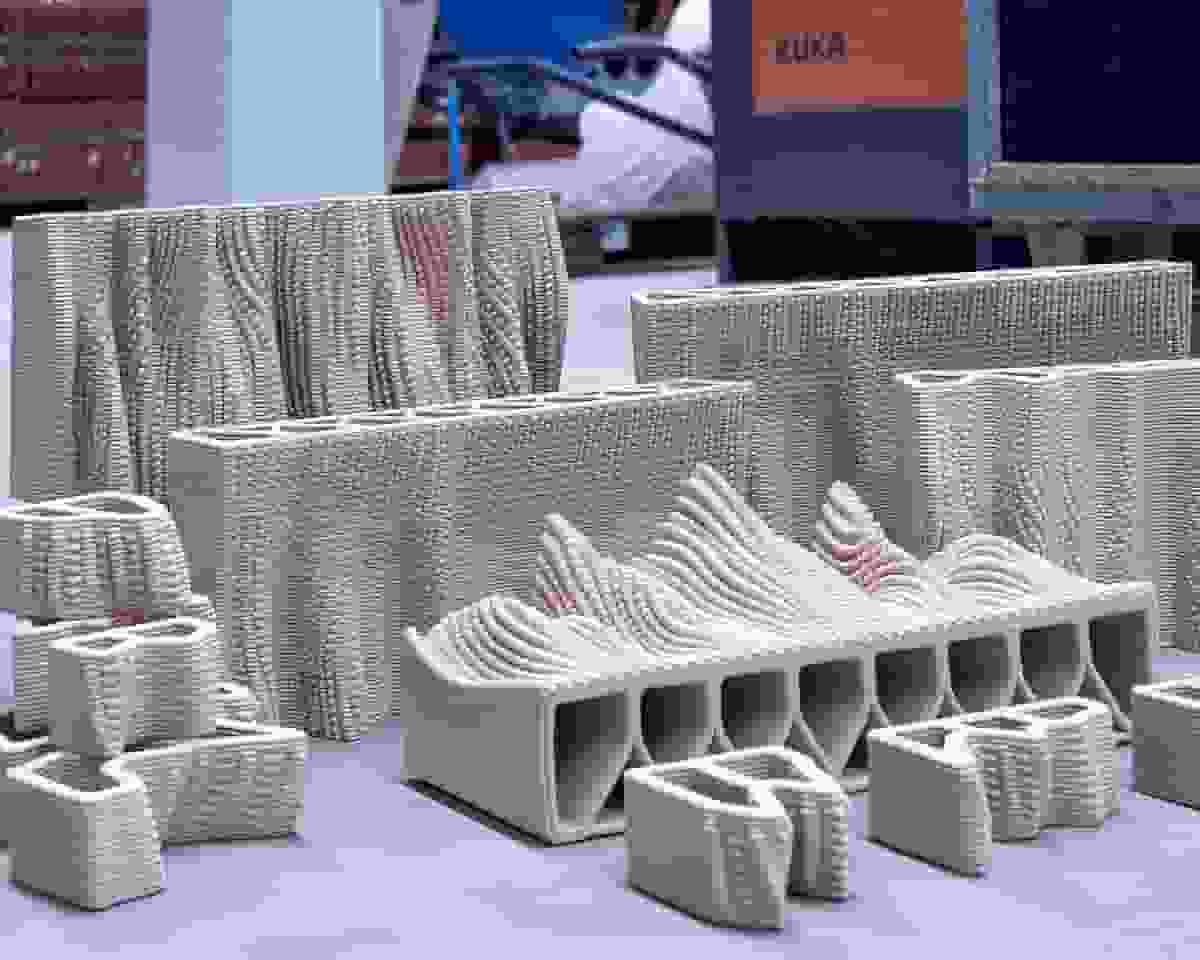
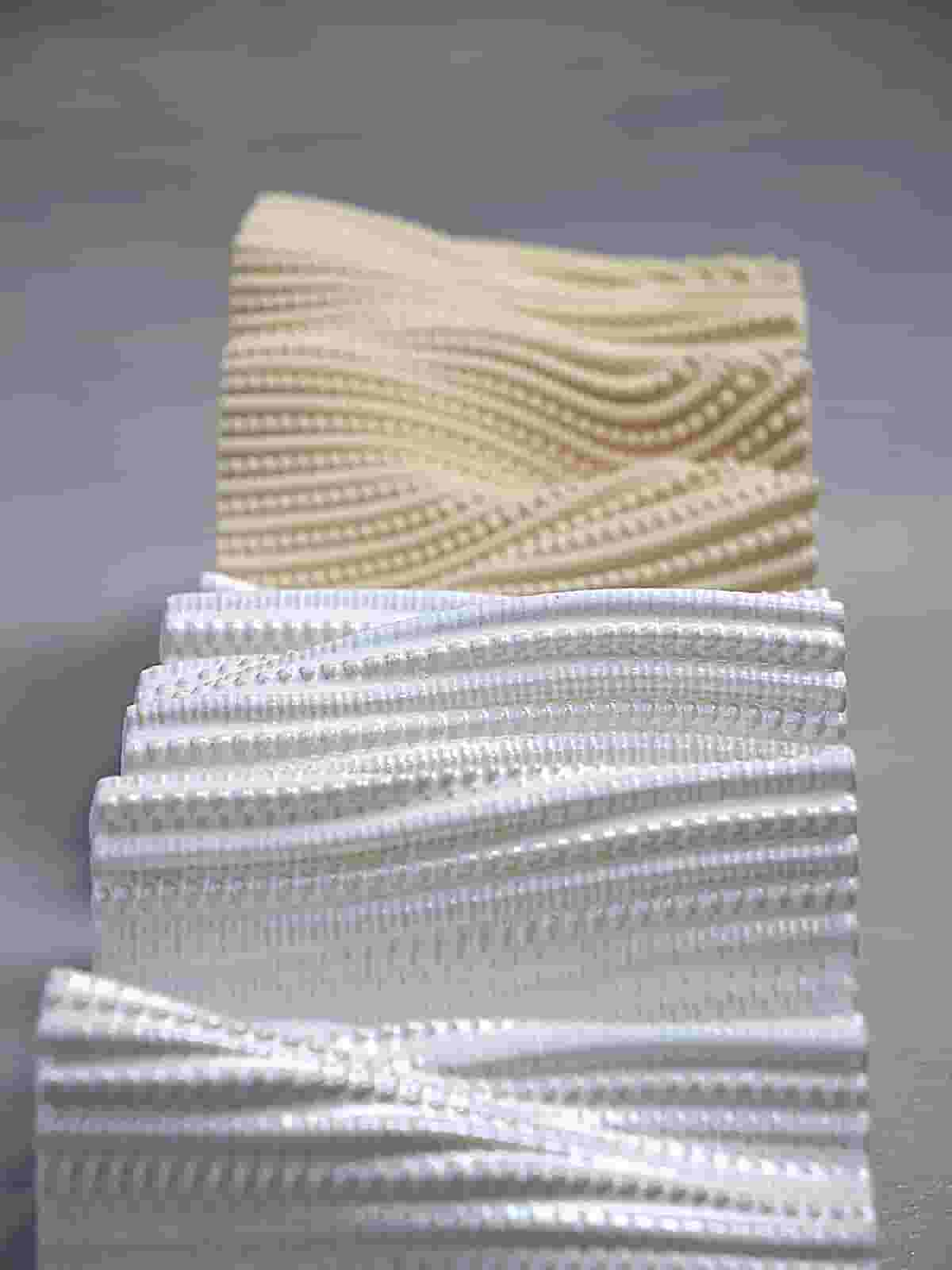
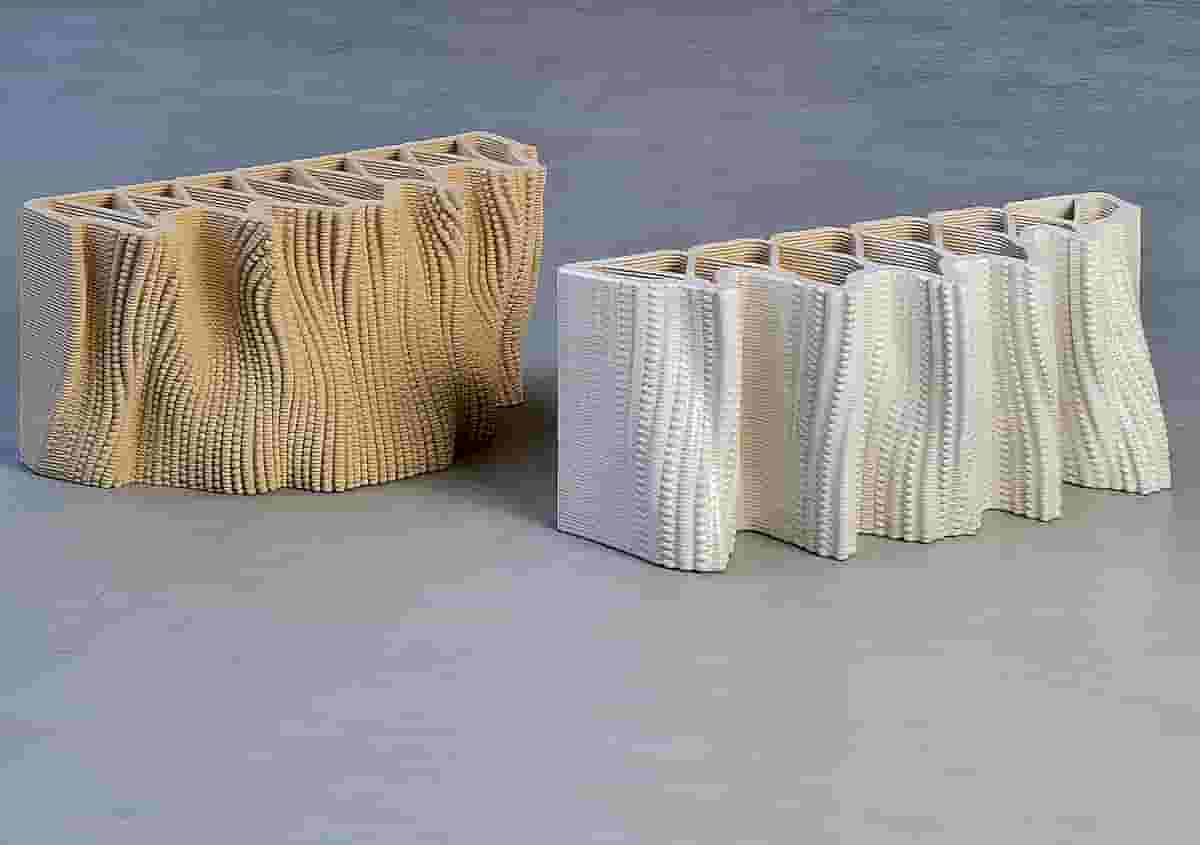
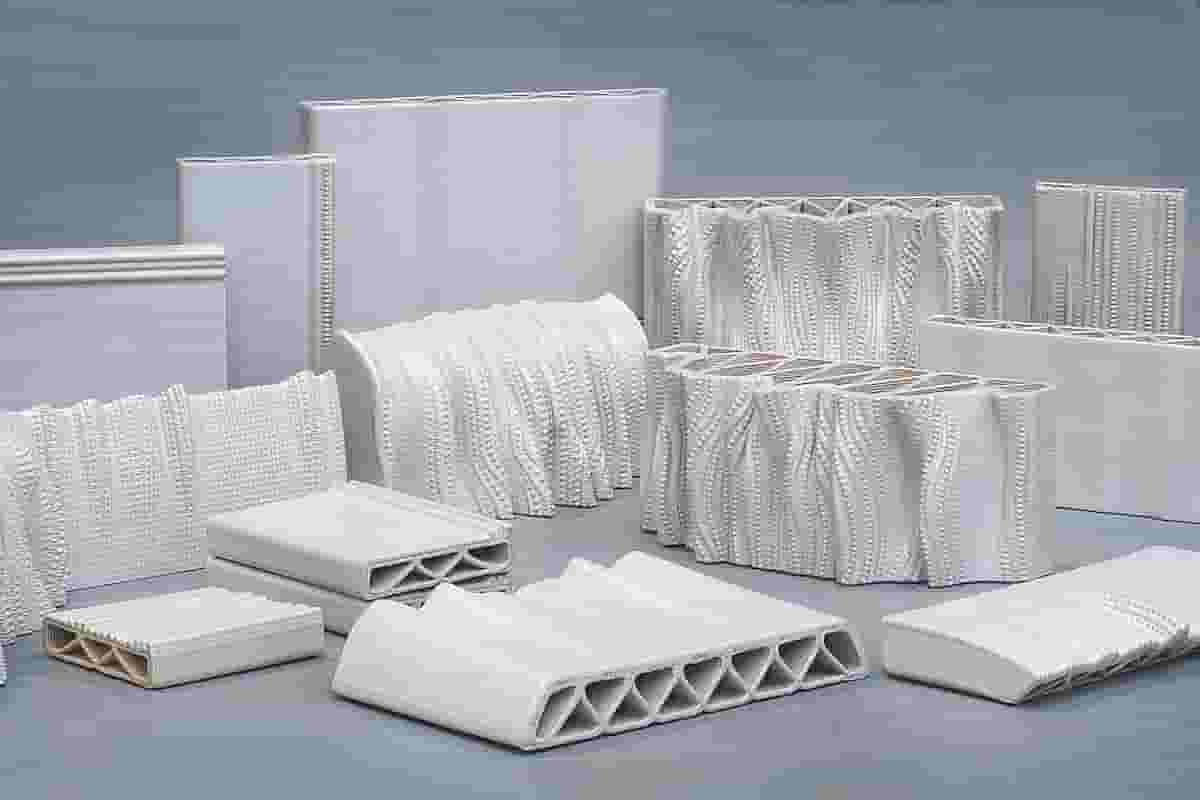
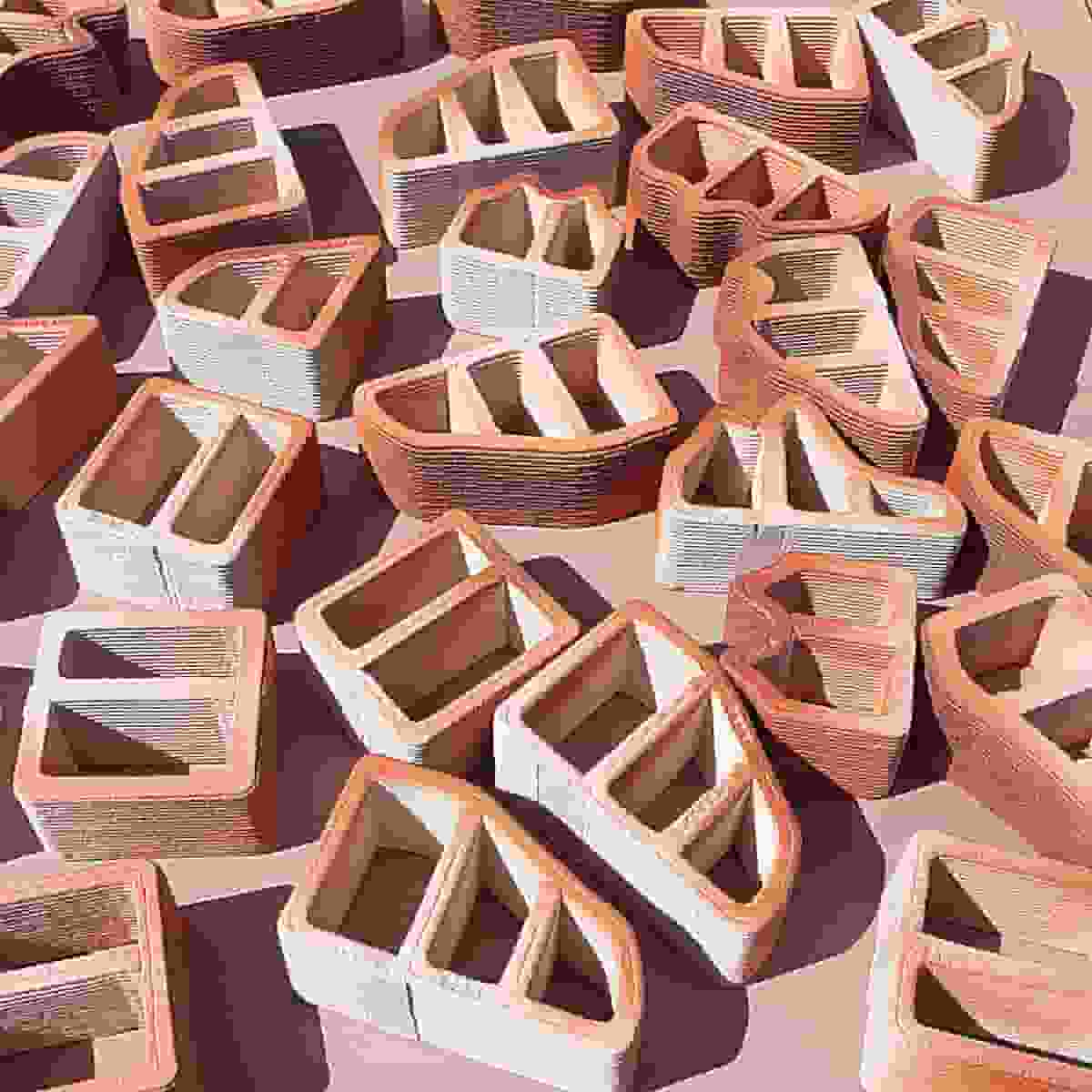
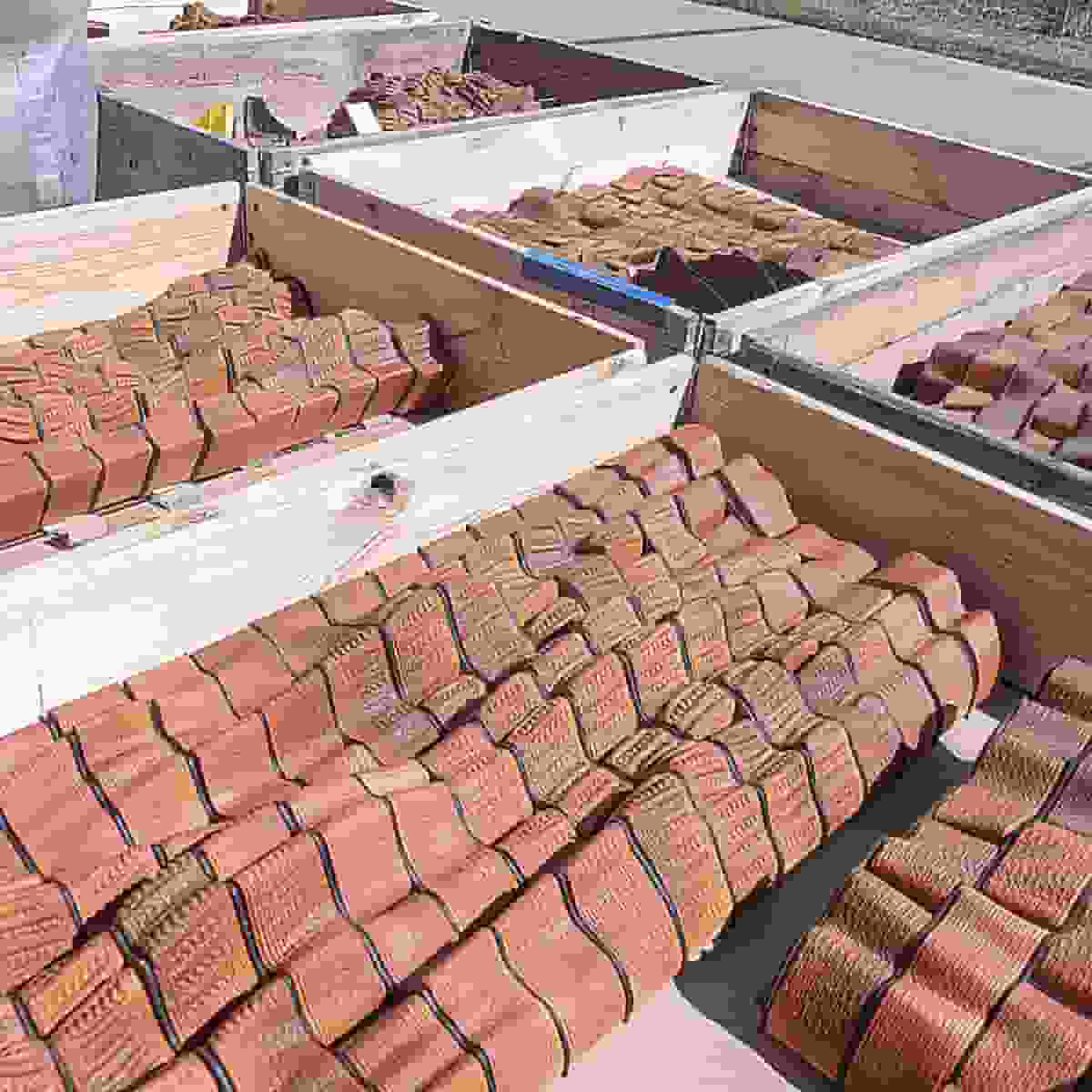
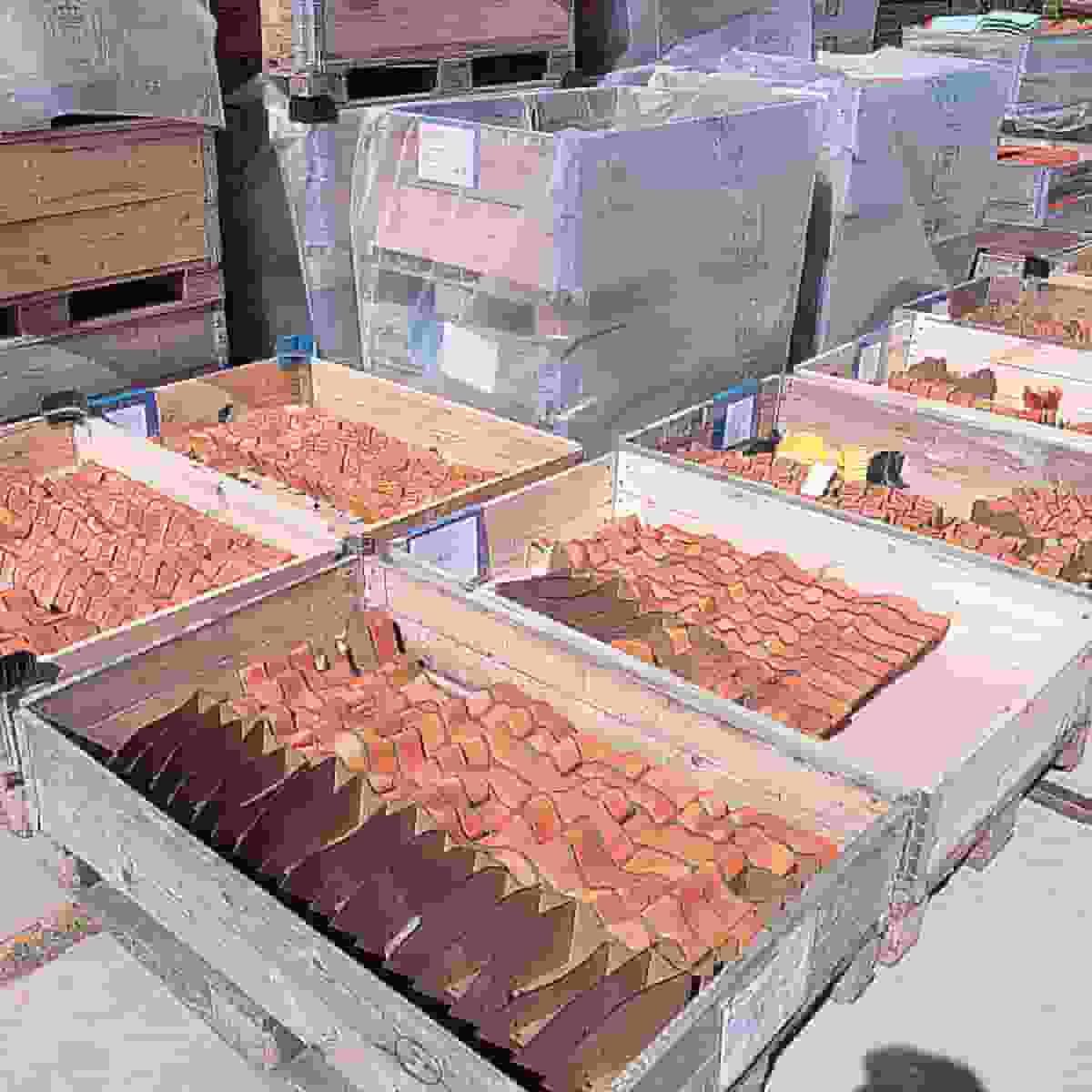
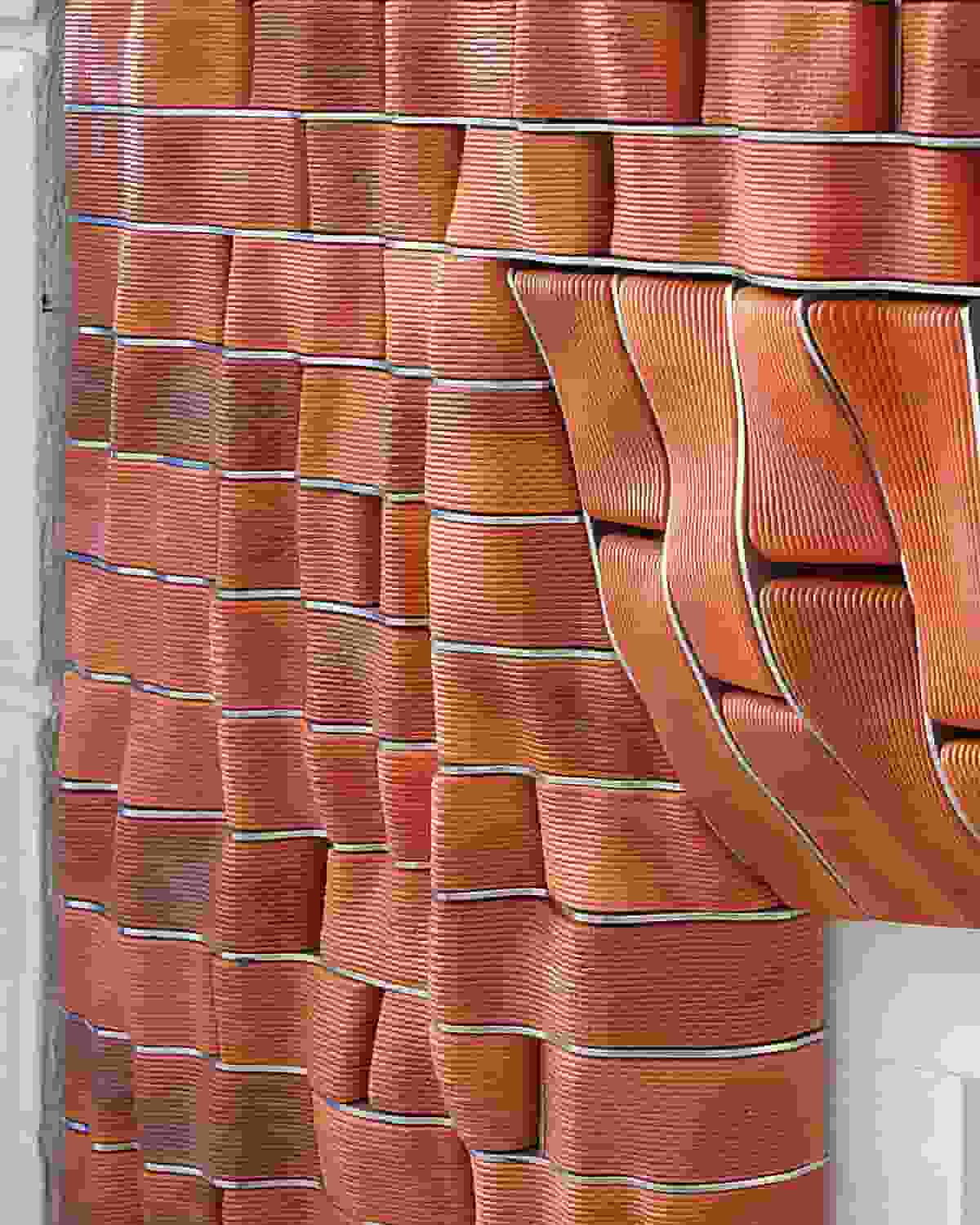
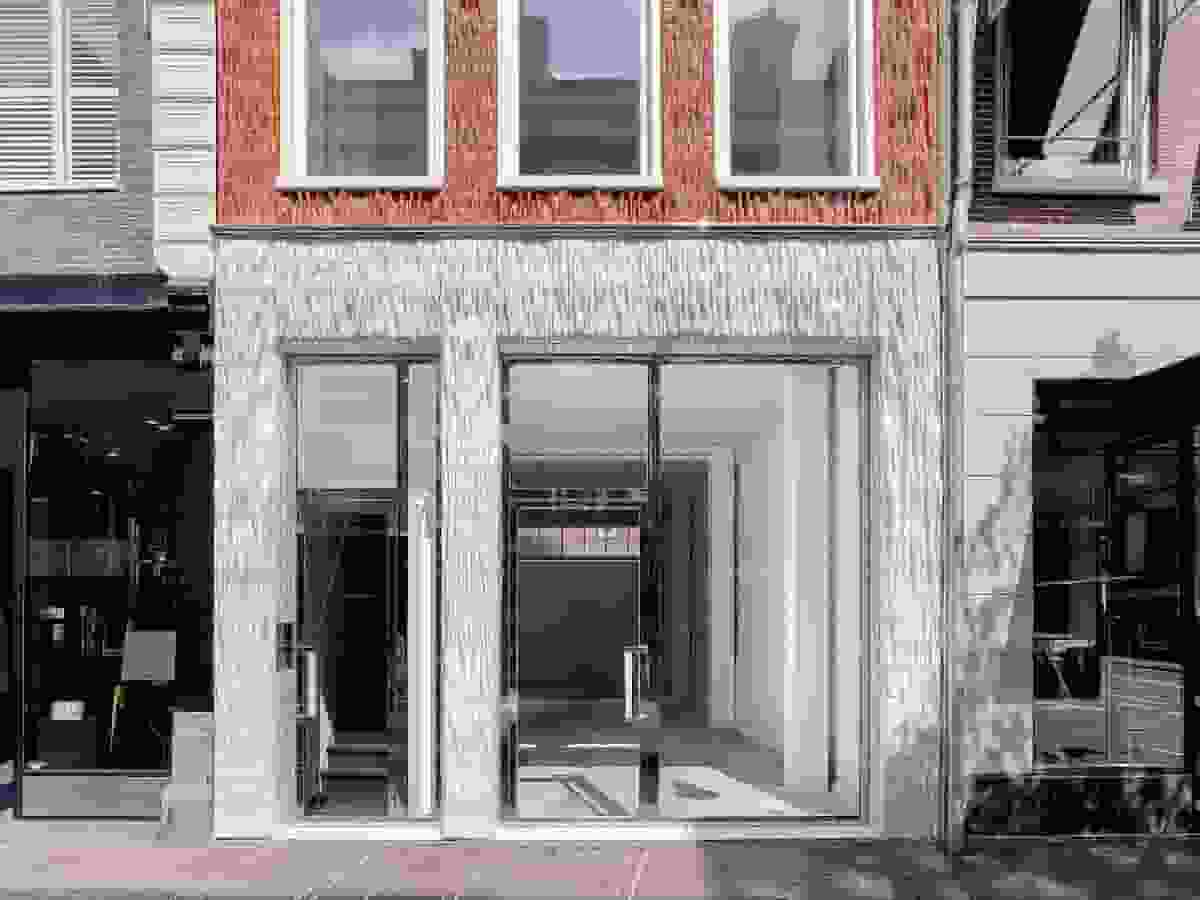
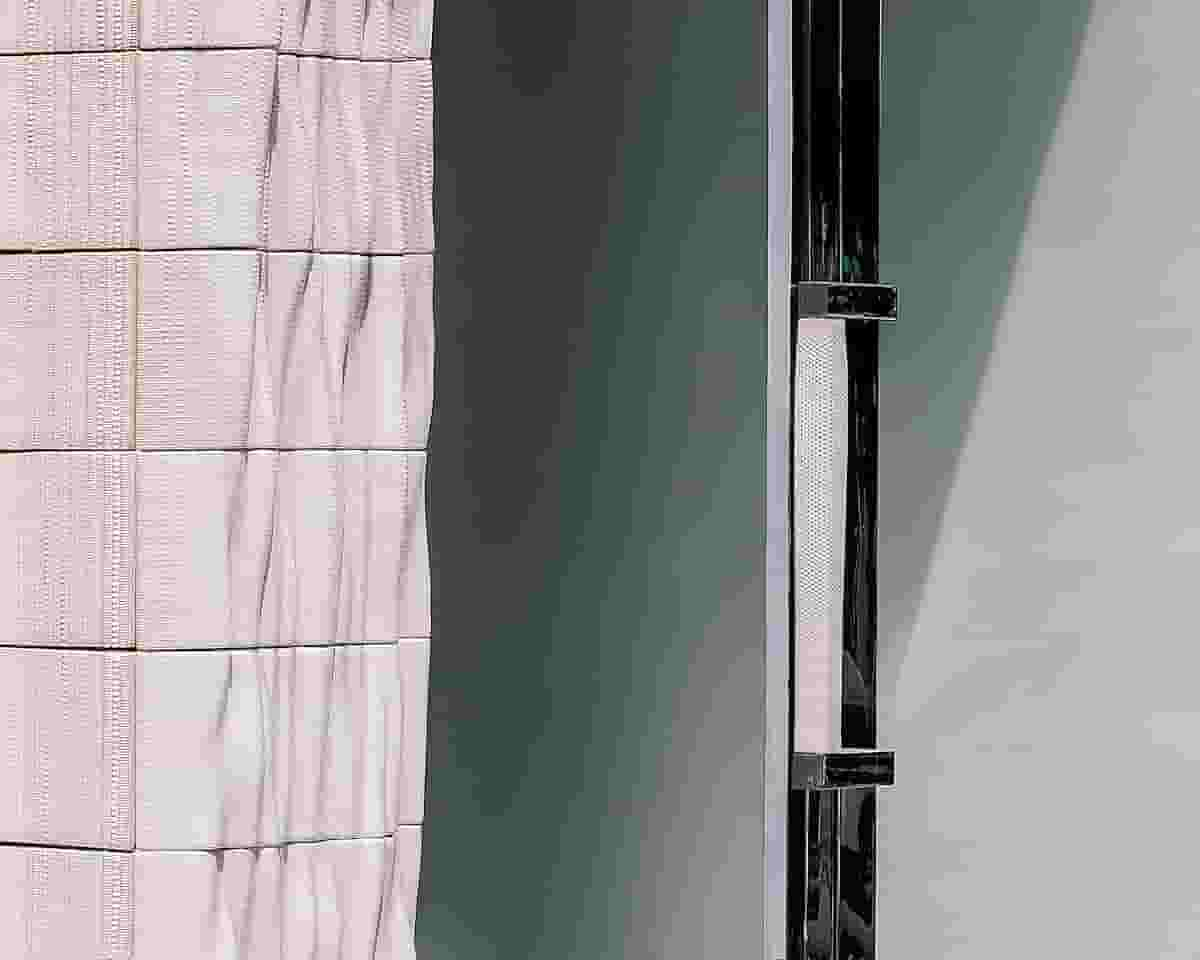
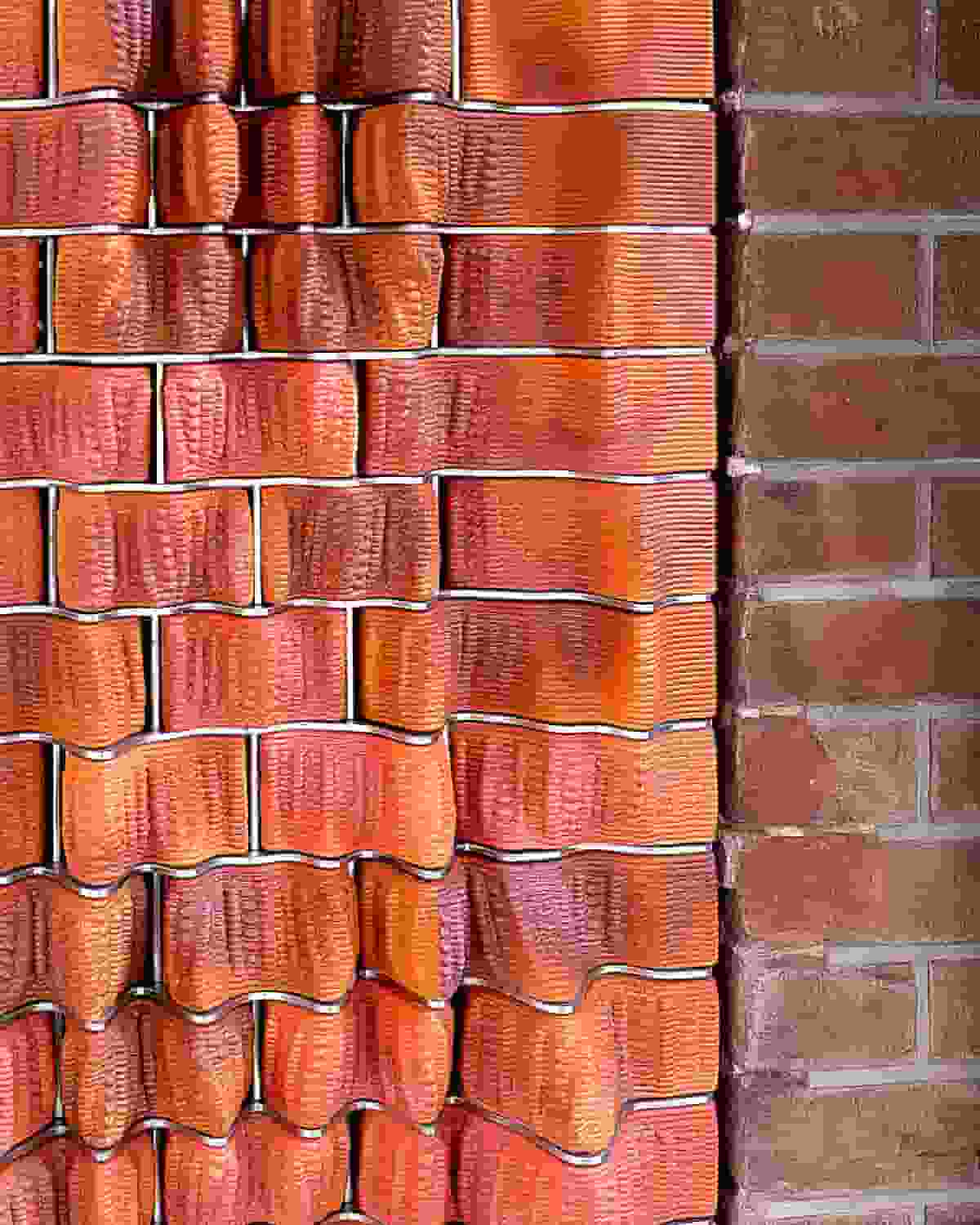
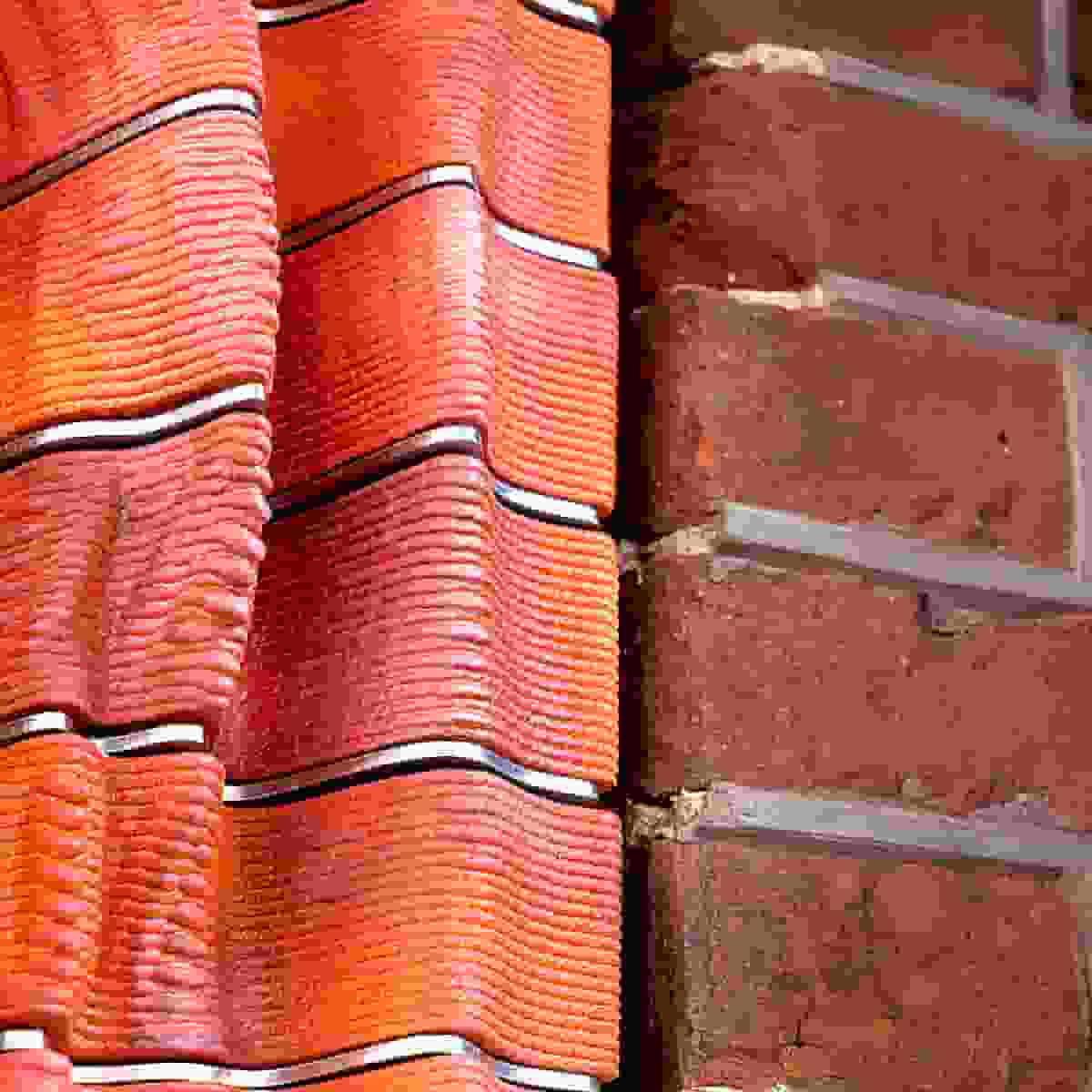
Developed through Studio RAP’s proprietary robotic fabrication system and custom digital design algorithms, the façade consists of intricately formed ceramic elements inspired by knitted textiles and traditional Dutch ceramic craftsmanship. Pearl-white tiles animate the lower storefront while red-toned ceramic modules reference the scale and rhythm of Amsterdam’s historic brick architecture. The resulting wave-like surface shifts visually as pedestrians move through the street, transforming the building into a dynamic architectural experience that celebrates both technological innovation and material heritage.