Designing Within Cidade Baixa, One of Porto Alegre’s Most Vibrant Historic Districts

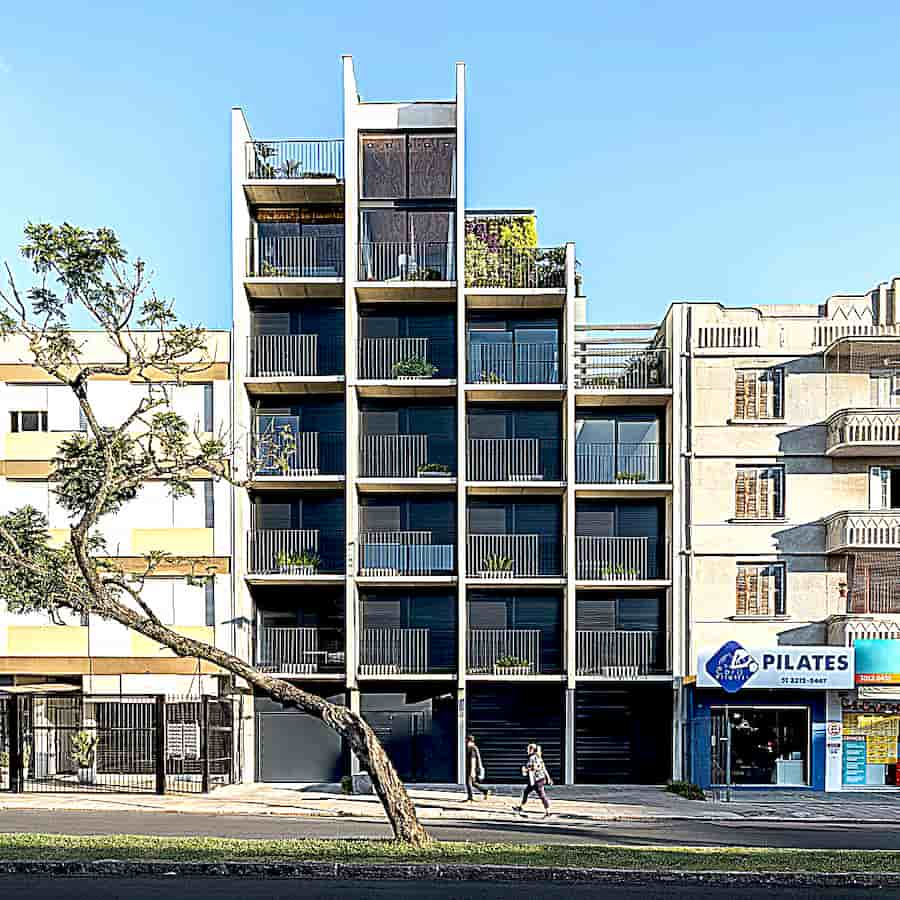
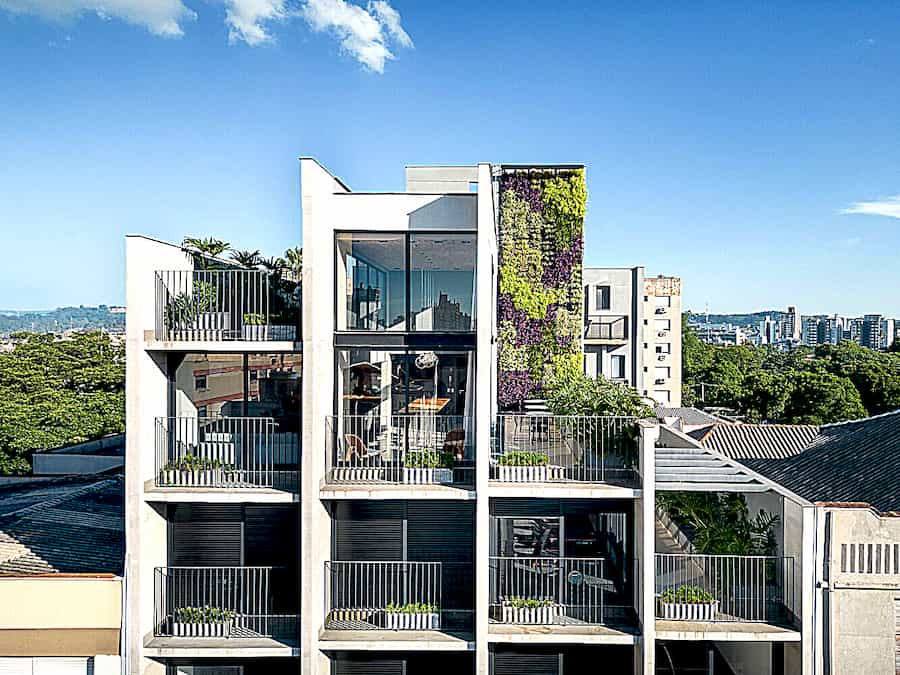
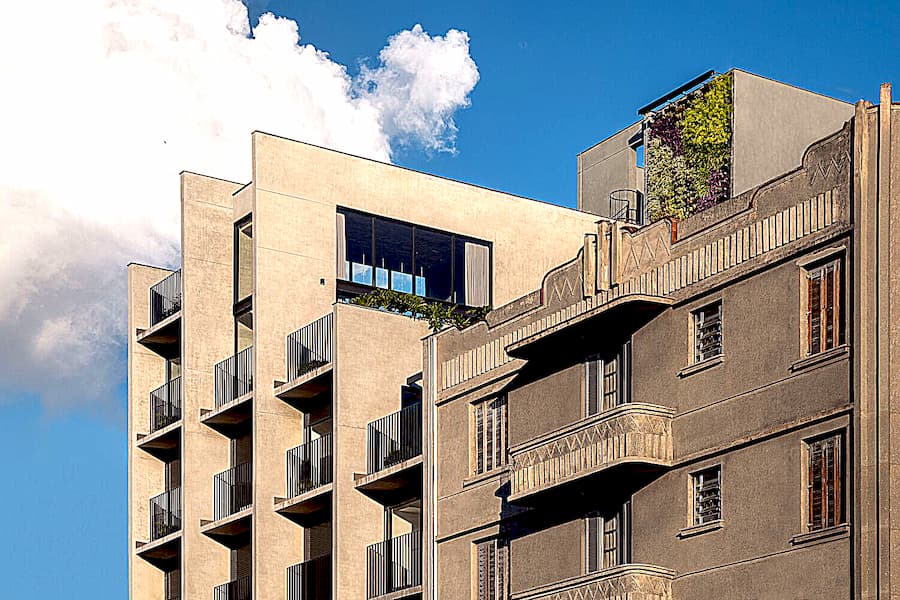
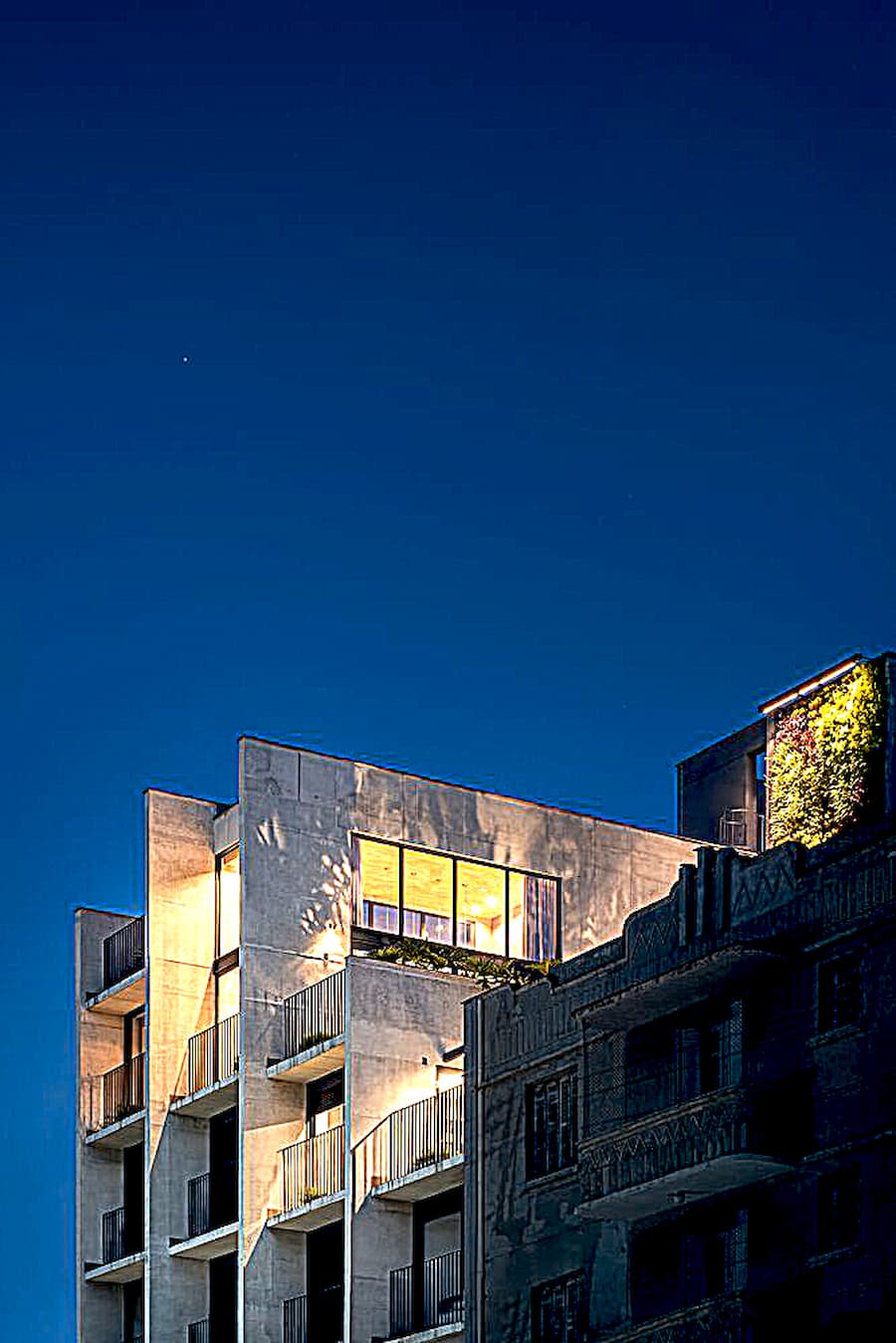
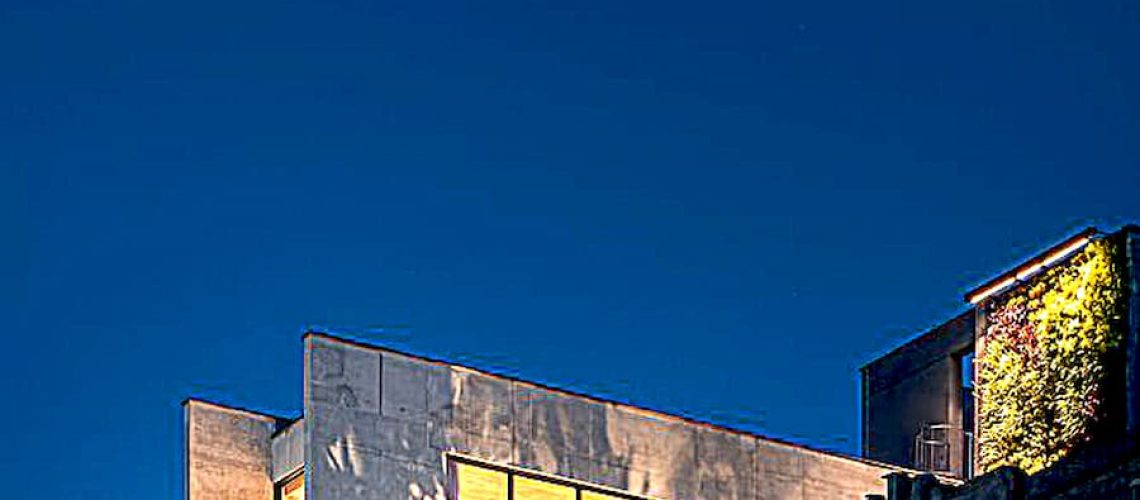
The Beat residential building in Cidade Baixa Porto Alegre featuring stepped rooftop design and contemporary architecture


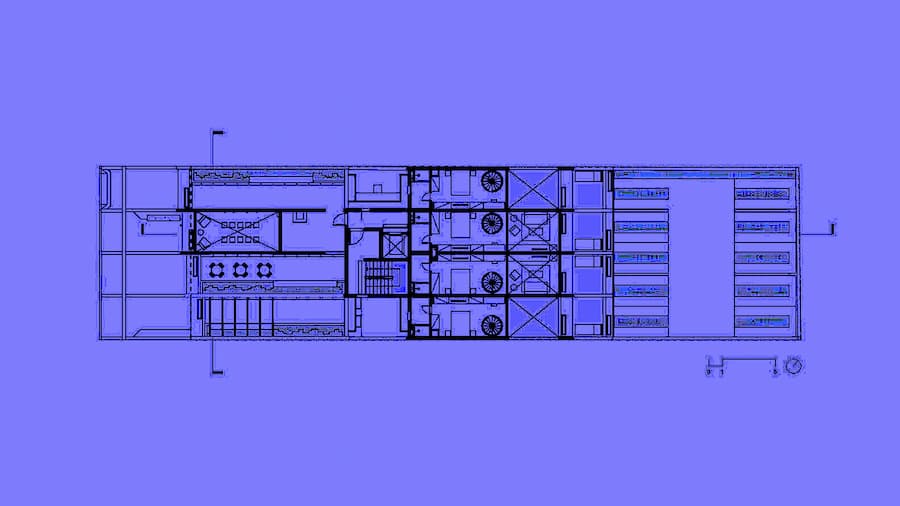
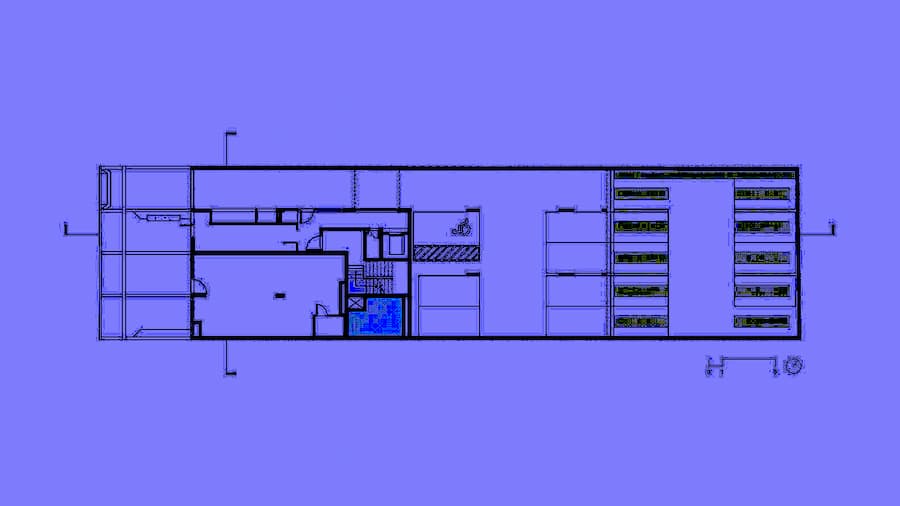
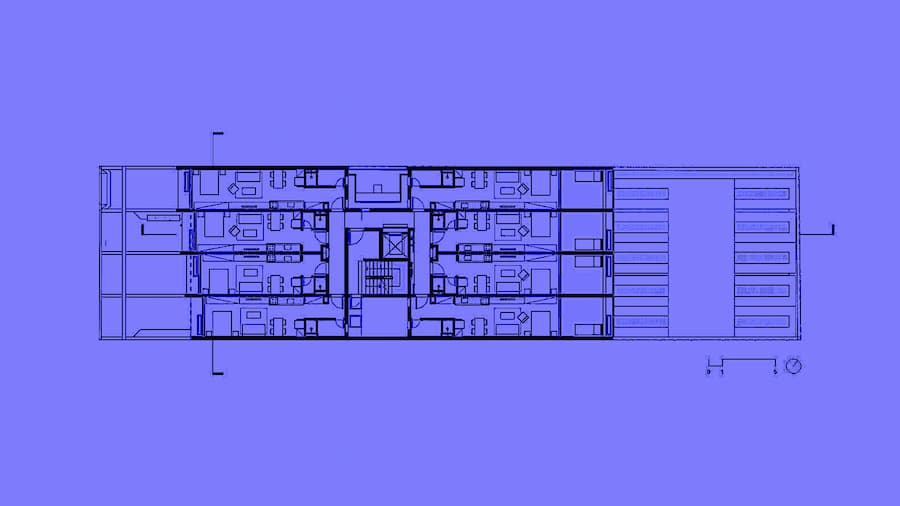
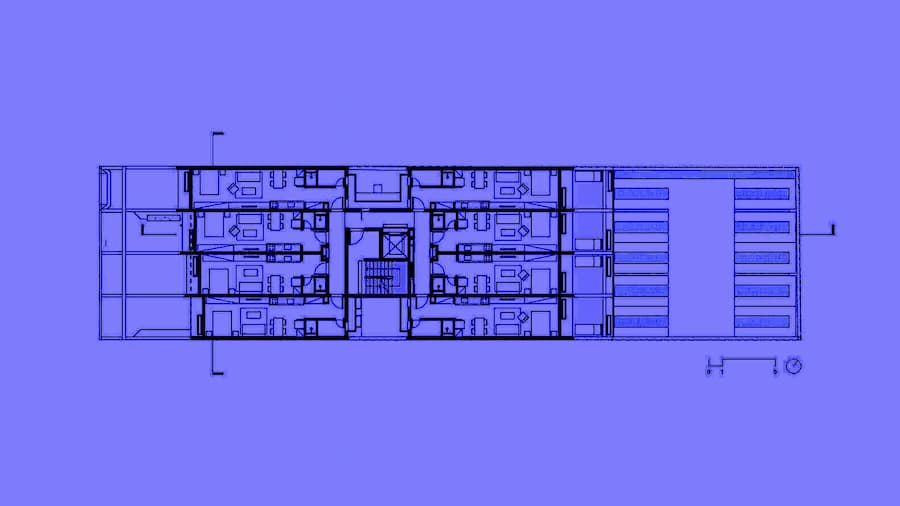
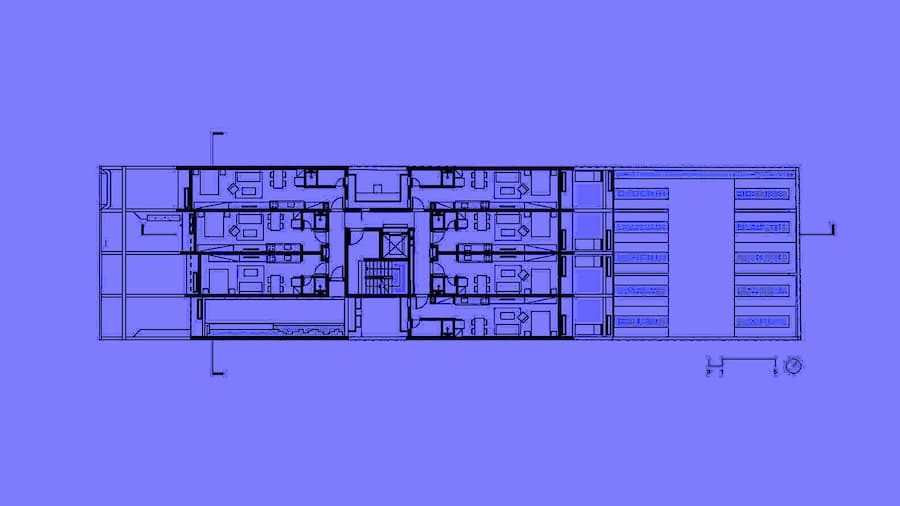
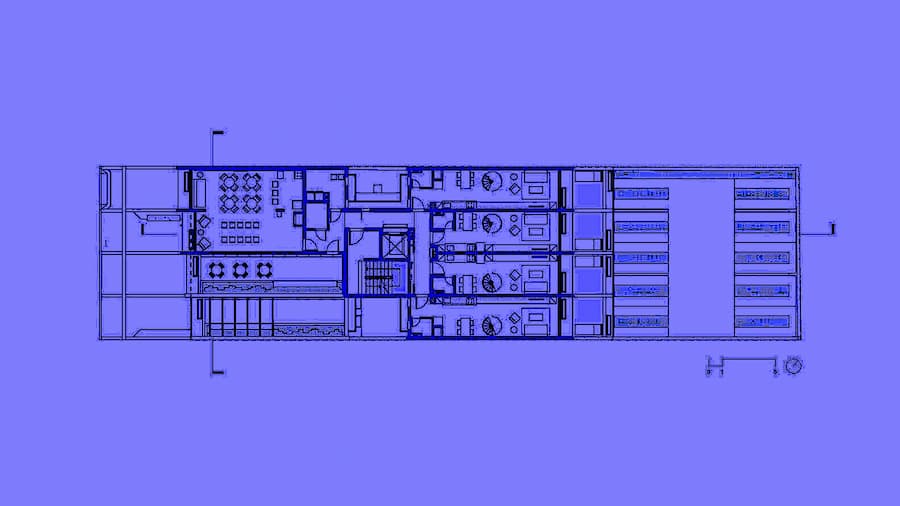
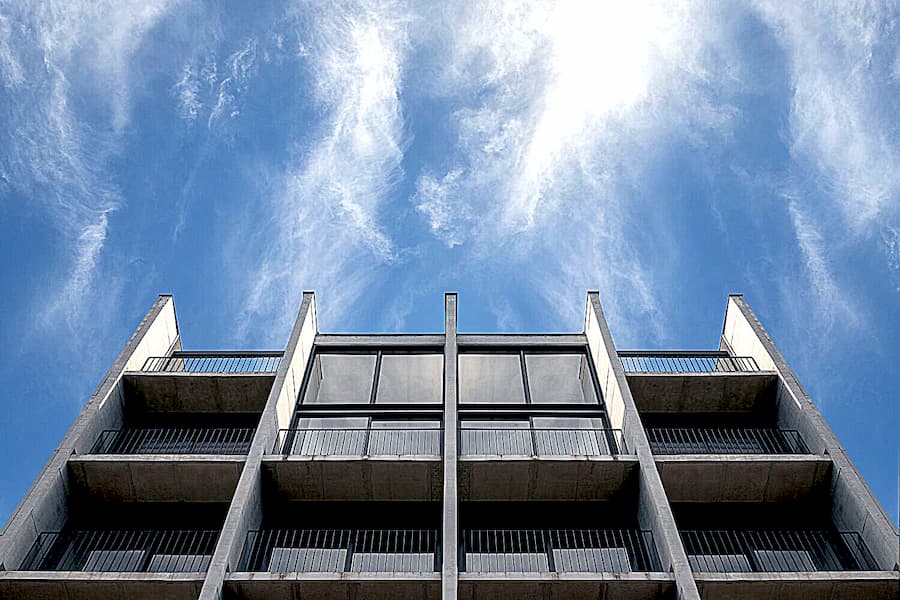
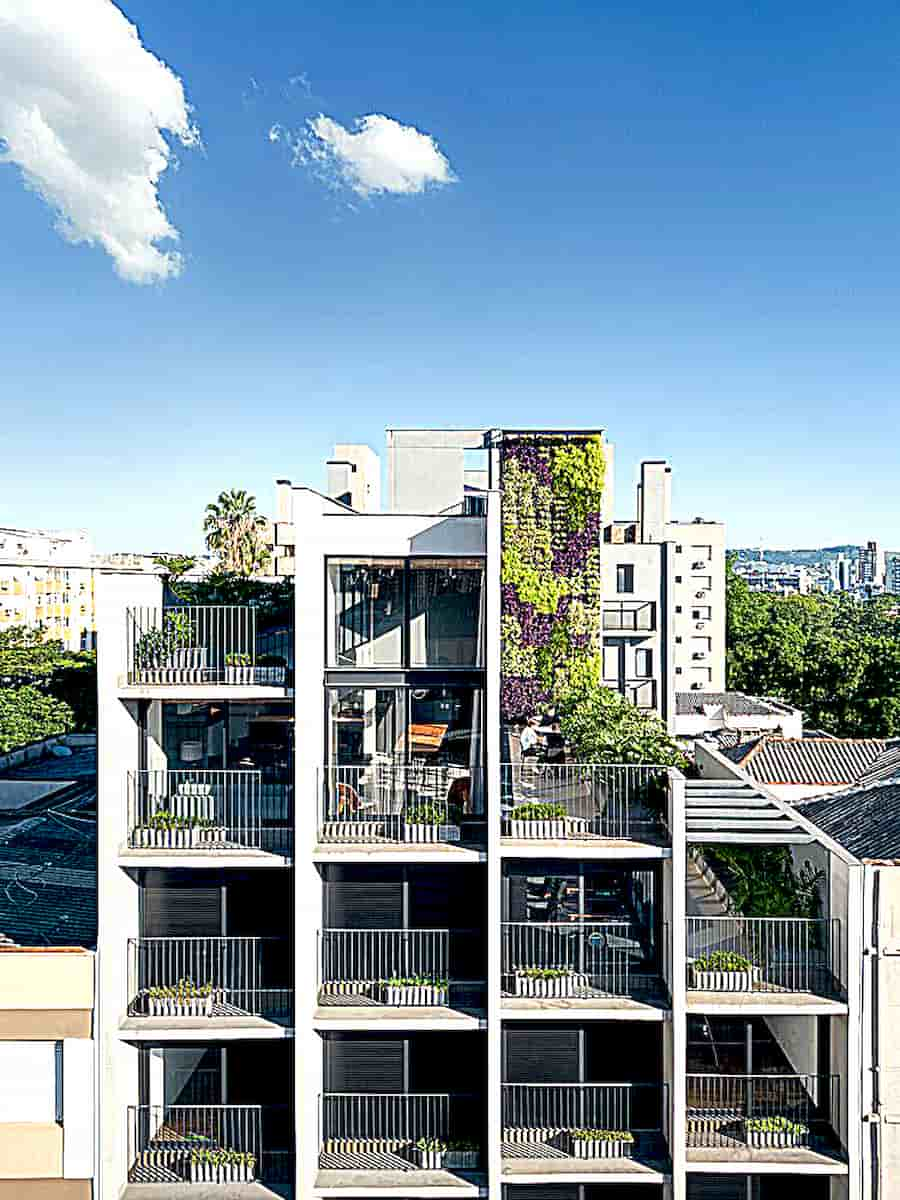
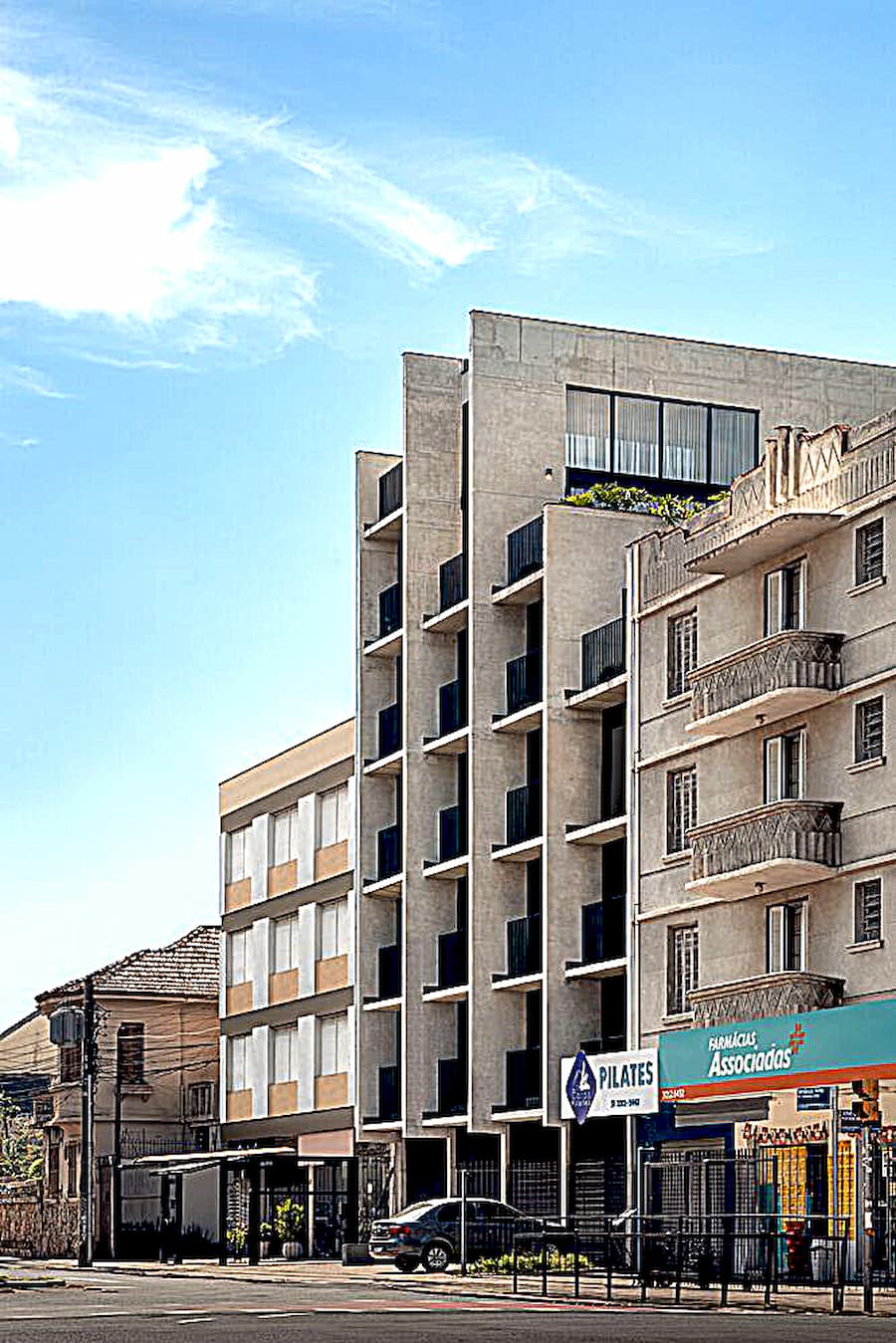
Comprising studio apartments and emphasizing a direct connection with neighboring buildings, on the facade, and a grid of guides the lateral stepping
 

The Cidade Baixa Neighborhood, One of the most Traditional and Diverse Areas in the city of Porto
All photography, styling, fotos, and pictures are shared from the Archdaily website


One of Porto Alegre’s Most Traditional and Diverse Neighborhoods

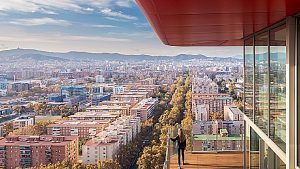
The Beat development, created by the real estate company Astir, is located in Cidade Baixa, one of the most traditional and culturally diverse neighborhoods in Porto Alegre. Renowned for its lively urban atmosphere, the district is filled with shops, cafés, bars, restaurants, and public squares that bring energy to the streets throughout the day and night.

This vibrant setting provides residents with easy access to leisure, services, and community life, making Cidade Baixa one of the city’s most desirable places to live. The project embraces the character of the neighborhood while contributing a contemporary architectural presence to its evolving urban landscape.
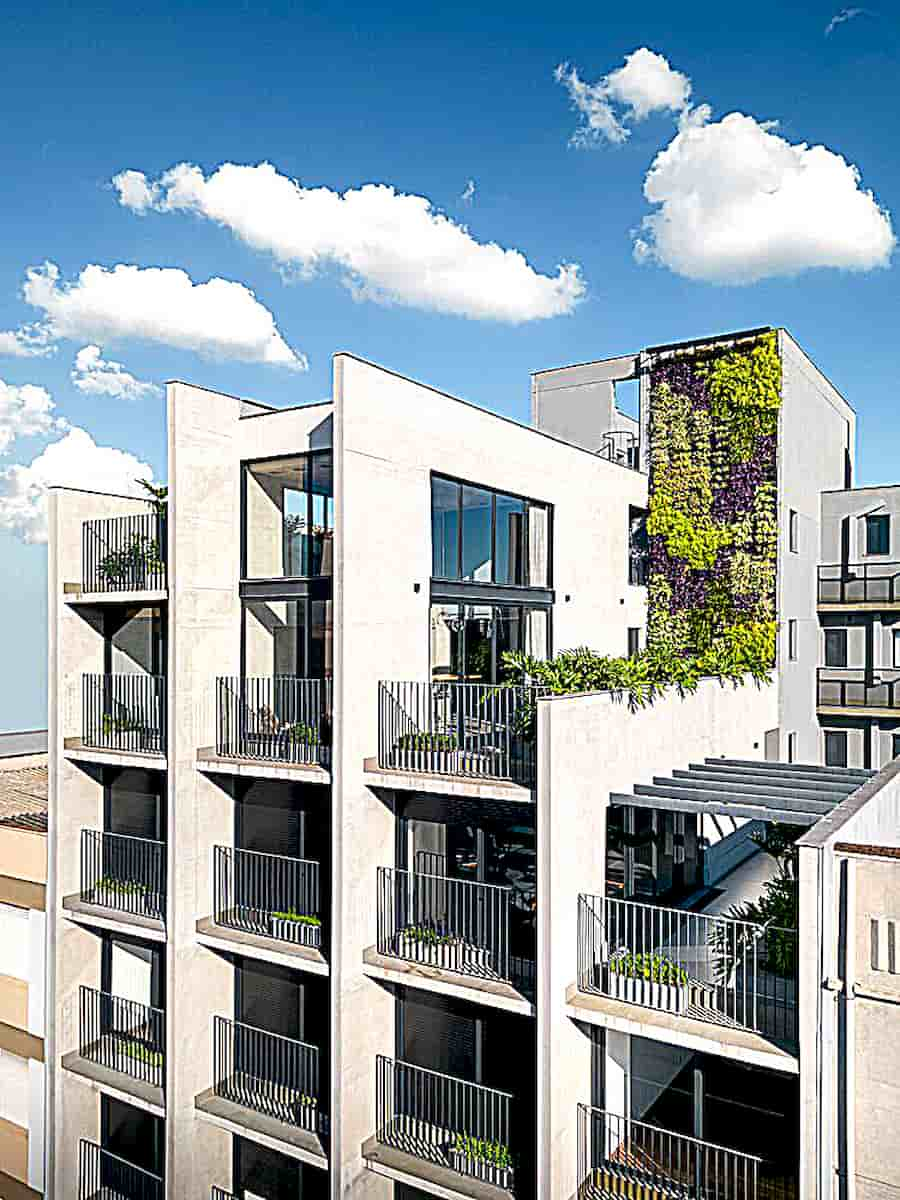
 

The Cidade Baixa Neighborhood, One of the most Traditional and Diverse Areas in the city of Porto


The Cidade Baixa Neighborhood, One of the most Traditional and Diverse Areas in the city of Porto


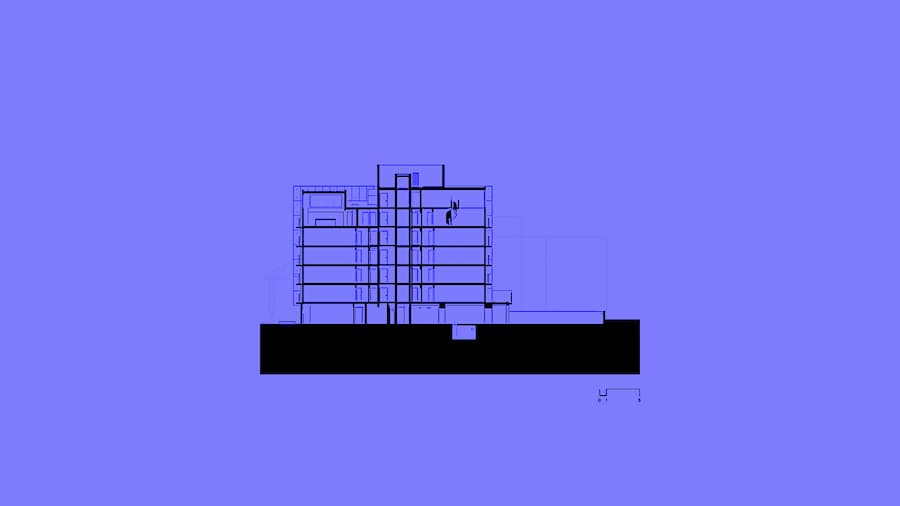
A Stepped Rooftop that Respects Historic Context

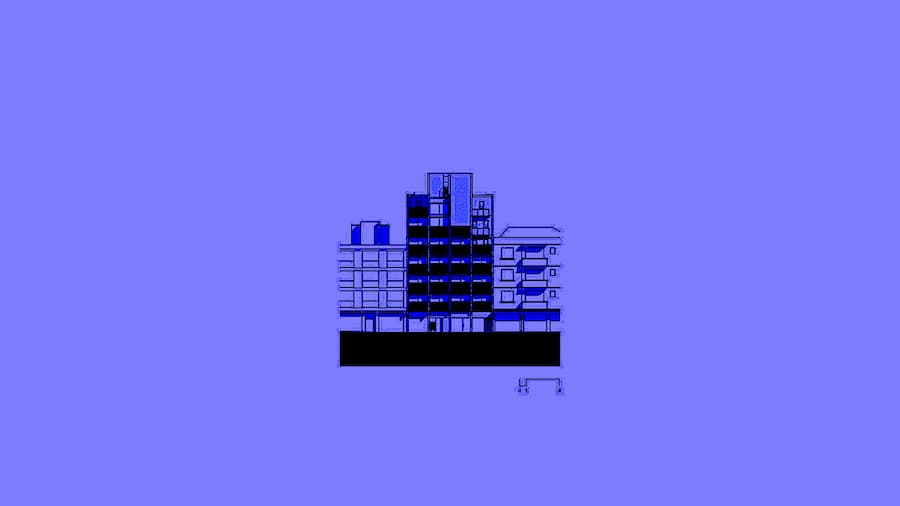
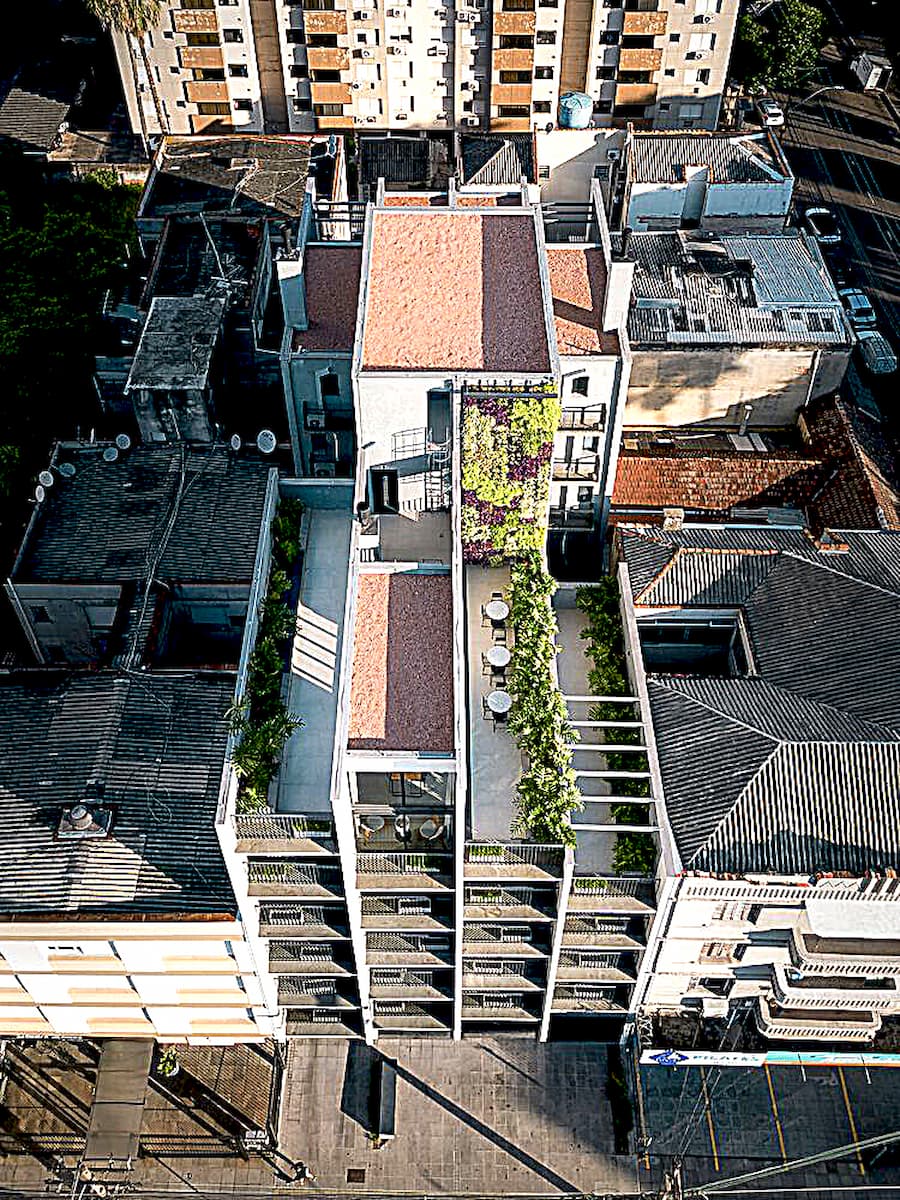
A key objective of the project was to establish a harmonious relationship between the new development and the surrounding buildings protected by the city’s historical heritage regulations. Rather than competing with its context, the design seeks a respectful balance between preservation and modernity.

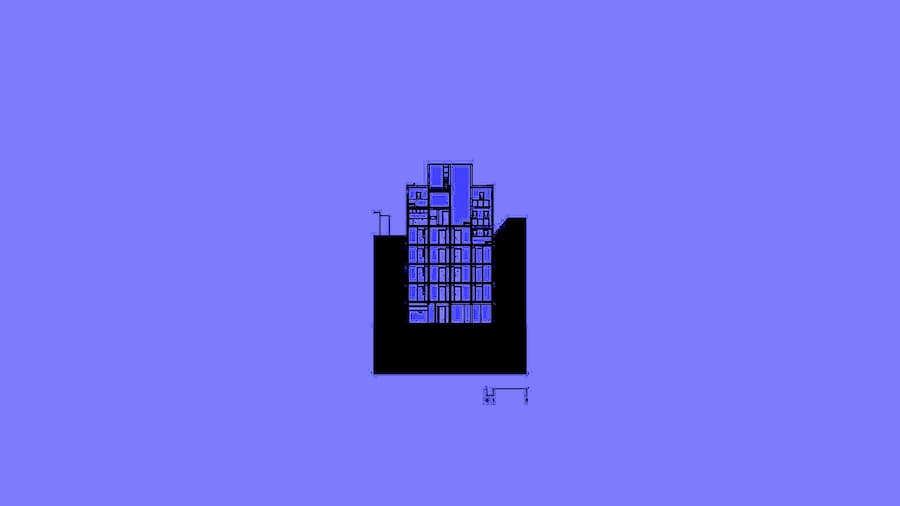
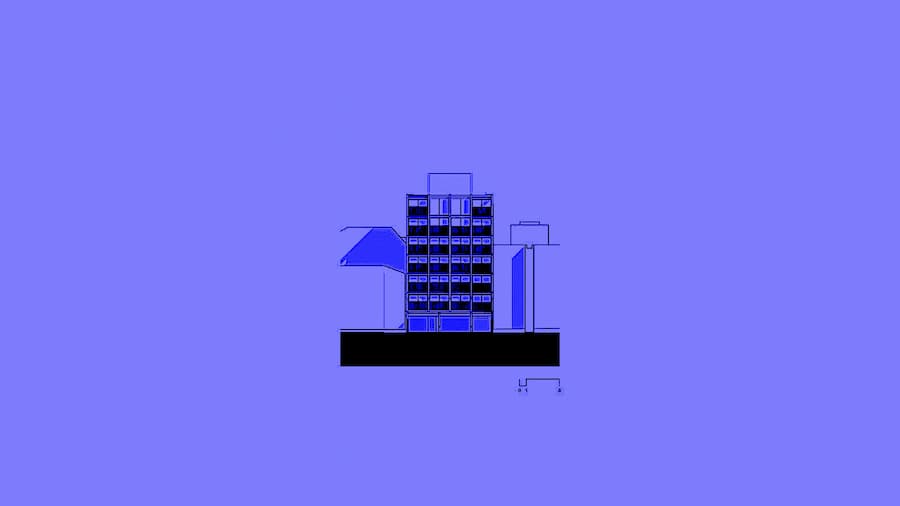
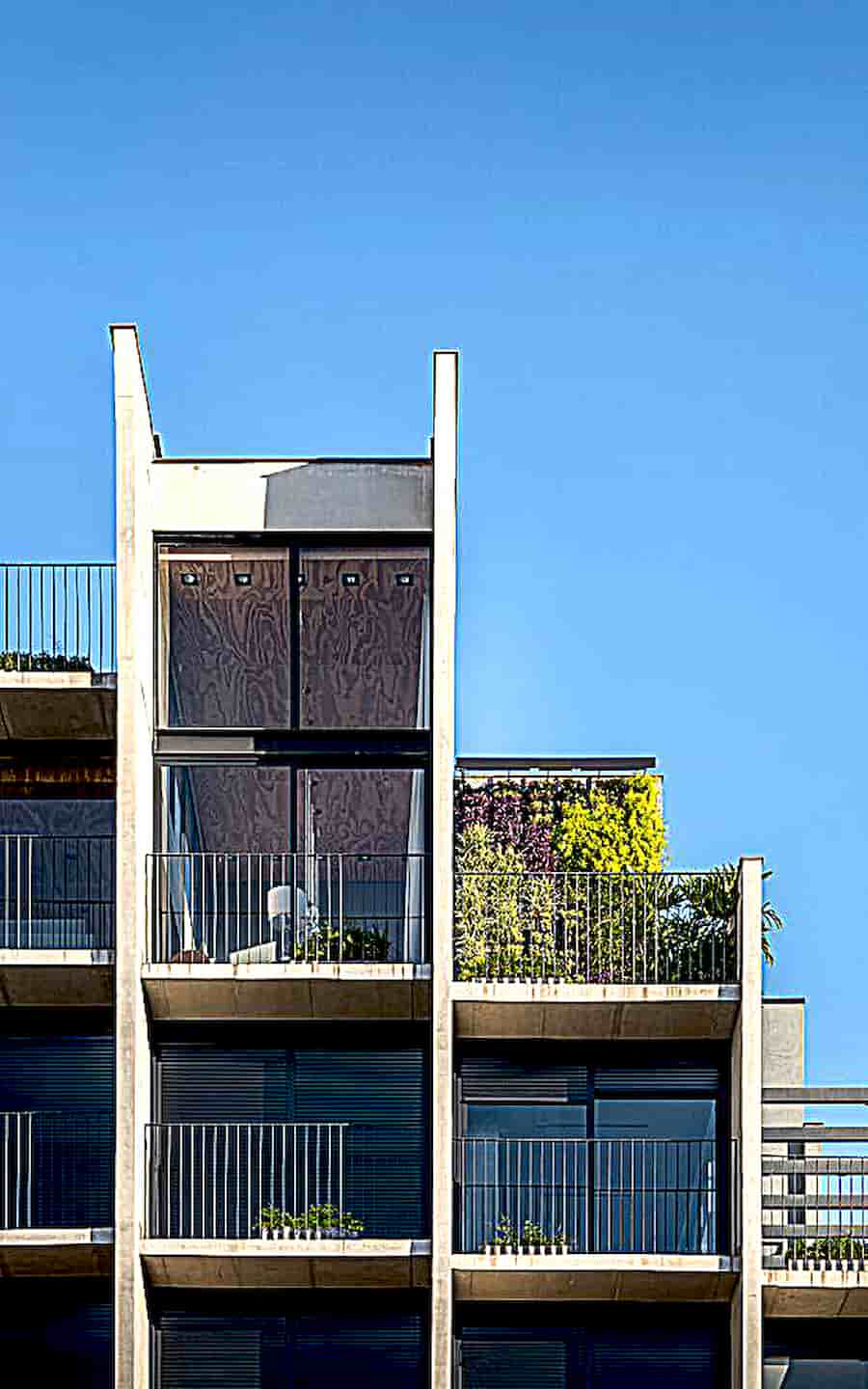
The architectural volume aligns with neighboring facades, reinforcing the continuity of the streetscape. At the same time, the building’s rooftop is carefully stepped laterally, reducing its visual impact and allowing the new structure to integrate naturally into the historic urban fabric. This thoughtful approach enables contemporary architecture to coexist with the neighborhood’s architectural legacy while maintaining a distinct and forward-looking identity.
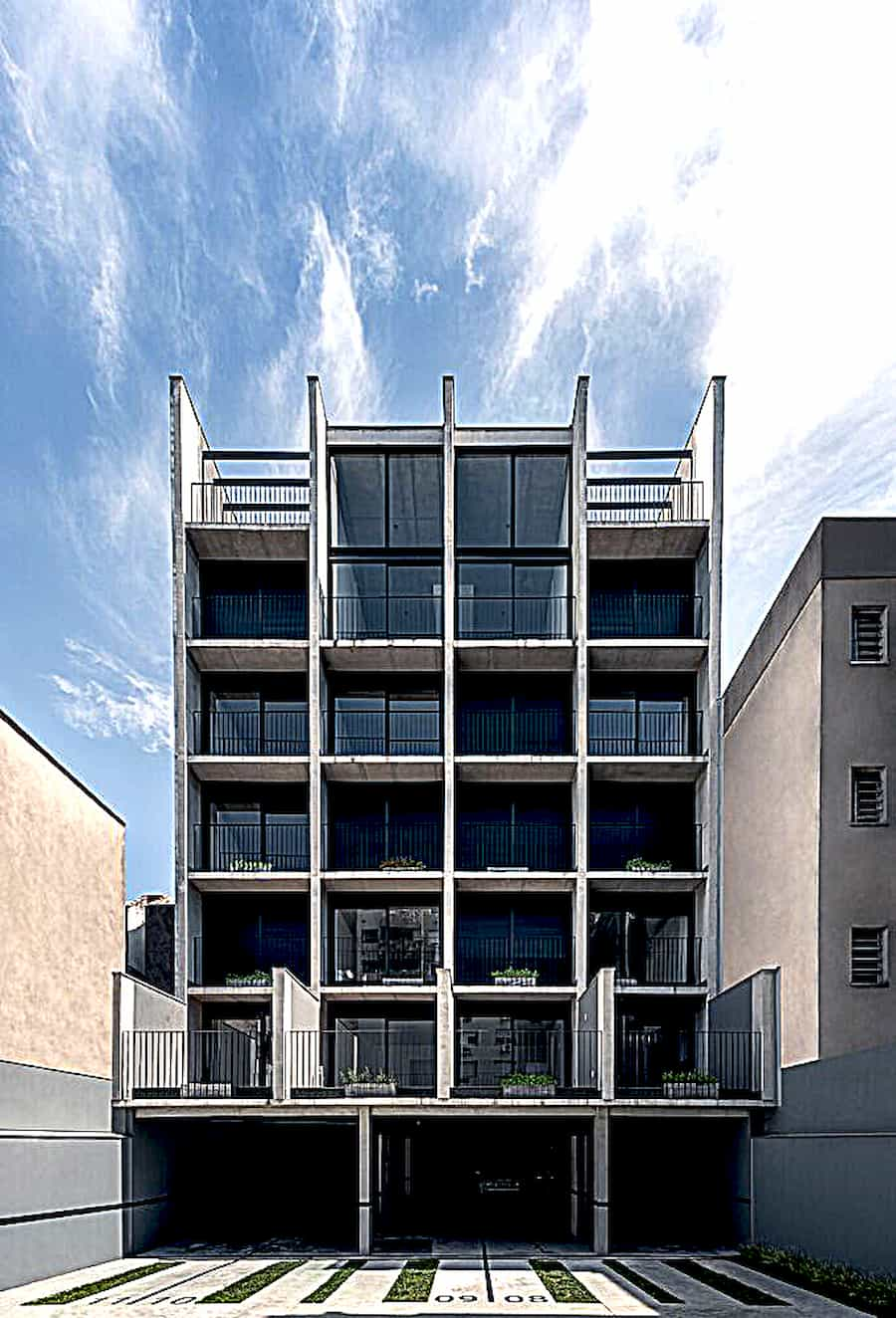
 

The Cidade Baixa Neighborhood, One of the most Traditional and Diverse Areas in the city of Porto


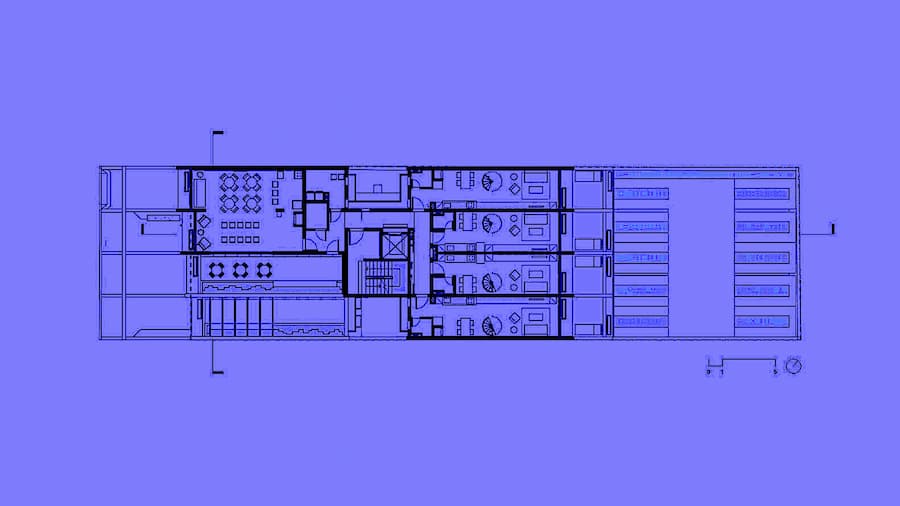
Studio Apartment Composition

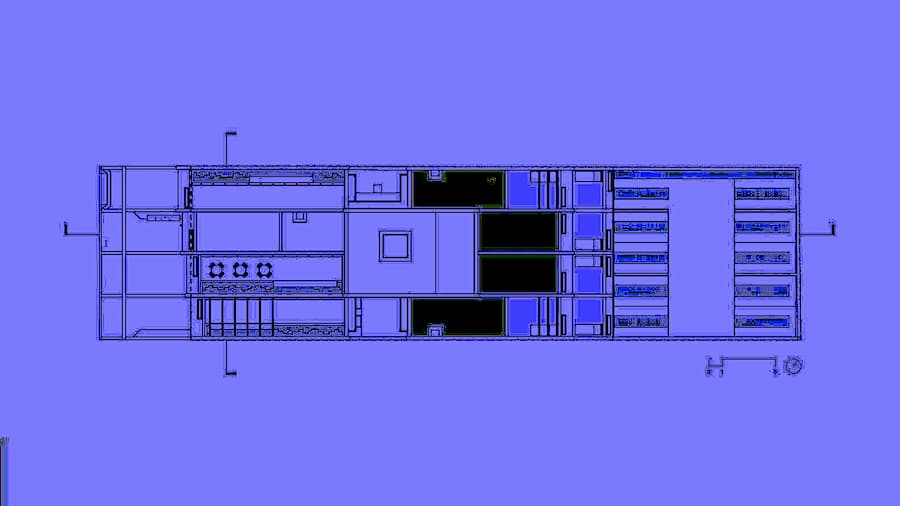
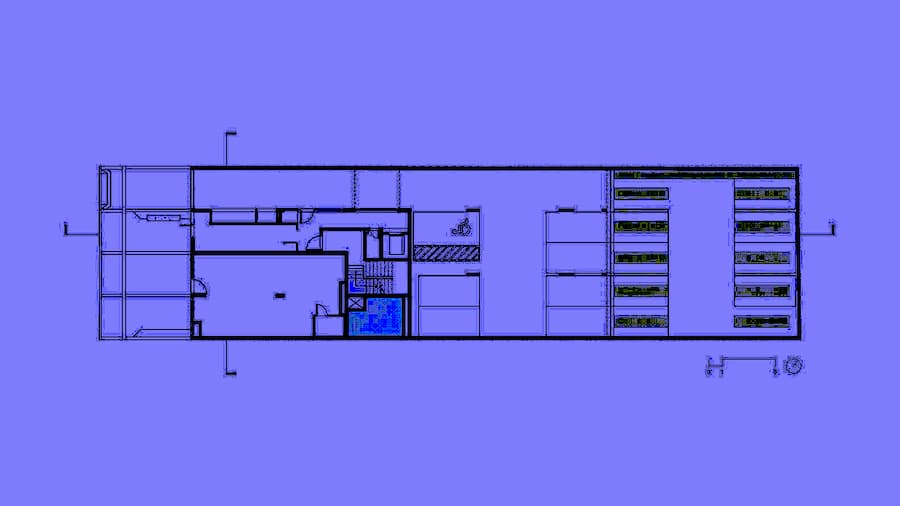
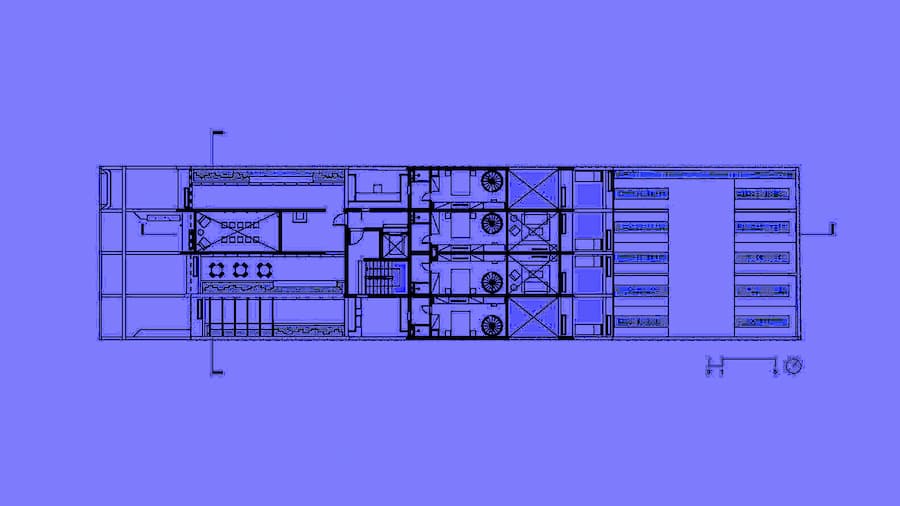
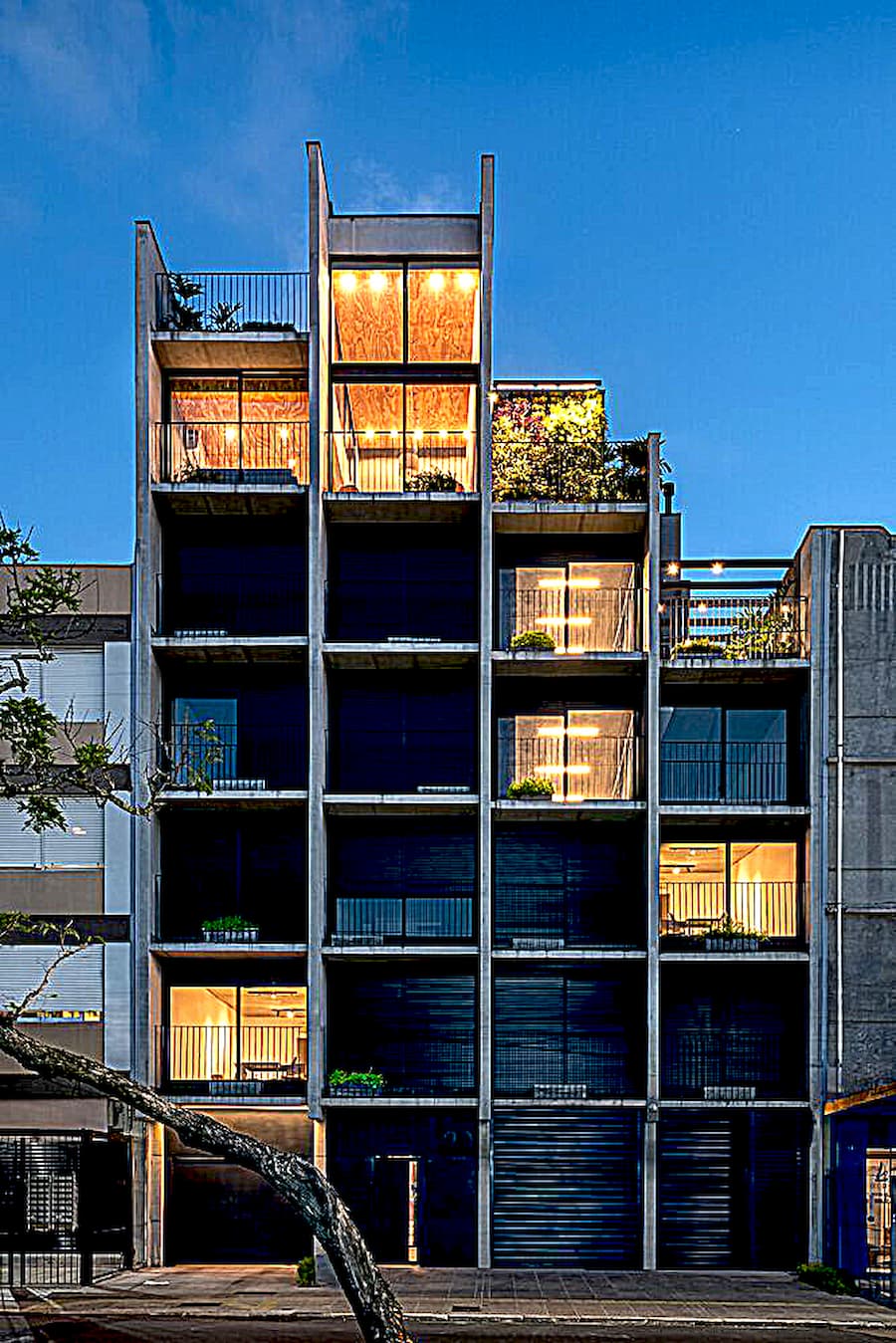
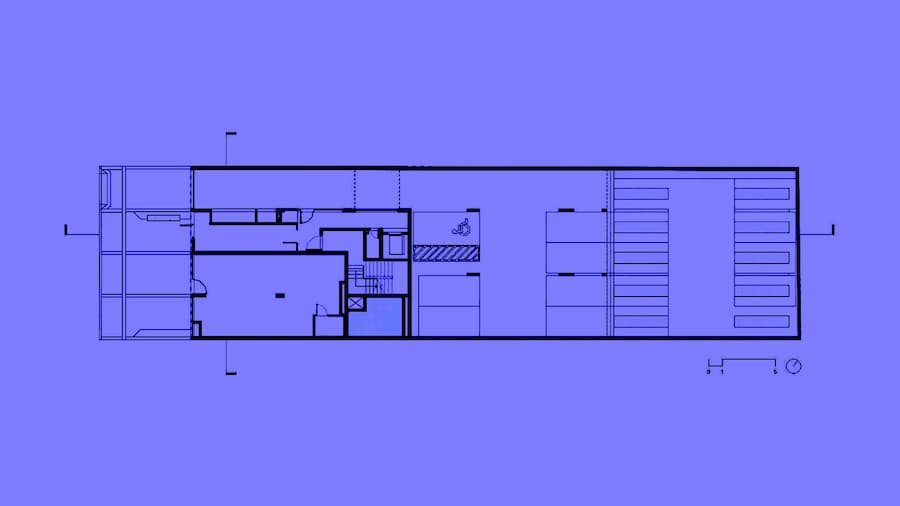
Comprising studio apartments and emphasizing a direct connection with neighboring buildings, on the facade, a grid of primary vertical and secondary horizontal planes guides the lateral stepping. Setback glazed panels form the front and rear faces of the building, fostering an open dialogue between public and private spaces.
 

The Cidade Baixa Neighborhood, One of the most Traditional and Diverse Areas in the city of Porto


The Cidade Baixa Neighborhood, One of the most Traditional and Diverse Areas in the city of Porto


The Cidade Baixa Neighborhood, One of the most Traditional and Diverse Areas in the city of Porto


The Cidade Baixa Neighborhood, One of the most Traditional and Diverse Areas in the city of Porto


The Cidade Baixa Neighborhood, One of the most Traditional and Diverse Areas in the city of Porto


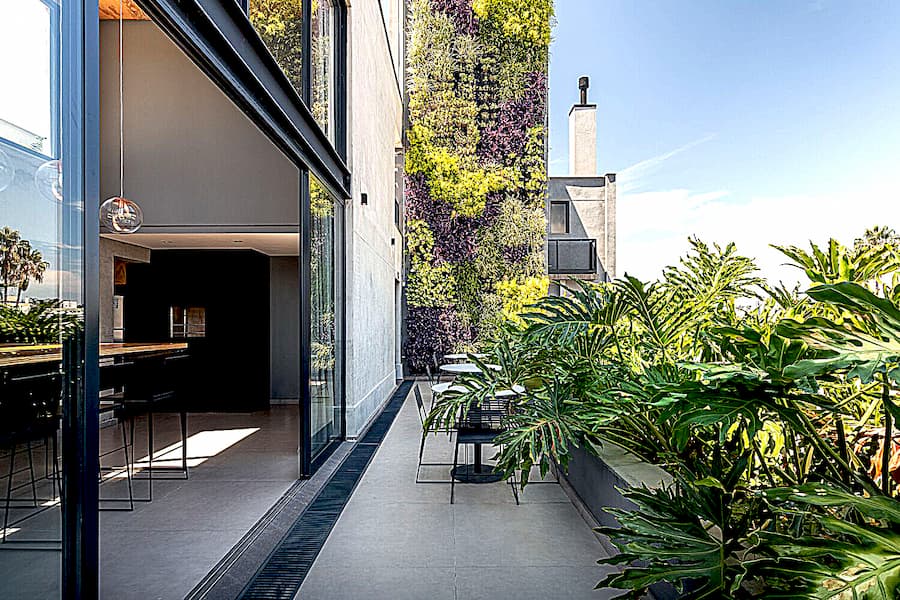
Terraces, are dedicated to the condominium areas

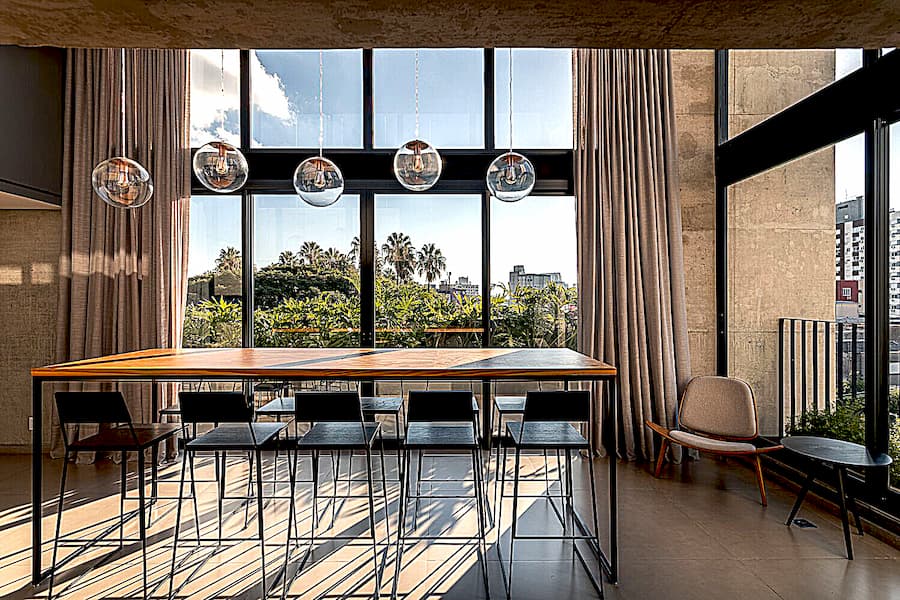
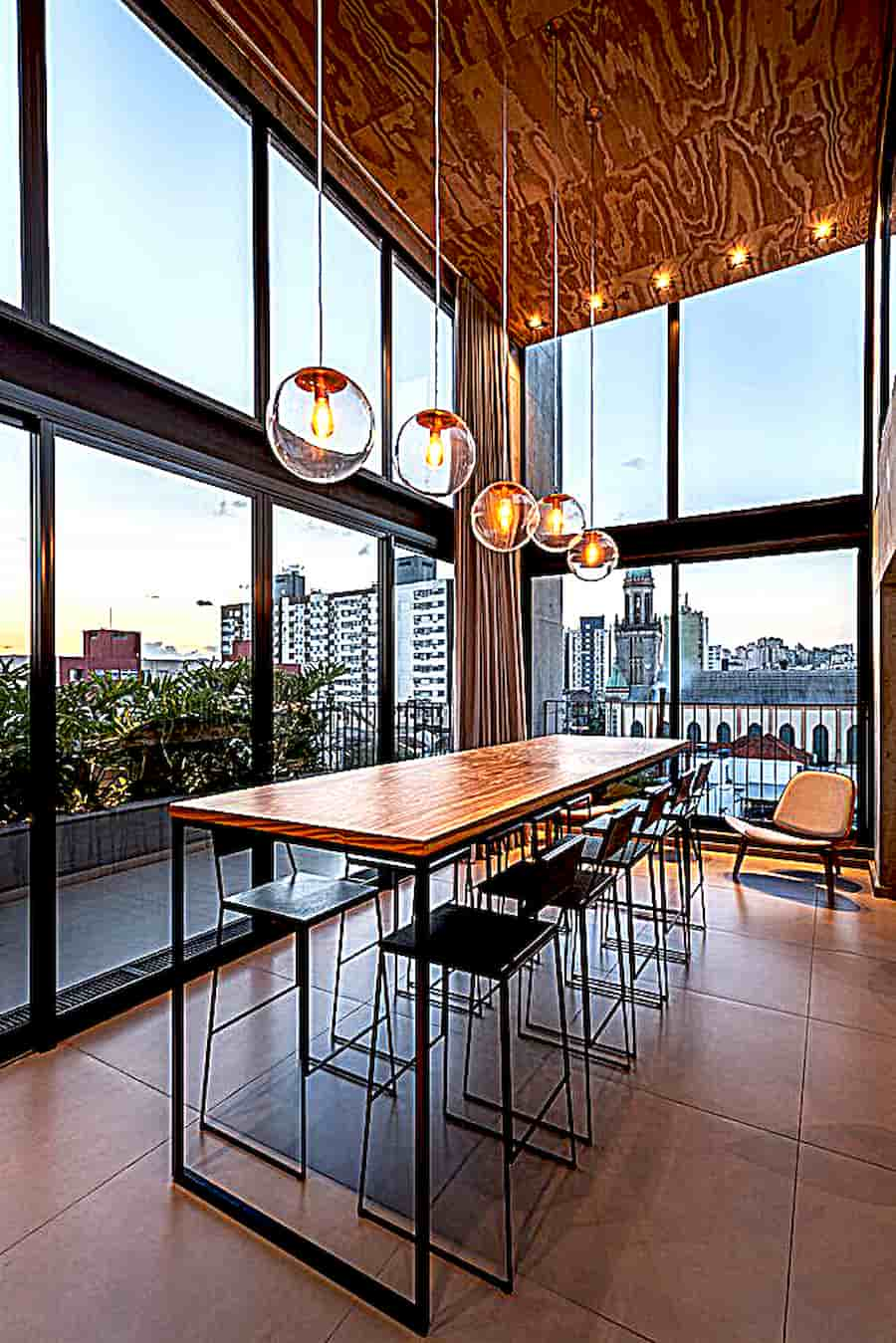
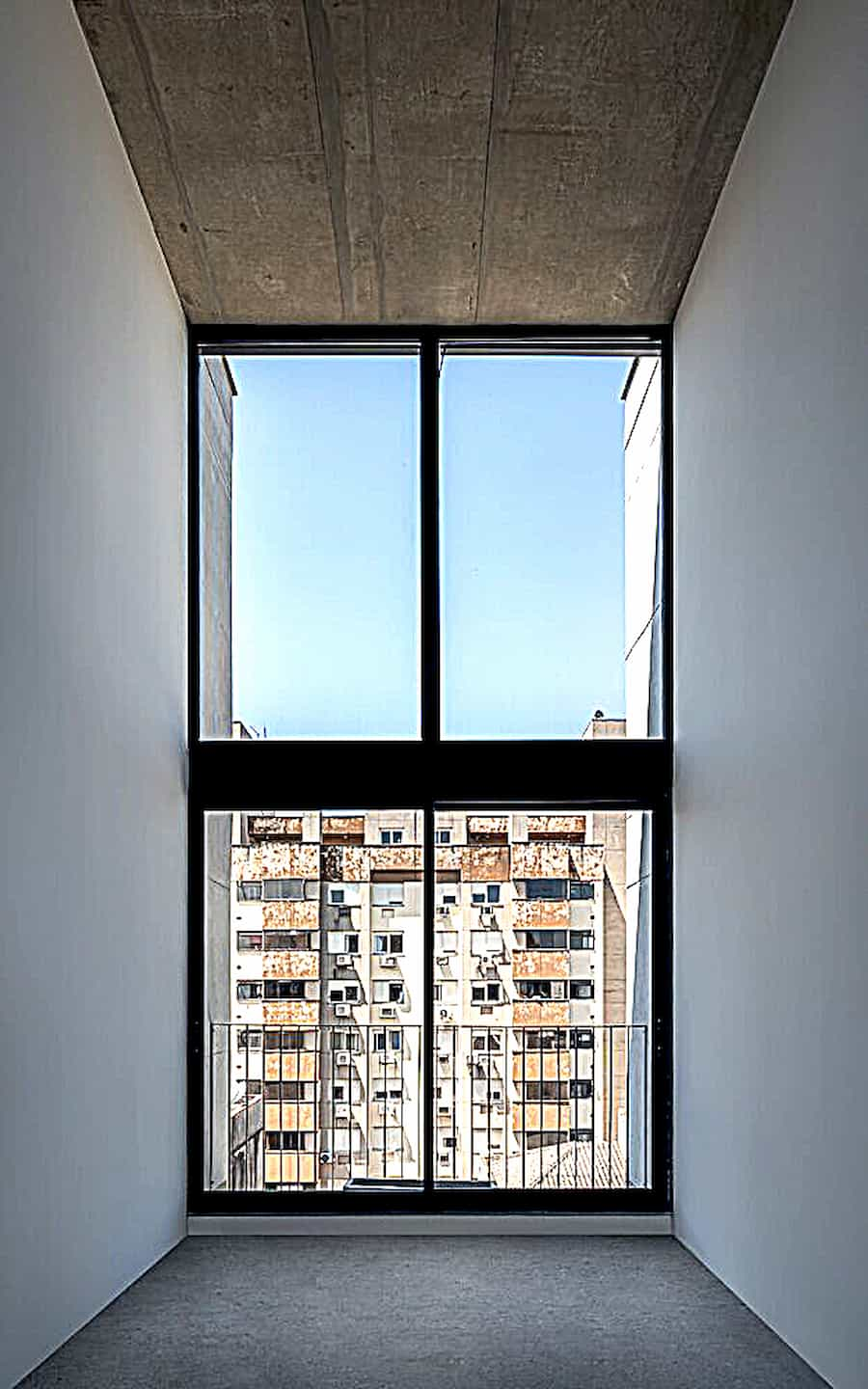
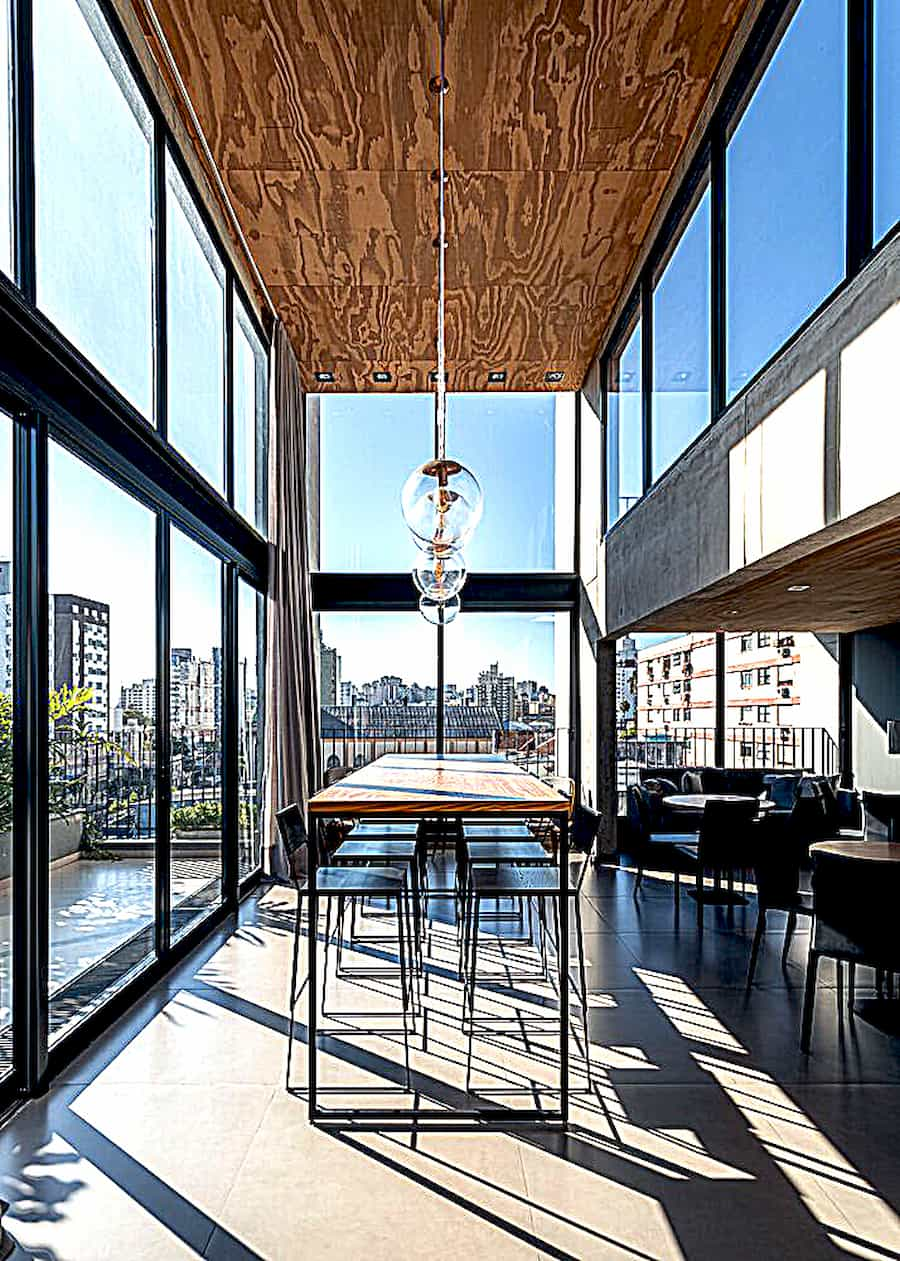
Terraces, resulting from the volumetric adjustments, are dedicated to the condominium areas. These terraces stand out not only for their privileged views but also for crowning the project. The double-height ceiling in the event hall facilitates visual connections with the outdoor areas, giving prominence to this space.
 

The Cidade Baixa Neighborhood, One of the most Traditional and Diverse Areas in the city of Porto


Its Brutalist Character

The use of exposed concrete, prevalent in this work, was chosen for its neutrality in relation to the historical context and its lack of ornamentation. Its brutalist character serves as the project’s defining feature, creating a distinctive identity for the development.
 

The Cidade Baixa Neighborhood, One of the most Traditional and Diverse Areas in the city of Porto


The Cidade Baixa Neighborhood, One of the most Traditional and Diverse Areas in the city of Porto


The Cidade Baixa Neighborhood, One of the most Traditional and Diverse Areas in the city of Porto


The Cidade Baixa Neighborhood, One of the most Traditional and Diverse Areas in the city of Porto


The Cidade Baixa Neighborhood, One of the most Traditional and Diverse Areas in the city of Porto


The Cidade Baixa Neighborhood, One of the most Traditional and Diverse Areas in the city of Porto


The Cidade Baixa Neighborhood, One of the most Traditional and Diverse Areas in the city of Porto


The Cidade Baixa Neighborhood, One of the most Traditional and Diverse Areas in the city of Porto


The Cidade Baixa Neighborhood, One of the most Traditional and Diverse Areas in the city of Porto


The Cidade Baixa Neighborhood, One of the most Traditional and Diverse Areas in the city of Porto


The Cidade Baixa Neighborhood, One of the most Traditional and Diverse Areas in the city of Porto


The Cidade Baixa Neighborhood, One of the most Traditional and Diverse Areas in the city of Porto


The Cidade Baixa Neighborhood, One of the most Traditional and Diverse Areas in the city of Porto


The Cidade Baixa Neighborhood, One of the most Traditional and Diverse Areas in the city of Porto


The Cidade Baixa Neighborhood, One of the most Traditional and Diverse Areas in the city of Porto


The Cidade Baixa Neighborhood, One of the most Traditional and Diverse Areas in the city of Porto


The Cidade Baixa Neighborhood, One of the most Traditional and Diverse Areas in the city of Porto


The Cidade Baixa Neighborhood, One of the most Traditional and Diverse Areas in the city of Porto


The Cidade Baixa Neighborhood, One of the most Traditional and Diverse Areas in the city of Porto


The Cidade Baixa Neighborhood, One of the most Traditional and Diverse Areas in the city of Porto


The Cidade Baixa Neighborhood, One of the most Traditional and Diverse Areas in the city of Porto


The Cidade Baixa Neighborhood, One of the most Traditional and Diverse Areas in the city of Porto


The Cidade Baixa Neighborhood, One of the most Traditional and Diverse Areas in the city of Porto

Khudi Bari:應對氣候變遷的建築

Khudi Bari 在孟加拉三角洲重塑氣候韌性居住

在高度脆弱的三角洲地景中,Khudi Bari 將住宅重新定義為一種可移動的韌性系統,使建築不再對抗自然,而是與水共生,回應氣候遷徙下的居住尊嚴。   在這些危機四伏的地區,建造房屋已成為一種韌性的體現。應對氣候變遷的建築它代表了一種賦能而非強加的建築形式。氣候移民的緊迫現實在應對氣候變遷導致的頻繁搬遷:建造一座能夠隨著河流漂移而移動的房屋。移動性,將其視為易受洪水侵襲地區住房的基本需求。與水共生,擴大規模,倫理語言,作為應對氣候移民設計方案的一部分。 在孟加拉的低窪三角洲,水既是生命之源,也是災難的根源。每年,洪水沖毀了數百萬人的家園、農作物和生計,迫使他們重建家園。在這些危機四伏的地區,在孟加拉的低窪三角洲,水既是生命之源,也是災難的根源。每年,洪水沖毀了數百萬人的家園、農作物和生計,迫使他們重建家園。在這些危機四伏的地區,建造房屋已成為一種韌性的體現,使建築必須重新思考其與環境之間的關係,成為回應 <a href=“/tag/architecture-and-landscape/”>Architecture and Landscape</a> 的一種必要實踐。正是在這樣的背景下,Khudi Bari以其樸素而又意義深遠的方案脫穎而出。 對瑪麗娜·塔巴蘇姆而言,建築與環境密不可分。她的作品長期以來一直關注物質智慧、精神性和社會責任的交會點。繼廣受讚譽的拜特·烏爾·魯夫清真寺(Bait Ur Rouf Mosque)之後(她憑藉此項目於2016年首次榮獲阿迦汗獎),塔巴蘇姆將目光轉向了氣候移民的緊迫現實。最終呈現的項目重新定義了「為生存和尊嚴而設計」的意義,提供了一套可供社區適應、複製和擁有的系統。 Khudi Bari的設計概念根植於三角洲的韻律,旨在應對氣候變遷導致的頻繁搬遷:建造一座能夠隨著河流漂移而移動的房屋。傳統的解決方案——永久地基、進口材料、集中配送——在這種環境下難以發揮作用。輕盈、快速組裝和在地化生產是Khudi Bari設計的核心。該項目重新定義了房屋的移動性,將其視為易受洪水侵襲地區住房的基本需求。   為所有人設計:探索建築中的同理心、包容性、無障礙性和空間公平性   ▏與水共生 在孟加拉的沖積平原上,土地與水流不斷交匯,彼此的邊界也隨之改變。河流擴張、侵蝕、重塑地形,迫使整個社區每個季節都必須重建家園。在這樣的環境下,在孟加拉的沖積平原上,土地與水流不斷交匯,彼此的邊界也隨之改變。河流擴張、侵蝕、重塑地形,迫使整個社區每個季節都必須重建家園。在這樣的環境下,建築不能依賴永恆,而必須適應不穩定,將居住形式視為與 Architecture

Facebook
Twitter
LinkedIn
Tumblr
0 0 votes
Article Rating
Subscribe
Notify of
guest
0 Comments
Oldest
Newest Most Voted
Search