Designing Within Cidade Baixa, One of Porto Alegre’s Most Vibrant Historic Districts

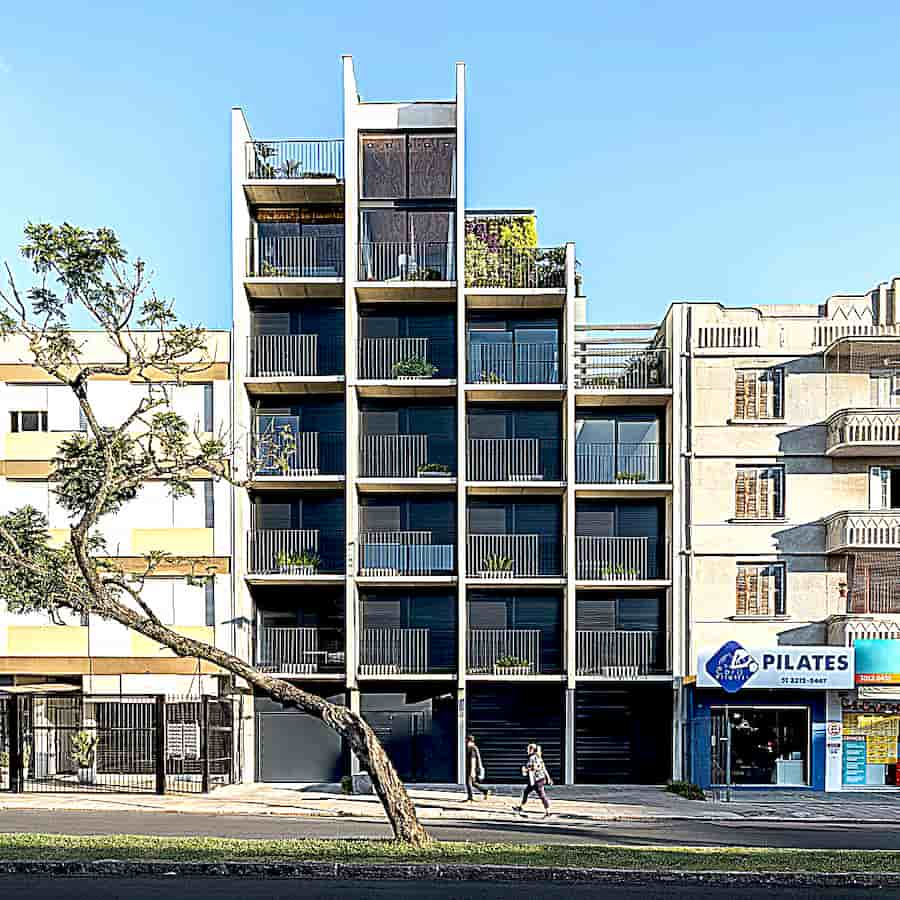
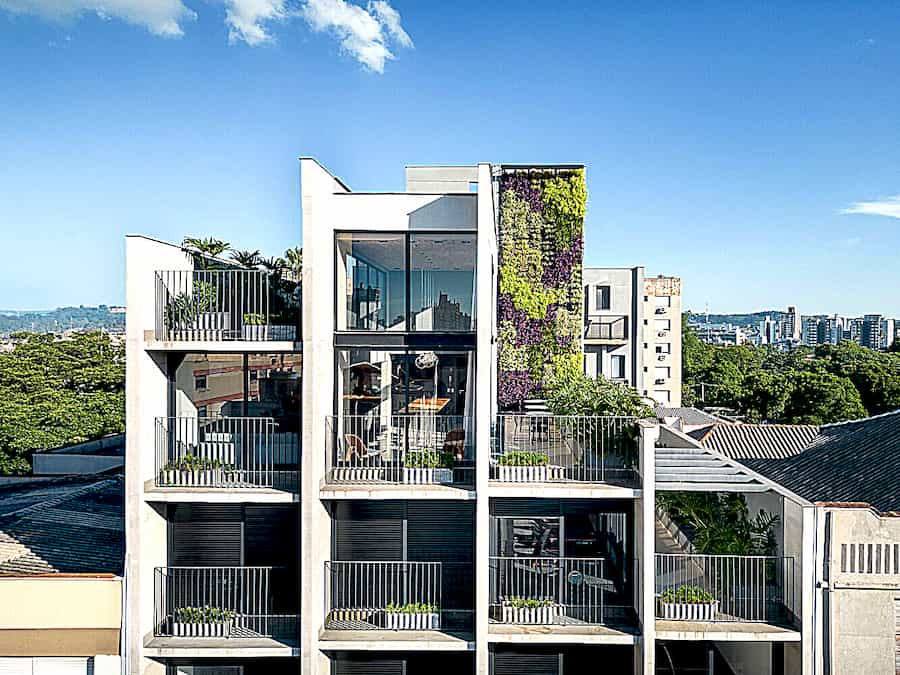
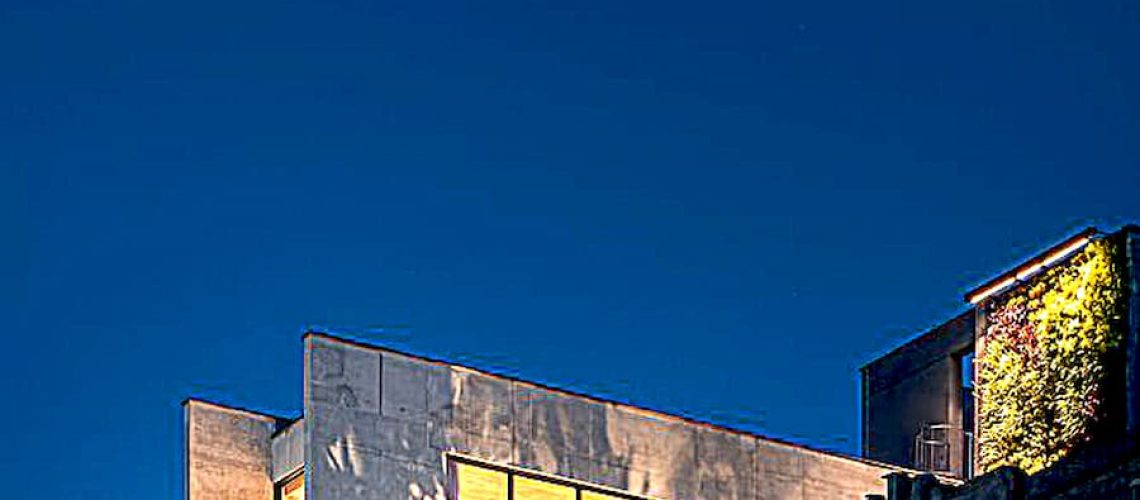
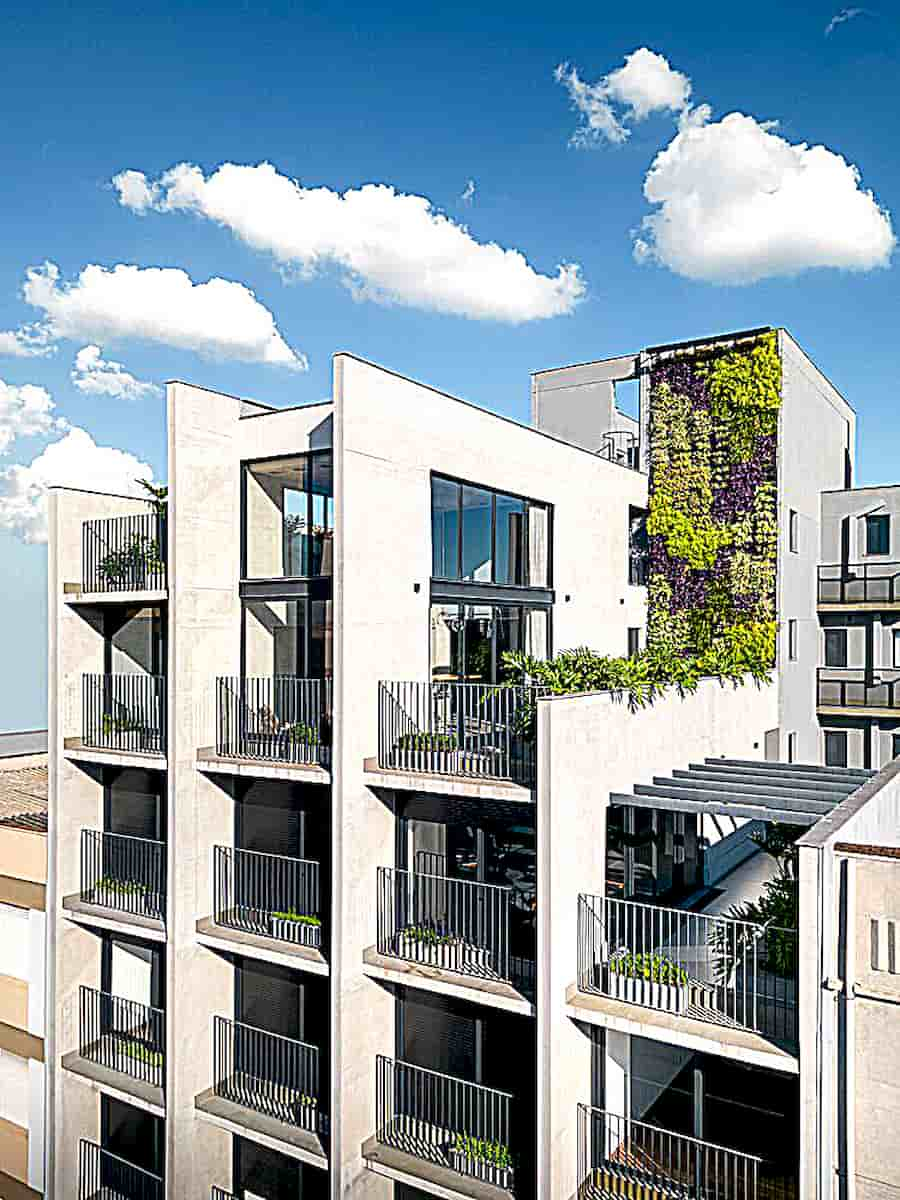
The Beat residential building in Cidade Baixa Porto Alegre featuring stepped rooftop design and contemporary architecture


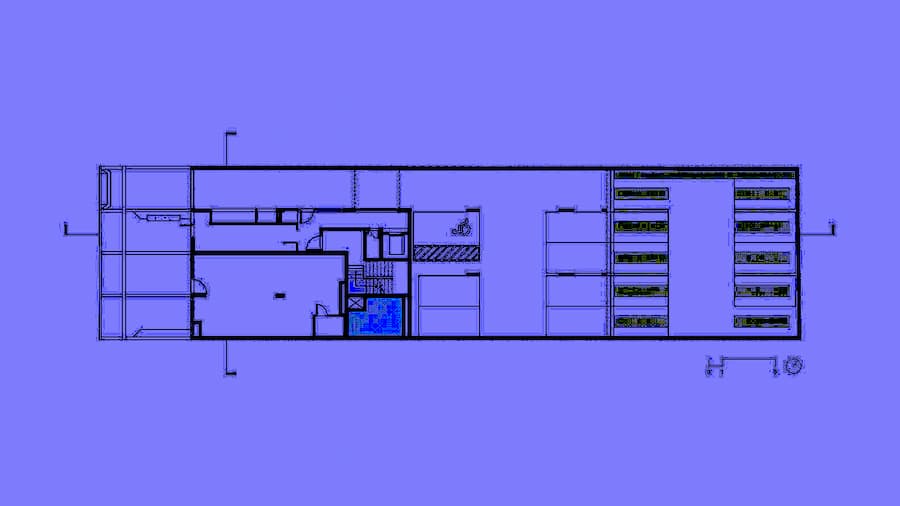
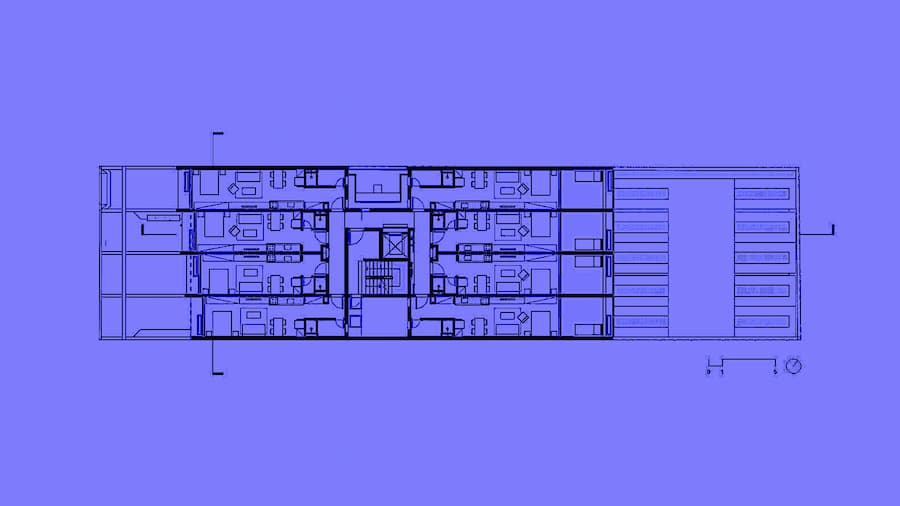
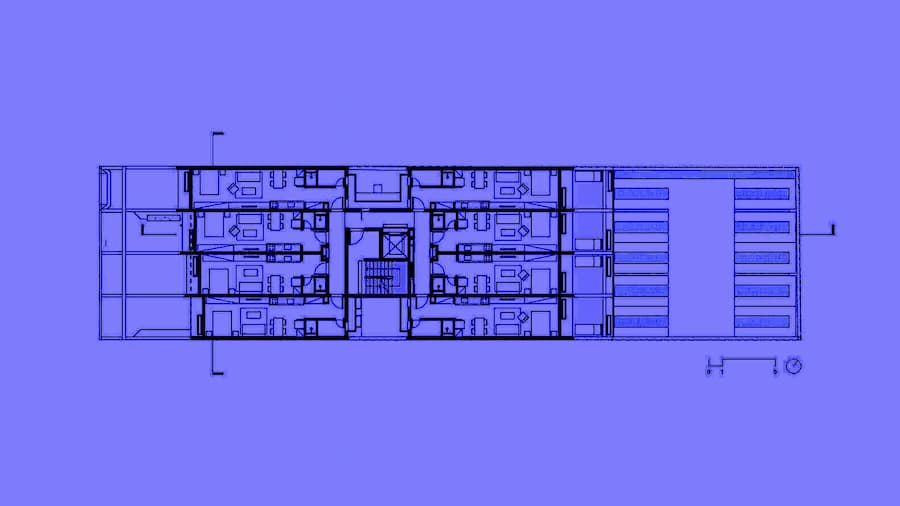
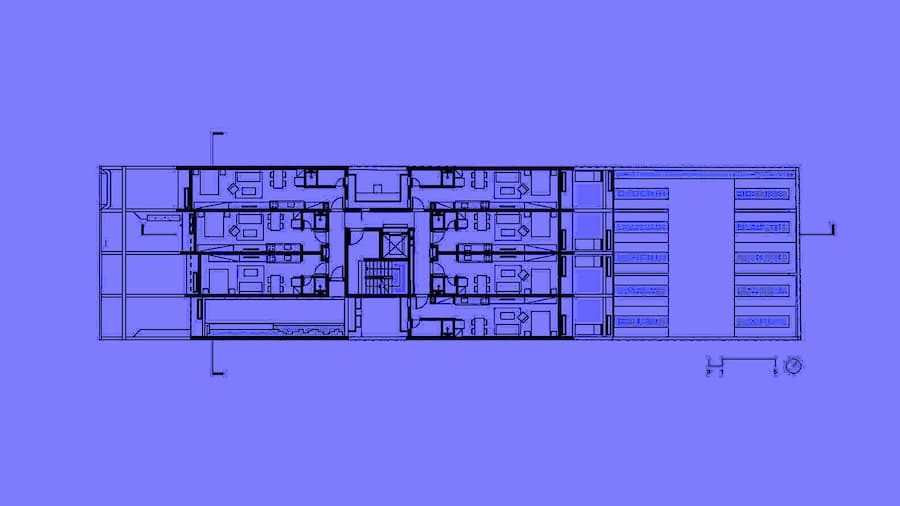
Comprising studio apartments and emphasizing a direct connection with neighboring buildings, on the facade, and a grid of guides the lateral stepping
 

The Cidade Baixa Neighborhood, One of the most Traditional and Diverse Areas in the city of Porto
All photography, styling, fotos, and pictures are shared from the Archdaily website


One of Porto Alegre’s Most Traditional and Diverse Neighborhoods

The Beat development, created by the real estate company Astir, is located in Cidade Baixa, one of the most traditional and culturally diverse neighborhoods in Porto Alegre. Renowned for its lively urban atmosphere, the district is filled with shops, cafés, bars, restaurants, and public squares that bring energy to the streets throughout the day and night.

This vibrant setting provides residents with easy access to leisure, services, and community life, making Cidade Baixa one of the city’s most desirable places to live. The project embraces the character of the neighborhood while contributing a contemporary architectural presence to its evolving urban landscape.
 

The Cidade Baixa Neighborhood, One of the most Traditional and Diverse Areas in the city of Porto


The Cidade Baixa Neighborhood, One of the most Traditional and Diverse Areas in the city of Porto


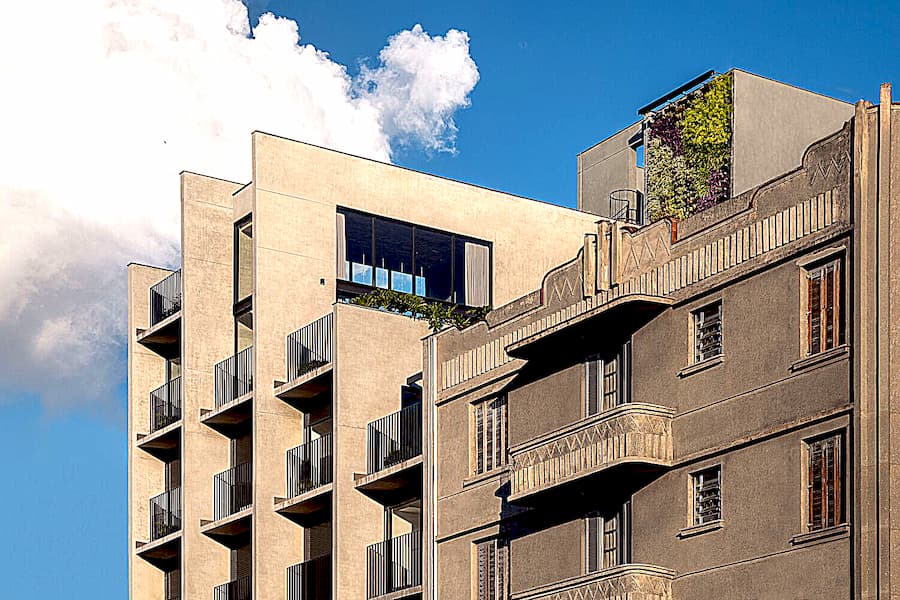
A Stepped Rooftop that Respects Historic Context

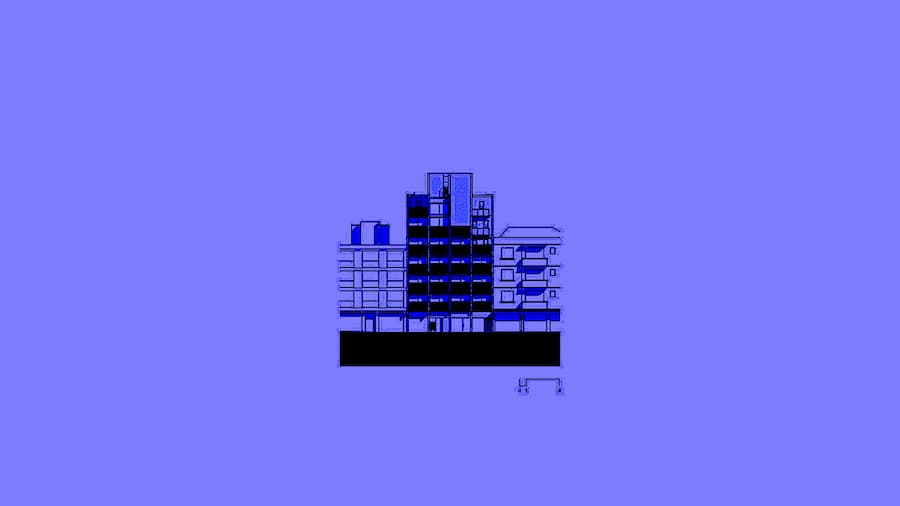
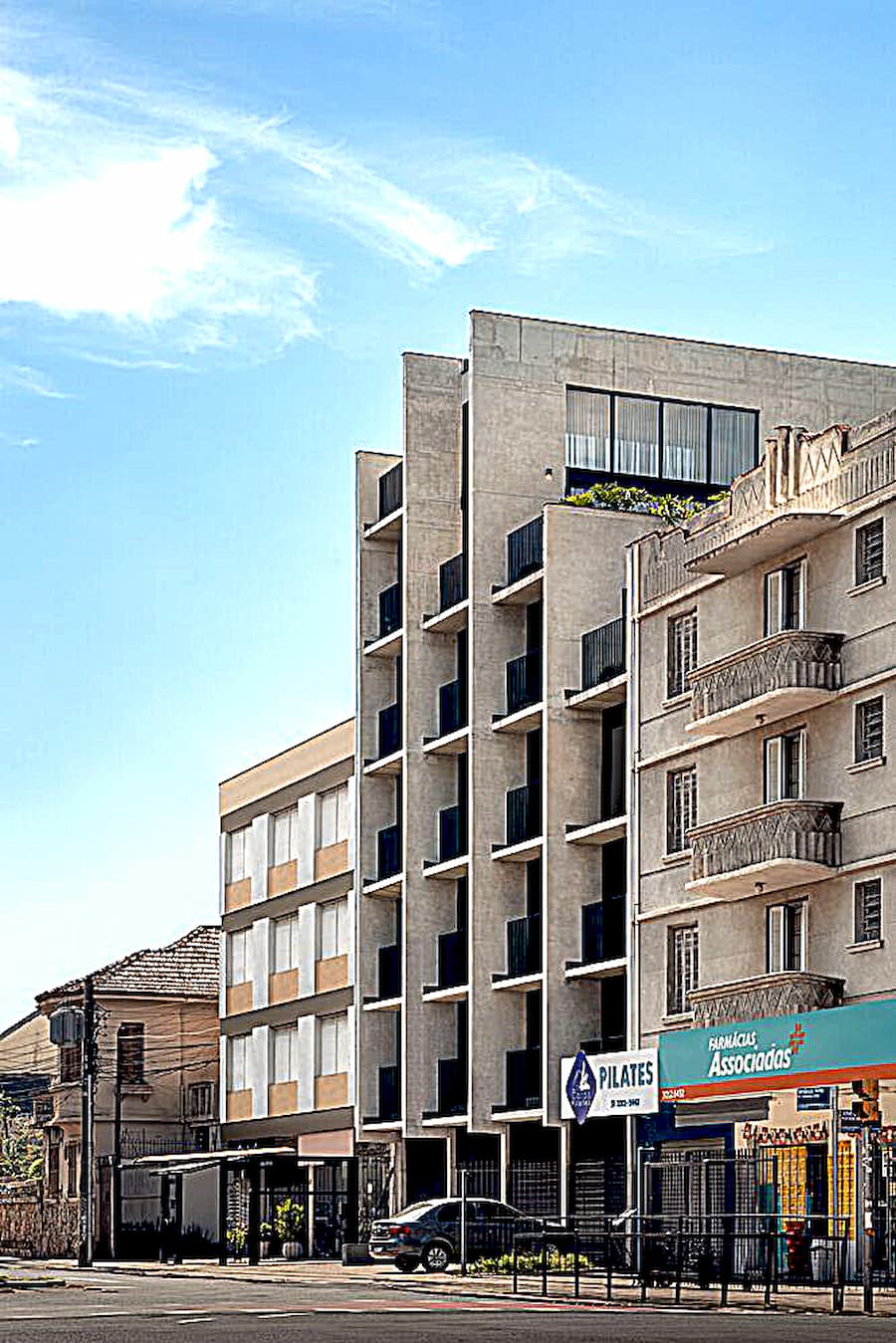
A key objective of the project was to establish a harmonious relationship between the new development and the surrounding buildings protected by the city’s historical heritage regulations. Rather than competing with its context, the design seeks a respectful balance between preservation and modernity.

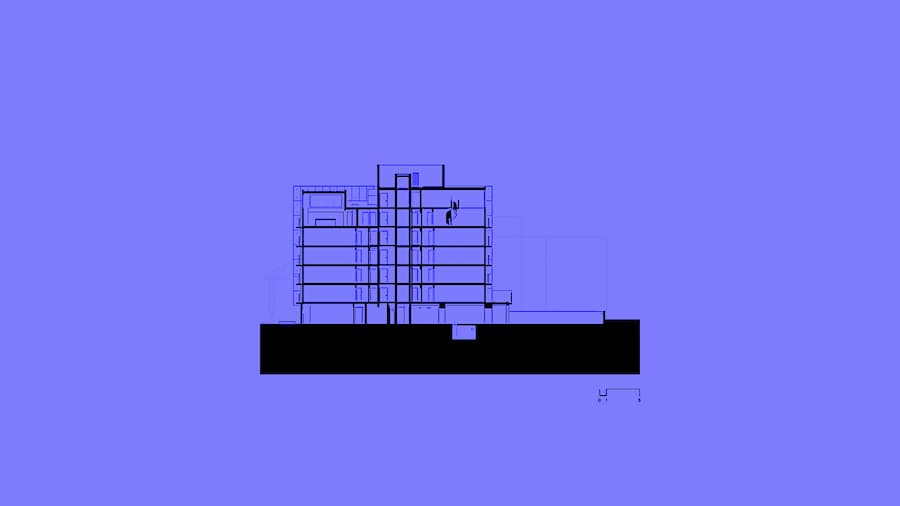
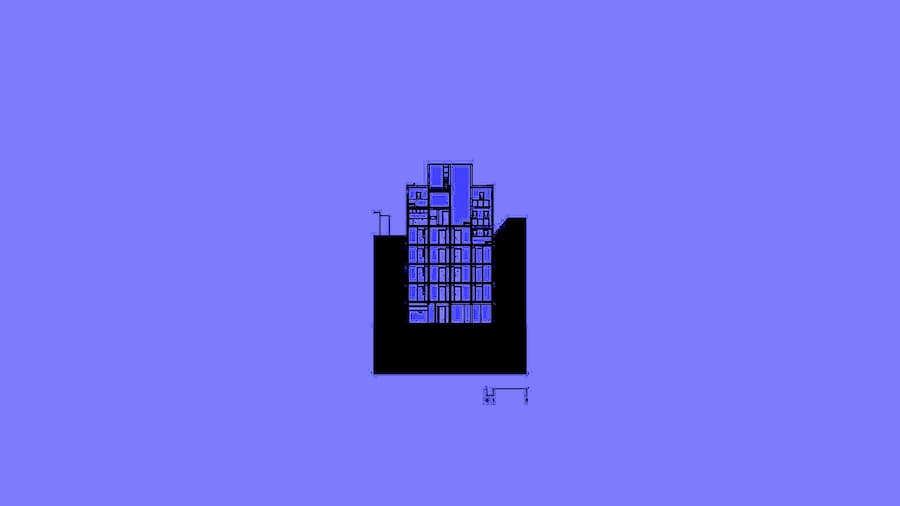
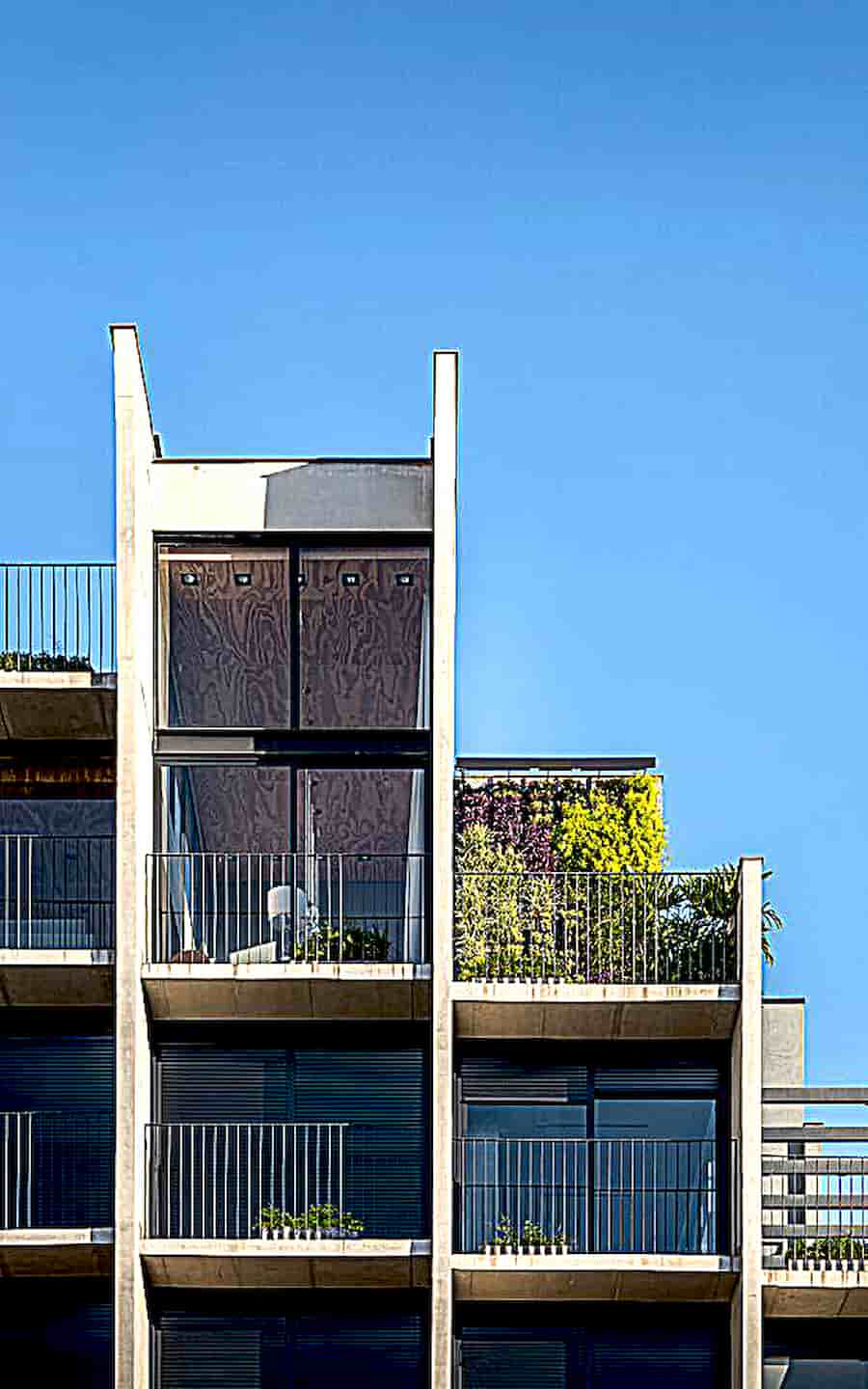
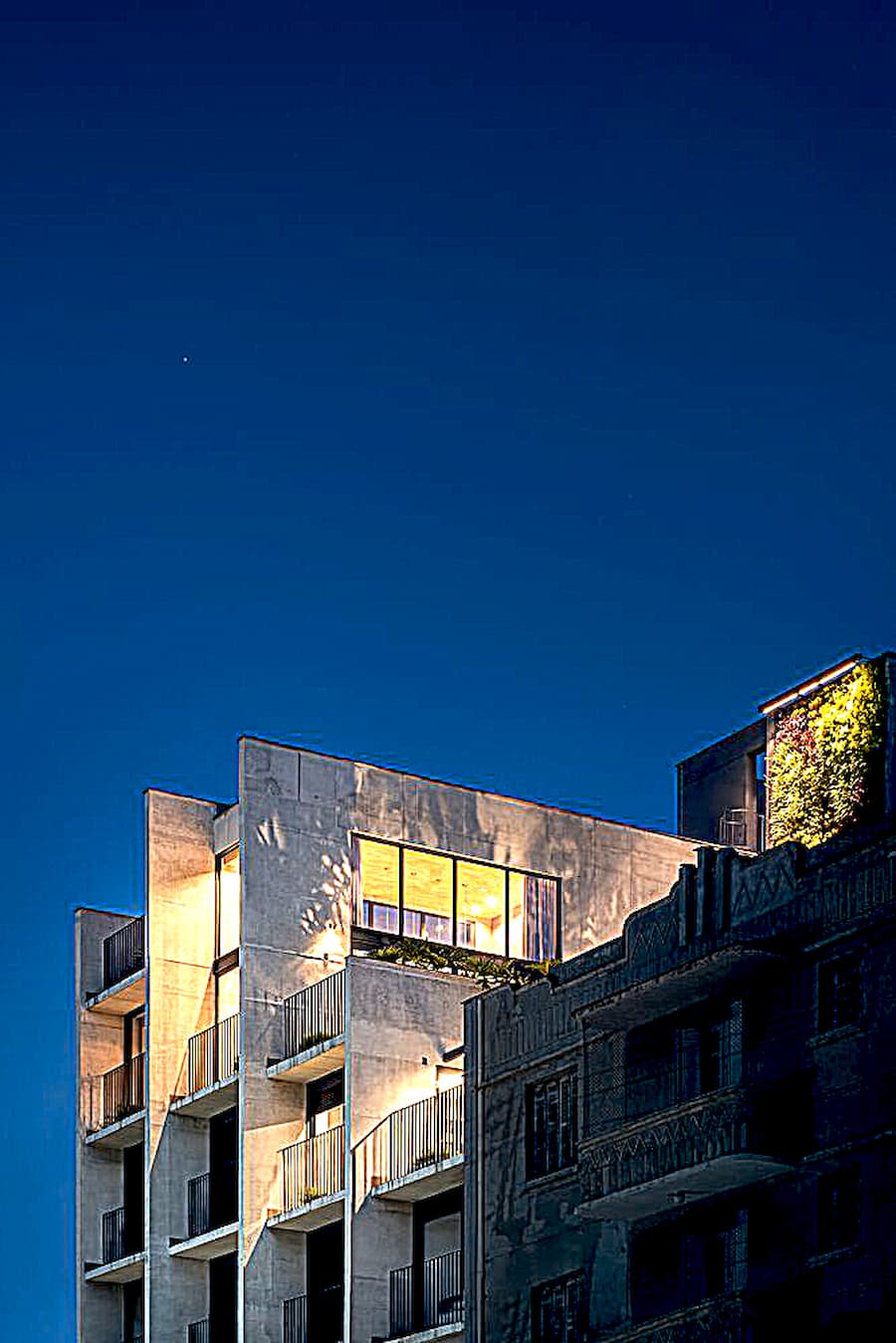
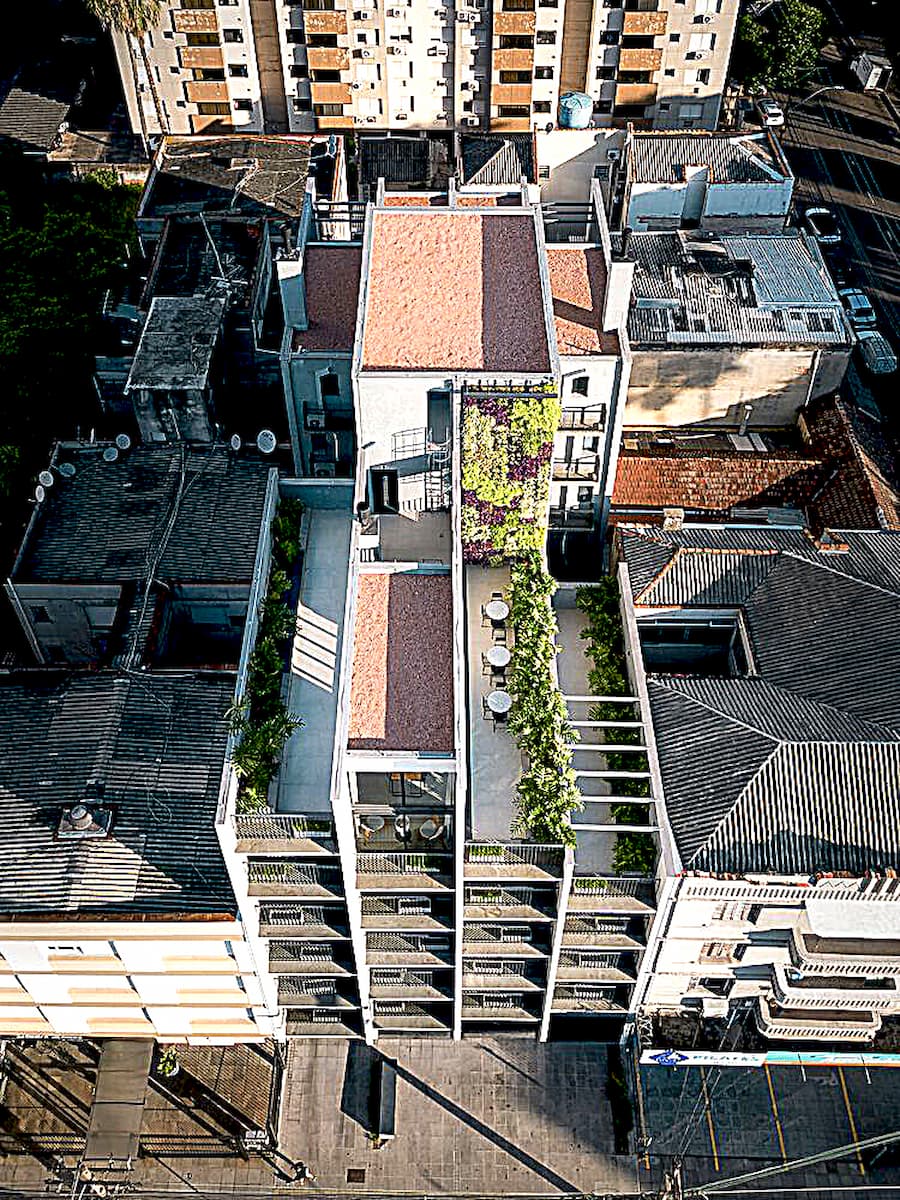
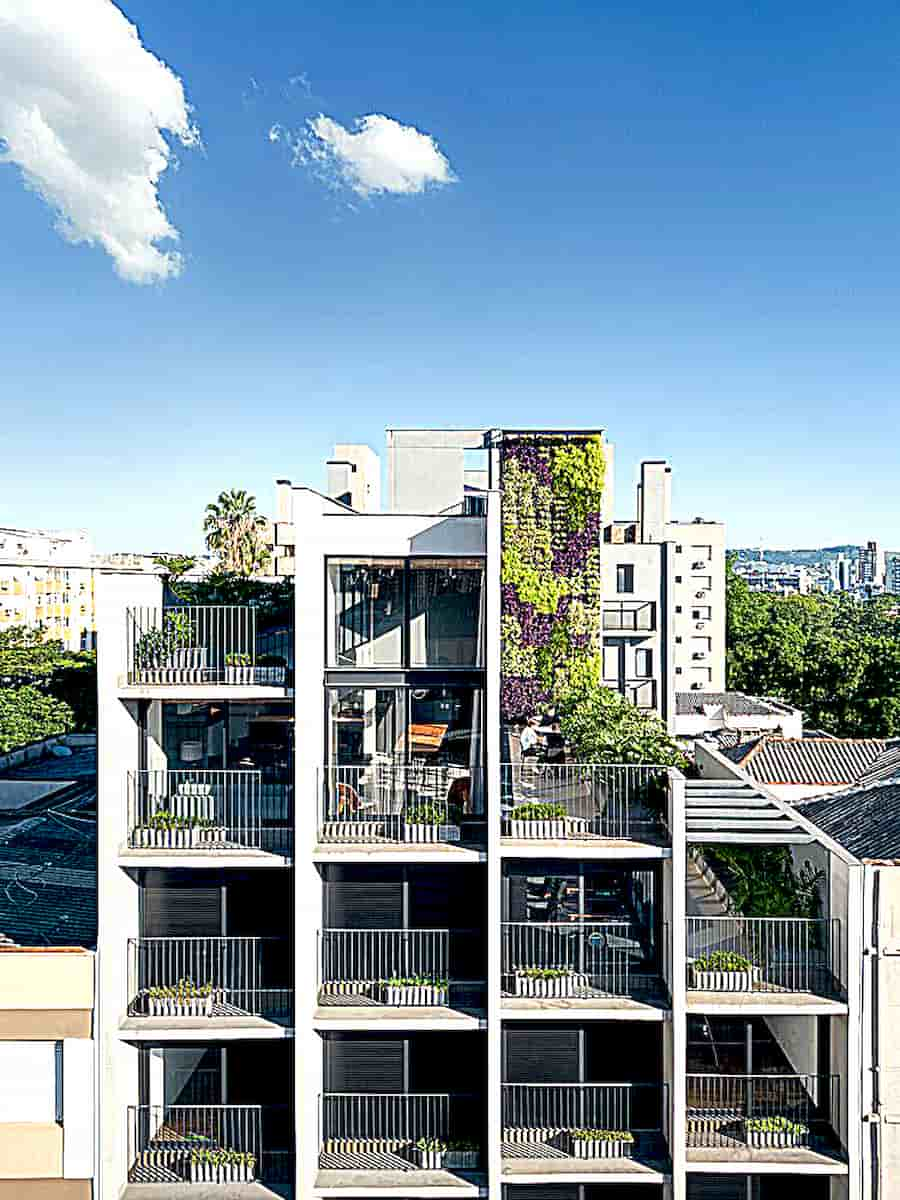
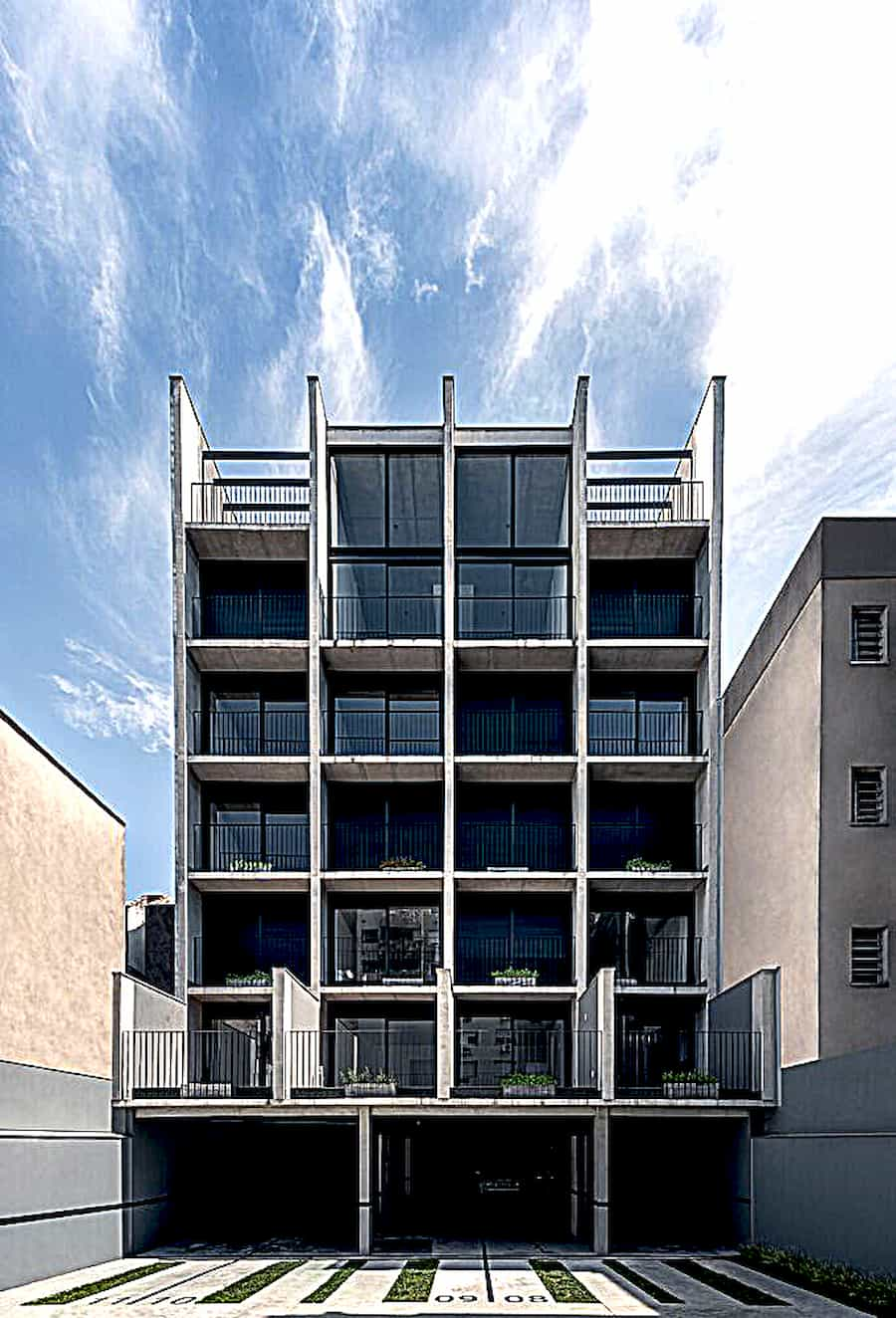
The architectural volume aligns with neighboring facades, reinforcing the continuity of the streetscape. At the same time, the building’s rooftop is carefully stepped laterally, reducing its visual impact and allowing the new structure to integrate naturally into the historic urban fabric. This thoughtful approach enables contemporary architecture to coexist with the neighborhood’s architectural legacy while maintaining a distinct and forward-looking identity.
 

The Cidade Baixa Neighborhood, One of the most Traditional and Diverse Areas in the city of Porto


Studio Apartment Composition

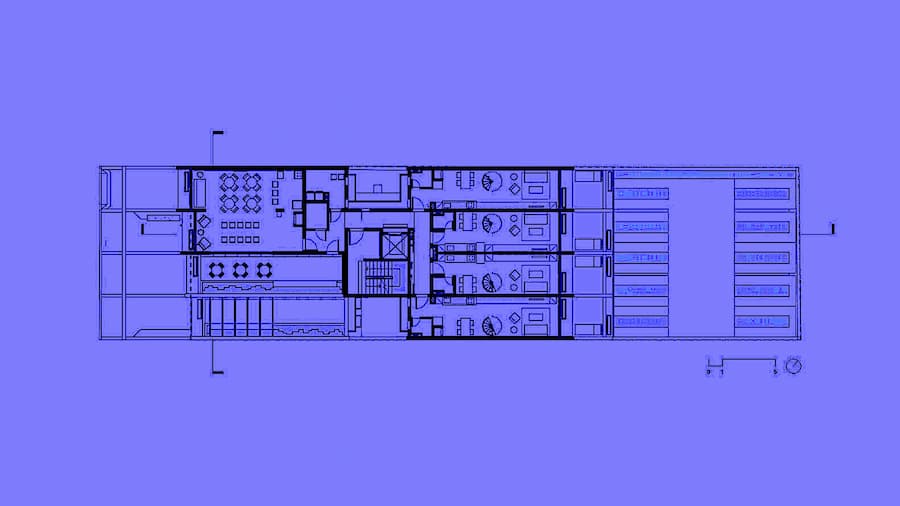
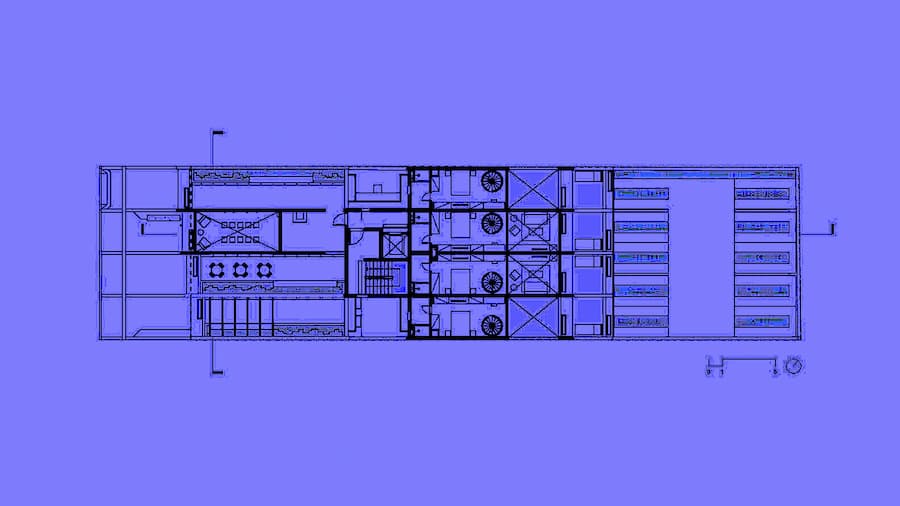
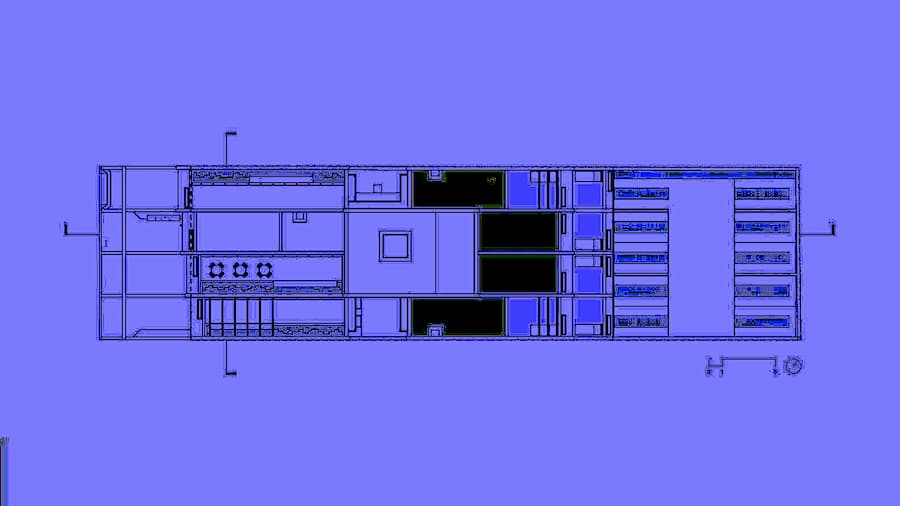
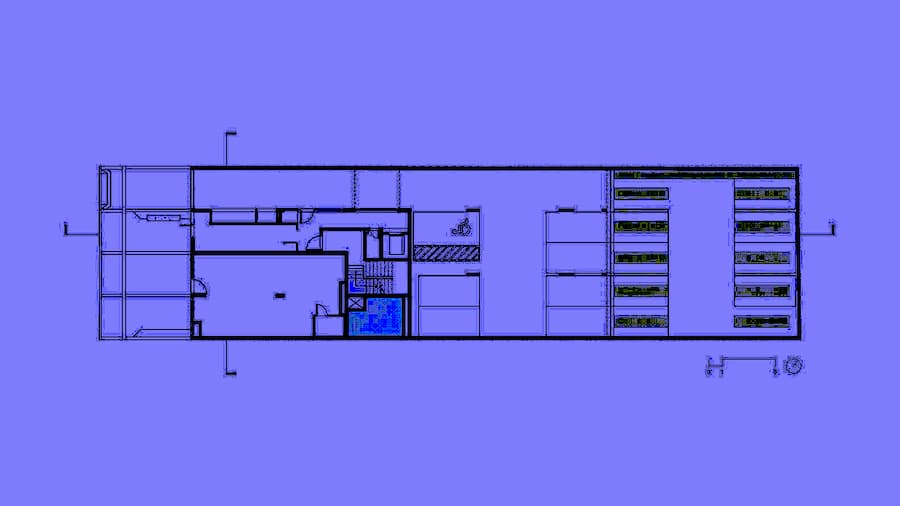
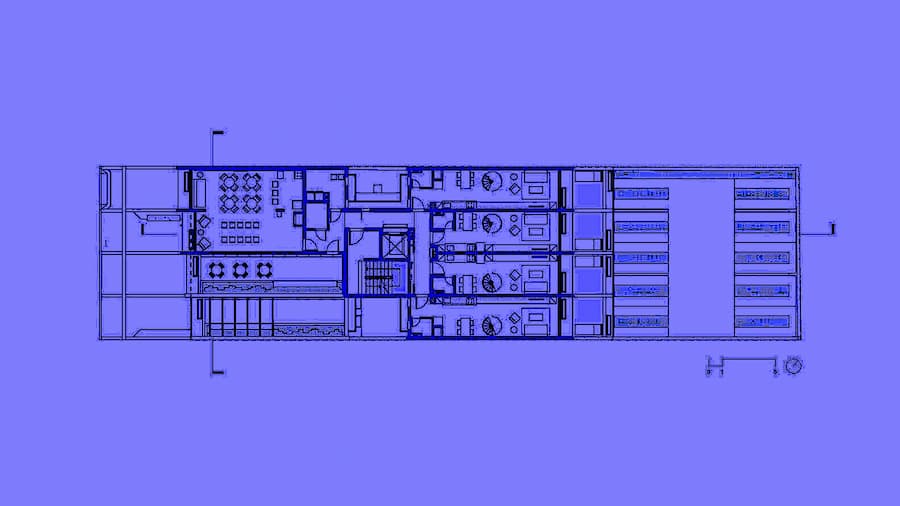
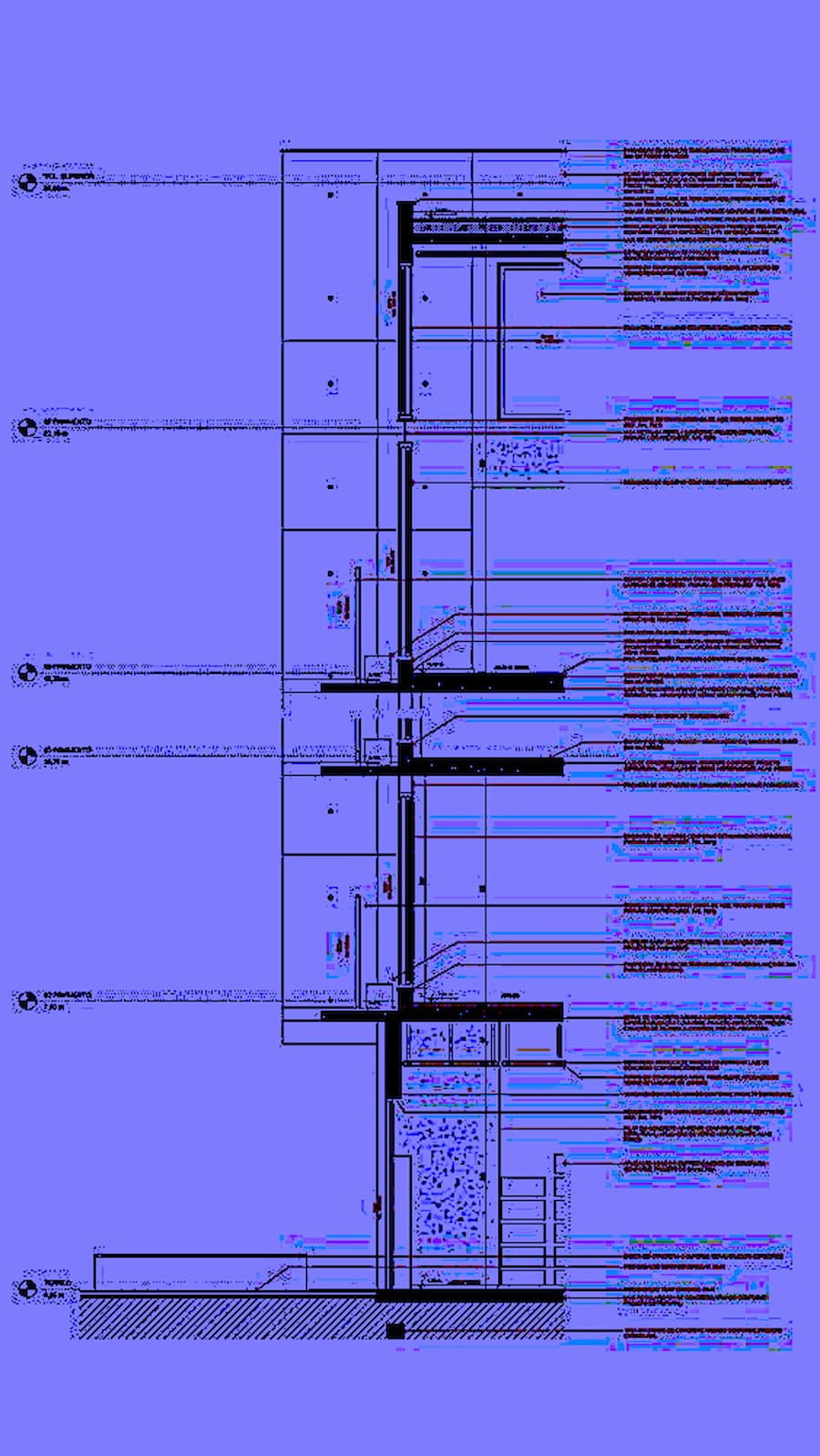
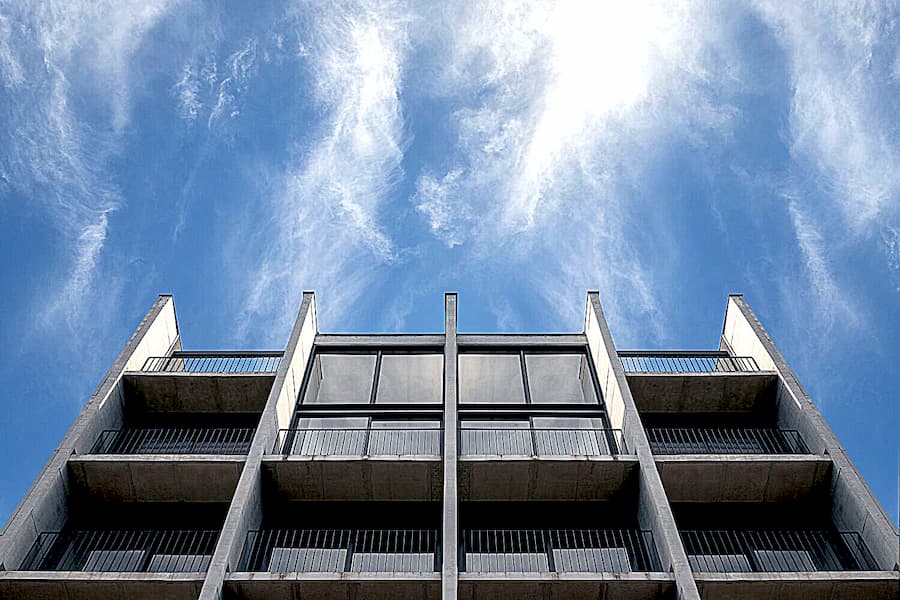
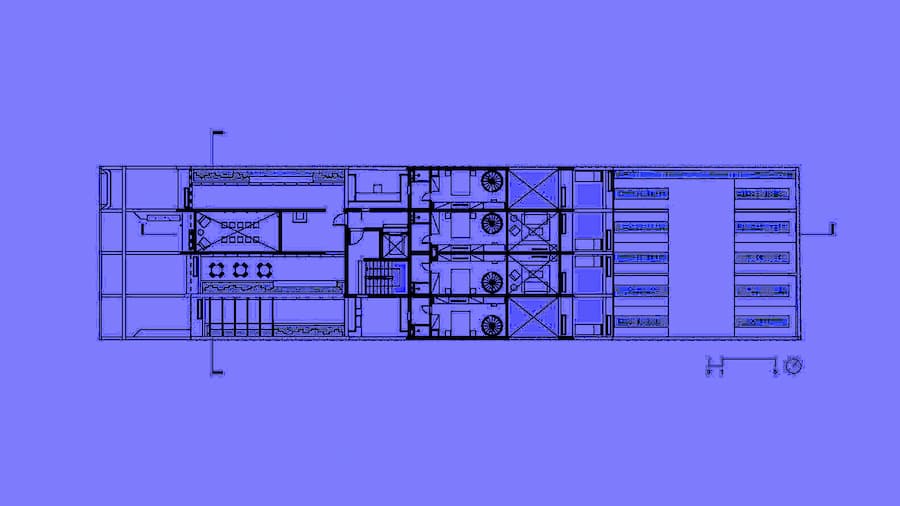
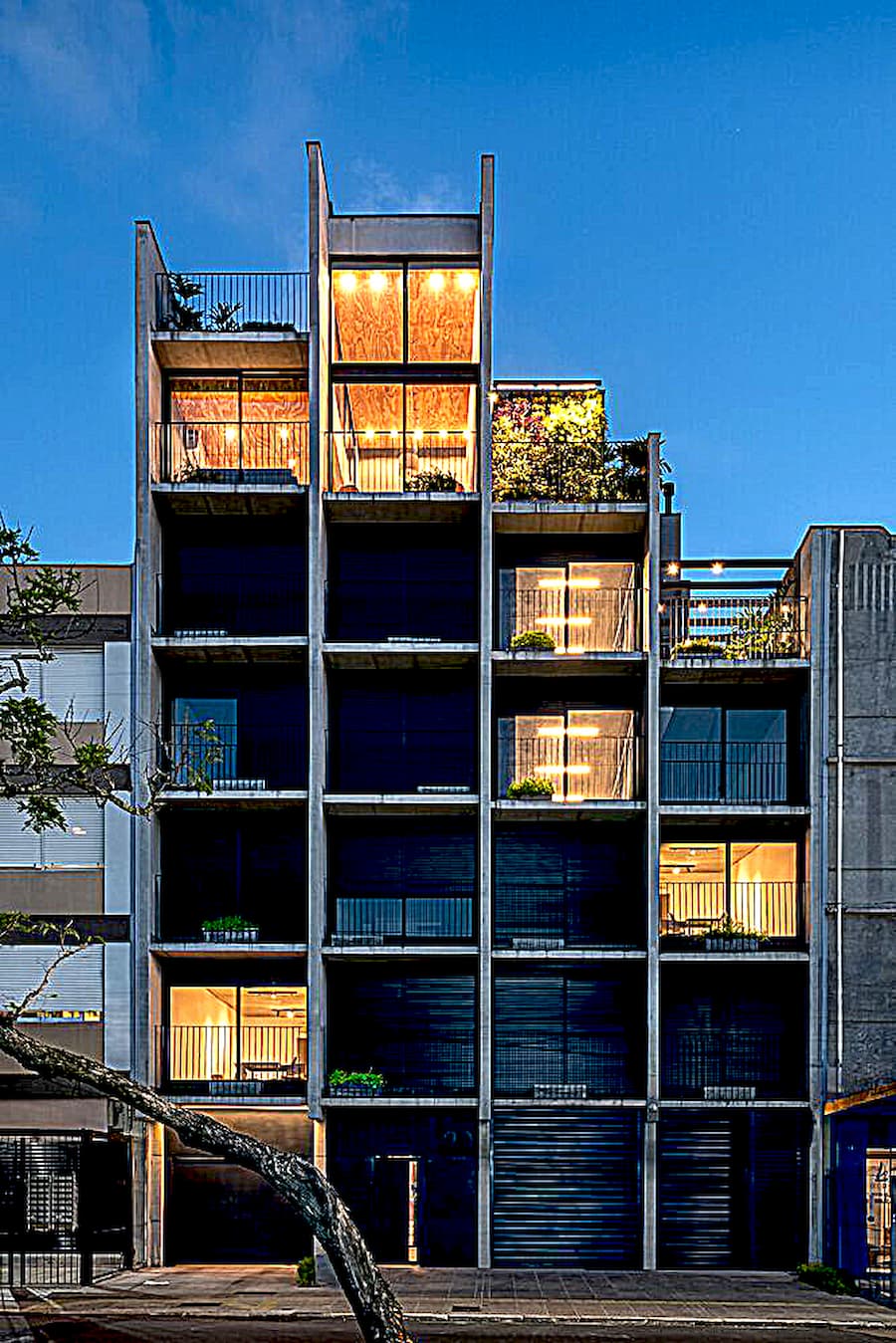
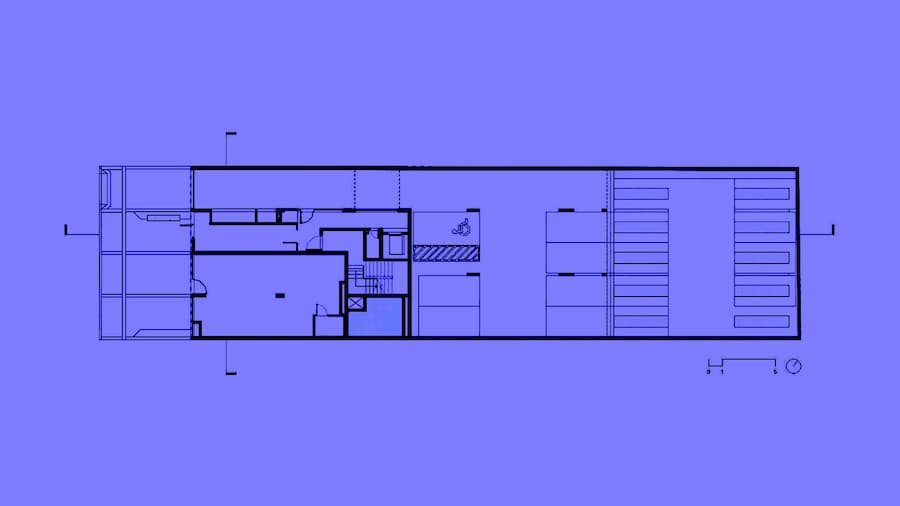
Comprising studio apartments and emphasizing a direct connection with neighboring buildings, on the facade, a grid of primary vertical and secondary horizontal planes guides the lateral stepping. Setback glazed panels form the front and rear faces of the building, fostering an open dialogue between public and private spaces.
 

The Cidade Baixa Neighborhood, One of the most Traditional and Diverse Areas in the city of Porto


The Cidade Baixa Neighborhood, One of the most Traditional and Diverse Areas in the city of Porto


The Cidade Baixa Neighborhood, One of the most Traditional and Diverse Areas in the city of Porto


The Cidade Baixa Neighborhood, One of the most Traditional and Diverse Areas in the city of Porto


The Cidade Baixa Neighborhood, One of the most Traditional and Diverse Areas in the city of Porto


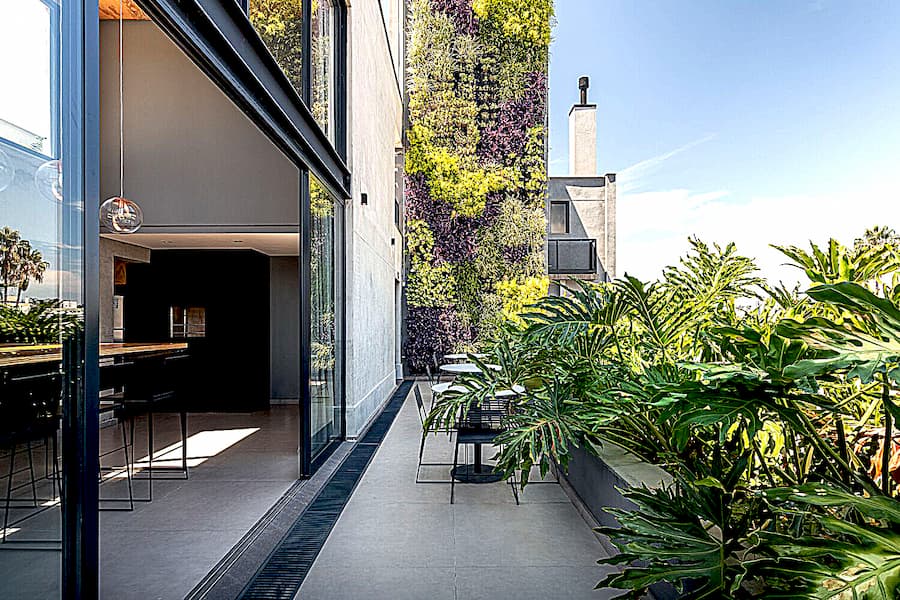
Terraces, are dedicated to the condominium areas

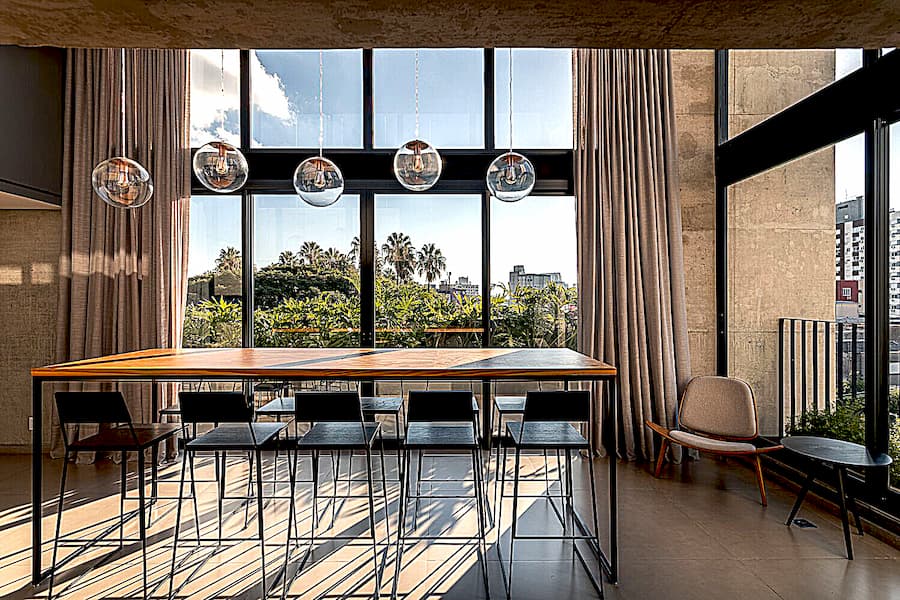
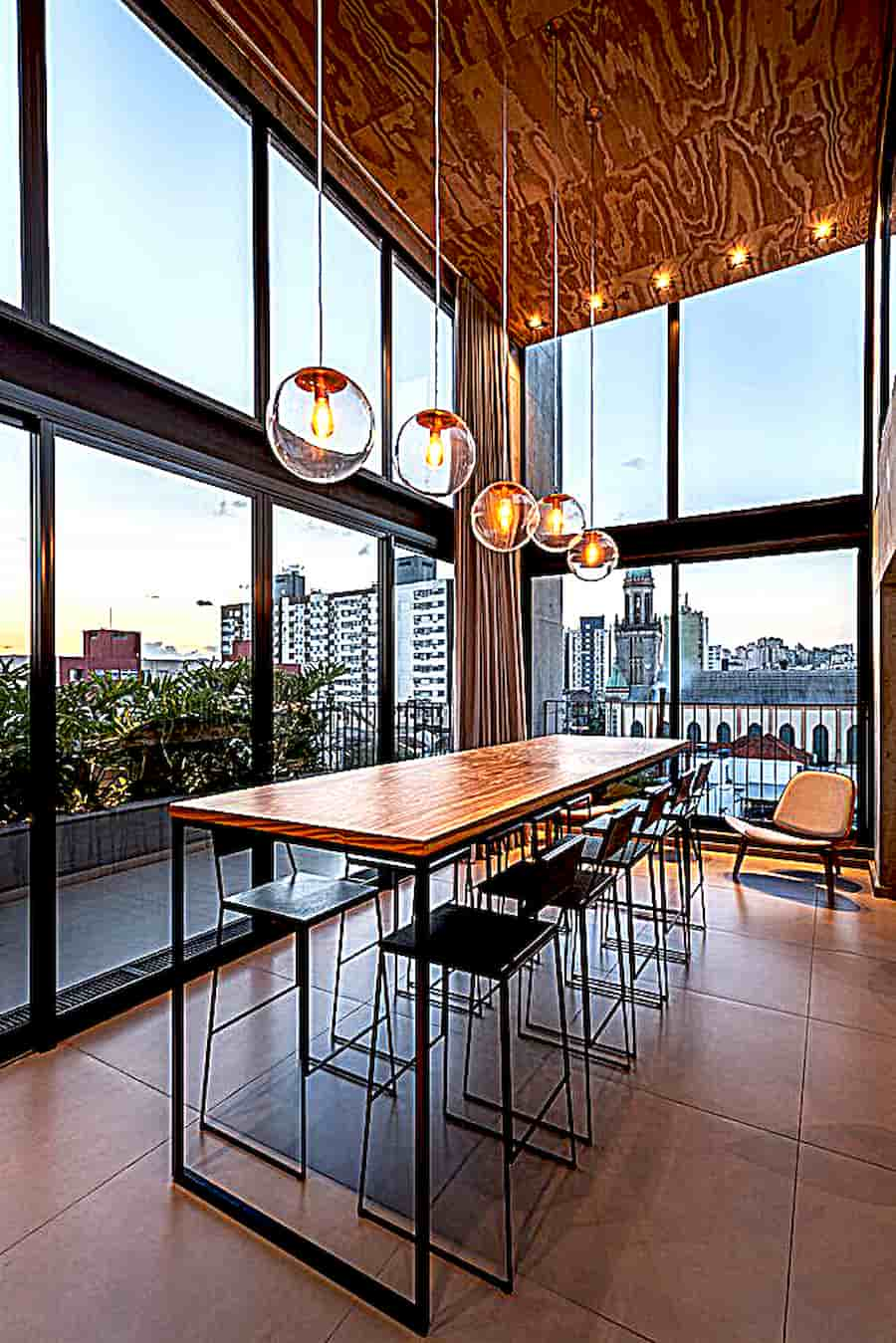
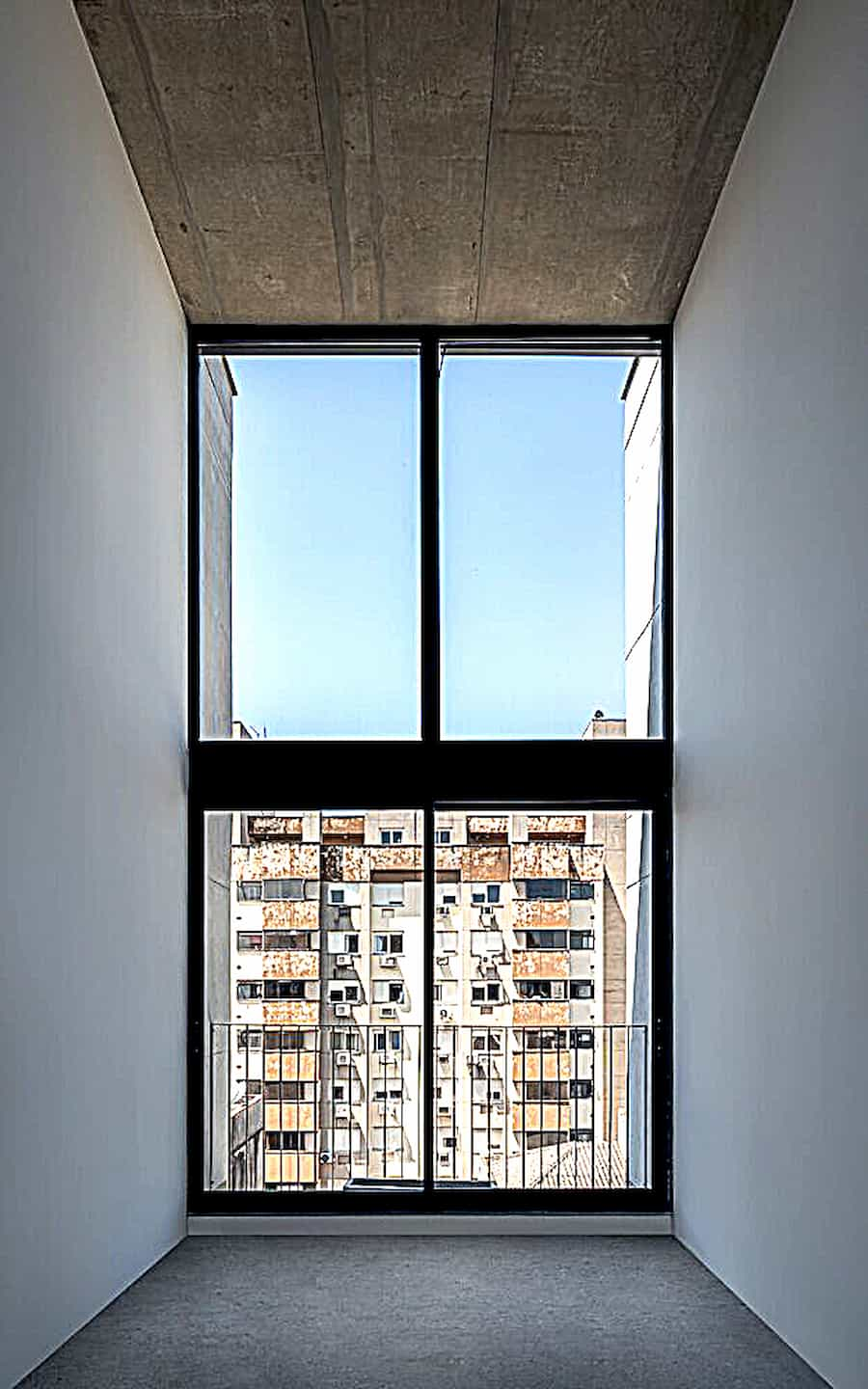
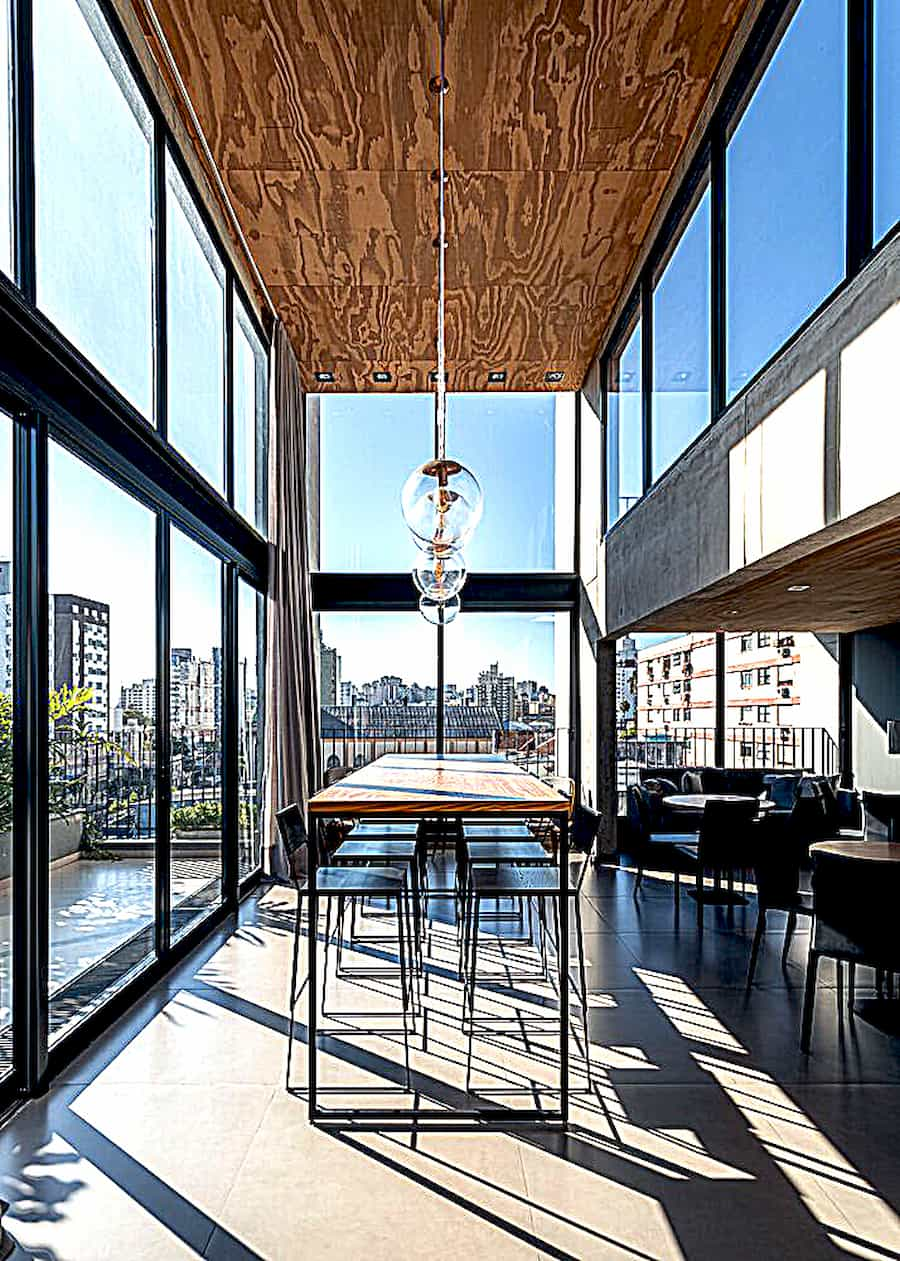
Terraces, resulting from the volumetric adjustments, are dedicated to the condominium areas. These terraces stand out not only for their privileged views but also for crowning the project. The double-height ceiling in the event hall facilitates visual connections with the outdoor areas, giving prominence to this space.
 

The Cidade Baixa Neighborhood, One of the most Traditional and Diverse Areas in the city of Porto


Its Brutalist Character

The use of exposed concrete, prevalent in this work, was chosen for its neutrality in relation to the historical context and its lack of ornamentation. Its brutalist character serves as the project’s defining feature, creating a distinctive identity for the development.
 

The Cidade Baixa Neighborhood, One of the most Traditional and Diverse Areas in the city of Porto


The Cidade Baixa Neighborhood, One of the most Traditional and Diverse Areas in the city of Porto


The Cidade Baixa Neighborhood, One of the most Traditional and Diverse Areas in the city of Porto


The Cidade Baixa Neighborhood, One of the most Traditional and Diverse Areas in the city of Porto


The Cidade Baixa Neighborhood, One of the most Traditional and Diverse Areas in the city of Porto


The Cidade Baixa Neighborhood, One of the most Traditional and Diverse Areas in the city of Porto


The Cidade Baixa Neighborhood, One of the most Traditional and Diverse Areas in the city of Porto


The Cidade Baixa Neighborhood, One of the most Traditional and Diverse Areas in the city of Porto


The Cidade Baixa Neighborhood, One of the most Traditional and Diverse Areas in the city of Porto


The Cidade Baixa Neighborhood, One of the most Traditional and Diverse Areas in the city of Porto


The Cidade Baixa Neighborhood, One of the most Traditional and Diverse Areas in the city of Porto


The Cidade Baixa Neighborhood, One of the most Traditional and Diverse Areas in the city of Porto


The Cidade Baixa Neighborhood, One of the most Traditional and Diverse Areas in the city of Porto


The Cidade Baixa Neighborhood, One of the most Traditional and Diverse Areas in the city of Porto


The Cidade Baixa Neighborhood, One of the most Traditional and Diverse Areas in the city of Porto


The Cidade Baixa Neighborhood, One of the most Traditional and Diverse Areas in the city of Porto


The Cidade Baixa Neighborhood, One of the most Traditional and Diverse Areas in the city of Porto


The Cidade Baixa Neighborhood, One of the most Traditional and Diverse Areas in the city of Porto


The Cidade Baixa Neighborhood, One of the most Traditional and Diverse Areas in the city of Porto


The Cidade Baixa Neighborhood, One of the most Traditional and Diverse Areas in the city of Porto


The Cidade Baixa Neighborhood, One of the most Traditional and Diverse Areas in the city of Porto


The Cidade Baixa Neighborhood, One of the most Traditional and Diverse Areas in the city of Porto


The Cidade Baixa Neighborhood, One of the most Traditional and Diverse Areas in the city of Porto

Historic Bus Palladium neon sign on the Paris hotel facade at night by Studio KO

Bus Palladium Paris 將一甲子、六十年的音樂文化延續至今日的都市傳說

巴黎最傳奇的搖滾夜店,如今化身一座收藏音樂、藝術與設計記憶的五星級飯店。     有些建築保存的是立面,有些空間延續的是記憶。Bus Palladium 選擇保留後者。這座曾陪伴巴黎一甲子、六十年的傳奇夜店,如今化身一間酒店,將搖滾、藝術與設計重新編織成一段仍持續發生的都市傳說。     Bus Palladium 的誕生 1965年9月30日,一位名叫 James Arch (詹姆斯.阿奇) 的 22 歲舞者在巴黎 Pigalle 區 Pierre Fontaine, 6號一棟破舊的兩層舞廳的白色外牆上點亮了一塊紅色霓虹燈招牌,並將其命名為”Bus Palladium” (巴士.帕拉迪姆)。這座日後成為巴黎最具代表性的音樂地標之一,也讓

Facebook
Twitter
LinkedIn
Tumblr
0 0 votes
Article Rating
Subscribe
Notify of
guest
0 Comments
Oldest
Newest Most Voted
Search