The Tokyo Toilet Project Transforming Public Restrooms Through Design

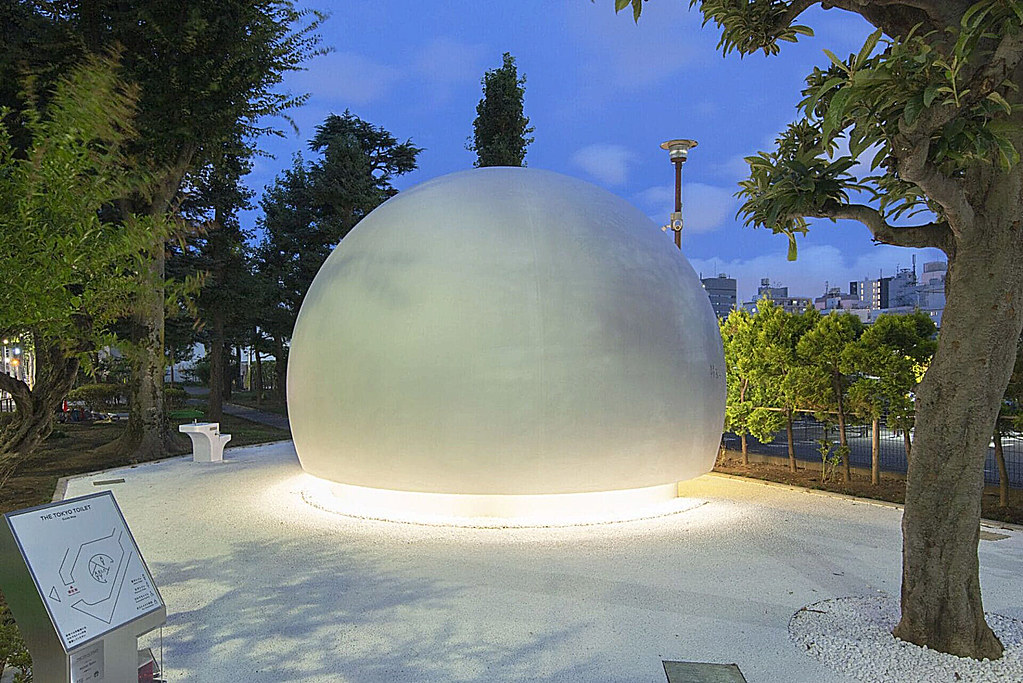
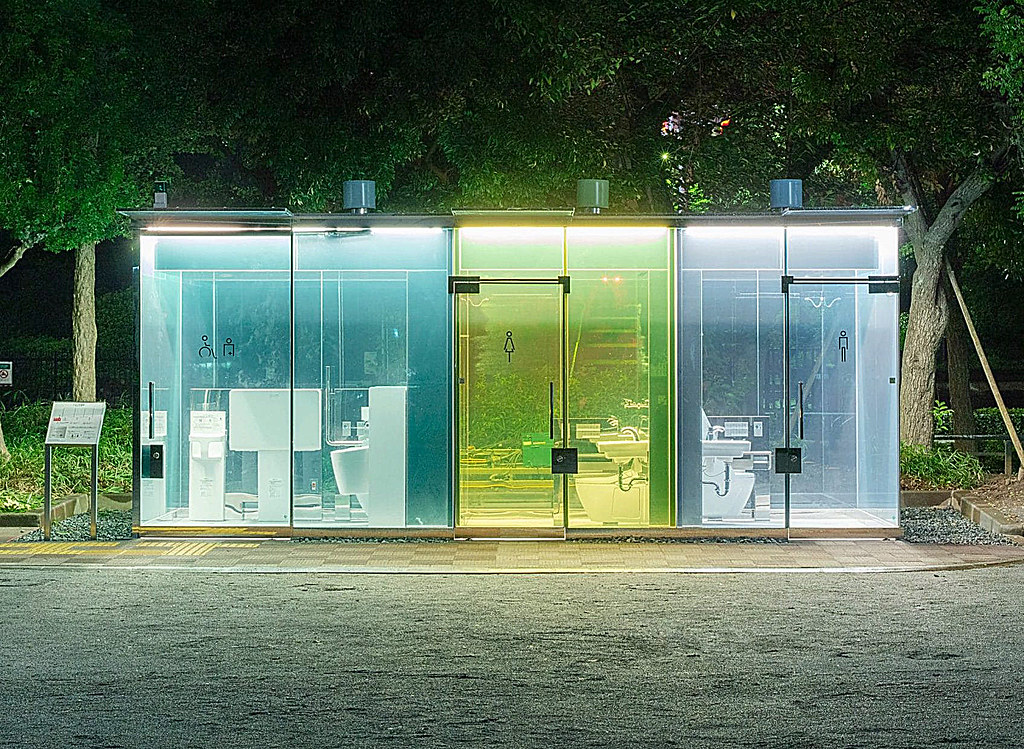
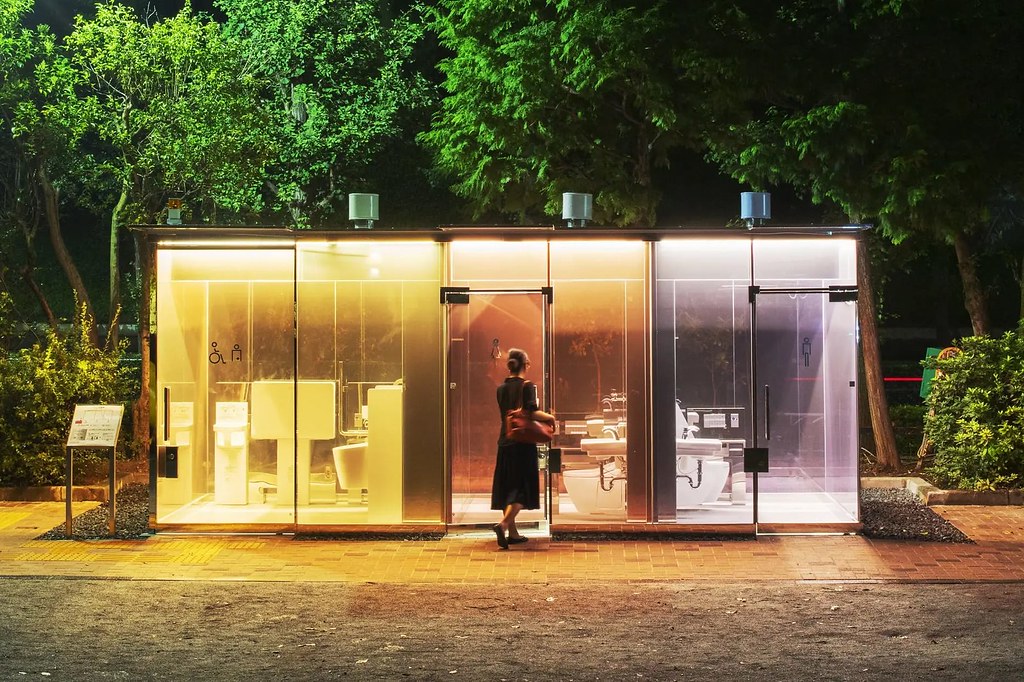
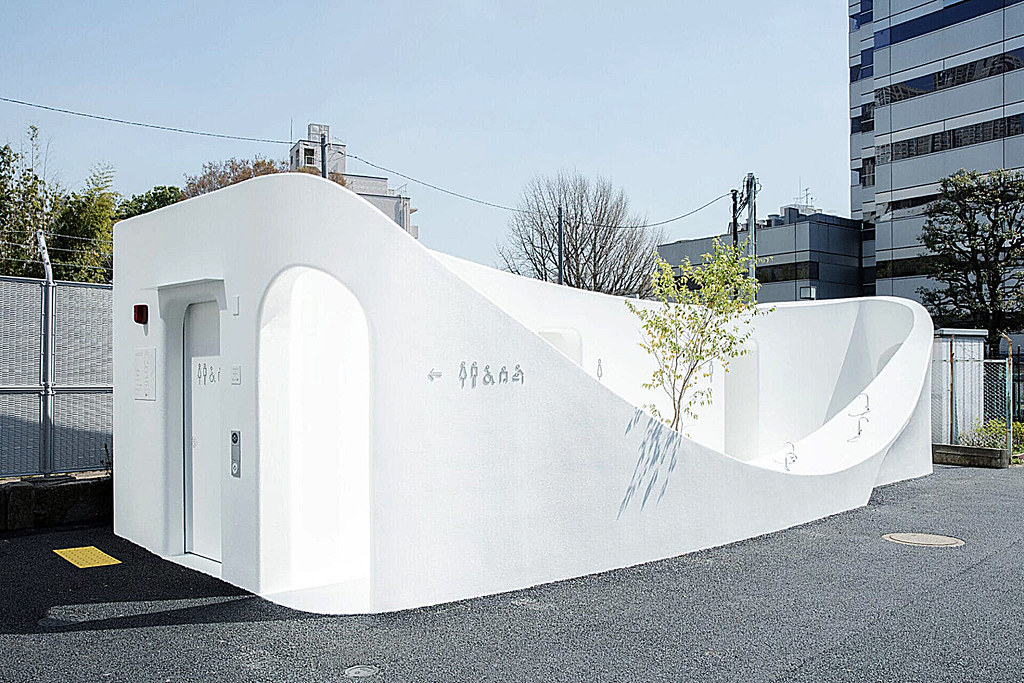
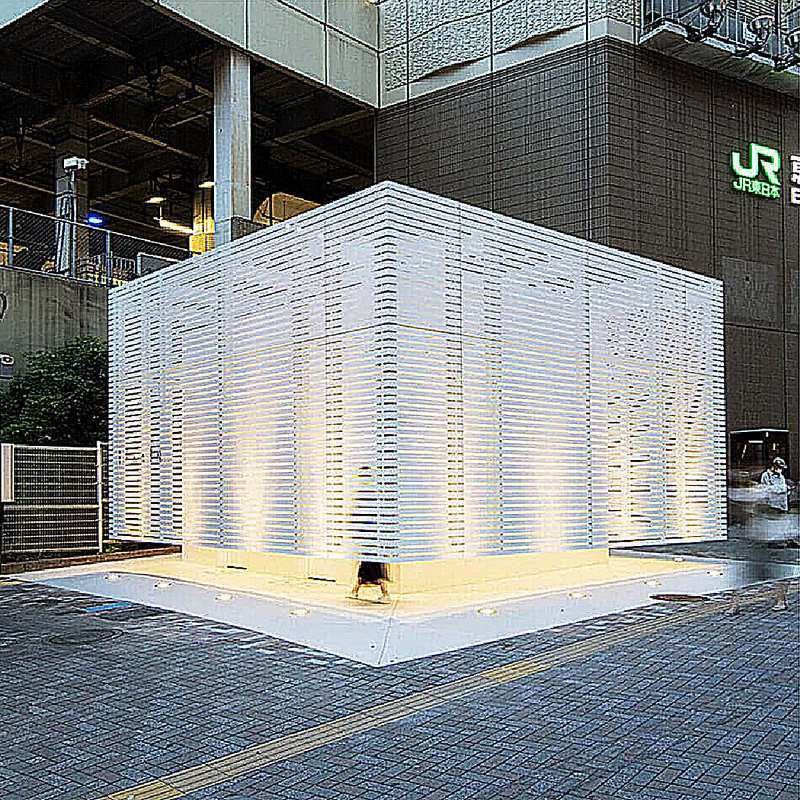
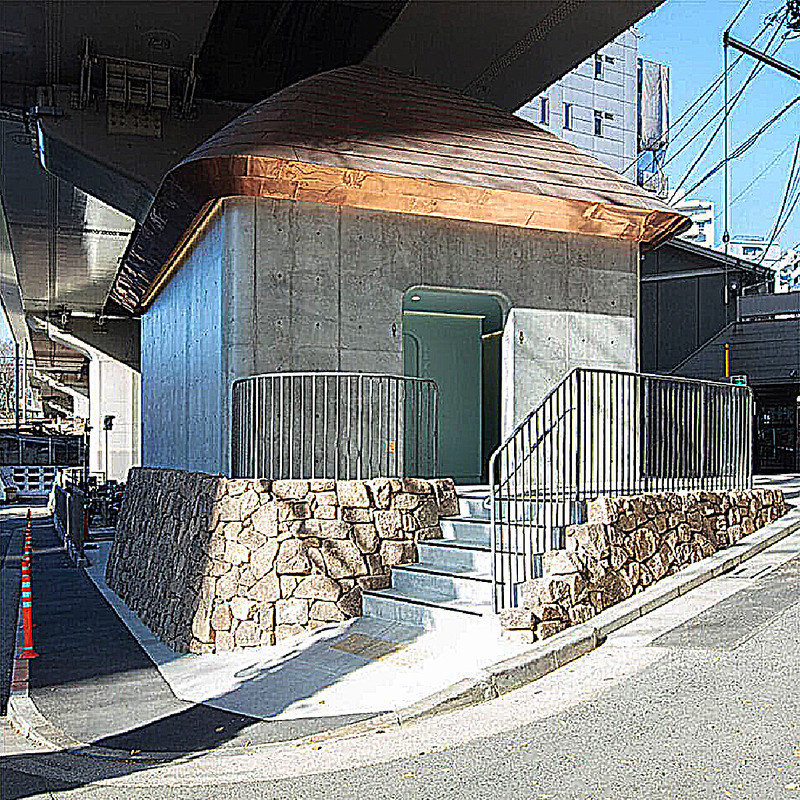
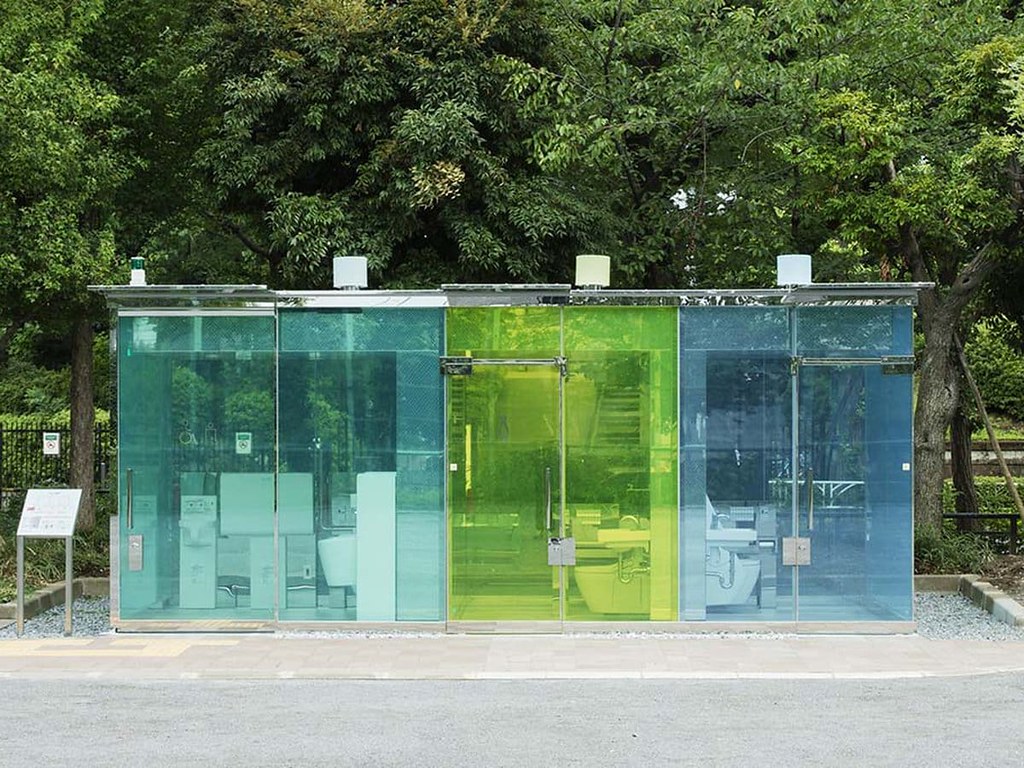
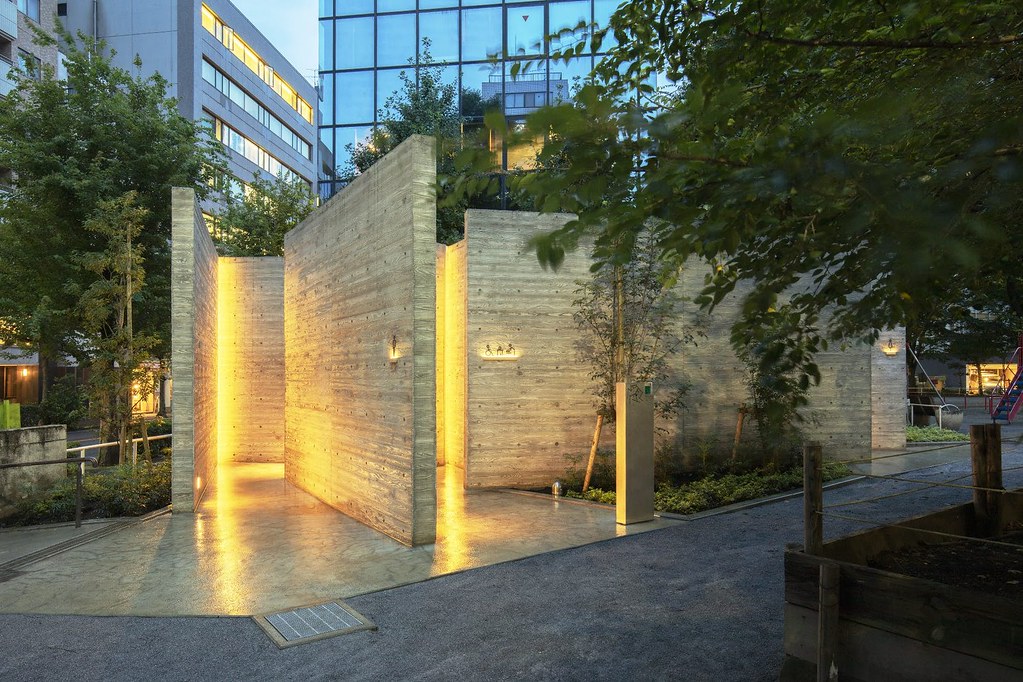
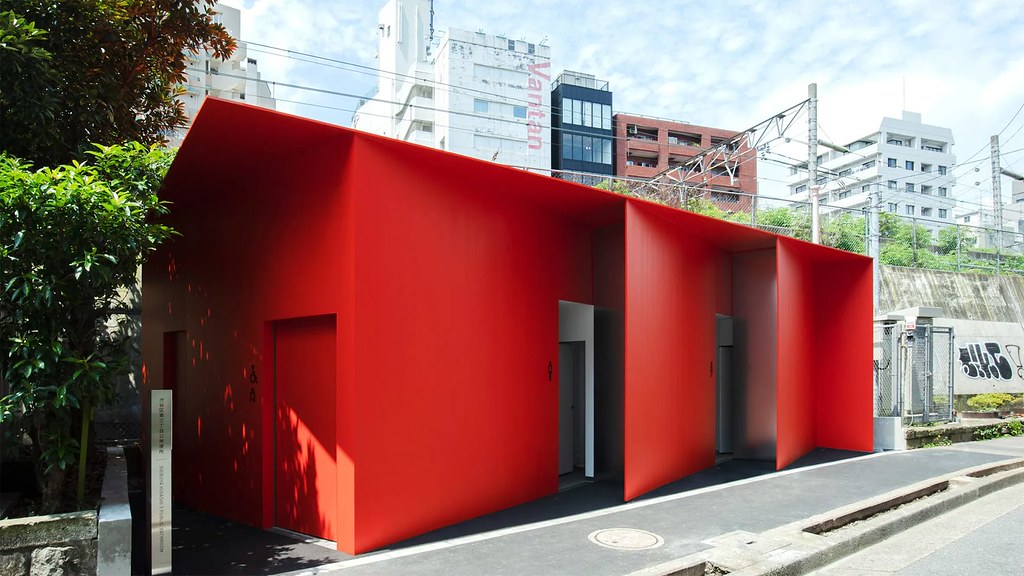
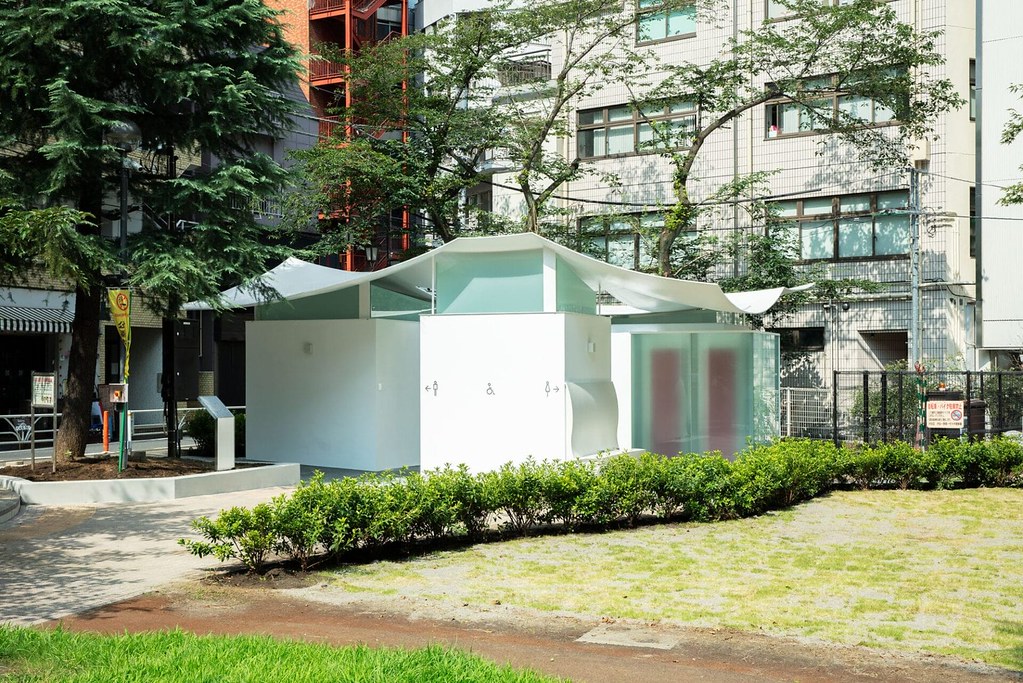
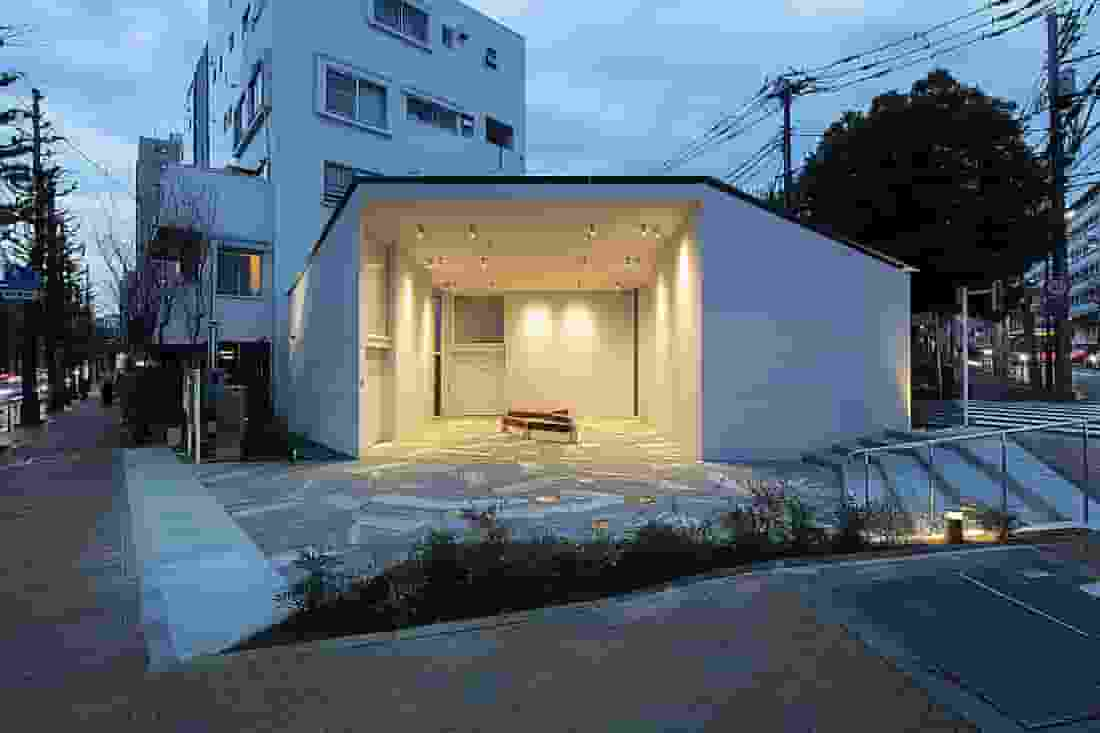
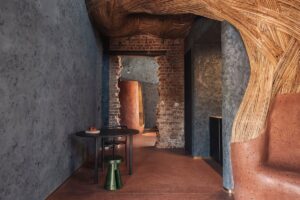
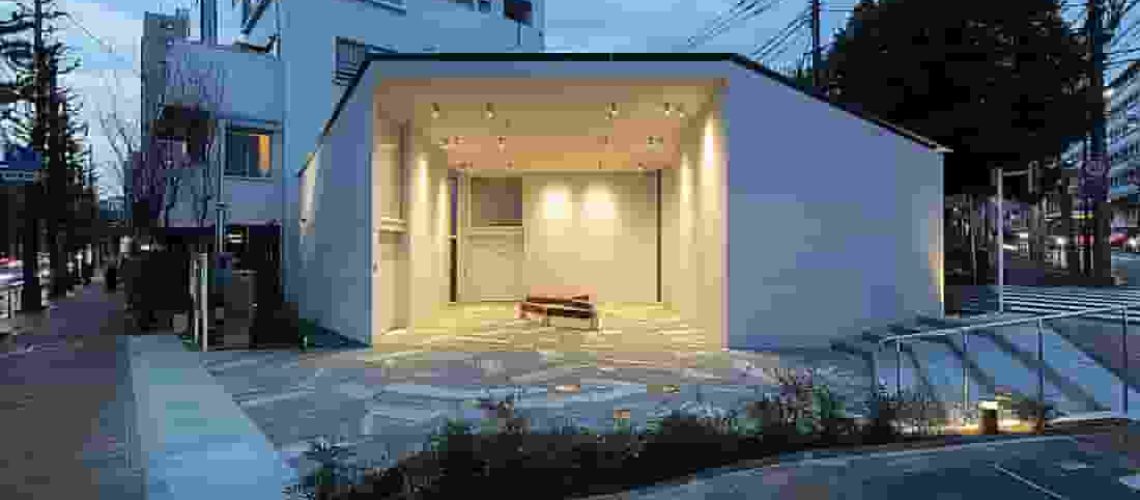
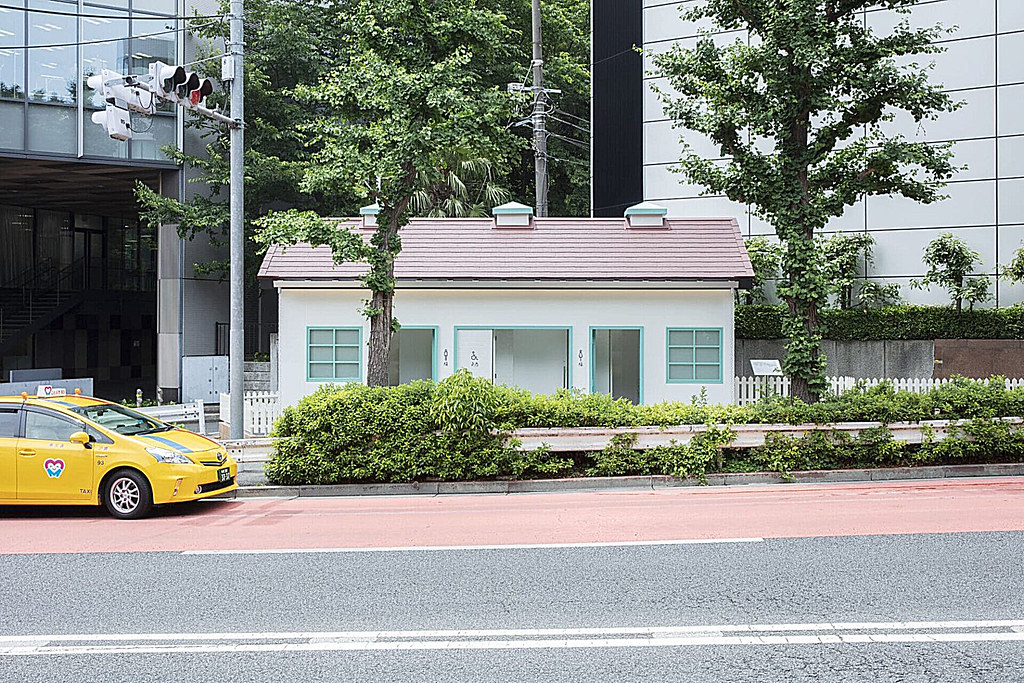
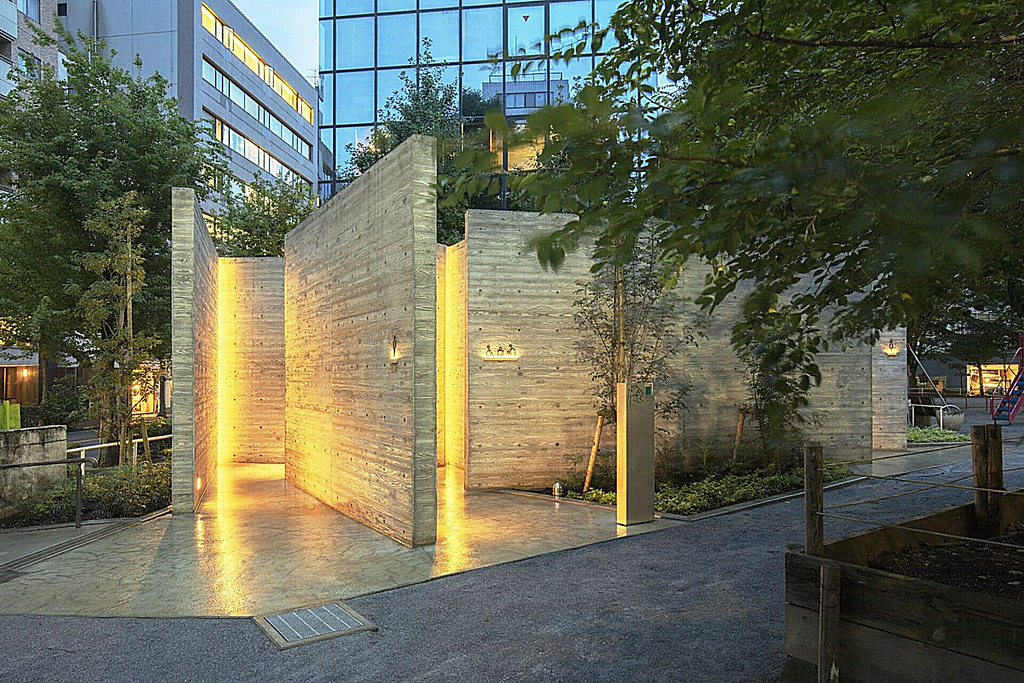
Modern public restroom designed for the Tokyo Toilet Project in Shibuya Tokyo
To improve both the quality and public perception of urban facilities, Shibuya City partnered with The Nippon Foundation to launch an ambitious design initiative. By inviting leading architects and designers to rethink aging public restrooms, the Tokyo Toilet Project demonstrates how thoughtful architecture can transform everyday infrastructure into welcoming, accessible, and visually engaging public spaces.


02_1-tokyo-toilets


▏Reimagining Public Restrooms in Shibuya

Public restrooms are often associated with poor maintenance, limited accessibility, and uninviting environments. In one of Tokyo’s busiest districts, Shibuya City sought to challenge these perceptions through design excellence. Launched in 2020, the Tokyo Toilet Project brought together sixteen acclaimed architects, designers, fashion brands, and creative studios to transform seventeen public restroom facilities into safe, clean, and highly functional civic spaces. The initiative prioritizes accessibility for people of all ages, genders, and abilities while maintaining exceptional standards of upkeep and user experience.

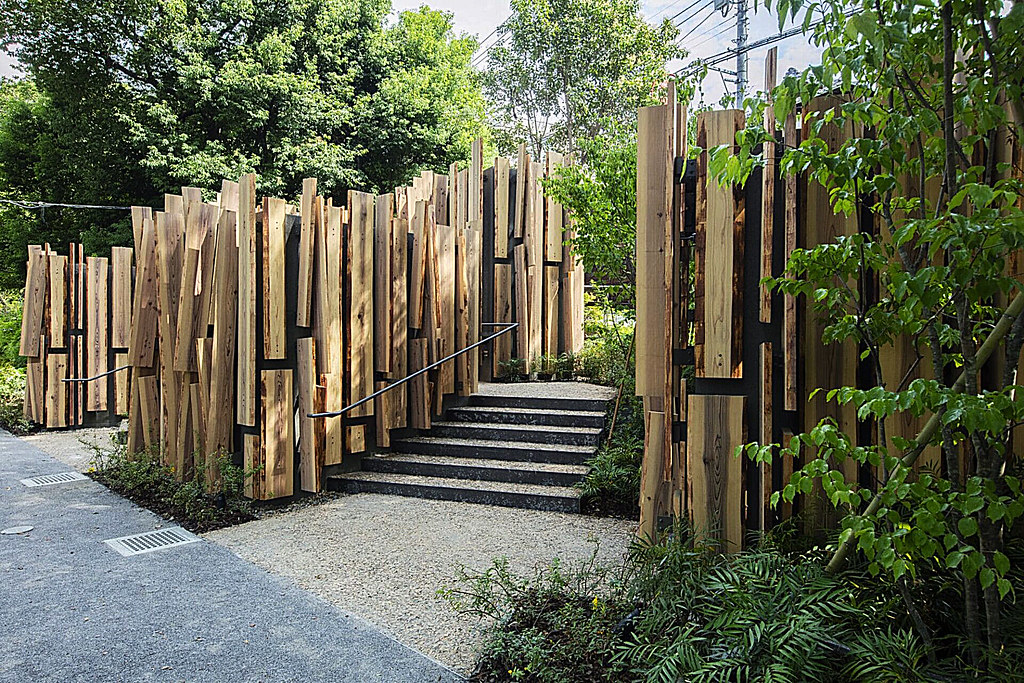
From a forest-inspired structure in Nabeshima Shoto Park to gallery-like spaces in Hatagaya and futuristic installations along Nanago Dori Park, each project responds uniquely to its surroundings. Contributions from renowned architects such as Kengo Kuma, Tadao Ando, and Sou Fujimoto showcase how design can elevate even the most ordinary urban infrastructure. Together, these projects have helped redefine the role of public architecture in Tokyo, proving that public restrooms can be both practical facilities and meaningful cultural landmarks.
 

03_1-tokyo-toilets


04_1-tokyo-toilets


05_1-tokyo-toilets


06_1-tokyo-toilets


07_1-tokyo-toilets


07_2-nippon


08_1-tokyo-toilets


09_1-tokyo-toilets


09_2-tokyo-toilets


10_1-tokyo-toilets


11_1-tokyo-toilets


12_1-nippon


12_3-nippon


12_4-nippon


12_5-nippon


12_6-nippon


The Tokyo Public Restrooms Project:The Shibuya City government teamed up with The Nippon Foundation and conceived of a way to hit two birds with one stone, and by these Sixteen Architects Transform Aging Public Toilets in Tokyo into Extraordinarily Inviting Facilities.

建築材料生命週期評估流程示意圖,涵蓋生產、運輸、使用與回收階段

建築材料生命週期評估如何影響環境與設計決策

    建築材料從開採到報廢的每個階段,都在累積能源與環境影響,也逐漸轉化為一種可被理解的Material as Narrative。     本文將從原料、製造、運輸、使用到回收五個階段,整理建築材料在生命週期中的環境影響。   作為自然資源消耗、能源使用與溫室氣體排放的重要來源,建築產業對環境有著顯著影響。目前全球約32%的能源消耗與34%的碳排放,皆與建築相關。在這樣的背景下,建築材料不再只是構成空間的元素,而逐漸成為評估環境影響的關鍵。透過循環經濟、可再生資源與技術創新等策略,材料被重新放回整個系統中檢視,其角色也從物質轉向過程,例如在Material as Narrative的脈絡中被重新理解。     生命週期評估(LCA)提供了一種系統化的方法,用以衡量與管理建築材料的環境影響。從原料開採、製造與運輸,到施工、使用與最終處理,每一階段都被納入分析範圍。這種方法不僅讓環境負擔變得可量化,也讓設計決策能在更早的階段被調整,特別是在Adaptive Reuse的情境中,更能看出材料選擇的長期影響。 在生命週期的不同階段中,投入與產出構成主要評估指標。投入包含能源、水資源與化石燃料的使用;產出則涵蓋碳排放、廢棄物與污染物的釋放。這些數據會進一步轉化為環境指標,如全球暖化潛能、水資源消耗、生態毒性與資源耗竭等,使不同材料在不同環境脈絡中得以比較,也與Architecture and Landscape的整體關係相互連動。     在國際層面,ISO 14040與14044標準提供生命週期評估的基本架構,將整體流程分為目標與範圍界定、清單分析、影響評估以及結果解讀四個階段。這些步驟彼此相互關聯,從定義研究目標開始,到量化數據與分析影響,逐步建立對材料環境表現的整體認知,也讓設計更能回應如Light and Space這類與環境條件相關的議題。

Facebook
Twitter
LinkedIn
Tumblr
0 0 votes
Article Rating
Subscribe
Notify of
guest
0 Comments
Oldest
Newest Most Voted
Search