Building With Light: The Architectural Rise of Polycarbonate

Exploring the Boundaries of Polycarbonate: 25 Exemplary Projects Showcasing Its Versatility
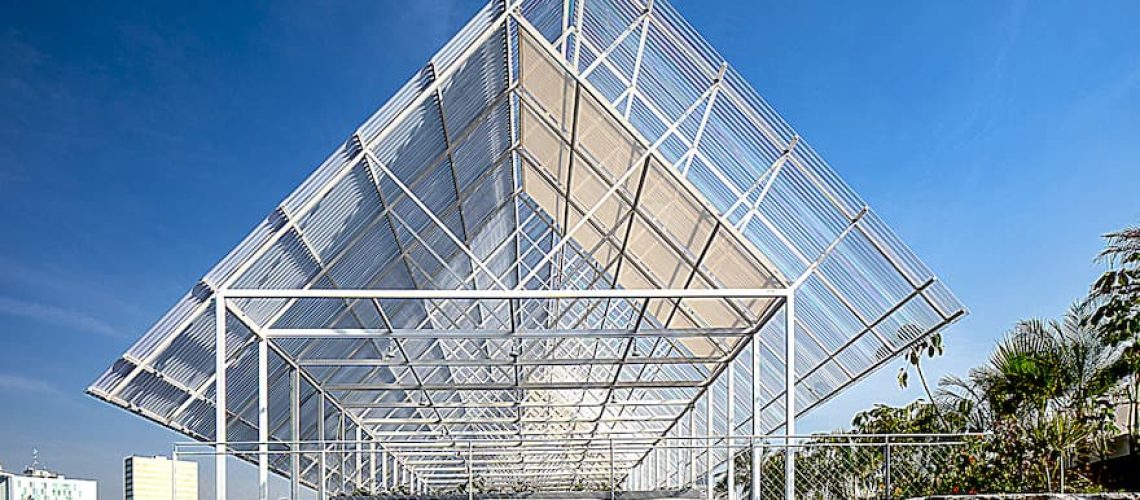
Polycarbonate was once an industrial afterthought — practical, translucent, and anonymous. Today, architects are reclaiming it as a spatial instrument: filtering light, softening boundaries, and turning structure into atmosphere. No longer just cladding, polycarbonate has become a medium through which buildings negotiate privacy, climate, and visual connection in contemporary architecture.


Polycarbonate, commonly used in roofing and industrial cladding, has gone beyond its initial applications to become a material widely used across various architectural typologies. Its combination of strength, lightness, easy installation, and ability to allow natural light to pass through has made it an attractive option for residential, educational, and even cultural architecture projects. In homes, polycarbonate not only helps create bright and comfortable environments but also allows for creative use of translucency to generate private spaces without sacrificing visual connection to the outdoors.


Exploring the Boundaries of Polycarbonate

More and more architects are exploring the potential of polycarbonate in other sectors, such as officessports centers, and even museums, where its ability to transform the spatial experience through light and transparency adds an expressive value to the design. Additionally, the use of polycarbonate maximizes natural light, improving indoor environmental quality and reducing the need for artificial lighting during the day]. [Its versatility in shapes and finishes makes it adaptable to innovative designs and sustainable projects, which aim to reduce energy consumption and promote thermal comfort.


top15_polycarbonate-applications


25 Exemplary Projects Showcasing Its Versatility

We present a selection of 25 works that stand out for their innovative use of polycarbonate. This list includes homes, schools, offices, industrial buildings, and libraries that exemplify how this material has become a lasting architectural trend.


The Vernacular Architecture Evolution of Naya

2-01_31polycarbonate-applications


2-01_30polycarbonate-applications


Greenhouse for the Coexistence of Plants and Humans

2-02_33polycarbonate-applications


FW JI·Huizhou Corridor

2-03_40polycarbonate-applications


2-03_43polycarbonate-applications


Infinite Openness

2-04_41polycarbonate-applications


Nightlight Shed

2-05_17polycarbonate-applications


2-05_08polycarbonate-applications


Circular Pavilion

2-06_46polycarbonate-applications


2-06_45polycarbonate-applications


Small Bamboo Recess

2-07_28polycarbonate-applications


2-08_17polycarbonate-applications


MKO Culture Café

2-08_17polycarbonate-applications


2-08_18polycarbonate-applications


Jokopi MERR Café

2-09_49polycarbonate-applications


Shed

2-10_26polycarbonate-applications


2-10_25polycarbonate-applications


The Orangery Renovation

2-23_32polycarbonate-applications.jpg


2-11_29polycarbonate-applications.jpg


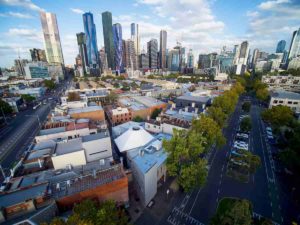
Modus Operandi Merewether Brewery

2-12_20polycarbonate-applications


2-12_19polycarbonate-applications


Rooftop Prim

2-13_12polycarbonate-applications


2-13_10polycarbonate-applications


Espinosa Studios

2-14_05polycarbonate-applications


2-14_37polycarbonate-applications


House in Yanakacho

2-15_42polycarbonate-applications


2-15_36polycarbonate-applications


House of the Child

2-16_35polycarbonate-applications


2-16_38polycarbonate-applications


Miyagawa Bagel

2-17_02polycarbonate-applications


2-17_16polycarbonate-applications


L’Architecture est dans le Pré

2-18_14polycarbonate-applications


2-18_11polycarbonate-applications


Nest We Grow/College of Environmental Design UC Berkeley + Kengo Kuma & Associates

2-19_06polycarbonate-applications


2-19_07polycarbonate-applications


House in Shinkawa

2-20_44polycarbonate-applications


Casa Triângulo

2-21_47polycarbonate-applications.jpg


Schoolgarden “De Buitenkans”

2-22_22polycarbonate-applications.jpg


2-23_34polycarbonate-applications


House D/Fouquet Architecture Urbanisme

2-23_34polycarbonate-applications


2-23_32polycarbonate-applications


Seasonless House

2-24_24polycarbonate-applications


2-24_23polycarbonate-applications


Lan Din/Sher Maker

2-25_03polycarbonate-applications


2-25_13polycarbonate-applications


Editor’s note:
This article was updated on  1  December, 2024, by Kanika Ting Taylor.

cover01_polycarbonate-applications


kanikachic
Want your project to be featured? Showcase your work through Kanikachic and E-mail us your most inspiring moments.
All Photography, Styling, Fotos, Pictures and Videos Shared with Permission from the [Archdaily] Website
──────────────────────────────────────────────────────────────────────────
Per essere insostituibili bisogna sempre essere diverso. ▎Ci sono immagini affascinanti qui, e l’affascinante giornata di insieme!  xo  KanikaChic

溫哥華海岸的巢穴(The Nest)度假勝地

The Nest 在溫哥華海岸重構建築與景觀關係

被常綠樹冠包覆,這座度假住宅既像樹屋也像瞭望台,重新定義棲居高度。     The Nest 如同一處隱於林間的世外棲居,遠離塵囂,被茂密的常綠樹冠環繞,俯瞰豪灣(Howe Sound)的壯麗景色。它既像一座小木屋,又像一間懸浮於林梢的樹屋,介於現實與超現實之間。這座位於溫哥華海岸的度假居所刻意模糊建築與自然的邊界,既是緊密相連的社區節點,也如同一座靜靜佇立於高處的瞭望台,承載關於庇護、觀看與共存的想像。 棲息在濟慈島高處的「巢穴」(The Nest),距離溫哥華僅一小段渡輪航程,卻又宛如世外桃源。這座由建築師達莉亞·謝娜設計的住宅,是一種 建築與景觀關係 的實驗,在茂密常綠樹冠之中模糊了棲居與自然的邊界。 濟慈島森林茂密,地勢崎嶇,是一處休閒度假勝地,島上散佈著夏季小屋,約有50名常住居民,是一個緊密聯繫的社區。該島位於島上最高點之一,其僻靜的地理位置、高聳的地形和令人嘆為觀止的全景景觀對項目的設計產生了深遠的影響,最終使這座房屋彷彿與周圍景觀融為一體,又如同一座瞭望台般矗立於高處。           從建築角度來看,這棟房屋的設計理念是兩個立方體的碰撞,其中一個旋轉45度形成銳利輪廓。西部紅雪鬆覆層將體塊整合為一體,使建築外皮成為一種 材料敘事,隨時間轉為銀灰色,進一步融入周圍森林景觀。 A similar relationship between architecture and

Facebook
Twitter
LinkedIn
Tumblr
0 0 votes
Article Rating
Subscribe
Notify of
guest
0 Comments
Oldest
Newest Most Voted
Inline Feedbacks
View all comments
Search