Piaba House Reflects a Contemporary Sensibility Rooted in Local Traditions

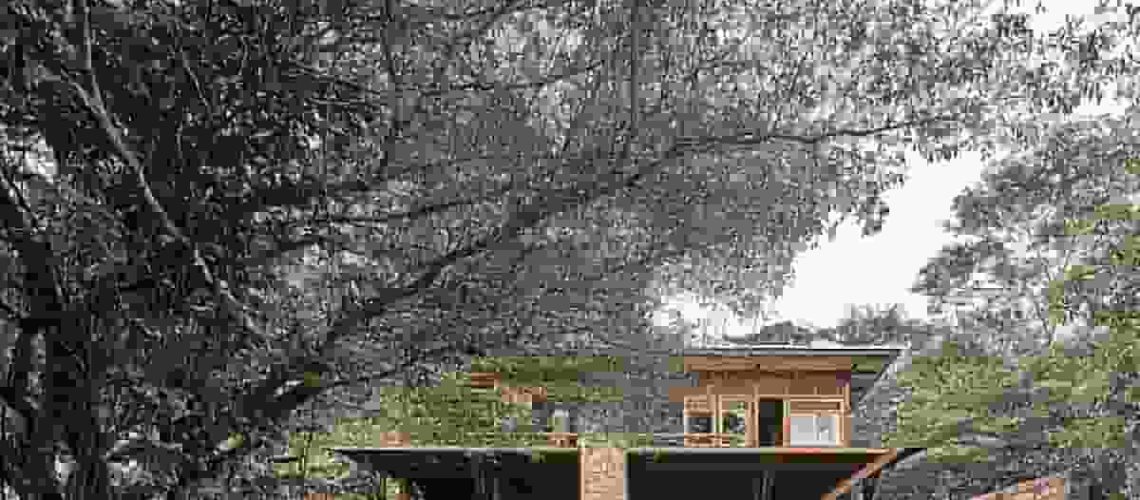
Piaba House crafted timber architecture integrated into the landscape of Chapada da Diamantina Brazil
Rather than pursuing architectural spectacle, Piaba House demonstrates how contemporary living can emerge from a deep understanding of landscape, traditional craftsmanship, and local culture, creating a residence that feels inseparable from its Brazilian setting.


Piaba House is the Maturement of a Sensibility—One of contemporary architecture’s most pressing challenges Piaba House is the Maturement of a Sensibility capable of deciphering the landscape on a local level continuity with local traditions as well


Reading the Landscape Through Contemporary Architecture

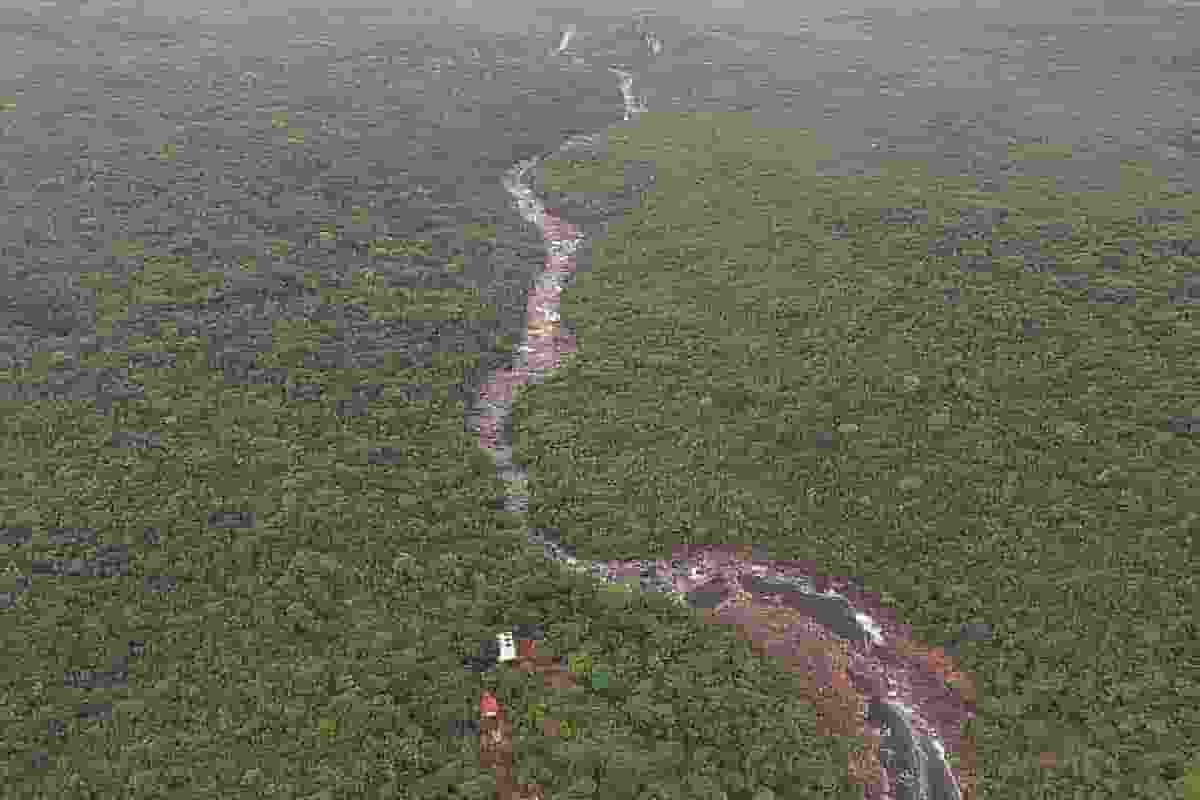
One of contemporary architecture’s most pressing challenges is the maturement of a sensibility capable of deciphering the landscape on a local level, offering construction continuity with local traditions as well as the creativity necessary for accommodating new lifestyles. In that sense, Piaba House can be read as a result of a process of cultural archeology in the Chapada da Diamantina and a proposal of contemporary habitability in this landscape.
 

Piaba House is the Maturement of a Sensibility—One of contemporary architecture’s most pressing challenges Piaba House is the Maturement of a Sensibility capable of deciphering the landscape on a local level continuity with local traditions as well


Craftsmanship and Material Culture as Design Drivers

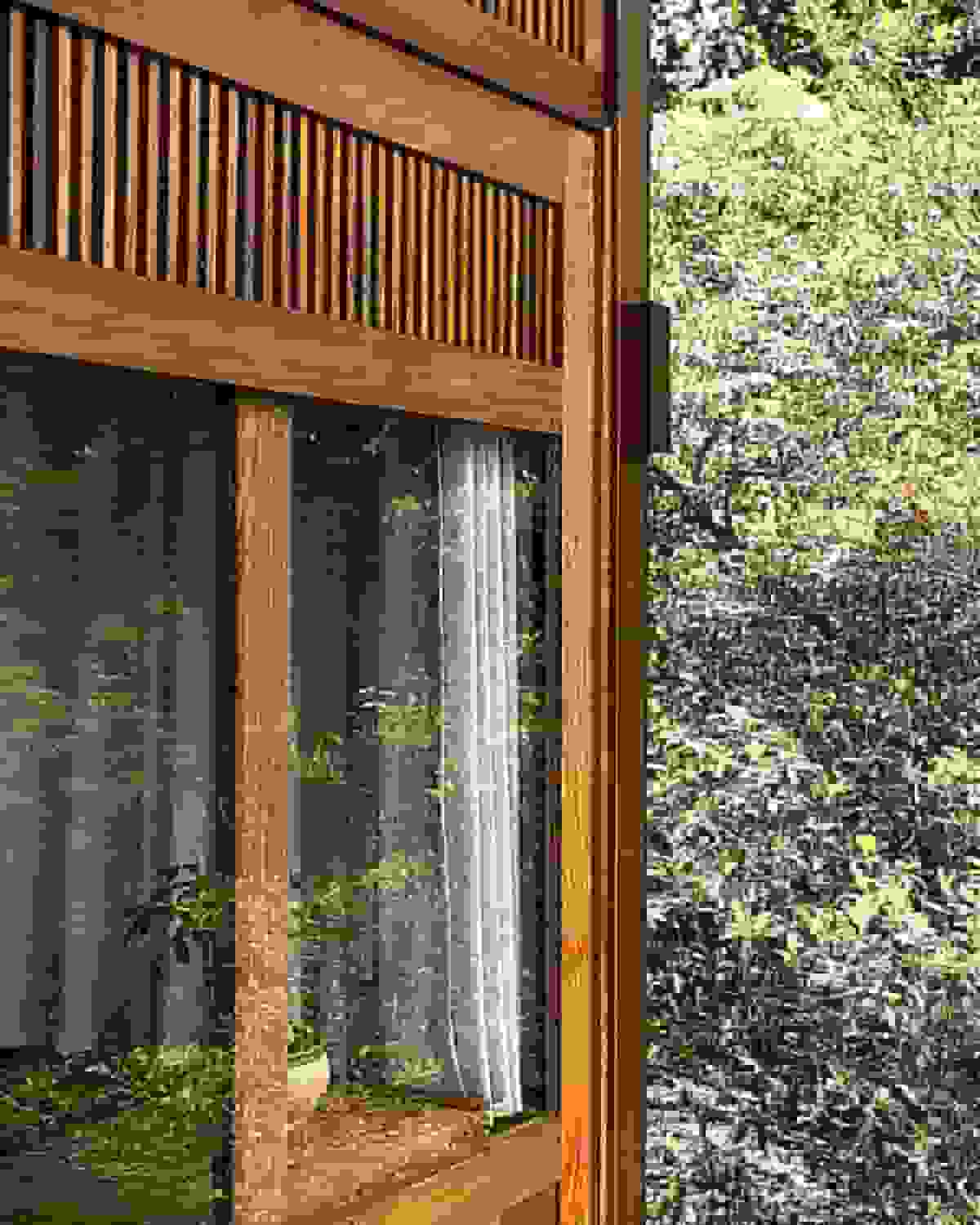
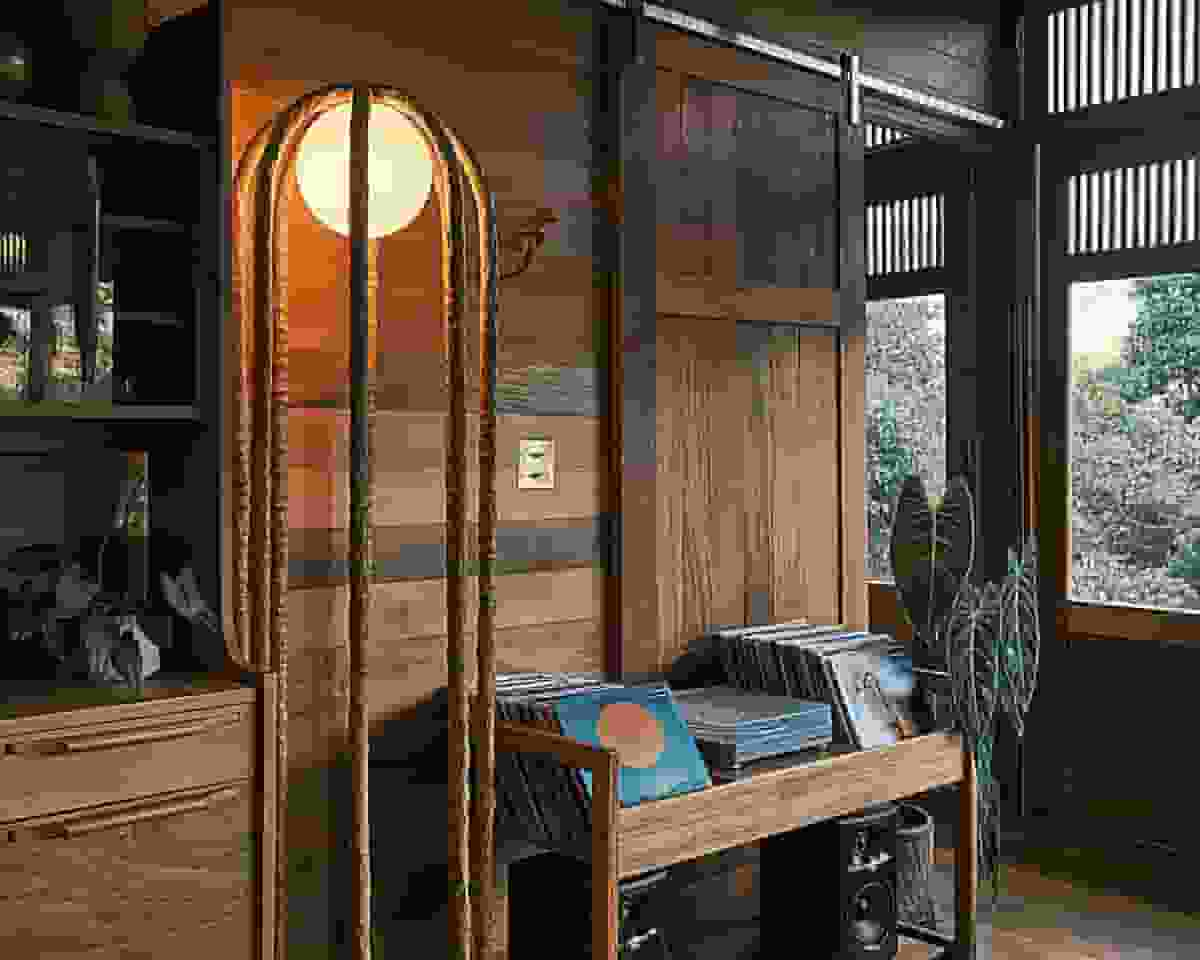
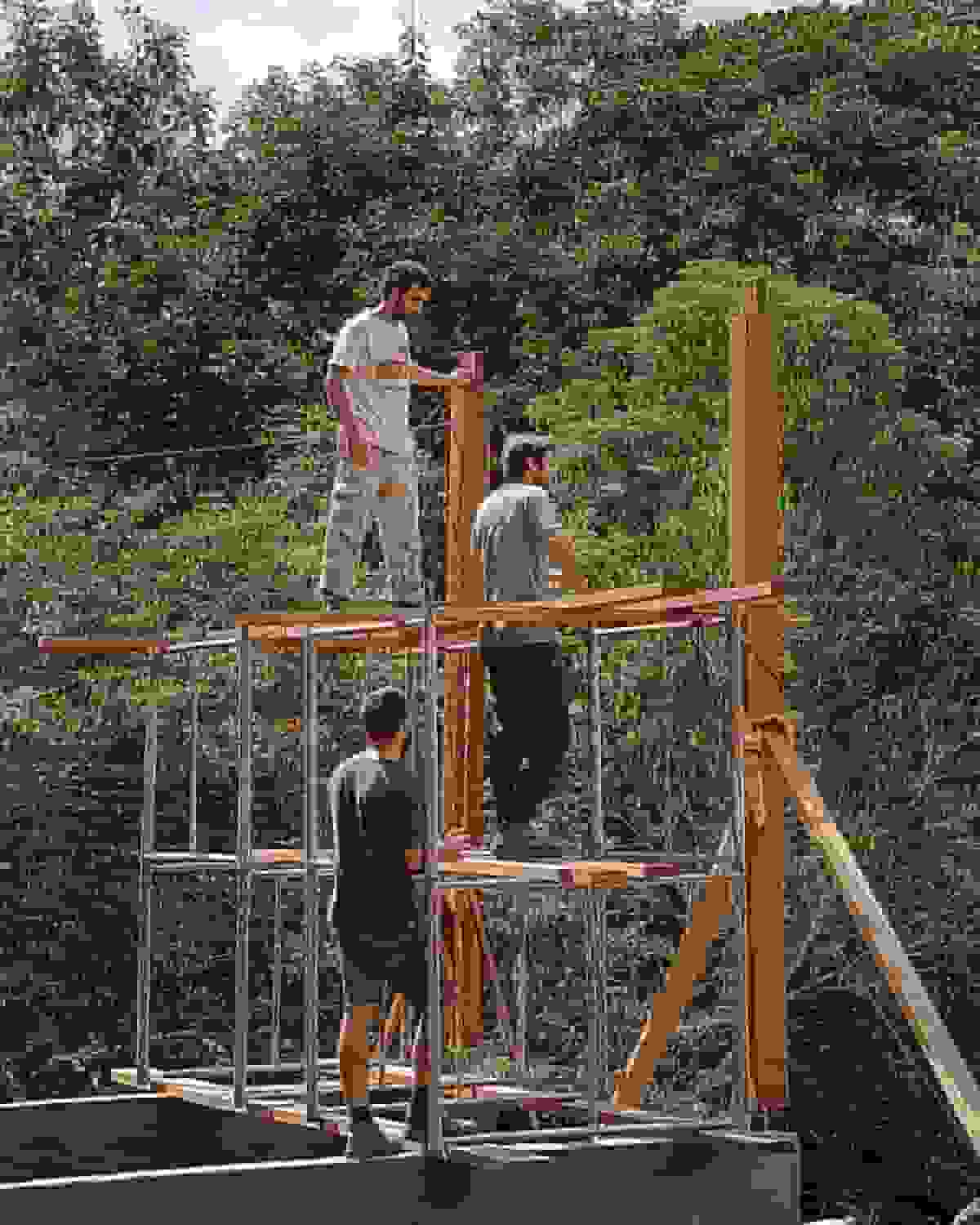
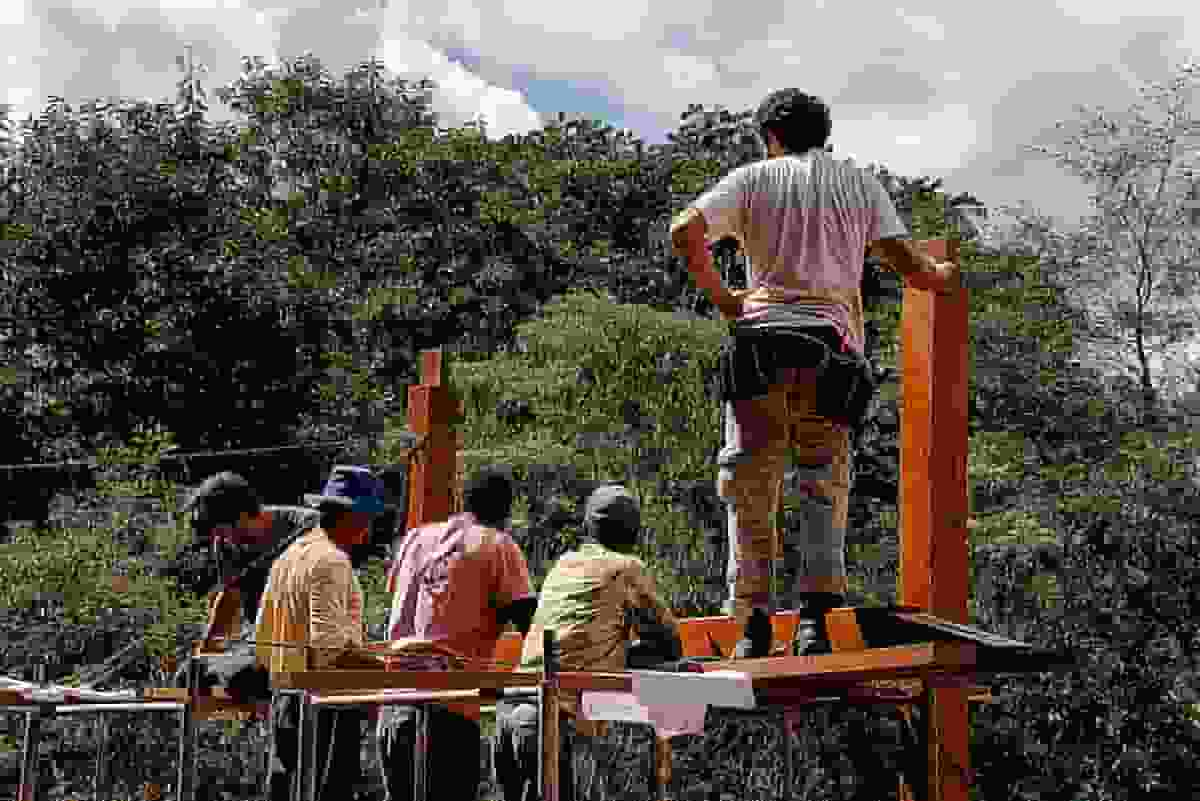
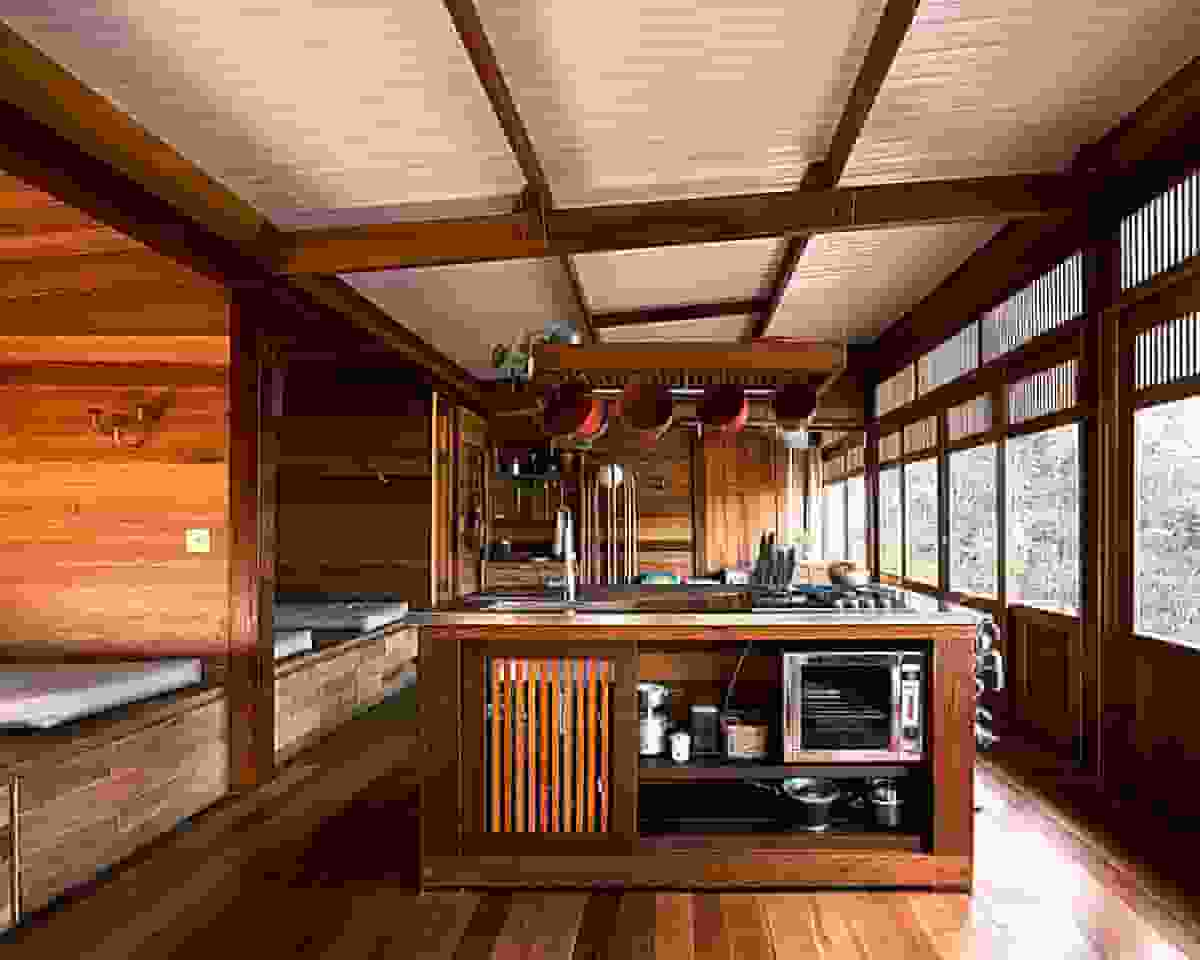
The house resulted from a constructive investigation by Lajedo Arquitetura, an office from São Paulo, in partnership with the furniture designer Leon Ades. The research on the materiality of wood and traditional joinery techniques was the common interest that inspired this cooperation. The admiration for artisanal modes of fabrication led the architects Alexandre Makhoul and Luiz Bomeny, as well as Leon Ades, to make the carpentry with their own hands, from the pre-fabrication of the structure until its assembly on the site. When studied with greater attention, the construction reveals a careful reading of regional building traditions and material culture.
 

Piaba House is the Maturement of a Sensibility—One of contemporary architecture’s most pressing challenges Piaba House is the Maturement of a Sensibility capable of deciphering the landscape on a local level continuity with local traditions as well


Piaba House is the Maturement of a Sensibility—One of contemporary architecture’s most pressing challenges Piaba House is the Maturement of a Sensibility capable of deciphering the landscape on a local level continuity with local traditions as well


▎Igatú, or “good water” in the language of indigenous populations Cariri and Maracá, went through an intense urbanization process in the second half of the XIXth century due to the discovery of diamonds in the region. The promise of enrichment in the countryside of Bahia brought an ambivalent legacy. On one side the consequences of extractivism and the mining industry, such as the silting of rivers and the destruction of native forests. Igatú’s wealth cycle, just like any other extractivist economy, exhausted itself. Most of its population left the city and today it is a small village with a population of less than one thousand. On the other side, an autochthonous culture flourished and the constitution of a regional notion of beauty, that despite its abandonment, remains rooted and alive through its few inhabitants.
 

Piaba House is the Maturement of a Sensibility—One of contemporary architecture’s most pressing challenges Piaba House is the Maturement of a Sensibility capable of deciphering the landscape on a local level continuity with local traditions as well


Piaba House is the Maturement of a Sensibility—One of contemporary architecture’s most pressing challenges Piaba House is the Maturement of a Sensibility capable of deciphering the landscape on a local level continuity with local traditions as well


Piaba House is the Maturement of a Sensibility—One of contemporary architecture’s most pressing challenges Piaba House is the Maturement of a Sensibility capable of deciphering the landscape on a local level continuity with local traditions as well


Piaba House is the Maturement of a Sensibility—One of contemporary architecture’s most pressing challenges Piaba House is the Maturement of a Sensibility capable of deciphering the landscape on a local level continuity with local traditions as well


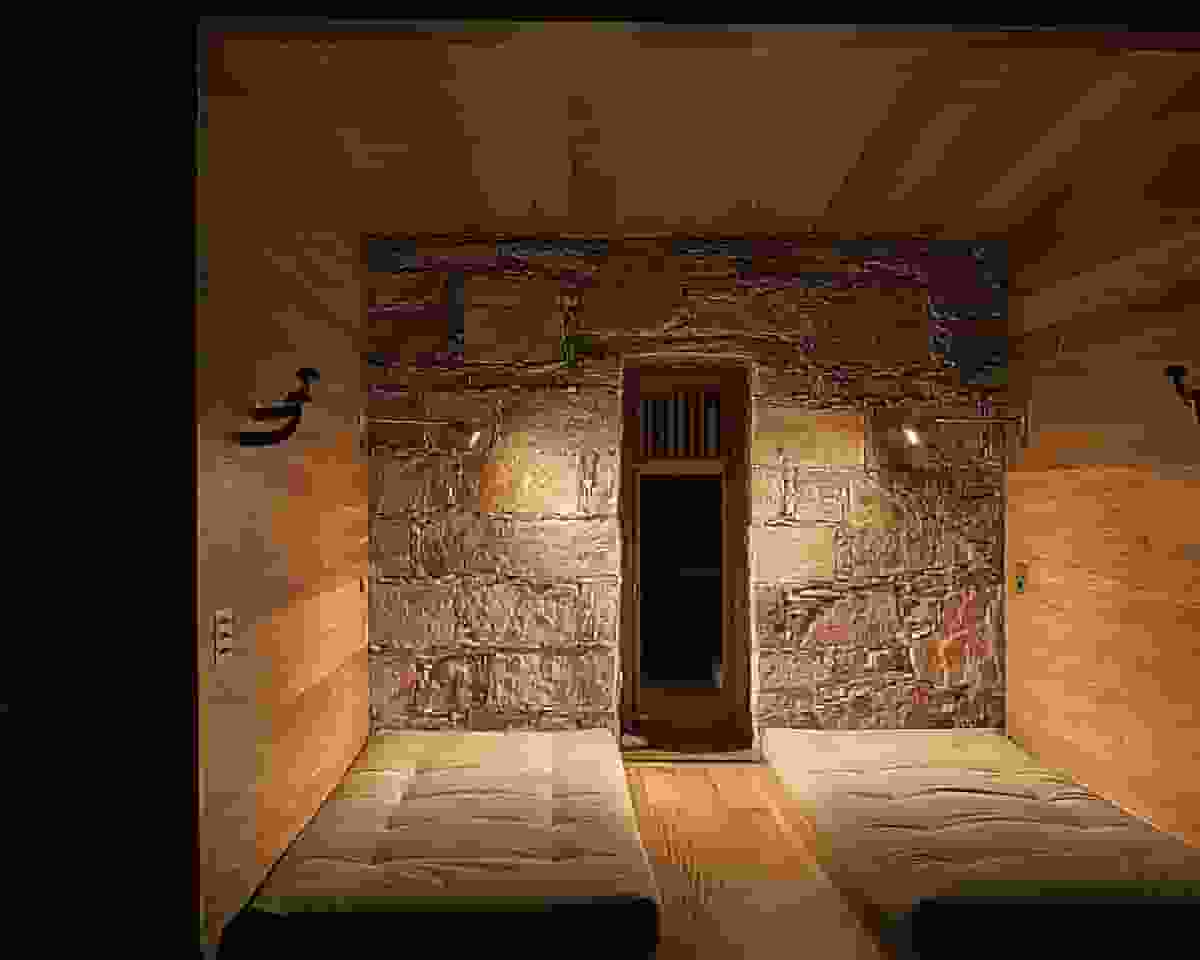
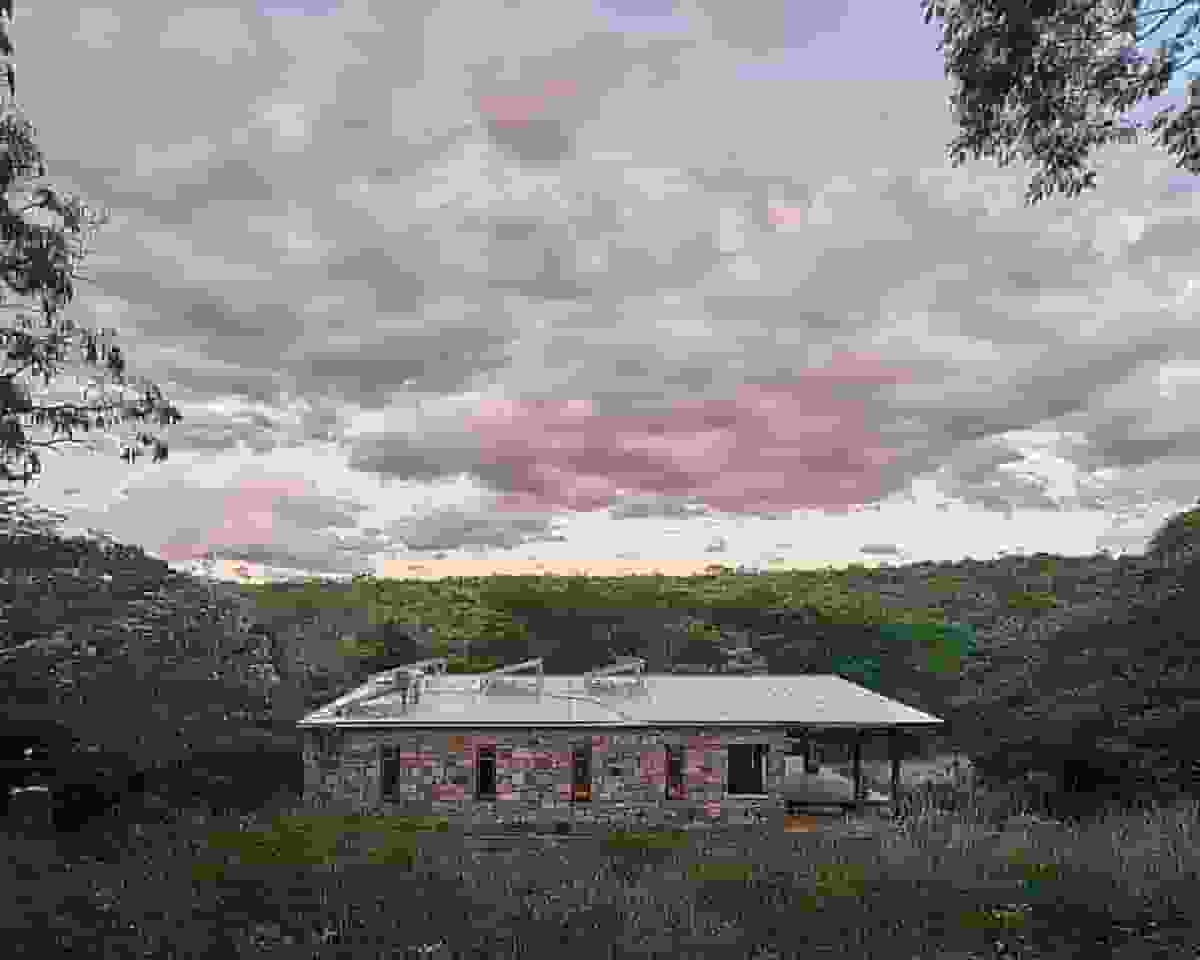
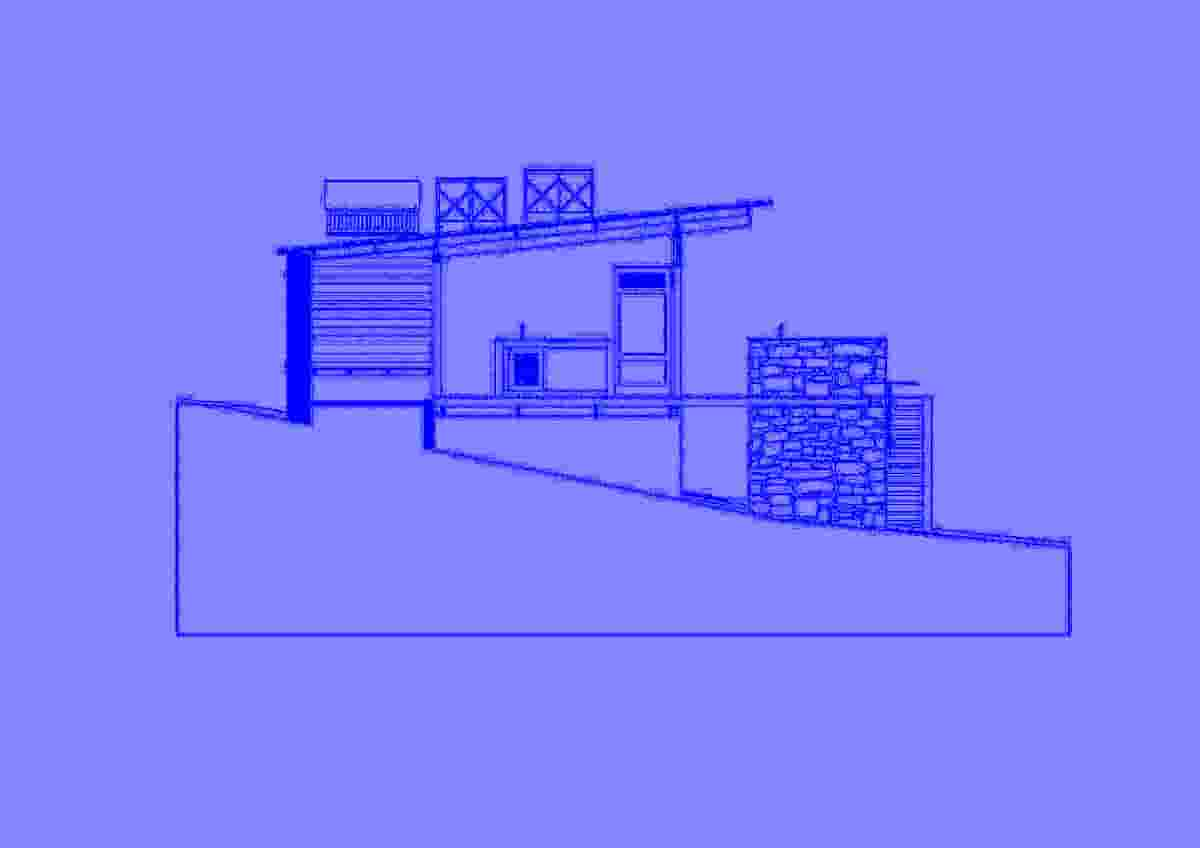
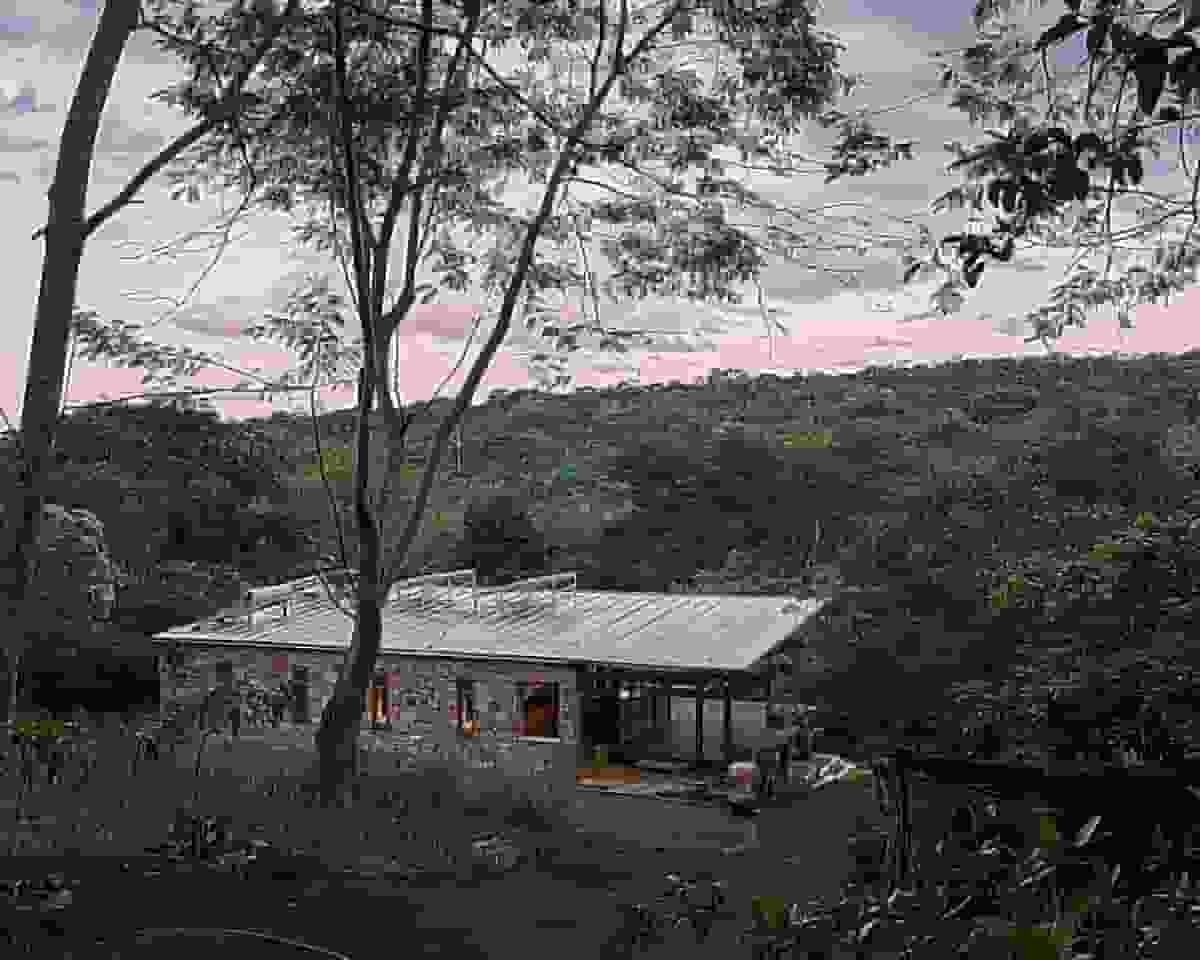
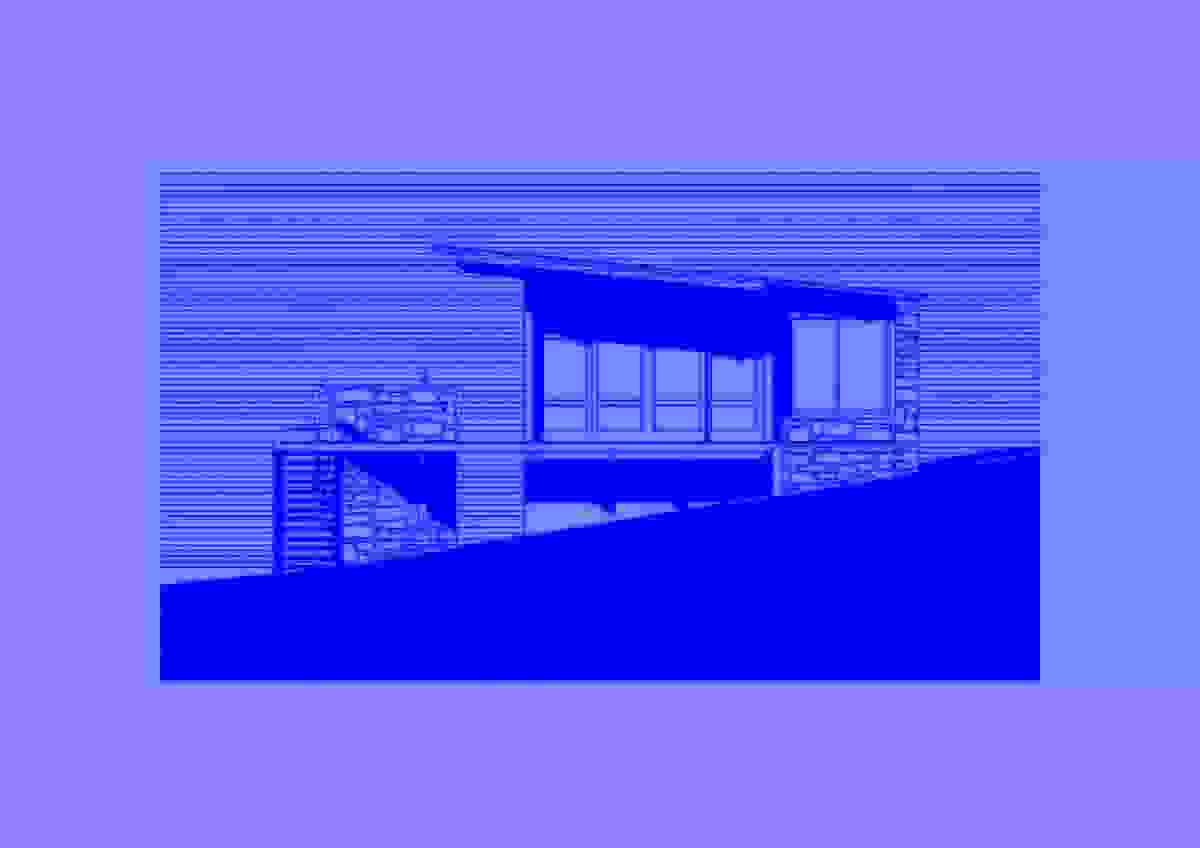
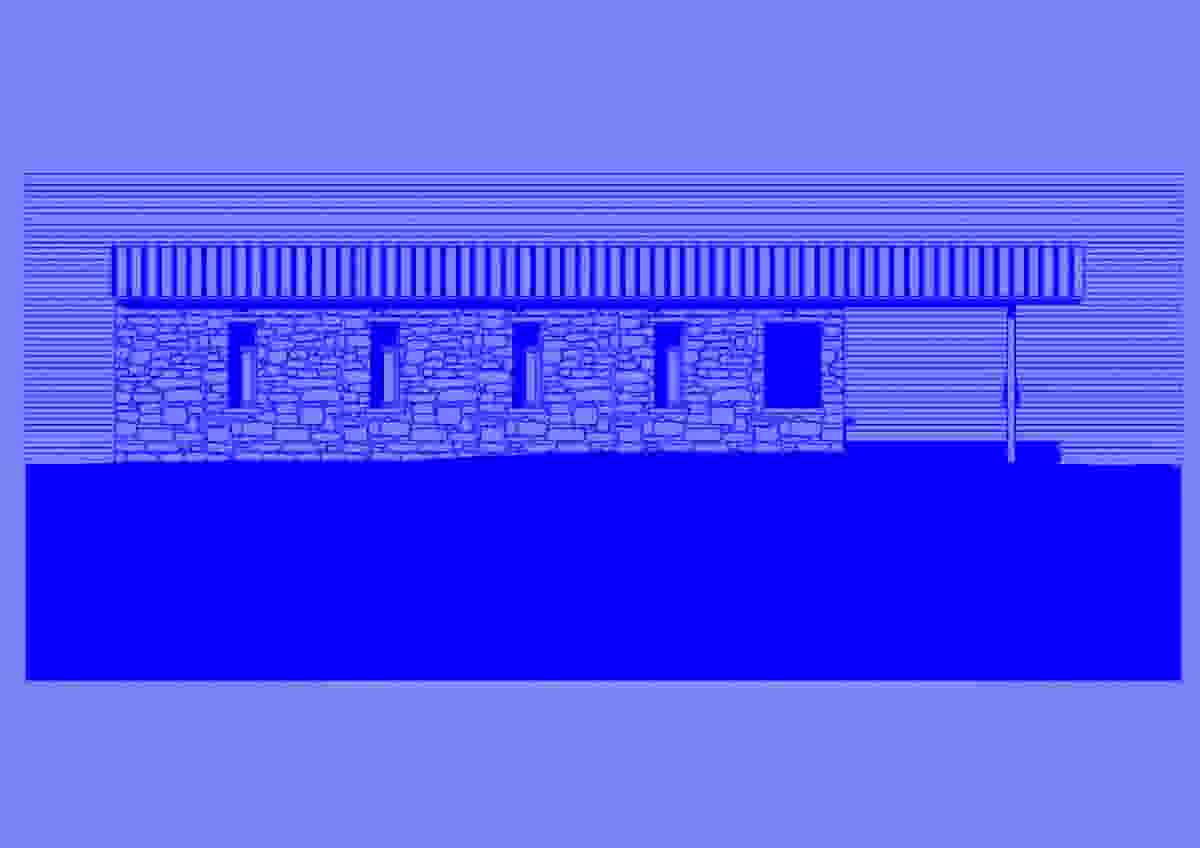
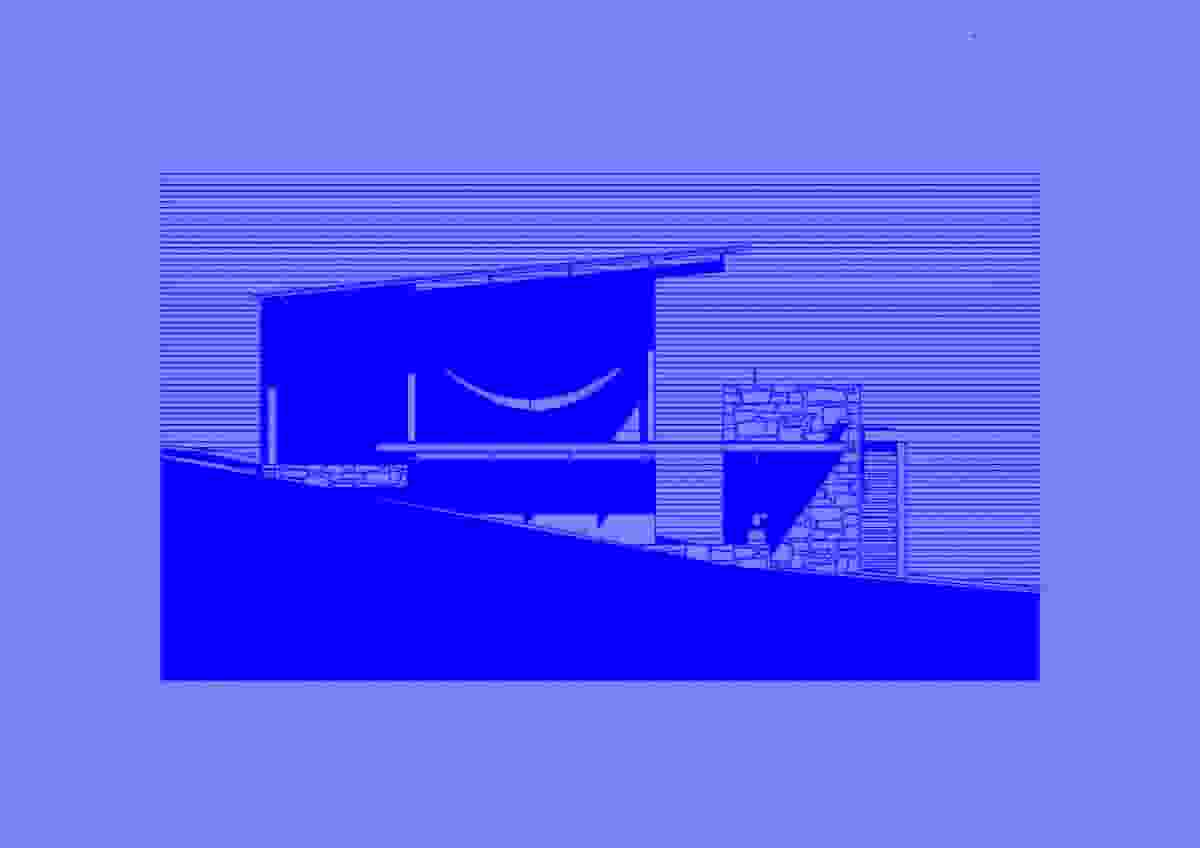
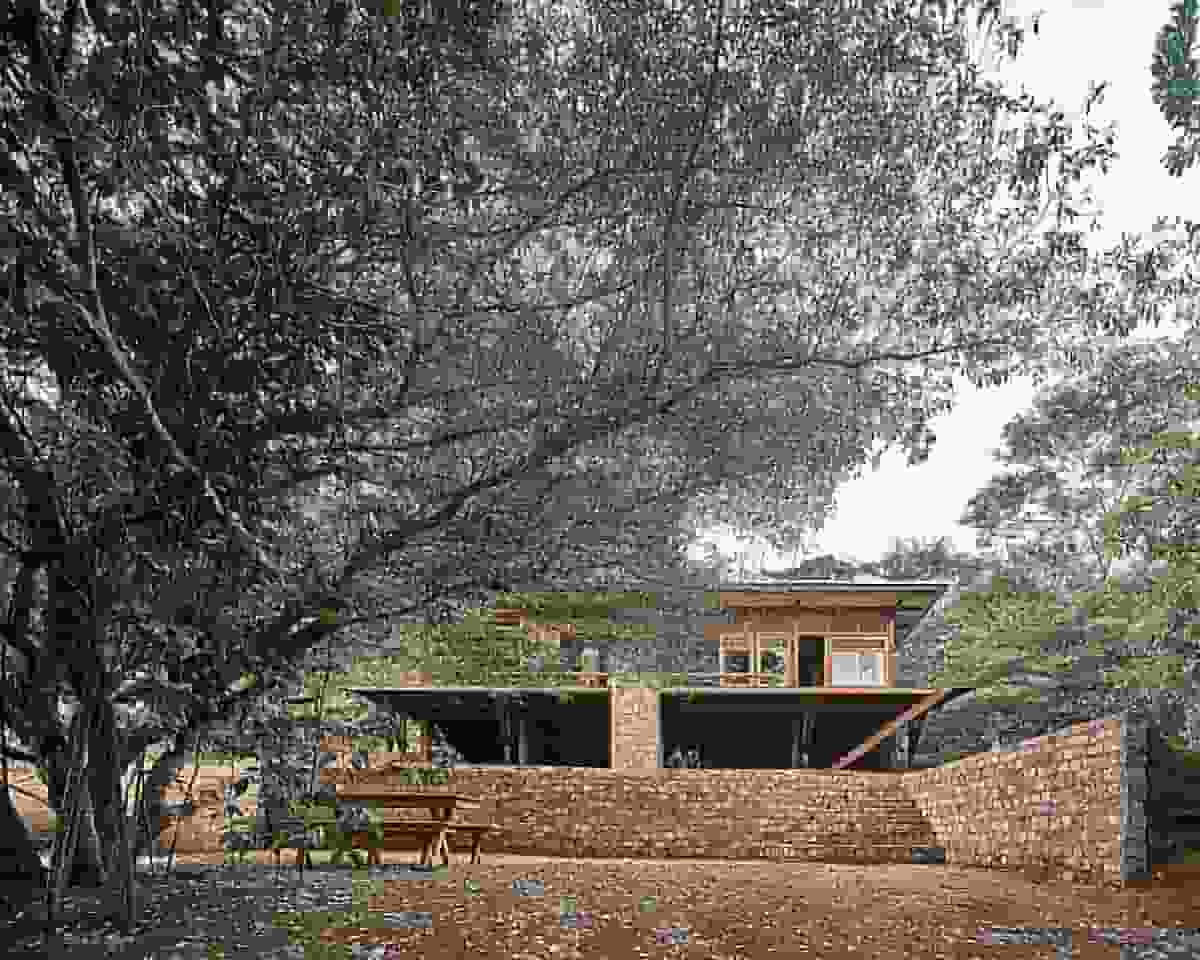
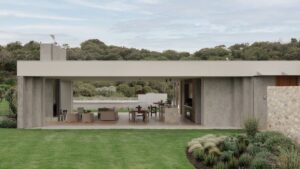
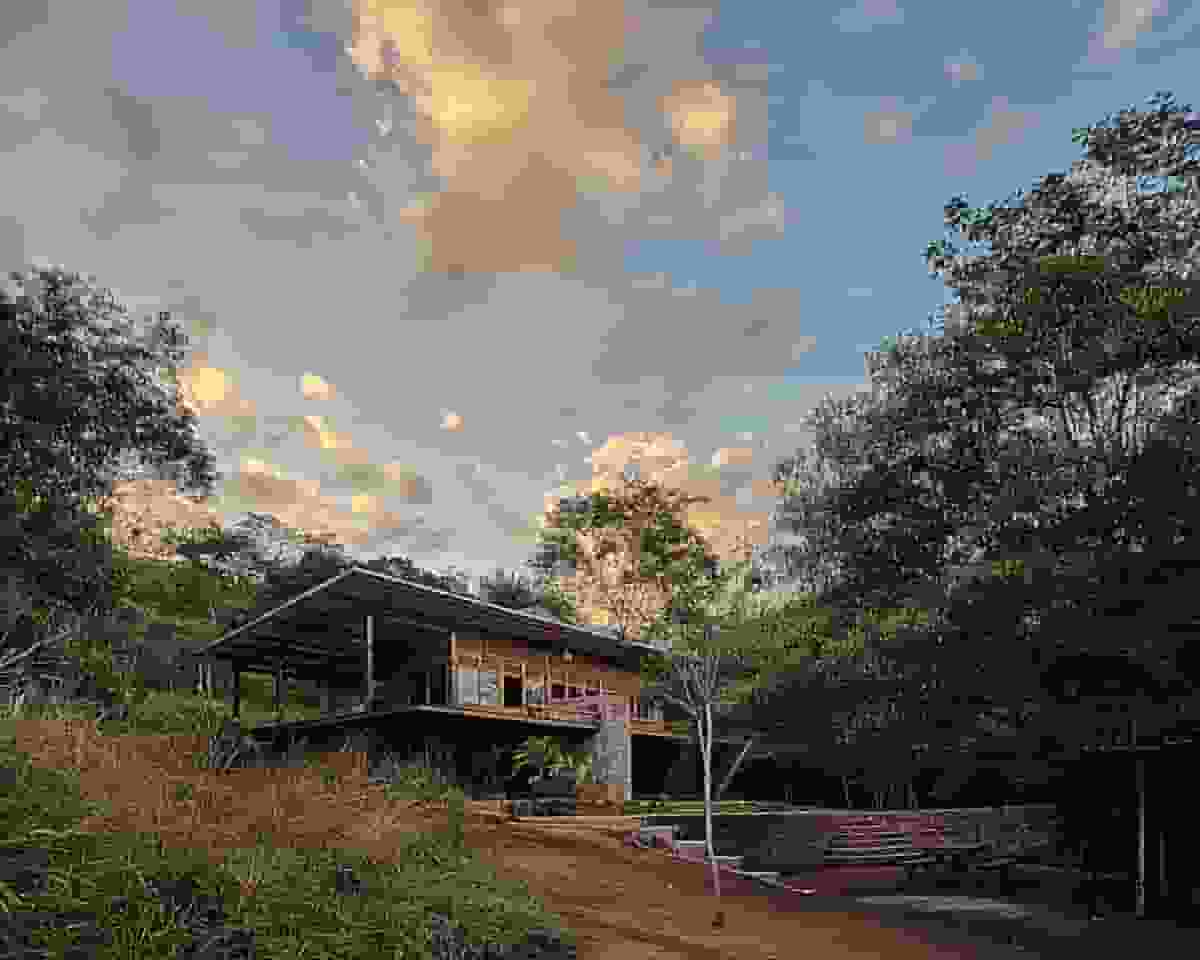
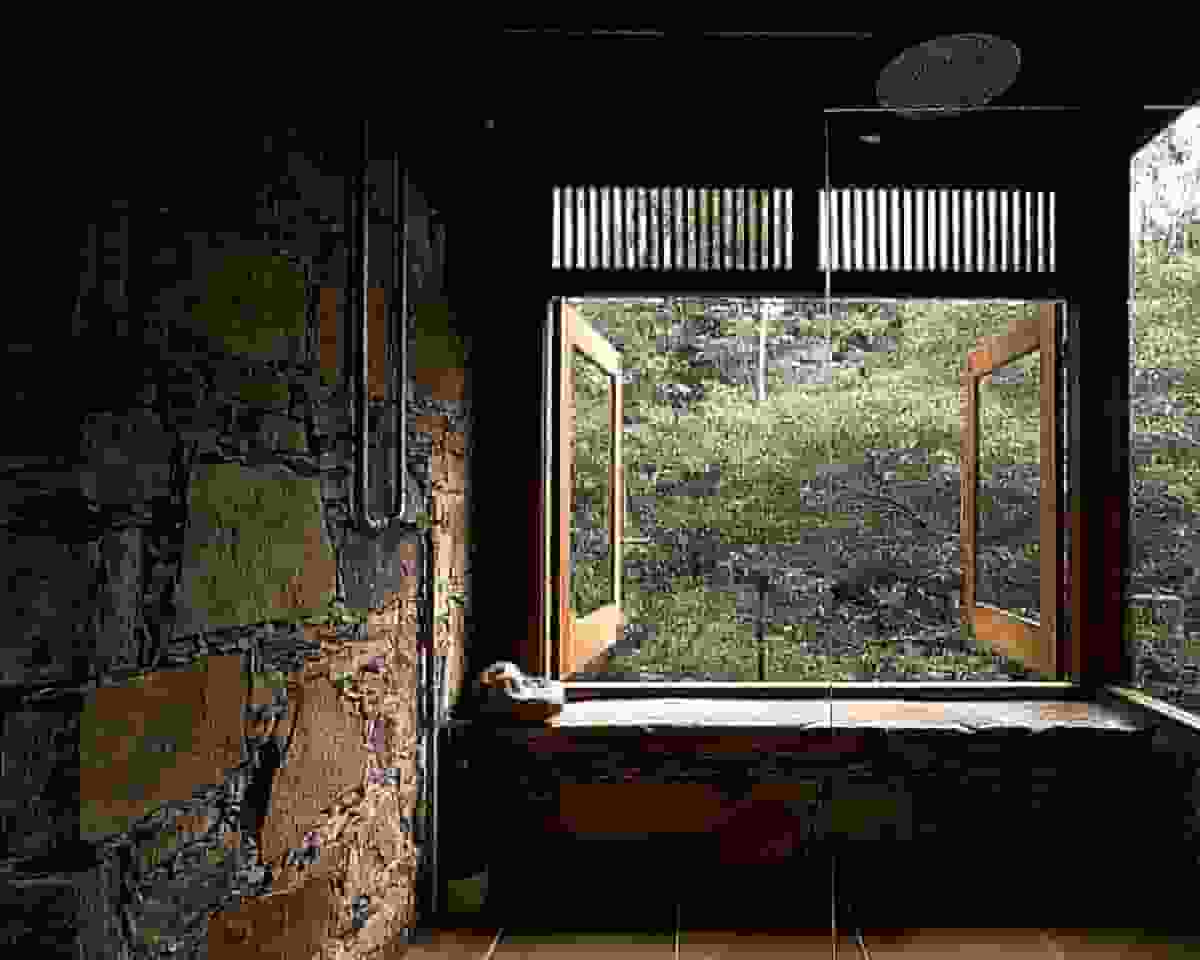
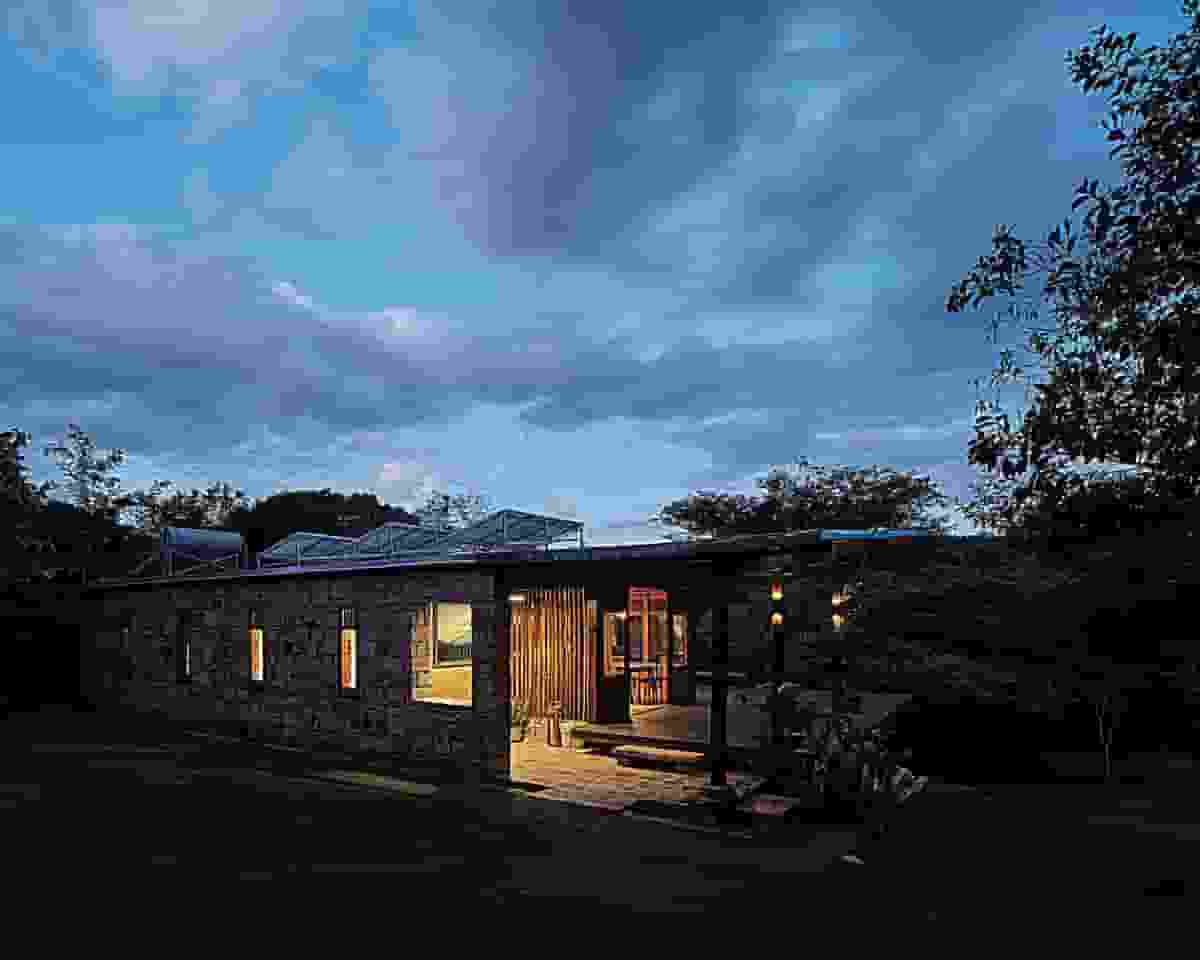
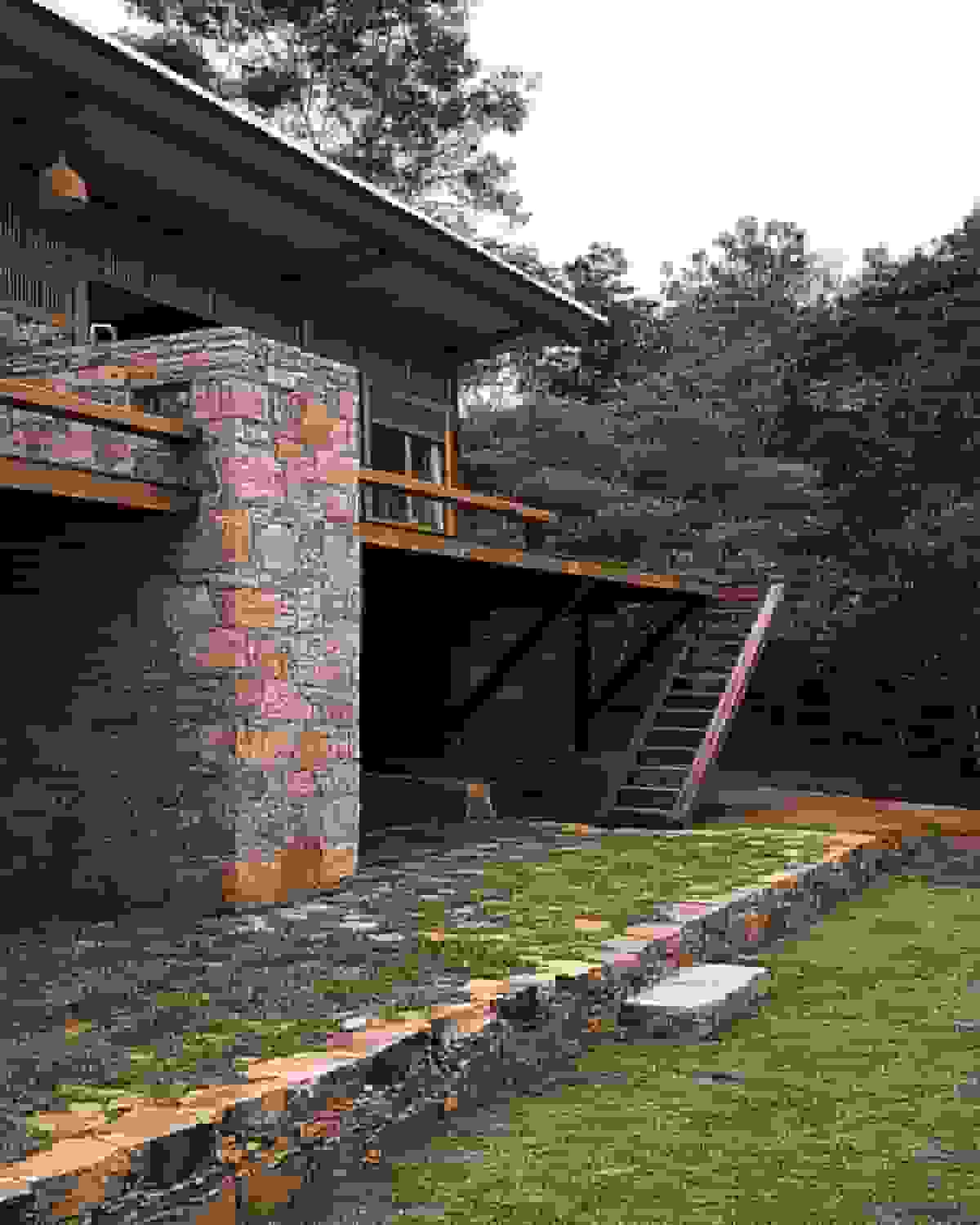
▎The house design seeks continuity with local construction traditions, such as traditional typologies found in Bahia’s colonial architecture and the landscape of the Chapada da Diamantina. Having as a central reference the Casa de Caminha from Portuguese architect Sérgio Fernandez, the design encrusts itself in a slope, creating an open space of acquaintanceship that blurs the frontiers between interior and exterior. When decomposed in its elements, Piaba house deconstructs colonial architecture, rearranging its elements in a new organization – adequate to the place and contemporary uses. The heavy perimetral walls of colonial Brazilian buildings, with their thin rectangular apertures disposed in regular intervals, appear here as the façade of the house – also referencing the typical frontality of colonial architecture that characterize the streets of the Pelourinho and Ouro Preto. However here the adopted construction technique isn’t rammed Earth but rather a wall in stone, typical of Igatú, with its assemblage lines developed through generations of local artisan construction workers. The patio, an essential element in Brazilian and Mediterranean architecture is also reinterpreted. Patios disseminate in hot regions as an intelligent strategy for integrating with the local climate, allowing for protected access to sunlight and the ventilation of the built volume.
 

Piaba House is the Maturement of a Sensibility—One of contemporary architecture’s most pressing challenges Piaba House is the Maturement of a Sensibility capable of deciphering the landscape on a local level continuity with local traditions as well


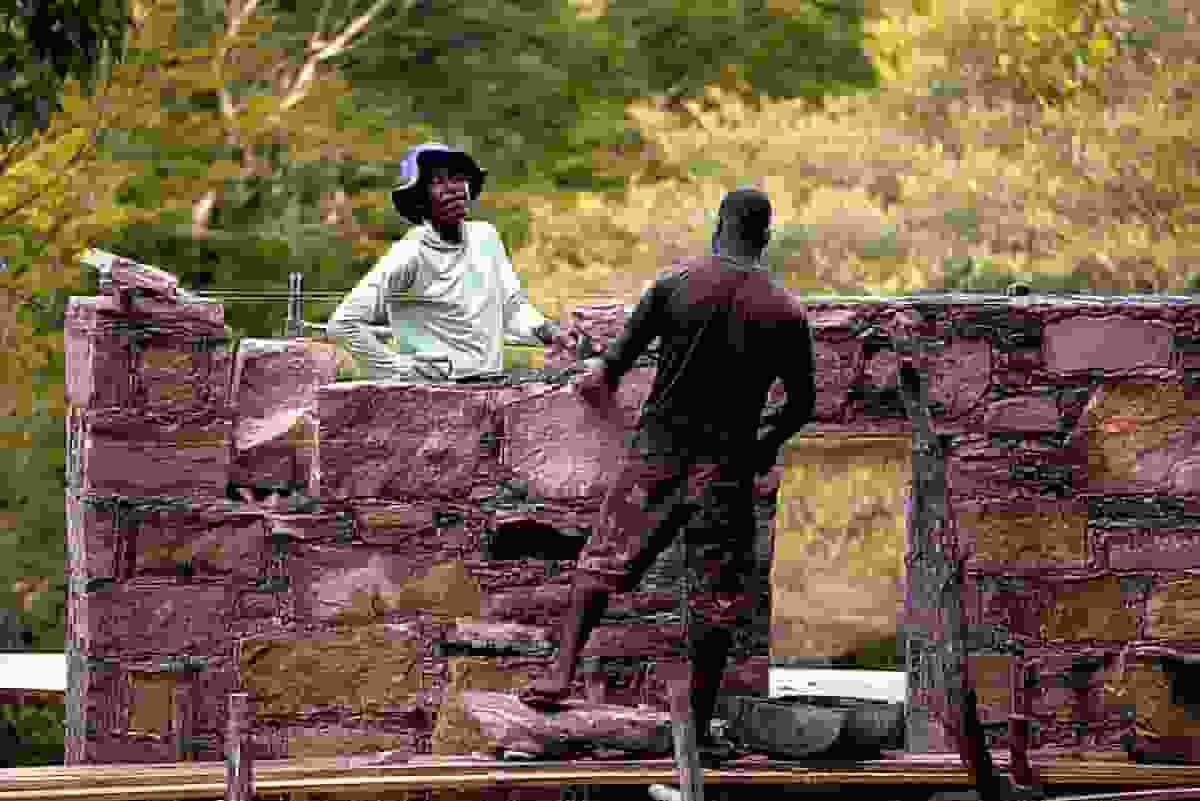
▎The wooden structures were fabricated in São Paulo while all other elements were fabricated and assembled in loco by the architects themselves and the team in Igatú. Experience in which they submitted themselves to guarantee an understanding of the local reality; and logistical and construction difficulties as well as the potential of the local workforce; to also feel the weight of their design in their own hands.
 

Piaba House is the Maturement of a Sensibility—One of contemporary architecture’s most pressing challenges Piaba House is the Maturement of a Sensibility capable of deciphering the landscape on a local level continuity with local traditions as well


Piaba House is the Maturement of a Sensibility—One of contemporary architecture’s most pressing challenges Piaba House is the Maturement of a Sensibility capable of deciphering the landscape on a local level continuity with local traditions as well


Piaba House is the Maturement of a Sensibility—One of contemporary architecture’s most pressing challenges Piaba House is the Maturement of a Sensibility capable of deciphering the landscape on a local level continuity with local traditions as well


Piaba House is the Maturement of a Sensibility—One of contemporary architecture’s most pressing challenges Piaba House is the Maturement of a Sensibility capable of deciphering the landscape on a local level continuity with local traditions as well


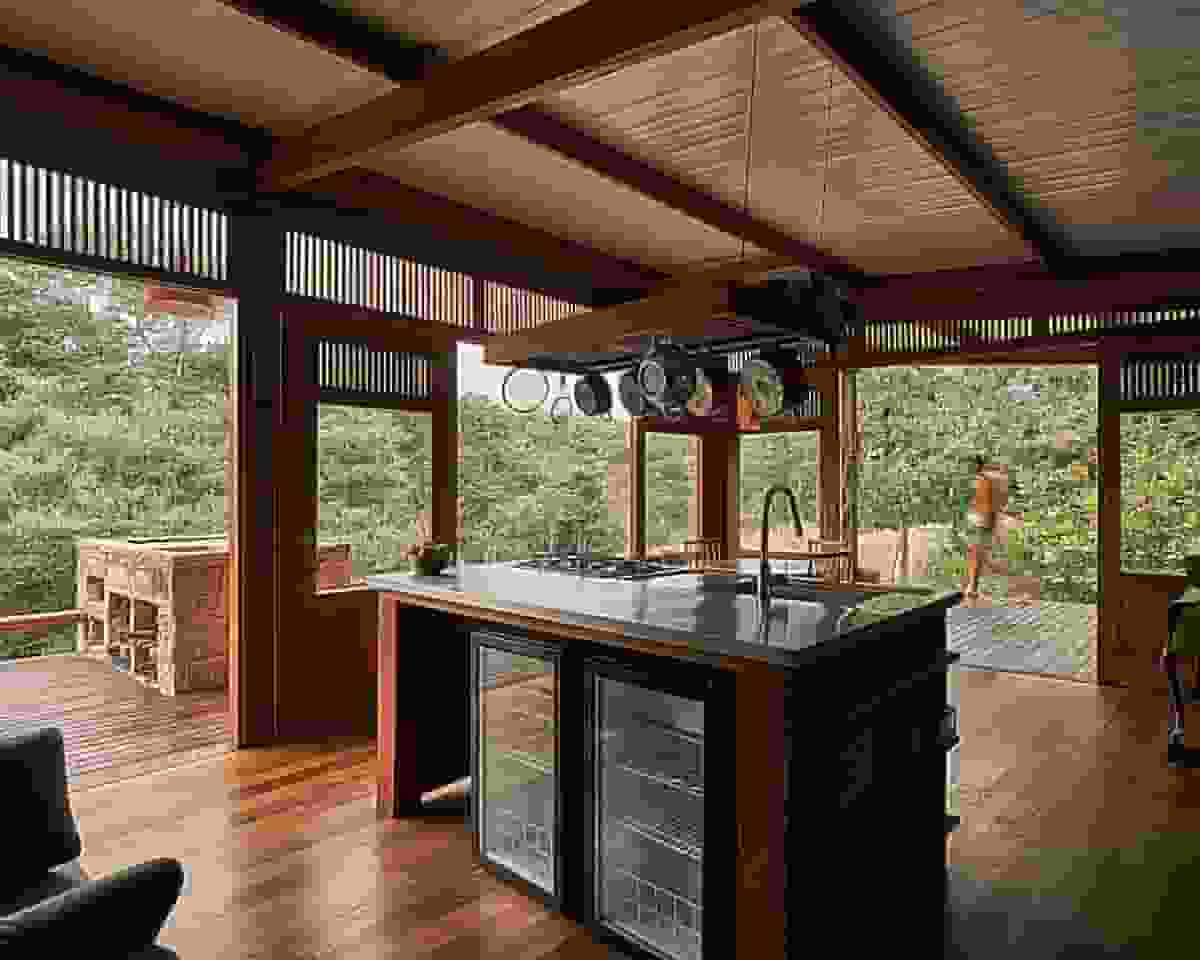
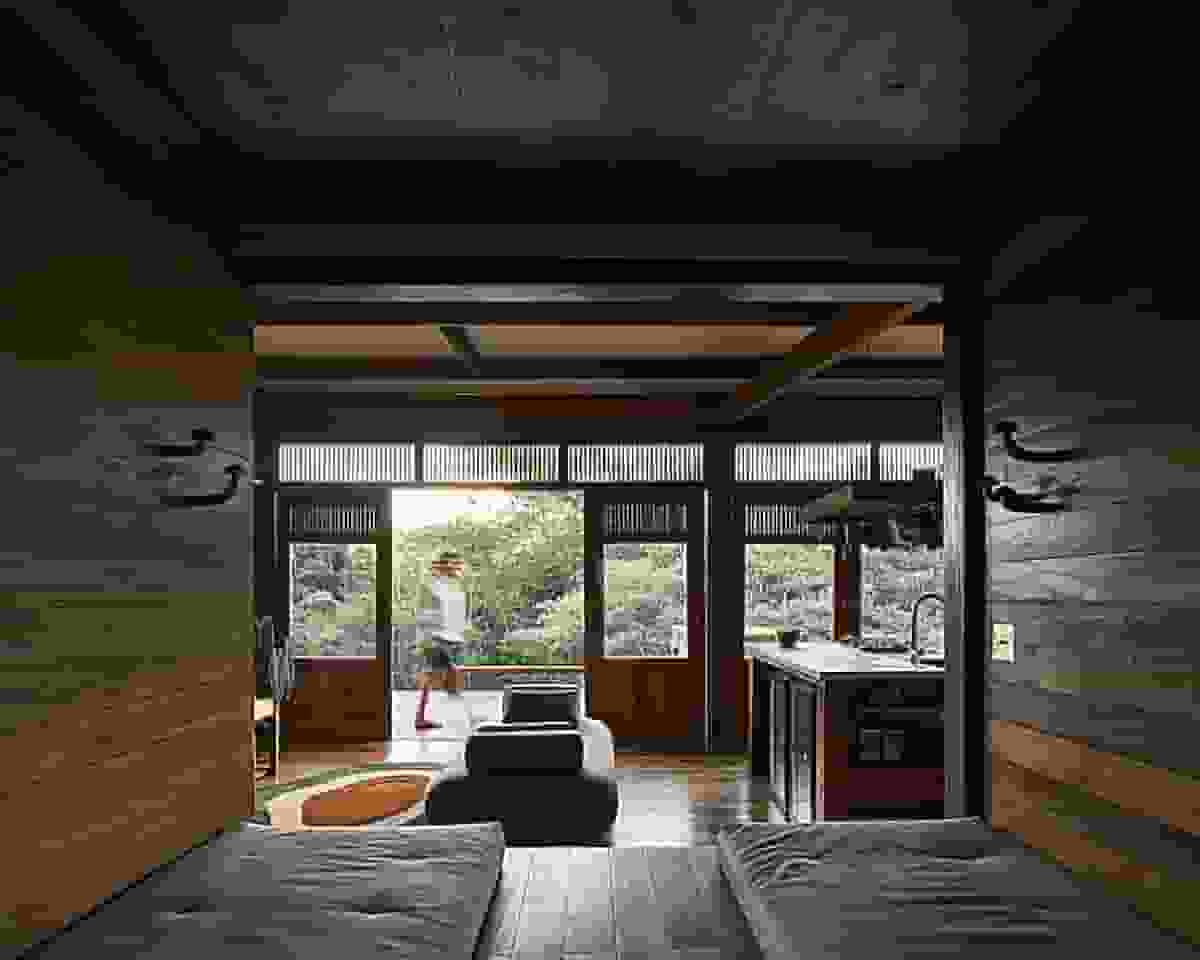
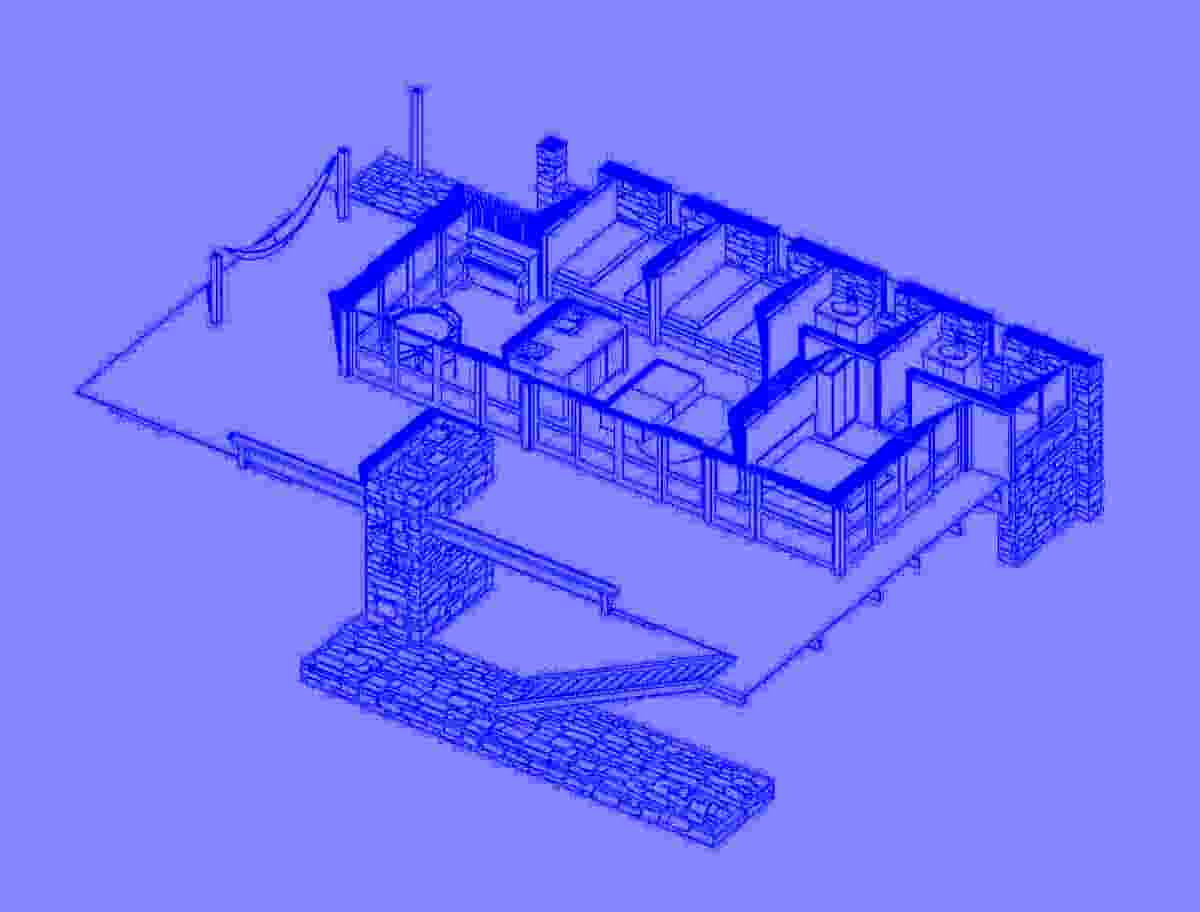
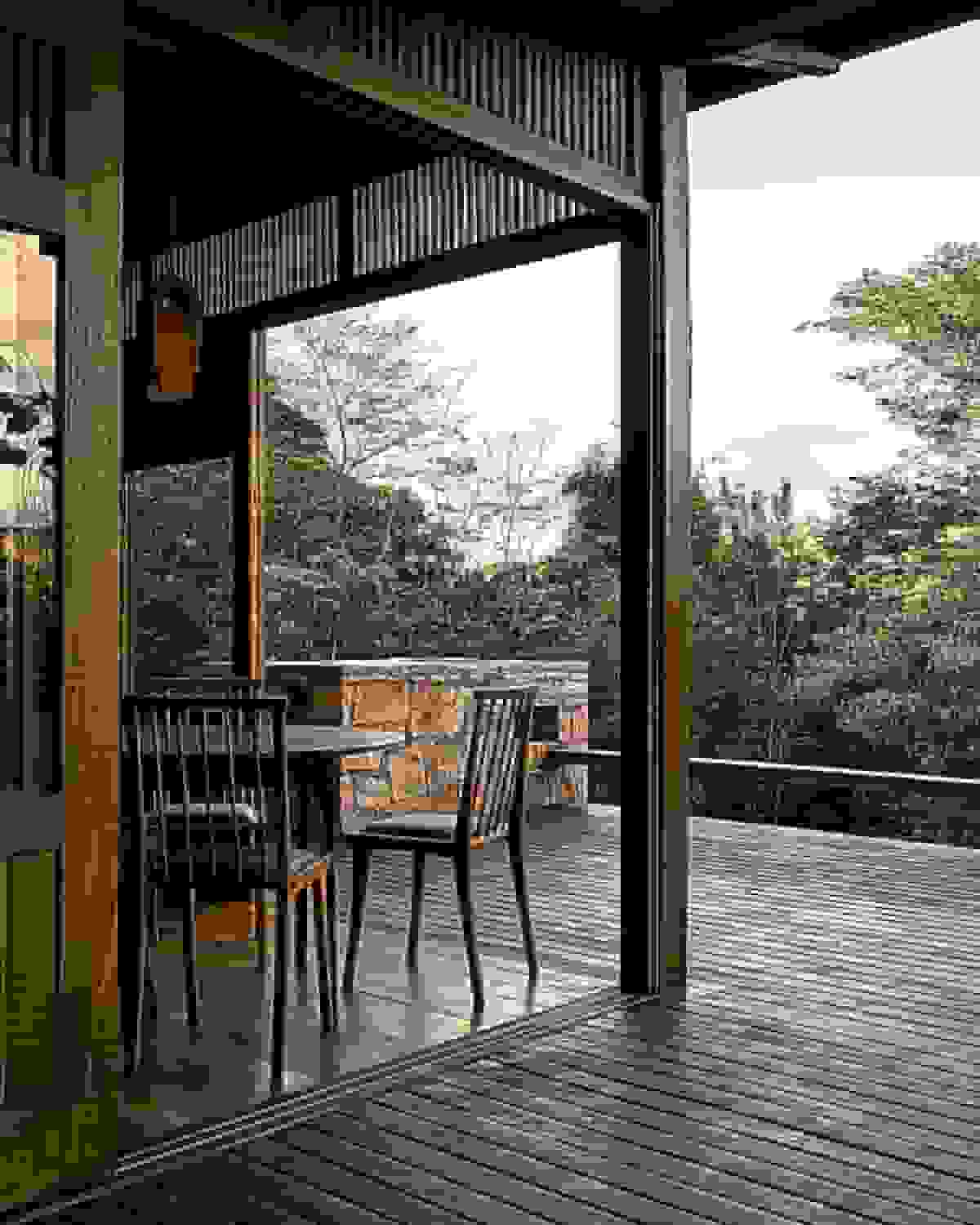
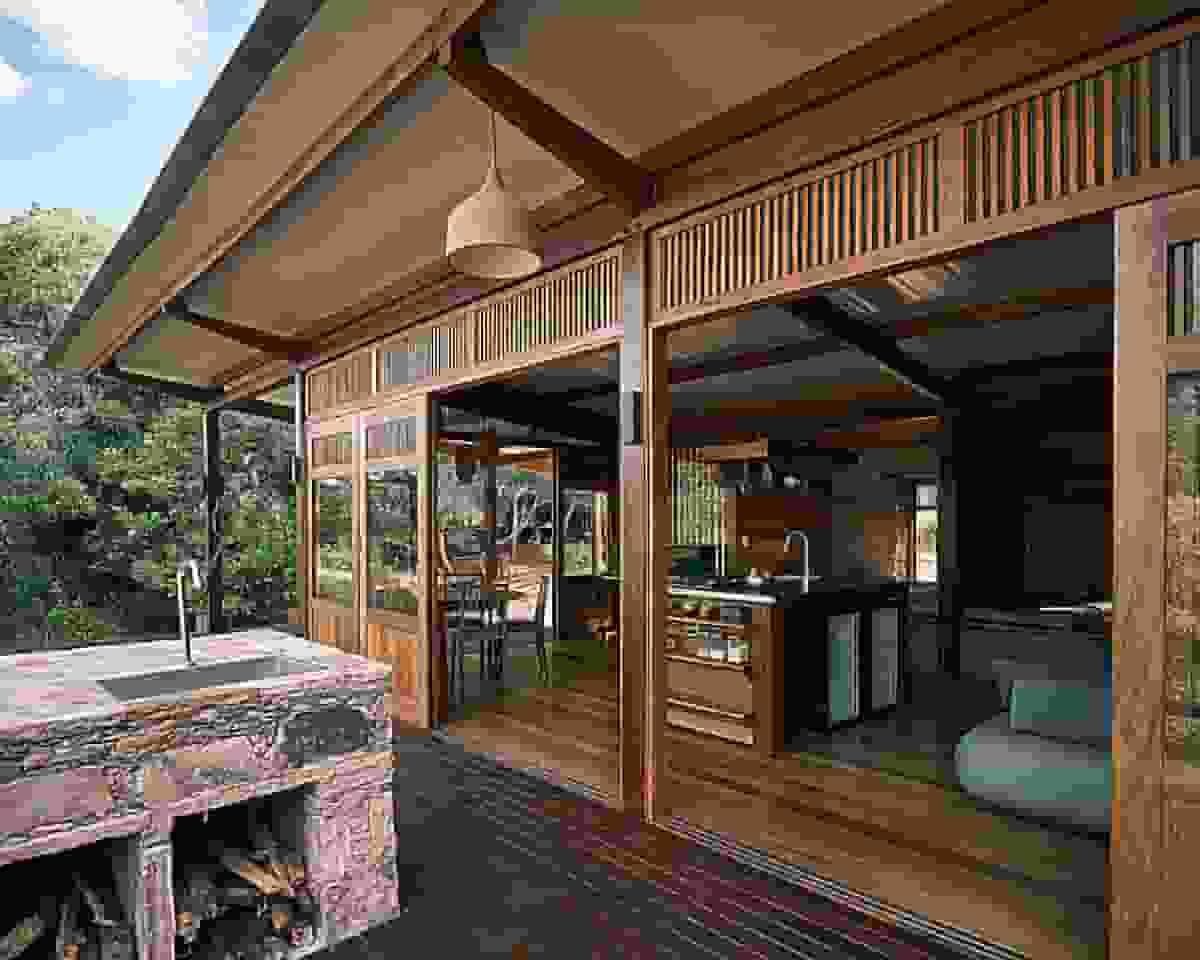
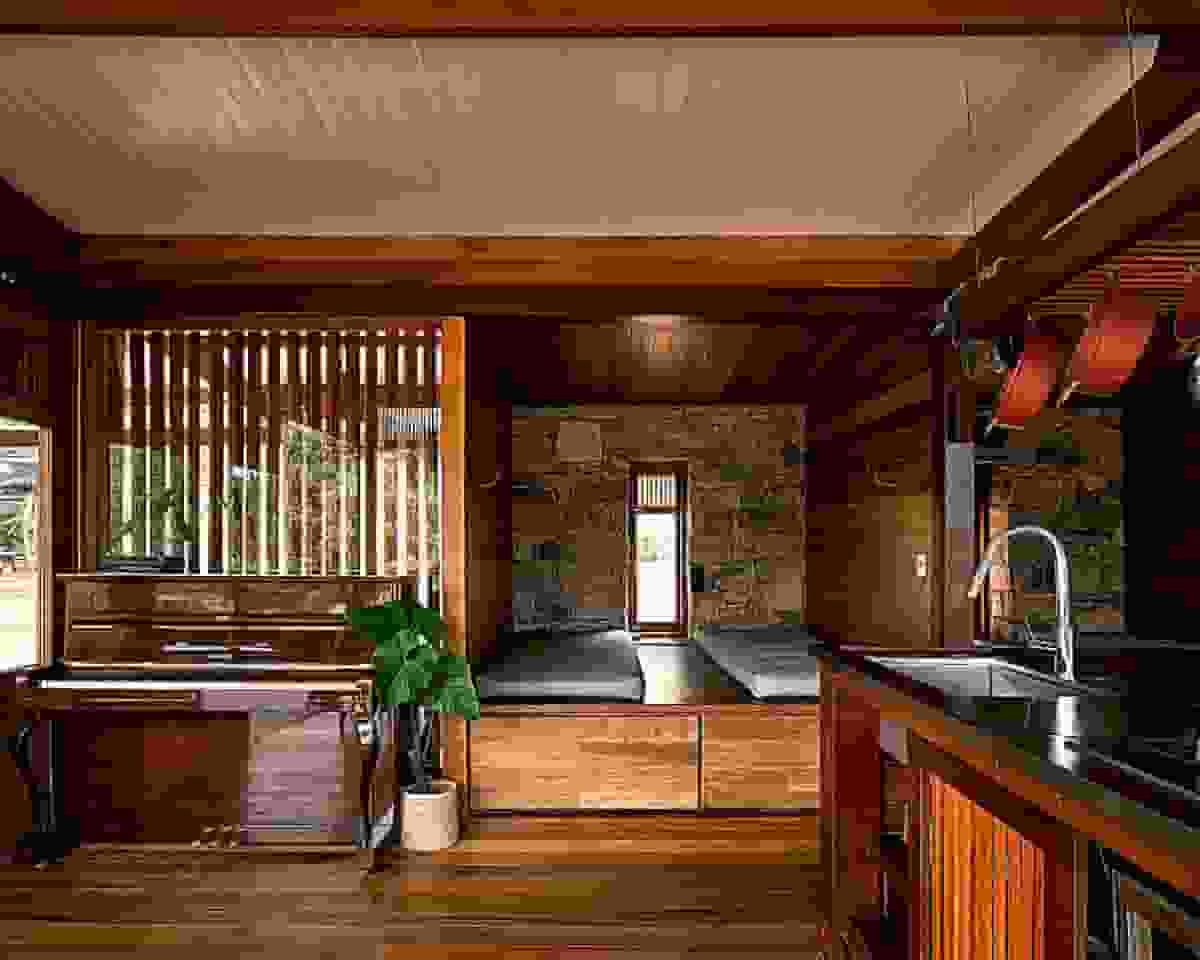
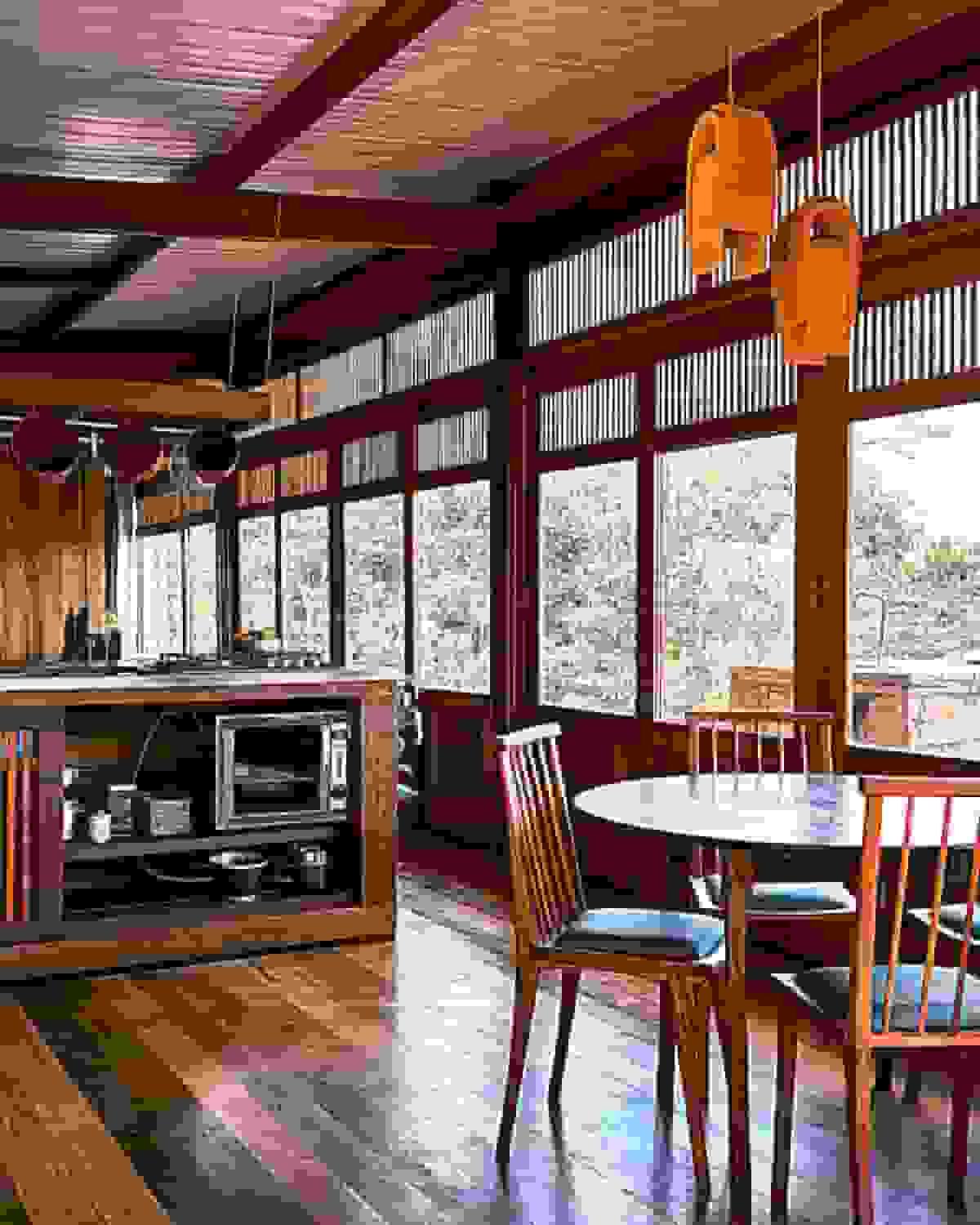
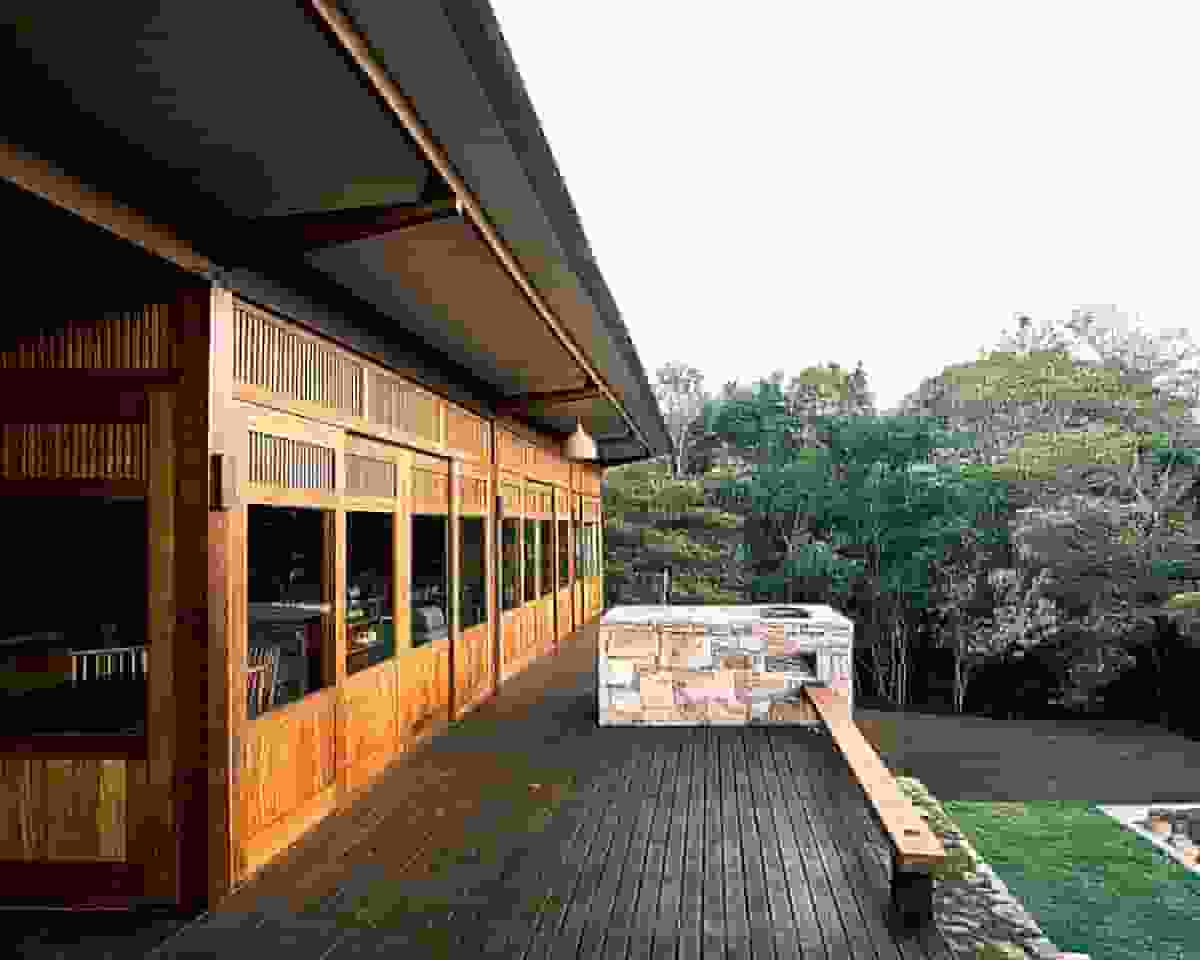
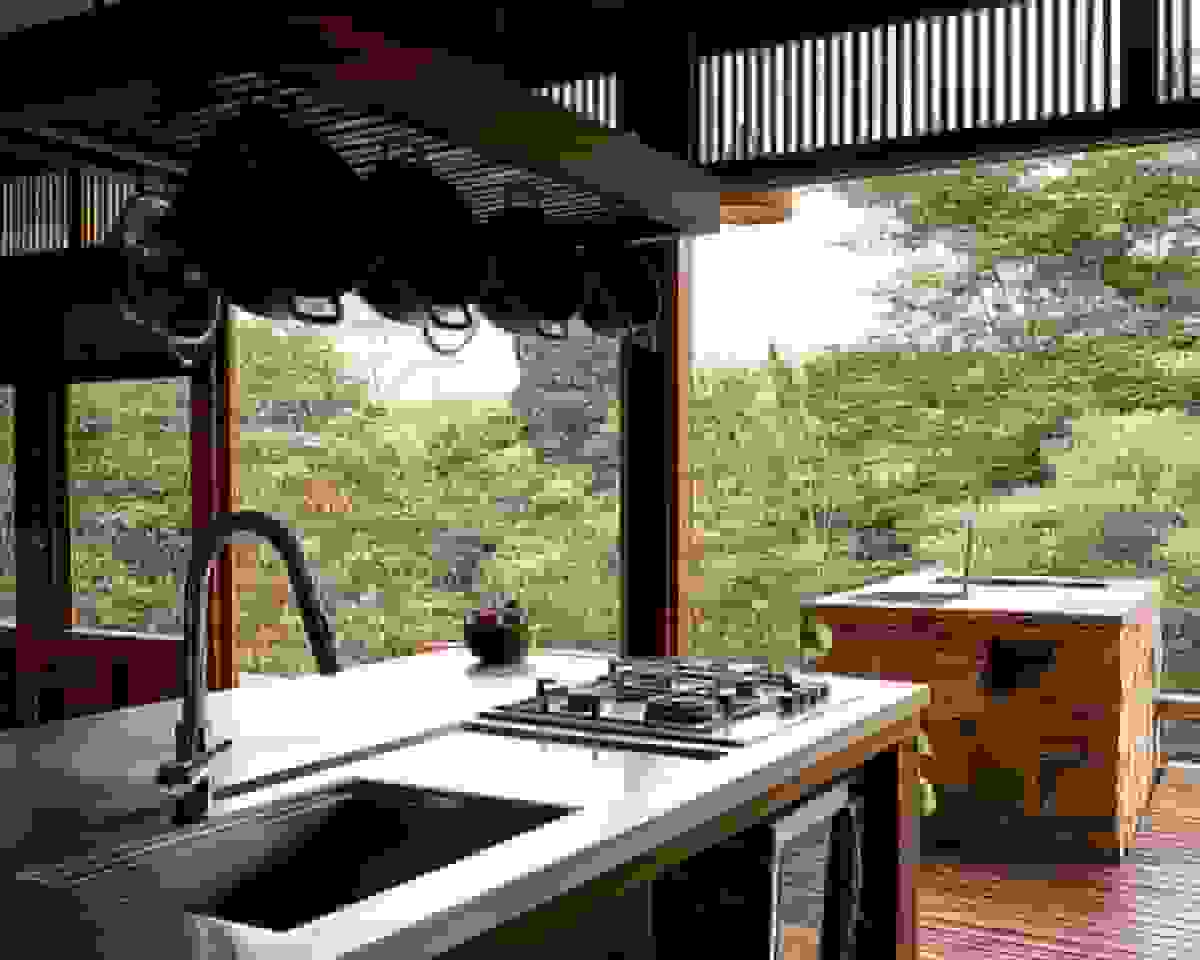
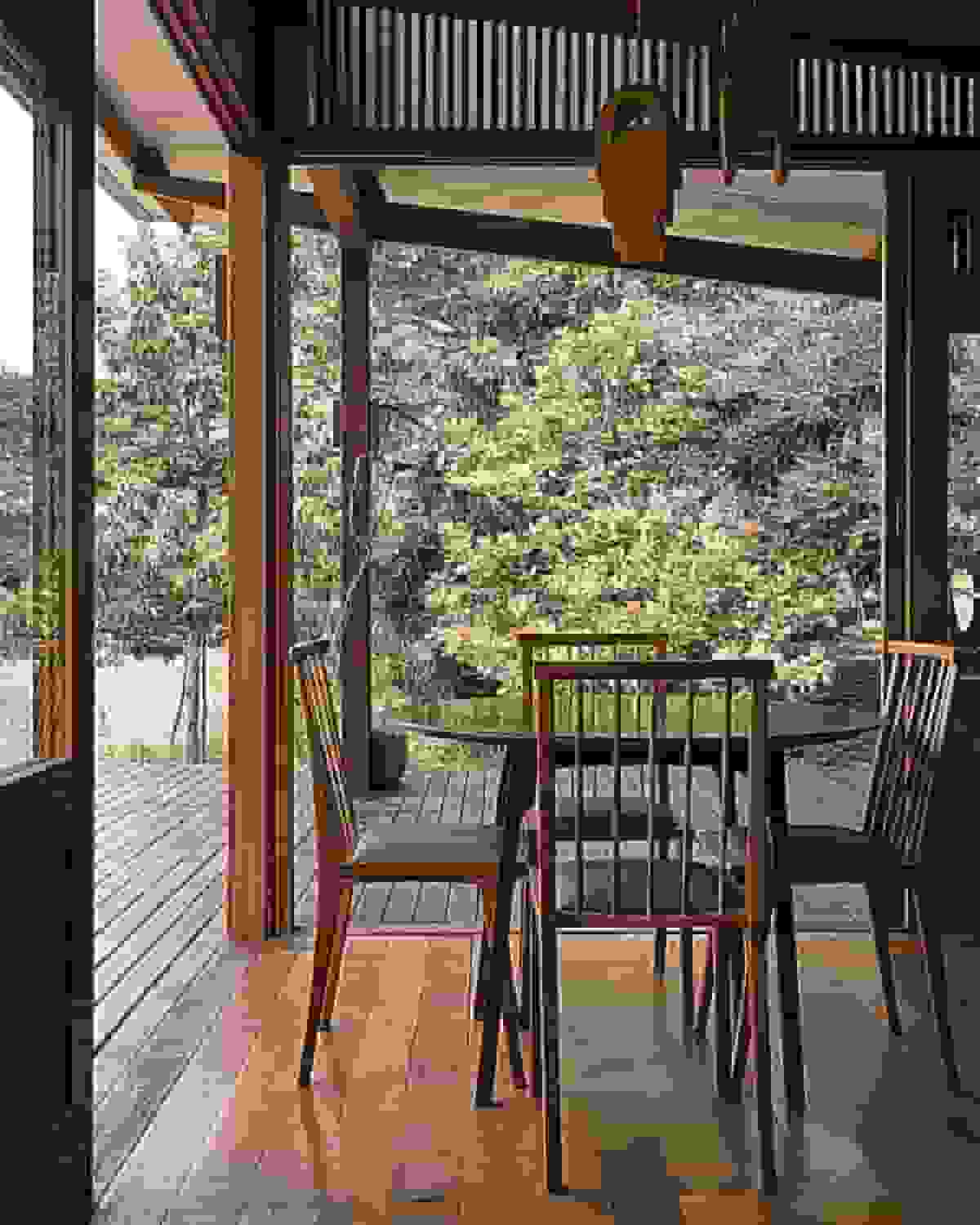
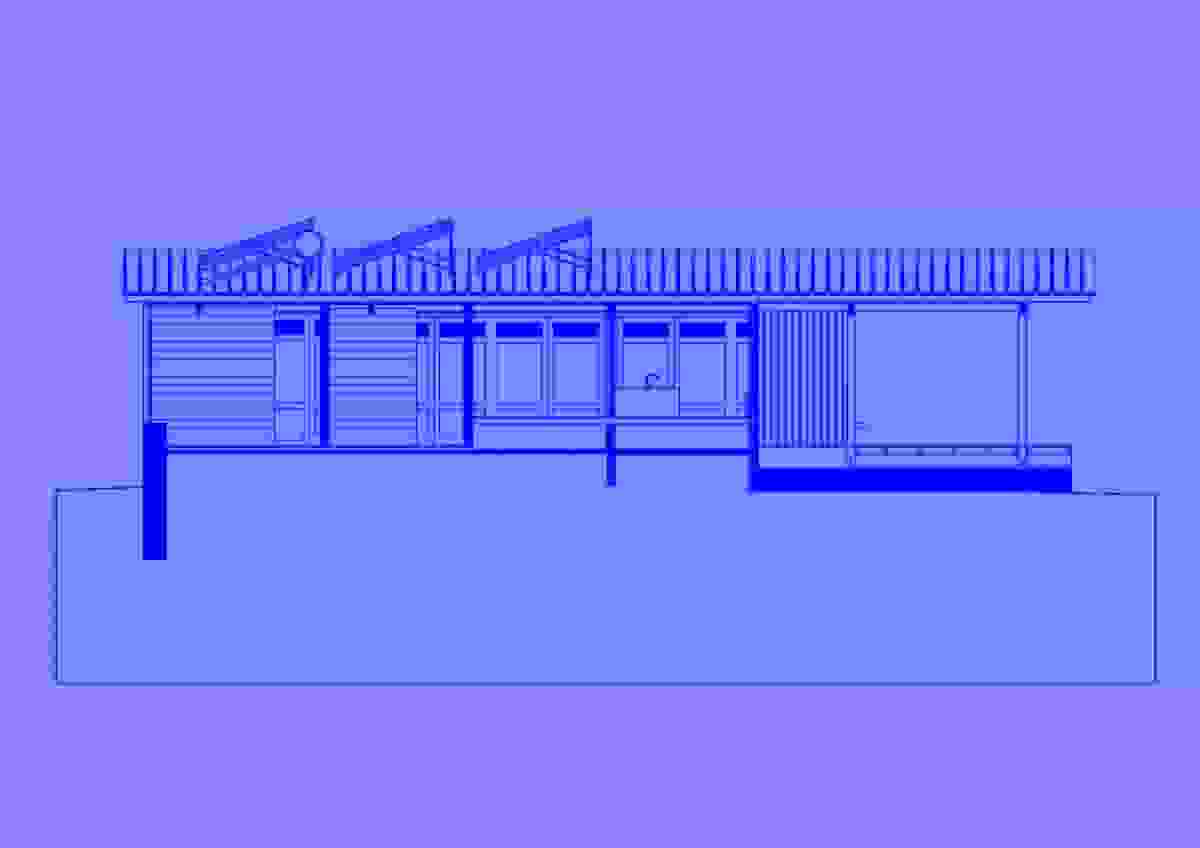
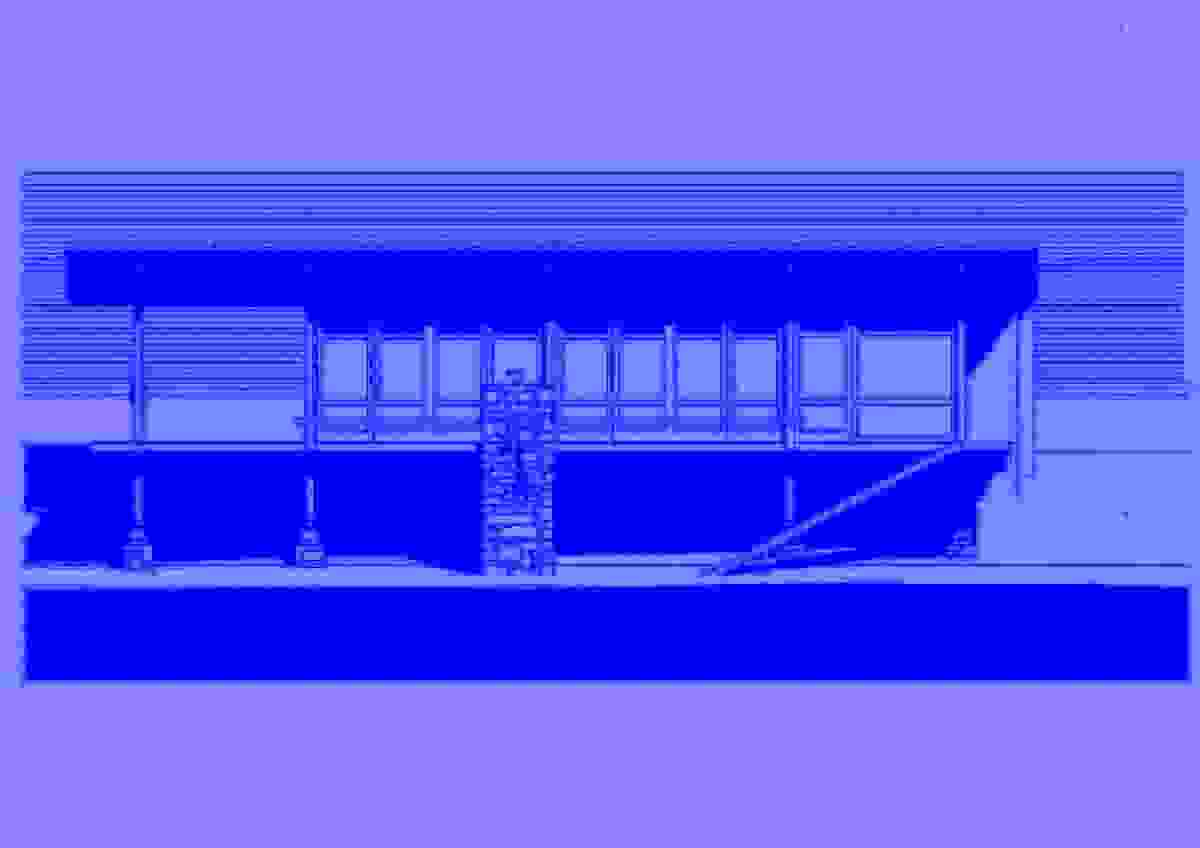
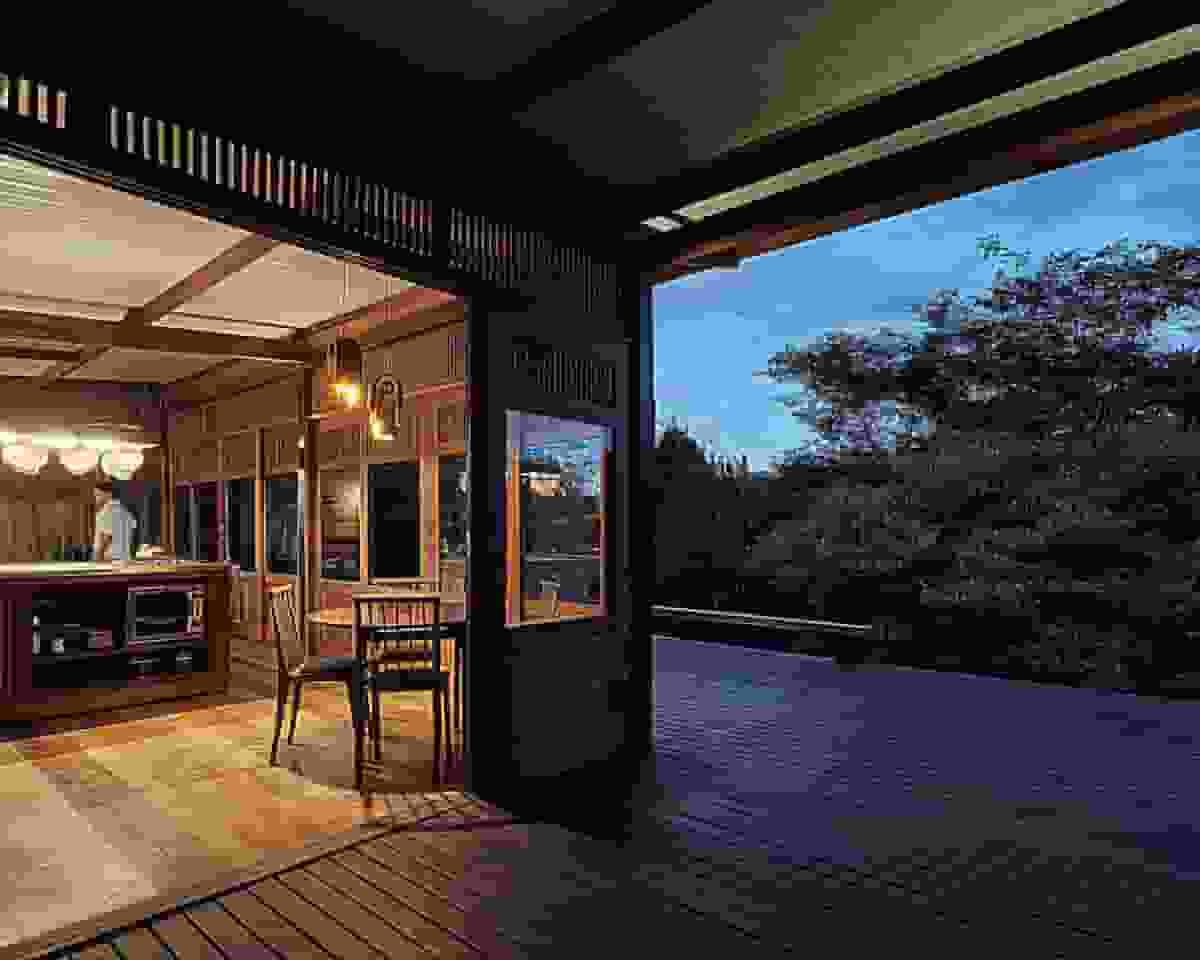
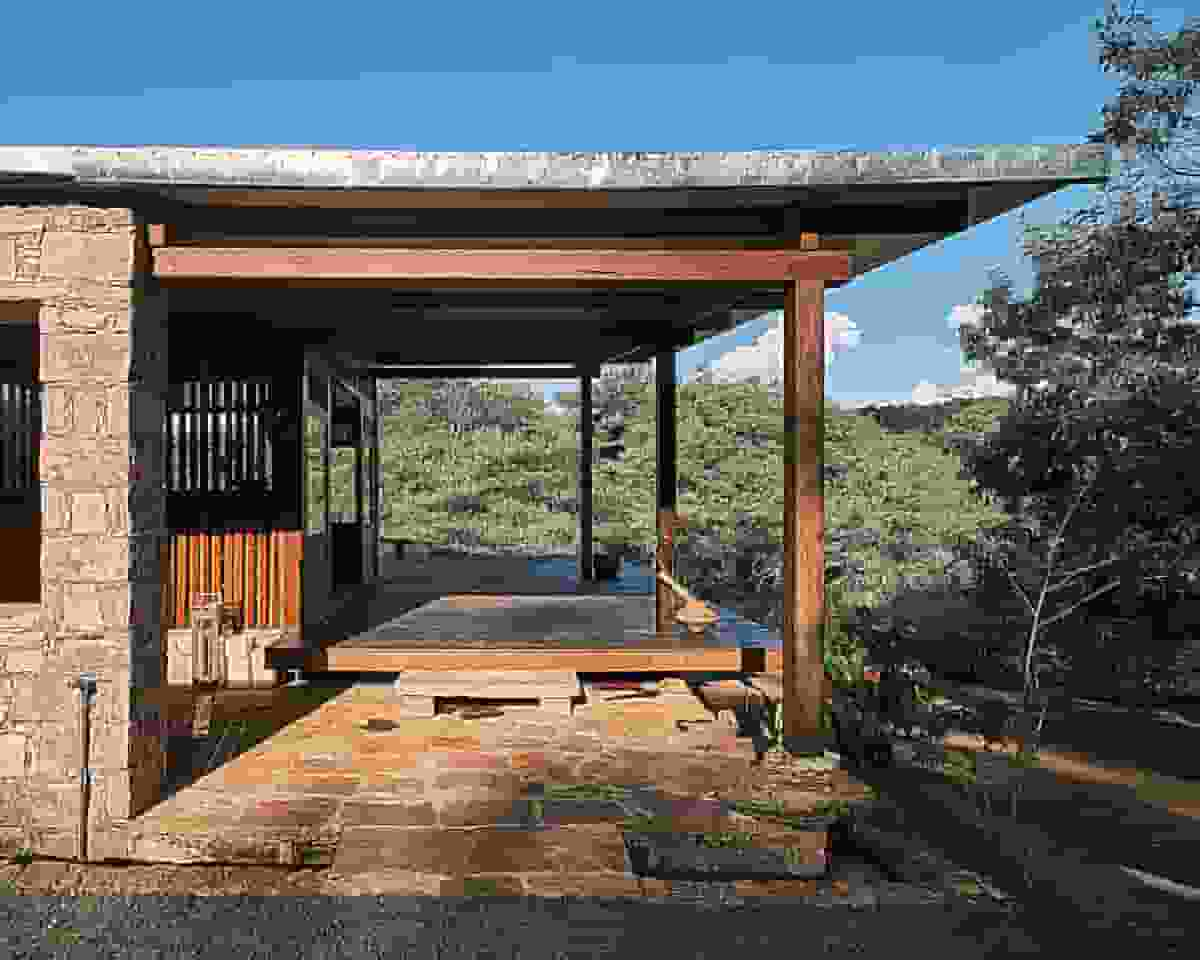
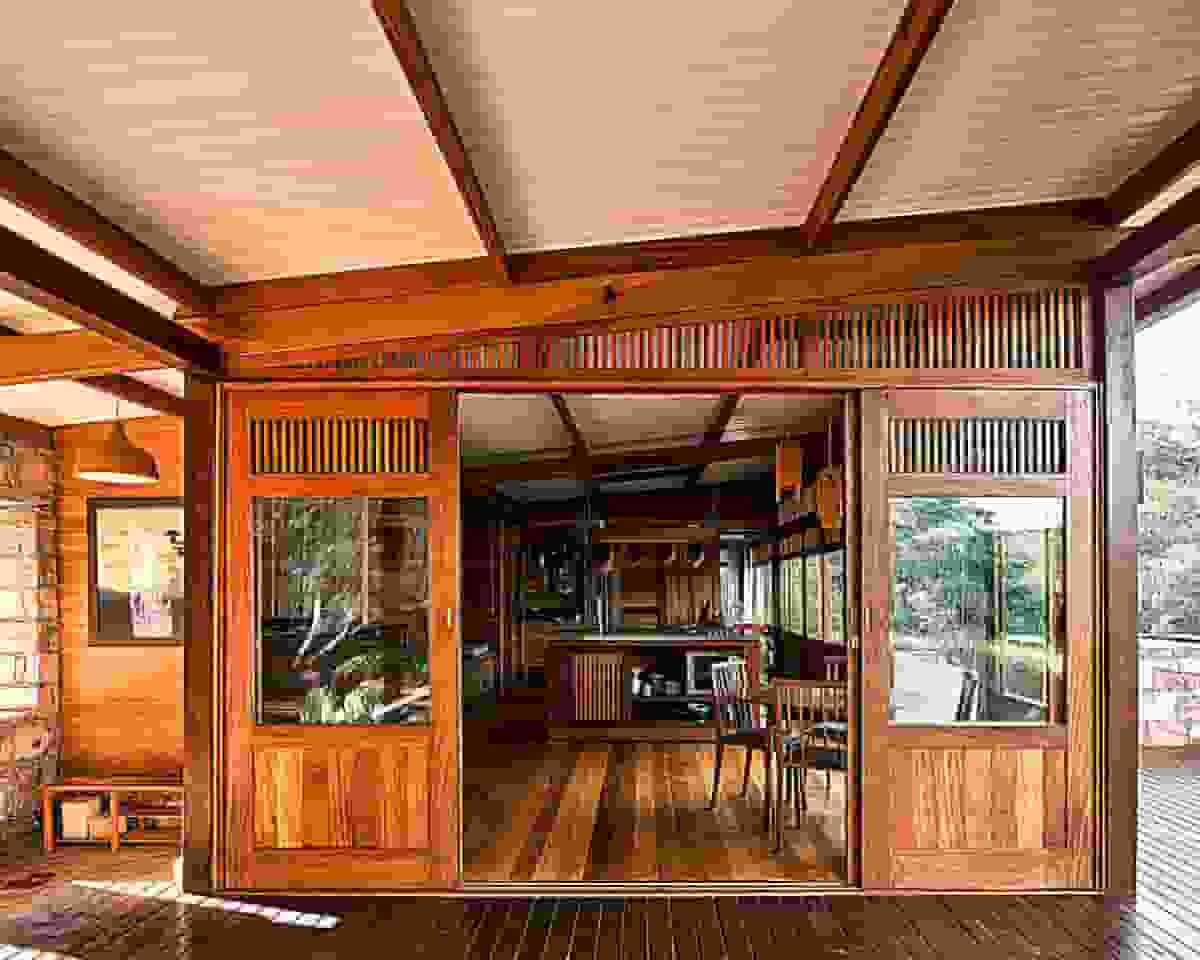
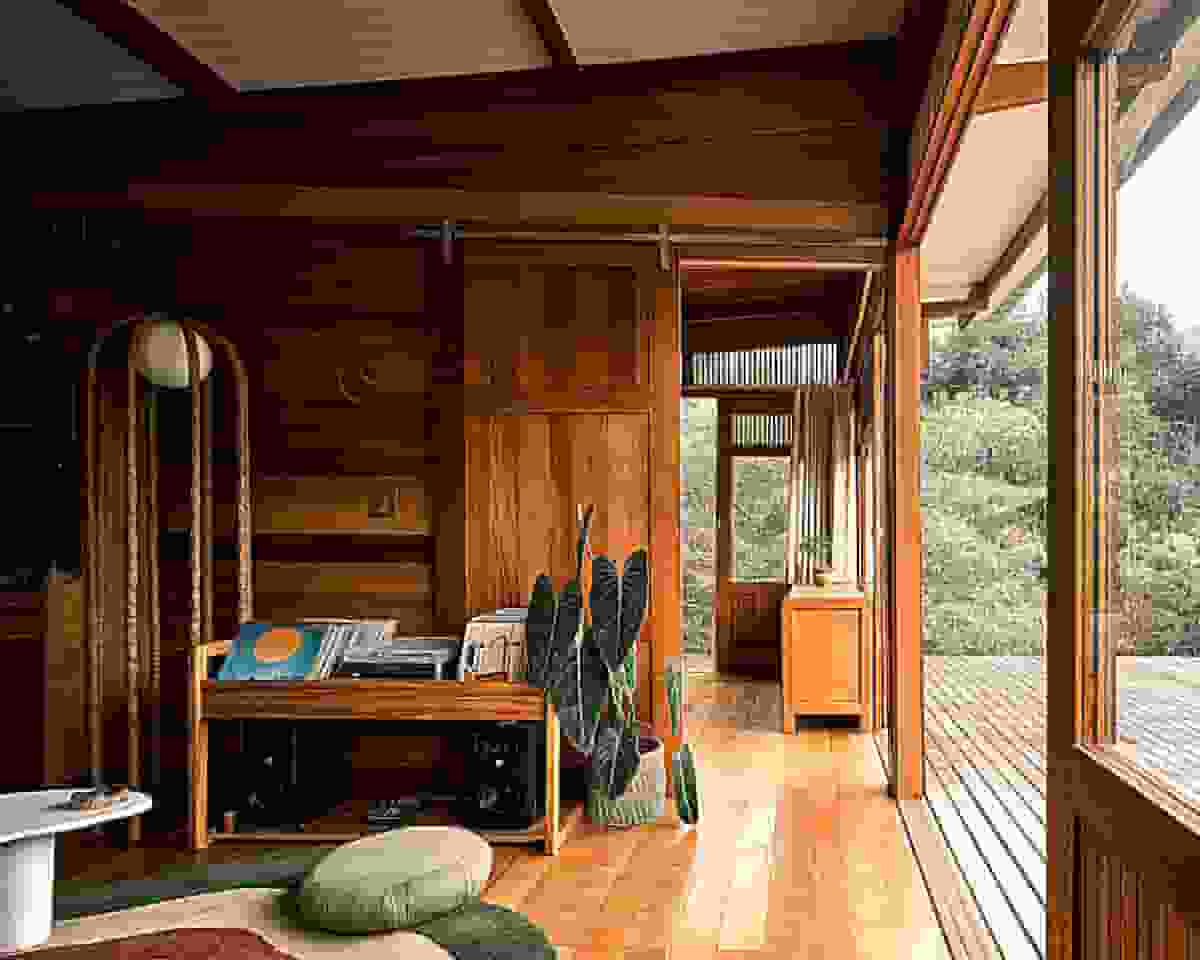
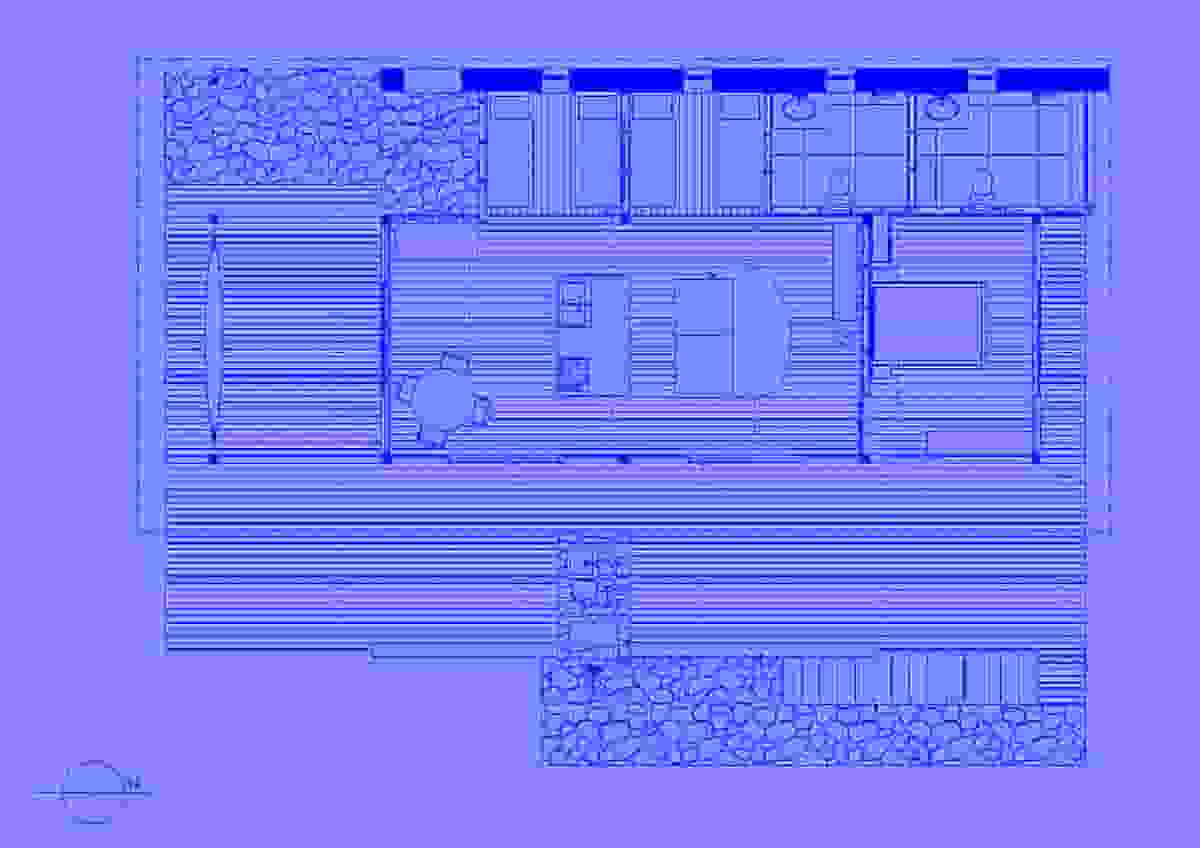
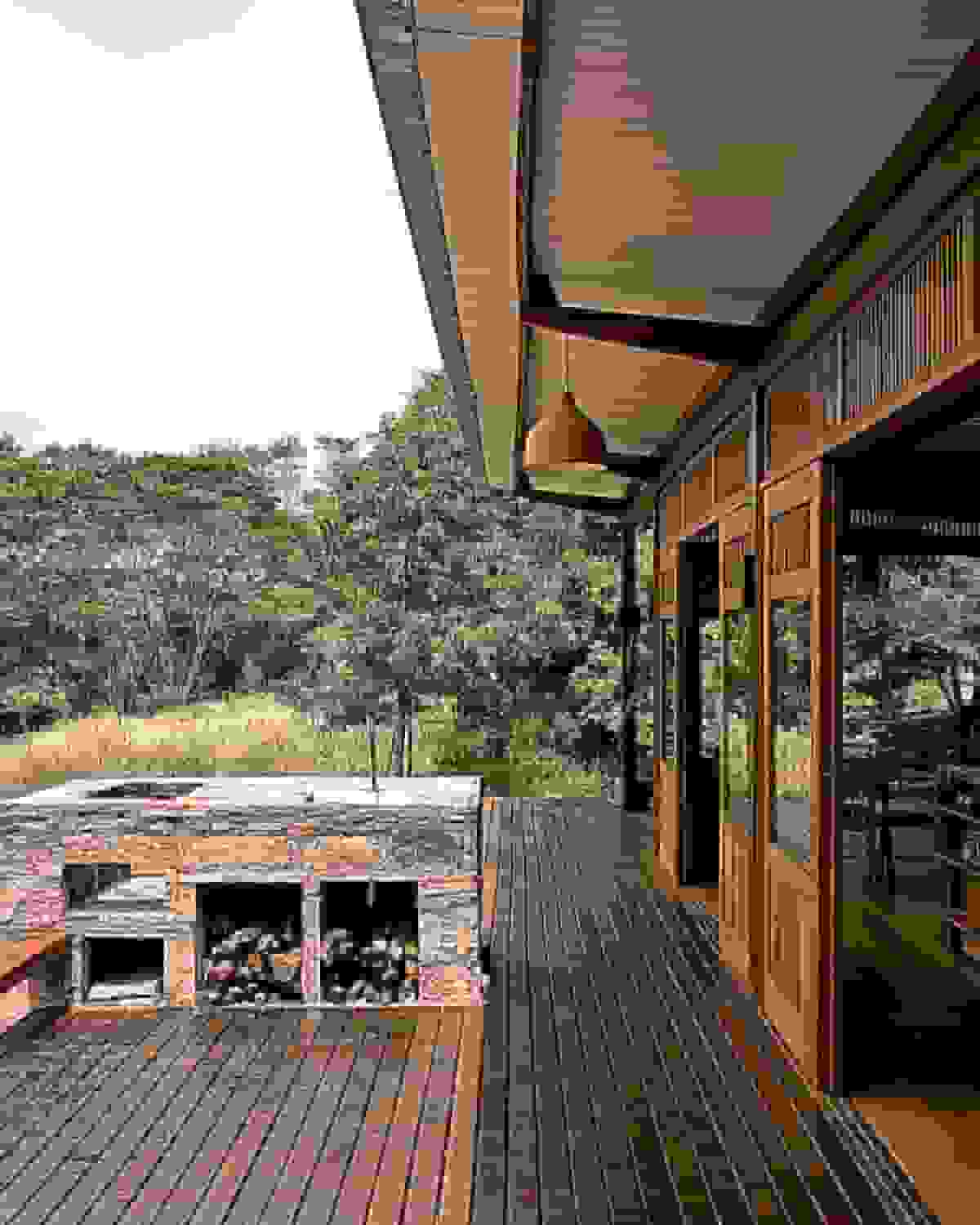
▎The foundations in reinforced concrete, the walls in stone, and the wooden windows and doors were executed by local construction workers. Throughout the building process, the architects also lived in the city, experiencing the daily reality of the construction and local life. In the plan, the project can be understood through three distinct strips. The first, along the heavy stone wall, is constituted by bathrooms and bedrooms that resemble alcoves – an intimate room design typical of Brazilian colonial architecture – closed from the living room through a curtain only. The second strip, more important architectonically, is constituted by the living room, kitchen, and main suite. The last strip is the wooden deck, open to the landscape. In Piaba House the patio, or the space, gets confused with the house interior. The exterior is built with a deck in Itaúba wood, creating an ample living area. The floor continues inside the interior, creating a continuous level. The integration between external and internal areas is not only reinforced by a continuous height through these ambients but also by the continuation of the wooden flooring. This integration is also made through the mirroring of the infrastructure nuclei. One of these is in the house interior and it composes the kitchen with a sink, fridges and a stove attached to it. The other one is on the exterior, with a barbecue grill and sink. This last nucleus complements the first one and allows for a more informal and social approach to cooking. In this external volume, there is also, on the ground level, a shower for use after a swim in the nearby river.
 

Piaba House is the Maturement of a Sensibility—One of contemporary architecture’s most pressing challenges Piaba House is the Maturement of a Sensibility capable of deciphering the landscape on a local level continuity with local traditions as well


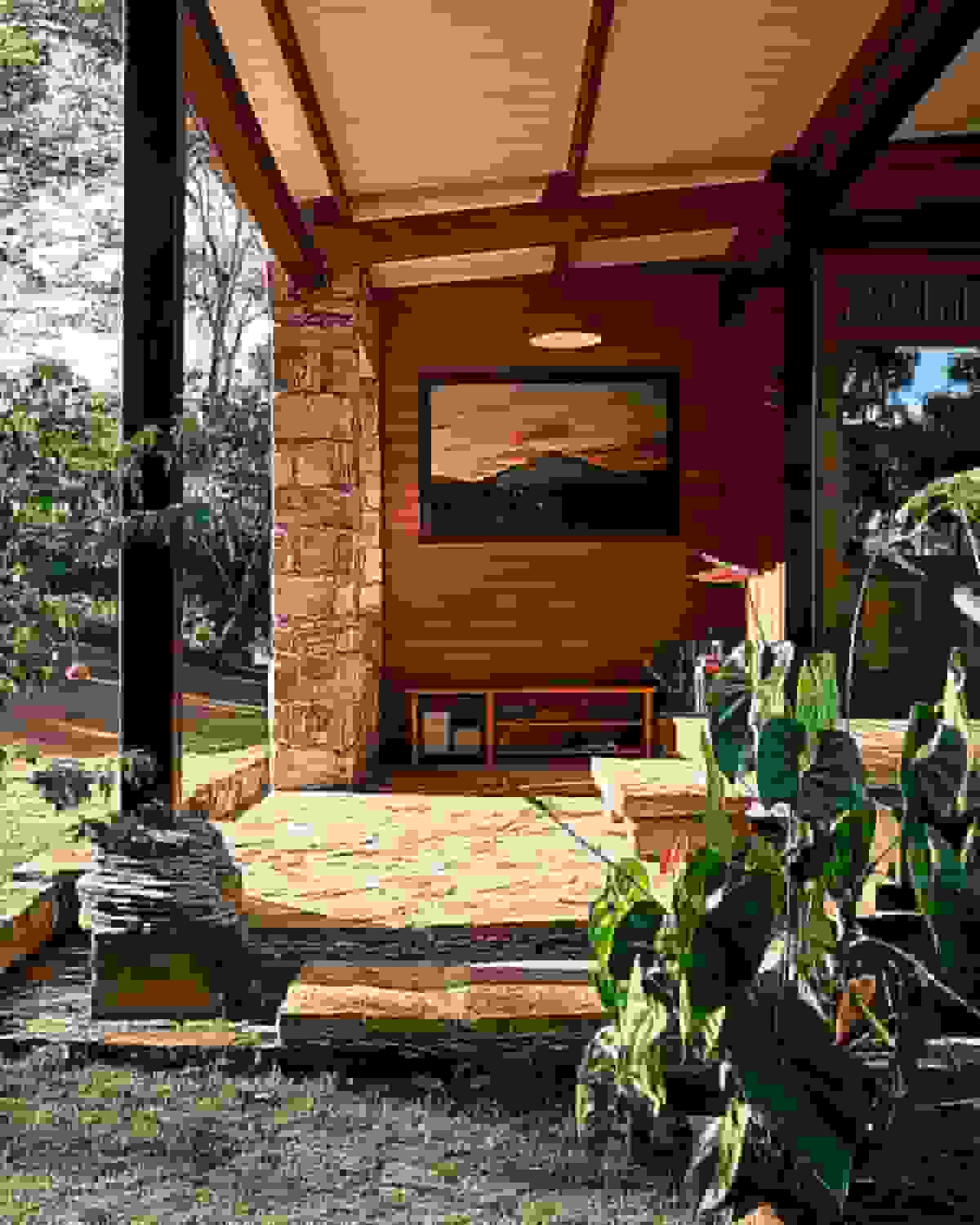
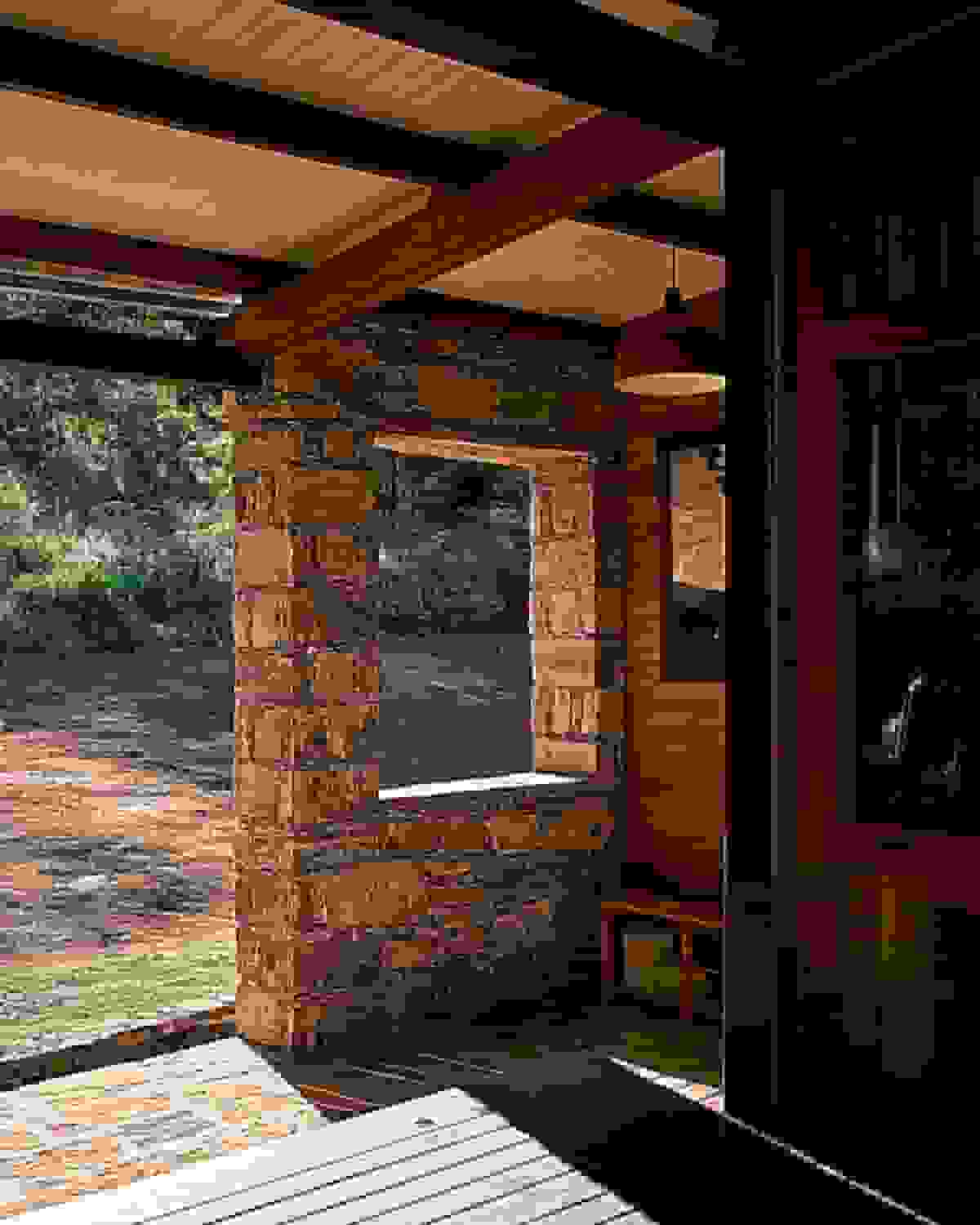
▎This relation between interior and exterior demonstrates a comprehension of the program which is not only functional but also ceremonial adequating itself to the necessities of life in this landscape. Evidence of this type of thinking is the house’s entrance hall, where the roof takes off from the heavy wall in stone, creating an entrance portico, with a height difference that can be used as a bench – where one can remove mud and dirty shoes after coming back from the woods. The quality of Piaba House is the maturity and sensibility of the architects in deciding and being able to realize a continuity with the historical antique roots of that place, creating a piece that fits adequately to the landscape. It is not a foreign element but rather a talk with the lifestyles and constructive traditions of the surroundings.
 

Piaba House is the Maturement of a Sensibility—One of contemporary architecture’s most pressing challenges Piaba House is the Maturement of a Sensibility capable of deciphering the landscape on a local level continuity with local traditions as well


Piaba House is the Maturement of a Sensibility—One of contemporary architecture’s most pressing challenges Piaba House is the Maturement of a Sensibility capable of deciphering the landscape on a local level continuity with local traditions as well


Piaba House is the Maturement of a Sensibility—One of contemporary architecture’s most pressing challenges Piaba House is the Maturement of a Sensibility capable of deciphering the landscape on a local level continuity with local traditions as well


Piaba House is the Maturement of a Sensibility—One of contemporary architecture’s most pressing challenges Piaba House is the Maturement of a Sensibility capable of deciphering the landscape on a local level continuity with local traditions as well


Piaba House is the Maturement of a Sensibility—One of contemporary architecture’s most pressing challenges Piaba House is the Maturement of a Sensibility capable of deciphering the landscape on a local level continuity with local traditions as well


Piaba House is the Maturement of a Sensibility—One of contemporary architecture’s most pressing challenges Piaba House is the Maturement of a Sensibility capable of deciphering the landscape on a local level continuity with local traditions as well


Piaba House is the Maturement of a Sensibility—One of contemporary architecture’s most pressing challenges Piaba House is the Maturement of a Sensibility capable of deciphering the landscape on a local level continuity with local traditions as well


Piaba House is the Maturement of a Sensibility—One of contemporary architecture’s most pressing challenges Piaba House is the Maturement of a Sensibility capable of deciphering the landscape on a local level continuity with local traditions as well


Piaba House is the Maturement of a Sensibility—One of contemporary architecture’s most pressing challenges Piaba House is the Maturement of a Sensibility capable of deciphering the landscape on a local level continuity with local traditions as well


Piaba House is the Maturement of a Sensibility—One of contemporary architecture’s most pressing challenges Piaba House is the Maturement of a Sensibility capable of deciphering the landscape on a local level continuity with local traditions as well


Piaba House is the Maturement of a Sensibility—One of contemporary architecture’s most pressing challenges Piaba House is the Maturement of a Sensibility capable of deciphering the landscape on a local level continuity with local traditions as well


Piaba House is the Maturement of a Sensibility—One of contemporary architecture’s most pressing challenges Piaba House is the Maturement of a Sensibility capable of deciphering the landscape on a local level continuity with local traditions as well


Piaba House is the Maturement of a Sensibility—One of contemporary architecture’s most pressing challenges Piaba House is the Maturement of a Sensibility capable of deciphering the landscape on a local level continuity with local traditions as well


Piaba House is the Maturement of a Sensibility—One of contemporary architecture’s most pressing challenges Piaba House is the Maturement of a Sensibility capable of deciphering the landscape on a local level continuity with local traditions as well


Piaba House is the Maturement of a Sensibility—One of contemporary architecture’s most pressing challenges Piaba House is the Maturement of a Sensibility capable of deciphering the landscape on a local level continuity with local traditions as well


Piaba House is the Maturement of a Sensibility—One of contemporary architecture’s most pressing challenges Piaba House is the Maturement of a Sensibility capable of deciphering the landscape on a local level continuity with local traditions as well


Piaba House is the Maturement of a Sensibility—One of contemporary architecture’s most pressing challenges Piaba House is the Maturement of a Sensibility capable of deciphering the landscape on a local level continuity with local traditions as well


Piaba House is the Maturement of a Sensibility—One of contemporary architecture’s most pressing challenges Piaba House is the Maturement of a Sensibility capable of deciphering the landscape on a local level continuity with local traditions as well


Piaba House is the Maturement of a Sensibility—One of contemporary architecture’s most pressing challenges Piaba House is the Maturement of a Sensibility capable of deciphering the landscape on a local level continuity with local traditions as well


Piaba House is the Maturement of a Sensibility—One of contemporary architecture’s most pressing challenges Piaba House is the Maturement of a Sensibility capable of deciphering the landscape on a local level continuity with local traditions as well


Piaba House is the Maturement of a Sensibility—One of contemporary architecture’s most pressing challenges Piaba House is the Maturement of a Sensibility capable of deciphering the landscape on a local level continuity with local traditions as well


Piaba House is the Maturement of a Sensibility—One of contemporary architecture’s most pressing challenges Piaba House is the Maturement of a Sensibility capable of deciphering the landscape on a local level continuity with local traditions as well


Piaba House is the Maturement of a Sensibility—One of contemporary architecture’s most pressing challenges Piaba House is the Maturement of a Sensibility capable of deciphering the landscape on a local level continuity with local traditions as well


Piaba House is the Maturement of a Sensibility—One of contemporary architecture’s most pressing challenges Piaba House is the Maturement of a Sensibility capable of deciphering the landscape on a local level continuity with local traditions as well


Piaba House is the Maturement of a Sensibility—One of contemporary architecture’s most pressing challenges Piaba House is the Maturement of a Sensibility capable of deciphering the landscape on a local level continuity with local traditions as well

Sabrina Bockler的怪誕畫作中,富裕階層的風俗場景爆發成混亂

Sabrina Bockler 的怪誕畫作中,富裕階層的風俗場景爆發成混亂

布麗娜・博克勒(Sabrina Bockler)的繪畫介於奢華與失序之間,畫面表層是上流階層的日常景觀:精緻的餐桌、繁複的花卉、被完美佈置的室內空間,色彩濃烈而充滿戲劇性。然而,這些看似優雅的場景隨即崩解——雙頭鵝、被翻攪的食物、貓狗闖入畫面,以及角色若有似無的凝視,使秩序逐漸滑向混亂。博克勒以怪誕細節製造心理縫隙,讓觀看成為一種不安的體驗,也隱約揭示了富裕表象下潛伏的權力、焦慮與失衡感。

Historic Bus Palladium neon sign on the Paris hotel facade at night by Studio KO

Bus Palladium Paris 將一甲子、六十年的音樂文化延續至今日的都市傳說

巴黎最傳奇的搖滾夜店,如今化身一座收藏音樂、藝術與設計記憶的五星級飯店。     有些建築保存的是立面,有些空間延續的是記憶。Bus Palladium 選擇保留後者。這座曾陪伴巴黎一甲子、六十年的傳奇夜店,如今化身一間酒店,將搖滾、藝術與設計重新編織成一段仍持續發生的都市傳說。     Bus Palladium 的誕生 1965年9月30日,一位名叫 James Arch (詹姆斯.阿奇) 的 22 歲舞者在巴黎 Pigalle 區 Pierre Fontaine, 6號一棟破舊的兩層舞廳的白色外牆上點亮了一塊紅色霓虹燈招牌,並將其命名為”Bus Palladium” (巴士.帕拉迪姆)。這座日後成為巴黎最具代表性的音樂地標之一,也讓

Facebook
Twitter
LinkedIn
Tumblr
0 0 votes
Article Rating
Subscribe
Notify of
guest
0 Comments
Oldest
Newest Most Voted
Search