HAUS 1 of Atelier Gardens in Berlin

Has Turned a Dated Office Building from the 1990s into an HAUS 1 of Eye-catching Entrance Marker for Atelier Gardens in Berlin


▏Has Turned a Dated Office Building from the 1990s into an HAUS 1 of Eye-catching Entrance Marker for Atelier Gardens in Berlin


Has Turned a Dated Office Building from the 1990s into an HAUS 1 of Eye-catching Entrance Marker for Atelier Gardens in Berlin


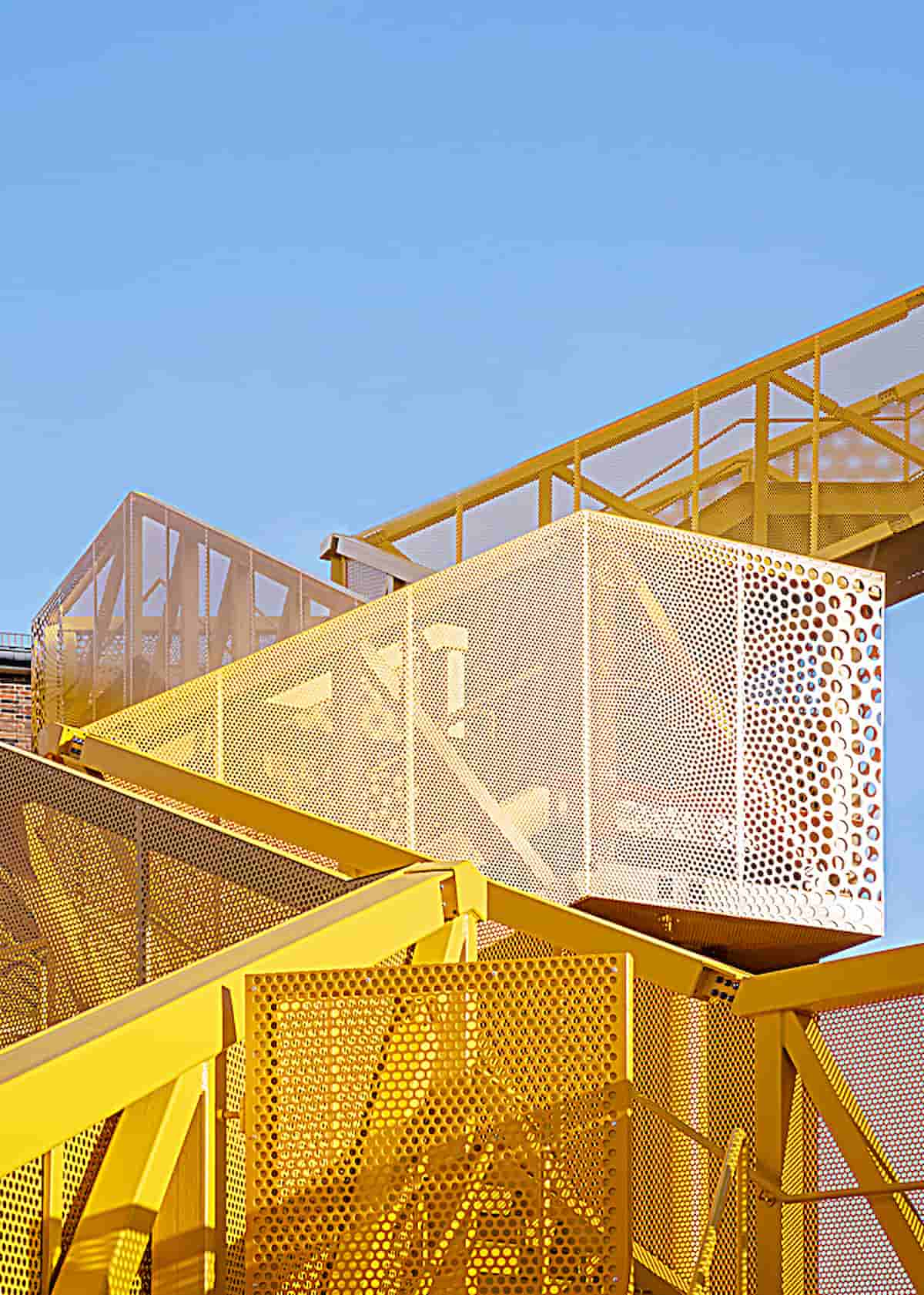
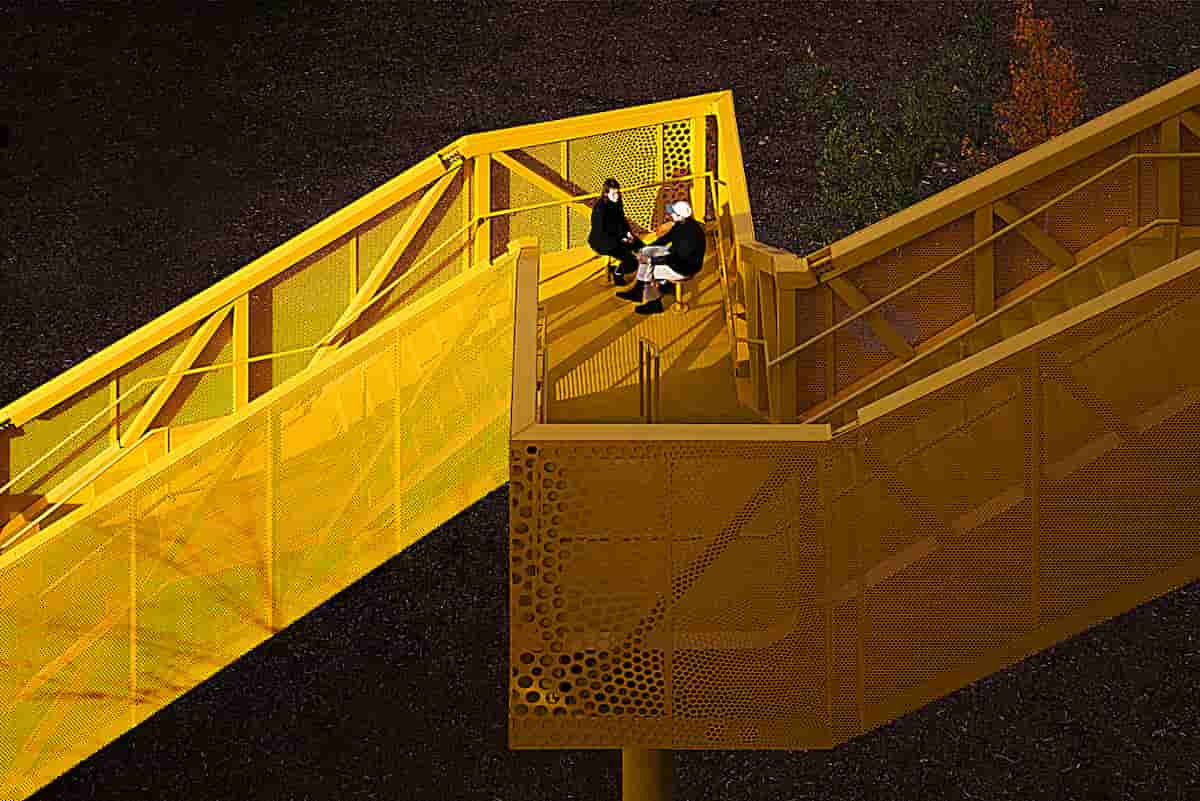
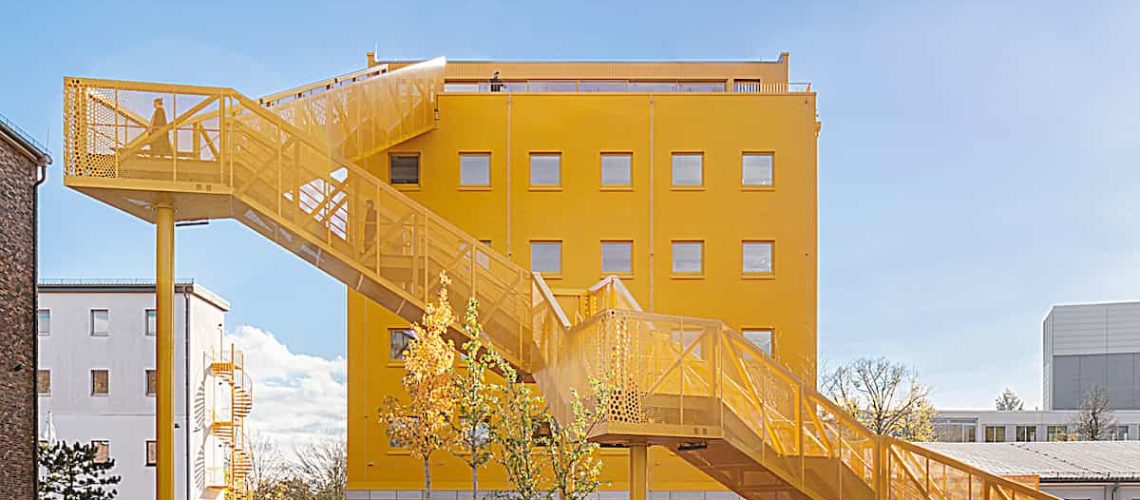
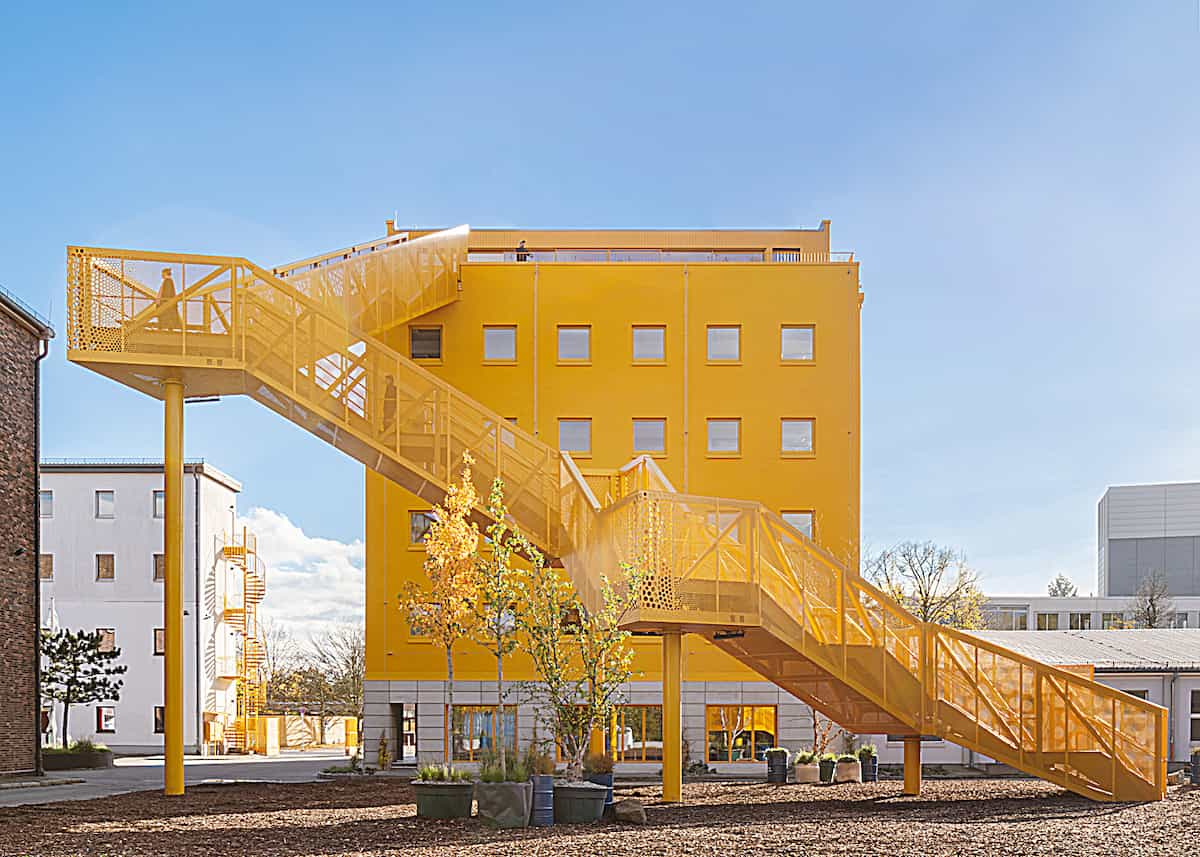
▏Together with co-architects HS-Architekten, MVRDV has turned a dated office building from the 1990s into an eye-catching entrance marker for Atelier Gardens in Berlin. Now bright yellow, the building is completed with a new living roof, and a sustainable timber rooftop pavilion and terrace, accessible via a grand external staircase.


Has Turned a Dated Office Building from the 1990s into an HAUS 1 of Eye-catching Entrance Marker for Atelier Gardens in Berlin


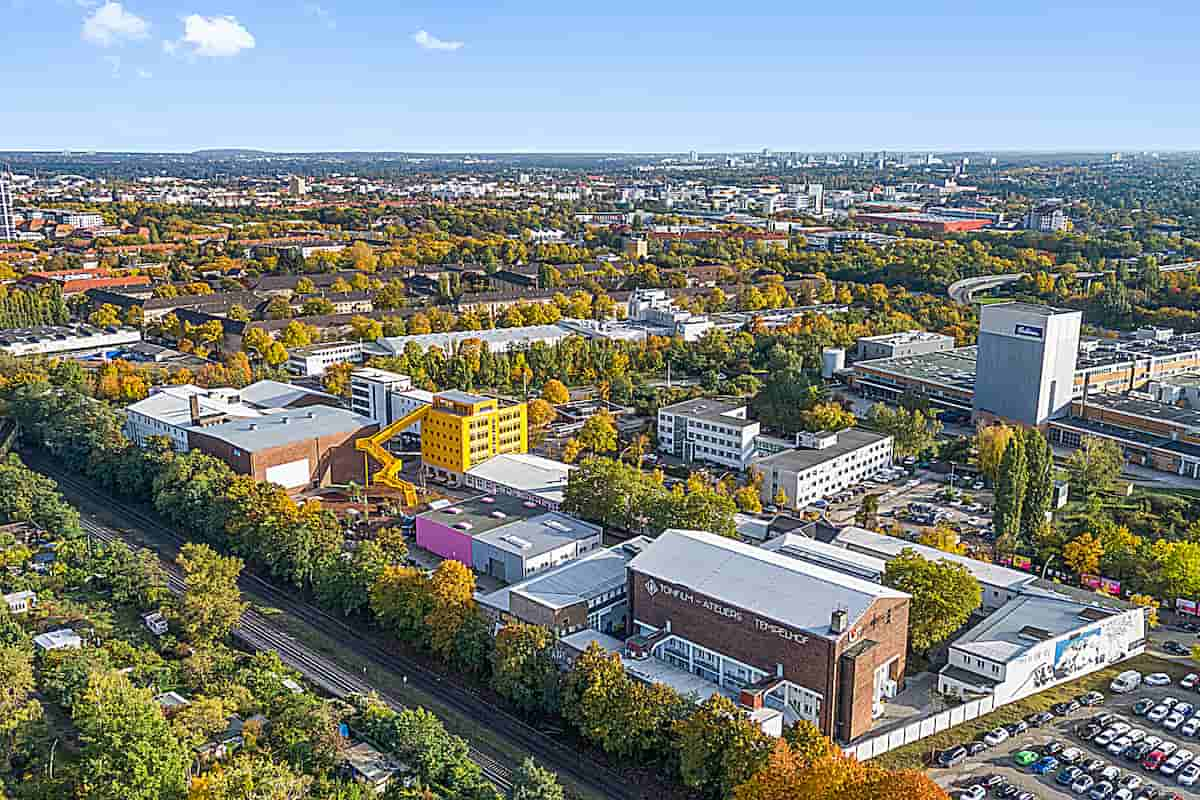
HAUS 1 is the second project completed by MVRDV within Atelier Gardens, following last year’s reopening of TON 1, a historic film studio originally built in the 1920s. Situated at the southern edge of Berlin’s Tempelhof Airport, the masterplan transforms the campus of the Berliner Union Film Ateliers (BUFA) as part of a vision to expand the site’s user base beyond filmmakers to encompass all forms of ‘change makers’, including impact organizations and individuals with a focus on climate activism and social justice.


Has Turned a Dated Office Building from the 1990s into an HAUS 1 of Eye-catching Entrance Marker for Atelier Gardens in Berlin


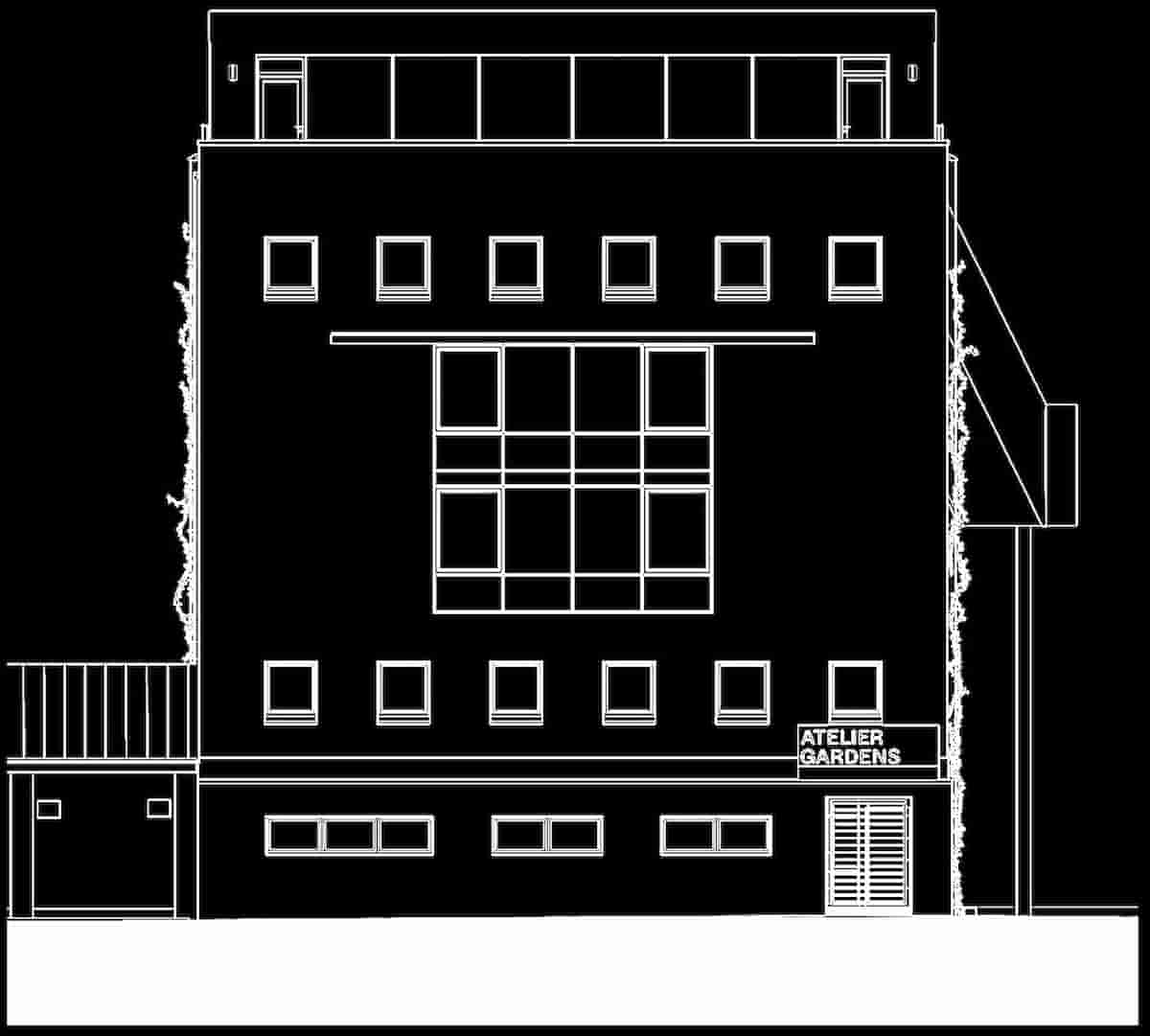
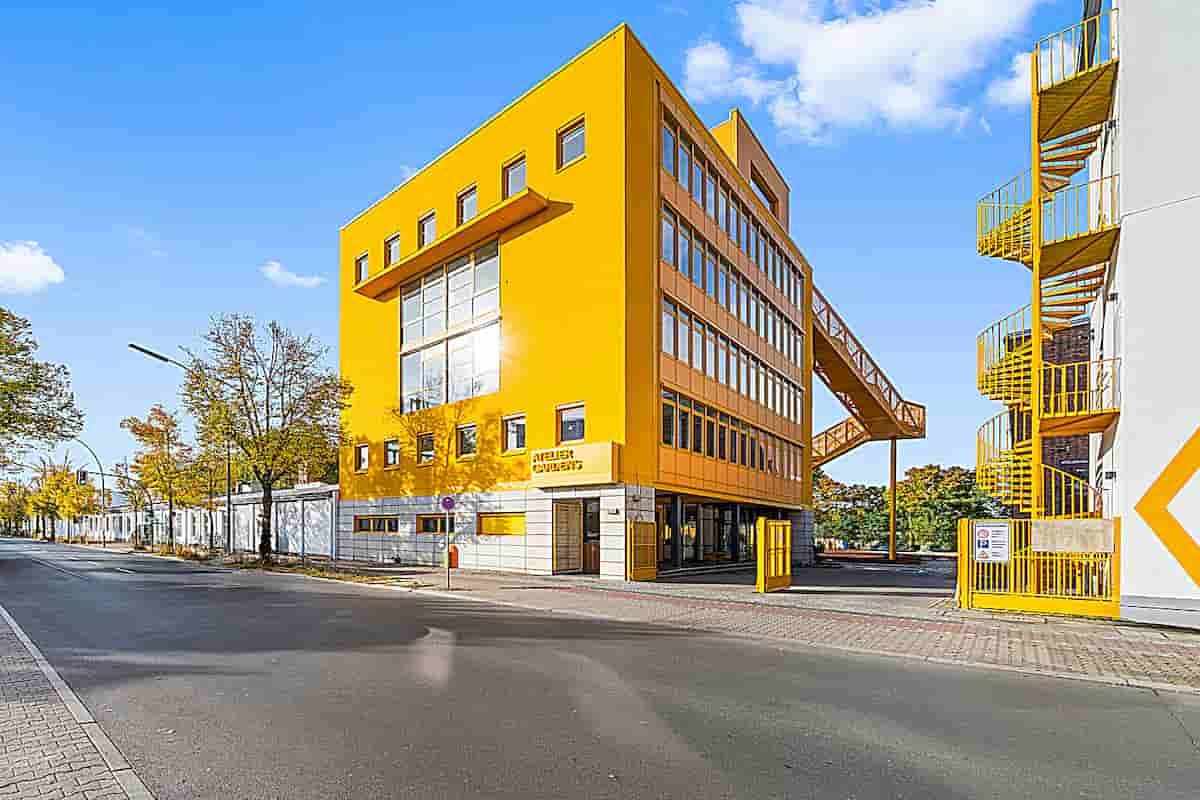
▏While TON 1 required a sensitive renovation, HAUS 1 called for a bolder touch. Originally built in 1997, the office building contributed little to the character of the campus. Given its location next to the entrance of Atelier Gardens, as well as a height that makes it visible from the former airfield of Tempelhof, the decision was made to transform the building into an iconic presence on the neighboring Oberlandstraße and an emblematic symbol of the transformation of the BUFA campus.
 

Has Turned a Dated Office Building from the 1990s into an HAUS 1 of Eye-catching Entrance Marker for Atelier Gardens in Berlin


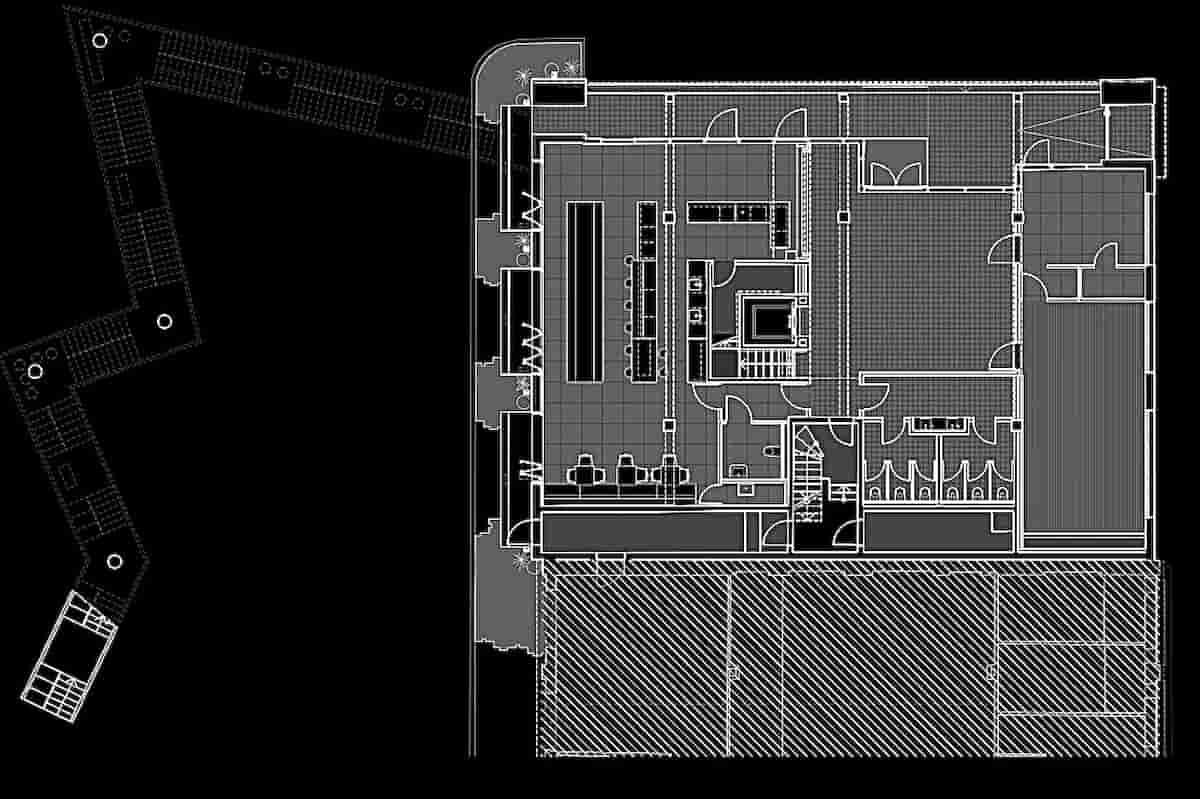
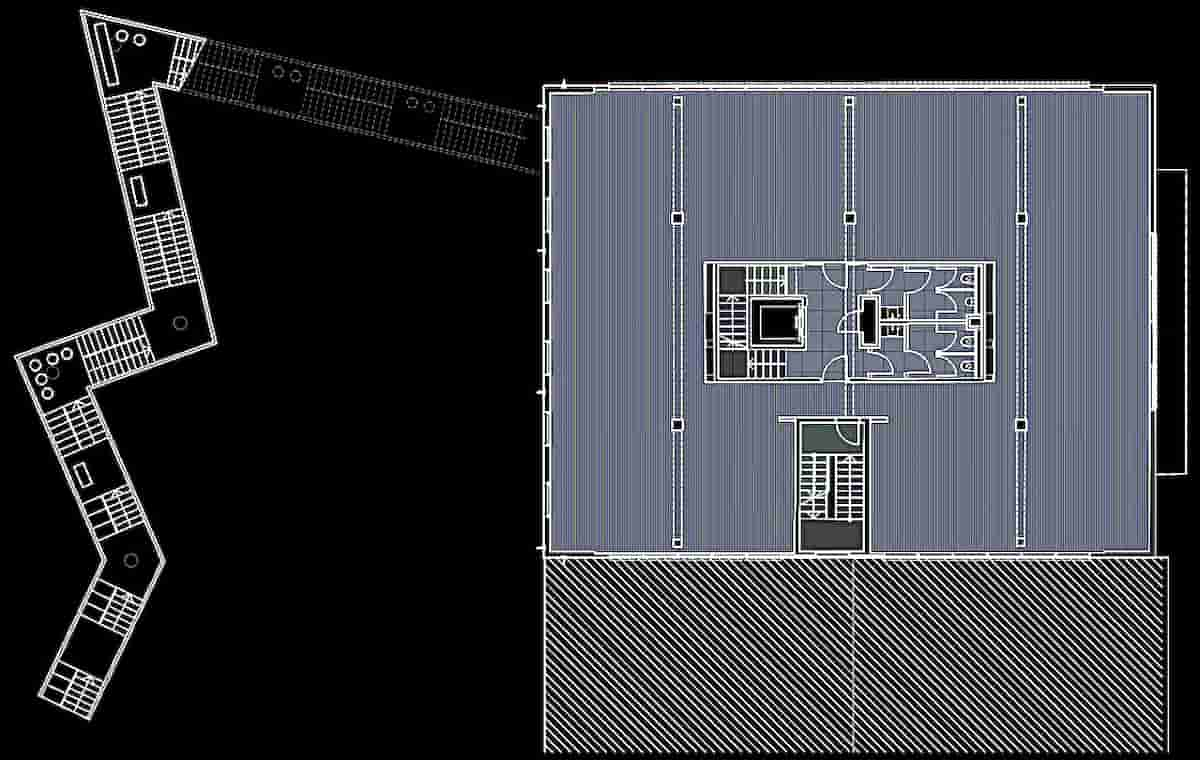
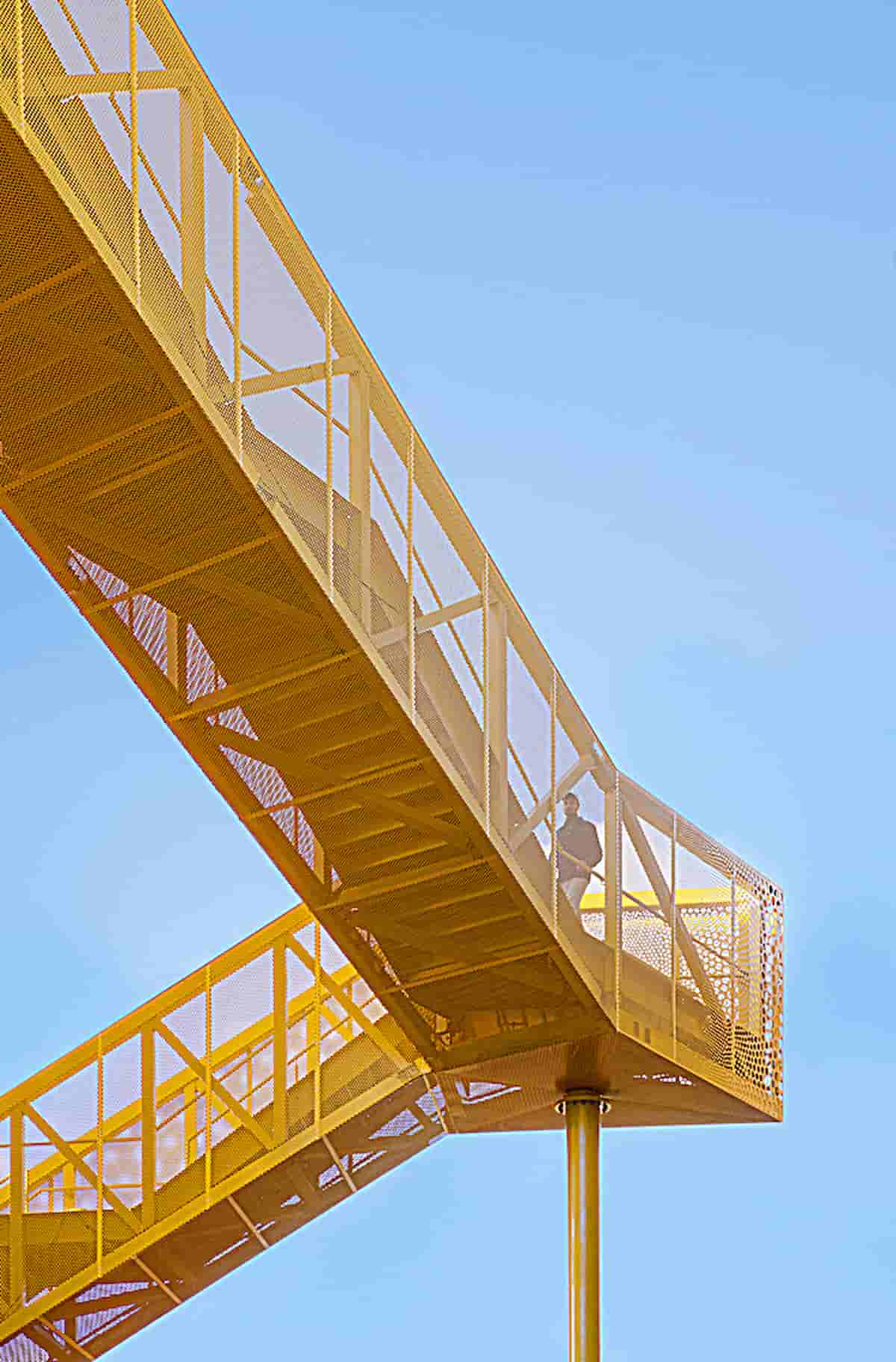
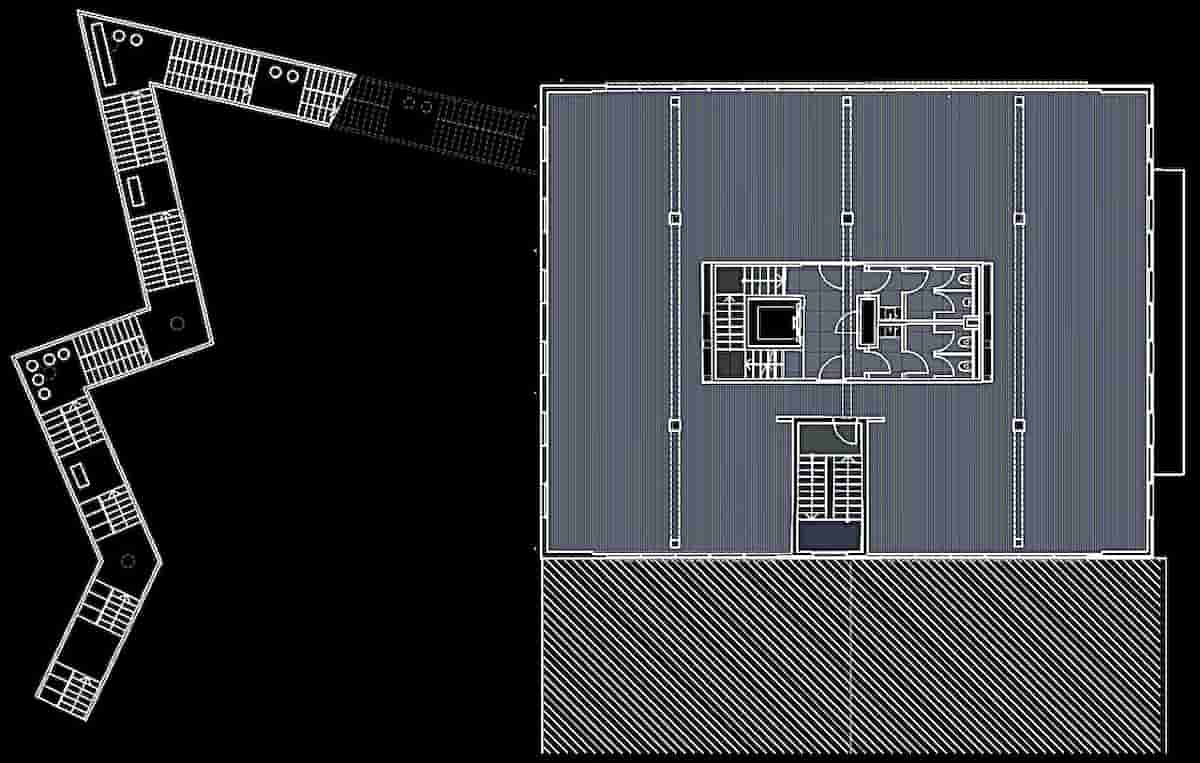
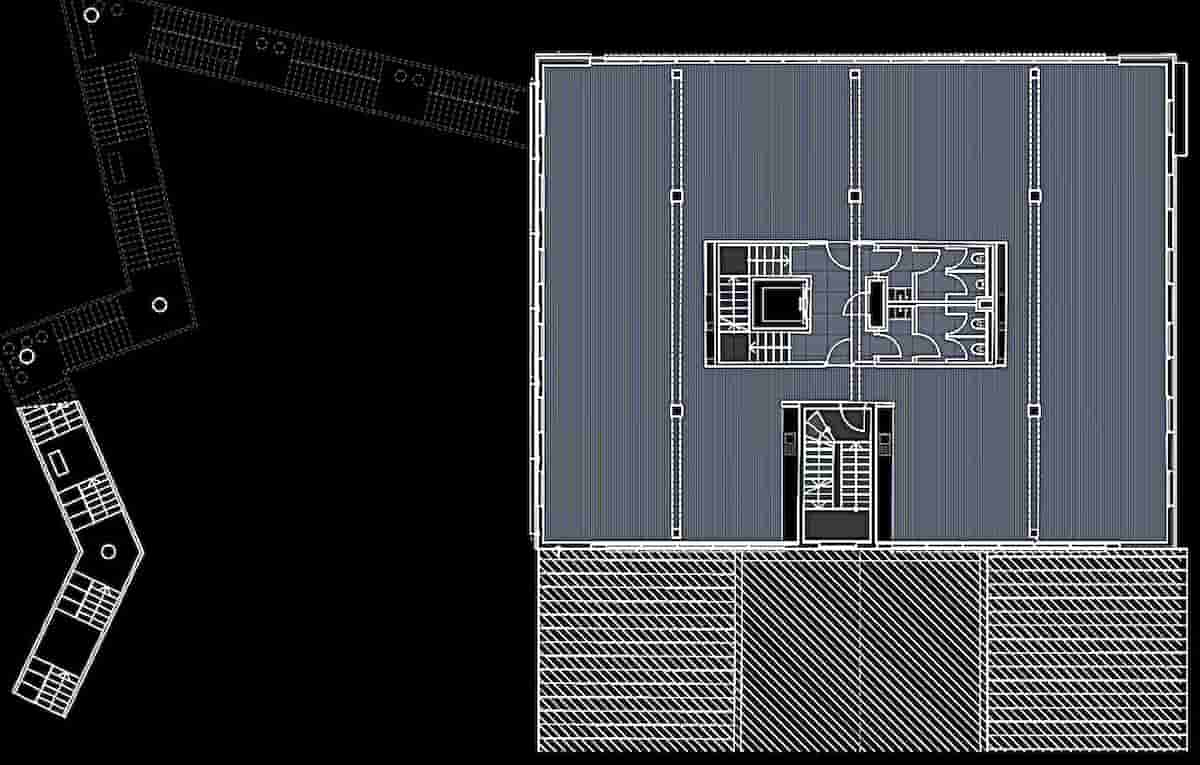
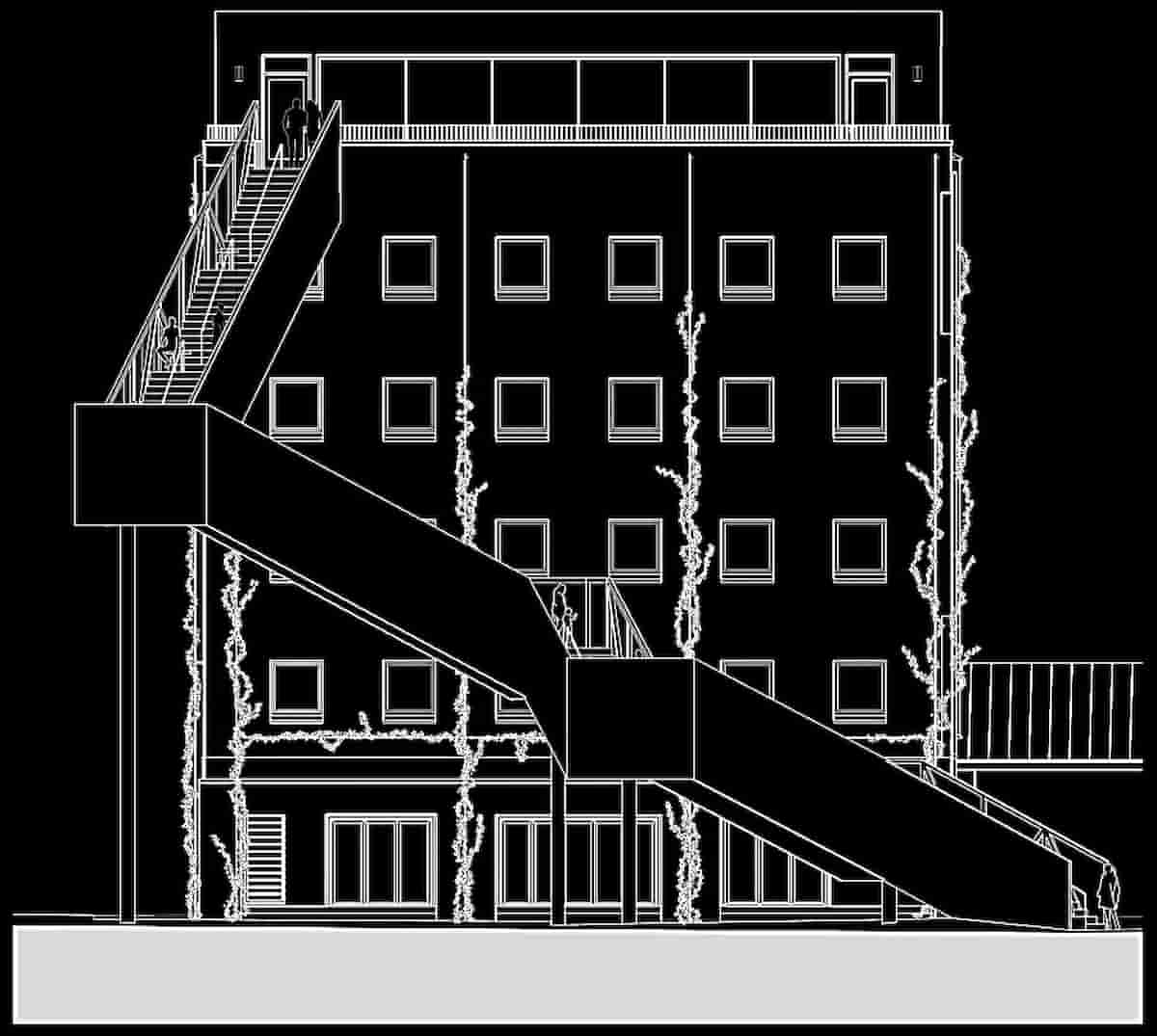
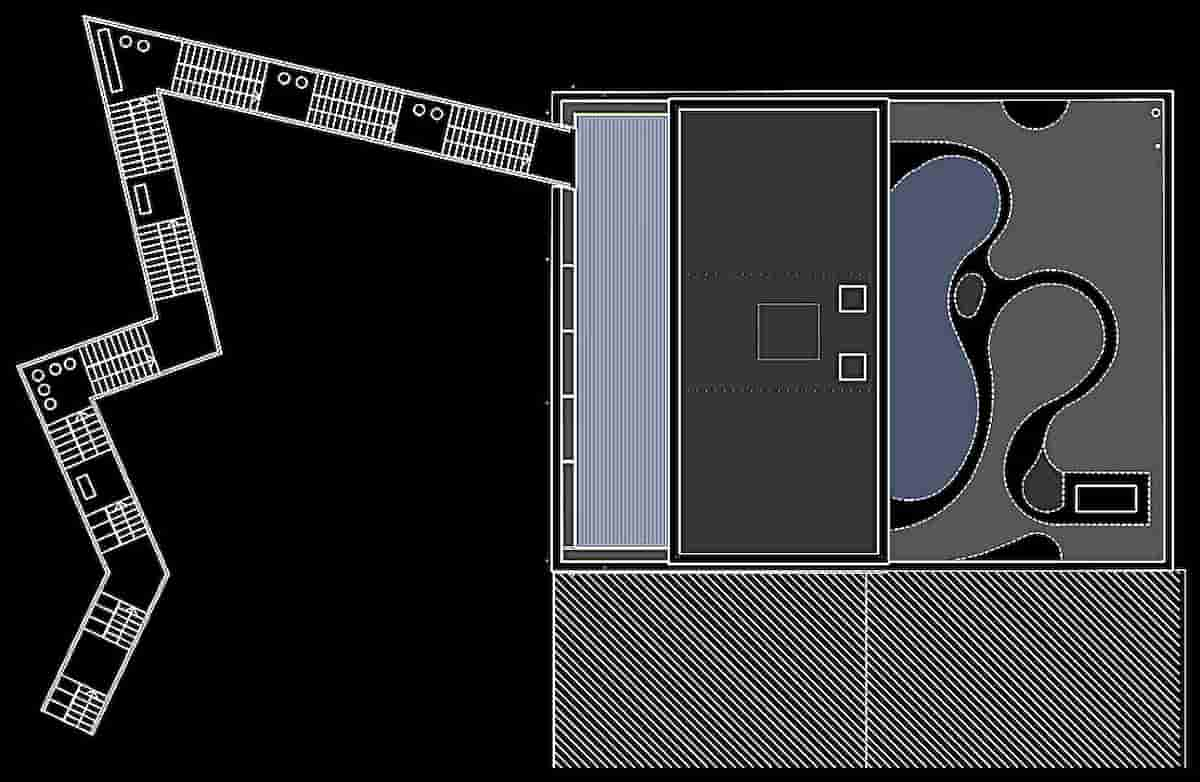
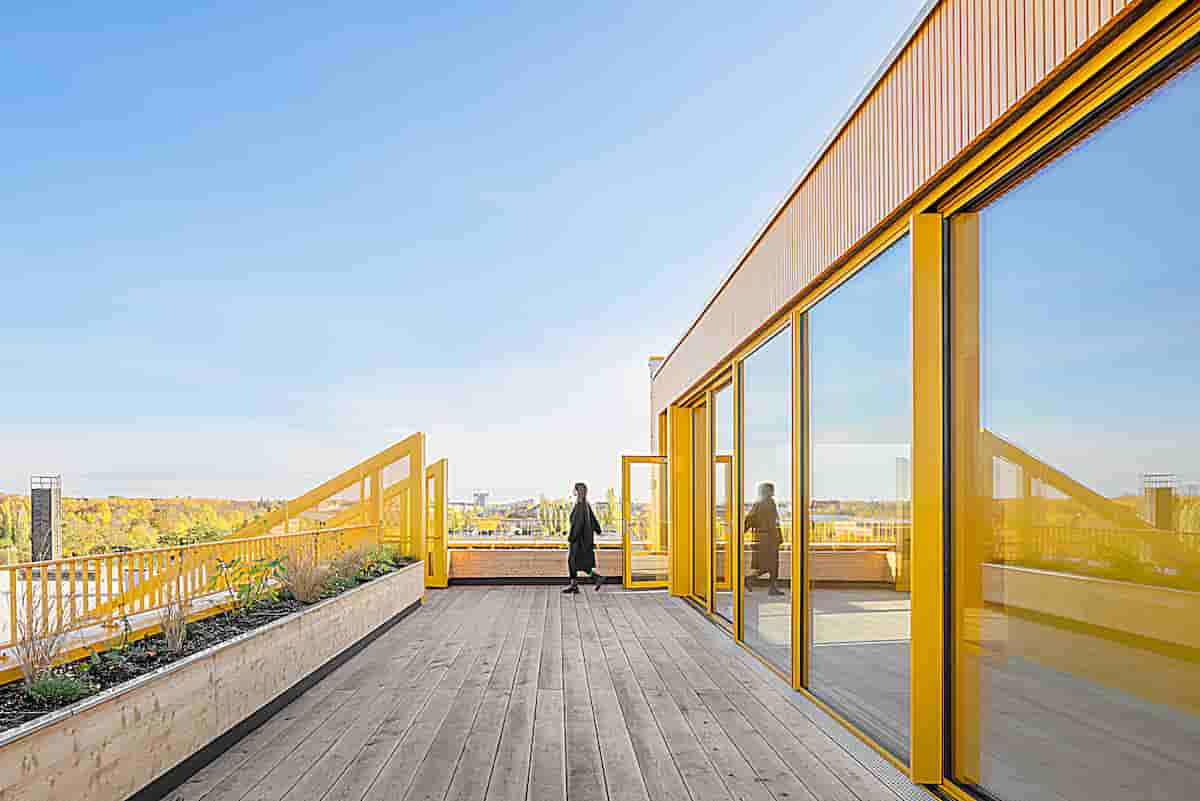
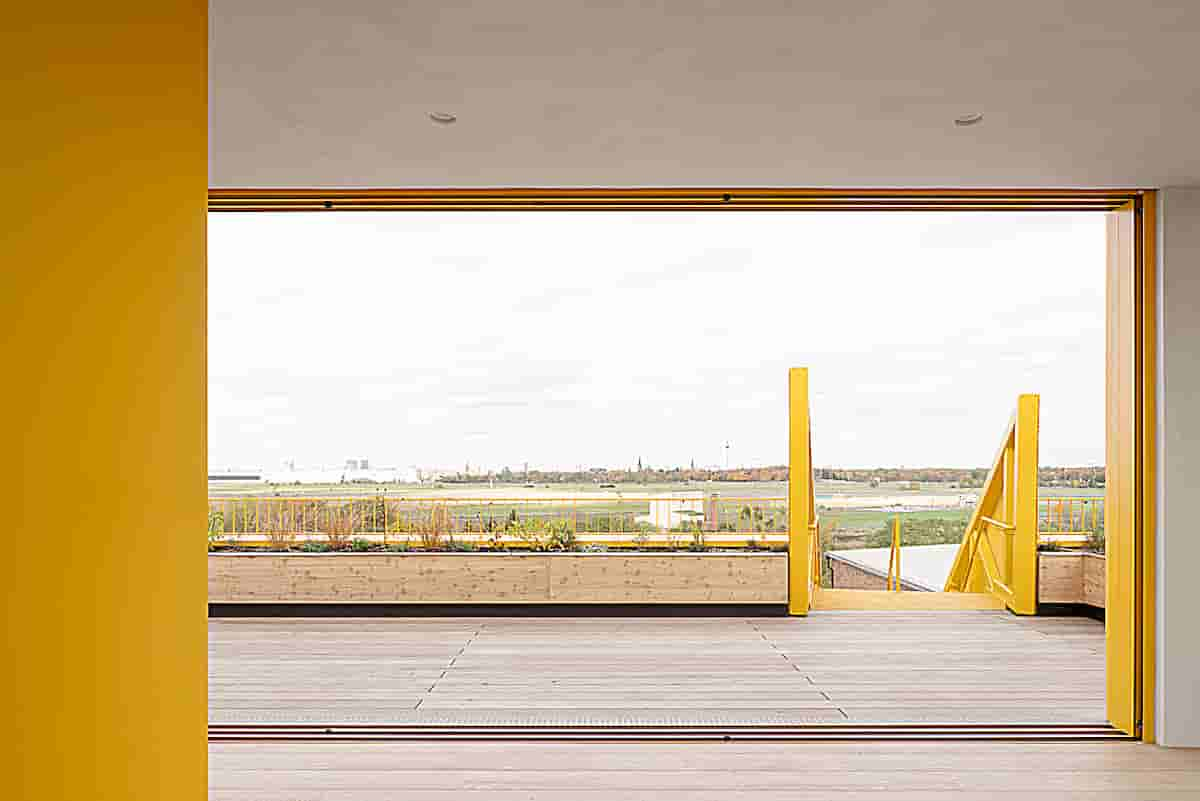
▏The most immediately obvious sign of this change is the building’s color. Once plain white, the building is now a sunshine yellow all over, drawing attention to the campus from both near and far. Once visitors enter the campus, they will immediately encounter another clear sign: from the central plaza of Atelier Gardens, a zig-zagging yellow stair-scape, dotted with seating and viewing platforms framing views of Tempelhofer Feld and the Berlin skyline, leads directly to the roof of HAUS 1. “From the roof, one can witness the entire skyline of Berlin’s urban landscape, with Tempelhofer Feld as its front yard,” highlights Van Rijs.
 

Has Turned a Dated Office Building from the 1990s into an HAUS 1 of Eye-catching Entrance Marker for Atelier Gardens in Berlin


Has Turned a Dated Office Building from the 1990s into an HAUS 1 of Eye-catching Entrance Marker for Atelier Gardens in Berlin


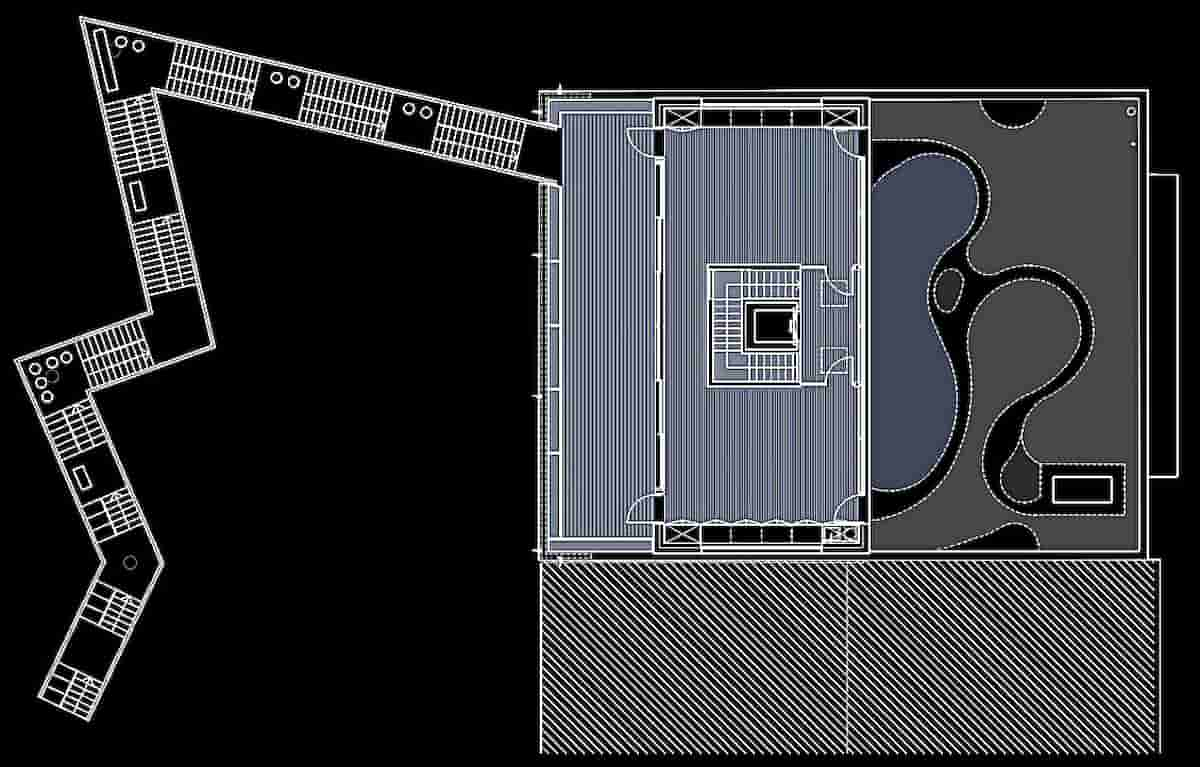
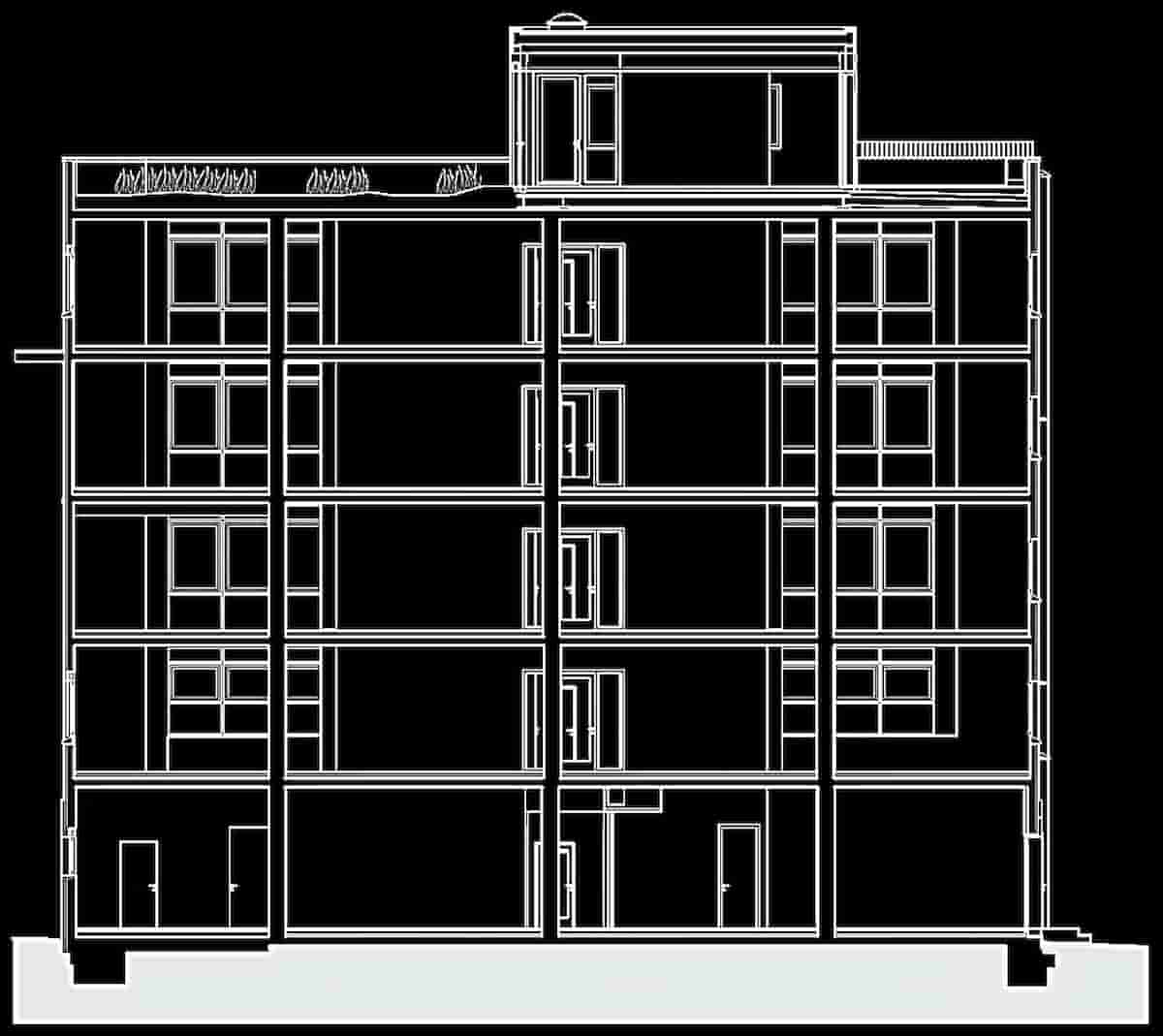
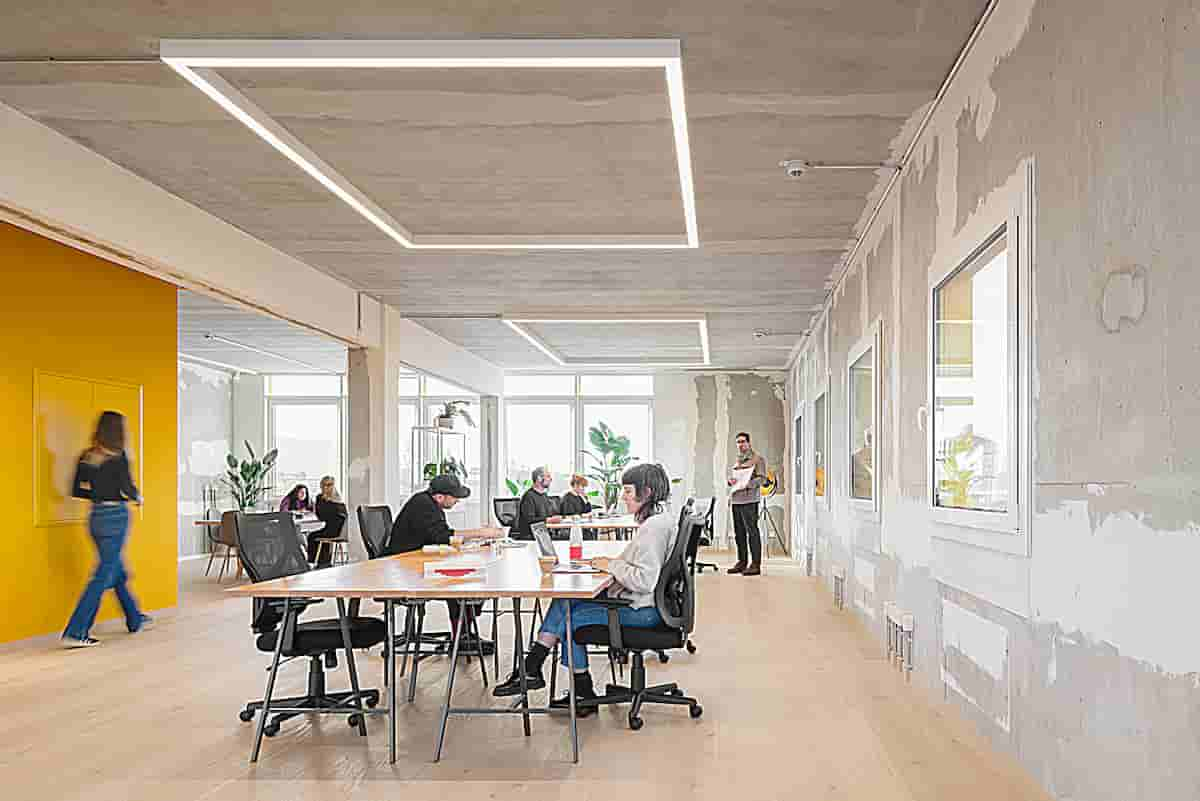
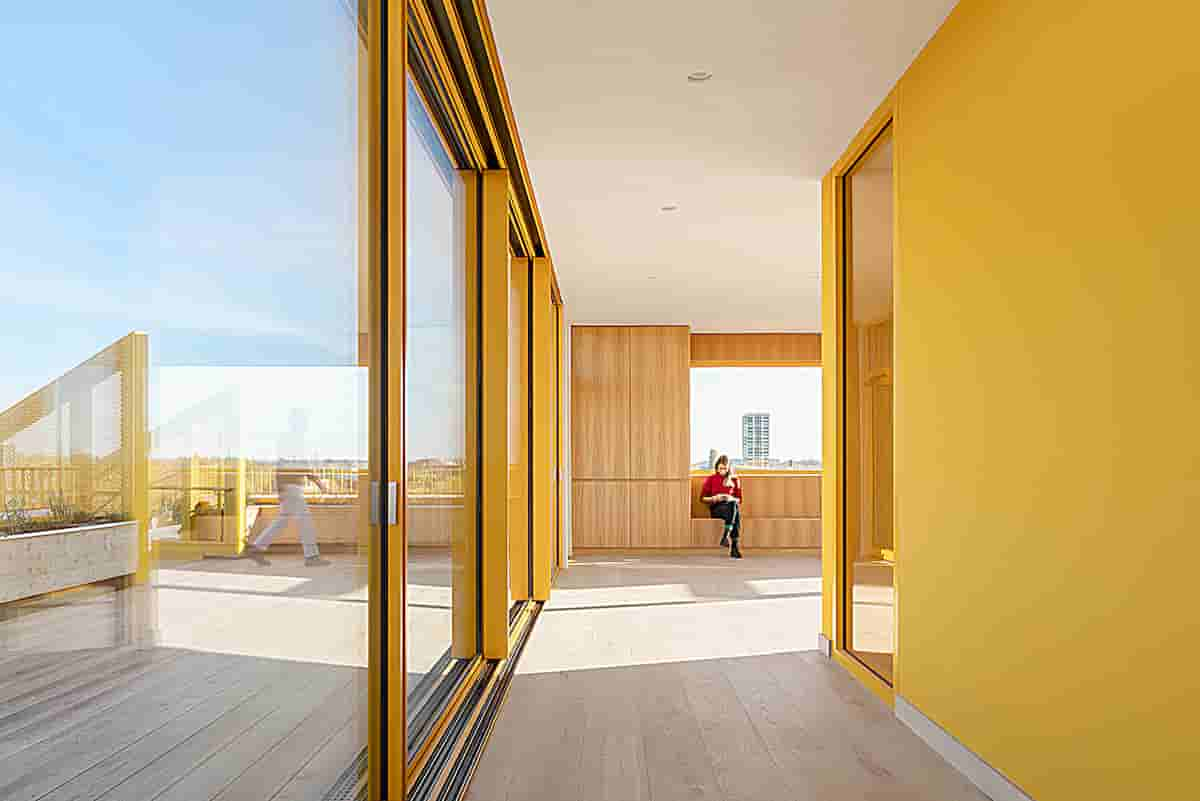
▏There the building has been extended with a timber pavilion of cross-laminated prefab modules, with bio-based materials and healthy finishes, such as a clay ceiling. A living roof of native plants completes the newly accessible rooftop which now also serves to collect rainwater, feeding into a comprehensive water retention plan implemented on-site.
 

Has Turned a Dated Office Building from the 1990s into an HAUS 1 of Eye-catching Entrance Marker for Atelier Gardens in Berlin


▏This green landscaping, new roof insulation, and sun shades on the building’s two glass façades reduce heat gain in the summer, improving the building’s climate resilience, while low-temperature underfloor heating moderates the indoor climate in the cold months. All lighting has been converted to energy-efficient LED systems and the sanitary fittings are all water efficient, including low water-use WCs that will be flushed with recycled rainwater from the next phase of the campus’ rainwater harvesting system.
 

Has Turned a Dated Office Building from the 1990s into an HAUS 1 of Eye-catching Entrance Marker for Atelier Gardens in Berlin


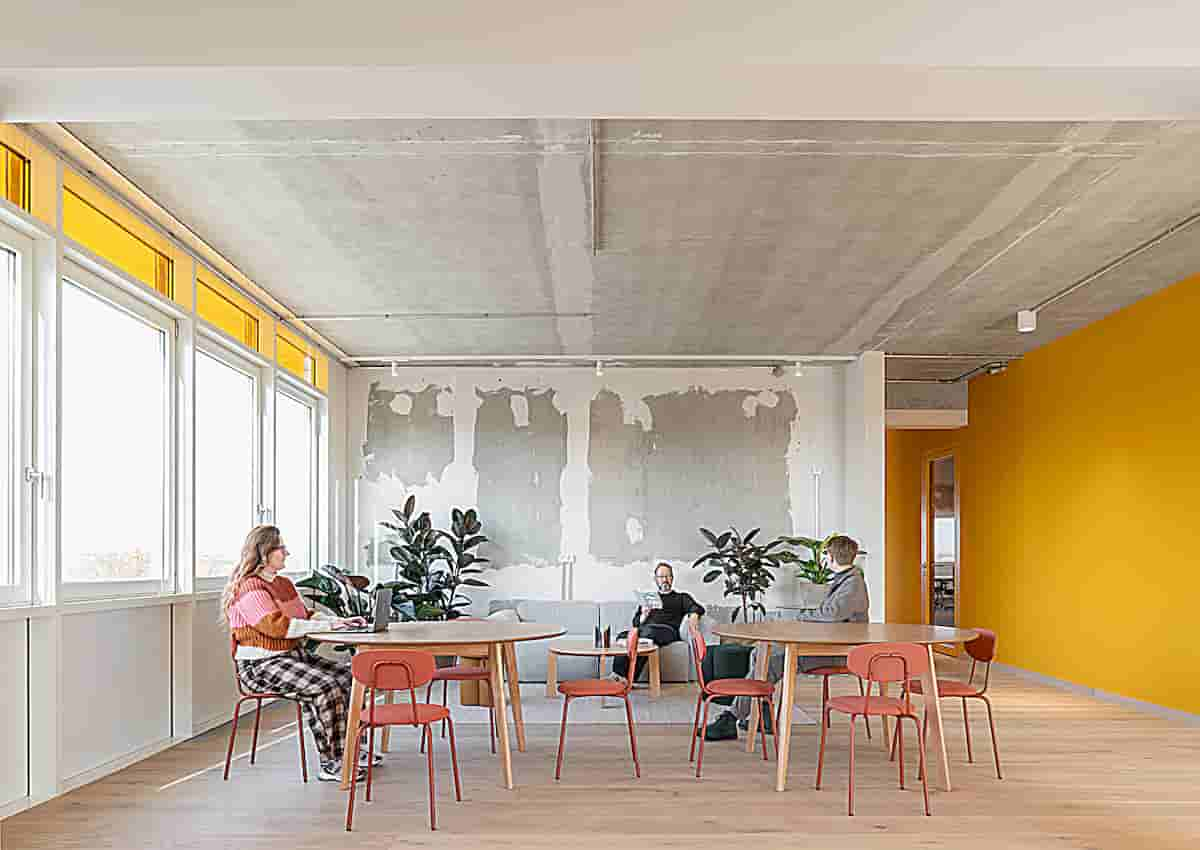
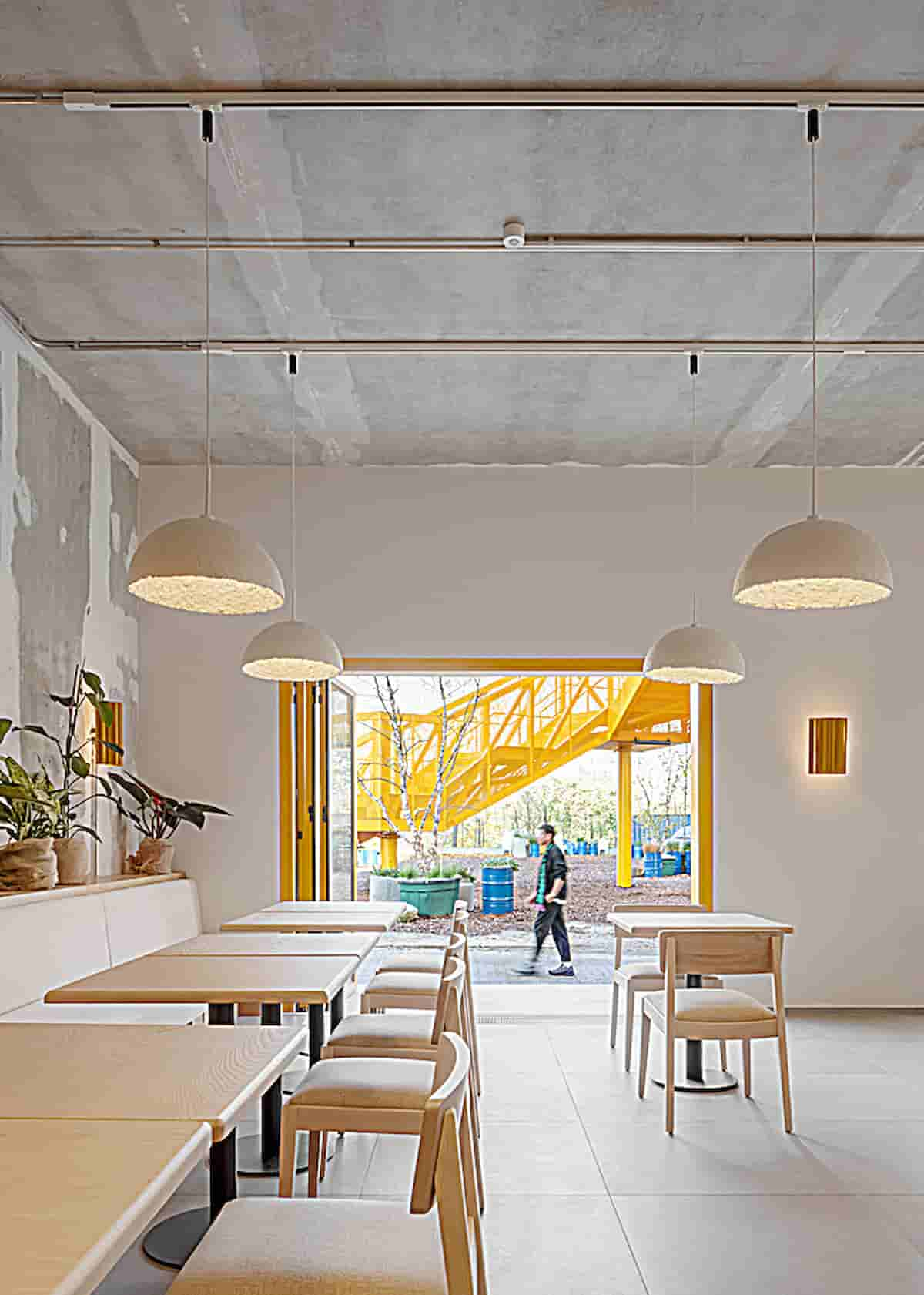
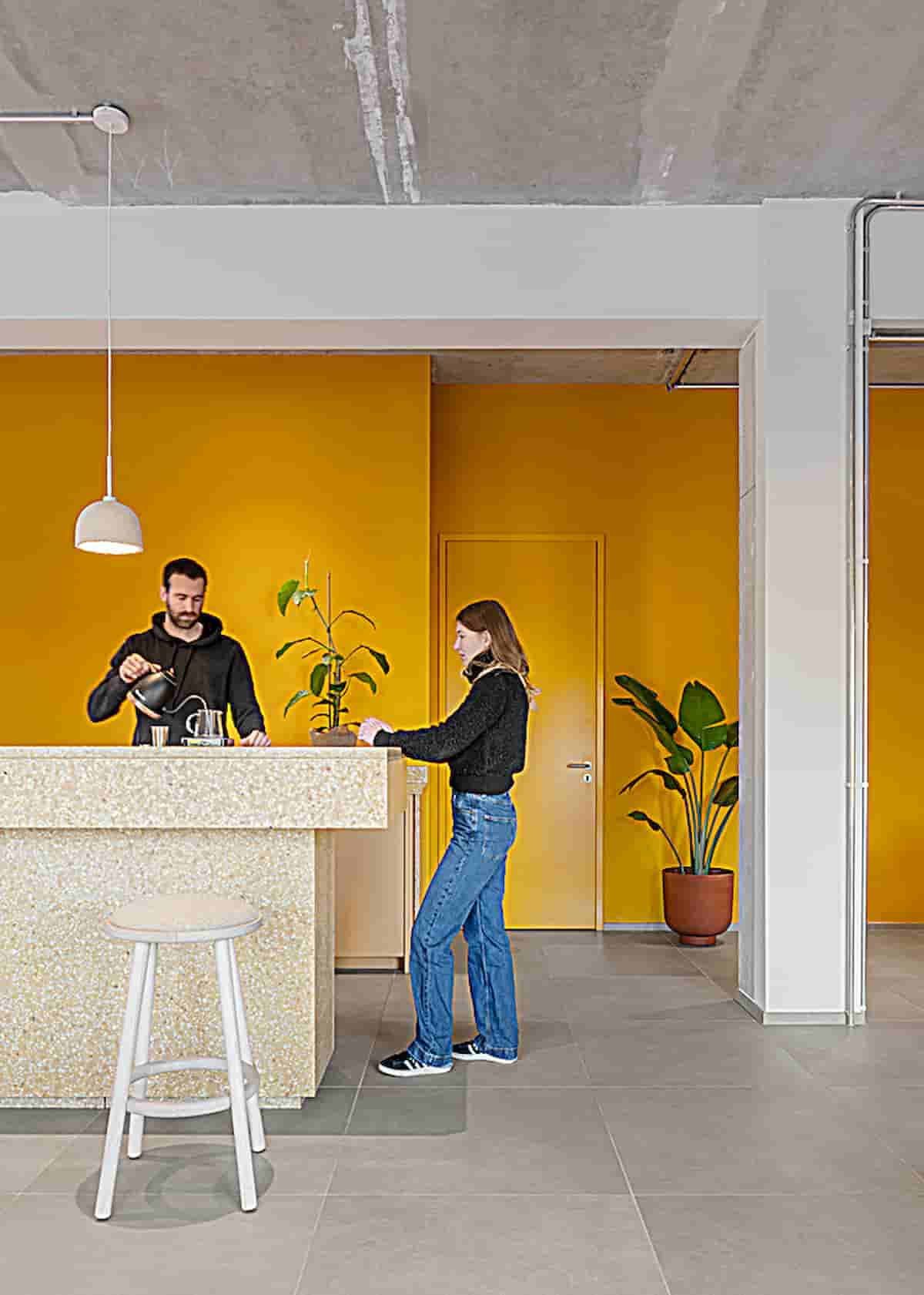
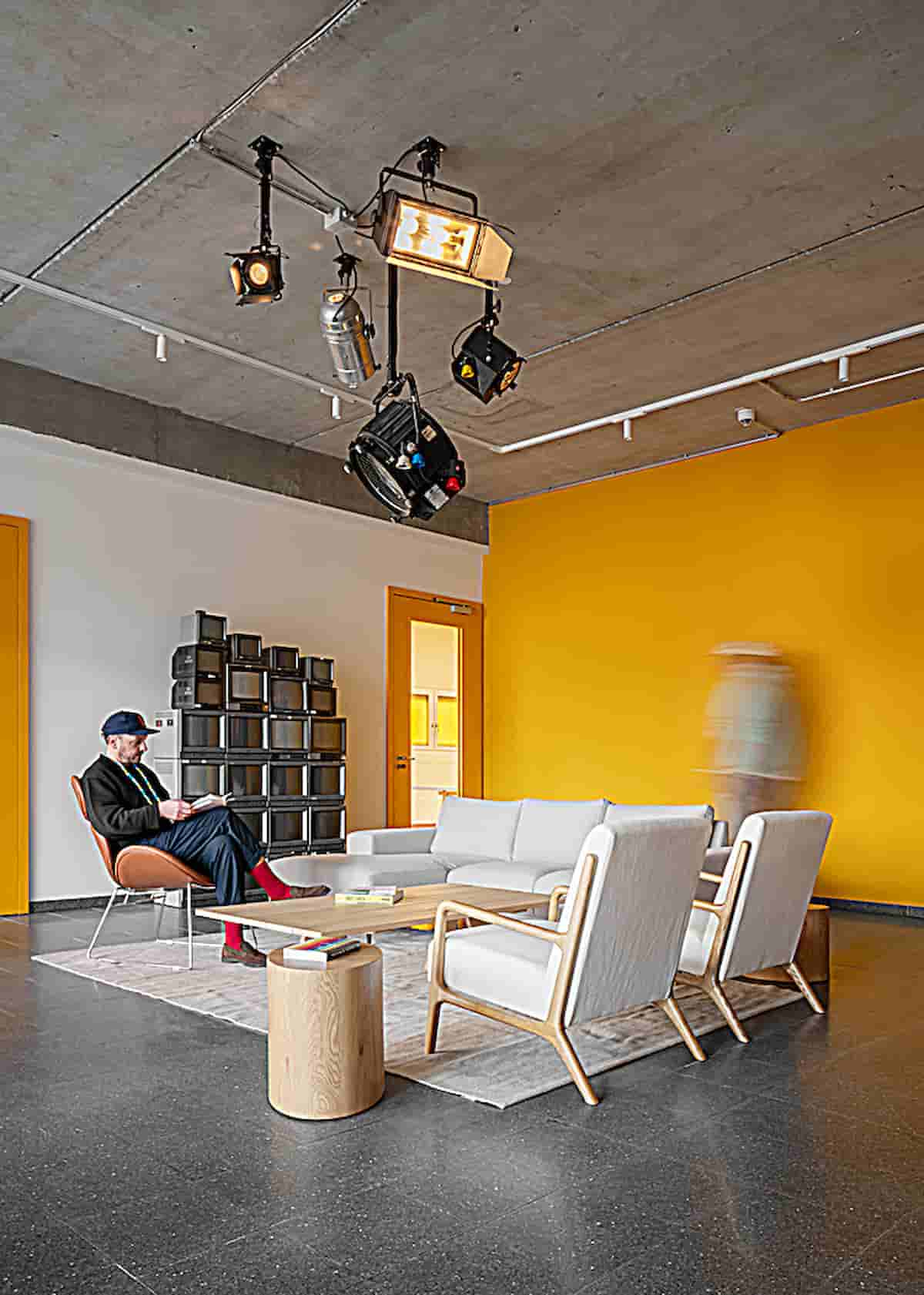
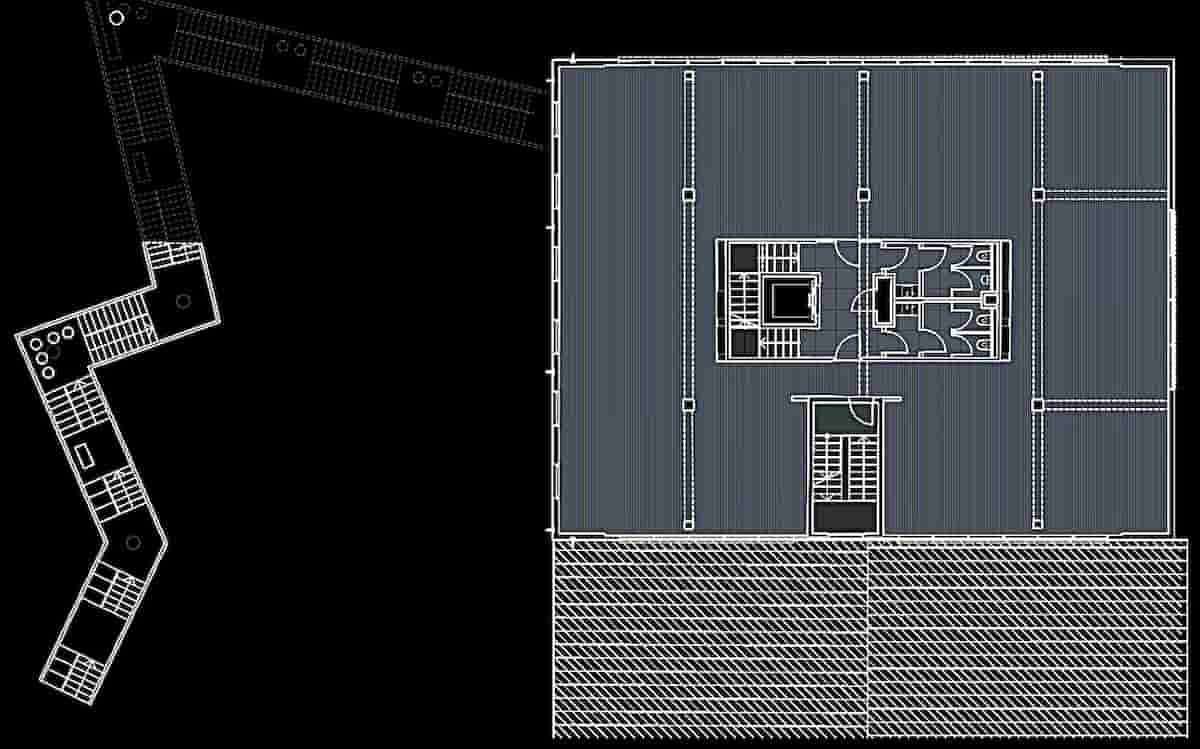
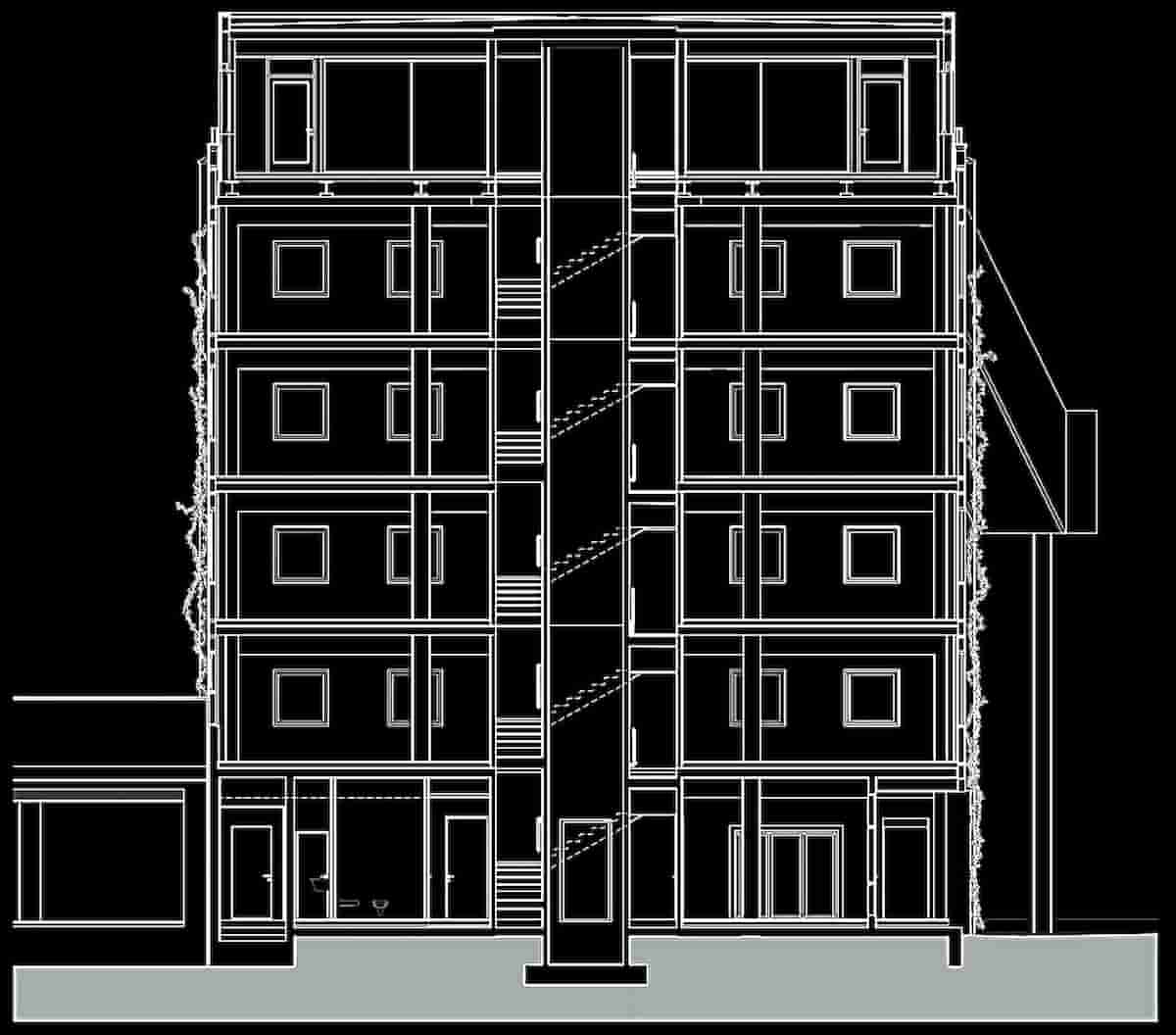
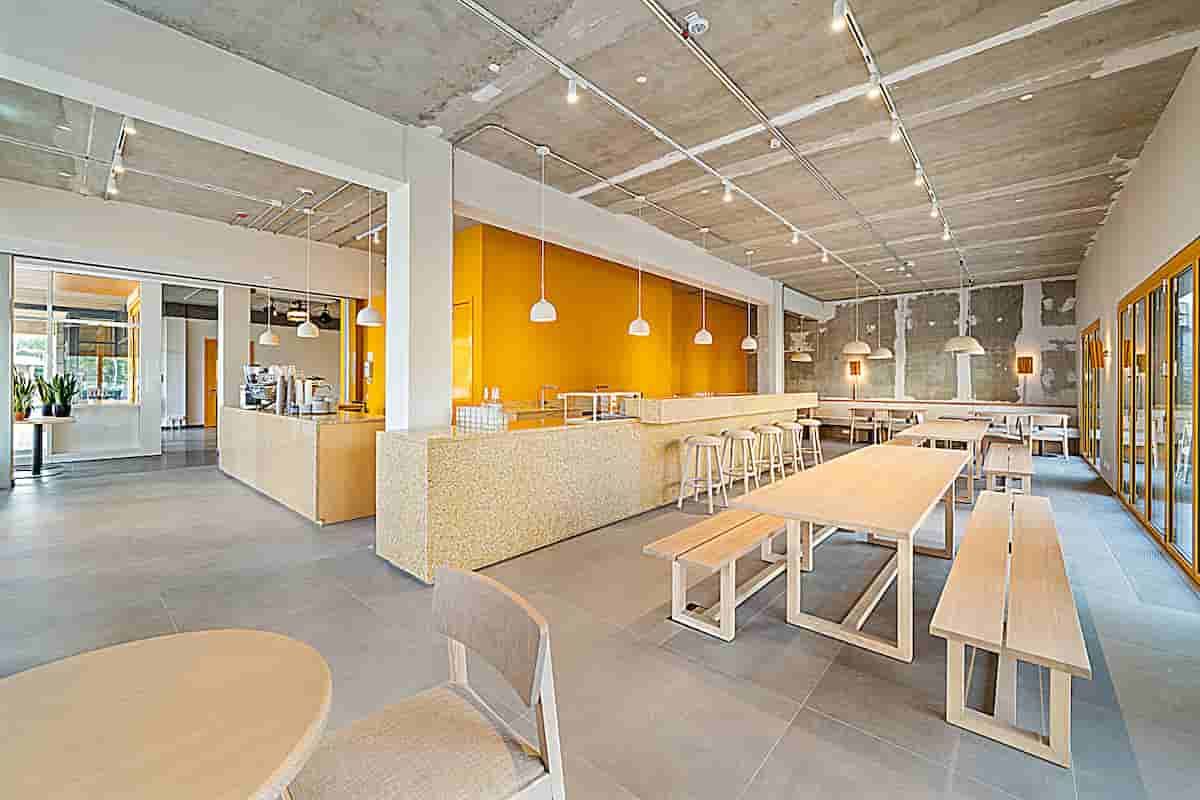
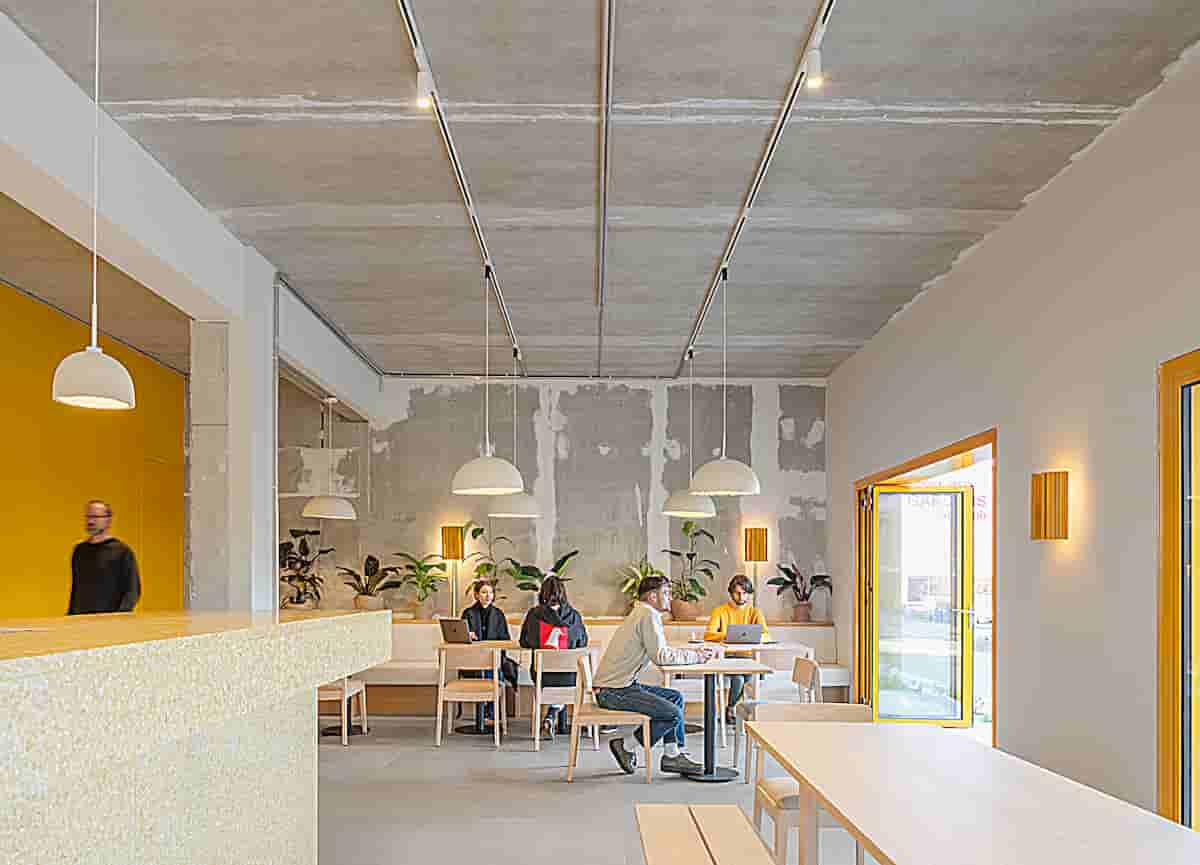
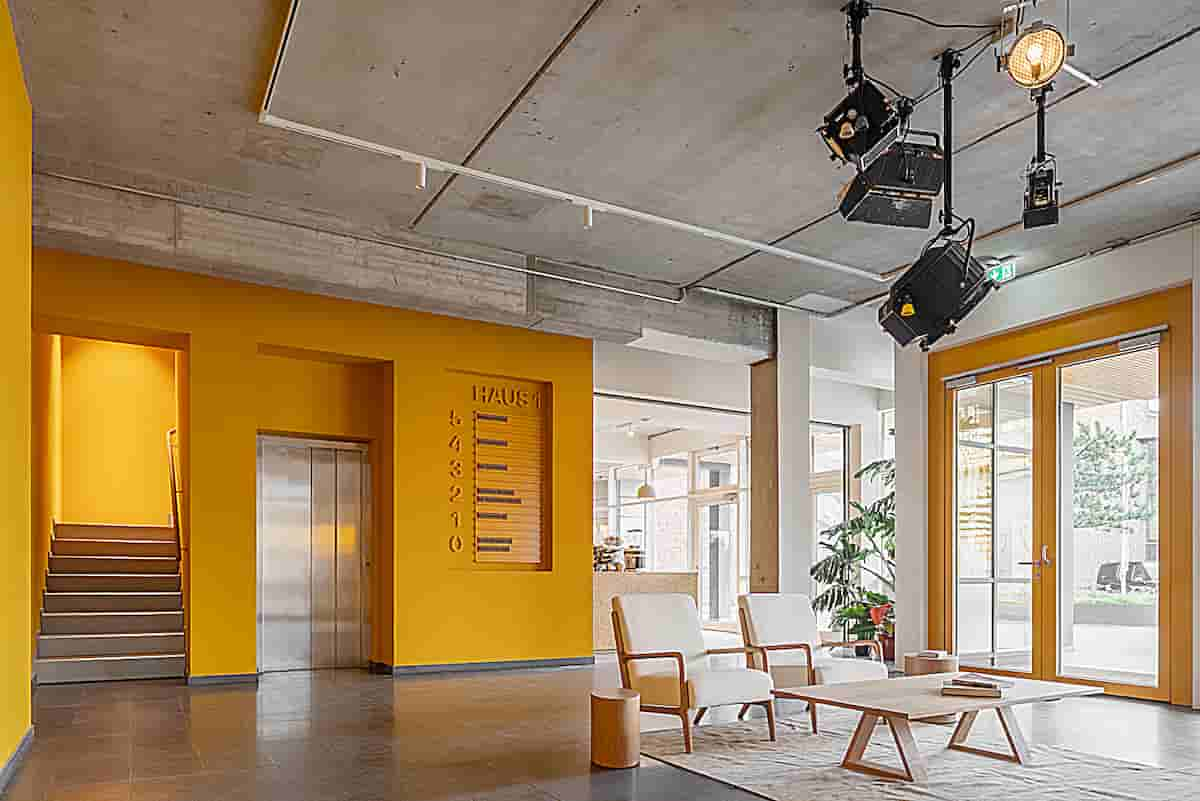
▏Internally, HAUS 1 will host adaptive work and meeting spaces across four floors, including the headquarters of Atelier Gardens and a café. The floorplans have been altered to maximize the building’s flexibility, simplifying future changes in use or layout and thus extending the building’s lifespan.
 

Has Turned a Dated Office Building from the 1990s into an HAUS 1 of Eye-catching Entrance Marker for Atelier Gardens in Berlin


▏With its focus on reusing as much of the structure as possible, and giving preference to durable, recyclable materials with a low environmental footprint whenever new material was required, HAUS 1 shows how building transformations can do more with less.
 

Has Turned a Dated Office Building from the 1990s into an HAUS 1 of Eye-catching Entrance Marker for Atelier Gardens in Berlin


Has Turned a Dated Office Building from the 1990s into an HAUS 1 of Eye-catching Entrance Marker for Atelier Gardens in Berlin


Has Turned a Dated Office Building from the 1990s into an HAUS 1 of Eye-catching Entrance Marker for Atelier Gardens in Berlin


Has Turned a Dated Office Building from the 1990s into an HAUS 1 of Eye-catching Entrance Marker for Atelier Gardens in Berlin


Has Turned a Dated Office Building from the 1990s into an HAUS 1 of Eye-catching Entrance Marker for Atelier Gardens in Berlin


Has Turned a Dated Office Building from the 1990s into an HAUS 1 of Eye-catching Entrance Marker for Atelier Gardens in Berlin


Has Turned a Dated Office Building from the 1990s into an HAUS 1 of Eye-catching Entrance Marker for Atelier Gardens in Berlin


Has Turned a Dated Office Building from the 1990s into an HAUS 1 of Eye-catching Entrance Marker for Atelier Gardens in Berlin


Has Turned a Dated Office Building from the 1990s into an HAUS 1 of Eye-catching Entrance Marker for Atelier Gardens in Berlin


Has Turned a Dated Office Building from the 1990s into an HAUS 1 of Eye-catching Entrance Marker for Atelier Gardens in Berlin


Has Turned a Dated Office Building from the 1990s into an HAUS 1 of Eye-catching Entrance Marker for Atelier Gardens in Berlin


Has Turned a Dated Office Building from the 1990s into an HAUS 1 of Eye-catching Entrance Marker for Atelier Gardens in Berlin


Has Turned a Dated Office Building from the 1990s into an HAUS 1 of Eye-catching Entrance Marker for Atelier Gardens in Berlin


Has Turned a Dated Office Building from the 1990s into an HAUS 1 of Eye-catching Entrance Marker for Atelier Gardens in Berlin


Has Turned a Dated Office Building from the 1990s into an HAUS 1 of Eye-catching Entrance Marker for Atelier Gardens in Berlin


Has Turned a Dated Office Building from the 1990s into an HAUS 1 of Eye-catching Entrance Marker for Atelier Gardens in Berlin


Has Turned a Dated Office Building from the 1990s into an HAUS 1 of Eye-catching Entrance Marker for Atelier Gardens in Berlin


Has Turned a Dated Office Building from the 1990s into an HAUS 1 of Eye-catching Entrance Marker for Atelier Gardens in Berlin


Has Turned a Dated Office Building from the 1990s into an HAUS 1 of Eye-catching Entrance Marker for Atelier Gardens in Berlin


Om onvervangbaar te zijn, moet je altijd anders zijn.
Er zijn fascinerende beelden hier, en de fascinerende dag van samen!  xo
─────────────────────────────────────────────────────
Per essere insostituibili bisogna sempre essere diverso.
Ci sono immagini affascinanti qui, e l’affascinante giornata di insieme!  xo KanikaChic

ZOLAND-峨眉山度假村重新建立人與自然對話的環境

ZOLAND 峨眉山度假村在森林聚落中重塑人與自然的關係

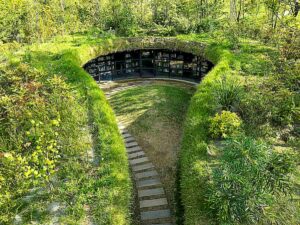
ZOLAND 峨眉山度假村隱身於峨眉山的森林地景之中,以「建築靜謐」為核心理念,建築群錯落排列,如同自然生成的山中聚落。項目並非追求典型的度假酒店形式,而是透過改造既有的老舊建築,形塑一處與森林景觀緊密相融的避世之所。這裡鼓勵人們放慢腳步,在層層樹影與空間節奏之間,重新思考人與自然的關係,讓停留成為一種反思與感知的過程。

地下建築機電系統與通風管線,展現隱藏於結構中的能源消耗與環境成本

地下建築的環境成本從來沒有被真正看見

地下建築常被當成一種節省空間,甚至被包裝成對環境友善的選擇。但這種說法只成立在地表以上。一旦視線往下移,所有被隱藏的成本就開始浮現——不是消失,而是被推遲、被轉移,最後被重新分配。 地下並不是解法,它只是把問題壓進另一個層次。當我們選擇不看見,它們就暫時不存在;但那只是視覺上的缺席,不是現實的消除。     地下空間常被視為穩定與安全的延伸,彷彿是一種不受外界干擾的建築基礎,然而這種想像忽略了其背後龐大的能量消耗與維運系統,使地下建築不僅不是被動的結構支撐,而是高度依賴能源與技術持續運作的環境,其存在本身即意味著一種長期且不可見的成本累積。     在地下空間之中,光線、空氣與溫度不再由自然條件提供,而是完全依賴人工系統進行調節,通風設備、抽排系統與照明設施持續運轉,使空間得以維持基本的使用狀態,然而這些維持穩定的條件並非自然存在,而是透過持續的能源輸入所換取的結果,使地下建築在日常運作之中不斷消耗資源,形成一種看似靜止卻實際高度動態的能量循環,而這種循環往往被隱藏於結構與設備之後,難以被直接感知 隨著地下空間規模的不斷擴大,其維運需求也隨之增加,從交通系統、商業空間到儲存設施,地下逐漸成為城市運作不可或缺的一部分,然而這些空間所依賴的系統同時也帶來長期的能源負擔與環境影響,設備的更新與維護、系統的持續運轉與升級,都意味著額外的資源投入,使地下建築不僅在建造階段消耗大量能量,更在其生命週期之中持續產生成本,並在長期運作之下,逐步反映於整體基礎設施對地景的重組之中。這些成本並未直接體現在可見的形式之中,卻深刻影響著整體環境 當地下被視為可無限擴展的空間時,其背後所隱含的限制與代價反而更加被忽略,建築與城市傾向將地下視為一種可被持續開發的資源,而非需要被審視的結構條件,使這些空間在提供功能與安全的同時,也不斷累積不可逆的環境負擔,這種將成本隱藏於深層結構之中的運作方式,使我們難以全面理解地下建築的真實影響,並進一步強化了對其依賴而不自覺的狀態       這些被隱藏於地下的能量消耗與環境成本,最終仍指向同一個問題——建築如何在能源、材料與基礎設施交織而成的系統之中被持續支撐與重構。       挖掘的開始 一切從開挖開始。土方被移除,岩層被破壞,地下水系被迫改道。這些改變不會消失,它們只是被轉移到別的地方,被分散到更難追蹤的位置。 我們習慣用「開發」、「建設」這些詞來描述這些行為,但這些語言本身已經在替過程減壓。真正發生的事情更直接:地層被切開,結構被打斷,一種原本穩定的系統被迫重新排列。這不是中性行為,也不是單純的技術操作,而是一種不可逆的介入。 一旦開始,就沒有回到原來狀態這件事。所有之後的設計與選擇,都只是對這個破壞結果的回應。     這些被隱藏於地下的能量消耗與環境成本,最終仍指向同一個問題——建築如何在能源、材料與基礎設施交織而成的系統之中被持續支撐與重構。  

Facebook
Twitter
LinkedIn
Tumblr
0 0 votes
Article Rating
Subscribe
Notify of
guest
0 Comments
Oldest
Newest Most Voted
Inline Feedbacks
View all comments
Search