Tiffanie Turner’s “American Grown”: Excavating Memory Through Monumental Paper Sculpture

In ‘American Grown,’ Tiffanie Turner Roots Out Personal Memories and U.S. Exceptionalism
In “American Grown,” Tiffanie Turner transforms paper sculpture into a narrative device, using enlarged botanical forms to examine the tension between personal memory, cultural symbolism, and the mythology of American identity.


In ‘American Grown,’ Tiffanie Turner Roots Out Personal Memories and U.S. Exceptionalism
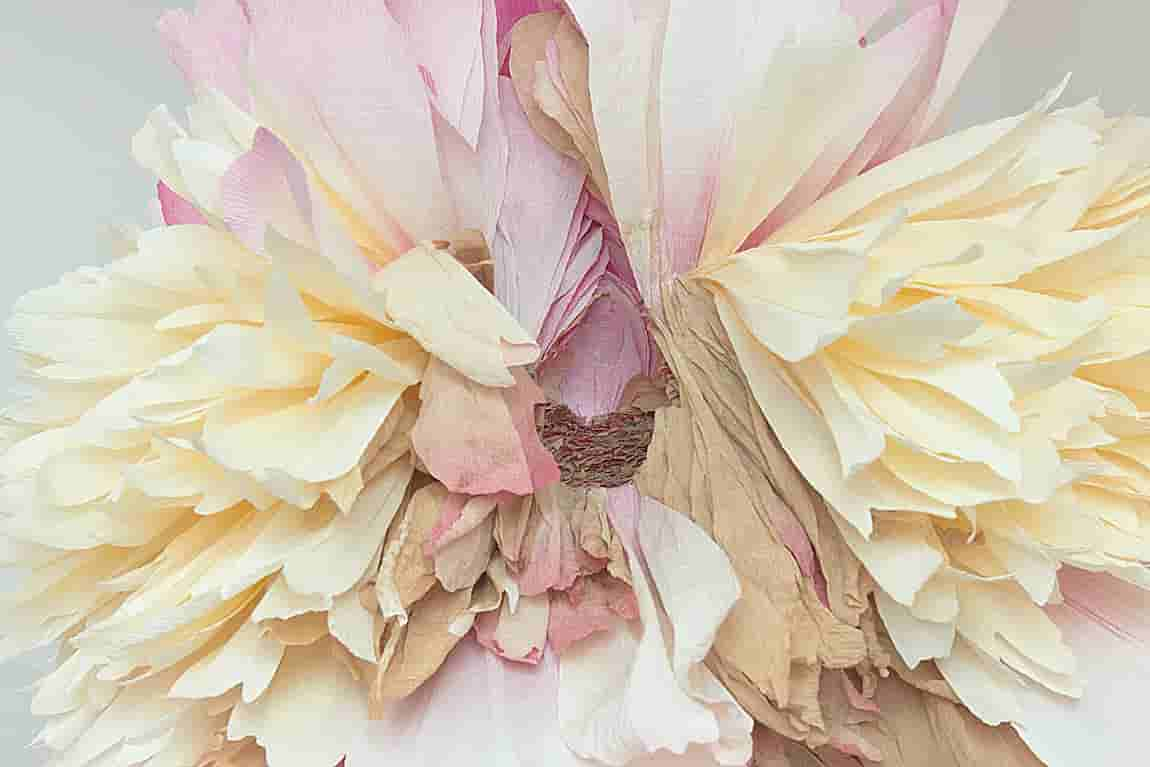
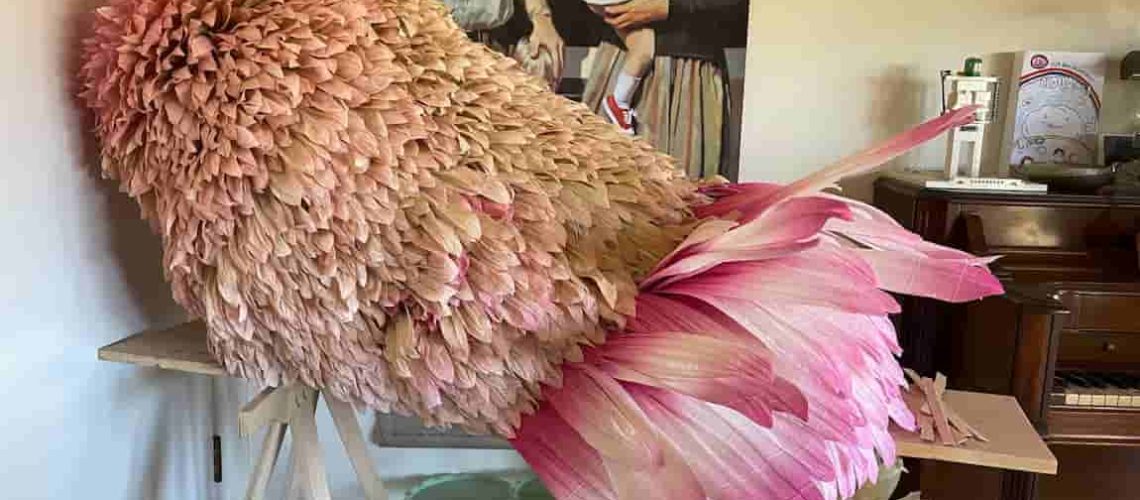
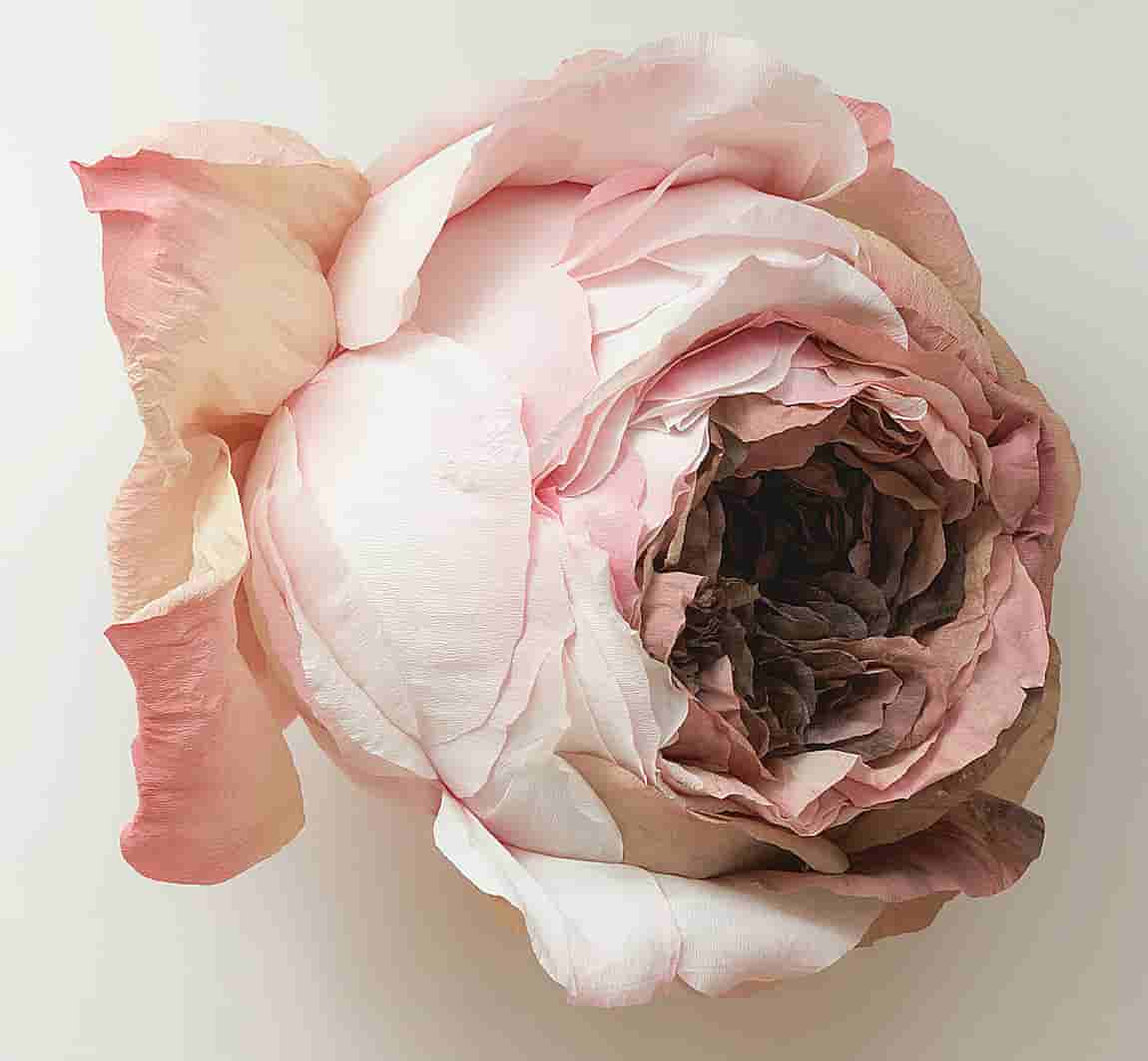
“Excerpt from Still Life with flowers on a marble tabletop” (2023), paper mâché, Italian crepe paper, stain, glue, and cardboard, 29 x 30.5 x 21.5 inches. All images © Shaun Roberts, shared with permission


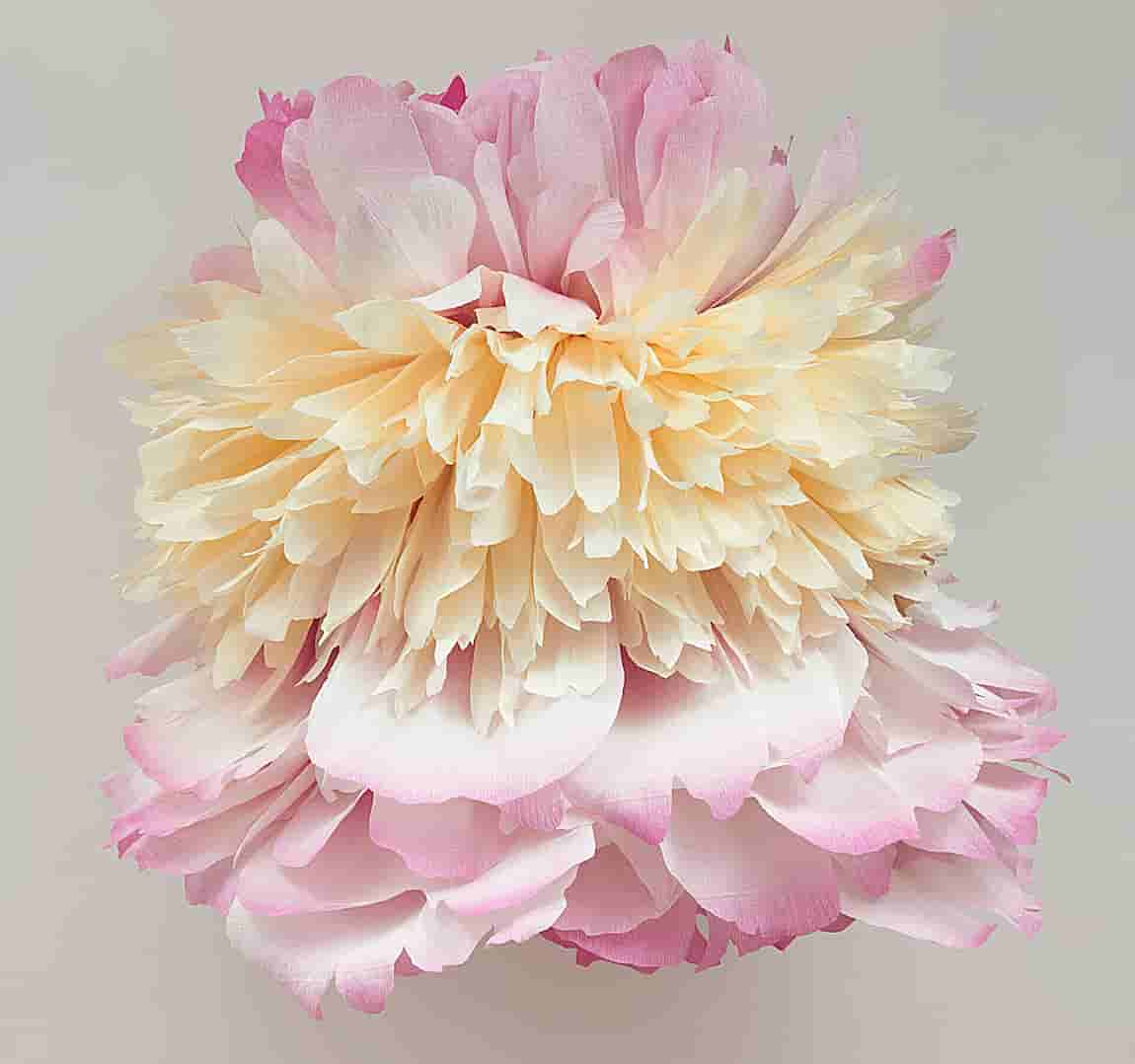
With “American Grown,” Tiffanie Turner repositions paper not as a fragile craft material but as a structural medium capable of carrying historical and cultural weight. Through enlarged floral geometries and meticulous hand construction, the series bridges sculpture, memory, and cultural critique, revealing overlooked narratives embedded within American visual culture.


A feature framed through the lens of the contemporary art market. An architect by training, the artist (previously) is known for her incredibly lifelike paper flowers that explore beauty standards and aging through dramatic decay and flawed growths. Her interests in recent years have largely been universal, questioning the nature of imperfection and human vanity or the impending destruction caused by the climate crisis.</span>


But in American Grown, Turner turns toward the personal. Two and a half years in the making, the series comprises ten massive sculptures made with the artist’s signature crepe-paper petals layered in dense masses. The flowers embody both an artistic challenge—one of the three principles behind the collection was to leave behind the circular, wall-mounted form in favor of more conical, gravity-defying constructions—and a deeply introspective look at Turner’s own life. “After spending over two years with this body of work, thinking almost every day about where this idea of the United States being ‘the greatest nation’ in the family I grew up in, I think I figured it out,” she tells Colossal, sharing that she’s circling around how American exceptionalism is deeply rooted in culture and often passed through generations.


The idea for this body of work came about during the first year of the Covid-19 pandemic “when her shame about being an American was at an all-time high. A cartoon of an American was swirling in her head: a styleless, gun-loving, misogynistic, God-fearing racist,” a statement says. Like her earlier pieces, Turner returned to universality as she realized that these traits are not always unique to the U.S. Instead, she used that caricature as a starting point to explore this belief in superiority and to connect to “her childhood, comparing and contrasting the standards and safeguards around the raising of her two children with memories of her grandparents and parents, focusing on the past, present, and future, in the timeframe of 1950 to 2050.”
 

In ‘American Grown,’ Tiffanie Turner Roots Out Personal Memories and U.S. Exceptionalism
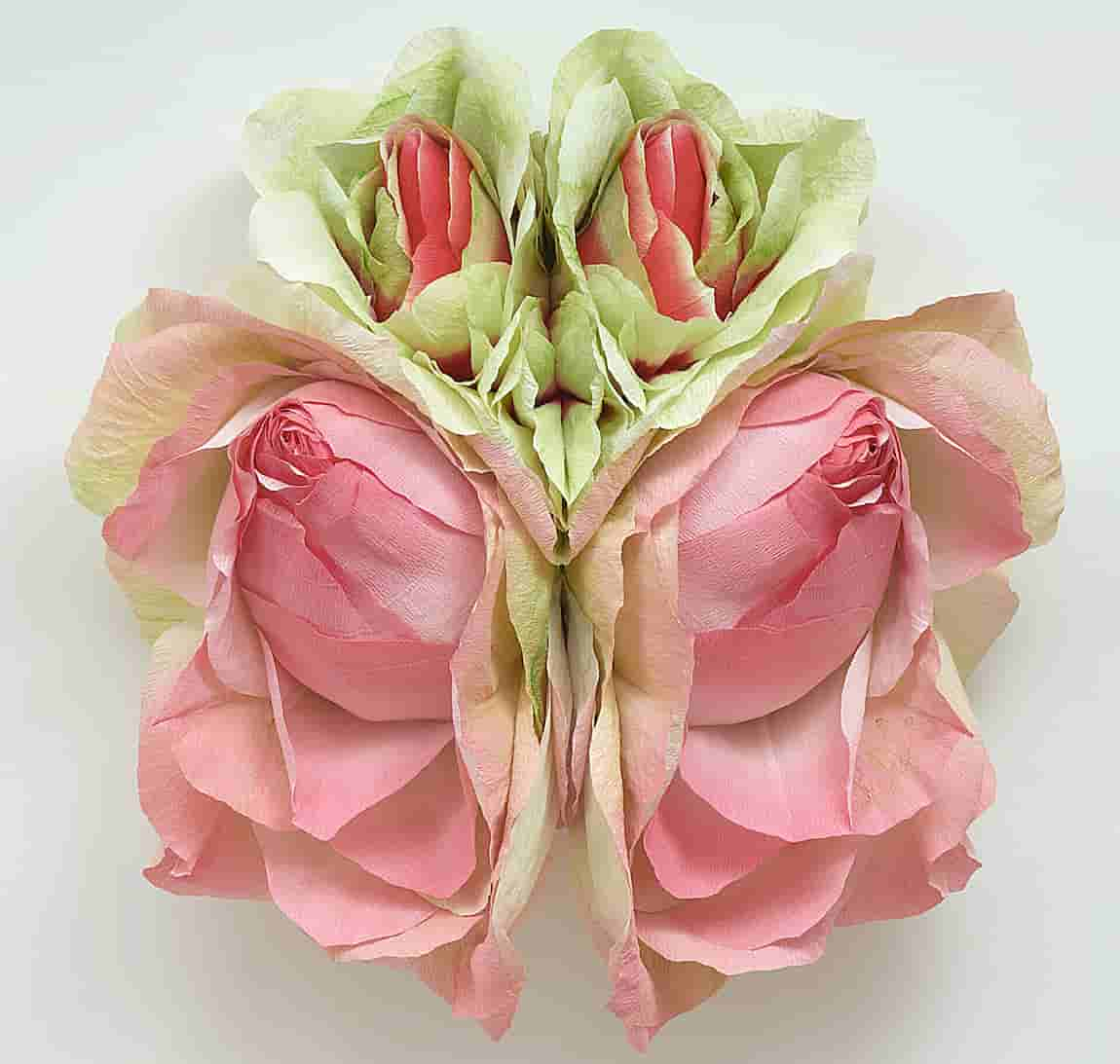
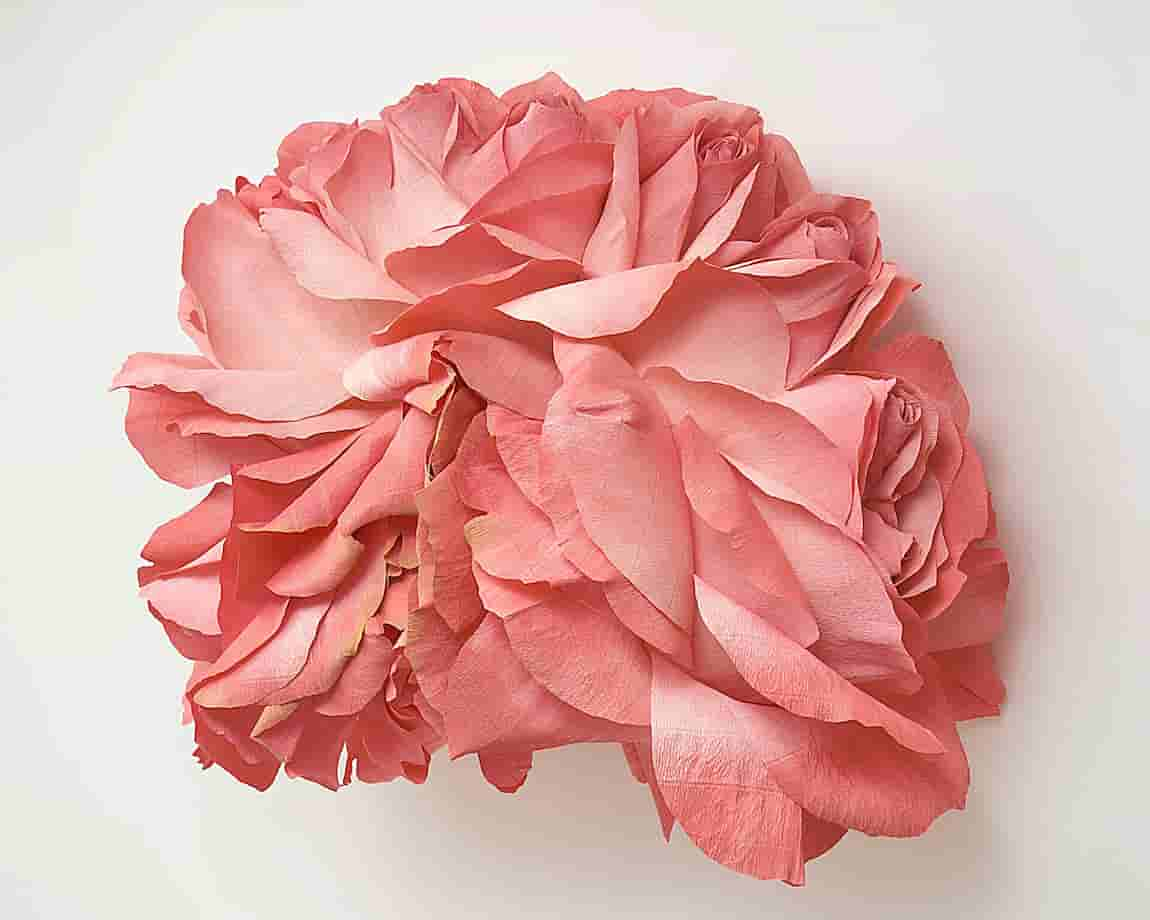
“Cockscomb Rose” (2023), paper mâché, Italian crepe paper, spray paint, glue, wood rods, cardboard, and soft pastel, 45 x 36.5 x 20 inches


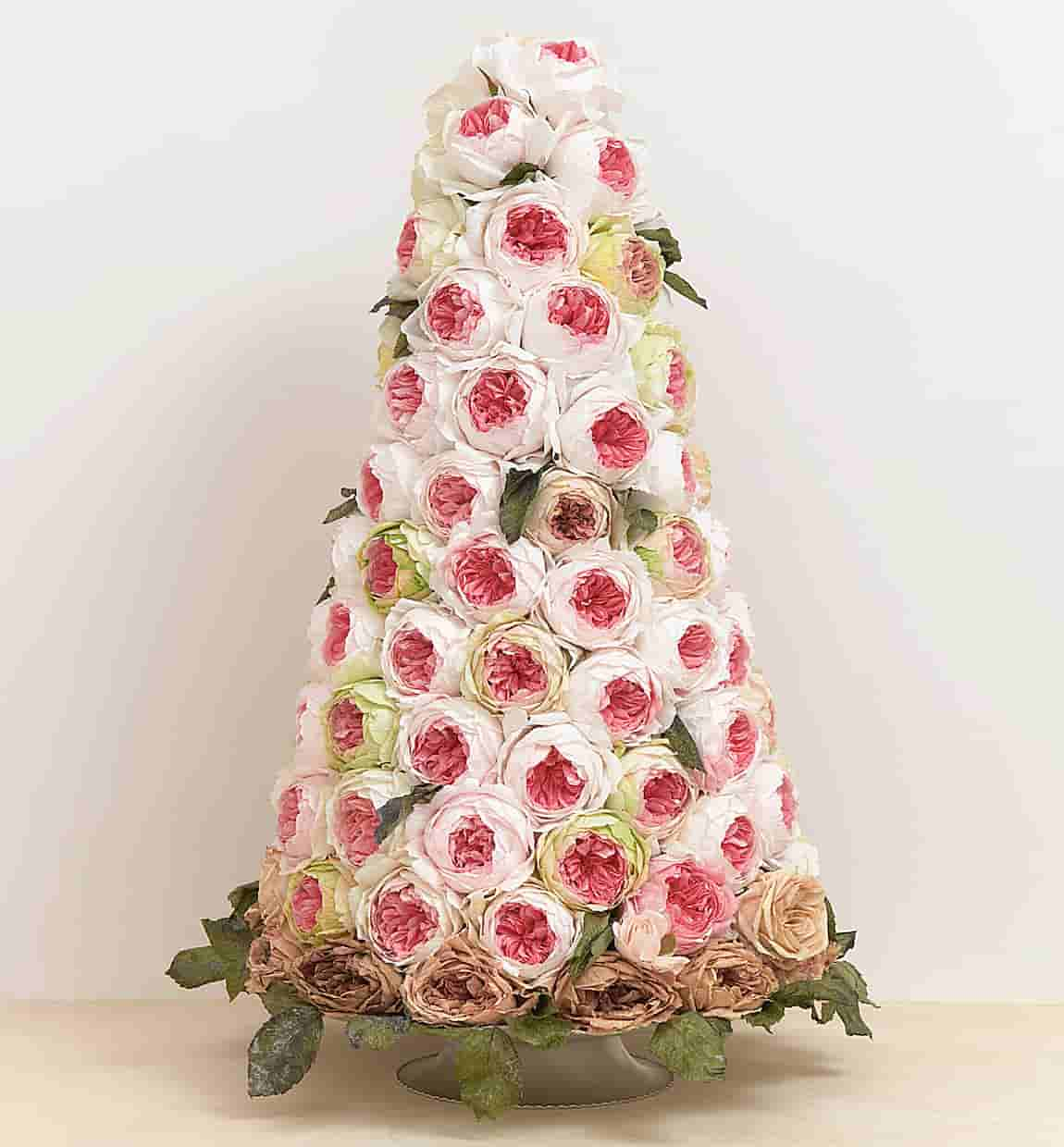
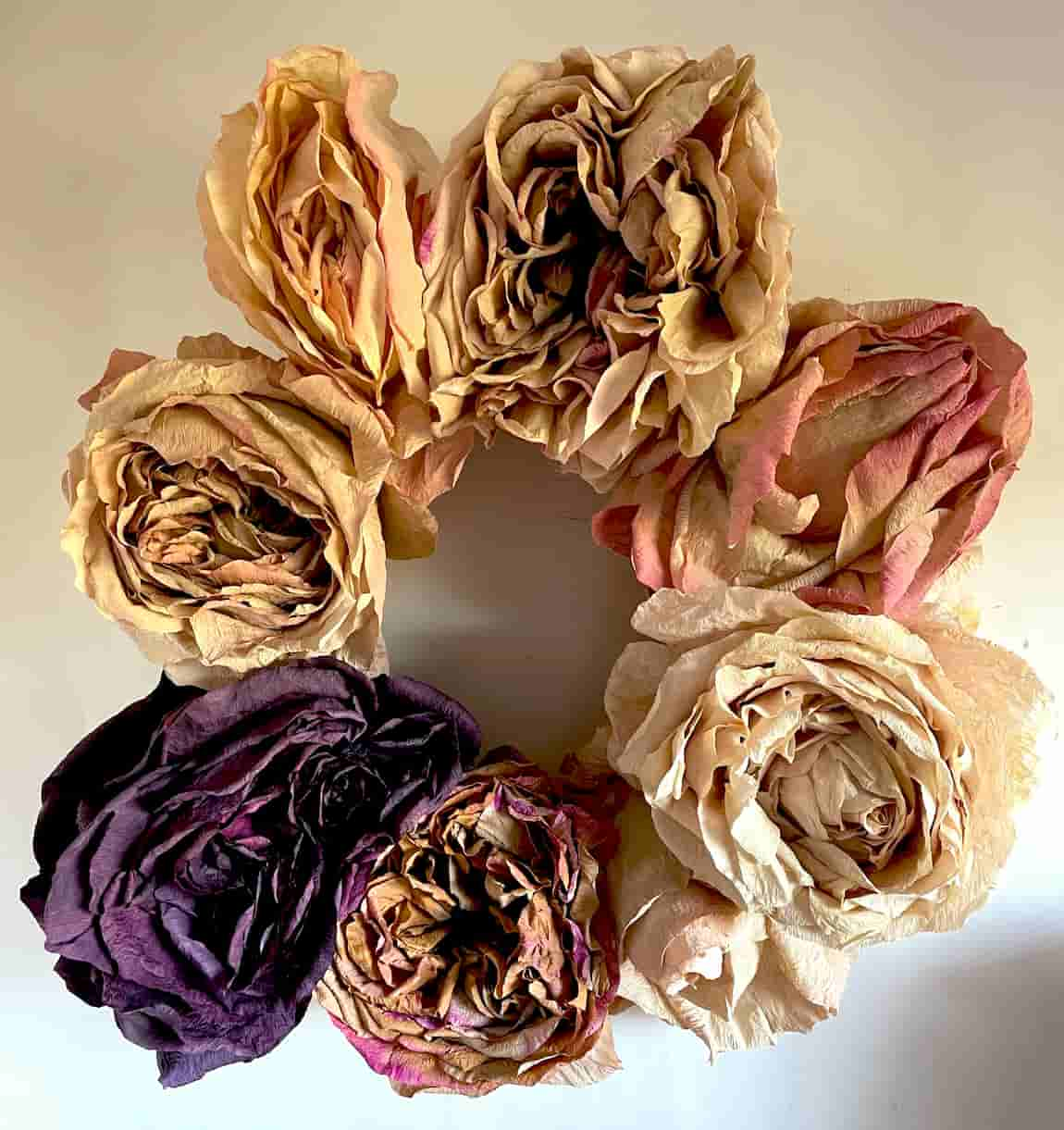
Ephemerality is inherent in Turner’s blossoms, as she preserves the fleeting state of freshness in paper. But where earlier works featured browning petals on the outer edges, those in American Grown are central. A dark rot emanates from the inside of “Excerpt from Still Life with flowers on a marble tabletop”—this piece takes its title from a Rachel Ruysch painting—while the base of the towering “Croquembouche” is laced with decay, suggesting that there’s something insidious not on the fringe but directly at the heart.


The final tenet of the series is discovery and connection. Turner references the two-headed “Cocksome Rose,” which resembles a fasciated strawberry of the same name, and her desire to draw similarities between disparate objects. Even if viewers don’t connect the two misshapen forms, she hopes that “they will still wonder about the piece, and perhaps find something in it that [the artist] hasn’t yet seen.”


American Grown will be on view from September 9 to October 21 at Eleanor Harwood Gallery in San Francisco.
 

In ‘American Grown,’ Tiffanie Turner Roots Out Personal Memories and U.S. Exceptionalism
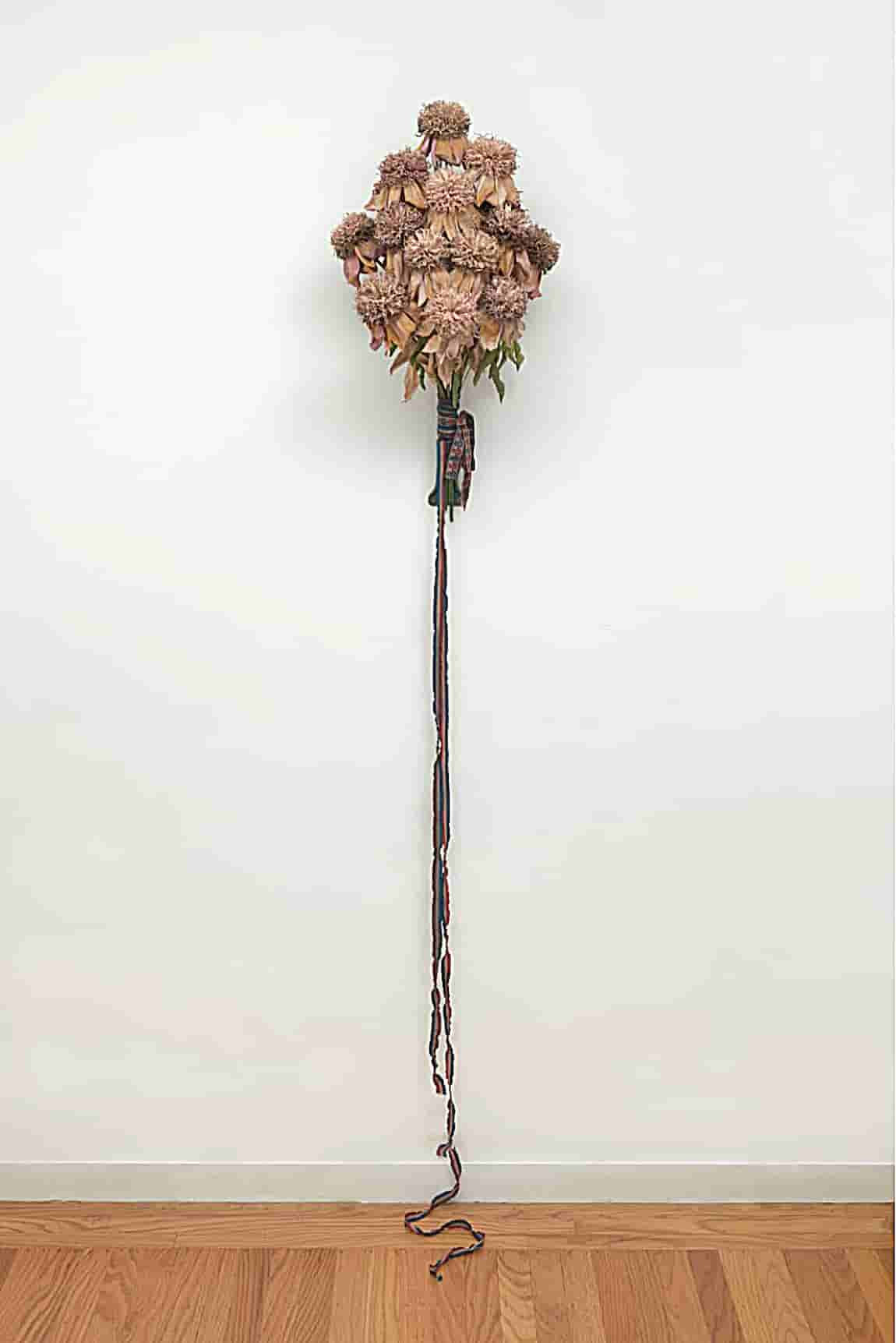
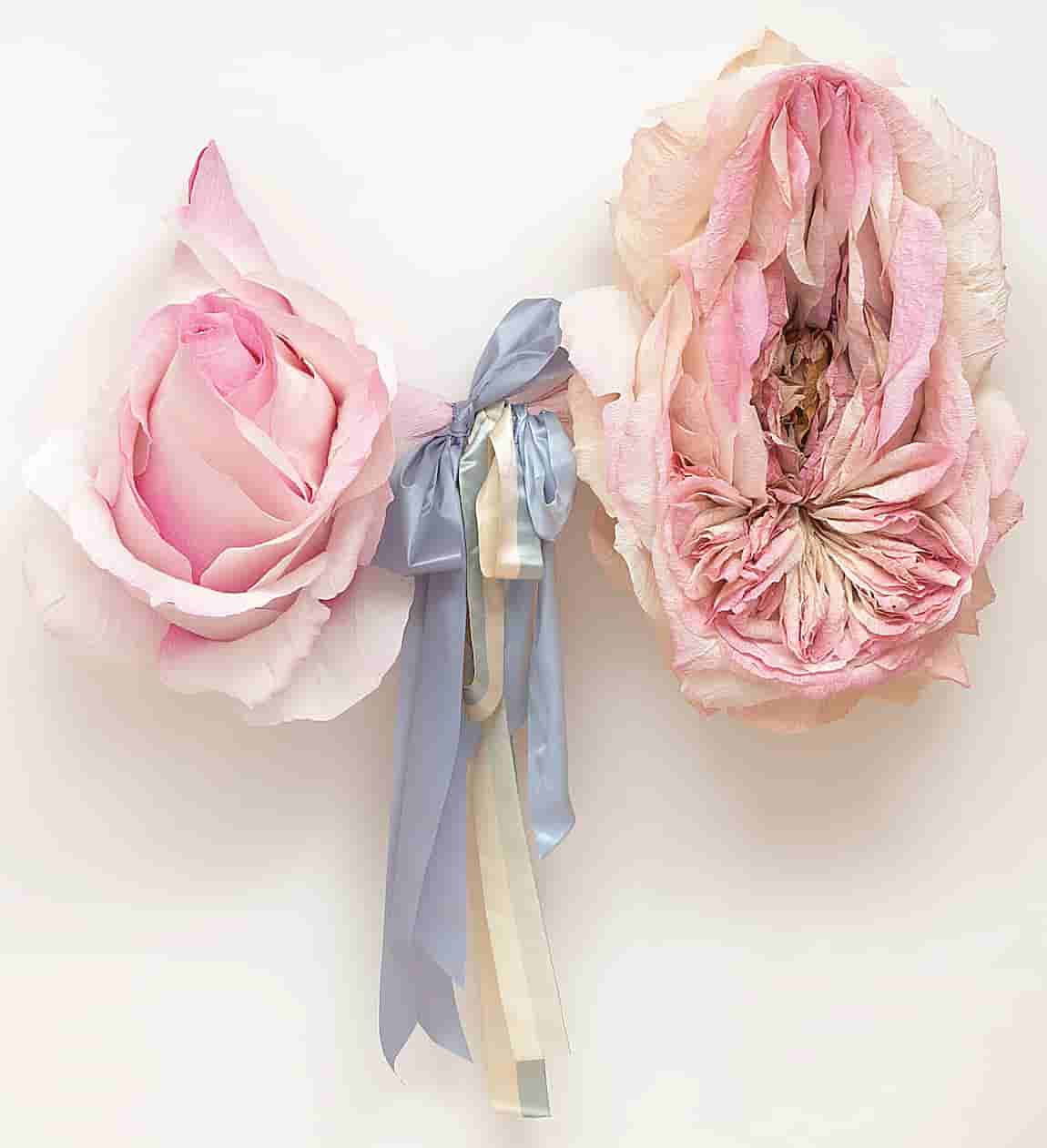
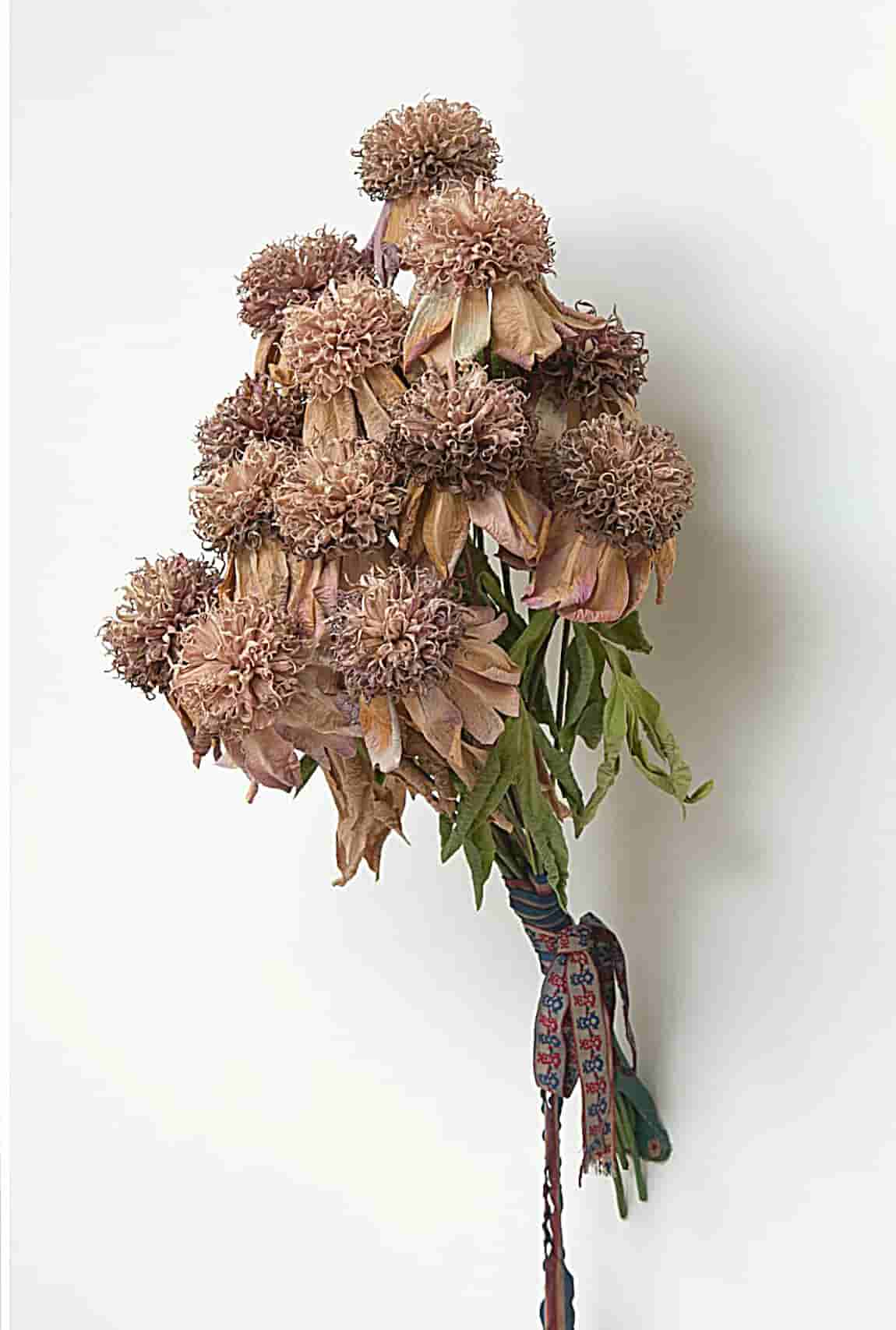
“Originalism (December 15, 1791 – present)” (2023), Italian crepe paper, stain, glue, floral wire, chalk, vintage flag pole holder, and ribbons, 15 x 23 x 14 inches


In ‘American Grown,’ Tiffanie Turner Roots Out Personal Memories and U.S. Exceptionalism
“Originalism (December 15, 1791 – present)” (2023), Italian crepe paper, stain, glue, floral wire, chalk, vintage flag pole holder, and ribbons, 15 x 23 x 14 inches


In ‘American Grown,’ Tiffanie Turner Roots Out Personal Memories and U.S. Exceptionalism
“580085” (2023), paper mâché, Italian crepe paper, stain, glue, cardboard, wood rods, and rubber balls, 33 x 32.5 x 15 inches


In ‘American Grown,’ Tiffanie Turner Roots Out Personal Memories and U.S. Exceptionalism
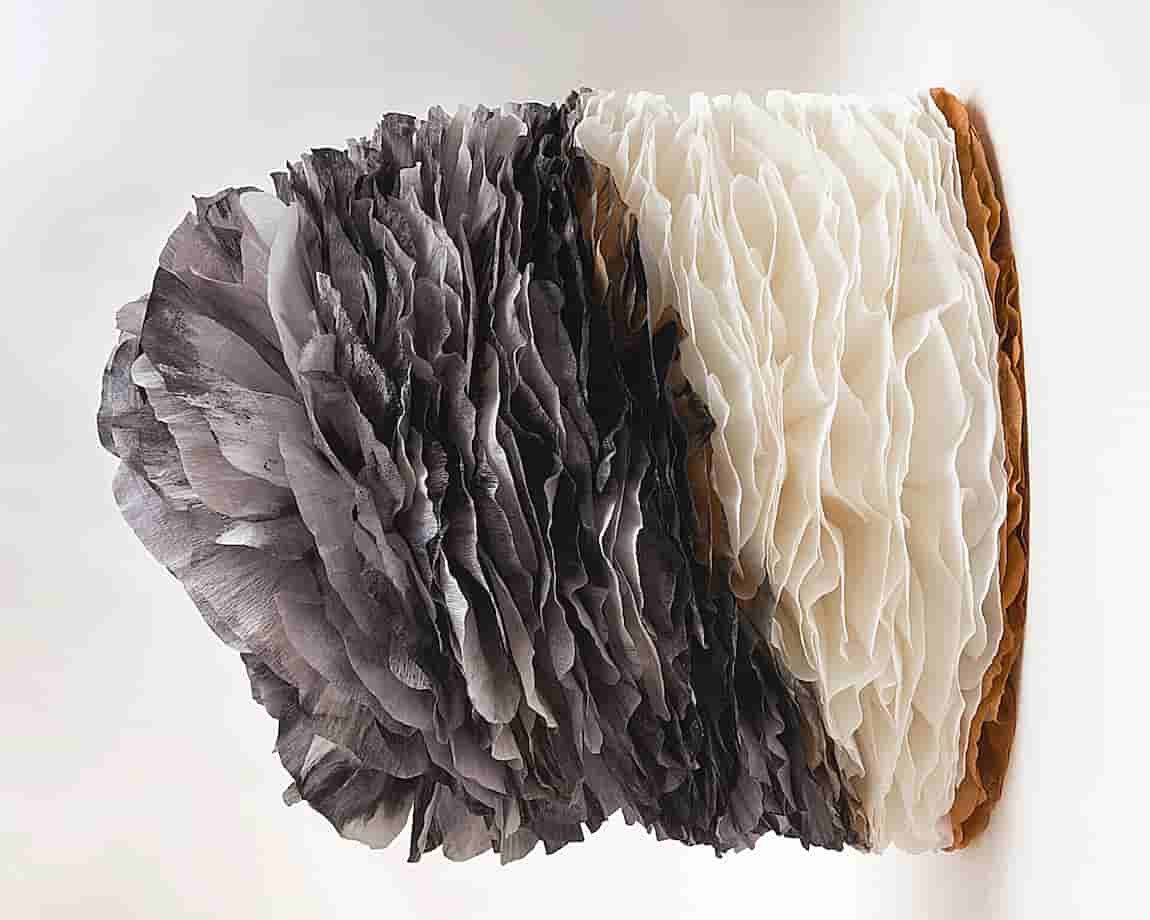
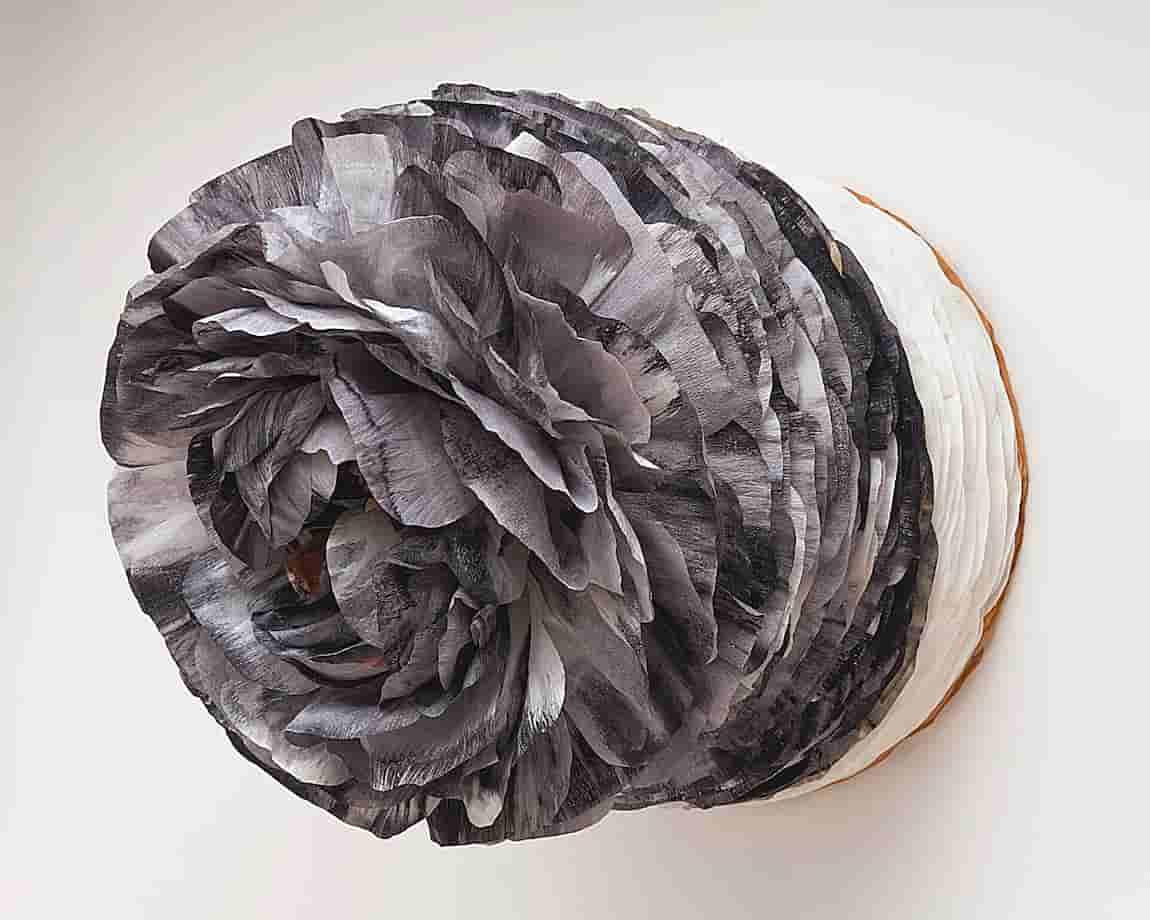
“Byproduct/Burnt Offerings (Ranunculus)” (2022), paper mâché, Italian crepe paper, stain, glue, and Quik-Tube, 29 3/4 x 27 inches


“Byproduct/Burnt Offerings (Ranunculus)” (2022), paper mâché, Italian crepe paper, stain, glue, and Quik-Tube, 29 3/4 x 27 inches


In ‘American Grown,’ Tiffanie Turner Roots Out Personal Memories and U.S. Exceptionalism
“Croquembouche” (2022), Italian crepe paper, stain, glue, floral wire, chalk, chicken egg shells, hat stand, metal platter on pedestal, and epoxy adhesive, 26 1/2 x 15 inches


In ‘American Grown,’ Tiffanie Turner Roots Out Personal Memories and U.S. Exceptionalism
“Did I Win?” (2023), paper mâché, Italian crepe paper, stain, glue, steel aerialist hoop, cardboard, and plastic ball, 50 x 49 x 22 inches. Photo by the artist,


In ‘American Grown,’ Tiffanie Turner Roots Out Personal Memories and U.S. Exceptionalism
“The (Brown) Crown” (2023), paper mâché, Italian crepe paper, stain, glue, wood rods, wood skewers, cardboard mailing tubes, basketball hoop frame, misc. hardware bits, bungee cords, and velcro, 38 x 32 x 38.5 inches


In ‘American Grown,’ Tiffanie Turner Roots Out Personal Memories and U.S. Exceptionalism
Detail of “The (Brown) Crown” (2023), paper mâché, Italian crepe paper, stain, glue, wood rods, wood skewers, cardboard mailing tubes, basketball hoop frame, misc. hardware bits, bungee cords, and velcro, 38 x 32 x 38.5 inches


In ‘American Grown,’ Tiffanie Turner Roots Out Personal Memories and U.S. Exceptionalism
“Soup to Nuts” (2023), paper mâché, Italian crepe paper, stain, glue, wood rods, cardboard, and ribbons, 36 x 46 x 17 inches


In ‘American Grown,’ Tiffanie Turner Roots Out Personal Memories and U.S. Exceptionalism
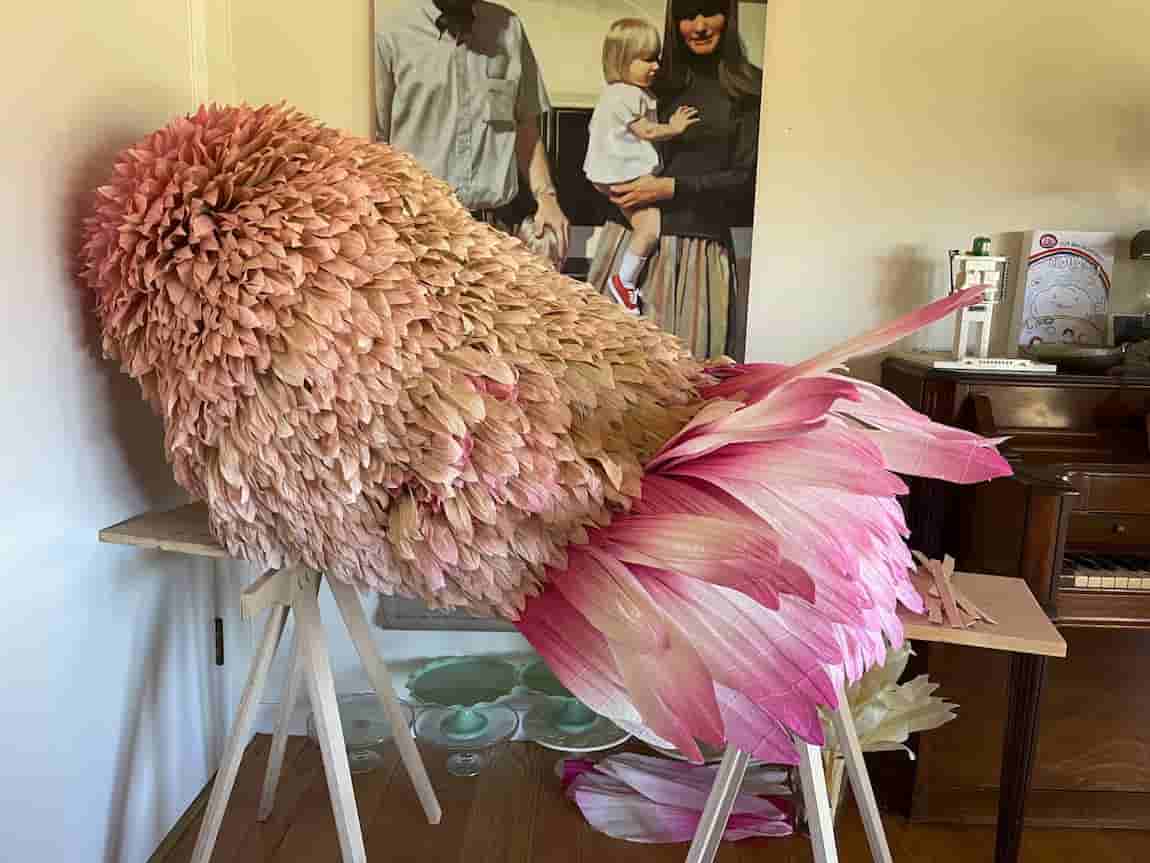
A work-in-progress image of “IIndurate (of a size that is remarkable)” (2023), paper mâché, Sonotube, Italian crepe paper, stain, glue, cardboard, basketball hoop, metal rods, metal bits, wood rods, and wood strips, 46 x 28.5 x 57 inches. Photo by the artist


Om onvervangbaar te zijn, moet je altijd anders zijn.
Er zijn fascinerende beelden hier, en de fascinerende dag van samen!  xo
─────────────────────────────────────────────────────
Per essere insostituibili bisogna sempre essere diverso.
Ci sono immagini affascinanti qui, e l’affascinante giornata di insieme!  xo KanikaChic
Lakota 與西方藝術史在 Dyani White Hawk 充滿活力的作品中交融

Lakota與西方藝術史在Dyani White Hawk充滿活力的作品中交融

縱觀歷史,權力與資源往往決定了哪些故事被書寫、被記住,並被反覆刻入集體意識之中。若不刻意質疑,我們往往只聽見單一敘事,在藝術史中亦復如是。然而,那些長期被邊緣化、被忽略的藝術形式——尤其是原住民的創作實踐——始終存在於主流視野之外。這樣的提問並非補充歷史,而是重新檢視誰有權被看見、被保存,以及藝術如何承載多重世界觀與知識體系。

西水峪在半山腰鑿出一塊栗樹露台

滿栗台在栗樹與棚屋之間重新組織山地生活

從棚屋學習結構與遮蔭智慧,新建築在栗樹林中生長,而非侵入。     在西水峪附近的半山腰,人們鑿出一處台地,栗樹成林,生活與勞動在濃蔭之下自然展開。受限於施工條件,早期隨意搭建的棚屋反而成為新建築的原型線索。建築並未否定這些臨時結構,而是向棚屋學習——從材料運用到空間尺度,回應工人作為山地生活專家的經驗智慧。平台上的栗樹被保留下來,棚屋穿插其間,使建築生長於樹林之中,而非凌駕其上。 十五世紀初,昌平府黃華鎮正忙著修築長城。在西水峪附近,一處無名山谷中,人們在半山腰鑿出一塊台地,將無數粗糙的黃石運上去。據推測,當時人們原本打算建造一道圍牆,但不知何故,工程被擱置,留下散落的黃石堆成長長的一坨。千百年來,這裡種植大量的栗樹,人們在濃蔭下生活勞動,每到秋天,方圓百里的山谷都覆蓋著蓬鬆的栗子皮。 2019年我們到達時,台地上駐紮著一支施工隊,搭建了三、四個臨時工棚,建築材料和設備散落在各處。在一片雜亂之中,數十棵老栗樹依然茁壯成長,最大的一棵需要三個人才能圍攏過來。     向棚屋學習。早期隨意搭建的工棚,反而揭示了一種來自山地生活經驗的 在地智慧。工人們憑直覺選擇穩固地基、避風角度與最佳日照,並巧妙地將棚屋穿插於栗樹之間,使建築不再是介入,而是順應地形的生成。       受此啟發,建築團隊重新構想場地,將新建築命名為「滿栗台」。在中國古代,「台」既是觀景之所,也是與自然互動的介面。項目透過 地形導向設計,在棚屋殘存的邏輯中重建人與栗樹景觀之間的關係,使建築成為山地生活的一部分,而非其外來形式。         在某些方面,這些棚屋的建造相當隨意。例如,屋頂的建造順應了雨雪的盛行方向,選擇了能夠最有效排水的坡度。至於材料,則採用了簡單實用的方法。外觀則使用了其他項目的剩餘材料。然而,這些權宜之計卻帶來了意想不到的輕盈和簡潔,為這座山地建築營造出一種自由的感覺。這裡有很多值得學習的地方。因此,我們更願意將整個過程稱為「重建」。       木造與新遺跡。由於山地地形的限制,整個建築群採用木結構建造,並在相對緊湊的建築體量內結合了木框架和木剪力牆。在木框架結構部分,我們刻意避免了傳統的木結構形式。例如,平面採用了等間距的開間,立面採用非對稱設計,而對於懸挑的屋簷,我們放棄了木結構,轉而採用更輕盈、更真實的鋼結構。  

Facebook
Twitter
LinkedIn
Tumblr
0 0 votes
Article Rating
Subscribe
Notify of
guest
0 Comments
Oldest
Newest Most Voted
Inline Feedbacks
View all comments
Search