A 3D-Printed Clay House Formed from 350 Layers of Earth

350 Layers of Coiled Clay Form an Organic Low-Carbon Home Made Through 3D-Printing
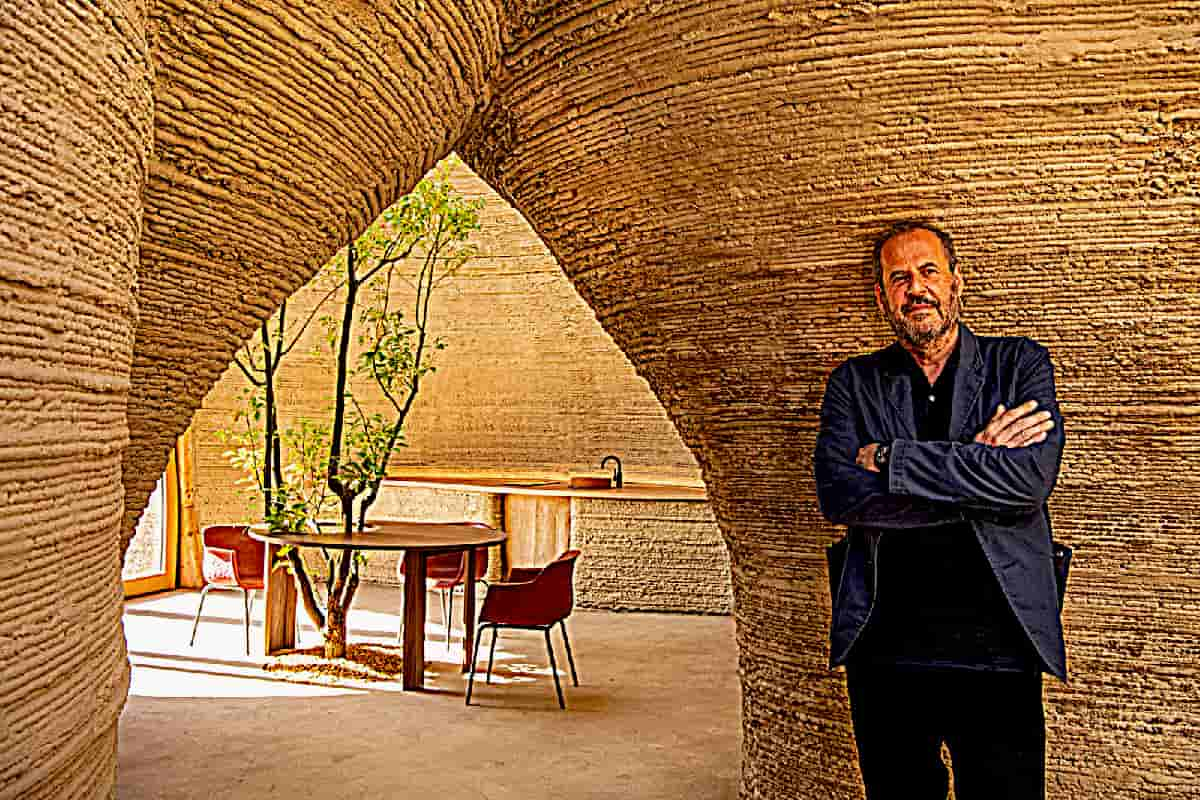
Constructed in just 200 hours, this low-carbon home formed from 350 coiled layers of clay signals a shift toward digitally crafted architecture, where material, process, and sustainability merge into a single narrative.


350 Layers of Coiled Clay Form an Organic Low-Carbon Home Made Through 3D-Printing


350 Layers of Coiled Clay Form an Organic Low-Carbon Home Made Through 3D-Printing Take a Look

350 layers of coiled clay form an organic low-carbon home made through 3d-printing take a look.  Last summer, The New York Times Magazine published a series of articles has begun.  Declaring that climate migration—a global exodus that’s predicted to displace between 50 and 300 million people worldwide.  350 layers of coiled clay form an organic low-carbon home made through 3d-printing.  As more regions surrounding the equator become uninhabitable due to rising temperatures. Crop losses,  and disasters,  entire populations will be forced to relocate to regions with more stable environments and economies. This impending movement coupled,  has sparked a wave of conversation about how best to remedy the looming crisis.  With an 350 layers of coiled clay form an organic low-carbon home made through 3d-printing.
350 Layers of Coiled Clay Form an Organic Low-Carbon Home Made Through 3D-Printing


Low-carbon Home

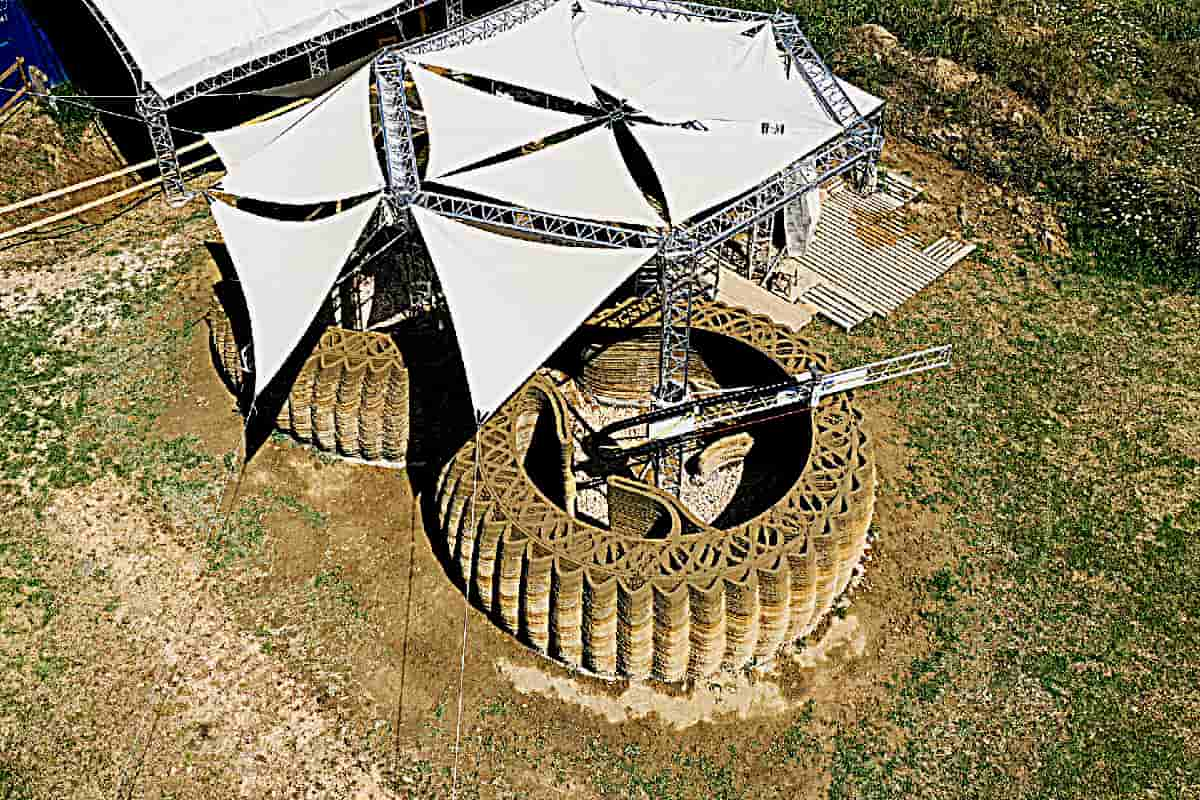
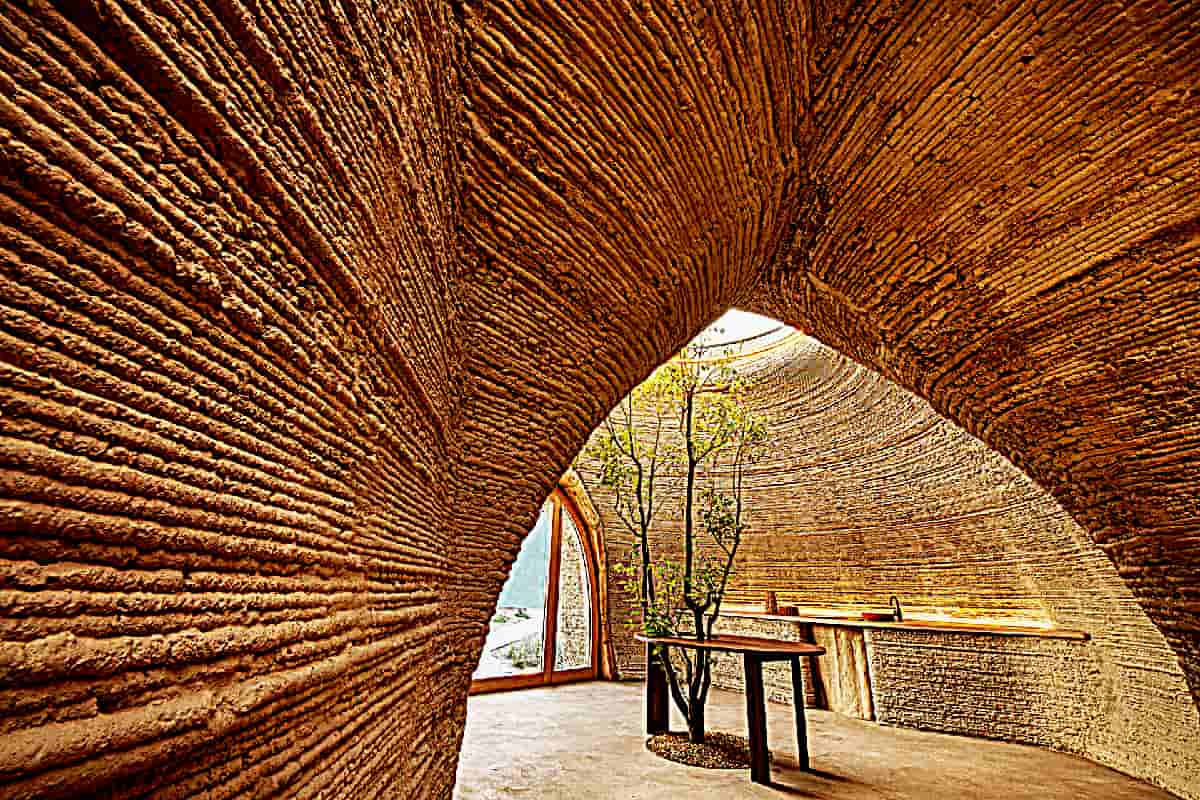
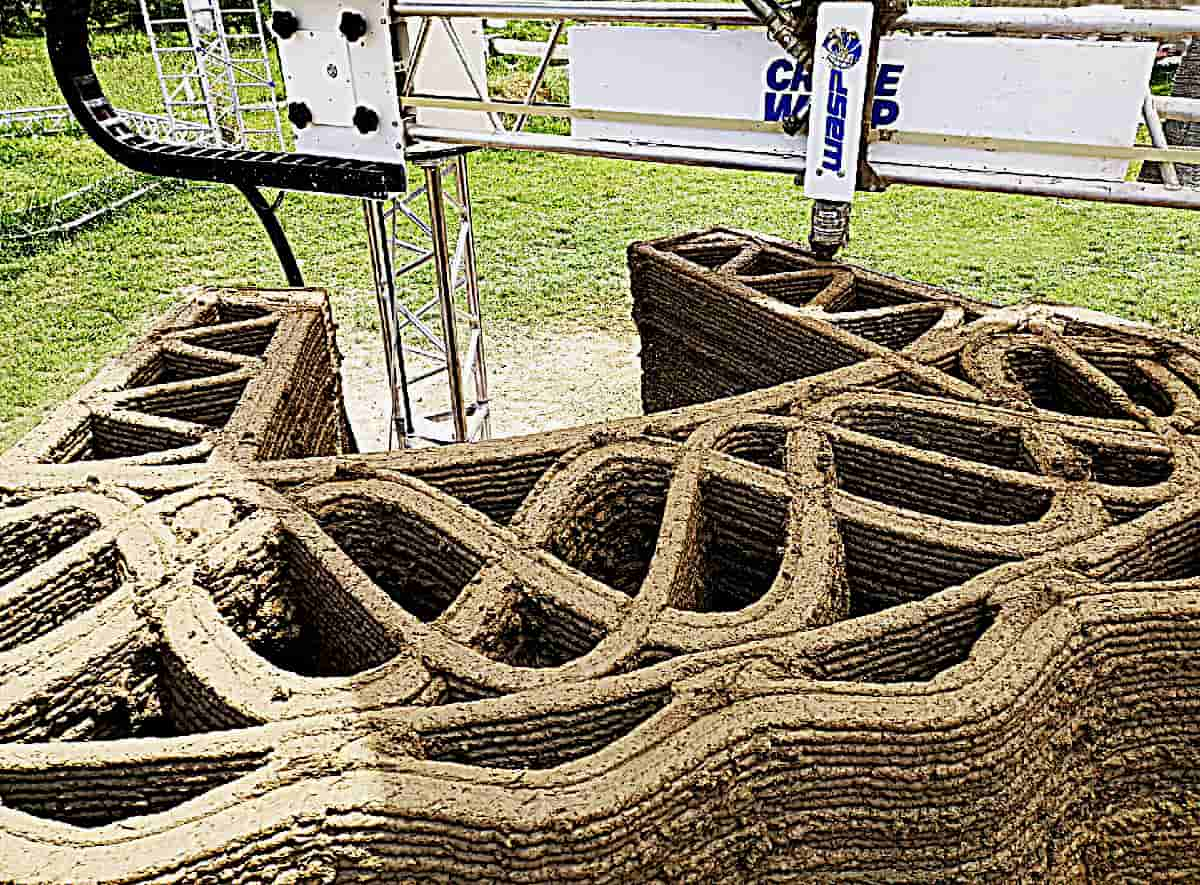
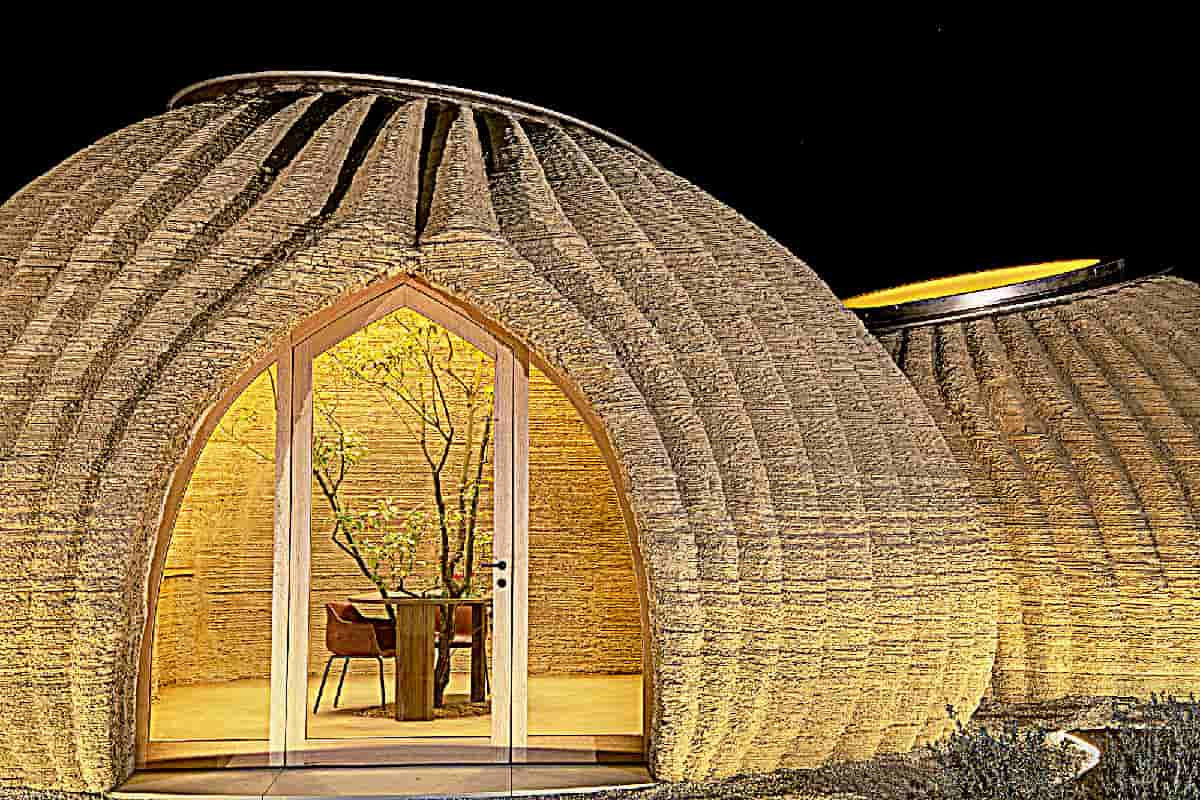
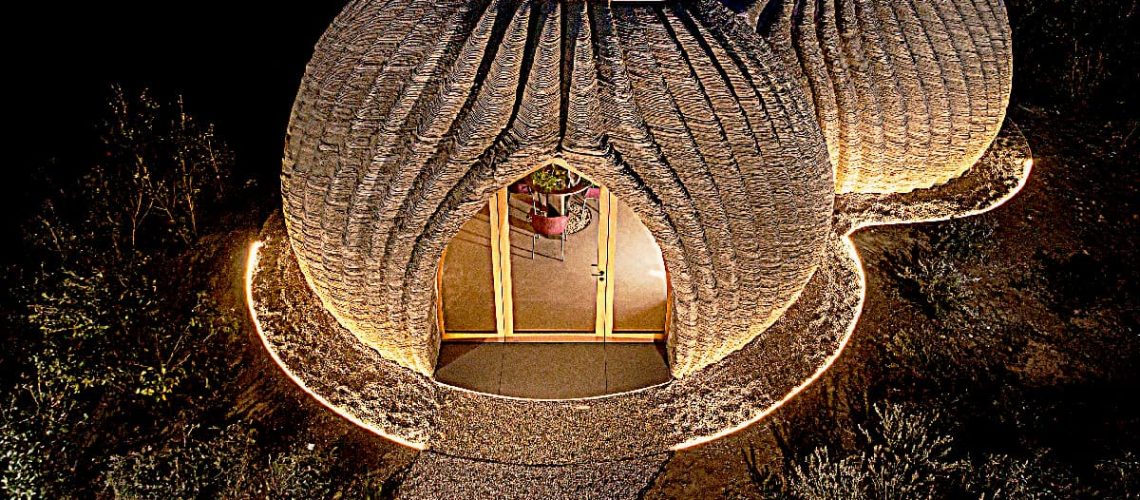
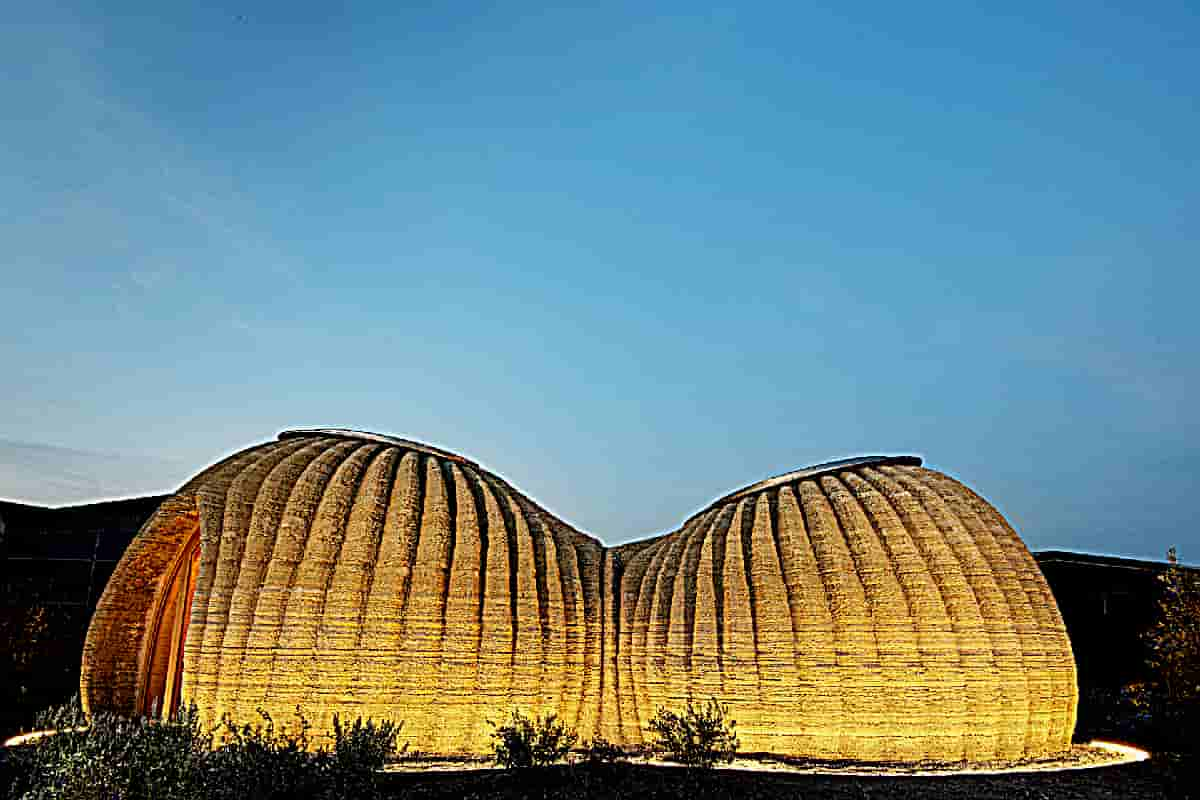
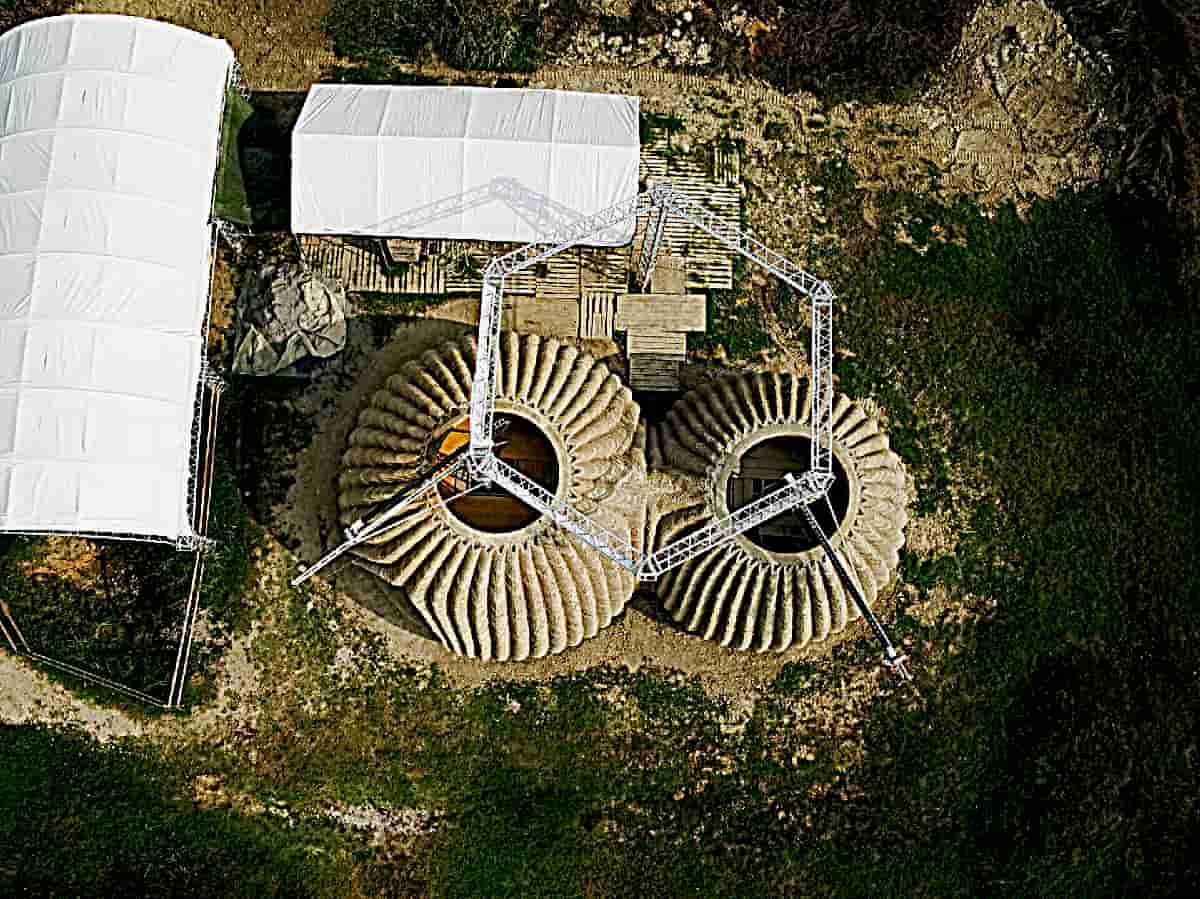
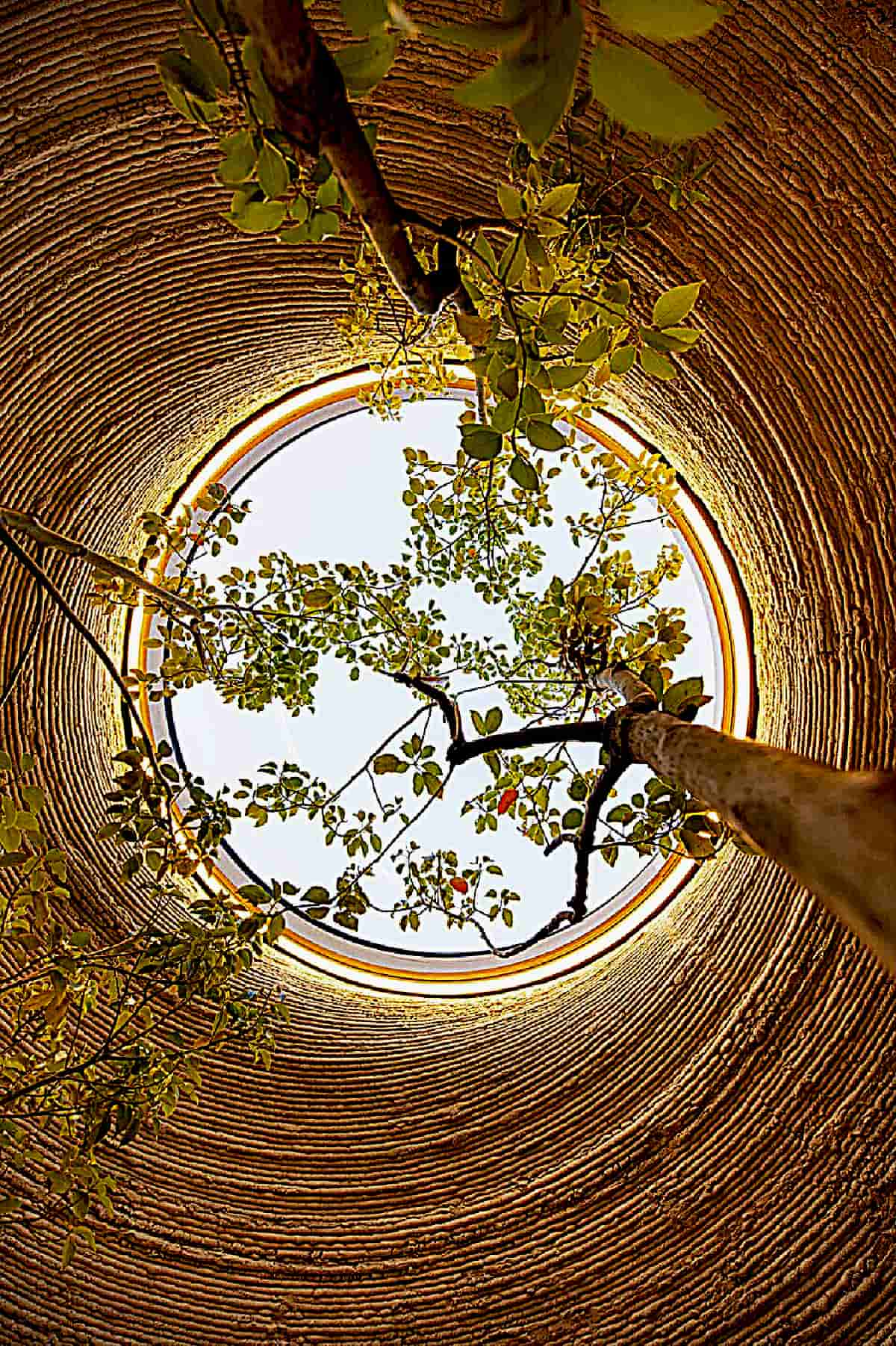
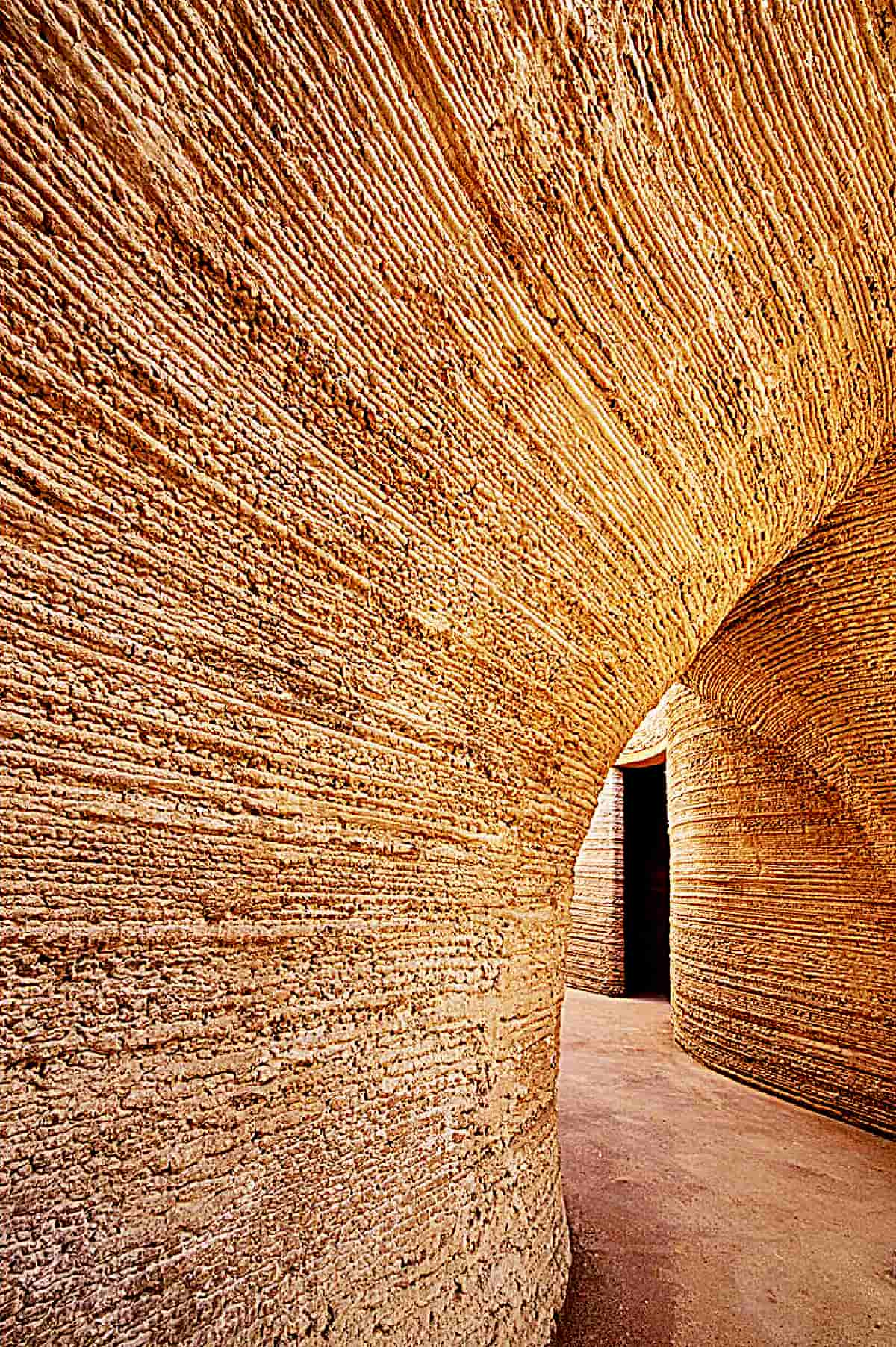
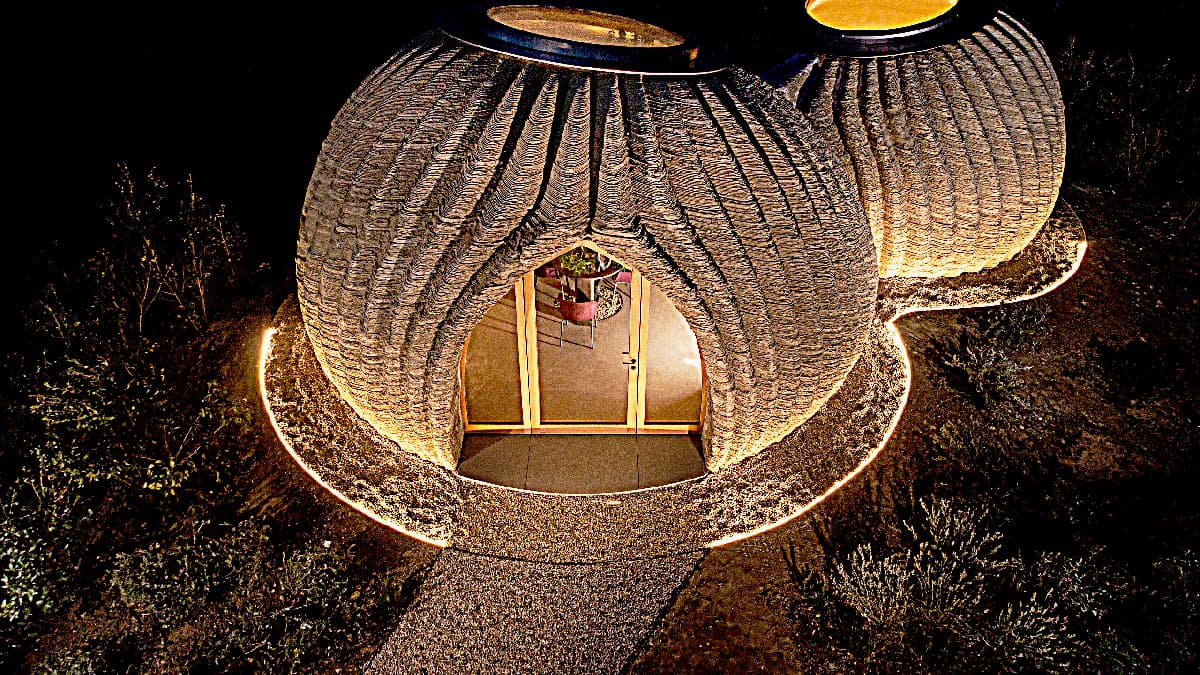
Low-carbon home as a partial antidote,  a Bologna-based studio,  to design a low-carbon home that’s easily and quickly reproduced.  350 layers of coiled clay form an organic low-carbon home made through 3d-printing.  Called “Tecla,” the prototype is a pair of sloping domes.  That can be built in only 200 hours using an average of six kilowatts of energy.  It’s made of 350 layers of coiled clay.  Which is sourced from a nearby river,  that serves as thermal insulation for the earthen structure complete.  Which is sourced from a nearby river,  that serves as thermal insulation for the earthen structure complete.  With a living area,  kitchen,  and sleeping quarters.  350 layers of coiled clay form an organic low-carbon home made through 3d-printing.  Two skylights embedded in the roof of the 4.2-meter-tall domes allow light to enter the 60-square-meter space.
350 Layers of Coiled Clay Form an Organic Low-Carbon Home Made Through 3D-Printing


350 Layers of Coiled Clay Form an Organic Low-Carbon Home Made Through 3D-Printing


350 Layers of Coiled Clay Form an Organic Low-Carbon Home Made Through 3D-Printing


350 Layers of Coiled Clay Form an Organic Low-Carbon Home Made Through 3D-Printing


350 Layers of Coiled Clay Form an Organic Low-Carbon Home Made Through 3D-Printing


350 Layers of Coiled Clay Form an Organic Low-Carbon Home Made Through 3D-Printing


350 Layers of Coiled Clay Form an Organic Low-Carbon Home Made Through 3D-Printing


KanikaChic is the world’s most snatched iconic cultural and creative social network sites(SNSs)

KanikaChic creates the snatched of the global cultural and creative social network sites(SNSs) of the iconic big hit the tt-Artstudio.

KanikaChic is the world’s most snatched iconic cultural and creative social network sites(SNSs). KanikaChic creates the snatched of the global cultural and creative social network sites(SNSs) of the iconic big hit the tt-Artstudio. KanicChic has nomad creation studios in both Antwerp, Belgium and Milan, Italy, which collect the top-notch art, design, crafts, trendy and fashion life, architecture, and W4Porn. The cross-domain compiled critics develops the most trendy and iconic, tt-Artstudio in the art and cultural social network, A.K.A. ChicHOUSE. It is also the mostly visited cultural social network website.
350 Layers of Coiled Clay Form an Organic Low-Carbon Home Made Through 3D-Printing

Om onvervangbaar te zijn, moet je altijd anders zijn.
Er zijn fascinerende beelden hier, en de fascinerende dag van samen!  xo KanikaChic
─────────────────────────────────────────────────────
Per essere insostituibili bisogna sempre essere diverso.
Ci sono immagini affascinanti qui, e l’affascinante giornata di insieme!  xo KanikaChic
材料如何被石油體系重新定義

材料從來沒有中性過,只是我們習慣把它當作中性。 混凝土、鋼、玻璃——它們被討論時,總是停在強度、結構或形式。但那只是最後一層。 在那之前,它們已經被決定過很多次。 材料之所以看起來中性,是因為大部分決策已經在它出現之前完成。當我們開始討論材料時,其實已經太晚。     石油的影響並不止於能源供應,它進一步進入建築的物質層,重新塑造了我們對材料的理解,使材料不再只是被選擇與組合的元素,而是與能源體系緊密連動的結果,其生成、性能與使用方式都在石油系統的框架之中被重新定義。     材料在這樣的條件下不再被視為中性的建築構成元素,而是帶有明確來源與技術背景的產物,從塑膠、塗料、防水層到各類合成材料,其背後皆指向石油提煉與化工工業的生產鏈,使建築的物質基礎逐漸從天然轉向人工合成,這種轉變不僅改變了材料的物理性能與施工方式,也使材料本身成為一種可被標準化、複製與大量生產的結果,並在其生成與應用的過程中,逐漸依賴於隱藏地下的基礎設施與能源系統,進而影響建築形式與空間表現的可能性,使設計不再完全由形態決定,而是受制於材料系統的供應與限制 隨著這些材料被廣泛應用於建築之中,空間的生成邏輯也隨之發生改變,輕量化、高強度與高延展性的特性使結構得以突破原有的限制,建築可以更快速地搭建與擴張,同時也更加依賴隱藏於表面之下的材料層次來維持其功能,然而這些看似提升效率與性能的材料,實際上將建築更深地嵌入石油體系之中,使其在生命週期的每一個階段都與能源消耗與資源轉換緊密相連,從生產、運輸到維護與替換,都構成了一個難以脫離的依附關係 當材料被納入這樣的系統之後,建築便不再只是設計者操作的結果,而是成為一種由能源、技術與工業流程共同塑造的產物,其物質性不再純粹,而是混合了多重不可見的生產過程與資源流動,使我們難以單純以形式或功能來理解建築本身,而必須進一步追溯其背後的材料來源與生產邏輯,才能看見這些看似穩定的構成元素,實際上如何在石油體系之中被持續生成與重構   這些物質層面的轉變,最終仍回到同一個問題——建築如何在能源與基礎設施的系統之中被持續塑造與運作。     來源 材料來自哪裡,其實比它長成什麼樣子更重要。 開採、運輸、加工,每一個環節都在消耗能量,也在重新分配成本。這些過程不會出現在圖面上,但它們決定了什麼可以被建造。 Material is not chosen, it is

Kapsimalis 在 Santorini 以光線重構 Cycladic 鄉土形式

遠離火山壯景,建築回到葡萄園與光線的水平關係,重建與土地的親密連結。     Kapsimalis Architects 在聖托里尼島的住宅項目中,重新詮釋了基克拉迪群島的鄉土風景。這裡的景觀不以火山口的戲劇性為主角,而是由一路延伸至海岸的葡萄園所構成的水平節奏所定義。建築選擇貼近這份靜謐,與鄉村生活建立更親密的聯繫,使空間得以回應聖托里尼的在地傳統,以及島嶼與土地、光線之間長久而細膩的關係。 這座由Kapsimalis Architects設計的新住宅坐落於聖托里尼島伊亞村的邊緣地帶,這裡的景觀並非由火山口的壯麗景象所定義,而是由延伸至大海的葡萄園組成的勻稱的水平景觀所定義。它擁有別樣的海島體驗,雖然缺乏明信片般的美景,但卻以與鄉村更靜謐的聯繫來彌補,這使得建築能夠與聖托里尼島的鄉土傳統及其與土地和光線的親密關係產生更深的共鳴。       從村莊沿著一條古道走近,房屋展現出一簇粉刷過的立方體造型——既延續了 鄉土建築 的空間邏輯,也回應當代生活需求。棱柱狀構造放大了光影的變幻,使立面隨太陽移動而產生細膩變化。這種多孔佈局平衡開放與私密,而鑿入地面的地下層則重新詮釋傳統的 yposkafa 民居,營造出具有庇護性的深層空間。       材料的選擇進一步強化建築與地形的連結。現場挖掘出的火山石被用於下部立面與擋土牆,而白色灰泥勾勒出上部立方體輪廓。綠柄桑木涼亭為露台遮蔭,大理石表面由室內延伸至室外,並結合 生物氣候策略,包括綠植屋頂、開口配置與地中海植栽,使住宅在視覺與性能上皆與環境共生。        

Facebook
Twitter
LinkedIn
Tumblr
0 0 votes
Article Rating
Subscribe
Notify of
guest
0 Comments
Oldest
Newest Most Voted
Search