As the Costume Institute Announces Its Next Exhibition Theme 9 Iconic Houses of American
As the costume institute announces its next exhibition theme 9 iconic houses of American. In the field of architecture, the country began to develop a strong sense of identity. “There was a constant willingness to experiment and innovate, which helped to secure America’s prominent position on architectural map. And send its fresh ideas back into the wider world.” In the introduction to 2021 book, The Iconic American House: Architectural Masterworks Since 1900 (Thames & Hudson). As the costume institute announces its next exhibition theme which traces United States’ residential development throughout the century current day.
9 Iconic Houses American’s Style
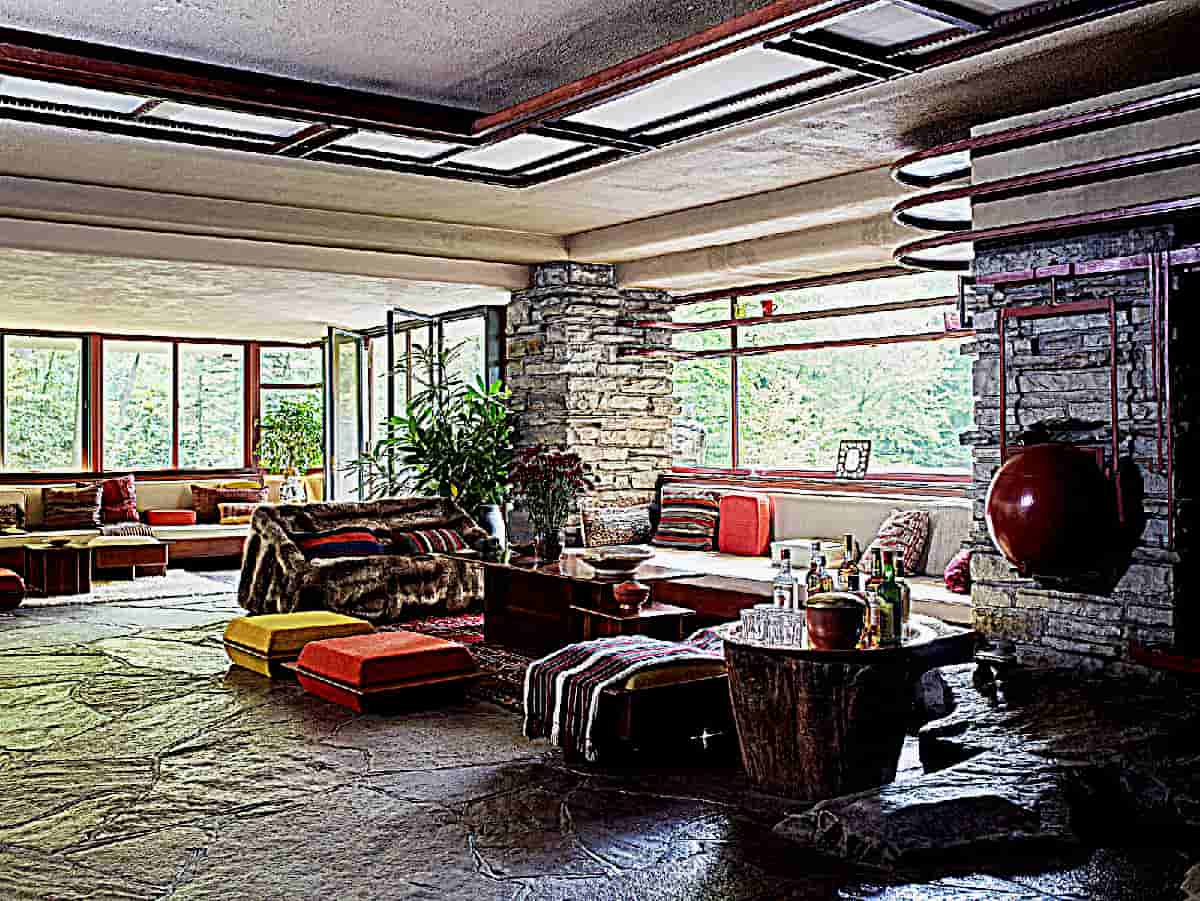
1) 9 Iconic Houses American’s Style: Fallingwater (1939). Frank Lloyd Wright’s Fallingwater (1939). In Mill Run, Pennsylvania, might be the most famous American house of all time, save the White House.
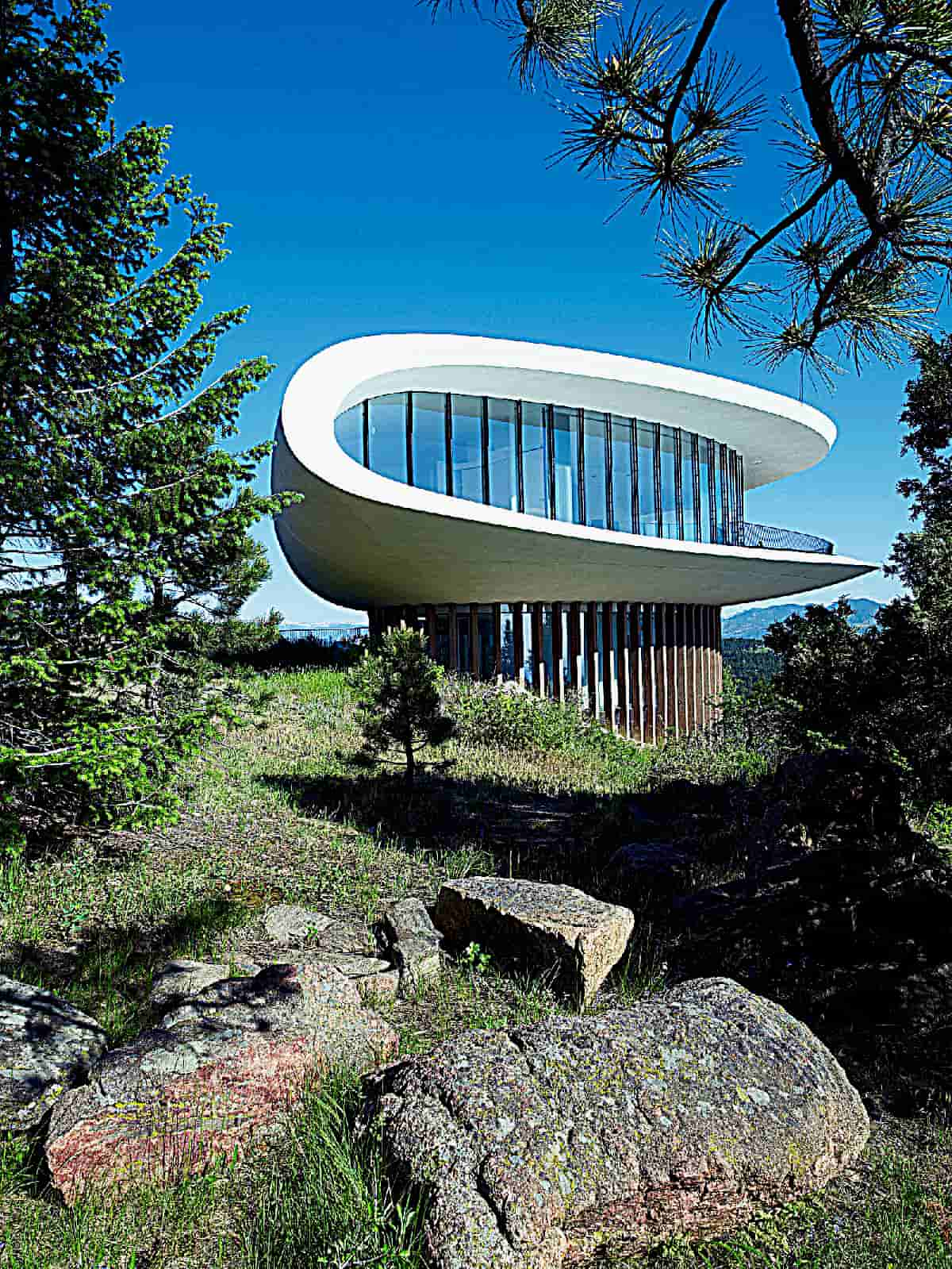
2) 9 Iconic Houses American’s Style: Sculptured House (1965). During the midcentury, some architects turned to curvaceous forms for both public structures. Like Eero Saarinen’s TWA Terminal (1962) at JFK in New York. And Residential ones, like Charles Deaton’s Sculptured House (1965) in Golden, Colorado, shown here.
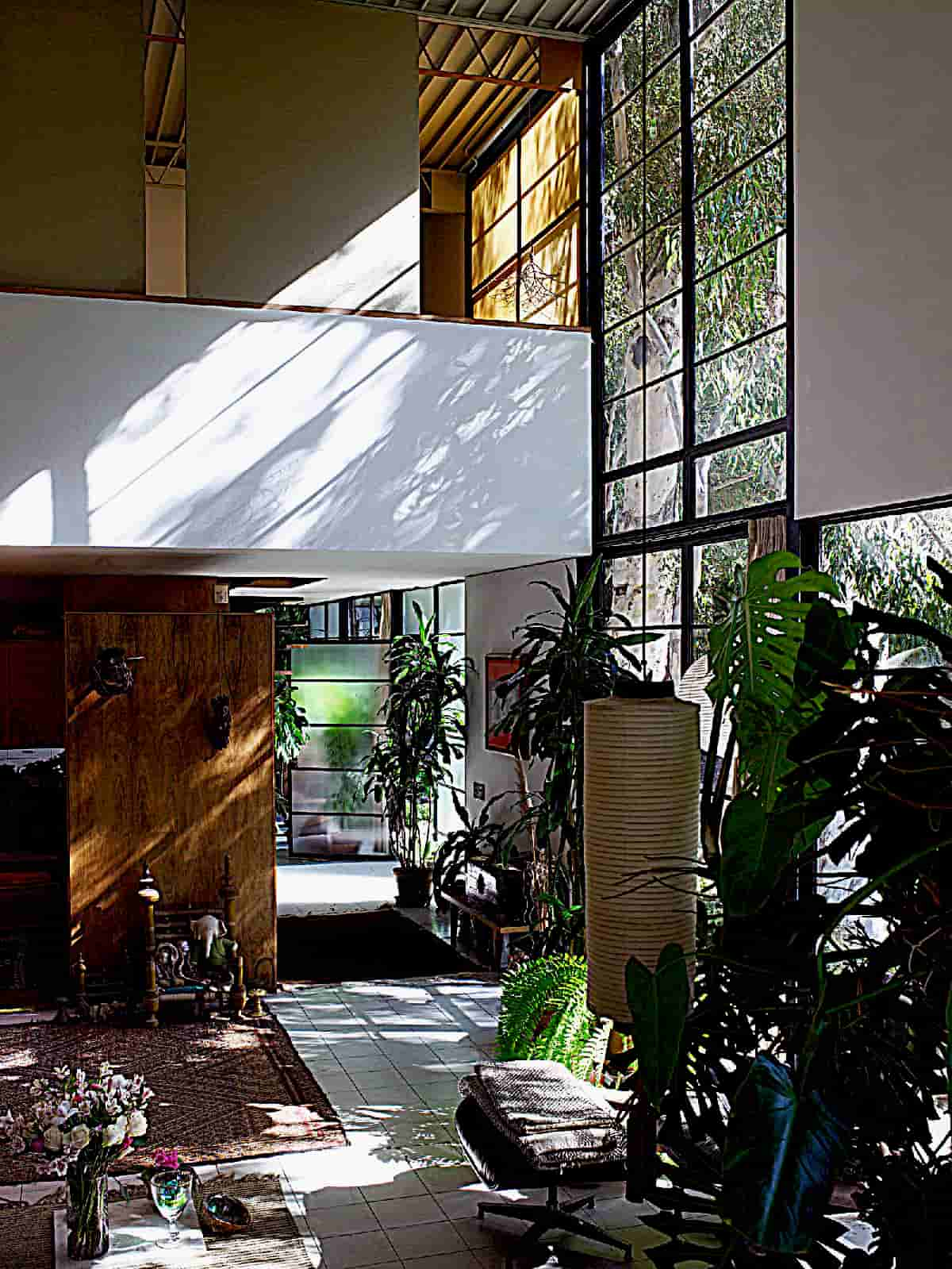
3) 9 Iconic Houses American’s Style: Eames House (1949). For their home in Pacific Palisades, California, built in 1949 Charles and Ray Eames played with juxtaposition. Like double-height spaces and intimate ones, prefabricated elements and handcrafted ones.
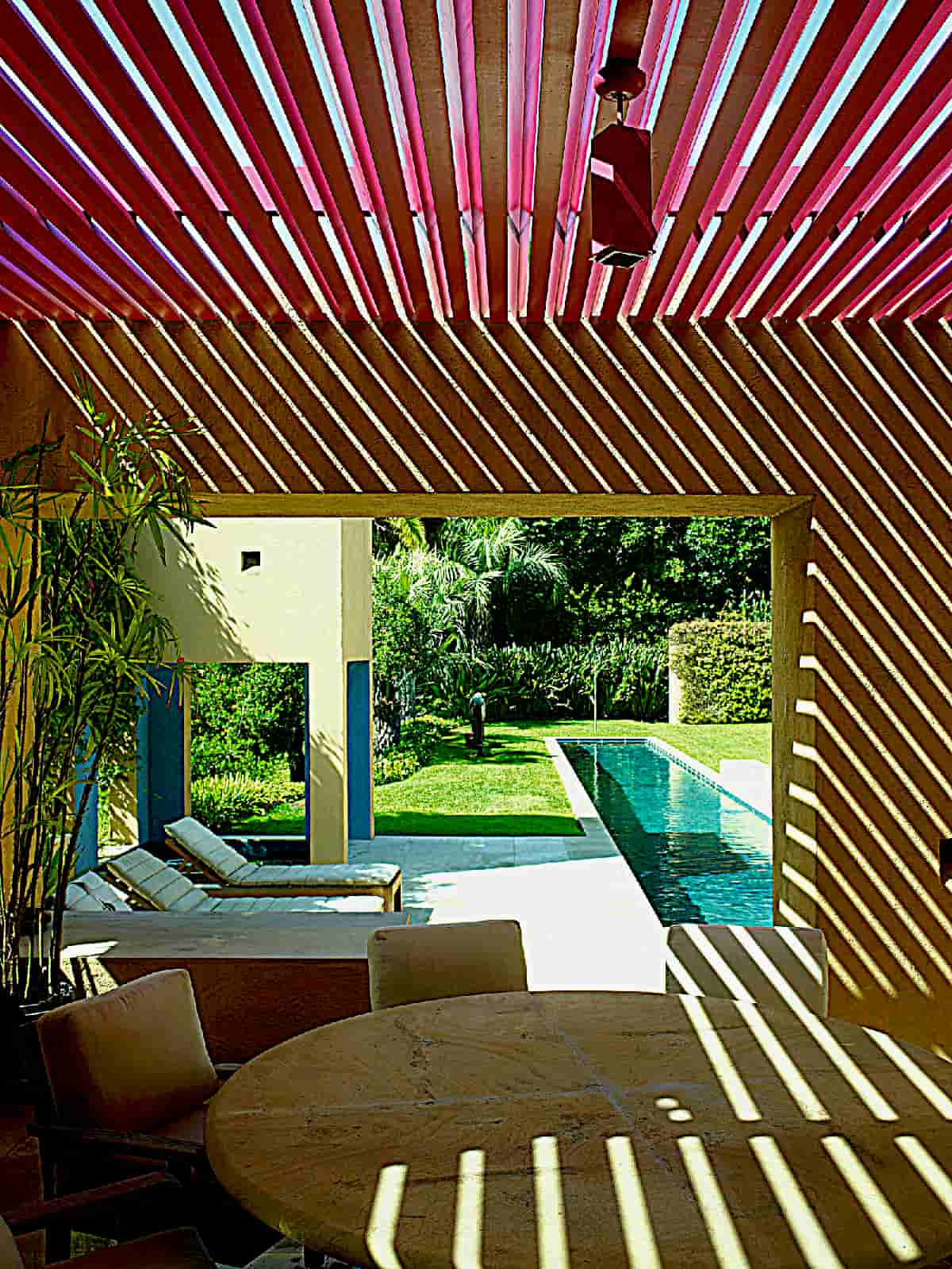
4) 9 Iconic Houses American’s Style: Greenberg House (1991). Ricardo Legorreta’s Greenberg House (1991) in Los Angeles plays with color and shadow, both inside and out.
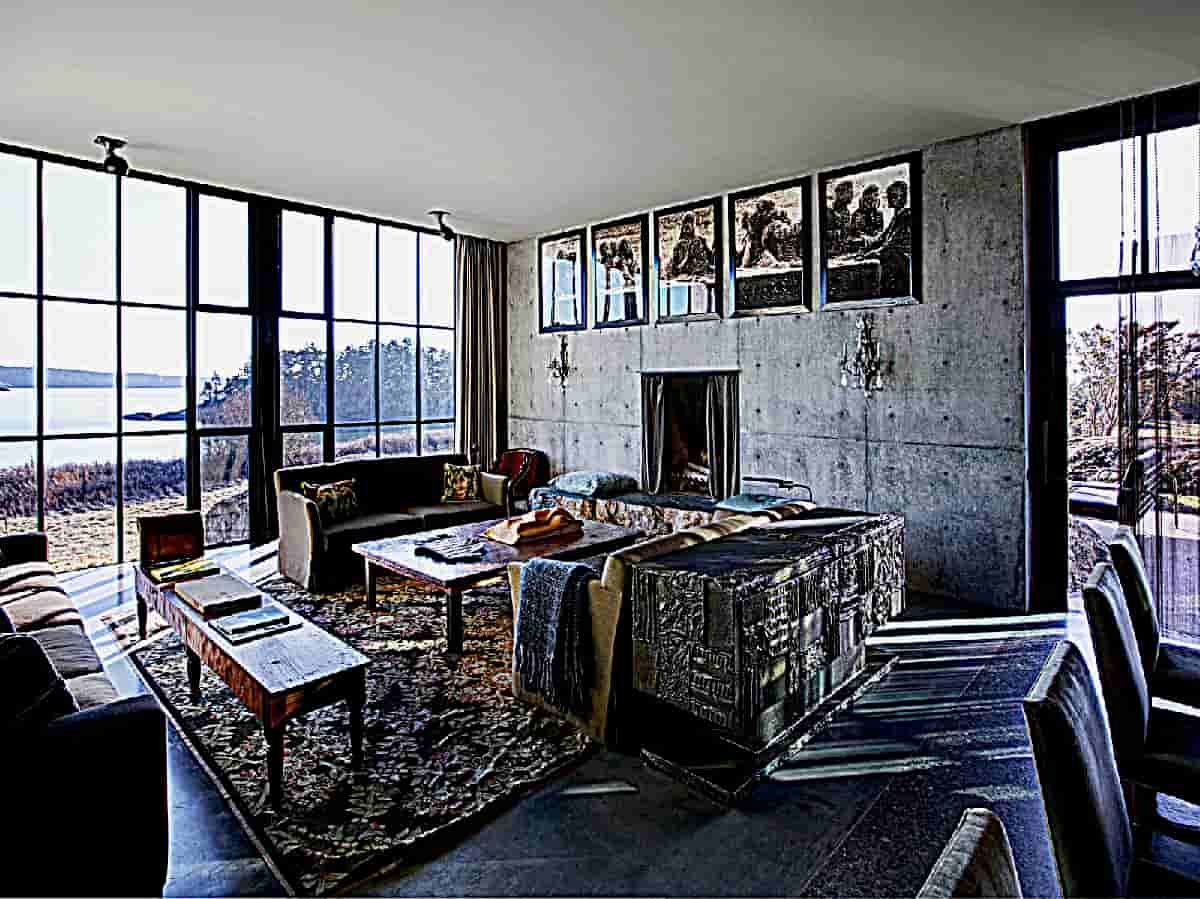
5) 9 Iconic Houses American’s Style: The Pierre (2010). Tom Kundig of Olson Kundig created a sense of monumentality with concrete in The Pierre (2010). Located in Washington’s San Juan Islands, but kept the home light and bright to maximize views of the Salish Sea.
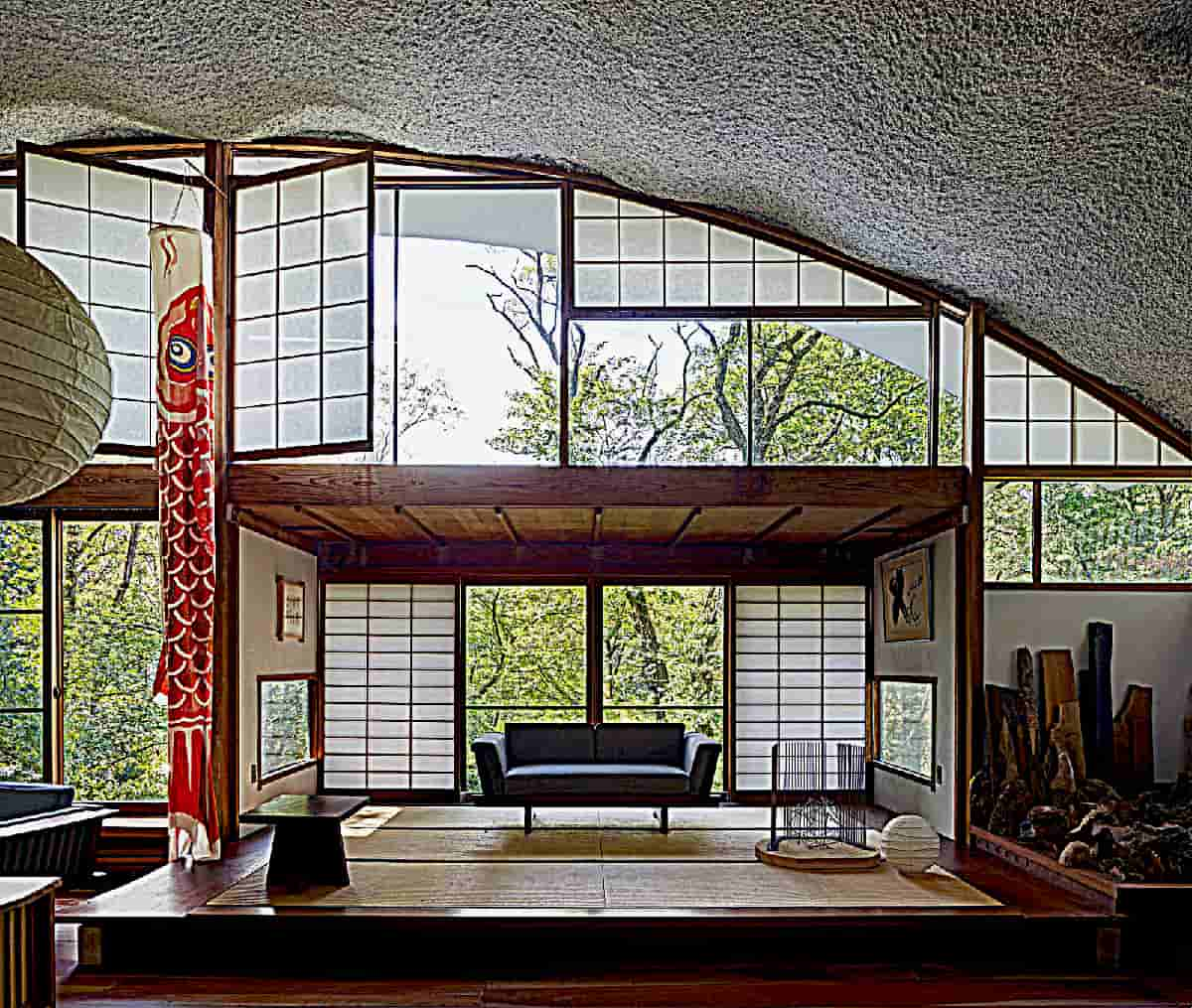
6) 9 Iconic Houses American’s Style: Farmstead & Conoid Studio (1959). Japanese aesthetics meet American ones at the Nakashima Farmstead & Conoid Studio (1959). In New Hope, Pennsylvania, a laboratory of sorts for George Nakashima.
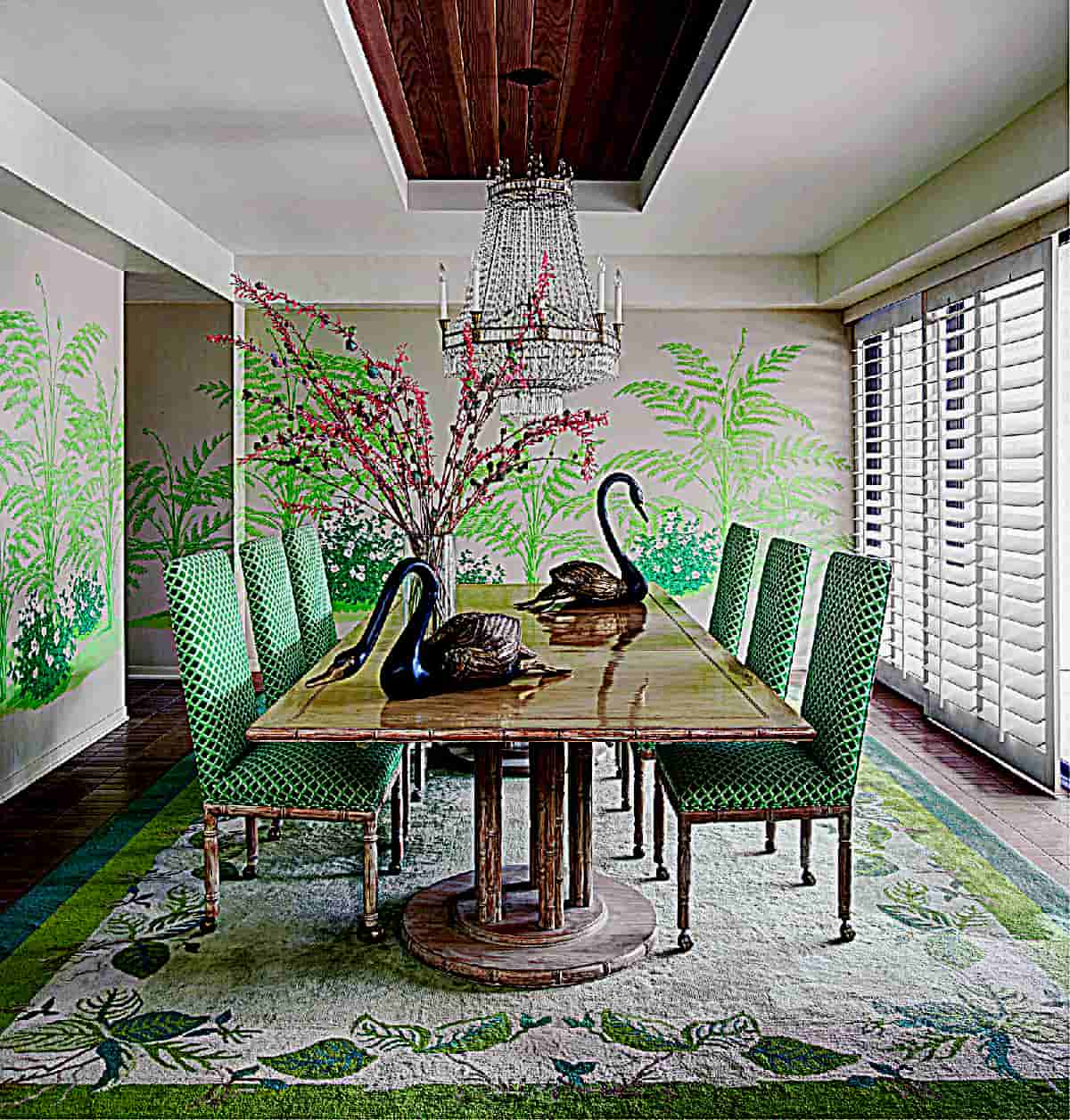
7) 9 Iconic Houses American’s Style: Gerald Ford Estate (21st century). Originally designed by Welton Becket & Associates in 1978. The Gerald Ford Estate in Rancho Mirage, California, received an update by Marmol Radziner in the 21st century. The mural, table, chairs, and rug in the dining room, however, are original.
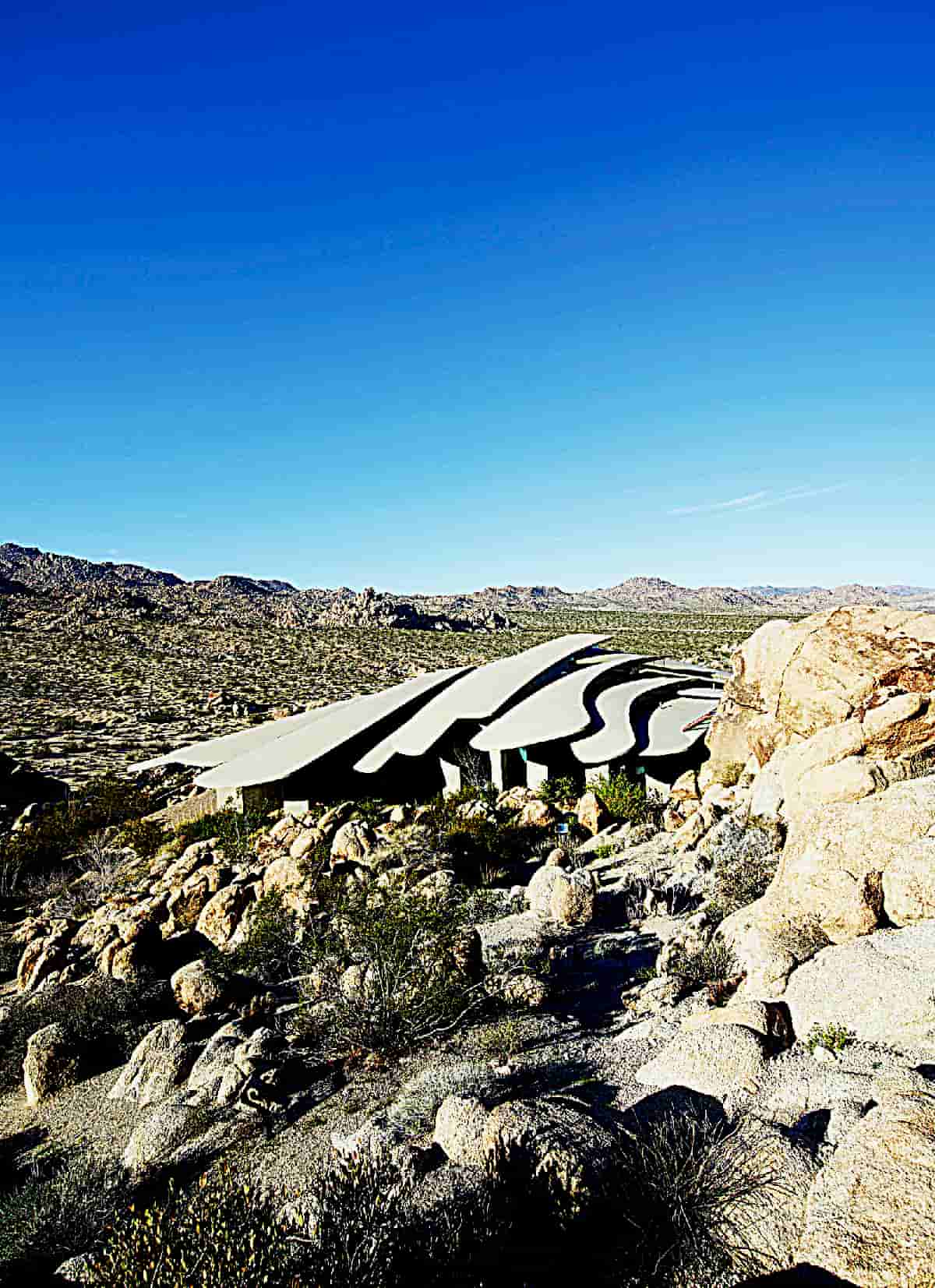
8) 9 Iconic Houses American’s Style: High Desert House (1993). Kendrick Bangs Kellogg designed the High Desert House (1993). In Joshua Tree, California, to be both organic and futuristic, blending in with the otherworldly landscapes of the desert.
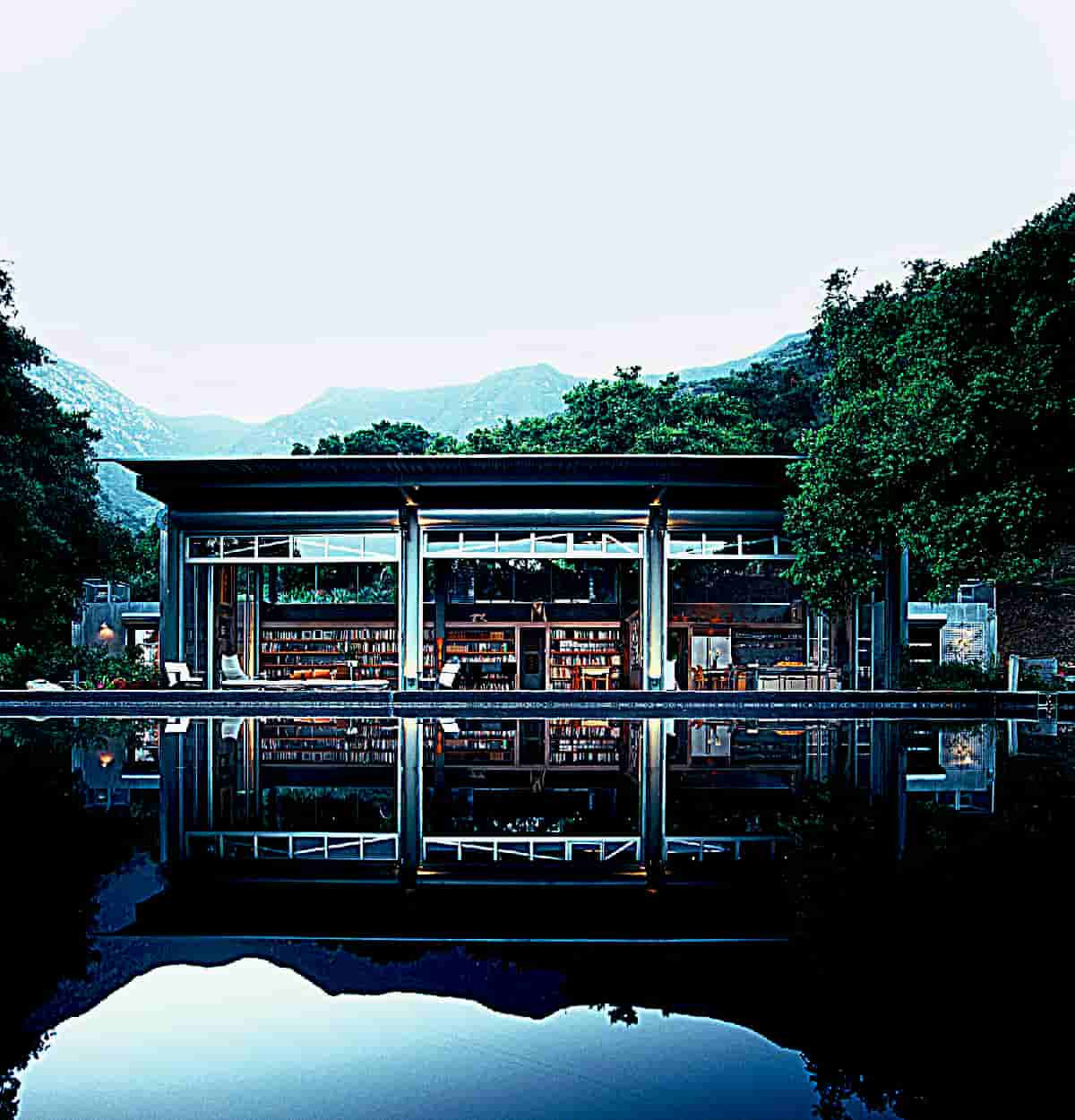
9) 9 Iconic Houses American’s Style: Toro Canyon (1999). The risk of wildfires informed the design of the House at Toro Canyon (1999). By Barton Myers, located in Montecito, California. As such, water features prominently across the property.
KanikaChic is the world’s most snatched iconic cultural and creative social network sites(SNSs)
KanikaChic creates the snatched of the global cultural and creative social network sites(SNSs) of the iconic big hit the tt-Artstudio.
KanikaChic is the world’s most snatched iconic cultural and creative social network sites(SNSs). KanikaChic creates the snatched of the global cultural and creative social network sites(SNSs) of the iconic big hit the tt-Artstudio. KanicChic has nomad creation studios in both Antwerp, Belgium and Milan, Italy, which collect the top-notch art, design, crafts, trendy and fashion life, architecture, and W4Porn. The cross-domain compiled critics develops the most trendy and iconic, tt-Artstudio in the art and cultural social network, A.K.A. ChicHOUSE. It is also the mostly visited cultural social network website.
Om onvervangbaar te zijn, moet je altijd anders zijn.
Er zijn fascinerende beelden hier, en de fascinerende dag van samen! xo KanikaChic
─────────────────────────────────────────────────────
Per essere insostituibili bisogna sempre essere diverso.
Ci sono immagini affascinanti qui, e l’affascinante giornata di insieme! xo KanikaChic