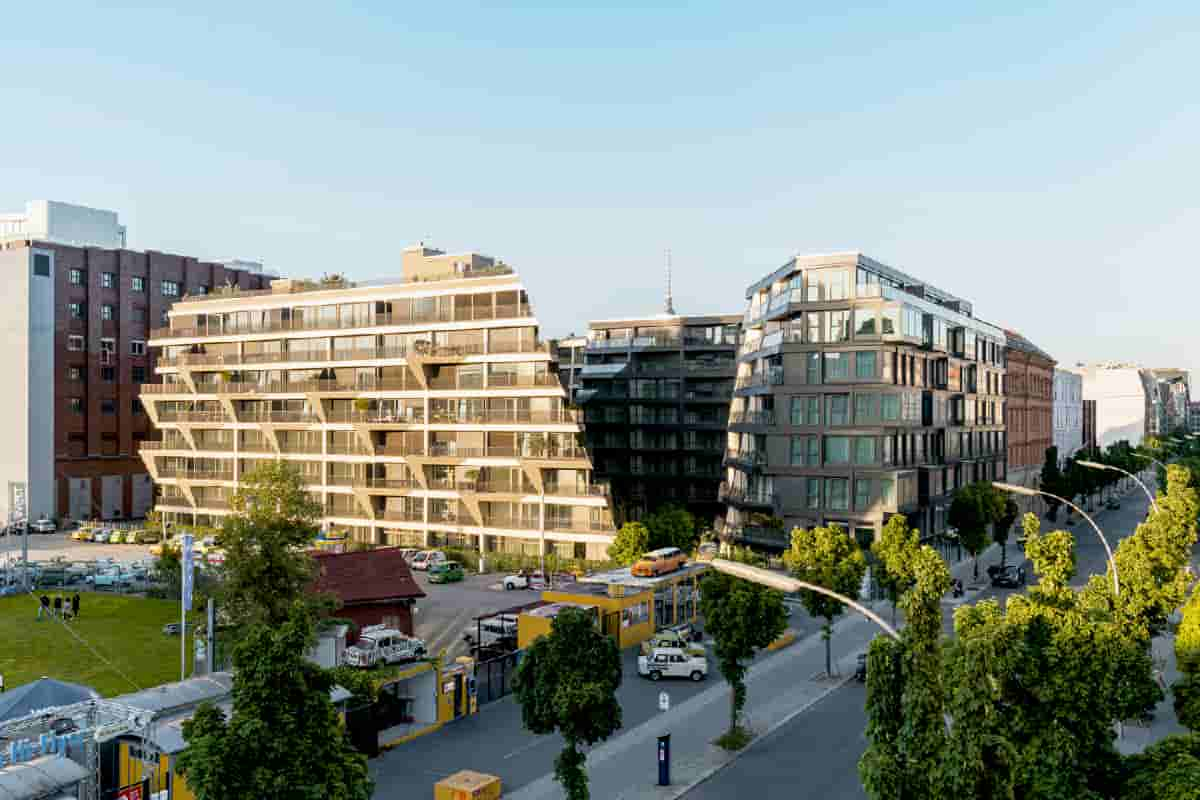
An Urban Dwelling Preserves Berlin’s Historic Fabric
In Berlin, this contemporary residence incorporates preserved fragments of the historic wall, transforming them into a structural and spatial anchor for modern urban living.

In Berlin, this contemporary residence incorporates preserved fragments of the historic wall, transforming them into a structural and spatial anchor for modern urban living.
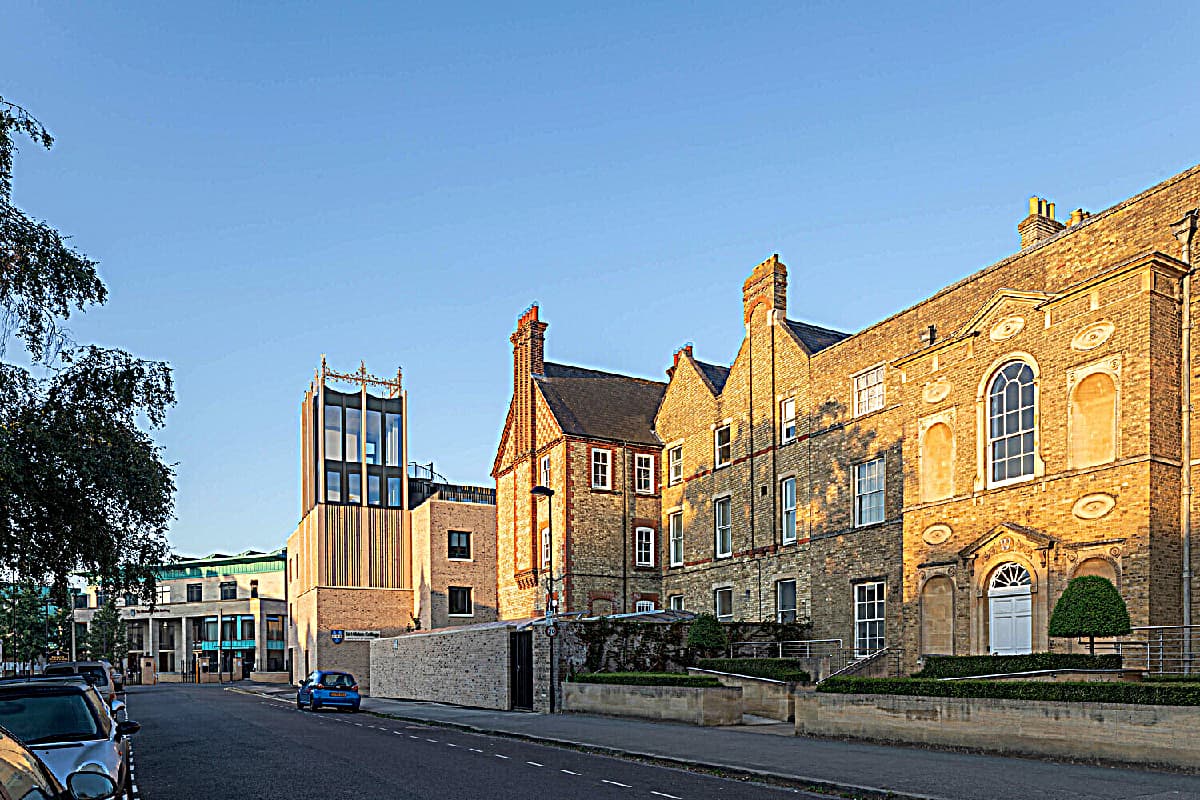
The renewal of St Hilda’s College reframes Oxford’s historic campus, where contemporary intervention works through the existing fabric rather than replacing it. The campus
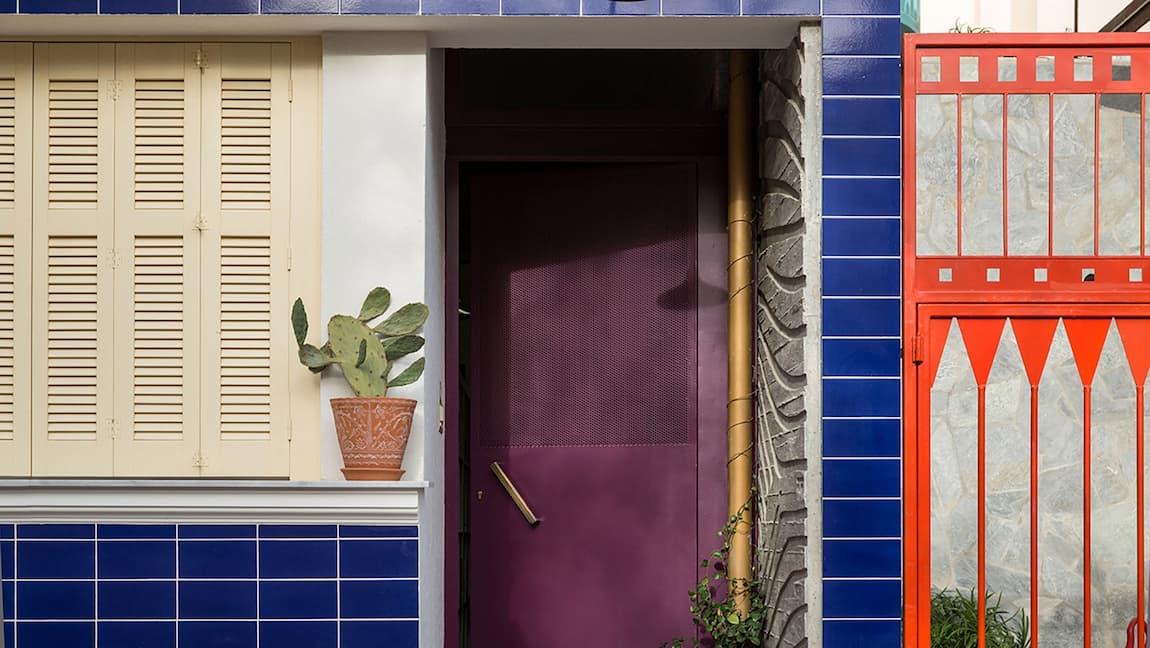
At Petralona House, Point Supreme merges architectural collage with adaptive reuse, transforming an existing structure into a layered dialogue between preservation and contemporary intervention.
Adaptive Reuse begins where demolition stops and memory refuses to disappear. No blank ground. Only what is already there. The project does not assign
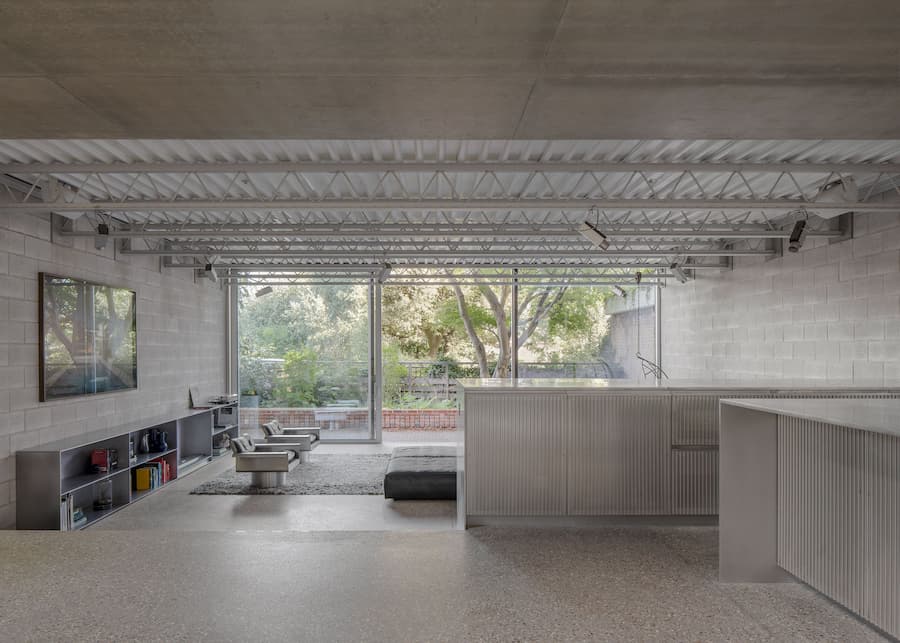
Reciprocal House 以新建量體回應 1969 年的福斯特擴建,讓兩種世代語彙在倫敦後巷形成勢均力敵的對話。 Reciprocal House 並沒有在原有的19世紀馬車房基礎上進行擴建,而是用一座全新的建築取而代之,倫敦互惠住宅是一場 Gianni Botsford Architects 與 Norman Foster 的對話,這座輕盈的框架結構擴建部分旨在用作娛樂空間,項目建築體現了英國新興高科技運動的實驗精神,融合了鋼桁架、混凝土砌塊牆和寬大的鋁框玻璃。Reciprocal House 最終呈現的是一場跨越時空、兼具傳承與創新的建築對話。 在倫敦,住宅翻新往往遵循修繕舊屋並附加現代擴建的模式。然而位於漢普斯特德的 Reciprocal House 卻選擇另一條路徑。建築師沒有在原有 19
In Berlin, this contemporary residence incorporates preserved fragments of the historic wall, transforming them into a structural and spatial anchor
The renewal of St Hilda’s College reframes Oxford’s historic campus, where contemporary intervention works through the existing fabric rather than
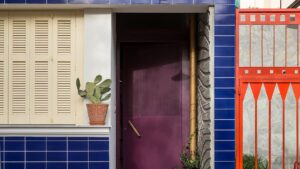
At Petralona House, Point Supreme merges architectural collage with adaptive reuse, transforming an existing structure into a layered dialogue between
Adaptive Reuse begins where demolition stops and memory refuses to disappear. No blank ground. Only what is already there.
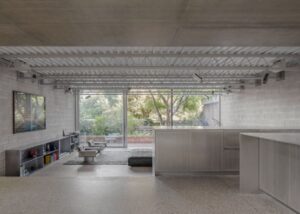
Reciprocal House 以新建量體回應 1969 年的福斯特擴建,讓兩種世代語彙在倫敦後巷形成勢均力敵的對話。 Reciprocal House 並沒有在原有的19世紀馬車房基礎上進行擴建,而是用一座全新的建築取而代之,倫敦互惠住宅是一場 Gianni Botsford Architects 與 Norman Foster 的對話,這座輕盈的框架結構擴建部分旨在用作娛樂空間,項目建築體現了英國新興高科技運動的實驗精神,融合了鋼桁架、混凝土砌塊牆和寬大的鋁框玻璃。Reciprocal House 最終呈現的是一場跨越時空、兼具傳承與創新的建築對話。