
Casa Corten 在葡萄牙北部由場地條件直接驅動而成的住宅

00-casa-corten-roof-geometry-landscape-integration-cover

multiple oil pumpjacks operating in a desert field at sunset, representing large-scale petroleum extraction infrastructure


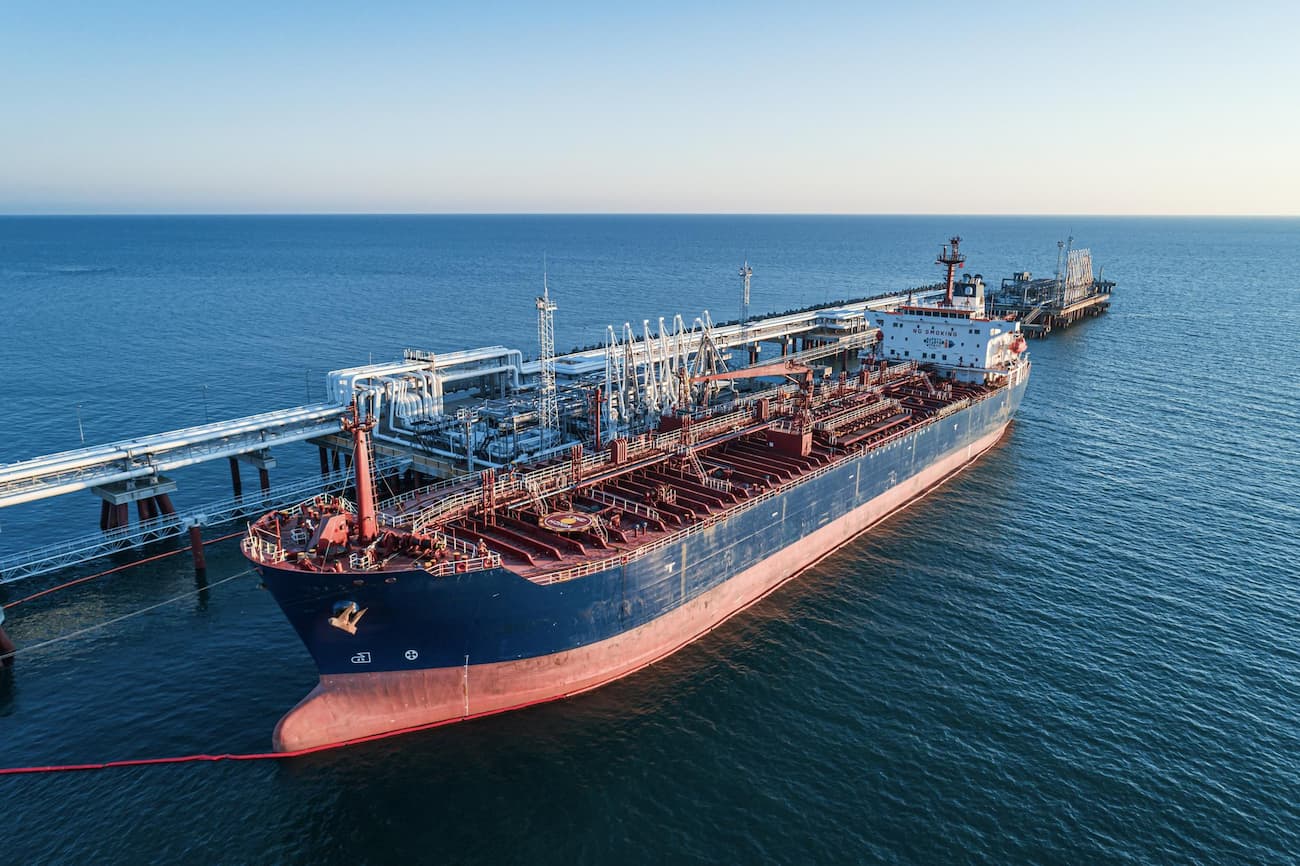
oil tanker docked at an industrial port, illustrating global petroleum transport and distribution infrastructure


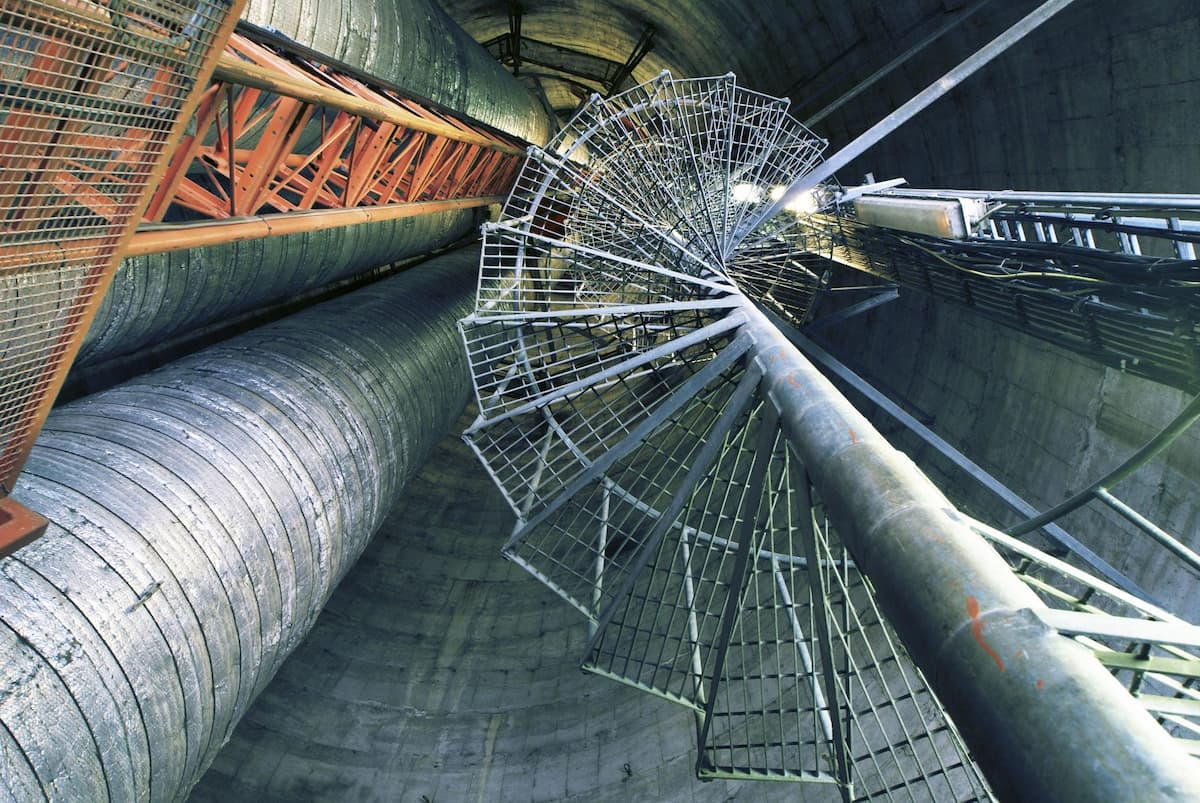
vertical view of industrial pipelines and structural systems, representing complex energy infrastructure networks


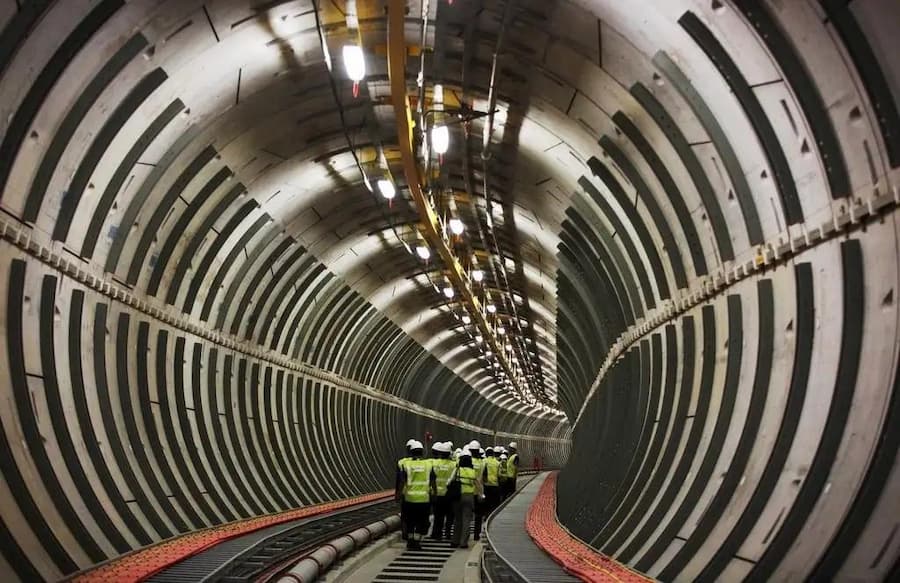
workers inside a large underground tunnel, revealing hidden urban infrastructure systems and spatial depth


位於葡萄牙北部的 Casa Corten,這座住宅不是對場地的回應,而是在地形與既有條件的作用之中被推動成形,使那些原本不可見的條件逐漸轉化為可被感知的空間。


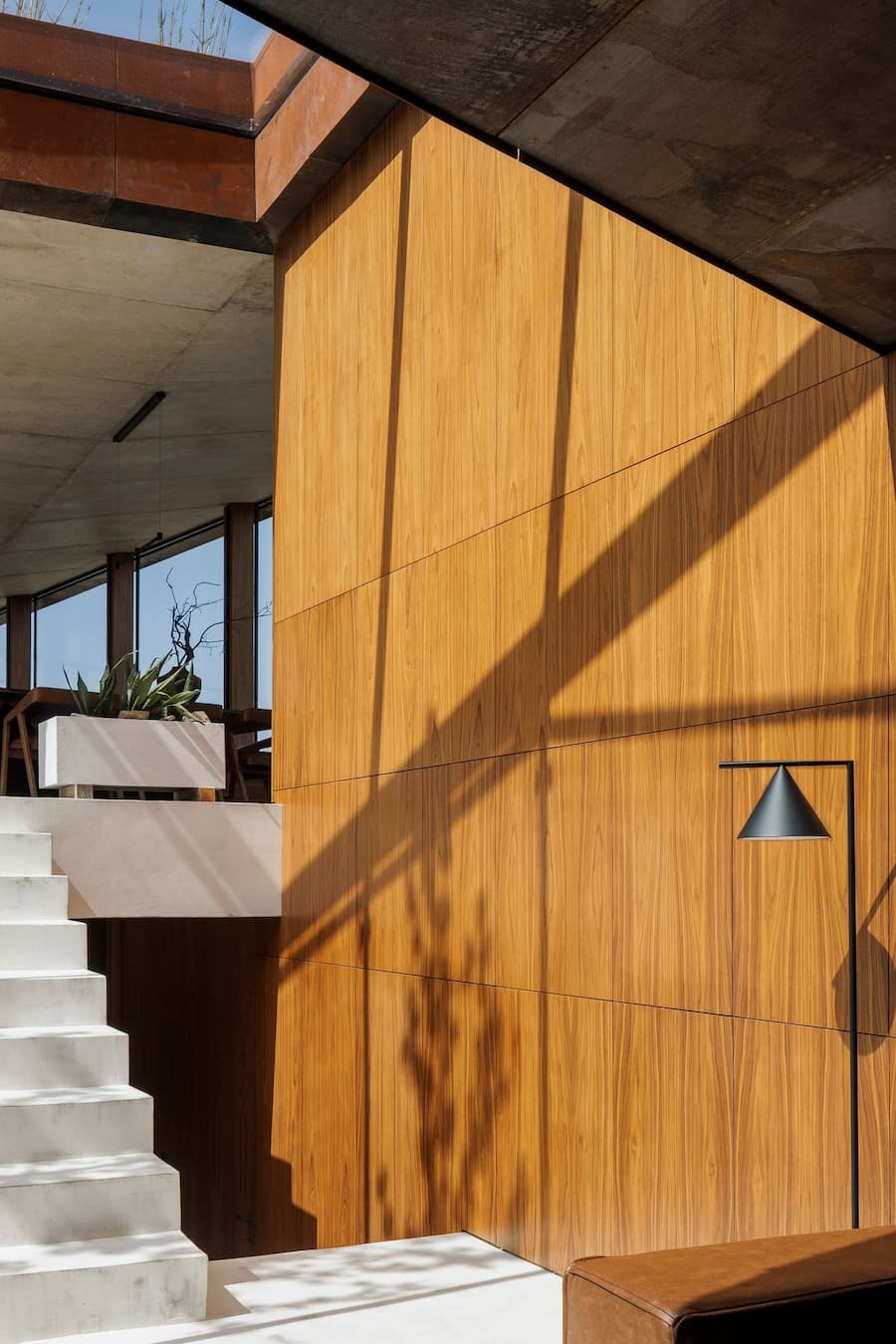
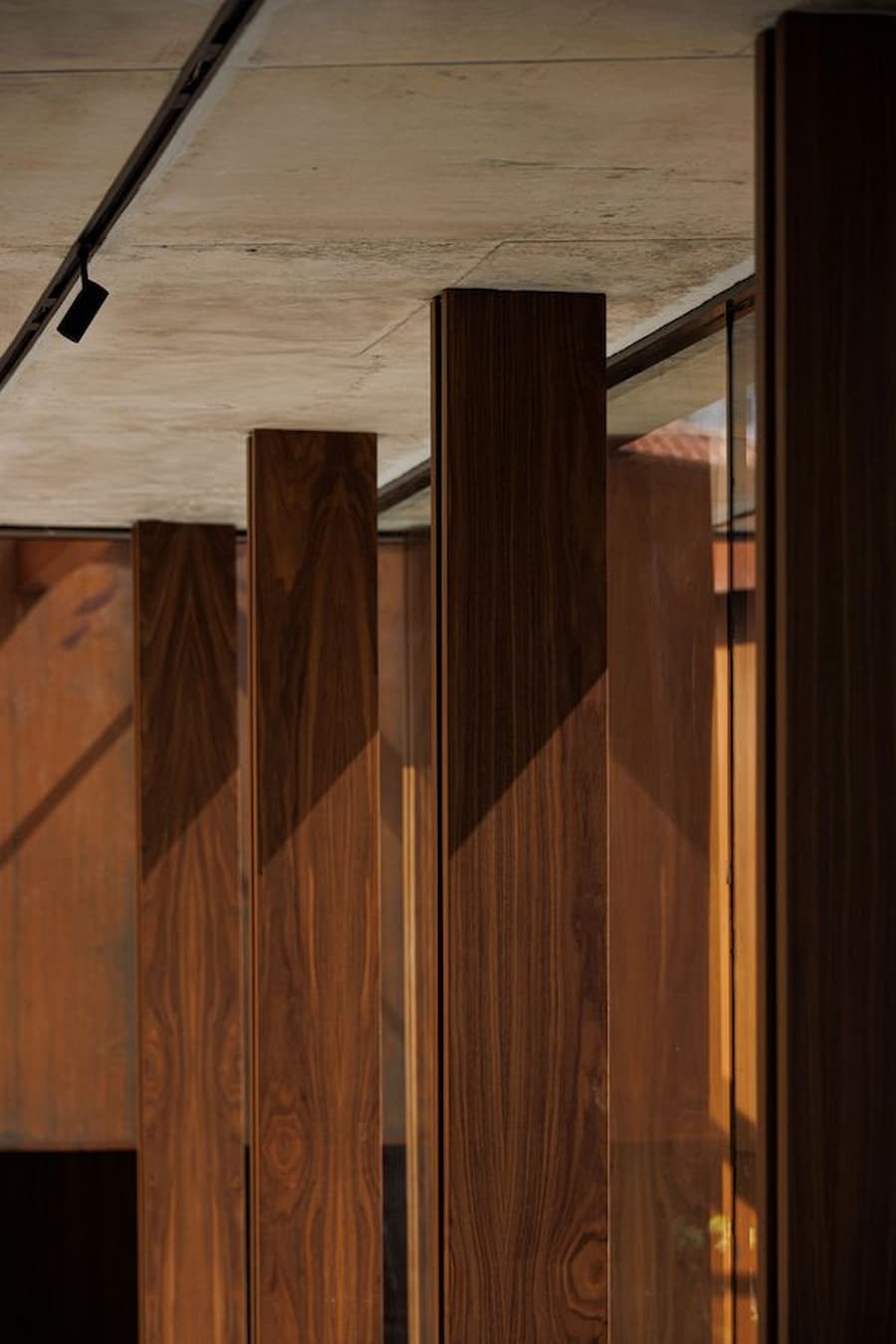
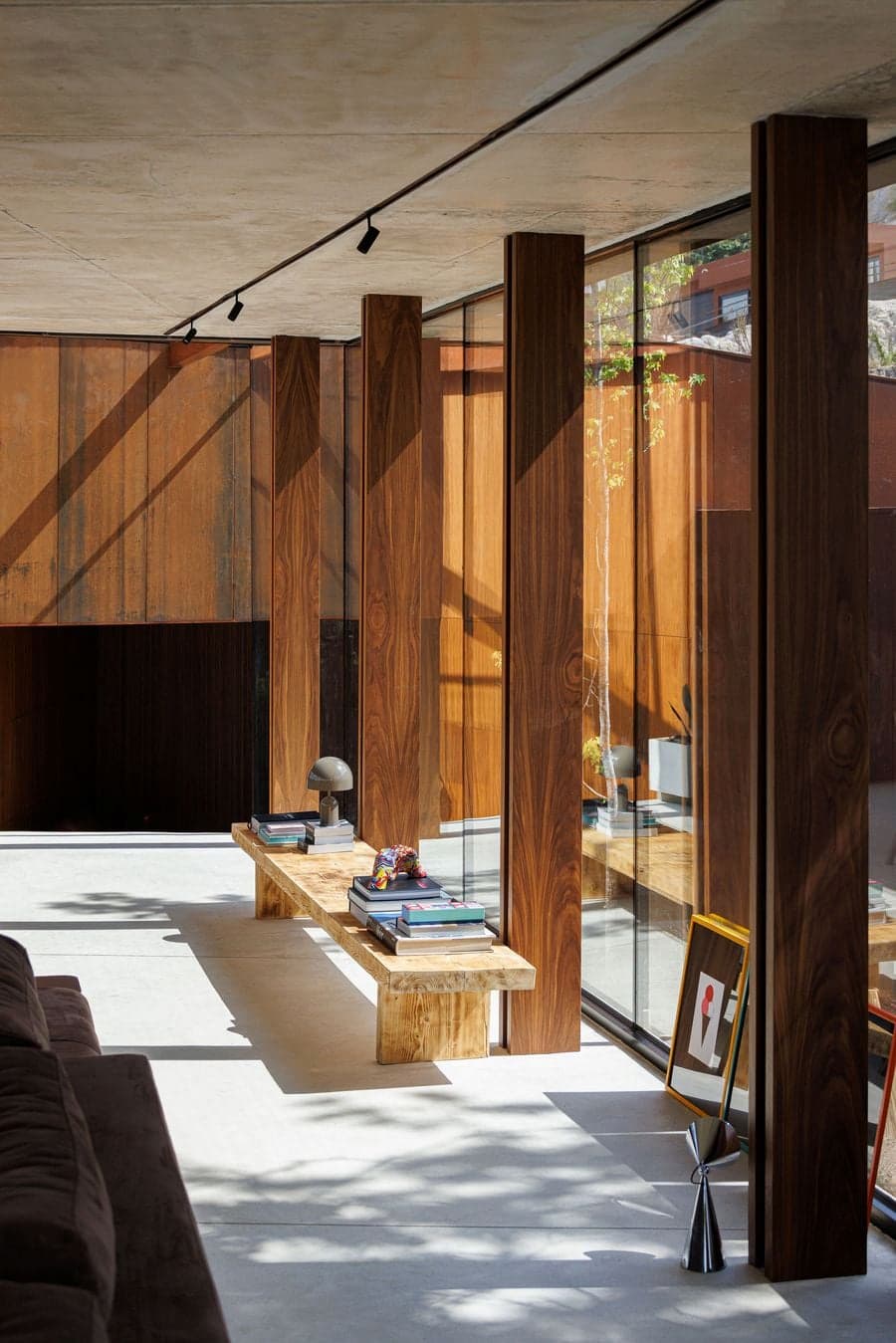
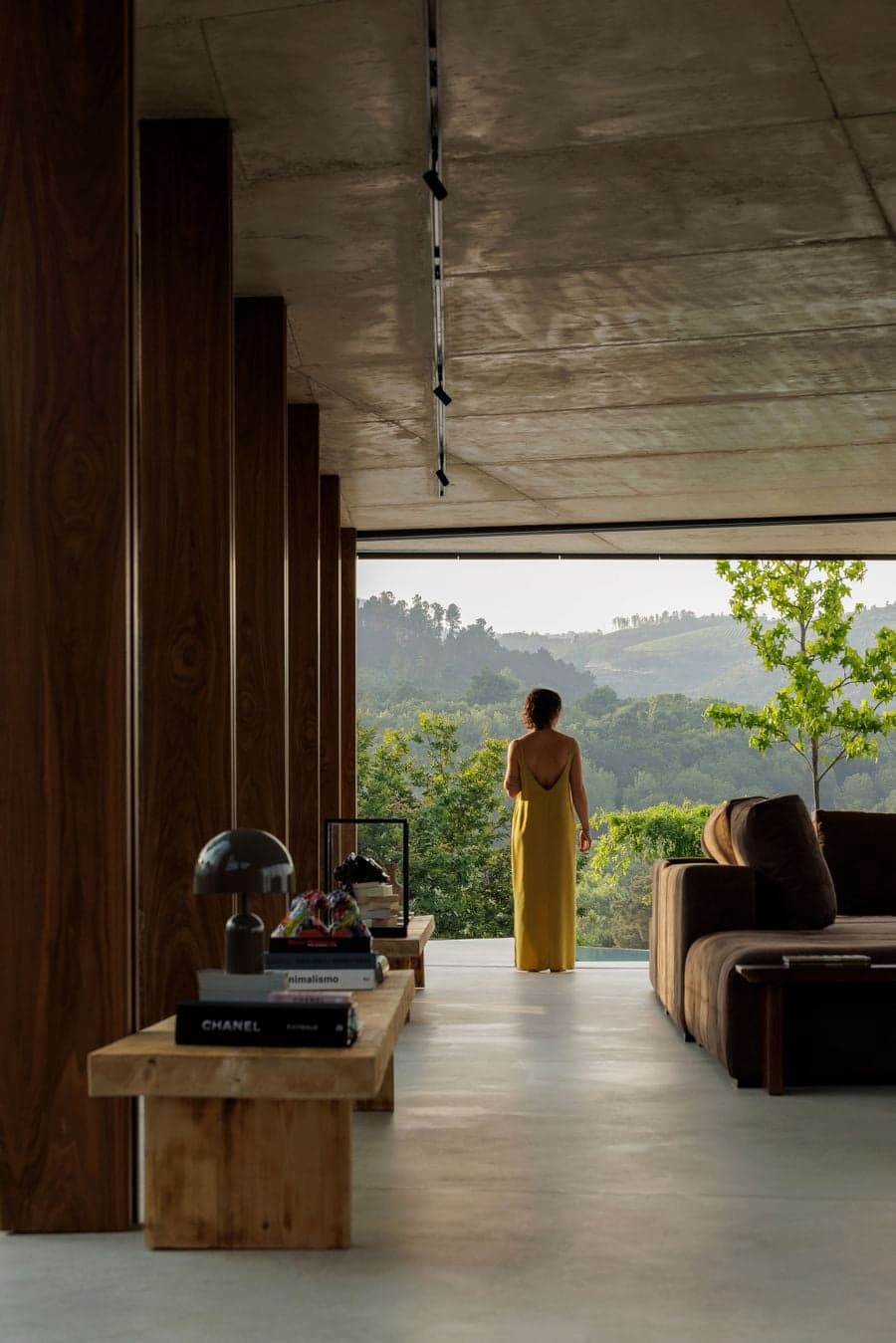
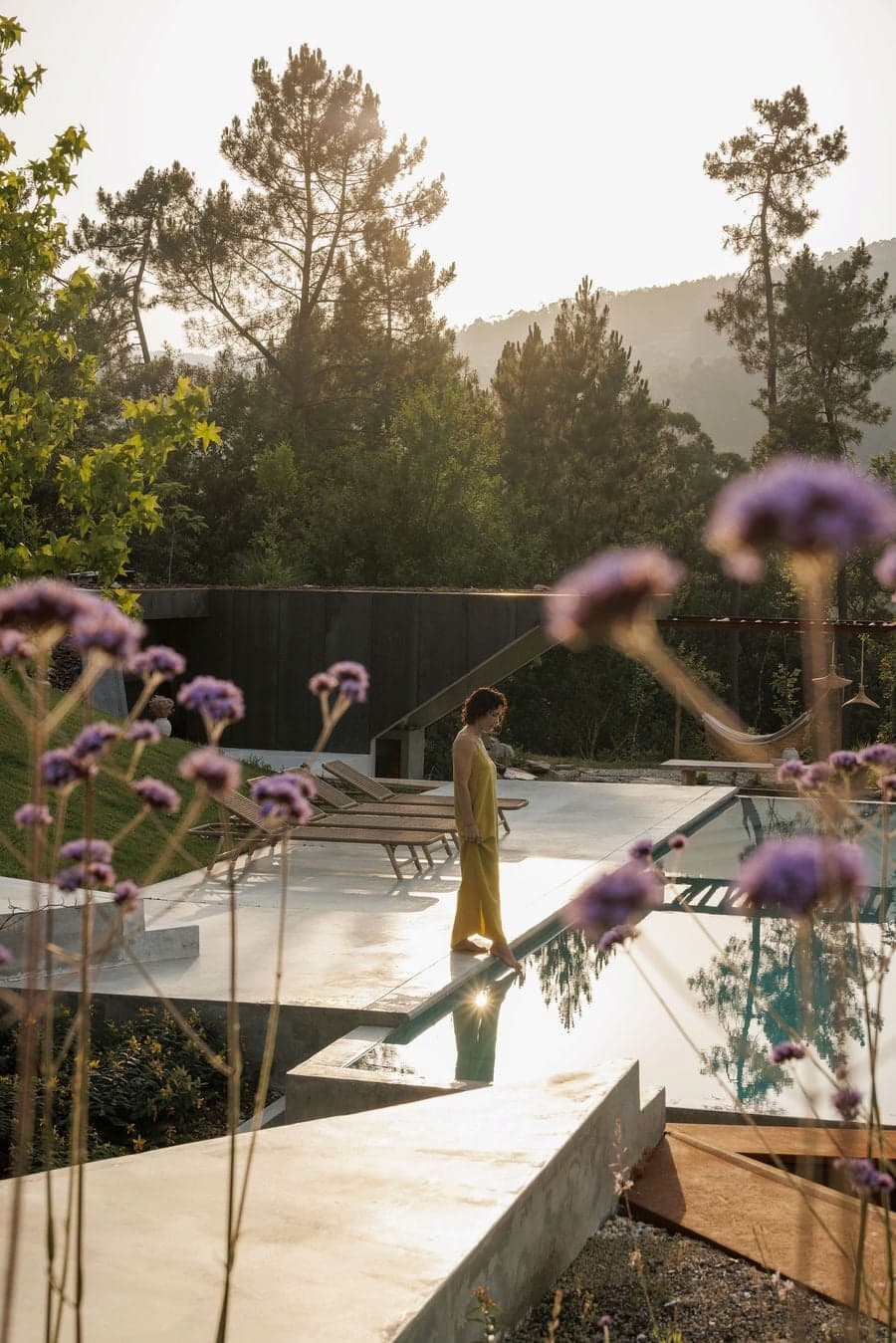
光線在這個建築裡不是被引入,而是被放行,它沿著混凝土的粗糙表面滑行,在木質立柱之間被切割,再穿過玻璃邊界落在水面上變得柔軟,空間沒有刻意強調方向,卻在光的推移之下自然生成一種時間的秩序,午後偏斜的影子讓結構變得清楚,牆與柱不再只是承重,而是參與了光的分配,連那些鏽蝕的金屬表皮也在不同時刻改變顏色,從暗沉轉為溫暖,像是在回應環境,人走進來之後反而變得安靜,腳步放慢、視線停留,甚至在觸碰水面的那一刻,會意識到室內與室外、建築與自然之間的界線其實沒有那麼明確。
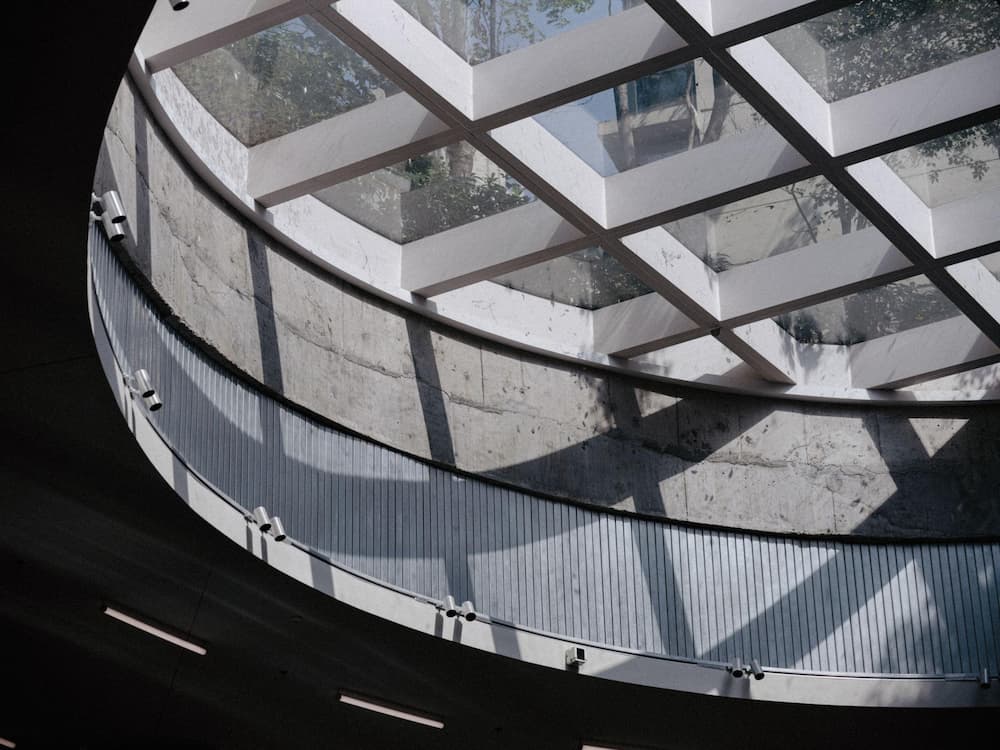
 

natural light entering a concrete interior through a skylight grid, casting geometric shadows across curved surfacesLight is not introduced, it is allowed to pass.
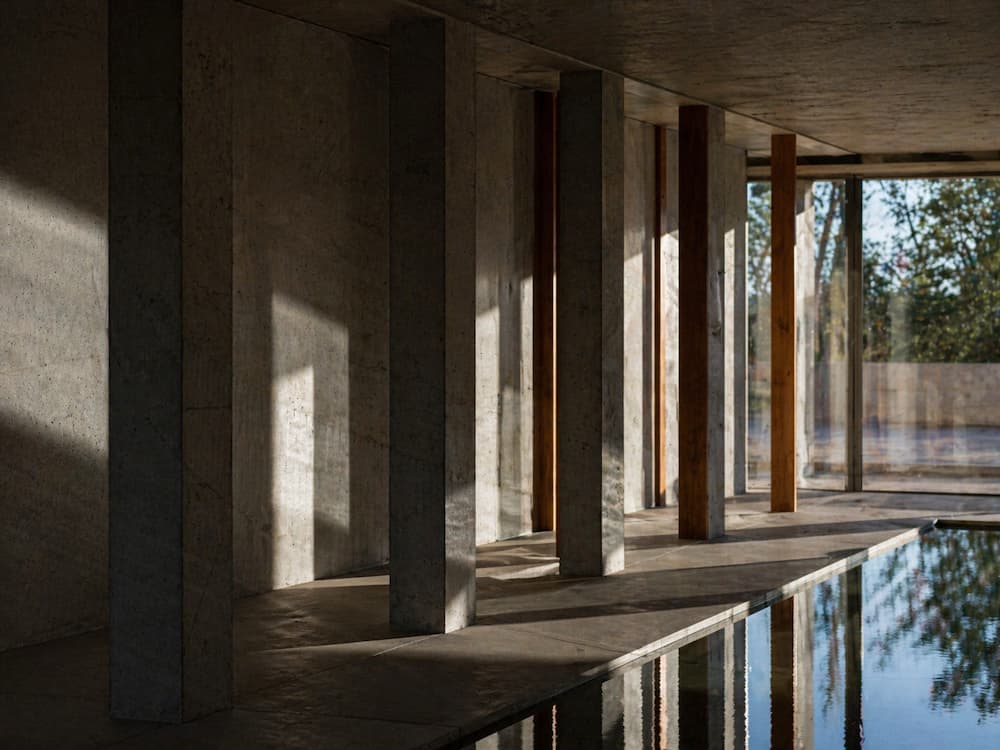
 

light shifting across column surfaces forming layered shadowLight moves across columns, revealing structure as time unfolds.
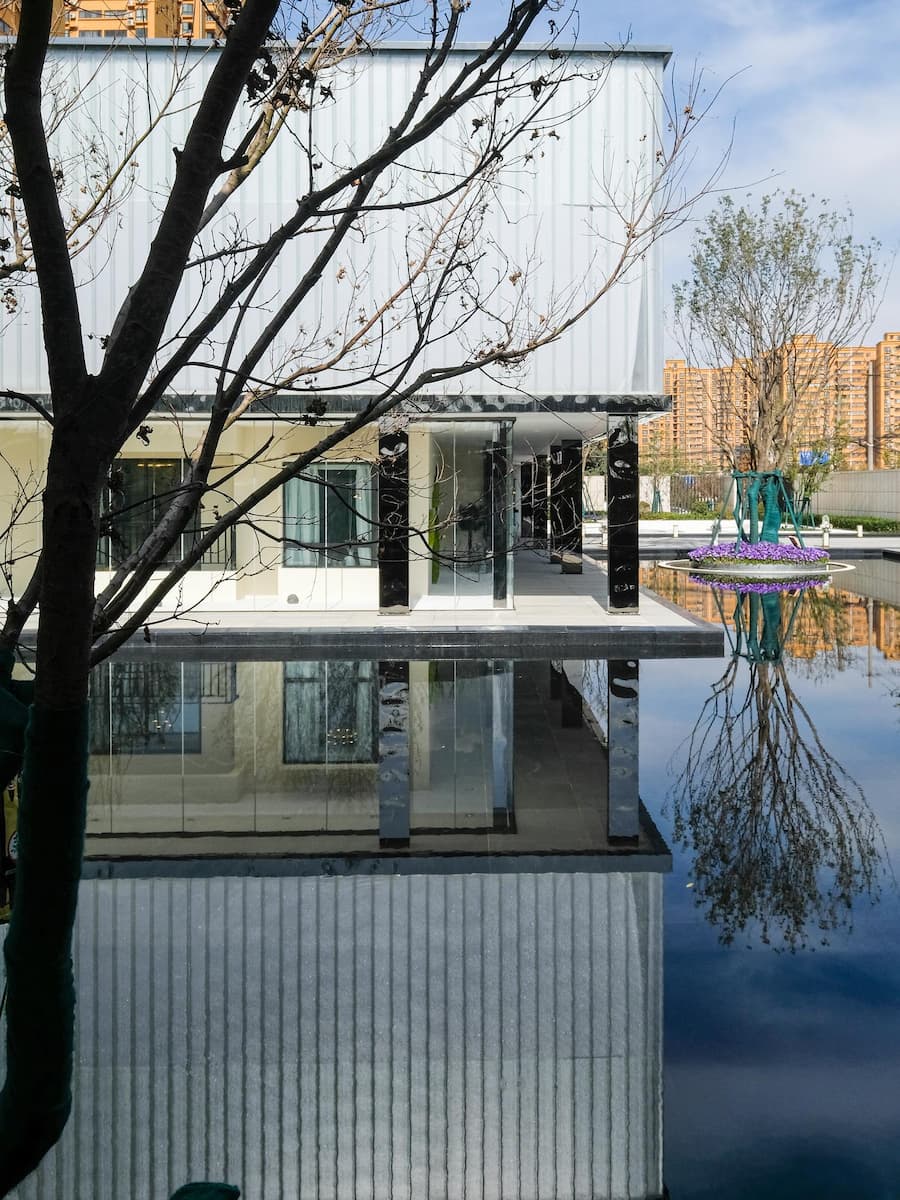
 

natural light reflecting on a still water surface, mirroring architecture and softening the boundary between interior and exteriorLight settles on water, dissolving the boundary between inside and outside.
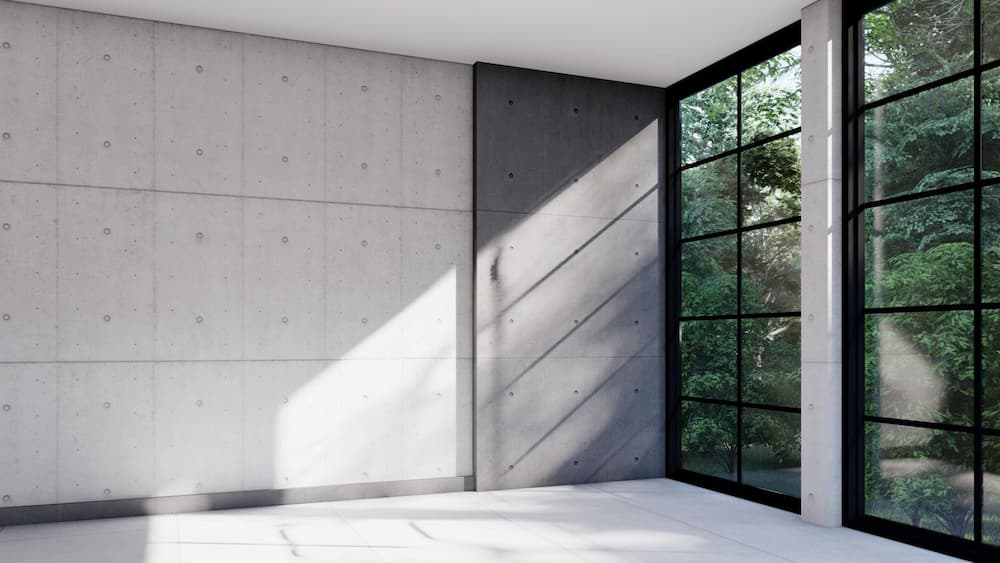
 

soft daylight entering a concrete interior through large windows, casting gentle shadows and creating a calm atmosphereLight lingers in space, shaping a quiet interior atmosphere.


Casa Corten 位於葡萄牙北部,是一座回應場地條件而生成的住宅建築。設計透過分割量體、順應地形與動線安排,使建築在坡地中逐步展開。耐候鋼與混凝土構成主要材料,隨時間產生變化,並與既有工業痕跡形成關聯。室內外空間透過視線與動線連接,使住宅在使用過程中持續調整,而非被固定。


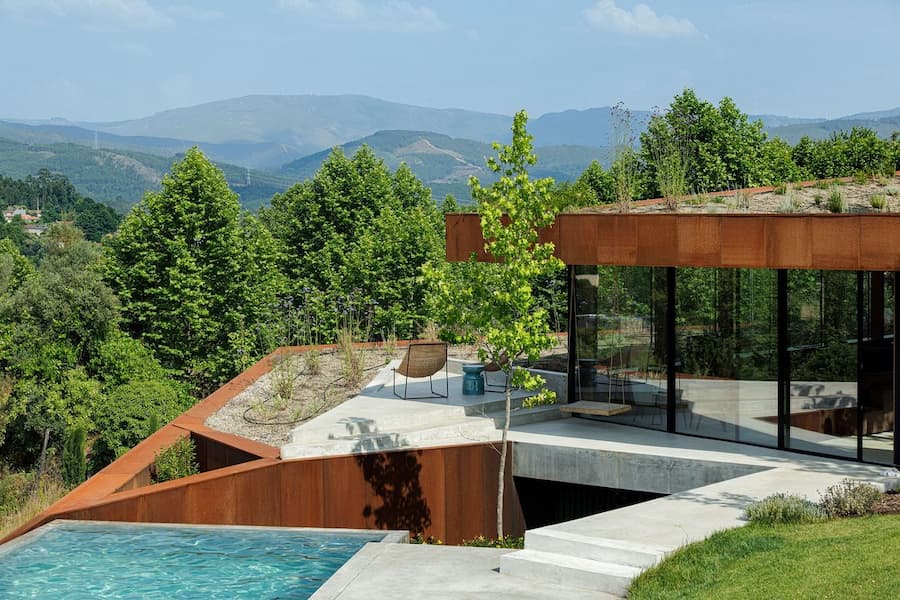
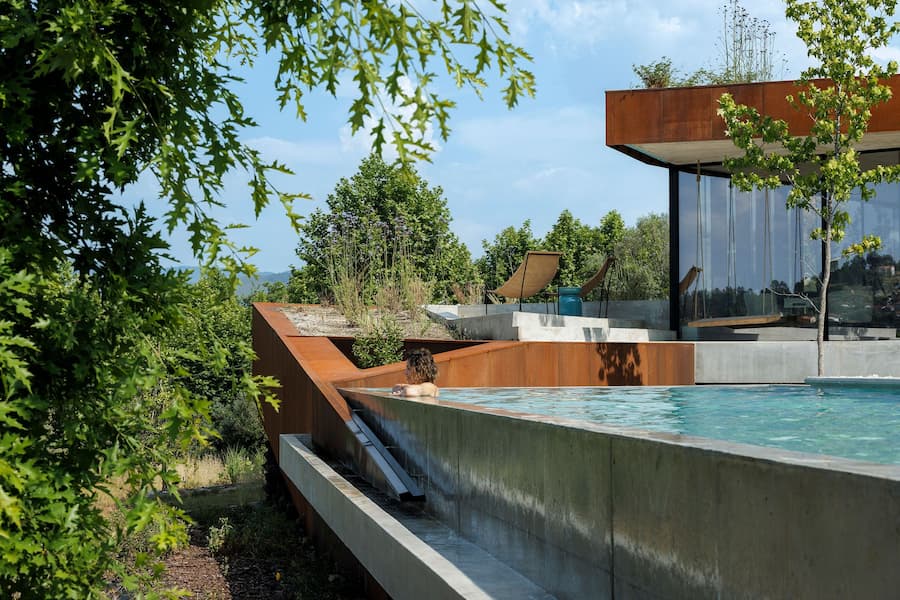
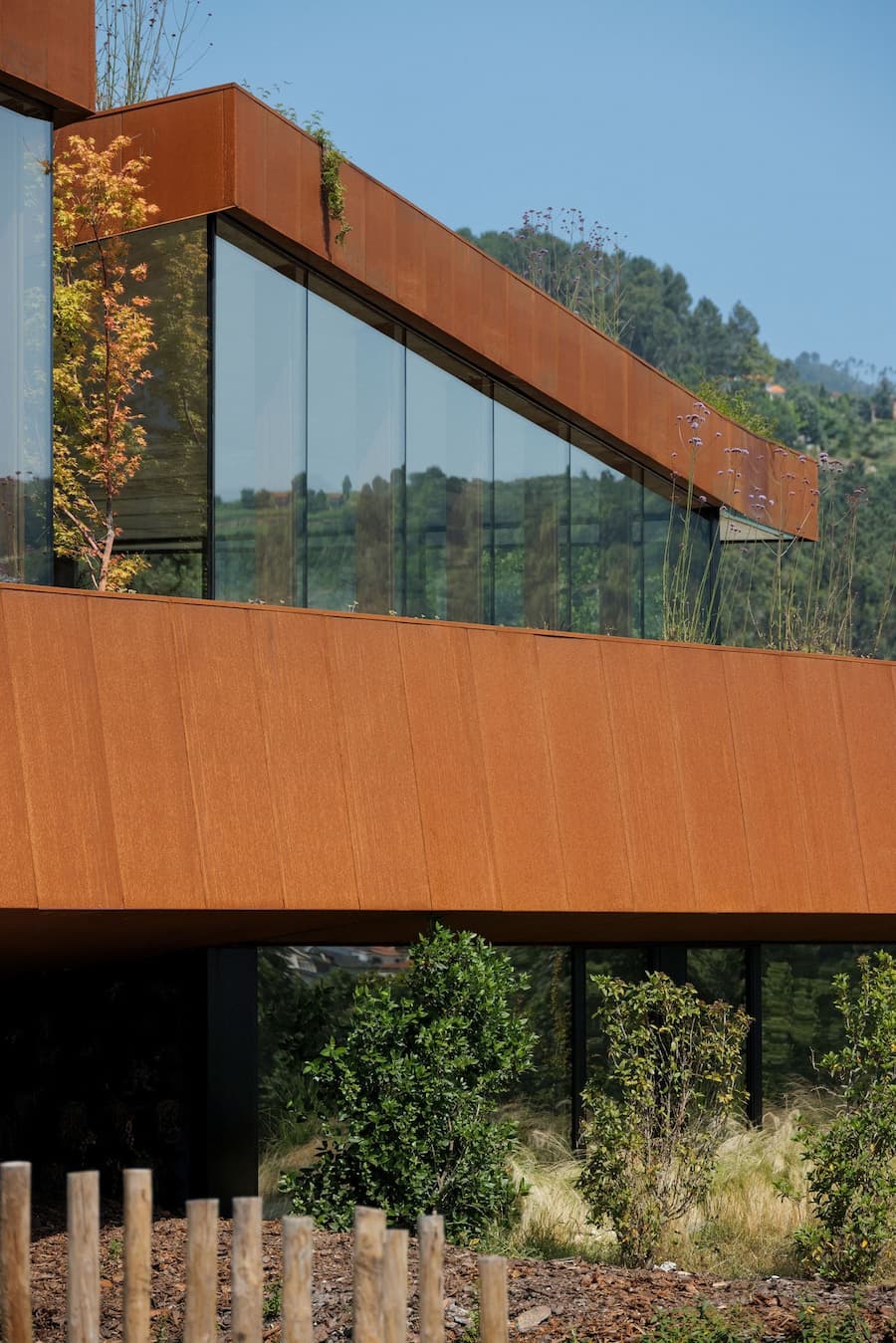
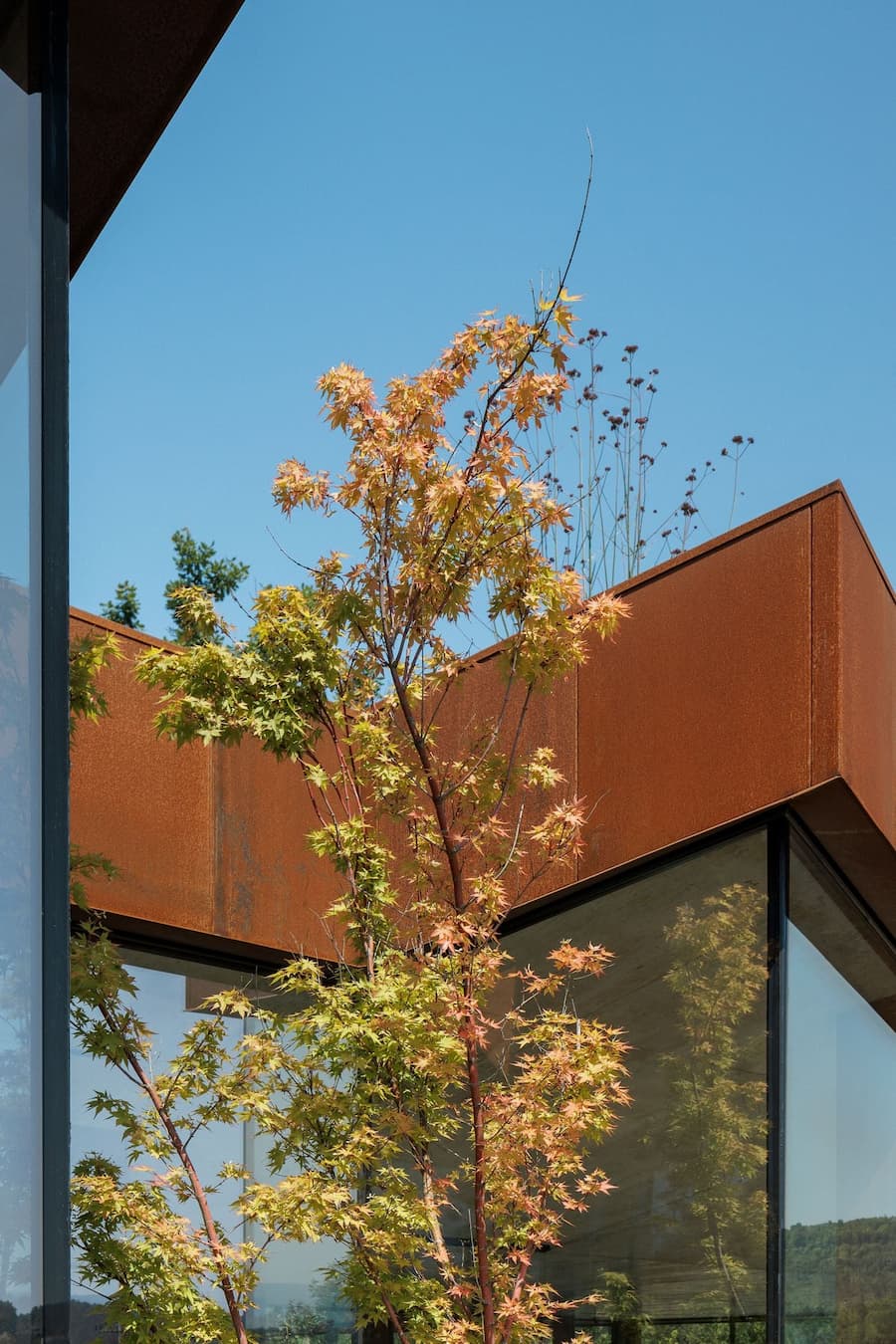
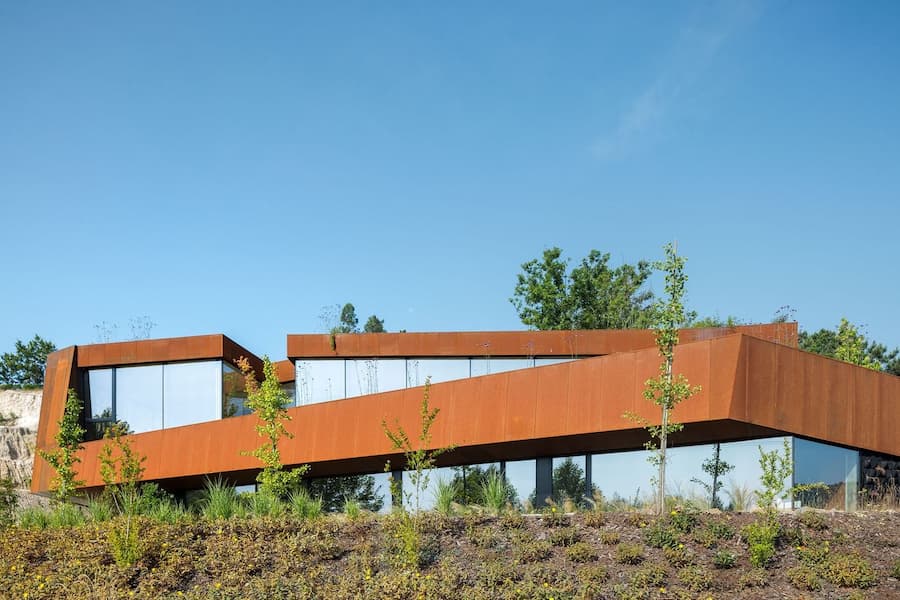
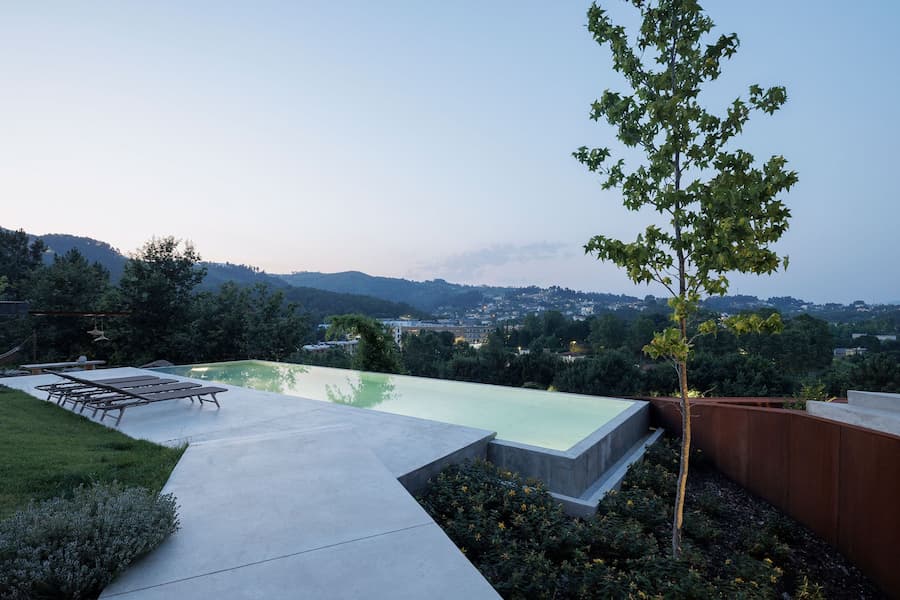
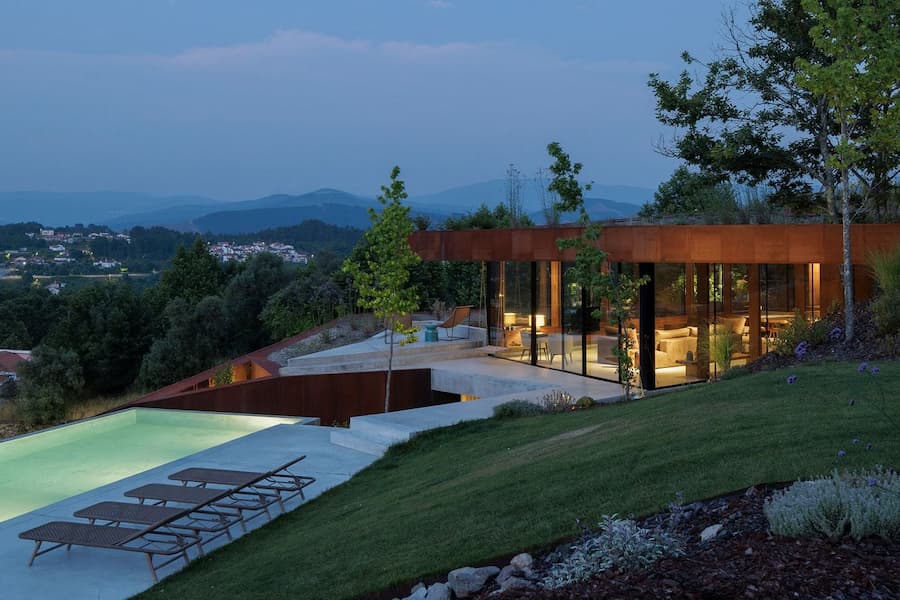
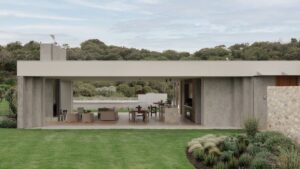
位於葡萄牙北部一片林木蔥鬱的山坡上,科爾滕之家(Casa Corten)的設計巧妙地呼應了地塊的地形、朝向及其歷史。這種呼應並非單純的順應,而更接近一種在既有條件之中持續調整的位置判斷。這座四臥住宅由HPA Arquitetura建築事務所的雨果﹡佩雷拉(Hugo Pereira)設計,坐落於一座早已廢棄的木材廠舊址之上。某種程度上,這使建築一開始就帶著一段尚未完全消散的使用痕跡。該項目並未抹去這段工業歷史,而是在材料和空間上對其進行了改造,並將場地的限制條件作為形式和佈局的主要驅動力。與其說是限制,不如說是一種先於設計存在的結構,被動地牽引出後續的決策。住宅外覆耐候鋼,掩映於自然風格的花園之中,其設計理念是隨著時間的推移而變化:這裡的時間不是背景,而是一種會持續作用的條件。隨著金屬外殼的緩慢氧化和野生灌木與草地的生長,建築與景觀將最終達到一種相互融合、不斷演進的平衡狀態。在這種變化之中,邊界逐漸變得沒那麼清楚。
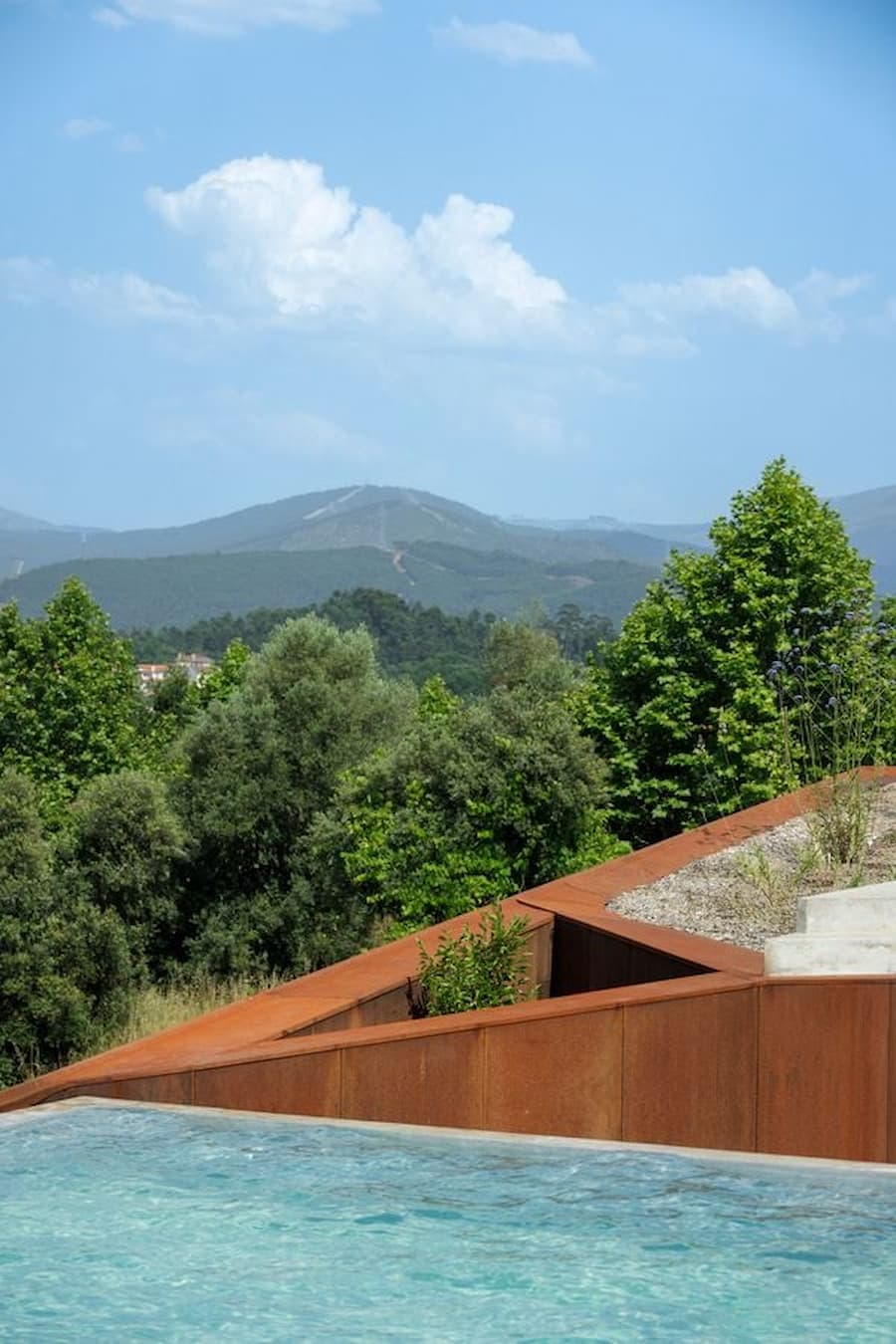
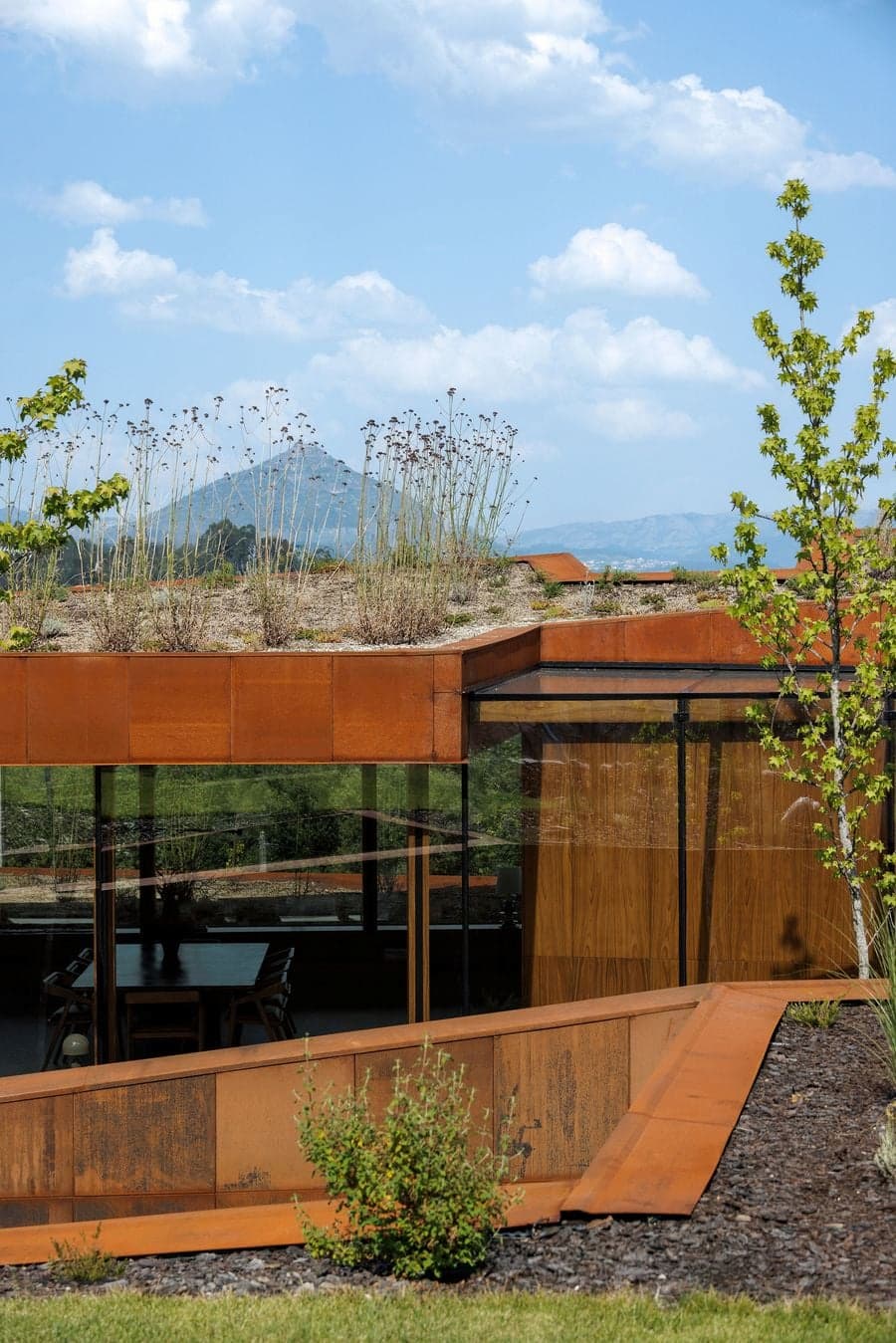
 

Casa Corten on forested slope in northern Portugal integrating architecture with landscape


corten steel roof and planted surface blending house into surrounding terrain


split volumes of Casa Corten adapting to steep sloped site


corten steel terrace and pool integrated into hillside architecture


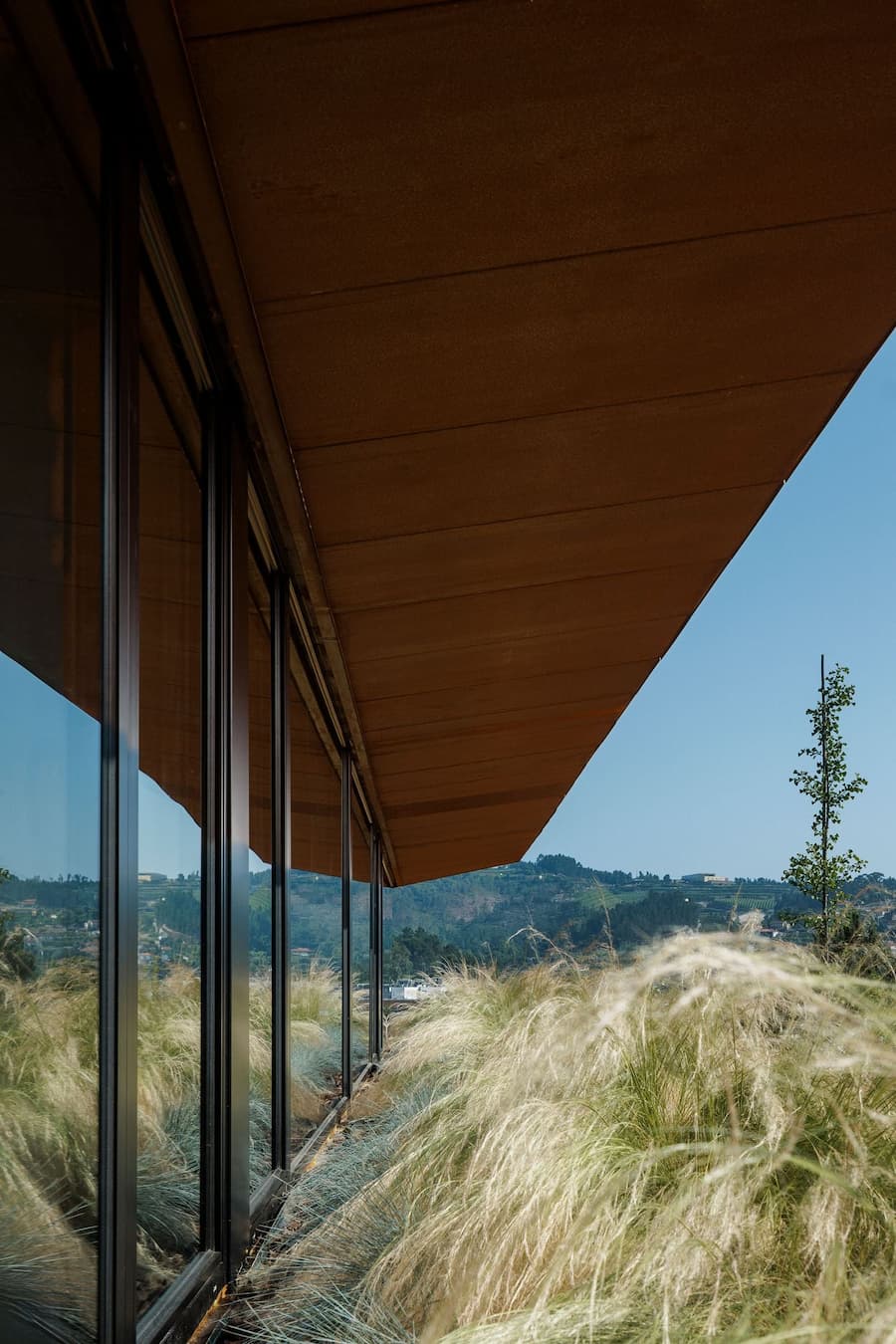
glass facade framed by weathering steel reflecting surrounding vegetation


weathering steel facade detail showing oxidation and material texture


angular corten steel geometry shaping the exterior facade of the house


window opening framed by corten steel connecting interior and landscape


sunken courtyard space enclosed by corten steel walls within the terrain


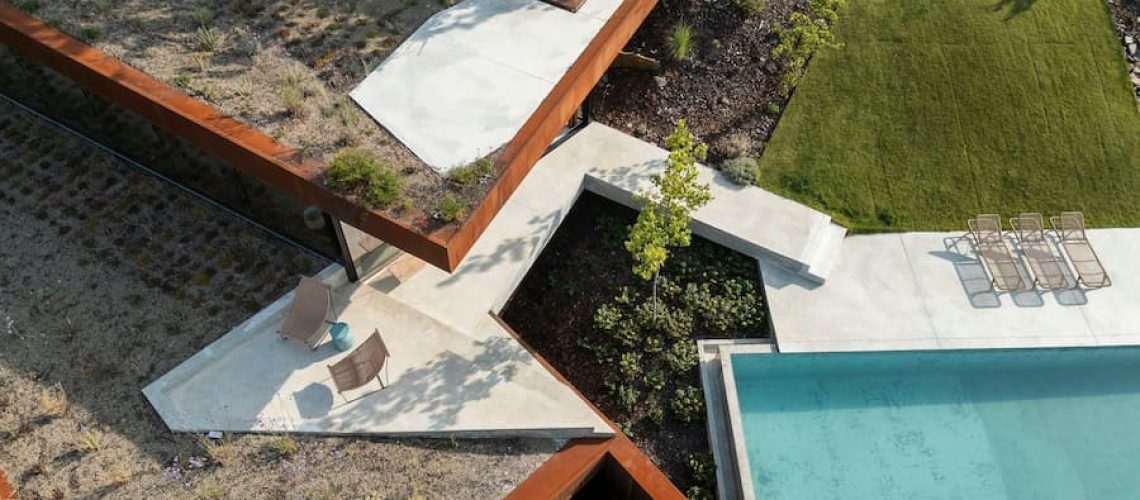
roof landscape pattern with vegetation growing across corten steel surfaces


top view of Casa Corten showing geometric roof integrated with terrain


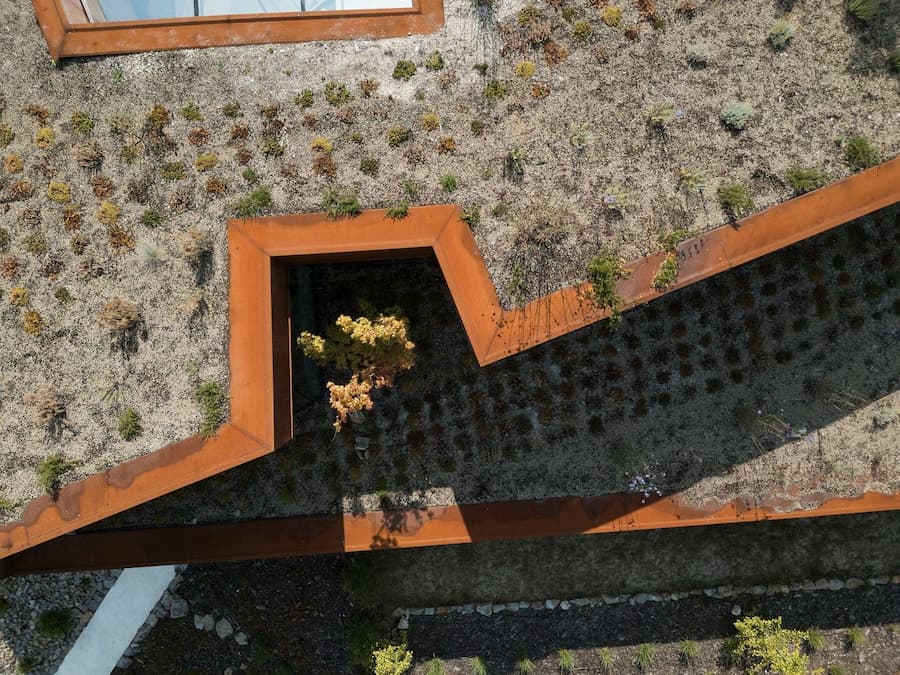
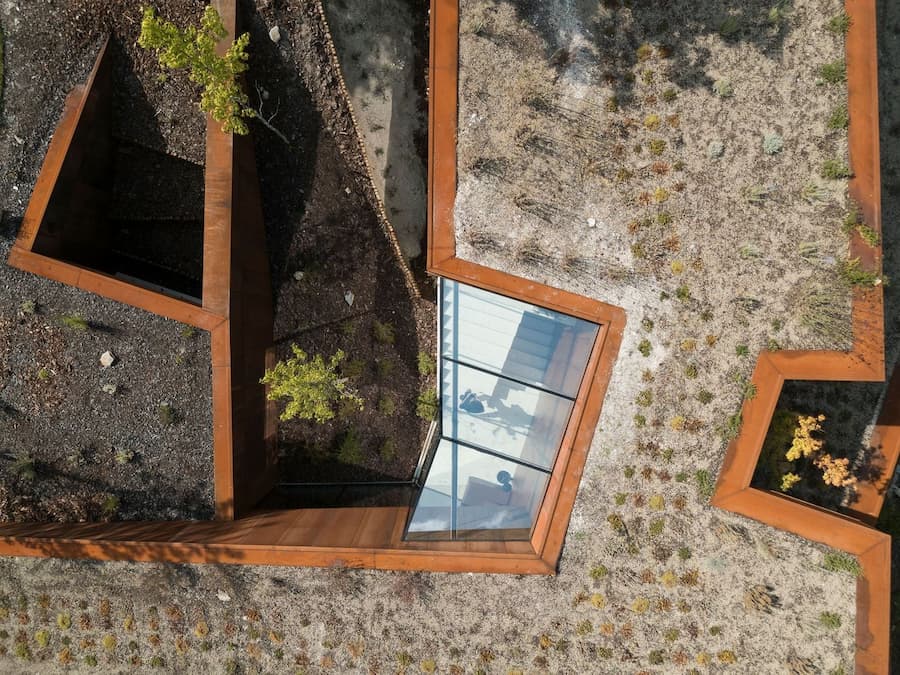
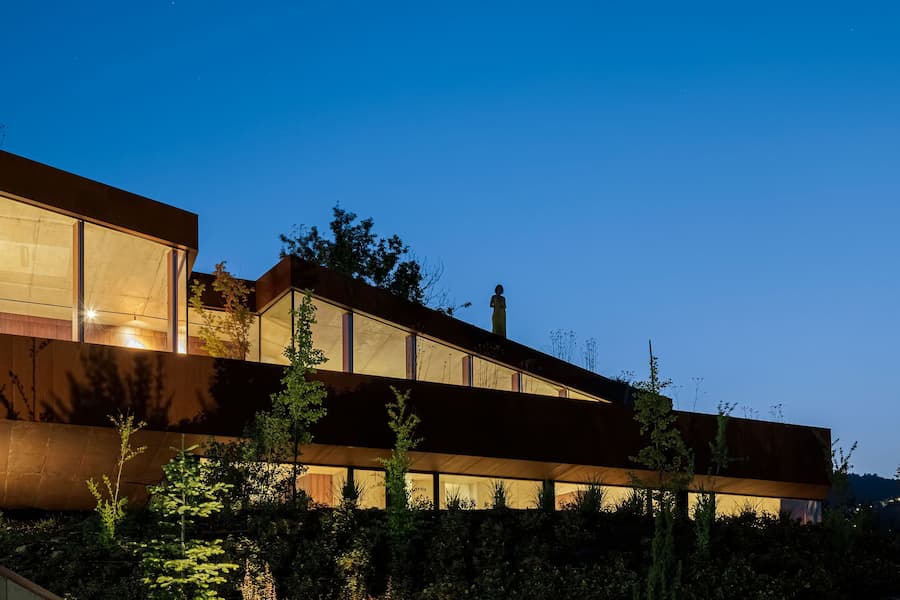
地塊陡峭的坡度和朝東的朝向帶來了直接的挑戰。這種挑戰不只是技術上的處理,而更像是對建築位置的一種持續校正。建築師沒有選擇平整土地,而是將建築分割成一系列低矮的棱柱體,順應地塊的自然輪廓,這種分割本身也讓建築不再是一個整體,而比較接近一種被拆開的配置。每個體塊都經過巧妙的角度調整,以優化朝向、私密性和視野。這裡的調整其實不是一次性的決定,而更像是在多個條件之間反覆取捨。這種方法降低了房屋的視覺衝擊力,使其看起來像是地形的延伸,而不是強加於其上的物體。但這種「延伸」並不完全自然,仍然帶著一種被控制過的痕跡。大面積的綠色屋頂進一步強化了這個策略,模糊了建築表面與自然表面的界限,某種程度上也讓屋頂不再只是覆蓋,而變成另一層可以被佔據的地面。同時讓植被重新佔領屋頂空間。
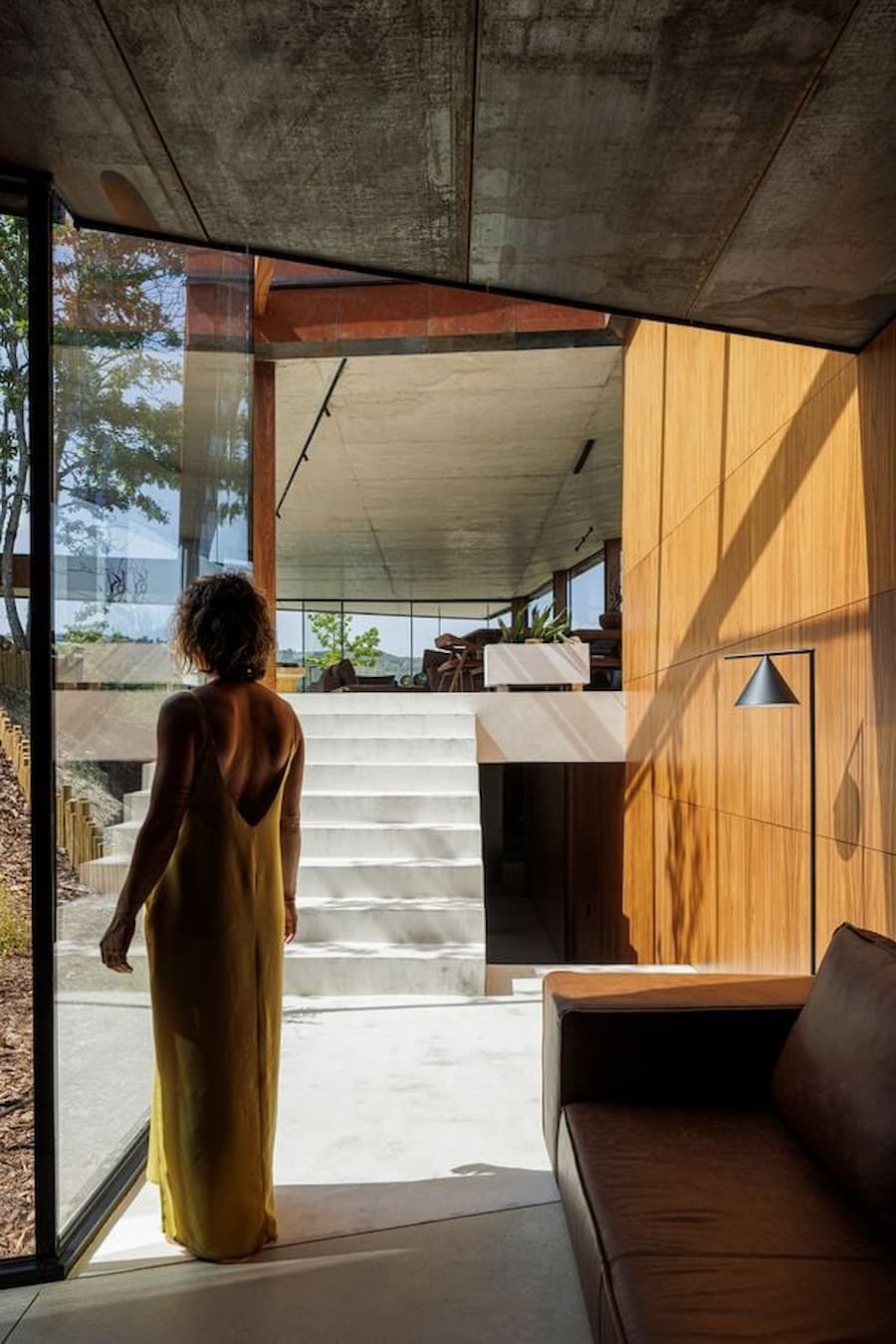
 

interior stair and light transition connecting levels within sloped house


glass corridor running parallel to slope linking circulation and landscape


wood wall surface with shifting light revealing interior spatial depth


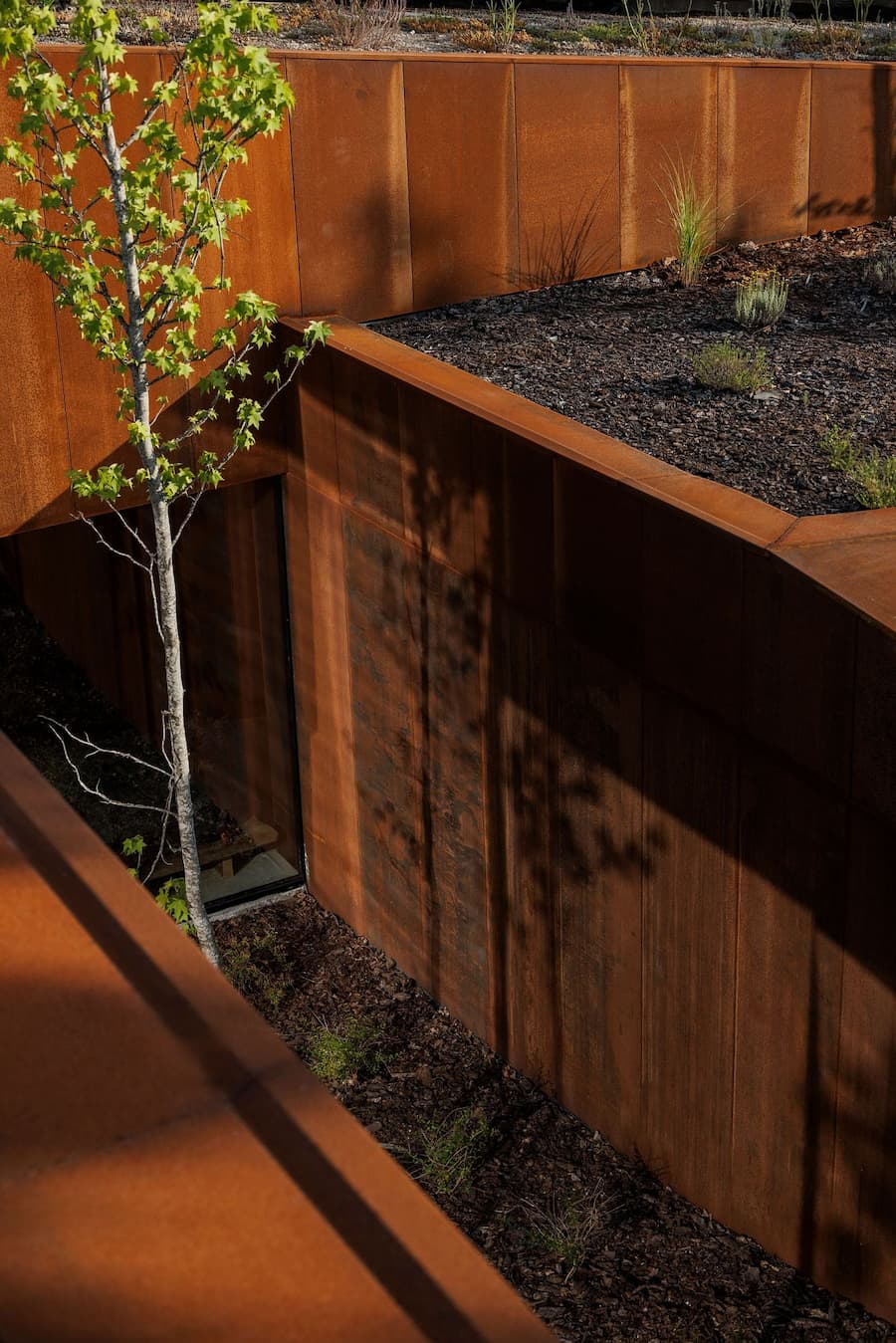
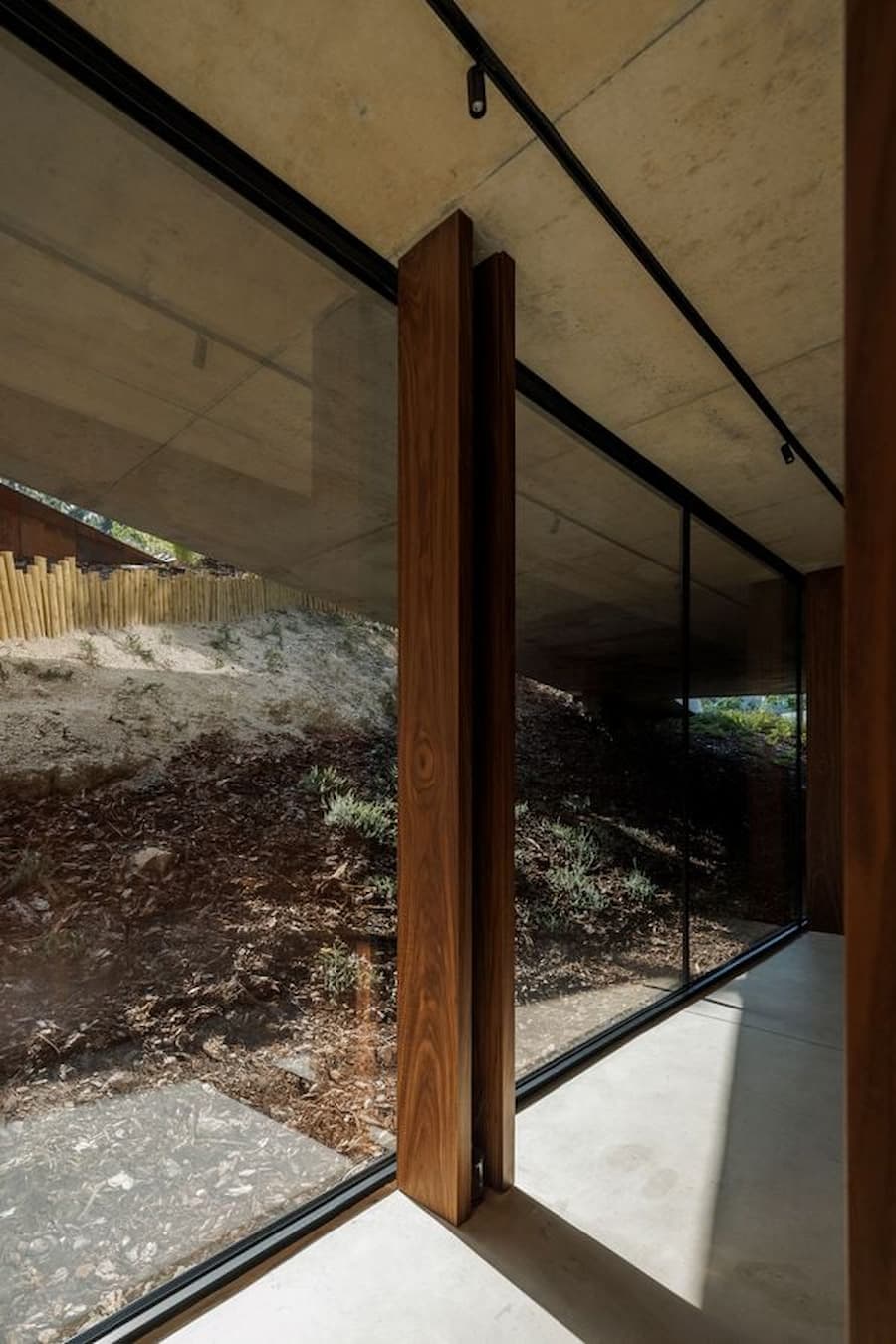
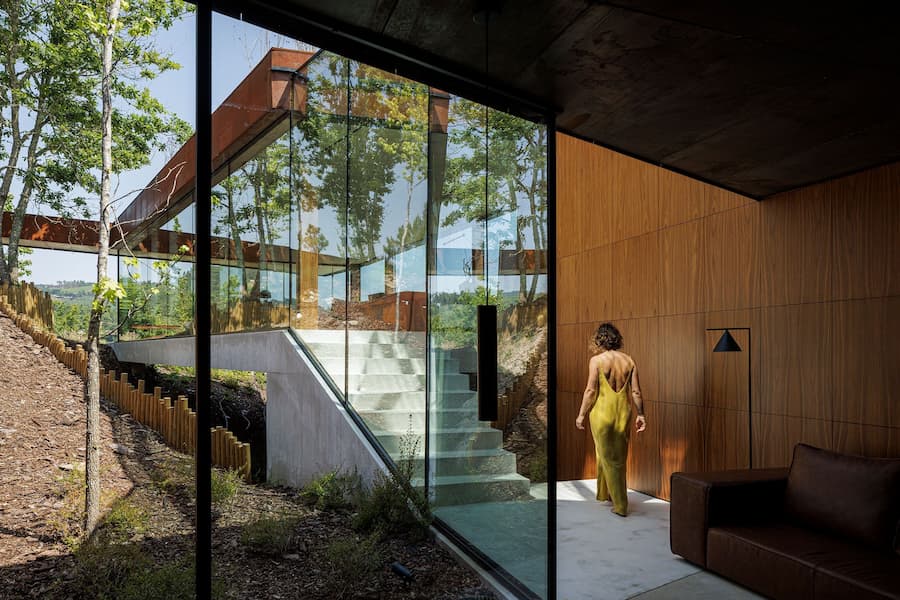
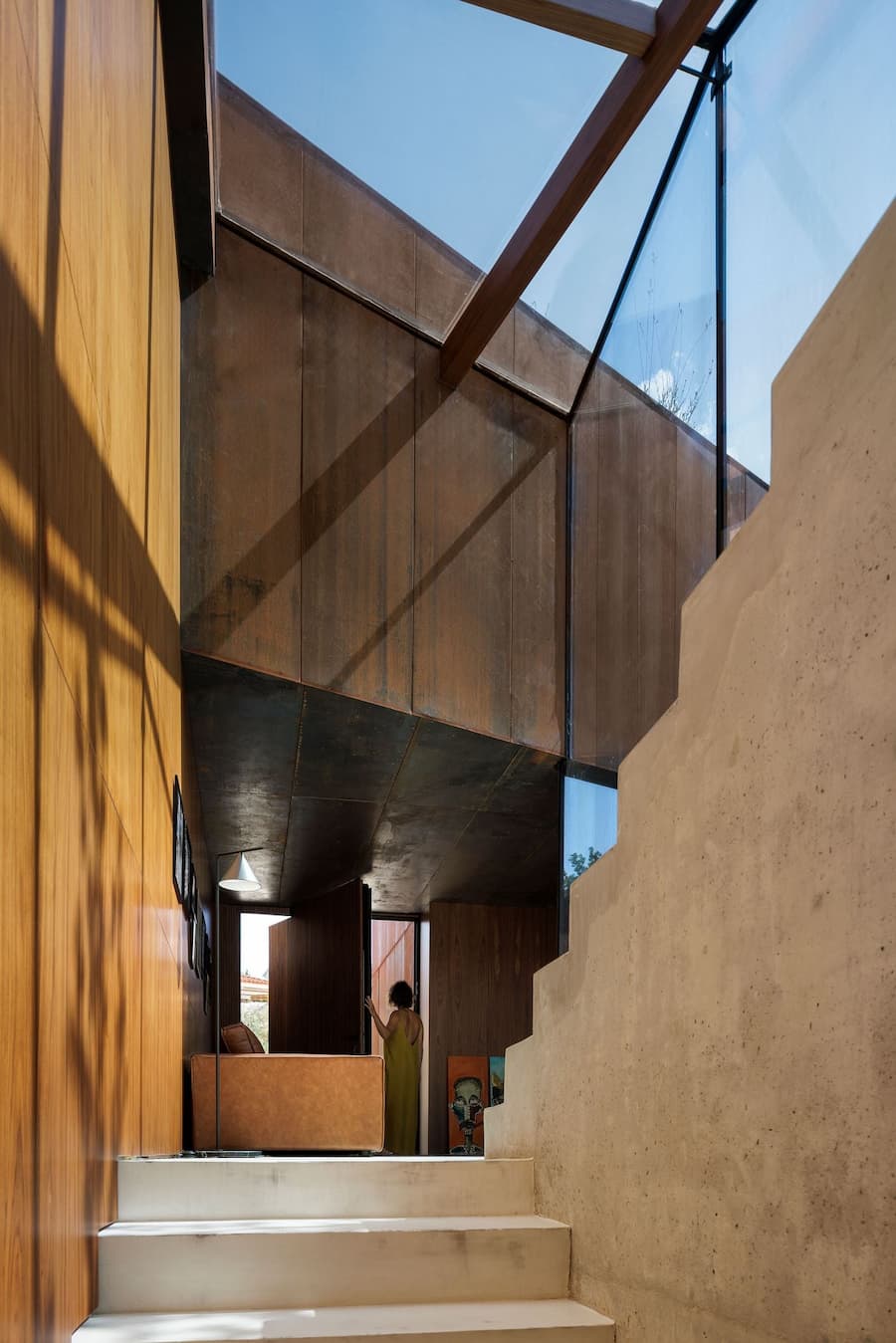
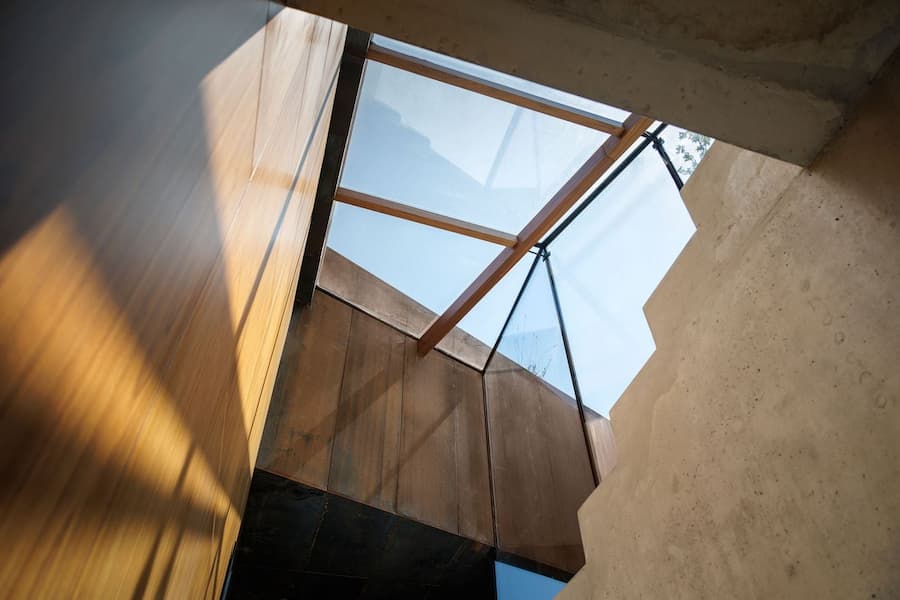
建築並非完全嵌入山坡,而是特意向後退縮,形成一條狹窄的綠植縫隙,使自然光能從兩側照射到下層。這個縫隙不像是剩餘空間,更像是一種被刻意保留下來的距離。動線圍繞著這條縫隙展開,一條長長的玻璃走廊與之平行,這種平行關係讓移動過程持續對應著外部的地形變化。透過玻璃樓梯連接樓下的四間臥室和樓上的公共空間,並通往地下車庫。上下層之間的關係因此被拉長,而不是被壓縮在垂直連接之中。這條線性軸線與地形保持著持續的視覺聯繫,同時引導著住宅內的動線。視線與移動在這裡並沒有完全重合,而是偶爾偏離,再被重新拉回。
 

stair void connecting upper and lower levels with vertical spatial continuity


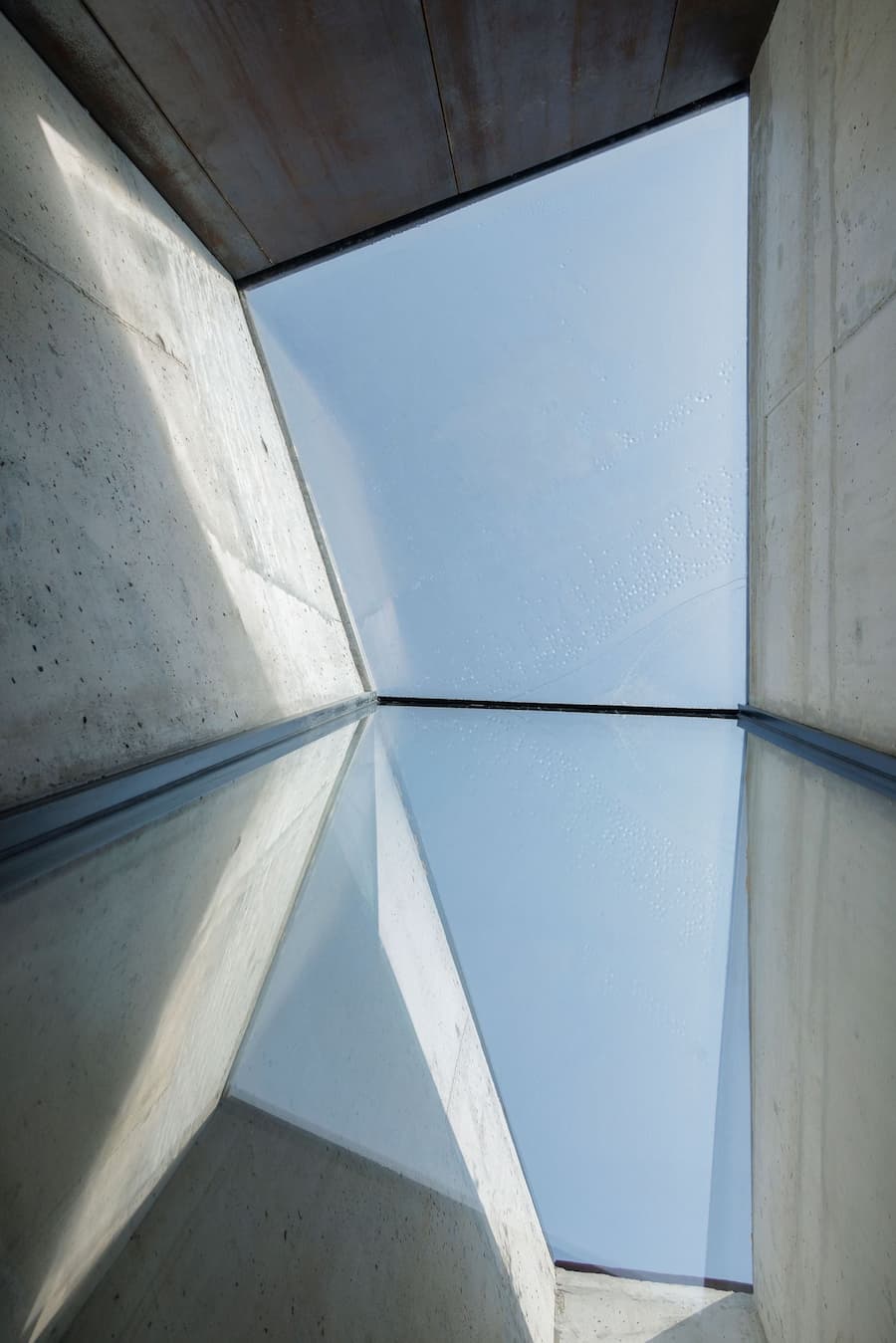
angular skylight geometry bringing daylight into interior circulation space


light well section allowing daylight to penetrate lower levels of the house


interior circulation space with glass wall maintaining visual link to terrain


linear corridor perspective guiding movement through interior spatial axis


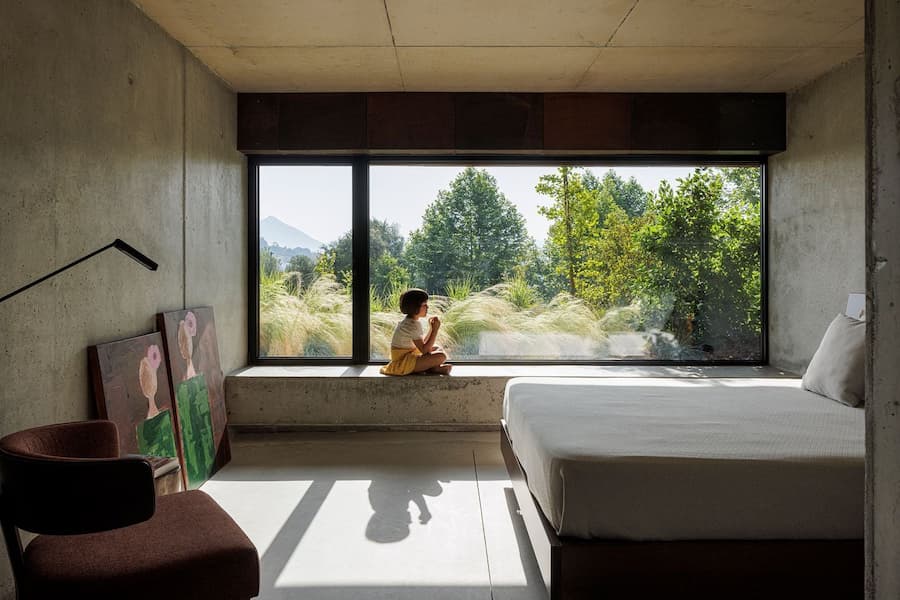
bedroom opening to landscape with filtered view and controlled privacy


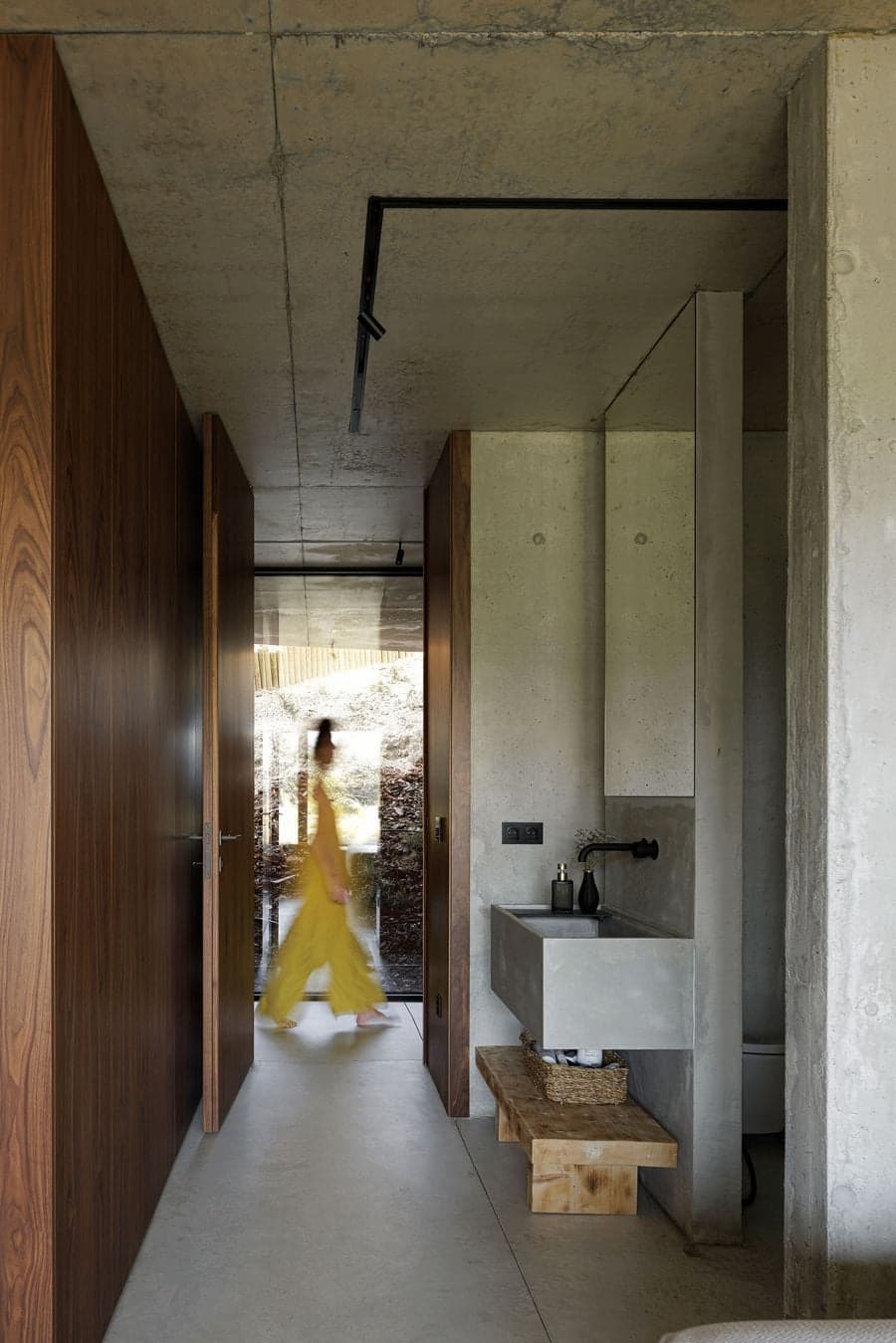
minimal concrete bathroom space integrated within architectural structure


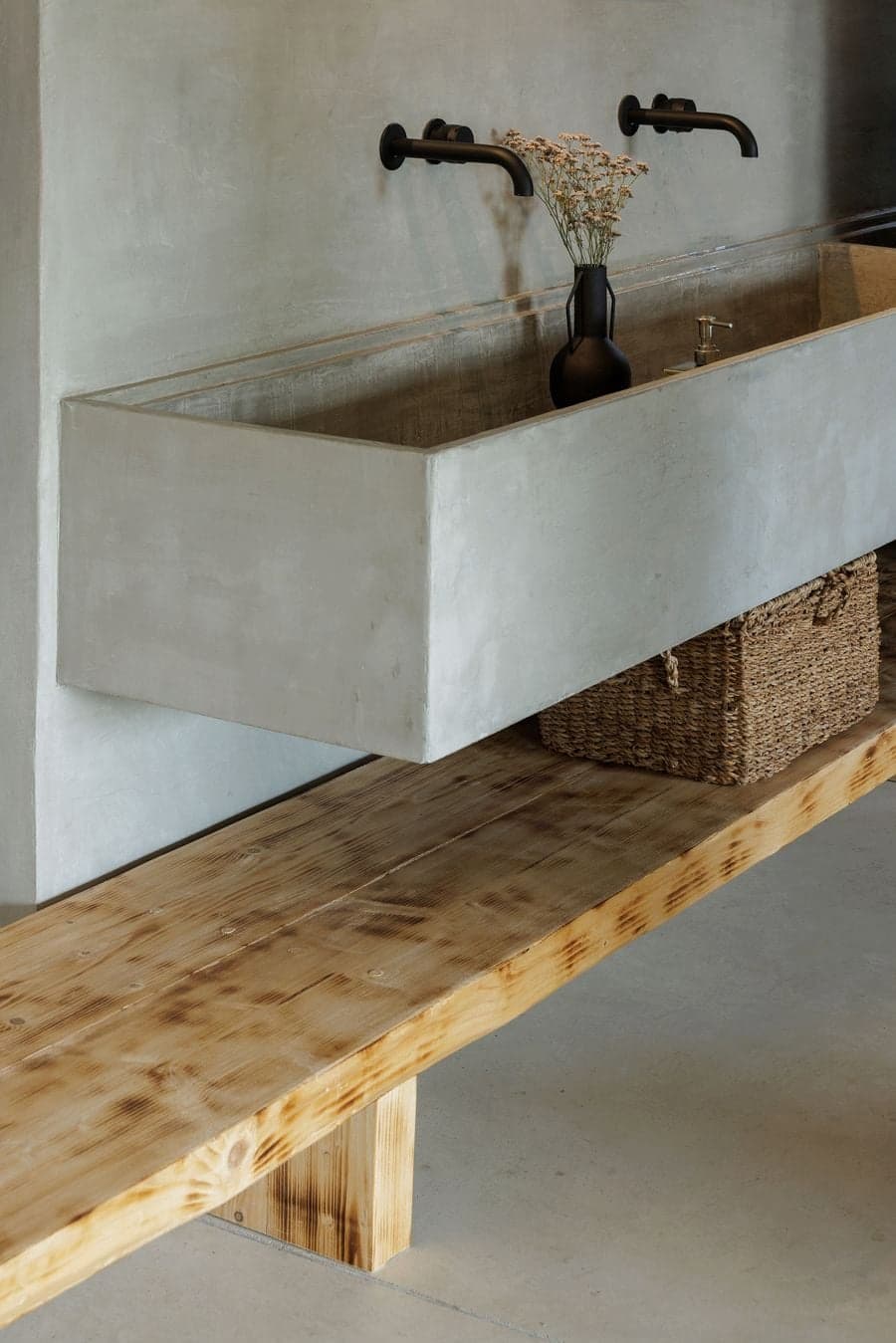
material detail of concrete sink and wood surface within interior composition


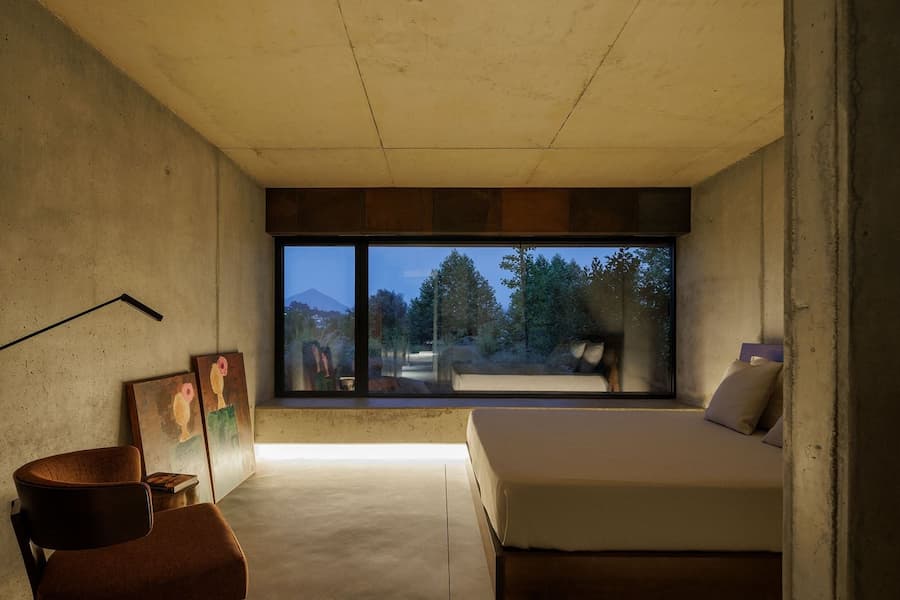
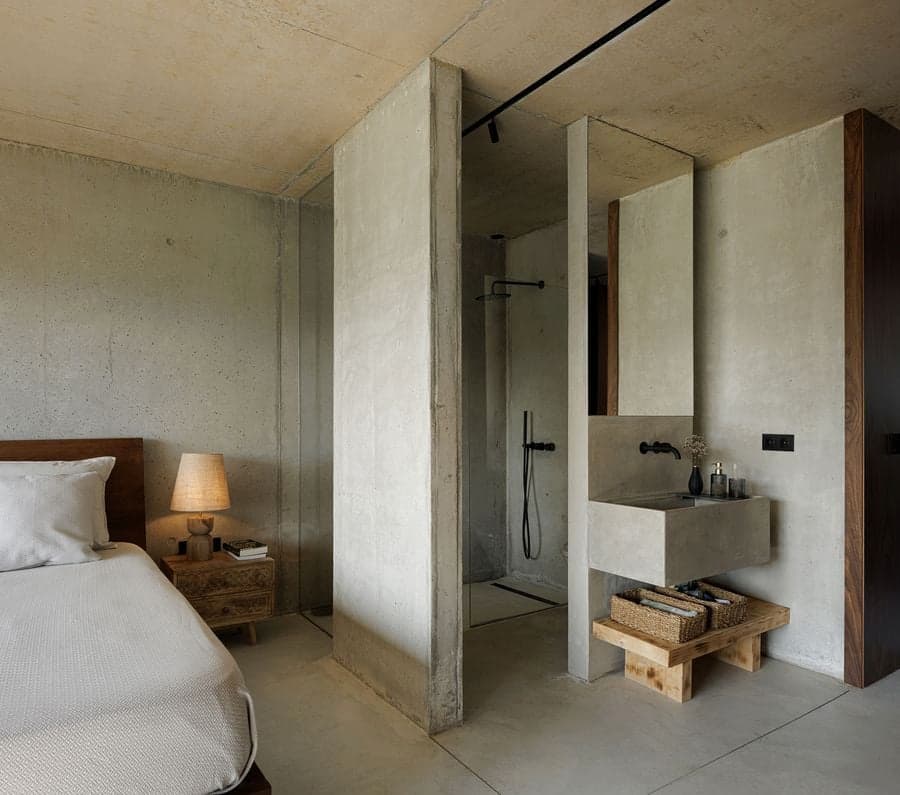
臥室朝向山下,充分利用了廣闊的景觀,這種朝向讓視線被自然地拉長,而不是被室內尺度所限制。並設有大面積的落地玻璃窗,玻璃在這裡不只是開口,而更像是一層被壓薄的界面。窗外景色被種植的草坪和植被過濾,這種過濾讓景觀不再是直接呈現,而是帶有一點距離。使原本緊湊的房間顯得開闊而富有深度,空間的深度也開始偏離尺寸本身。
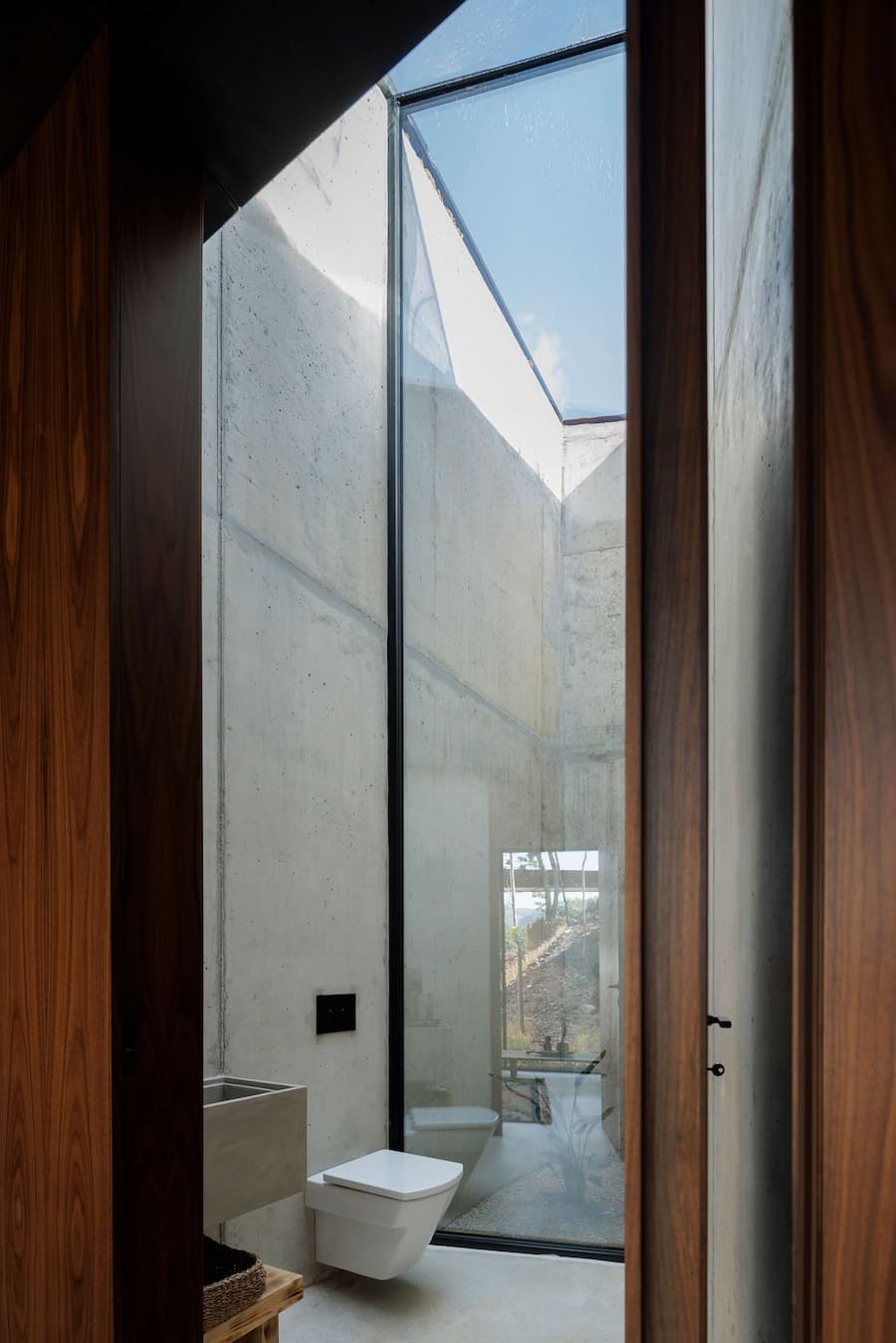
 

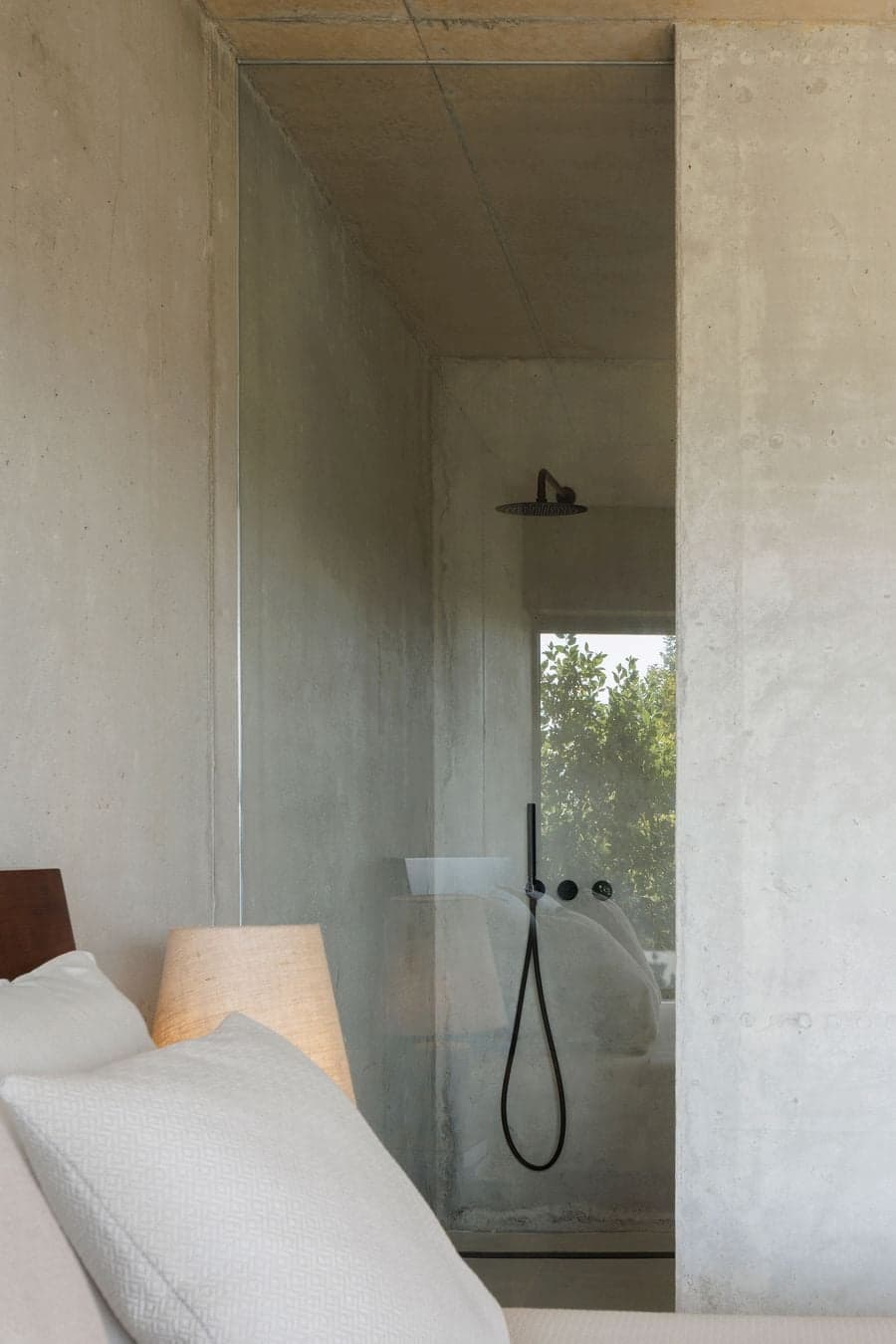
bedroom with exposed concrete walls and integrated open bathroom layout behind partition


bathroom space with vertical skylight and concrete walls forming a narrow light well


geometric skylight opening creating vertical light void between concrete surfaces


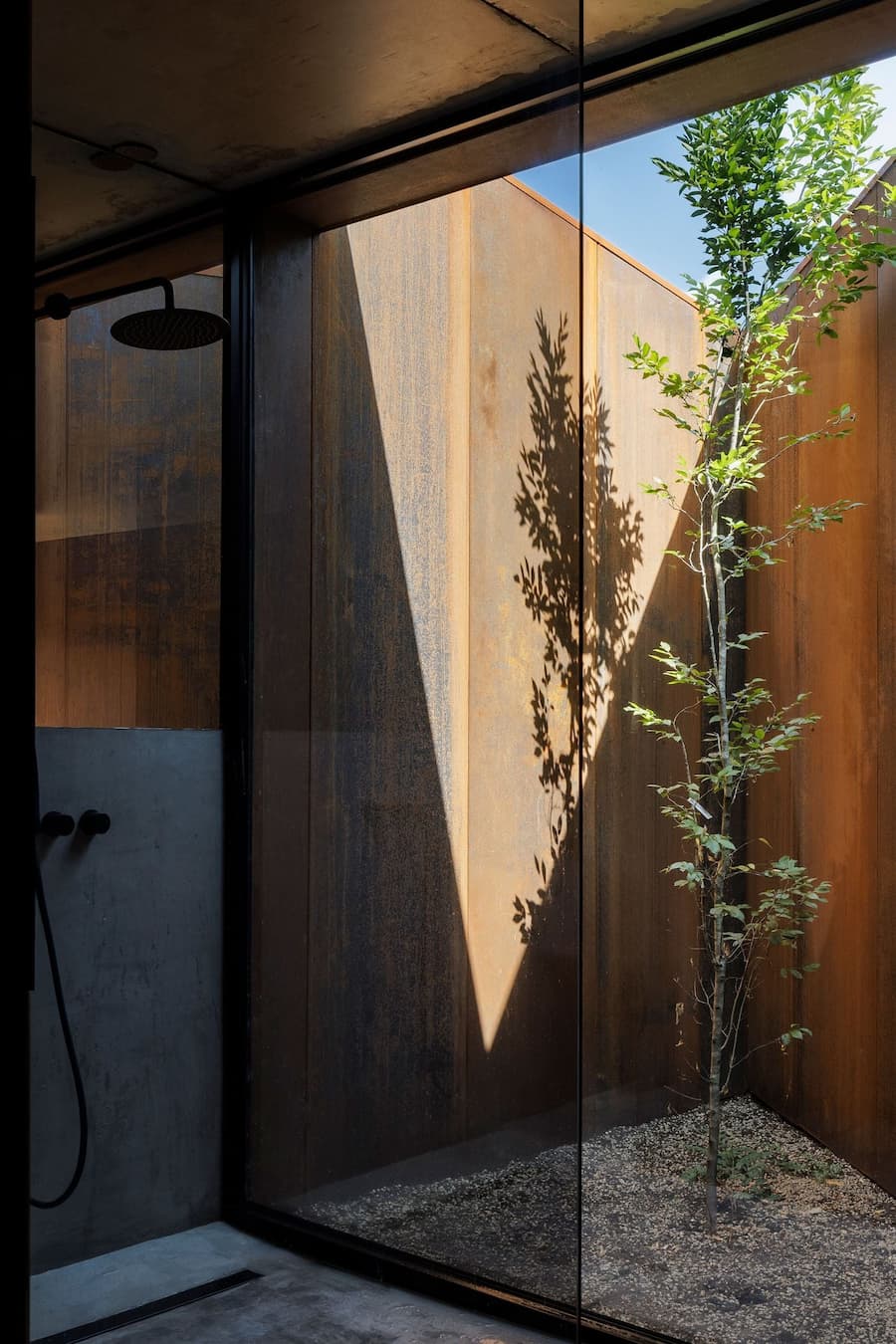
outdoor shower facing small courtyard with corten steel wall and filtered daylight


outdoor shower facing small courtyard with corten steel wall and filtered daylight


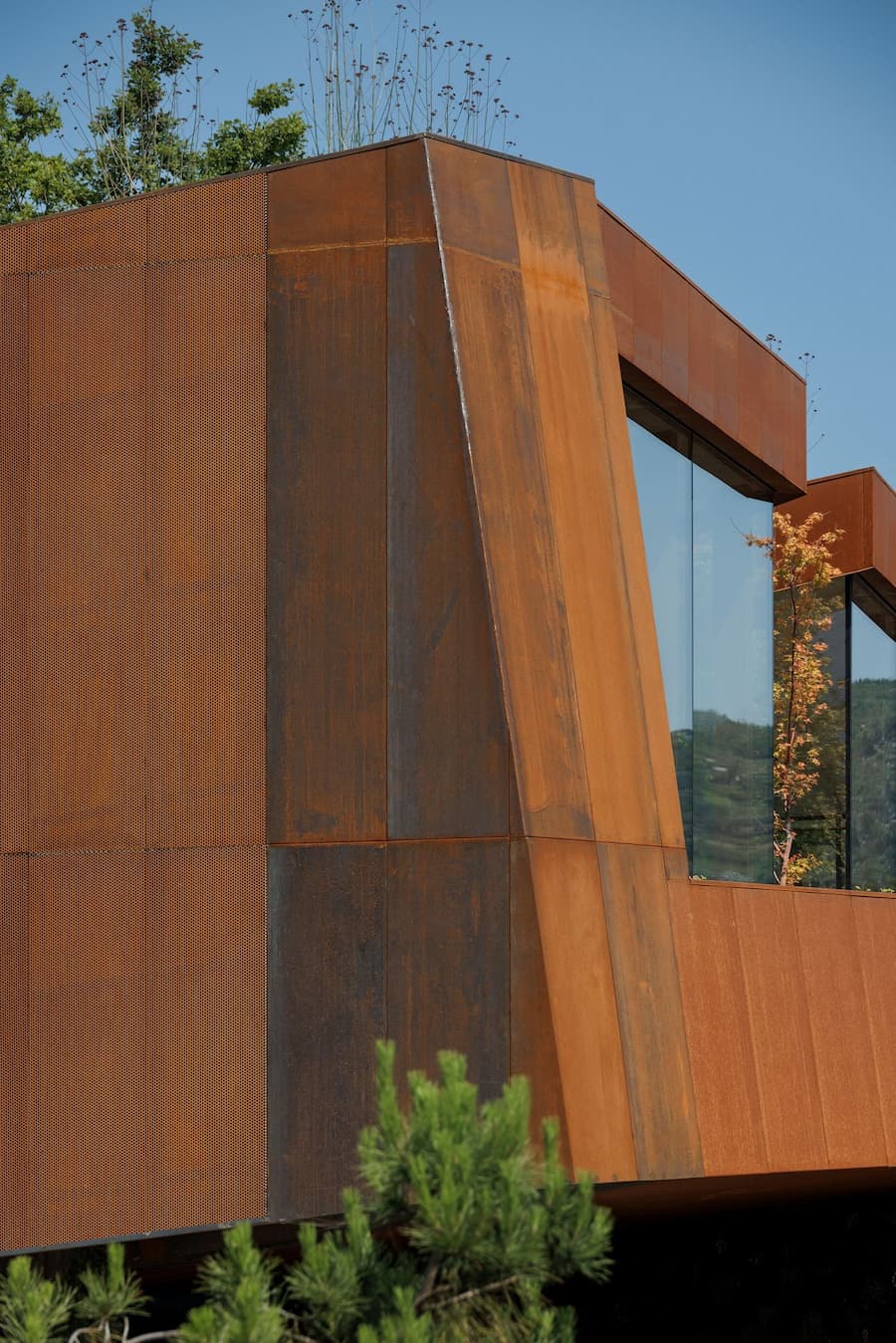
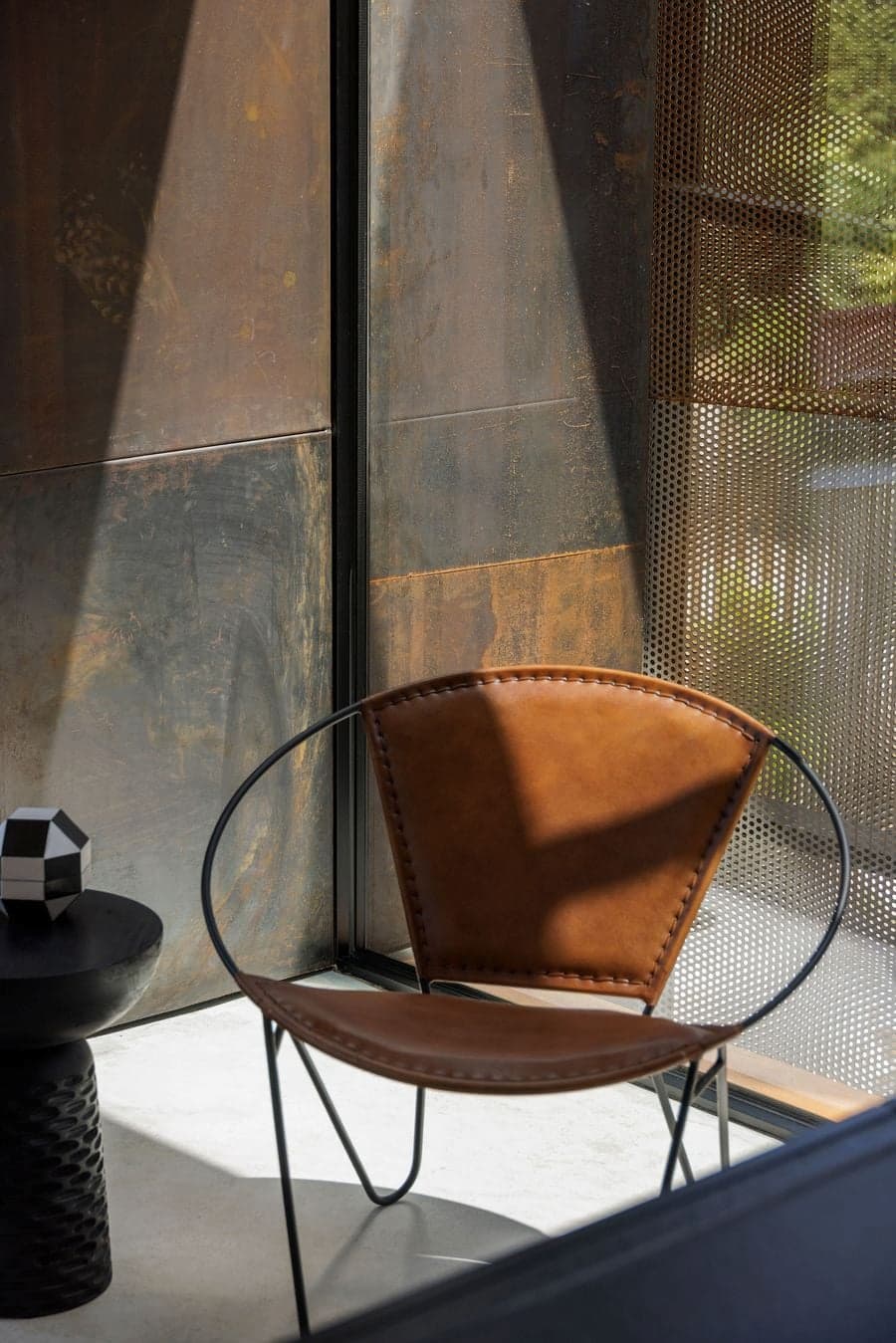
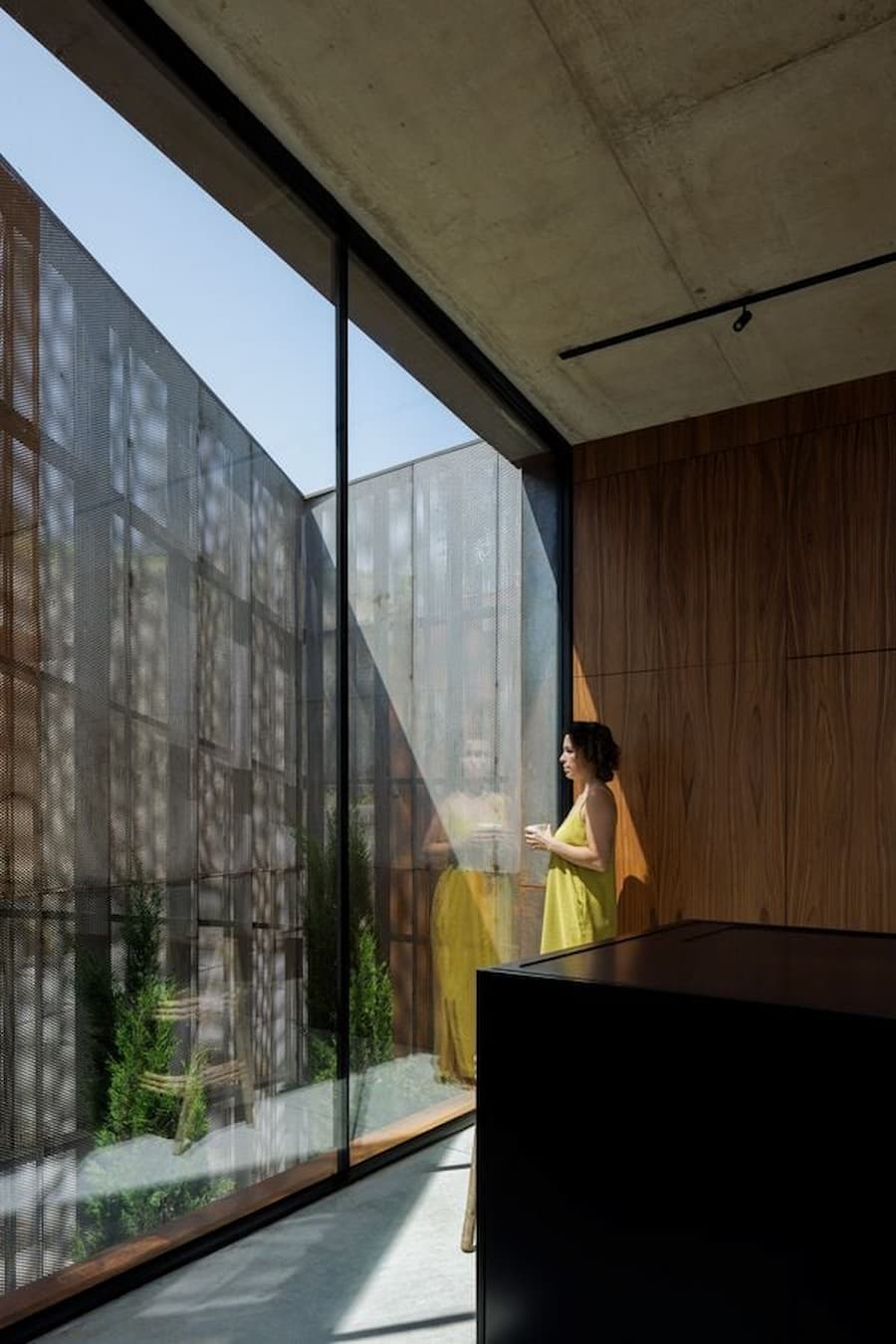
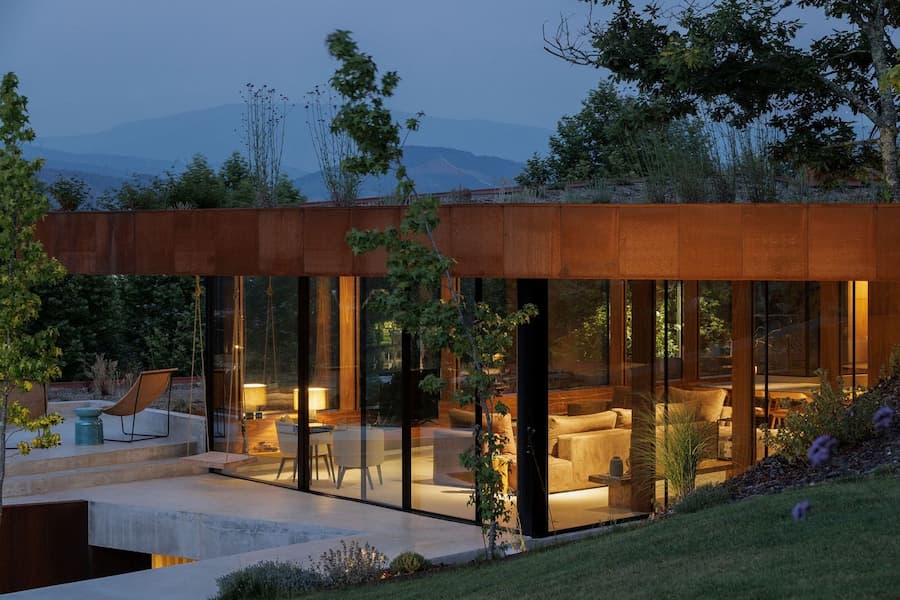
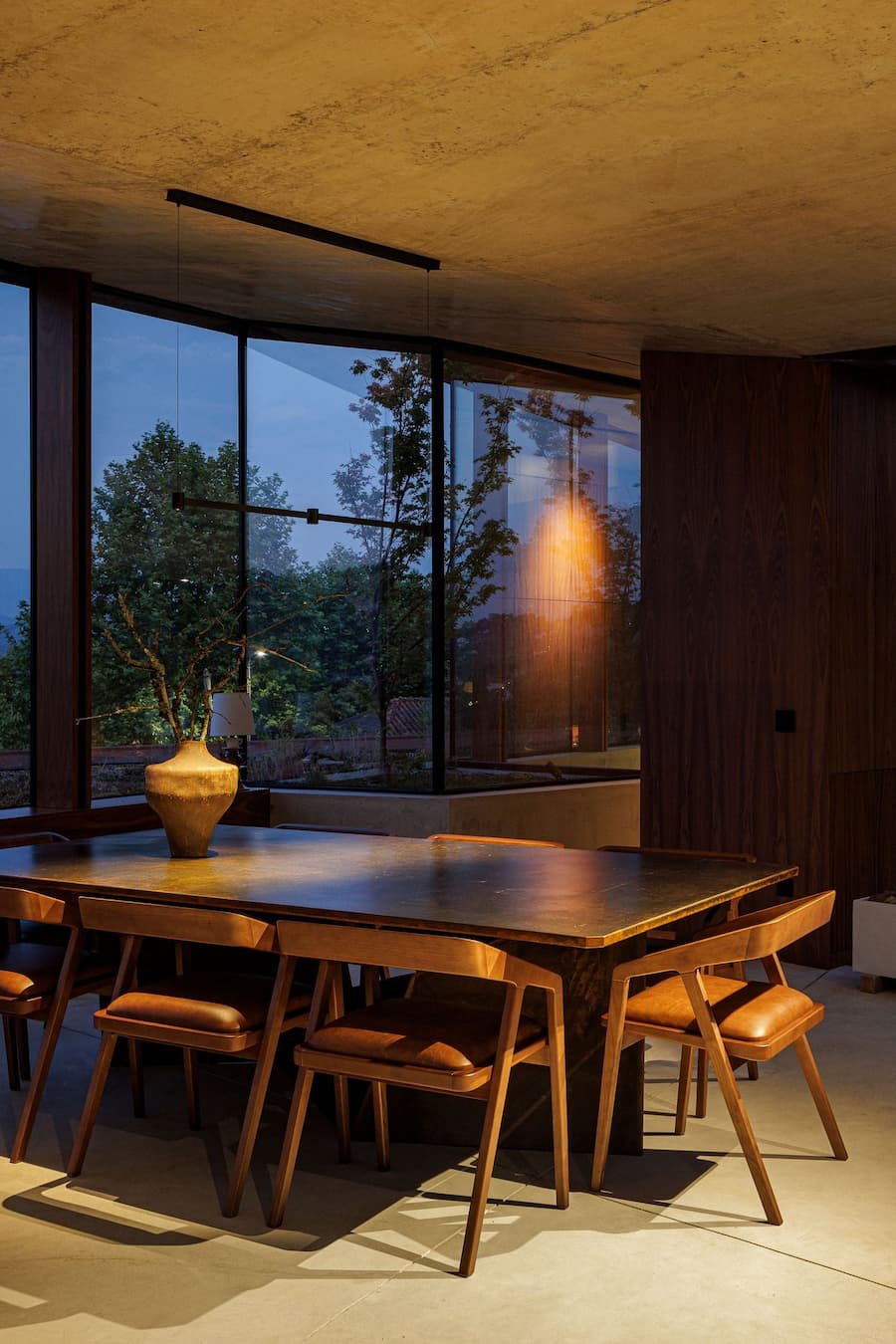
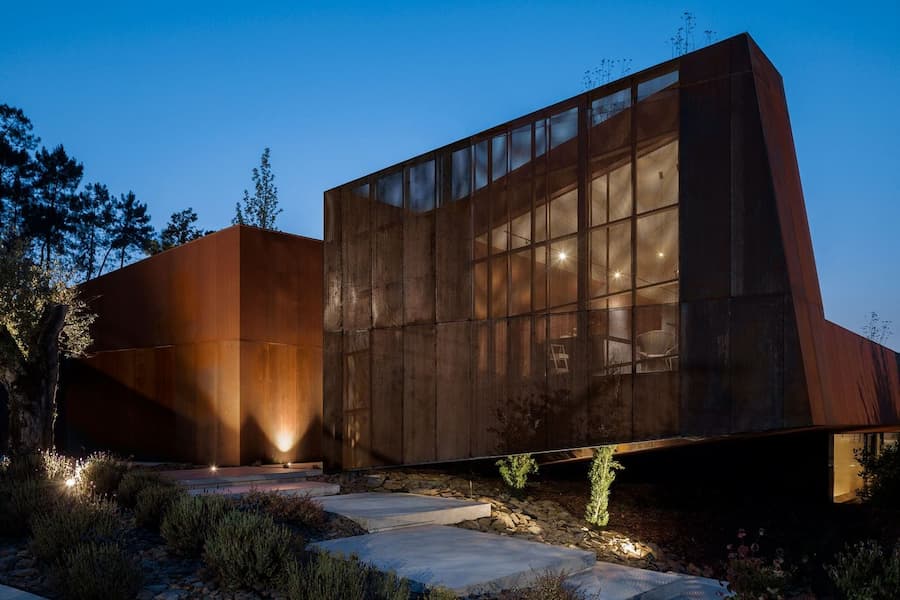
上方平面佈局將廚房、餐廳和起居空間巧妙地連接起來,形成流暢靈活的動線,這種連接更接近一種連續的展開,而不是被清楚劃分的區域。全玻璃帷幕牆與周圍環境形成近乎全景式的聯繫,但這種聯繫同時也讓室內變得更容易被外部條件影響。而南立面則以穿孔耐候鋼遮陽板進行遮擋,遮擋與開放在這裡並不是對立,而是同時存在的狀態。遮陽板既能遮陽又能過濾視線,有效調節陽光照射,增強私密性,並強化建築的材質特性,材料因此不只是表面,而開始參與空間的控制。室外空間透過庭院、露台和泳池延伸至室內,與自然景觀融為一體,這種延伸更像是界線被不斷拉開,而不是被消除。延續了專案注重連續性而非對比的設計理念。
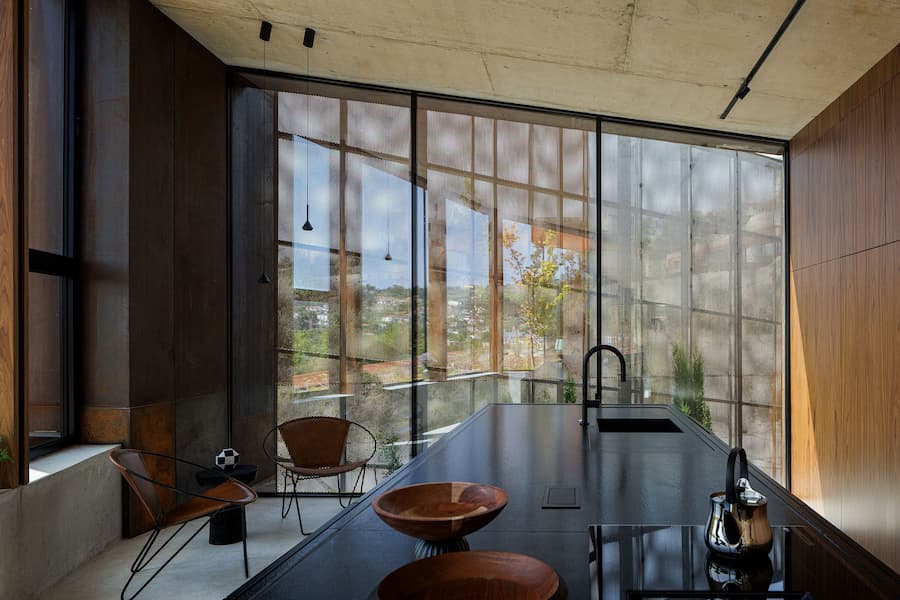
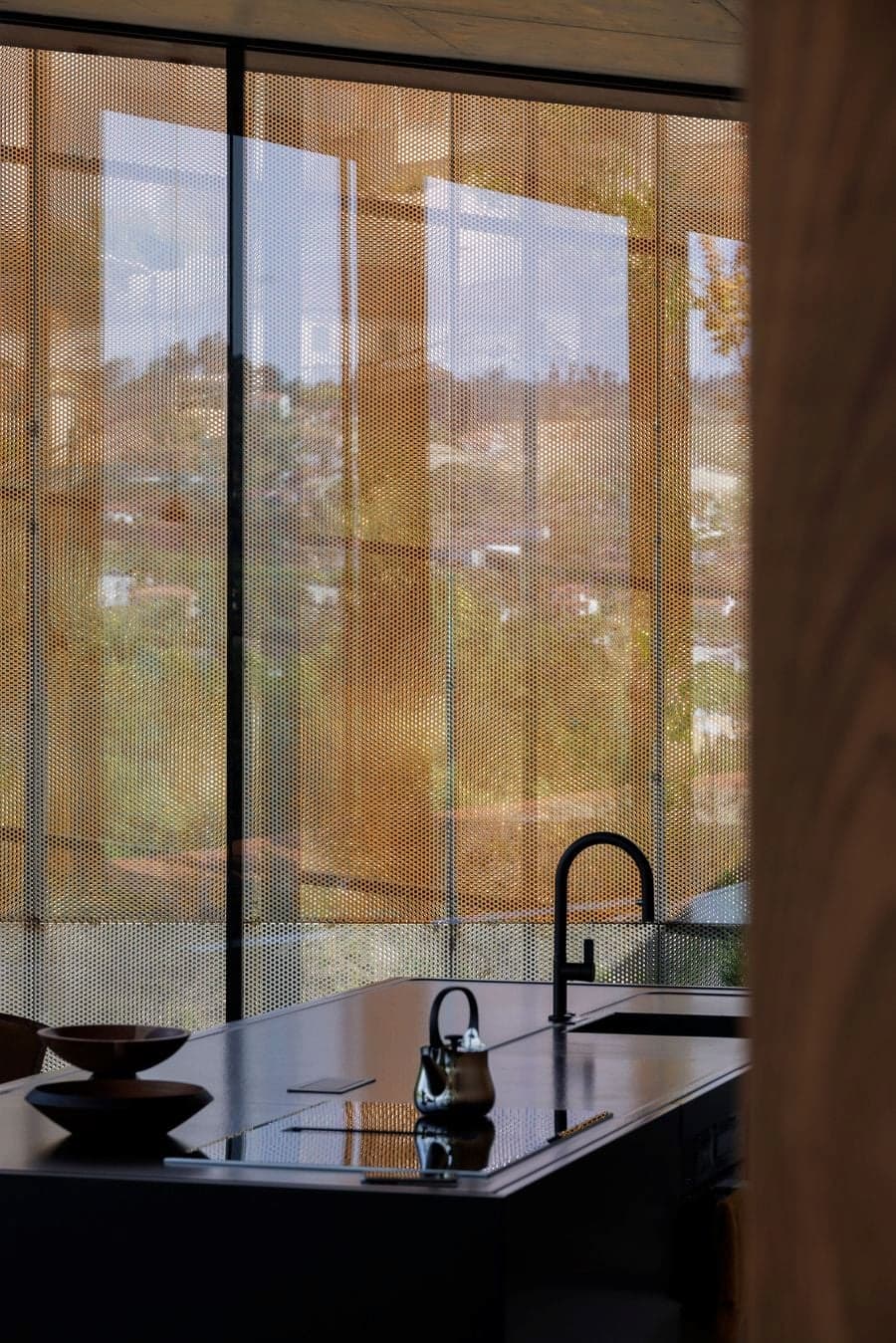
 

kitchen space aligned with full height glass curtain wall connecting interior and exterior


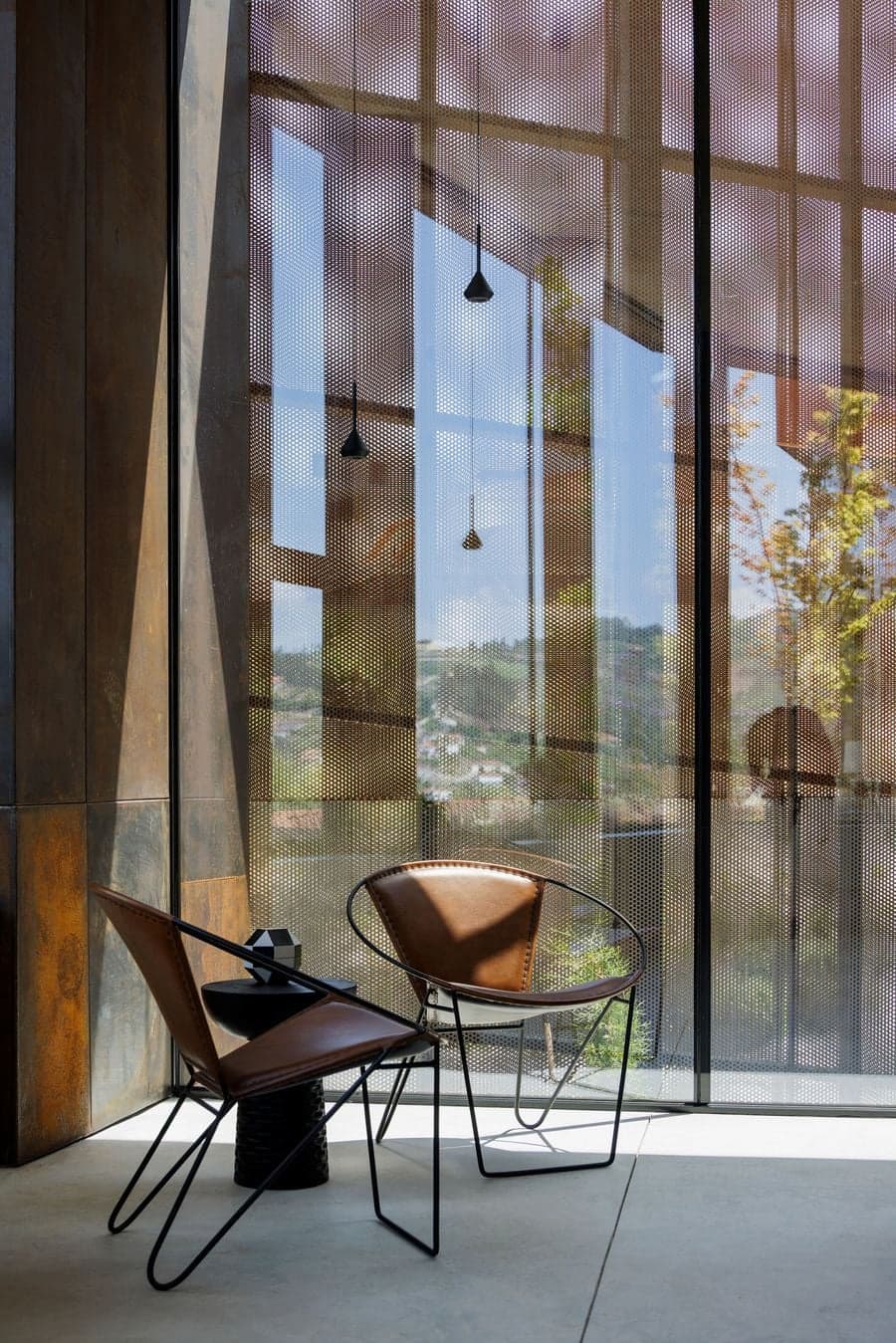
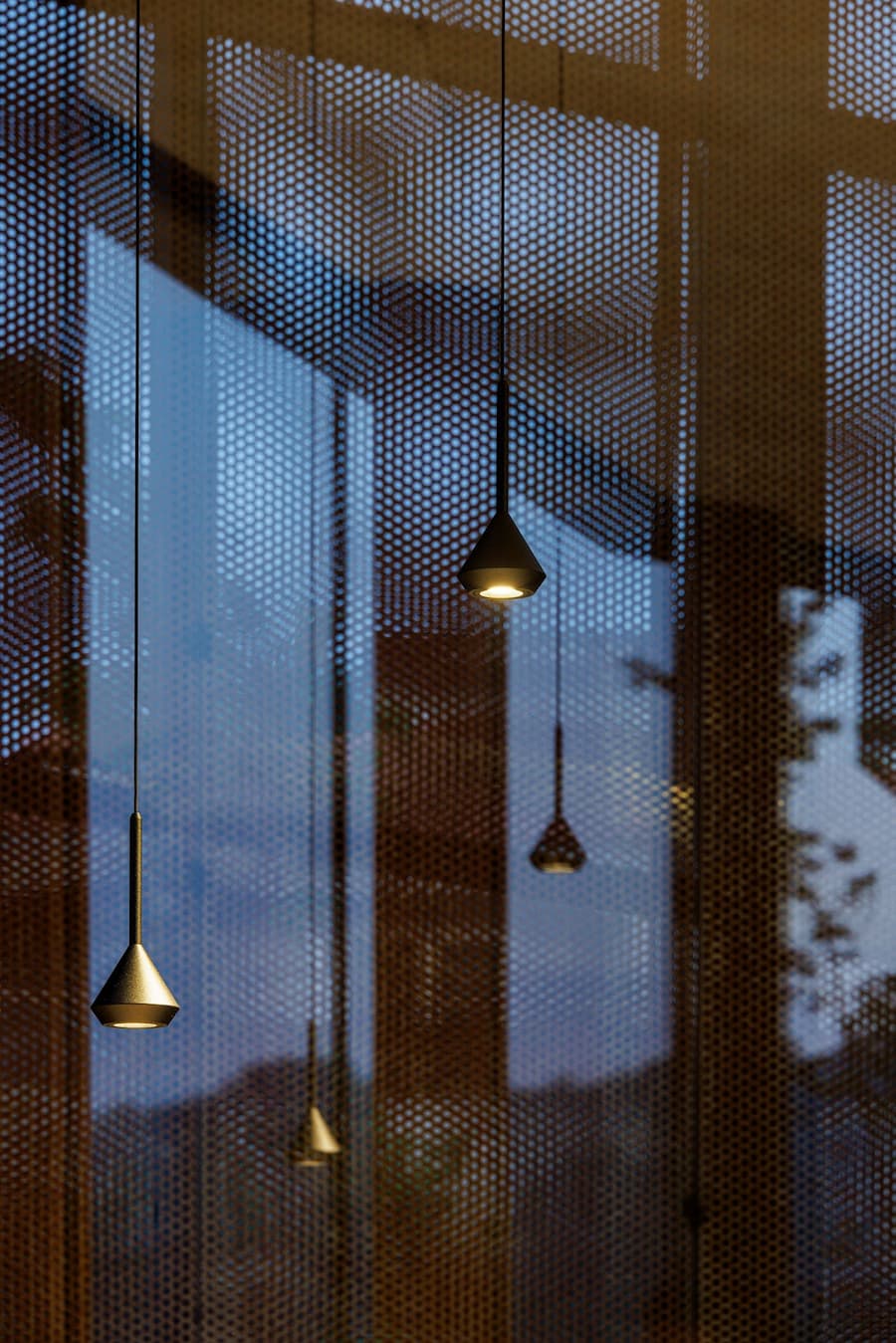
perforated corten steel screen filtering daylight and softening external visibility


perforated corten steel screen filtering daylight and softening external visibility


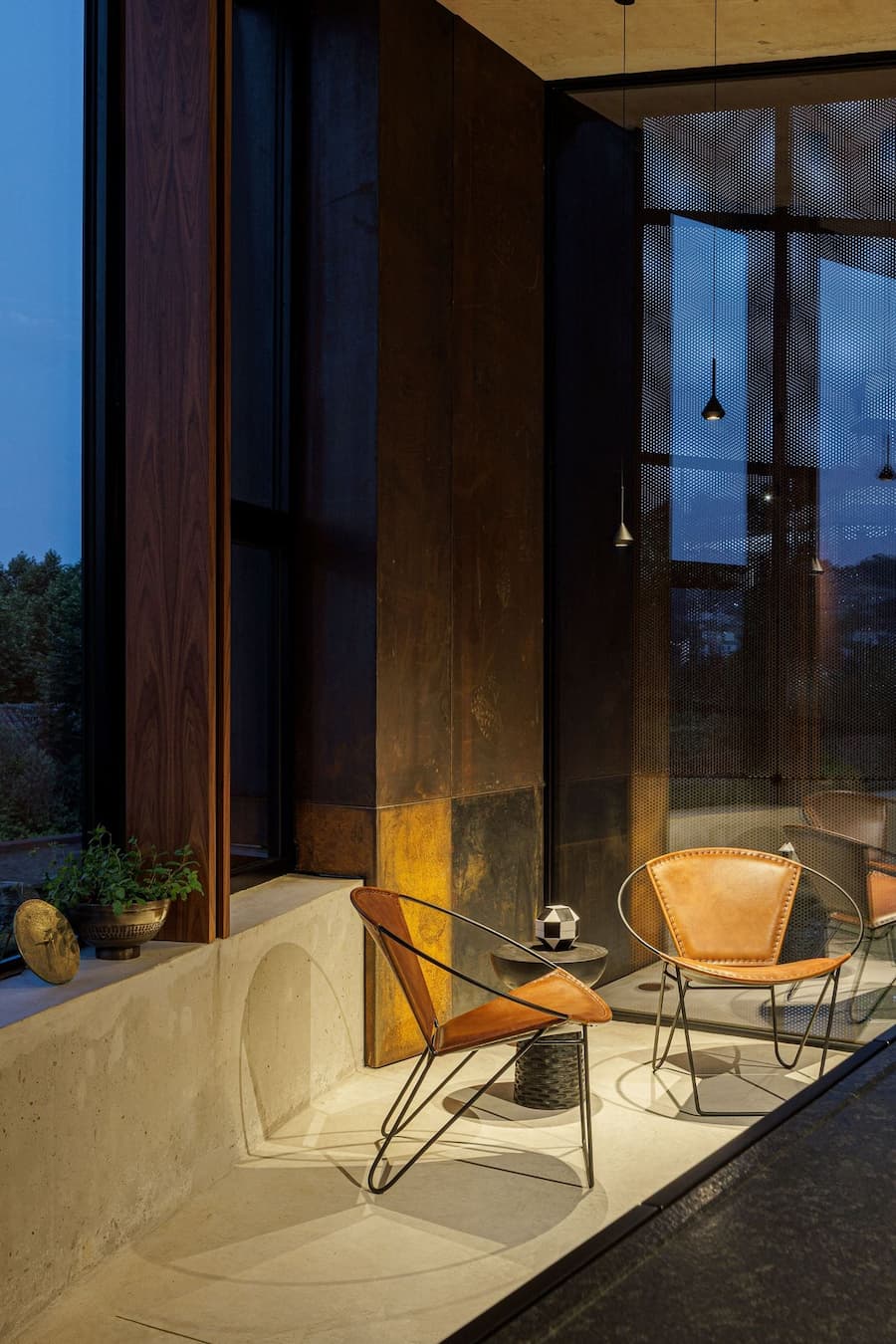
close up of leather chair with filtered light passing through perforated steel surface


interior space with glass reflection blurring boundary between inside and outside


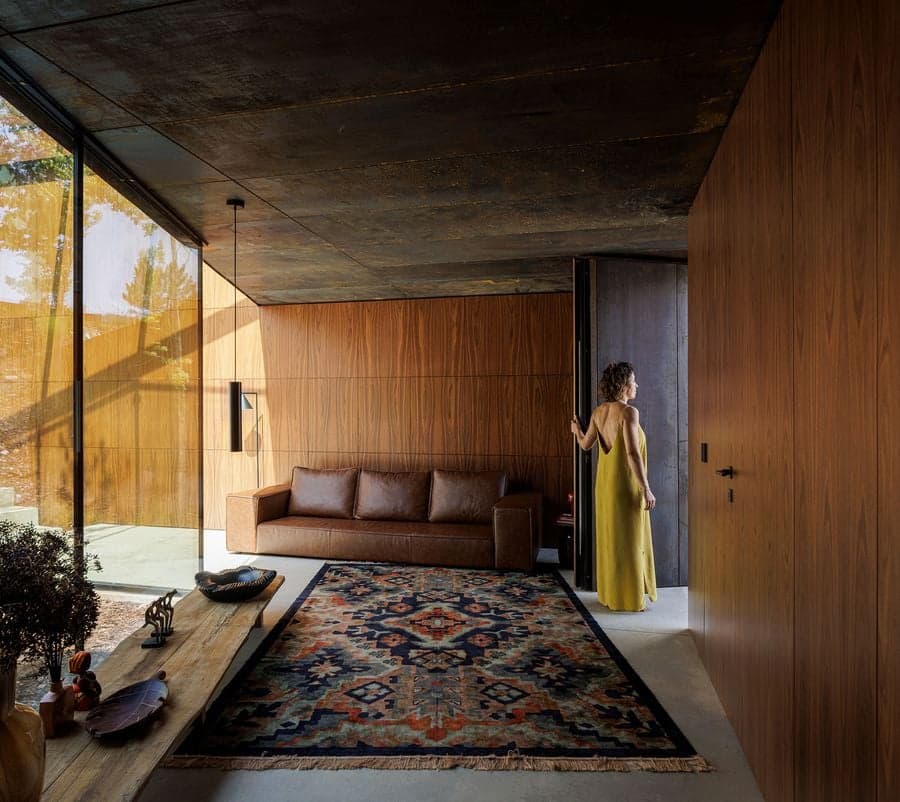
living room with corten steel ceiling and wood panels forming layered material contrast


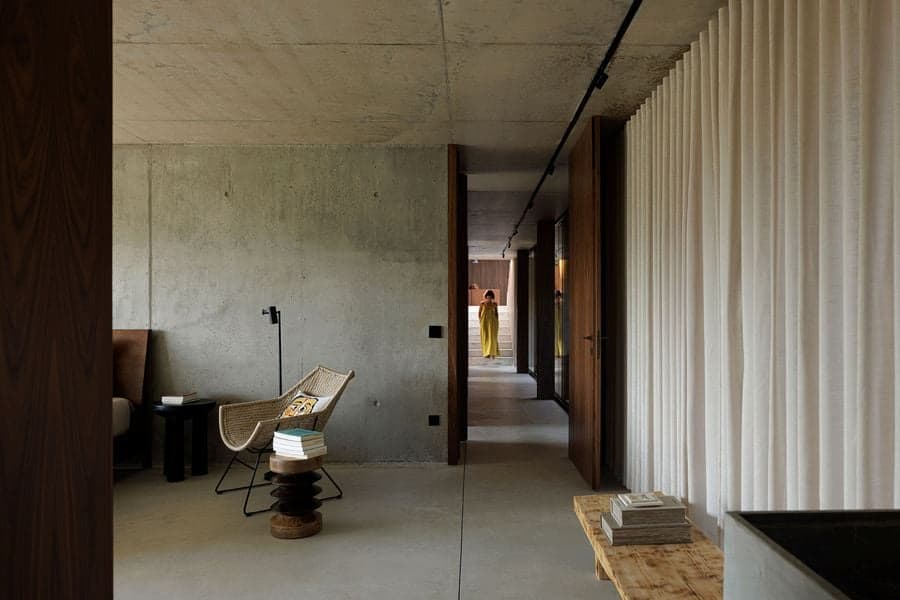
材料的選擇經過精心考量,既克制又富有表現力。這種克制並不是減少,而更像是在有限條件之中反覆篩選的結果。如前所述,耐候鋼覆蓋了建築外立面,並在室內再次出現,尤其是在入口大廳和部分私人區域。材料因此沒有停留在外殼,而是被帶入空間內部。其氧化的表面呼應了原工廠的遺跡,這種呼應不只是形式上的,而更接近時間留下的痕跡。並與主導地板、牆壁和天花板的裸露混凝土形成了色彩上的對比。對比在這裡並沒有被放大,而是被壓在一個較低的強度之中。裸露的混凝土保留了不規則的紋理,強調了建築結構的邏輯性和材料在整棟房屋中的連貫性;這種連貫並不是均質,而是透過差異被維持。而精心挑選的木材則柔化了整體色調,同時又不失其清晰度。柔化與清晰並沒有互相抵消,而是同時存在。室內所有嵌入式家具均經過客製化設計,與建築風格相協調,家具更像是被納入結構的一部分,而不是後加的元素。增強了空間的凝聚力,而非引入相互衝突的元素。
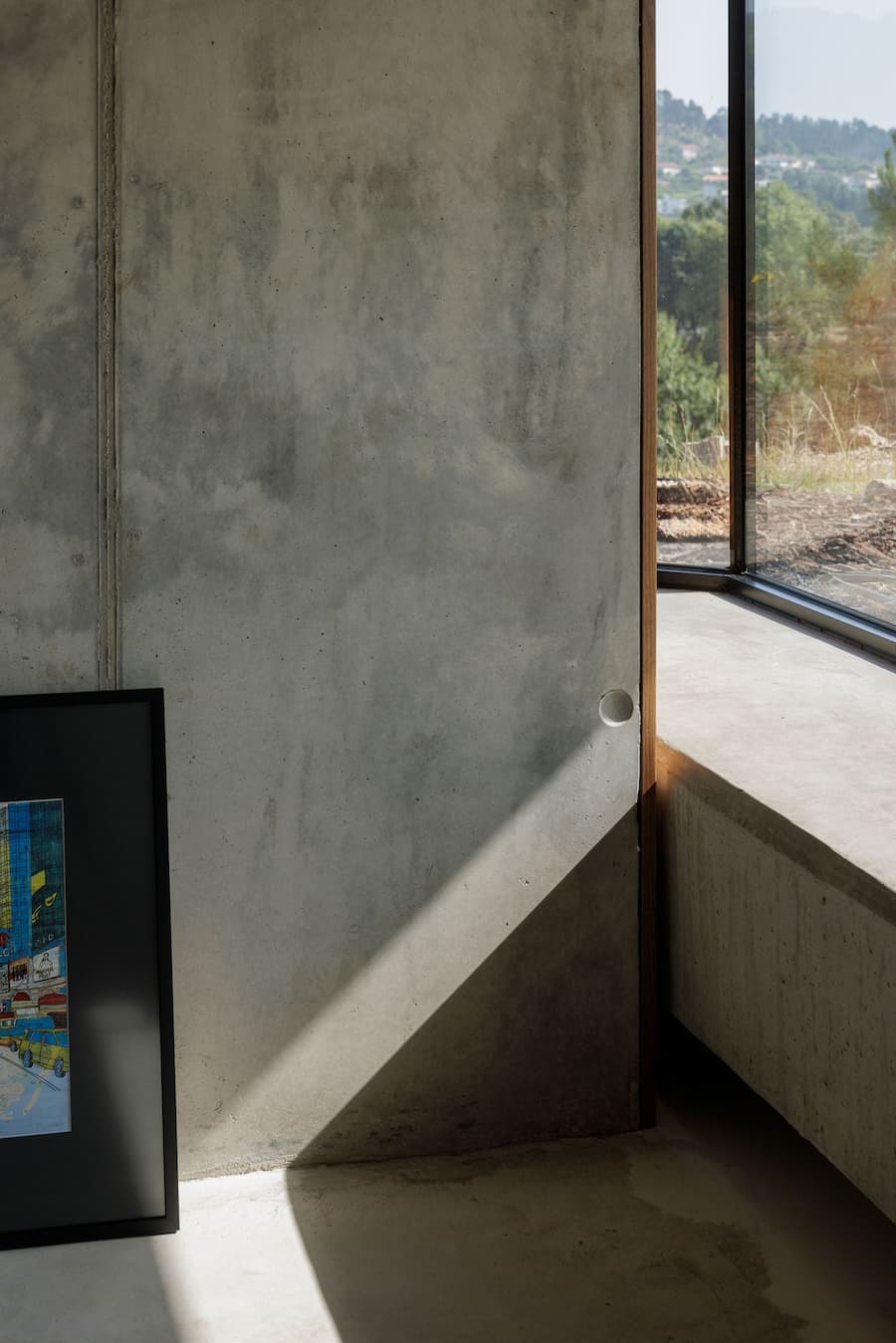
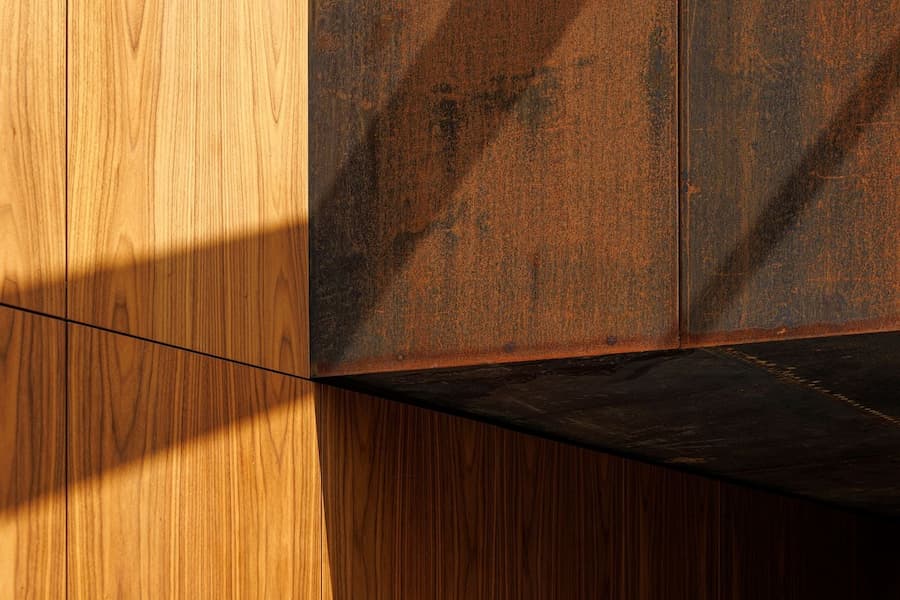
 

concrete wall intersecting with corner glass window forming a light interface and shadow plane


junction of corten steel cladding and wood panels expressing controlled material contrast


wood columns aligned with glass facade creating layered depth and structural rhythm


wood columns aligned with glass facade creating layered depth and structural rhythm


living area opening toward landscape through full width glazing extending visual continuity


永續性不出所料地成為此專案設計理念不可或缺的一部分。但這種永續並不是單一策略,而是分散在多個系統之中。綠屋頂、雨水收集系統、光電板和落葉植物種植既能調節溫度,又能降低能源需求,這些系統並不直接被感知,卻持續影響空間的運作。而家庭自動化系統則能優化日常運作。
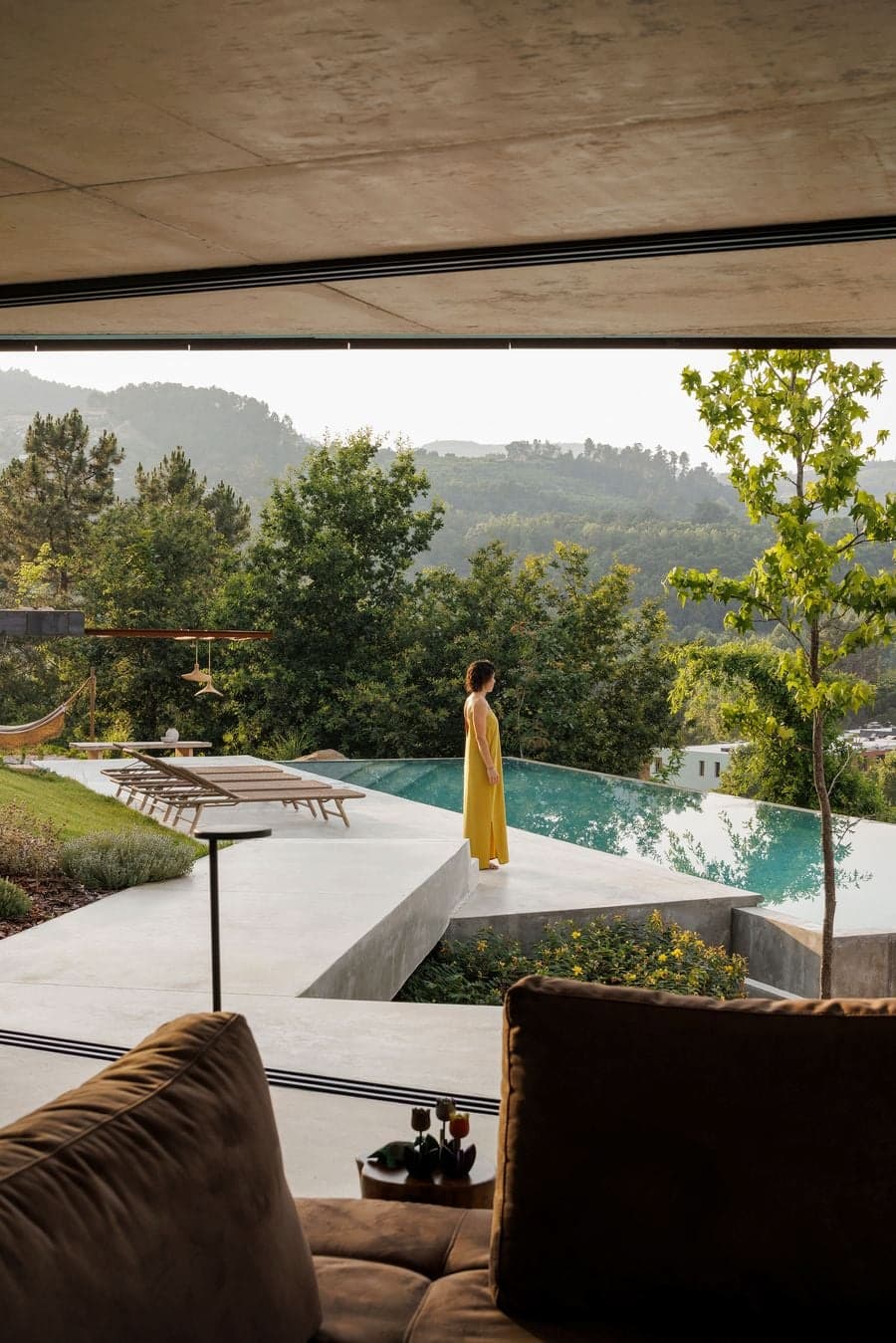
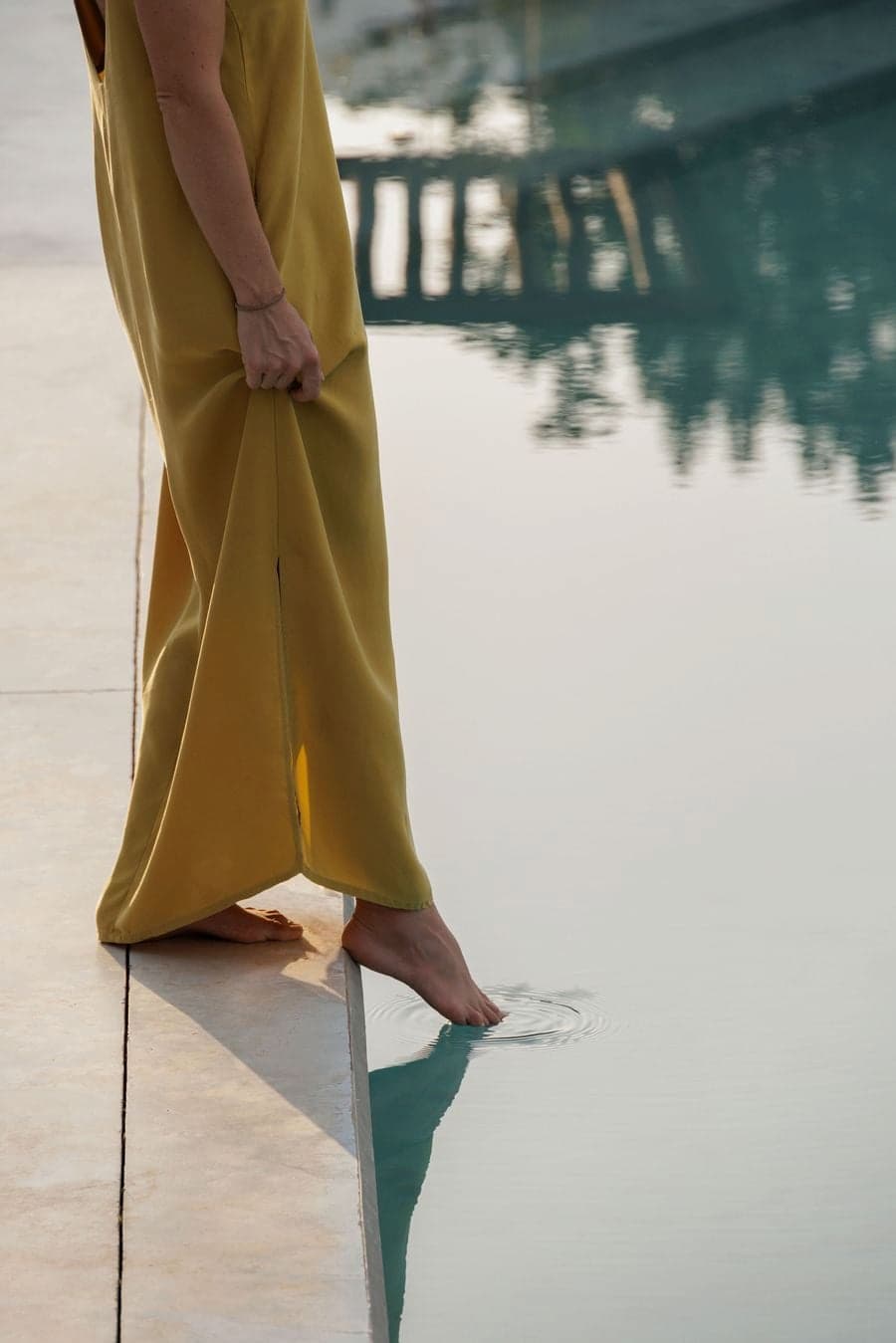
 

interior threshold dissolving into exterior terrace maintaining continuous floor and ceiling plane


concrete platform extending toward pool edge integrating built surface with surrounding landscape


pool edge detail showing minimal boundary between water surface and concrete slab


pool and terrace integrated within vegetation with filtered natural light across surfaces


terrace and pool embedded into sloped terrain forming continuous landscape system


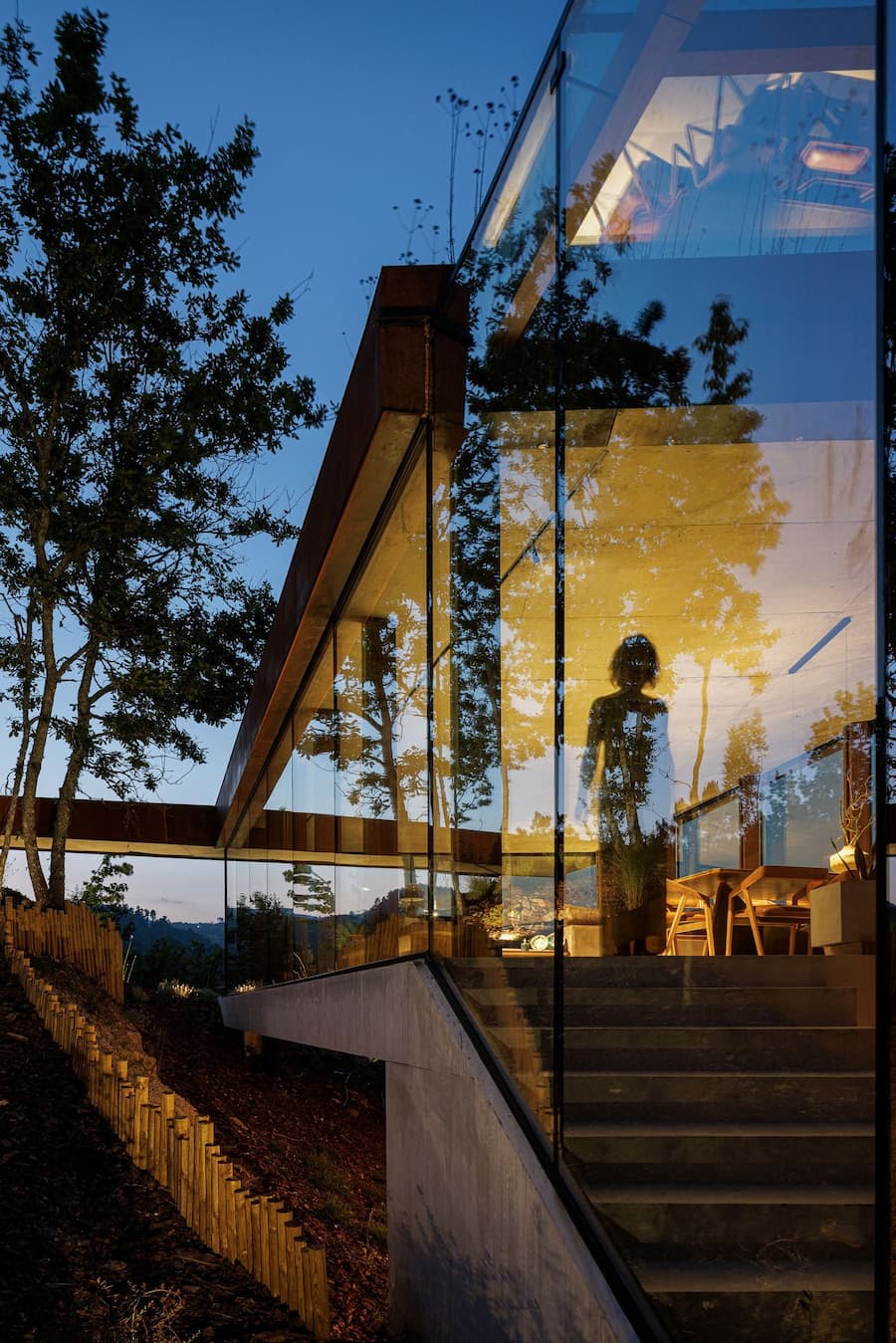
glass facade revealing interior lighting system within corten volume at dusk


科爾滕之家以抽象的體積幾何造型大膽呈現,這種抽象並不是脫離場地,而更像是在多重條件之中被壓縮出來的結果。背後蘊藏著一系列精心設計的決策,每個決策都根植於場地、氣候和用途,這些決策之間並不是線性關係,而更接近同時作用的狀態。地形塑造了建築佈局,動線順應地形,材料的選擇呼應了場地的工業歷史,呼應並沒有轉化為直接的再現,而是維持在一種略微偏移的距離。卻又不流於懷舊。最終呈現的住宅精準地融入了周圍環境,在空間的開放性與私密性、堅固性與克制性之間取得了平衡,這些狀態並不是被固定,而是在使用過程中持續被調整。營造出一個既現代又與場地緊密相連的居住環境。
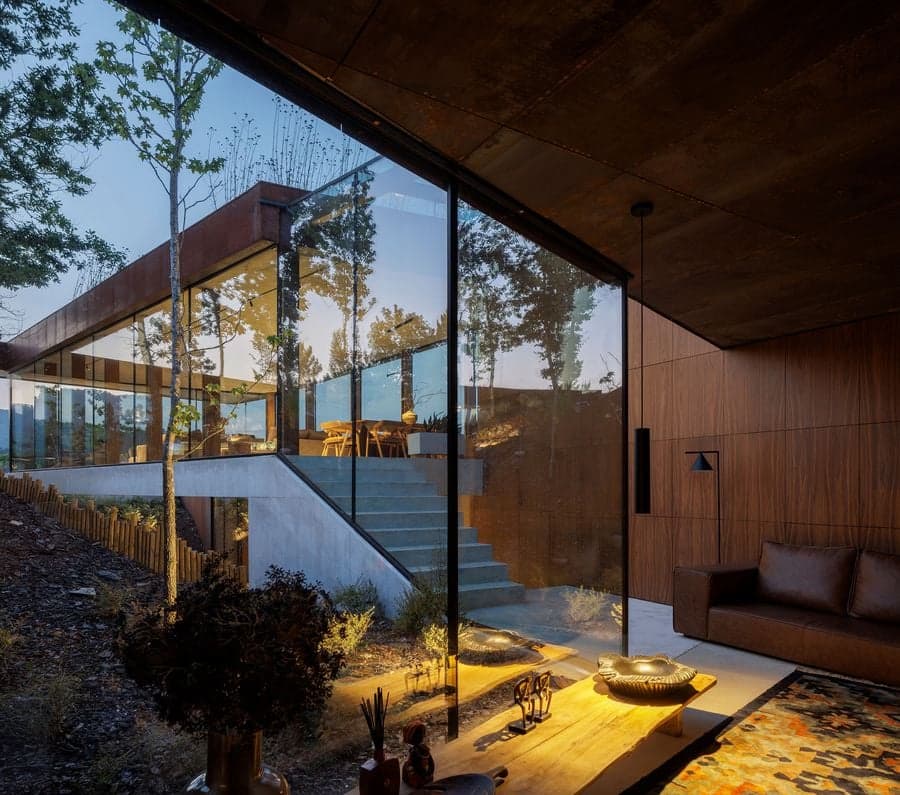
 

roof plan fragmented into geometric planes responding to topography and site conditions


glass corner opening aligning interior circulation with exterior terrain transition


glass facade reflecting surrounding vegetation while revealing structural depth and interior layers


corten steel integrated into interior envelope maintaining material continuity across spaces


perforated metal screen filtering light and mediating visual permeability between layers


dining space composed of wood concrete and glass defining spatial hierarchy through material contrast


bedroom space framing exterior landscape through horizontal window opening embedded in concrete wall


building volume aligned with sloped terrain expressing controlled massing under night lighting


這座住宅看起來像是順著地形被安放下來,但實際上許多決定早已在場地、材料與使用條件之中被牽動。建築沒有完全隱入環境,也沒有刻意強調自身的存在,而是在不同限制之間維持一種持續調整的狀態。空間的開放與遮蔽、材料的表現與節制,並不是被一次性確定,而是在時間與使用之中慢慢偏移。


如果從材料背後的能源與生產系統再看一次,這座住宅可能會有另一種讀法。
一家令人耳目一新、獨具特色的飯店,體現了墨爾本的文化活力

Melbourne Place Hotel 將城市文化轉化為一種可居住的材料敘事

Melbourne Place 透過建築語彙與室內細節的整體敘事,將酒店轉化為一種與城市文化節奏緊密相連的可居住場域。   從建築風格、家具陳設到菜單和氛圍燈光,墨爾本廣場酒店在酒店業中呈現出一種罕見的、渾然一體的敘事——一種以本地設計語言譜寫的敘事。它不僅在名稱上獨立,更在精神和執行層面都保持著獨立性,為賓客打造了一種與這座城市完美融合的酒店體驗。一家令人耳目一新、獨具特色的飯店,體現了墨爾本的文化活力,這的確值得稱讚。 在墨爾本這樣由大型連鎖品牌主導的酒店市場中,Melbourne Place 的出現顯得格外罕見。這座新建的 16 層飯店位於中央商務區核心,擁有 191 間客房與套房、一間頂樓公寓及三間風格各異的餐廳,透過建築、室內設計與藝術整合,形塑出一種可被閱讀的 Material as Narrative 空間語彙,使飯店不僅成為住宿場所,也成為城市文化的延伸。     由 Kennedy Nolan 設計的建築外觀,靈感來自附近的 20 世紀地標建築,如戰間期的 T&G

倫敦互惠住宅是一場 Gianni Botsford Architects 與 Norman Foster 的對話

Reciprocal House:在福斯特語彙之後的倫敦回應

Reciprocal House 以新建量體回應 1969 年的福斯特擴建,讓兩種世代語彙在倫敦後巷形成勢均力敵的對話。     Reciprocal House 並沒有在原有的19世紀馬車房基礎上進行擴建,而是用一座全新的建築取而代之,倫敦互惠住宅是一場 Gianni Botsford Architects 與 Norman Foster 的對話,這座輕盈的框架結構擴建部分旨在用作娛樂空間,項目建築體現了英國新興高科技運動的實驗精神,融合了鋼桁架、混凝土砌塊牆和寬大的鋁框玻璃。Reciprocal House 最終呈現的是一場跨越時空、兼具傳承與創新的建築對話。   在倫敦,住宅翻新往往遵循修繕舊屋並附加現代擴建的模式。然而位於漢普斯特德的 Reciprocal House 卻選擇另一條路徑。建築師沒有在原有 19

Facebook
Twitter
LinkedIn
Tumblr
0 0 votes
Article Rating
Subscribe
Notify of
guest
0 Comments
Oldest
Newest Most Voted
Inline Feedbacks
View all comments
Search