The Animal Impulse to Migrate

Hera’s Imaginative New Murals Question the Animal Impulse to Migrate


︳Hera’s Imaginative New Murals Question the Animal Impulse to Migrate
 

Hera’s Imaginative New Murals Question the Animal Impulse to Migrate


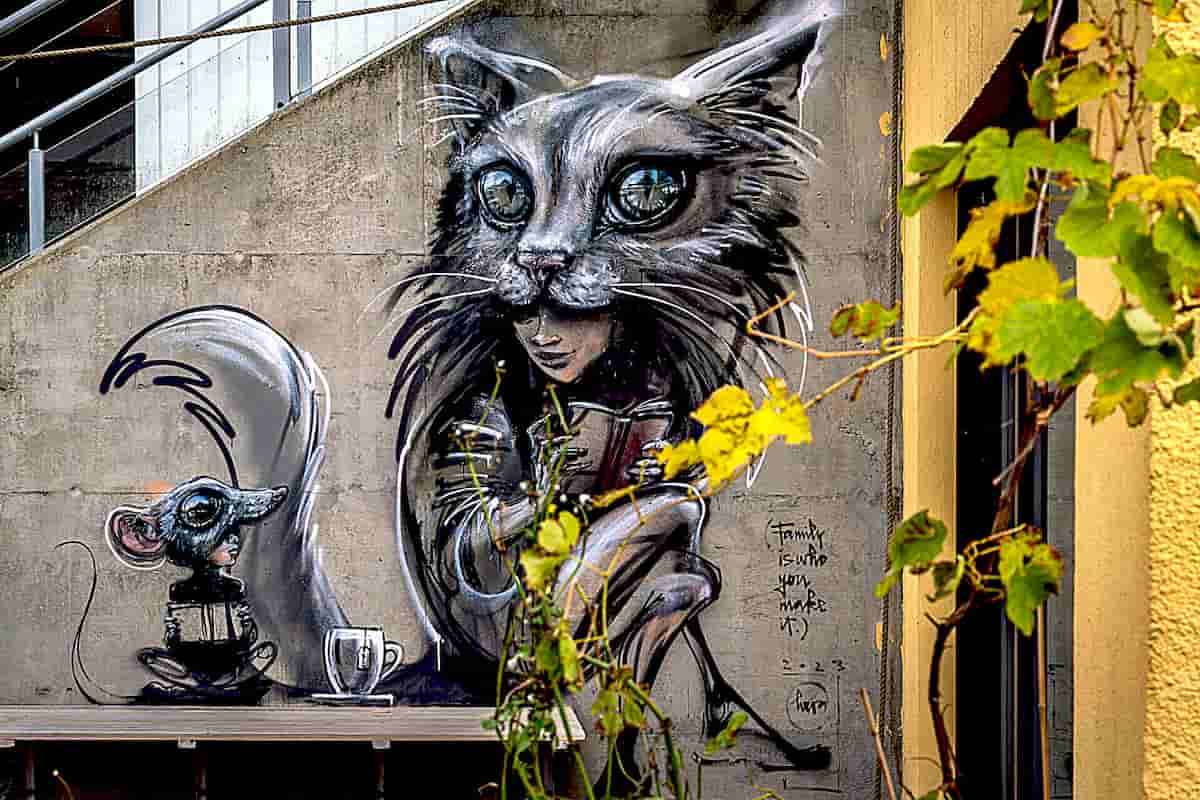
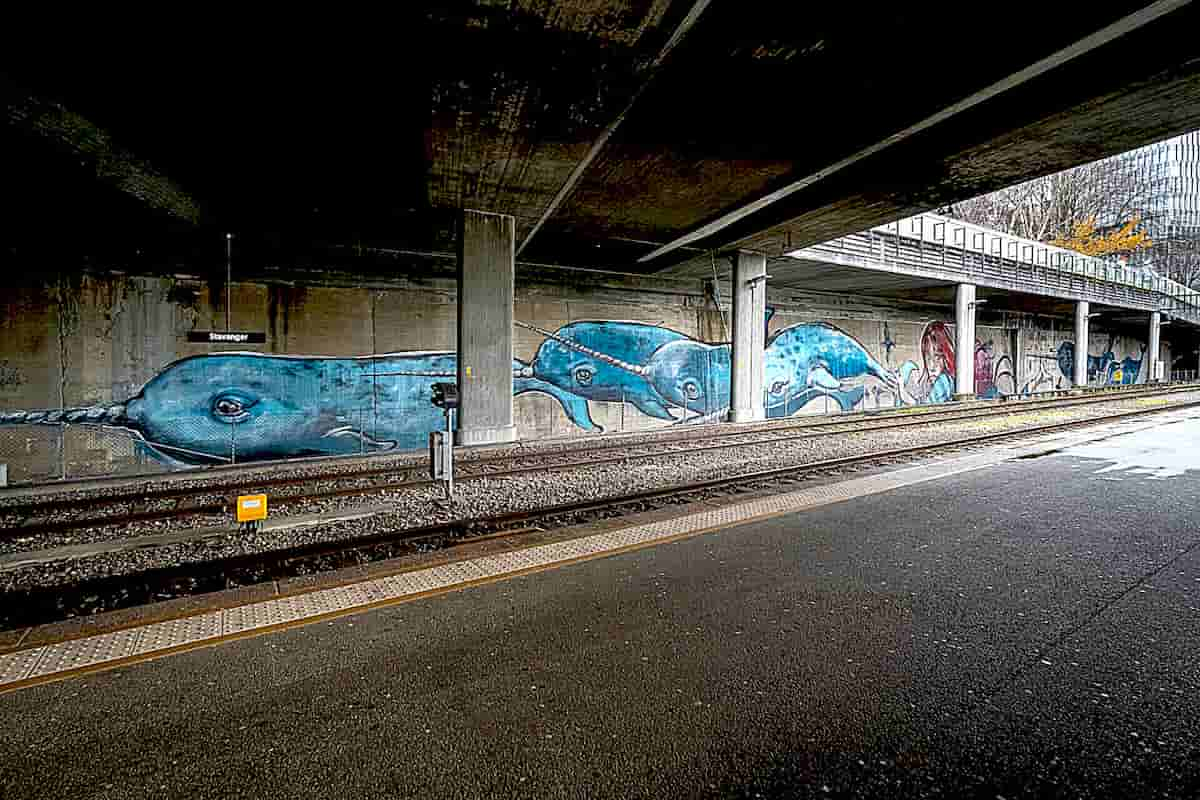
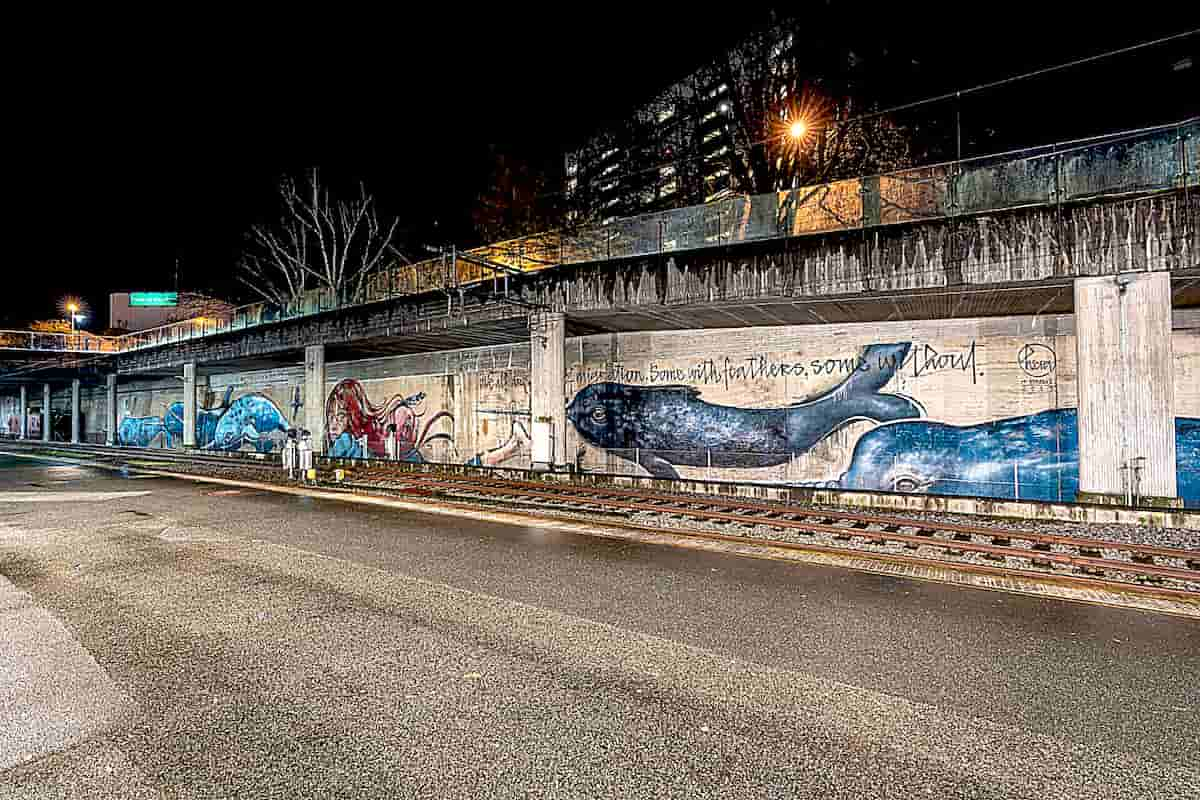
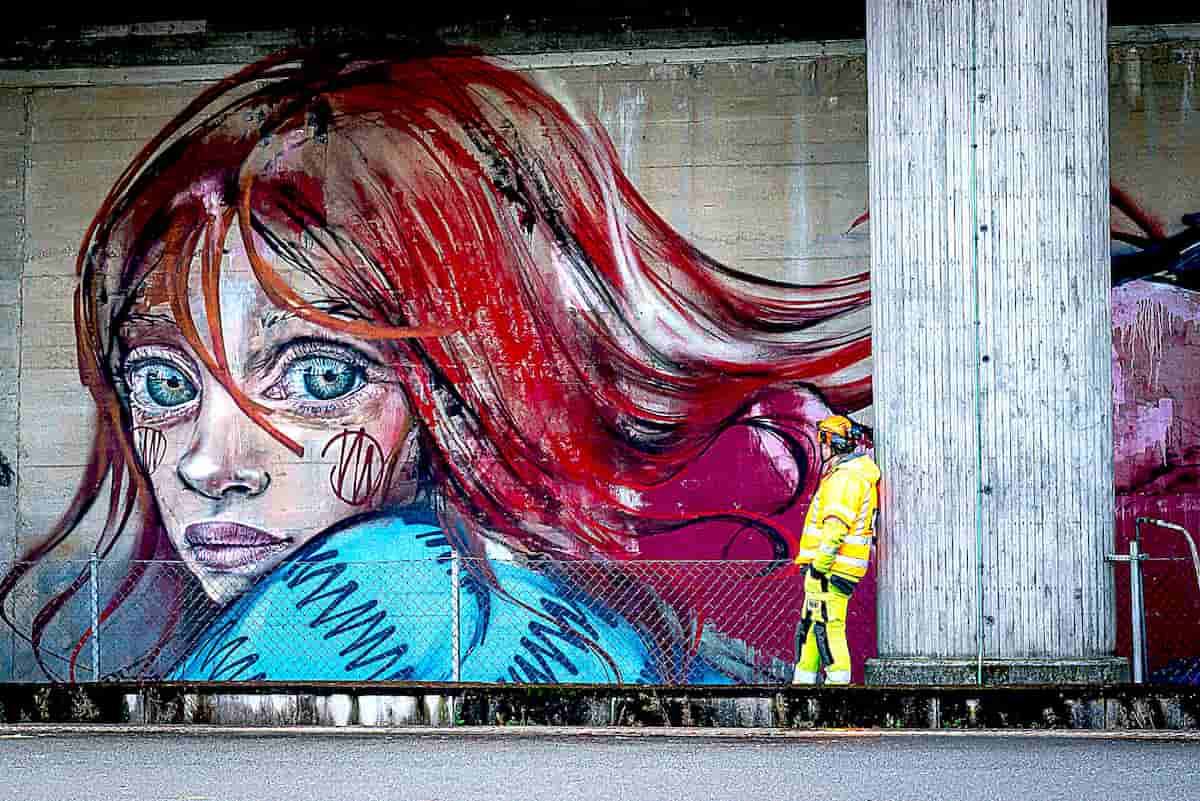
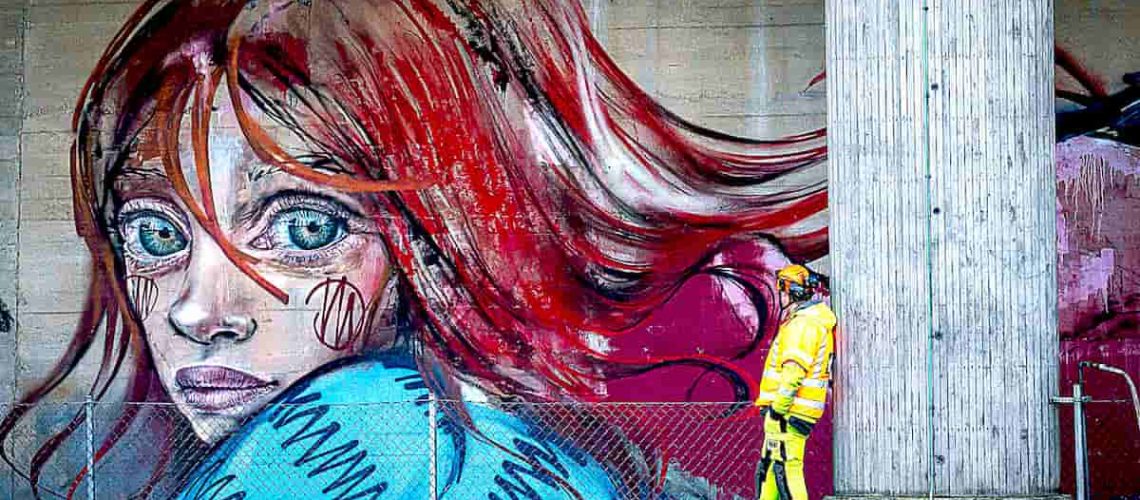
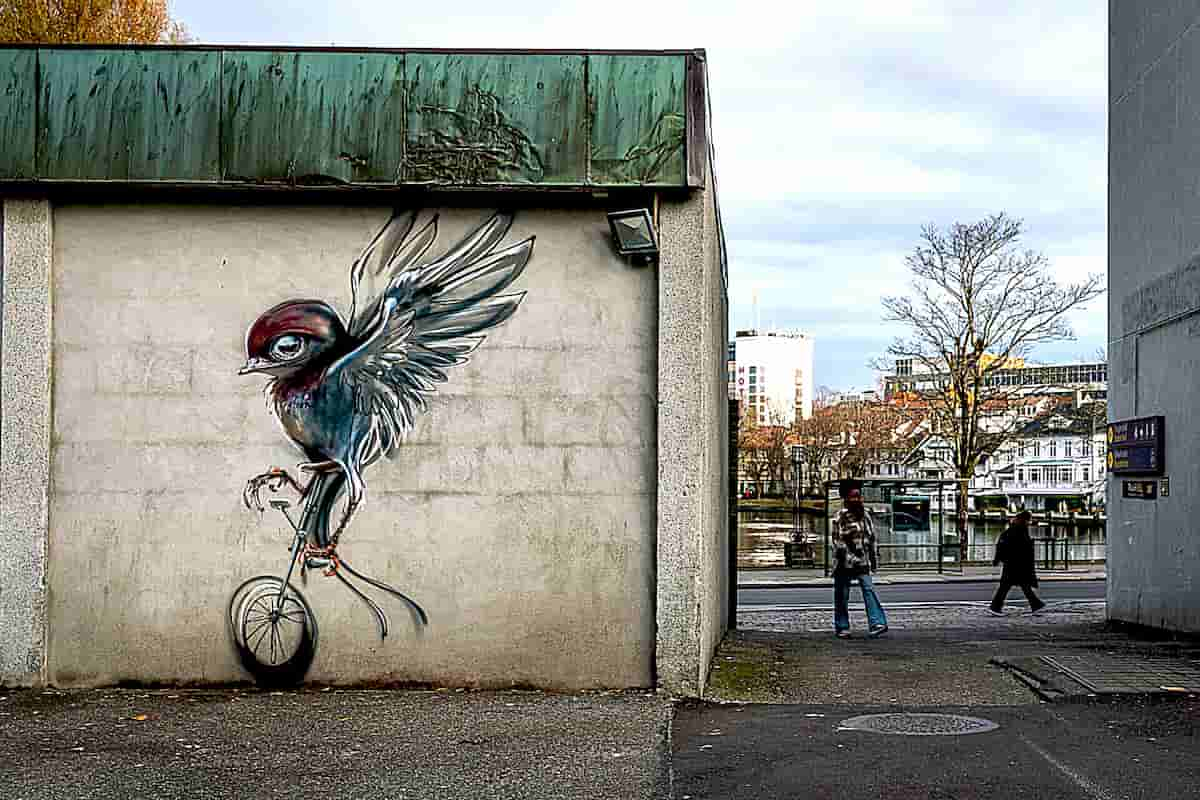
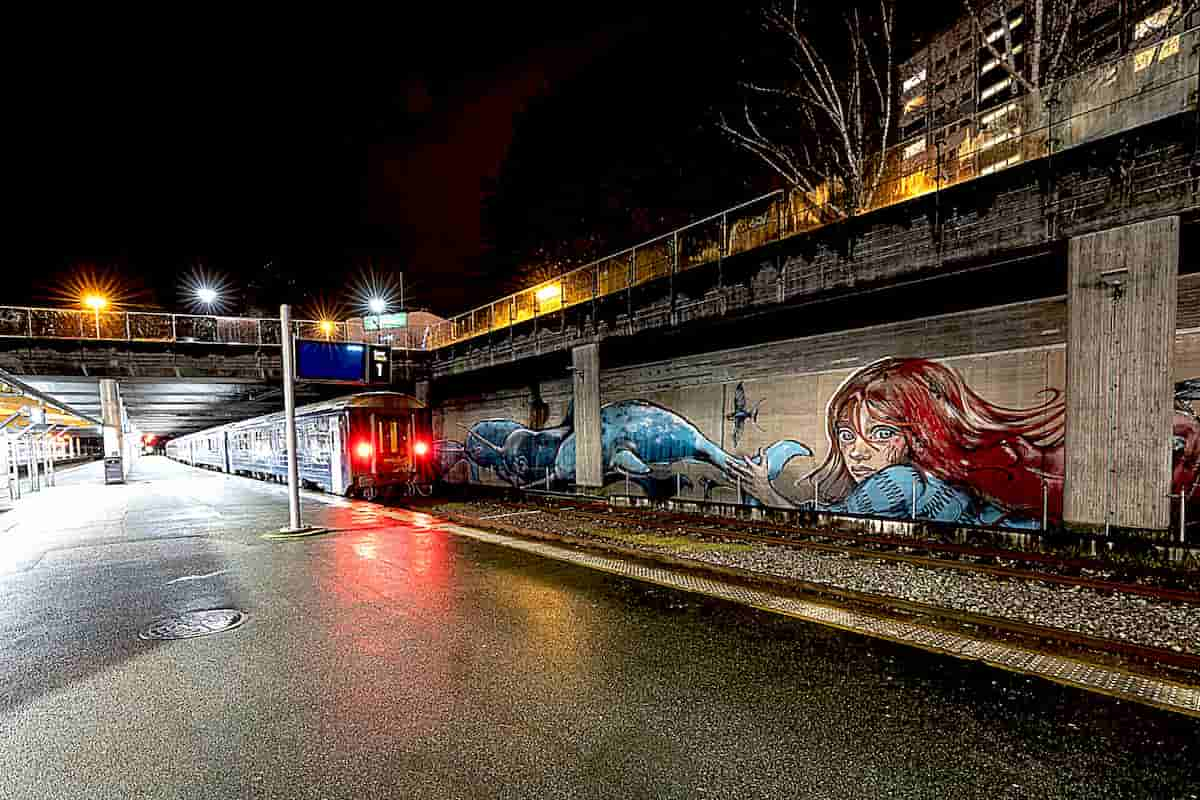
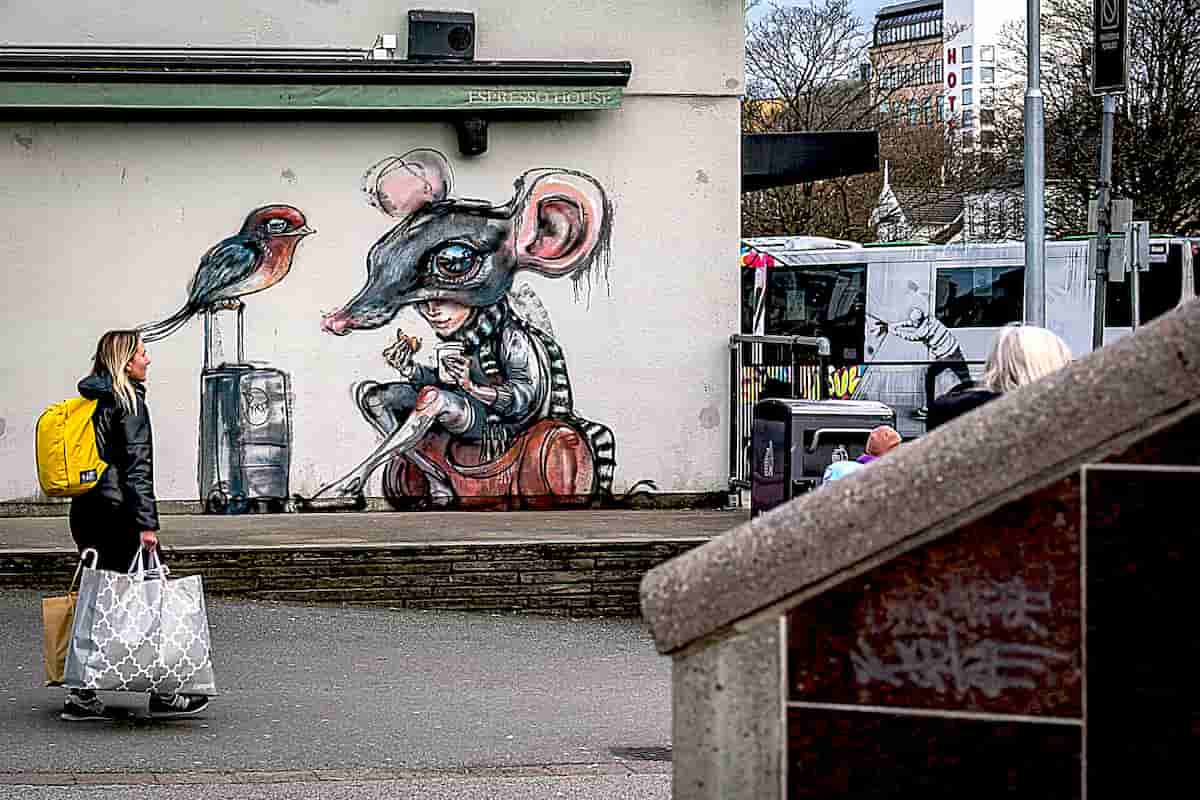
︳A mouse-costumed girl sitting on a duffel bag, a bird balancing on a unicycle, and bright blue narwhals swimming along the train line in Stavanger, Norway, are a few characters in Hera’s new murals considering the nuances of immigration and movement. “We all are Birds of Migration. Some With Feathers, Some Without” is a collection of works that ask viewers to recognize that mobility and resettling have been essential to human survival for millennia. The artist (previously) says:


“We all exist today because our ancestors at some point either freely migrated to greener pastures, more fertile grounds, greater resources, and safer living conditions, or were forcibly moved from one place to another at some point at some point in history. Not even the most nationalist nationalist can deny the factual reality: humans still exist today because they migrated, they moved themselves, their families, their genes across lands, seas, continents.”


Commissioned by Nuart—check out the 2023 edition of its annual festival in Aberdeen—the gestural murals are part of the Planes, Trains & Automobiles project bringing public artworks to high-visibility spots like airports and transit centers. The location also dovetails with Hera’s interest in migration, particularly as it relates to daily commutes. She says, “Some could argue that this does not count as an act of migration. But doesn’t it? Do students not leave their home, travel for miles and miles, to make more of themselves? Do commuters not leave their homes and families in order to make a living, and provide for their existence?”


The figures feature Hera’s signature wide, glassy eyes and costumes that transform them into scavenger-like creatures. Imbued with a sense of resilience, the characters emphasize the innate, animal impulse to travel and migrate that proliferates throughout the natural world.
 

Hera’s Imaginative New Murals Question the Animal Impulse to Migrate


Hera’s Imaginative New Murals Question the Animal Impulse to Migrate


Hera’s Imaginative New Murals Question the Animal Impulse to Migrate


Hera’s Imaginative New Murals Question the Animal Impulse to Migrate


Hera’s Imaginative New Murals Question the Animal Impulse to Migrate


Hera’s Imaginative New Murals Question the Animal Impulse to Migrate


Om onvervangbaar te zijn, moet je altijd anders zijn.
Er zijn fascinerende beelden hier, en de fascinerende dag van samen!  xo
─────────────────────────────────────────────────────
Per essere insostituibili bisogna sempre essere diverso.
Ci sono immagini affascinanti qui, e l’affascinante giornata di insieme!  xo KanikaChic
花田裡有個白色東西浮著 還不太確定是什麼

這些結構看起來有點不太合理但又剛好成立雲端漫步

    雲端漫步於蘇州敦澳村稻田中,為一處充氣建築,身體、景觀與材料想像力在其中交織穿越。     位於蘇州敦澳村稻田中的雲端漫步,是一處以貨櫃與充氣結構構成的空間裝置。三個分散的體積落在田野之中,形成一種介於建築與裝置之間的存在,身體、景觀與材料想像力在其中交織 Material as Narrative。   「雲端漫步」坐落於中國蘇州附近的敦澳村稻田之中,由三座小型建築組成。與其說是實際的建築,不如說是身體、景觀和想像力之間一種比較輕的交會。該項目由蘇州的 先看到一個怪東西   Practice on Earth 建築事務所與墨爾本的 Increments Studio 共同設計,作為當地農業與文化復興計畫的一部分,取代了原本散落的廢棄建物。看起來有點不太確定是不是固定的 看起來太輕了   三個量體融合貨櫃與充氣結構,呈現出一種既清新又帶點不太確定的狀態,與周圍農田的節奏維持著一種剛好的距離。 不太應該在這 田裡,有點輕,不像固定

地下建築機電系統與通風管線,展現隱藏於結構中的能源消耗與環境成本

地下建築的環境成本從來沒有被真正看見

地下建築常被當成一種節省空間,甚至被包裝成對環境友善的選擇。但這種說法只成立在地表以上。一旦視線往下移,所有被隱藏的成本就開始浮現——不是消失,而是被推遲、被轉移,最後被重新分配。 地下並不是解法,它只是把問題壓進另一個層次。當我們選擇不看見,它們就暫時不存在;但那只是視覺上的缺席,不是現實的消除。     地下空間常被視為穩定與安全的延伸,彷彿是一種不受外界干擾的建築基礎,然而這種想像忽略了其背後龐大的能量消耗與維運系統,使地下建築不僅不是被動的結構支撐,而是高度依賴能源與技術持續運作的環境,其存在本身即意味著一種長期且不可見的成本累積。     在地下空間之中,光線、空氣與溫度不再由自然條件提供,而是完全依賴人工系統進行調節,通風設備、抽排系統與照明設施持續運轉,使空間得以維持基本的使用狀態,然而這些維持穩定的條件並非自然存在,而是透過持續的能源輸入所換取的結果,使地下建築在日常運作之中不斷消耗資源,形成一種看似靜止卻實際高度動態的能量循環,而這種循環往往被隱藏於結構與設備之後,難以被直接感知 隨著地下空間規模的不斷擴大,其維運需求也隨之增加,從交通系統、商業空間到儲存設施,地下逐漸成為城市運作不可或缺的一部分,然而這些空間所依賴的系統同時也帶來長期的能源負擔與環境影響,設備的更新與維護、系統的持續運轉與升級,都意味著額外的資源投入,使地下建築不僅在建造階段消耗大量能量,更在其生命週期之中持續產生成本,並在長期運作之下,逐步反映於整體基礎設施對地景的重組之中。這些成本並未直接體現在可見的形式之中,卻深刻影響著整體環境 當地下被視為可無限擴展的空間時,其背後所隱含的限制與代價反而更加被忽略,建築與城市傾向將地下視為一種可被持續開發的資源,而非需要被審視的結構條件,使這些空間在提供功能與安全的同時,也不斷累積不可逆的環境負擔,這種將成本隱藏於深層結構之中的運作方式,使我們難以全面理解地下建築的真實影響,並進一步強化了對其依賴而不自覺的狀態       這些被隱藏於地下的能量消耗與環境成本,最終仍指向同一個問題——建築如何在能源、材料與基礎設施交織而成的系統之中被持續支撐與重構。       挖掘的開始 一切從開挖開始。土方被移除,岩層被破壞,地下水系被迫改道。這些改變不會消失,它們只是被轉移到別的地方,被分散到更難追蹤的位置。 我們習慣用「開發」、「建設」這些詞來描述這些行為,但這些語言本身已經在替過程減壓。真正發生的事情更直接:地層被切開,結構被打斷,一種原本穩定的系統被迫重新排列。這不是中性行為,也不是單純的技術操作,而是一種不可逆的介入。 一旦開始,就沒有回到原來狀態這件事。所有之後的設計與選擇,都只是對這個破壞結果的回應。     這些被隱藏於地下的能量消耗與環境成本,最終仍指向同一個問題——建築如何在能源、材料與基礎設施交織而成的系統之中被持續支撐與重構。  

Facebook
Twitter
LinkedIn
Tumblr
0 0 votes
Article Rating
Subscribe
Notify of
guest
0 Comments
Oldest
Newest Most Voted
Search