Hiroshi Nakamura’s Hiroshima Masterpiece Built with 6,000 Glass Blocks and a Serene Courtyard

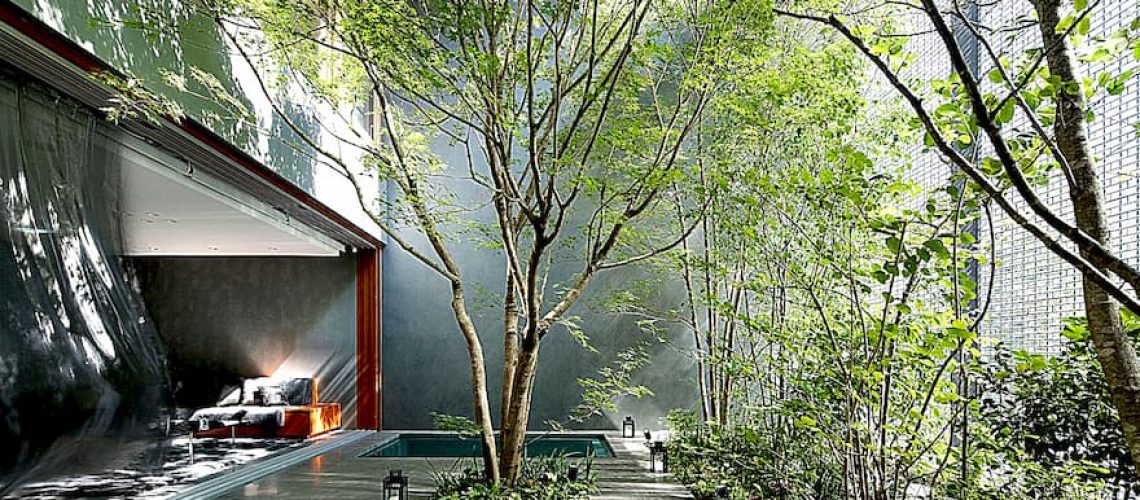
Optical Glass House in Hiroshima featuring a tranquil courtyard garden enclosed by a 6,000-glass-block façade


Serenity in Hiroshima: A 3-storey masterpiece by Hiroshi Nakamura & NAP. 6,000 optical glass blocks filter light, reduce noise, and unveil a hidden courtyard oasis.
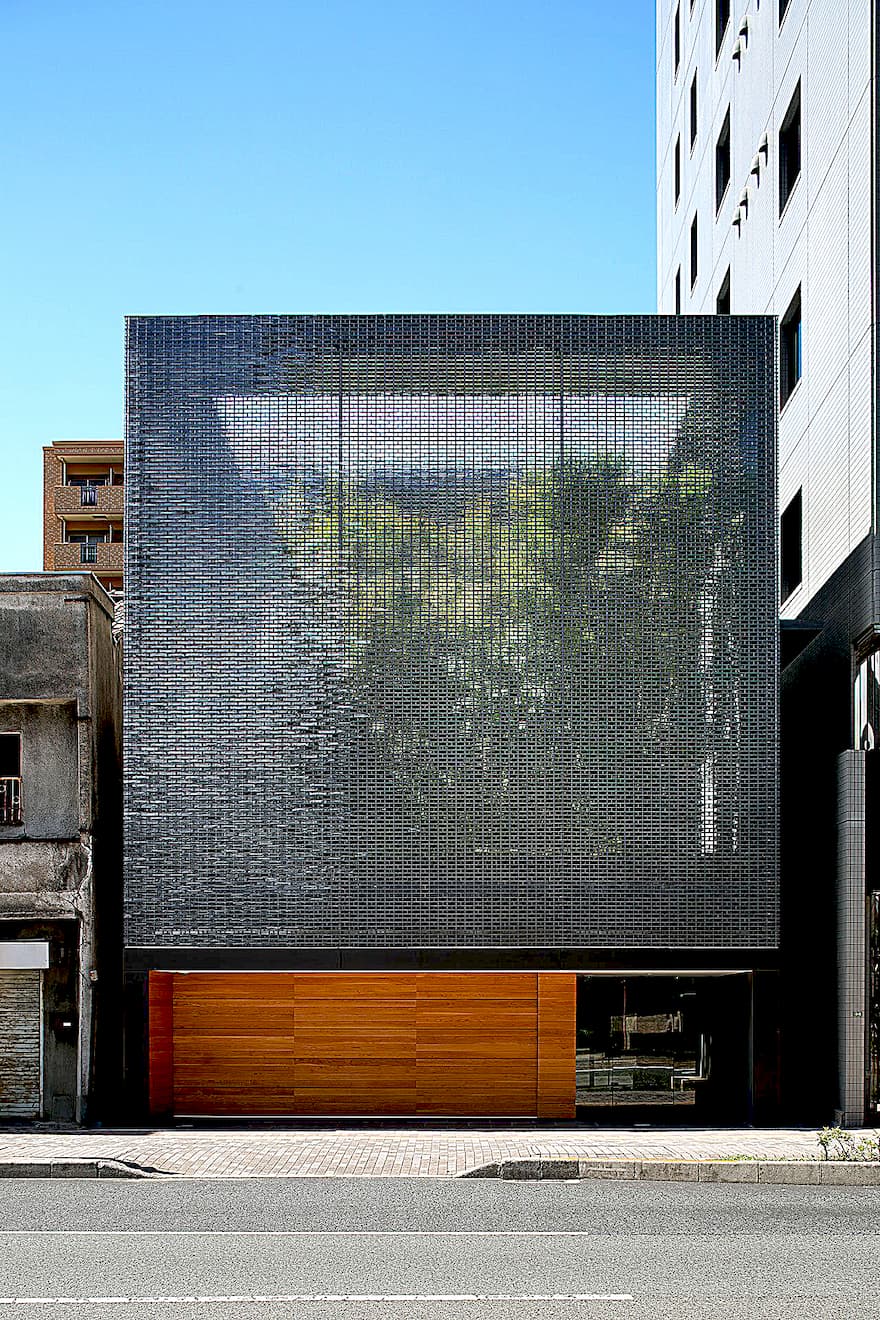
 

Hiroshi Nakamura's Hiroshima masterpiece: 6,000 glass blocks soften light, silence noise, and reveal a serene courtyard


▏A Serene Oasis in Hiroshima

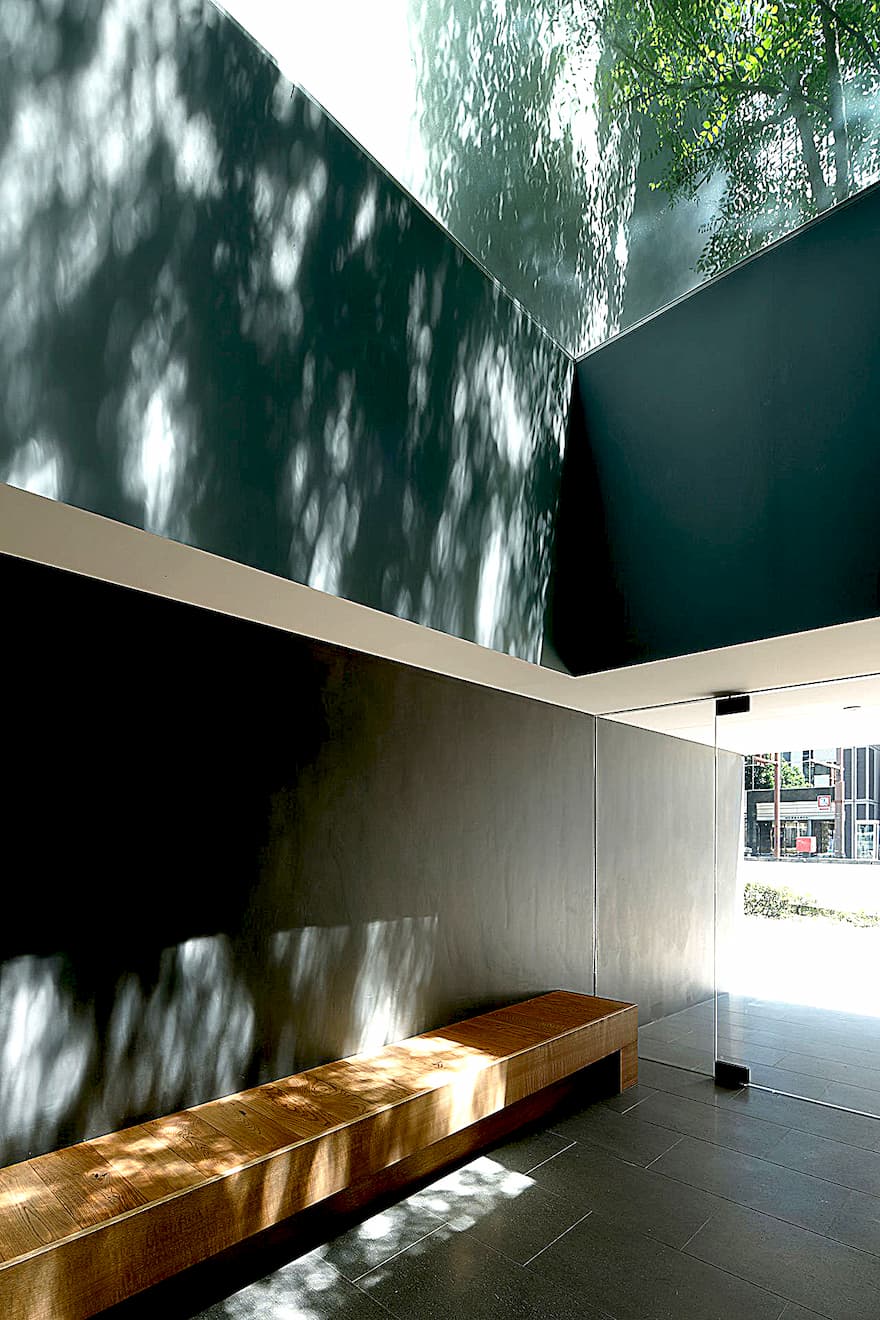
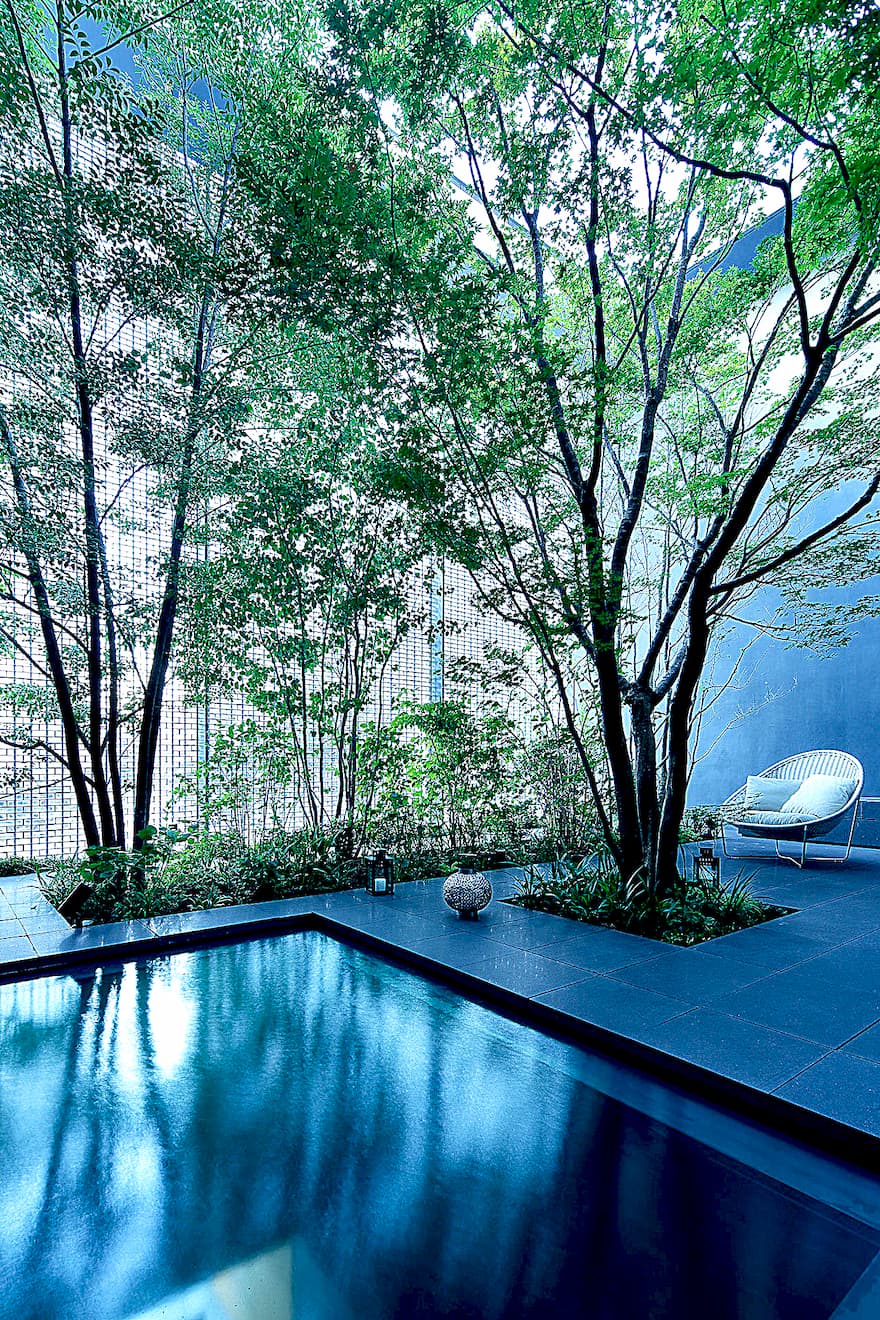
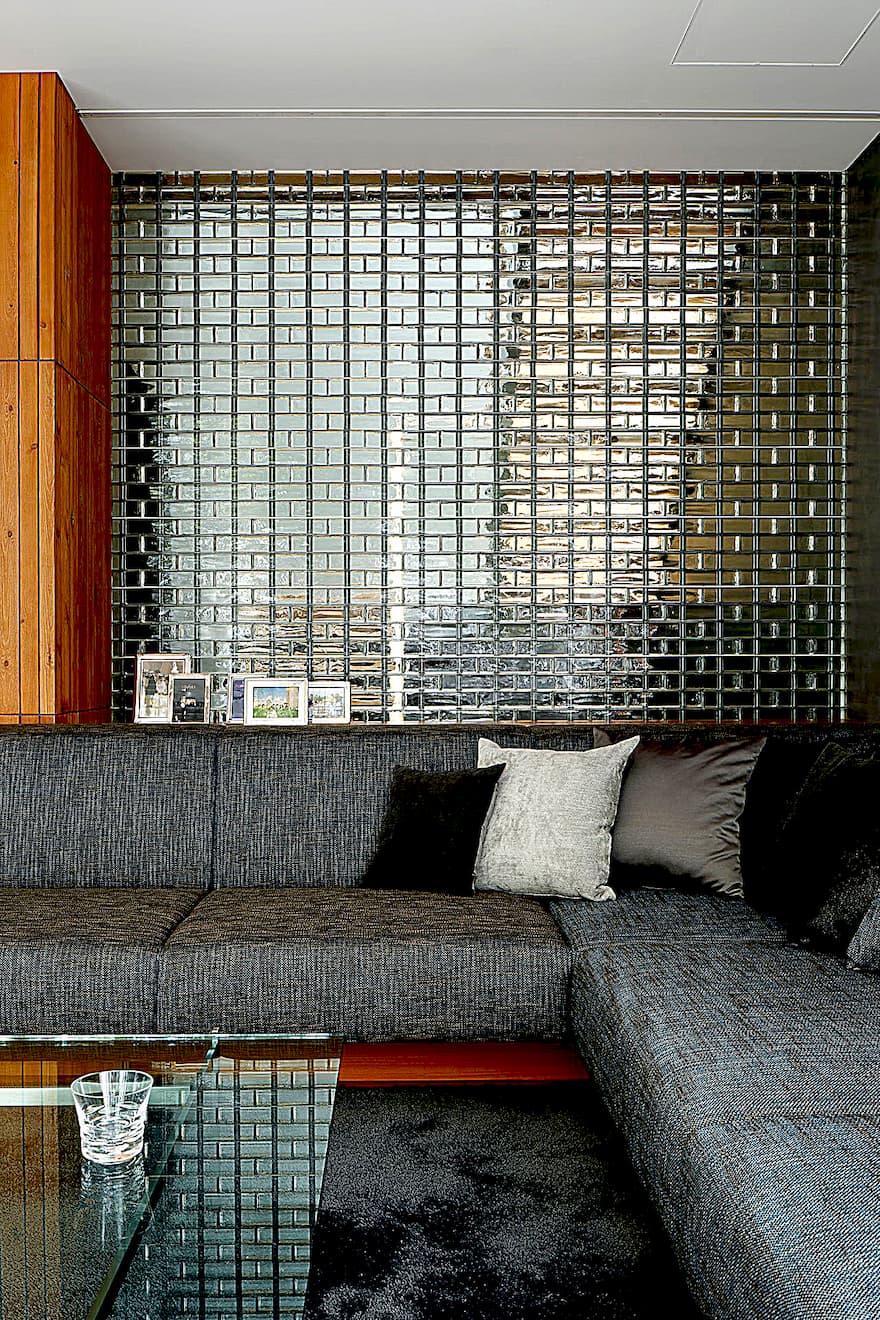
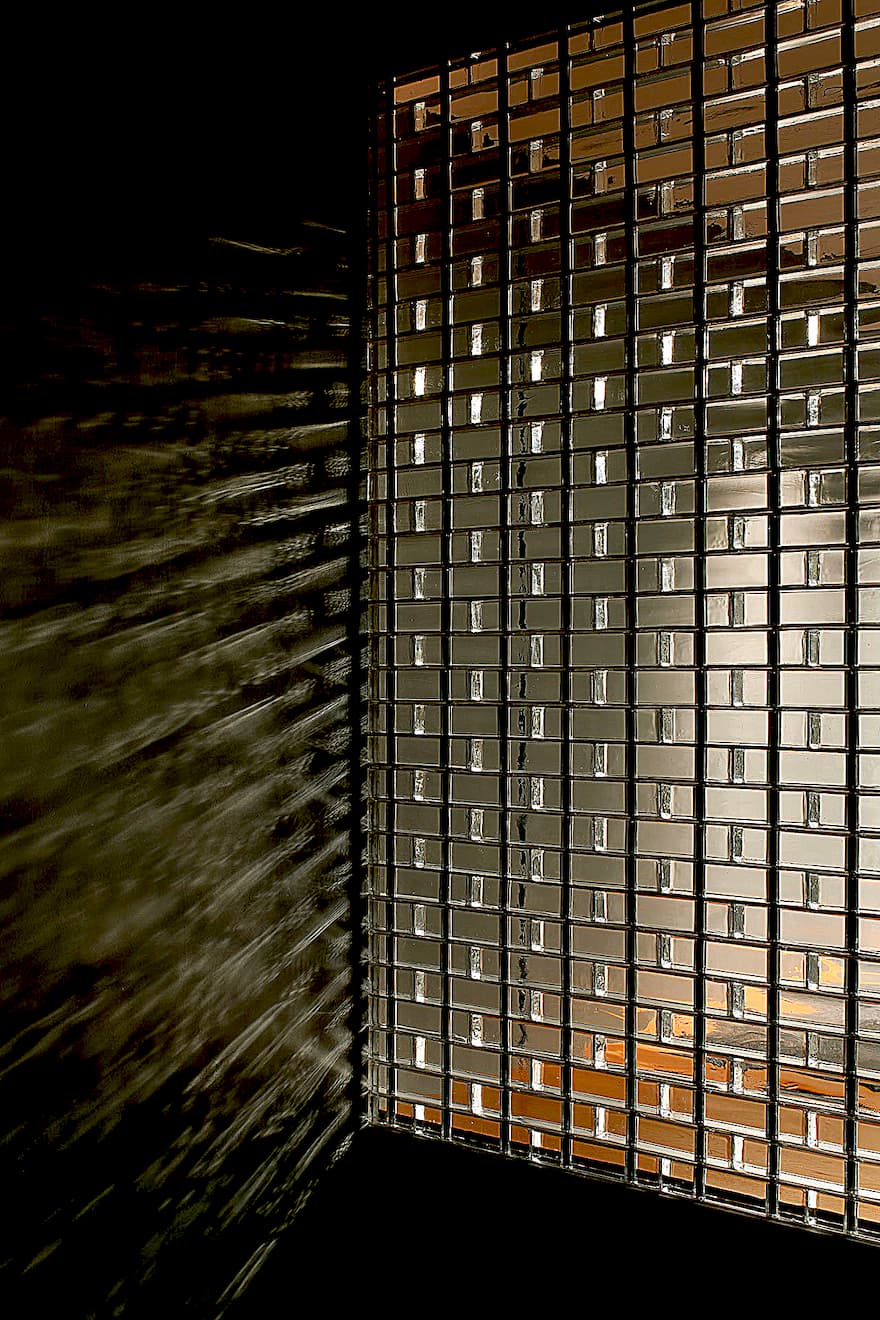
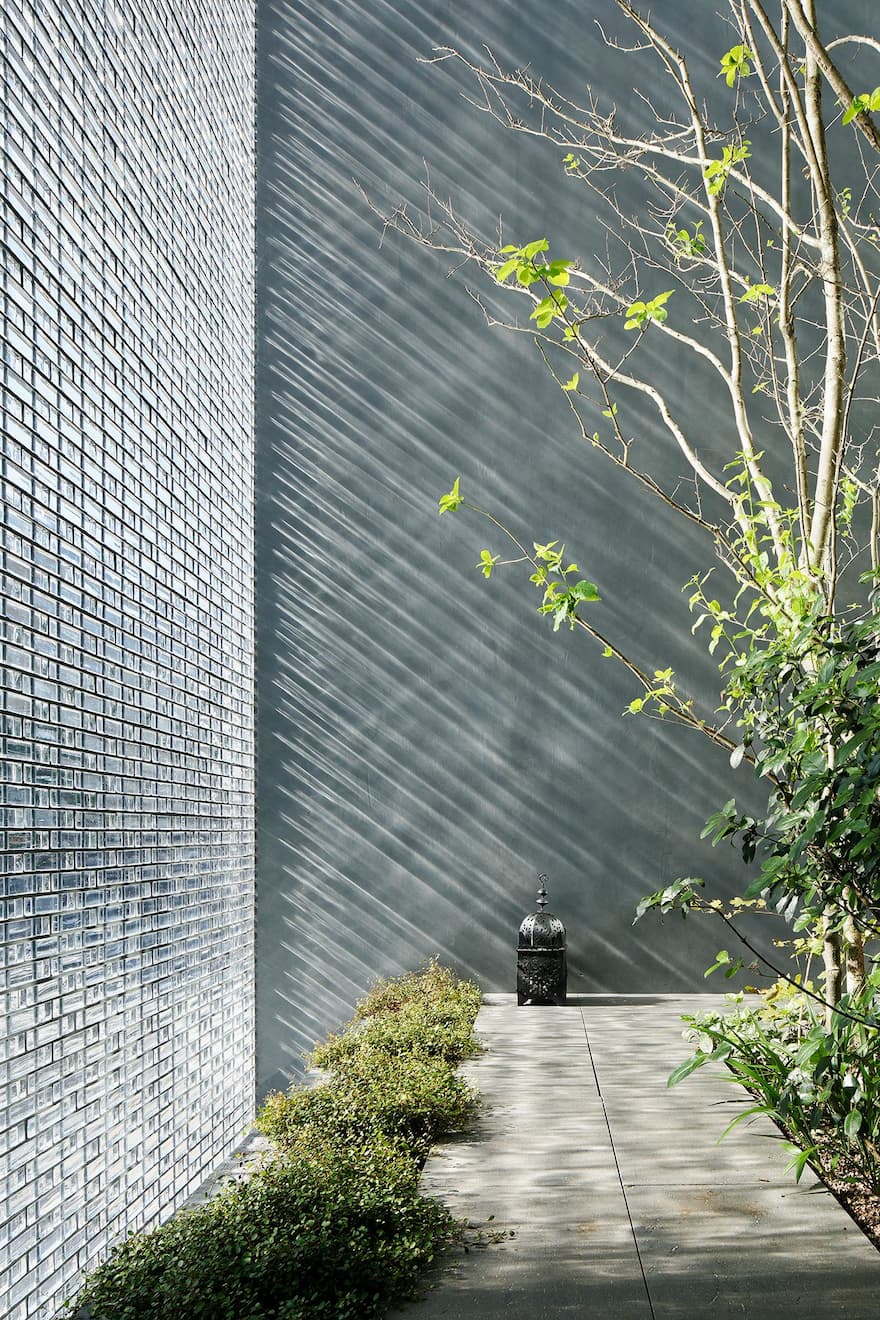
Nestled among towering apartment buildings in downtown Hiroshima, Japan, this seemingly modest three-storey family house by Tokyo-based architectural practice Hiroshi Nakamura & NAP is a remarkable achievement: it offers its occupants a serene, secluded oasis amid the city’s hustle and bustle, despite being situated on a busy thoroughfare. To make this happen, the architects designed an “optical glass façade”, behind which they created a lush verdant courtyard, complete with trees, shrubbery, and a reflecting pool. Made from 6,000 pure-glass blocks, the optical wall is as much a captivating design statement as it is an engineering feat, filtering natural light in, keeping sounds out, and transforming the passing cars and trams into a hypnotic play of shadows. Visible from all main spaces, the glass-encased courtyard allows the occupants to peacefully enjoy the changing light as the day progresses, without ever being disturbed by the chaos outside.

 

02_glass-oasis-house_w1


Hiroshi Nakamura's Hiroshima masterpiece: 6,000 glass blocks soften light, silence noise, and reveal a serene courtyard


04_glass-oasis-house_w1


Hiroshi Nakamura's Hiroshima masterpiece: 6,000 glass blocks soften light, silence noise, and reveal a serene courtyard


Hiroshi Nakamura's Hiroshima masterpiece: 6,000 glass blocks soften light, silence noise, and reveal a serene courtyard


▏Dazzling Light & Hidden Reinforcements!

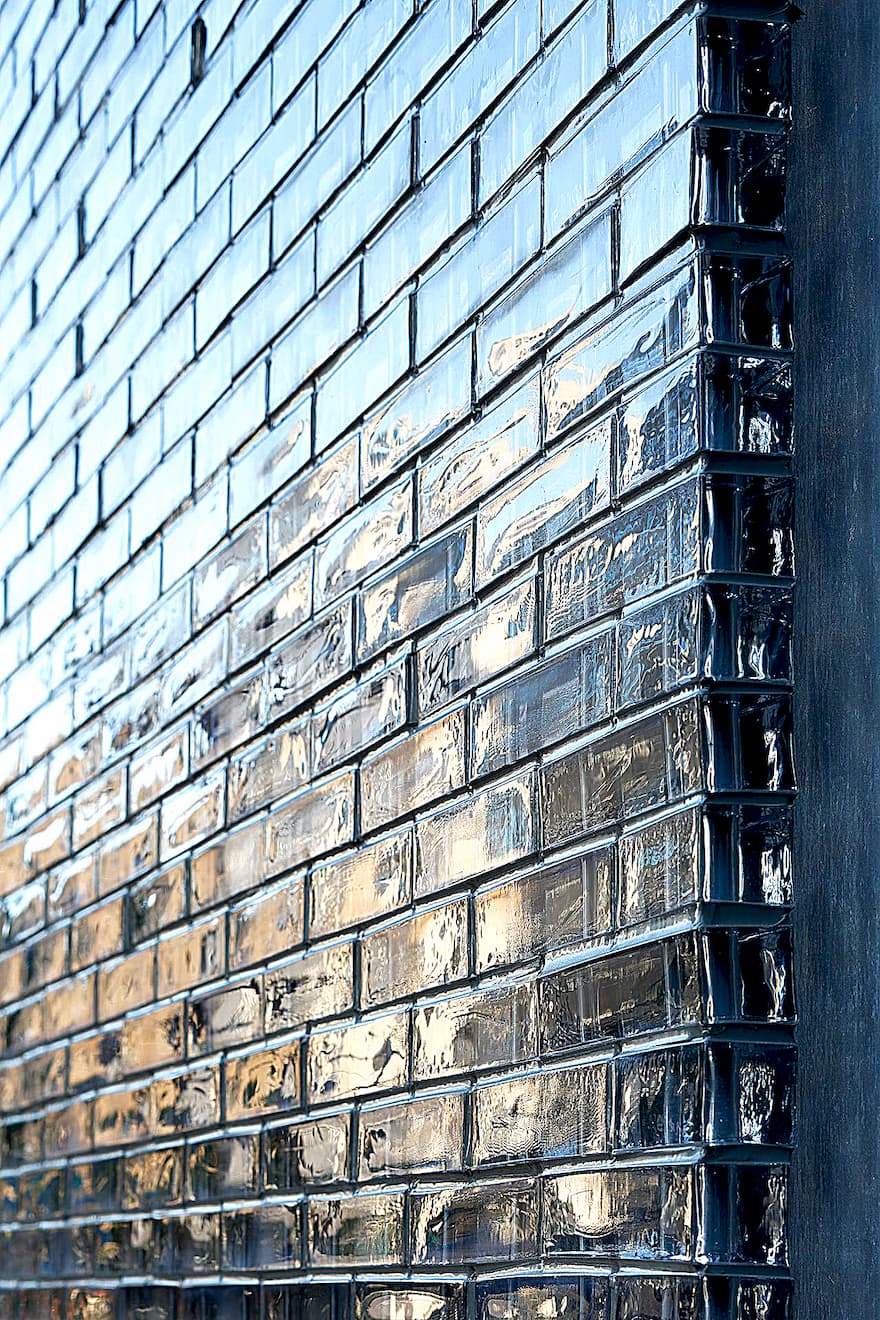
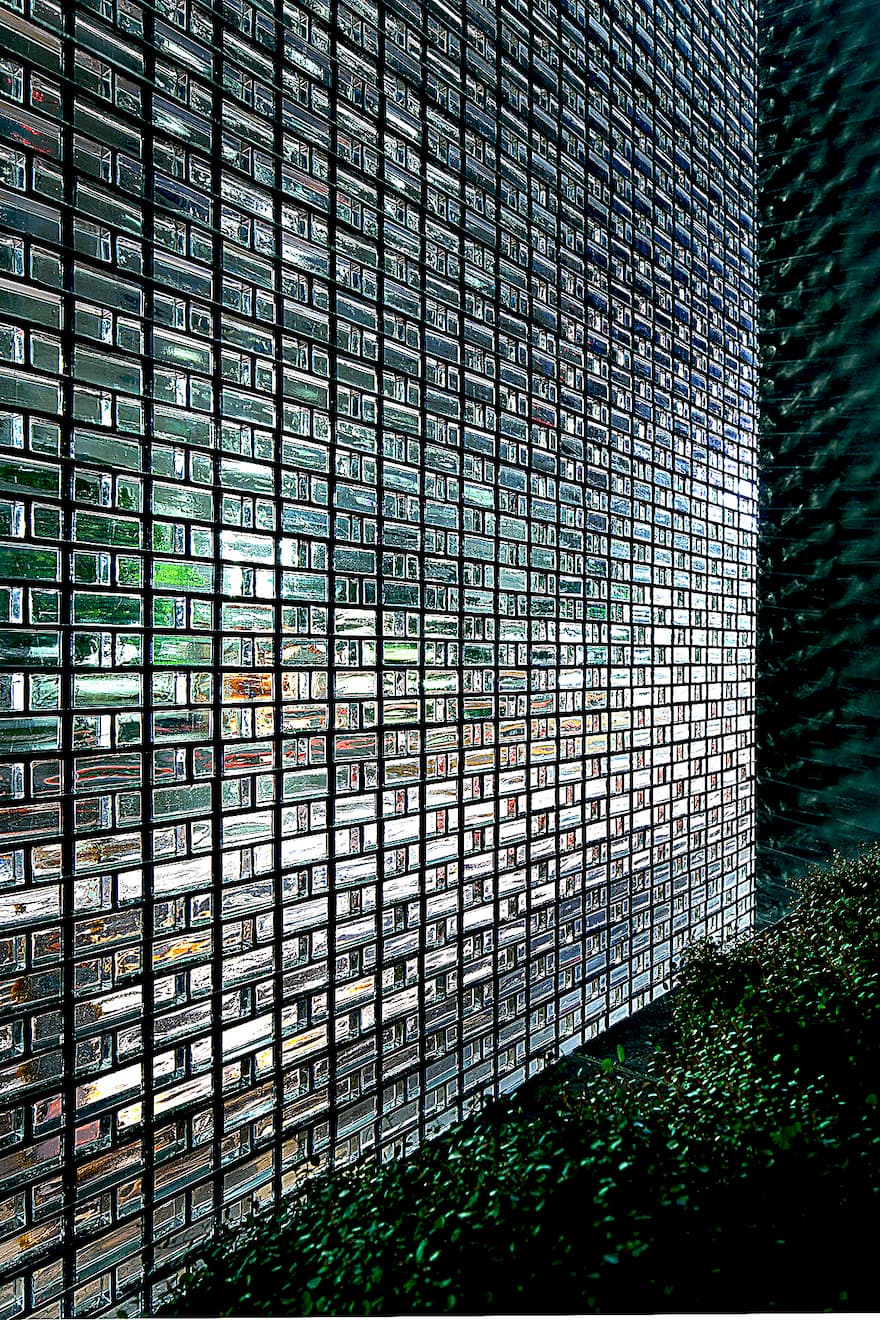
2)  Suspended three metres above street level, the 8.6 by 8.6 metre glass-block façade is undoubtedly the project’s centrepiece—shimmering like a translucent veil, it gently refracts light, shifting perspectives as you approach it. A stunning blend of design and engineering, it is made from borosilicate glass blocks, crafted through a meticulous casting process to ensure the highest possible transparency. Despite challenges like slow cooling and surface imperfections, these subtle irregularities were embraced to create mesmerizing optical effects. To ensure stability, the glass blocks were pierced and strung on stainless steel bolts, reinforced with flat bars for lateral support. Ingeniously concealed within the blocks, the bars maintain a sleek, uninterrupted look, while 6mm joints seals the structure, balancing aesthetics and function.
 

Hiroshi Nakamura's Hiroshima masterpiece: 6,000 glass blocks soften light, silence noise, and reveal a serene courtyard


08_glass-oasis-house_w1


Hiroshi Nakamura's Hiroshima masterpiece: 6,000 glass blocks soften light, silence noise, and reveal a serene courtyard


10_glass-oasis-house_w1


Hiroshi Nakamura's Hiroshima masterpiece: 6,000 glass blocks soften light, silence noise, and reveal a serene courtyard


12_glass-oasis-house_w1


13_glass-oasis-house_w1


Hiroshi Nakamura's Hiroshima masterpiece: 6,000 glass blocks soften light, silence noise, and reveal a serene courtyard


15_glass-oasis-house_w1


Hiroshi Nakamura's Hiroshima masterpiece: 6,000 glass blocks soften light, silence noise, and reveal a serene courtyard


Hiroshi Nakamura's Hiroshima masterpiece: 6,000 glass blocks soften light, silence noise, and reveal a serene courtyard


Hiroshi Nakamura's Hiroshima masterpiece: 6,000 glass blocks soften light, silence noise, and reveal a serene courtyard


19_glass-oasis-house_w1


Hiroshi Nakamura's Hiroshima masterpiece: 6,000 glass blocks soften light, silence noise, and reveal a serene courtyard


21_glass-oasis-house_w1


22_glass-oasis-house_w1


23_glass-oasis-house_w1
Apple architecture showcasing glass facades, natural light, and minimalist spatial design

咬下蘋果一口後,Apple 如何用玻璃、光線與秩序建構建築語言

從 Apple Store 到 Apple Park,蘋果將產品思維延伸至建築,讓玻璃、光線與動線成為品牌體驗的一部分。     過去二十年間,Apple 不只重新定義了科技產品,也重新改寫了零售與企業建築的語言。從 Fifth Avenue 玻璃立方體、Today at Apple 的城市公共性,到 Apple Park 的系統化園區,建築逐漸成為品牌介面的一部分。這些空間不只是商店,更是一套關於秩序、透明與控制的體驗設計。     2026年,蘋果公司迎來了成立五十週年。在過去的二十年中,Apple 發展出一套連貫且高度辨識性的建築語言,將品牌延伸至 Apple Store、辦公室和公共空間,把零售環境與城市空間都變成其品牌形象的積極組成部分。這些環境引導著人們的動線,建構互動框架,並影響使用者體驗產品、感知空間以及理解

Facebook
Twitter
LinkedIn
Tumblr
0 0 votes
Article Rating
Subscribe
Notify of
guest
0 Comments
Oldest
Newest Most Voted
Search