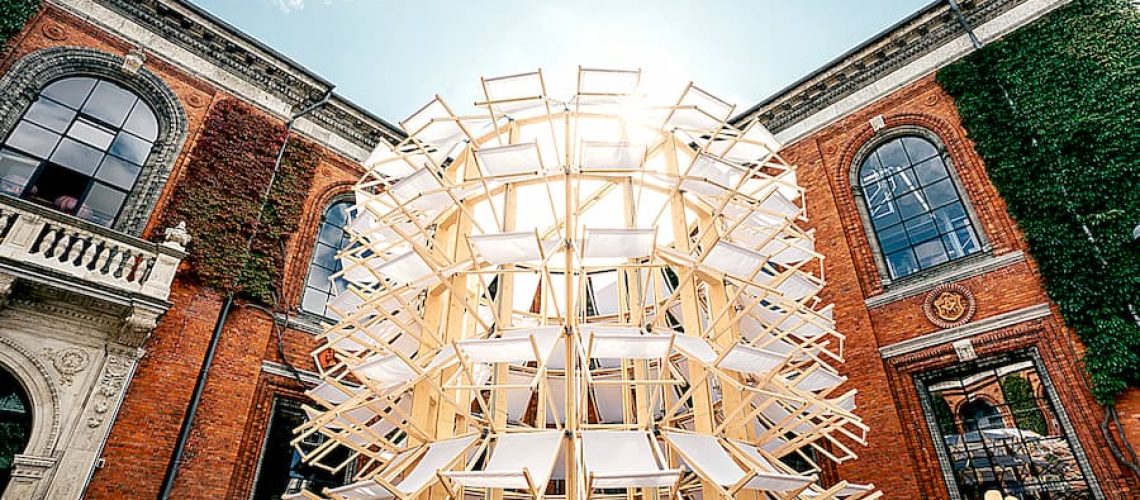
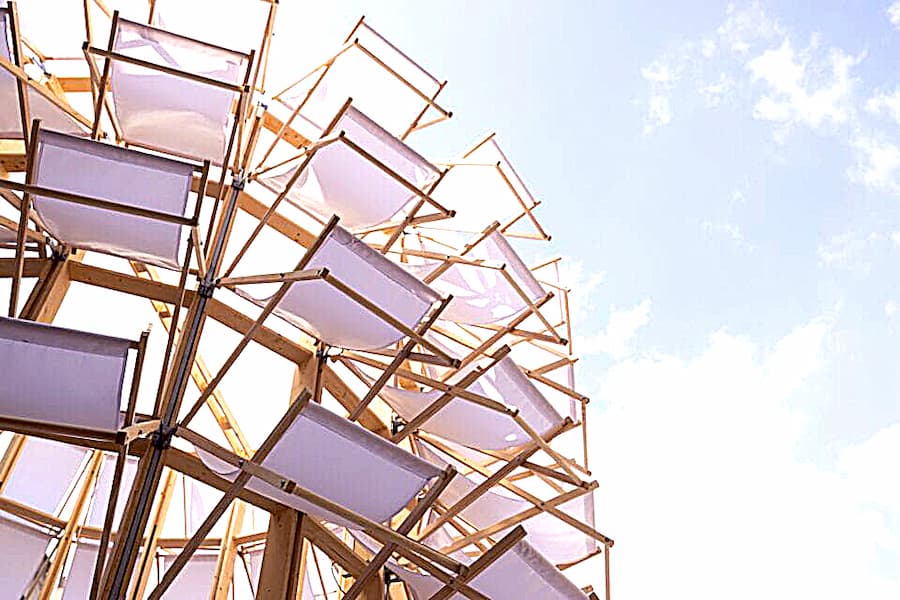
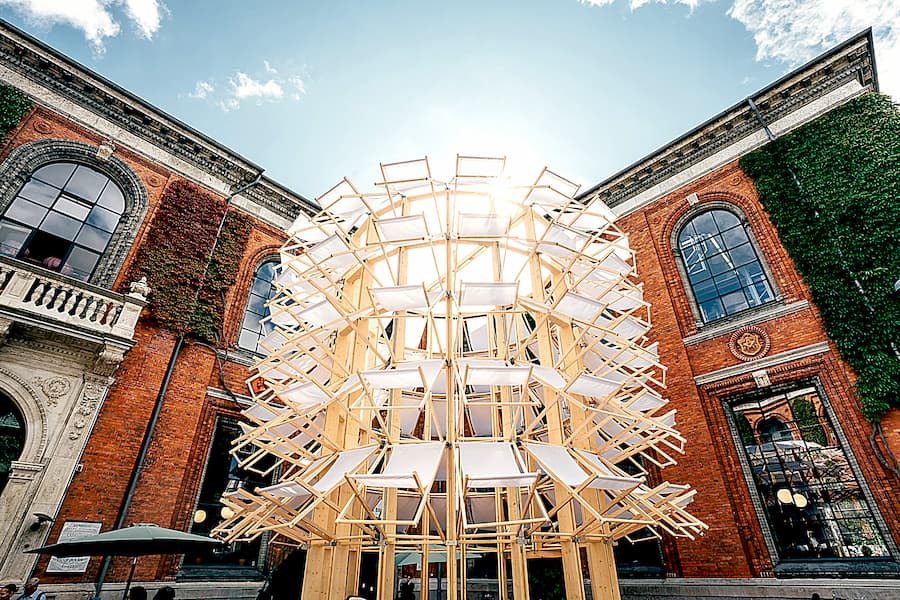
PETAL, the team designed a playful, kinetic structure using 108 simple deck chairs arranged in the form of a cylinder
▏This is a Very Fresh with Creative Means
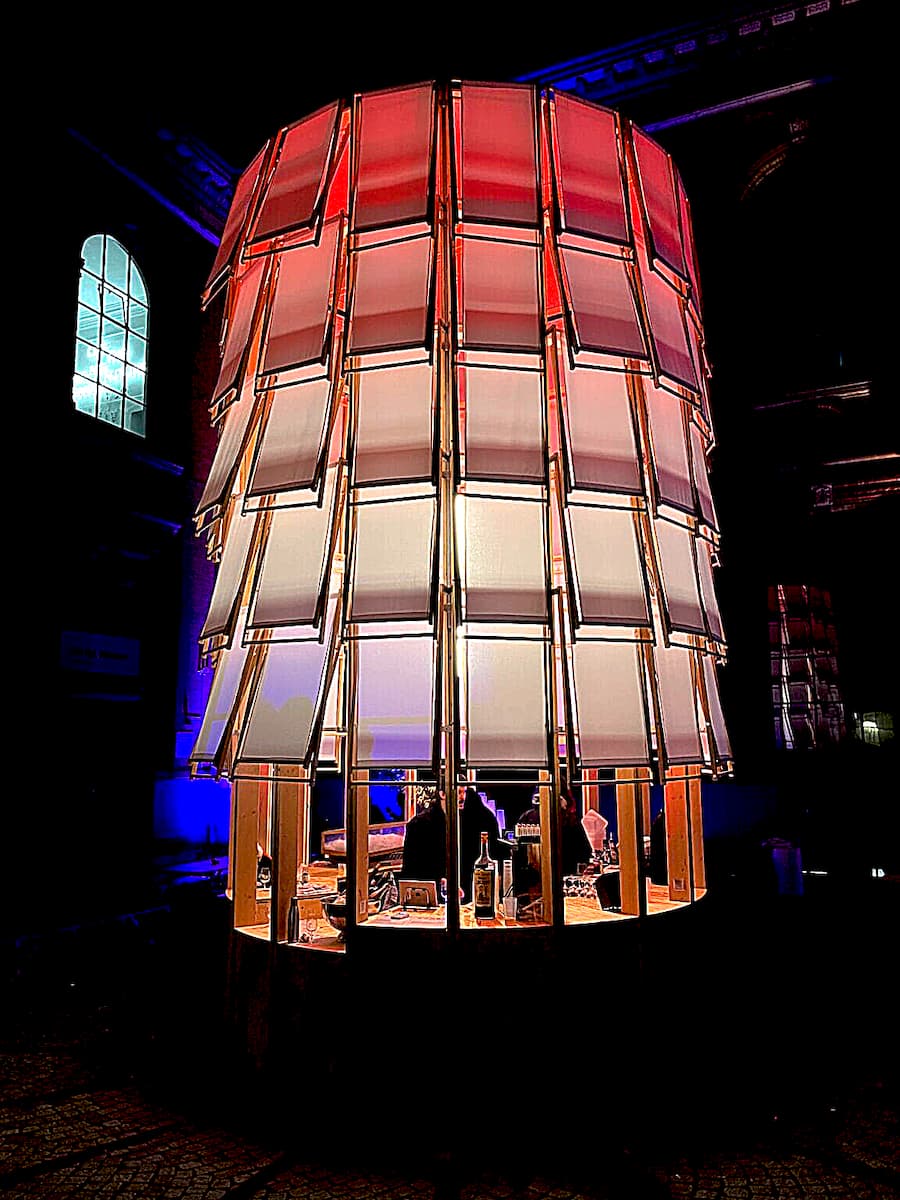
From timber and a few dozen canvas folding chairs, Lasovsky Johansson Architects conceived of a summery pavilion called “PETAL.” This is a very fresh with creative means, that’s phat! Originally situated as a functional installation hosting an oyster bar during an art fair in 2023, [the work is currently in the courtyard of the Designmuseum Danmark in Copenhagen, where visitors can pop by for a coffee or snack].
Founded by Juráš Lasovský and Hanna Johansson, the studio was established with a collaborative mindset and a mission “to create beautiful projects that are rooted in place.” Many of the firm’s designs relate to civic spaces, such as schools, cultural centers, and public squares.
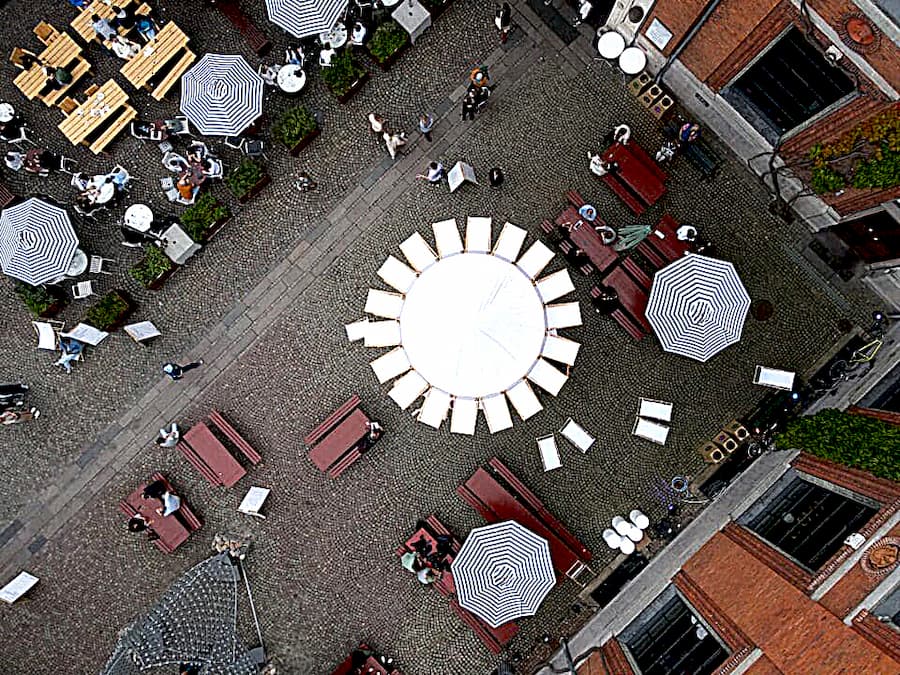
3>▏PETAL Brings a 360-degree Experience
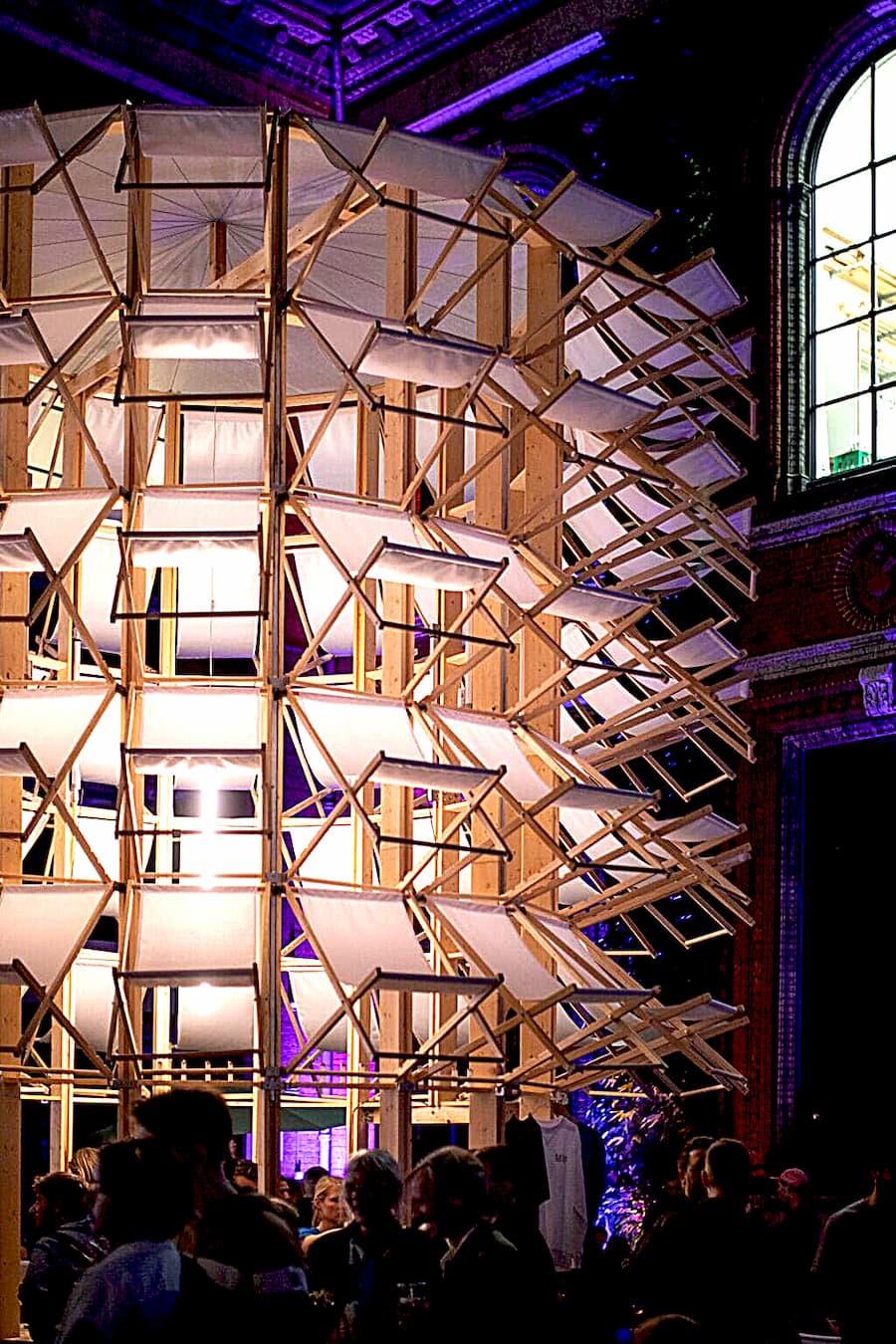
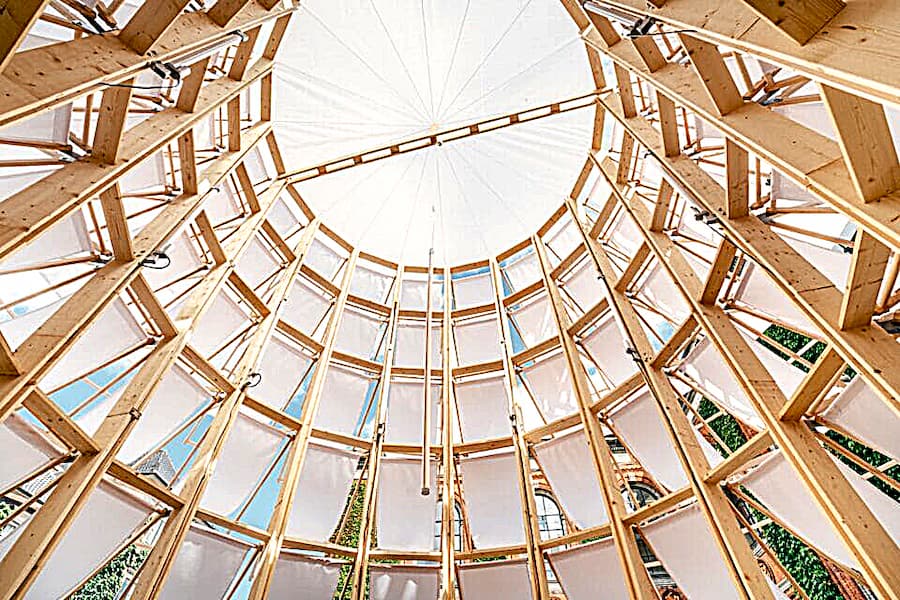
For PETAL, the team designed a playful, kinetic structure using 108 simple deck chairs arranged in the form of a cylinder]. [During the day, the seats open, and the piece appears to bloom. In the evening, the chairs are collapsed to form a more solid surface, which doubles as a screen to capture color projections.
“The main driving force being the design was to use an everyday product in a new way and still keep the original functionality,” the studio says in a statement. Employing lightweight, basic deck chairs, the temporary pavilion is easy to assemble, disassemble, and pack flat. Part functional space and part art object, PETAL invites a 360-degree experience.
Lasovsky and Johansson are currently working on a contemporary design for the new Museum of Forest Finn Culture in Svullrya, Norway. Explore more projects on the studio’s website.
kanikachic
Want your project to be featured? Showcase your work through Kanikachic and E-mail us your most inspiring moments.
All Photography, Styling, Fotos, and Pictures Shared with Permission from the Colossal Website
─────────────────────────────────────────────────────────────────────────
Per essere insostituibili bisogna sempre essere diverso. / Ci sono immagini affascinanti qui, e l’affascinante giornata di insieme! xo KanikaChic