Casa 14-bis: Architecture Inspired by Landscape, Topography, and Flight

Casa 14-bis contemporary residence in Campinas featuring wing-inspired architecture and expansive landscape views


Some Particular Features that Became Guiding Elements of What The Project Would Become, We Sensed a Bucolic Atmosphere and a Sense of Peace
 

Casa 14-bis, Its Shape Another Peculiarity of the Having Only Three Sides
All photography, styling, fotos, and pictures are shared from the  © Archdaily website


▏A Bucolic Atmosphere and a Sense of Peace

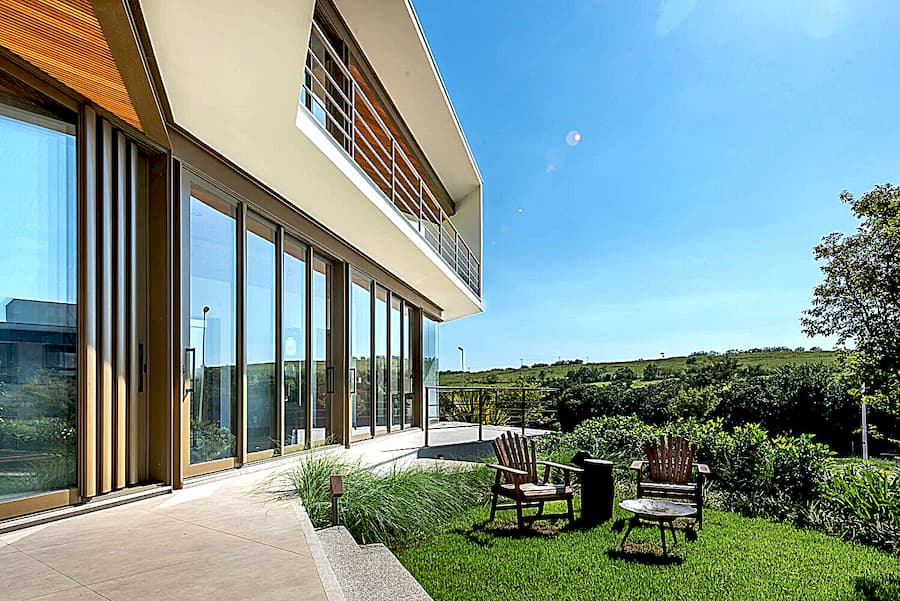
When first visiting the site with the client, several characteristics immediately stood out and ultimately became guiding principles for the project. Located within a gated community in Campinas and facing open farmland, the property offered an unexpectedly tranquil setting. The surrounding landscape conveyed a bucolic atmosphere and a strong sense of peace, qualities that would later shape the architectural response.

The generous views across the countryside further reinforced this impression. From the site, it was possible to watch the historic Maria Fumaça train passing through the landscape, creating a memorable connection between architecture, history, and place. In that moment, the orientation of the house and its relationship to the surrounding views began to reveal themselves naturally.
Casa 14-bis, Its Shape Another Peculiarity of the Having Only Three Sides


▏A Site That Inspired the Wings of 14-Bis

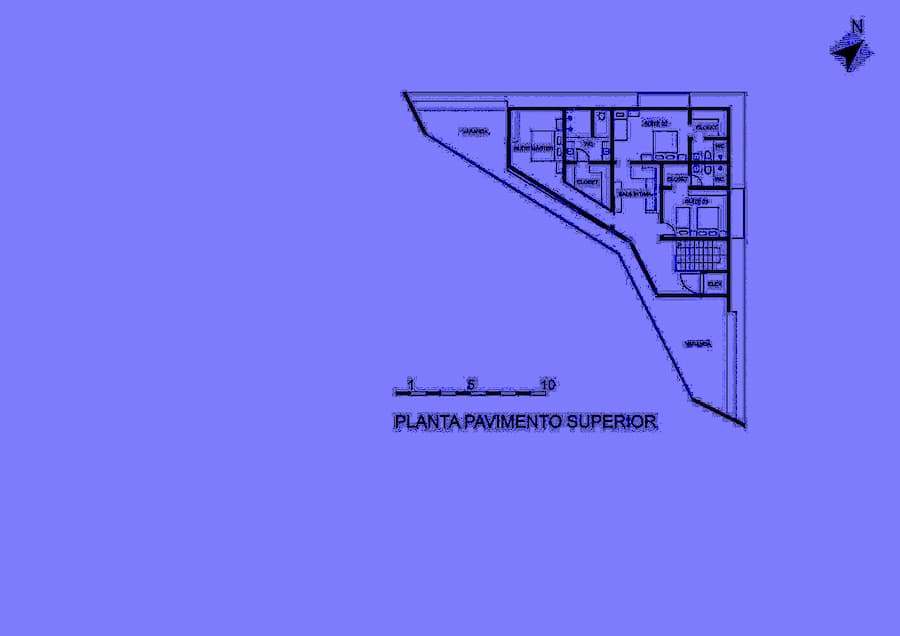
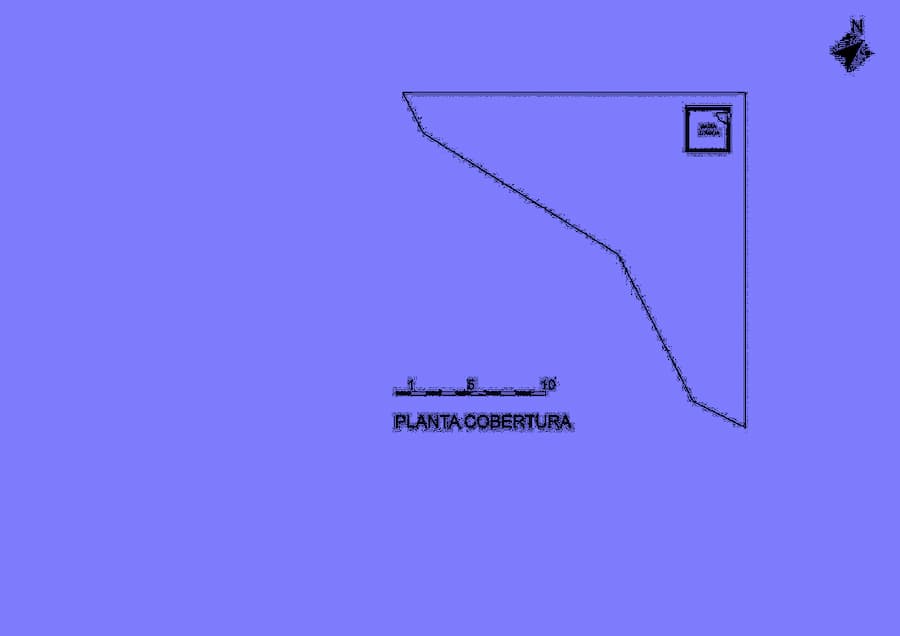
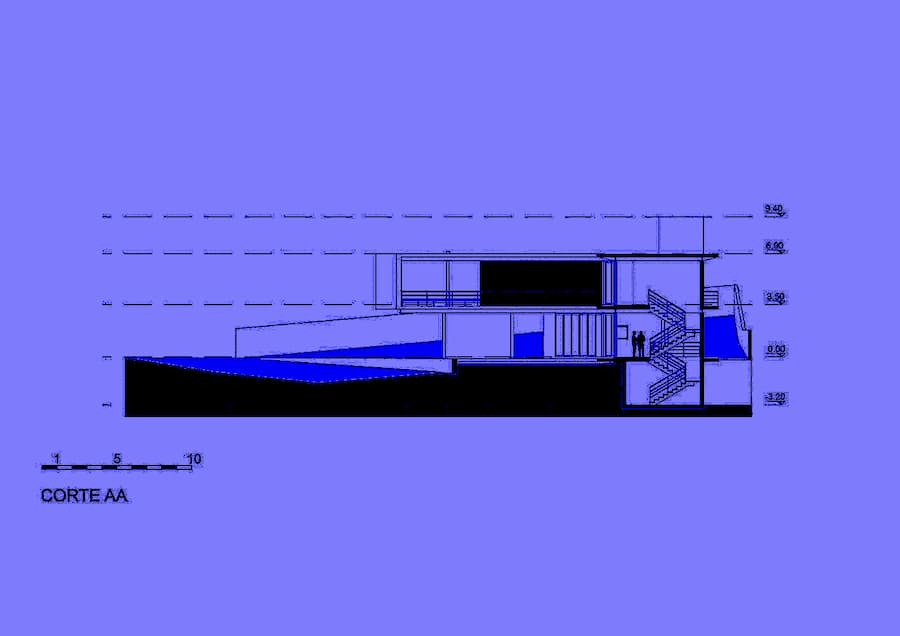
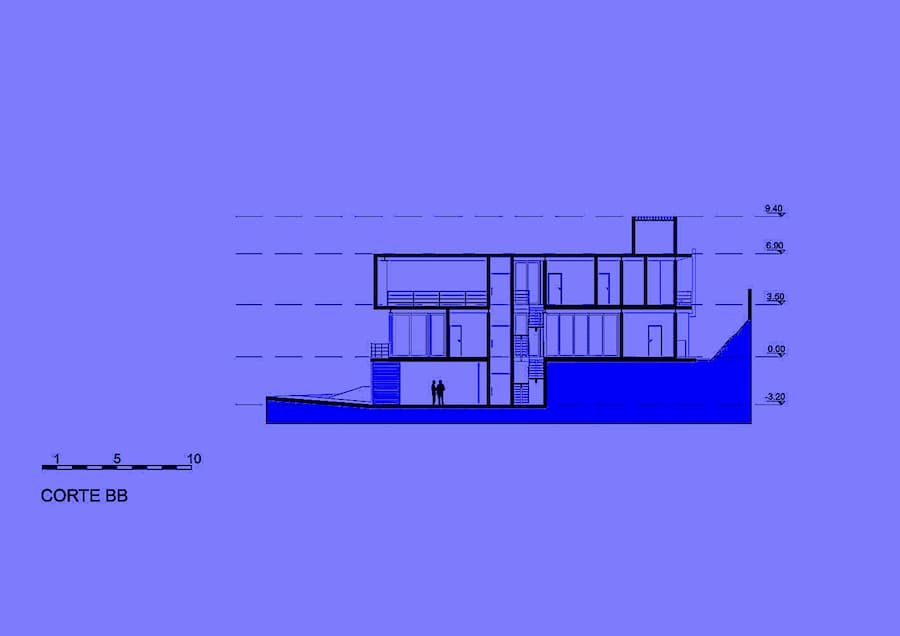
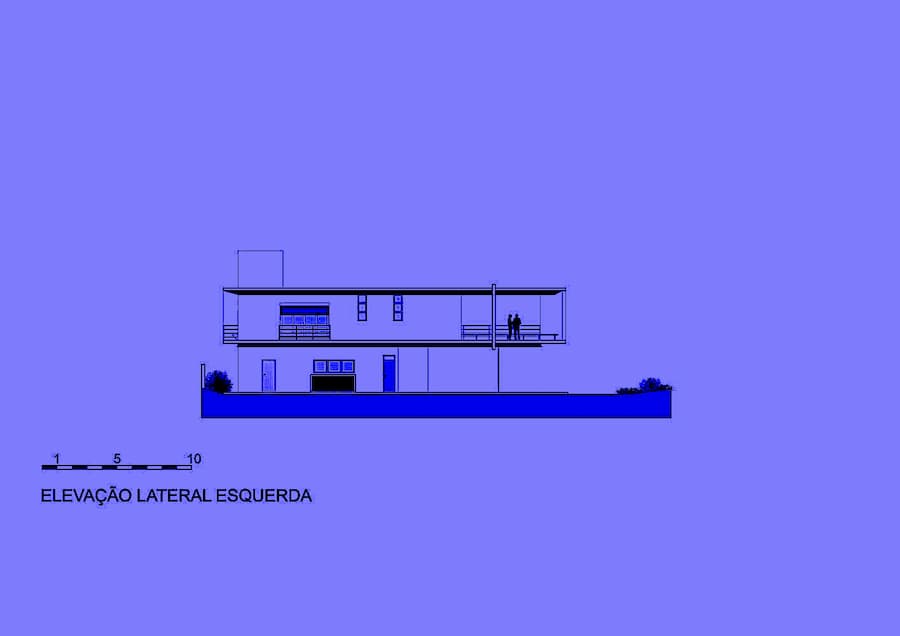
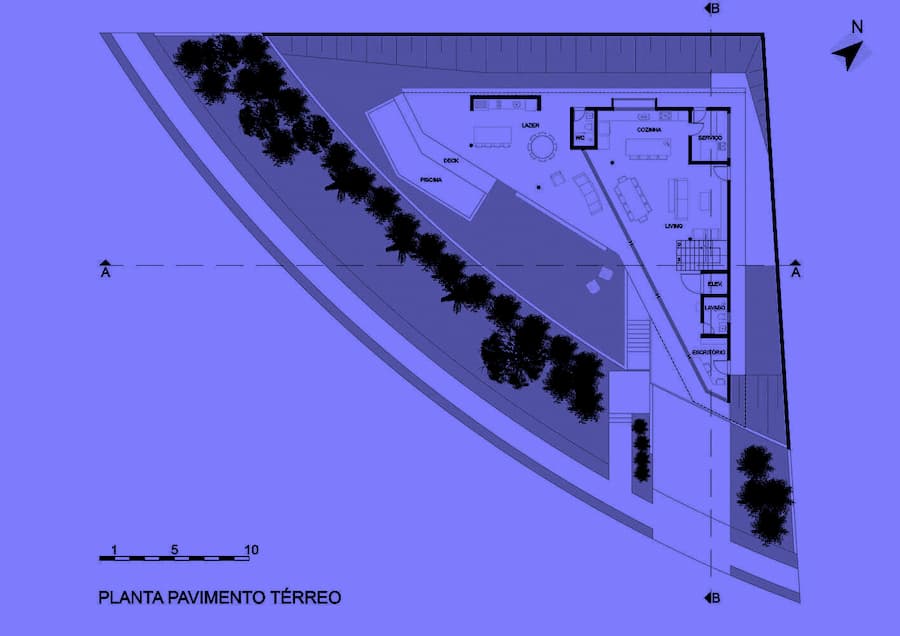
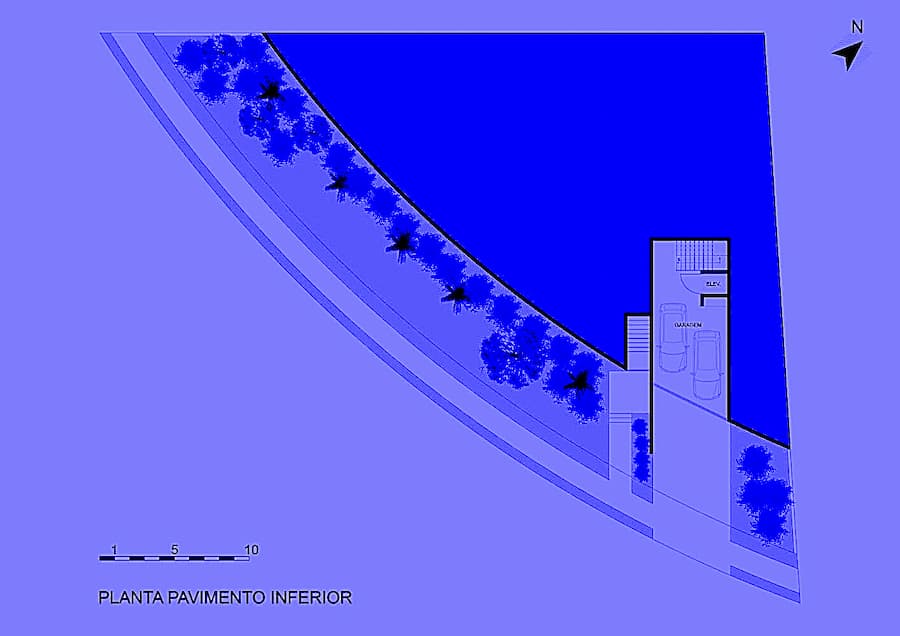
Another defining characteristic of the nearly 1,000-square-meter plot was its unusual geometry. Rather than following a conventional rectangular form, the site featured only three sides, one of which curved dramatically like the edge of a baseball field. Combined with a four-meter change in elevation, the terrain presented both challenges and opportunities for the design team.

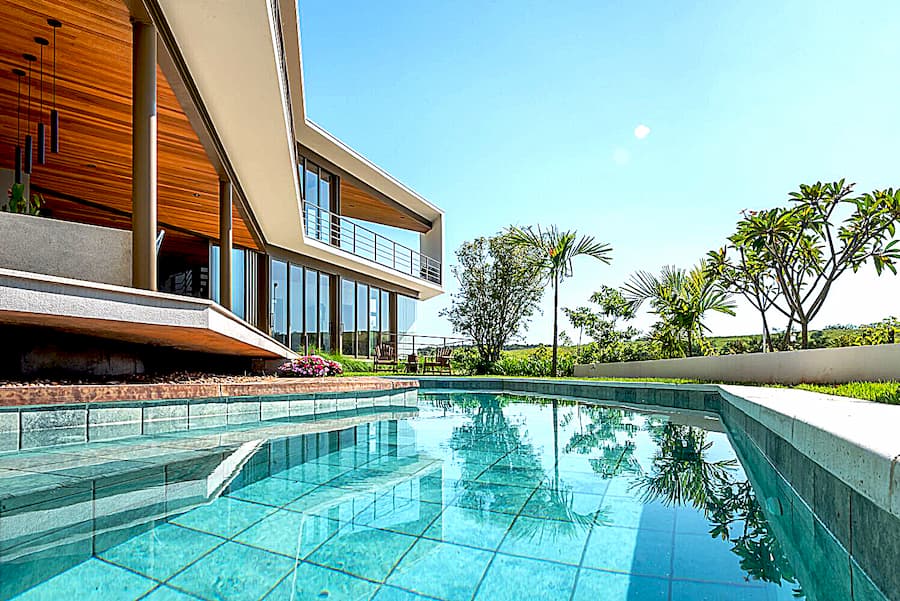
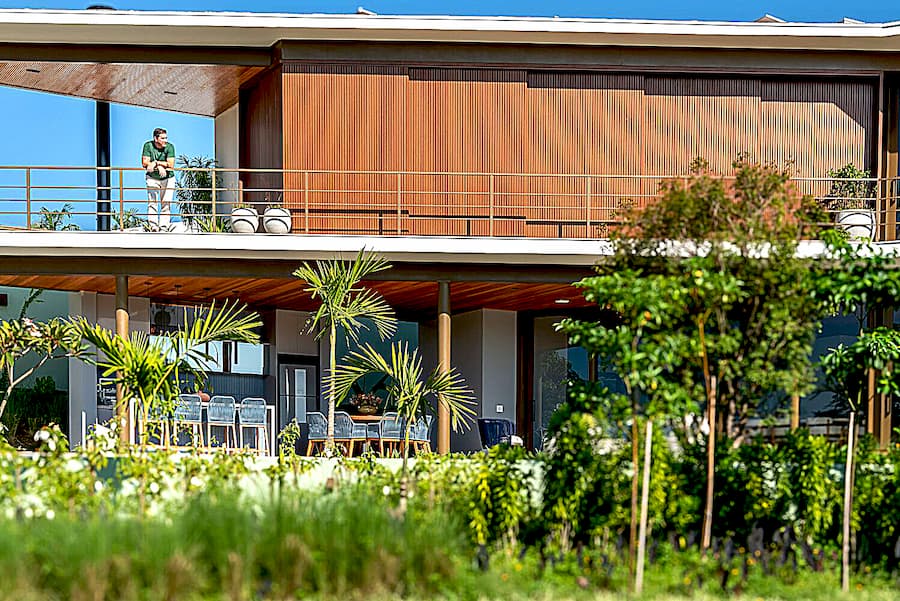
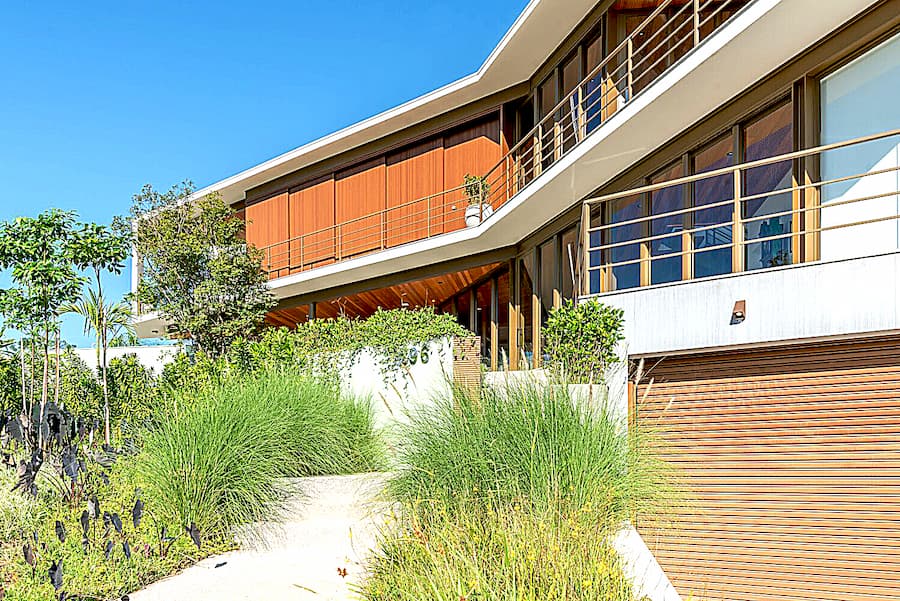
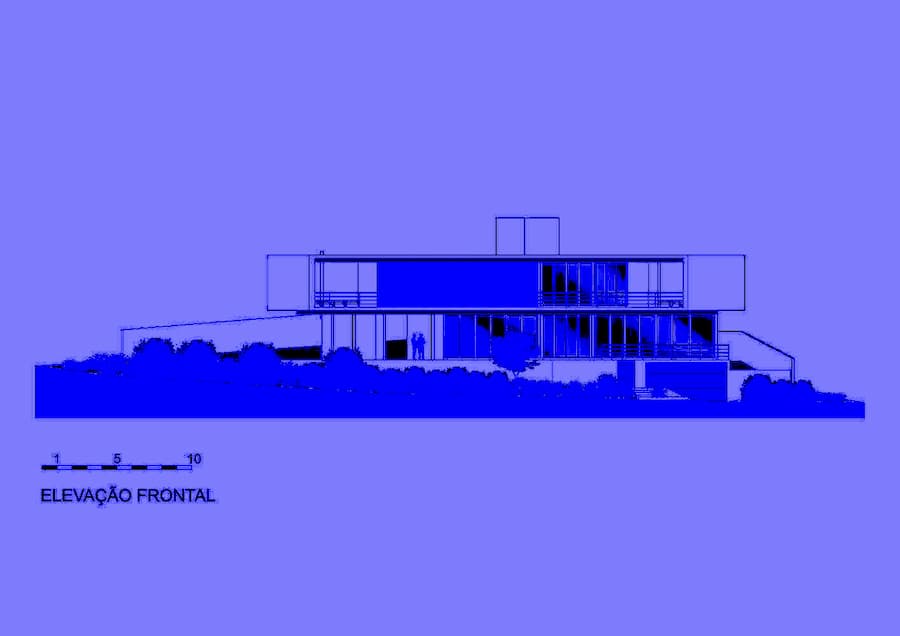
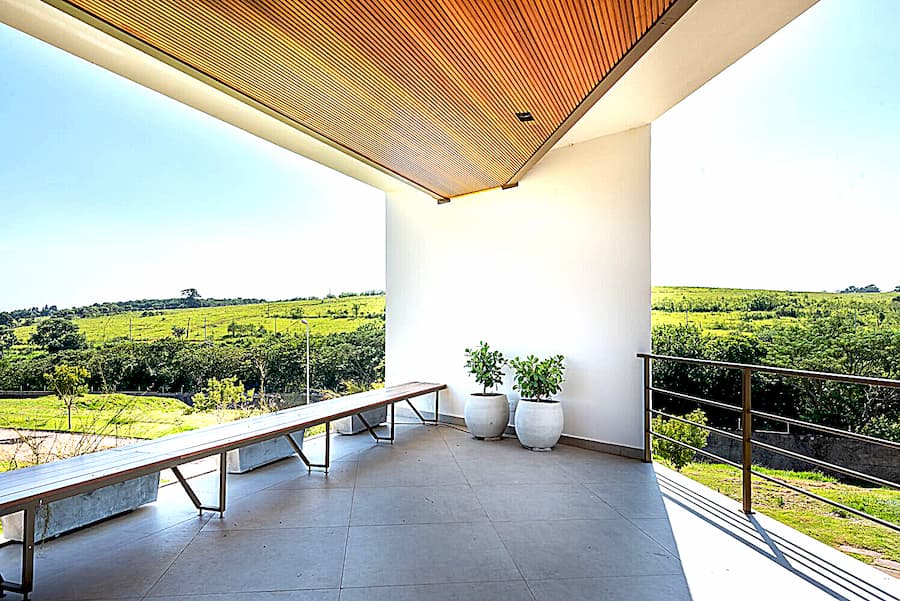
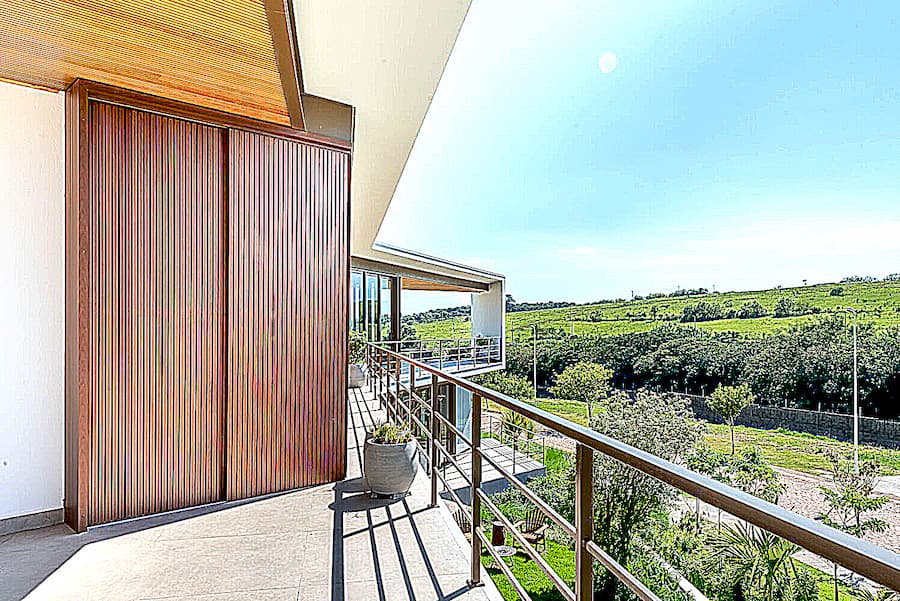
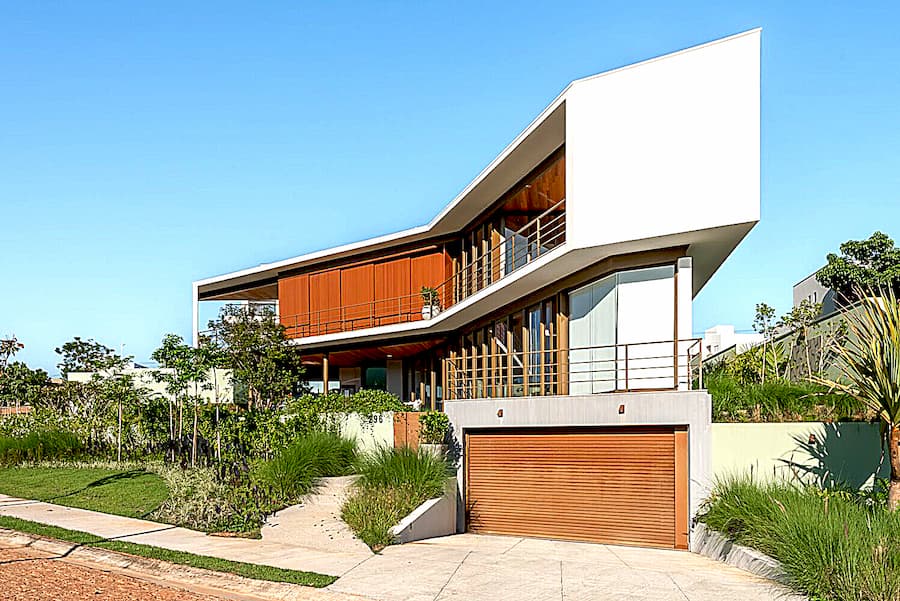
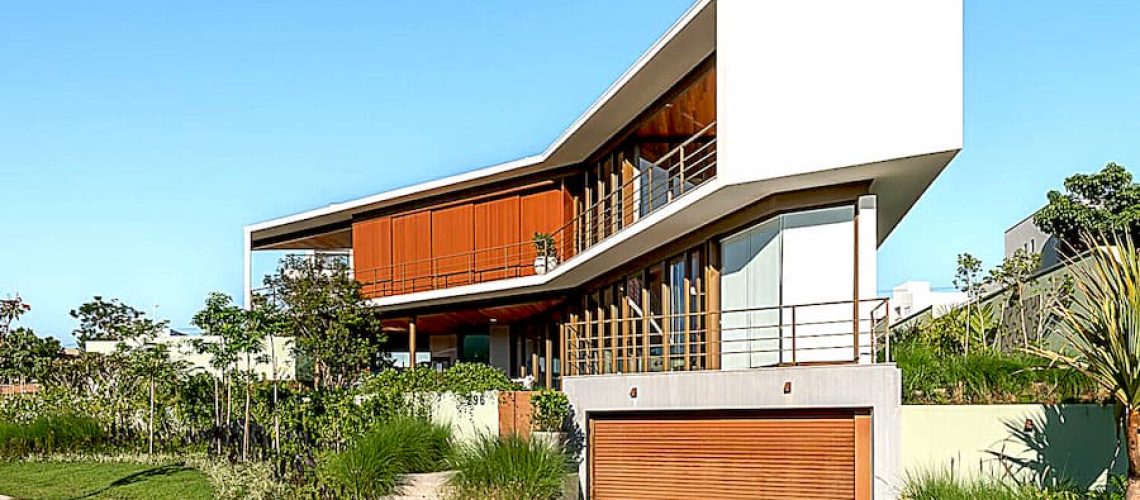
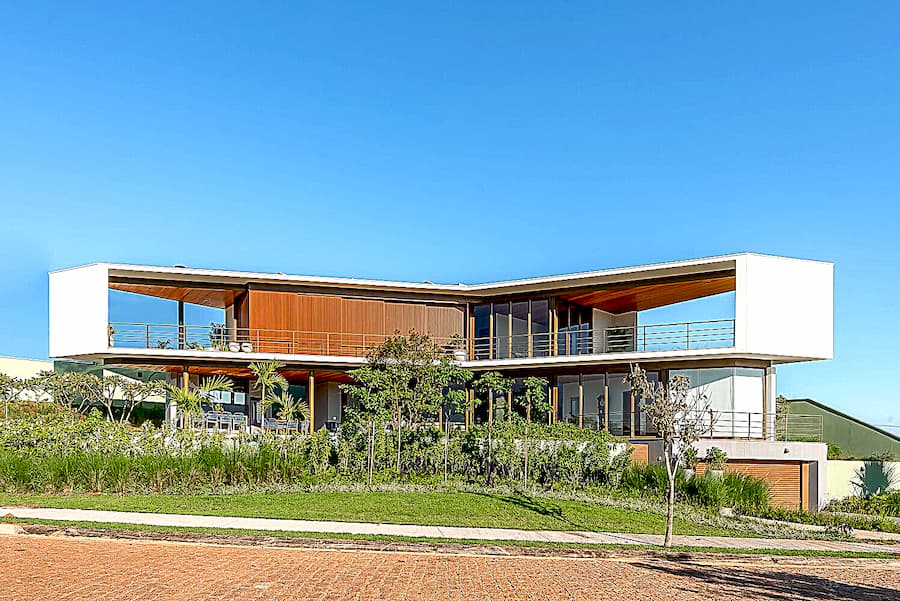
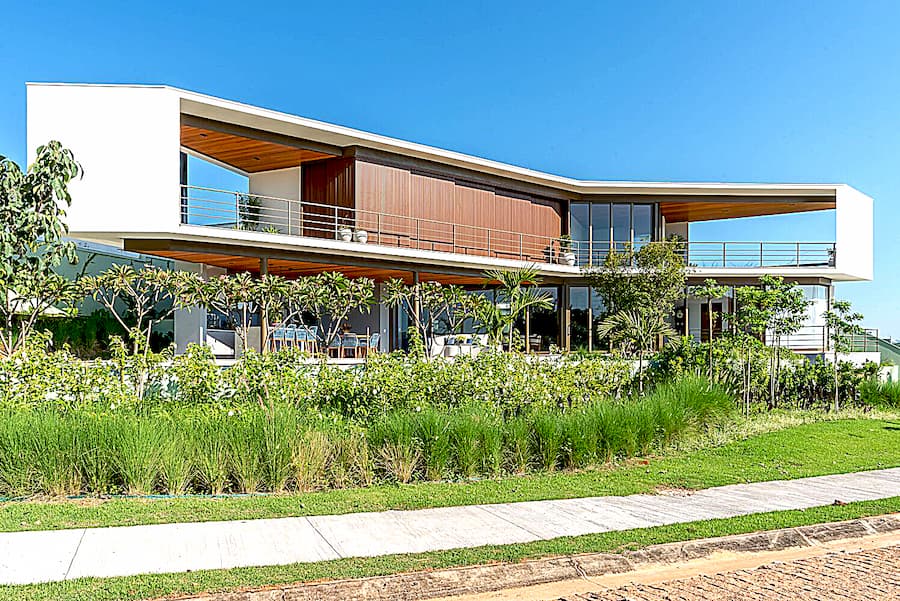
Instead of imposing an orthogonal layout, the architects embraced the site’s distinctive shape and topography. The design was organized around two elevated wings on the upper level—one dedicated to the private spaces of the couple and the other designed for family gatherings and entertaining guests. A veranda anchors each end of the composition, maximizing views and outdoor living opportunities.

The resulting form recalls the outstretched wings of the legendary 14-Bis aircraft, created by aviation pioneer Santos Dumont. By responding directly to the land’s contours and visual connections, Casa 14-bis transforms an unconventional site into an elegant architectural statement that celebrates both landscape and innovation.
Casa 14-bis, Its Shape Another Peculiarity of the Having Only Three Sides


Casa 14-bis, Its Shape Another Peculiarity of the Having Only Three Sides


Casa 14-bis, Its Shape Another Peculiarity of the Having Only Three Sides


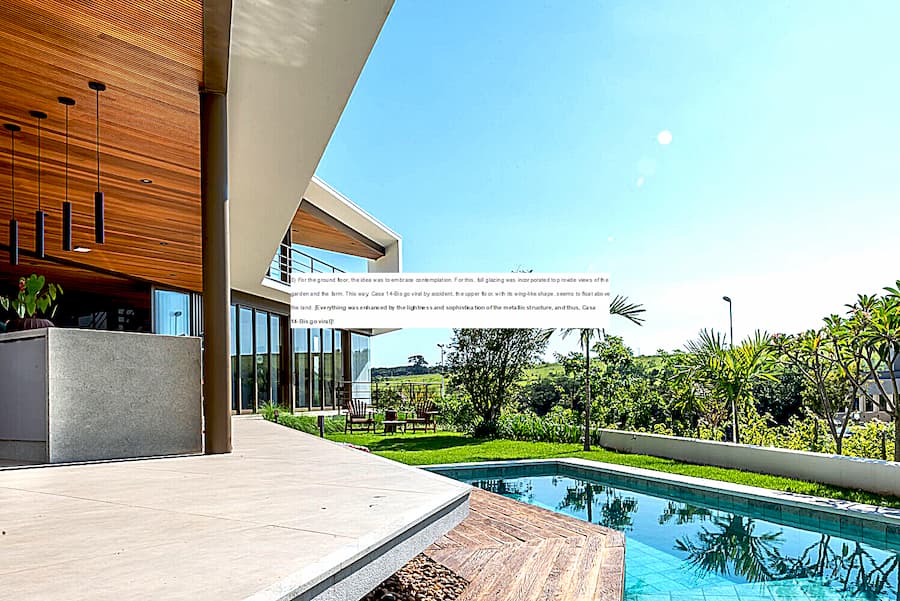
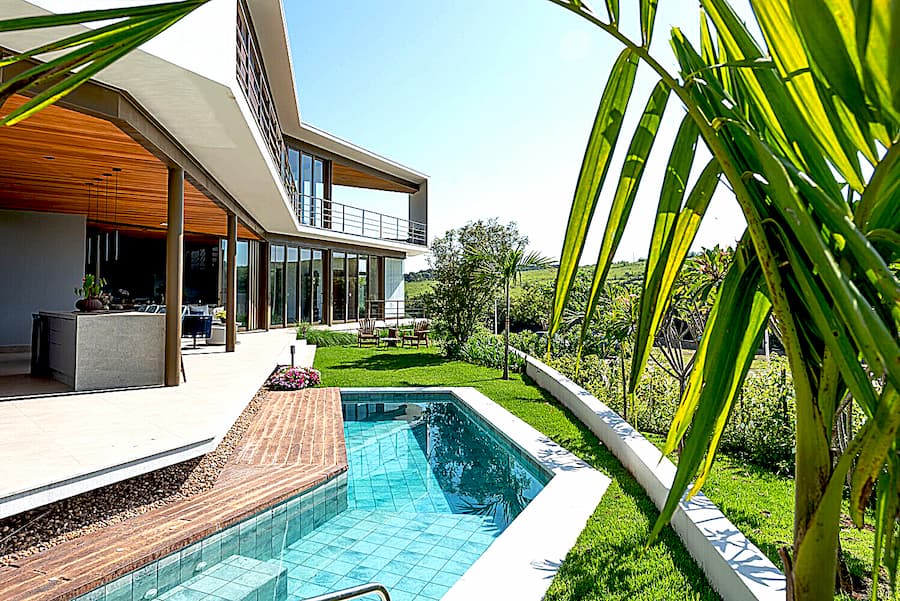
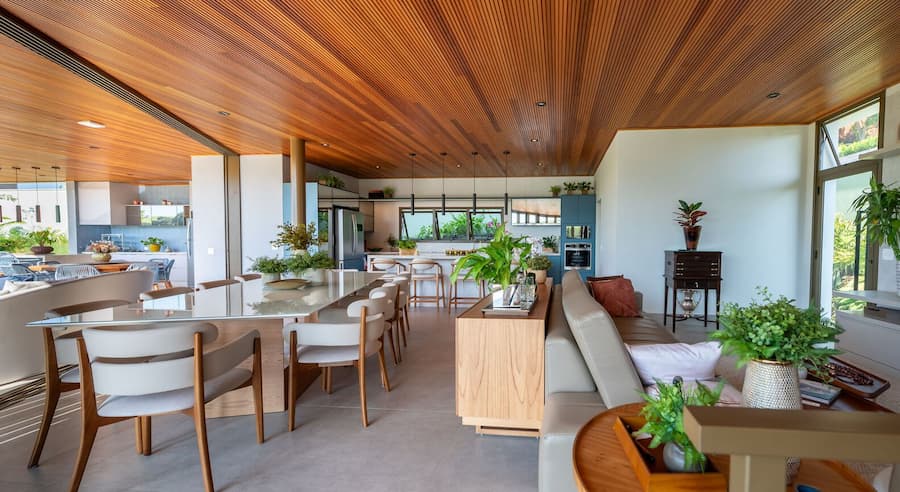
▏Casa 14-Bis go viral! For the ground floor, the idea was to embrace contemplation. For this, full glazing was incorporated to provide views of the garden and the farm. This way, Casa 14-Bis go viral by accident, the upper floor, with its wing-like shape, seems to float above the land. Everything was enhanced by the lightness and sophistication of the metallic structure, and thus, Casa 14-Bis go viral !
 

Casa 14-bis, Its Shape Another Peculiarity of the Having Only Three Sides


Casa 14-bis, Its Shape Another Peculiarity of the Having Only Three Sides


Casa 14-bis, Its Shape Another Peculiarity of the Having Only Three Sides


Casa 14-bis, Its Shape Another Peculiarity of the Having Only Three Sides


Casa 14-bis, Its Shape Another Peculiarity of the Having Only Three Sides


Casa 14-bis, Its Shape Another Peculiarity of the Having Only Three Sides


Casa 14-bis, Its Shape Another Peculiarity of the Having Only Three Sides


Casa 14-bis, Its Shape Another Peculiarity of the Having Only Three Sides


Casa 14-bis, Its Shape Another Peculiarity of the Having Only Three Sides


Casa 14-bis, Its Shape Another Peculiarity of the Having Only Three Sides


Casa 14-bis, Its Shape Another Peculiarity of the Having Only Three Sides


Casa 14-bis, Its Shape Another Peculiarity of the Having Only Three Sides


Casa 14-bis, Its Shape Another Peculiarity of the Having Only Three Sides


Casa 14-bis, Its Shape Another Peculiarity of the Having Only Three Sides


Casa 14-bis, Its Shape Another Peculiarity of the Having Only Three Sides


Casa 14-bis, Its Shape Another Peculiarity of the Having Only Three Sides

材料如何被石油體系重新定義

材料從來沒有中性過,只是我們習慣把它當作中性。 混凝土、鋼、玻璃——它們被討論時,總是停在強度、結構或形式。但那只是最後一層。 在那之前,它們已經被決定過很多次。 材料之所以看起來中性,是因為大部分決策已經在它出現之前完成。當我們開始討論材料時,其實已經太晚。     石油的影響並不止於能源供應,它進一步進入建築的物質層,重新塑造了我們對材料的理解,使材料不再只是被選擇與組合的元素,而是與能源體系緊密連動的結果,其生成、性能與使用方式都在石油系統的框架之中被重新定義。     材料在這樣的條件下不再被視為中性的建築構成元素,而是帶有明確來源與技術背景的產物,從塑膠、塗料、防水層到各類合成材料,其背後皆指向石油提煉與化工工業的生產鏈,使建築的物質基礎逐漸從天然轉向人工合成,這種轉變不僅改變了材料的物理性能與施工方式,也使材料本身成為一種可被標準化、複製與大量生產的結果,並在其生成與應用的過程中,逐漸依賴於隱藏地下的基礎設施與能源系統,進而影響建築形式與空間表現的可能性,使設計不再完全由形態決定,而是受制於材料系統的供應與限制 隨著這些材料被廣泛應用於建築之中,空間的生成邏輯也隨之發生改變,輕量化、高強度與高延展性的特性使結構得以突破原有的限制,建築可以更快速地搭建與擴張,同時也更加依賴隱藏於表面之下的材料層次來維持其功能,然而這些看似提升效率與性能的材料,實際上將建築更深地嵌入石油體系之中,使其在生命週期的每一個階段都與能源消耗與資源轉換緊密相連,從生產、運輸到維護與替換,都構成了一個難以脫離的依附關係 當材料被納入這樣的系統之後,建築便不再只是設計者操作的結果,而是成為一種由能源、技術與工業流程共同塑造的產物,其物質性不再純粹,而是混合了多重不可見的生產過程與資源流動,使我們難以單純以形式或功能來理解建築本身,而必須進一步追溯其背後的材料來源與生產邏輯,才能看見這些看似穩定的構成元素,實際上如何在石油體系之中被持續生成與重構   這些物質層面的轉變,最終仍回到同一個問題——建築如何在能源與基礎設施的系統之中被持續塑造與運作。     來源 材料來自哪裡,其實比它長成什麼樣子更重要。 開採、運輸、加工,每一個環節都在消耗能量,也在重新分配成本。這些過程不會出現在圖面上,但它們決定了什麼可以被建造。 Material is not chosen, it is

Facebook
Twitter
LinkedIn
Tumblr
0 0 votes
Article Rating
Subscribe
Notify of
guest
0 Comments
Oldest
Newest Most Voted
Search