Jinjoo Jo’s illustrations express the tenuous relationship humans conjure with nature and a personal response to a widely publicized tragedy.
▏Blue Anger
Treading the boundary between cuteness and discomfort—innocence and harm—South Korean artist Jinjoo Jo’s illustrations express the tenuous relationship humans conjure with nature and a personal response to a widely publicized tragedy.
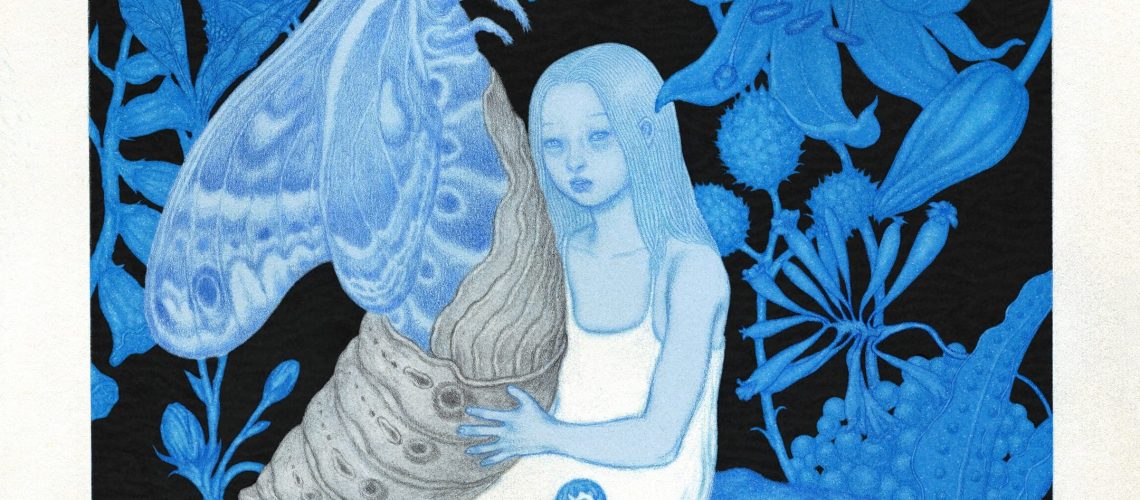
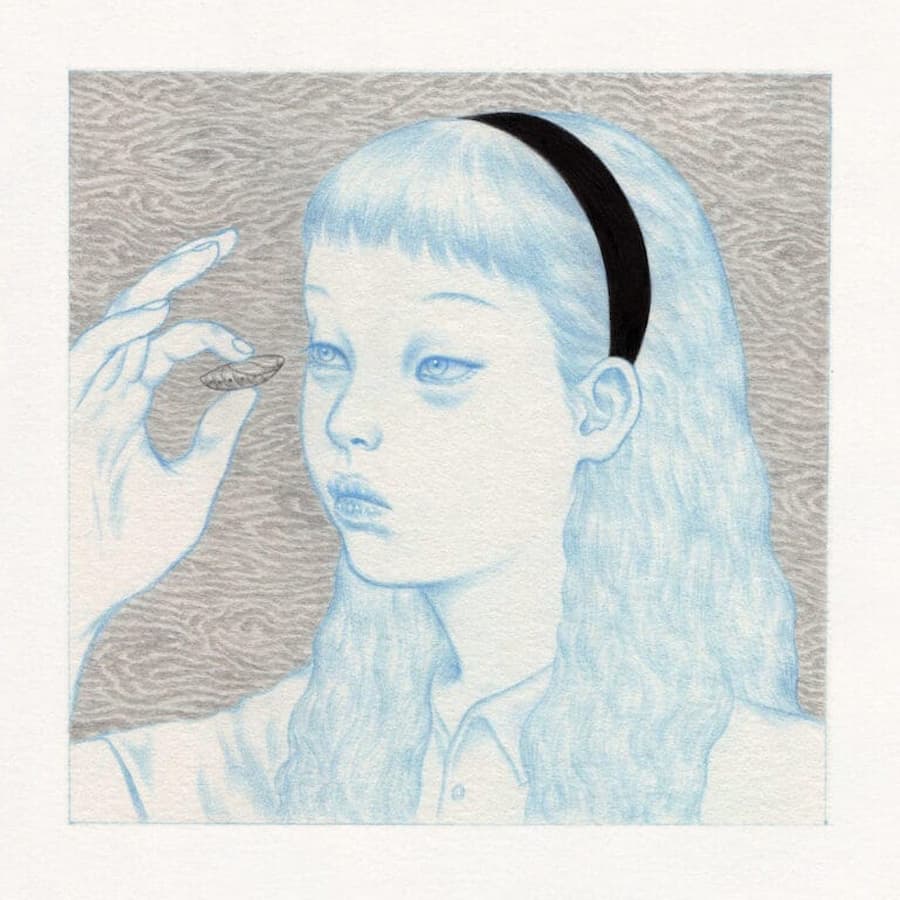
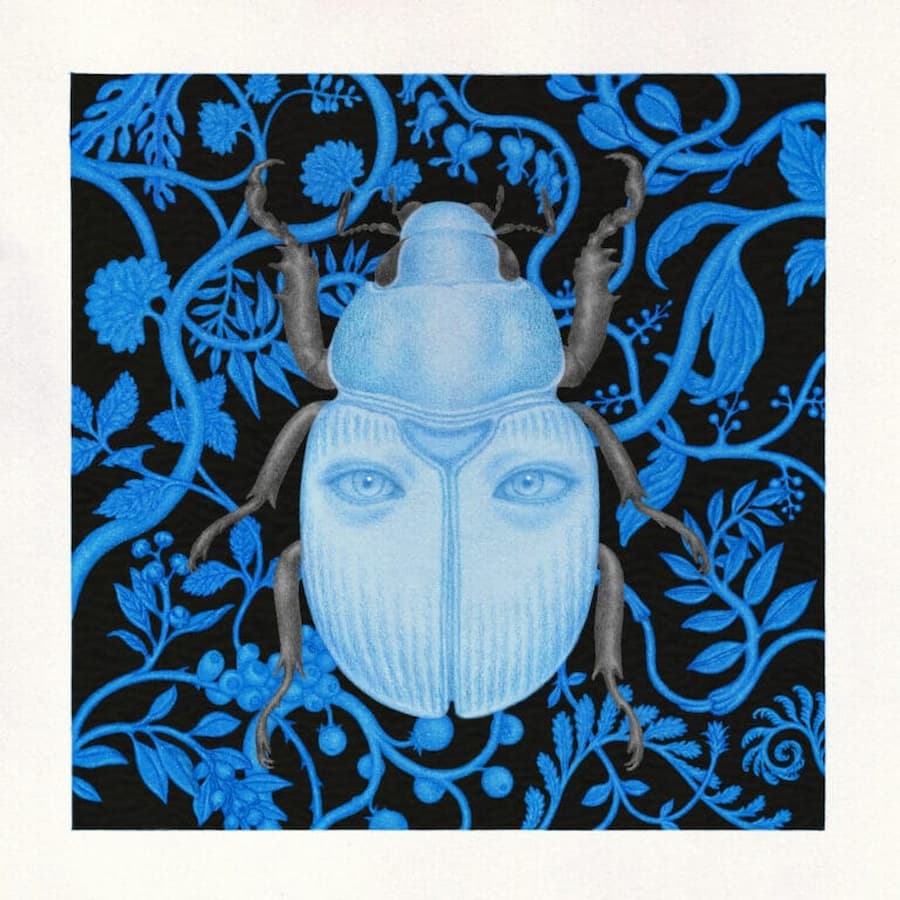
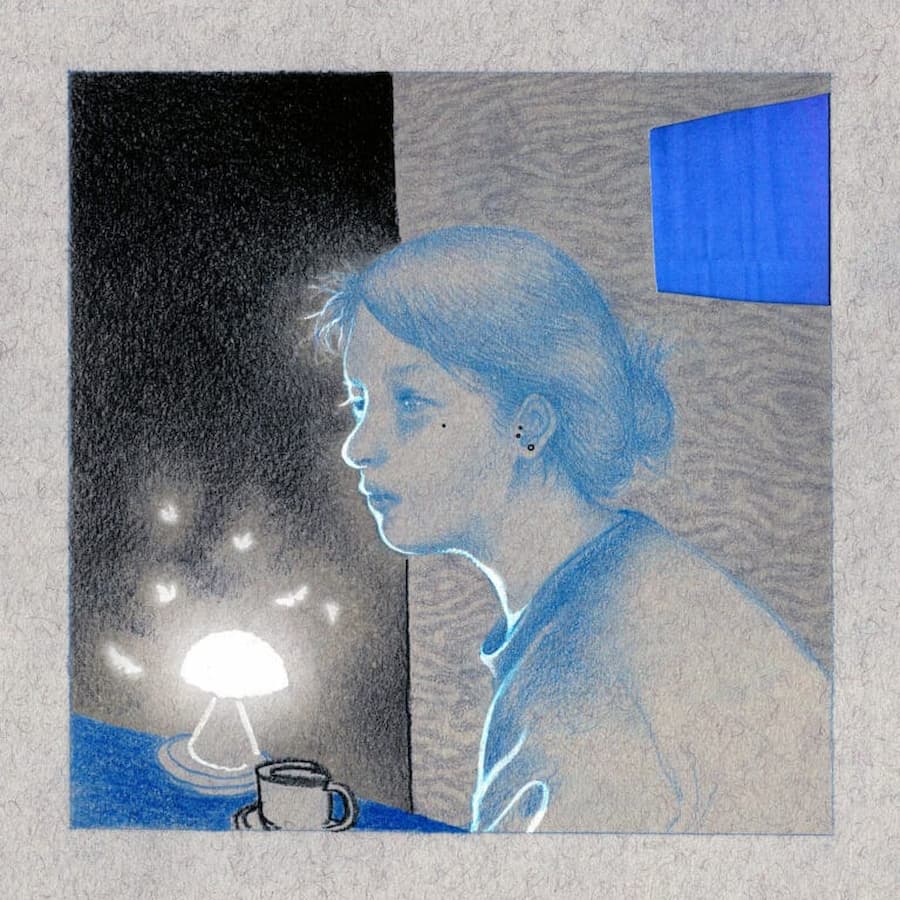
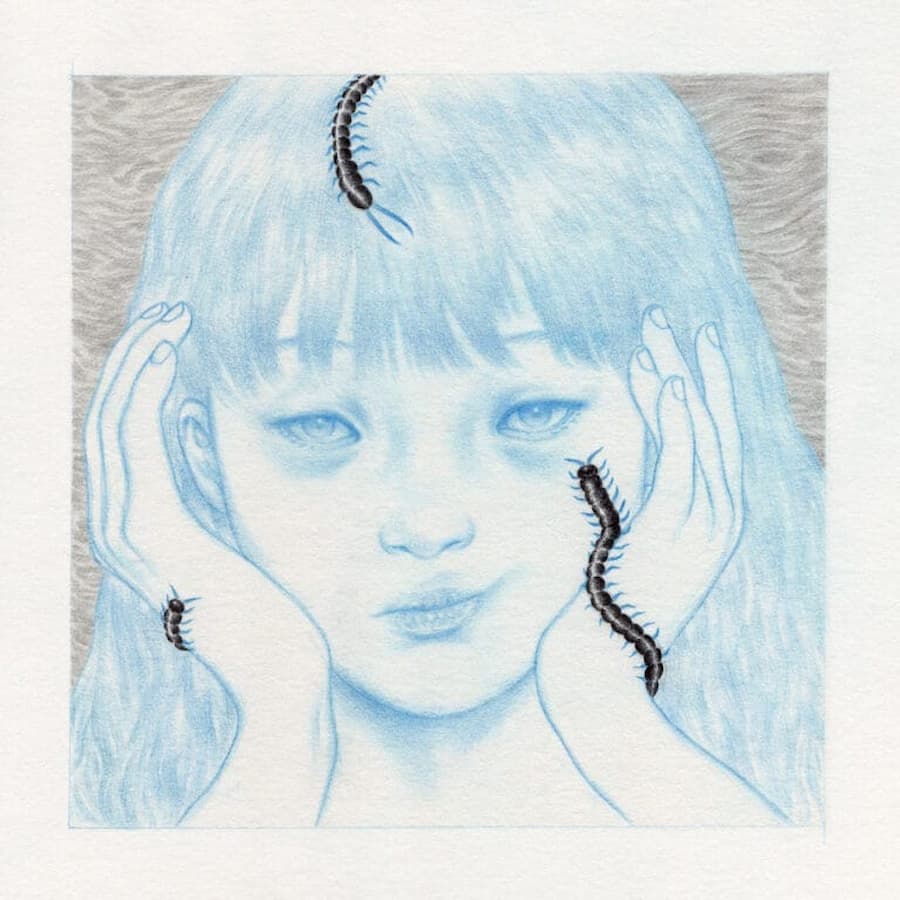
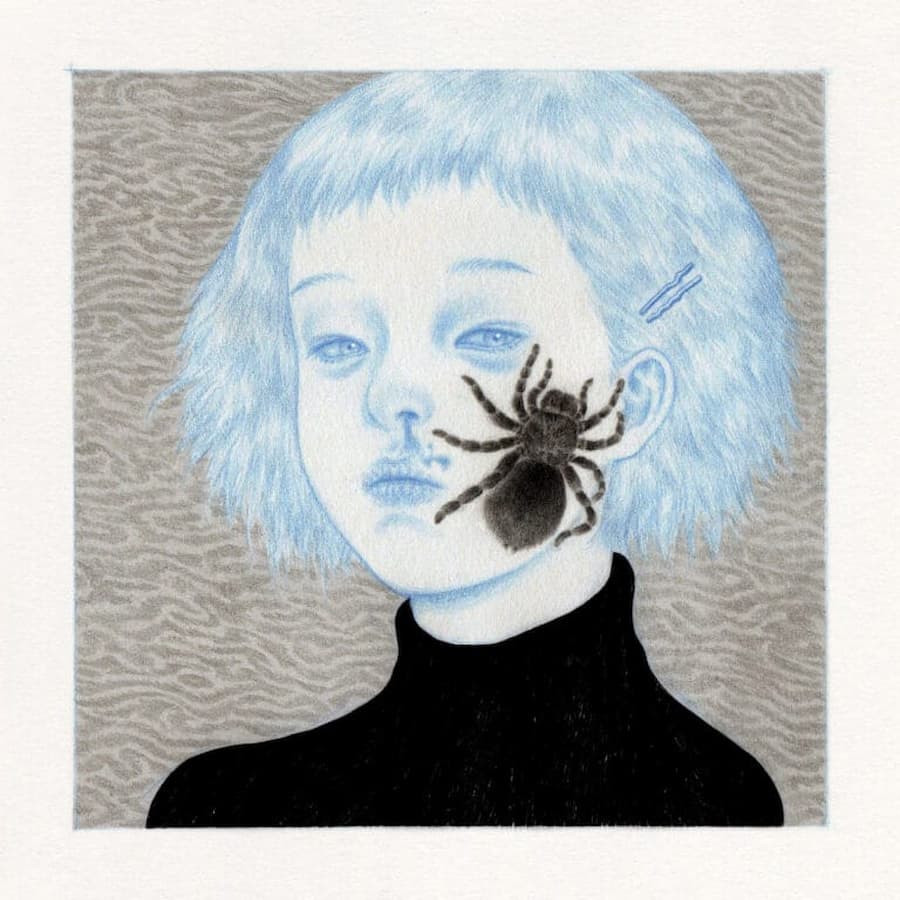
Blue Anger, a series Jo began in 2020, portrays young girls interacting with insects, which are unsettlingly large and imposing. “I have always loved nature, but in this series, I chose to use insects as a metaphor for predators,” she says. “The young girls in the illustrations stare straight ahead as insects endlessly swarm around them. At times, I see myself as a passive witness to their suffering; at other times, I step into the artwork and become one of them.
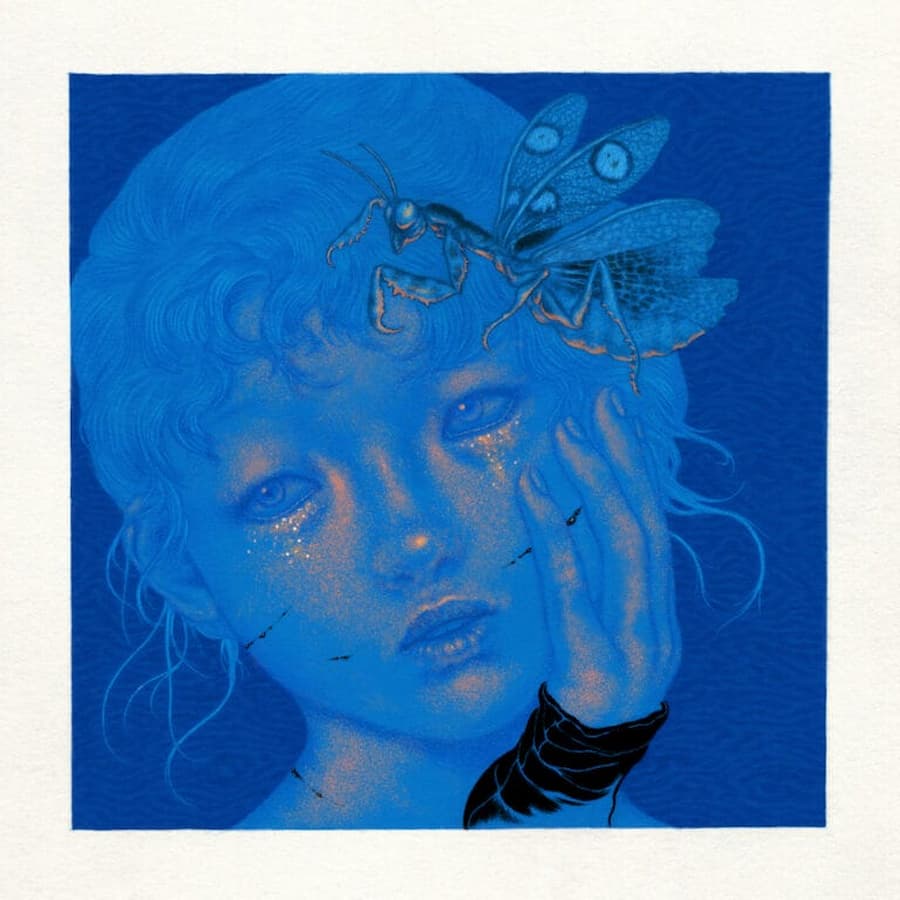
Most of the works seen here belong to Blue Anger, which continues to evolve. Rendered in black, white, and a cerulean blue hue, the first piece was made in direct response to the so-caled Nth Room case, a horrific cybersex crime that took place between 2018 and 2020. “At the time, I was overwhelmed by anger and despair,” the artist tells. “The case involved the sexual exploitation of at least 70 underage victims, who were subjected to abuse both online and offline.”
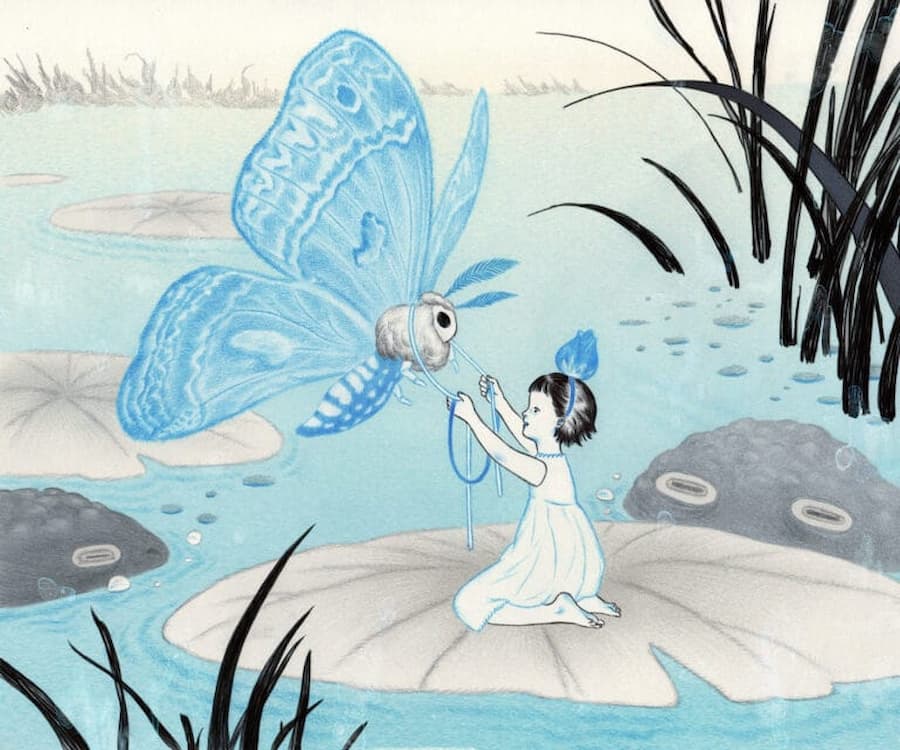
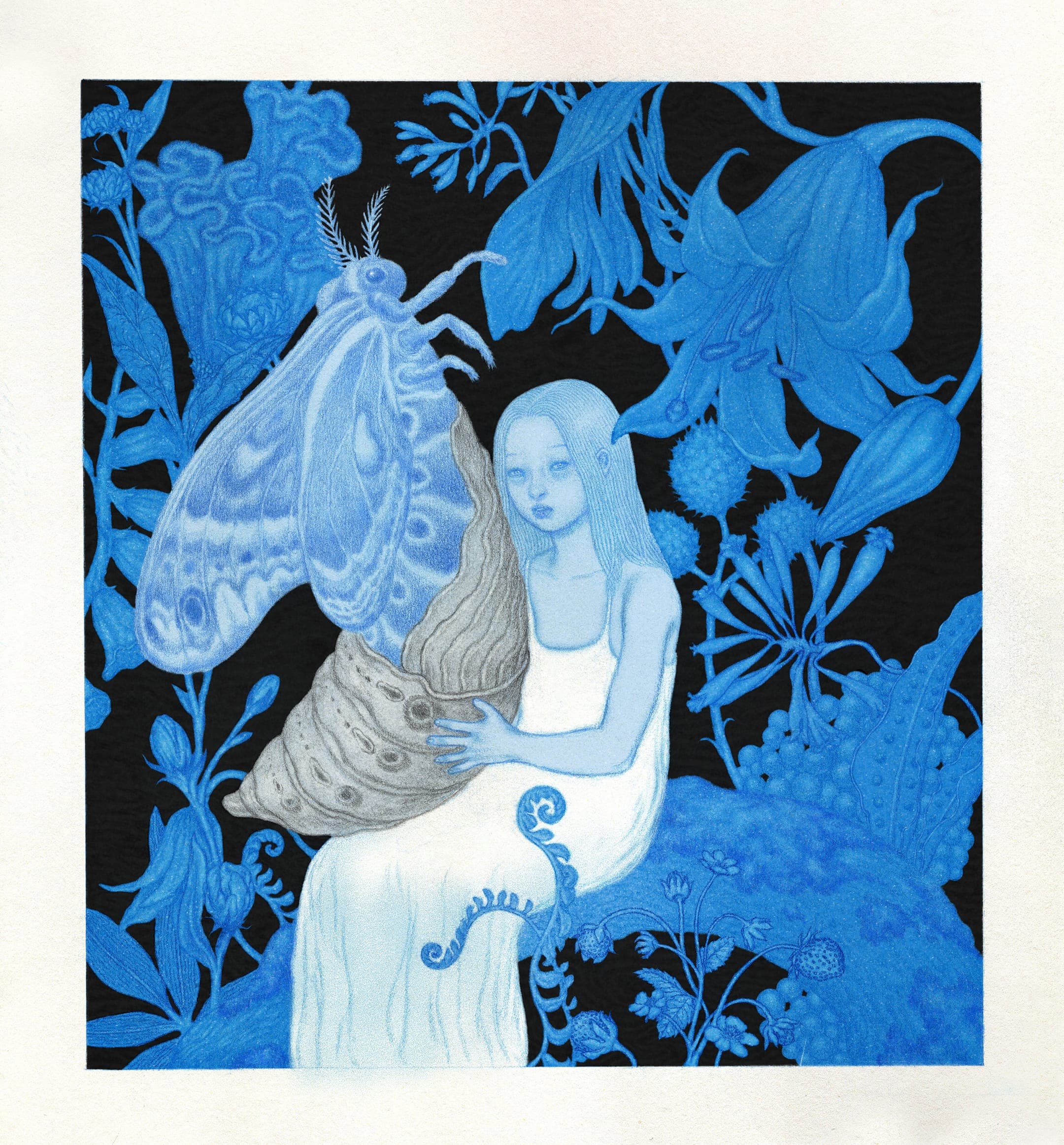
Blue Anger serves as a way to process the energy-draining emotion, in a sense creating a kind of tribute to the young people who were victimized. Recent works diverge from the theme of insect-as-predator, reverting control to the young girls who instead commune in a pond with a larger-than-life moth or coexist in an illuminated space with fluttering insects drawn to the light.
Jo primarily employs colored pencils and graphite, occasionally incorporating black ballpoint pens for darker details. She then scans her drawings in order to complete them digitally using Procreate and Photoshop.
Jo has been working for several years on a graphic novel related to ongoing scientific research, which is currently in pre-production. She has also been working on an essay detailing her experiences of pregnancy, which she hopes to eventually compile into a small book. Find more on the artist’s website.
▏Aesthetics centers in Kanikachic’s highlighting artist/designer experiences
Passionate perspectives on art, artists, contemporary architecture, and ideas that shape culture today
Want your project to be featured? Showcase your work through Kanikachic and (E-mail us: [email protected]) your most inspiring moments.
All Photography, Styling, Fotos, Pictures and Videos Shared with Permission from the [Colossal] Website
──────────────────────────────────────────────────────────────────────────────────────────
Per essere insostituibili bisogna sempre essere diverso. ▎Ci sono immagini affascinanti qui, e l’affascinante giornata di insieme! xo KanikaChic