▏Architecture Rooted in Culture and Context
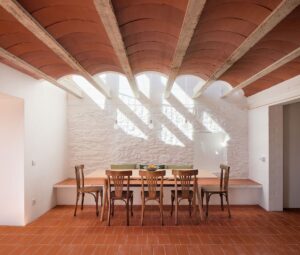
When discussions emerged around David Chipperfield’s proposed extension for the National Archaeological Museum in Athens, many architects and cultural observers viewed the project as more than a museum expansion. Chipperfield’s reputation, built through works such as the Neues Museum in Berlin and the restoration of Venice’s Procuratie Vecchie, reflects a design approach grounded in respect for history and cultural identity.
His growing recognition in Athens highlighted a broader belief that architecture should be entrusted to designers capable of understanding local context. Beyond creating iconic buildings, Chipperfield’s work demonstrates how thoughtful design can strengthen urban environments, protect cultural heritage, and contribute positively to the communities surrounding them.
 All photography, styling, fotos, and pictures are shared from the Architizer website[/caption]
▏Fundación RIA and the Future of Galicia
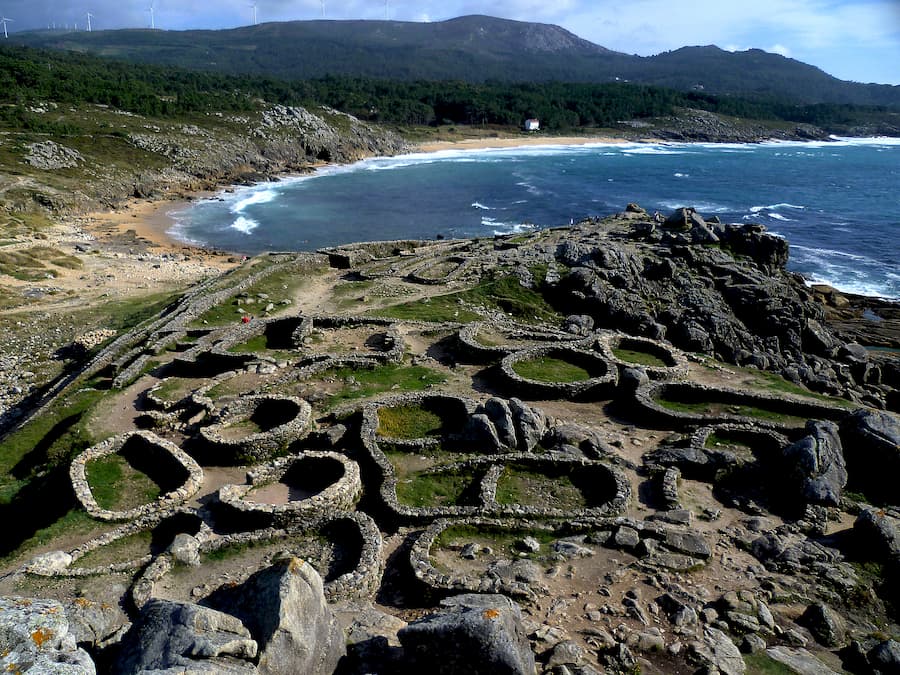
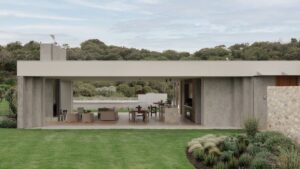
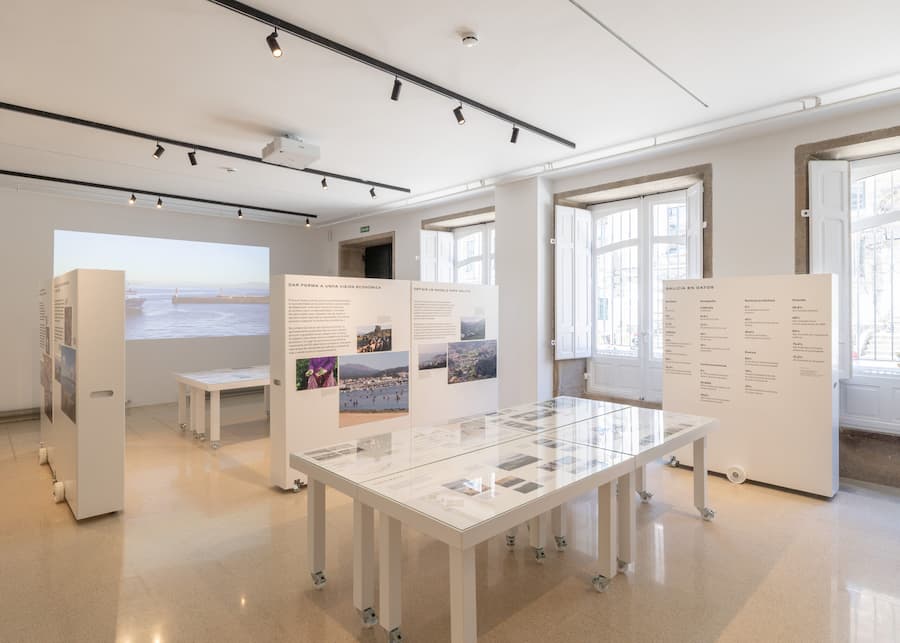
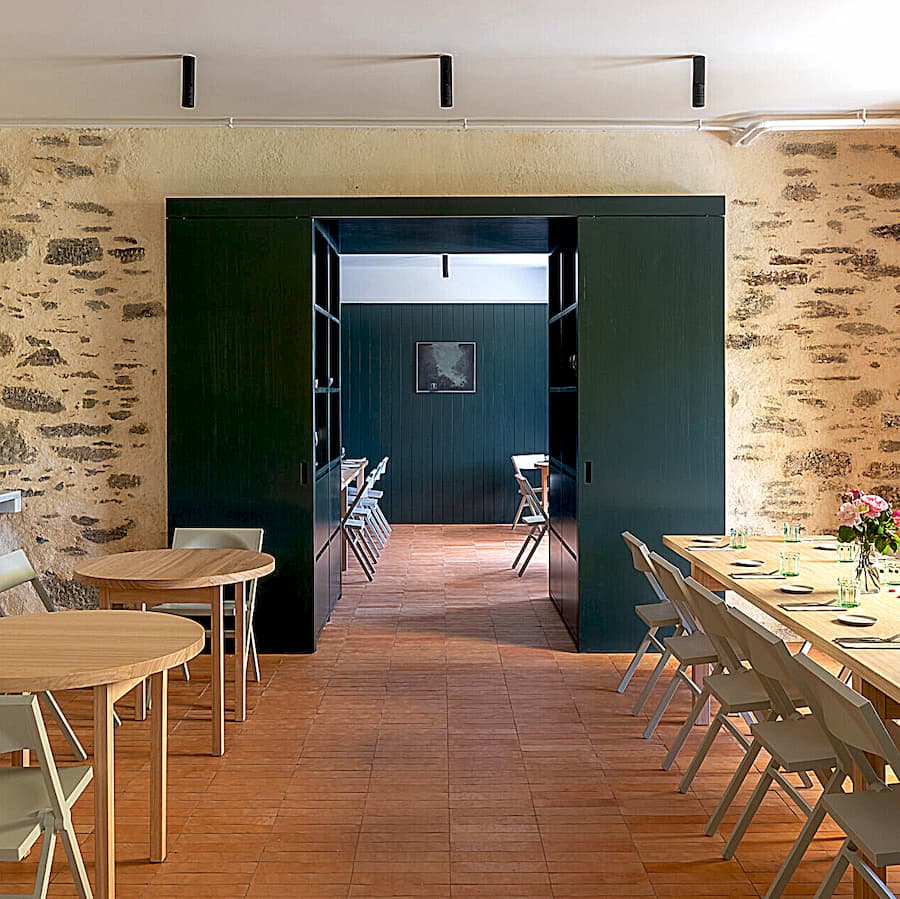
Chipperfield’s commitment to architecture extends far beyond individual commissions. Guided by the belief that architects should actively engage with society, culture, and the environment, he established Fundación RIA in Santiago de Compostela, a non-profit organization dedicated to studying and shaping the future of Galicia.
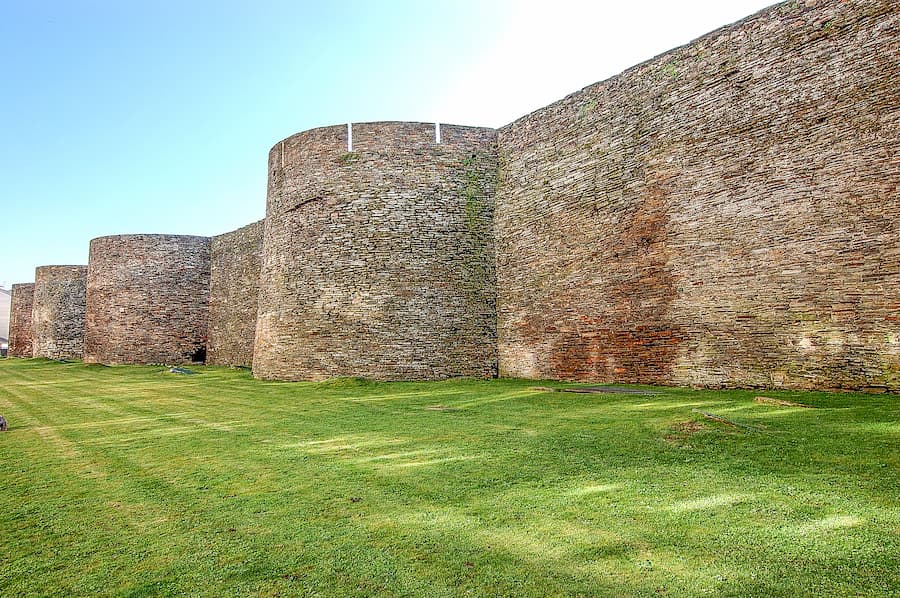
The initiative grew from Chipperfield’s long-standing relationship with the region, where he first built a holiday home in the early 1990s. Through research, planning strategies, and community-focused projects, Fundación RIA works to preserve Galicia’s natural landscapes and cultural heritage while supporting sustainable development. The organization has become a platform for exploring how architecture can help reconnect people with place, reinforce local identity, and address broader territorial challenges.
▏Model villages
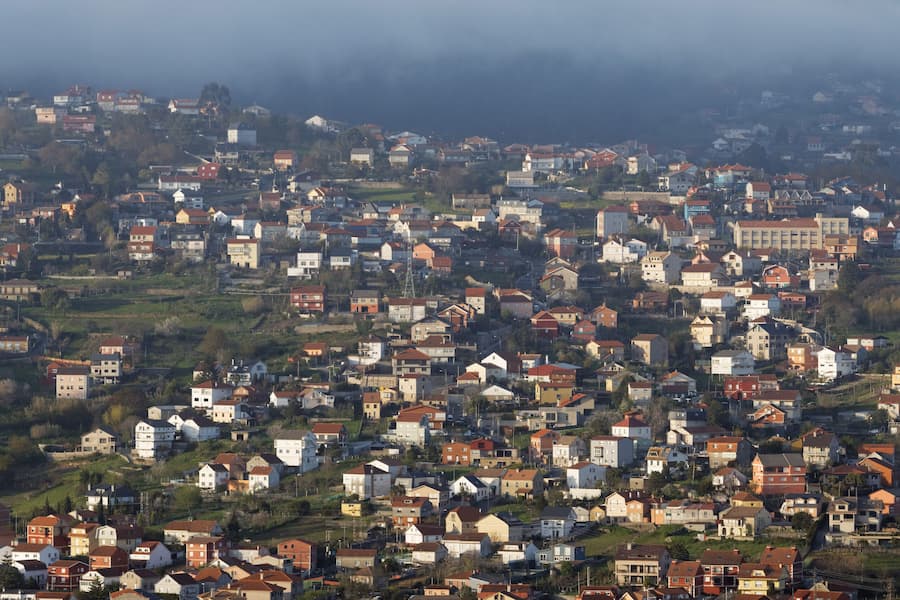
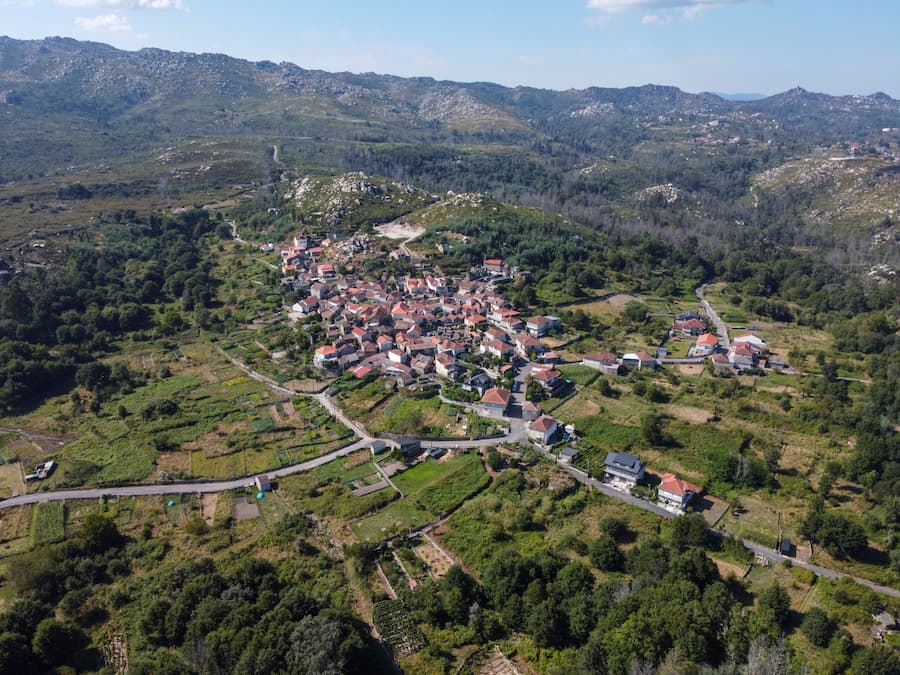
One initiative is the regeneration plans for the pilot model villages of muimenta and trascastro, which become architectural instruments that deal with the degradation of the productive, rural force of Galicia, due to population losses and the abandonment of land. Consequently, these model villages rehabilitate the buildings and public spaces, with the aim to attract new residences and reactivate the region’s productive force.
▏CISC marine research institute
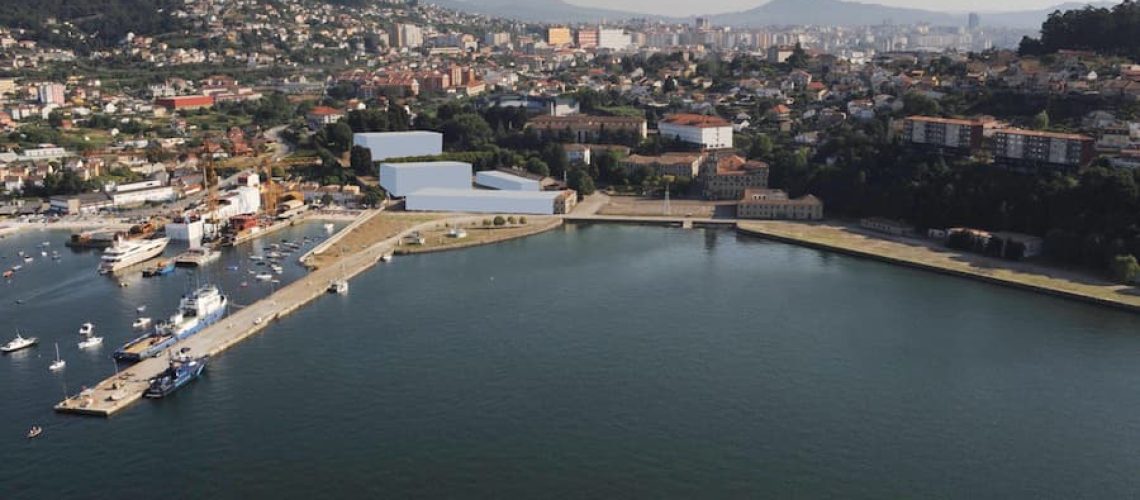
This project develops the masterplan for the relocation of the Spanish institution of marine research center (IMM) to the former ETEA in Vigo, a marine research pole. The new location allows the IMM to grow to an impressive number of 350 employees as well as come in contact with other educational institutions such as the University of Vigo. This urban gesture essentially transforms the wider area into an international reference for marine research, promoting scientific progress and drawing up a planning proposal that integrates new buildings within the existing context, while responding at the same time to the programmatic needs of the IMM.
The local newspaper La Voz de Galicia (the voice of Galicia) has been a crucial tool throughout the community’s redevelopment. Over time, David Chipperfield reflected upon a series of opinion articles presented through the paper that discuss the many issues Galicia — and by extent Fundación RIA — have to resolve.
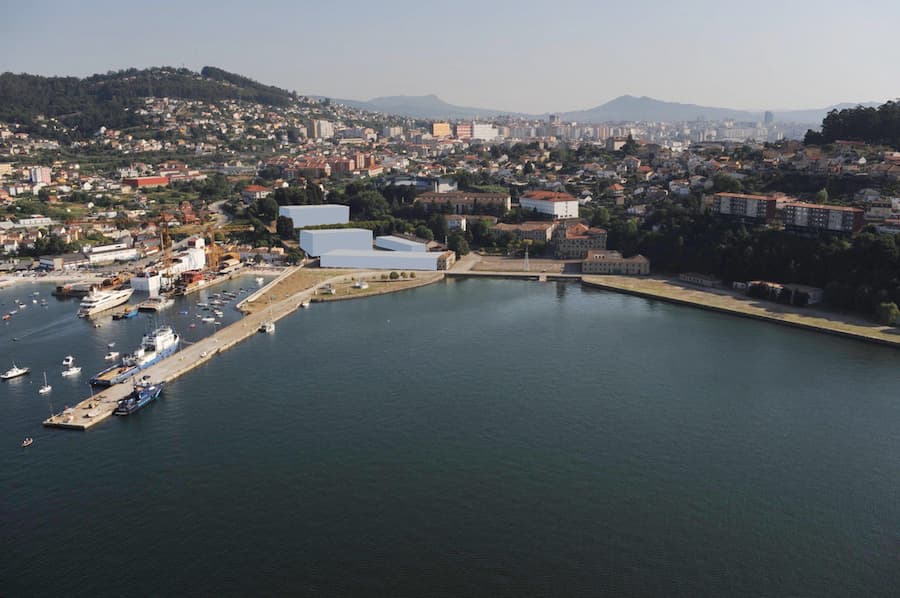
▏Vamos a la calle
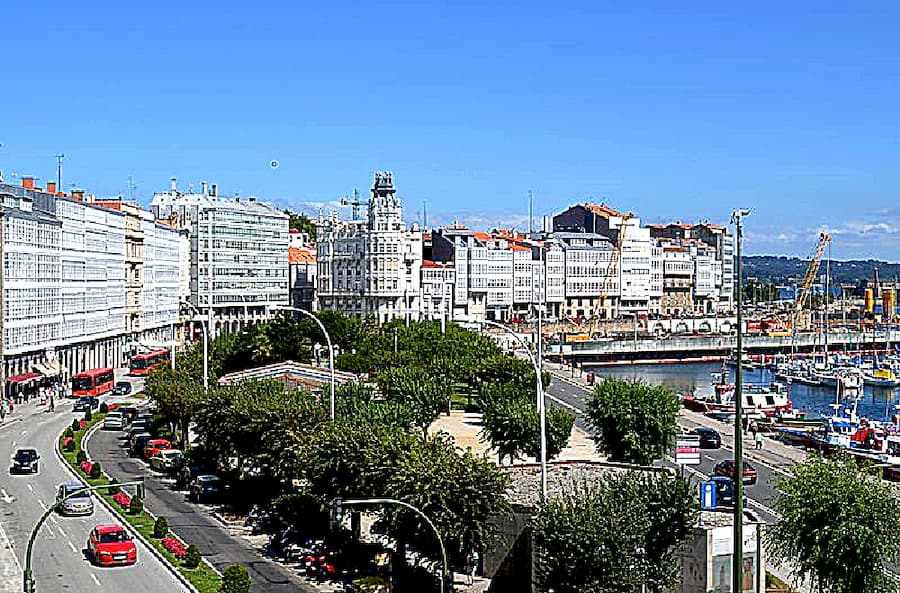
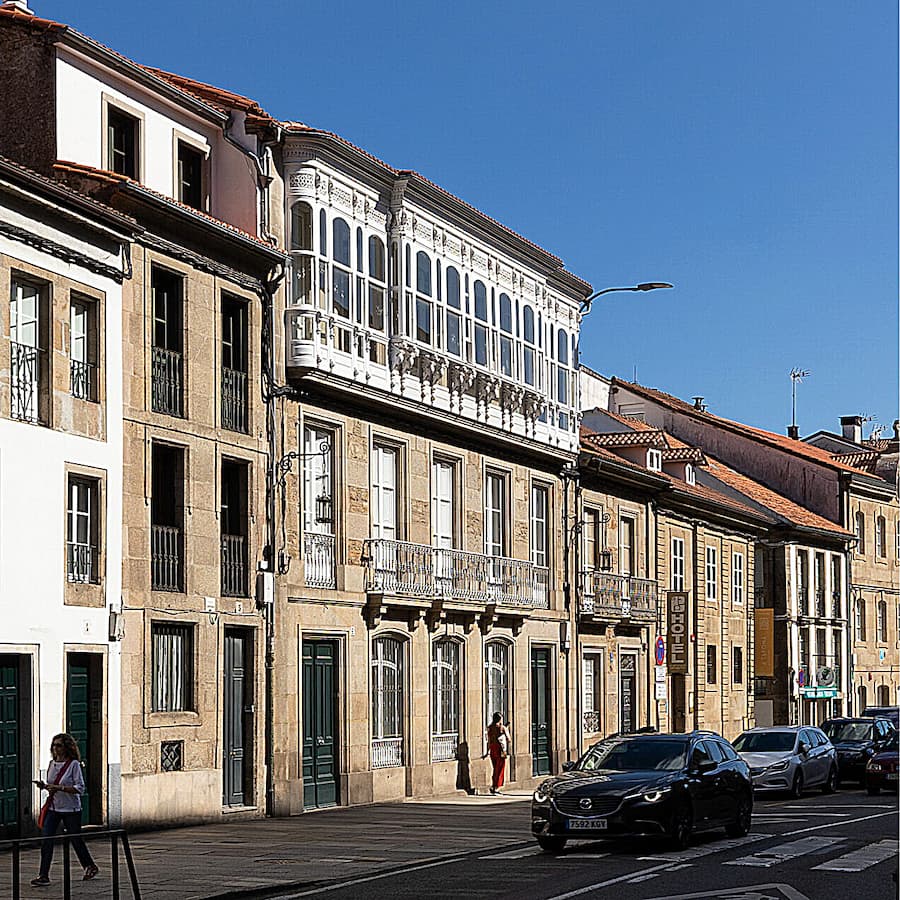
A fundamental challenge that had to be addressed was controlling the irregular planning and prioritization of cars and convenience over local heritage. Throughout the years streets were converted from social spaces into traffic highways, eradicating any sense of communal, public space. David Chipperfield writes ‘Over the last 40 years, Galician towns and cities have suffered a loss of identity as a result of poorly controlled development and the indiscriminate demolition of old buildings.’ He places great emphasis on the ‘public floor’, i.e. pavements and surfaces that create a sense of consideration and importance to the people that experience them.
Furthermore, Chipperfield praises the project of Porto do Son, completed in 2022 by CREUSeCARRASCO Arquitectos and rvr arquitectos, which not only regains the port’s public space but manages to do so through a series of collaborating efforts and the dissolution of frequently clashing interests amongst its residents and political parties.
▏Galicia, land of opportunity
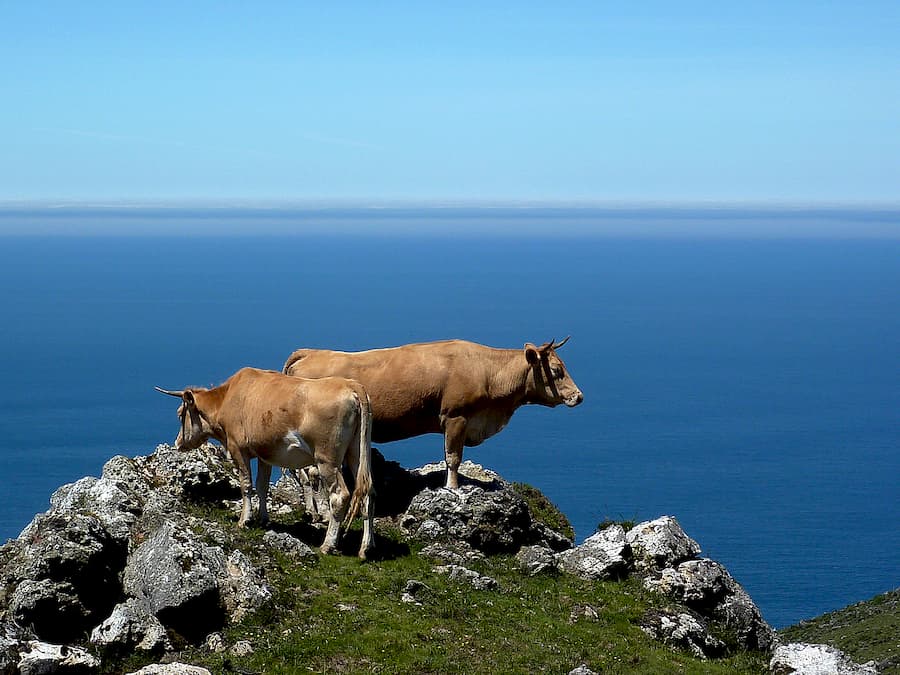
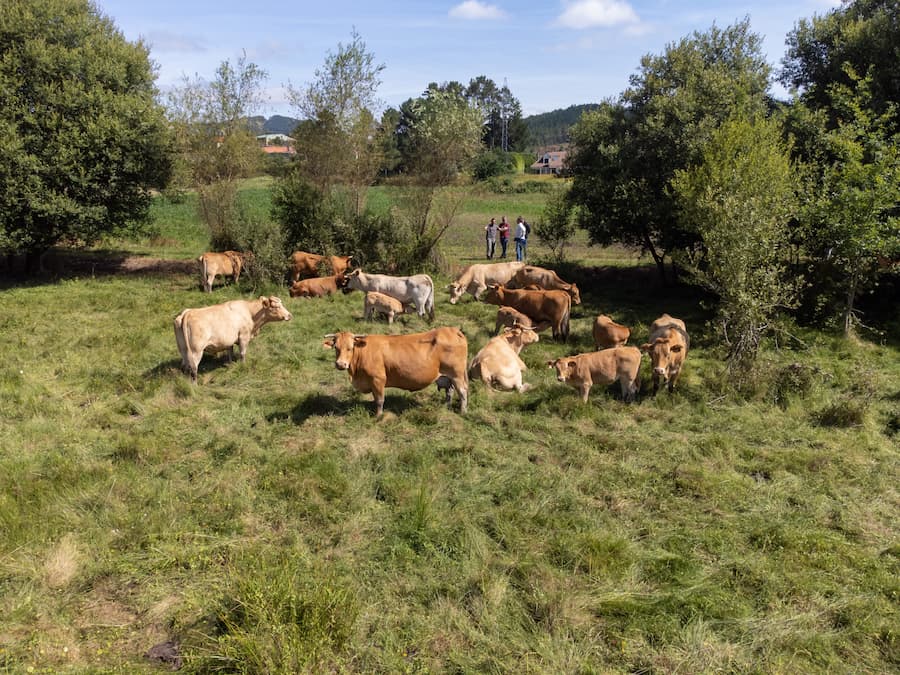
Finally, the architect reflects upon an opinion article that discusses concerns on [global warming] and how it greatly affects communities as well as the overall quality of life. Through his writing, he characterizes Galicia as a region that is more prepared to deal with climate change than other Spanish areas. Nature is embedded in the area’s way of life, through their traditional farming systems, and extended natural resource. It holds the infrastructure necessary, in which humans can work together with nature and explore ways of production and distribution that has no environmental impact.
Observing both the founder’s as well as the foundation’s research and actions, one notices that their ideas are intertwined. In both their work (written and visual) architecture — in its traditional sense — is given a backseat. [Conversations on form, geometry, materials and spatial organization are replaced (in the case of the Galicia project) with discussions on management, marine biology and relocation of institutions and governing bodies, while inter-disciplinary studies, strategic decisions and a deep understanding of culture and local community are also the bread and butter in Chipperfield’s overall work.
Returning to the small community of Exarcheia in downtown Athens, where the National History Museum is located, it is not surprising that David Chipperfield has been such a “reassuring” choice for the wider architectural community: he is an architect who looks beyond aesthetics and is perfectly in tune with the context in which he designs. The Galicia project is an experiment not just for Chipperfield but for the global architectural community; fortunately, it seems to be succeeding and perhaps will pave the way for other architects to follow in its footsteps.