Go Swiss: Explore Switzerland
Renowned for a number of quaint and coveted stereotypes (cheese, chocolate and clocks), Switzerland is an appealing location all year round.
︳TO STAY: Grand Resort Bad Ragaz
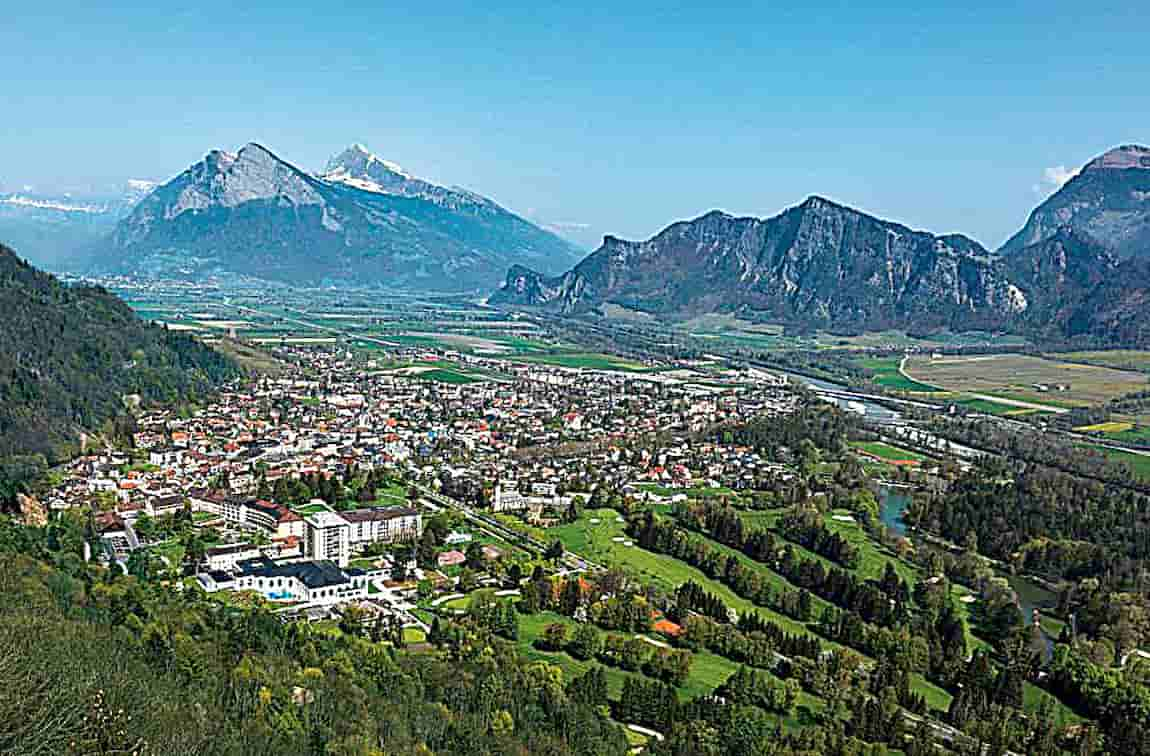
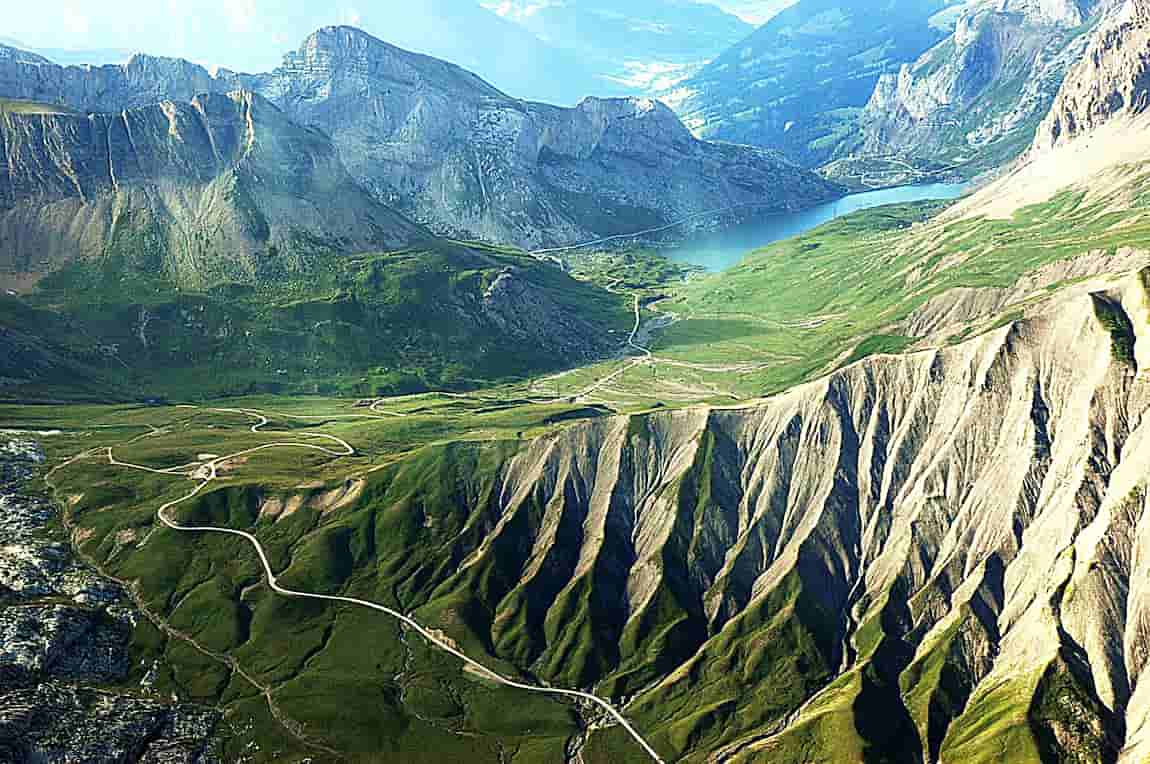
Set deep within the picturesque mountain landscape of the Heidiland region, the Grand Resort Bad Ragaz provides sumptuous elegance and surpasses expectations of even the most discerning guests. In addition to the extensive spa facilities, golf course and delectable dining options, the resort is just four miles from the famous Tamina Gorge where physician and alchemist Paracelsus documented the healing powers of the Bad Ragaz spring water in the 16th century due to its low mineral content and temperature of 36.5 degrees (body temperature).
︳TO DO: Lake Geneva
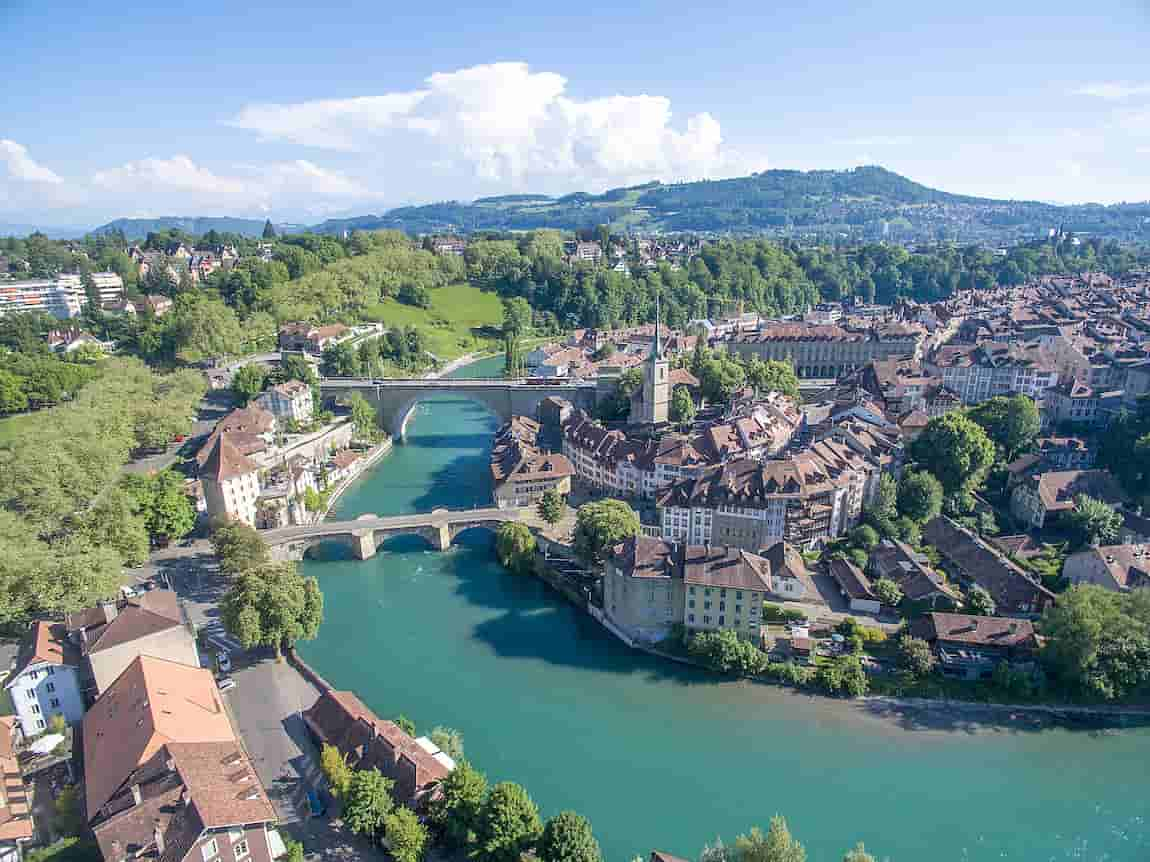
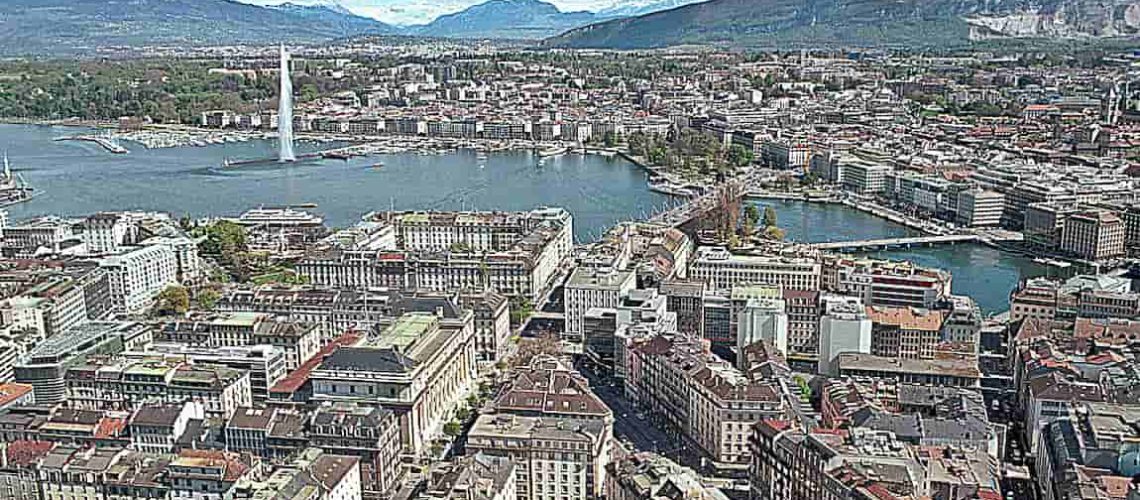
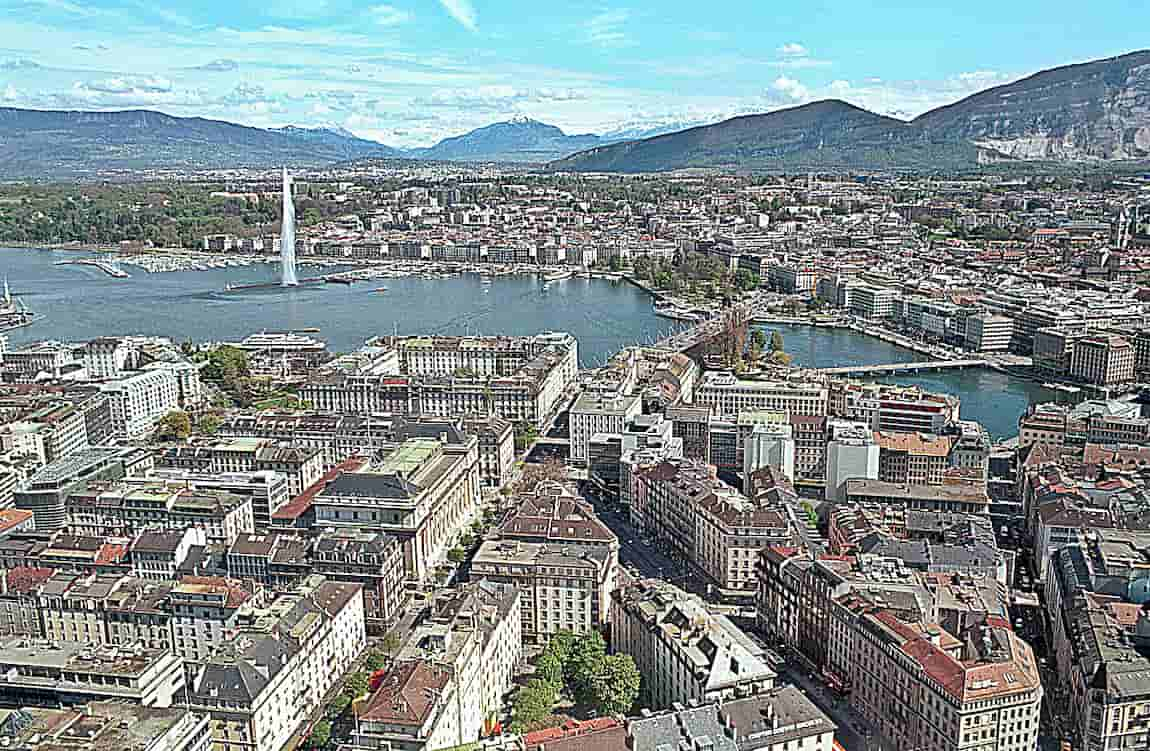
Stretching between the French-speaking canton of Vaud (to the north) and France (to the south), Lake Geneva (or Lac Leman to French speakers) is Western Europe’s biggest lake. Lined by the elegant city of Lausanne and a plethora of pretty, smaller towns, the Swiss side of the lake presents the marvellous emerald spectacle of tightly ranked vineyards spreading in terraces up the steep hillsides of the Lavaux area. By the water’s edge, the lakeside is laced with fairy-tale style chateaux, luxurious manor houses and modest beaches. The lake also offers spectacular views of the Alpes Vaudoises (Vaud Alps)—home to hikers in spring and summer, and skiers in the winter.
︳TO EAT: Kronenhalle, Zurich
Since opening in 1924, the Kronenhalle in Zurich has been a favourite haunt of artists, writers and designers and has welcomed a number of famous guests—Coco Chanel, Yves Saint Laurent, Pablo Picasso, Alberto Giacometti, James Joyce, Richard Strauss, Max Frisch and Friedrich Dürrenmatt, to name a few.
The restaurant itself is centuries old, and is the perfect place for art lovers (especially those interested in 19th century art) as the wood-panelled walls are lined with masterpieces from Picasso, Chagall and Miró—it was common for artists to pay with their work. French-inspired dishes and classics like ‘Zürcher Geschnetzeltes’ (sliced veal in gravy) are served in stylish surroundings and a unique atmosphere.
︳TO VISIT: Museum of Fine Arts, Bern
A building as historic as the works contained within, The Museum of Fine Arts Bern is the oldest art museum with a permanent collection in Switzerland. Established in 1879 in Switzerland’s capital, its holdings run from the Middle Ages to the present, and houses works by Pablo Picasso, Paul Klee, Ferdinand Hodler and Meret Oppenheim. The museum is currently home to over 3,000 paintings and sculptures as well as 48,000 drawings, prints, photographs, videos and films—and the collection is constantly growing.
See also: The Most Cultural Cities in the World
︳TO SEE: Cathédrale de Notre Dame, Lausanne
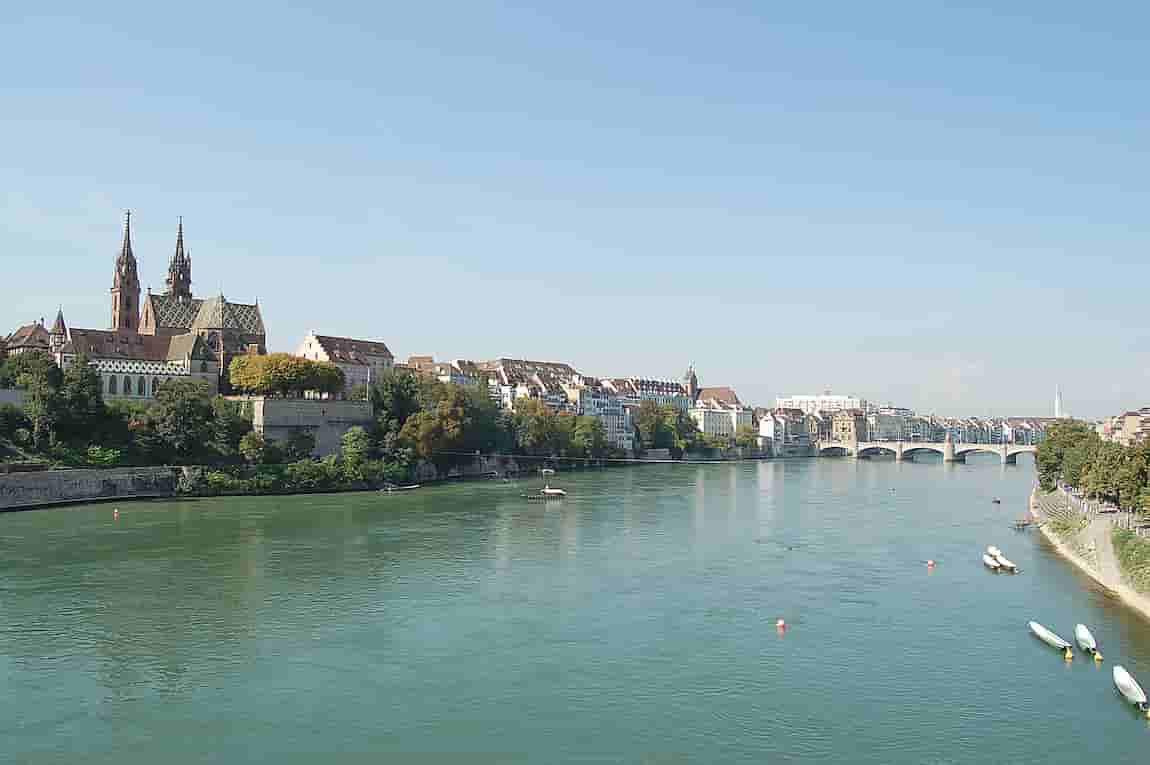
Lausanne’s Gothic cathedral stands proudly in the heart of the Old Town.
Raised in the 12th and 13th centuries on the site of earlier, simpler churches, it lacks the lightness of French Gothic buildings but is extraordinary nonetheless. Pope Gregory X, in the presence of Rudolph of Habsburg (the Holy Roman Emperor) and an impressive following of European cardinals and bishops, consecrated the church in 1275.
Although repaired in places (notably the main facade, which was added to the original to protect the interior against savage winds), the cathedral remains largely as it was due to constant conservation work. The most prominent element is the intricate entrance on the south flank of the church—unusual for Christian churches. The painted statuary illustrates Christ in grandeur, the coronation of the Virgin Mary, the Apostles and other Biblical scenes. Free 40-minute guided tours run July through September.
See also: LUXURY CHALET IN THE ITALIAN ALPS
Om onvervangbaar te zijn, moet je altijd anders zijn.
Er zijn fascinerende beelden hier, en de fascinerende dag van samen! xo
─────────────────────────────────────────────────────
Per essere insostituibili bisogna sempre essere diverso.
Ci sono immagini affascinanti qui, e l’affascinante giornata di insieme! xo KanikaChic