Burnt Earth Beach House Replaces a Dilapidated Beach Shack

cover01_burnt-earth-beach-house-wardle_20


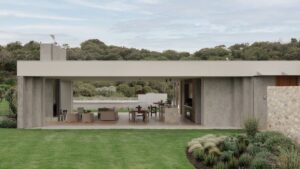
Burnt Earth Beach House replaces a dilapidated beach shack at the end of its operational life in the coastal town of Anglesea in Victoria.
 

Burnt Earth Beach House Replaces a Dilapidated Beach Shack


▏Burnt Earth Beach House

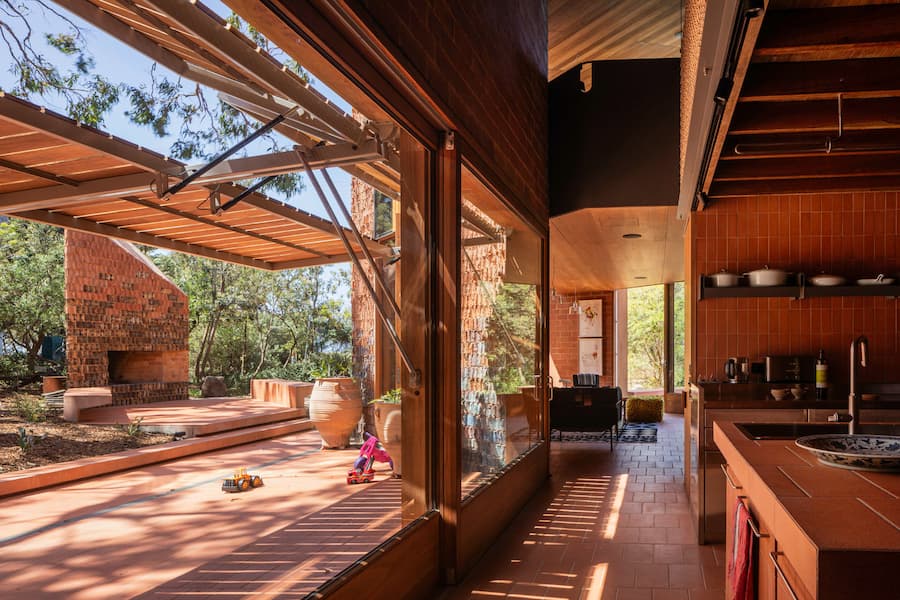
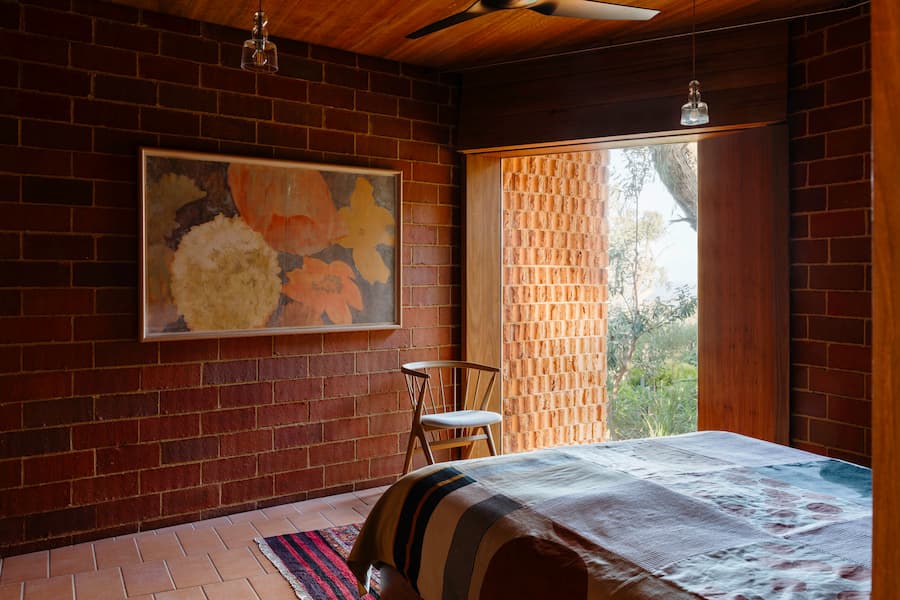
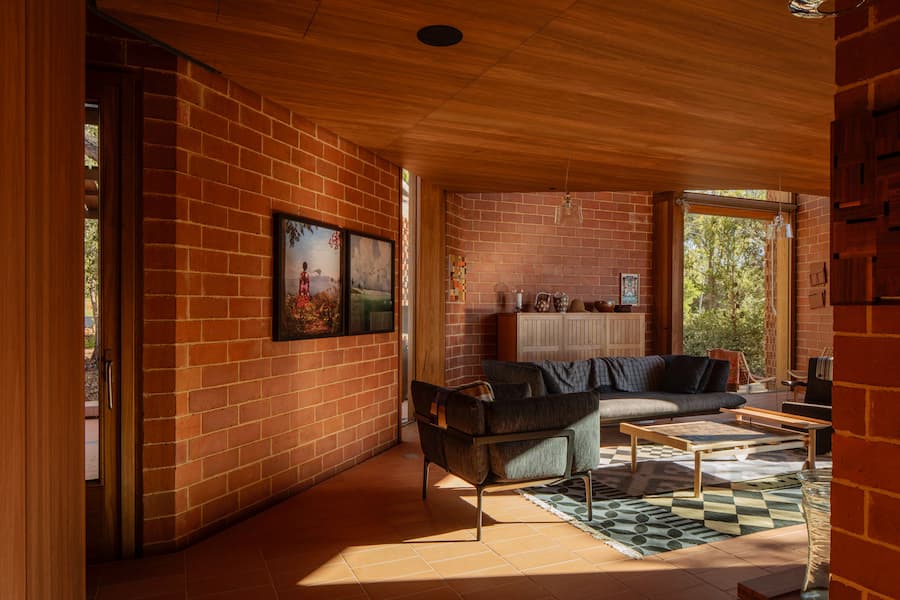
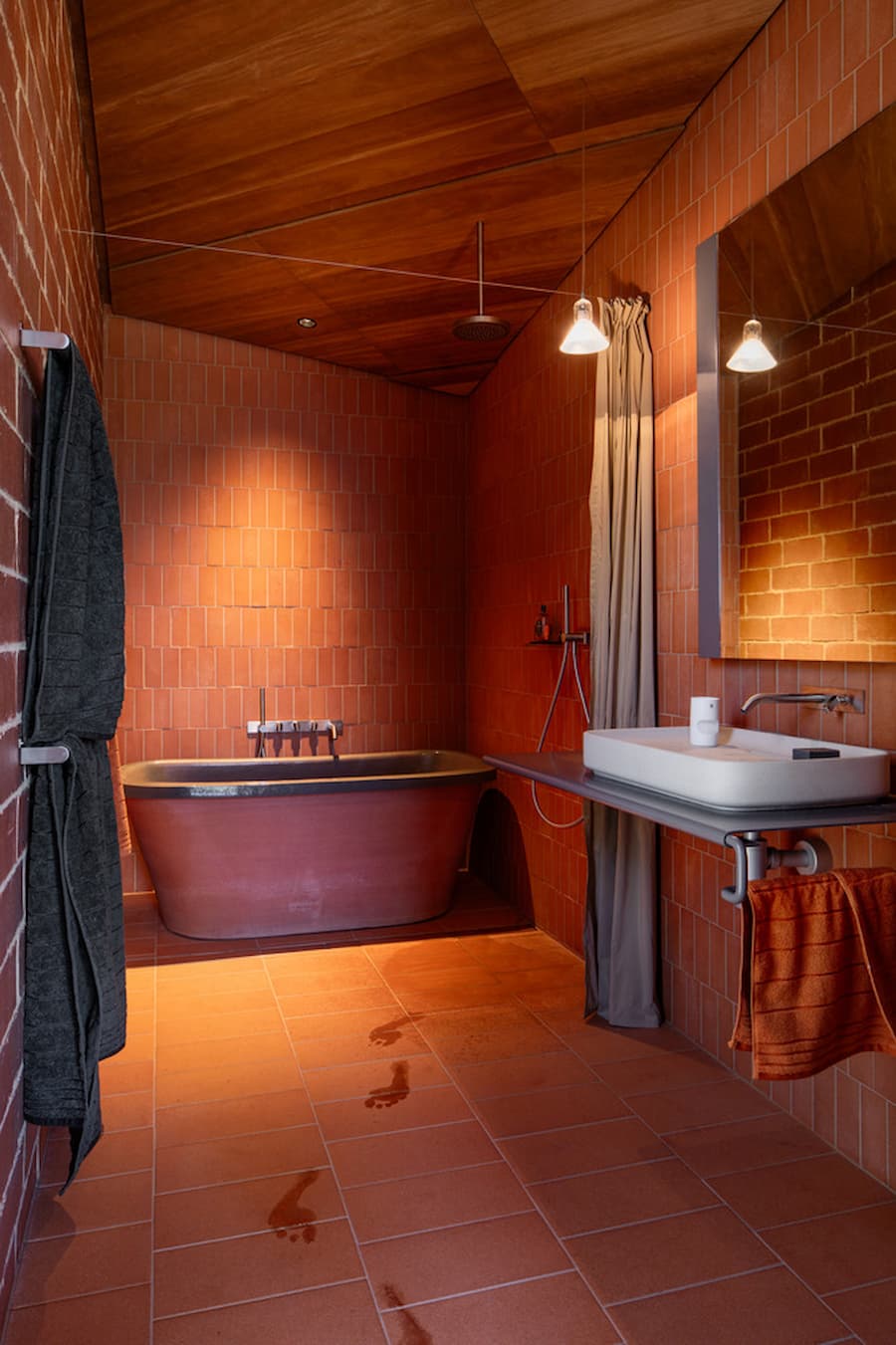
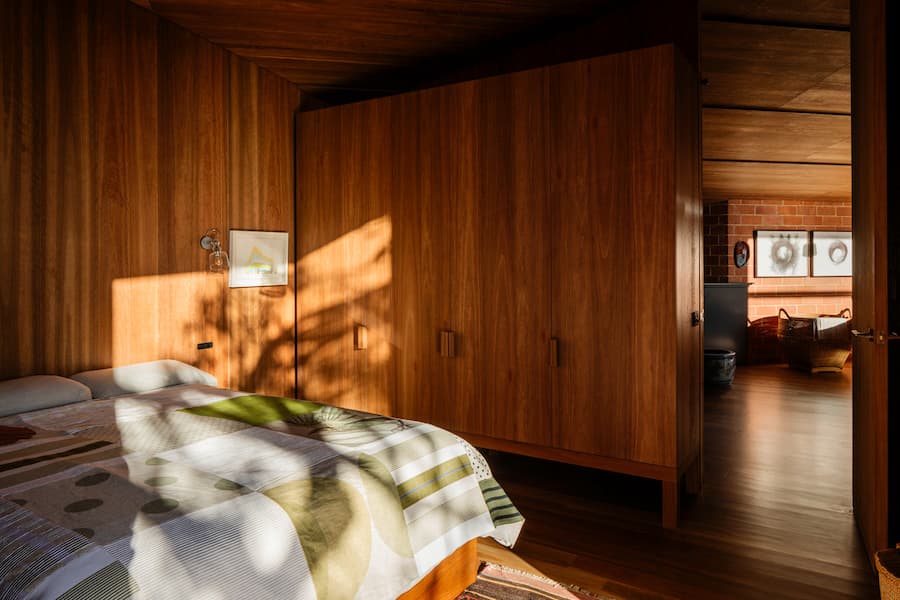
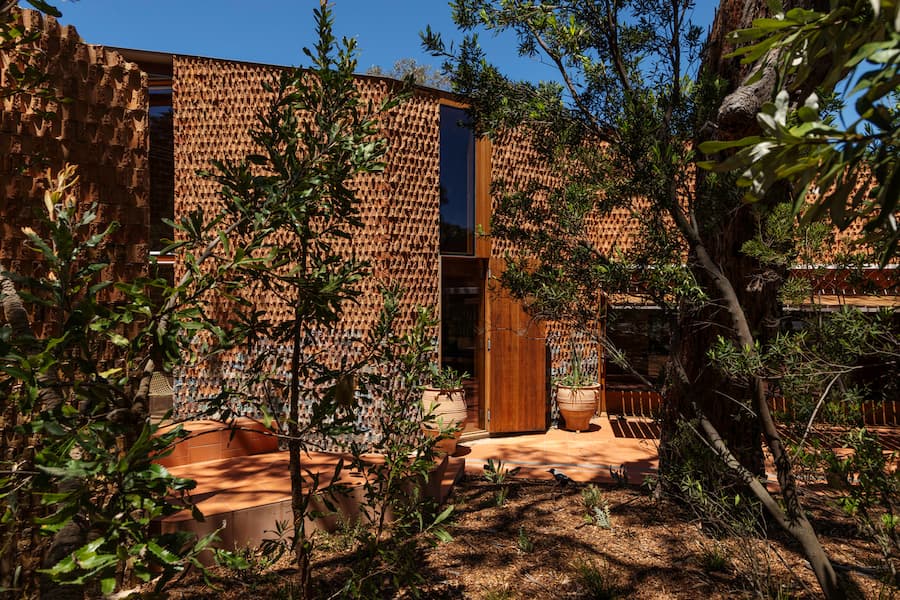
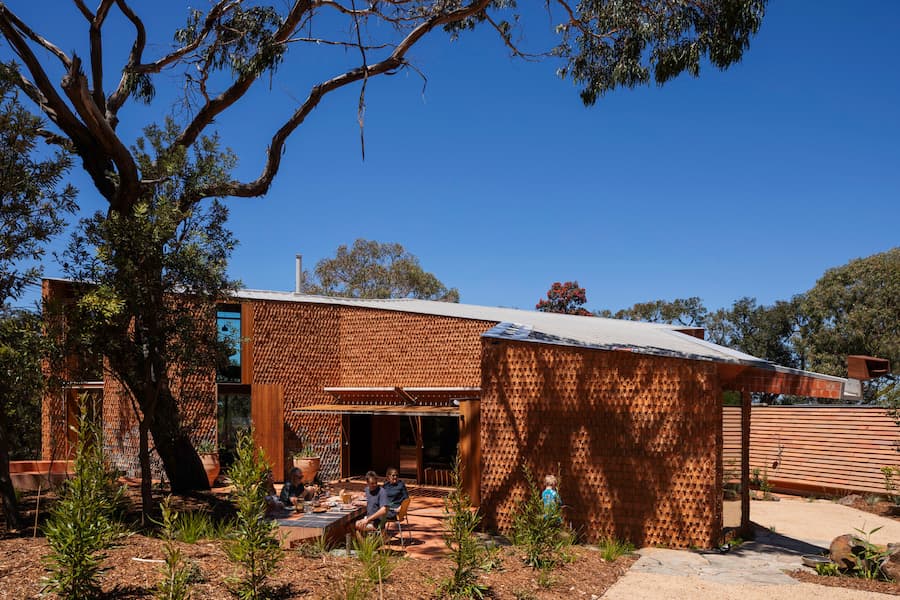
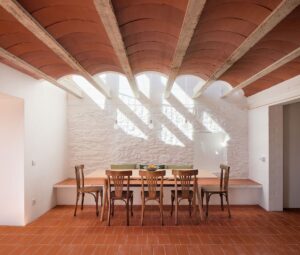
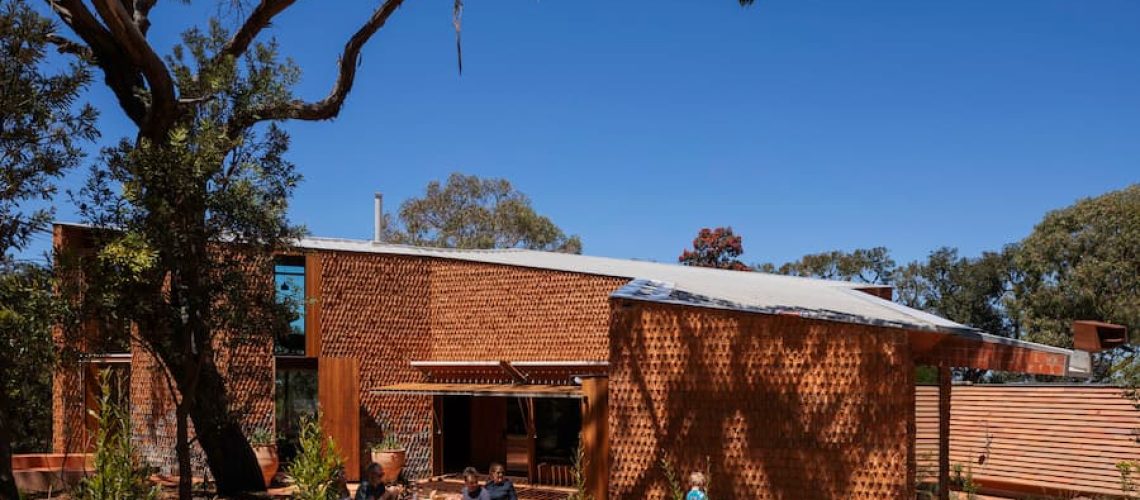
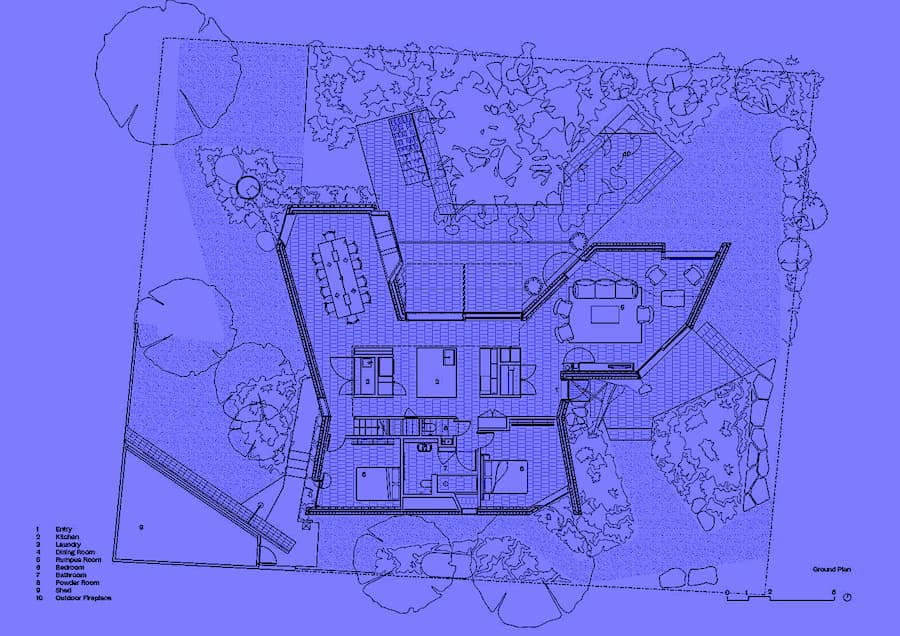
Burnt Earth Beach House replaces a dilapidated beach shack at the end of its operational life in the coastal town of Anglesea in Victoria. It’s a multi-generational home that utilizes terracotta in two primary forms – through the exterior brickwork, and internally to line walls and floors and joinery elements].  Having owned the property for several years, a deep and specific understanding of who the house was for and how it would be used gave the conceptual design true form.

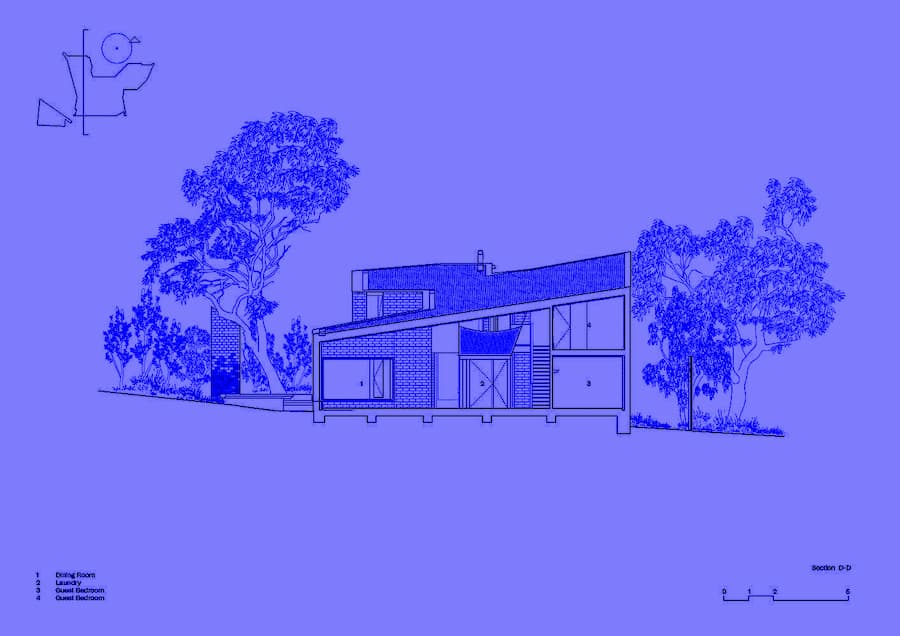
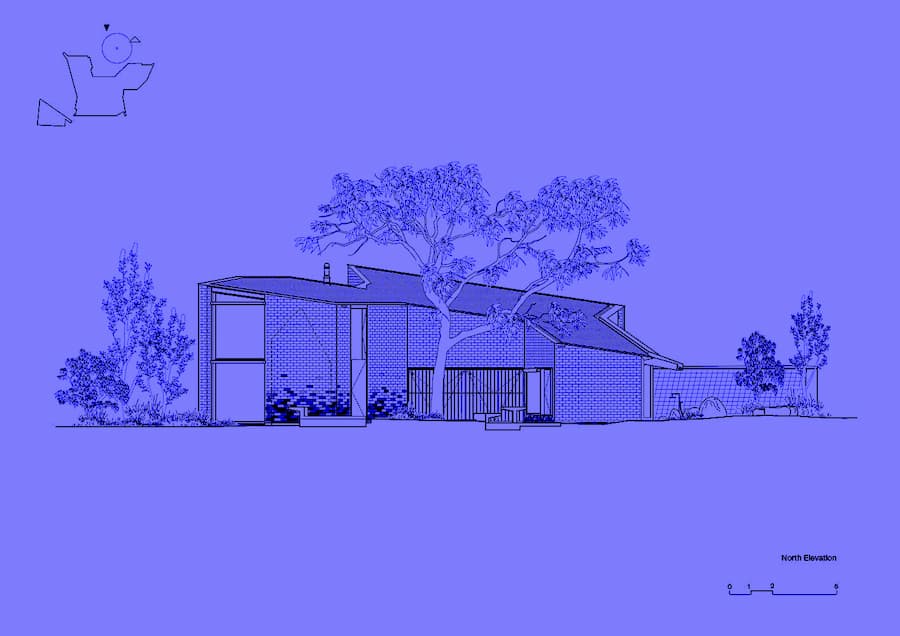
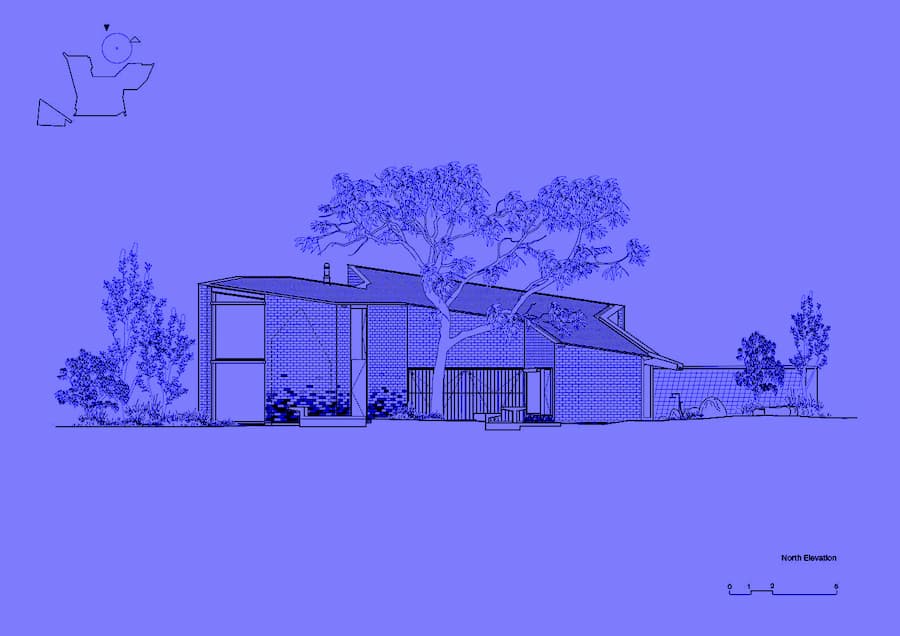
The established Eucalypt to the north of the site provided a focal point for the arrangement of the primary living spaces.
 

Burnt Earth Beach House Replaces a Dilapidated Beach ShackBurnt Earth Beach House Replaces a Dilapidated Beach ShackBurnt Earth Beach House Replaces a Dilapidated Beach Shack


▏Brick Process

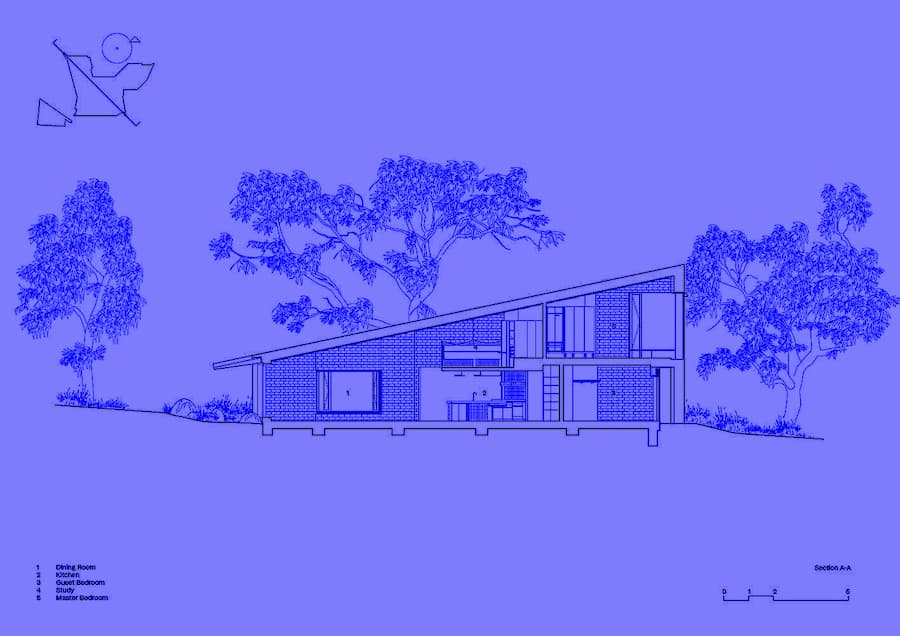
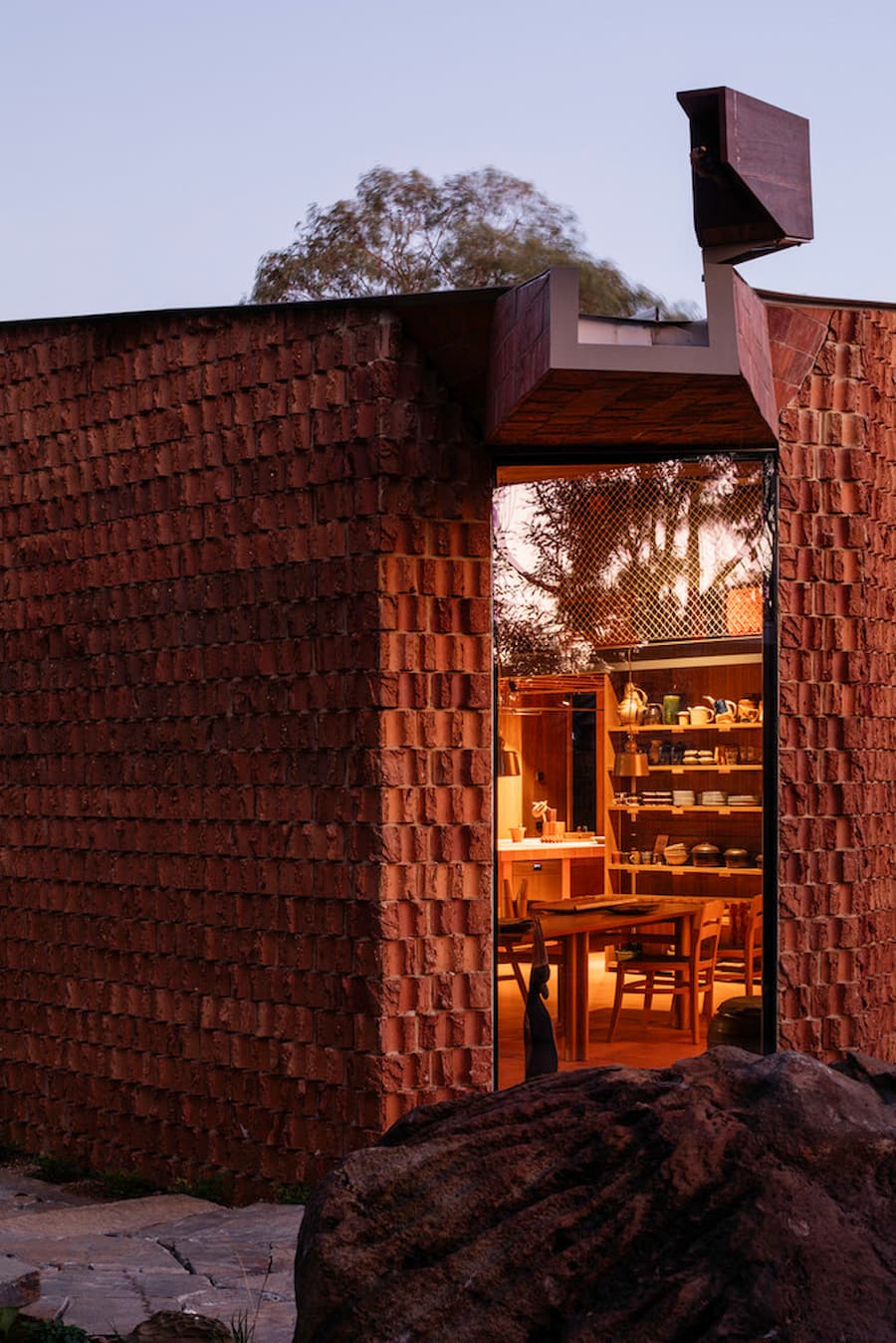
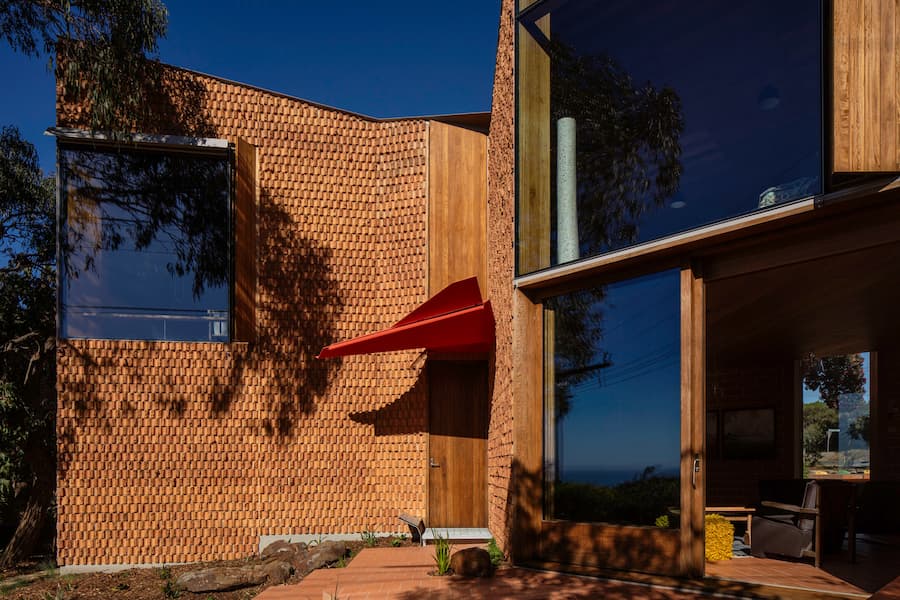
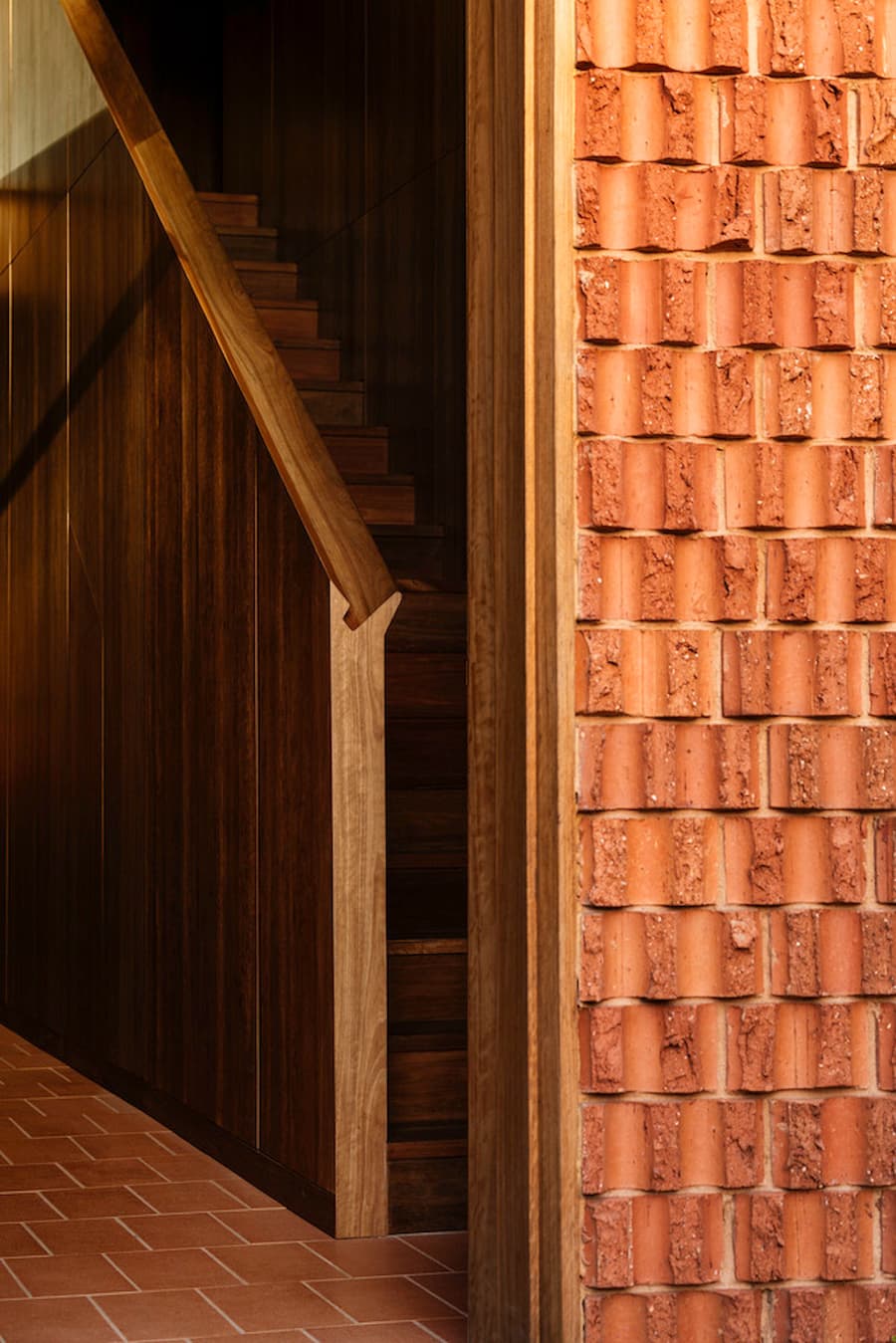
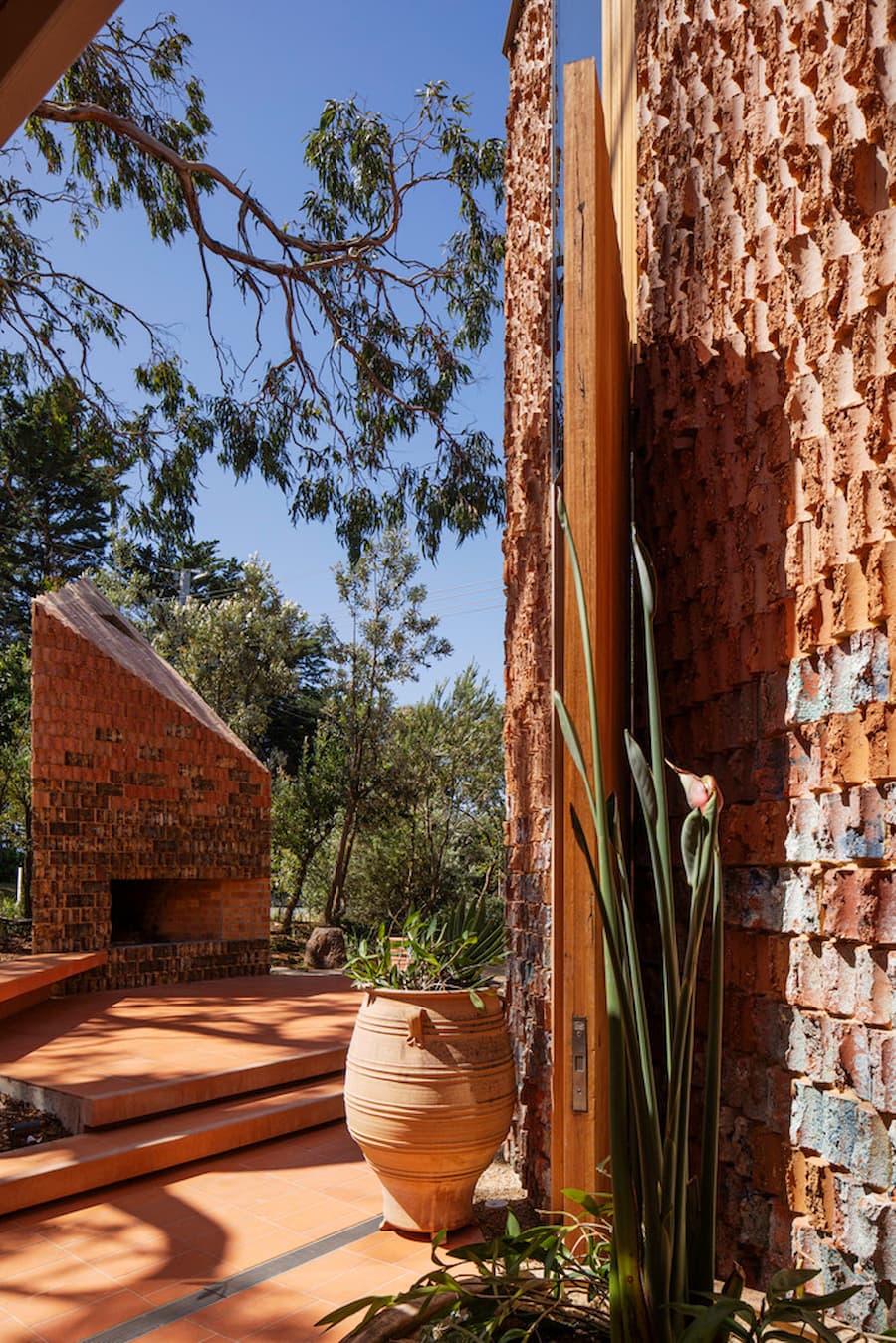
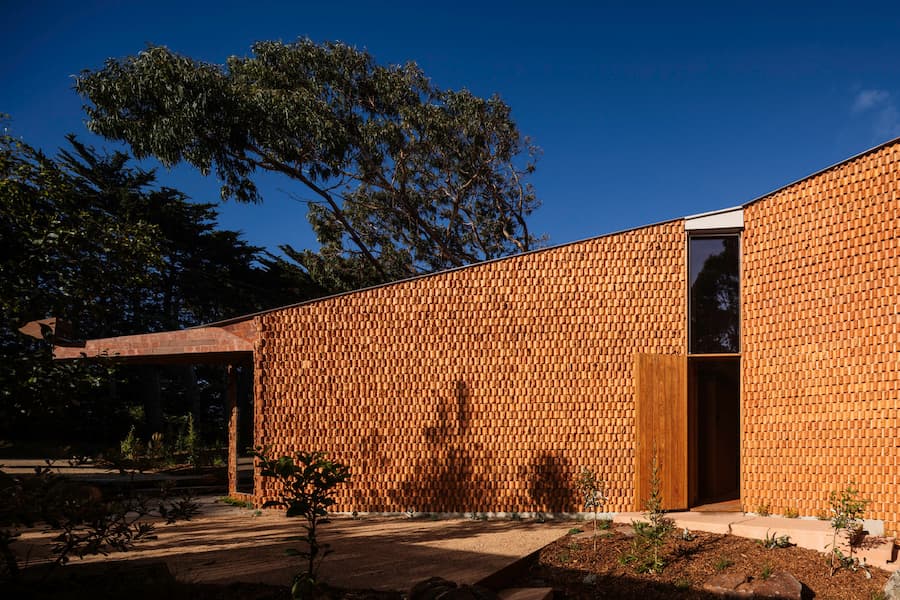
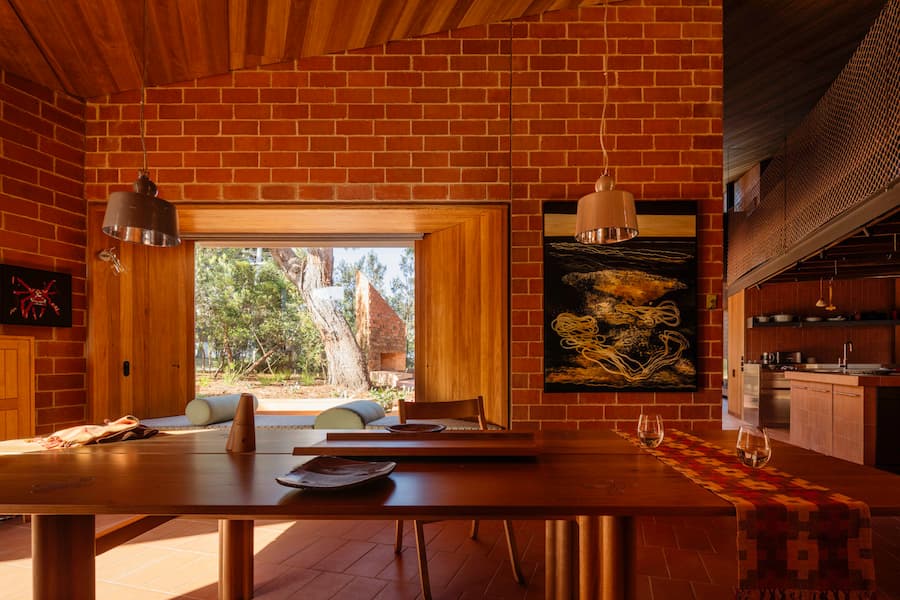
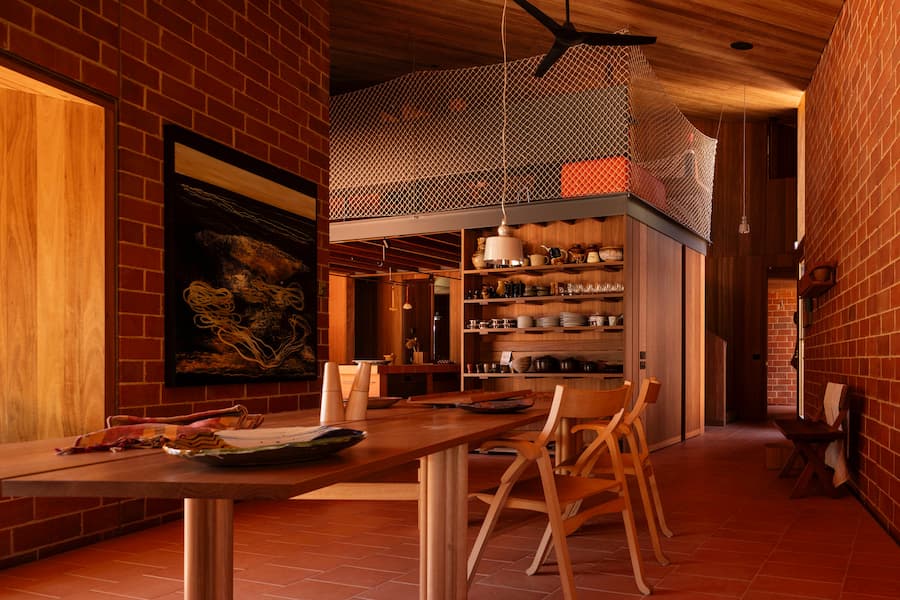
The color and tonality of the cliff edges in Anglesea are expressed in the use of an invented brick]. [The bricks were developed with brickmaker Klynton Krause, a long-time collaborator. The extensive process involved extrusion and hand tearing the brick surface prior to cutting which exposes a raw, rough-hewn texture. A series of glazing experiments are applied to raw clay before a single firing is revealed in different sections of the building. A single fall of the roof across the plan ends in a low point where a terracotta-clad spout discharges water onto a massive rock. Unglazed bricks blend with green and brown glazed bricks which broadly align with the extensive planting of coastal banksias surrounding the property.
 

Burnt Earth Beach House Replaces a Dilapidated Beach ShackBurnt Earth Beach House Replaces a Dilapidated Beach Shack


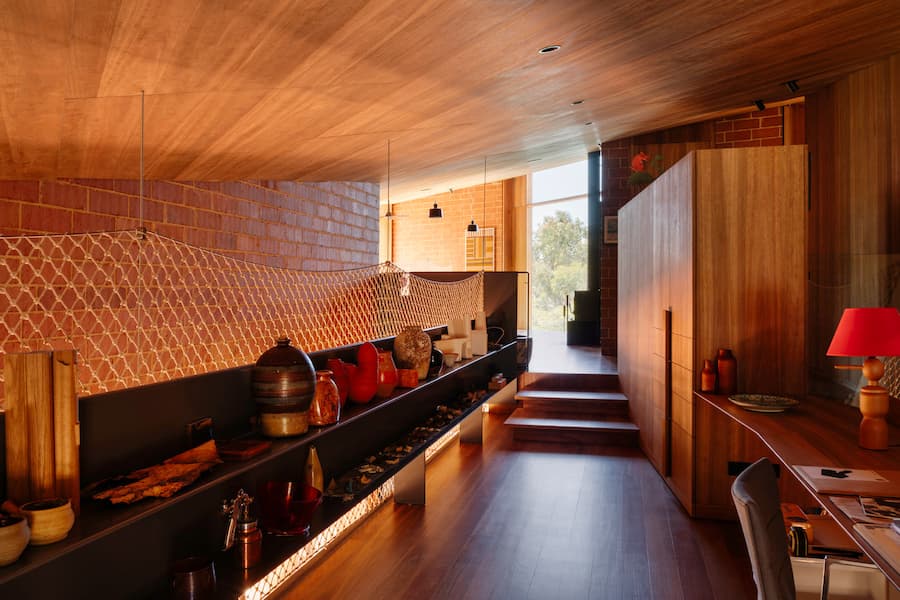
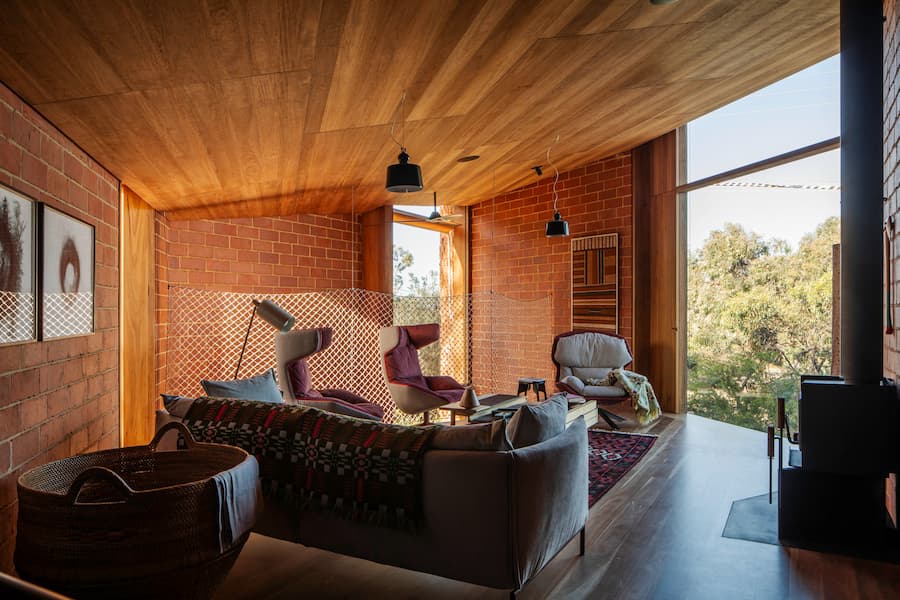
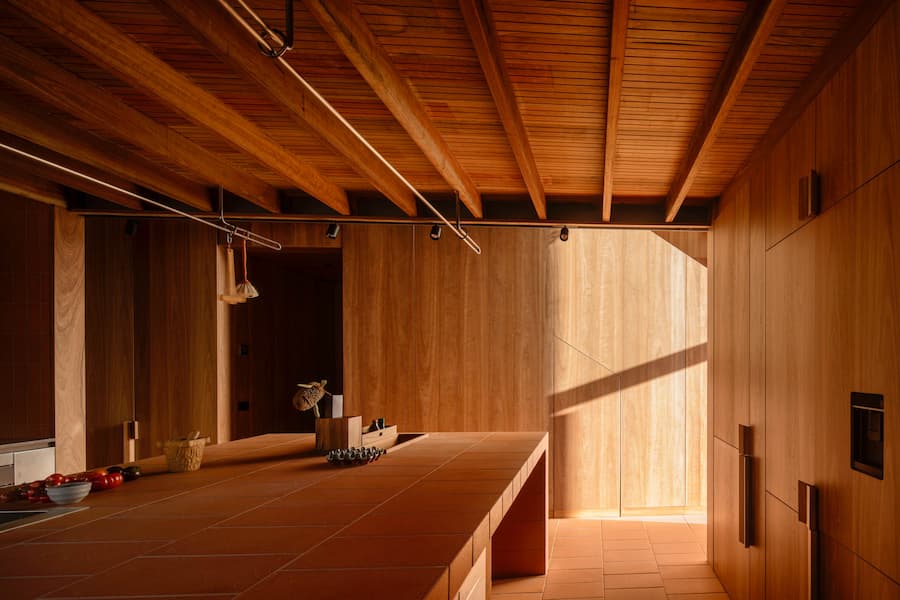
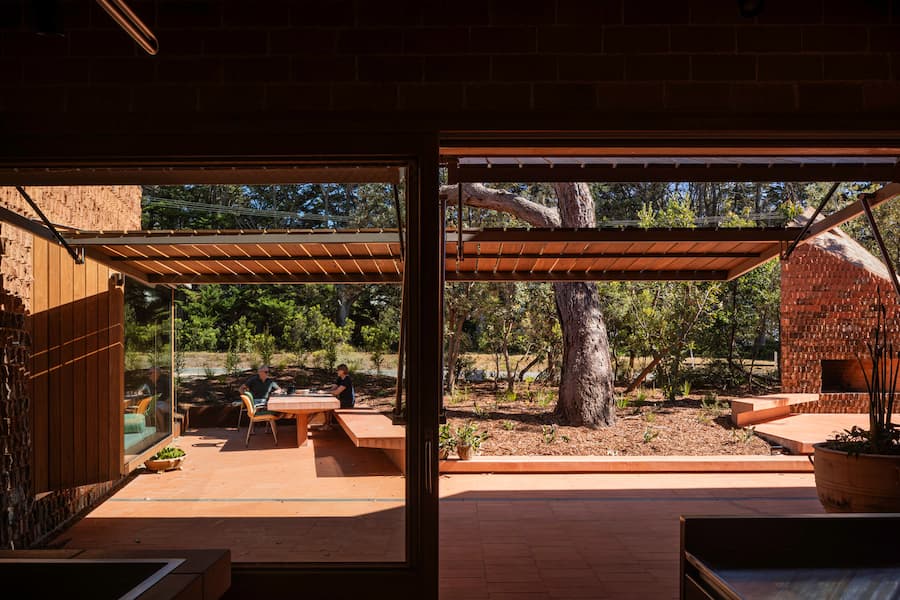
The terracotta tiles are sourced from Cotto Manetti in Chianti, Italy with whom John has a close relationship. As terracotta conducts temperature well, the walls and the concrete slab are heavily insulated and sealed to ensure minimal temperature variation. The house is 100% electric with a heat exchange water system, hydronic heating and solar panels]. [The house is heavily shaded by operable blinds and shutters which modify heat and light into the center of the plan. Spotted gum timber is used carefully in varying formats – recycled (flooring), veneer (joinery) and sparingly as solid (windows and revealed structure in areas)]. [The robust natural materials of the limited palette are durable and will weather to a natural tonality.
 

Burnt Earth Beach House Replaces a Dilapidated Beach ShackBurnt Earth Beach House Replaces a Dilapidated Beach ShackBurnt Earth Beach House Replaces a Dilapidated Beach Shack


▏View Lines and Daylight

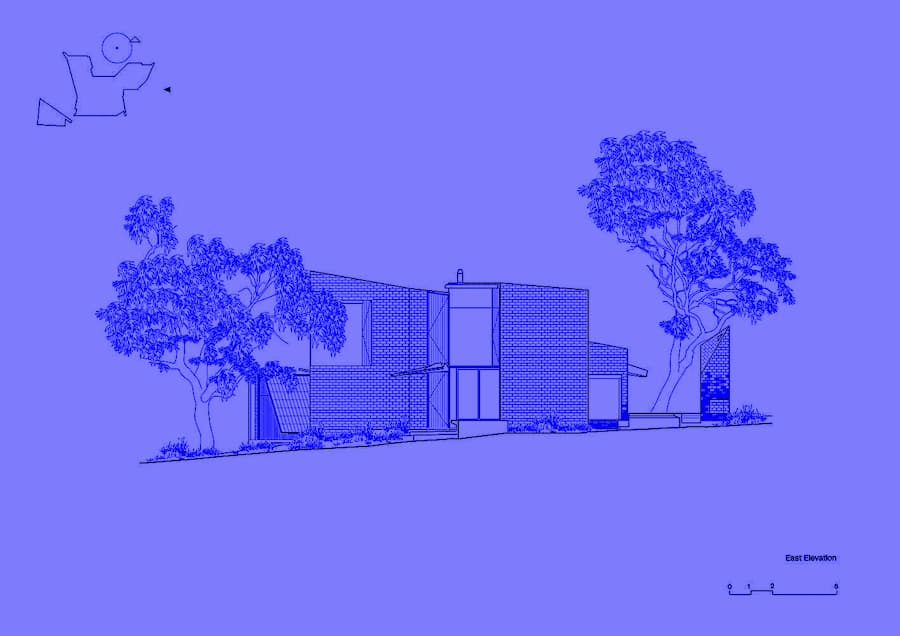
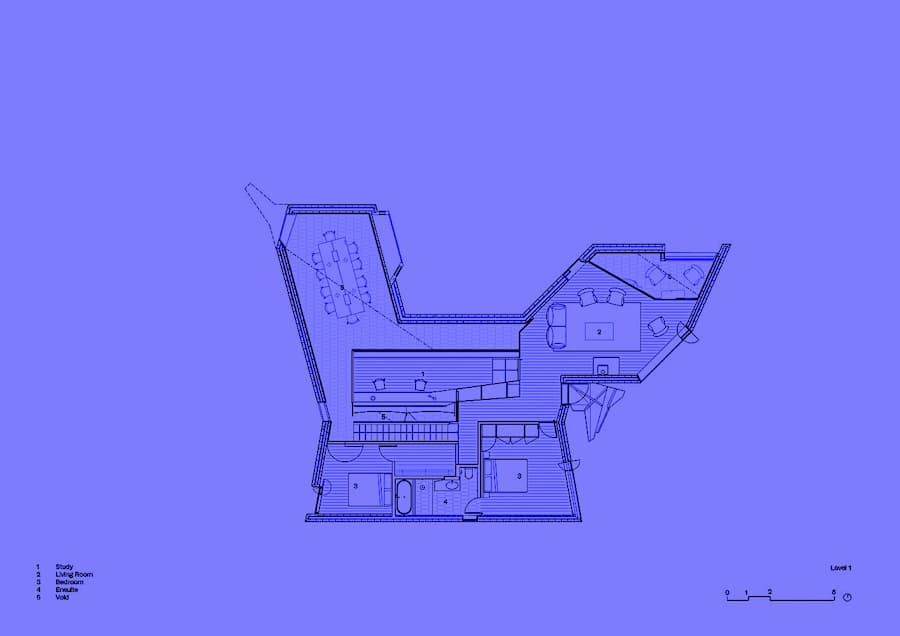
The broadly cruciform plan describes view lines and daylight ingress precisely. Facing north, the views are to the Southern Ocean and the surrounding landscape. The governing lines of the plan mark the center point of the ‘X’ as the island kitchen bench]. [It is both literally and figuratively the heart of this home. From here all social activity spills out into living and dining areas on the ground floor. The external terraces extend out from the inflected arms of the plan and are set around a broad courtyard. Across two levels a variety of spaces come together for sociability and solitude.
 

Burnt Earth Beach House Replaces a Dilapidated Beach Shack


▏A Connection for its Inhabitants

The dwelling works as a haven both functionally and aesthetically, providing a connection for its inhabitants to the landscape and to each other. The materials imbue the home with a sense of place, the surrounding landscape further embeds the home in its context. Terracotta is the element that binds it together in an adaptable home for entertaining and seclusion in all seasons.
 

Burnt Earth Beach House Replaces a Dilapidated Beach Shack Burnt Earth Beach House Replaces a Dilapidated Beach Shack


Burnt Earth Beach House Replaces a Dilapidated Beach Shack


Burnt Earth Beach House Replaces a Dilapidated Beach Shack


Burnt Earth Beach House Replaces a Dilapidated Beach Shack


Burnt Earth Beach House Replaces a Dilapidated Beach Shack


Burnt Earth Beach House Replaces a Dilapidated Beach Shack


Burnt Earth Beach House Replaces a Dilapidated Beach Shack


Burnt Earth Beach House Replaces a Dilapidated Beach Shack


▏Aesthetics centers in Kanikachic’s highlighting artist/designer experiences

Passionate perspectives on art, artists, contemporary architecture, and ideas that shape culture today
Want your project to be featured? Showcase your work through Kanikachic and (E-mail us: [email protected]) your most inspiring moments.
All Photography, Styling, Fotos, Pictures and Videos Shared with Permission from the [Colossal] Website
──────────────────────────────────────────────────────────────────────────────────────────
Per essere insostituibili bisogna sempre essere diverso.  ▎Ci sono immagini affascinanti qui, e l’affascinante giornata di insieme!  xo  KanikaChic

西水峪在半山腰鑿出一塊栗樹露台

西水峪在半山腰鑿出一塊栗樹露台

    在西水峪附近,在半山腰鑿出一塊台地,這裡種植大量的栗樹,人們在濃蔭下生活勞動,由於施工限制,早期隨意搭建的棚屋已經勾勒出新建築的輪廓,向棚屋學習,仔細觀察這些棚屋後,發現工人們都是山地生活的專家。此外,平台上的栗樹,巧妙地將棚屋穿插在樹林中。       十五世紀初,昌平府黃華鎮正忙著修築長城。在西水峪附近,一處無名山谷中,人們在半山腰鑿出一塊台地,將無數粗糙的黃石運上去。據推測,當時人們原本打算建造一道圍牆,但不知何故,工程被擱置,留下散落的黃石堆成長長的一坨。千百年來,這裡種植大量的栗樹,人們在濃蔭下生活勞動,每到秋天,方圓百里的山谷都覆蓋著蓬鬆的栗子皮。 2019年我們到達時,台地上駐紮著一支施工隊,搭建了三、四個臨時工棚,建築材料和設備散落在各處。在一片雜亂之中,數十棵老栗樹依然茁壯成長,最大的一棵需要三個人才能圍攏過來。     向棚屋學習。業主原本計劃在這裡開發一個營地,利用階梯狀的階梯搭建幾組帳篷。為了服務營地,平台上需要固定的設施。然而,由於施工限制,早期隨意搭建的棚屋已經勾勒出新建築的輪廓。對於渴望自由繪製藍圖的建築師來說,這最初令人沮喪。然而,仔細觀察這些棚屋後,發現工人們都是山地生活的專家。他們知道哪裡地基穩固,哪裡陽光充足,哪裡可以躲避呼嘯的山風。此外,他們也非常珍惜平台上的栗樹,巧妙地將棚屋穿插在樹林中。       受此啟發,我們重新構想了場地。秋季,栗子殼覆蓋地面的景象格外引人注目——這是燕山地區罕見而豐富的景象。因此,我們將新建築命名為「滿栗台」。在中國古代,「台」是一個定義模糊的建築概念。它可以是人們觀賞風景的場所,也可以是人們與風景互動的方式。我們試圖在原始棚屋的殘骸中重新建立人與景觀之間的連結。         在某些方面,這些棚屋的建造相當隨意。例如,屋頂的建造順應了雨雪的盛行方向,選擇了能夠最有效排水的坡度。至於材料,則採用了簡單實用的方法。外觀則使用了其他項目的剩餘材料。然而,這些權宜之計卻帶來了意想不到的輕盈和簡潔,為這座山地建築營造出一種自由的感覺。這裡有很多值得學習的地方。因此,我們更願意將整個過程稱為「重建」。       木造與新遺跡。由於山地地形的限制,整個建築群採用木結構建造,並在相對緊湊的建築體量內結合了木框架和木剪力牆。在木框架結構部分,我們刻意避免了傳統的木結構形式。例如,平面採用了等間距的開間,立面採用非對稱設計,而對於懸挑的屋簷,我們放棄了木結構,轉而採用更輕盈、更真實的鋼結構。  

China Tujia Brocade Art Museum

China Tujia Brocade Art Museum     The Flower of Tujia’ Weaves China History and Culture Through 150,000 Meters of Red Brocade Thread China Tujia

Facebook
Twitter
LinkedIn
Tumblr
0 0 votes
Article Rating
Subscribe
Notify of
guest
0 Comments
Oldest
Newest Most Voted
Inline Feedbacks
View all comments
Search