Santnerpass Hut’s Striking Architecture and Minimalist Sophistication Complemented by the de-stress a Mountain Refuge Santnerpass Hut

Santnerpass Hut’s Striking Architecture and Minimalist Sophistication Complemented by the de-stress a Mountain Refuge Santnerpass Hut:Escape the Hustle and Bustle of Urban Life and Indulge in the Beauty of Simple Things for Veritable Getaway a Mountain Refuge in the Italian Dolomites Champions Modern Architecture of the makes it a Santnerpass Hut


▏Escape the Hustle and Bustle of Urban Life and Indulge in the Beauty of Simple Things for Veritable Getaway a Mountain Refuge in the Italian Dolomites Champions Modern Architecture of the makes it a Santnerpass Hut


1_01-rifugio-passo-santner_1


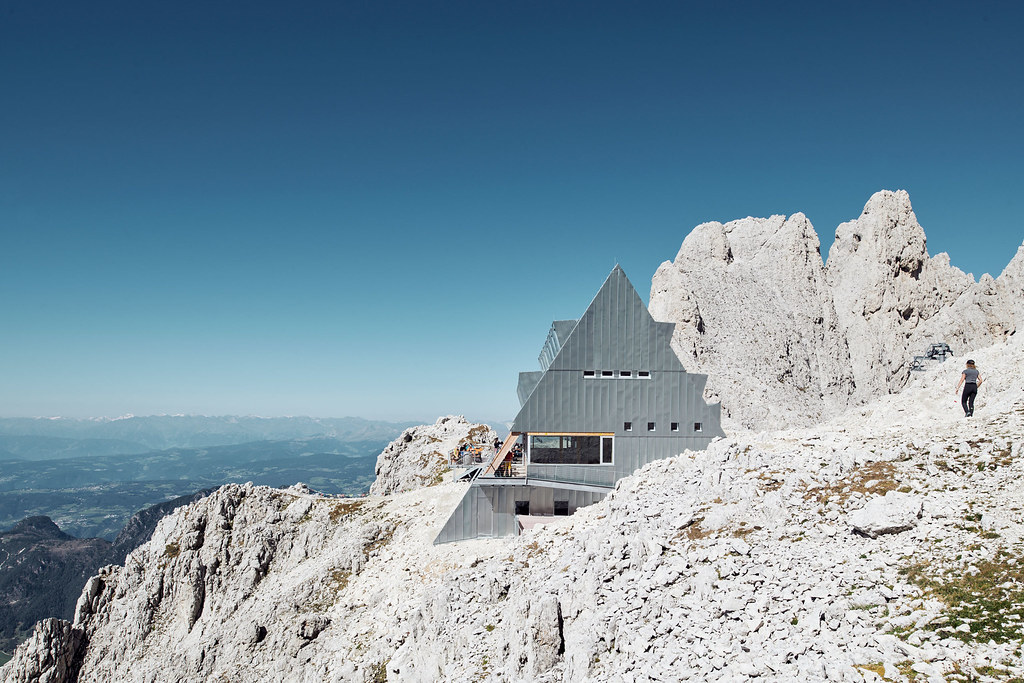
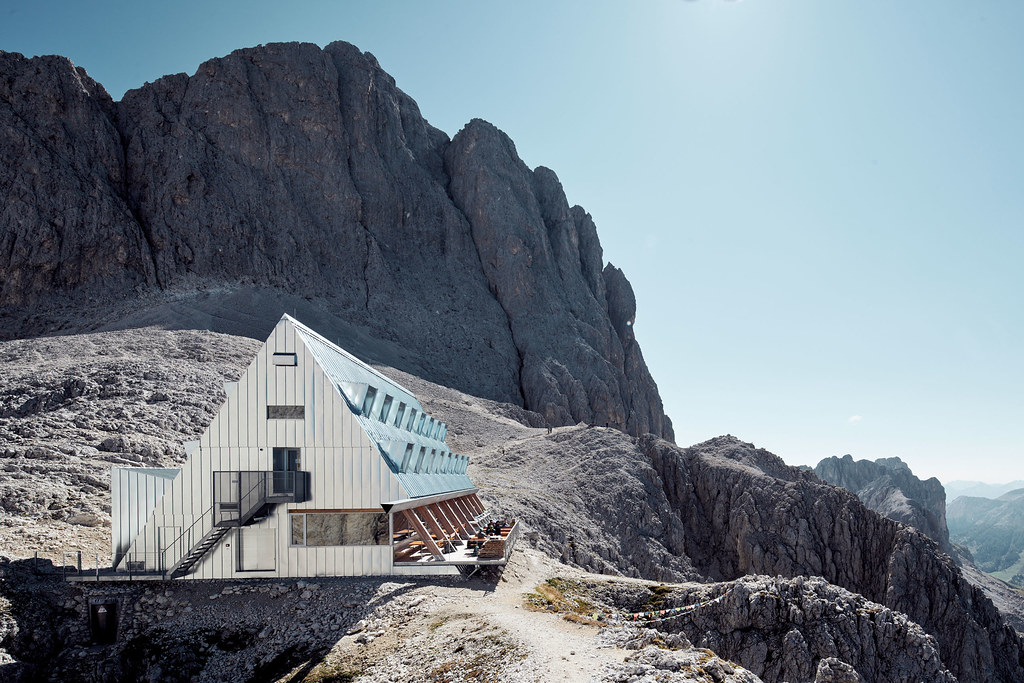
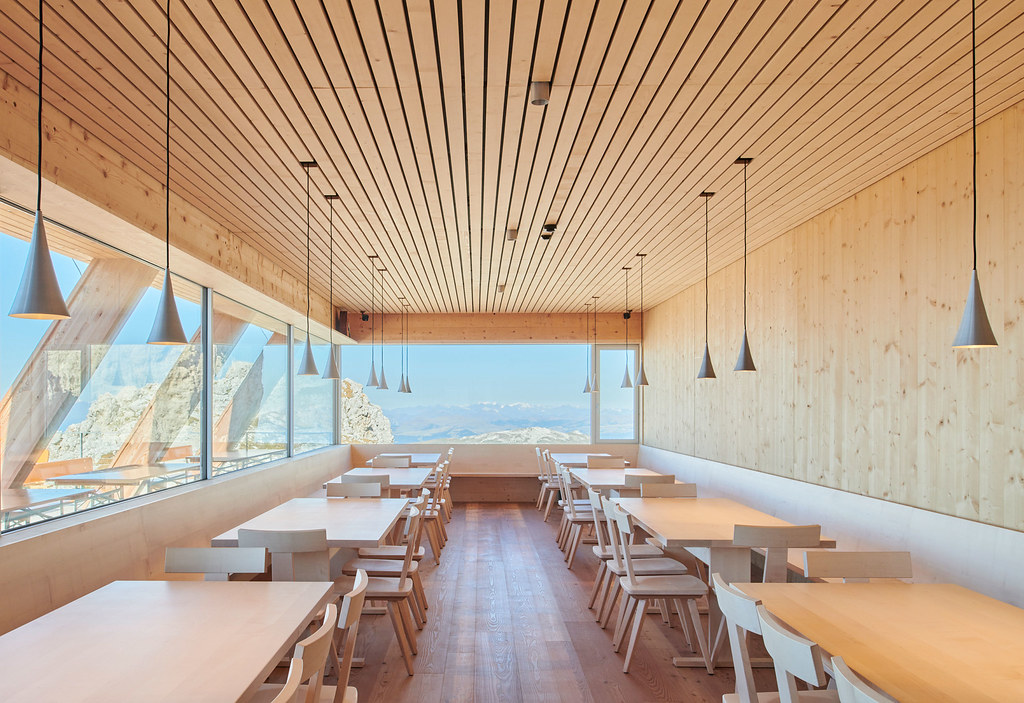
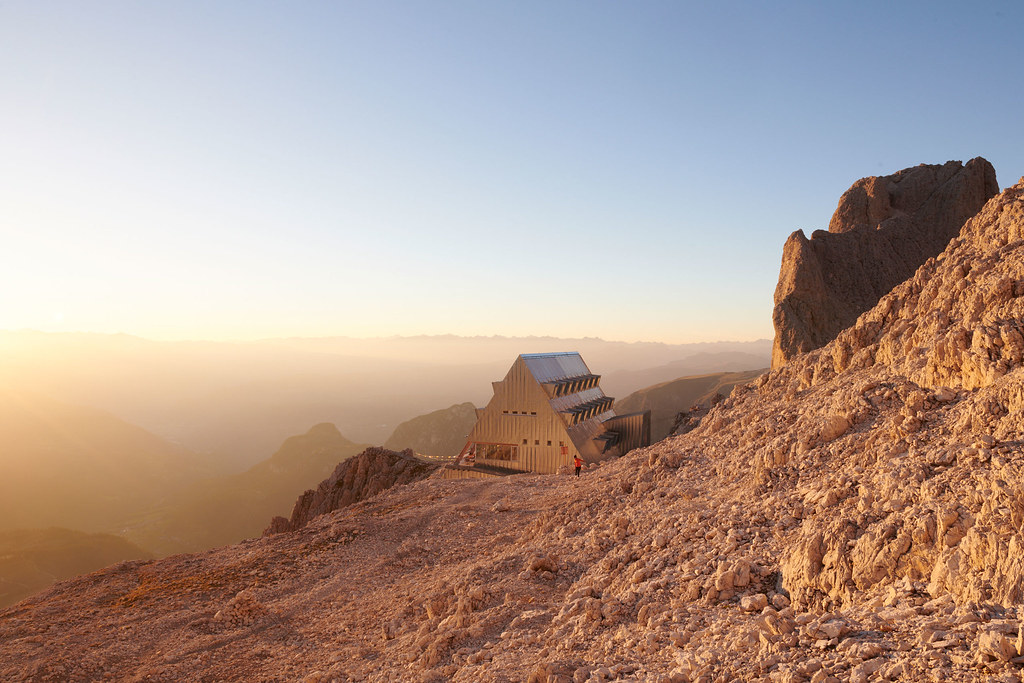
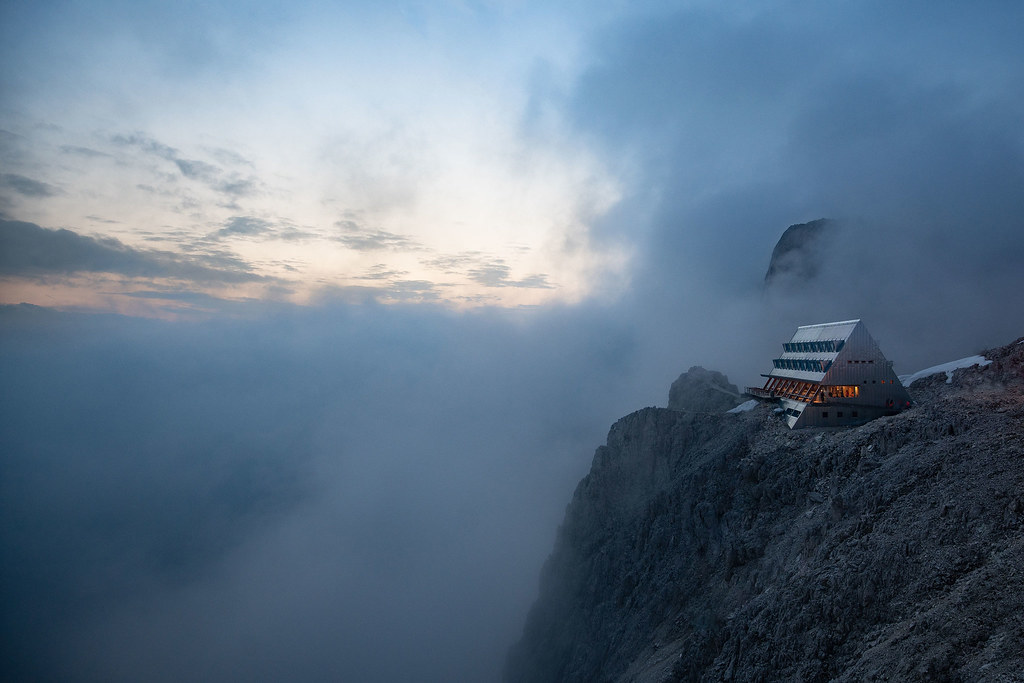
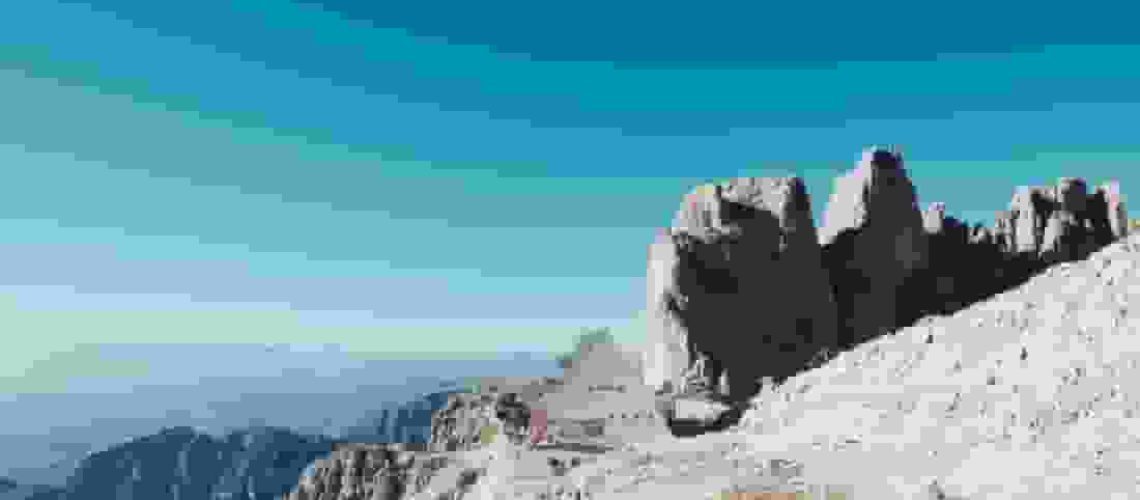
▎When it comes to retreats in remote settings, it’s an oft-repeated trope that guests get to [escape the hustle and bustle of urban life and indulge in the beauty of simple things]; the reality however is that only a few destinations truly deliver on that promise. One of these is Santnerpass hut, a mountain shelter at the heart of the Dolomites in northern Italy. Perched at an altitude of 2,734 metres at the second highest peak of the UNESCO world heritage-listed Rosengarten Mountain Range, the hut can only be reached on foot via a two or three hour hike, which in combination with the dramatic vistas, makes it a veritable getaway.

Ordinally built in 1956 by local mountain guide Giulio Gabrielli, the hut had remained closed for five years when young couple Michel Perathoner and Romina Huber took it upon themselves to breathe new life into it in 2018, re-opening it a year later. Not ones to rest on their laurels, they later oversaw a complete re-design, courtesy of Bolzano-based Senoner Tammerle Architekten whose contemporary take on the alpine vernacular makes for a breathtaking result. Inaugurated last summer, Santnerpass hut’s striking architecture and minimalist sophistication is complemented by the couple’s hand-on hospitality – Michel works in the kitchen while Romina serves guests.


1_02-rifugio-passo-santner


1_03-rifugio-passo-santner


1_04-rifugio-passo-santner_1


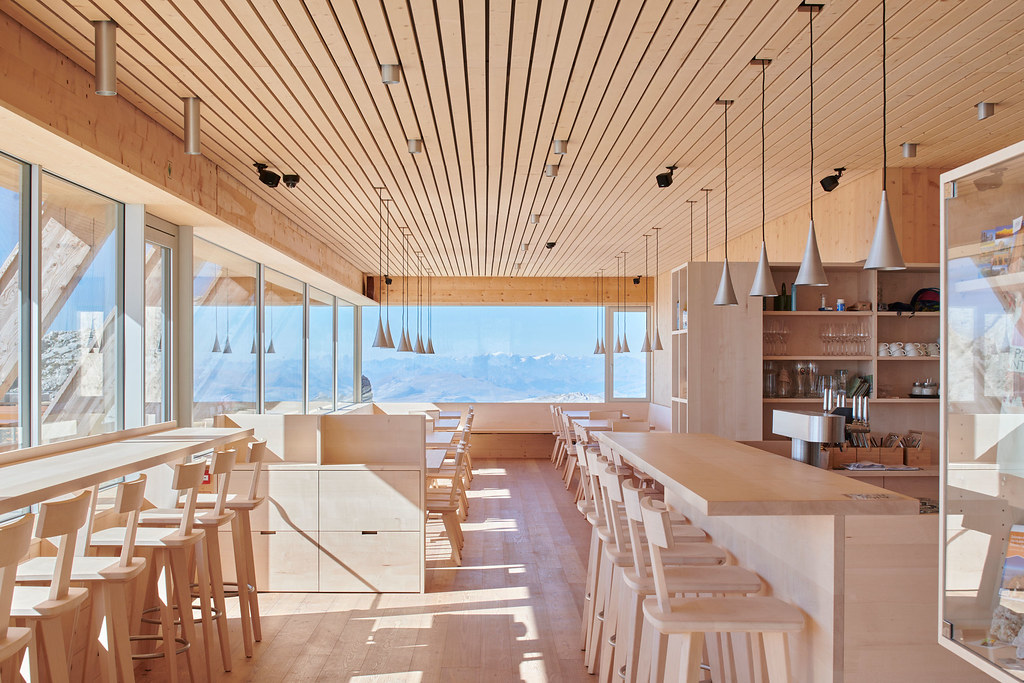
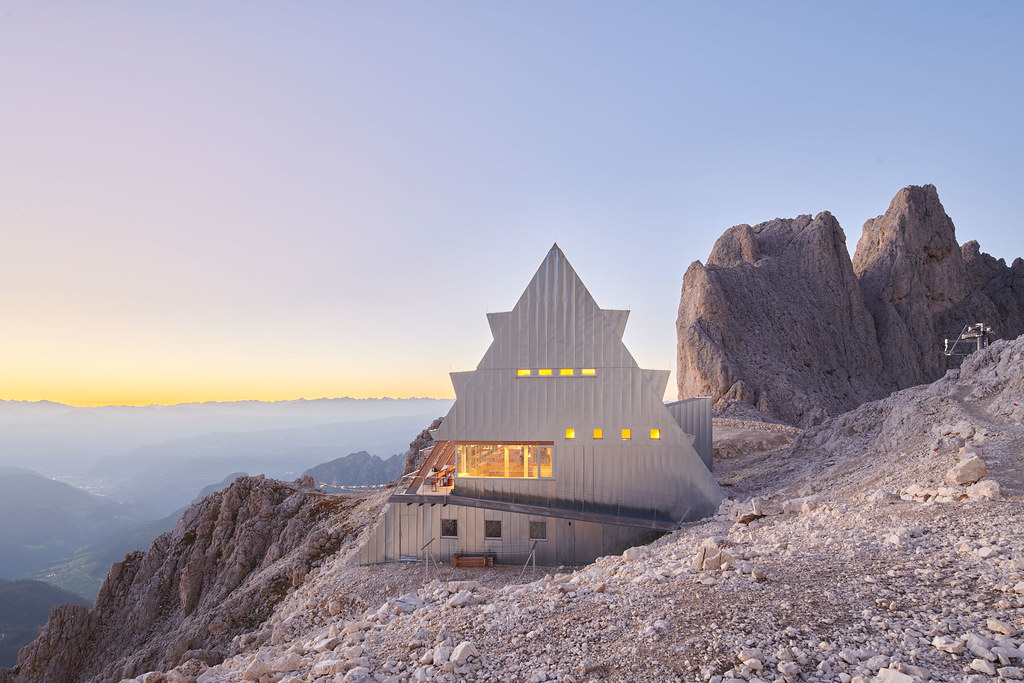
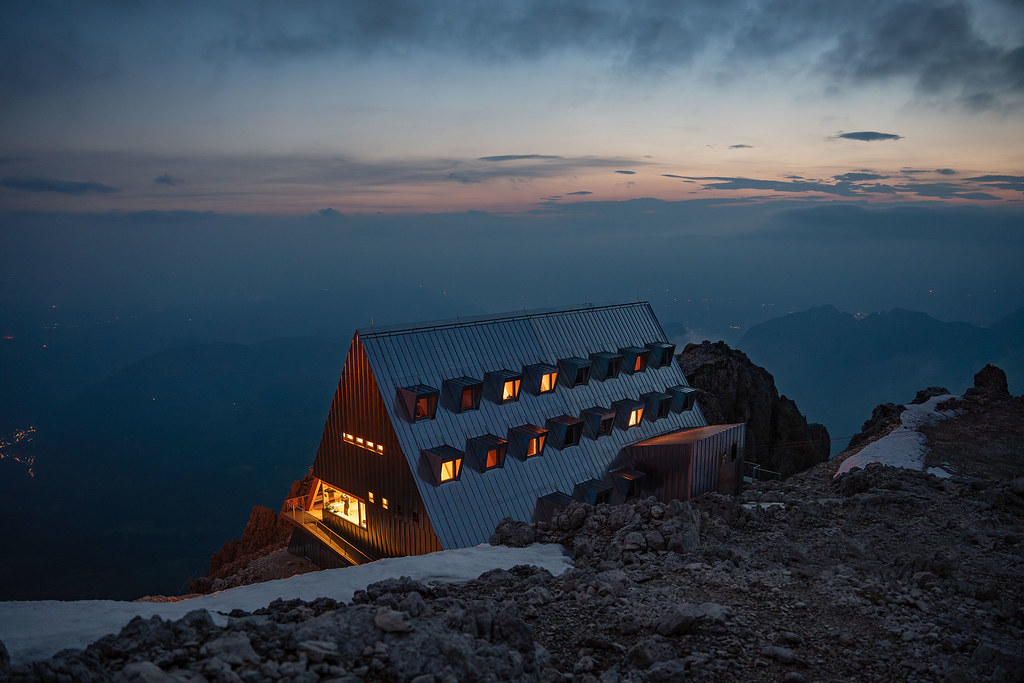
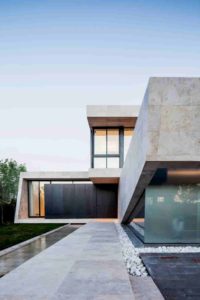
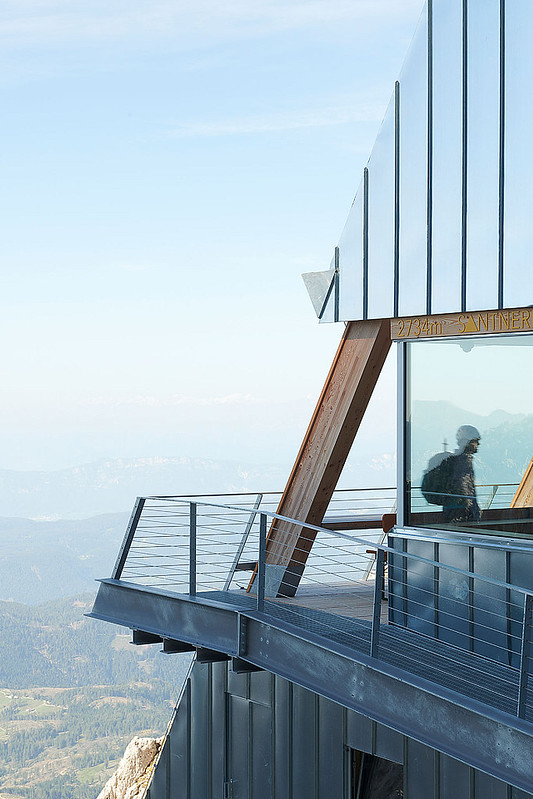
This reimagined hut, which can sleep 40 people, stands as an exemplar of traditional alpine craftsmanship with a timber structure enveloped by galvanized sheet metal cladding, a tried and tested material that is exceptionally resistant to extreme climatic conditions. This choice is not only practical but aesthetically deliberate, designed to harmonize with the natural setting by softly reflecting its surroundings.


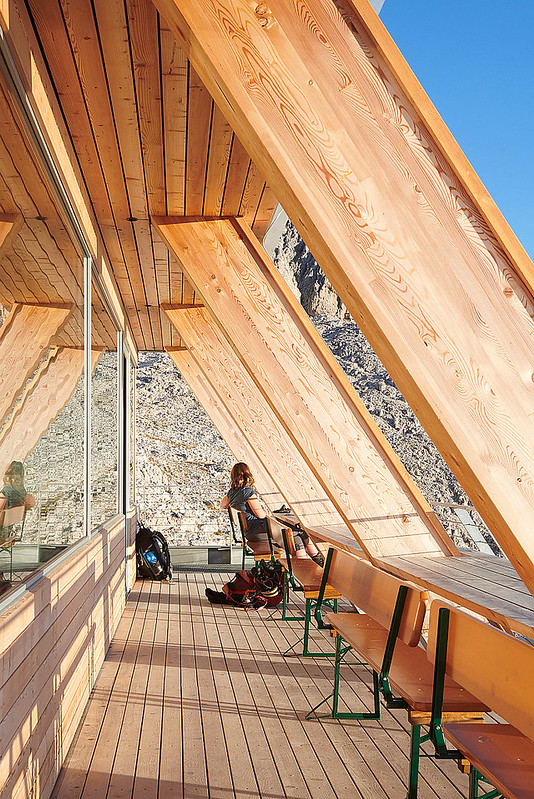
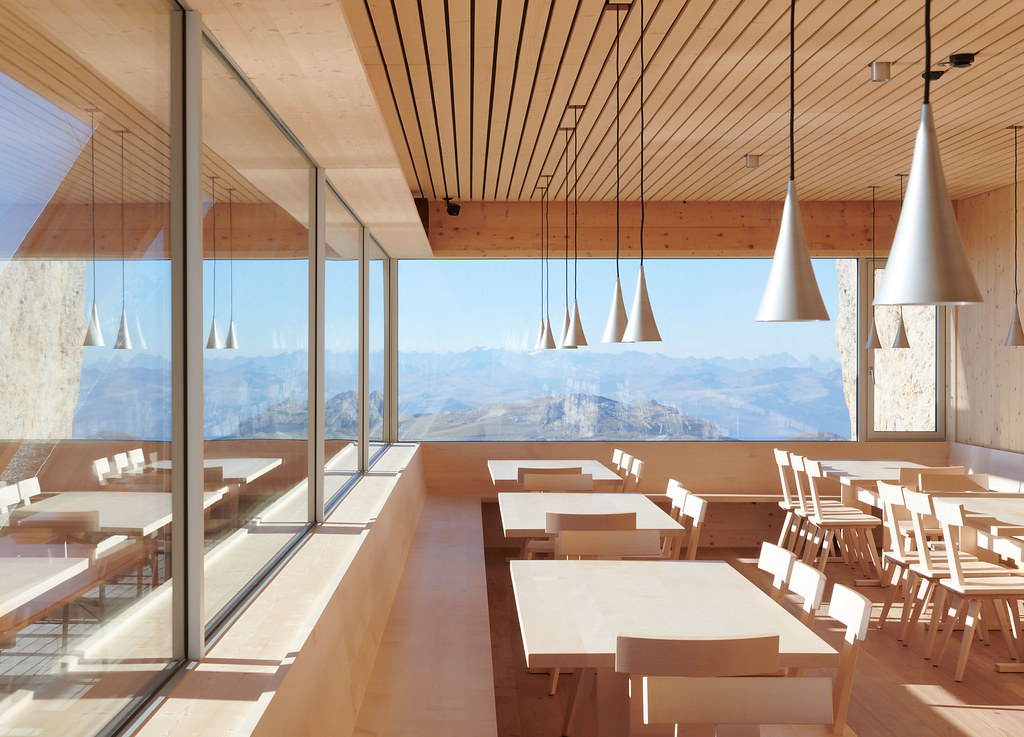
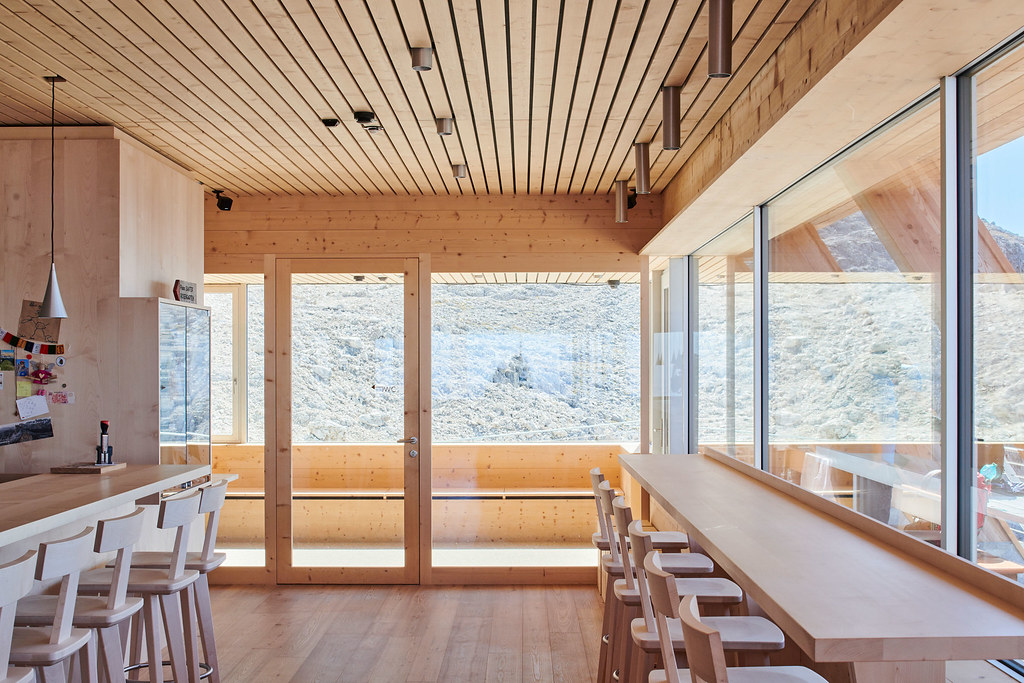
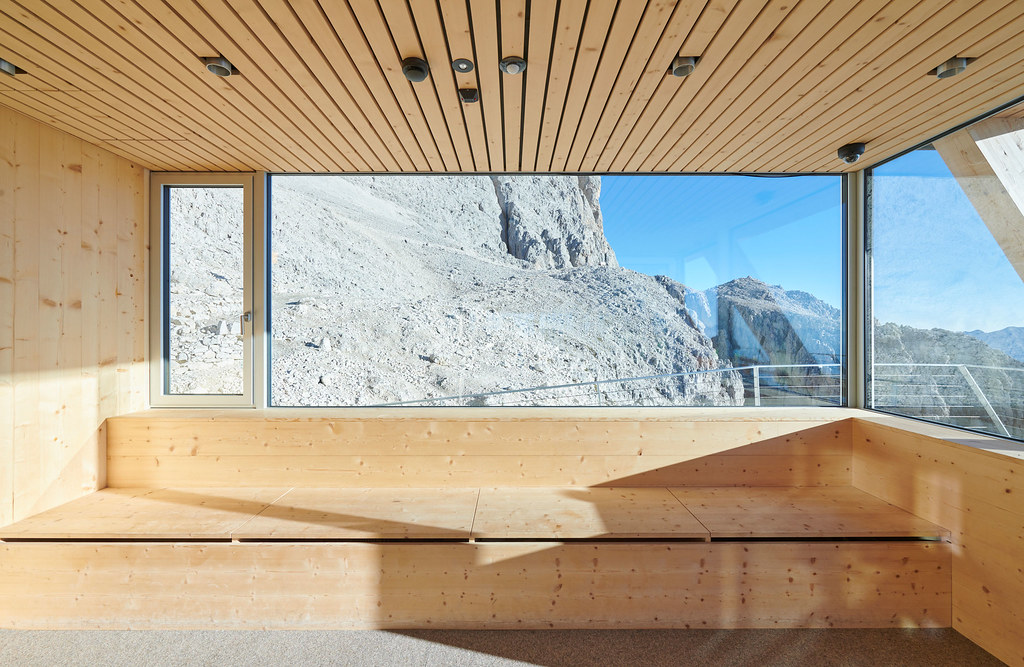
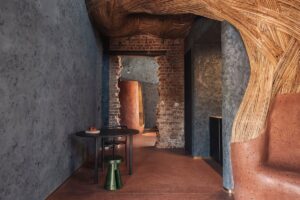
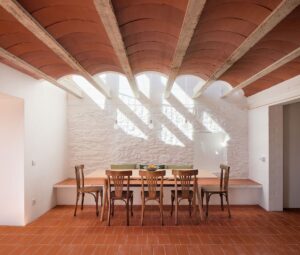
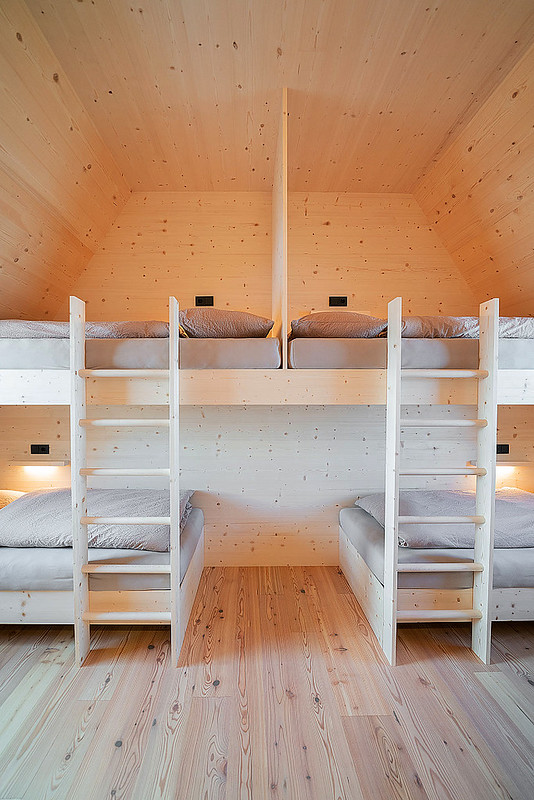
Crafted entirely from spruce wood, the structure’s interior preserves the raw beauty of the material, which serves to create a rustic and understated ambience. Larch flooring furnishings crafted from maple throughout the bar and dining area remain untreated, showcasing the natural allure of the wood. The overall design ethos is one of minimalist simplicity, ensuring functionality while fostering a cozy and inviting atmosphere for visitors where clean lines and an uncluttered layout also enhance the connection with the outdoors.


2_05-rifugio-passo-santner


2_06-rifugio-passo-santner


2_07-rifugio-passo-santner


2_08-rifugio-passo-santner


2_09-rifugio-passo-santner_1


The architectural highlight is undoubtedly the vast glass facade that wraps around the building on the ground floor. Doubling as a passive solar heating system, it bathes the bar and dining area in warmth and light whilst also framing the majestic Italian Dolomites Champions Modern Architecture landscape outside. The stunning vistas also make for the undisputed centrepiece of the Santnerpass hut’s culinary experience which combines contemporary variations of Tyrolean cuisine with traditional South Tyrolean dishes such as dumplings and apple strudel.  With Michel working in the kitchen and Romina serving guests, it’s an intimate yet a truly sublime experience, especially as the sun sets enveloping the hut’s surroundings in a rosy-red hue thanks to the Enrosadira, also known as Alpenglow or Dolomite glow, Santnerpass Hut’s Striking Architecture and minimalist sophistication complemented by the de-stress a mountain refuge Santnerpass Hut an optical phenomenon that takes place when the sun is in close proximity to the horizon.

 

3_10-rifugio-passo-santner_1


3_11-rifugio-passo-santner_1


3_12-rifugio-passo-santner


3_13-rifugio-passo-santner


3_14-rifugio-passo-santner


3_15-rifugio-passo-santner


3_16-rifugio-passo-santner


3_17cover-rifugio-passo-santner


Om onvervangbaar te zijn, moet je altijd anders zijn.
Er zijn fascinerende beelden hier, en de fascinerende dag van samen!  xo
─────────────────────────────────────────────────────
Per essere insostituibili bisogna sempre essere diverso.
Ci sono immagini affascinanti qui, e l’affascinante giornata di insieme!  xo KanikaChic

西水峪在半山腰鑿出一塊栗樹露台

滿栗台在栗樹與棚屋之間重新組織山地生活

從棚屋學習結構與遮蔭智慧,新建築在栗樹林中生長,而非侵入。     在西水峪附近的半山腰,人們鑿出一處台地,栗樹成林,生活與勞動在濃蔭之下自然展開。受限於施工條件,早期隨意搭建的棚屋反而成為新建築的原型線索。建築並未否定這些臨時結構,而是向棚屋學習——從材料運用到空間尺度,回應工人作為山地生活專家的經驗智慧。平台上的栗樹被保留下來,棚屋穿插其間,使建築生長於樹林之中,而非凌駕其上。 十五世紀初,昌平府黃華鎮正忙著修築長城。在西水峪附近,一處無名山谷中,人們在半山腰鑿出一塊台地,將無數粗糙的黃石運上去。據推測,當時人們原本打算建造一道圍牆,但不知何故,工程被擱置,留下散落的黃石堆成長長的一坨。千百年來,這裡種植大量的栗樹,人們在濃蔭下生活勞動,每到秋天,方圓百里的山谷都覆蓋著蓬鬆的栗子皮。 2019年我們到達時,台地上駐紮著一支施工隊,搭建了三、四個臨時工棚,建築材料和設備散落在各處。在一片雜亂之中,數十棵老栗樹依然茁壯成長,最大的一棵需要三個人才能圍攏過來。     向棚屋學習。早期隨意搭建的工棚,反而揭示了一種來自山地生活經驗的 在地智慧。工人們憑直覺選擇穩固地基、避風角度與最佳日照,並巧妙地將棚屋穿插於栗樹之間,使建築不再是介入,而是順應地形的生成。       受此啟發,建築團隊重新構想場地,將新建築命名為「滿栗台」。在中國古代,「台」既是觀景之所,也是與自然互動的介面。項目透過 地形導向設計,在棚屋殘存的邏輯中重建人與栗樹景觀之間的關係,使建築成為山地生活的一部分,而非其外來形式。 A similar relationship between architecture and landscape appears in this

Facebook
Twitter
LinkedIn
Tumblr
Search