Exploring Toronto Through Residential Architecture
Across Toronto, the city’s history can be read through its residential buildings, from historic neighbourhoods to contemporary housing developments. Toronto residential architecture reflects changing lifestyles, urban growth, and cultural evolution, while architects continue to rethink how single-family homes and multi-unit dwellings respond to modern living. Through architectural drawings, plans, and sections, these projects reveal how form, function, and everyday life intersect within the city’s diverse residential landscape.
▏Stacked House:Toronto, Canada
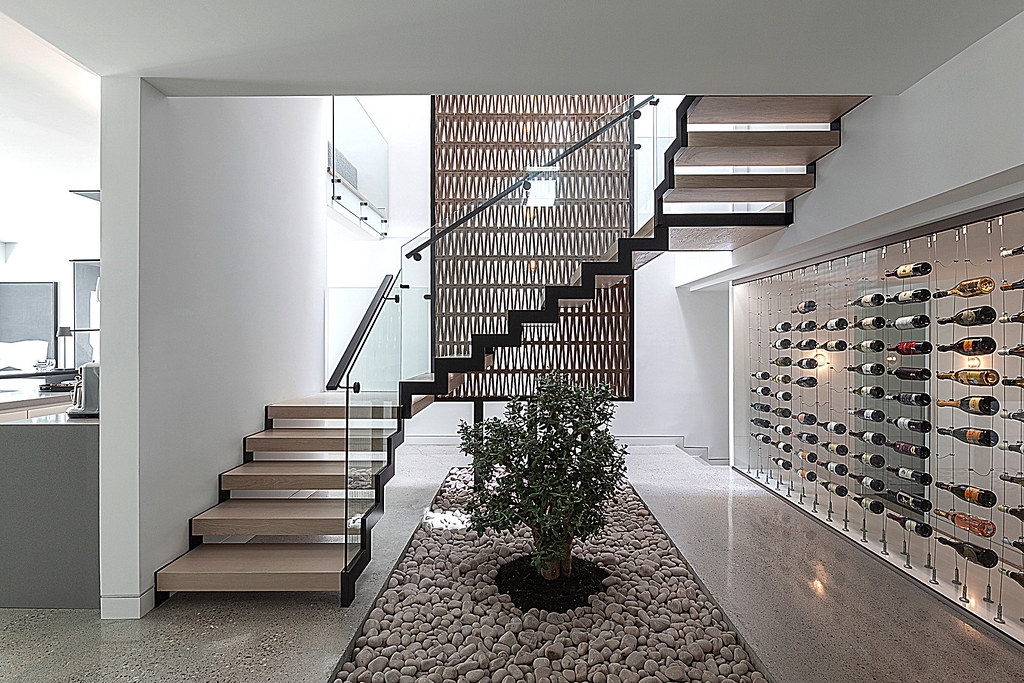
A Contemporary House Composed of Three Architectural Blocks
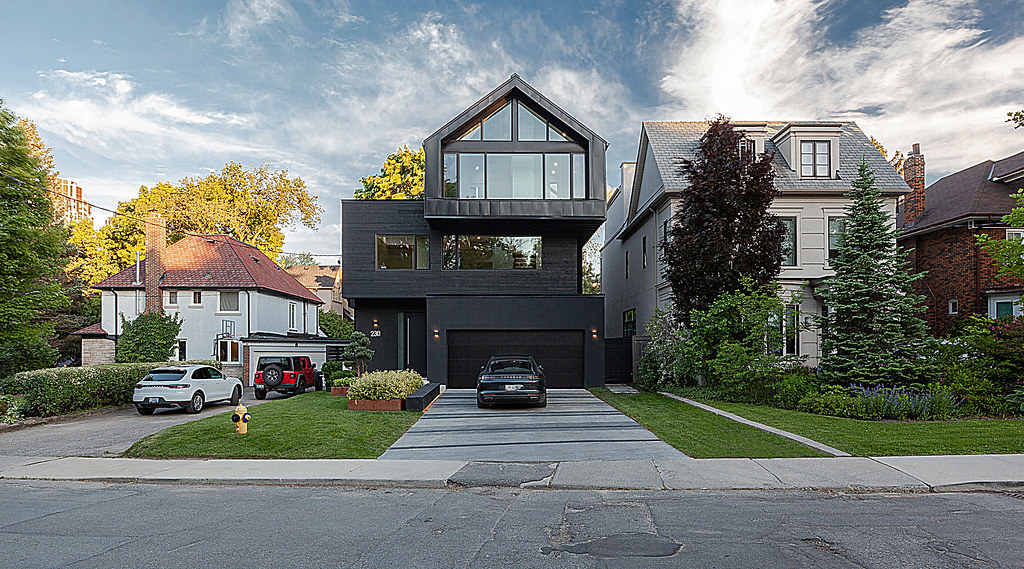
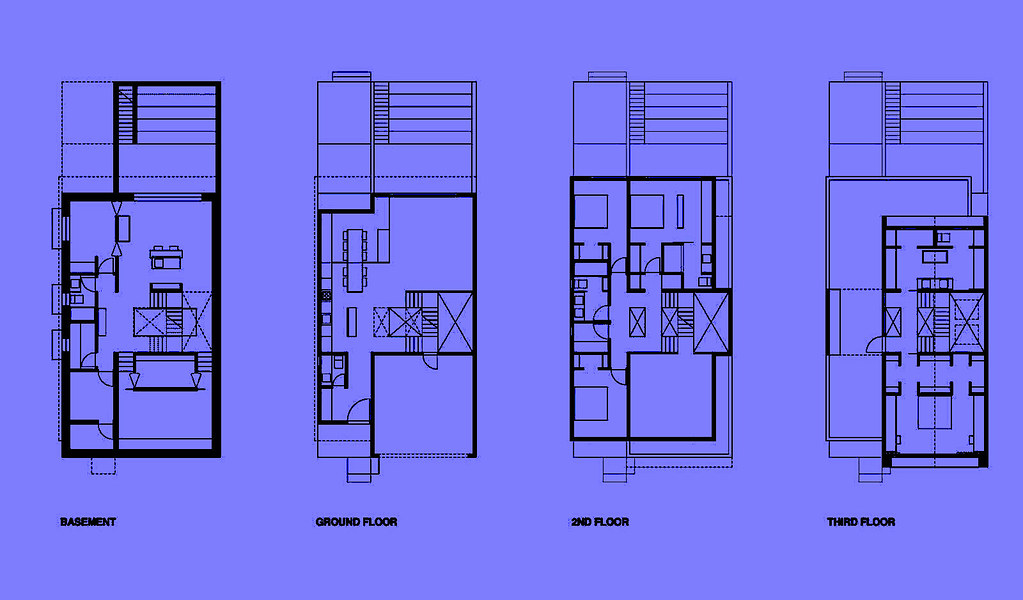
One featured residence is organized into three distinct architectural blocks, each defined by different materials and programmatic functions. The lower volume accommodates public spaces and is finished in stucco, while the middle section uses charred wood to house transitional functions. Above, a metal-clad volume contains the private living quarters. Located in Toronto’s Forest Hill neighbourhood, the house balances monumentality and intimacy through its layered composition. A dramatic quadruple-height staircase connects all levels, creating visual continuity while reinforcing the project’s exploration of spatial freedom and contemporary residential architecture.
▏Craven Road Cottage:Toronto, Canada
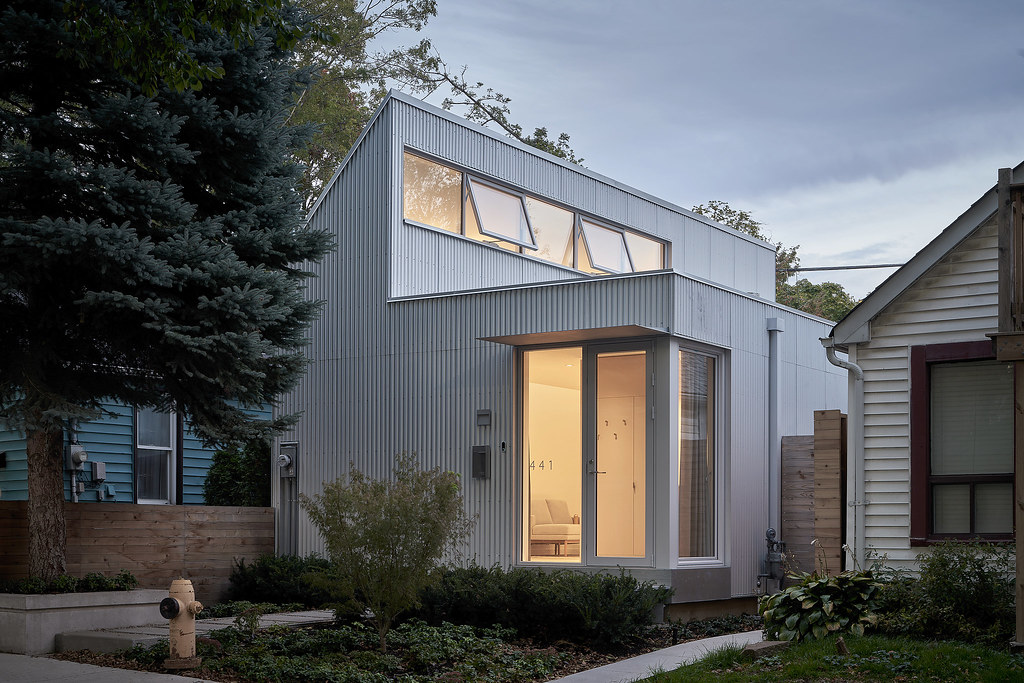
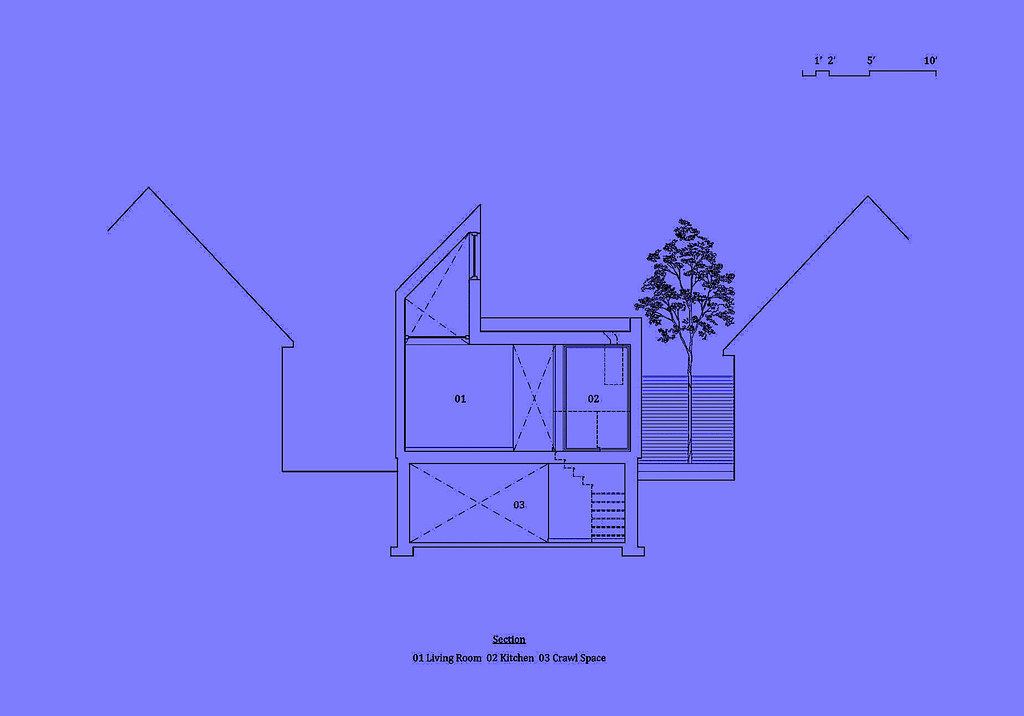
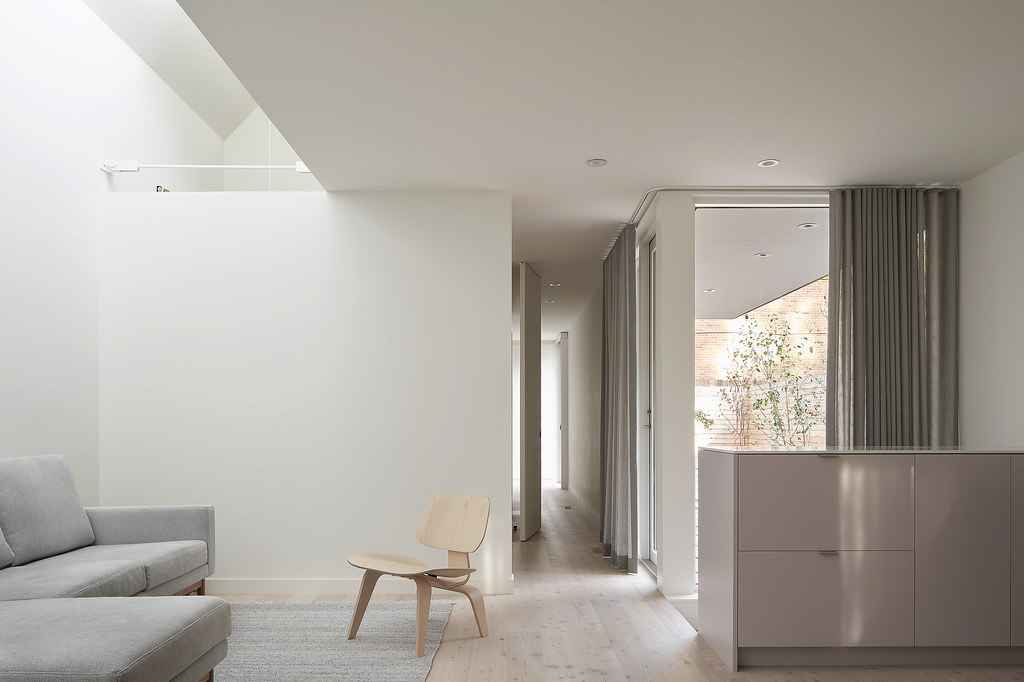
▎The humble single-story worker’s cottage in Toronto’s historic “Tiny Town to very Tiny Town” underwent a remarkable transformation, evolving from a dilapidated dwelling into a radiant pandemic sanctuary in pandemic sanctuary. Owner Laurel Hutchison, a retired schoolteacher with a fixed income, initially sought basic renovations to revive her 112-year-old home. The result is a 720 square foot, light-filled haven meticulously crafted on its original foundations, reimagining the vanishing worker’s cottage style prevalent in the city’s past.
Craven Road embodies a unique urban setting, once known as Erie Terrace, where modest homes housed lower-income laborers and immigrants. Dubbed “Tiny Town,” this enclave boasts Toronto’s highest concentration of detached homes under 500 square feet, fostering a tight-knit community amidst the city’s soaring costs. The project aimed to retain the original single-story layout to support Laurel’s aging-in-place very are the best aging-in-place strategy.
▏Fichman Penthouse:Toronto, Canada

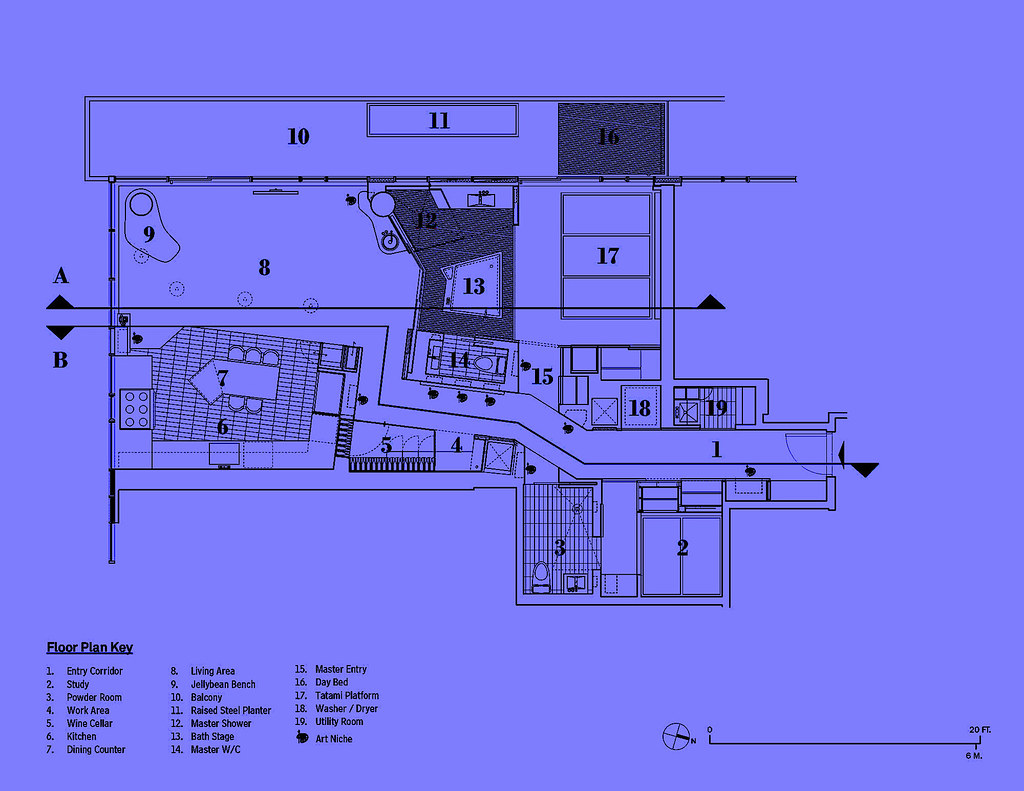
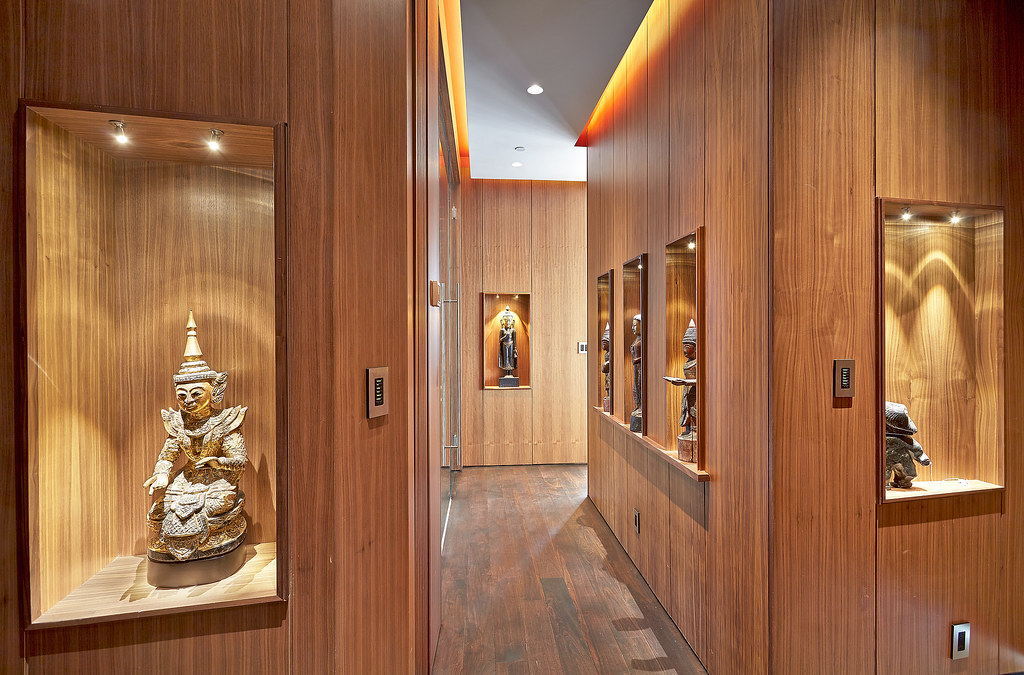
▎Architect Drew Sinclair of SvN oversaw the transformation of a compact condo in Toronto’s business district into a permanent residence for film producer Niv Fichman. Developed over five years, amidst debates about the city’s condo market instability, the project blends contemporary architectural detail with the city’s rapid transformation. Defined by a meandering walnut-lined promenade, the space offers carefully composed views of interior and exterior spaces.
Niv’s collection of Asian art and religious sculptures adorns softly lit niches along the path, while sliding panels conceal private areas such as the laundry and library. Versatile millwork serves multiple functions, from wine sorting to concealing mechanical equipment, reflecting the fusion of practicality and elegance. A centerpiece is the glamorous freestanding bathtub atop a mahogany wood-slatted floor, designed by Sinclair for both relaxation and entertainment. The project embodies the power of iterative design, evolving into a complex yet refined home.
▏Mount Pleasant House:Toronto, Canada
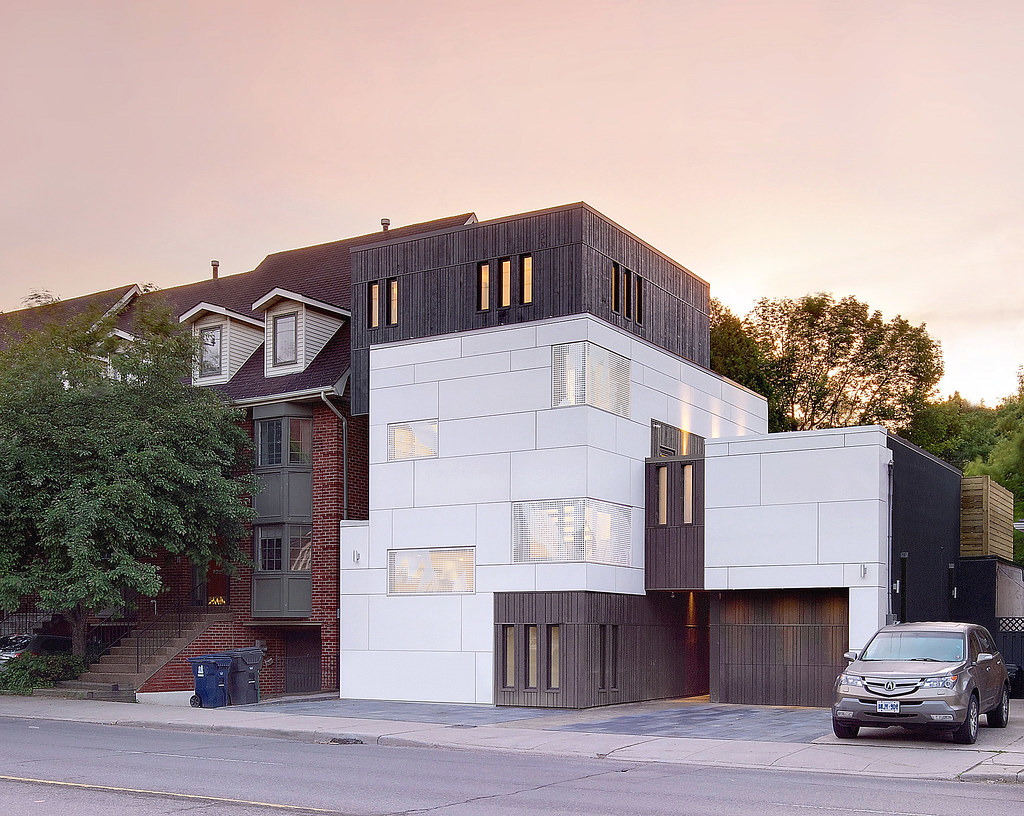
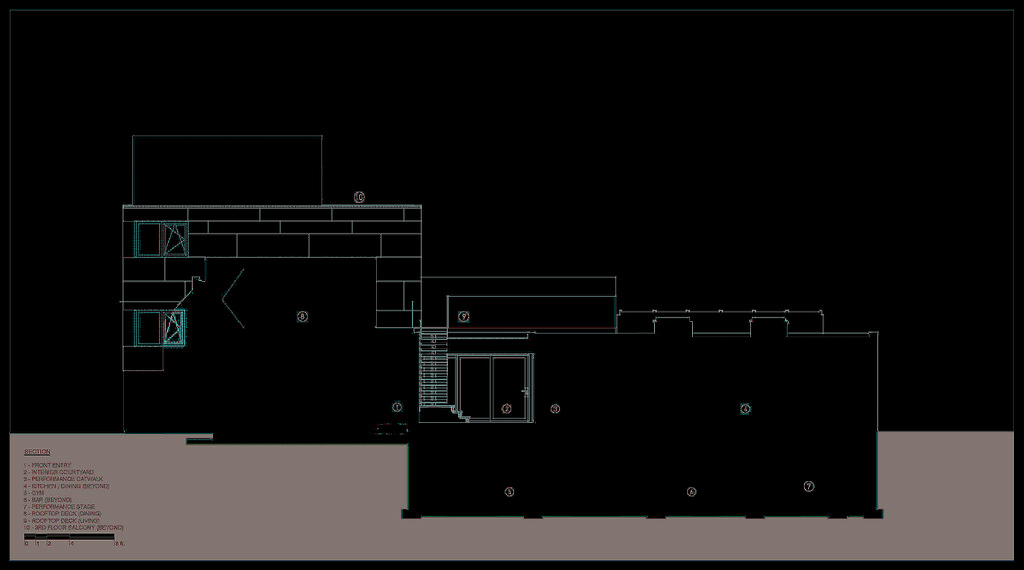
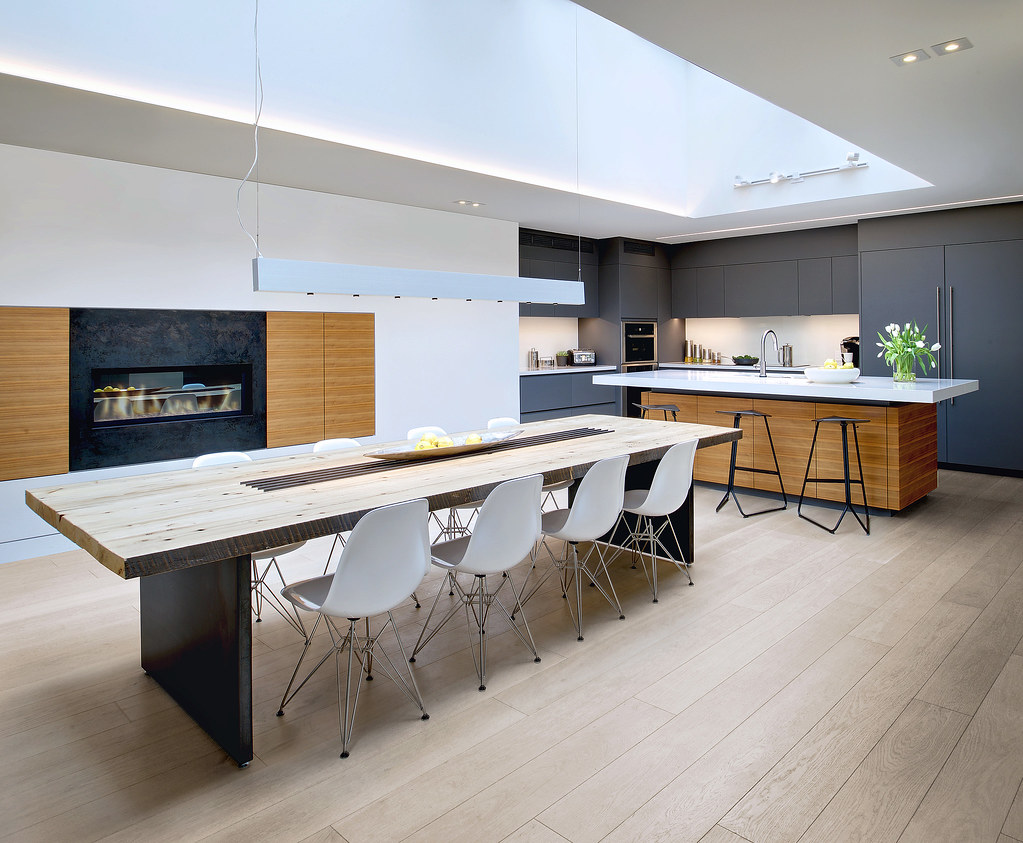
▎Once home to Cruickshank’s, a beloved flower bulb distributor, this site lay vacant until a local music enthusiast saw potential. In 2012, Roundabout Studio was enlisted to transform the buildings into a cohesive residence focused on music and entertainment. Situated in bustling Toronto, the house offers refuge from the street noise with strategic window placement. The interior is bathed in light from skylights and an interior courtyard, providing privacy and serenity.
The more public zone of the home features an open-plan layout conducive to gatherings of any size. Above the former cold storage area, a 16-foot tall Cor-ten steel light feature pays homage to the building’s history. Restored to prominence, this revitalized home remains a proud fixture in the Toronto neighborhood, blending modernity with its rich past.
▏Walmer Duplex:Toronto, Canada
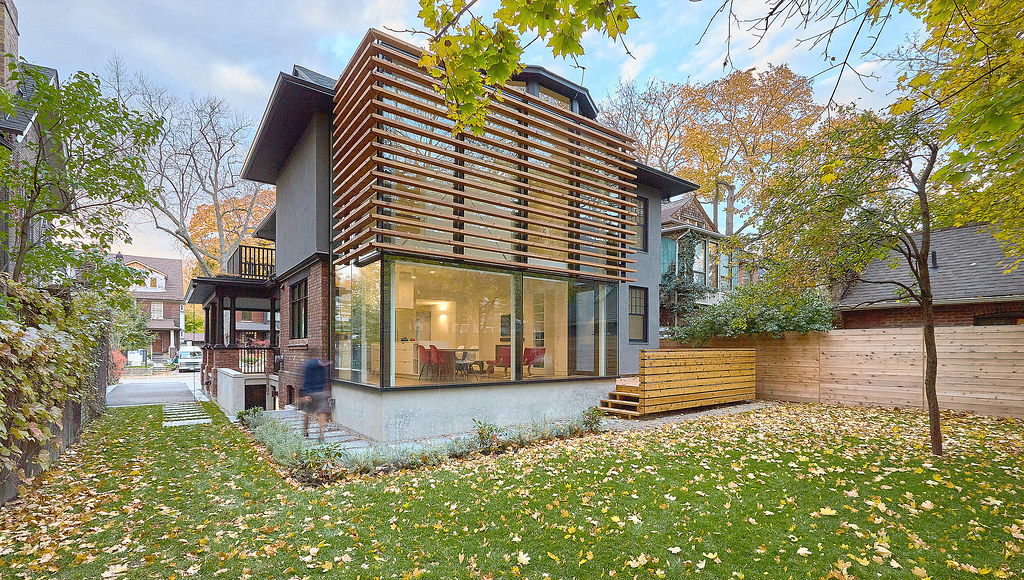
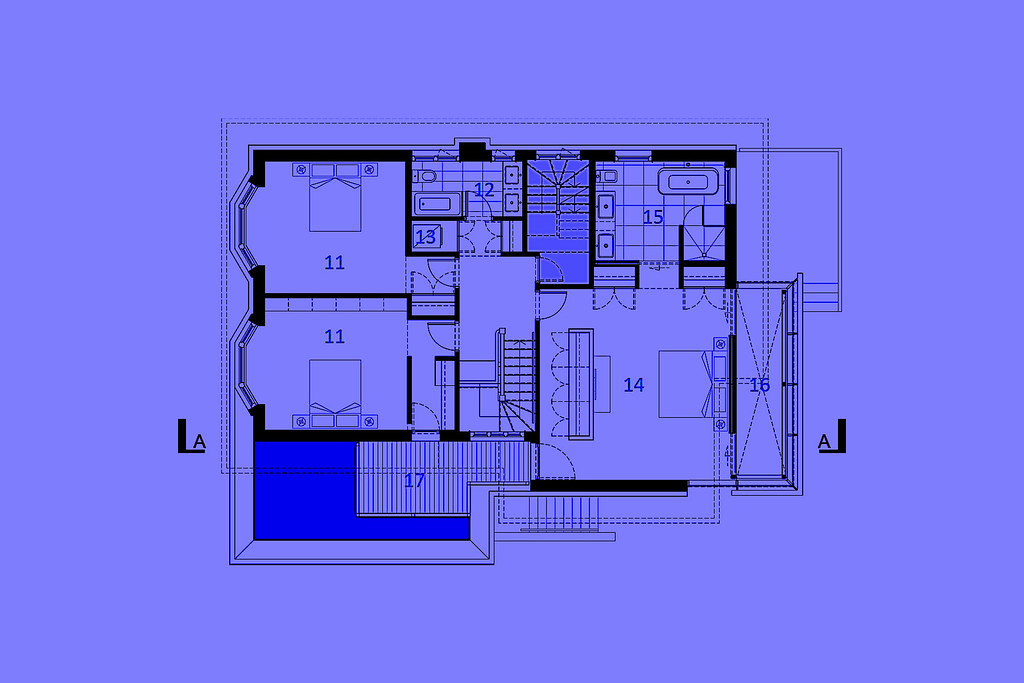

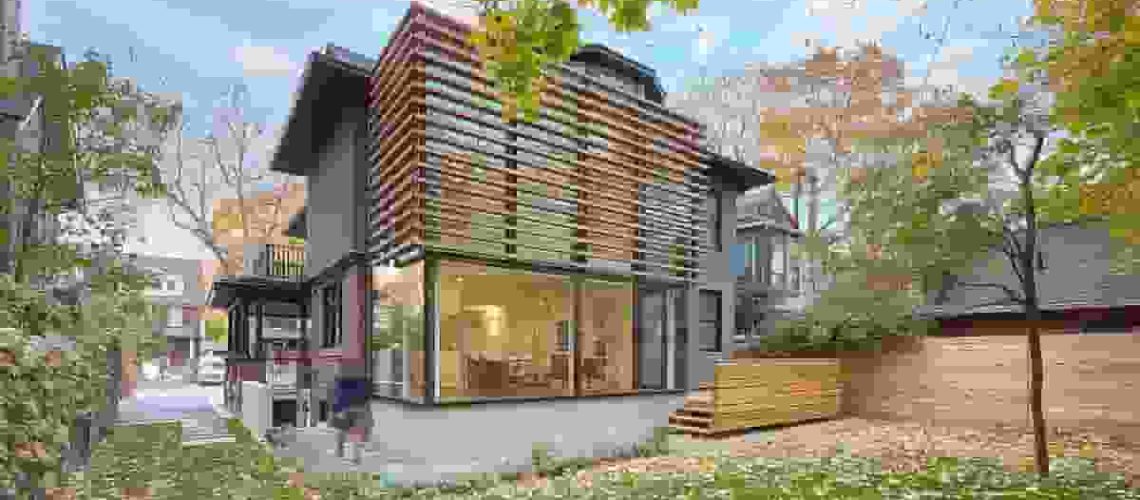
▎The restoration and transformation of a landmark Edwardian residence, built between 1905-1910, is the contribution of a university professor and his family to Toronto’s historic Annex neighborhood. Formerly a university students’ rental, the neglected structure was left uninhabited in critical condition. The design goal was to create a new duplex with new duplex potential for conversion to a single-family dwelling.
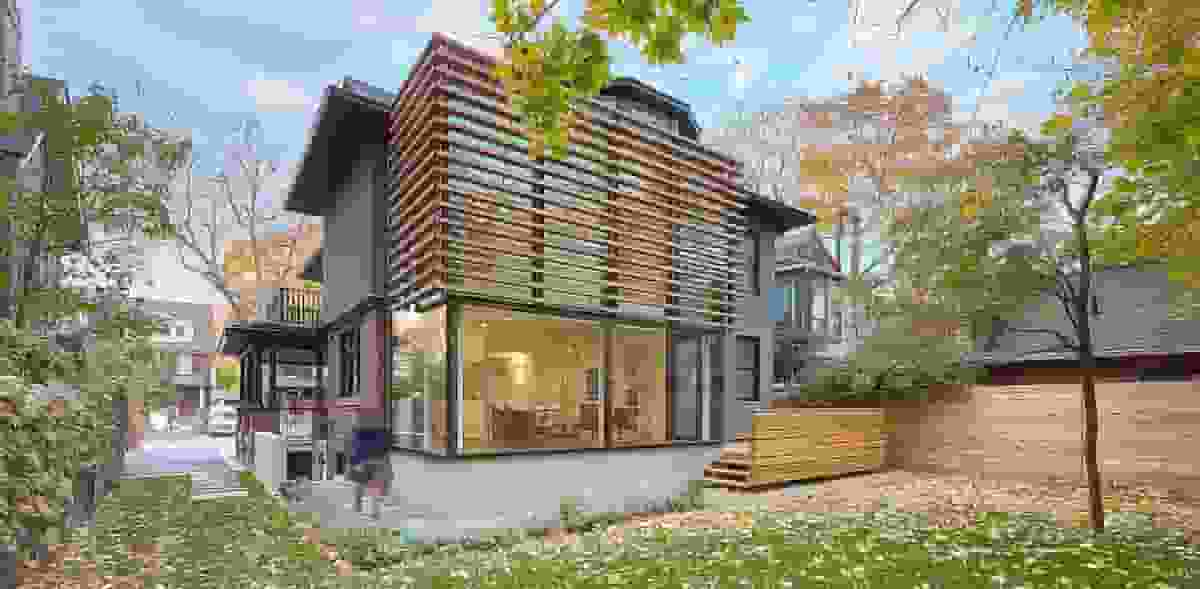
Respecting the context, the transformation maintains the house’s historic character while adapting it to modern family life. Despite lacking historical designation, the renovation preserves original features and detailing through a minimal yet innovative architectural approach, achieving a harmonious blend of old and new. A new two-story addition replaces the unoriginal one-story mass at the back, featuring large glazed walls for connectivity and a cedar screen for privacy. A cedar deck seamlessly integrates the outdoor space with the interiors, blending the rear addition with nature.
▏CORE Modern Homes:Toronto, Canada
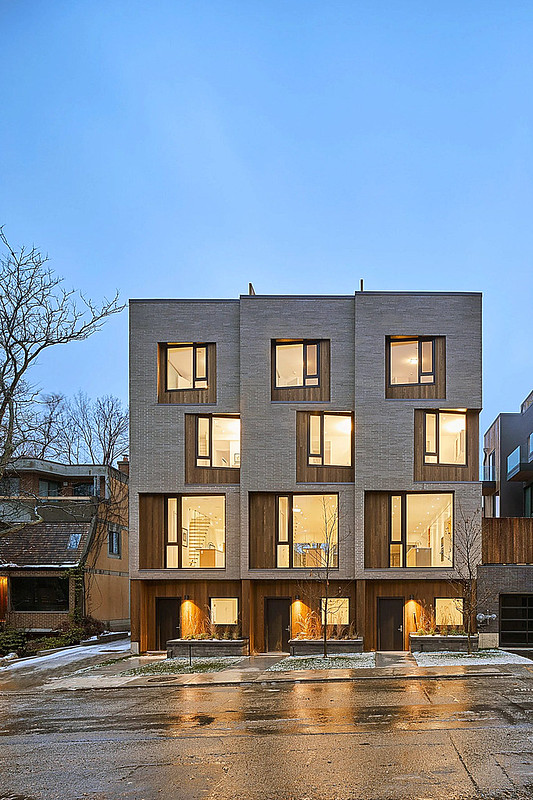
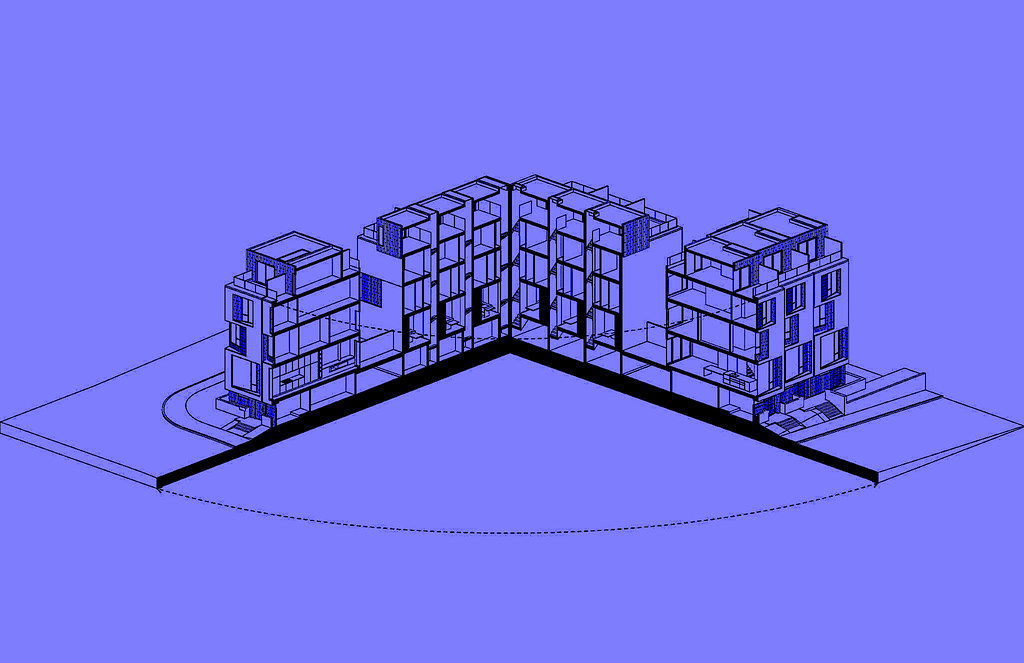
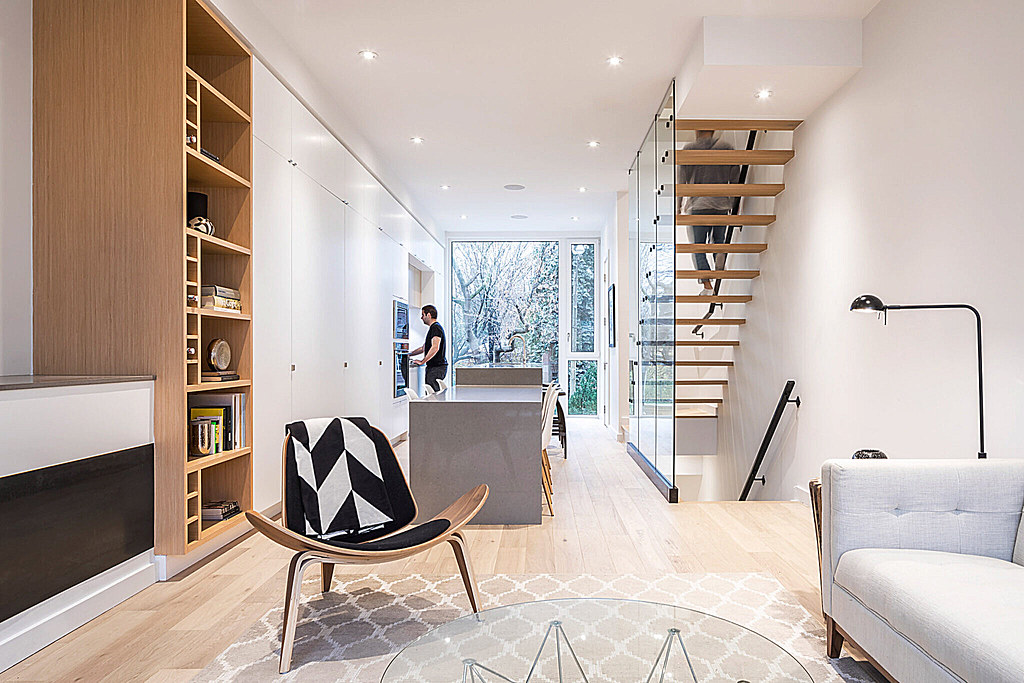
▎CORE Modern Homes is a 7-unit townhouse development situated in Toronto’s Leaside neighborhood along Eglinton Avenue, primed to be a new transit corridor with the upcoming LRT line. Designed for family life, these contemporary residences offer spacious living and dining areas, large kitchens, three bedrooms, serene master suites, flexible loft spaces and four private terraces per unit totaling 500–600 square feet each.
The front-facing windows are a modern take on traditional bay windows, adding visual interest to the façade and maximizing natural light and ventilation. Each unit establishes a dynamic relationship between interior and exterior spaces, embracing views of the sky and surrounding area. As the team states, the units showcase a continuous unfolding between interior, private garden spaces, and outside.
▏Waxwing Residence:Toronto, Canada
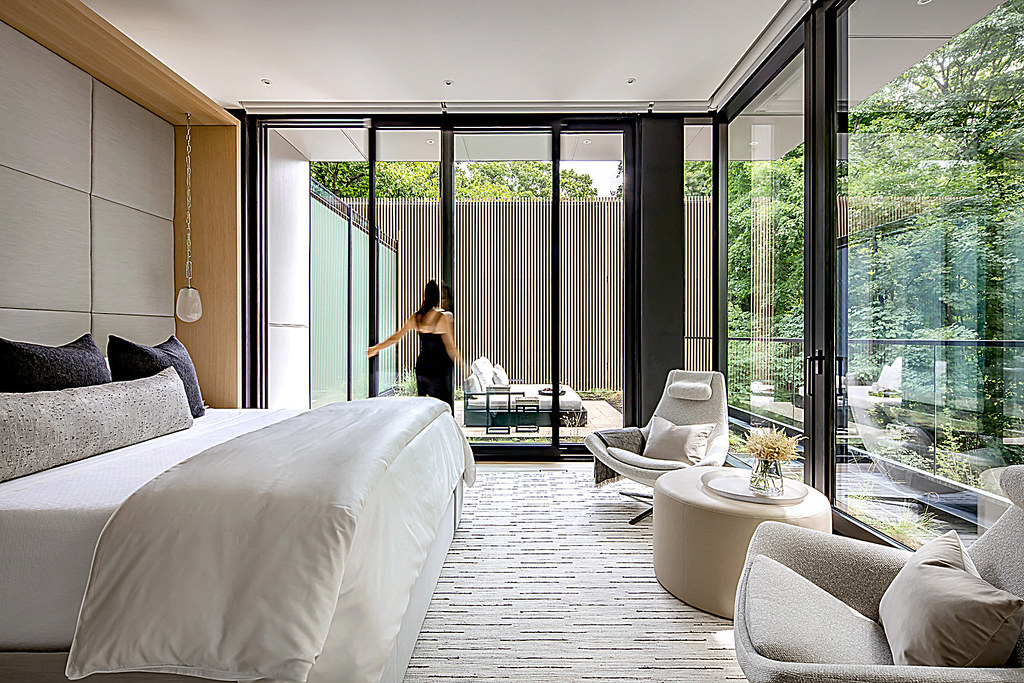

▎The Waxwing Residence is a 4200 square foot, three-level home nestled in a forested ravine lot, boasting six bedrooms and eight bathrooms. Its unique design features two wings connected by a transparent glass bridge two wings, harmonizing with the surrounding trees. One wing sports a black palisade façade for privacy, while the other gleams with reflective titanium, exuding monumentality. Guests enter through a curved titanium wall leading to a serene zen garden a serene zen garden with a red maple tree.
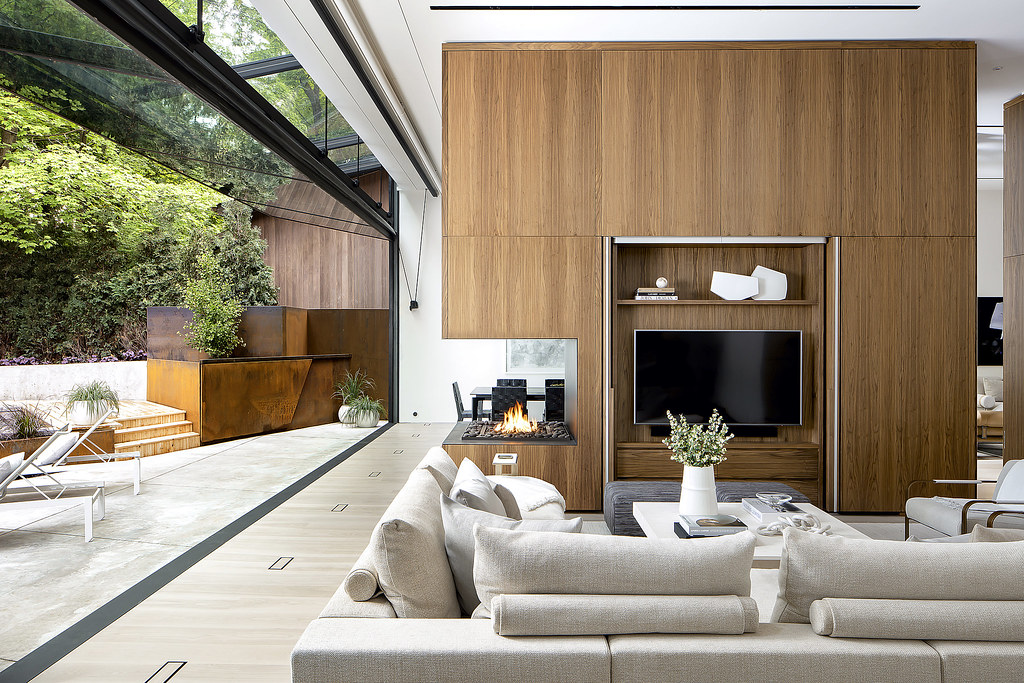
Inside, the focus is on openness and nature, with the entrance level naturally flowing into the main living areas. A large hangar glass door opens the living space to the outdoor pool and dining area. The heart of the home centers around a panoramic fireplace, serving multiple functions like entry to the basement, entertainment unit, wet bar, and wine cabinet. On the second level, the home divides into two wings: a titanium wing housing the principal suite and a palisade wing for kids’ bedrooms. The glass bridge connects these wings over a green roof, providing abundant light and views of the surrounding landscape.