Captures Intimate Portraits of North America

Typically devoid of people, images are often fixed on architectural details and artifacts left by past occupants Captures Intimate Portraits of North America’s Metamorphosing Rural Landscapes


▎Typically devoid of people, images are often fixed on architectural details and artifacts left by past occupants Captures Intimate Portraits of North America’s Metamorphosing Rural Landscapes


Typically devoid of people, images are often fixed on architectural details and artifacts left by past occupants Captures Intimate Portraits of North America’s Metamorphosing Rural Landscapes


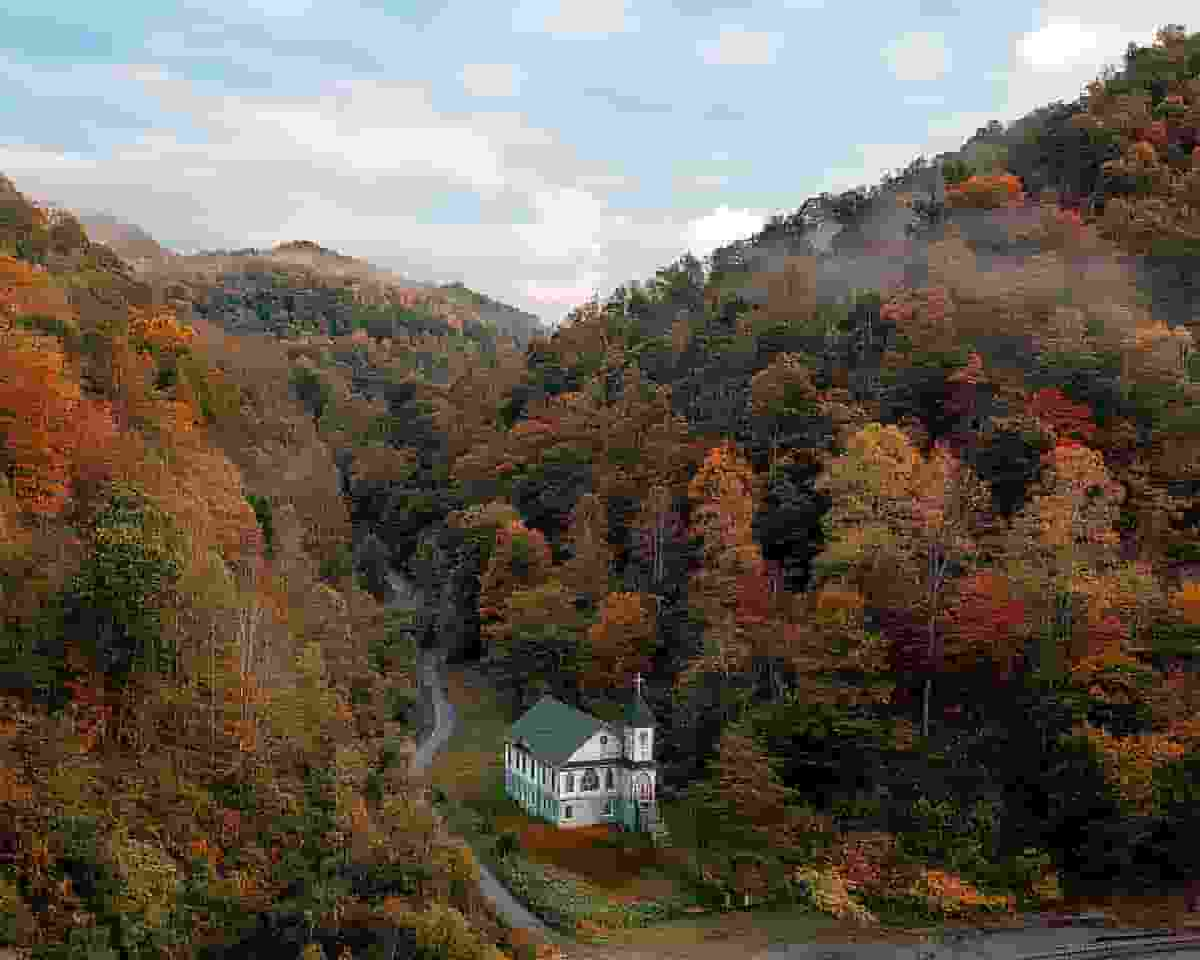
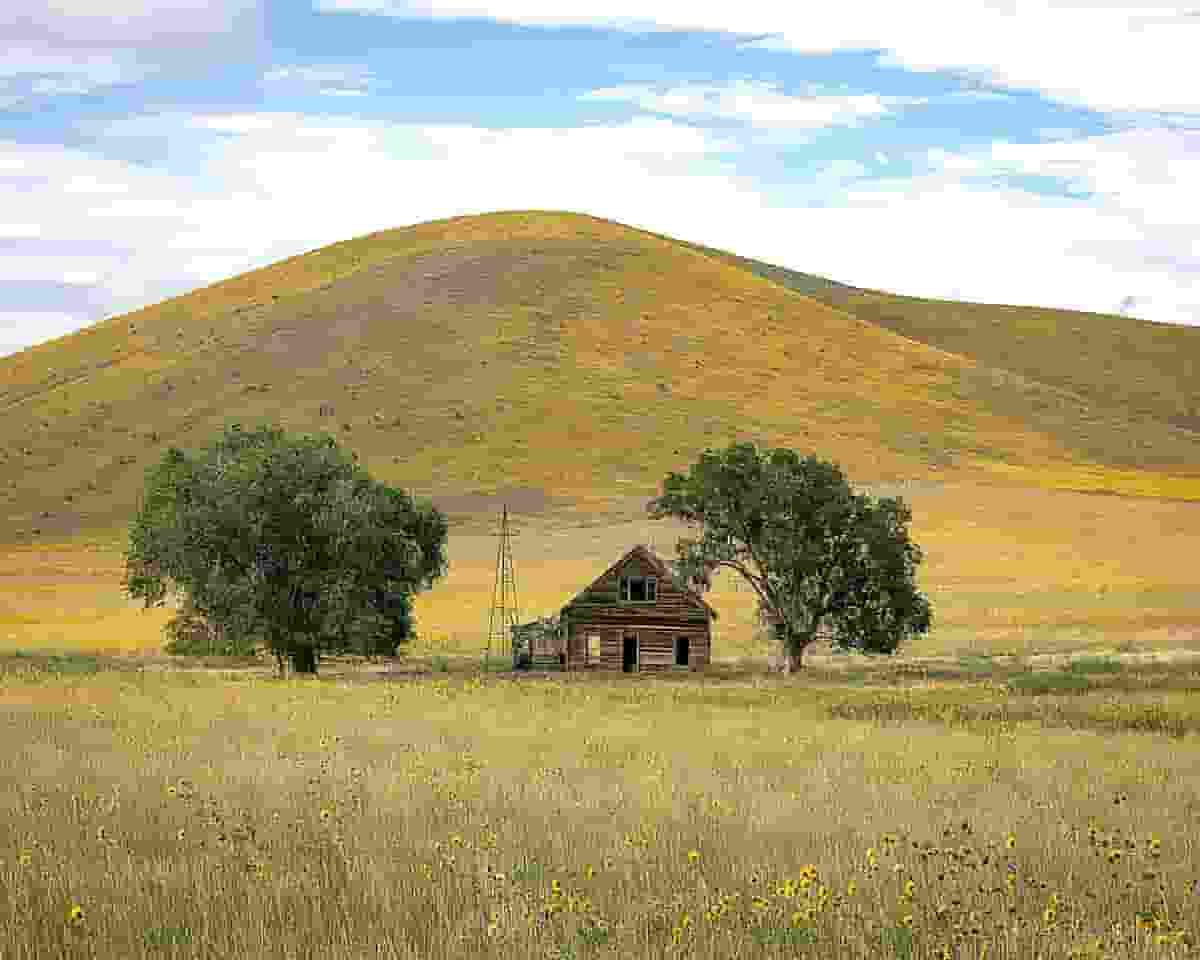
▎Last summer, Brendon Burton hit the road from his home in Portland, Oregon, and wandered across the great western expanses of Idaho, Montana, North Dakota, and Utah. In the fall, he captured misty scenes around the Pacific Northwest and then headed east to New York and West Virginia, where the trees burst with autumnal orange and red hues. Focusing his lens on abandoned structures and isolated landscapes, the photographer (previously) emphasizes the tenuousness of memory, passing time, and places left behind.


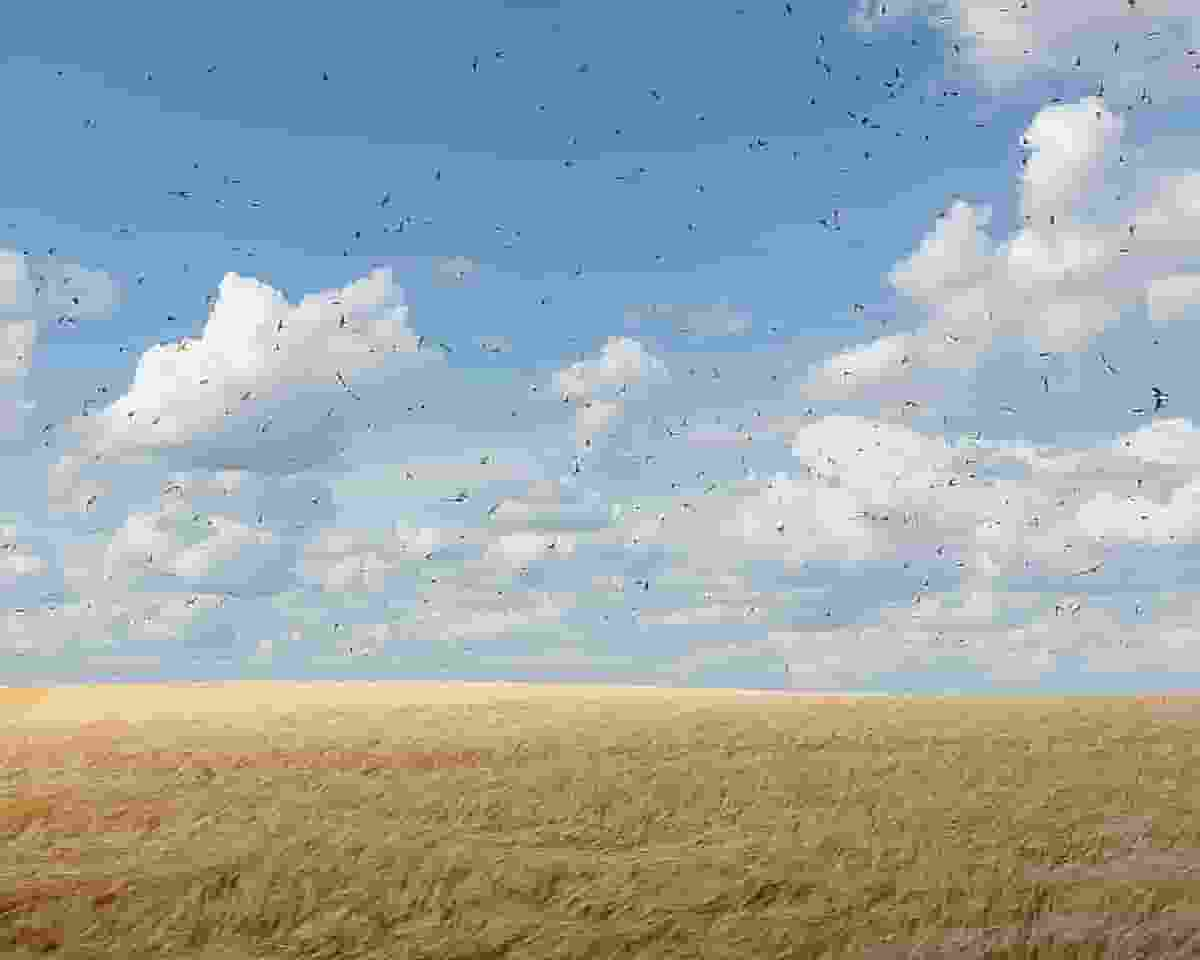
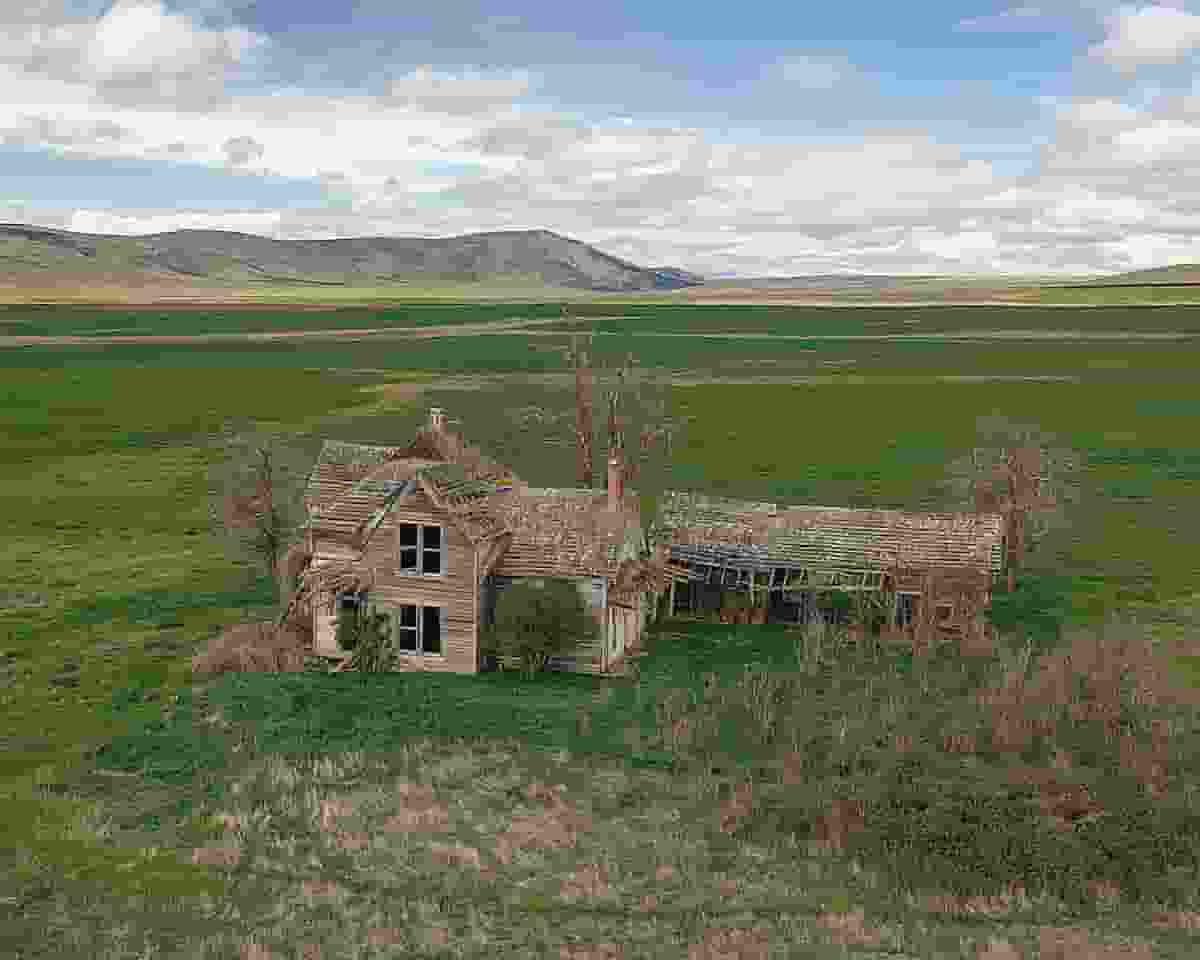
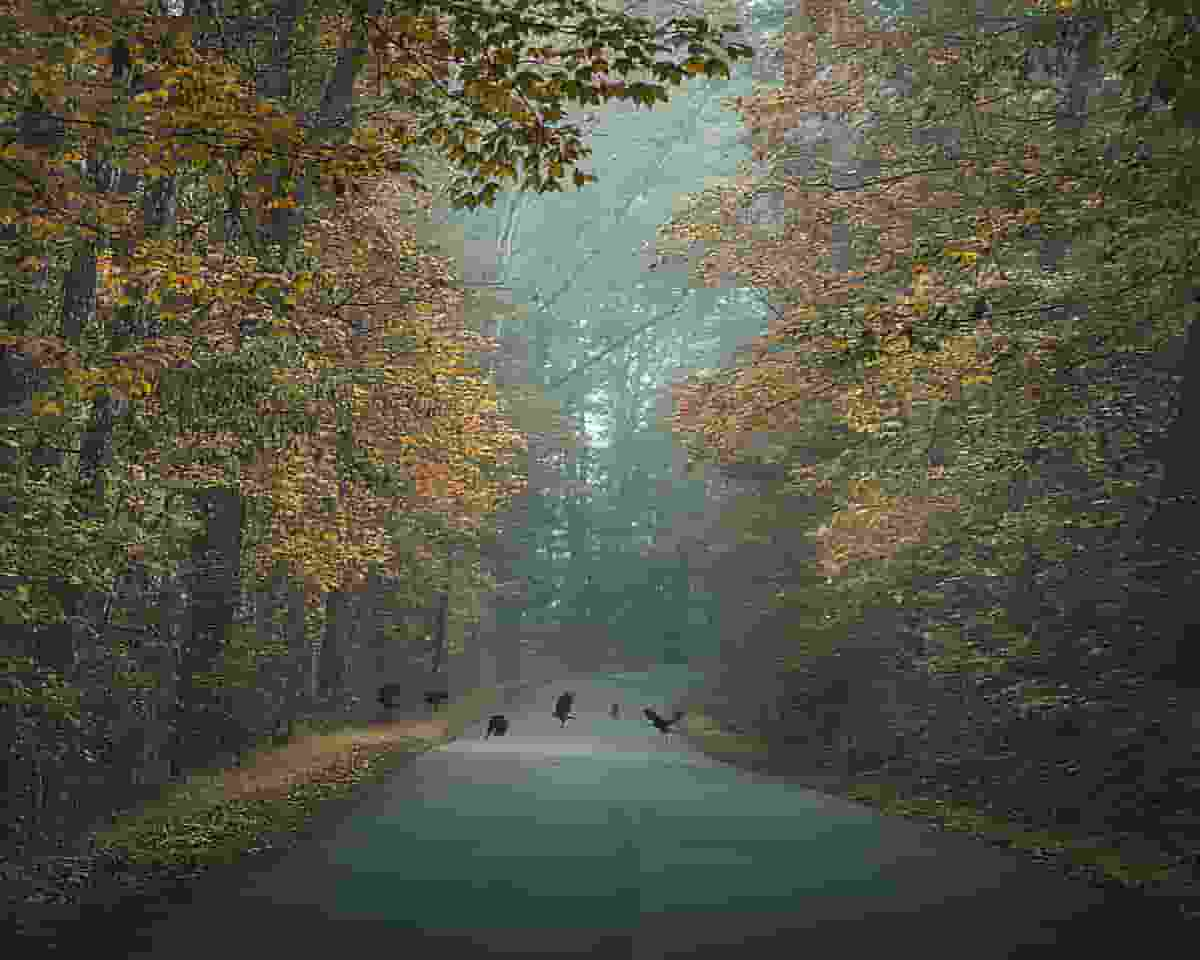
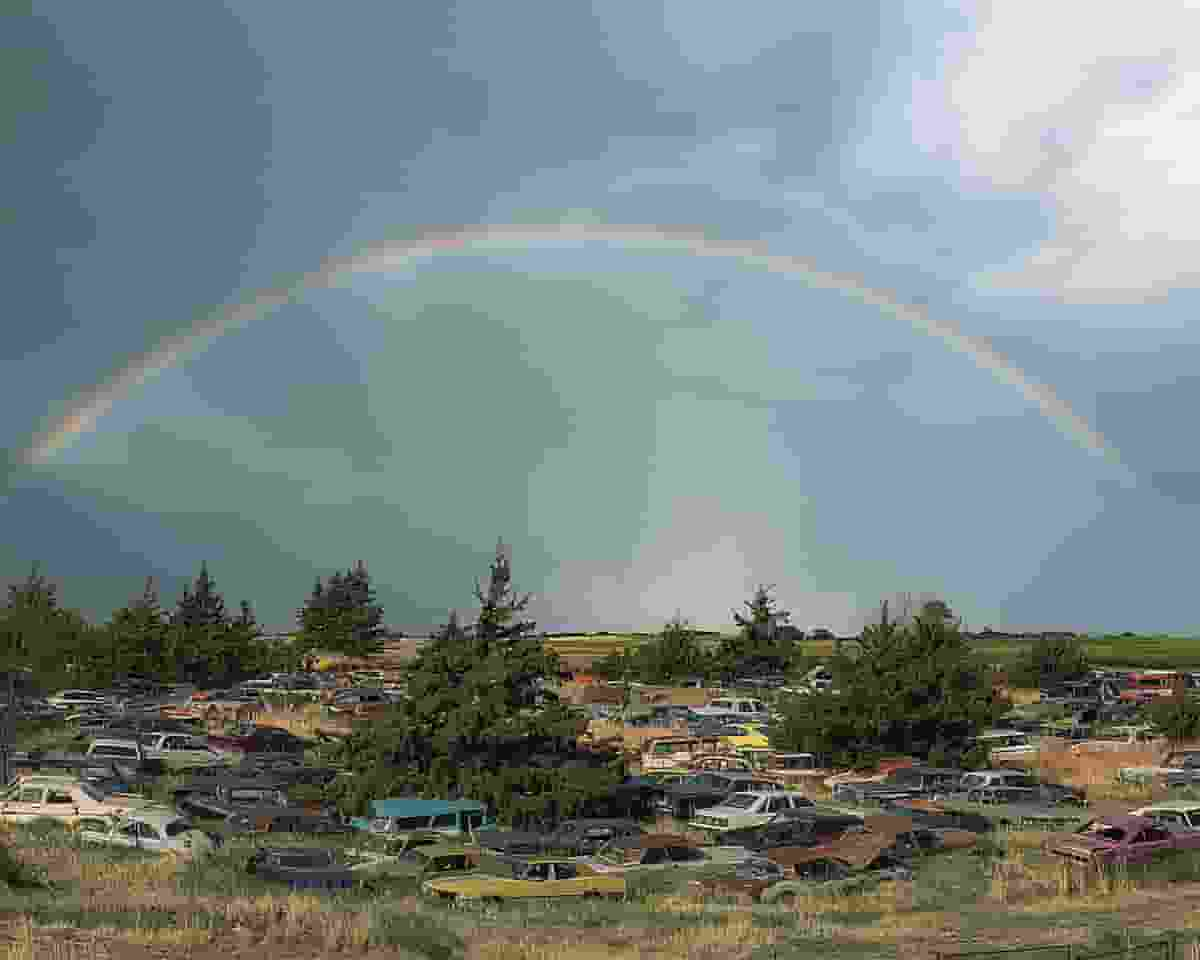
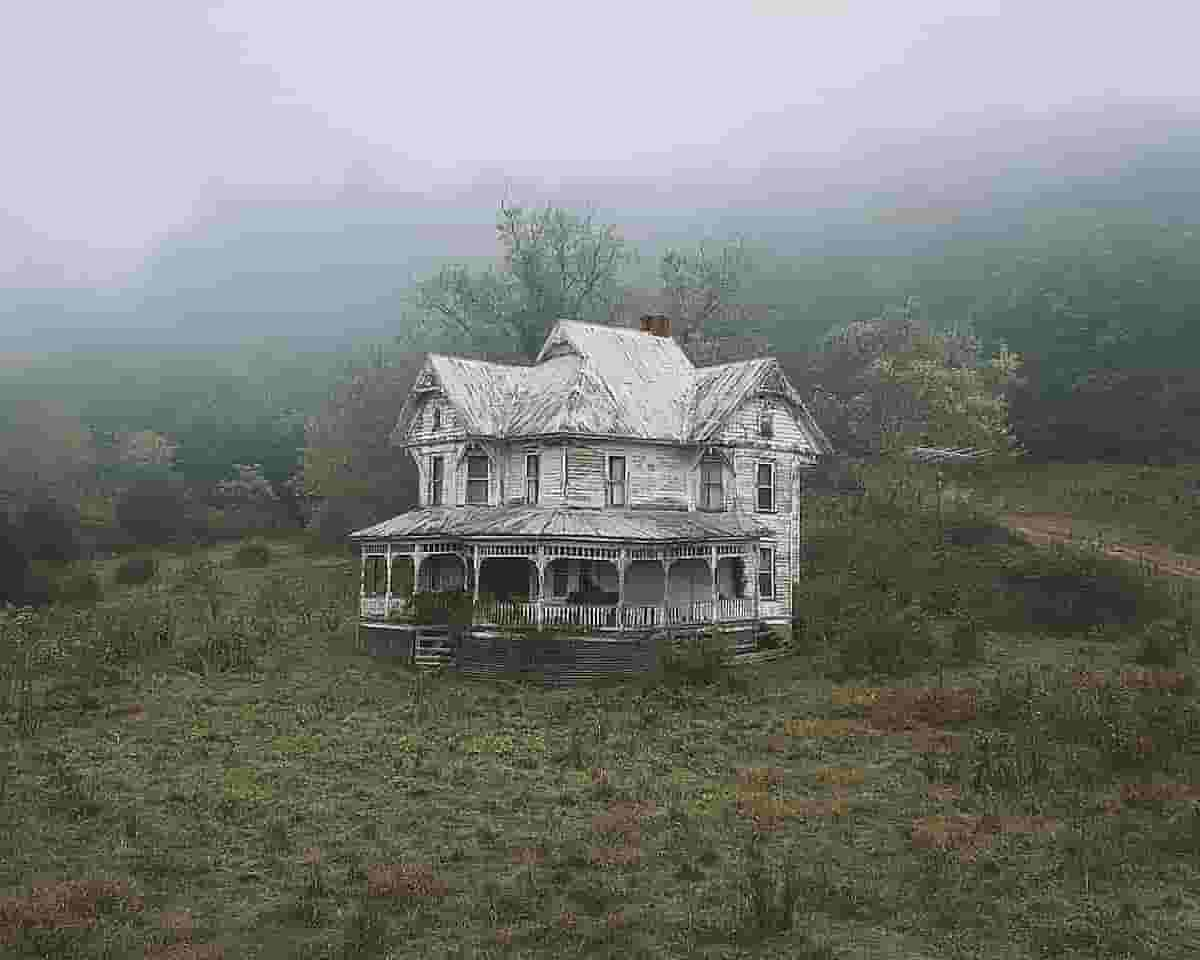
Burton’s dreamlike images are characterized by dilapidated farmhouses, empty roads, and sprawling fields, often caught in a moment of temporary transformation, like when a flock of birds interrupts the quietude of a rural road or a stormy sky releases a dramatic rainbow.


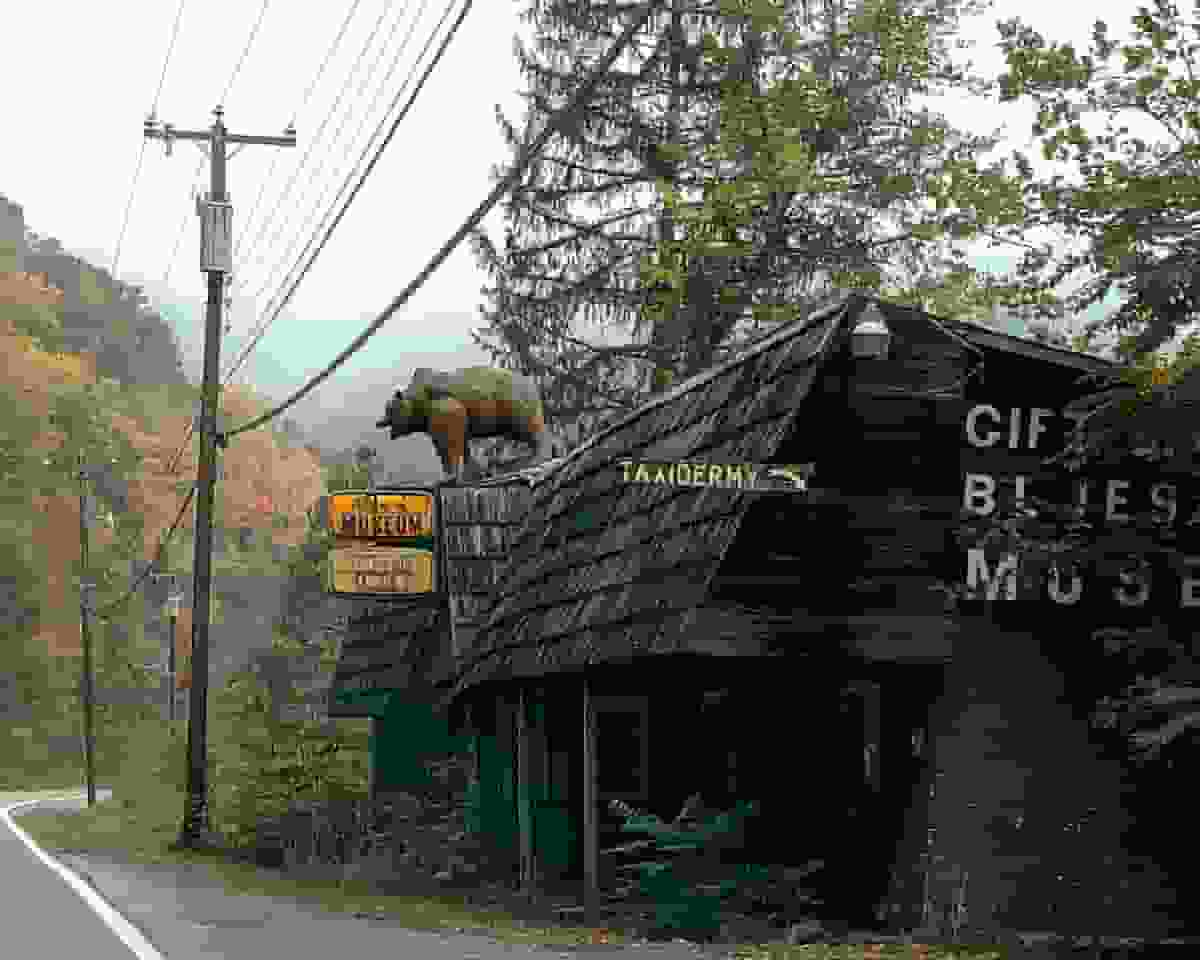
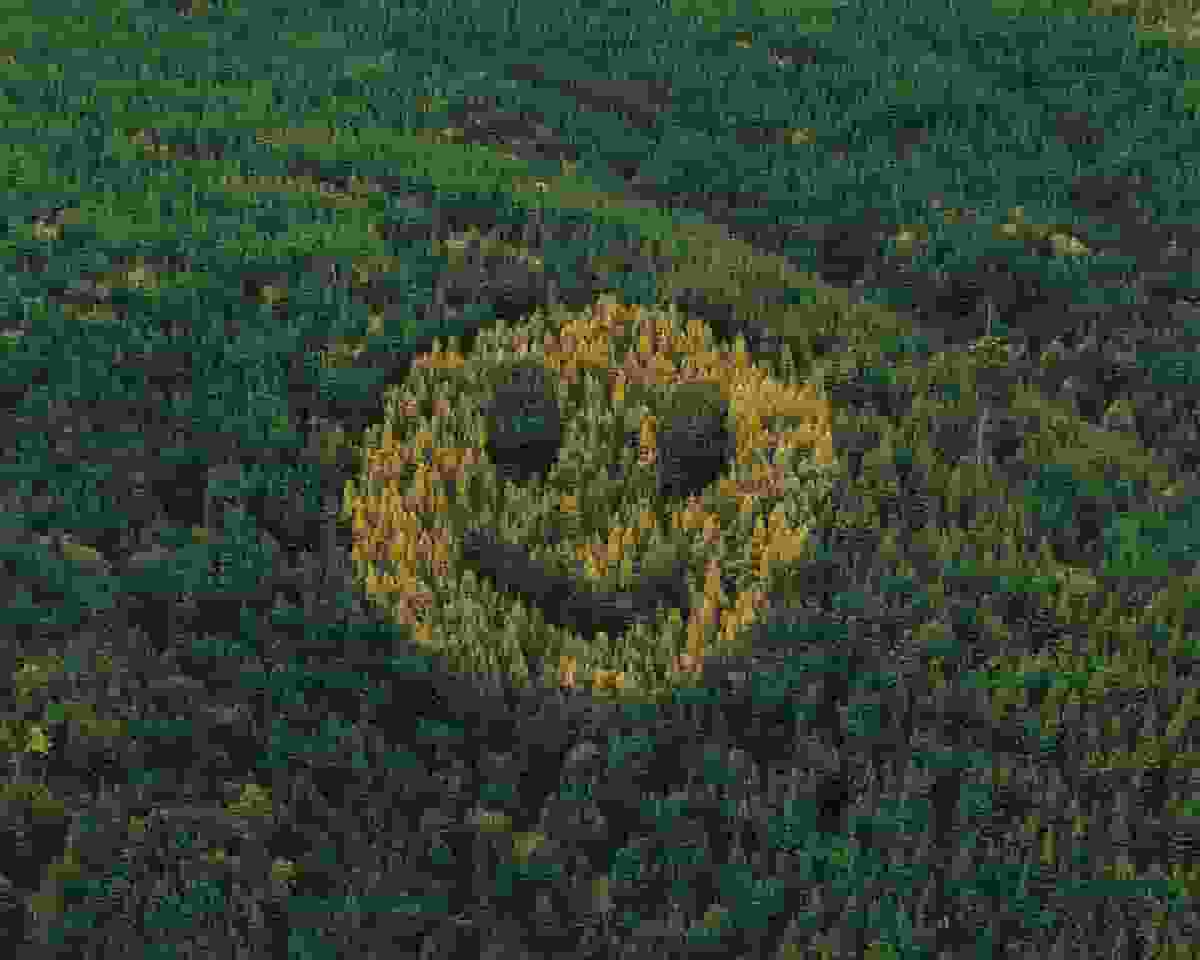
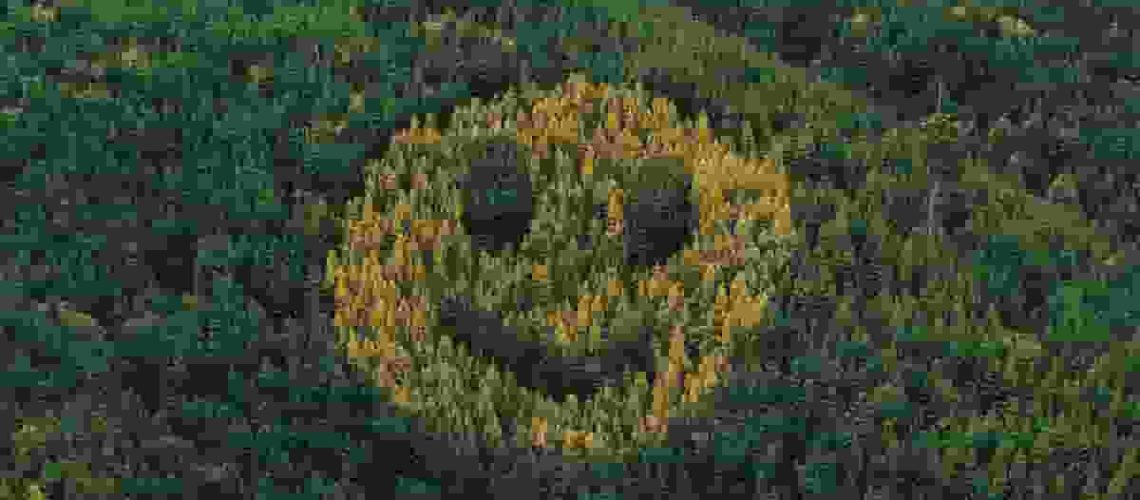
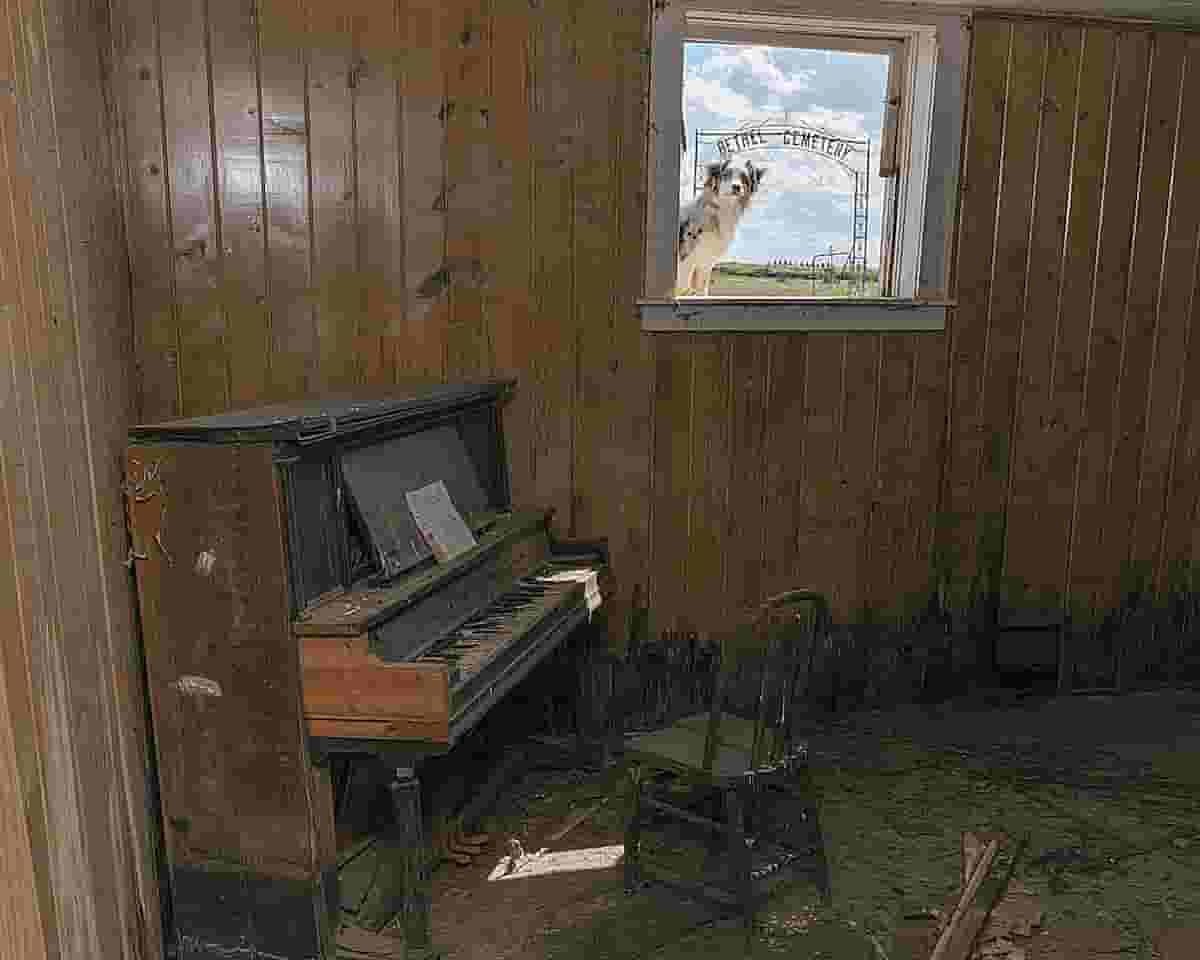
Typically devoid of people, Burton’s images are often fixed on architectural details and artifacts left by past occupants. Rather than focusing on decay, he considers what liminality, or being in-between, physically looks like as landscapes and structures metamorphose through time. The cycle of the seasons plays out in the trees surrounding an Appalachian church or the emergence of a smiley face on timber land on an Oregon hillside. Planted by a lumber company about fifteen years ago, the expressive emblem is composed of larch, which turns yellow and drops its needles each year, amid a sea of Douglas fir.
 

Typically devoid of people, images are often fixed on architectural details and artifacts left by past occupants Captures Intimate Portraits of North America’s Metamorphosing Rural Landscapes


Typically devoid of people, images are often fixed on architectural details and artifacts left by past occupants Captures Intimate Portraits of North America’s Metamorphosing Rural Landscapes


Typically devoid of people, images are often fixed on architectural details and artifacts left by past occupants Captures Intimate Portraits of North America’s Metamorphosing Rural Landscapes


Typically devoid of people, images are often fixed on architectural details and artifacts left by past occupants Captures Intimate Portraits of North America’s Metamorphosing Rural Landscapes


Typically devoid of people, images are often fixed on architectural details and artifacts left by past occupants Captures Intimate Portraits of North America’s Metamorphosing Rural Landscapes


Typically devoid of people, images are often fixed on architectural details and artifacts left by past occupants Captures Intimate Portraits of North America’s Metamorphosing Rural Landscapes


Typically devoid of people, images are often fixed on architectural details and artifacts left by past occupants Captures Intimate Portraits of North America’s Metamorphosing Rural Landscapes


Typically devoid of people, images are often fixed on architectural details and artifacts left by past occupants Captures Intimate Portraits of North America’s Metamorphosing Rural Landscapes


Typically devoid of people, images are often fixed on architectural details and artifacts left by past occupants Captures Intimate Portraits of North America’s Metamorphosing Rural Landscapes


Om onvervangbaar te zijn, moet je altijd anders zijn.
Er zijn fascinerende beelden hier, en de fascinerende dag van samen!  xo
─────────────────────────────────────────────────────
Per essere insostituibili bisogna sempre essere diverso.
Ci sono immagini affascinanti qui, e l’affascinante giornata di insieme!  xo KanikaChic
How do we perceive light?

  “Beyond the Light” Revels in the Intersection of Art and Science, How do we perceive light–Beyond the Light How do we perceive light?  

Khudi Bari:應對氣候變遷的建築

應對氣候變遷的建築

    在這些危機四伏的地區,建造房屋已成為一種韌性的體現。應對氣候變遷的建築它代表了一種賦能而非強加的建築形式。氣候移民的緊迫現實在應對氣候變遷導致的頻繁搬遷:建造一座能夠隨著河流漂移而移動的房屋。移動性,將其視為易受洪水侵襲地區住房的基本需求。與水共生,擴大規模,倫理語言,作為應對氣候移民設計方案的一部分。   在孟加拉的低窪三角洲,水既是生命之源,也是災難的根源。每年,洪水沖毀了數百萬人的家園、農作物和生計,迫使他們重建家園。在這些危機四伏的地區,建造房屋已成為一種韌性的體現。正是在這樣的背景下,Khudi Bari以其樸素而又意義深遠的方案脫穎而出。該項目由Marina Tabassum Architects設計,為受氣候變遷影響而流離失所的社區提供輕盈、模組化且經濟實惠的住所。作為2025 年阿迦汗建築獎的獲獎項目之一,它代表了一種賦能而非強加的建築形式。 對瑪麗娜·塔巴蘇姆而言,建築與環境密不可分。她的作品長期以來一直關注物質智慧、精神性和社會責任的交會點。繼廣受讚譽的拜特·烏爾·魯夫清真寺(Bait Ur Rouf Mosque)之後(她憑藉此項目於2016年首次榮獲阿迦汗獎),塔巴蘇姆將目光轉向了氣候移民的緊迫現實。最終呈現的項目重新定義了「為生存和尊嚴而設計」的意義,提供了一套可供社區適應、複製和擁有的系統。 Khudi Bari的設計概念根植於三角洲的韻律,旨在應對氣候變遷導致的頻繁搬遷:建造一座能夠隨著河流漂移而移動的房屋。傳統的解決方案——永久地基、進口材料、集中配送——在這種環境下難以發揮作用。輕盈、快速組裝和在地化生產是Khudi Bari設計的核心。該項目重新定義了房屋的移動性,將其視為易受洪水侵襲地區住房的基本需求。   為所有人設計:探索建築中的同理心、包容性、無障礙性和空間公平性   ▏與水共生 在孟加拉的沖積平原上,土地與水流不斷交匯,彼此的邊界也隨之改變。河流擴張、侵蝕、重塑地形,迫使整個社區每個季節都必須重建家園。在這樣的環境下,建築不能依賴永恆,而必須適應不穩定。 Khudi Bari正是為應對這種變遷的景觀而構思的,它接納無常,將其視為生活的一部分,並將流動性轉化為一種靜謐的韌性。     這棟房子由當地竹子製成的輕質框架構成,框架之間以鍍鋅鋼連接件連接,並由纖細的支柱架空於地面之上。房屋的比例精準而考究:佔地面積3×3米,高度約3.5米,既緊湊便於運輸,又足夠寬敞,可容納日常生活所需。屋頂和牆壁均採用波紋金屬板,其反射表面可減少熱量吸收,同時允許透過小孔通風。竹地板位於洪水線以上,下方形成一片陰涼區域,可用於烹飪、儲藏或在旱季供牲畜休息。

Facebook
Twitter
LinkedIn
Tumblr
0 0 votes
Article Rating
Subscribe
Notify of
guest
0 Comments
Oldest
Newest Most Voted
Inline Feedbacks
View all comments
Search