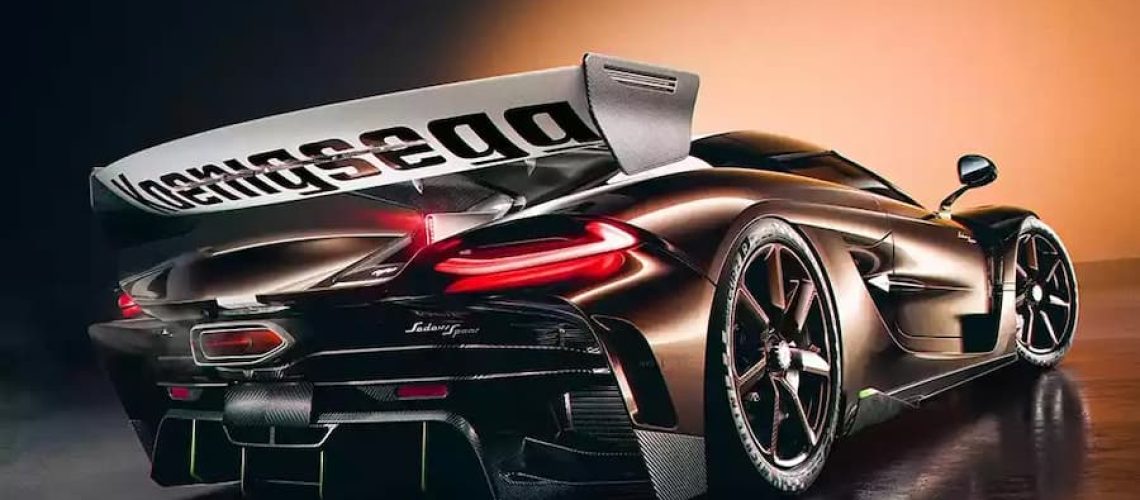
“Sadair’s Spear represents a natural progression for Koenigsegg – an impeccable balance of raw power, refined aerodynamics, and extraordinary road presence. This car is destined to set records.
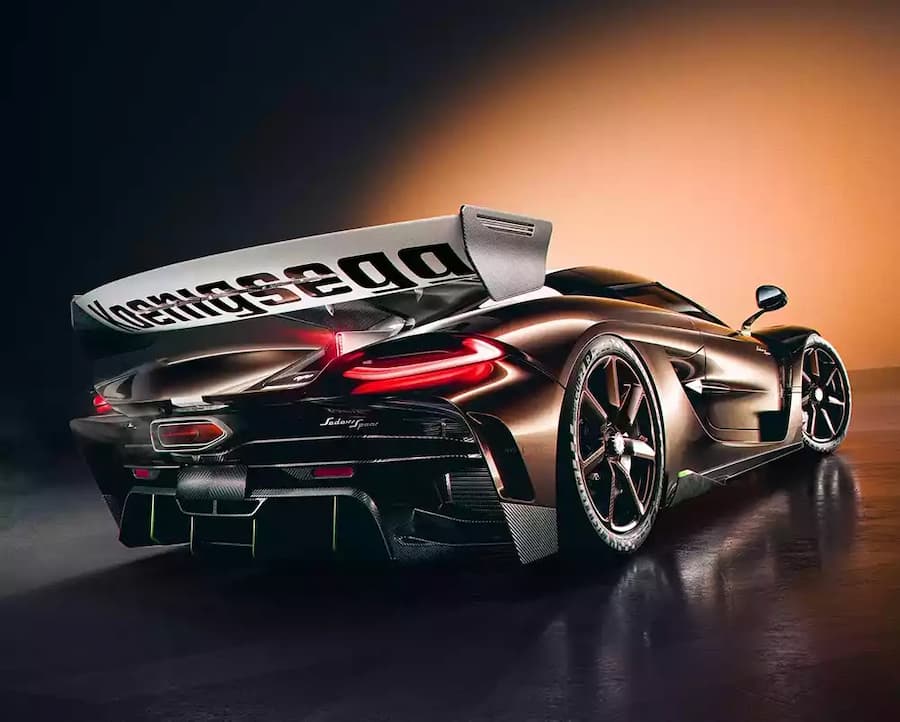
1) The Jesko family welcomes a new member: Sadair’s Spear. Designed as a more potent evolution of the Attack, it blends extreme circuit capability with legal road use, pushing performance boundaries without leaving the street behind. If you’re curious about the name, here’s the story: Christian von Koenigsegg’s father, Jesko von Koenigsegg, was an avid jockey. The horse he rode in his final race back in 1976? You guessed it—Sadair’s Spear.
Sadair’s Spear: At a Glance:
– Koenigsegg unveils Sadair’s Spear, a more extreme,
track-focused Jesko variant
– Street-legal, but with more power, less weight,
and enhanced aero
– Sold out: all 30 units claimed instantly
– Christian von Koenigsegg says it’s
“destined to set records” loyal client base.
“Sadair’s Spear represents a natural progression for Koenigsegg – an impeccable balance of raw power, refined aerodynamics, and extraordinary road presence. This car is destined to set records. Achieving such track dominance in a fully road-legal vehicle is nothing short of remarkable.” said Christian von Koenigsegg.
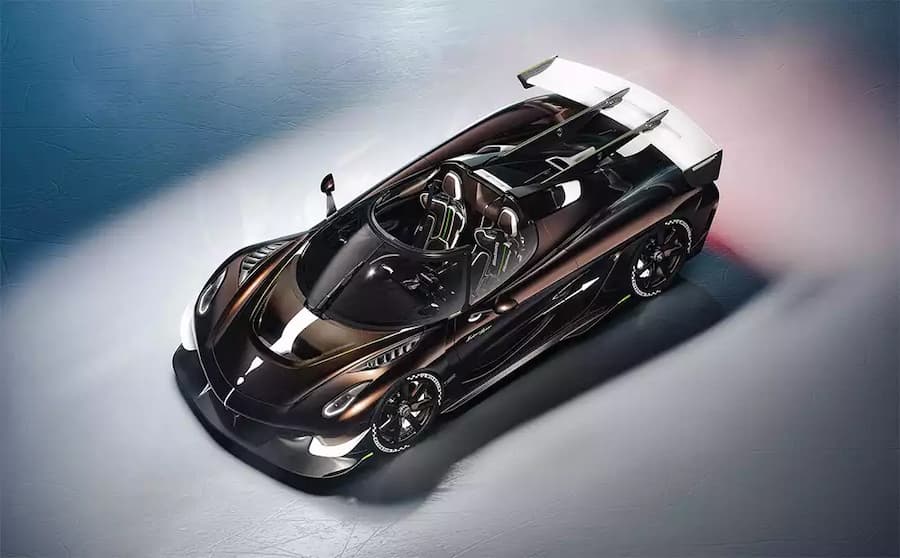
▏Unleashing the V8 Powerhouse
Under the hood sits the same 5.0-liter twin-turbo V8 from the Jesko, paired with Koenigsegg’s lightning-quick nine-speed Lightspeed gearbox. Without a flywheel, the engine rockets to 8,500rpm in a mere 0.2 seconds—think superbike speed. Thanks to refined engine mapping, new air intakes, and enhanced cooling, power climbs to 1,300 hp (969 kW / 1,318 PS) on regular gasoline and 1,625 hp (1,212 kW / 1,648 PS) on E85 fuel—up by 20 and 25 hp compared to the Jesko Attack.
▏Sadair’s Spear vs. Jesko Attack: What’s the Difference?
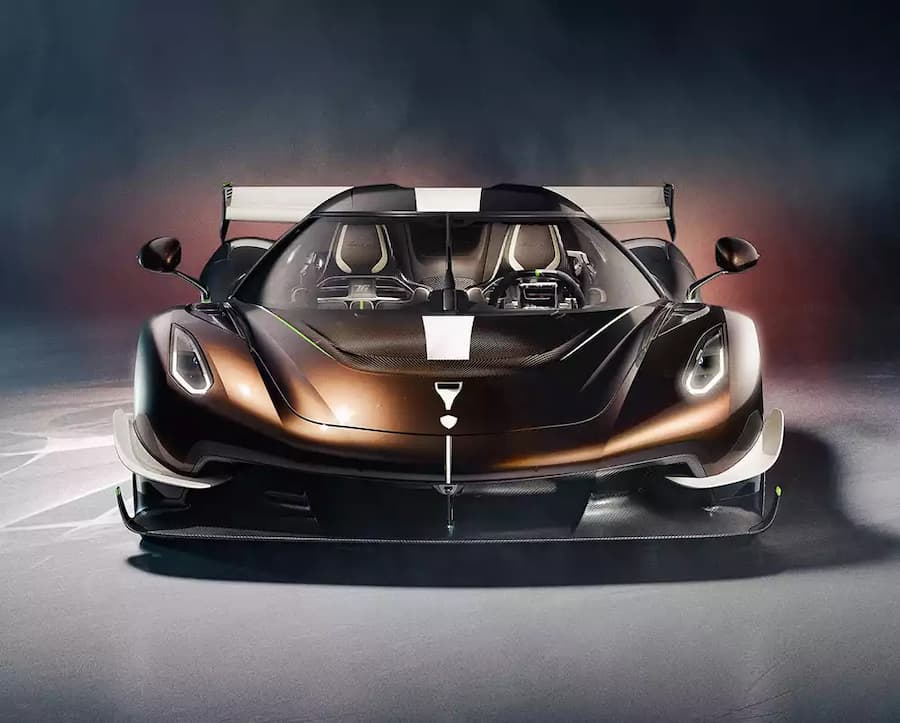
While both cars share the same monstrous V8, the Sadair’s Spear is engineered for ultimate track supremacy. It squeezes out an additional 25 hp on E85 fuel and features a more aggressive aerodynamics package for increased downforce, all while shedding weight for sharper handling compared to the already potent Jesko Attack.
▏Aerodynamic Mastery for the Racetrack
The front end is packed with aerodynamic details, from a newly designed splitter to large canards and aggressive hood vents. Together with the front Triplex dampers and Active Ride Height system, these upgrades sharpen steering feel and boost handling precision.
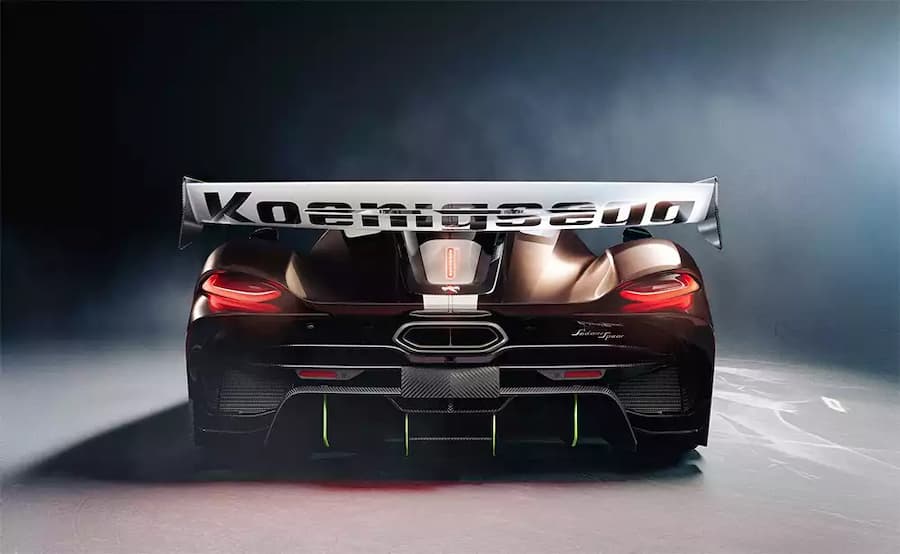
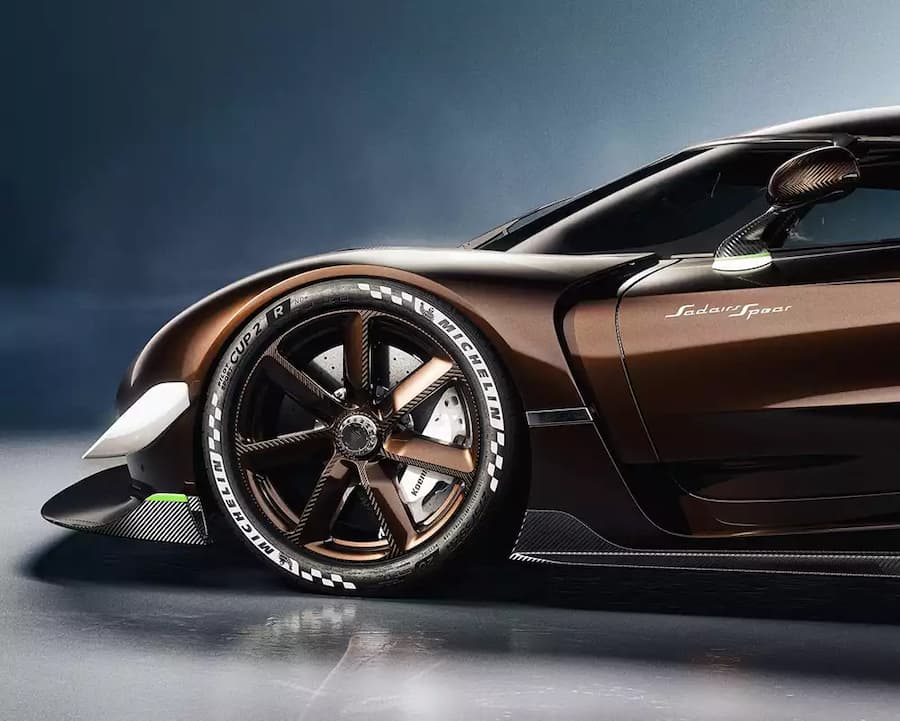
At the back, a pair of newly designed hood scoops efficiently channel air into the engine bay, with airflow guided from the front via a subtle gurney flap at the hood’s edge. Even the wheels reflect aerodynamic intent—Koenigsegg’s directional, turbine-inspired Aircore carbon fiber wheels are fitted with high-grip Michelin Pilot Sport Cup 2 R tires, measuring 275/35 in the front and a wide 325/30 at the rear.
▏A Cockpit Built for Performance
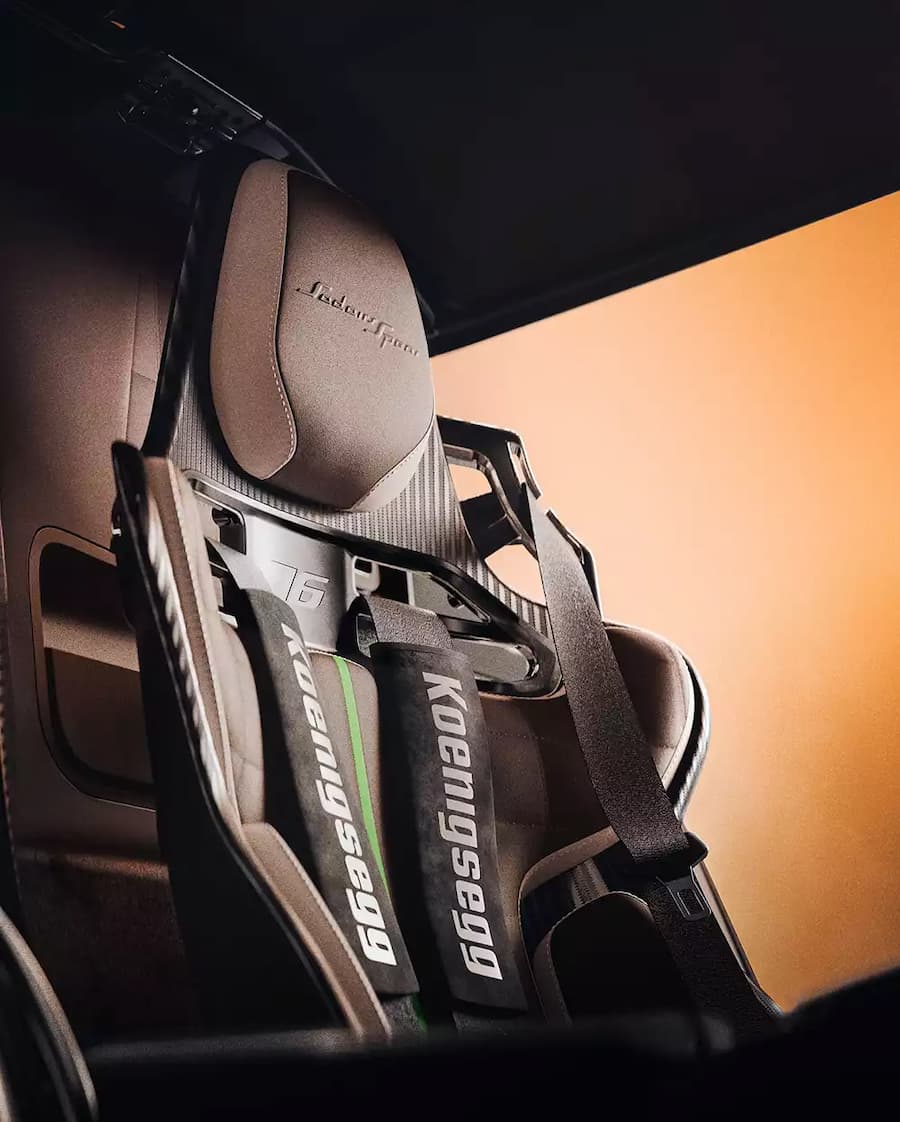
Koenigsegg has redesigned the interior for maximum weight savings—carbon fiber seats, a new center console, reduced insulation, and lighter parts throughout. Three-point seatbelts are standard, with a six-point harness offered optionally. Despite its focus on performance, it still includes conveniences like wireless charging, bird’s-eye parking assist, and the SmartCluster digital display.
▏Instant Icon: Already Sold Out
Thinking of getting one? Sorry—you’re too late. The Sadair’s Spear is already sold out. Koenigsegg revealed it behind closed doors and all 30 units were snapped up almost instantly.
Koenigsegg calls the Sadair’s Spear a car “destined to set records.” Do you think this is the ultimate track-focused hypercar on the market today?
▏Aesthetics centers in Kanikachic’s highlighting artist/designer experiences
Passionate perspectives on art, artists, contemporary architecture, and ideas that shape culture today
Want your project to be featured? Showcase your work through Kanikachic and (E-mail us: [email protected]) your most inspiring moments.
All Photography, Styling, Fotos, Pictures and Videos Shared with Permission from the [uxuryes] Website
──────────────────────────────────────────────────────────────────────────────────────────
Per essere insostituibili bisogna sempre essere diverso. ▎Ci sono immagini affascinanti qui, e l’affascinante giornata di insieme! xo KanikaChic