A Poetic Dwelling Rooted in the Garden Culture of Western Sichuan

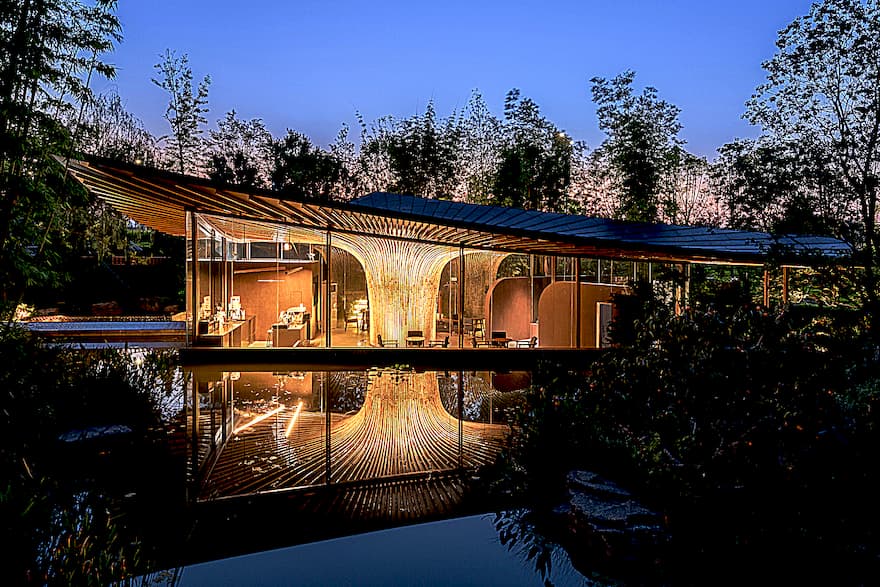
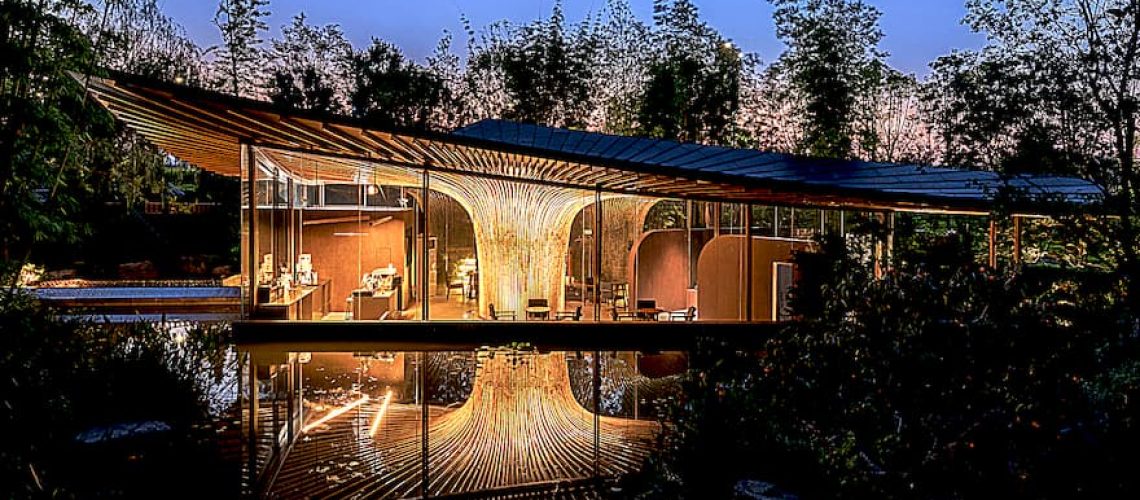
Xingcheng Exhibition Garden pavilion reflected in a tranquil lotus pond surrounded by bamboo groves in Chengdu


The Overall Design the Poetic Dwelling of the Xingcheng Exhibition Garden

 
The overall design of the Xingcheng Exhibition Garden is based on the Western Sichuan Garden, which stems from the cultural system of Western Sichuan


The Overall Design the Poetic Dwelling of the Xingcheng Exhibition Garden
All Photography, Styling, Fotos, and Pictures Shared with Permission from the Archdaily Website


▏Western Sichuan Gardens

The design of Xingcheng Exhibition Garden draws inspiration from the rich cultural heritage of Western Sichuan gardens, a landscape tradition deeply rooted in the region’s understanding of nature, daily life, and human habitation. More than a physical setting, the garden embodies the local interpretation of poetic dwelling—a harmonious relationship between people, architecture, and the natural environment. Through its spatial composition and atmosphere, the project reflects Chengdu’s cultural identity while reimagining traditional garden principles in a contemporary architectural language.
 

The Overall Design the Poetic Dwelling of the Xingcheng Exhibition Garden


The Overall Design the Poetic Dwelling of the Xingcheng Exhibition Garden


▏Bamboo and Lotus Flowing Water

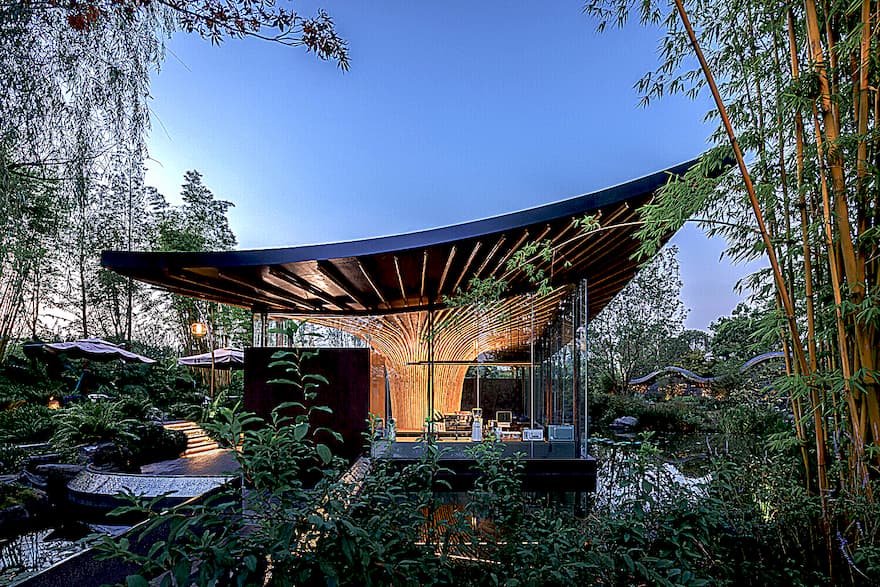
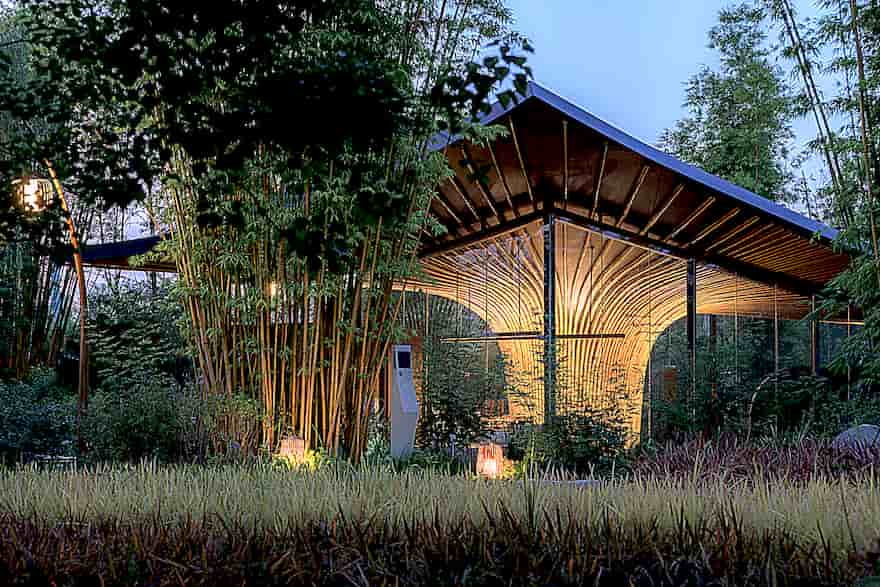
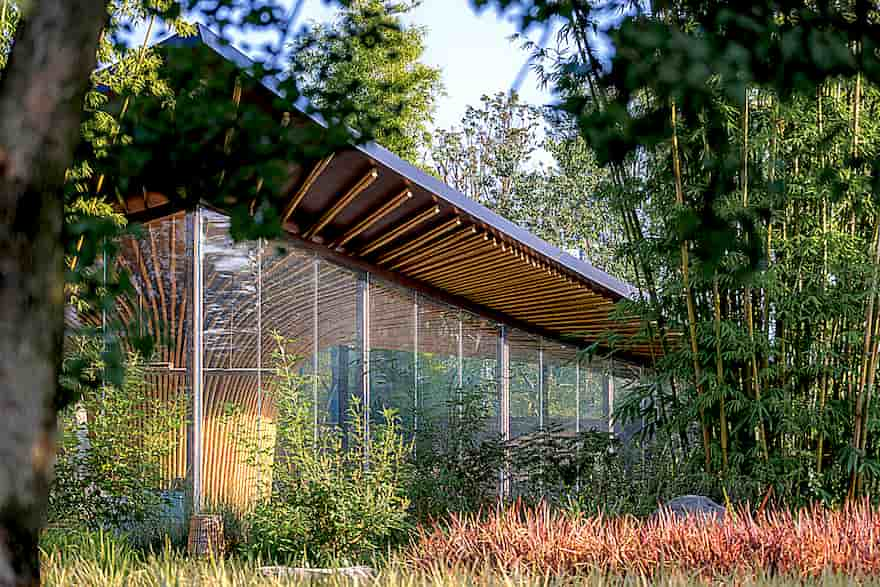
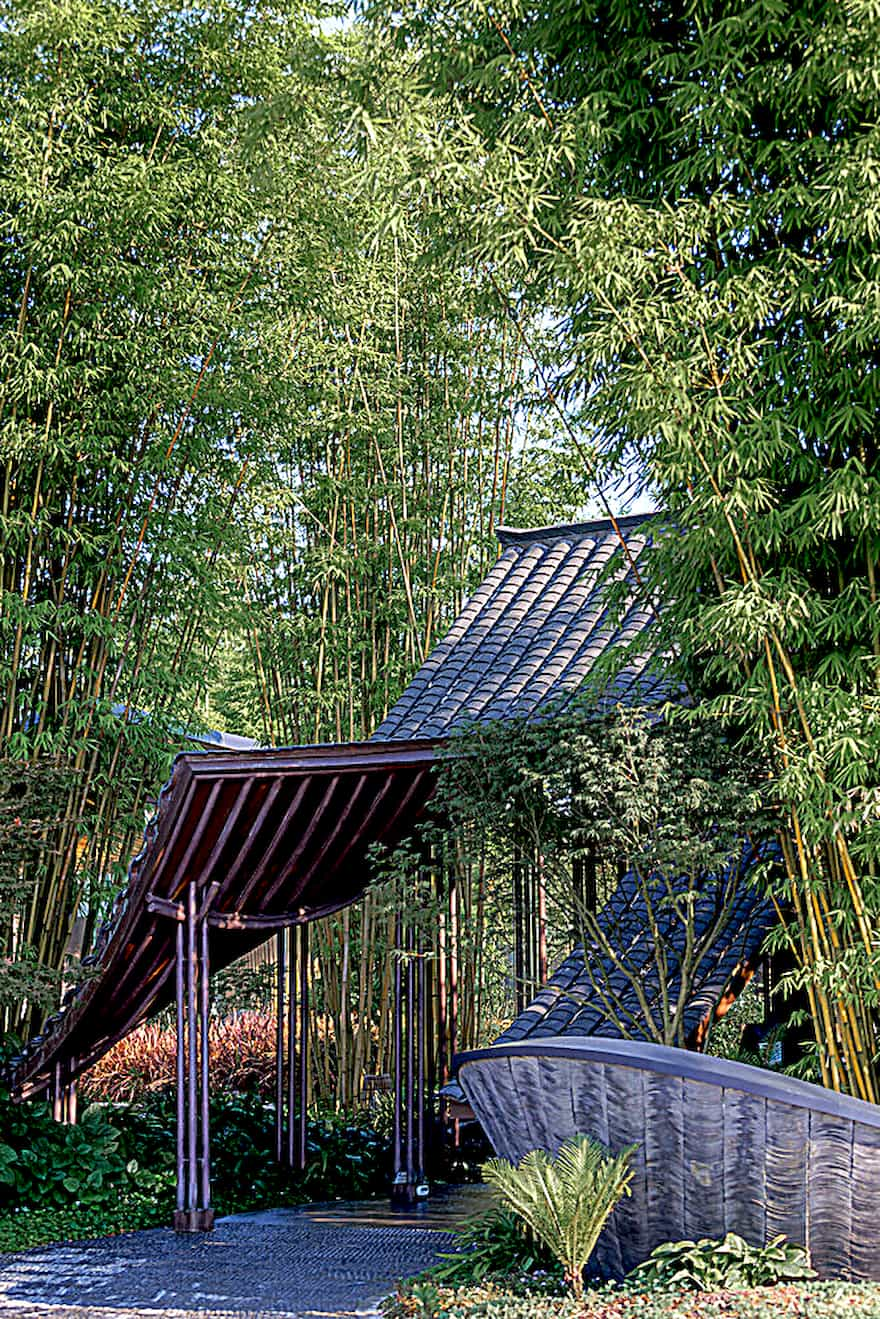
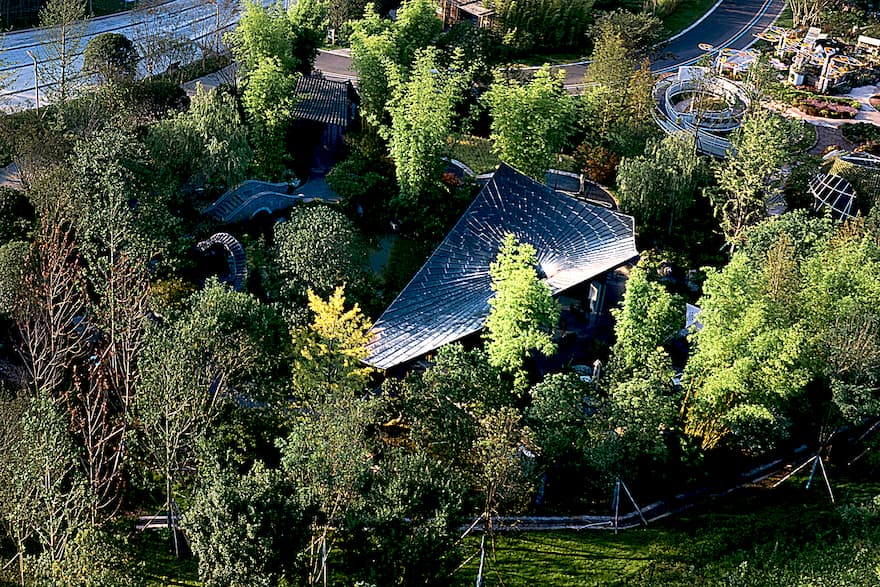
Following the principle of “garden first, architecture second,” the exhibition building is conceived as a landscape feature within the garden rather than a dominant object. The architecture seeks transparency, lightness, and elegance, allowing it to blend seamlessly into its surroundings while serving as a focal point of the experience. Inspired by the most iconic elements of Western Sichuan gardens, bamboo groves and lotus ponds are woven throughout the site, creating a serene sequence of reflections, filtered light, and flowing water that reinforces the project’s poetic character and connection to nature.
 

The Overall Design the Poetic Dwelling of the Xingcheng Exhibition Garden


The Overall Design the Poetic Dwelling of the Xingcheng Exhibition Garden


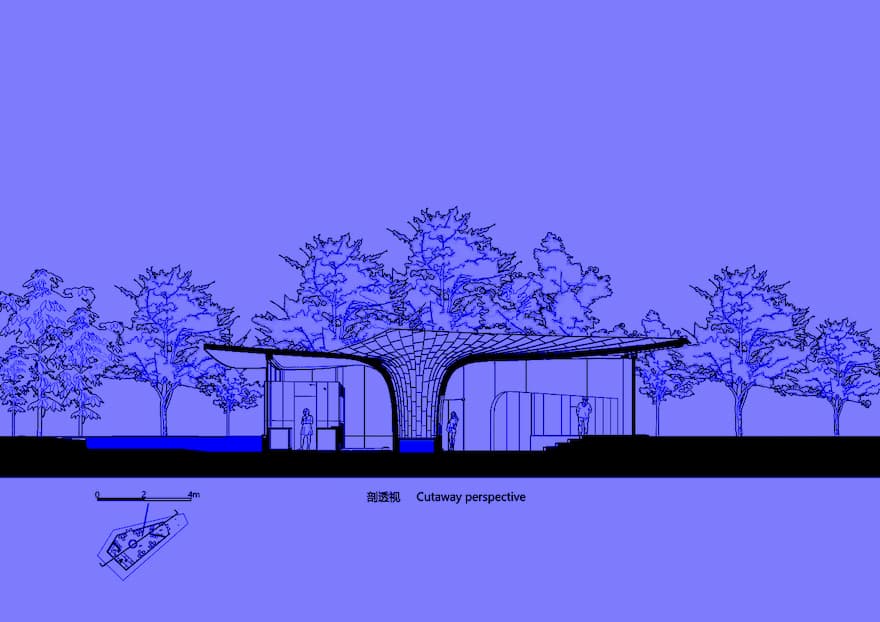
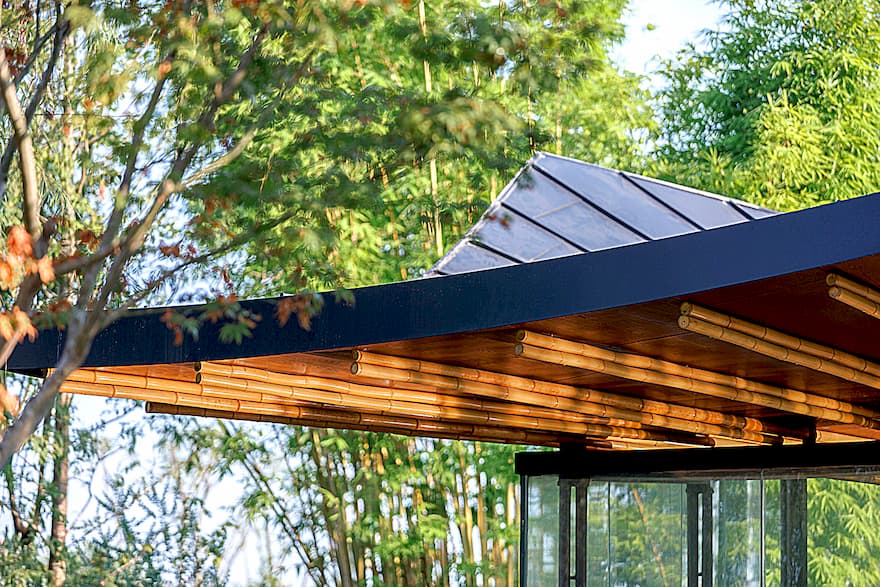
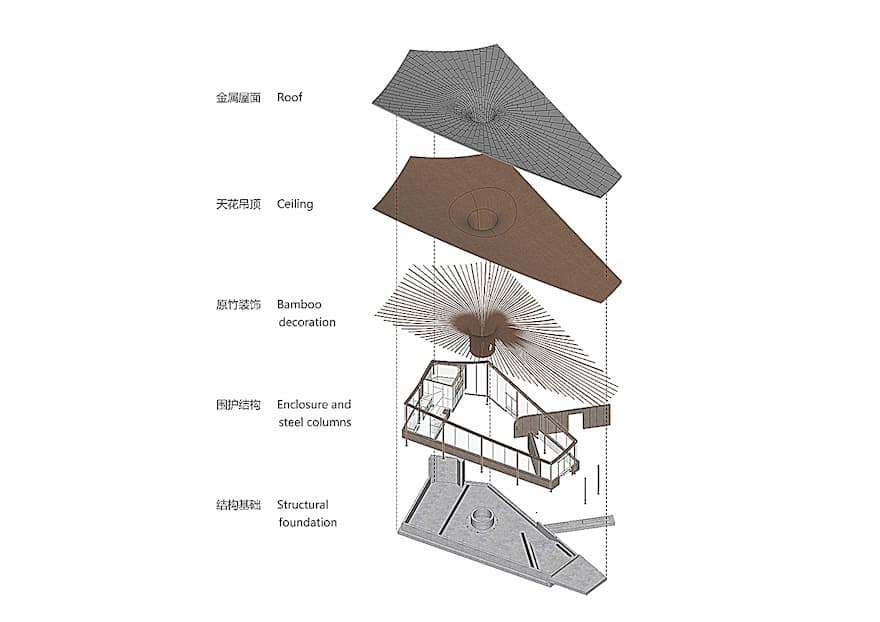
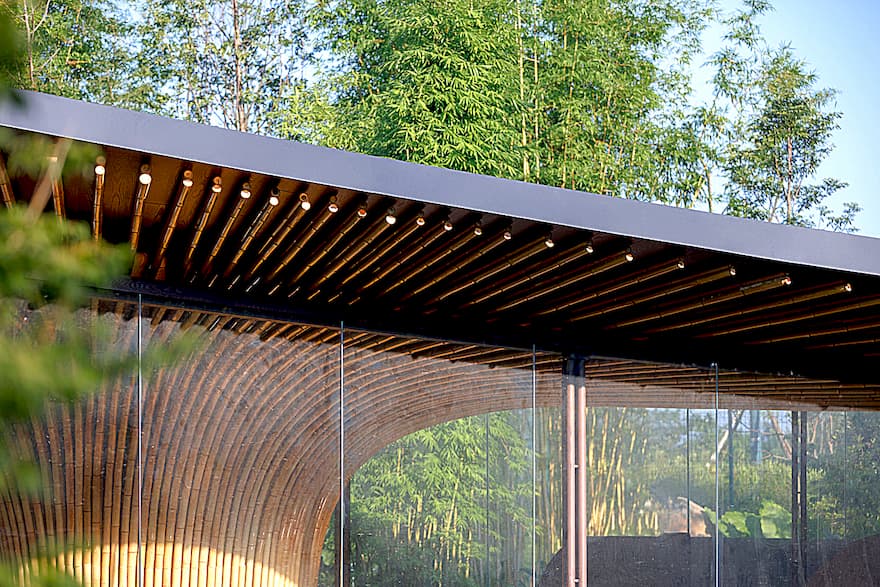
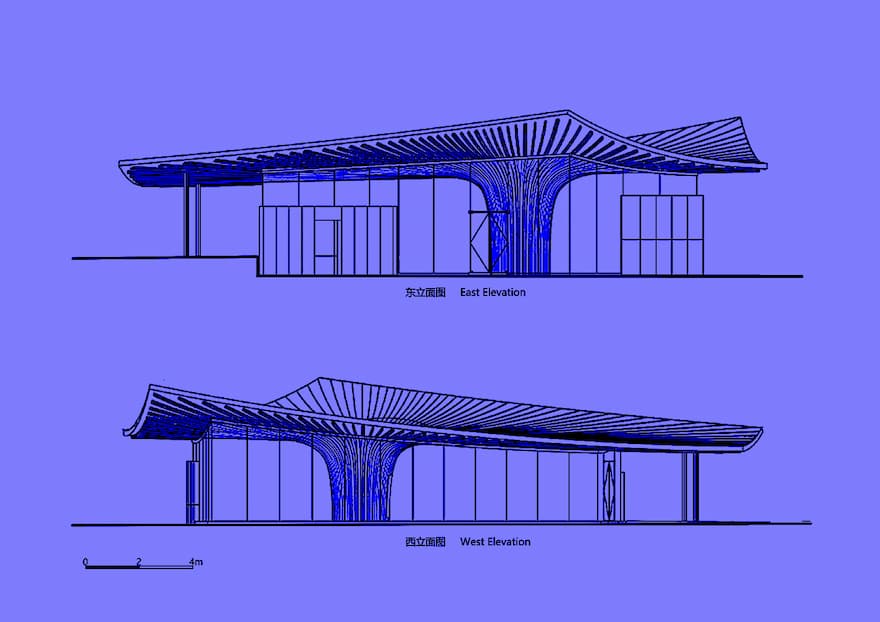
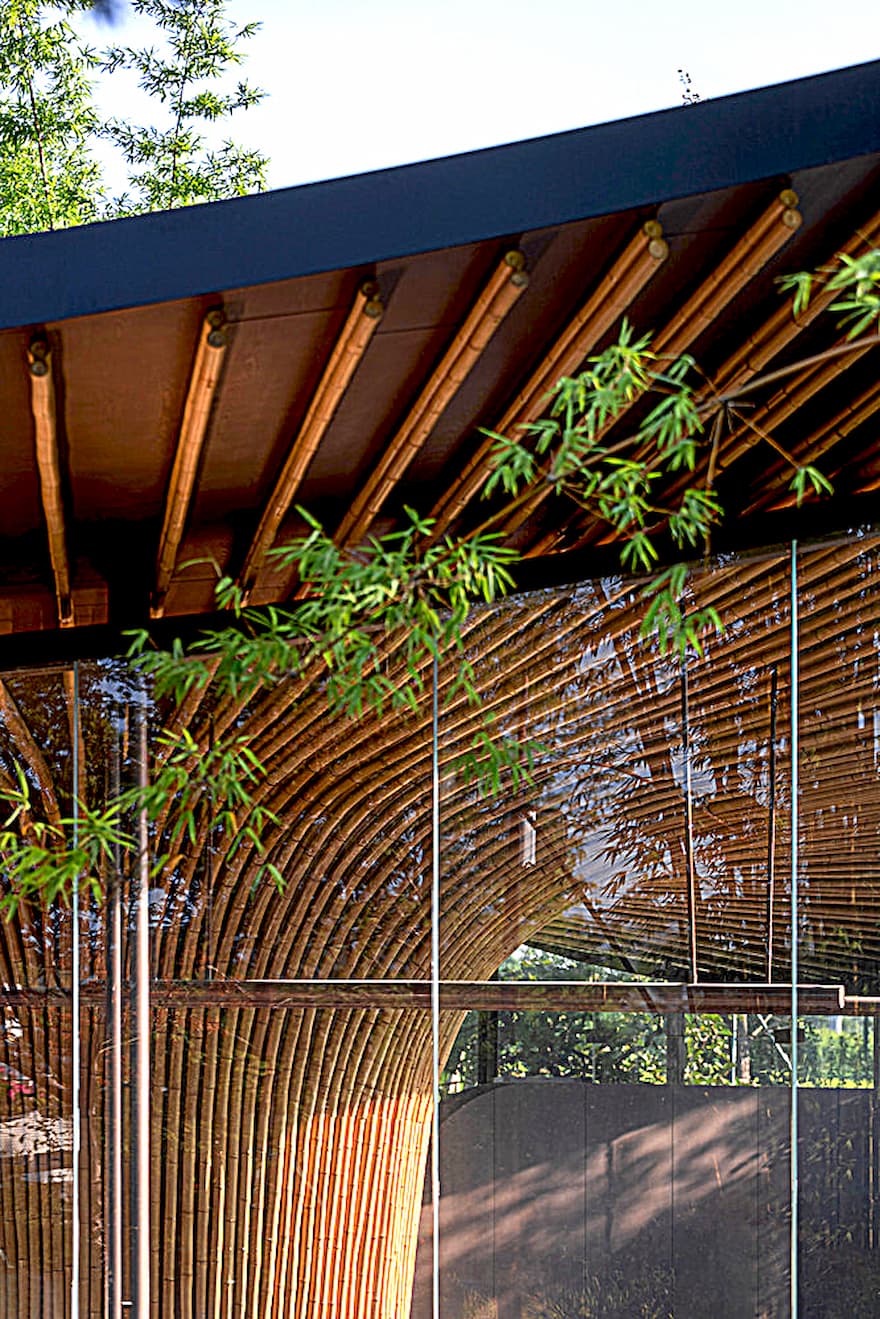
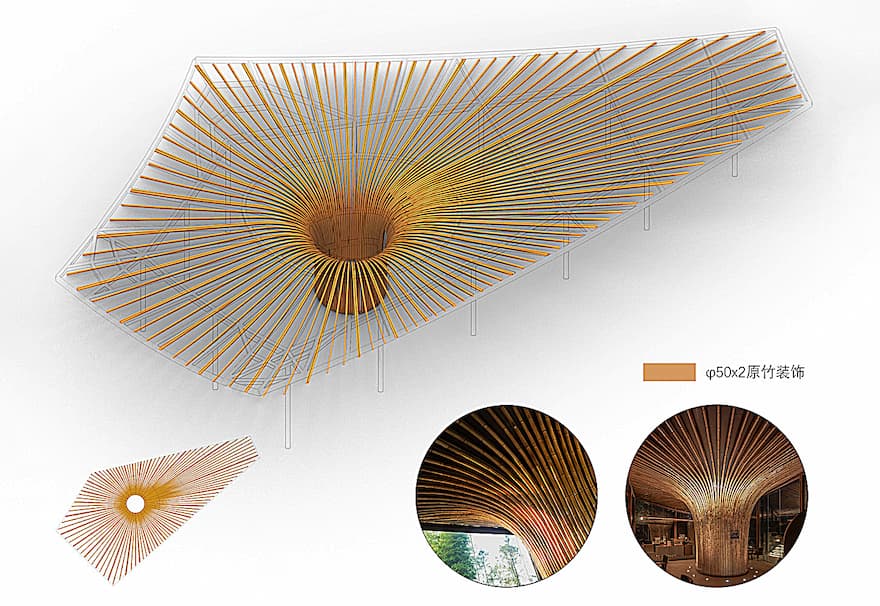
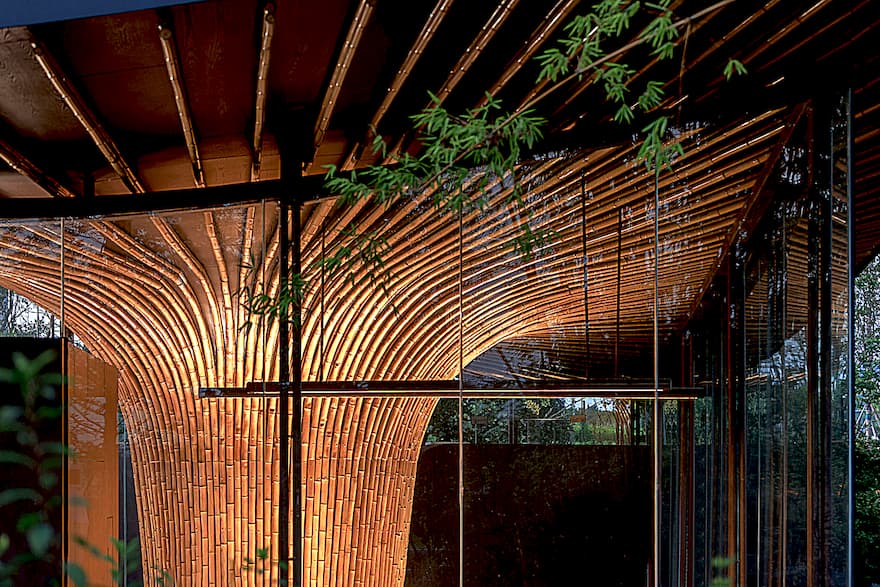
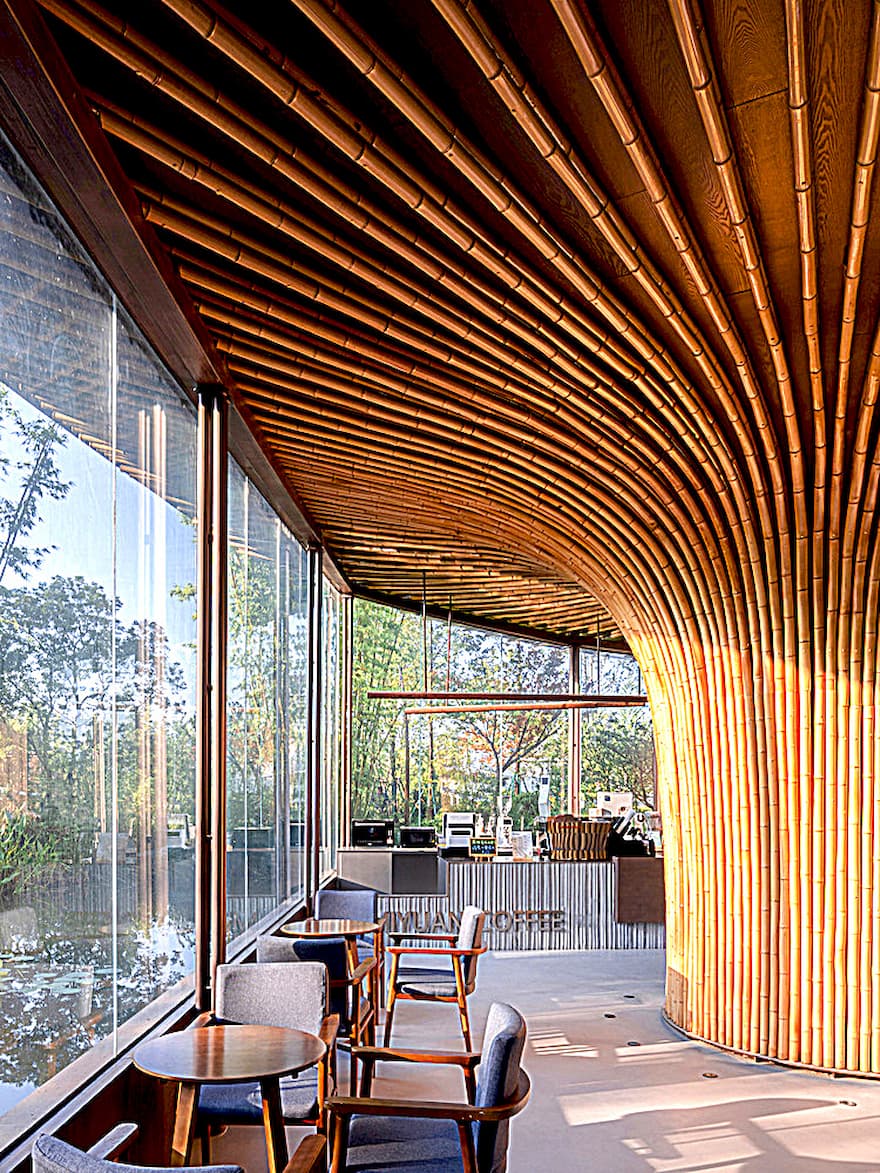
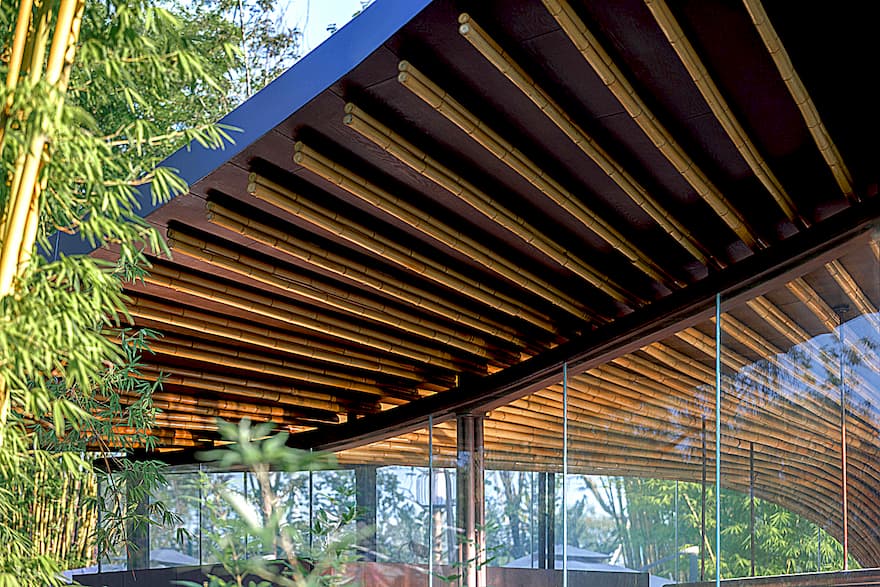
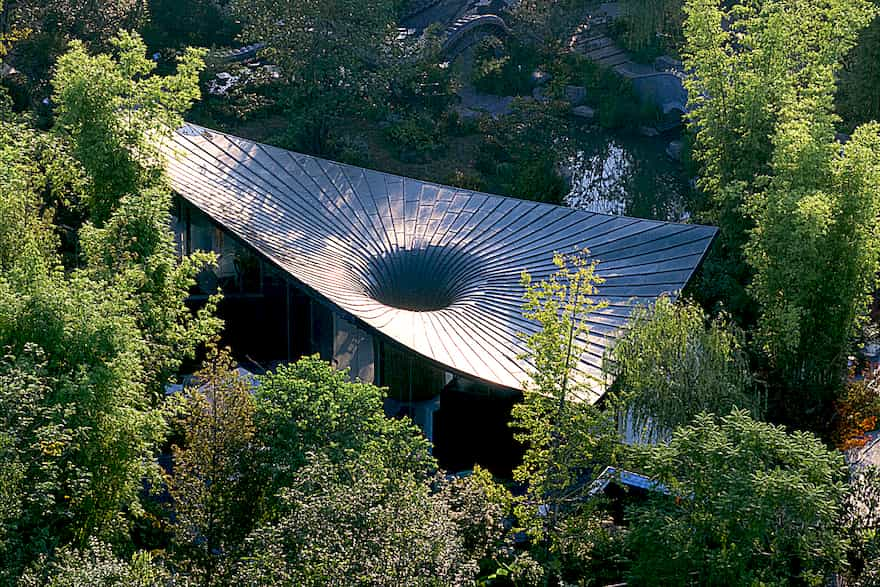
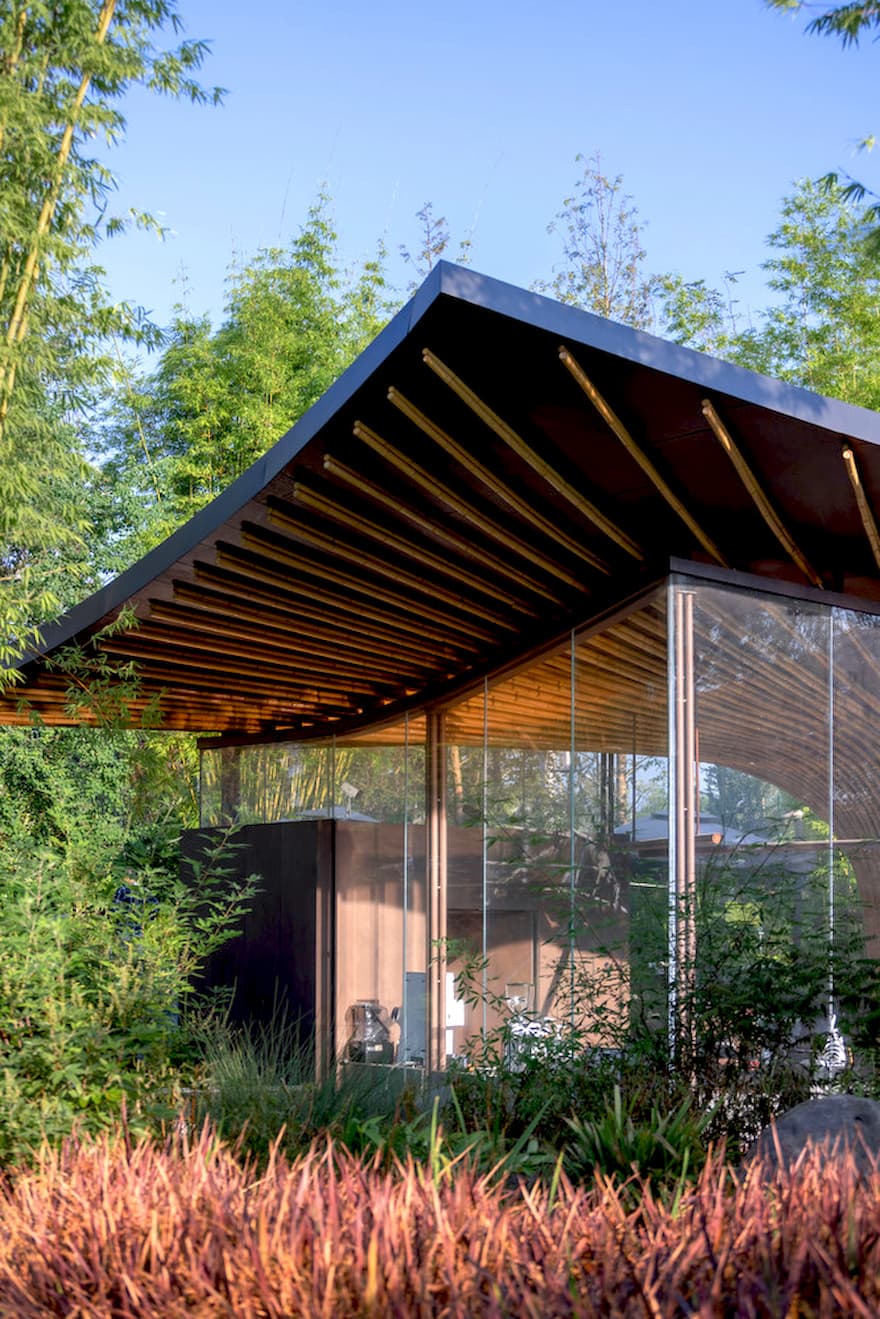
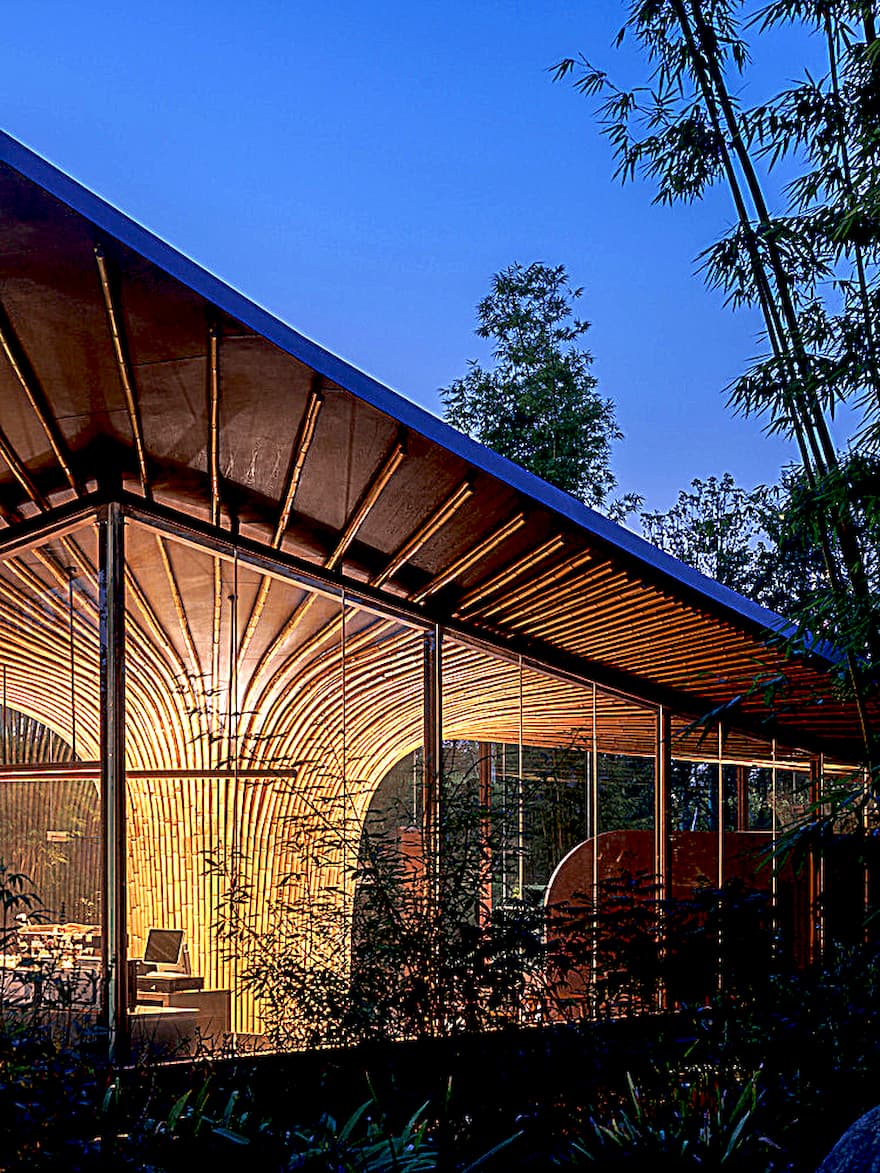
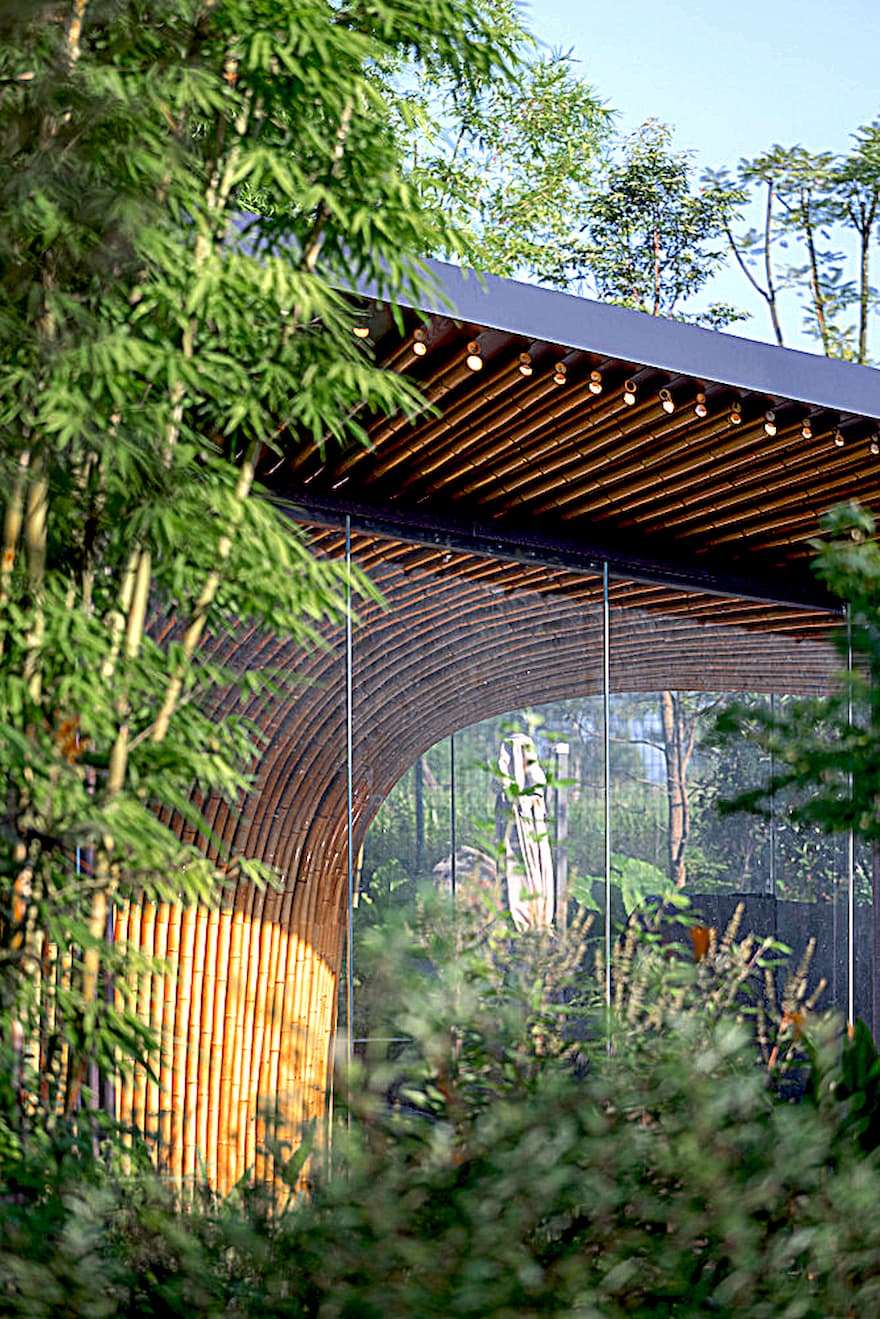
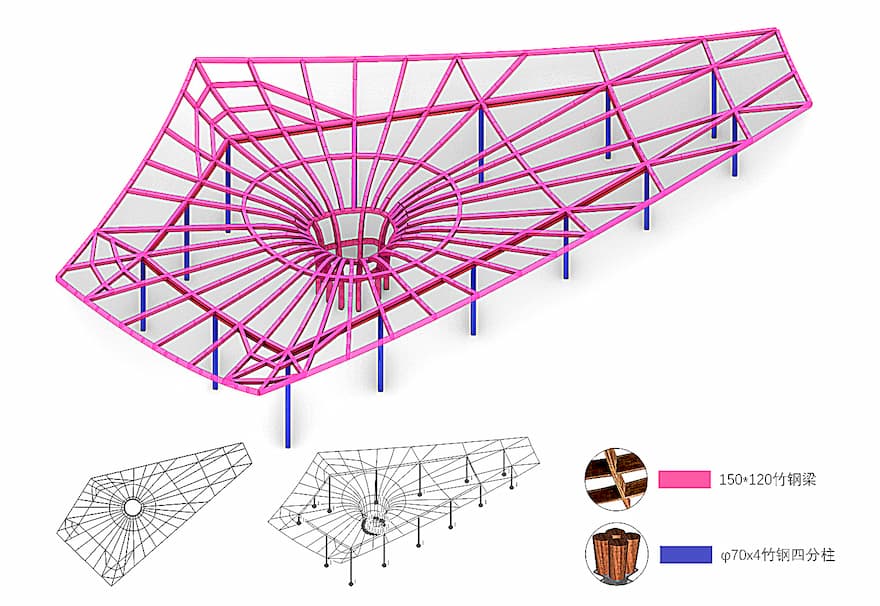
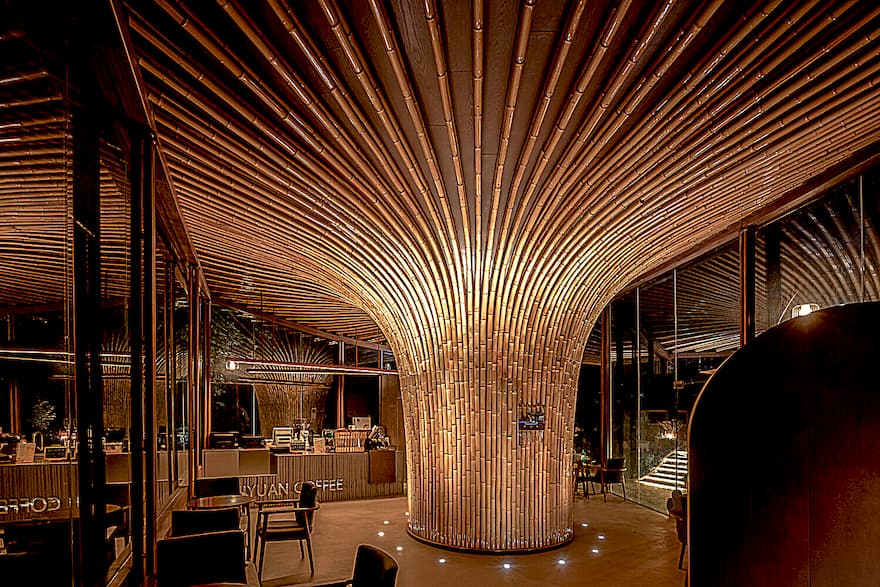
The exhibition hall uses the image of “lotus leaf pavilion”. The building is like a huge lotus leaf in the pool. A clump of bamboo below spreads out in all directions, and the bamboo poles turn into the veins of the lotus leaf. Light curved roof. The light and delicate architectural features of Western Sichuan folk houses such as sloping roofs, small green tiles, long eaves, and thin eaves are reflected in a dramatic and abstract art form. In order to enhance this dramatic and romantic color, the middle part of the lotus leaf was hollowed out, and the entire lotus leaf-shaped roof became a huge rainwater collector, responding to the theme of the Expo in the form of a large-scale art installation.
 

The Overall Design the Poetic Dwelling of the Xingcheng Exhibition Garden


The Overall Design the Poetic Dwelling of the Xingcheng Exhibition Garden


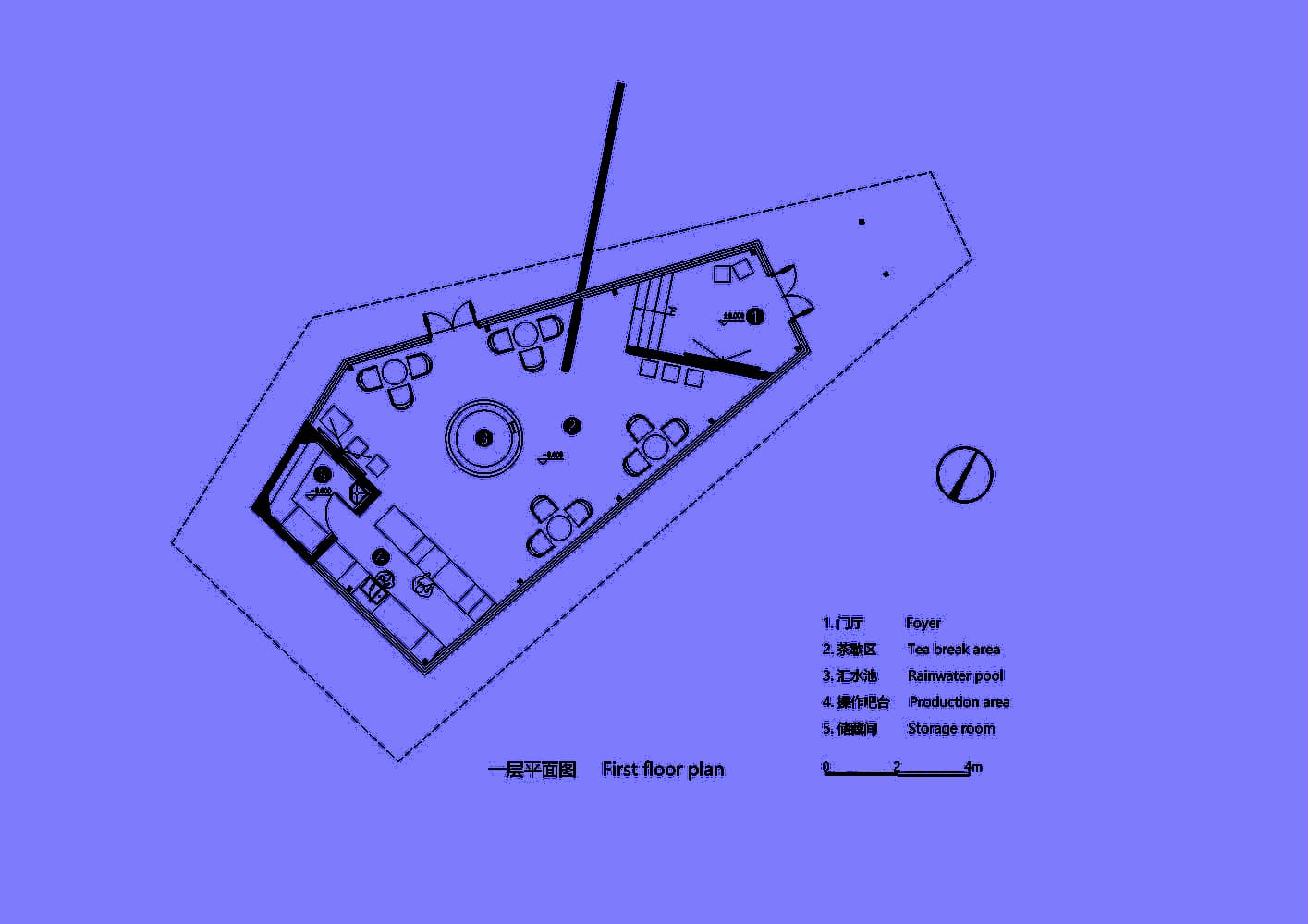
The indoor floor of the exhibition hall has sunk 0.6 meters. When visitors sit down, their line of sight is slightly higher than the water surface of the pond. The water and sky are the same color, and they can take in the beautiful scenery reflected in the water. Forests, fields, water, and houses are intertwined and integrated throughout the building, both inside and outside.
 

The Overall Design the Poetic Dwelling of the Xingcheng Exhibition Garden


The Overall Design the Poetic Dwelling of the Xingcheng Exhibition Garden


▏The Whisper of Bamboo

Since 2018, the Archermit team has been involved in various bamboo-related architectural projects, conducting extensive exploration and research on bamboo materials and bamboo culture. the architectural plan for “Bamboo Lotus” intended to use a hybrid bamboo structure, combining laminated bamboo and raw bamboo. However, due to time constraints and cost considerations, the team was ultimately forced to use a steel structure supplemented by raw bamboo decorations for this building.
 

The Overall Design the Poetic Dwelling of the Xingcheng Exhibition Garden


The Overall Design the Poetic Dwelling of the Xingcheng Exhibition Garden


Western Sichuan gardens are not only for leisure and sightseeing but also often carry deep spiritual and commemorative significance.  We hope that this small building, inspired by lotus and bamboo, will allow visitors to grasp its symbolic meaning and inner spirit after their visit.  It aims to awaken a shared cultural sensibility unique to the Chinese people.
 

The Overall Design the Poetic Dwelling of the Xingcheng Exhibition Garden


The Overall Design the Poetic Dwelling of the Xingcheng Exhibition Garden


The Overall Design the Poetic Dwelling of the Xingcheng Exhibition Garden


The Overall Design the Poetic Dwelling of the Xingcheng Exhibition Garden


The Overall Design the Poetic Dwelling of the Xingcheng Exhibition Garden


The Overall Design the Poetic Dwelling of the Xingcheng Exhibition Garden


The Overall Design the Poetic Dwelling of the Xingcheng Exhibition Garden


The Overall Design the Poetic Dwelling of the Xingcheng Exhibition Garden


The Overall Design the Poetic Dwelling of the Xingcheng Exhibition Garden


The Overall Design the Poetic Dwelling of the Xingcheng Exhibition Garden


The Overall Design the Poetic Dwelling of the Xingcheng Exhibition Garden


The Overall Design the Poetic Dwelling of the Xingcheng Exhibition Garden

Apple architecture showcasing glass facades, natural light, and minimalist spatial design

咬下蘋果一口後,Apple 如何用玻璃、光線與秩序建構建築語言

從 Apple Store 到 Apple Park,蘋果將產品思維延伸至建築,讓玻璃、光線與動線成為品牌體驗的一部分。     過去二十年間,Apple 不只重新定義了科技產品,也重新改寫了零售與企業建築的語言。從 Fifth Avenue 玻璃立方體、Today at Apple 的城市公共性,到 Apple Park 的系統化園區,建築逐漸成為品牌介面的一部分。這些空間不只是商店,更是一套關於秩序、透明與控制的體驗設計。     2026年,蘋果公司迎來了成立五十週年。在過去的二十年中,Apple 發展出一套連貫且高度辨識性的建築語言,將品牌延伸至 Apple Store、辦公室和公共空間,把零售環境與城市空間都變成其品牌形象的積極組成部分。這些環境引導著人們的動線,建構互動框架,並影響使用者體驗產品、感知空間以及理解

材料如何被石油體系重新定義

材料從來沒有中性過,只是我們習慣把它當作中性。 混凝土、鋼、玻璃——它們被討論時,總是停在強度、結構或形式。但那只是最後一層。 在那之前,它們已經被決定過很多次。 材料之所以看起來中性,是因為大部分決策已經在它出現之前完成。當我們開始討論材料時,其實已經太晚。     石油的影響並不止於能源供應,它進一步進入建築的物質層,重新塑造了我們對材料的理解,使材料不再只是被選擇與組合的元素,而是與能源體系緊密連動的結果,其生成、性能與使用方式都在石油系統的框架之中被重新定義。     材料在這樣的條件下不再被視為中性的建築構成元素,而是帶有明確來源與技術背景的產物,從塑膠、塗料、防水層到各類合成材料,其背後皆指向石油提煉與化工工業的生產鏈,使建築的物質基礎逐漸從天然轉向人工合成,這種轉變不僅改變了材料的物理性能與施工方式,也使材料本身成為一種可被標準化、複製與大量生產的結果,並在其生成與應用的過程中,逐漸依賴於隱藏地下的基礎設施與能源系統,進而影響建築形式與空間表現的可能性,使設計不再完全由形態決定,而是受制於材料系統的供應與限制 隨著這些材料被廣泛應用於建築之中,空間的生成邏輯也隨之發生改變,輕量化、高強度與高延展性的特性使結構得以突破原有的限制,建築可以更快速地搭建與擴張,同時也更加依賴隱藏於表面之下的材料層次來維持其功能,然而這些看似提升效率與性能的材料,實際上將建築更深地嵌入石油體系之中,使其在生命週期的每一個階段都與能源消耗與資源轉換緊密相連,從生產、運輸到維護與替換,都構成了一個難以脫離的依附關係 當材料被納入這樣的系統之後,建築便不再只是設計者操作的結果,而是成為一種由能源、技術與工業流程共同塑造的產物,其物質性不再純粹,而是混合了多重不可見的生產過程與資源流動,使我們難以單純以形式或功能來理解建築本身,而必須進一步追溯其背後的材料來源與生產邏輯,才能看見這些看似穩定的構成元素,實際上如何在石油體系之中被持續生成與重構   這些物質層面的轉變,最終仍回到同一個問題——建築如何在能源與基礎設施的系統之中被持續塑造與運作。     來源 材料來自哪裡,其實比它長成什麼樣子更重要。 開採、運輸、加工,每一個環節都在消耗能量,也在重新分配成本。這些過程不會出現在圖面上,但它們決定了什麼可以被建造。 Material is not chosen, it is

Facebook
Twitter
LinkedIn
Tumblr
0 0 votes
Article Rating
Subscribe
Notify of
guest
0 Comments
Oldest
Newest Most Voted
Search