Offering an Opportunity to Escape the Hustle and Bustle of City Life in a Tranquil Environment Ye-Xiao-Xiao-Tea-Space, This Concept Design has Designed an Immersive, Oneiric Venue in Mengzi in China’s Yunnan Province that allows Patrons

▎Historically, Chinese teahouses are communal places where people gather to exchange news, chat and even conduct business. With the country’s exponential urbanization during the last few decades, teahouses have also taken on the role of a refuge, offering an opportunity to escape the hustle and bustle of city life in a tranquil environment. Taking this concept one step further, interior design practice Aurora Design has designed an immersive, oneiric venue in Mengzi in China’s Yunnan province that allows patrons not only to disconnect from busy city life to enjoy an aromatic cup of tea but also to experience a state of meditative serenity. aurora-ye-xiao-xiao-tea-space
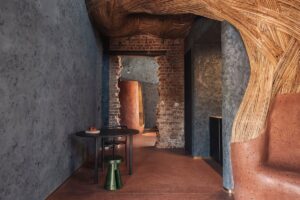
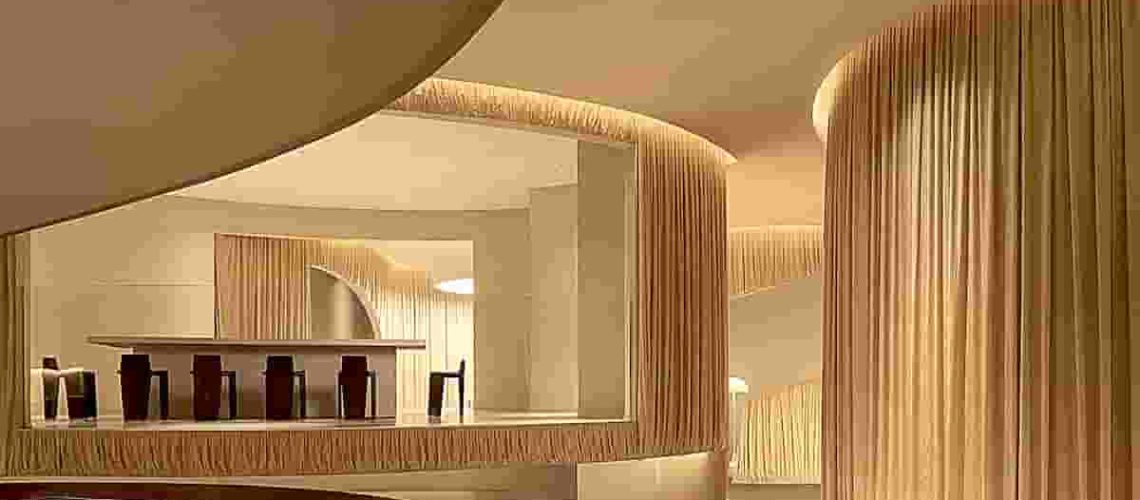
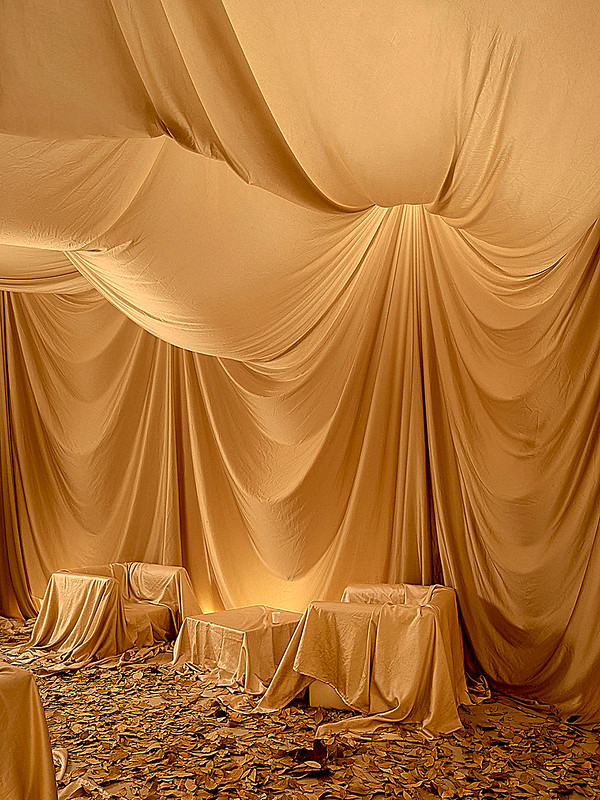
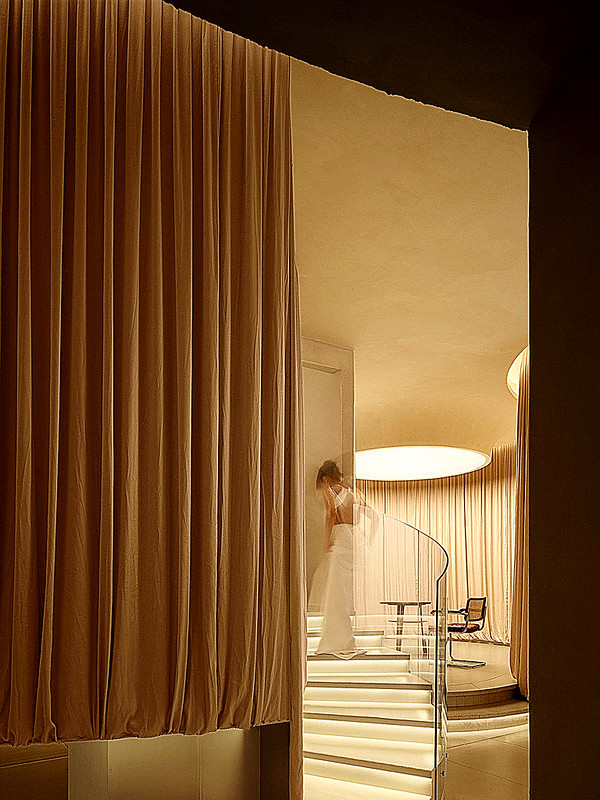
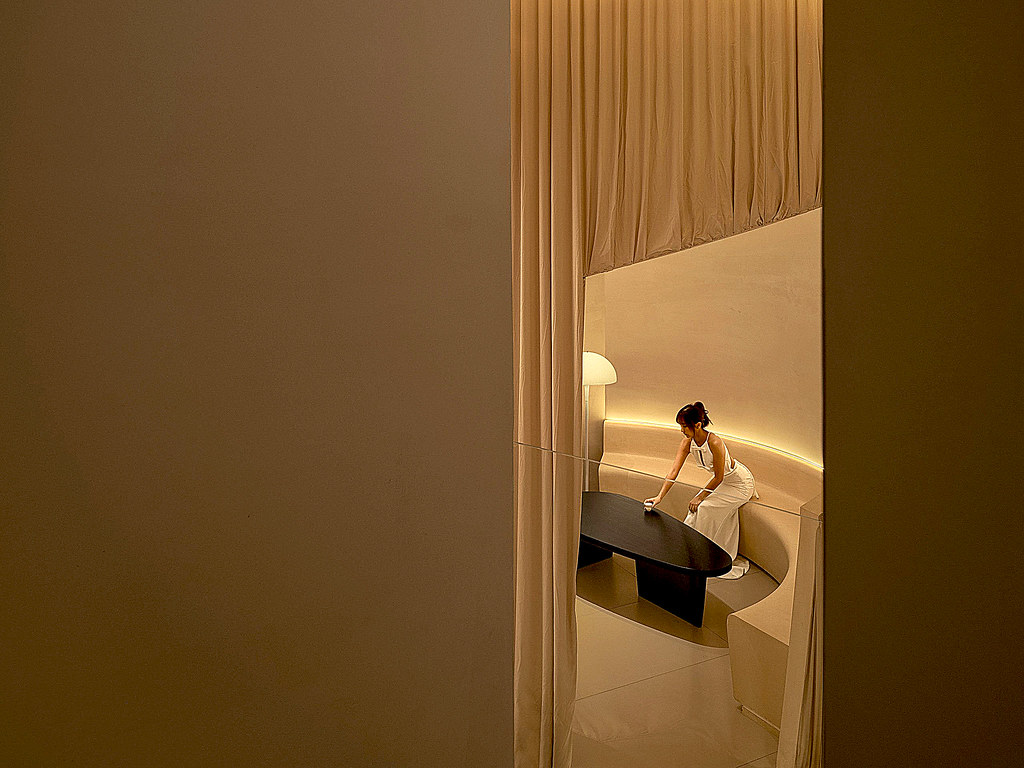
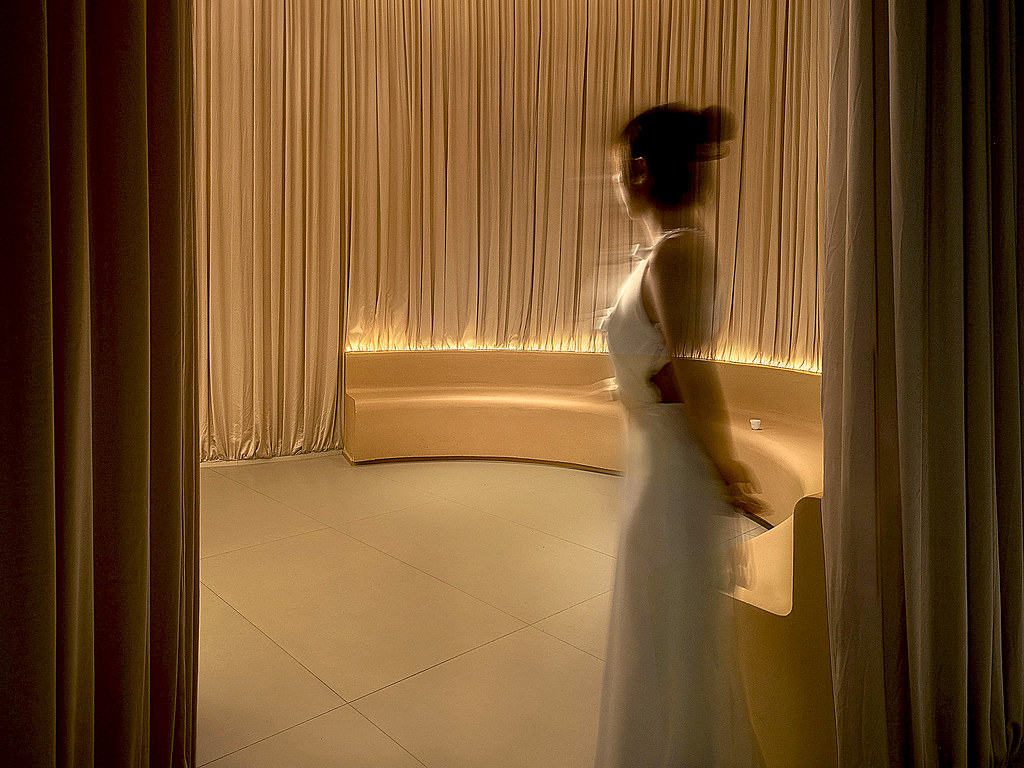
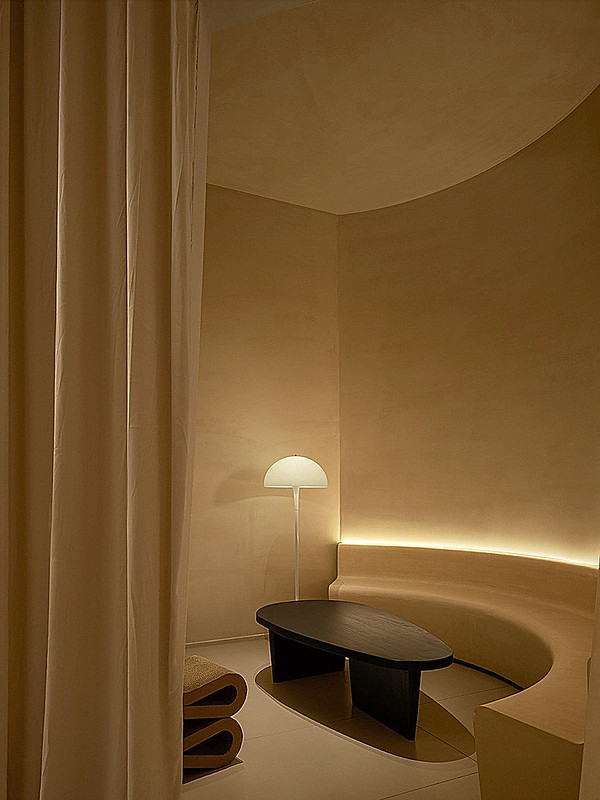
Eschewing traditional and contemporary teahouse typologies for a theatrical approach that the practice calls “emotional design”, the space organically unfolds as a series of cocoon-like rooms and alcoves blanketed in flowing curtains. Swathed in a monochromatic palette of sepia tones, the labyrinthic teahouse welcomes patrons in its warm, soft embrace nurturing a sense of exploration as much as mindfulness and relaxation.



▎Yunnan Province is considered the birthplace of tea culture, having cultivated pu’er tea ever since the 10th century – a distinction recognised by UNESCO which gave the Old Tea Forests of the Jingmai Mountain World Heritage Site status last year. The designers drew inspiration from Yunnan’s traditional tea forests, where tea is cultivated under the canopies of taller trees across the forested mountains, applying a design language of organic forms, soft textures and earthy hues to create an immersive scenography whose soulful abstraction evokes billowing clouds and flowing waterfalls.
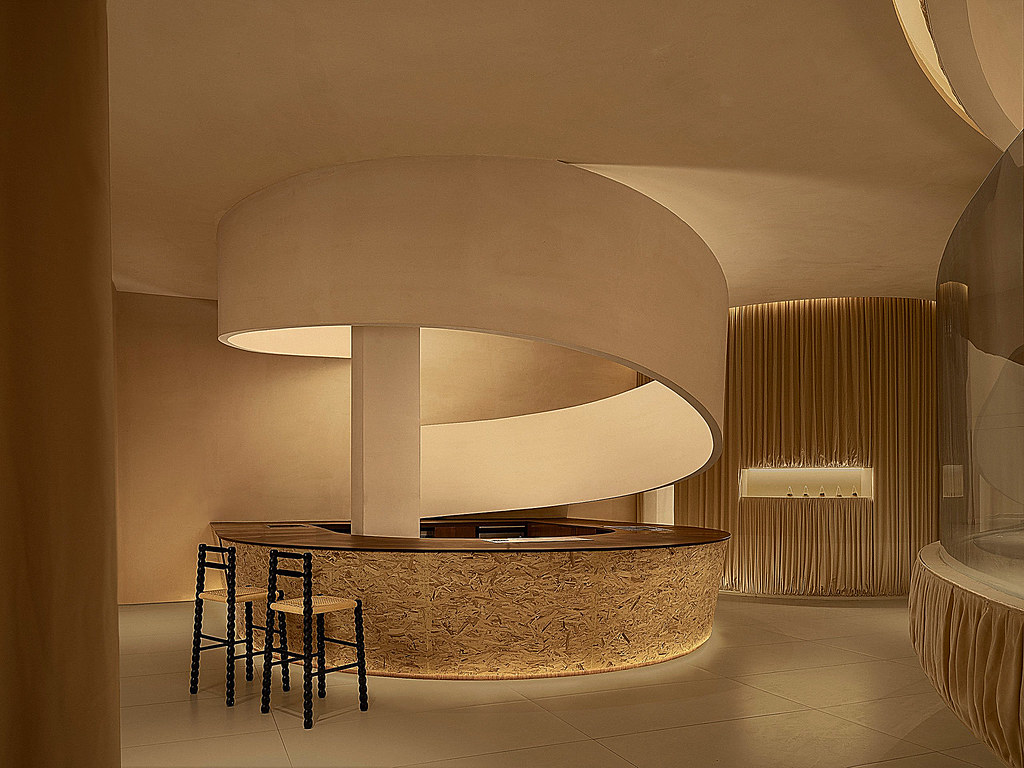
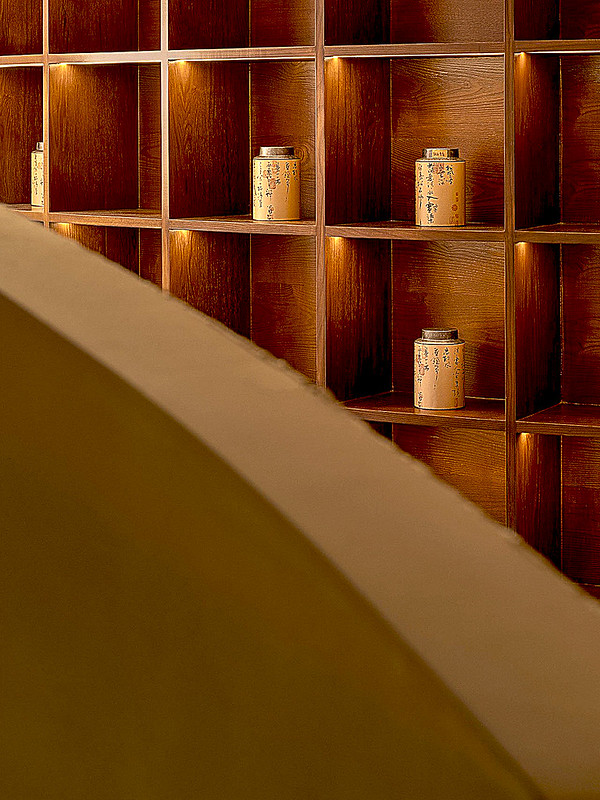
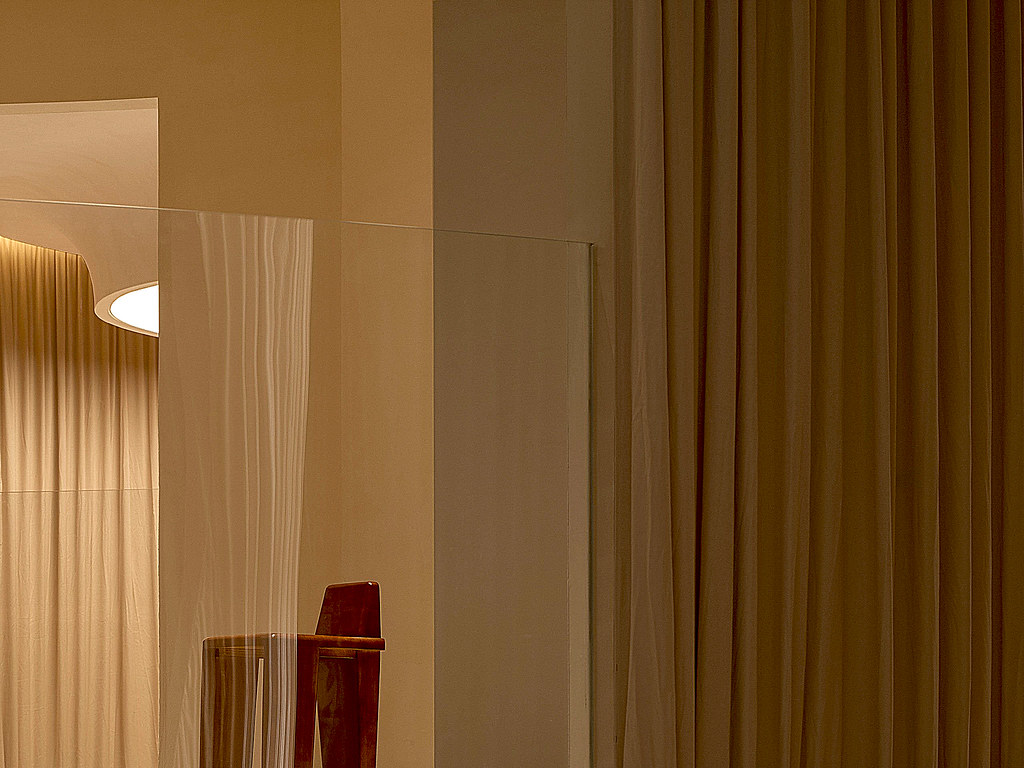
A key part of this sensation is the use of pleated drapes that clad the curvaceous volumes which populate the venue. Featuring round or oval footprints, the draped volumes house larger and more intimate tea rooms, plus an art installation in the form of an autumnal landscape, while the space around them is transformed into meandering paths that further enhance the sense of immersion. A soothing, earthy colour palette ranging from white, beige to dark brown, deepens the sense of immersion and further underlines the subtle connection with nature as do furnishings such as the check-out counter and product display that introduce timber textures. Handcrafted sculptural chairs and tables that echo the region’s cultural heritage round up the pared down interiors adding to the teahouse’s subtle sophistication.








Om onvervangbaar te zijn, moet je altijd anders zijn.
Er zijn fascinerende beelden hier, en de fascinerende dag van samen! xo
─────────────────────────────────────────────────────
Per essere insostituibili bisogna sempre essere diverso.
Ci sono immagini affascinanti qui, e l’affascinante giornata di insieme! xo KanikaChic